
Free visual inspection and a written scope of work before any mitigation begins - photos, moisture readings, and drying logs go in your claim file
The scope we write is the scope we bill. Anything new gets shown to you, in writing, before we touch it.

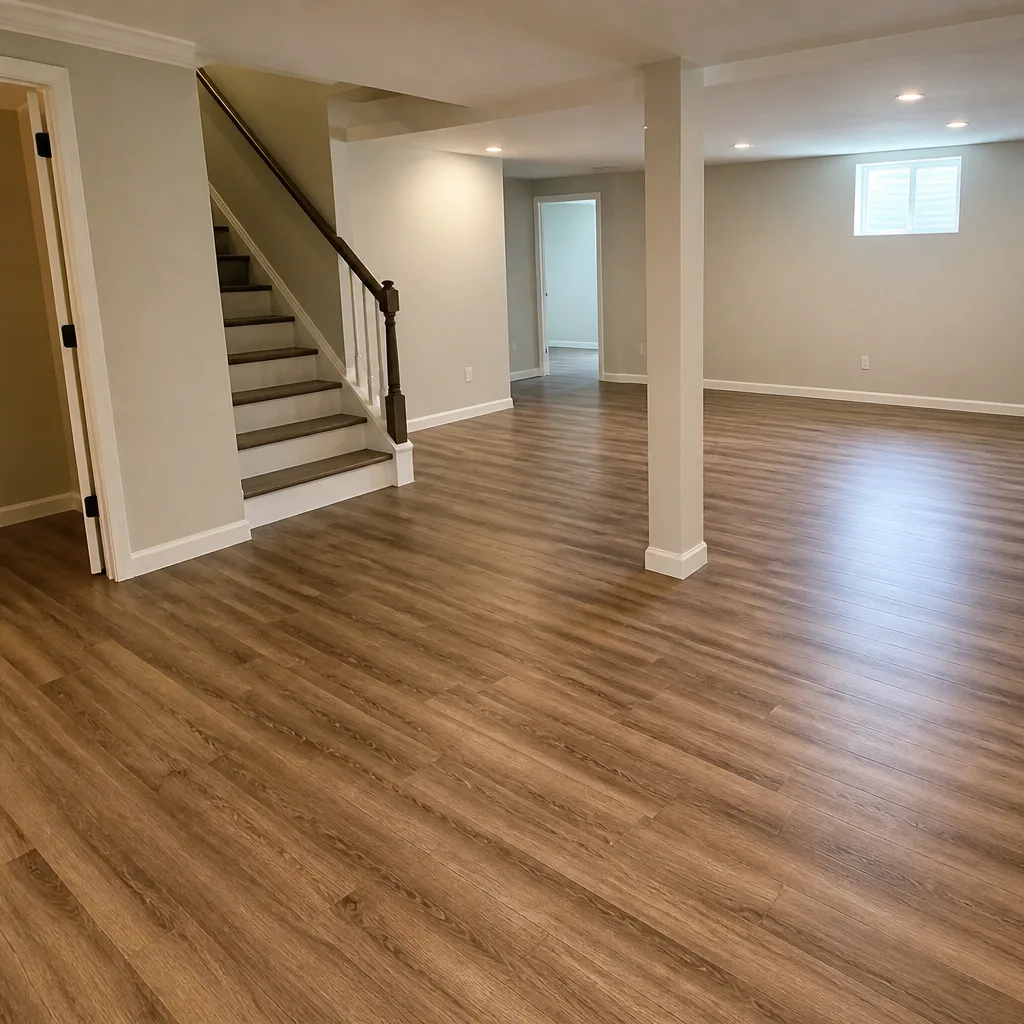
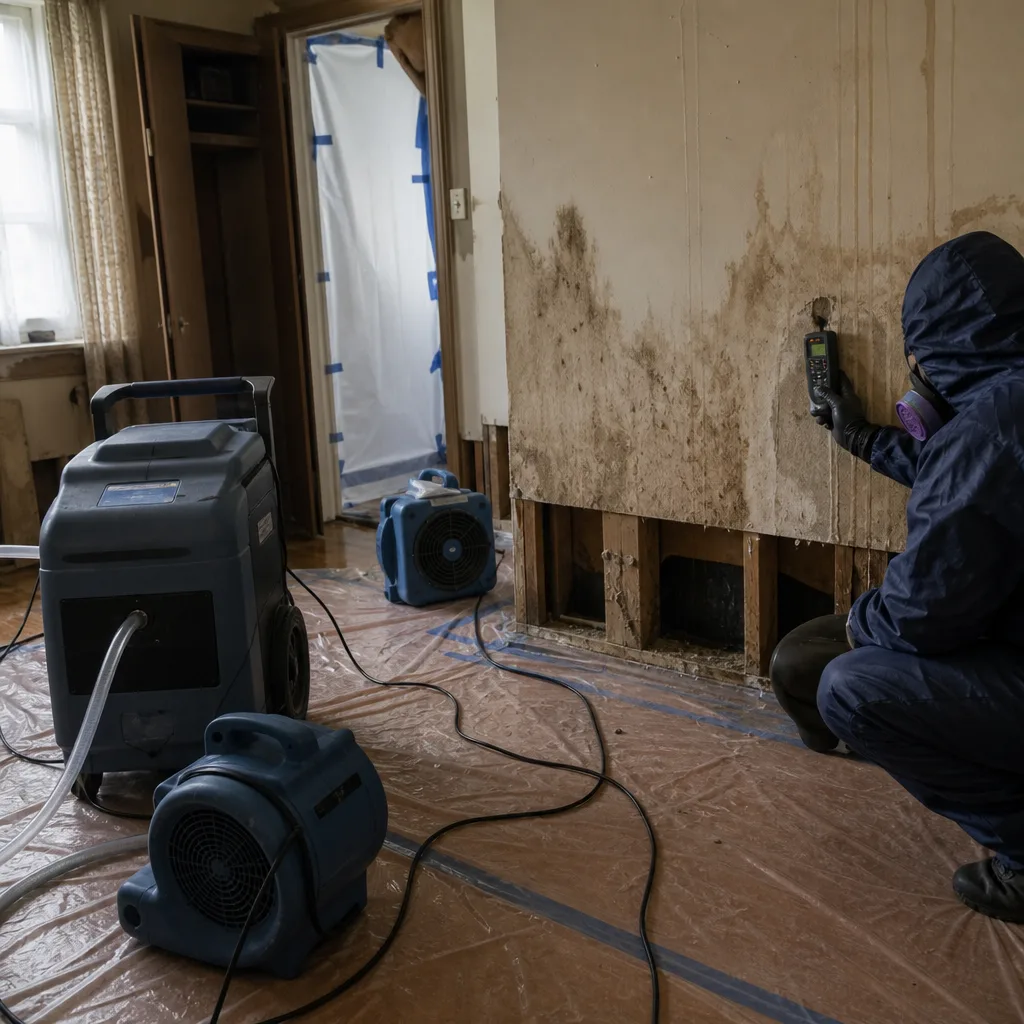 Before
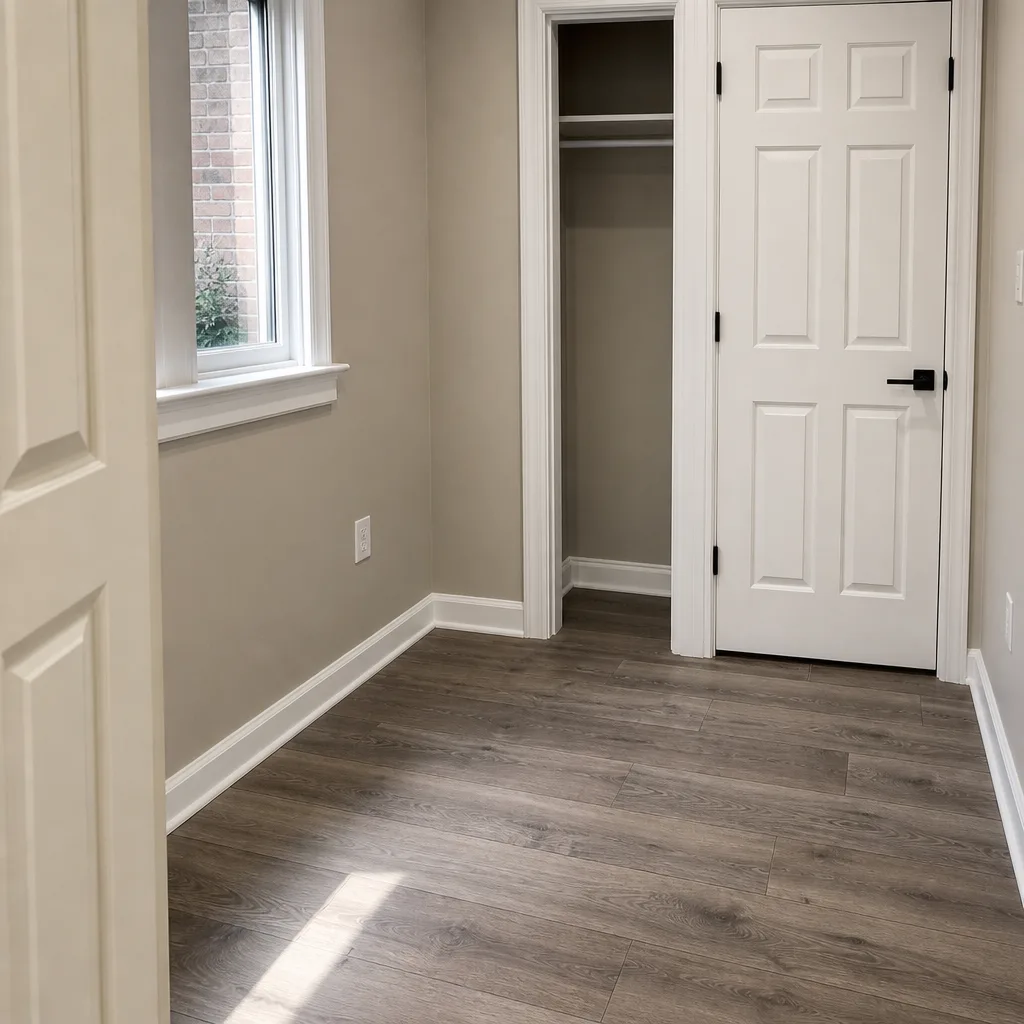 After
After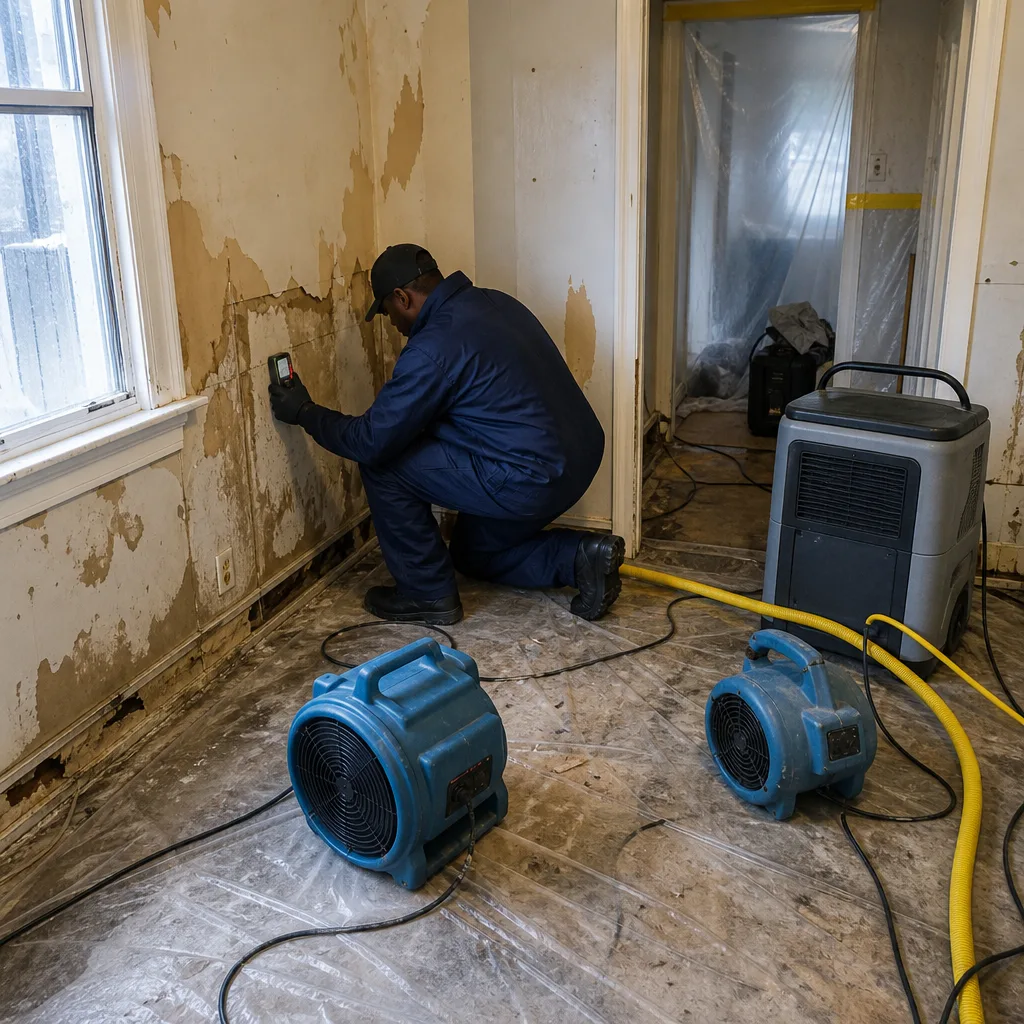 Before
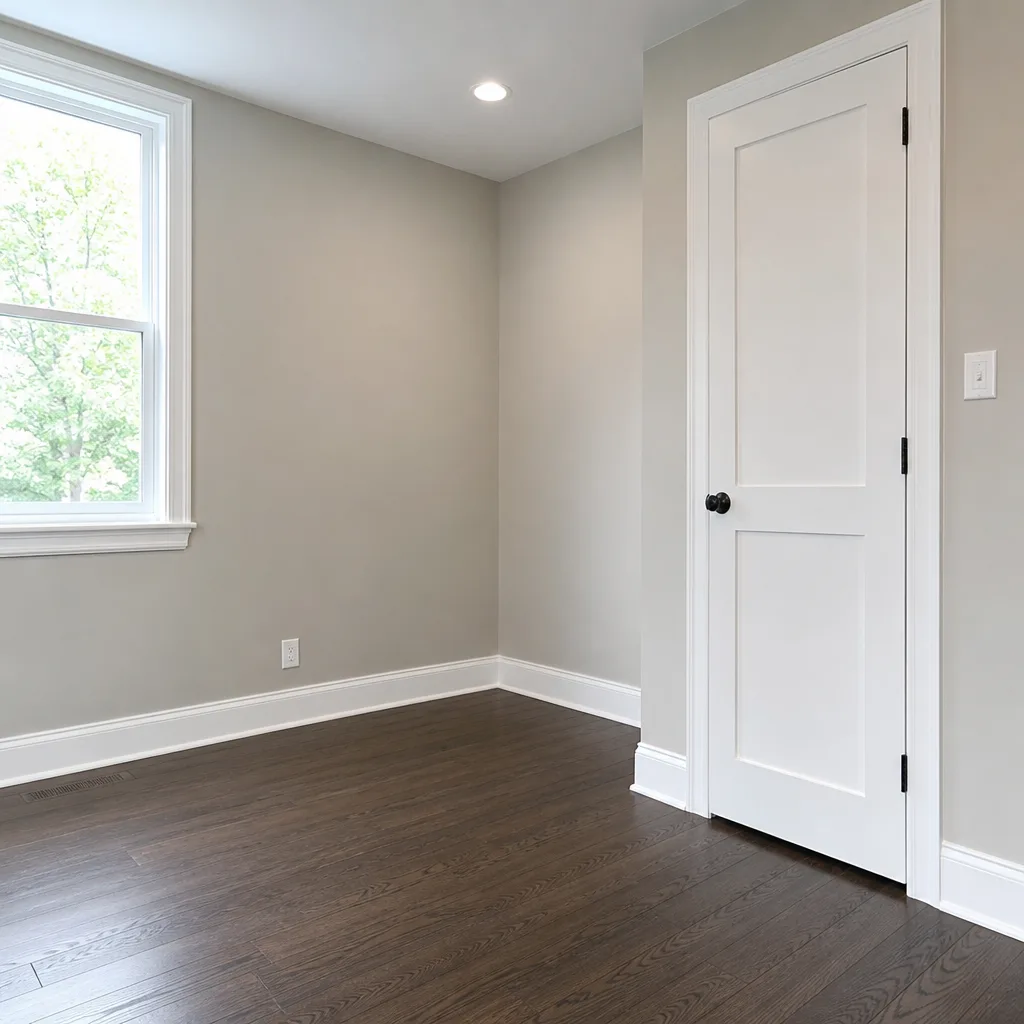 After
After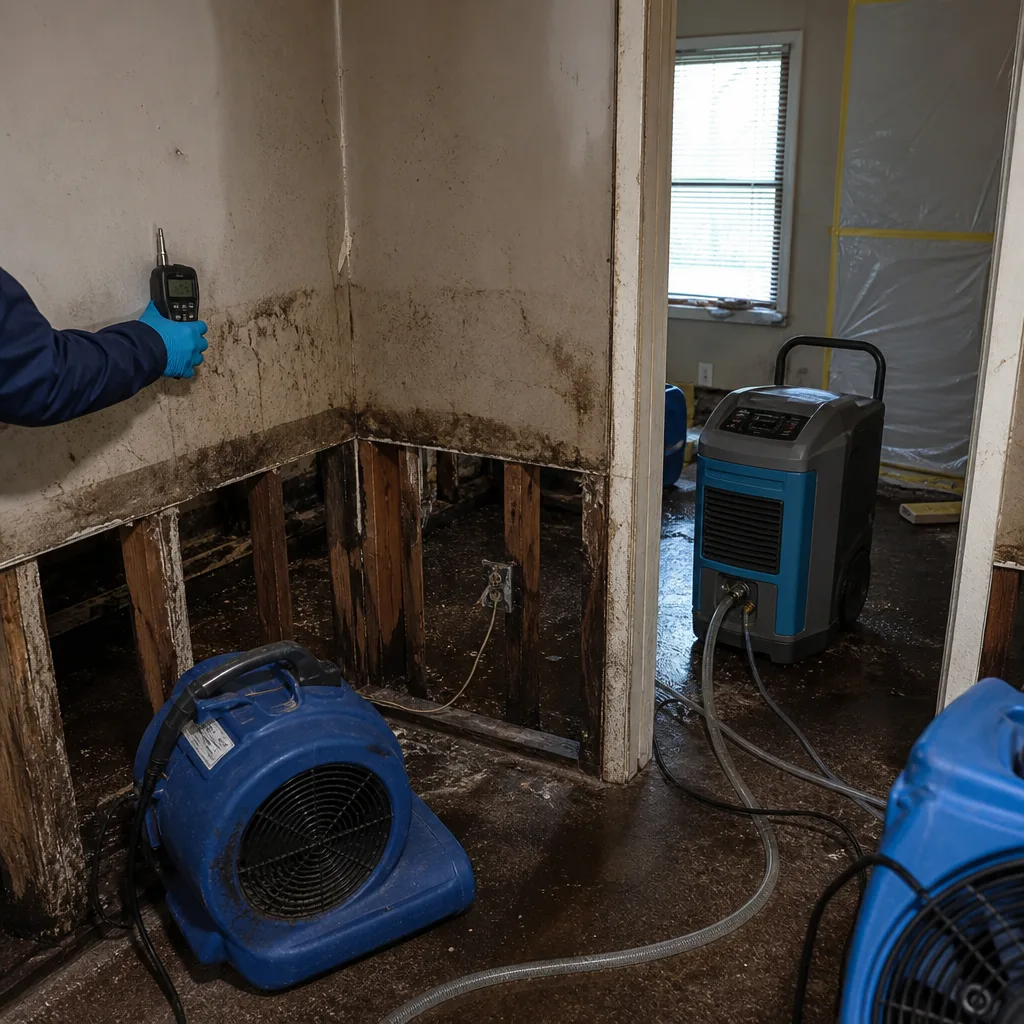 Before
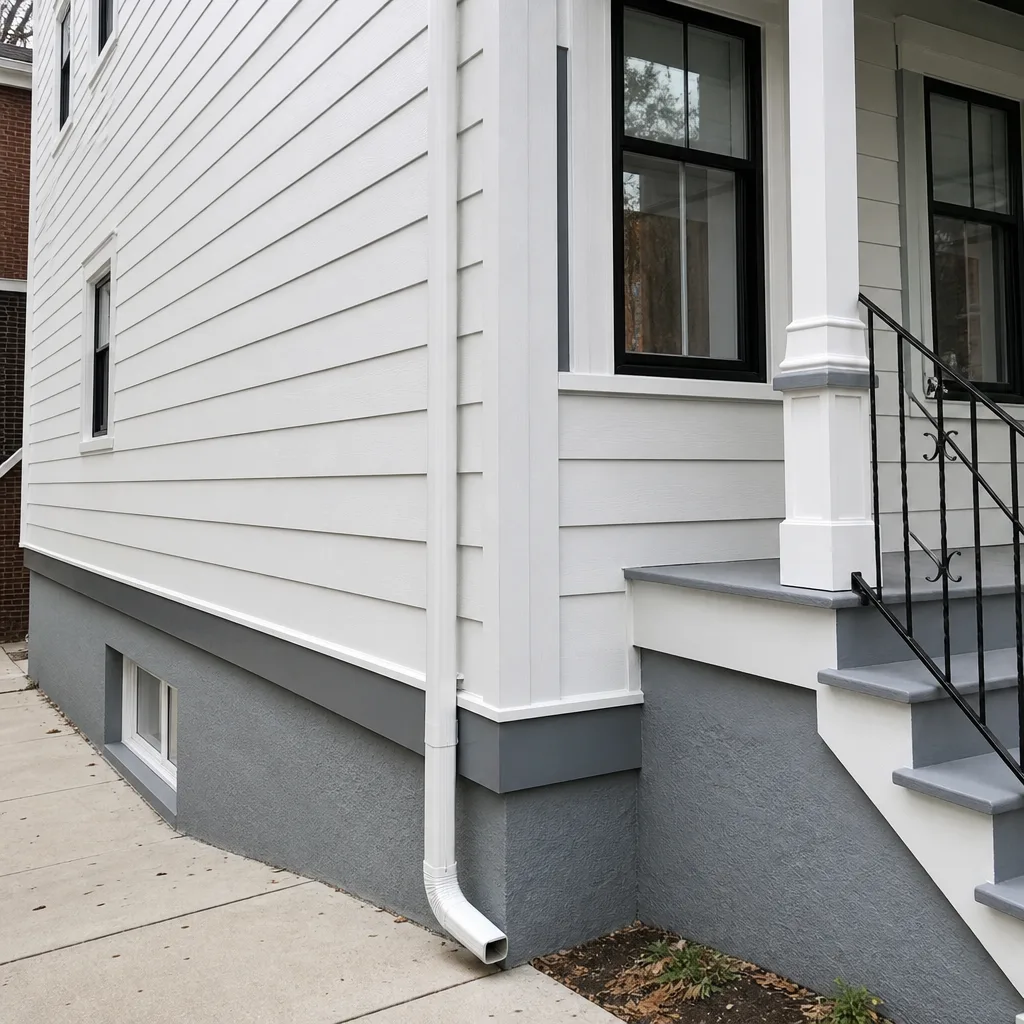 After
After24/7 Emergency Fire & Smoke Damage Restoration in Flatbush
Fire moves fast, and so do we. A small kitchen fire in a Flatbush Victorian can push soot through plaster walls and into a basement apartment below within the hour, which is why our Flatbush Sewage Cleanup protocols also inform how we handle contaminated runoff from firefighting water. That’s why Floodline Restoration Co. keeps a live dispatcher at (518) 750-3137 around the clock, every day of the year. You won’t leave a message at 2 a.m. You’ll talk to a person who can put a certified crew in motion toward your street. We arrive fast, do a free visual inspection, and start emergency board-up and soot containment the same visit. The first 60 minutes after a fire determine how far smoke damage spreads. Calling early keeps a contained fire from becoming a whole-house job.
Understanding Fire & Smoke Damage Restoration Severity in Flatbush Properties
Flatbush fires land differently than fires in newer builds. Most homes here went up between 1895 and 1925, and they’re framed with old-growth lumber and finished with horsehair plaster on wood lath. That construction changes everything about smoke and soot behavior. Dry protein soot from a kitchen fire is oily, acidic, and bonds to plaster within hours. Wet synthetic soot from burning electronics or furniture penetrates porous surfaces deeper and corrodes metal fixtures, pipe threads, and radiator valves if it isn’t neutralized quickly. Smoke migrates the way air moves: up through balloon framing, sideways through open wall cavities, and down into shared floor joists. In a Flatbush home with an unpermitted basement apartment, a second-floor fire means soot in the joist bays and odor in a second household. We classify each affected room by soot type, surface porosity, and whether the plaster behind the visible staining is dry. Surface readings don’t tell the story in a 1923 wood-frame. We go deeper before we call a room done.
Why Flatbush Property Owners Choose Floodline Restoration Co.
- 45-minute response commitment. From the time you call (518) 750-3137, a crew is dispatched toward Flatbush. We know the streets, from Cortelyou Road down to the Parade Grounds.
- Live answer, 24 hours a day. No answering service, no callback queue. A human dispatcher picks up at any hour, including holidays and the middle of the night.
- IICRC-certified crews. Our technicians hold FSRT (Fire and Smoke Restoration Technician) and WRT (Water Restoration Technician) certifications. They’re background-checked and arrive in uniform.
- Free visual inspection. We walk the property, explain what we see, and give you a written scope before any work starts. No pressure to sign on the spot.
- Direct insurance billing. We document the loss from the first hour, bill your carrier directly, and send the adjuster our readings and photos. You don’t play messenger.
- One crew, start to finish. Board-up, soot removal, odor treatment, structural repair, and final coat of paint. No mid-job handoff to a subcontractor you’ve never met.
Our Fire & Smoke Damage Restoration Process
Inspection & Assessment
We document every surface, including plaster walls, lath cavities, and basement-ceiling joist bays. Thermal imaging and moisture meters reveal what the eye can’t. The written scope shows line by line what’s affected, what’s salvageable, and what needs replacement.
Emergency Board-Up & Stabilization
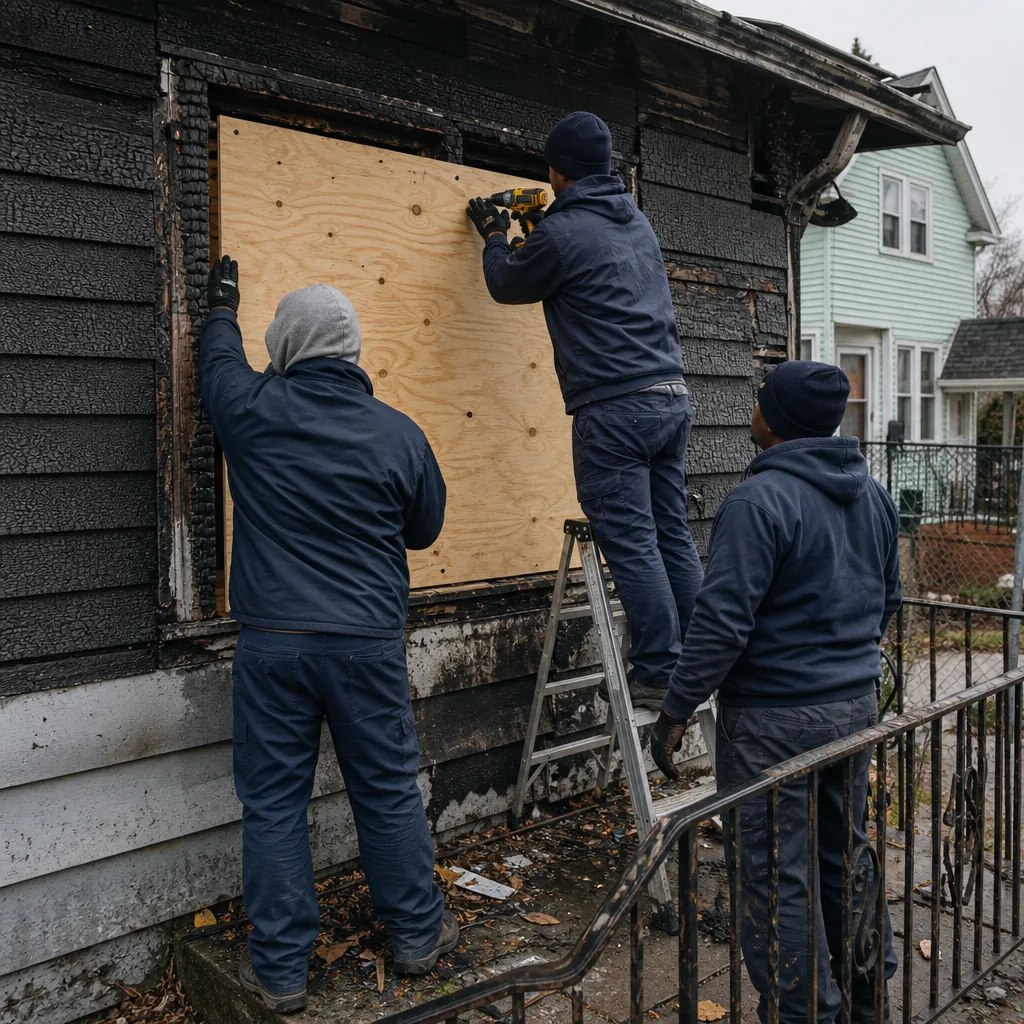
Broken windows, burned roof sections, and open walls get sealed the same day. Board-up prevents weather intrusion, deters trespass, and keeps the scene safe for adjusters and our crew.
Smoke & Soot Removal
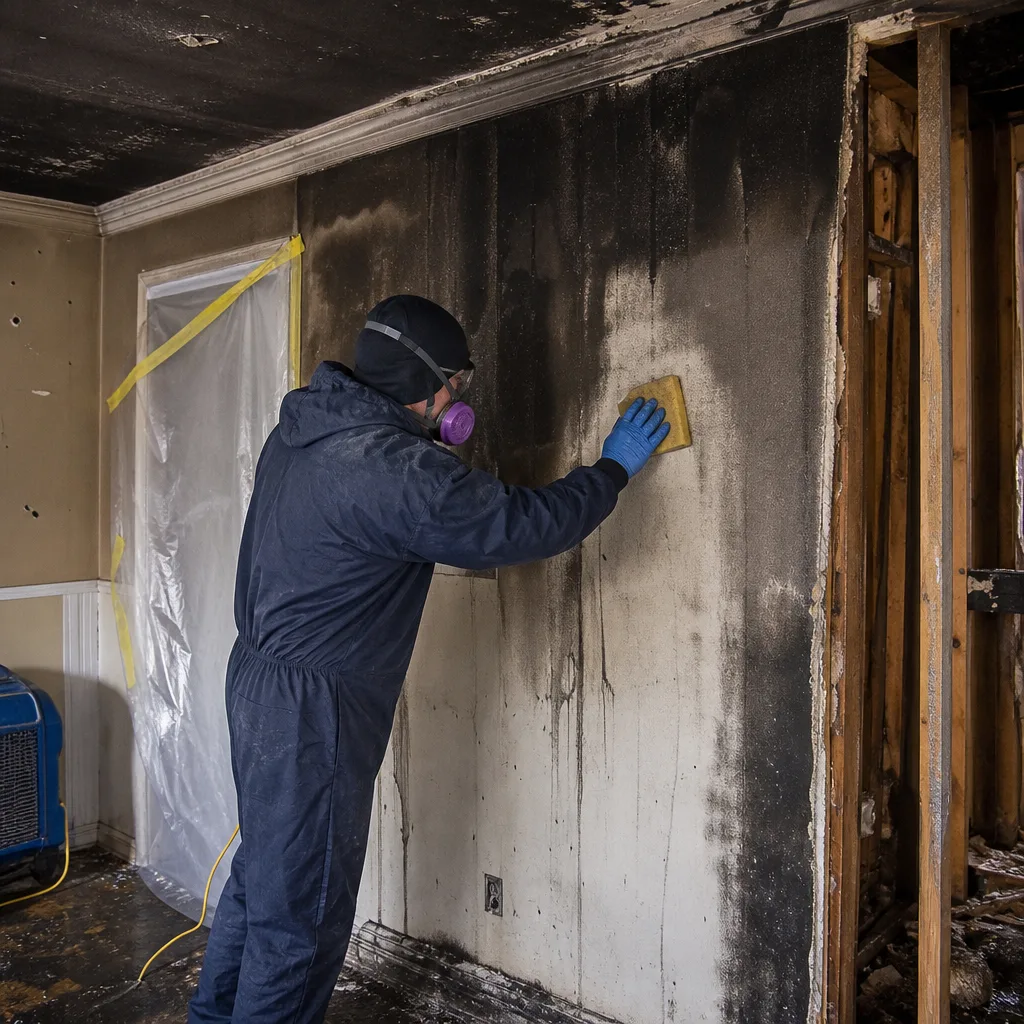
We identify the soot type, then use dry-chem sponges, HEPA vacuuming, and specialized degreasers on every affected surface. Plaster and lath get cavity access where necessary, not just surface wiping.
Cleaning & Deodorization
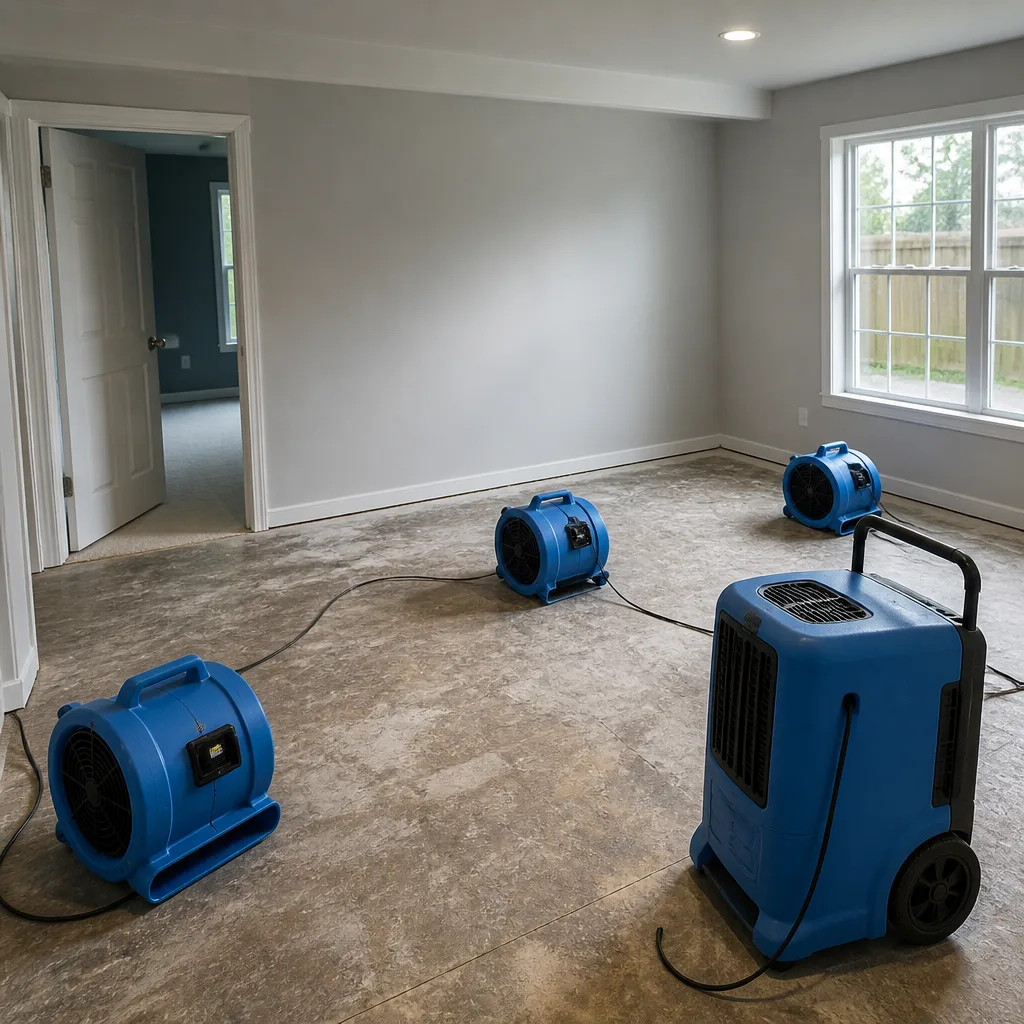
HEPA air scrubbers run during the entire job, and thermal fogging or ozone treatment neutralizes odor molecules that hide in wall cavities and under floorboards. Wood smoke is tenacious; we treat it at the source, not with air freshener.
Contents Cleaning & Pack-Out
Salvageable furniture, clothing, documents, and heirlooms get inventoried, packed out, cleaned, and stored off-site until the structure is ready. We provide a detailed itemized inventory your adjuster can use directly.
Structural Repair & Restoration
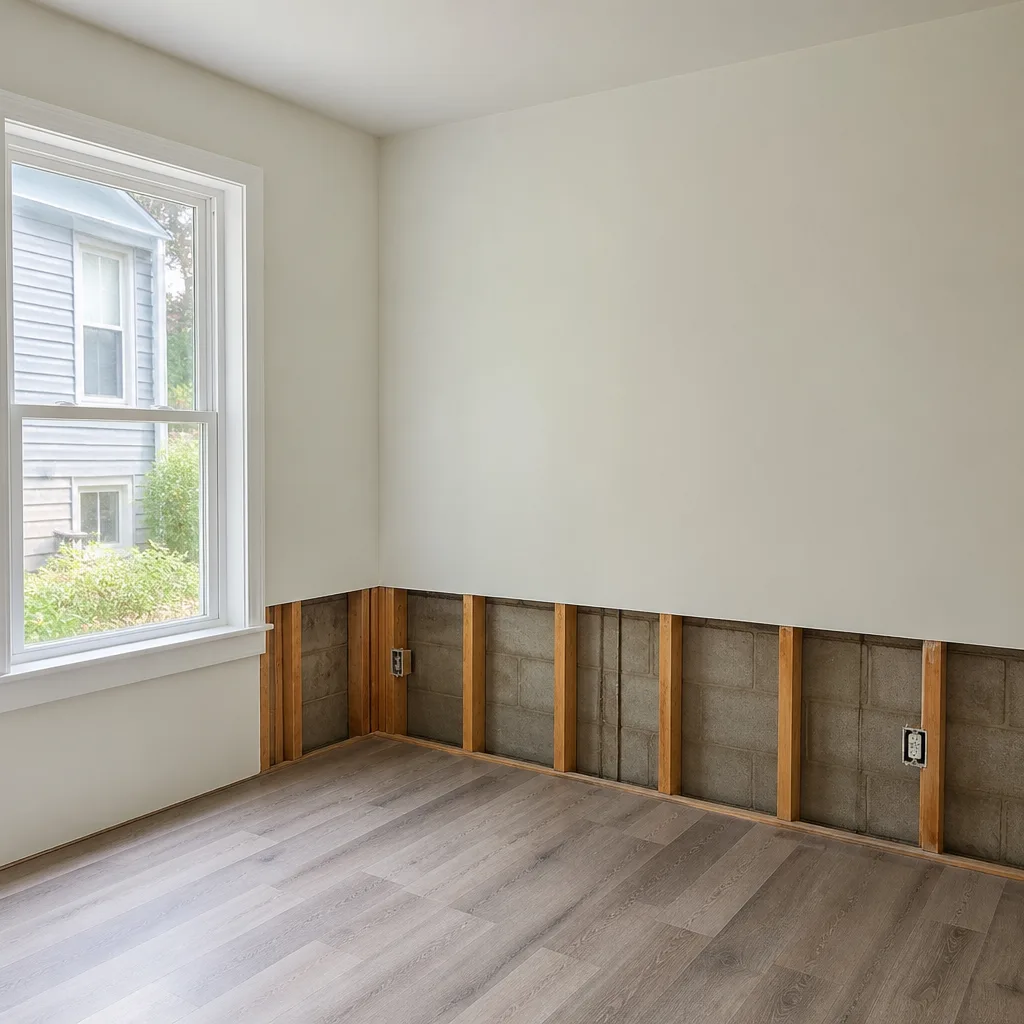
Charred framing is removed, lath and plaster are replaced in kind, and finishes are restored through our Flatbush Reconstruction & Cleanup process. Whether it’s a few studs or a full wall section, the same crew finishes what it started. The 90-Day Done Right Promise covers the completed work in writing.
Need Emergency Fire & Smoke Damage Restoration in Flatbush Now?
Crews minutes away, answering live 24 hours a day. The sooner we start, the less it costs.
Working With Your Insurance Company
Fire claims are different from water claims. The adjuster needs to see exactly what burned, what was smoke-damaged, and what our scope covers. That’s fine, because we photograph everything, from the first board-up through the final coat of paint. We run moisture readings through the entire drying period and keep a daily log showing the drying curve, so your carrier has the documentation standards require. Water used to fight the fire often causes more secondary damage than the fire itself, and insurers want proof we caught every wet cavity. We bill the carrier directly for covered work, and you see the same line items the adjuster sees. No hidden line items, no surprise change orders. If the scope changes mid-job because hidden damage surfaces, you’ll know before we spend a dollar more.
What We Provide Your Insurer
- Thorough documentation of the loss
- Photos of all damage, room by room
- Moisture readings and drying logs
- A detailed, line-item scope of work
- Direct coordination with your carrier
Built for Flatbush’s Loss Calendar
Flatbush fires don’t follow a clean seasonal calendar the way burst pipes do, but winter is the busiest season for us here. That’s when space heaters overload circuits in pre-war apartments, and original steam boilers run hard. A Cast-iron radiator that’s held for a century can still crack under a sharp cold snap, and when water hits a live outlet, fire follows. Nor’easters bring wind-driven rain into rooflines that haven’t been flashed in decades, and wet insulation can smolder against knob-and-tube wiring for weeks before anyone smells it. Spring and summer mean kitchen fires, grill mishaps, and the occasional lightning strike on a tall Victorian peak. Fall brings candle and heating accidents as the season shifts. The pattern holds: older wiring, older appliances, and older building systems fail first, and Flatbush has more of all three than any neighborhood its size in Brooklyn.
Fire & Smoke Damage Restoration Across Flatbush’s Neighborhoods
Flatbush stretches from Prospect Park’s eastern edge down past Brooklyn College and toward the Kings Highway corridor, and the housing shifts block by block. The streets around Ditmas Park and Beverley Square West hold the grandest Victorians, with wide front porches and original wood details; those homes need careful plaster preservation and period-appropriate repairs after a fire. Near Newkirk Avenue and Flatbush Avenue proper, pre-war brick walk-ups dominate, and smoke moves vertically through shared stairwells and pipe chases, affecting units three floors apart. Over by the Parade Grounds and Caton Avenue, row after row of semi-detached wood-frames share party walls, which means smoke and heat can transfer sideways into a neighbor’s wall cavity. Down near Foster Avenue and East 21st Street, converted basement apartments are common in the Caribbean-American homeowner community, and every fire job there raises the two-household question: whose damage is it, and whose policy covers what. Our crews know which blocks have balloon framing, which have fire stops, and which have both. That’s not trivia; it’s how we know where to cut and where to stop.
Specialized Fire & Smoke Damage Restoration Services We Offer in Flatbush
Emergency Board-Up & Tarping
After a fire in Flatbush, broken windows and burn-through roof sections leave the home open to weather and trespass. We board up with plywood and secure tarps over exposed roofs, usually within hours of the first call. The same crew that boards up documents what they found, which becomes the starting point for your claim.
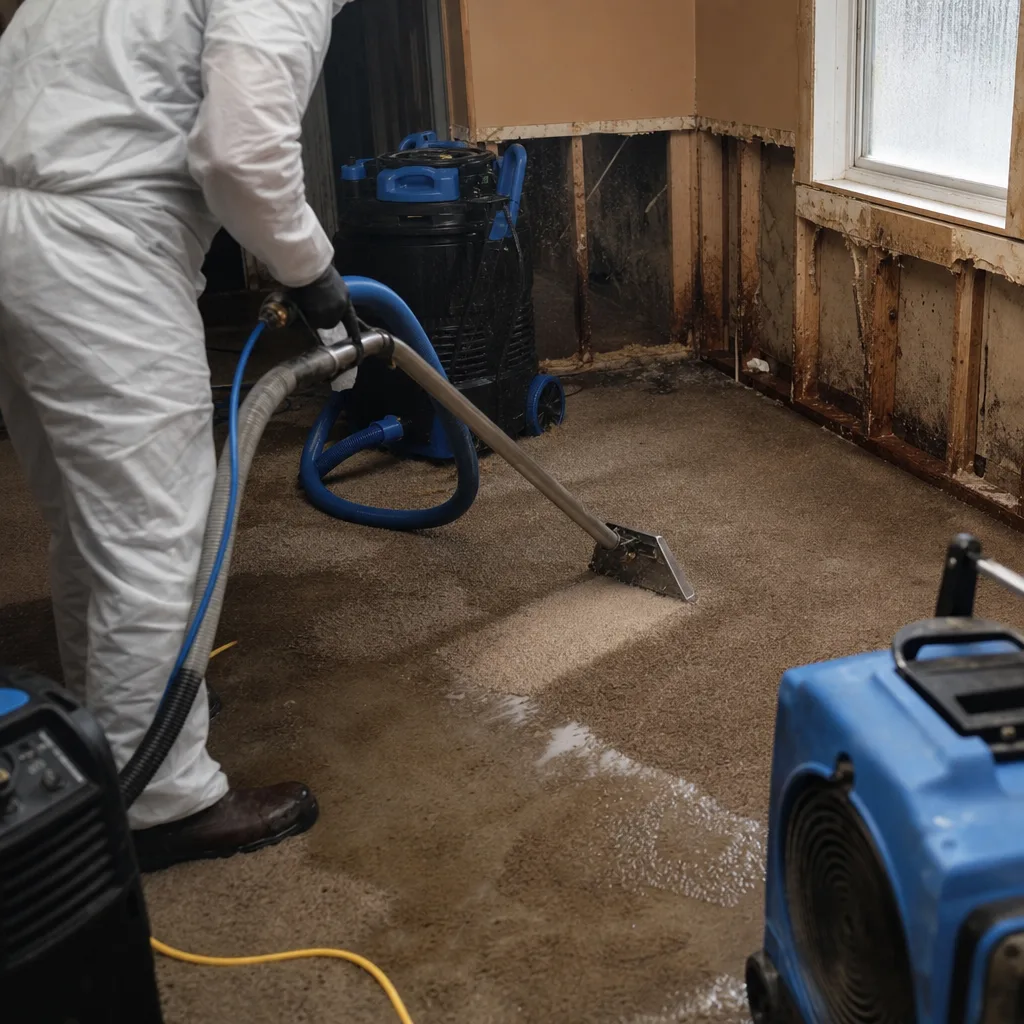
Smoke & Soot Removal
Soot from a Flatbush house fire isn’t uniform. Oily kitchen soot needs degreasing; dry synthetic soot needs dry-chem sponges and HEPA vacuuming; and smoke from burning lath and old-growth framing leaves a residue that’s deeply alkaline and corrosive. We test as we go and match the method to the surface, whether it’s 120-year-old plaster or a modern laminate floor.
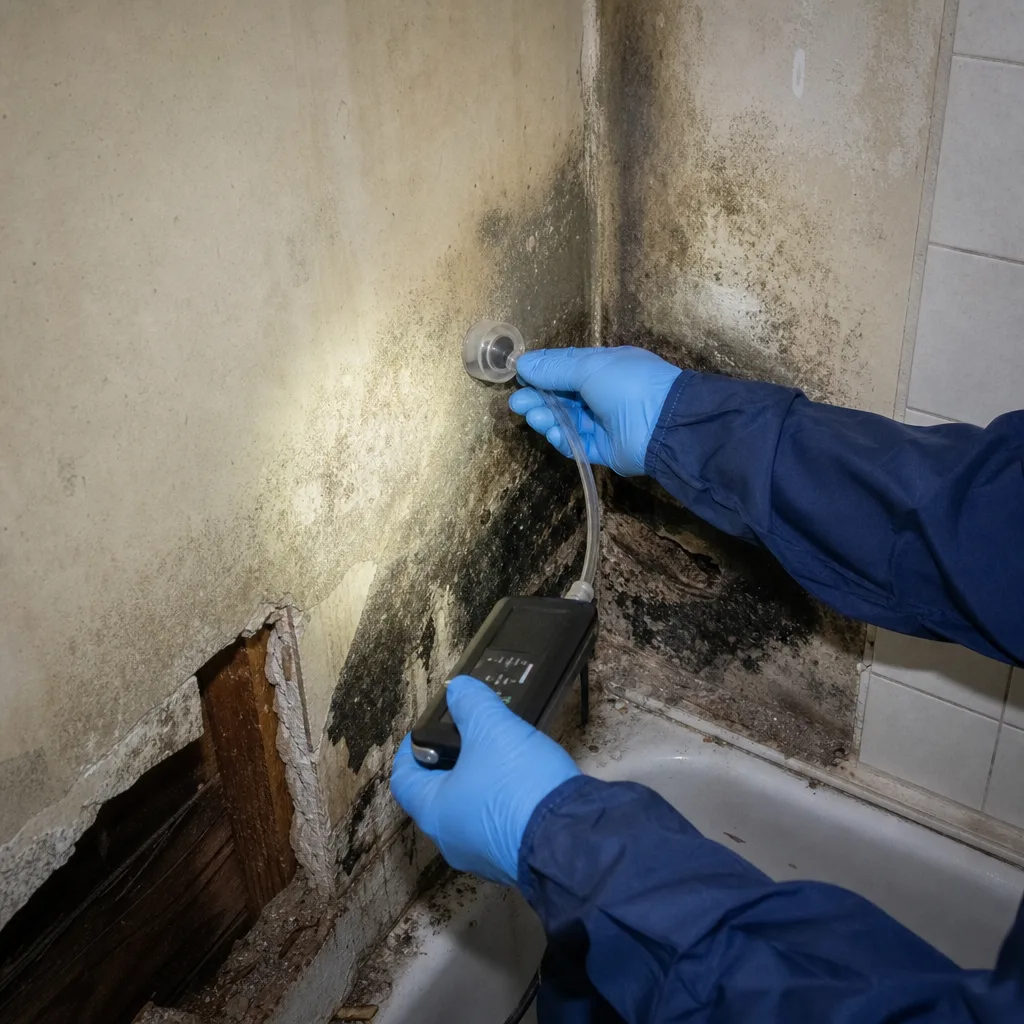
Odor Removal & Deodorization
Smoke odor doesn’t live on surfaces alone; it lives in wall cavities, under flooring, and inside ductwork. We run HEPA air scrubbers throughout the job, use thermal fogging to penetrate porous materials, and only then seal affected surfaces. Homeowners who’ve “aired out” a fire-damaged room for weeks know that open windows don’t touch odor in a lath cavity. We do.
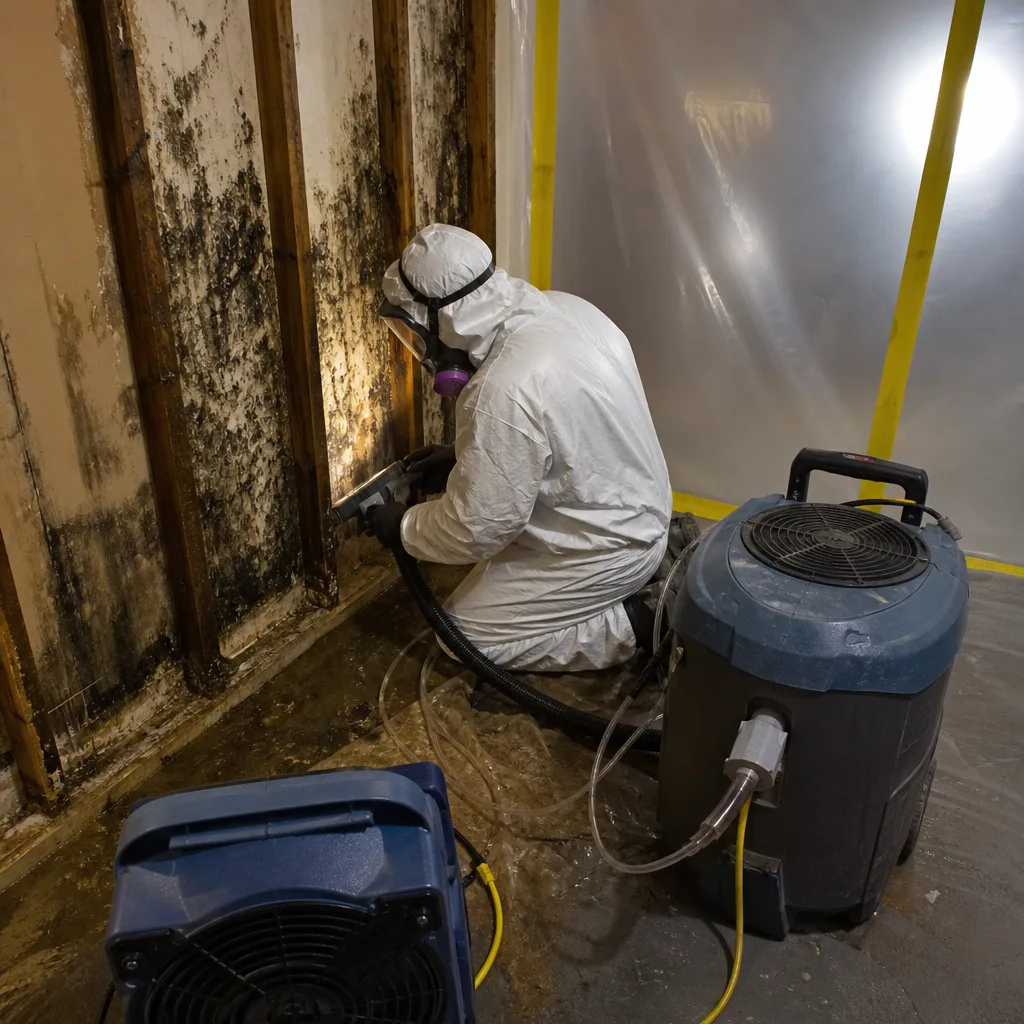
Contents Cleaning & Pack-Out
Your grandmother’s china cabinet, a child’s bookshelf, the family albums; we inventory, photograph, and pack out what’s salvageable. Items get cleaned off-site at our facility and stored until the structure is ready. Every item is logged, and the inventory goes to your adjuster as part of the claim file.
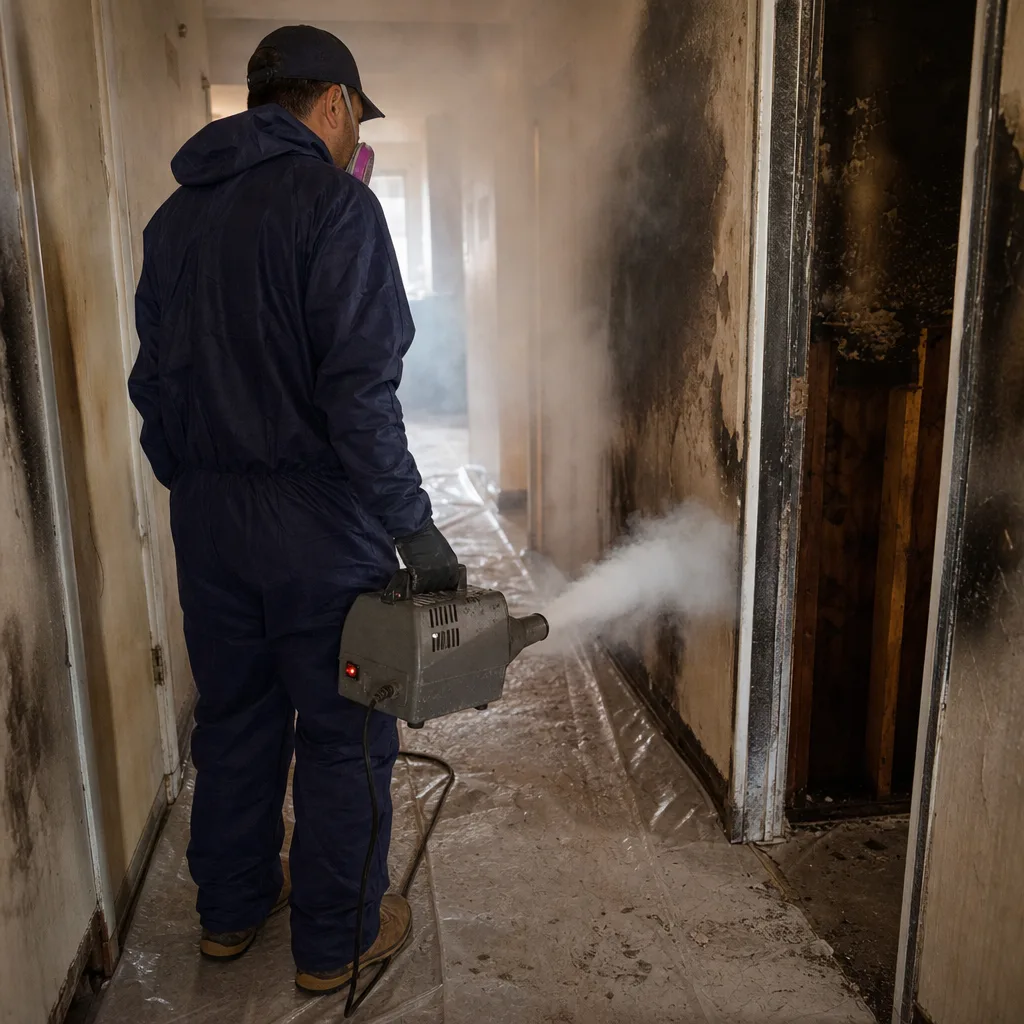
Structural Fire Repair
This is where Flatbush’s Victorian fabric makes things complicated, and where our experience matters most. Charred joists need sistering, lath and plaster need replacement in kind, and original trim profiles need custom milling. We don’t patch with drywall and call it done; we restore what the house was, because the house earned that.
For the full scope of what we handle, see our Fire & Smoke Damage Restoration services. And if you’re reading this as a homeowner in Flatbush, you’re exactly who this page is written for.
What happens when you call
- 1
A real person answersNo phone trees - you reach a local pro.
- 2
You get an upfront price rangeHonest numbers before anyone is dispatched.
- 3
A background-checked tech heads outLicensed & insured, dispatched right away.
- 4
You approve before work beginsNothing starts until you say go.
Fire & Smoke Damage Restoration Costs in Flatbush, NY
Here are honest numbers for this market. Emergency board-up and tarping in Flatbush typically runs $400 to $1,200, depending on window count and roof exposure. Smoke and soot removal in a single large room, including HEPA scrubbing and sponge work, usually lands between $1,500 and $3,500. Whole-floor odor treatment with thermal fogging and air scrubbing runs $2,000 to $5,000. Contents pack-out and cleaning for a multi-room fire starts around $3,000 and climbs with volume. Structural fire repair is priced per scope after demolition exposes the true extent; small charred-joist repairs start near $2,500, while full wall and ceiling rebuilds in a Victorian with plaster restoration can run $15,000 to $40,000 or more depending on trim, electrical, and lead-paint abatement. Most Flatbush fire claims are insurance-covered, and we bill the carrier directly. Your out-of-pocket is usually the deductible. Call (518) 750-3137 for a free visual inspection and a written scope. No charge for the estimate, no obligation to proceed.
We Also Serve Cities Near Flatbush
Our crews work throughout central and south Brooklyn. We regularly serve East Flatbush, Sunset Park, Bedford-Stuyvesant, and Bensonhurst from our Flatbush response area. If you’re just outside the neighborhood line, call (518) 750-3137 and ask. We’ll be straight with you about timing.
Flatbush Fire & Smoke Damage Restoration Questions, Answered
How fast can you get to Flatbush?
We typically arrive within 45 minutes anywhere in Flatbush. A live dispatcher fields your call at (518) 750-3137, and a certified crew is on the road within 15 minutes. Board-up and smoke containment start the same visit.
How does Flatbush’s Victorian plaster-on-lath construction affect fire and smoke damage restoration?
Plaster on wood lath creates hidden wall cavities that trap smoke, heat, and moisture behind the visible surface. We open small access points, inspect the lath and stud cavities with thermal imaging, and dry or deodorize inside the wall. Surface treatment alone leads to odor rebound weeks or months later, which is the most common regret we hear from Flatbush homeowners who’ve had previous fire jobs done poorly.
Does fire damage spread differently in Flatbush’s wood-frame Victorians compared to brick row houses?
Yes. Wood-frame balloon construction lets fire and smoke travel vertically through continuous wall cavities from basement to attic, faster than in brick row houses with fire stops. Brick homes confine smoke more, but send it sideways through shared party walls. We map the framing style before we decide where to open and how far to chase smoke.
What should I do about knob-and-tube wiring after a fire in my Flatbush home?
Have it evaluated by a licensed electrician, and don’t assume untouched circuits are safe. Charred insulation and heat-weakened splices can fail days after the fire. We coordinate with a trusted local electrician, and if the knob-and-tube is damaged, it usually gets replaced as part of the structural repair scope before walls are closed.
How do you address smoke damage in a Flatbush home with converted basement apartments?
We treat the building as one envelope, not two households. Smoke in shared joist bays and common plumbing chases affects both units, and we document both. That creates a clean insurance file and keeps you out of the middle. We won’t pretend one unit’s problem isn’t the other unit’s problem. Hidden smoke in a tenant-occupied basement apartment is a liability and a health issue, and we document it thoroughly as part of our Flatbush Biohazard & Crime Scene Cleanup standards.
Can original steam radiators and pipes be saved after a fire in Flatbush?
Often yes, but each radiator and section of pipe has to be assessed individually. Fire heat can warp cast iron and crack old joints, and asbestos insulation on steam pipes can be disturbed during firefighting. We have the radiators pressure-tested by a plumber, and if asbestos is present, we bring in a licensed abatement contractor. No one on our crew touches friable asbestos. That’s a hard line.
Will my insurance cover fire damage restoration in Flatbush?
Most homeowner policies cover fire and smoke damage, including the water from firefighting. The exceptions are usually code-coverage limits on knob-and-tube replacement or unpermitted apartment upgrades. We document everything photographically and provide your adjuster with a complete line-item scope, which is the fastest way to get the full claim approved. Call us at (518) 750-3137, and we’ll help you talk through your policy with your carrier.
Can we stay in our Flatbush home during fire damage restoration?
Depends on the scope. If the fire was contained to one room and the rest of the home tests clear, you may be able to stay. If smoke migrated through wall cavities or into a basement unit below, temporary relocation is often safer and usually covered by insurance as Additional Living Expense. We give you an honest assessment during the free inspection, and we’ll put that assessment in writing for your adjuster.
Serving Flatbush, NY - Our Local Coverage Area
We’re based in the Flatbush area and know this community well. Use the map below to see our service coverage - if you’re nearby, we can almost certainly help.
The Field Truth About Flatbush Fire Damage
Flatbush sits at the heart of what preservationists call Victorian Flatbush, a dense concentration of 1895 to 1925 wood-frame homes that hold original knob-and-tube wiring at a scale no neighboring Brooklyn district still has. That’s the detail that shapes nearly every fire job we run here. A fire that starts in a second-floor bedroom in a 1923 Colonial Revival on East 21st Street near Cortelyou Road isn’t just a fire. It’s an event inside a 120-year-old electrical system that’s been carrying loads its original designers never imagined, protected by horsehair plaster that hides heat migration, and sharing floor joists with a basement apartment that may or may not appear on any legal document. We’ve worked that exact scene more times than we can count, and the first move is always the same: contain, document, and find the hidden heat before it finds another pocket of old dry lath.
On a recent Victorian fire, our crew performed emergency board-up first, then set HEPA air scrubbers before touching a single sooted surface. The fire had started in a bedroom wired with original knob-and-tube. After the smoke cleared, we documented every affected plaster wall, then removed charred lath to expose hidden embers in the wall cavities. Thermal imaging and moisture mapping confirmed no smoldering pockets remained before structural drying started. That’s the difference between a fire restoration that lasts and one that reignites, and Flatbush homeowners deserve the first kind.
Every fire restoration in Flatbush is a little different, because every Victorian here has its own stack of modifications, repairs, and previous owners’ shortcuts. We read the house before we touch it. And we stand behind the work when we’re done.
Written by Curt Bowman, Owner at Floodline Restoration Co. Our crew runs the 90-Day Done Right Promise on every job: if it’s not done right, we make it right, in writing, no arguing.