
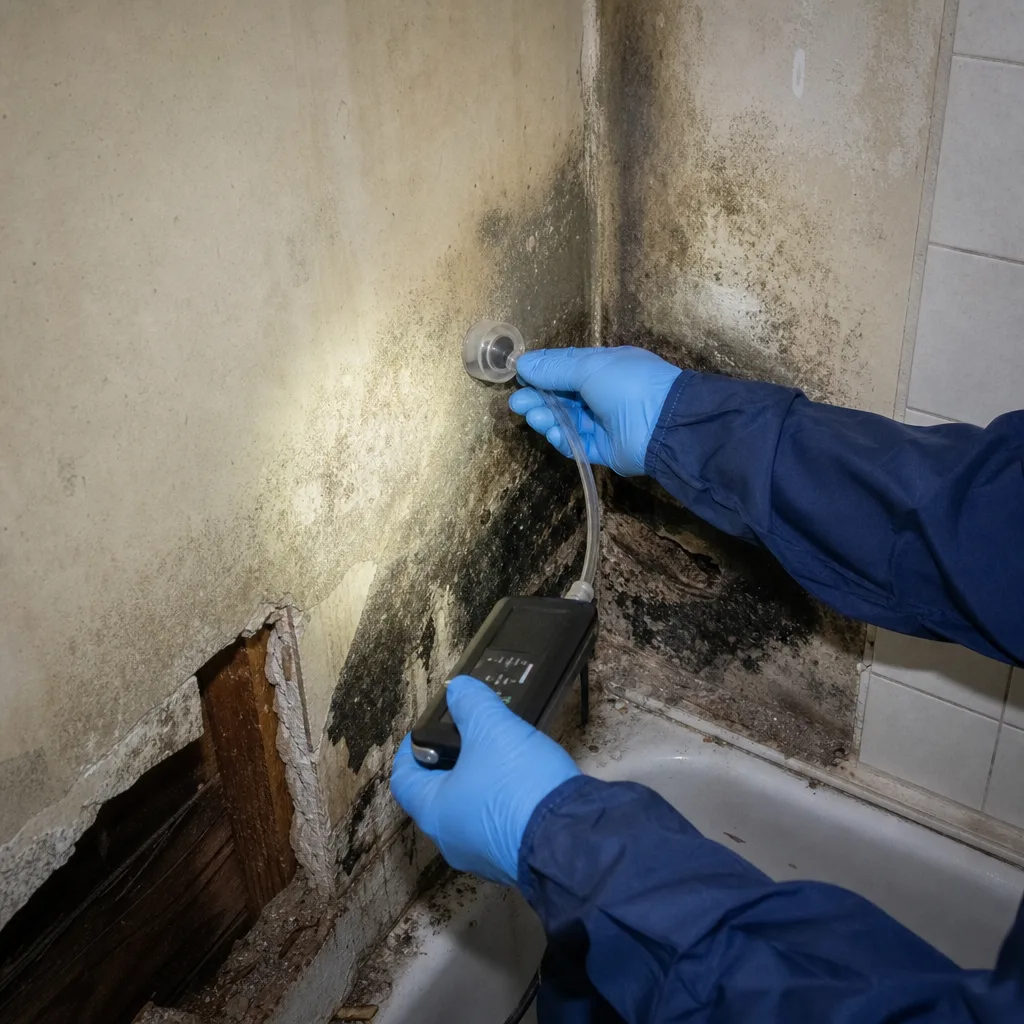
Free visual inspection and a written scope of work before any mitigation begins - photos, moisture readings, and drying logs go in your claim file
The scope we write is the scope we bill. Anything new gets shown to you, in writing, before we touch it.
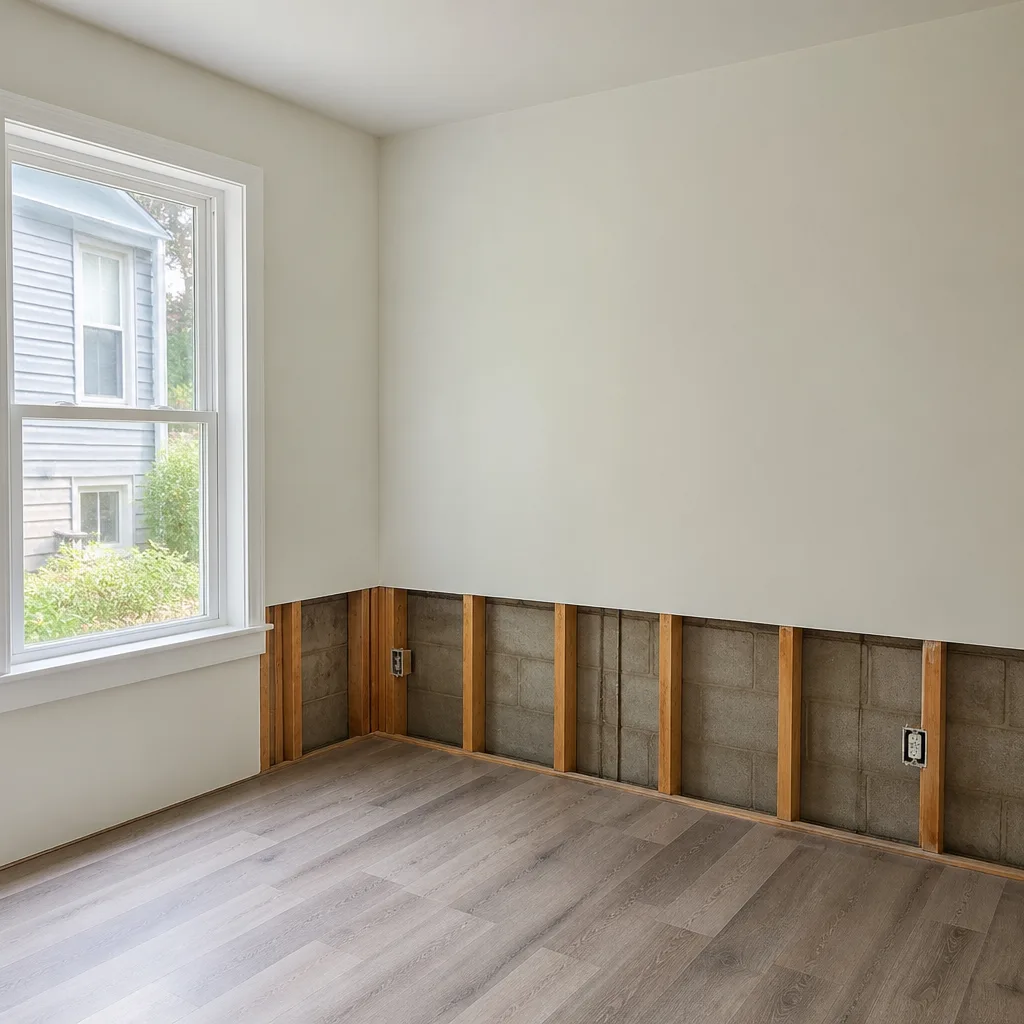
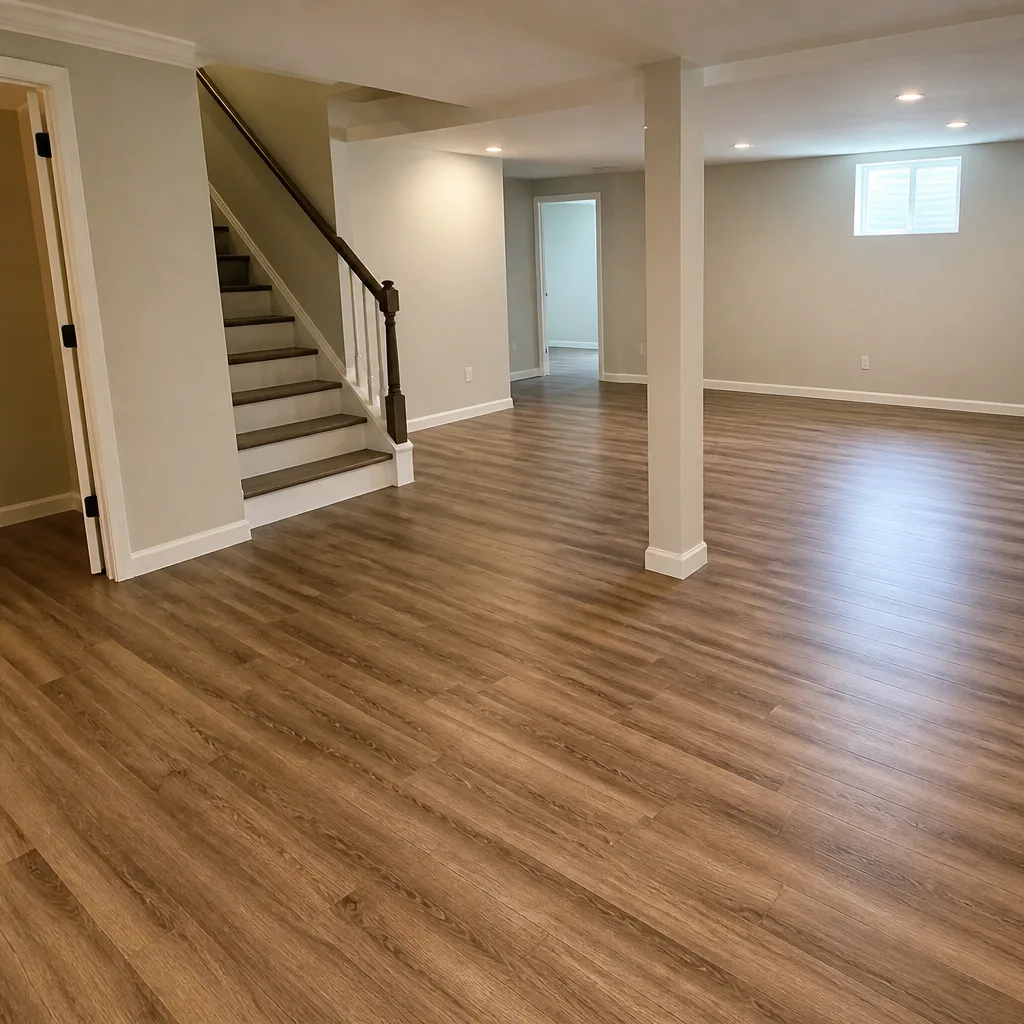
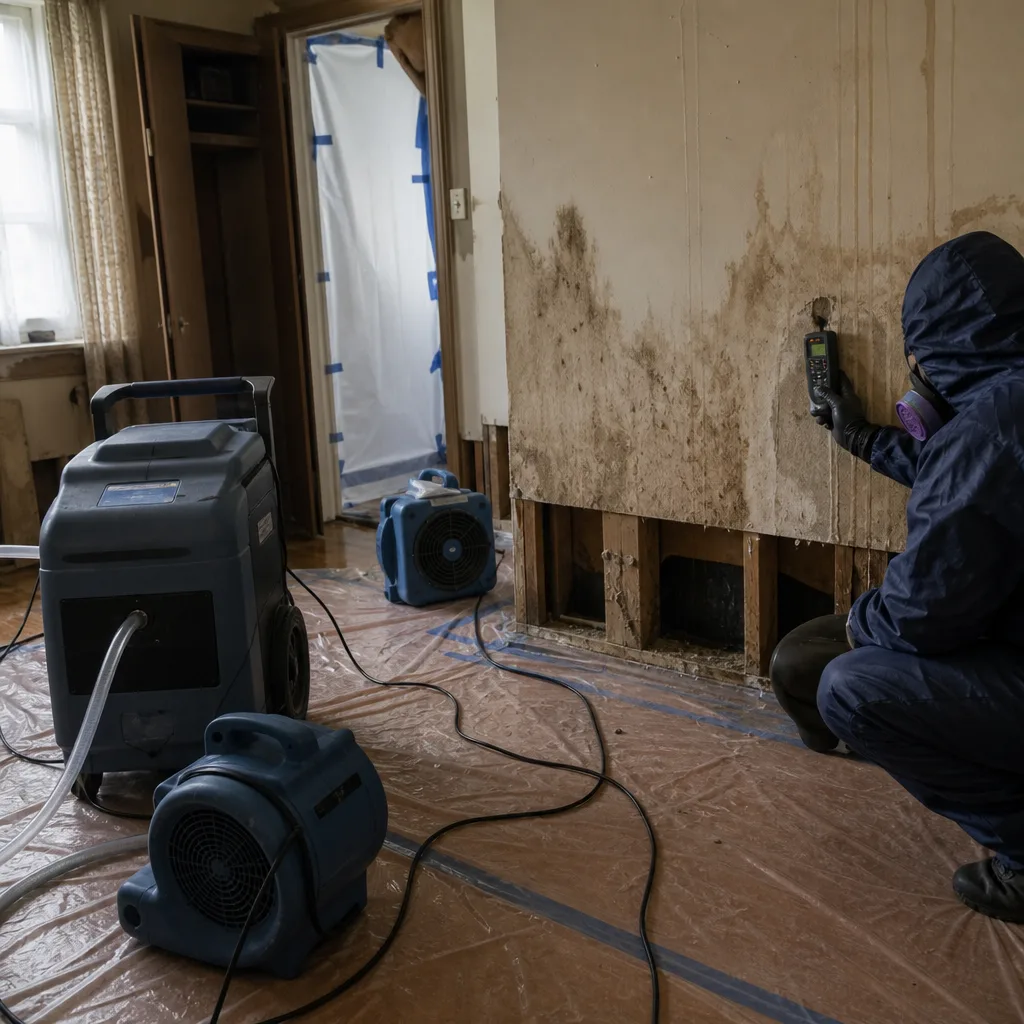 Before
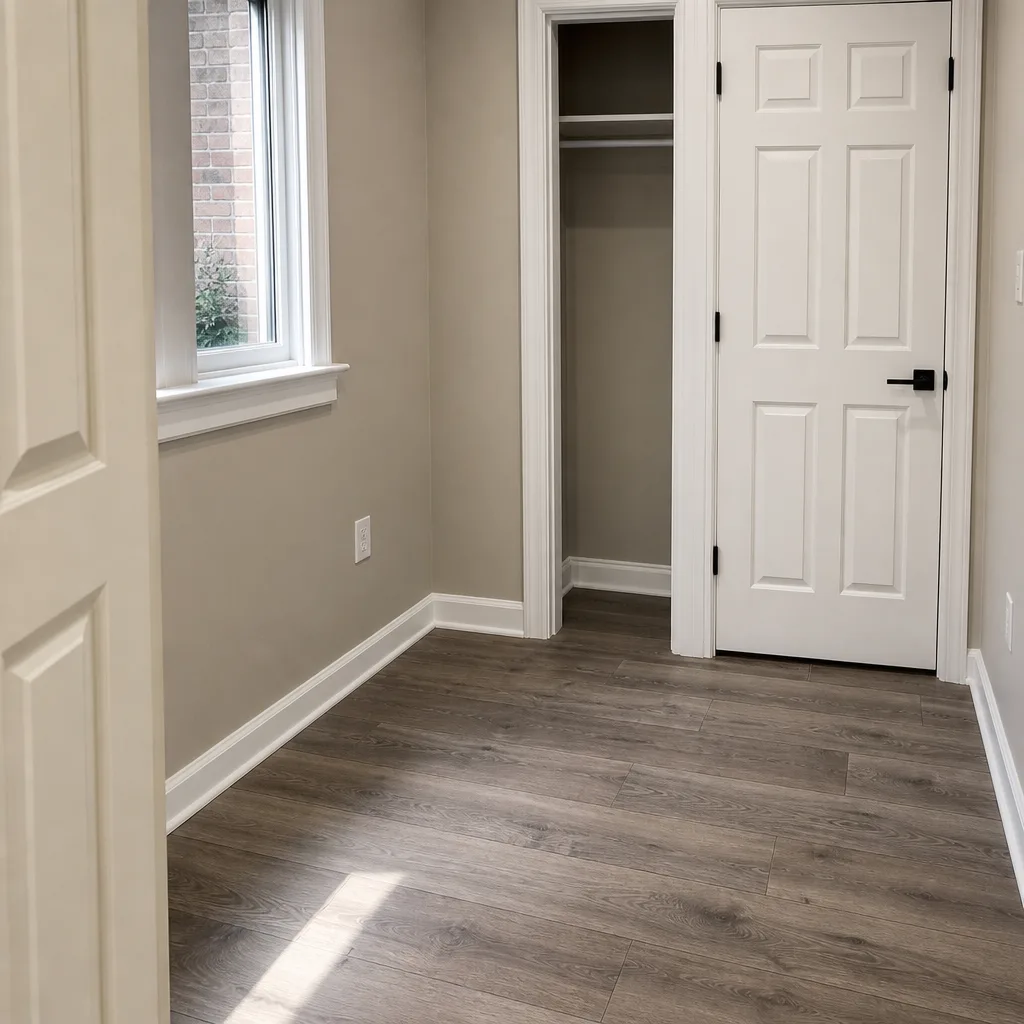 After
After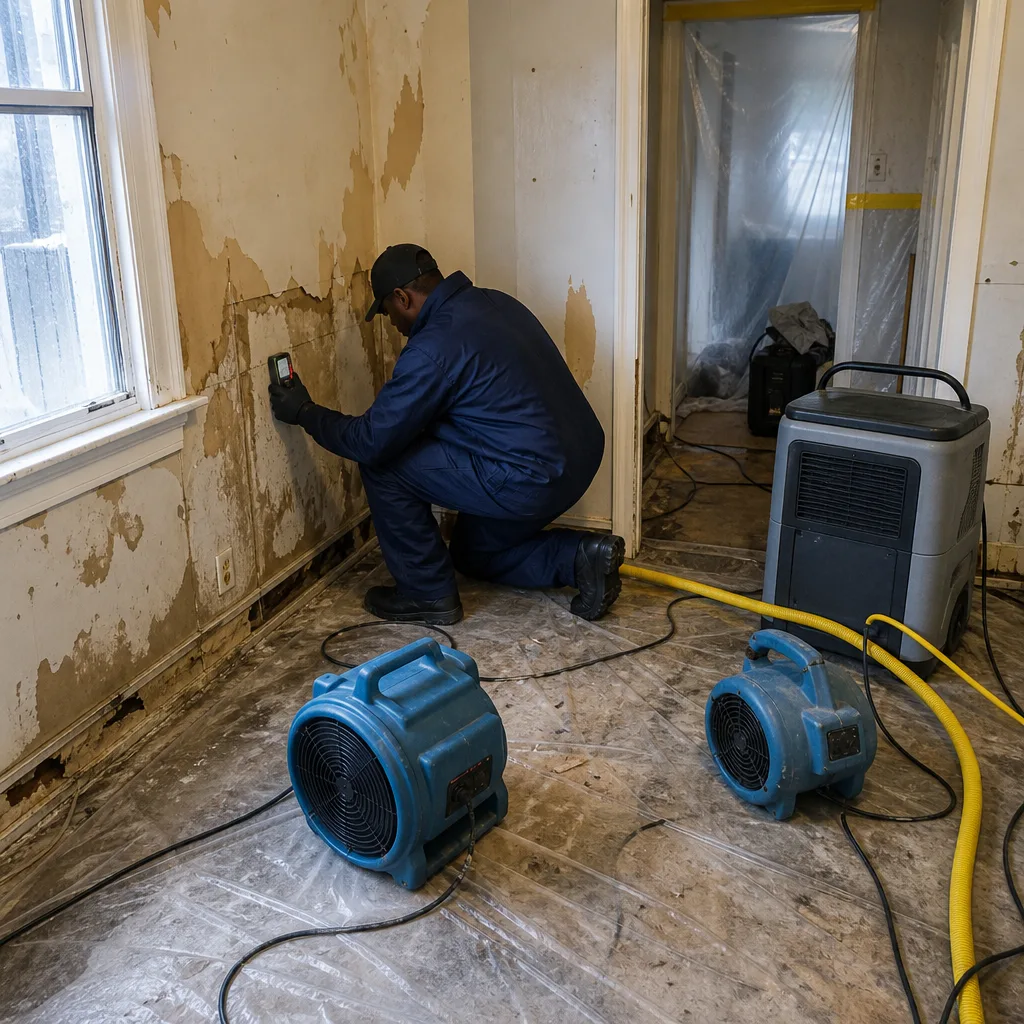 Before
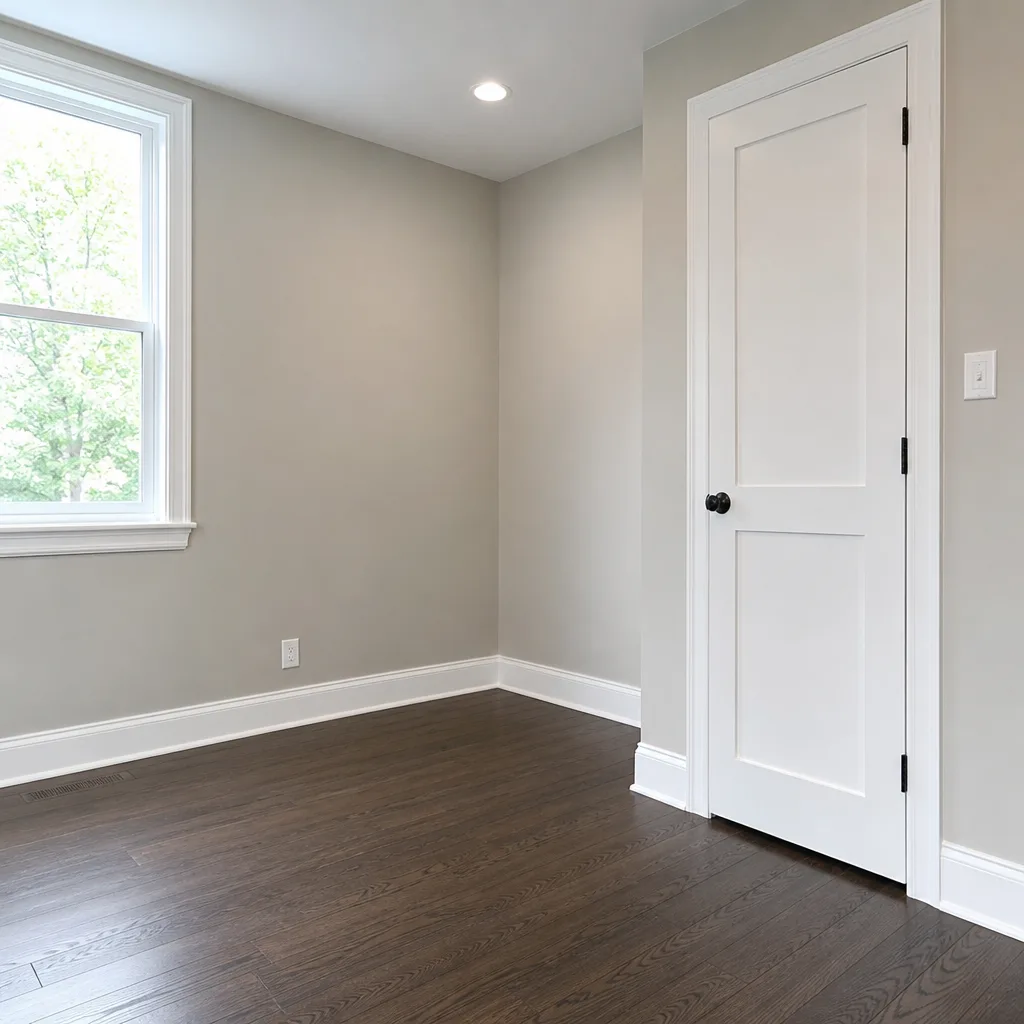 After
After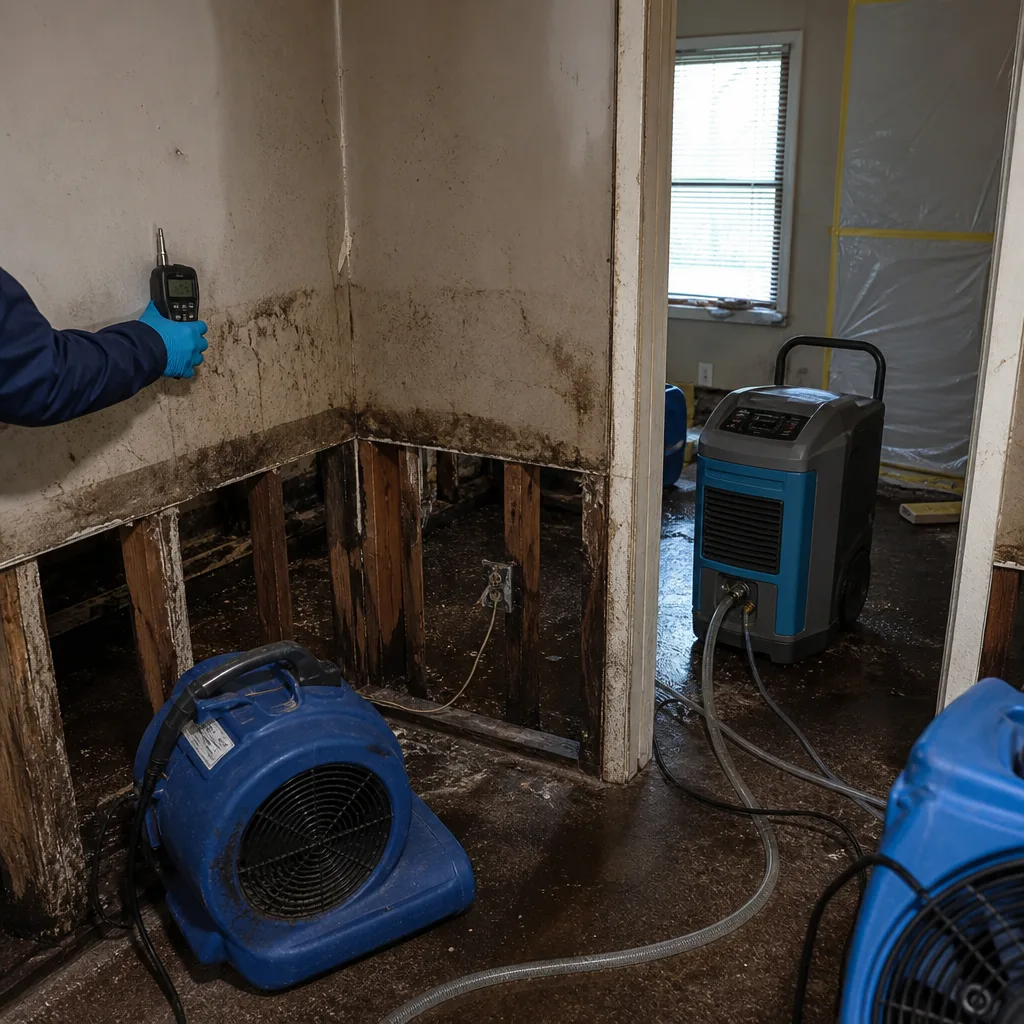 Before
 After
After24/7 Emergency Mold Remediation in Ridgewood
Mold remediation in Ridgewood typically costs between $1,800 and $6,500 for a contained removal job in a rowhouse unit, with most work completed within three to five days. Black mold and hidden airshaft contamination run higher. If you’re seeing mold on a wall, ceiling, or basement floor right now, call (518) 750-3137 and a live dispatcher will answer. We dispatch crews into Ridgewood’s 11385 and 11386 zip codes around the clock, every day of the year.
Mold does not wait for business hours. In Ridgewood’s attached brick rowhouses, a colony fed by a slow neighbor-side leak can move through horsehair plaster and behind baseboards within days. The first hour after you spot it matters because it tells us whether the source is inside your unit or coming through a shared party wall or airshaft. We start with a free visual inspection, give you a written scope before any work begins, and stand behind the result with our 90-Day Done Right Promise. No recordings, no call centers. A person picks up.
Understanding Mold Remediation Severity in Ridgewood Properties
Mold inside Ridgewood’s housing stock behaves differently than mold in newer construction. The neighborhood’s dominant buildings are three-story attached brick rowhouses built between 1900 and 1920, with original horsehair plaster over wood lath, cast-iron or galvanized supply piping, and flat parapeted roofs. These materials hold moisture differently than drywall. Horsehair plaster wicks water vertically and horizontally, meaning a leak at the roof line can feed a mold colony behind second-floor bedroom walls for months before anyone sees a stain.
Severity levels in Ridgewood break down into three practical tiers. Surface-level contamination, usually under 10 square feet on non-porous material, can often be cleaned and sealed in a single visit. Contained-area colonization, between 10 and 100 square feet or involving porous plaster and lath, requires full containment, HEPA air scrubbing, and material removal. Whole-floor or multi-unit contamination, which Ridgewood sees more often than most neighborhoods because of shared airshafts and party walls, means cross-unit source tracing, possible DOB-permitted demolition, and drying and clearance testing across every affected floor. We use moisture mapping, thermal imaging, and hygrometers on every job to find the true source before we touch visible mold.
Why Ridgewood Property Owners Choose Floodline Restoration Co.
- 45-minute response commitment – When you call Ridgewood, a crew is dispatched from our New York City office immediately, and we commit to arriving at your door within 45 minutes.
- 24/7 live answer, always a real person – Our dispatchers answer at 2 a.m. the same way they answer at noon. You will never leave a message or wait for a callback.
- IICRC-certified crews on every job – Our technicians hold IICRC AMRT and WRT certifications, and they’re trained to RIA and IFA standards. Background-checked and uniformed.
- Free visual inspection, firm scope in writing – We look, we measure, we give you a written scope of work before anything gets removed. You approve the plan before we start.
- Direct insurance billing – We deal with your carrier directly. You don’t play messenger between us and an adjuster.
- One team from first cut to final rebuild – The same crew that sets containment and removes affected material handles drying, treatment, and reconstruction. No mid-job handoff.
Our Mold Remediation Process
Inspection & Assessment
We start with a visual inspection, moisture readings, and thermal imaging to map the full extent of the contamination. In Ridgewood rowhouses, this always includes checking the shared airshaft, party wall, and parapet flashing. If you need testing, we run air and surface samples through a certified lab.
Containment & Stabilization
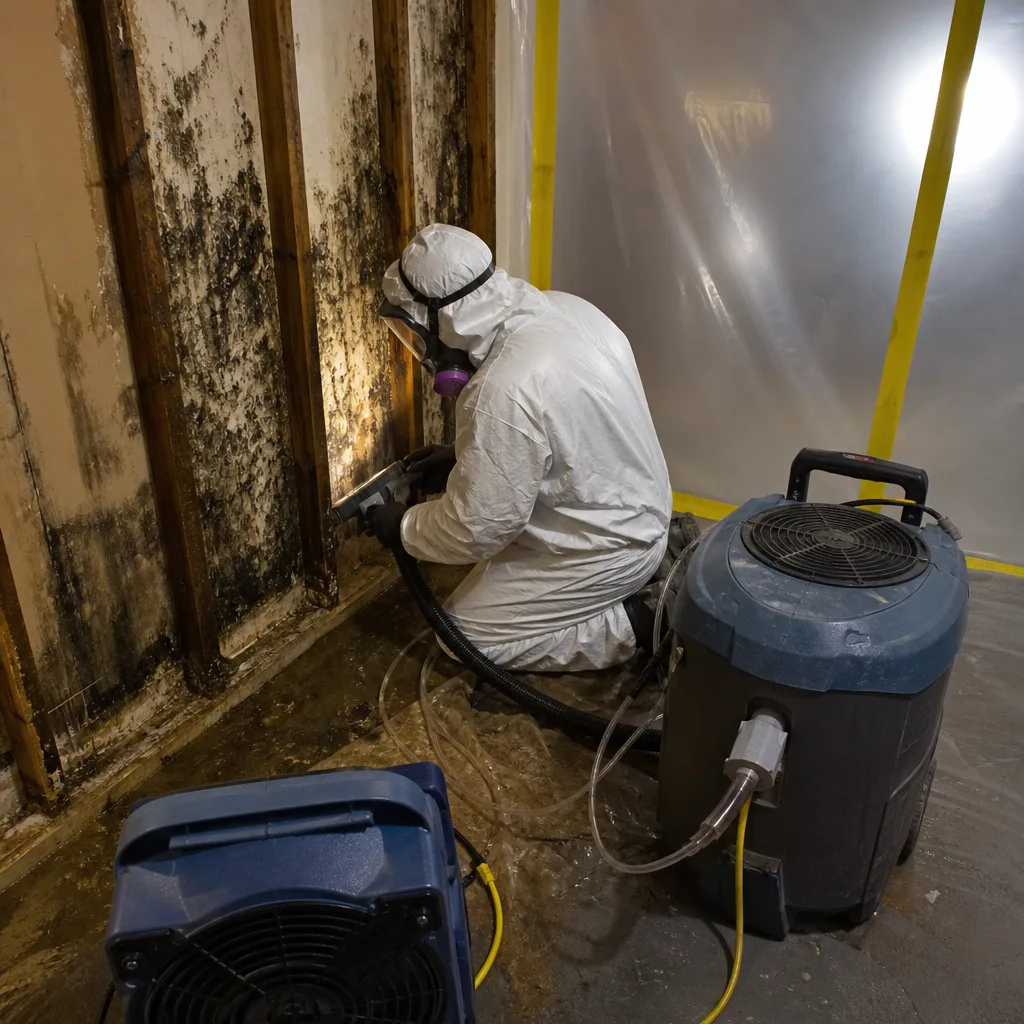
Before we remove anything, we set up HEPA-filtered negative air containment around the affected area. This stops spores from migrating through the rest of your unit or into a neighbor’s space through gaps in the party wall. We also stabilize any failing plaster before it collapses.
Drying & Dehumidification
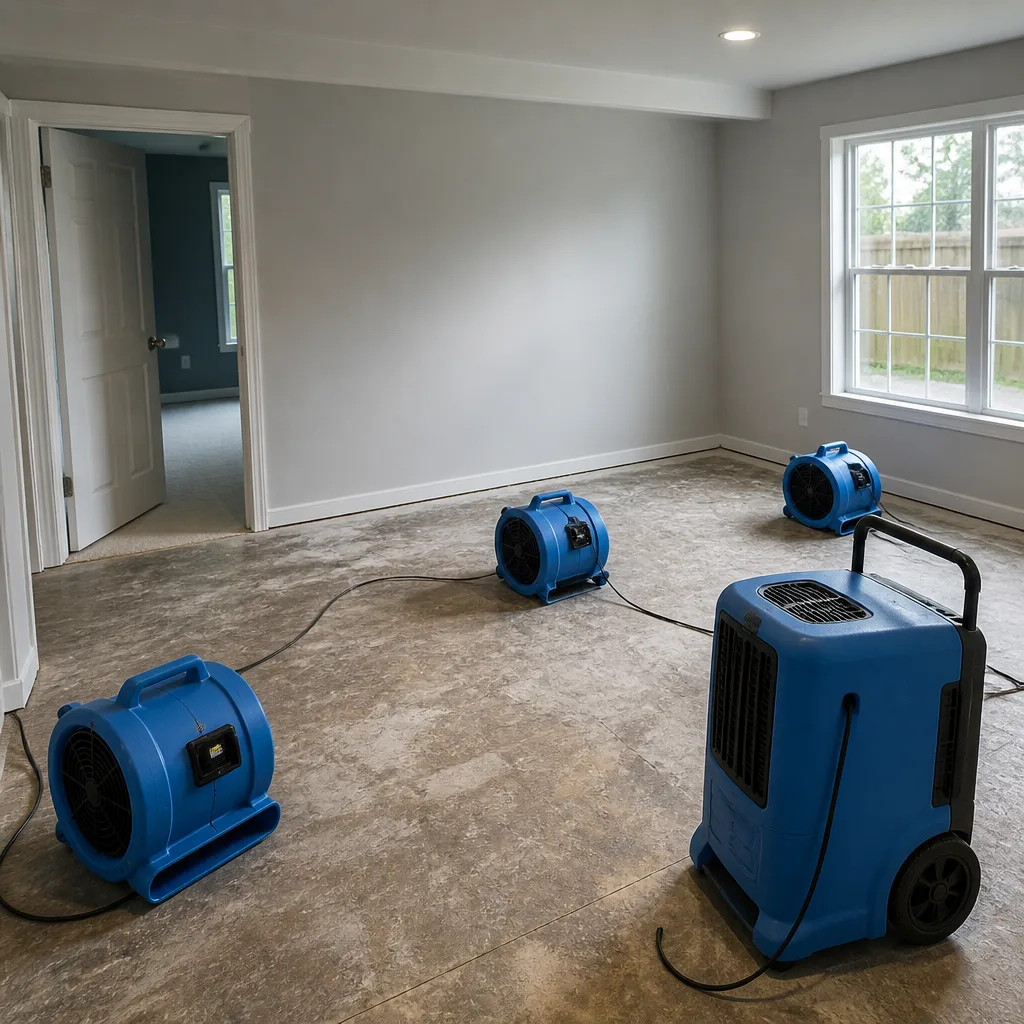
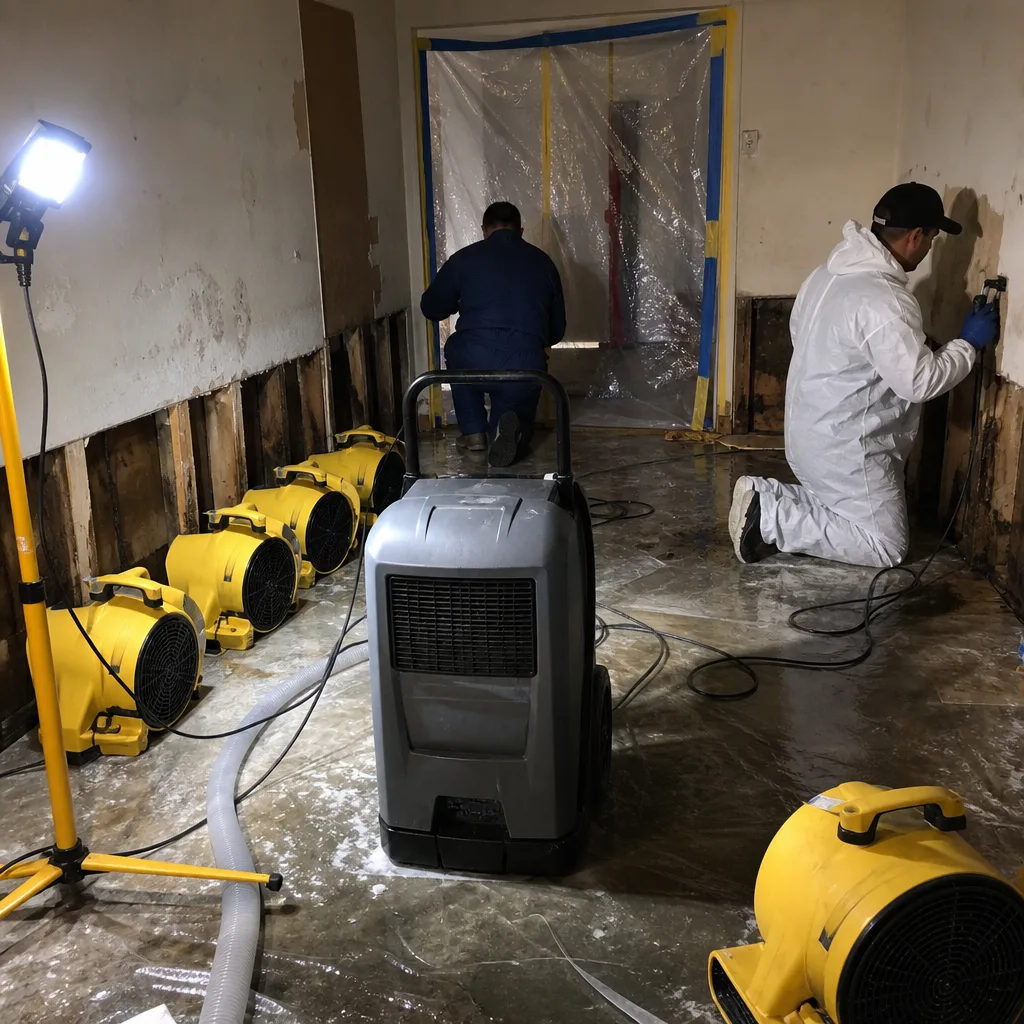
Mold needs moisture to survive. We run professional-grade Dri-Eaz and Phoenix dehumidifiers plus XPOWER air movers until the dry standard is met. Daily moisture readings are logged and shared with you and your insurer.
Cleaning & Sanitization
Hard surfaces get HEPA-vacuumed and wiped with antimicrobial treatment. Porous materials that can’t be saved, like saturated horsehair plaster or lath, are removed under containment and disposed of properly.
Air Quality Restoration
We run HEPA air scrubbers throughout the remediation and finish with post-remediation air sampling. Clearance testing confirms spore counts have returned to normal background levels before we lift containment.
Repairs & Restoration
We rebuild what we removed using period-appropriate materials when needed. In the Ridgewood Historic District, that means matching plaster profiles, brick detailing, and trim to the original Kreischer brick and horsehair plaster character of your rowhouse.
Need Emergency Mold Remediation in Ridgewood Now?
Crews minutes away, answering live 24 hours a day. The sooner we start, the less it costs.
Working With Your Insurance Company
Most Ridgewood homeowners are covered for mold remediation when it stems from a sudden and accidental water event, like a burst supply line or a sewage backup in Ridgewood. Gradual leaks and long-term seepage are often denied. That’s where documentation wins claims. We photograph everything from the first hour, log daily moisture readings, and write estimates in industry-standard format that adjusters recognize. Our crew lead communicates with your adjuster directly, so you’re not translating technical questions over the phone. When the carrier wants a second opinion or a reinspection, we handle that too. The 90-Day Done Right Promise stays in writing regardless of how the claim plays out.
What We Provide Your Insurer
- Thorough documentation of the loss
- Photos of all damage, room by room
- Moisture readings and drying logs
- A detailed, line-item scope of work
- Direct coordination with your carrier
Built for Ridgewood’s Loss Calendar
Ridgewood’s mold losses follow a seasonal rhythm, and our crews know it well. January deep freezes crack cast-iron supply lines in unheated cellars and behind north-facing walls, and by the time the thaw comes, water has been feeding mold behind plaster for weeks. Spring brings groundwater rise, and with it, seepage into the converted basement apartments and cellars that are so common throughout 11385 and 11386.
Summer thunderstorms drop inch-an-hour rain onto flat parapeted roofs with aging lime-mortar joints. Ponding water finds every crack, and slow interior saturation begins. Nor’easters in fall and early winter drive wind-blown rain horizontally into parapet flashings and brick joints. By the time a tenant sees the first ceiling stain, mold has typically been active inside the wall cavity for a month or more. That’s why we treat every Ridgewood storm and water damage job as a potential mold job, checking moisture readings even on floors that look dry.
Mold Remediation Across Ridgewood’s Neighborhoods
Our crews work every corner of Ridgewood, and we know which blocks tend to show which problems. Around Myrtle Avenue, the mix of commercial storefronts above residential units means a shop roof leak can drive water down into a family’s living room. Along Seneca Avenue between Catalpa and Stockholm, we see the classic three-story attached rowhouse pattern: parapet failure at the roofline, water traveling down the airshaft, and mold appearing first on the top-floor rear bedroom wall, two owners away from the actual source.
Off Fresh Pond Road, converted cellars and basement apartments carry chronic below-grade moisture. Even after a heavy rain, humidity inside these spaces can stay above 60 percent for weeks, which is the threshold where mold colonies start. Near the Ridgewood Historic District border along Grove Street and Onderdonk Avenue, owners face a double constraint: original horsehair plaster that needs careful salvage, and Landmarks Preservation Commission oversight that requires permits for any significant demolition. We handle that paperwork as part of the job, not as an afterthought.
Specialized Mold Remediation Services We Offer in Ridgewood
Mold Inspection & Testing
Not every stain is mold, and not every musty smell means a colony is active. Our inspection starts with moisture mapping and thermal imaging to trace the water source, then moves to sampling only if needed. In Ridgewood rowhouses, we always inspect the airshaft and party wall, because the source is rarely in the same unit where the symptom shows. Lab results come back with clear readings on spore types and counts.
Black Mold Remediation
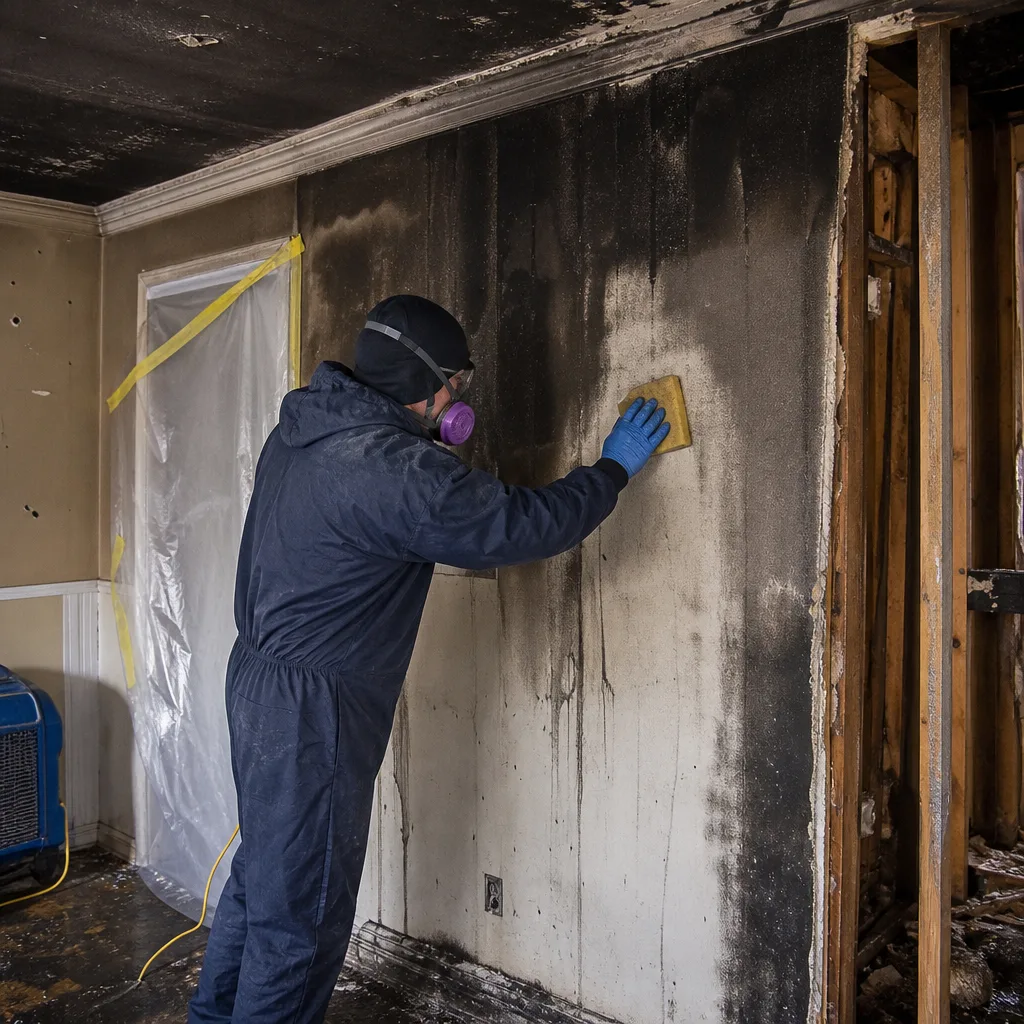
Stachybotrys, the type usually called black mold, grows on materials that stay wet for extended periods, which is exactly what Ridgewood’s horsehair plaster and lath do after a slow parapet leak. Our crews contain the area, remove the saturated material, and treat surrounding framing with antimicrobial products. Post-remediation air sampling confirms clearance before we rebuild. We don’t guess. We test.
Moisture & Humidity Control
Mold remediation fails when the moisture problem isn’t fixed. In Ridgewood, that means installing dehumidification in below-grade cellars, improving airshaft drainage, and sealing parapet flashing. We run Dri-Eaz and Phoenix units during the drying phase, then recommend permanent fixes for humidity control so you’re not calling us again in two years for the same wall.
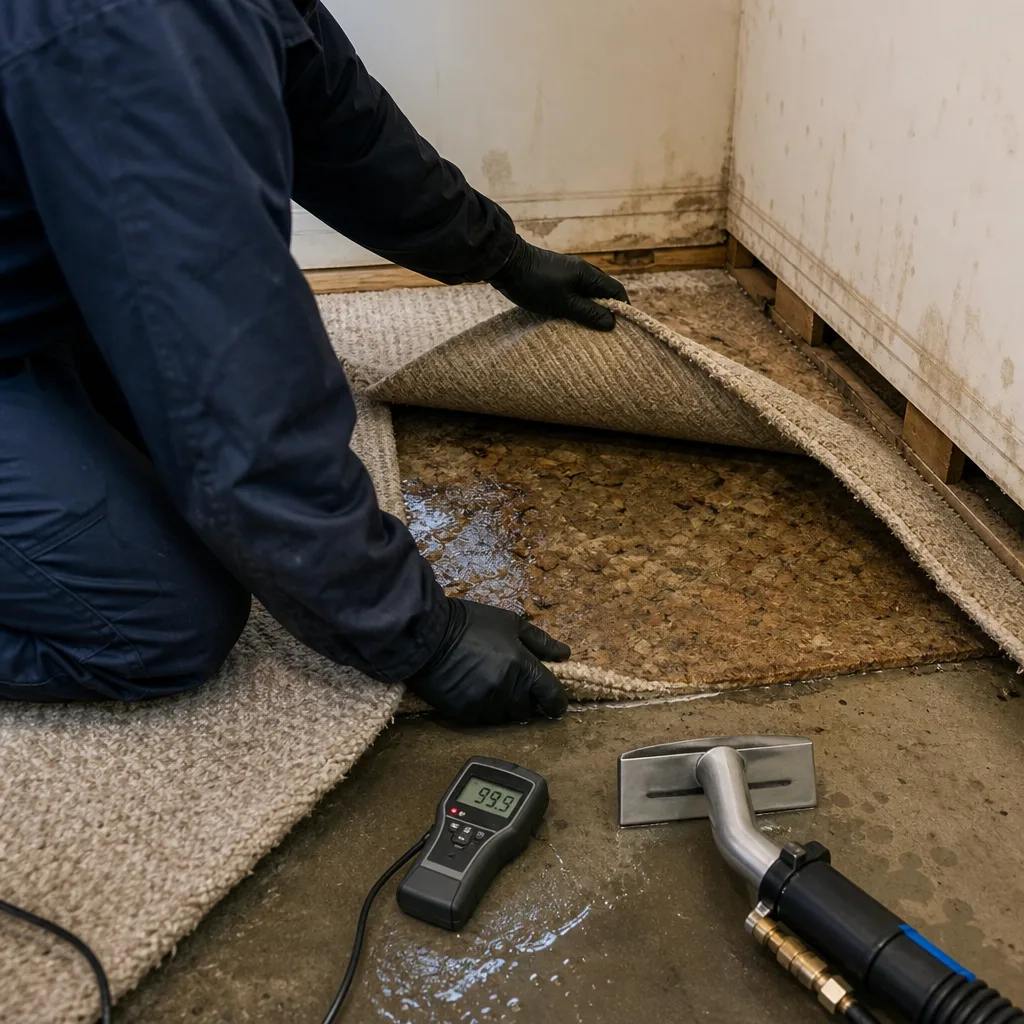
Crawl Space Treatment
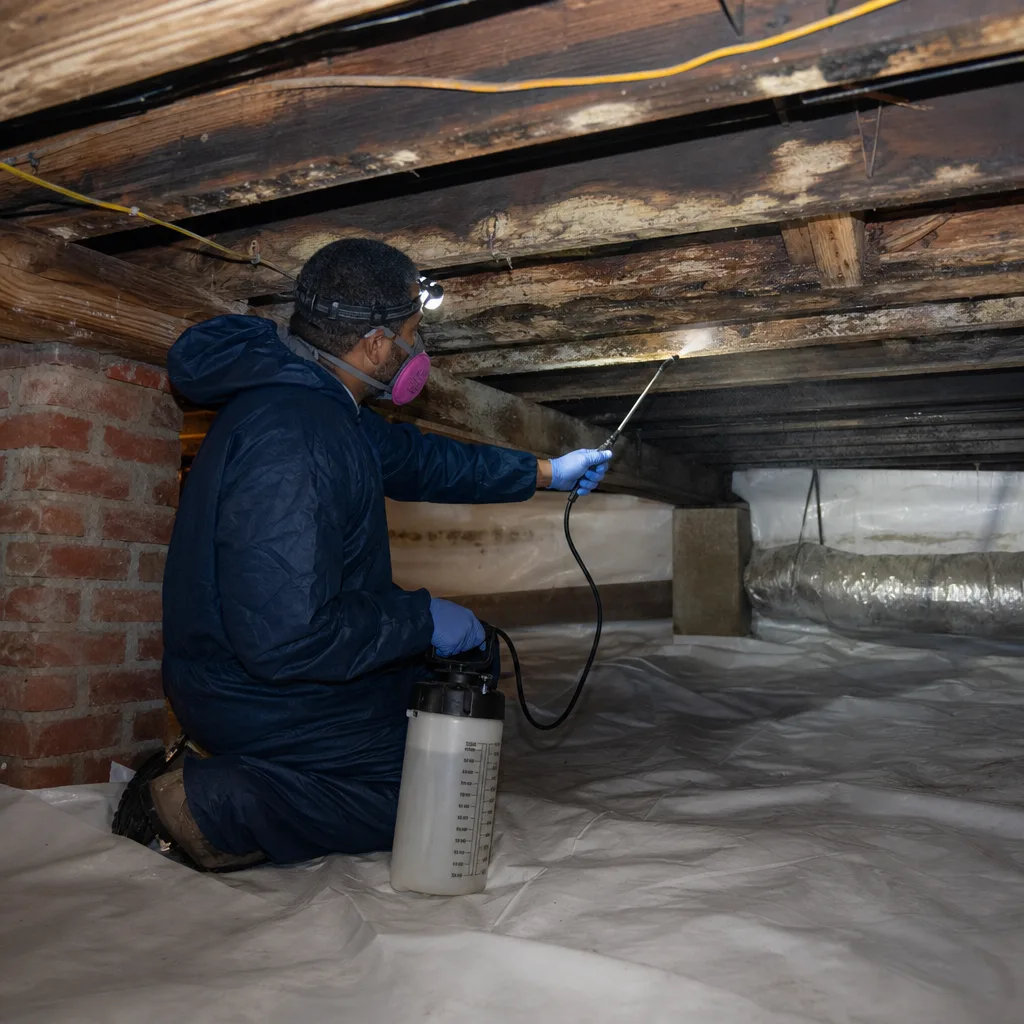
Rowhouse crawl spaces in Ridgewood are tight, often with exposed soil and decades of debris. High humidity in a crawl space migrates up through the floor assembly into first-floor rooms. We seal, dehumidify, and treat these spaces with borate-based products that resist mold and wood-destroying organisms. Encapsulation is available when the space warrants it.
What happens when you call
- 1
A real person answersNo phone trees - you reach a local pro.
- 2
You get an upfront price rangeHonest numbers before anyone is dispatched.
- 3
A background-checked tech heads outLicensed & insured, dispatched right away.
- 4
You approve before work beginsNothing starts until you say go.
Mold Remediation Costs in Ridgewood, NY
Here’s what Ridgewood homeowners actually pay, based on the jobs we’ve completed in the neighborhood. A contained single-room mold removal, including HEPA air scrubbing and antimicrobial treatment, runs $1,800 to $3,500. A typical multi-room job triggered by a parapet or airshaft leak, with plaster removal and period-appropriate rebuild, lands between $4,000 and $7,500. Black mold remediation with lab testing and post-remediation clearance typically runs $3,500 to $9,000 depending on how many floors and units are affected. Crawl space treatment starts around $2,200.
What moves the price: whether the source is inside your unit or a neighbor’s, whether DOB permits or Landmarks review are required, how much horsehair plaster needs removal versus salvage, and whether multiple units are involved. Insurance often covers the remediation when the cause is sudden and accidental. The free inspection gives you a firm written scope, so you know the number before anything gets touched. Call (518) 750-3137 for an exact quote.
We Also Serve Cities Near Ridgewood
Floodline Restoration Co. provides Mold Remediation throughout the Ridgewood area and beyond. Our crews regularly serve Glendale, Maspeth, Bushwick, Middle Village, and Woodside. If you’re in a neighboring Queens or Brooklyn neighborhood, the same live dispatch and 45-minute response commitment applies. For more about our work in your area, see Mold Remediation in Ridgewood.
Ridgewood Mold Remediation Questions, Answered
If my neighbor’s rowhouse has a mold problem, can it spread into my unit through the shared wall?
Yes, and it happens regularly in Ridgewood. Shared party walls in pre-WWI rowhouses are rarely sealed tight, and mold spores travel through gaps around joists, pipes, and old chimney chases. If your neighbor has an active colony, moisture and spores can move into your plaster within weeks. We recommend an inspection of your side of the party wall with a moisture meter, especially if you smell must or see staining near the shared wall. Call (518) 750-3137 and we’ll check it.
How do you handle mold behind original horsehair plaster without gutting the whole wall?
We remove only what is saturated or structurally failing. Horsehair plaster can often be dried in place if the mold is surface-level, using HEPA vacuuming, antimicrobial treatment, and low-grain dehumidification. When the plaster is saturated through the lath, we cut a clean, contained section, preserve the original trim and baseboards, and rebuild with period-appropriate plaster. The Ridgewood Historic District requires this approach anyway; gutting walls without Landmarks review risks a stop-work order.
The mold seems to be coming from the narrow airshaft between my building and the next. What should I check first?
Look up. Airshaft mold in Ridgewood almost always starts with a failed parapet flashing, a clogged roof drain, or a leaking condensate line at the roofline. Water runs down the shaft, soaks the brick and mortar, and finds its way through window frames and wall assemblies on multiple floors. Don’t lean out the window to reach anything; the shaft is narrow and falls are serious. Call us instead. We inspect the shaft, the roofline, and every floor below it.
Do I need a DOB permit for mold remediation in a Ridgewood Historic District rowhouse?
Often yes. If remediation requires removing wall assemblies, replacing structural lath, or altering the building envelope, a DOB permit is typically required, and Landmarks review may apply within the Ridgewood Historic District. Our team handles the permit filings and coordinates with the LPC. We don’t start demolition until permits are in hand. That protects you from stop-work orders and from rebuilding work that gets torn out later.
How fast should I act if I see mold on my basement apartment walls after a sewer backup?
Same day. Category 3 water from a sewer backup carries bacteria and pathogens, and mold begins colonizing saturated drywall or plaster within 48 hours. In a below-grade Ridgewood cellar with limited ventilation, the timeline is even shorter. Call us immediately, and our crew will start extraction, set containment, and run dehumidifiers. The sooner we start, the less material needs removal and the lower the final cost. (518) 750-3137.
How long does a typical mold remediation job take in Ridgewood?
A contained single-room job usually takes two to three days, including drying, treatment, and clearance testing. Multi-floor or multi-unit jobs with plaster rebuild typically run five to seven days. Drying time depends on the moisture load; we log daily readings and share them with you so you always know where the job stands.
Can we stay in our home during mold remediation?
In many cases yes, especially when the affected area is contained and HEPA air scrubbers are running. For heavy contamination across multiple floors, or if anyone in the home has respiratory conditions or a compromised immune system, we recommend temporary relocation until clearance testing comes back clean. We’ll give you a straight answer during the inspection.
What should I do in the first 30 minutes after finding mold in my Ridgewood home?
Don’t disturb it. Don’t scrub it, don’t spray bleach on it, and don’t pull up carpet or baseboard. Disturbing mold releases spores and spreads the problem. Turn off any fans or HVAC circulating air through the area. Then call (518) 750-3137. A live dispatcher answers, and we’ll have a certified crew on the way inside the hour.
Serving Ridgewood, NY - Our Local Coverage Area
We’re based in the Ridgewood area and know this community well. Use the map below to see our service coverage - if you’re nearby, we can almost certainly help.
The Hidden Airshaft Problem Ridgewood Restoration Companies Can’t Ignore
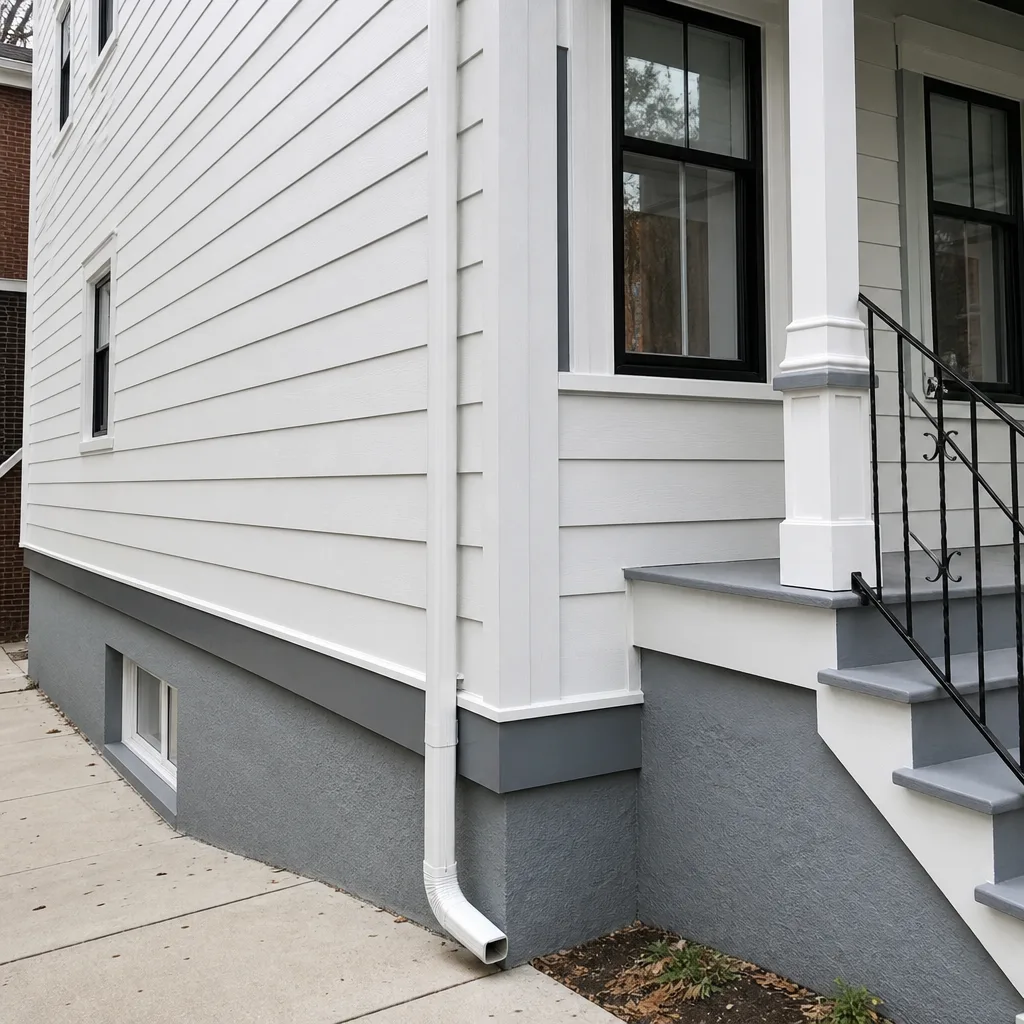
Ridgewood’s rowhouses are built shoulder to shoulder, and the narrow airshafts between them are the neighborhood’s hidden mold highway. A single failed parapet flashing at the roofline can quietly funnel rainwater down the shaft for months, soaking the brick, the mortar joints, and the window frames on every floor it passes. By the time a stain appears on a second-floor wall, the actual point of entry might be forty feet above, on a different owner’s roof. This is why generic mold remediation fails in Ridgewood. A crew that treats the visible stain without inspecting the shaft and the roofline is putting a bandage on a leak.
On a three-story rowhouse off Seneca Avenue, our mold remediation crew traced a ceiling stain to a failed parapet flashing that had been funneling rainwater down the building’s narrow airshaft for months, soaking horsehair plaster across two separately-owned units. We set containment on each floor, used moisture mapping to find the true entry point, and coordinated with both owners to remove the saturated plaster and apply antimicrobial treatment before rebuilding the period walls. That job required both owners’ consent, DOB paperwork, and a plan that worked across a shared wall. It’s not the kind of job a single-family restoration company is built to handle. It’s exactly the kind of biohazard and specialized cleanup job we do every month in Ridgewood.
Our Mold Remediation team has spent years working inside these buildings, and we’ve learned that the airshaft is the first place to look and the last place to skip. We photograph it on every Ridgewood job, whether the stain is on the first floor or the third. That habit has caught dozens of active leaks before they turned into full-floor rebuilds.
Why Horsehair Plaster Changes the Remediation Playbook
Modern drywall is disposable. Ridgewood’s original horsehair plaster is not. It’s a structural layer, a fire barrier, and a character-defining feature of the neighborhood’s historic buildings. When mold gets behind it, the decision isn’t simply “cut it out and hang new board.” Horsehair plaster saturated with water loses its bond to the lath and can collapse in sheets. But removing it wholesale destroys the wall’s original profile and triggers Landmarks scrutiny. Our crews treat plaster salvage as the default, not the exception. We dry in place when possible, remove contained sections when necessary, and rebuild with compatible materials. The goal is a wall that’s mold-free, structurally sound, and still looks like Ridgewood.
If you’re dealing with mold in a Ridgewood rowhouse, don’t wait for the stain to spread. Call (518) 750-3137 and we’ll send a certified crew. The inspection is free, the scope is in writing, and the work is backed by the 90-Day Done Right Promise, in writing, no arguing. We’ve served Ridgewood’s Ridgewood rowhouses long enough to know exactly where mold hides in these buildings. We’ll find it, remove it, and stand behind the result. Done right, and backed in writing.
Written by Curt Bowman, Owner at Floodline Restoration Co., serving Ridgewood and the surrounding New York City area since 2010.