
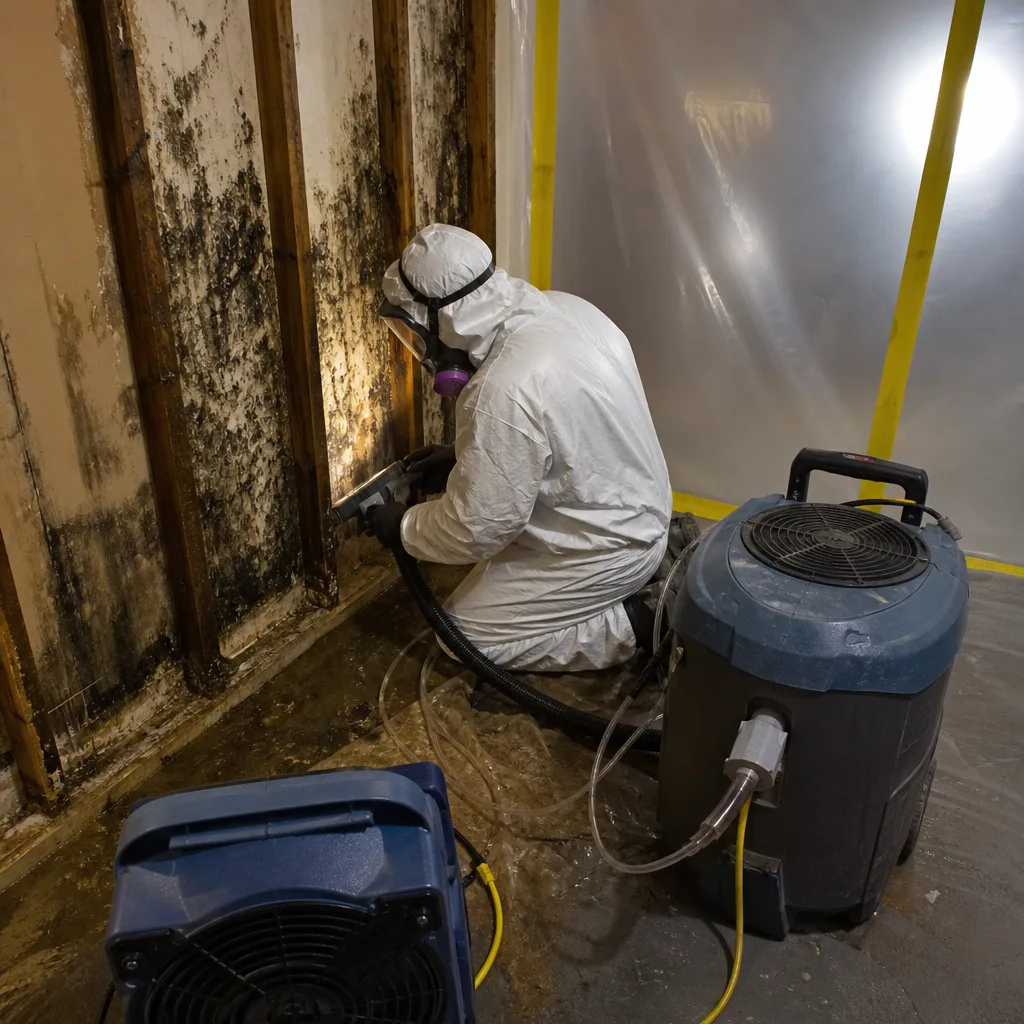
Free visual inspection and a written scope of work before any mitigation begins - photos, moisture readings, and drying logs go in your claim file
The scope we write is the scope we bill. Anything new gets shown to you, in writing, before we touch it.
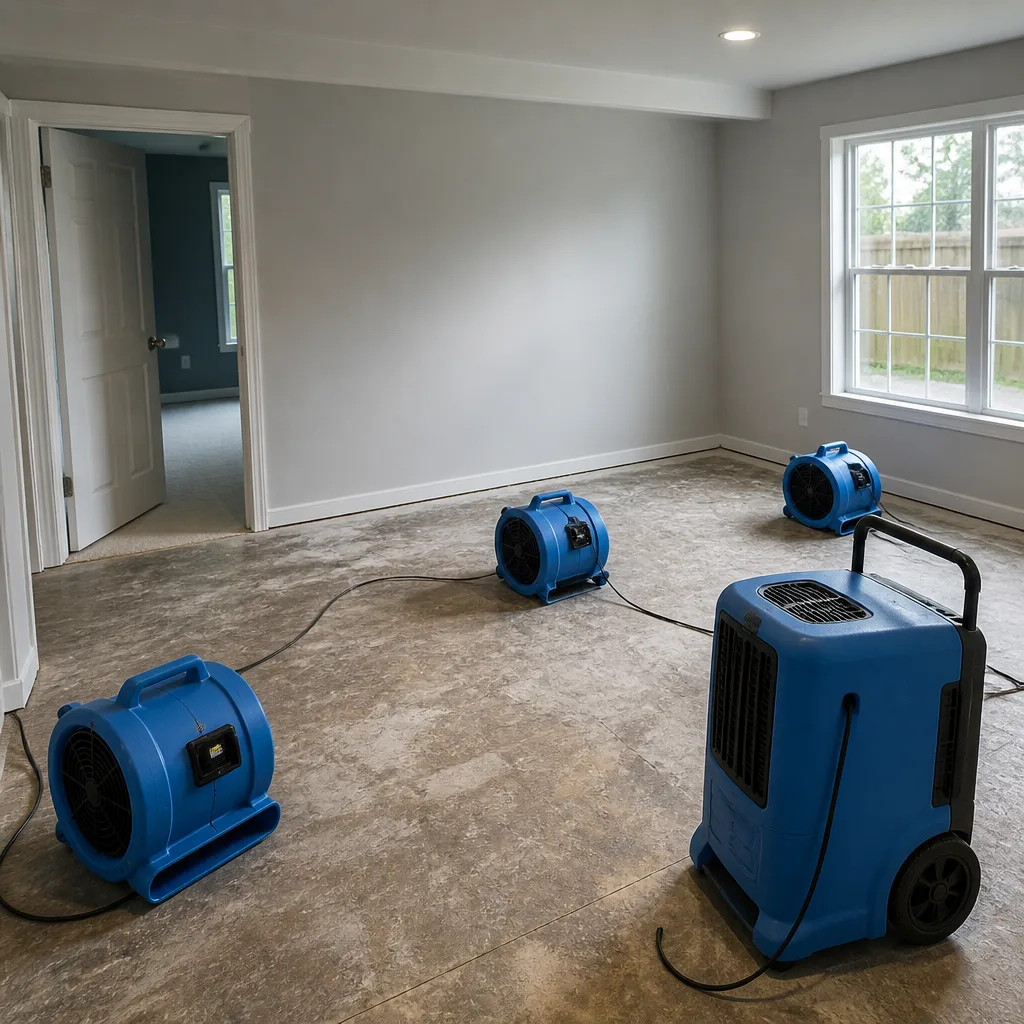
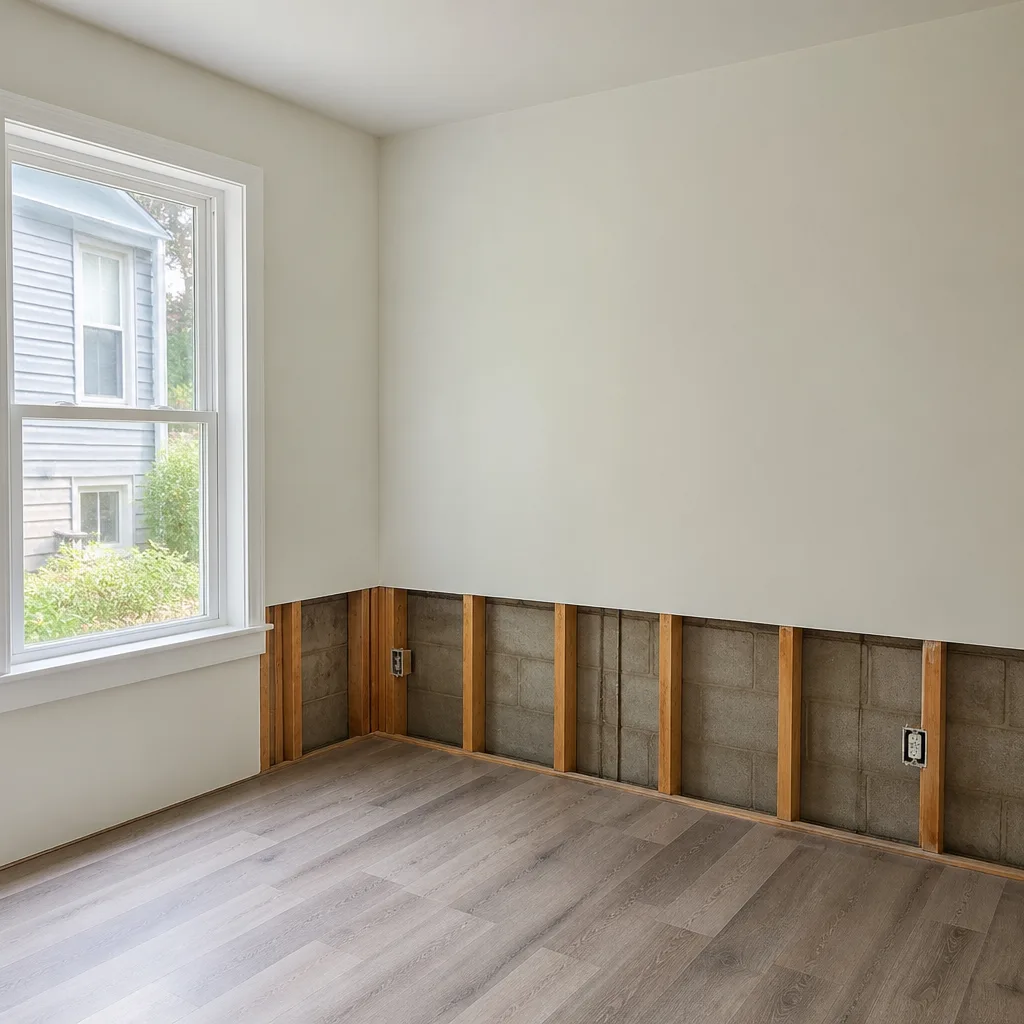
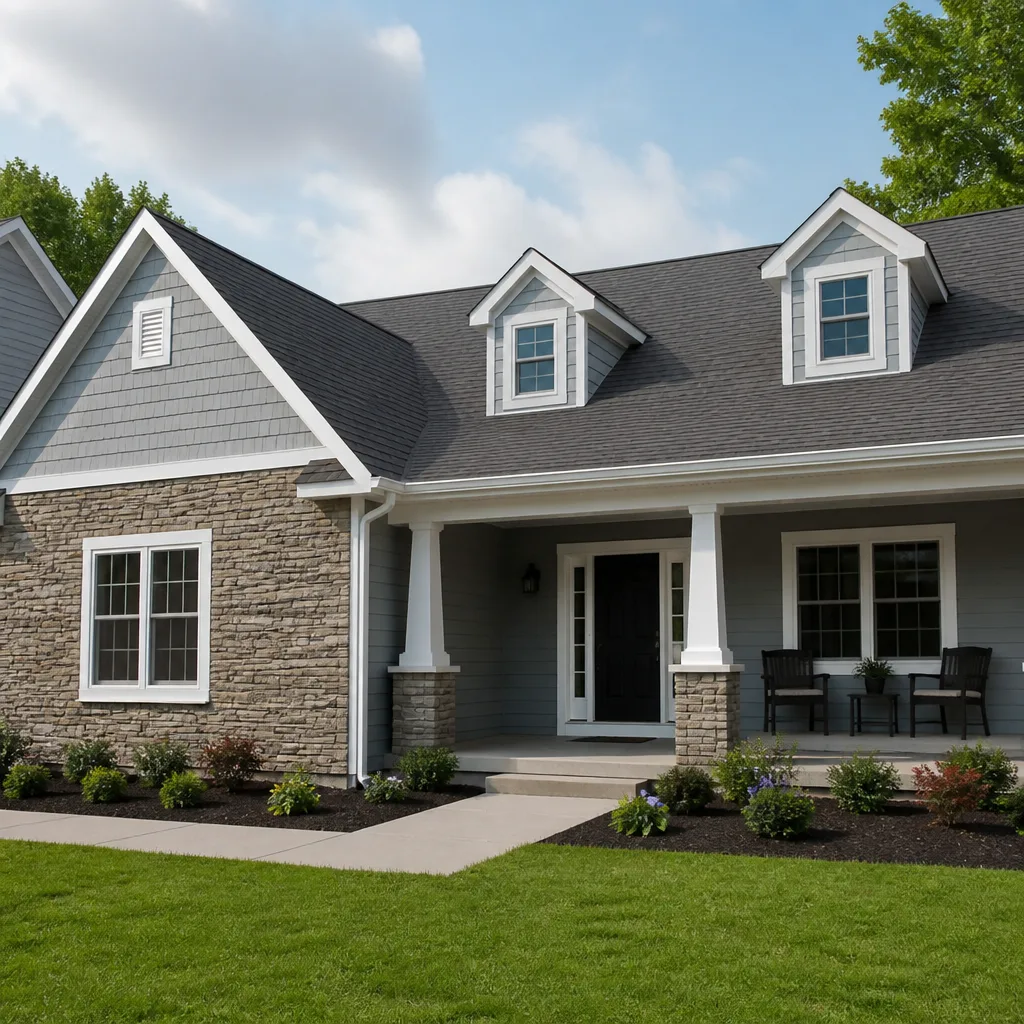
 Before
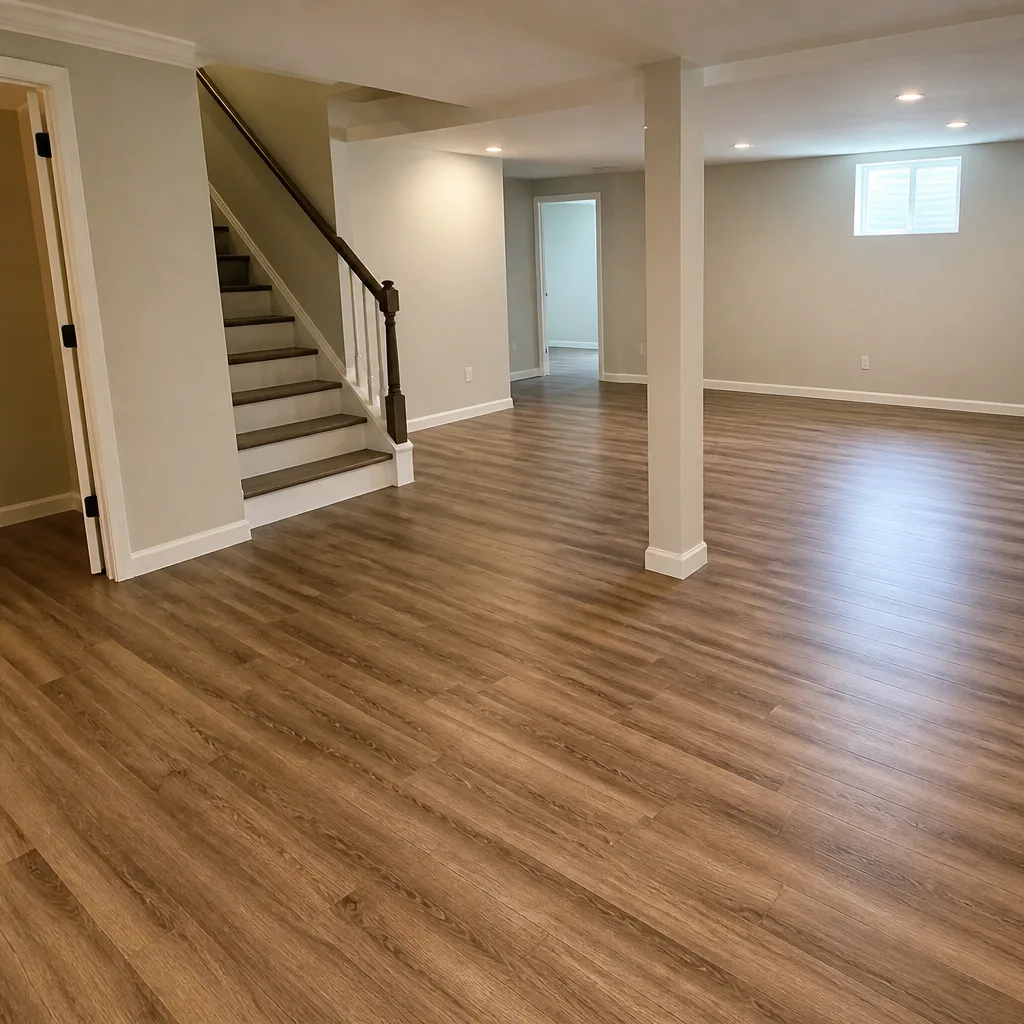
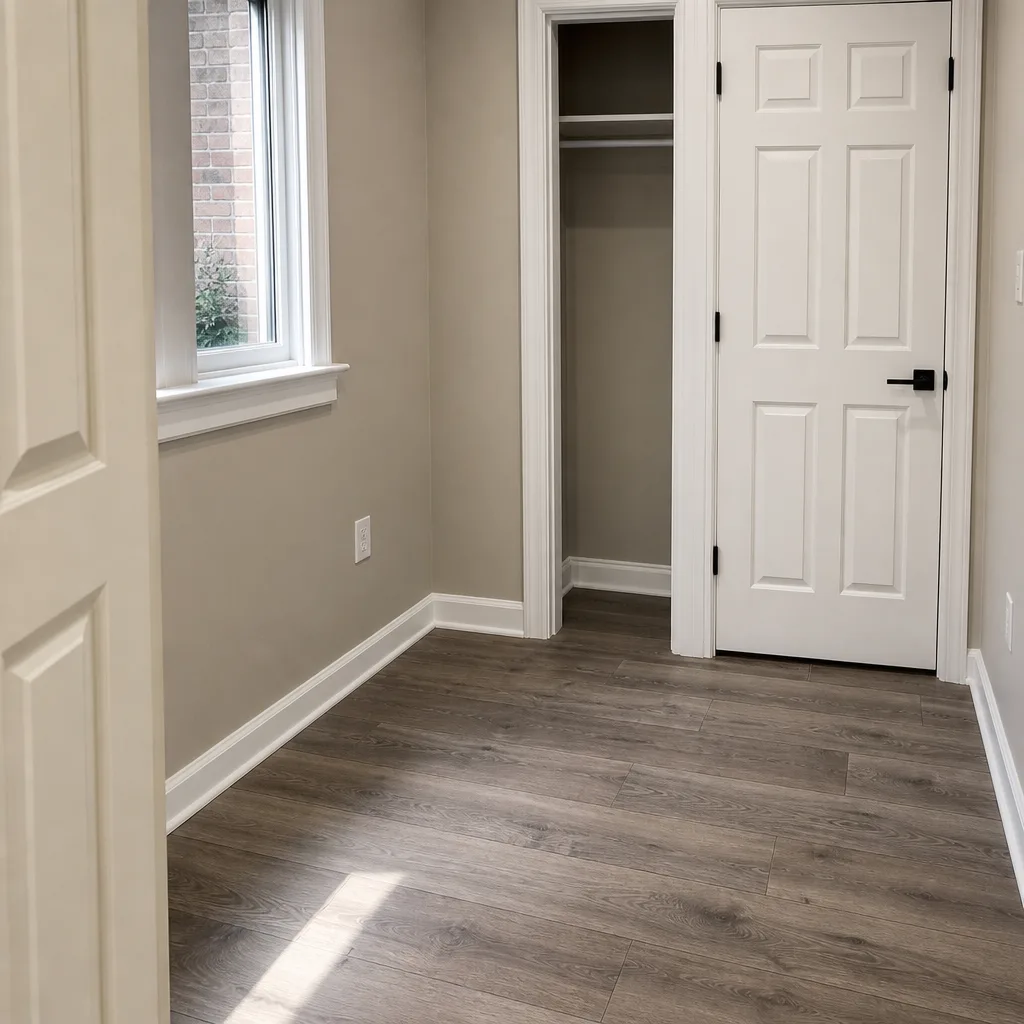 After
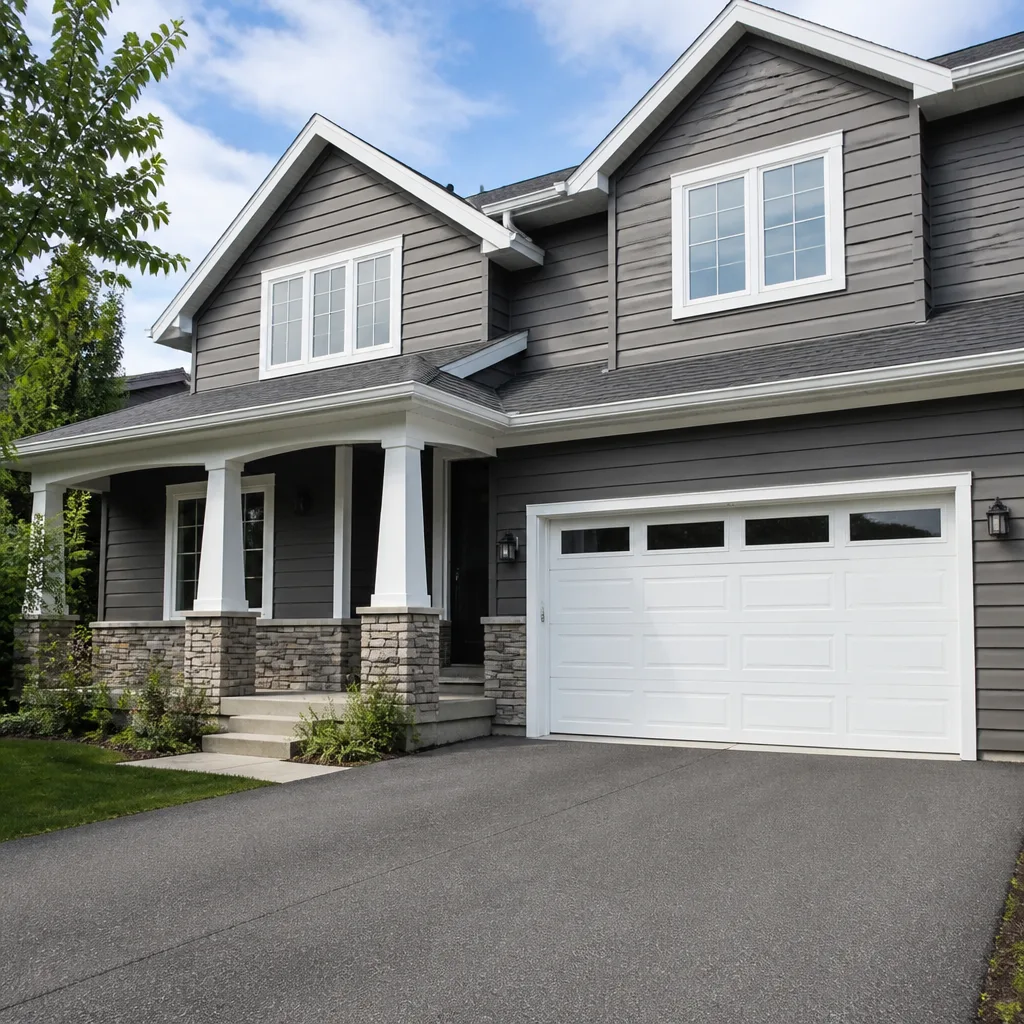
After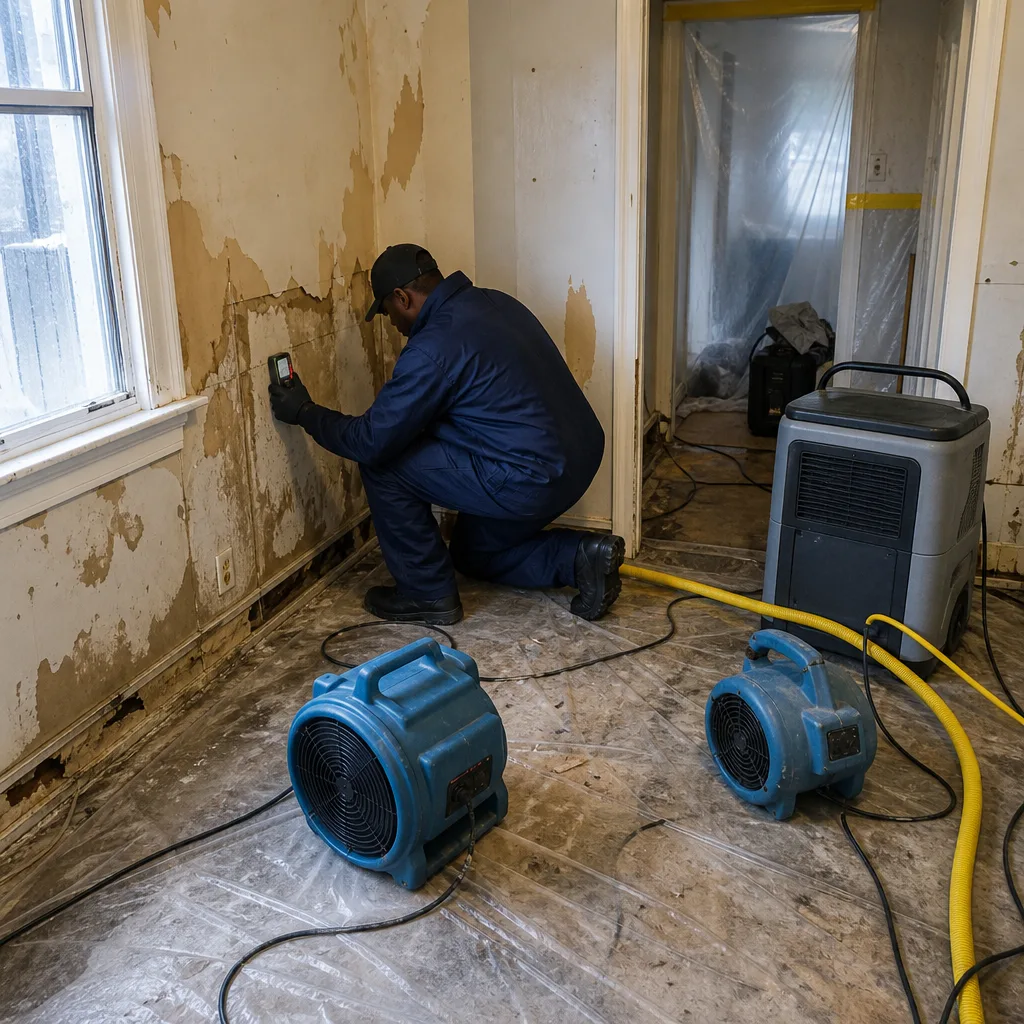 Before
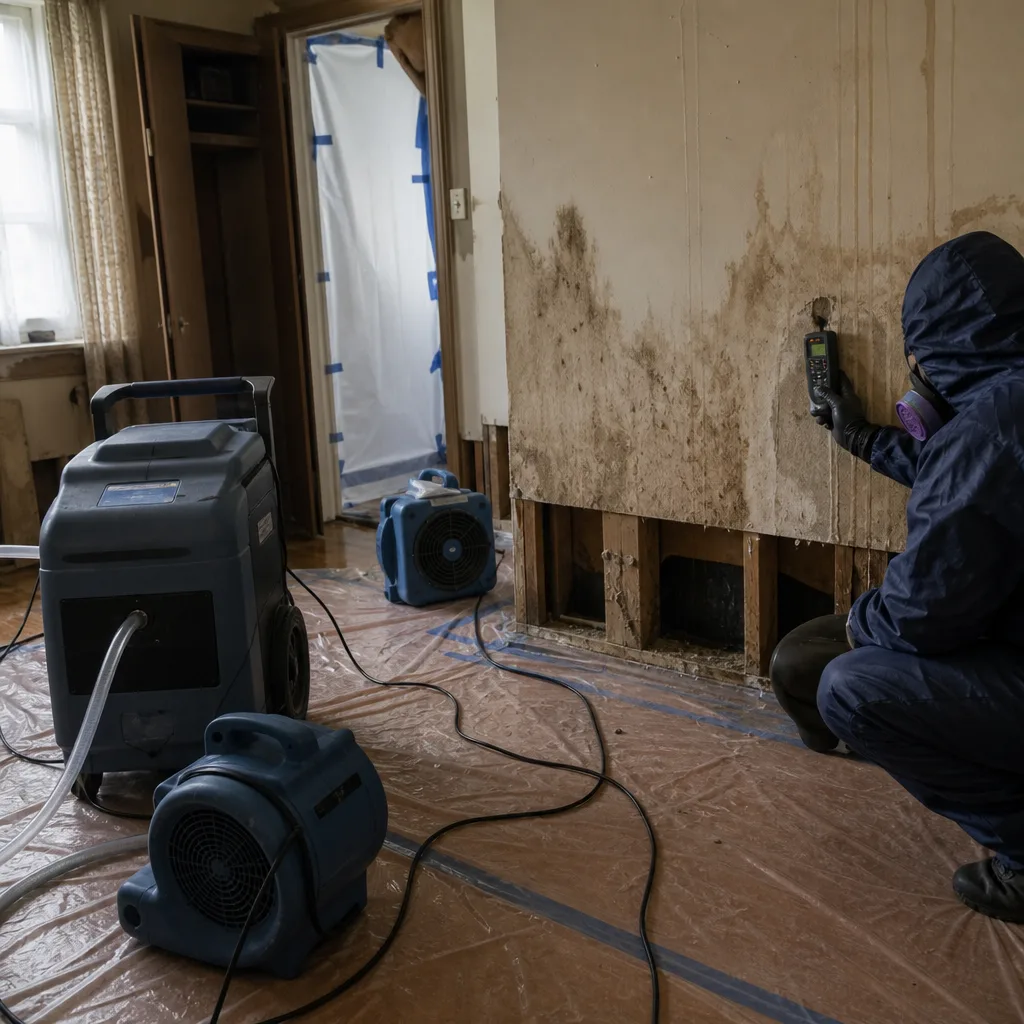
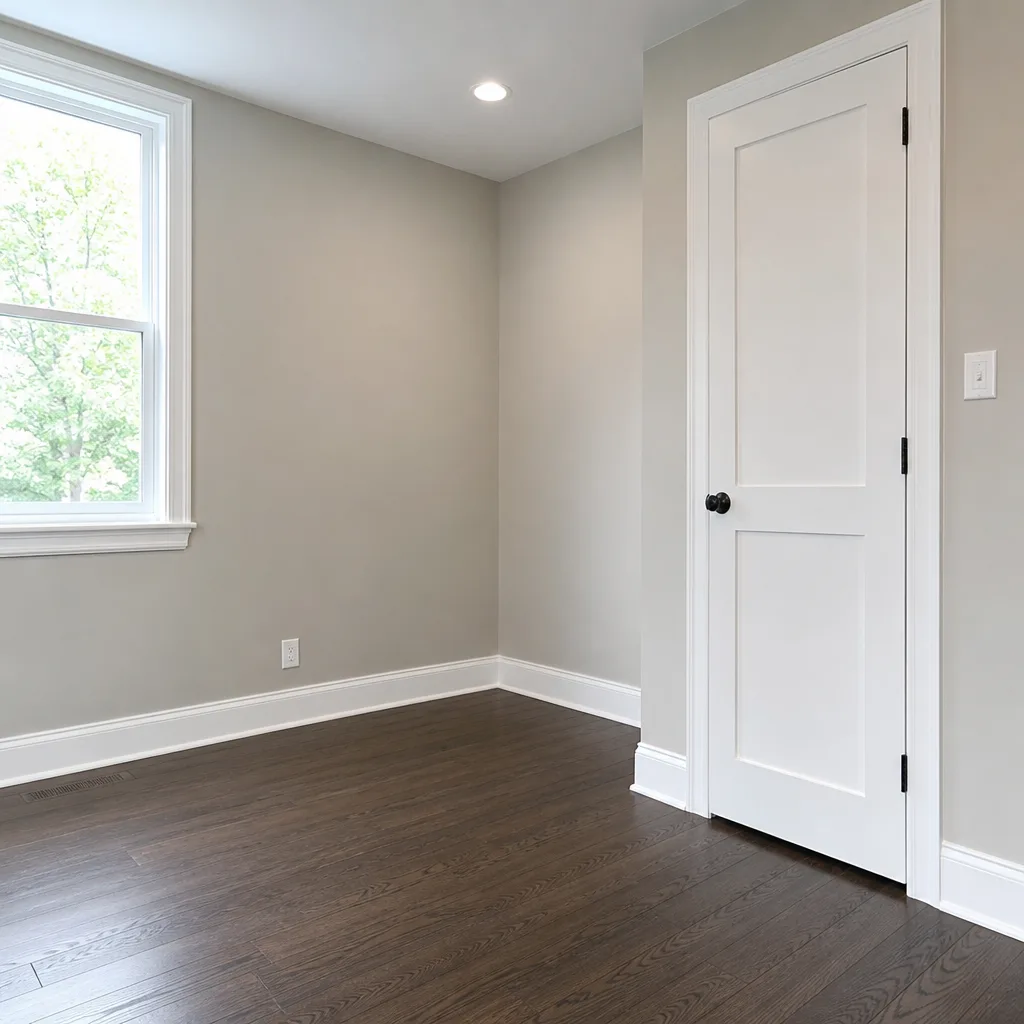 After
After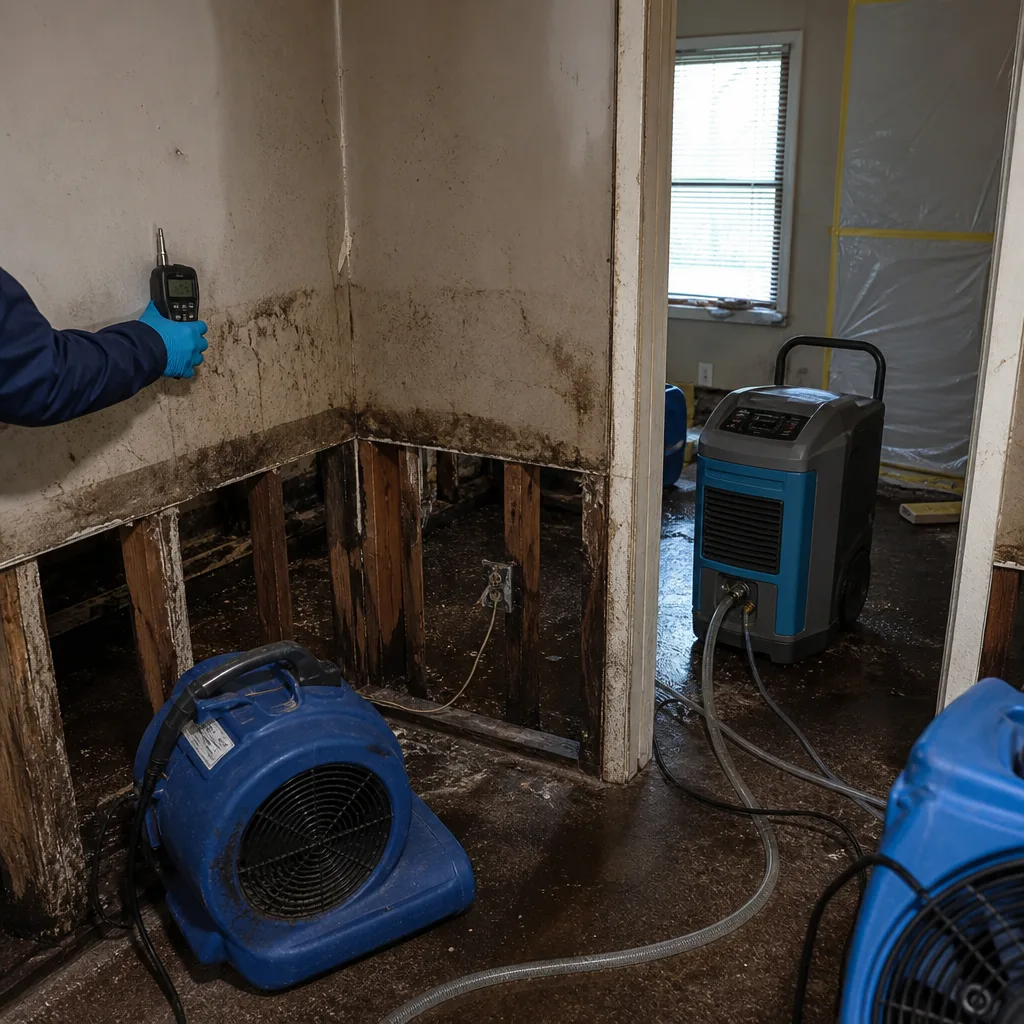 Before
 After
After24/7 Emergency Mold Remediation in Williamsburg
Mold remediation in Williamsburg typically costs $1,800-$6,500 depending on the square footage affected, the type of water that caused it, and whether your building is a pre-war brick tenement or a converted loft. Most jobs in the area take 3-7 days from containment to clearance testing, and we answer the phone live at (518) 750-3137 around the clock. If you’ve had a roof leak, a pipe burst, or a nor’easter push water through your walls, the first call sets everything in motion: a certified crew reaches Williamsburg fast, sets containment, and stops the spread before it crosses into your neighbor’s unit through a shared party wall.
Mold starts growing within 24-48 hours of water contact in Williamsburg’s older masonry buildings, where plaster-on-lath walls hold moisture longer than the drywall you’d find in newer construction. The first hour matters because spores move through open cavities, ductwork, and those freight elevator shafts that run vertically through converted warehouses off Bedford Avenue and Wythe Avenue. When you call, a real person picks up. Not a recording. We dispatch, we arrive, and we map the moisture before we touch a wall.
Understanding Mold Remediation Severity in Williamsburg Properties
Not every mold job is the same size, and in Williamsburg the building stock forces a different playbook than a suburban split-level. A small bathroom bloom from a poorly vented exhaust fan is one thing. Category 3 water from East River storm surge or Sewage Cleanup in Williamsburg is another entirely. That water carries bacteria, pathogens, and organic material that feeds mold behind finishes you cannot see. In a pre-war tenement on Grand Street or South 4th Street, water travels laterally through shared party wall cavities and vertically through abandoned shafts. The visible stain on one unit’s ceiling is rarely the whole story.
We classify severity by three things: the water category that caused it, the square footage of hidden colonization, and the building assembly holding the moisture. Plaster-on-lath behaves differently than drywall in almost every way. It dries slower, it holds moisture in cavities behind the lath, and a surface moisture reading can look normal while the space behind tests wet. Our Mold Remediation team runs thermal imaging and invasive probe checks, not just surface meters, because Williamsburg’s walls were built before moisture barriers existed. Containment, air scrubbing with HEPA filtration, and post-remediation clearance testing are non-negotiable on every job we run here, from a single Clinton Avenue studio to a full-floor loft on North 6th Street.
Why Williamsburg Property Owners Choose Floodline Restoration Co.
- 45-minute response commitment - Our Williamsburg dispatch track record puts a crew at your door fast, with the first containment barriers going up the same visit, not days later.
- 24/7 live answer, never an automated system - Call (518) 750-3137 at 2 a.m. during a nor’easter and a dispatcher who knows this neighborhood picks up. No phone tree.
- IICRC-certified crews - Our technicians hold WRT, FSRT, and AMRT certifications, and they have worked Williamsburg’s converted lofts and brick tenements long enough to know what those courses do not teach about freight elevator shafts and party walls.
- Free visual inspection - We walk the affected area, take moisture readings, and tell you what we found before any work is authorized. A written scope comes before a single fan gets plugged in.
- Direct insurance billing - We bill your carrier directly and handle adjuster communication, so you are not playing messenger between us and the claims department.
- One team from first extraction to final rebuild - The same background-checked, uniformed crew that sets containment also does the daily moisture readings, the antimicrobial treatment, and the reconstruction. No mid-job handoff to a crew you have never met.
Our Mold Remediation Process
Inspection & Assessment
We start with thermal imaging and moisture mapping across every affected level, including basement units that often get missed when water travels vertically through open elevator shafts. In Williamsburg tenements, we probe party wall cavities between adjacent addresses. A written scope of work follows the assessment, with a firm price before work starts.
Containment & Stabilization
HEPA-filtered negative air machines and containment barriers seal off affected zones, including shared wall cavities that connect your unit to the one next door. We stabilize the moisture source first: roof leak, failed supply line, or flood surge through a facade. Nothing dries until the water source is dead.
Drying & Dehumidification
Dri-Eaz dehumidifiers and XPOWER air movers run on a moisture map, not a timer. Daily readings log saturation levels in plaster, lath, masonry, and subfloor until the dry standard is met. In Williamsburg’s pre-war walls, this phase takes longer than in drywall construction because the materials hold water differently.
Cleaning & Sanitization
Antimicrobial treatments target active colonization on surfaces and within cavities. HEPA vacuuming removes settled spores from structural members and open industrial ductwork common in converted loft buildings. We treat what you see and what you cannot.
Air Quality Restoration
After source removal and cleaning, we run air scrubbers and retest. Post-remediation clearance testing confirms spore counts have returned to baseline before we pull containment. In attached buildings, we coordinate with neighboring units where party wall transmission occurred.
Repairs & Restoration
Our reconstruction crew rebuilds what was removed: plaster repair, new flooring, repainted surfaces, restored trim. The same team writes the moisture log and hands it to you and your carrier, then stands behind the finished work with the 90-Day Done Right Promise in writing.
Need Emergency Mold Remediation in Williamsburg Now?
Crews minutes away, answering live 24 hours a day. The sooner we start, the less it costs.
Working With Your Insurance Company
Mold claims in Williamsburg involve unusual building assemblies, and adjusters based outside the borough often do not know what a party wall cavity looks like or why a freight elevator shaft doubles as a water conduit. That is where documentation does the heavy lifting. We photograph every stage, log moisture readings daily, and write a line-item scope grounded in what we actually found behind the lath, not a generic template.
Floodline Restoration Co. has been doing this work since 2010, founded by Curt Bowman, and our direct-billing relationship with carriers means you never carry the paperwork from us to the insurer and back. We talk to your adjuster directly. The 90-Day Done Right Promise, our Keystone Standard, is in writing, and it applies whether insurance pays the claim or you do.
What We Provide Your Insurer
- Thorough documentation of the loss
- Photos of all damage, room by room
- Moisture readings and drying logs
- A detailed, line-item scope of work
- Direct coordination with your carrier
Built for Williamsburg’s Loss Calendar
Williamsburg gets hit from every direction, and the calendar tells the story. January and February bring deep freezes that burst supply lines in unheated hallways and utility closets of pre-war tenements; water runs down through floor assemblies and shows up as mold blooms in March when the heat rises again. Spring thaw pushes groundwater into basement floors and crawl spaces through fieldstone foundations that were never waterproofed. Summer thunderstorms dump inches of rain in an hour, overwhelming flat and minimally-pitched roofs that pool standing water. And our Storm & Disaster Restoration in Williamsburg stays busy during the nor’easter season, roughly October through April, when wind-blown rain drives through brick facades whose mortar joints and flashing have been deferred for decades. In every case, the mold clock starts within a day or two, and the longer the water sits behind plaster-on-lath, the bigger the containment zone becomes.
This is not theoretical. It is the pattern we see every year across Williamsburg, and it shapes how we stage equipment, schedule crews, and talk to property owners about what to watch for before the first cold snap or coastal storm hits.
Mold Remediation Across Williamsburg’s Neighborhoods
North Side lofts along Kent Avenue and Berry Street, typically converted from factories and warehouses, bring the freight elevator shaft problem: vertical water travel from a roof or upper-floor loss straight to basement-level units, bypassing every apartment in between. Our moisture mapping protocol traces those shafts floor by floor before any drying plan is set, because mold that starts in a basement unit two floors below the original leak is the definition of a hidden loss.
South Side tenements around South 3rd and South 8th Streets are older brick walk-ups with shared party walls between addresses. A pipe burst in one unit sends water laterally through those wall cavities, and the first visible sign may be in the neighbor’s apartment. Containment here crosses property lines, and we coordinate with both owners and, when needed, both insurance carriers.
East Williamsburg, including the blocks near the Montrose Avenue stop and the Morgan Avenue industrial corridor, mixes residential lofts with active light manufacturing. Open structural bays, exposed concrete slabs, and spray-foam insulation in converted spaces challenge standard drying protocols. Our Mold Remediation crews adjust the drying plan to the assembly, not the other way around.
Along the waterfront near Domino Park and the North 1st to North 7th Street corridor, FEMA Flood Zone AE properties face storm surge and tidal flooding risks that inland blocks do not. Mold here often follows Category 3 water, which requires antimicrobial treatment and far more aggressive drying than a clean-water pipe leak.
Specialized Mold Remediation Services We Offer in Williamsburg
Mold Inspection & Testing
In Williamsburg, a visual inspection is not enough. Our inspectors run thermal imaging behind plaster-on-lath walls, probe party wall cavities, and map moisture in basement units connected to freight elevator shafts. You get a written report with readings, findings, and a recommended scope. Free visual inspection, then a firm price before any work begins.
Mold Removal
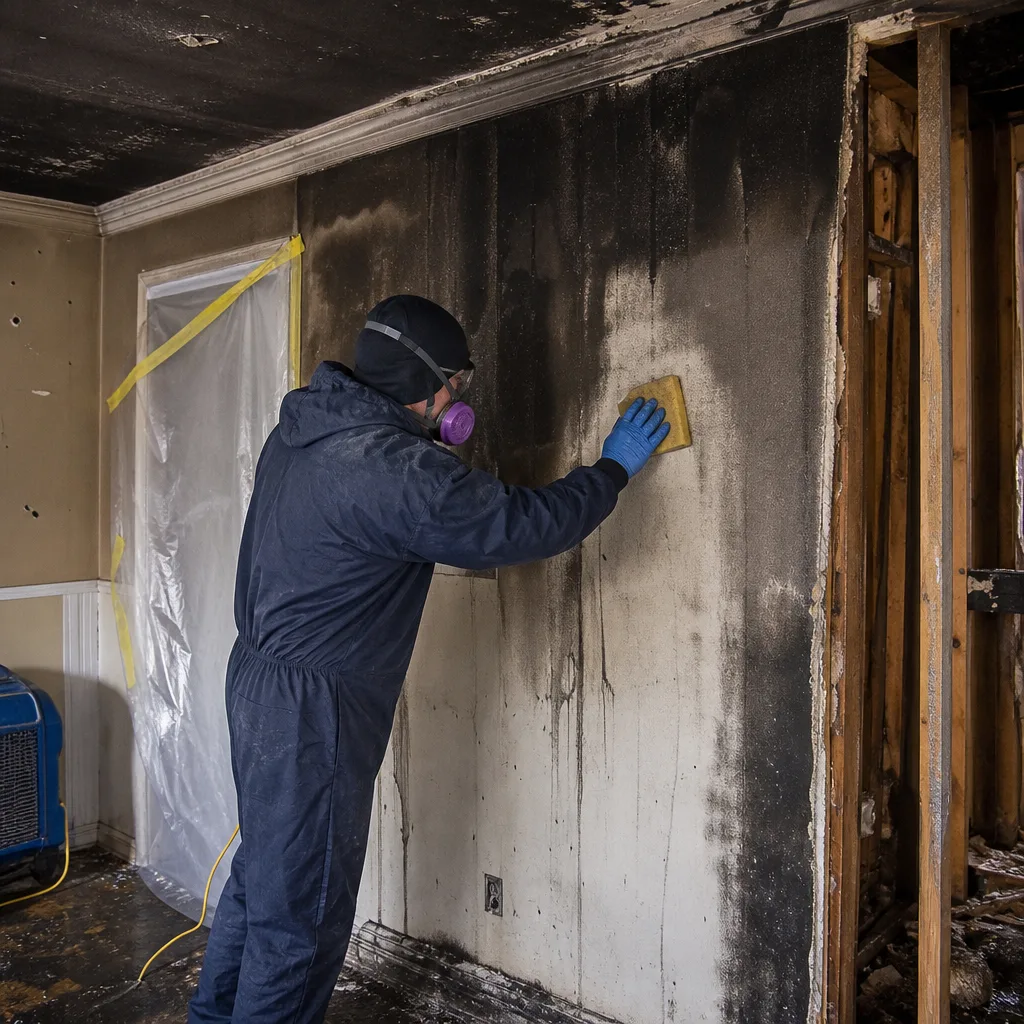
Removal in old masonry buildings means opening walls to remove saturated lath and contaminated plaster, not just wiping down surfaces. We contain every affected zone, run HEPA air scrubbers, and remove colonized material to structure. In attached tenements, we hold containment across the shared wall so spores do not migrate next door.
Black Mold Remediation
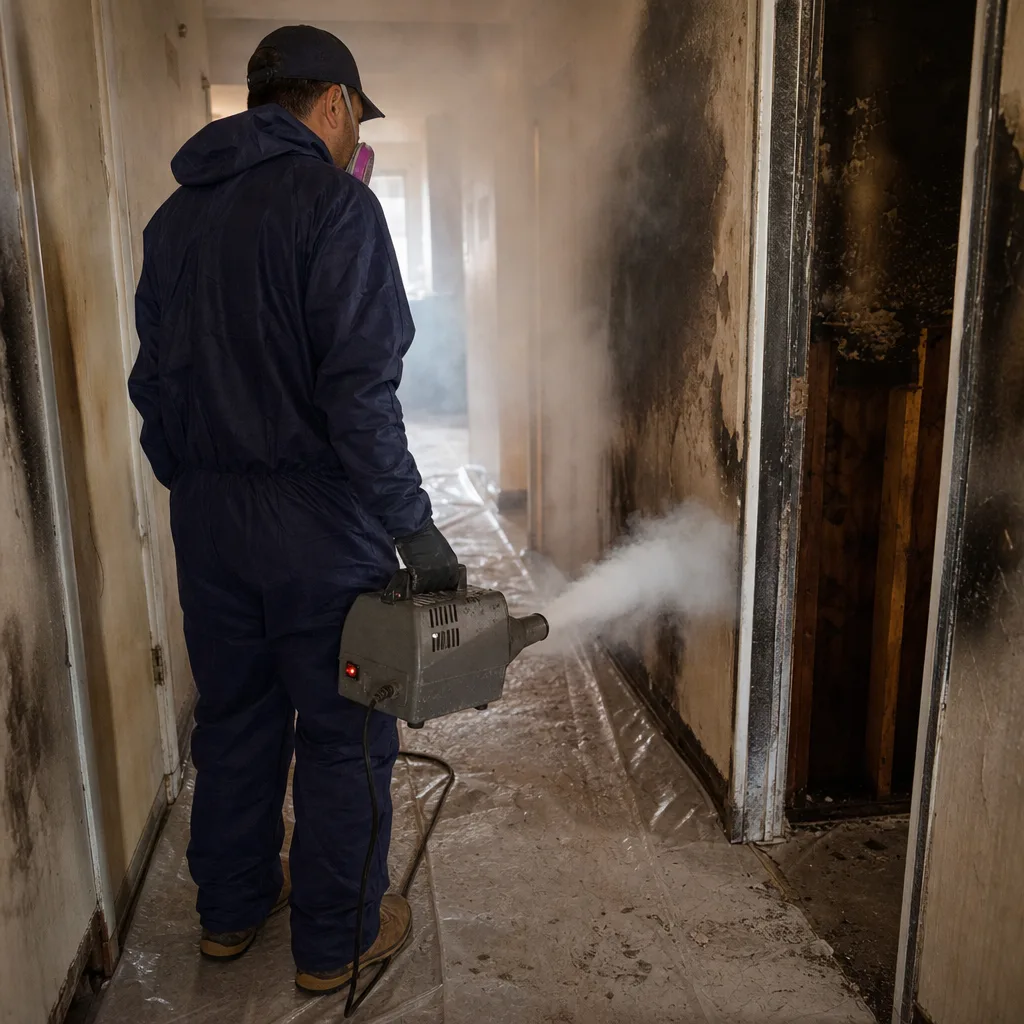
Stachybotrys, what people call black mold, thrives on the cellulose-heavy materials common in Williamsburg’s pre-war construction: plaster, lath, old paper-faced insulation, and wood joists. This is a job for full containment, negative air pressure, and certified crews, not a bleach rag. We have the AMRT-certified technicians and the equipment to do it correctly.
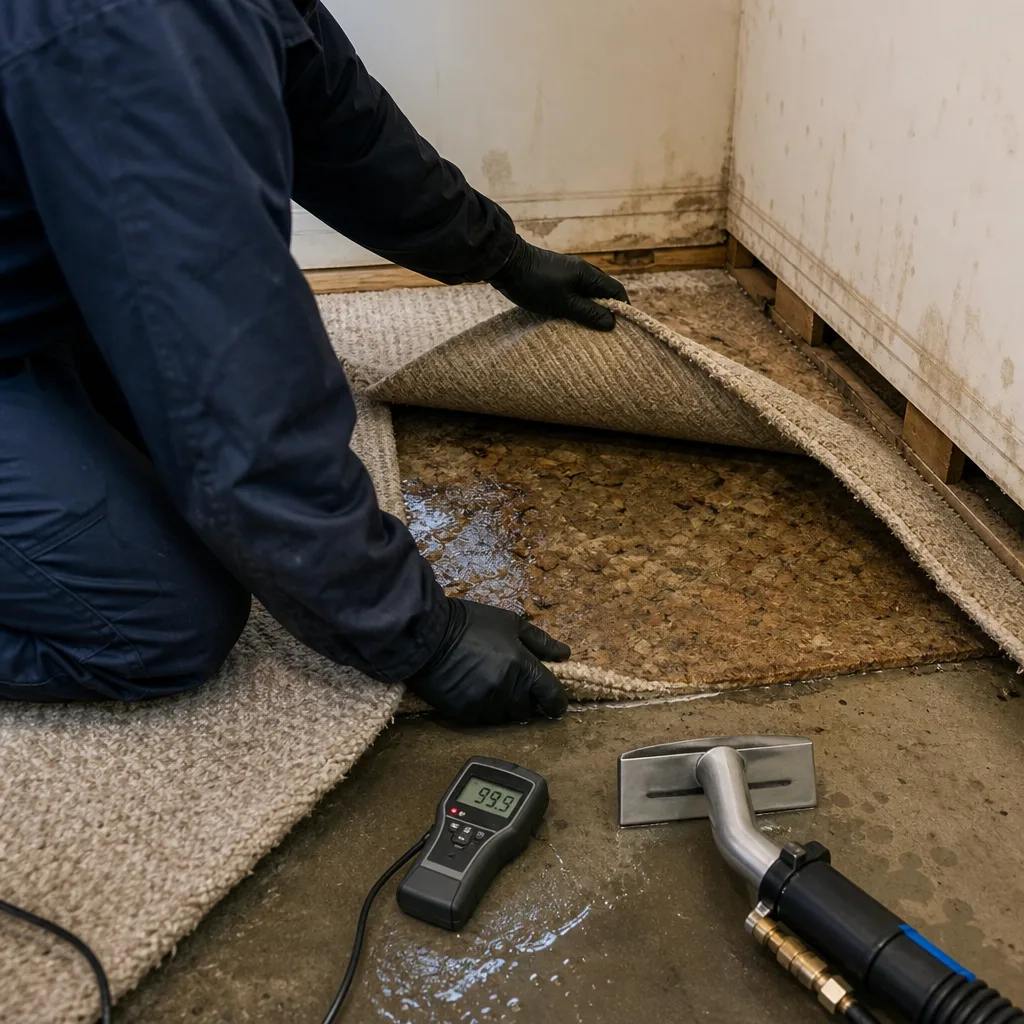
Air Quality Restoration
After source removal, we run air scrubbers long enough to pull airborne spore counts back to baseline, then verify with post-remediation clearance testing. In converted lofts with open industrial ductwork, this phase runs longer, because those ducts are highways for spores. We treat the ductwork itself, not just the room air.
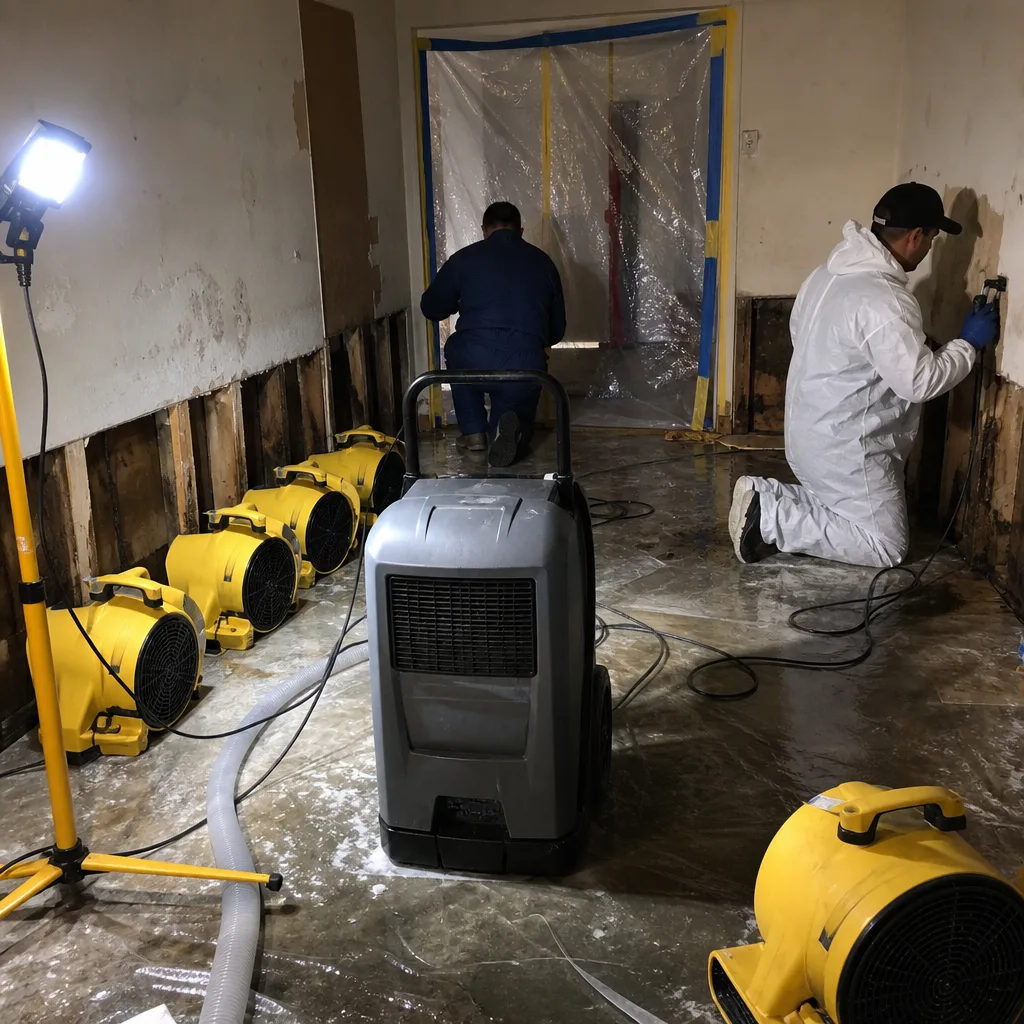
Crawl Space Treatment
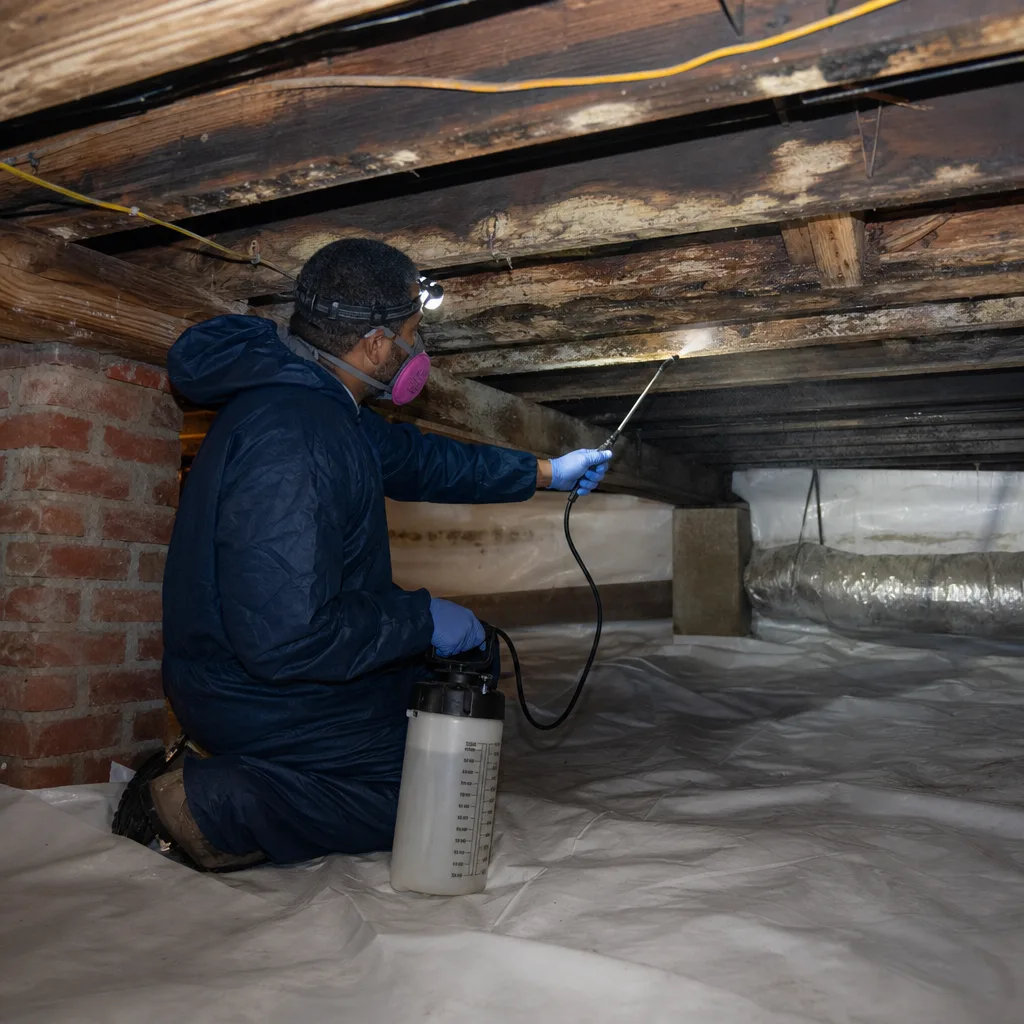
Many Williamsburg row houses and older buildings have small, damp crawl spaces over dirt or old fieldstone. Mold here feeds on trapped humidity and rises through floor assemblies. We dry the space, apply antimicrobial treatment, and install moisture and humidity controls so the problem does not return in the next rainy season.
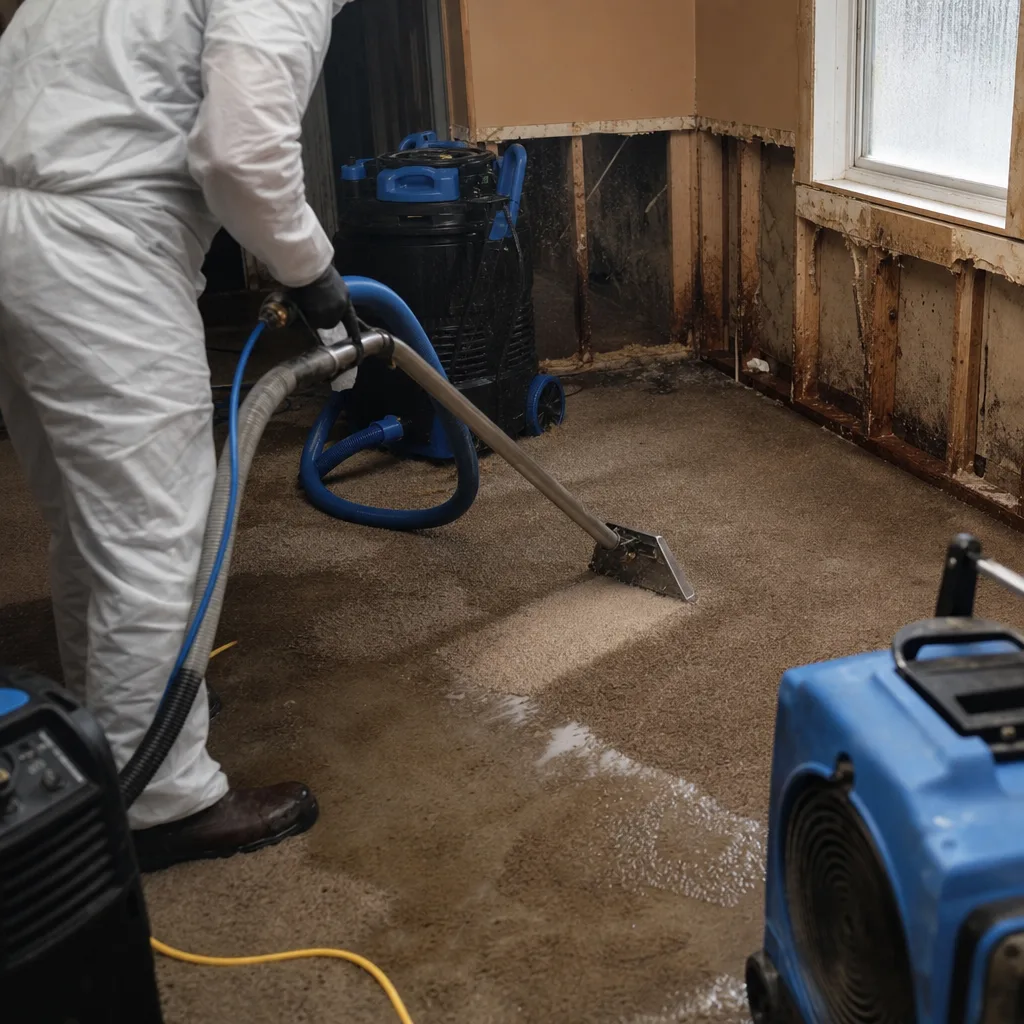
Moisture & Humidity Control
Williamsburg’s older brick construction holds moisture like a sponge, and without dehumidification, every humid summer re-wets the same cavities. We install and service standalone dehumidifiers and whole-space humidity systems sized for the building’s actual cubic footage and masonry mass, with the goal of keeping relative humidity below 50% year-round.
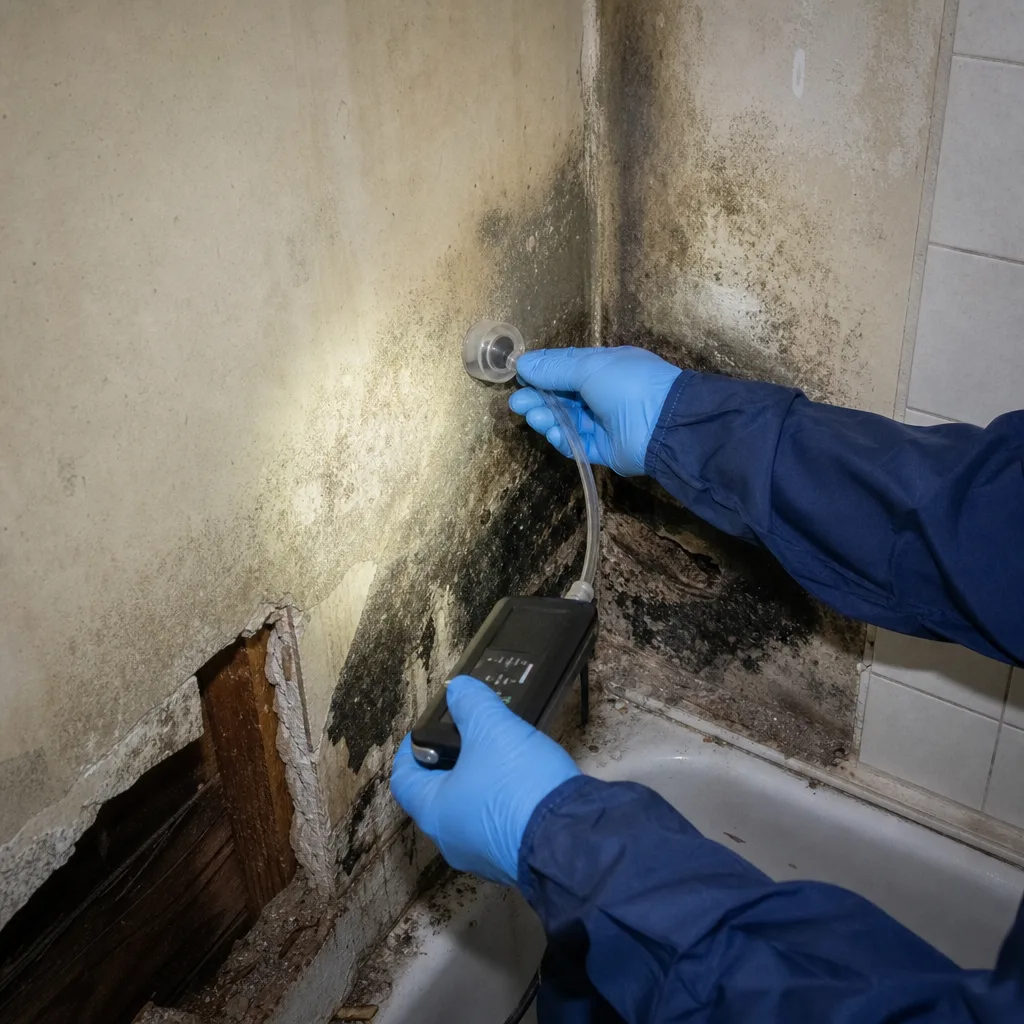
What happens when you call
- 1
A real person answersNo phone trees - you reach a local pro.
- 2
You get an upfront price rangeHonest numbers before anyone is dispatched.
- 3
A background-checked tech heads outLicensed & insured, dispatched right away.
- 4
You approve before work beginsNothing starts until you say go.
Mold Remediation Costs in Williamsburg, NY
A straightforward mold removal in a single Williamsburg bathroom or closet typically runs $1,800-$3,200. A full containment job across multiple rooms in a tenement or loft, with wall cavity treatment, air scrubbing, and clearance testing, lands between $4,000 and $6,500. Crawl space treatment, depending on square footage and how much material we remove, runs $2,500-$5,000. Air quality restoration and ductwork cleaning add $1,200-$2,800 on top of source removal when ducts are involved.
What moves the price: whether the water was Category 1 or Category 3, how many party wall cavities need containment, whether plaster-on-lath must be opened or can be dried in place, and whether the freight elevator shaft in your building has been acting as a water conduit. Insurance covered losses follow a different billing path, but the scope and price are the same: written, line-item, agreed before work starts. Call (518) 750-3137 for a free inspection and a number you can hold us to. Senior and veteran discounts of 5% always apply, as does $50 off any repair over $250.
We Also Serve Cities Near Williamsburg
Our crews regularly run mold remediation jobs in East Flatbush, Sunset Park, Bedford-Stuyvesant, and Bensonhurst. Same live dispatch, same IICRC-certified crews, same written scope before work starts. If your building sits in one of those neighborhoods, call (518) 750-3137 and we will get a crew routed to you.
Serving Williamsburg, NY - Our Local Coverage Area
We’re based in the Williamsburg area and know this community well. Use the map below to see our service coverage - if you’re nearby, we can almost certainly help.
Williamsburg Mold Remediation Questions, Answered
How do Williamsburg’s converted lofts complicate mold remediation compared to standard apartments?
Converted lofts in Williamsburg complicate mold remediation because open freight elevator shafts, exposed structural bays, and industrial ductwork create vertical and horizontal pathways for water and spores that standard apartment tests do not detect. Water from a roof leak on the fourth floor can travel down a shaft and pool in a basement unit two floors below the source, colonizing mold there while the original floor tests dry. Spray-foam insulation added during conversion also traps moisture against masonry in ways that fiberglass batts do not. Our moisture mapping protocol traces these vertical bypasses before any drying plan is set.
What role do party walls play in mold spread between Williamsburg tenement units?
In Williamsburg’s attached brick tenements, party walls are continuous masonry cavities shared between two addresses, and they act as horizontal water conduits. A pipe burst in one unit sends water through the wall cavity into the neighboring apartment, where mold can colonize behind plaster-on-lath without any visible sign on the original side. Proper remediation requires containment across the party wall and coordination between both property owners so spores do not migrate through the shared cavity during cleanup. We have handled multi-address jobs on these blocks and understand the coordination involved.
Why is Category 3 water a bigger concern in Williamsburg flood zones near the East River and Newtown Creek?
Category 3 water, which carries sewage, bacteria, and pathogens, is a bigger concern along the East River and Newtown Creek corridors because storm surge and tidal flooding push contaminated water into basements and ground floors across FEMA Flood Zone AE properties. Biohazard & Crime Scene Cleanup in Williamsburg requires the same level of containment and antimicrobial protocols. This water feeds mold rapidly and requires antimicrobial treatment, full containment, and disposal of saturated porous materials, not just drying. Hurricane Sandy proved how fast this happens in Williamsburg, and the same low-lying blocks remain at risk during every coastal storm season. Call (518) 750-3137 right away if flood water has entered your building; do not wait for visible mold.
How quickly can mold appear in a Williamsburg loft after a roof leak from a nor’easter?
Mold can begin colonizing within 24 to 48 hours after water enters a Williamsburg loft, especially when the leak soaks plaster, lath, and wood joists that hold moisture well. Nor’easters drive rain through brick facades and flat roofs at an angle that saturates interior walls fast. Because loft spaces often have open ceiling bays and ductwork, spores move quickly once growth begins. If a storm has put water inside your apartment, call (518) 750-3137 the same day for extraction and drying; the cost of waiting is measured in containment square footage.
Does Williamsburg’s older brick construction change how we should scope a mold remediation job?
Yes. Plaster-on-lath walls in Williamsburg’s pre-war brick buildings hold moisture in hidden cavities behind the lath, so surface moisture readings often read dry while mold grows unseen. Standard drying logs designed for drywall do not capture this. A proper scope here opens walls to inspect cavities, uses invasive probe checks and thermal imaging, and plans for longer drying times than a drywall building. Any contractor who scopes a Williamsburg tenement the same way they would a suburban sheetrock house is missing the actual moisture problem.
How fast can you get to a mold emergency in Williamsburg?
Our response commitment in Williamsburg is 45 minutes from the time you call (518) 750-3137. A live dispatcher answers at any hour, routes the nearest certified crew, and containment begins the same visit. We stage equipment and crews for the neighborhoods we serve, so response across Williamsburg is measured in minutes, not hours.
Will my insurance cover mold remediation in Williamsburg?
Coverage depends on the source of the water and the terms of your policy, not on the neighborhood. Sudden and accidental water damage, like a burst pipe or a storm-driven roof leak, is more likely to trigger coverage than long-standing maintenance issues. We photograph everything, document moisture readings daily, bill your carrier directly, and talk to your adjuster so you are not caught in the middle. Call (518) 750-3137 and we will walk you through what your policy language actually says.
Can we stay in our Williamsburg apartment during mold remediation?
In most single-room jobs, you can stay in the apartment while we work, provided the containment zone is sealed and you avoid the affected area. Larger jobs that involve opening walls, running heavy negative air pressure, or treating Category 3 water contamination may require temporary relocation during the drying and treatment phase. We will tell you straight, before work starts, whether staying is safe and practical, and we will give you a written plan either way.
Written by Curt Bowman, Owner at Floodline Restoration Co., serving Williamsburg since 2010.