
Free visual inspection and a written scope of work before any mitigation begins - photos, moisture readings, and drying logs go in your claim file
The scope we write is the scope we bill. Anything new gets shown to you, in writing, before we touch it.
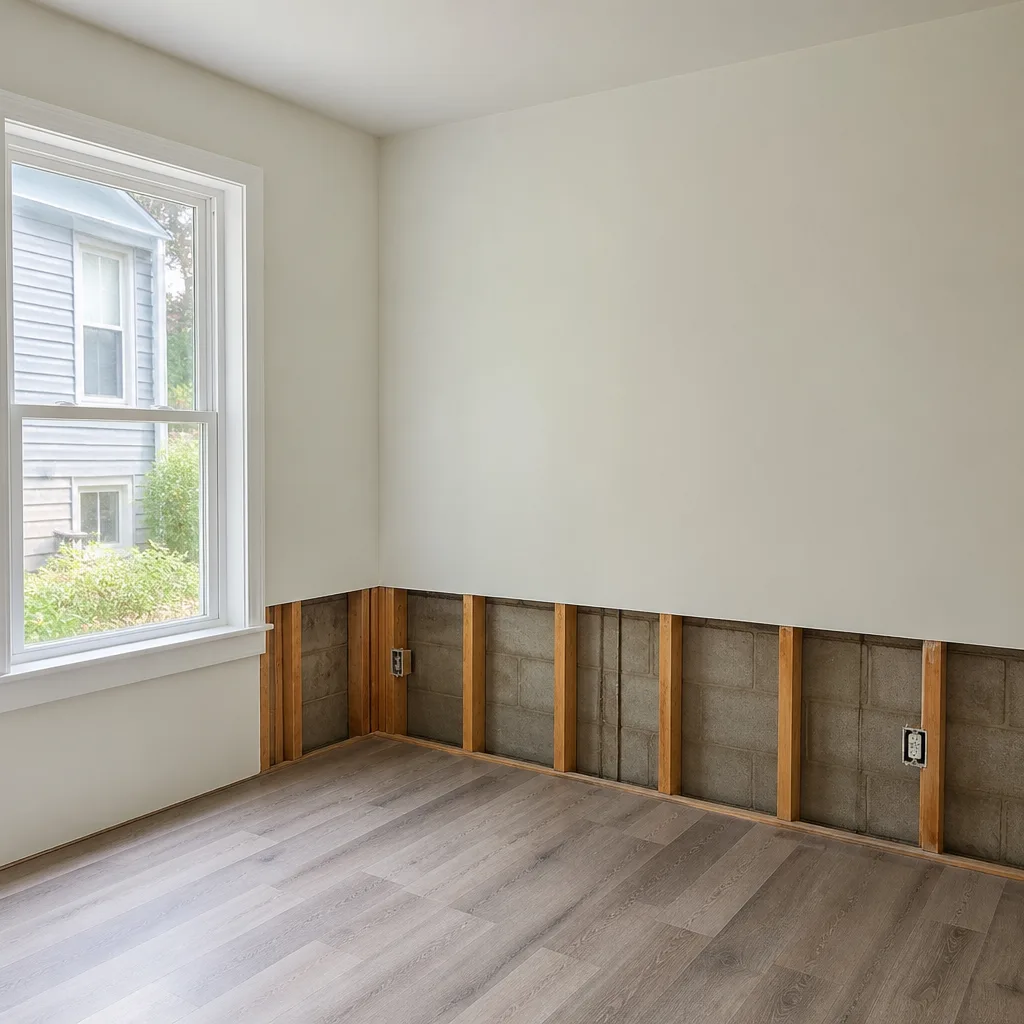

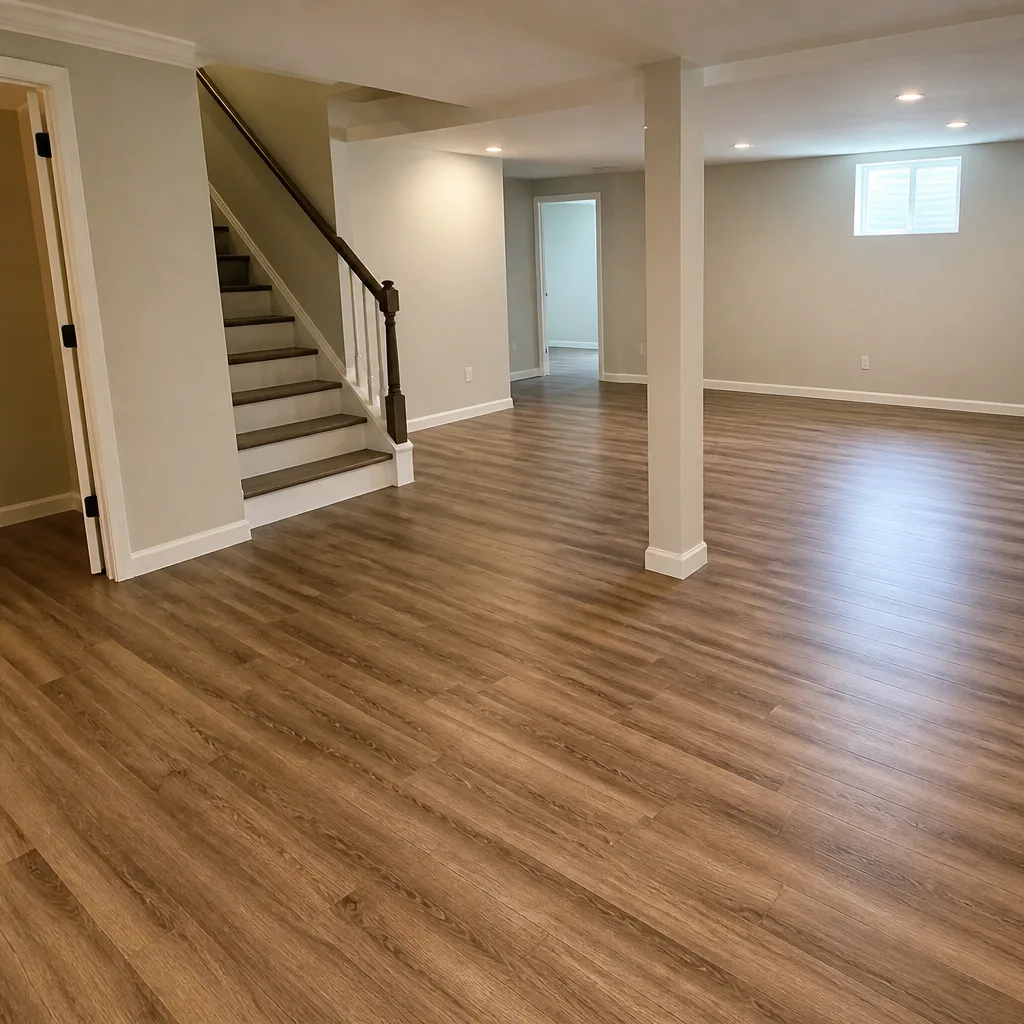
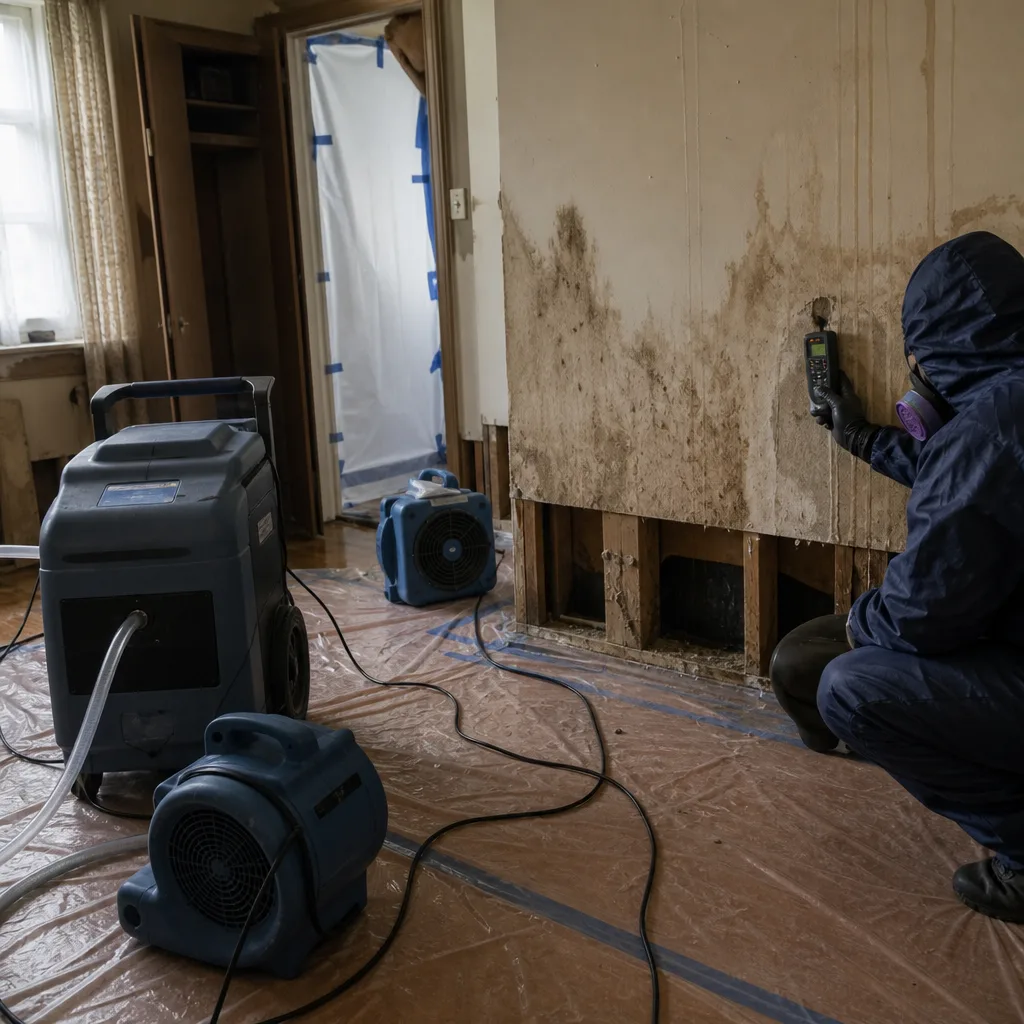 Before
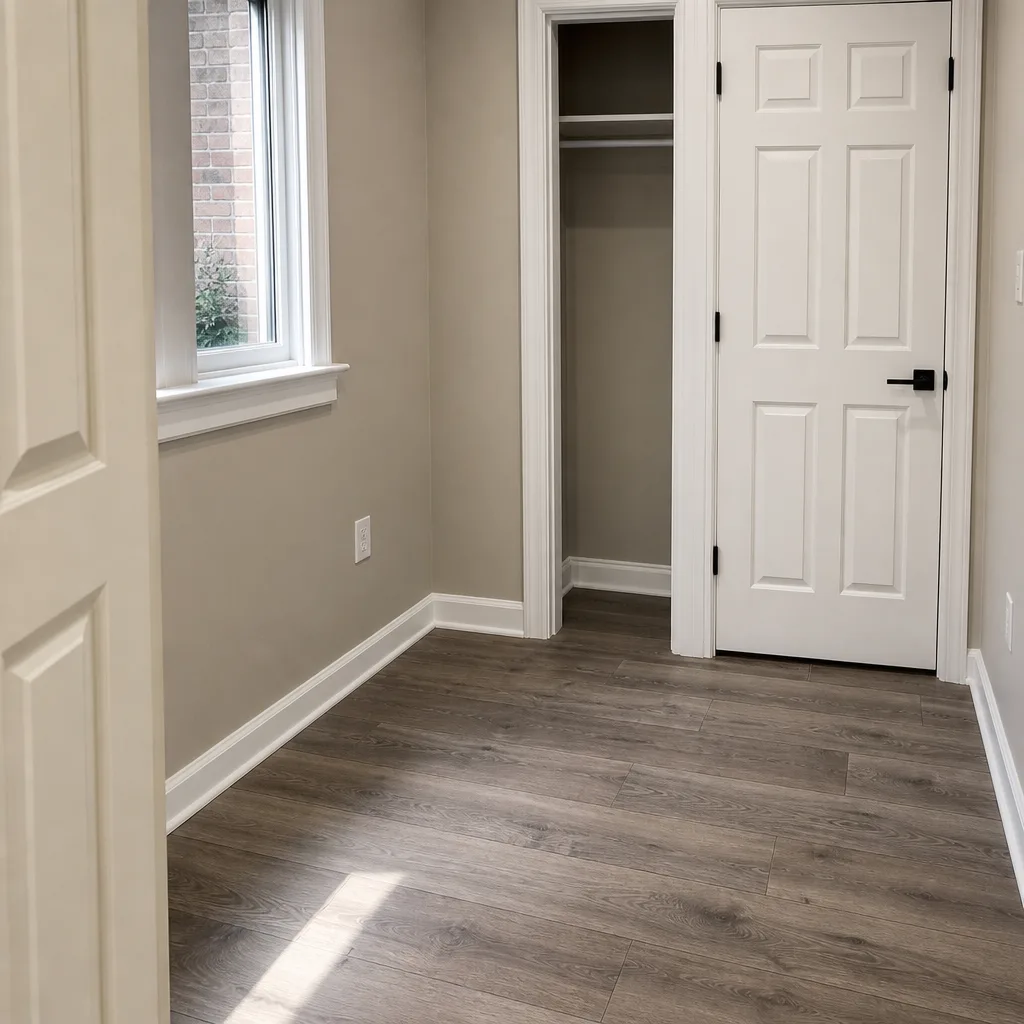 After
After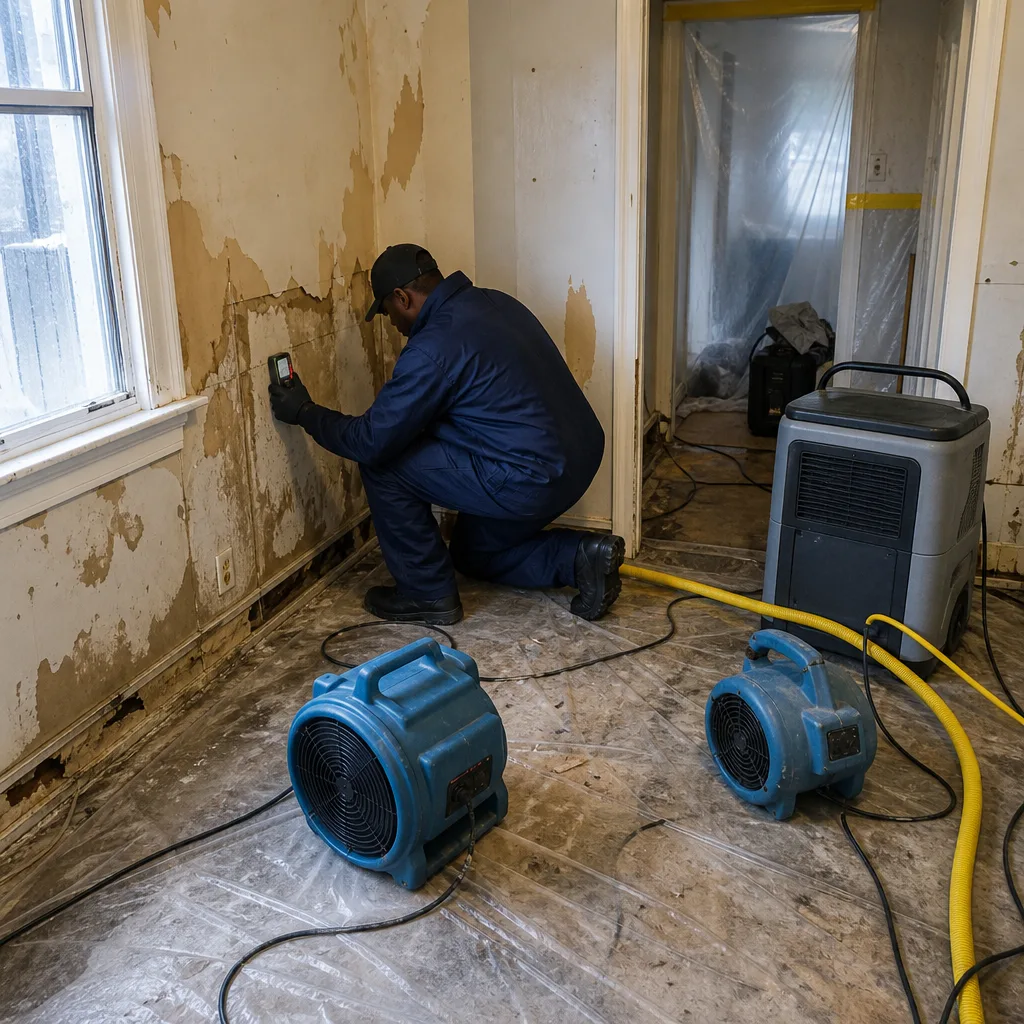 Before
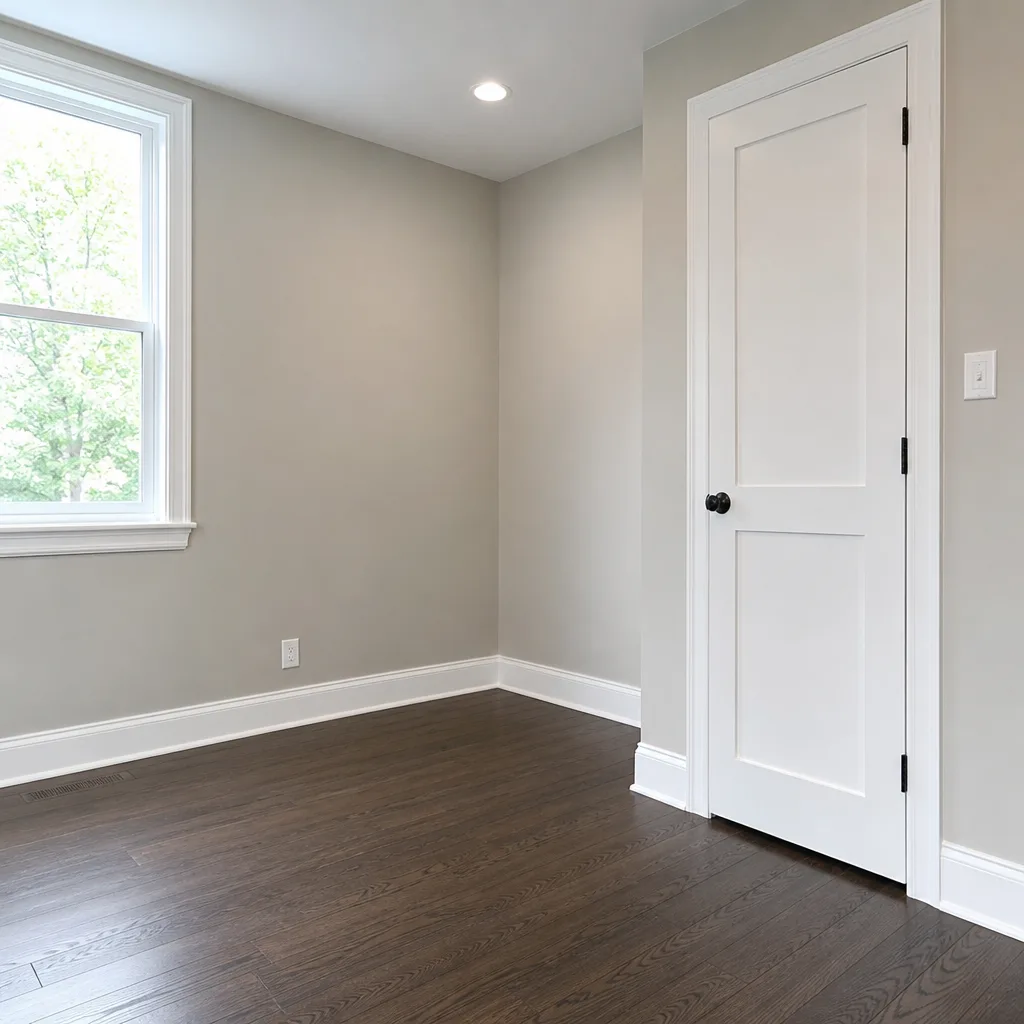 After
After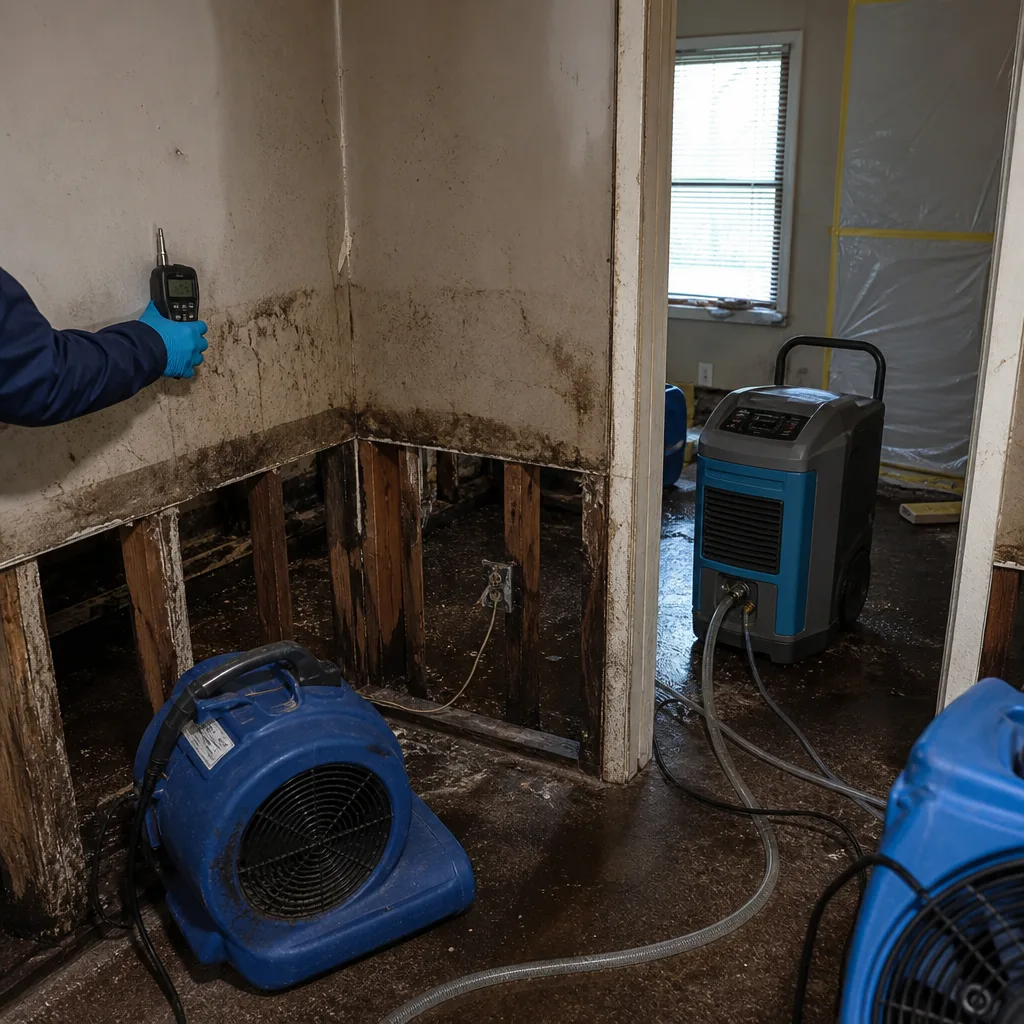 Before
 After
After24/7 Emergency Reconstruction & Cleanup in Spring Creek
When water, fire, or storm damage hits a Spring Creek property, the first call should be to a crew that already knows this neighborhood’s buildings. Reach us at (518) 750-3137 any hour, any day. A live dispatcher answers. We don’t route you to a call center or ask you to leave a message at 2 a.m. The sooner we get eyes on the damage inside Spring Creek, the sooner extraction, drying, and a written scope of work can begin. In a flood zone like this one, where saturated fill soils keep pushing moisture into slabs and block walls, waiting a day often means the difference between drying out and tearing out. Our crews are minutes from Spring Creek Towers and the surrounding blocks, and every visit starts with a free visual inspection. We’ll tell you honestly what needs to happen, what it should cost, and whether your insurance carrier will be part of the conversation.
Understanding Reconstruction & Cleanup Severity in Spring Creek Properties
Reconstruction and cleanup after water, fire, or mold damage follows a severity ladder that matters a great deal in Spring Creek’s specific building stock. The water categories run from Category 1 (clean water from a supply line) through Category 2 (grey water with some contaminants) to Category 3 (black water carrying sewage, storm surge, or king-tide backflow). Category 3 means full containment, removal of affected drywall and insulation, and HEPA air scrubbing before any rebuild starts. Fire cleanup is driven by soot residue types: dry soot from fast-burning materials, wet soot from smoldering synthetics, and protein residues from kitchen fires each require a different cleaning chemistry. Mold demands containment, air scrubbing, and clearance testing before and after remediation. In Spring Creek, severity is compounded by building age. The 1970s construction inside Spring Creek Towers and the surrounding garden apartments means original waterproofing, slab-on-grade basements, and block walls that wick moisture from the former marshland fill beneath. What presents as “a little dampness” on a ground-floor wall is frequently hydrostatic pressure moving up through the slab, and the correct response includes moisture mapping, not just towel-drying the surface. Misdiagnose that at the start, and the whole restoration scope goes sideways.
Why Spring Creek Property Owners Choose Floodline Restoration Co.
- 45-minute response commitment. When you call about a flooded ground-floor unit or smoke damage inside Spring Creek Towers, our first crew is typically on site within 45 minutes, day or night.
- 24/7 live answer, a real person. A live dispatcher picks up at 2 a.m., not a recording. You talk to someone who can send a certified crew the same visit.
- IICRC-certified crews. Our technicians hold WRT, FSRT, and AMRT certifications and work inside Spring Creek’s aging buildings with the containment and materials-sampling discipline those jobs require.
- Free visual inspection. We walk the property, read the moisture map, and tell you whether you need full reconstruction or targeted repair. No charge, no obligation.
- Direct insurance billing. We bill your carrier directly and handle the adjuster correspondence so you’re never the messenger between us and the insurance company.
- One team, extraction to reconstruction. The same Floodline crew that extracts water or cleans soot on day one is the crew that hangs new drywall and finishes the rebuild. No mid-job handoff.
Our Reconstruction & Cleanup Process
Inspection & Assessment
We inspect the full affected area with thermal imaging and moisture meters, identify the water category or soot type, and define the scope of work in writing before anything is torn out.
Extraction & Stabilization
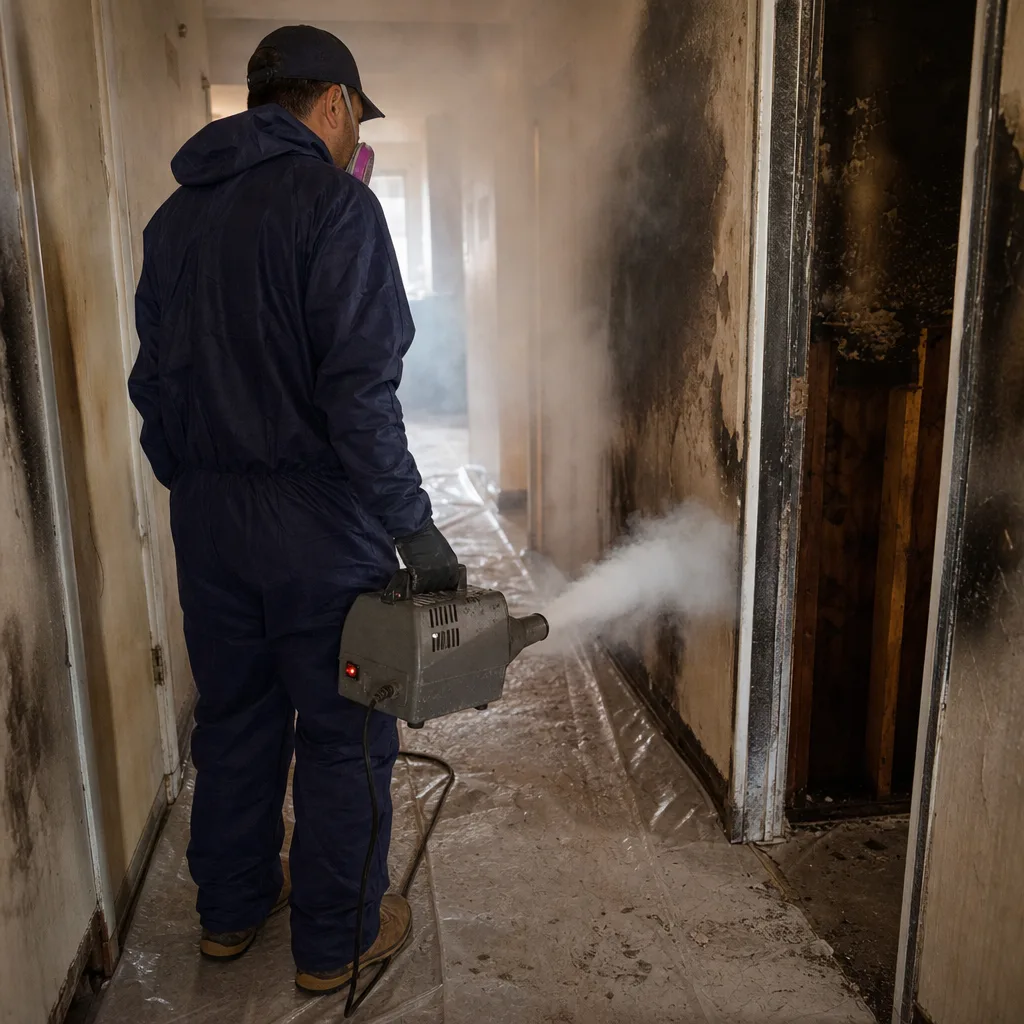
Water is extracted using truck-mounted and portable equipment. For fire jobs, we stabilize the structure and seal off unaffected areas to stop soot migration into corridors and adjacent units.
Drying & Dehumidification
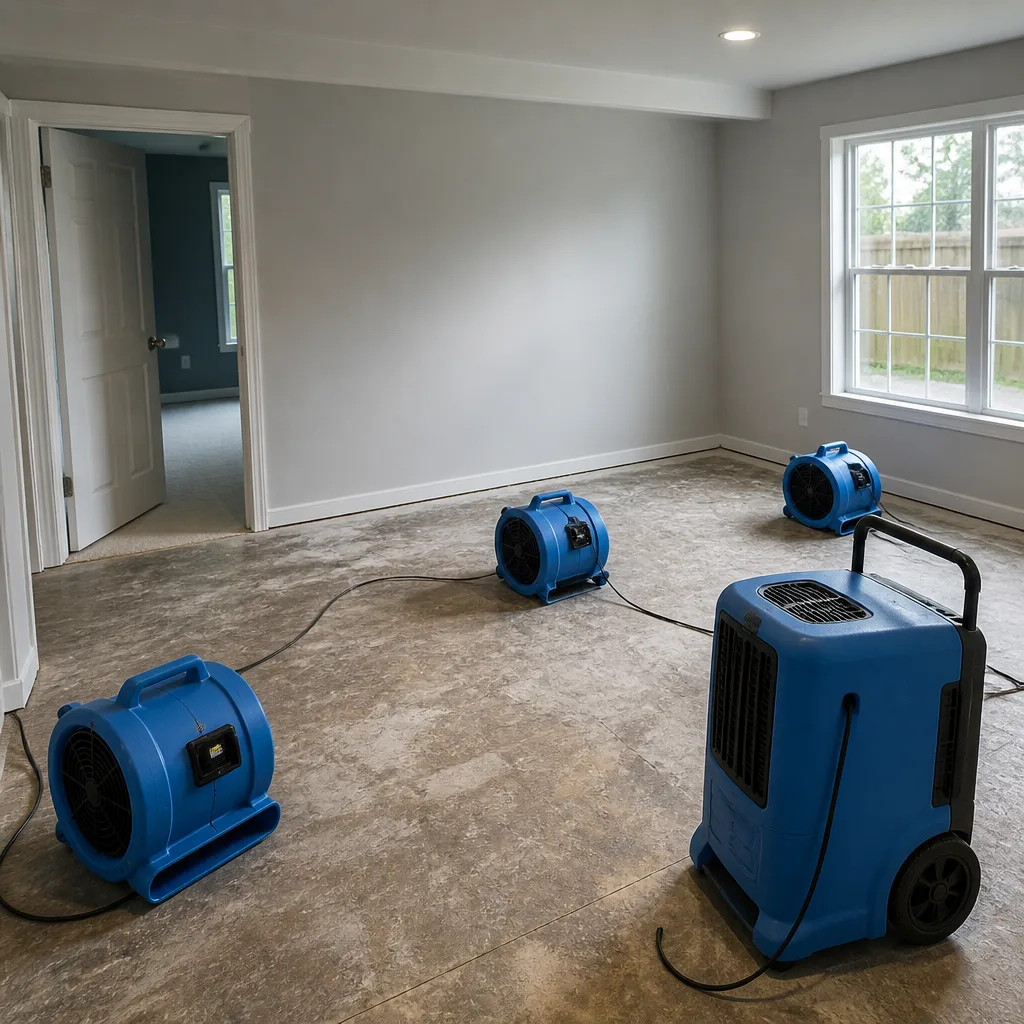
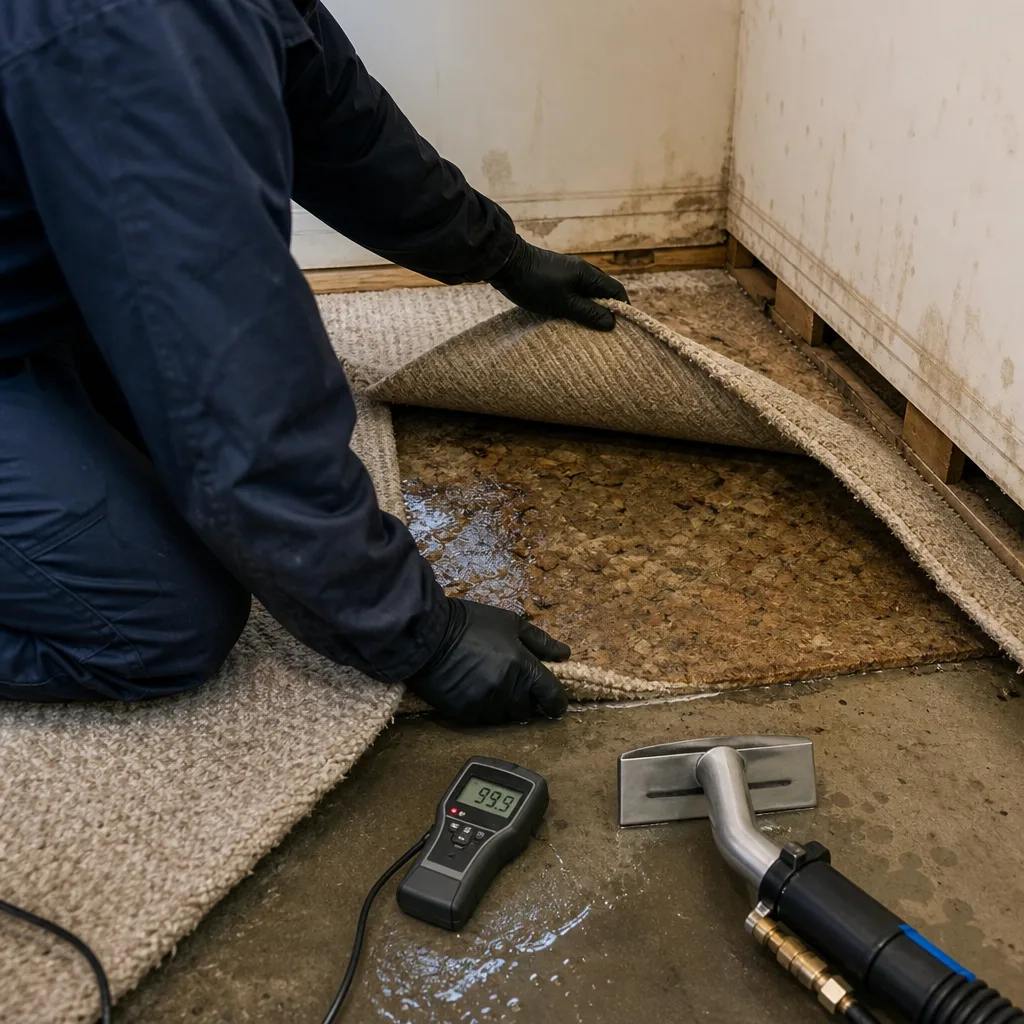
Professional-grade Dri-Eaz and Phoenix air movers and dehumidifiers are placed according to a moisture map. We take daily readings until the dry standard is met, and we log every one.
Cleaning & Sanitization
HEPA air scrubbers run during the entire cleanup. Affected surfaces are cleaned, sanitized, and treated according to what actually happened in that unit, not a generic checklist.
Specialty Treatment for Reconstruction & Cleanup
For Spring Creek’s older buildings, this step includes asbestos and lead paint sampling before any wall is opened, plus hydrostatic moisture correction where the fill soil is the root cause.
Repairs & Restoration
The same crew that did the mitigation now rebuilds: drywall, flooring, trim, paint, and any structural repair. We finish with a clean, working result and a written 90-Day Done Right Promise.
Need Emergency Reconstruction & Cleanup in Spring Creek Now?
Crews minutes away, answering live 24 hours a day. The sooner we start, the less it costs.
Working With Your Insurance Company
We handle the insurance side of a Spring Creek loss the way we handle the physical damage: start with documentation, stay in communication, and write everything down. From the first hour, we photograph the damage room by room, log moisture readings every day of drying, and prepare a detailed, line-item scope of work that your adjuster can read without a translator. For flood claims, including NFIP policies common in this neighborhood, we provide the drying logs, pre-loss condition photos, and hydrostatic moisture documentation that can turn a denied claim into an approved mitigation and rebuild. A Floodline technician works directly with your carrier. You don’t sit on hold with an insurer while your kitchen studs stay wet.
What We Provide Your Insurer
- Thorough documentation of the loss
- Photos of all damage, room by room
- Moisture readings and drying logs
- A detailed, line-item scope of work
- Direct coordination with your carrier
Built for Spring Creek’s Loss Calendar
Spring Creek doesn’t have one disaster season. It has a year-round calendar of loss types, each hitting at specific times and each shaped by this neighborhood’s geography and building stock. January and February bring deep freezes that burst supply lines in older garden apartment buildings, often flooding three or four ground-floor units at once. March and April, the spring thaw saturates the already waterlogged fill soil beneath the neighborhood, and basements that were dry all winter start weeping through slab cracks and block-wall joints. Summer brings fast-moving thunderstorms that overwhelm the stormwater system, and because Spring Creek sits at extremely low elevation on former Jamaica Bay marshland, even a heavy downpour can back up into basement drains. Late summer and early fall is hurricane season, and everyone here remembers 2012, when Sandy’s surge came up Fountain Avenue and into the lobbies and garages of Spring Creek Towers. Late fall brings nor’easters: wind-driven rain that finds its way through aging roof flashing and window seals. Floodline crews work this calendar year-round, and we schedule our preventive maintenance visits around it. The best time to fix a ground-floor moisture problem in Spring Creek is before the thaw reveals it.
Reconstruction & Cleanup Across Spring Creek’s Neighborhoods
Spring Creek is a neighborhood of distinct pockets, and each one presents different reconstruction challenges. The dominant presence is Spring Creek Towers, the 1970s complex of dozens of identical brick mid- and high-rises west of Fountain Avenue. Jobs inside those buildings require containment and air-scrubbing discipline because a category 3 water event in one unit can spread contaminants into shared corridors, stairwells, and neighboring apartments. Loading dock access, elevator scheduling, and building management coordination are part of every scope we write there. East of the complex, the smaller attached row homes and garden apartments around Vandalia Avenue and Seaview Avenue run on original 1950s and 1960s plumbing and electrical systems. Ground-floor moisture here frequently traces back to the hydrostatic pressure of waterlogged fill soils, not a leak at all. The blocks along the eastern edge near the former landfill and Jamaica Bay see the most aggressive storm surge and king-tide backflow, and responding there after a tidal event means dealing with saltwater contamination, not clean water. North of Flatlands Avenue, the commercial and light-industrial strips present different loss patterns: fire and smoke events in kitchens, supply pipes freezing, and roof drainage failures. We route to all of these from our New York City dispatch desk, with crews stationed to reach any Spring Creek address fast.
Specialized Reconstruction & Cleanup Services We Offer in Spring Creek
Full-Service Reconstruction
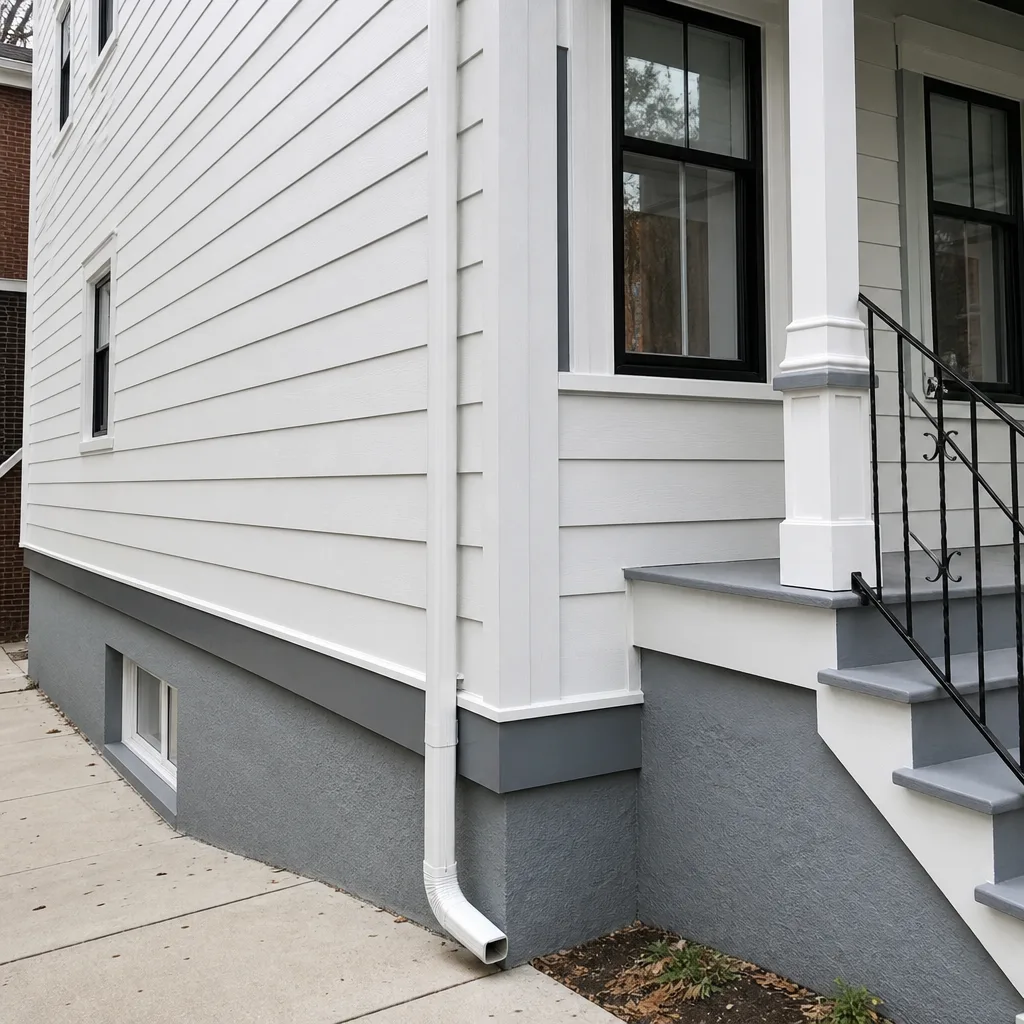
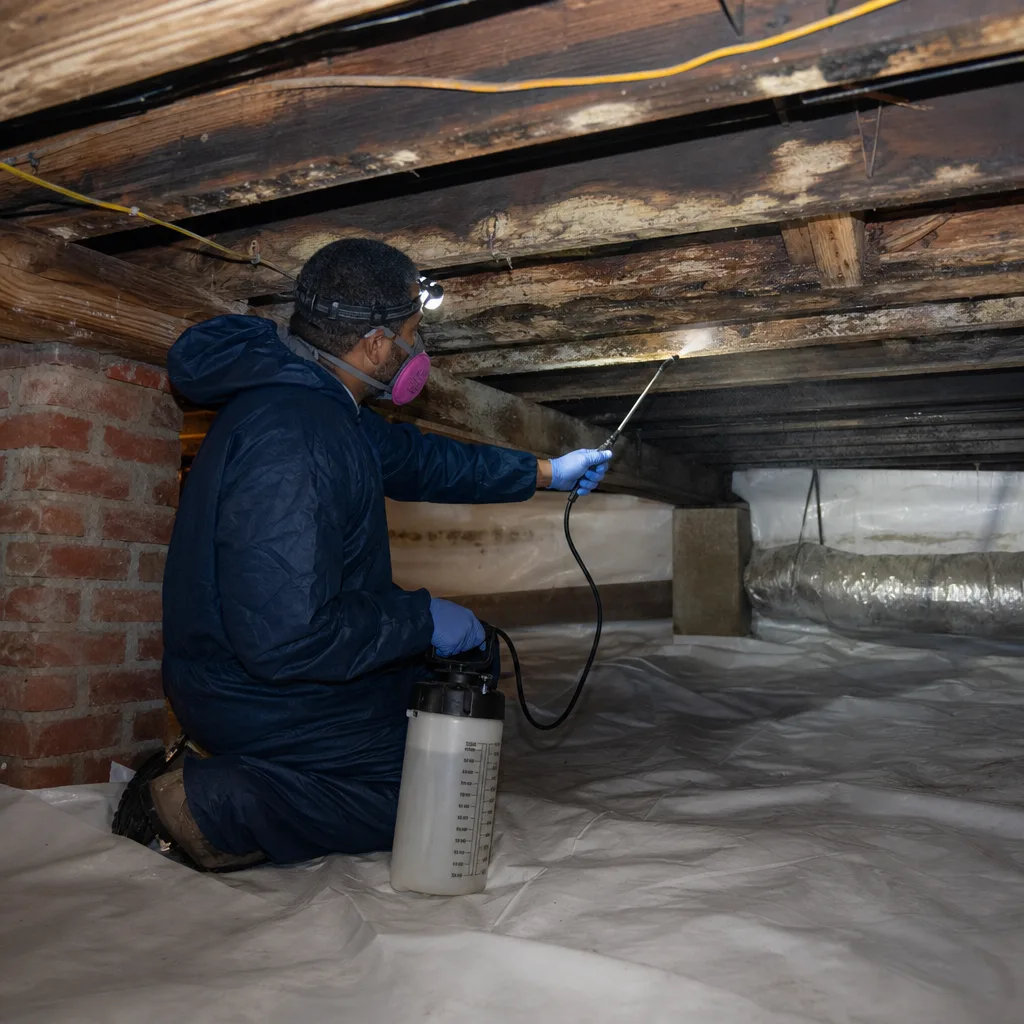
From exposed studs to final paint, our crews rebuild what the water, fire, or mold took out. In Spring Creek’s older buildings, that often includes replacing rotted bottom plates, repairing block walls, and correcting the moisture path that caused the original failure. We don’t rebuild over a problem; we rebuild after fixing it.
Drywall & Flooring Repair
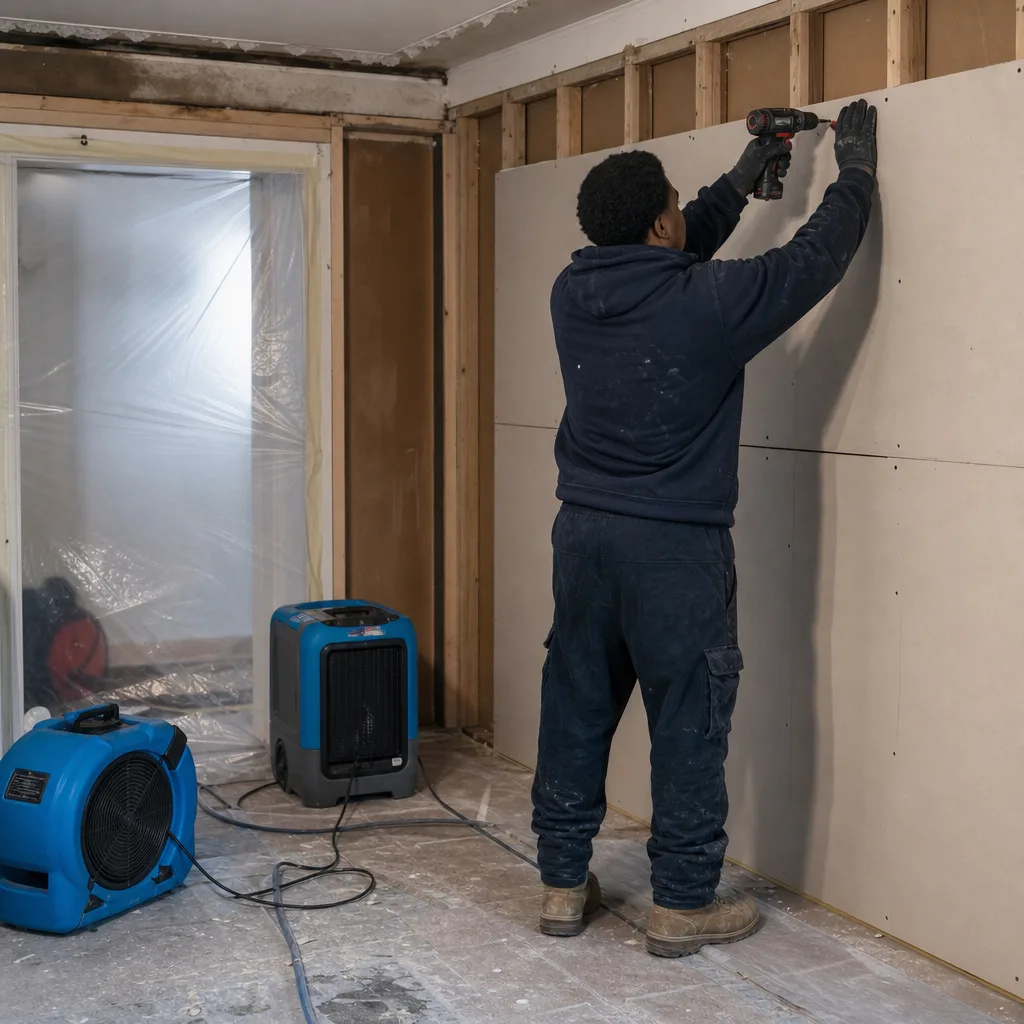
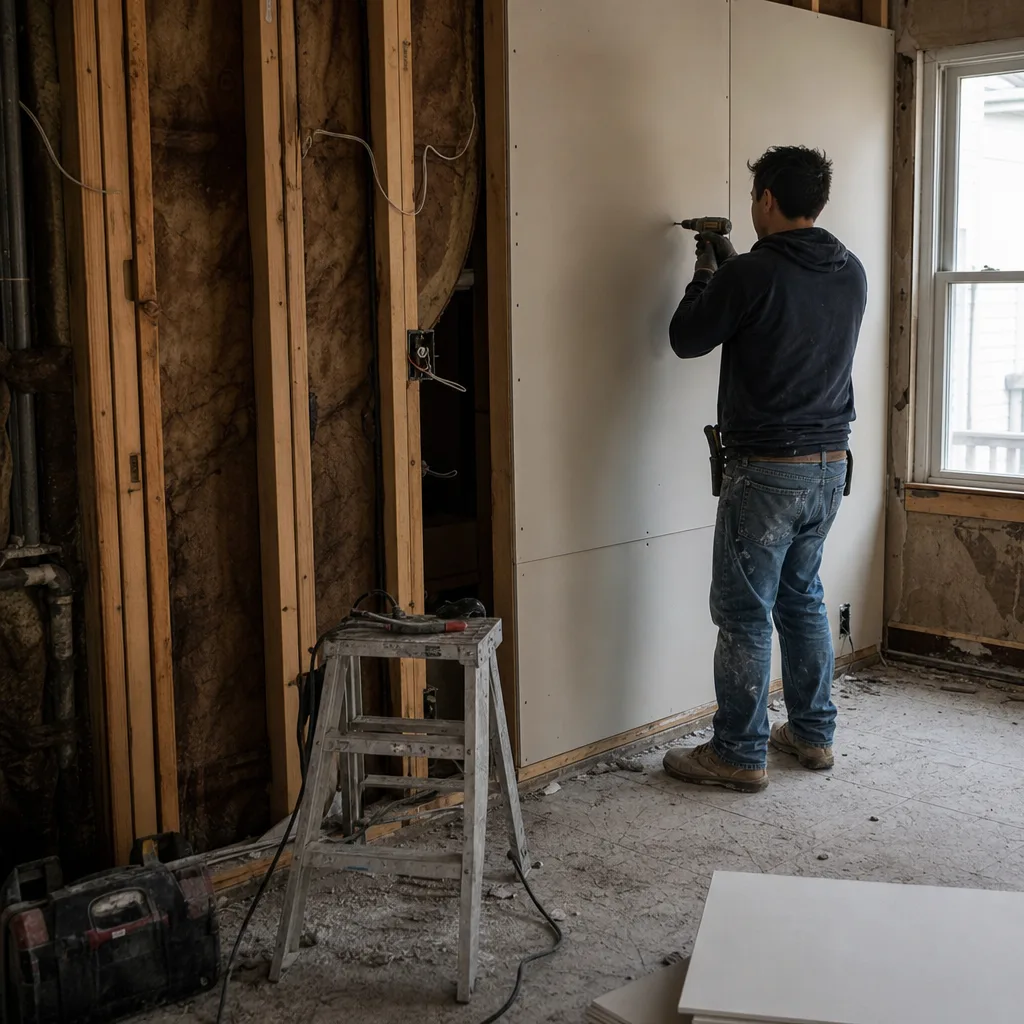
Flood cuts, mold remediation, and fire damage all end at the same place: drywall and flooring that need to come out and go back in right. We match textures and materials to the original where possible, including in Spring Creek Towers units where building management may have specific material requirements.
Contents Restoration & Pack-Out
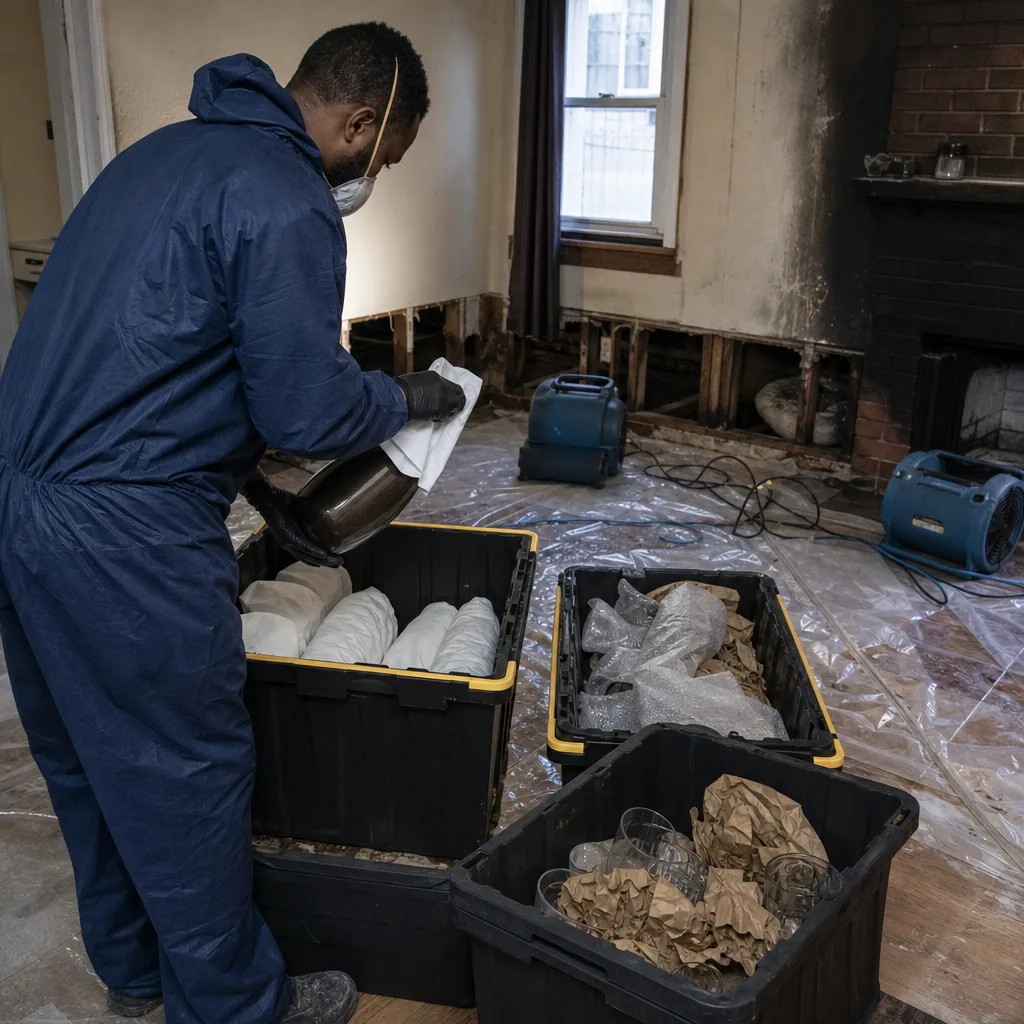
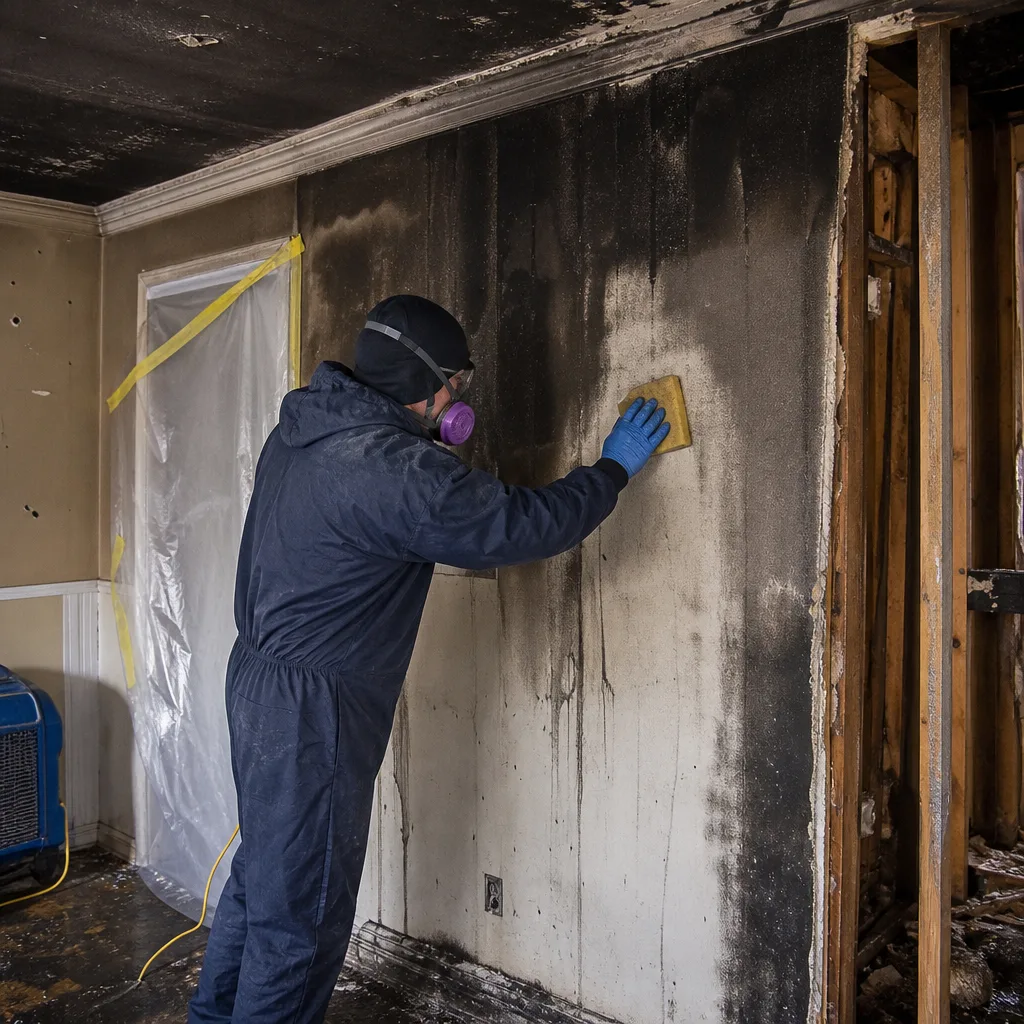
When a unit is too damaged to leave furniture and belongings inside, we pack out, inventory, clean, and store contents, then return them when the rebuild is done. This is especially common after category 3 floods in Spring Creek ground-floor units.
Carpet & Upholstery Cleaning
Post-mitigation, we clean what can be saved: carpets, rugs, and upholstery that absorbed humidity or light soot. Professional-grade extraction and HEPA vacuuming restore these items without the cost of replacement.
Post-Construction Cleanup
After our own rebuilds or a general contractor’s work, we remove construction dust, clean surfaces, and prepare the unit for move-back. This is a frequent request in Spring Creek Towers, where dust travels fast through shared ventilation.
What happens when you call
- 1
A real person answersNo phone trees - you reach a local pro.
- 2
You get an upfront price rangeHonest numbers before anyone is dispatched.
- 3
A background-checked tech heads outLicensed & insured, dispatched right away.
- 4
You approve before work beginsNothing starts until you say go.
Reconstruction & Cleanup Costs in Spring Creek, NY
A small drywall repair after a clean-water leak in a Spring Creek row house typically runs $450-$900. Carpet and upholstery cleaning after light smoke or humidity damage usually falls between $150 and $400 per room. Full water damage mitigation in a ground-floor garden apartment, including extraction, containment, and structural drying, commonly runs $2,800-$6,500. A category 3 flood in a Spring Creek Towers unit, with containment, asbestos sampling, tear-out, drying, and rebuild, can run $12,000-$30,000 or more depending on square footage and what building management requires. What moves the price is the water category, the presence of asbestos or lead, and whether hydrostatic correction is needed in addition to drying. For insured losses, we bill your carrier directly. For out-of-pocket work, we write a firm scope with line-item pricing before we start. Call (518) 750-3137 for a free inspection and exact numbers. Estimates are free.
We Also Serve Cities Near Spring Creek
Beyond Spring Creek, our crews regularly work in East Flatbush, Sunset Park, Bedford-Stuyvesant, and Bensonhurst. Same live dispatch, same certified technicians, same written guarantee on every job.
Serving Spring Creek, NY - Our Local Coverage Area
We’re based in the Spring Creek area and know this community well. Use the map below to see our service coverage - if you’re nearby, we can almost certainly help.
Spring Creek Reconstruction & Cleanup Questions, Answered
Why does my Spring Creek basement keep getting damp even when it hasn’t rained?
Because Spring Creek sits on former Jamaica Bay marshland, and the fill soil beneath slabs and foundations stays saturated from groundwater, not rainfall. The moisture you’re seeing is hydrostatic pressure pushing water up through slab cracks and block-wall joints. We fix this with moisture mapping to find the entry points, sealing and drainage correction, and proper dehumidification. It’s not a plumbing leak, and treating it like one won’t stop the dampness.
What extra steps are required for reconstruction inside Spring Creek Towers units?
Inside Spring Creek Towers, any wall opening or demolition may require asbestos and lead paint sampling first, because the complex was built in the 1970s when those materials were standard. Building management may also require specific work hours, elevator scheduling, and containment plans. We handle all of that coordination, including the sampling and the paperwork.
How quickly can you dry out a ground-floor apartment after a storm surge or king-tide backflow?
Drying typically takes three to five days with professional-grade air movers and dehumidifiers running continuously. Surge water is category 3, so containment and sanitization are part of the process before drying finishes. We take daily moisture readings and share them with your insurer.
Can you help with NFIP flood insurance claim documentation for reconstruction work?
Yes. We provide drying logs, moisture readings, pre-loss condition photos, and a line-item scope of work formatted for NFIP and other flood claims. Our documentation has turned denied claims into approved mitigation and rebuilds in Spring Creek specifically, because it addresses the hydrostatic moisture realities of this neighborhood.
Do you handle both the emergency cleanup and the full reconstruction after a flood in Spring Creek?
Yes. One crew handles your job from first extraction through final paint. That means the person who reads the moisture map on day one is the person who hangs drywall on day ten. No subcontractor handoff, no playing messenger between companies.
How fast can someone actually get to my Spring Creek property?
Our response commitment is 45 minutes for emergency calls in Spring Creek. We answer the phone live 24/7, and our crews are stationed to reach this neighborhood quickly. For non-emergency inspections, we usually schedule the same or next day.
Do I need full reconstruction, or can you just clean what’s there?
It depends on the water category and how long the area was wet. Clean water caught within 24 hours often only needs drying, cleaning, and minor repair. Category 2 or 3 water, or any water that sat more than a day, usually requires removing affected drywall and insulation. Our free inspection tells you which path your unit is on.
What should I do in the first 30 minutes after water or fire damage?
Call us at (518) 750-3137. Shut off the water source or electricity if it’s safe to do so, and don’t enter standing water that may be category 3. Stay out of fire-damaged rooms. The first 30 minutes are for calling a certified crew and starting documentation. We’ll handle the rest when we arrive.
Written by Curt Bowman, Owner at Floodline Restoration Co., serving Spring Creek since 2010.