
Free visual inspection and a written scope of work before any mitigation begins - photos, moisture readings, and drying logs go in your claim file
The scope we write is the scope we bill. Anything new gets shown to you, in writing, before we touch it.
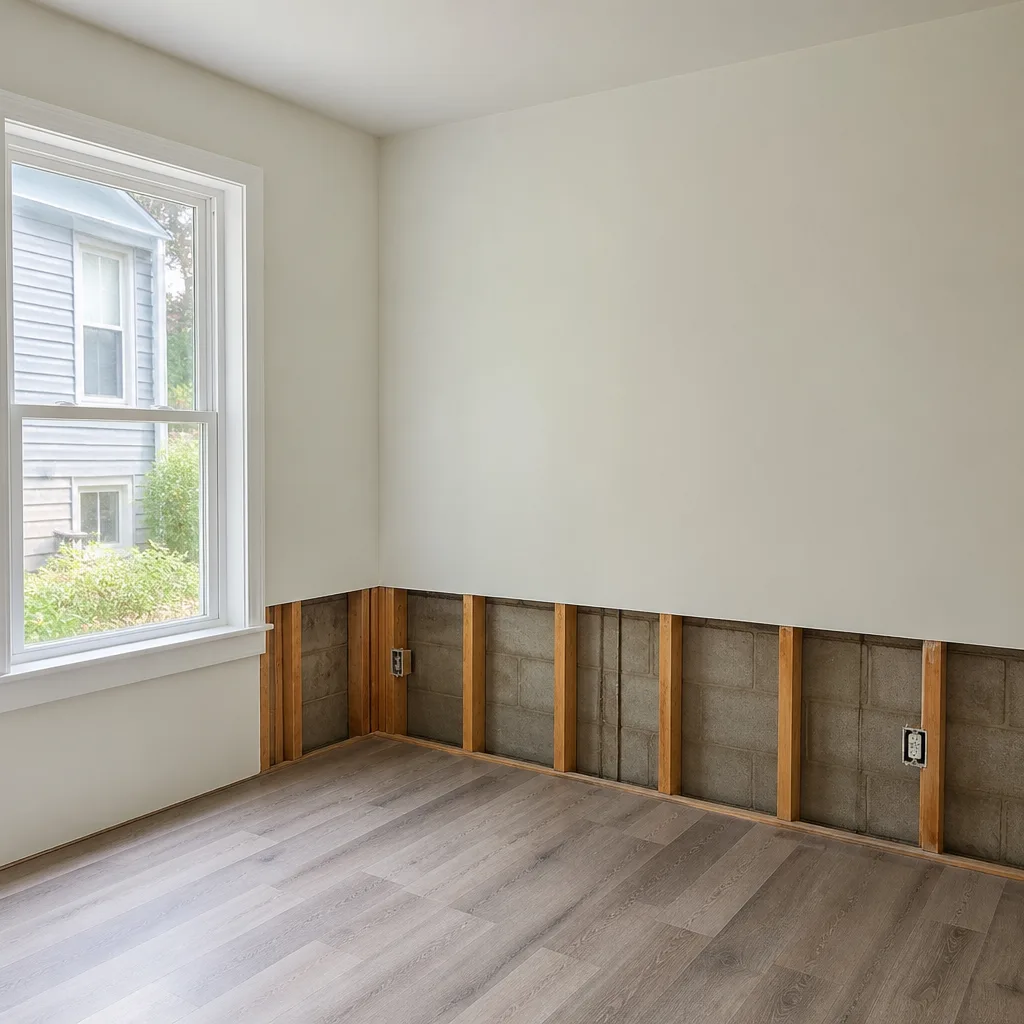

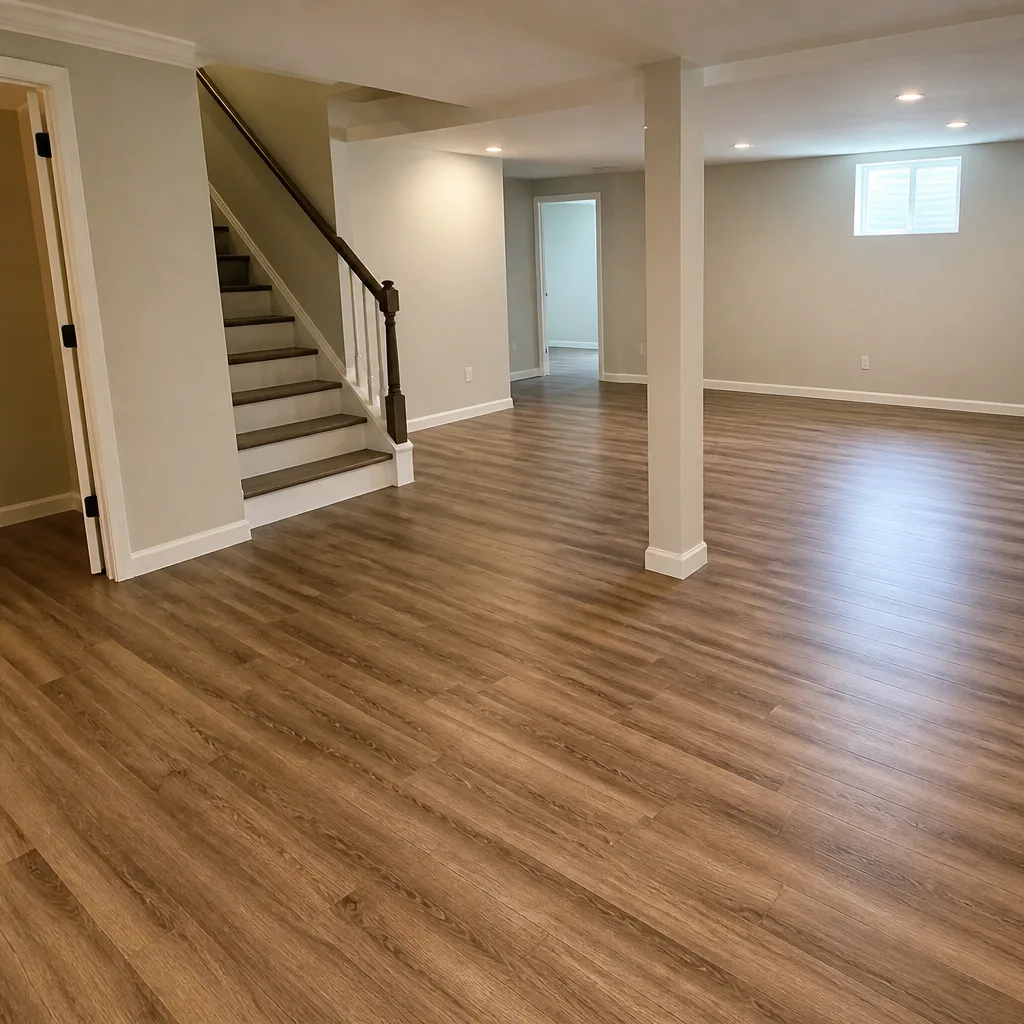
 Before
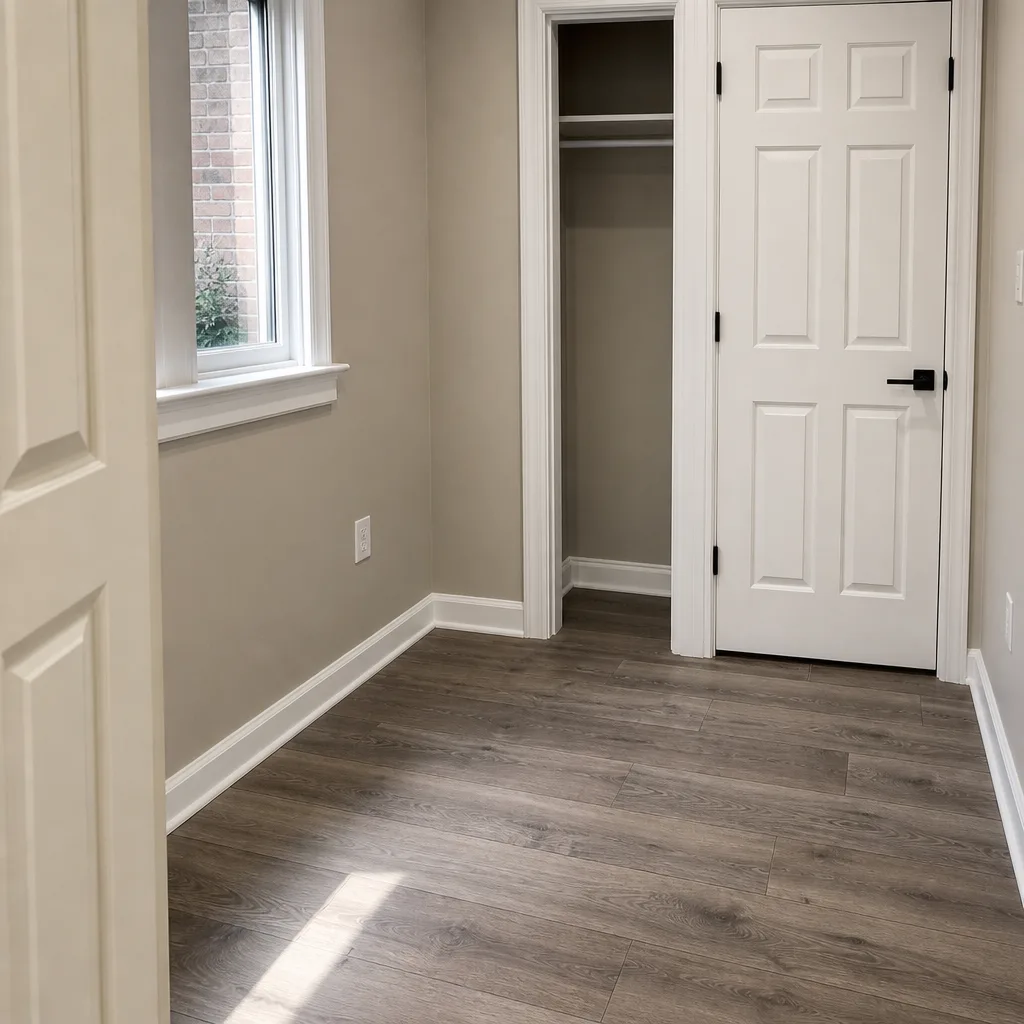 After
After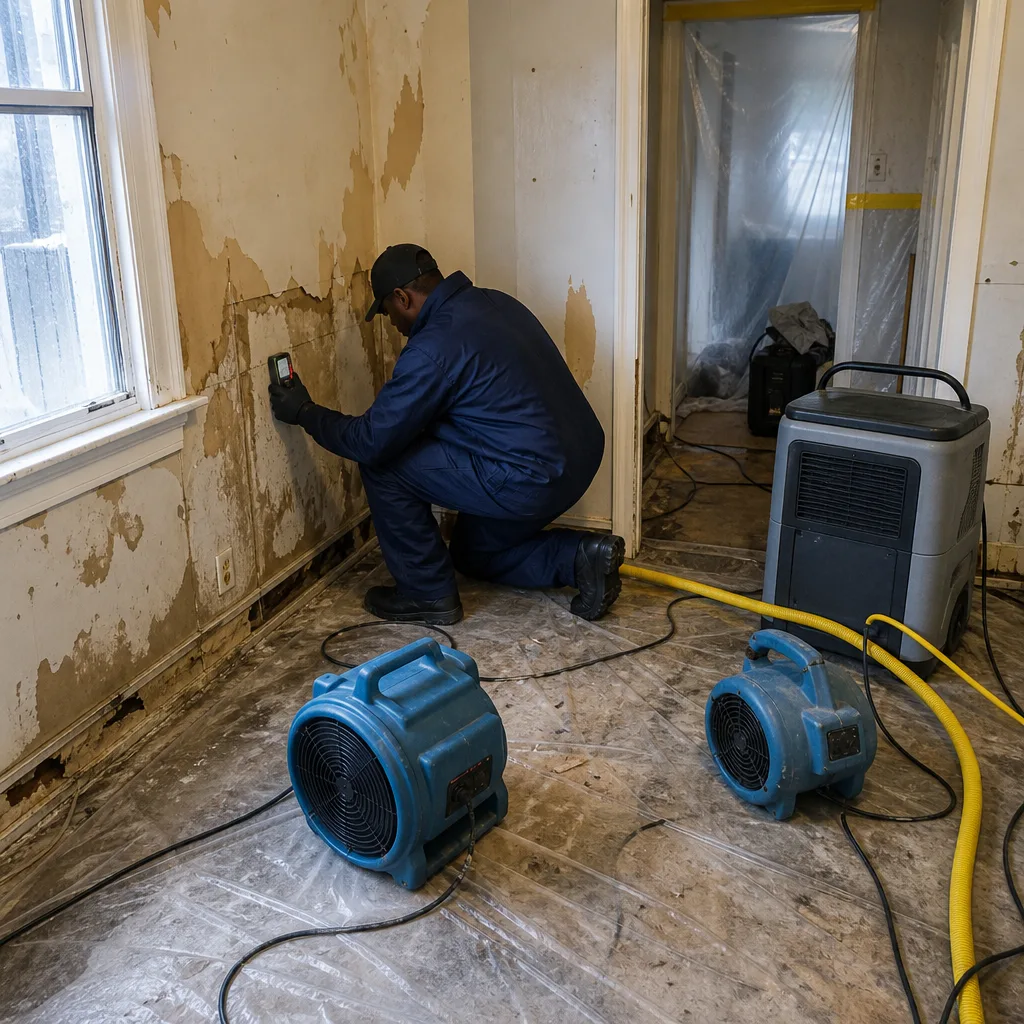 Before
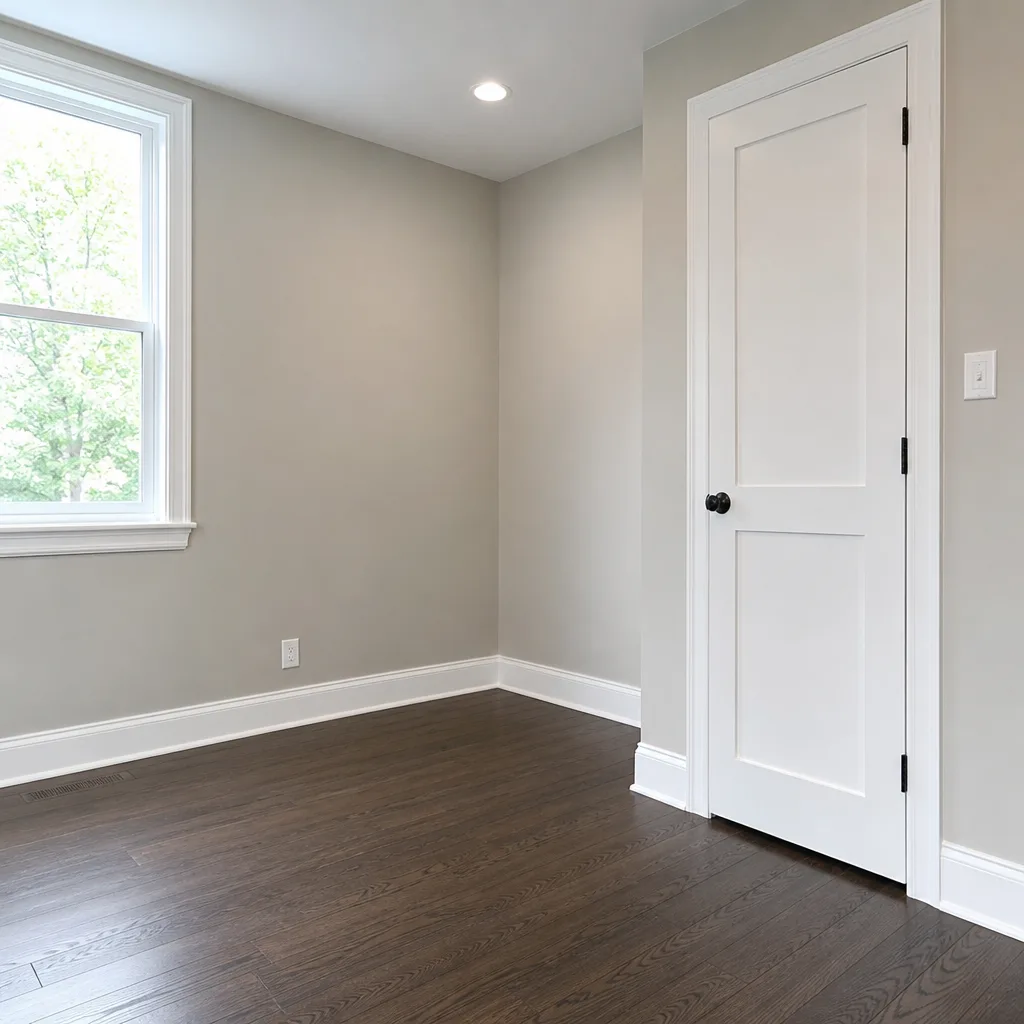 After
After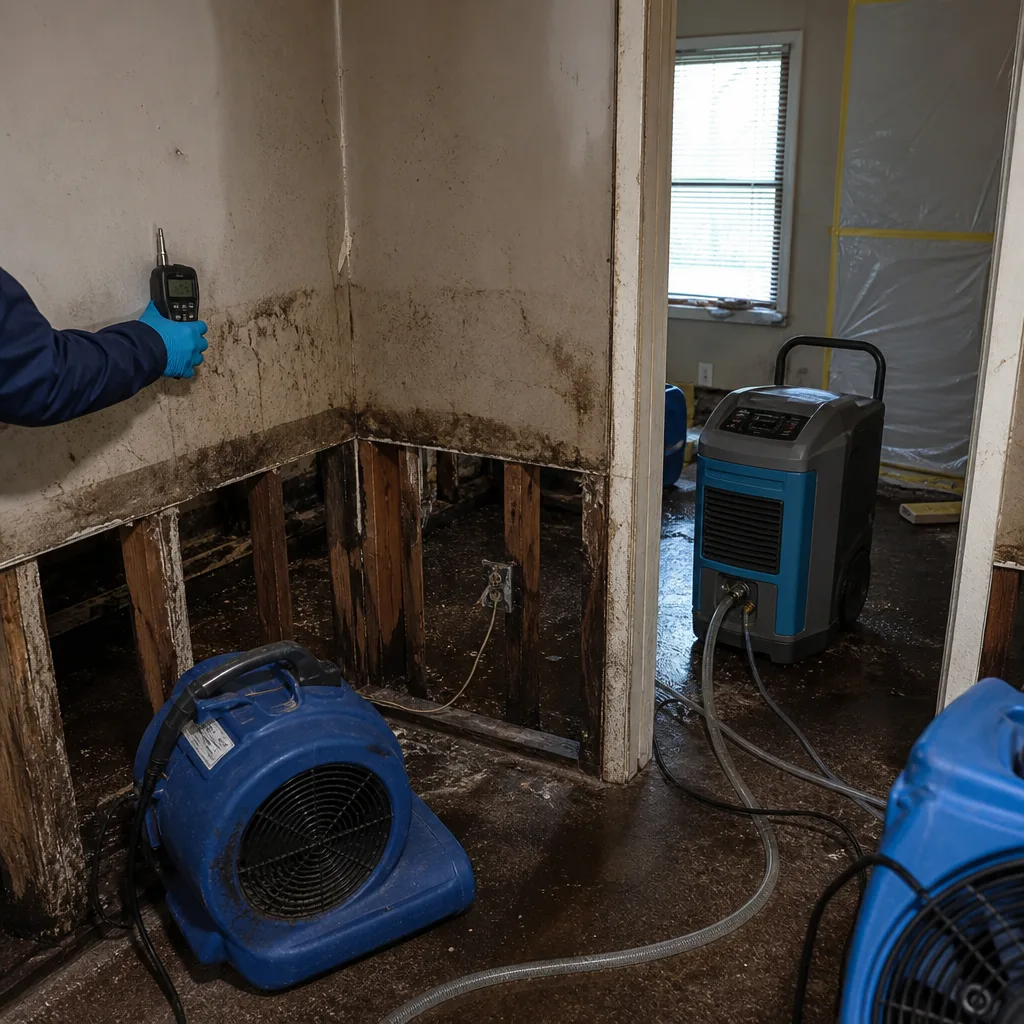 Before
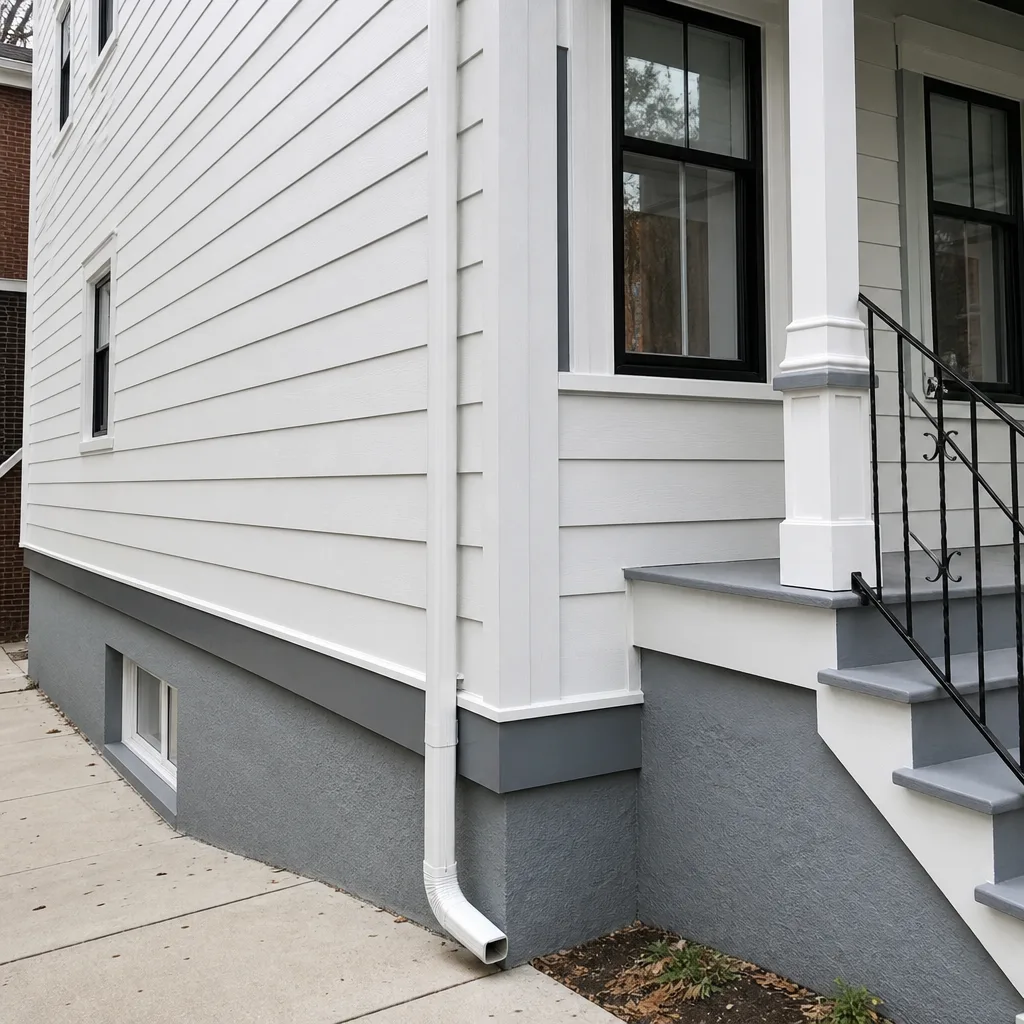 After
After24/7 Emergency Sewage Cleanup in Bedford-Stuyvesant
When raw sewage backs up into a garden-level apartment on MacDonough Street or a brownstone parlor off Tompkins Avenue, the first hour decides how much of the original plaster, flooring, and framing survives. Our crews reach Bedford-Stuyvesant fast, usually within 45 minutes of your call, and we answer the phone with a live person at 2 a.m. the same as at noon. Call (518) 750-3137 and a certified sewage cleanup technician starts extraction on the first visit. Sewage is Category 3 water: it carries bacteria, viruses, and parasites that multiply inside wall cavities and under finished floors. Waiting overnight in a heated brownstone means contaminated moisture travels farther, and what could have been a scoped removal becomes a gut to the studs.
Understanding Sewage Cleanup Severity in Bedford-Stuyvesant Properties
We classify losses by water category and moisture mapping, not by how the floor looks. Category 1 is clean supply water, Category 2 carries some contamination, and Category 3 is what most Bed-Stuy sewage backups are: water containing feces, pathogens, or standing black water that has begun supporting microbial growth. The severity shape, though, is what shifts in Bedford-Stuyvesant’s housing stock specifically. The neighborhood’s three-to-five-story brick rowhouses, built roughly 1870 to 1910, carry original cast-iron and early copper drain lines. Those pipes corrode from the outside in, so a toilet overflow that looks sudden is often the last visible step of wastewater seeping for years behind horsehair-plaster walls. By the time floor drains in a garden-level unit start pushing sewage back, the Category 3 water has already saturated adjacent wall cavities, often in the buildings on either side of the shared party wall. We moisture-map those party walls with thermal imaging and probes on the first visit, and we scope the neighboring addresses immediately when our readings suggest lateral migration.
Why Bedford-Stuyvesant Property Owners Choose Floodline Restoration Co.
- 45-minute response commitment. For sewage calls in Bedford-Stuyvesant, our crews in the area stop the source and begin extraction on the first visit instead of handing you a return-date.
- Live answer, 24/7, every day. A real dispatcher picks up. Not a recording, not an answering service. That call starts dispatch inside of minutes.
- IICRC-certified crews. Our sewage cleanup technicians carry WRT and ASD certifications where the work demands it, and they have worked attached brownstones enough to know what an old rowhouse cavity does once it wets.
- Free visual inspection. We do not charge a trip fee to look at a sewage loss in Bedford-Stuyvesant and tell you what scope of work is actually necessary.
- Direct insurance billing. We write our scope in the format your carrier expects, bill them directly, and keep you out of the middle.
- One team, first extraction to finished rebuild. The same certified crew that extracts and dries handles the cavity restoration and trim rebuild. No mid-job handoff.
Our Sewage Cleanup Process
Inspection & Assessment
We identify the exact source: tree roots in the cast-iron lateral, a failed wax ring in a subdivided bath, a corroded stack vent, or a combined sewer surcharge backing floor drains. On attached brownstones we check both party walls as standard, because Category 3 water does not respect property lines.
Extraction & Stabilization
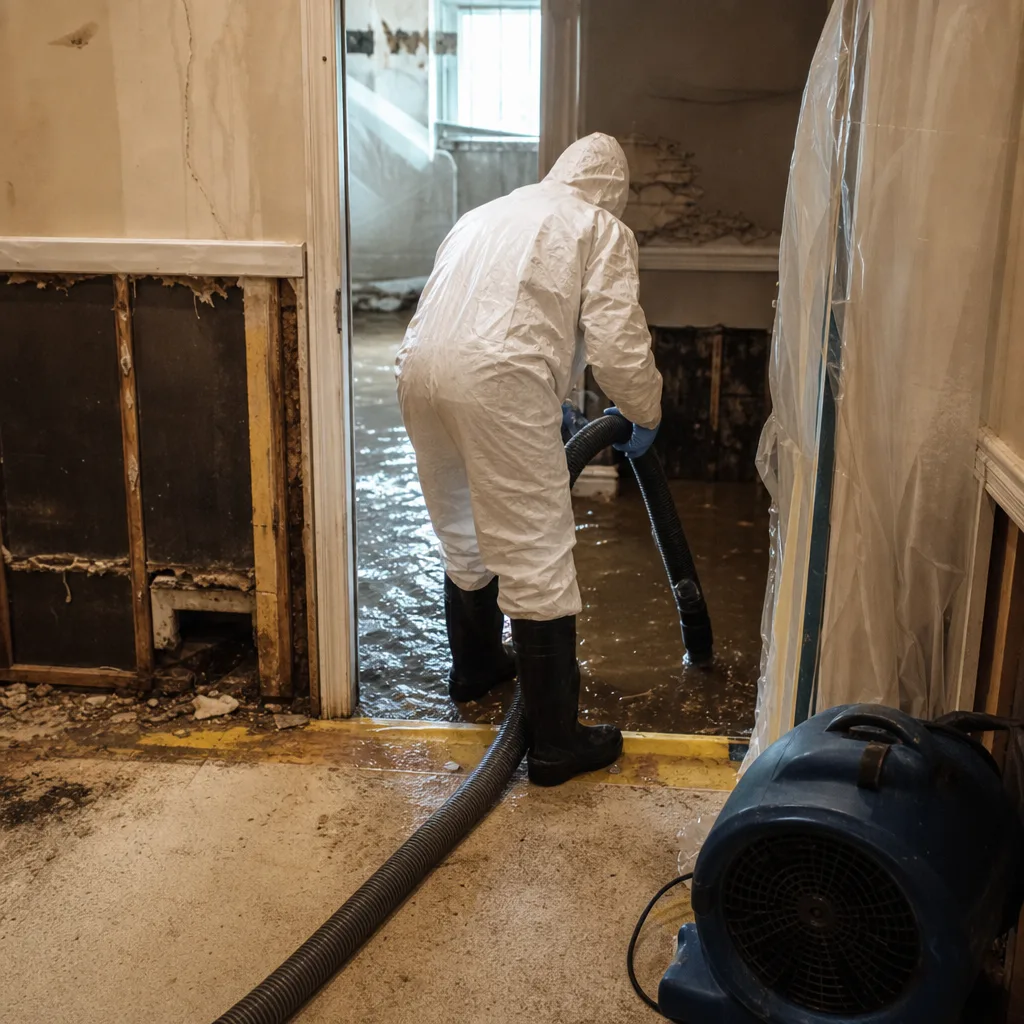
We pump or wet-vac contaminated water from floors, carpet, and lowest cavities, then stop the source. Where sewage has saturated original hardwood or garden-level subfloor, we contain the area and remove what cannot be salvaged before drying begins.
Drying & Dehumidification
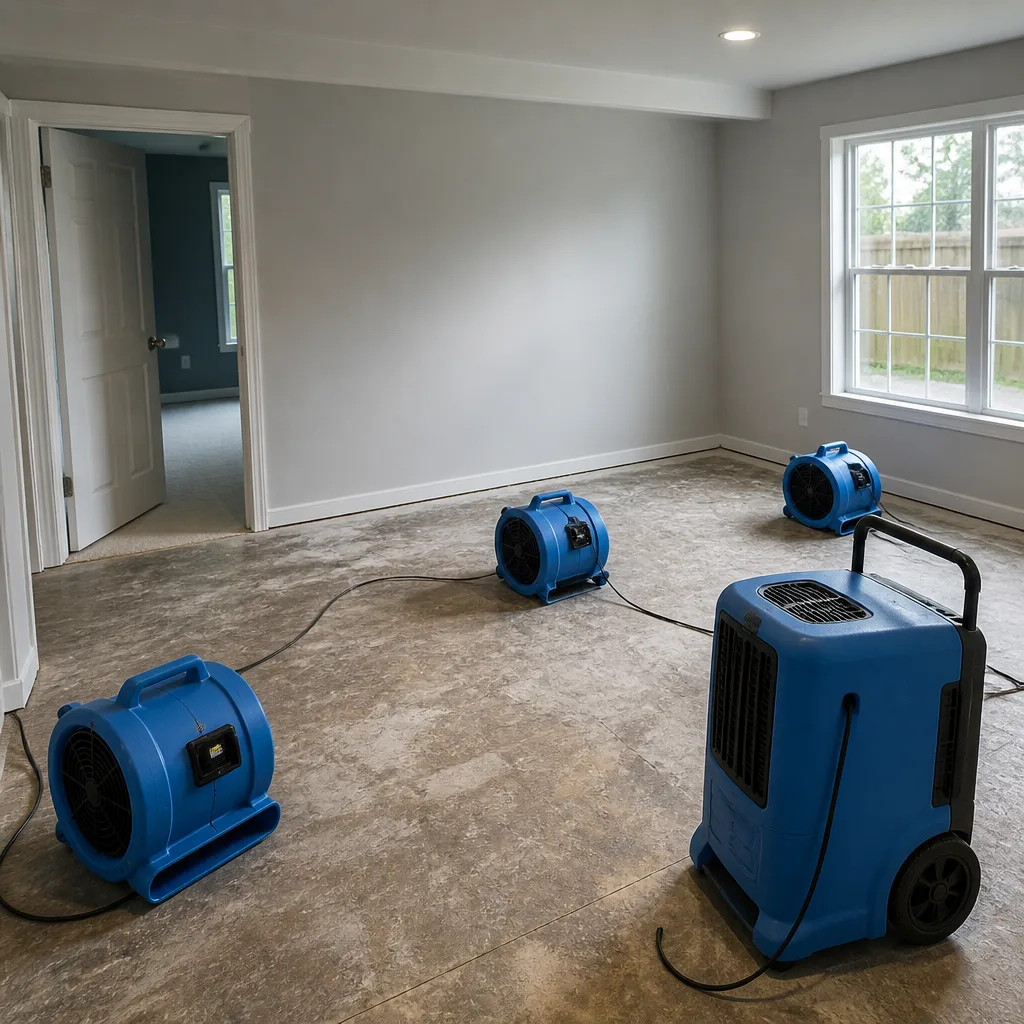
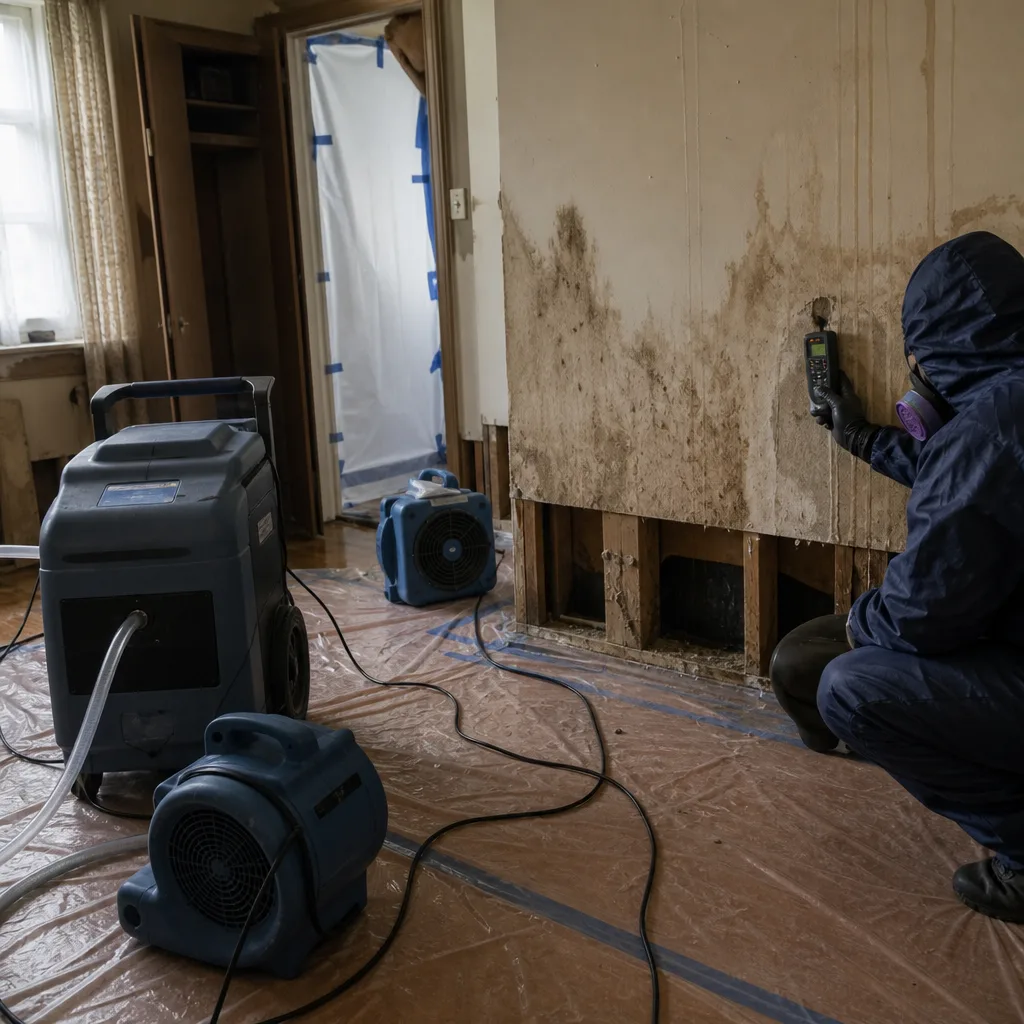
We run professional-grade Dri-Eaz and Phoenix air movers with dehumidifiers, and we log daily readings with moisture meters until cavities hit the dry standard. On horsehair-plaster partitions, we often need Injectidry drying inside wall cavities, because traditional surface drying barely touches the lath behind brownstone-era plaster.
Cleaning & Sanitization
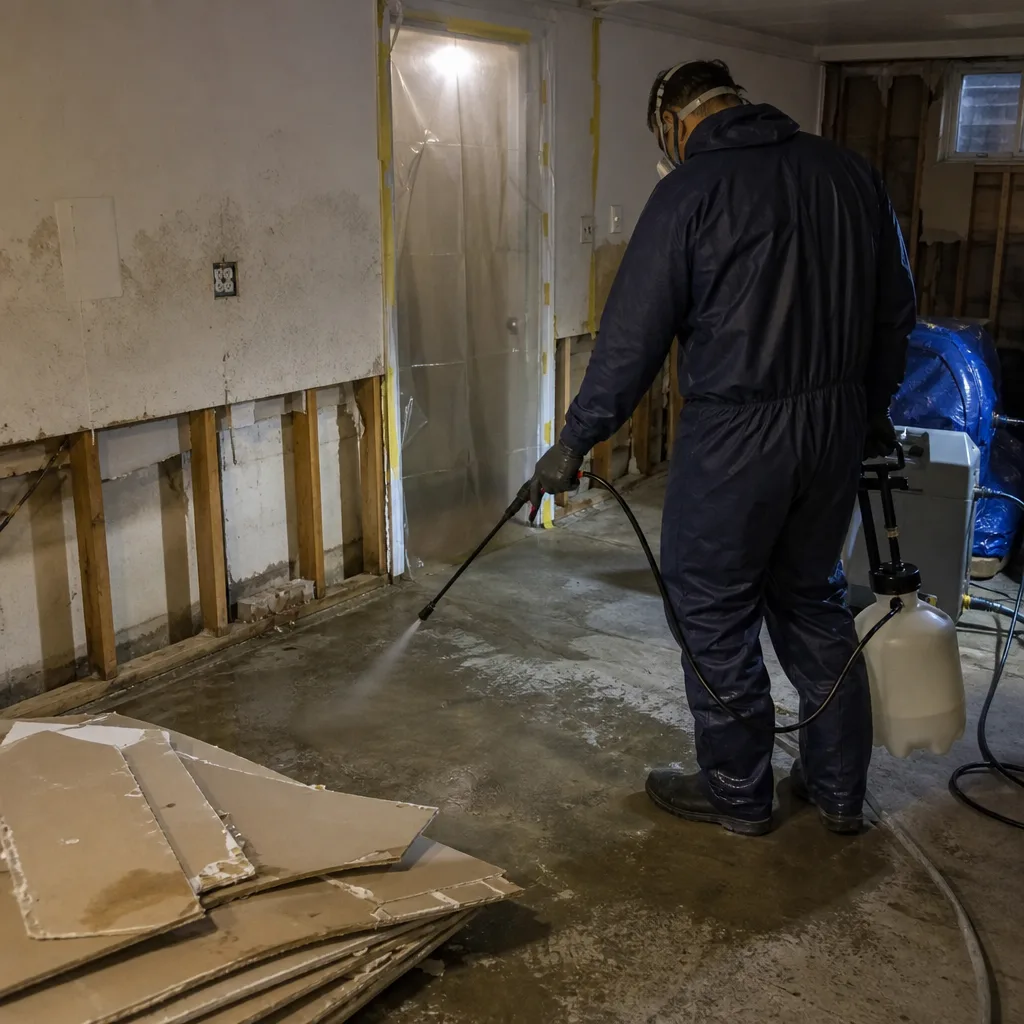
We clean all salvageable surfaces with an EPA-registered antimicrobial, HEPA-vacuum porous materials, and wipe every hard surface that came anywhere near Category 3 water. This stage is where most contractors stop. We do not.
Specialty Sewage Treatment
After sanitization we run air scrubbers to bring airborne spore counts down in contaminated rooms, and we thermally image party walls and floor cavities before we call a unit clean. If the sewer line backs into the building again, dried-out sewage residue becomes a live hazard, so we confirm the source is fully resolved before closing walls.
Repairs & Restoration
We replace what cannot be saved: baseboards, drywall or plaster keys, insulation, the bottom two feet of a lath wall, a section of pine flooring. The same crew that did extraction does this work, backed by our 90-Day Done Right Promise in writing.
Need Emergency Sewage Cleanup in Bedford-Stuyvesant Now?
Crews minutes away, answering live 24 hours a day. The sooner we start, the less it costs.
Working With Your Insurance Company
Sewage cleanup in a Bed-Stuy brownstone almost always involves a carrier, and the fastest way to a fair settlement is documentation from the first hour. We take room-by-room photos before we move anything, log moisture readings daily through drying, and write a line-item scope that matches your policy’s actual language. Our team communicates with adjusters directly, so you are not relaying technical questions between us and the carrier. Most policies cover sudden and accidental sewage backup, including the cost of extraction, drying, sanitization, and the tear-out required to reach contaminated cavities. The part that often gets underpaid is reconstruction. We document why original horsehair-plaster cannot simply be patched after Category 3 saturation, and we bill the carrier directly for what the policy allows.
What We Provide Your Insurer
- Thorough documentation of the loss
- Photos of all damage, room by room
- Moisture readings and drying logs
- A detailed, line-item scope of work
- Direct coordination with your carrier
Built for Bedford-Stuyvesant’s Loss Calendar
Bed-Stuy’s sewage losses follow a rhythm, and it is not random. January and February are freeze-thaw season: the porous brownstone facade absorbs water, freezes, expands, and drives moisture behind the cladding into interior plaster. At the same time, freezing temperatures stress copper supply lines and old cast-iron stacks. March and April bring thaw plus the first heavy rains, and NYC’s combined sewer system begins surcharging, sending street-level sewage back into the lowest floor drains of garden-level brownstone units. Summer thunderstorms overwhelm the same combined system in short, violent bursts, and a flat or low-slope roof that has been ponding all year finally finds its way through. Nor’easters in the fall hit garden-level units hardest: sewage backflow through floor drains no one has tested since the building was plumbed before 1910. We schedule our crews to Bedford-Stuyvesant around that calendar, not the other way around.
Sewage Cleanup Across Bedford-Stuyvesant’s Neighborhoods
Bedford-Stuyvesant’s response routes change by block, and our crews read them differently. In Stuyvesant Heights, almost every call involves a Landmarks Preservation Commission overlay, so interior sewage cleanup in those attached brownstones is routinely done while exterior facade remediation waits on review. We contain and dry the cavity fully now, because the next freeze cycle will re-wet whatever our antimicrobial treatment addressed, and an LPC delay is not an excuse for a half-done dry. Around MacDonough Street and Macon Street, the rowhouses carry original cast-iron stacks that have lost vent joints to 110 years of corrosion; black water hits the garden-level floor and backs up rather than drains, and the same stack often serves three or four units. Near Tompkins Avenue and Marcus Garvey Boulevard, larger subdivided buildings push more volume through aging laterals than the original plumbing was designed for, and we see sewage backups in one unit that originated from a kitchen line two floors up. To the south, near Broadway and the border with East New York, garden-level units sit at true grade, and sewer surcharges find them first every single nor’easter.
Specialized Sewage Cleanup Services We Offer in Bedford-Stuyvesant
Sewage Backup Cleanup
The most common call in Bed-Stuy’s attached brownstones. We stop the source, extract the Category 3 water, contain both party walls, and dry the cavities before the contamination migrates into adjacent units. In the original housing stock here, the backup usually travels farther than the visible wet patch, so we scope the neighbor’s side on the first visit when readings warrant it.
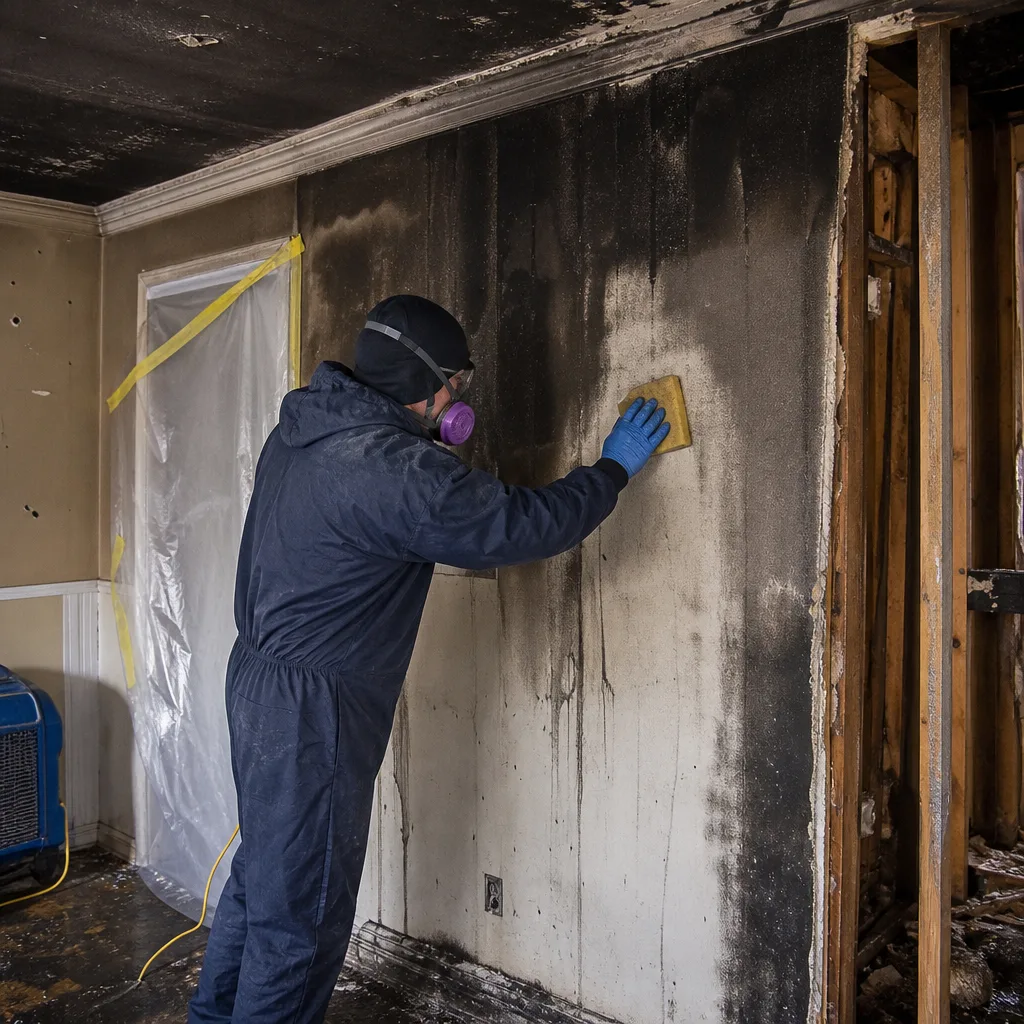
Toilet Overflow Cleanup
Most toilet overflows in Bedford-Stuyvesant’s pre-war buildings are symptom overflows: a slow cast-iron drain, a partially collapsed run, or years of gradual seepage behind the plaster finally reaching the floor. We extract, sanitize, and then pressure-test the line enough to know whether the fix is a wax ring or a lateral replacement.
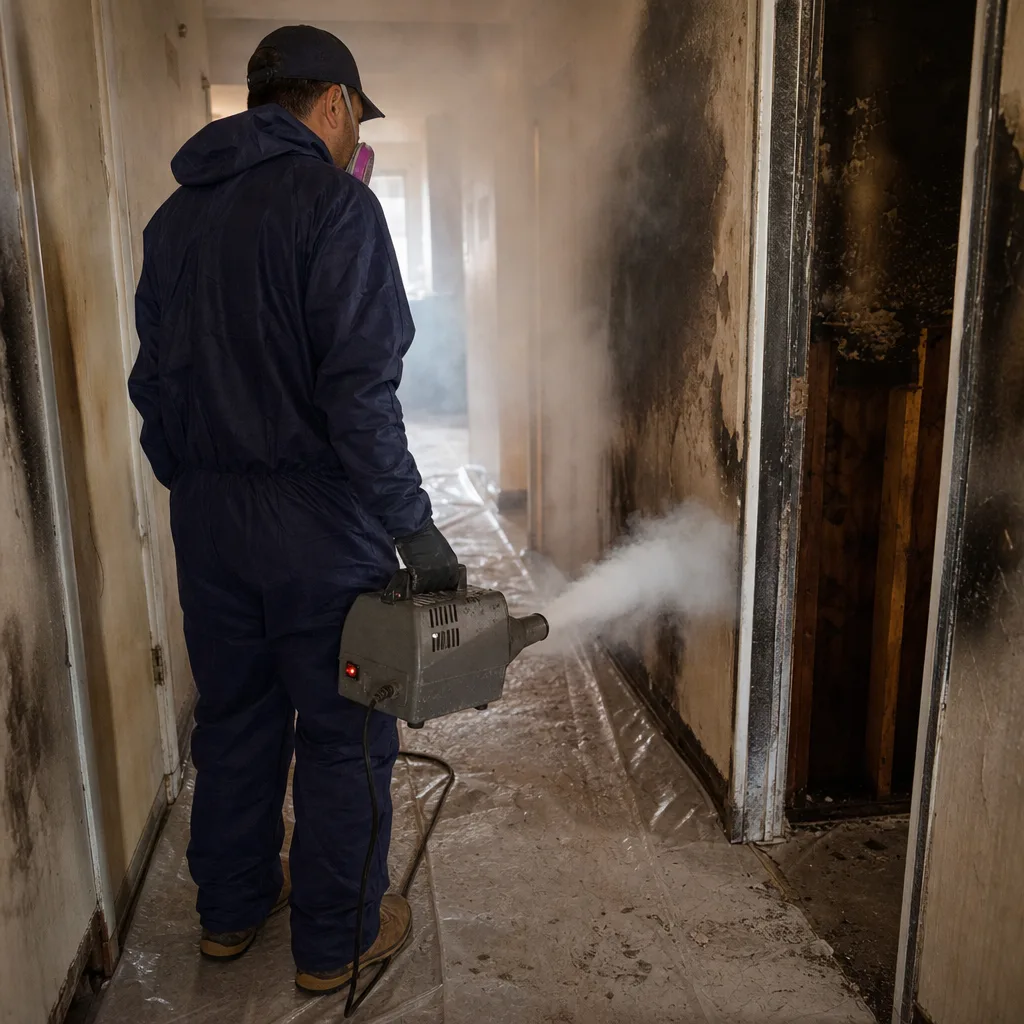
Septic Failure Cleanup
Fewer Bed-Stuy properties are on septic than in Staten Island or farther out, but the neighborhood’s surviving private systems, mostly along the fringes, are decades old. When they fail, sewage surfaces in yards and crawl spaces. We remove the contaminated material, sanitize the affected area, and coordinate the system repair with a licensed plumber.
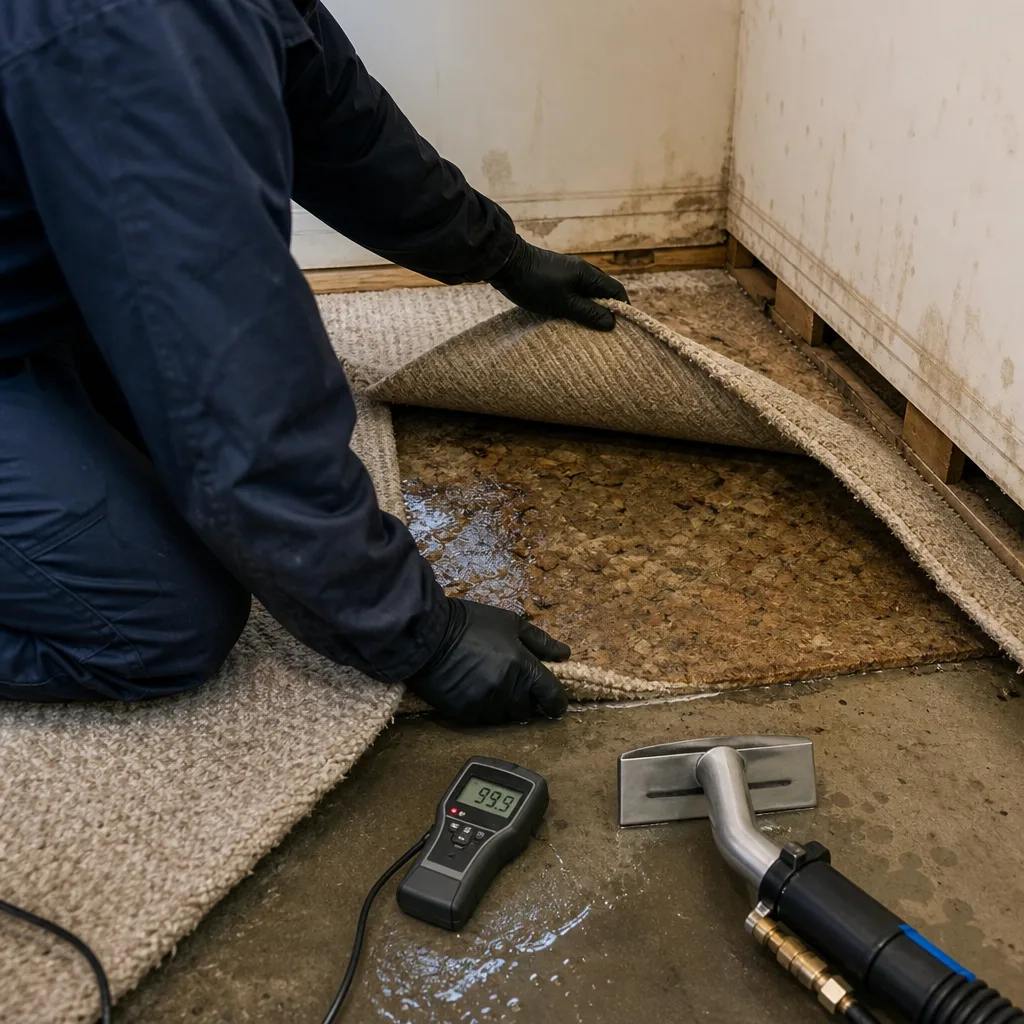
Black Water Extraction
Sewage, floodwater carrying street runoff, or standing Category 3 water all fall under black water. In garden-level units off Malcolm X Boulevard, where floor drains connect directly to the combined sewer, we set submersible pumps and extract before the water column reaches electrical outlets and appliance connections.
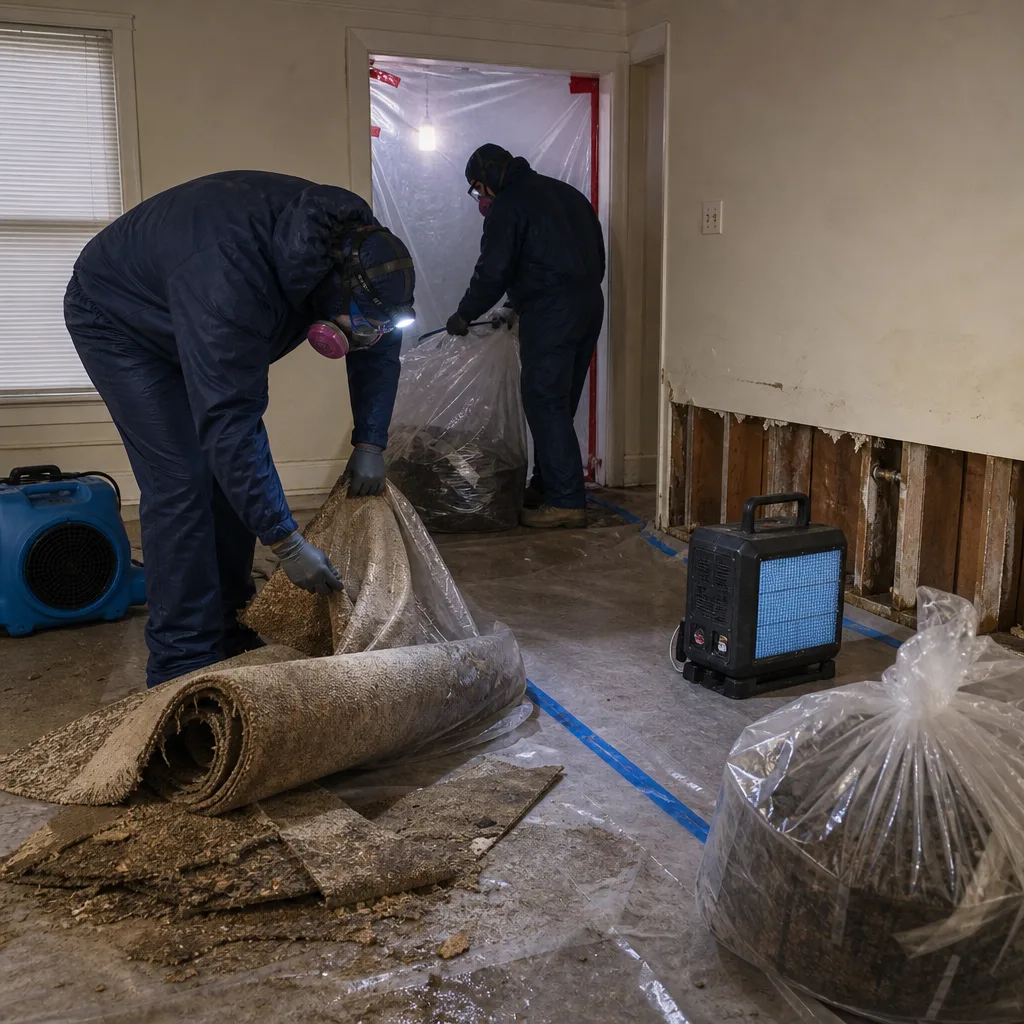
Sanitization & Disinfection
This is not a quick wipe-down. We HEPA-vac carpet and soft goods, apply EPA-registered antimicrobials to every salvageable surface, run air scrubbers during structural drying, and thermal-image cavities before we release the space. The goal is a unit that a third-party hygienist would pass, not just one that smells acceptable.
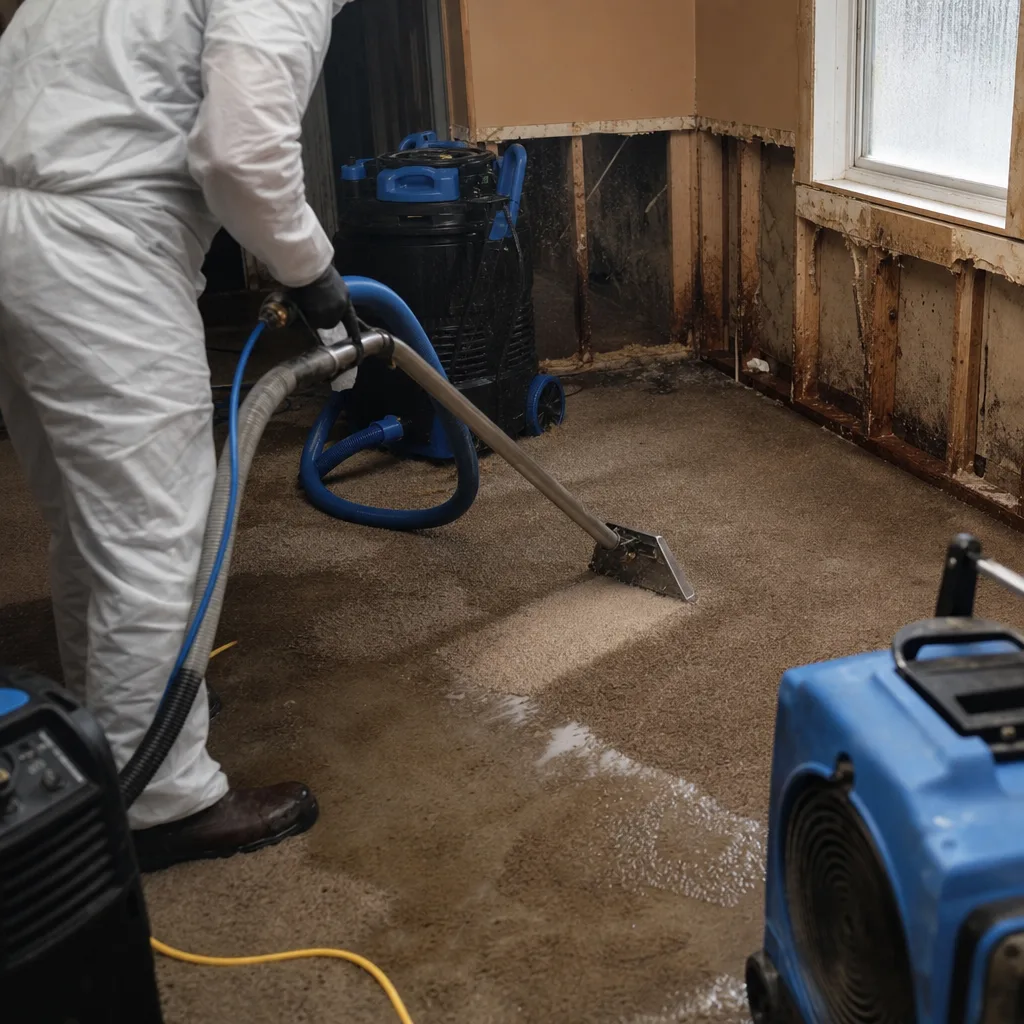
Crawl Space Sewage Removal
Garden-level and basement brownstone units often have low crawl cavities under front stoops or rear extensions. When sewage finds its way into those spaces, the contaminated material sits against original joists and lime mortar. We remove it, dry the subfloor from below with Injectidry, and treat the masonry so the damage does not climb into the living space above.
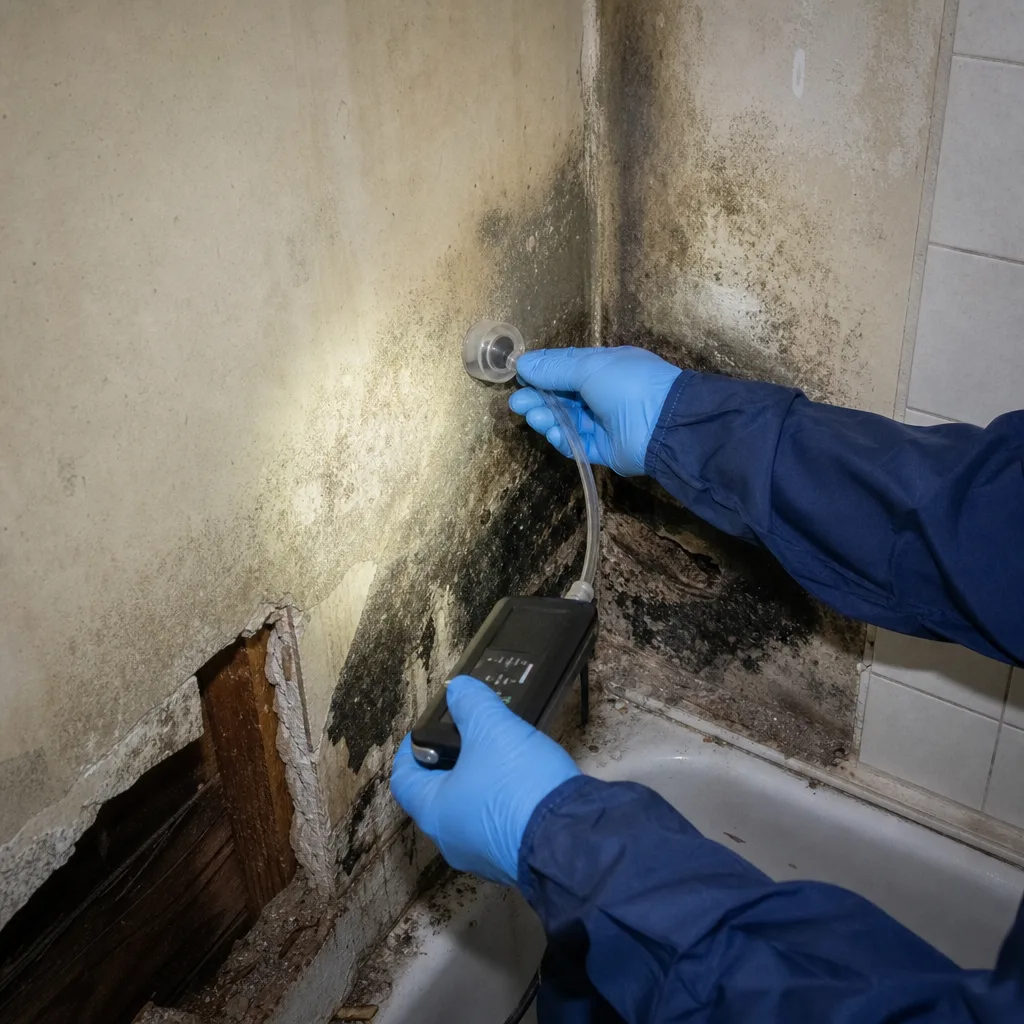
What happens when you call
- 1
A real person answersNo phone trees - you reach a local pro.
- 2
You get an upfront price rangeHonest numbers before anyone is dispatched.
- 3
A background-checked tech heads outLicensed & insured, dispatched right away.
- 4
You approve before work beginsNothing starts until you say go.
Sewage Cleanup Costs in Bedford-Stuyvesant, NY
A toilet overflow in a single garden-level bathroom in Bedford-Stuyvesant typically runs $1,800 to $3,400 for extraction, sanitization, and drying, depending on how far the Category 3 water traveled. A full sewage backup across a subdivided brownstone’s garden level with party-wall migration usually lands between $7,500 and $18,000 when you include cavity dry-out, antimicrobial treatment, air scrubbing, and the reconstruction of saturated plaster and flooring. Crawl space sewage removal under a stoop or rear extension runs $3,000 to $7,500 based on access and how much contaminated material must come out. What moves the price most in Bed-Stuy is the party wall: once Category 3 water enters a shared masonry cavity, we are drying and sanitizing both sides, and that doubles the affected area. Insurance covers most sudden sewage backups, and our direct carrier billing means you are not fronting that money. Call (518) 750-3137 for a free visual inspection and a firm written scope before any work begins.
We Also Serve Cities Near Bedford-Stuyvesant
Our crews run the same sewage cleanup routes through Bedford-Stuyvesant and the surrounding boroughs. We cover East Flatbush, Sunset Park, Bensonhurst, and Borough Park, so if your building sits just over the neighborhood line, the same certified team that knows Bed-Stuy brownstones can reach you fast.
Bedford-Stuyvesant Sewage Cleanup Questions, Answered
Why does a neighbor’s toilet overflow in a Bed-Stuy brownstone end up in my garden-level apartment?
Because attached brownstones share porous party walls, and original cast-iron stacks often serve multiple units. Water from an upper-floor overflow runs down the common wall and into the lowest cavity before any interior sign appears. This is why our standard first visit includes scoping both adjacent addresses.
Can you dry out original horsehair-plaster walls after sewage backs up, or do they always have to come out?
Sometimes yes, sometimes no, and it depends on how long the Category 3 water sat. If we get there within hours, Injectidry cavity drying plus antimicrobial treatment can save original plaster. If sewage sat overnight, the lath is saturated, and replacement is usually cheaper than repeated drying cycles. We will tell you which one your wall actually needs.
How long can my garden-level unit be closed off after a sewage backup in Bed-Stuy before mold becomes a problem?
Mold growth on saturated organic material in a heated rowhouse can begin within 24 to 48 hours, faster in summer when garden-level units hold humidity. That is why our crews aim to have containment and extraction running the same day you call (518) 750-3137.
Does Landmarks Preservation Commission approval slow down sewage cleanup in Stuyvesant Heights?
Exterior facade work, cornices, stoops, and windows need LPC review in the Stuyvesant Heights Historic District. Interior sewage cleanup and drying do not. We can start extraction and cavity drying the same day while any exterior permit path runs in parallel.
Why do Bed-Stuy garden-level apartments flood with sewage during nor’easters even when it hasn’t rained inside the building?
NYC’s combined sewer system carries storm runoff and raw sewage in the same pipes. During a nor’easter, runoff overwhelms the system, the water level rises, and sewage backs through floor drains into the lowest connected units. Your garden-level floor drain sits at or near the sewer’s elevation, so it backs up first.
How fast can you actually get to a sewage backup in Bedford-Stuyvesant?
Our crews are minutes from most of Bed-Stuy, and live dispatch means a certified technician is moving toward your block within minutes of your call. Typical response is 45 minutes or less. Call (518) 750-3137 any hour.
Will my insurance cover sewage cleanup, or is this out of pocket?
Most homeowners policies cover sudden and accidental sewage backup, including extraction, drying, sanitization, and the tear-out required to reach contaminated cavities. We document everything, bill the carrier directly, and write the scope in their language. You should know your exact limits before the adjuster arrives, and we can help with that.
What should I do in the first 30 minutes after sewage backs up in my Bed-Stuy apartment?
Do not flush, do not run taps, and do not walk through the sewage if you can avoid it. Shut off water to the affected fixture if you know where the valve is. Call us at (518) 750-3137. The faster we contain and extract, the more of your original floors and plaster survive.
Serving Bedford-Stuyvesant, NY - Our Local Coverage Area
We’re based in the Bedford-Stuyvesant area and know this community well. Use the map below to see our service coverage - if you’re nearby, we can almost certainly help.
What Actually Happens in a Bed-Stuy Brownstone Sewage Loss
Most sewage cleanup pages will tell you how to dry a room. This page is about what actually happens when Category 3 water hits an attached brownstone rowhouse in Bedford-Stuyvesant, because the shape of the damage here is different from a single-family house in Queens or a newer condo. The shared party wall is the first thing. In nearly every attached brownstone block off Throop Avenue or Macon Street, the masonry partition between two buildings is porous and continuous. A sewage backup in one garden-level unit does not pool politely at the baseboard. The water column moves downward first, then laterally through the masonry, saturating the adjacent building’s cavities before any sign appears on the neighbor’s side. We have arrived at Stuyvesant Heights brownstones where a third-floor supply line burst on a January freeze-thaw cycle and we found the neighbor’s second-floor bedroom saturated through the party wall, with the neighbor themselves unaware until we knocked. This is not an upsell. It is the only accurate way to scope a Bed-Stuy loss. Skilled restoration in this neighborhood means scoping adjacent addresses on the first visit, because the water column does not respect property lines and the original cast-iron plumbing does not give warning before it fails.
Then there is the plumbing. Most of Bedford-Stuyvesant’s housing stock was plumbed between 1870 and 1910 with cast-iron and early copper, and that infrastructure is now past its designed service life. The stacks corrode from the outside in. The vent joints lose their seal. The laterals to the street crack under tree-root pressure or freeze-thaw movement. What looks like a sudden toilet overflow on MacDonough Street is usually the visible end of years of slow wastewater seepage behind horsehair-plaster walls. Once the stack fails enough that black water backs up rather than drains, the Category 3 contamination has already wet the adjacent unit’s cavities. Our techs found exactly this on a January call in Stuyvesant Heights: the original cast-iron sewer stack in the garden-level unit had lost its vent to corrosion, so when black water hit the floor it backed up instead of draining. By the time we extracted, the contaminated water had been sitting long enough to require full containment in both addresses, Dri-Eaz and Phoenix air movers running after extraction, and Injectidry drying logs in every wet cavity until readings returned to pre-loss condition.
The Landmarks Preservation Commission layer adds one more Bed-Stuy specific twist. In the Stuyvesant Heights Historic District, any exterior facade work, cornice repair, stoop replacement, or window change requires LPC review, and that review runs on the city’s clock, not ours. That means interior sewage cleanup in those brownstones is routinely done while active exterior water intrusion continues through failing brownstone cladding and old window frames. The question is not whether we can dry the cavity. The question is whether we can dry it fast enough and thoroughly enough that the next freeze-thaw cycle does not undo the work. We can, and the Keystone Standard, our 90-Day Done Right Promise, stands behind it in writing.
Call (518) 750-3137 for sewage cleanup in Bedford-Stuyvesant. A live person answers, a certified crew responds, and the line-item scope is in your hands before any work starts. That is how restoration should work in this neighborhood.
Written by Curt Bowman, Owner at Floodline Restoration Co., serving Bedford-Stuyvesant and the surrounding boroughs.