
Free visual inspection and a written scope of work before any mitigation begins - photos, moisture readings, and drying logs go in your claim file
The scope we write is the scope we bill. Anything new gets shown to you, in writing, before we touch it.
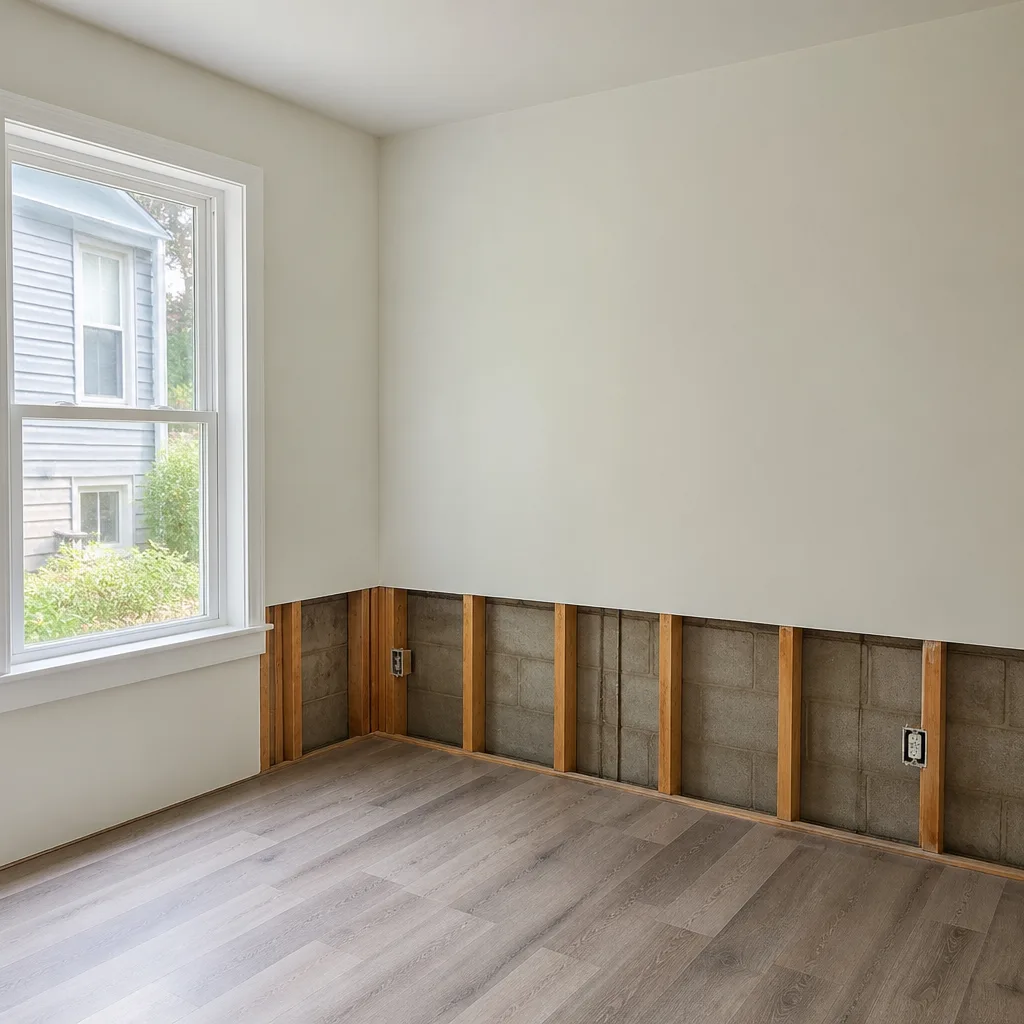
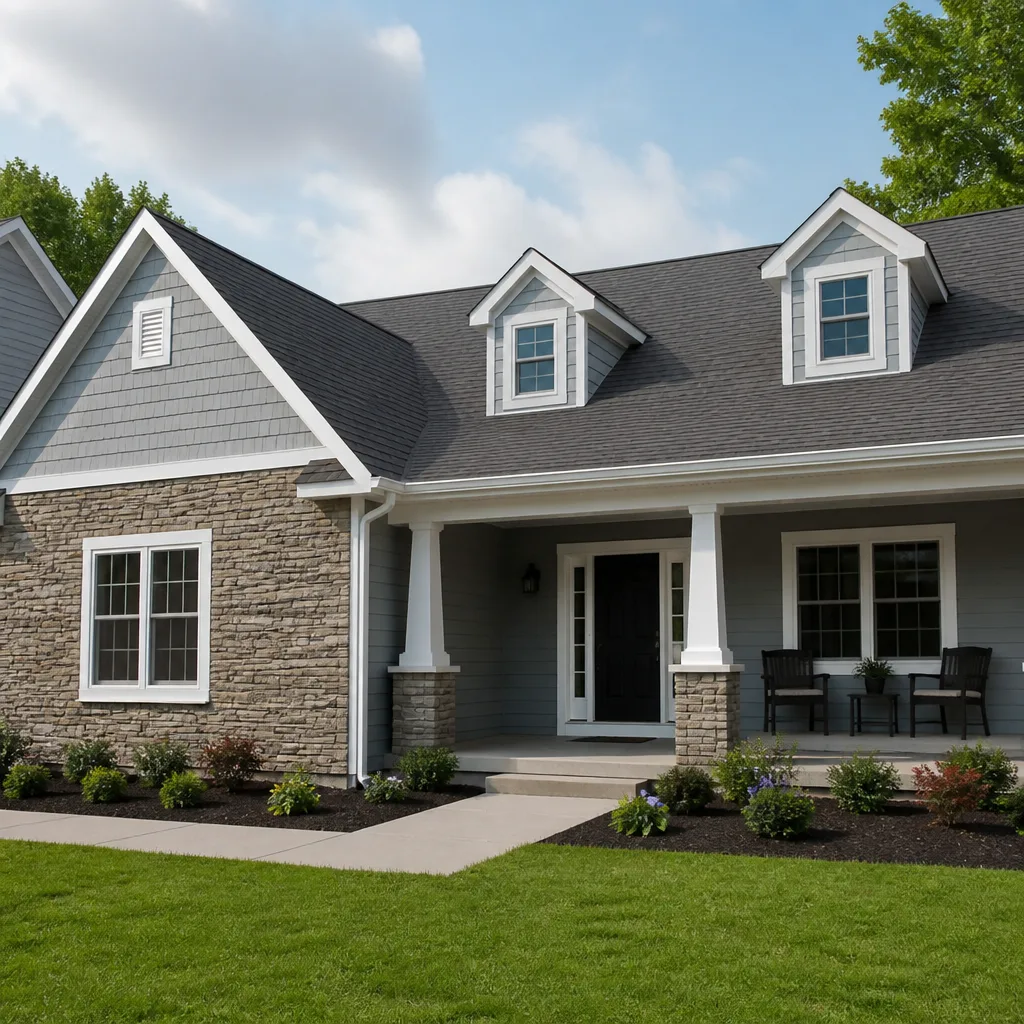
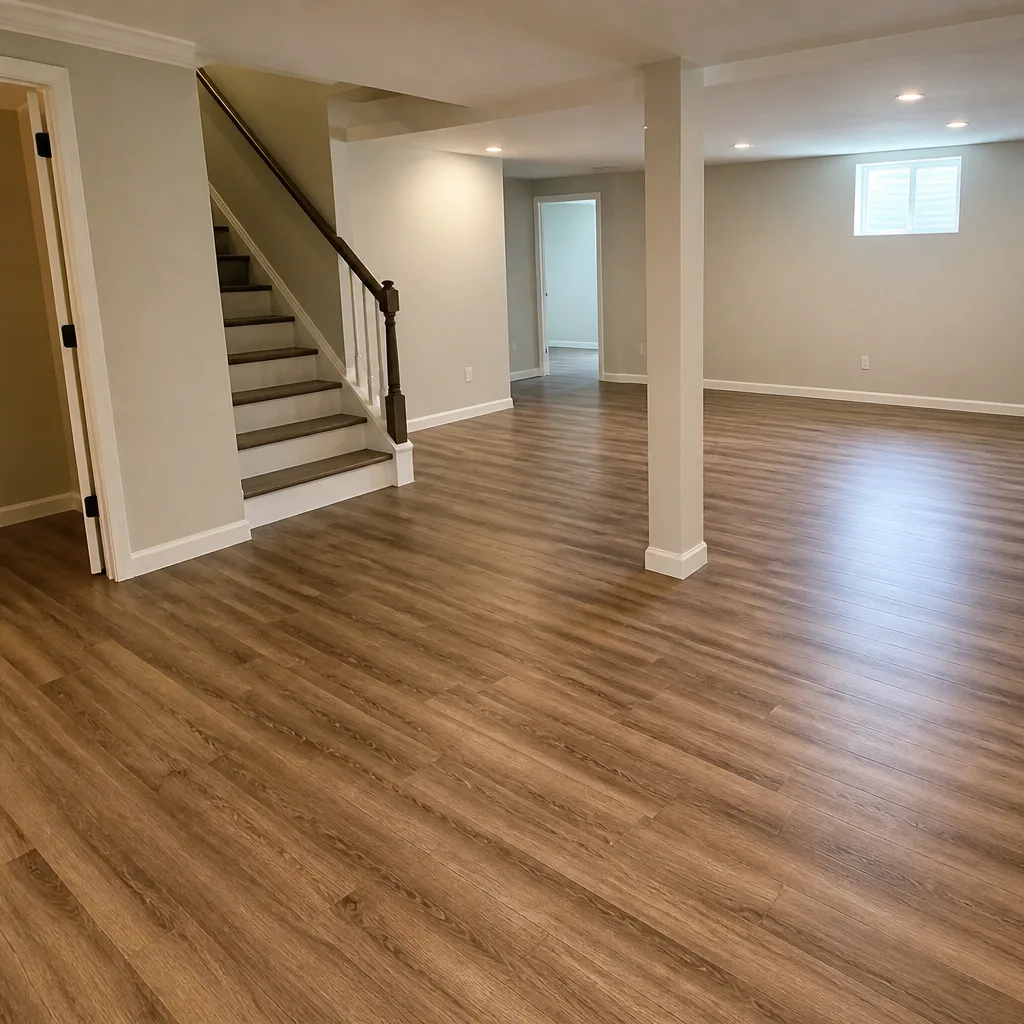
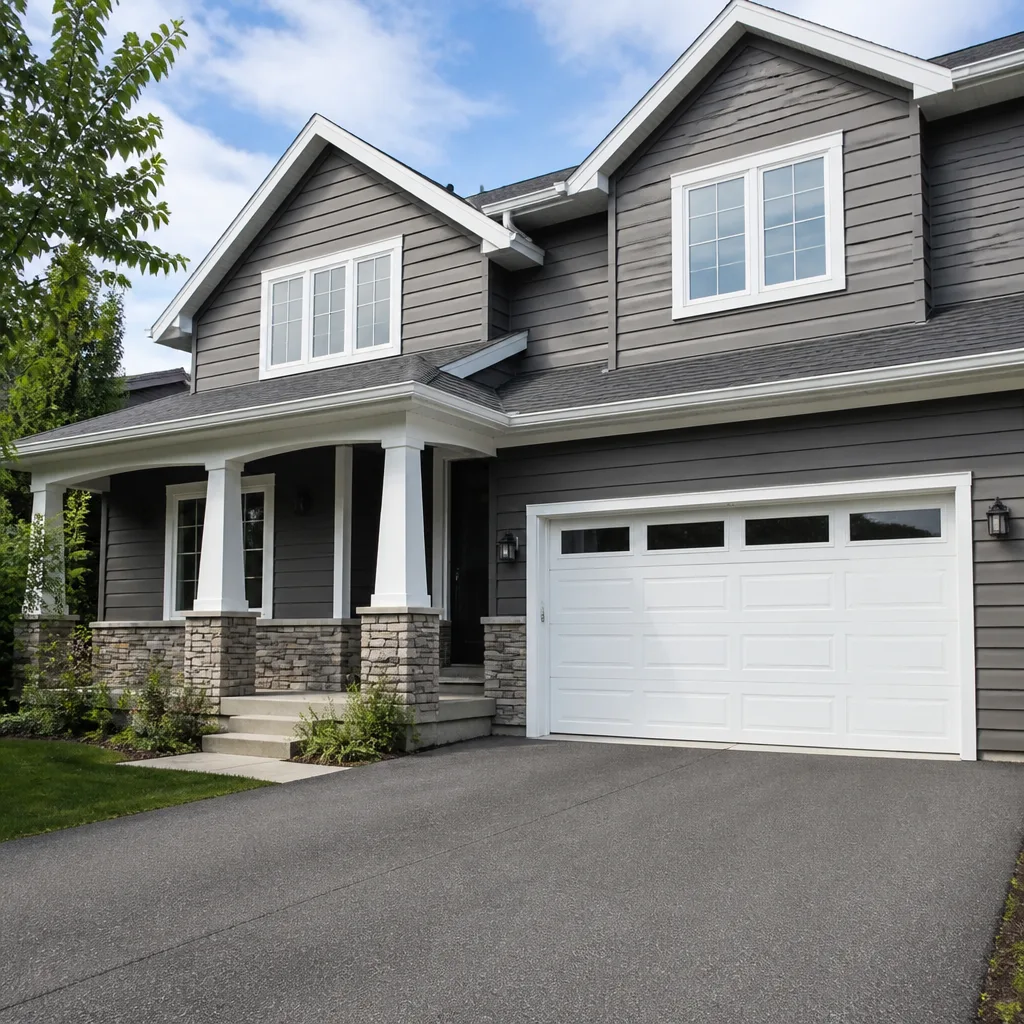
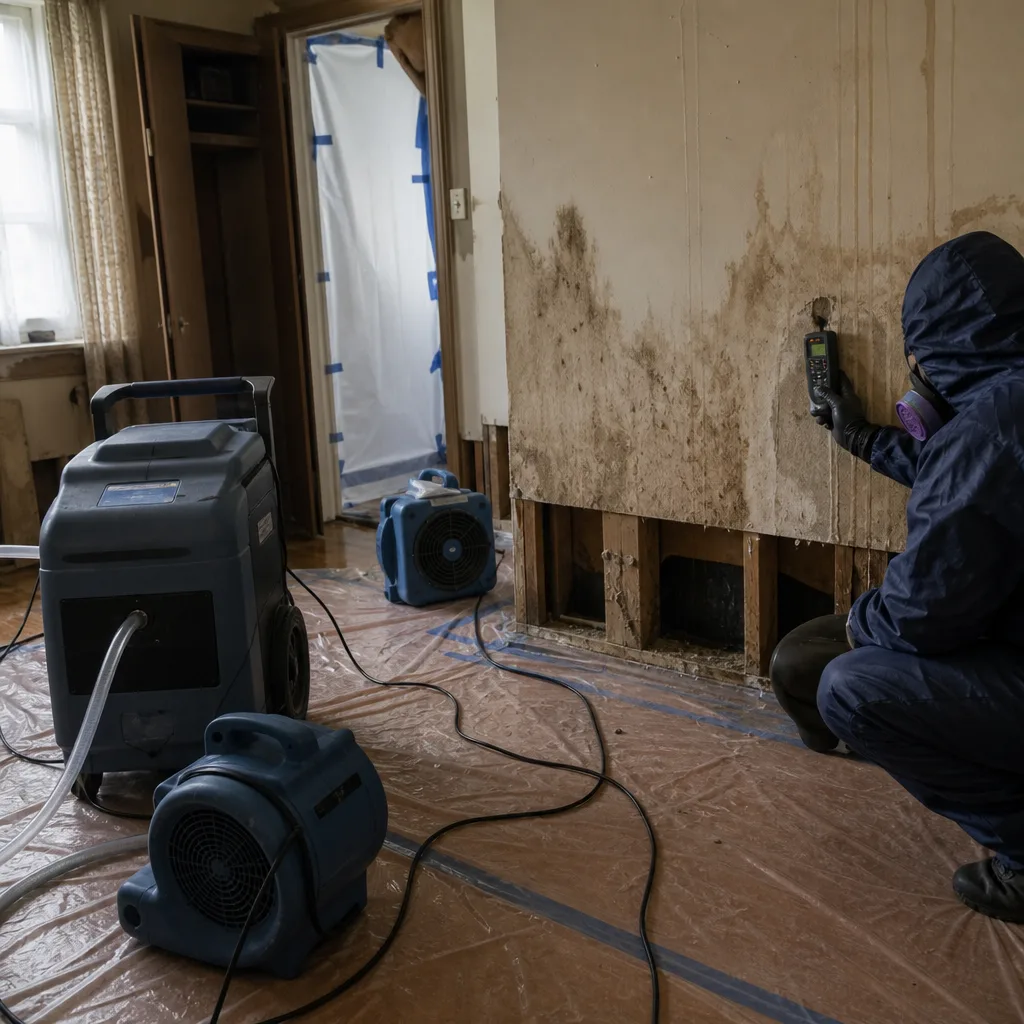 Before
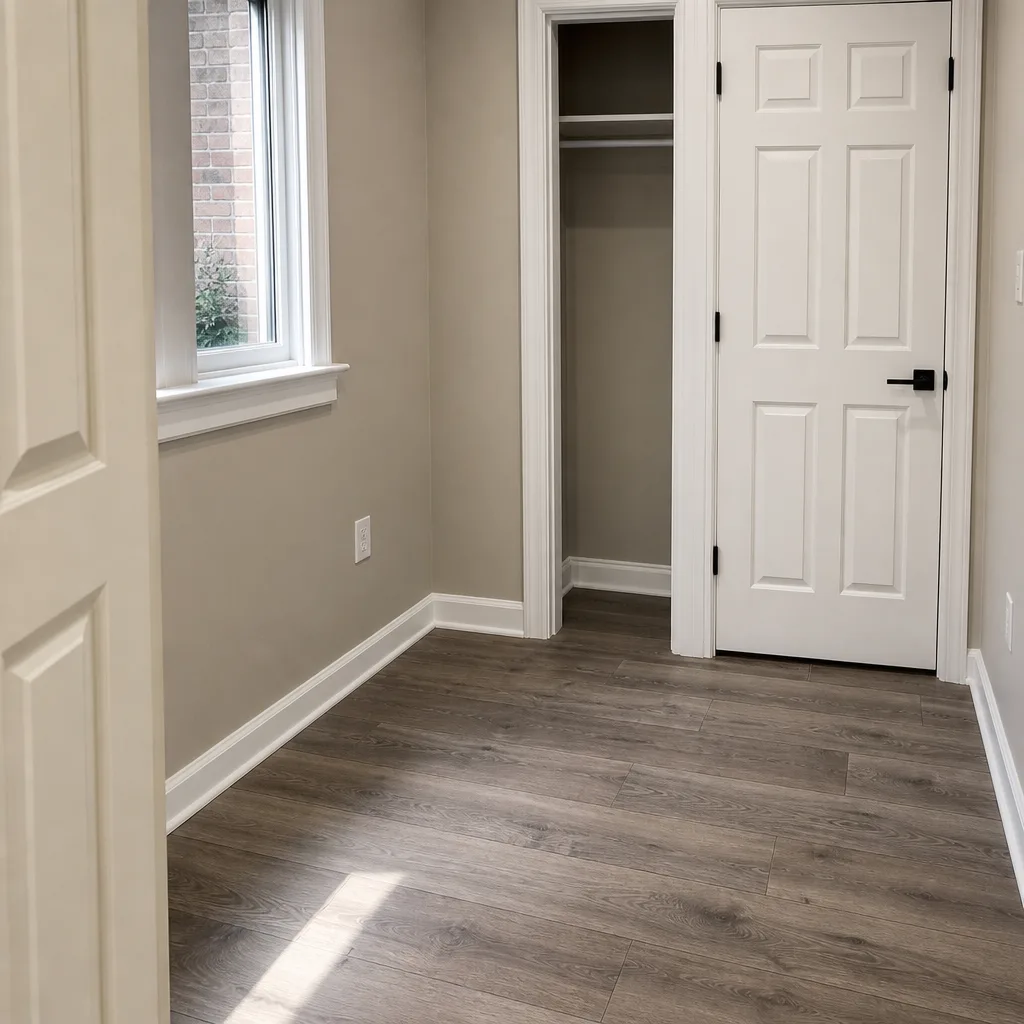 After
After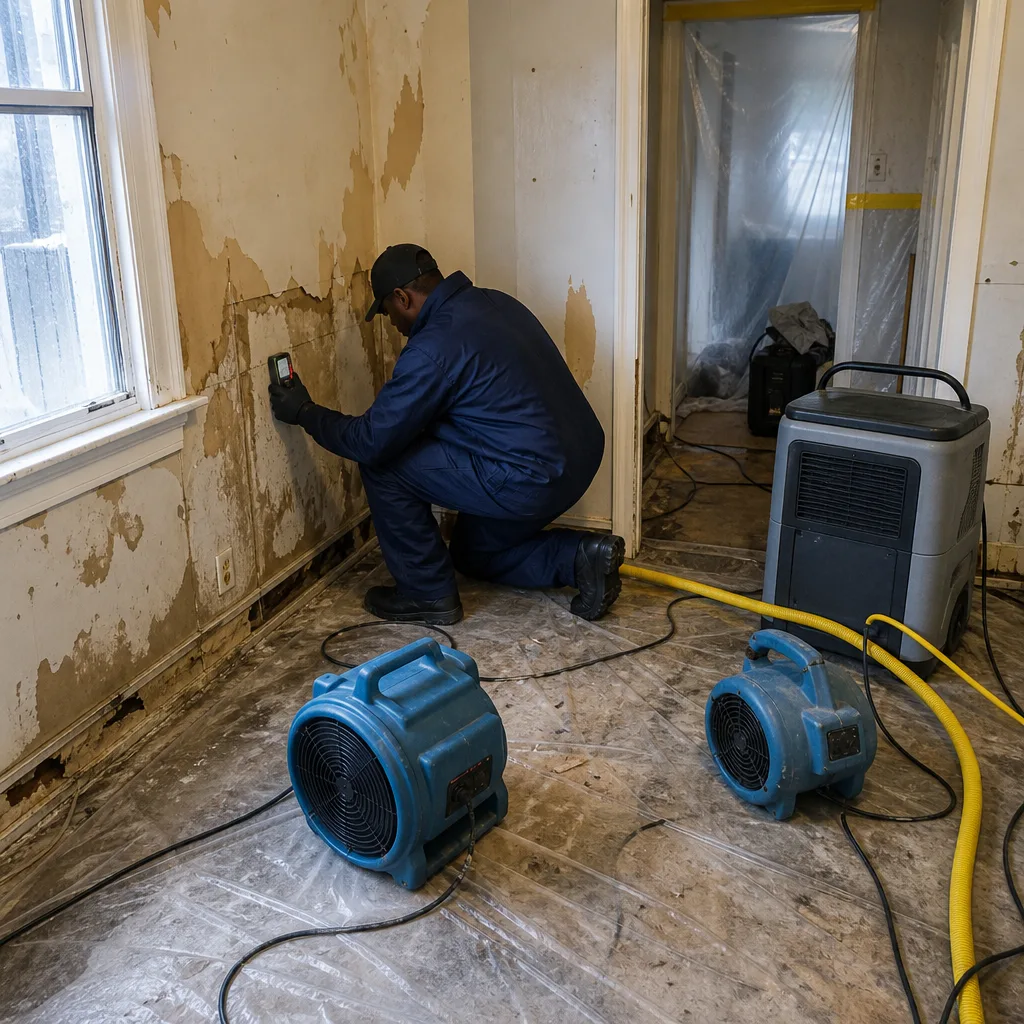 Before
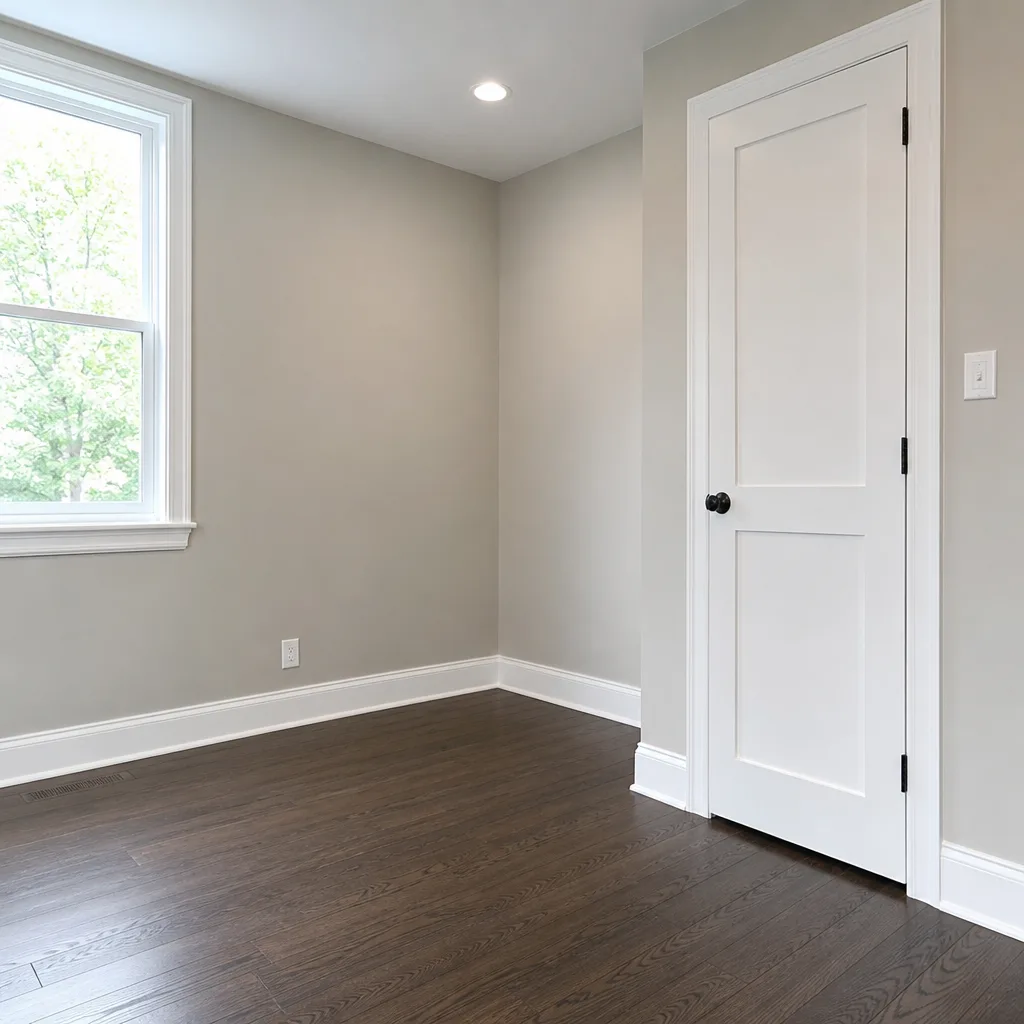 After
After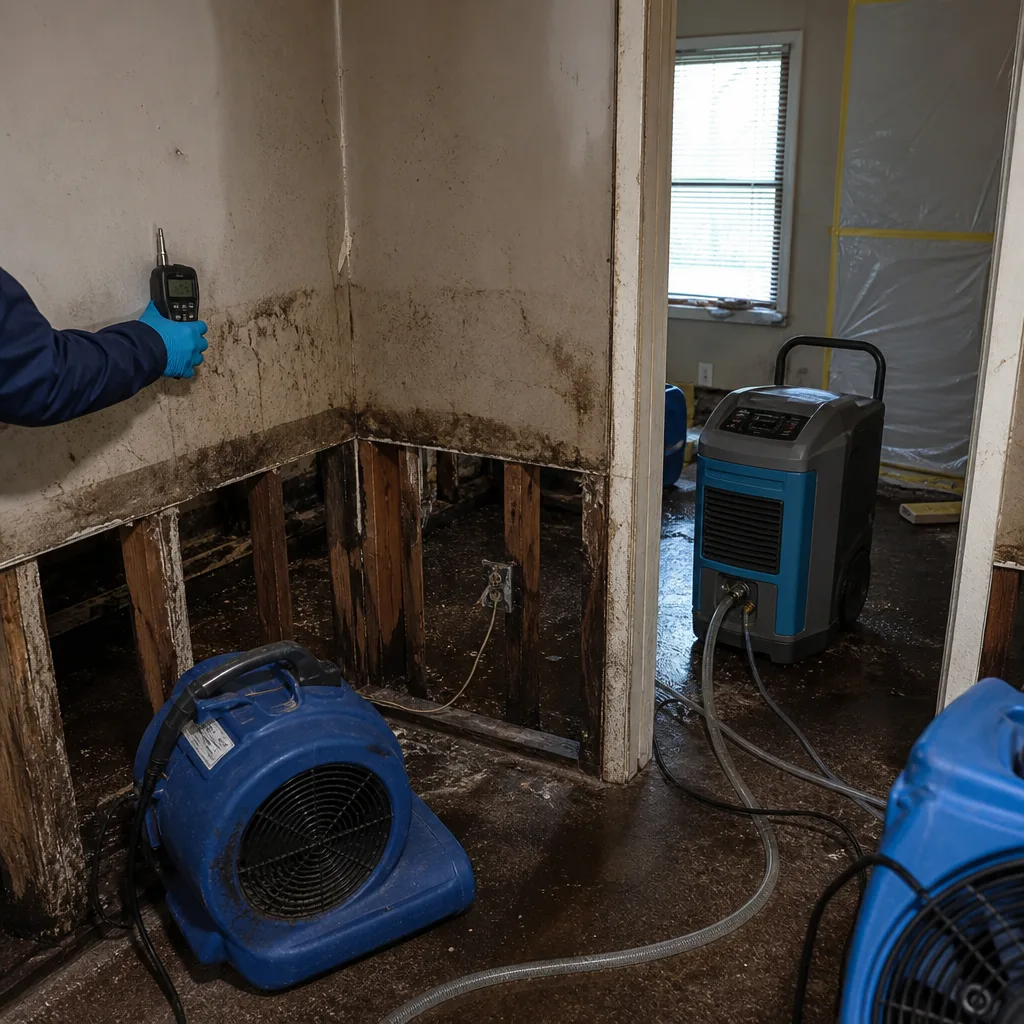 Before
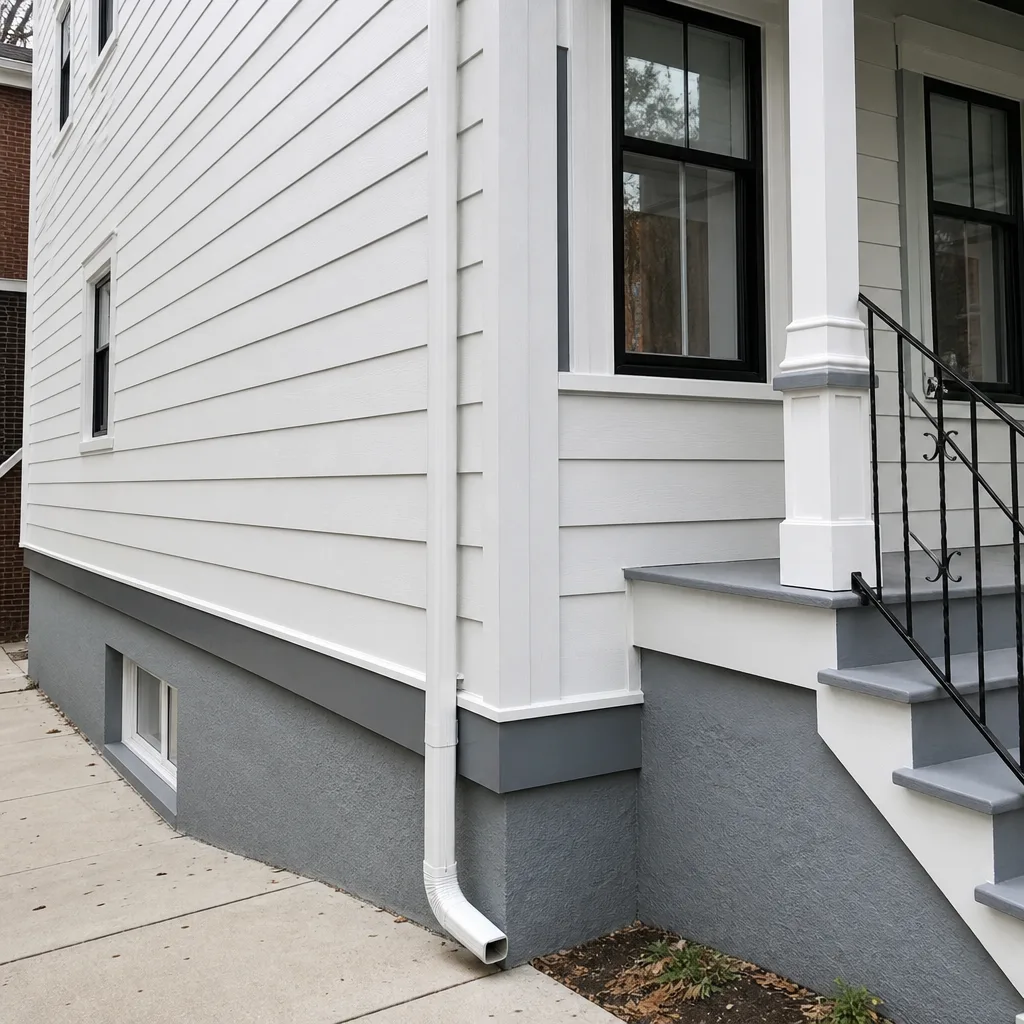 After
After24/7 Emergency Sewage Cleanup in Little Caribbean
When a drain backs up into a basement apartment off Flatbush Avenue at 2 a.m., someone has to answer the phone. At Floodline Restoration Co., a live dispatcher picks up around the clock, every day of the year. Sewage cleanup in Little Caribbean is not a wait-until-morning call. Category 3 water carries bacteria, viruses, and parasites that begin colonizing drywall, plaster, and framing within hours. The longer black water sits in a vintage rowhouse basement, the more material must be cut out and replaced. Call (518) 750-3137 the moment you see sewage standing in your home. Our crews are minutes from Little Caribbean, and we start extraction the same visit, not the next day.
Understanding Sewage Cleanup Severity in Little Caribbean Properties
Sewage damage falls into three IICRC water categories. Category 1 is clean water from a supply line. Category 2 carries contaminants from washing machines or dishwasher discharge. Category 3, the kind that comes from a toilet overflow, combined sewer backflow, or septic failure, is grossly contaminated and demands full containment, extraction, disposal of saturated porous materials, and hospital-grade disinfection. Little Caribbean’s housing stock makes Category 3 events unusually serious. The pre-war brick rowhouses and Victorian wood-frame homes from the late 1890s through the 1930s were built with plaster-on-lath walls and original cast-iron drain stacks. Plaster wicks contaminated water upward. Cast iron corrodes from the inside out after a century of service. When a vintage stack cracks or a combined sewer backflow pushes black water up through a basement floor drain in a Crown Heights or Prospect-Lefferts Gardens rowhouse, the contamination moves fast behind finished walls and under slab-level flooring. Moisture mapping with thermal imaging and penetrating meters is not optional here. It is the only way to find every saturated cavity before drying begins.
Why Little Caribbean Property Owners Choose Floodline Restoration Co.
- 45-minute response commitment. From the moment you call (518) 750-3137, a crew is dispatched to Little Caribbean immediately. We do not put emergency calls on a callback list.
- A live person answers, 24/7. No automated phone tree, no “leave a message and we’ll call back tomorrow.” A dispatcher picks up at 2 a.m. and sends a certified crew.
- IICRC-certified technicians. Our crews hold current water damage restoration, applied microbial remediation, and fire and smoke restoration certifications. They are background-checked, uniformed, and trained to IICRC, RIA, and IFA standards.
- Free visual inspection. Before any work begins, we walk the damage with you, explain what we found, and give you a written scope. No charge for looking.
- Direct insurance billing. We document everything from the first hour, then bill your carrier directly. You never play messenger between us and the adjuster.
- One team, start to finish. The same Floodline crew that extracts the sewage dries the structure, sanitizes the space, and rebuilds what was removed. No mid-job handoff to a different contractor.
Our Sewage Cleanup Process
1. Inspection & Assessment
We locate the source, trace the migration path of the sewage, and classify the water. In Little Caribbean basements, that means checking original cast-iron stacks, floor drains, and the condition of plaster-on-lath walls that can hide moisture for weeks.
2. Extraction & Stabilization
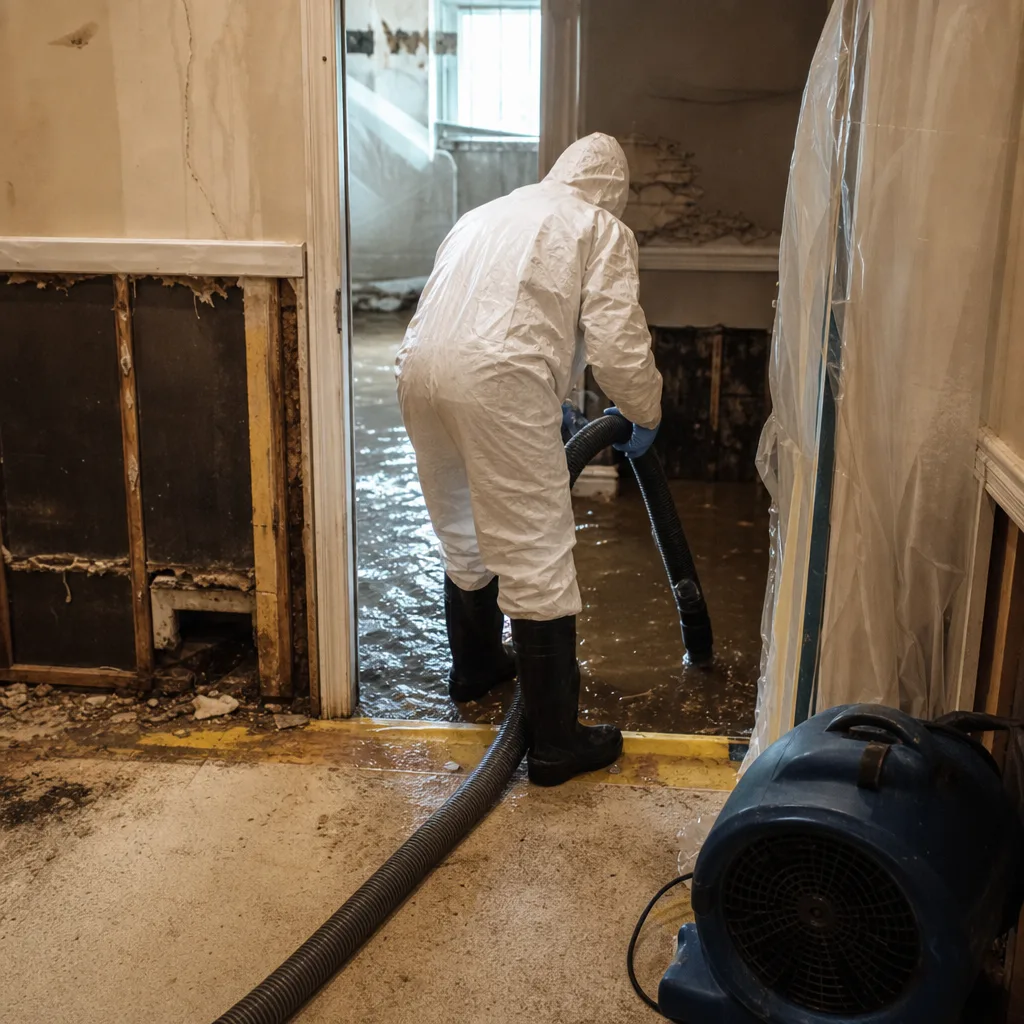
Black water comes out first. We use professional-grade pumps and truck-mounted extraction units to remove standing sewage, then set containment to prevent cross-contamination of clean areas.
3. Drying & Dehumidification
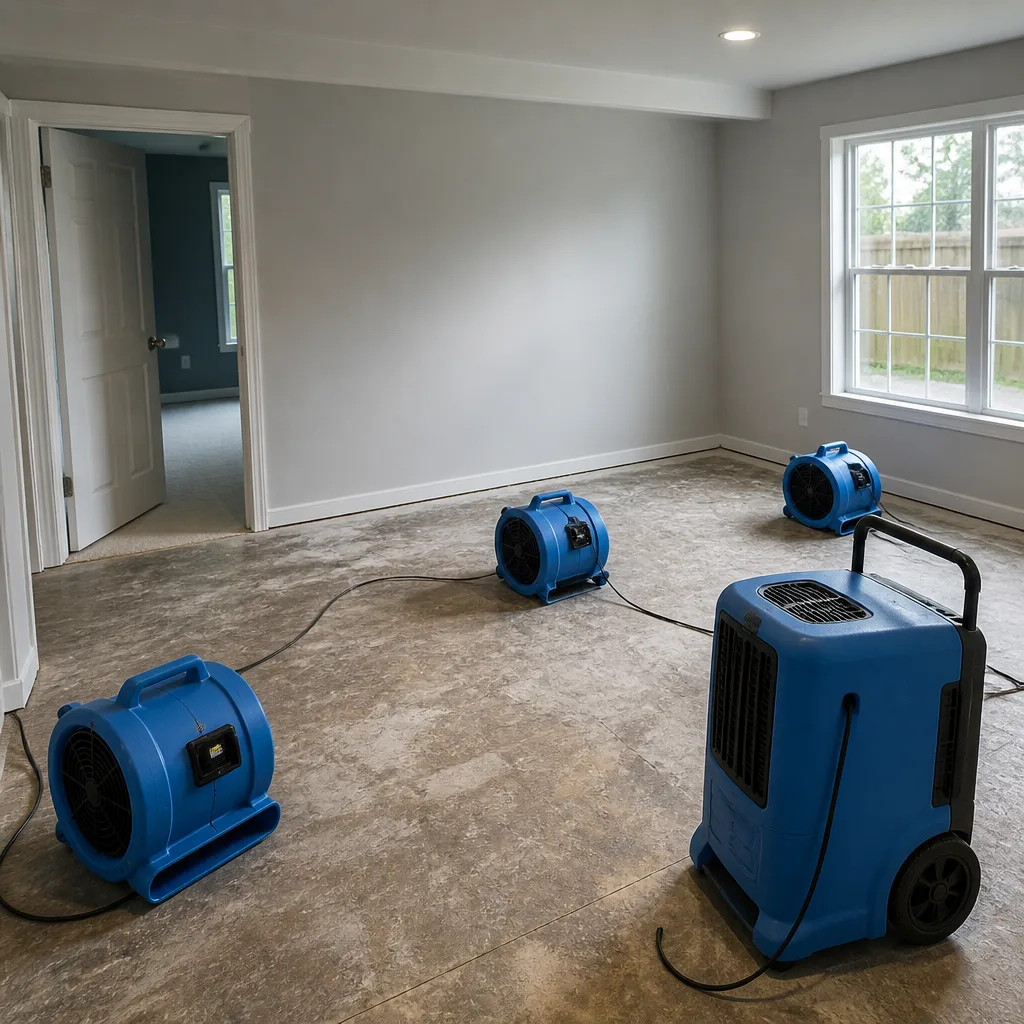
We set XPOWER air movers, B-Air dehumidifiers, and Injectidry systems into walls, floors, and cavities. Daily moisture readings are logged until the structure meets the dry standard. In plaster-on-lath construction, drying takes longer than in modern drywall, and we do not rush it.
4. Cleaning & Sanitization
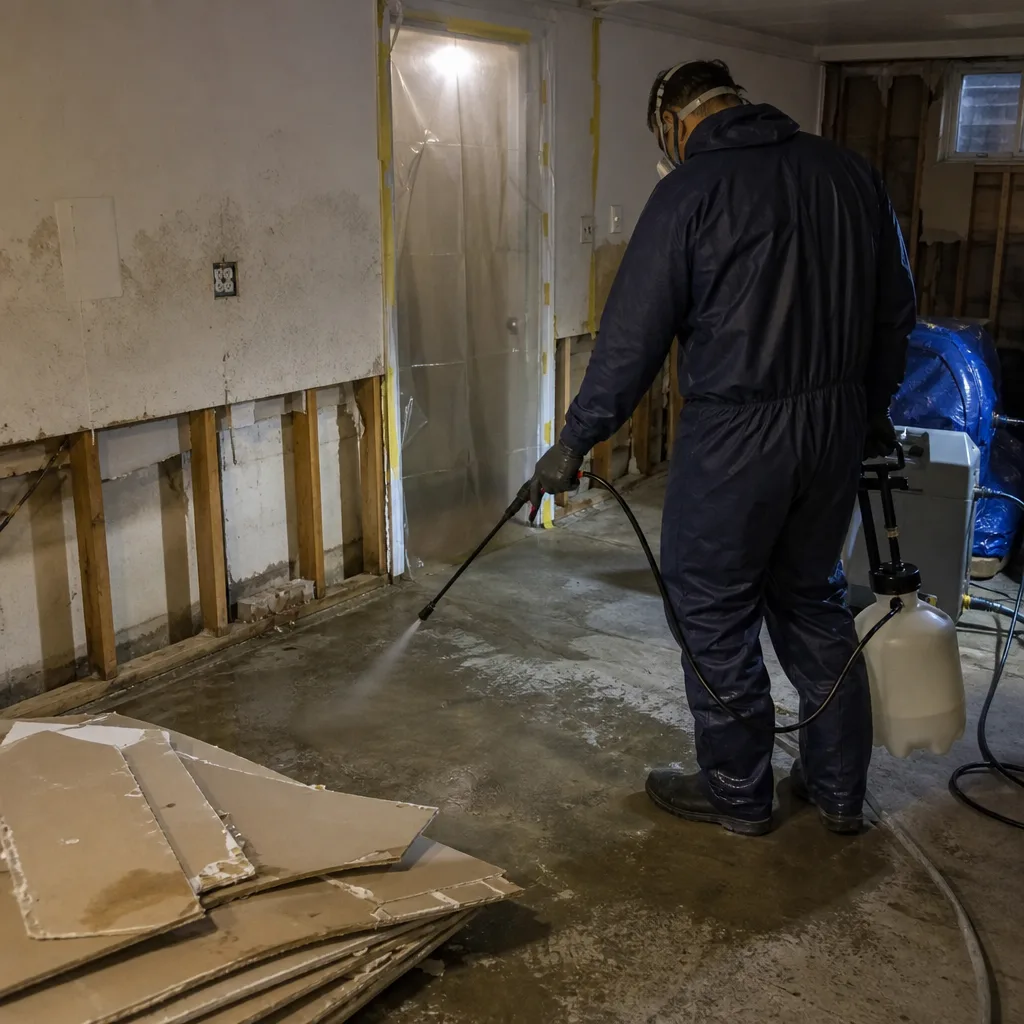
All affected surfaces are cleaned with EPA-registered antimicrobials. Porous materials that absorbed sewage are removed and bagged. Hard surfaces get scrubbed, then disinfected to hospital standards.
5. Specialty Treatment for Sewage
Odor control and contamination clearance are part of the job. We run air scrubbers, treat cavities, and verify that no hidden moisture remains before anyone puts a wall back together.
6. Repairs & Restoration
Floodline handles the rebuild. We replace drywall, flooring, trim, and whatever else was removed. The job is not done until the basement is usable again and the 90-Day Done Right Promise is in your hands.
Need Emergency Sewage Cleanup in Little Caribbean Now?
Crews minutes away, answering live 24 hours a day. The sooner we start, the less it costs.
Working With Your Insurance Company
Sewage backup claims in Brooklyn move faster when the documentation is complete from the first hour. We photograph every room before a single piece of material is disturbed. We log moisture readings daily, keep drying charts, and write a line-item scope of work that matches what your policy actually covers. Our team of certified technicians coordinates with your adjuster directly, which means you spend your time dealing with your home, not your claim. Many Little Caribbean homeowners worry that sewage cleanup will be denied as an uncovered peril. The truth is most policies cover sudden and accidental sewage backup when it is documented properly. We know what carriers need to see, and we give it to them.
What We Provide Your Insurer
- Thorough documentation of the loss
- Photos of all damage, room by room
- Moisture readings and drying logs
- A detailed, line-item scope of work
- Direct coordination with your carrier
Built for Little Caribbean’s Loss Calendar
Sewage cleanup in Little Caribbean follows the seasons, but the biggest events do not wait for a storm. Brooklyn’s combined sewer system carries both wastewater and stormwater through the same pipes. When a heavy rain overwhelms the system, that water has nowhere to go but back up the drain line into the lowest point of a home. The near-flat topography around Flatbush Avenue makes the corridor especially vulnerable. September 2021 proved it. Hurricane Ida’s storm surge pushed Category 3 water through the original cast-iron stacks of hundreds of basement units across Crown Heights, Prospect-Lefferts Gardens, and Flatbush itself. Winter nor’easters add another pattern: aging parapet walls and low-slope built-up roofs on pre-war buildings leak in freeze-thaw cycles, sending water down interior wall cavities and into occupied basement apartments. When that water meets an overtaxed drain, the result is a sewage cleanup with structural drying on both floors. Our crews respond to every one of these events with the same approach: extract first, dry accurately, rebuild only when the moisture map says it is time.
Sewage Cleanup Across Little Caribbean’s Neighborhoods
Little Caribbean runs along the Flatbush Avenue corridor through Crown Heights, Prospect-Lefferts Gardens, and Flatbush proper. The building types change block by block, and so does the nature of the cleanup. In Crown Heights, the limestone and brick rowhouses near the Brooklyn Children’s Museum carry the typical late-19th-century floor plan: a long central hall, a rear extension, and a basement that was, in many homes, legally a cellar. Basement ceiling heights are low, ventilation is poor, and every square foot of plaster holds more water than the drywall it predates. In Prospect-Lefferts Gardens, the Victorian wood-frame houses along Lefferts Avenue and Fenimore Street stand on street-level basements that flood from floor drains before any water is visible upstairs. And in Flatbush, the converted garden-level units below the early-20th-century brick apartment houses respond to every combined sewer overflow with the same result: sewage in a bedroom, a kitchen, or a living space. When our crews route from Empire Boulevard to Church Avenue to Parkside Avenue, they are not crossing the same neighborhood. They are crossing three distinct building stocks with three distinct failure modes.
Specialized Sewage Cleanup Services We Offer in Little Caribbean
Sewage Backup Cleanup
When the combined sewer system on the Flatbush Avenue corridor backs up in a heavy rain, basement floor drains become geysers. Our Sewage Cleanup team extracts the water, removes saturated materials, and sanitizes every surface the flood touched. We also identify why the backup happened in the first place so you can make an informed decision about a backflow prevention valve.
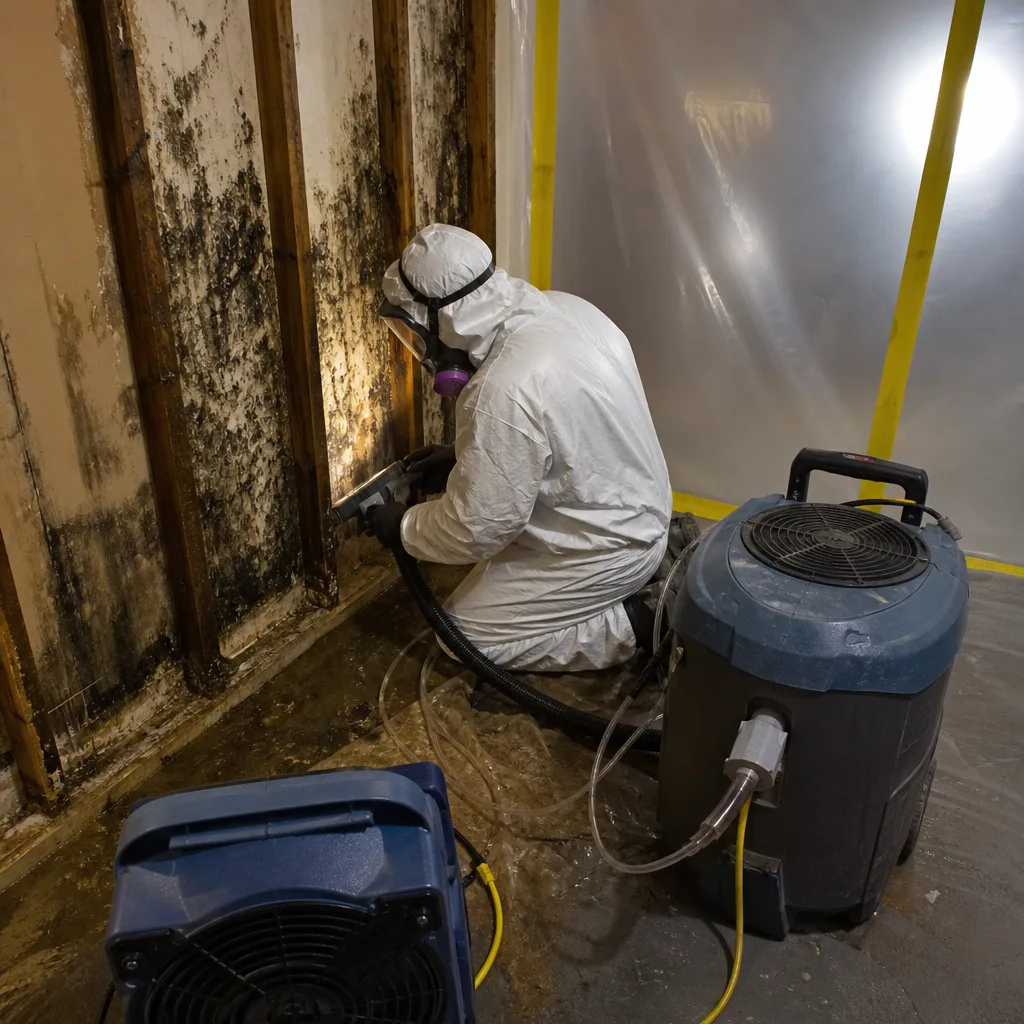
Toilet Overflow Cleanup
A toilet overflow is Category 3 water even when the bowl was clean. The water passes through the fixture and picks up bacteria from the drain line and the floor beneath. In Little Caribbean basements where a second toilet was added during an informal conversion, that overflow spreads across tile, vinyl, and subfloor fast. We extract, cut out the affected layers, dry the framing, and rebuild the floor.
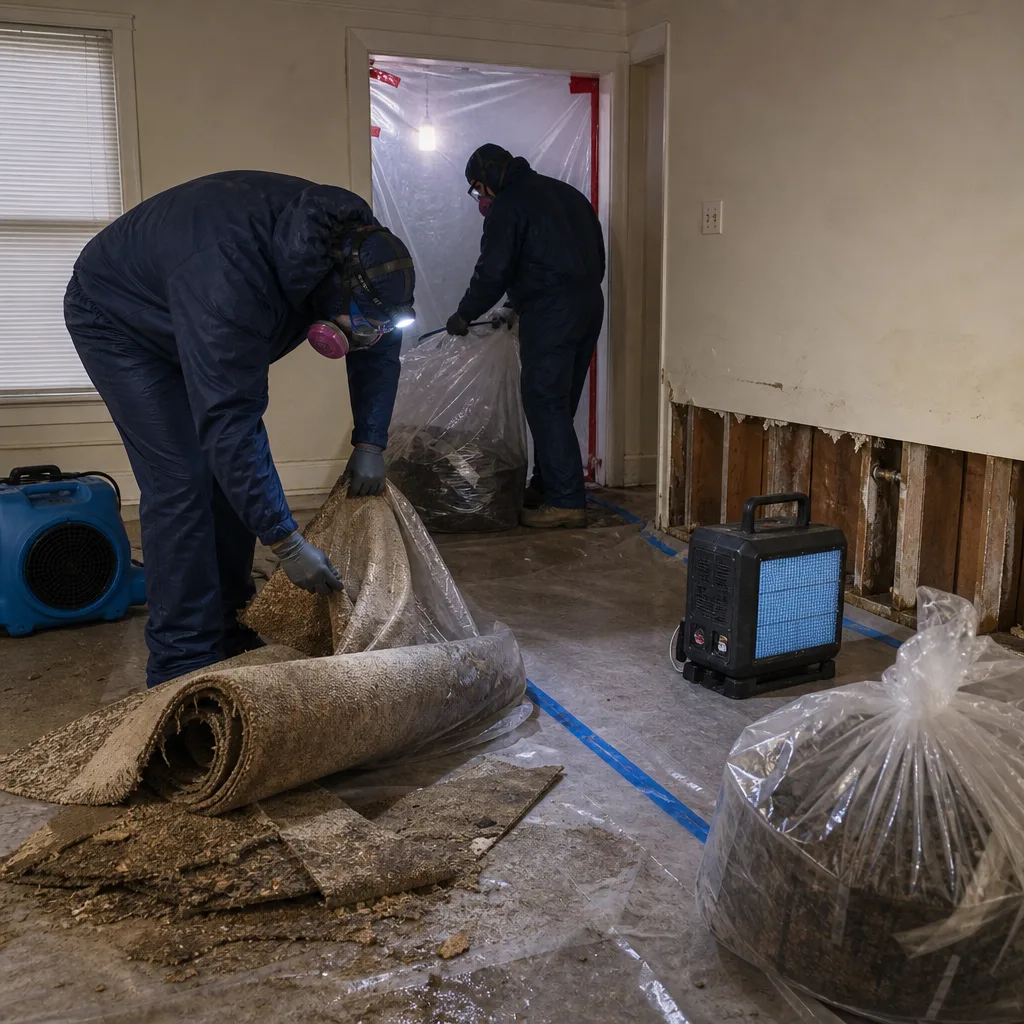
Septic Failure Cleanup
Most of Little Caribbean is on the city sewer system, but a handful of older properties still run private septic laterals. When those fail, sewage surfaces in the yard or backs into the basement. We handle the indoor cleanup fully and coordinate with your plumber or septic contractor to make sure the repair line and the restoration line meet.
Black Water Extraction
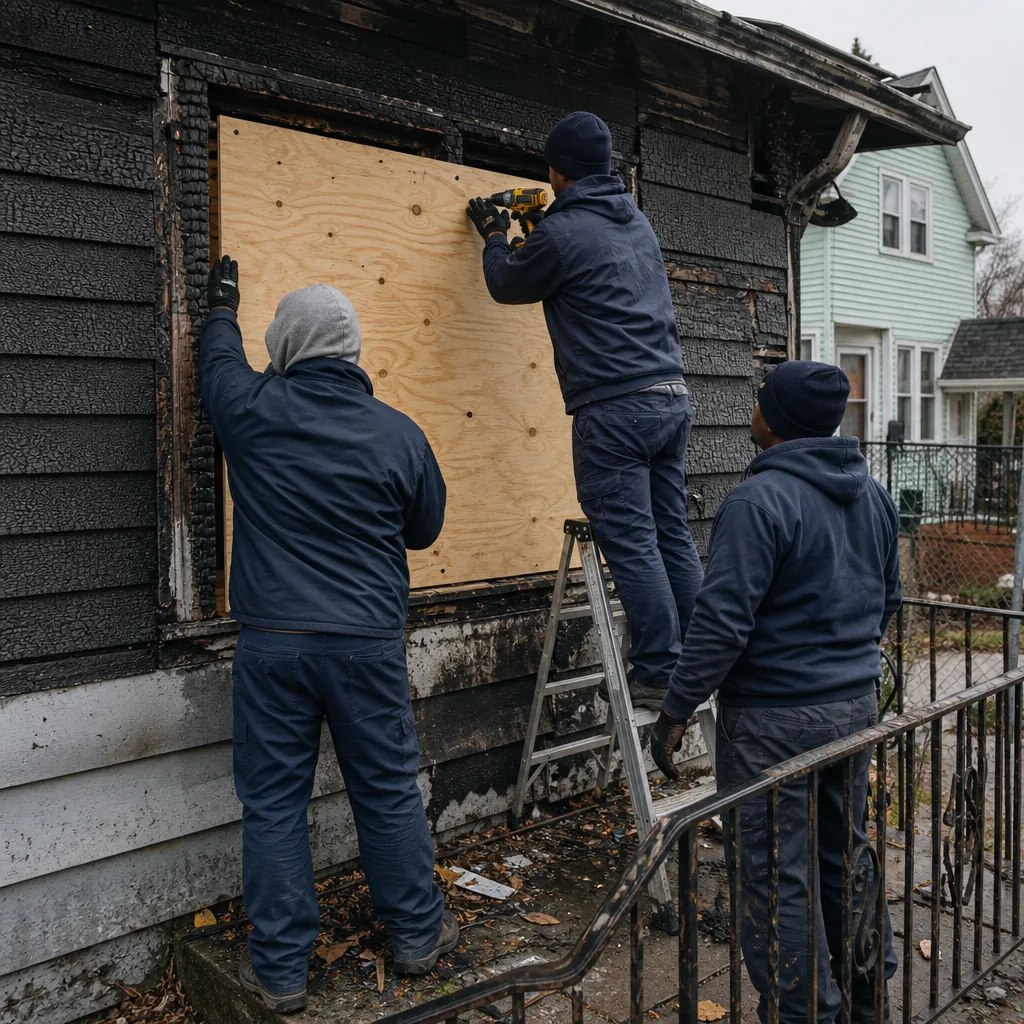
Black water demands immediate extraction and careful disposal. Our crews use professional-grade pumps, protective gear, and containment chambers to keep contamination from spreading into clean areas of the home. In pre-war rowhouses, that containment is the difference between a basement cleanup and a whole-house loss. We run Dri-Eaz extraction and injection-drying systems calibrated to the wall systems we actually find behind the plaster.
Sanitization & Disinfection
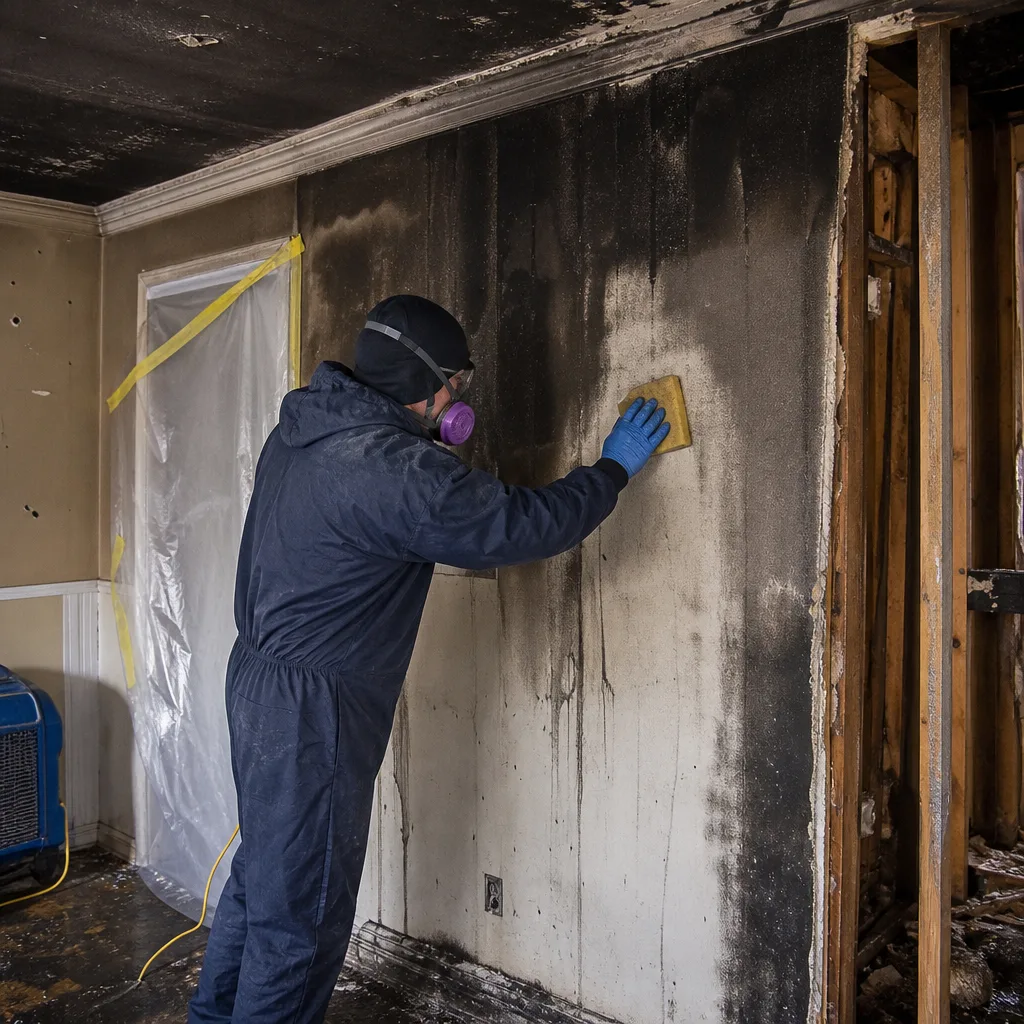
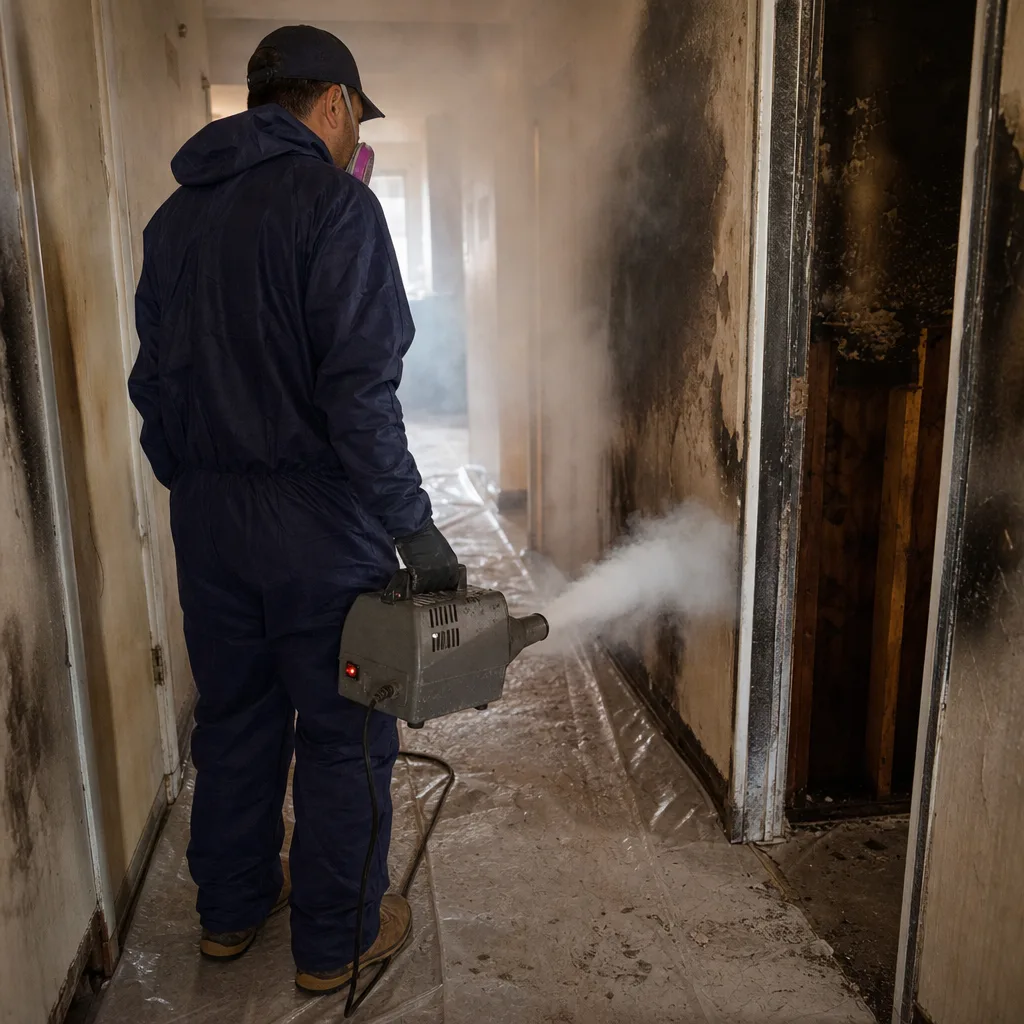
After the water leaves and the drywall comes out, the microbial load remains until we kill it. We treat floor slabs, stud bays, and finished surfaces with EPA-registered antimicrobials, fogging or wiping depending on the material. Then we verify with a post-remediation inspection before anyone rebuilds.
What happens when you call
- 1
A real person answersNo phone trees - you reach a local pro.
- 2
You get an upfront price rangeHonest numbers before anyone is dispatched.
- 3
A background-checked tech heads outLicensed & insured, dispatched right away.
- 4
You approve before work beginsNothing starts until you say go.
Sewage Cleanup Costs in Little Caribbean, NY
Sewage cleanup in Little Caribbean runs from about $2,400 up to $12,000 or more, depending on how far the black water traveled before anyone stopped it. A small isolated backup in a single bathroom might cost $2,400 to $4,000. A basement-wide sewage flood in a Crown Heights rowhouse with plaster walls and a converted garden unit typically falls between $6,500 and $10,500. The high end comes when the contamination has been sitting for days, when a load-bearing wall must be opened, or when the rebuild includes millwork, flooring, and a rear extension that was finished as a bedroom. Insurance usually covers the extraction, drying, and sanitization if the cause was sudden and accidental. What may not be covered is the upgrade yourself: replacing a century-old cast-iron stack is a capital improvement, not a restoration item. A free visual inspection gives you a firm scope before any work begins, and a written estimate before you commit a dollar. Call (518) 750-3137 and we will walk the property with you the same day.
We Also Serve Cities Near Little Caribbean
Floodline Restoration Co. serves sewage cleanup customers across the surrounding Brooklyn neighborhoods, including Little Caribbean, East Flatbush, Sunset Park, Bedford-Stuyvesant, and Bensonhurst. If your home sits just outside the corridor, we still have crews nearby. Call (518) 750-3137 for a free visual inspection anywhere in these areas.
Serving Little Caribbean, NY - Our Local Coverage Area
We’re based in the Little Caribbean area and know this community well. Use the map below to see our service coverage - if you’re nearby, we can almost certainly help.
Little Caribbean Sewage Cleanup Questions, Answered
How does Little Caribbean’s dense basement conversion history change the cost of a sewage cleanup?
When the basement unit was built without full permits, restoration gets more expensive in two ways. First, the work itself is more complex because informal renovations hide moisture pockets behind plaster-on-lath and layered finish materials. Second, code compliance enters the scope. The NYC Department of Buildings may flag the unit during remediation, and resolving that flag through an expediter adds time and money to the job. Call (518) 750-3137 to have our team assess what you are actually facing.
Can Floodline Restoration handle sewage cleanup in a basement where the tenant is living during remediation?
If the unit has a legal certificate of occupancy, yes, but the tenant should not live in the unit while we are performing sewage cleanup. The work includes containment, antimicrobial treatment, and drying with professional equipment. If the unit was converted informally, the question shifts from tenant occupancy to legal use, and that must be resolved before we can complete reconstruction. Call (518) 750-3137 for a straight answer on the early steps for your building.
What permit challenges does NYC’s Department of Buildings create for sewage cleanup in Flatbush or Crown Heights basements?
The Department of Buildings does not issue work permits for the cleanup and drying phase. But when we begin reconstruction, we must file for permits on any structural or plumbing work. If the basement unit was not legally converted, the job can stall at this stage. We work with licensed expeditors who can resolve the status, and we keep the drying and sanitization moving while that process runs.
How quickly can you start black water extraction in Little Caribbean after Hurricane Ida-level flooding?
Our crews are dispatched the moment you call, and extraction starts the same visit. After Hurricane Ida, we responded to basement apartments across the corridor while the water was still receding. A live dispatcher answers around the clock, so call (518) 750-3137 as soon as you see sewage standing.
Does Floodline Restoration use specific equipment for sewage cleanup in older rowhouses with original cast-iron drains?
Yes. We run Dri-Eaz pumps for extraction, Injectidry systems for in-place drying of plaster walls and flooring, XPOWER air movers for airflow, and B-Air dehumidifiers for humidity control. The combination matters more in pre-war rowhouses because plaster and cast iron respond differently than modern building materials.
How long does sewage cleanup and drying take in a Little Caribbean rowhouse basement?
Extraction and sanitization usually happen in the first 24 to 48 hours. Full drying in a vintage basement with plaster-on-lath walls typically takes 3 to 7 days, sometimes longer during humid Brooklyn summers. Reconstruction follows only after the moisture log proves the structure is dry. Call (518) 750-3137 for an estimate specific to your basement.
Can we stay in the home during sewage cleanup, or does the whole family need to move out?
If the sewage is confined to a basement or a single bathroom and our containment is in place, most families can stay on the upper floors. If the contamination reached the main living area or the HVAC system, we recommend temporary relocation until sanitization is complete. We give you an honest answer before work starts.
What should I do in the first 30 minutes after a sewage backup in Little Caribbean?
First, do not touch the water. Do not flush toilets, run sinks, or use the washing machine. Shut off electricity to the affected area if you can reach the panel without stepping in water. Then call (518) 750-3137. A live dispatcher will answer and send a certified crew to your Little Caribbean home immediately.
Written by Curt Bowman, Owner at Floodline Restoration Co., serving Little Caribbean, NY. Founded in 2010, built around a dispatch board, not a sales desk.