
Free visual inspection and a written scope of work before any mitigation begins - photos, moisture readings, and drying logs go in your claim file
The scope we write is the scope we bill. Anything new gets shown to you, in writing, before we touch it.
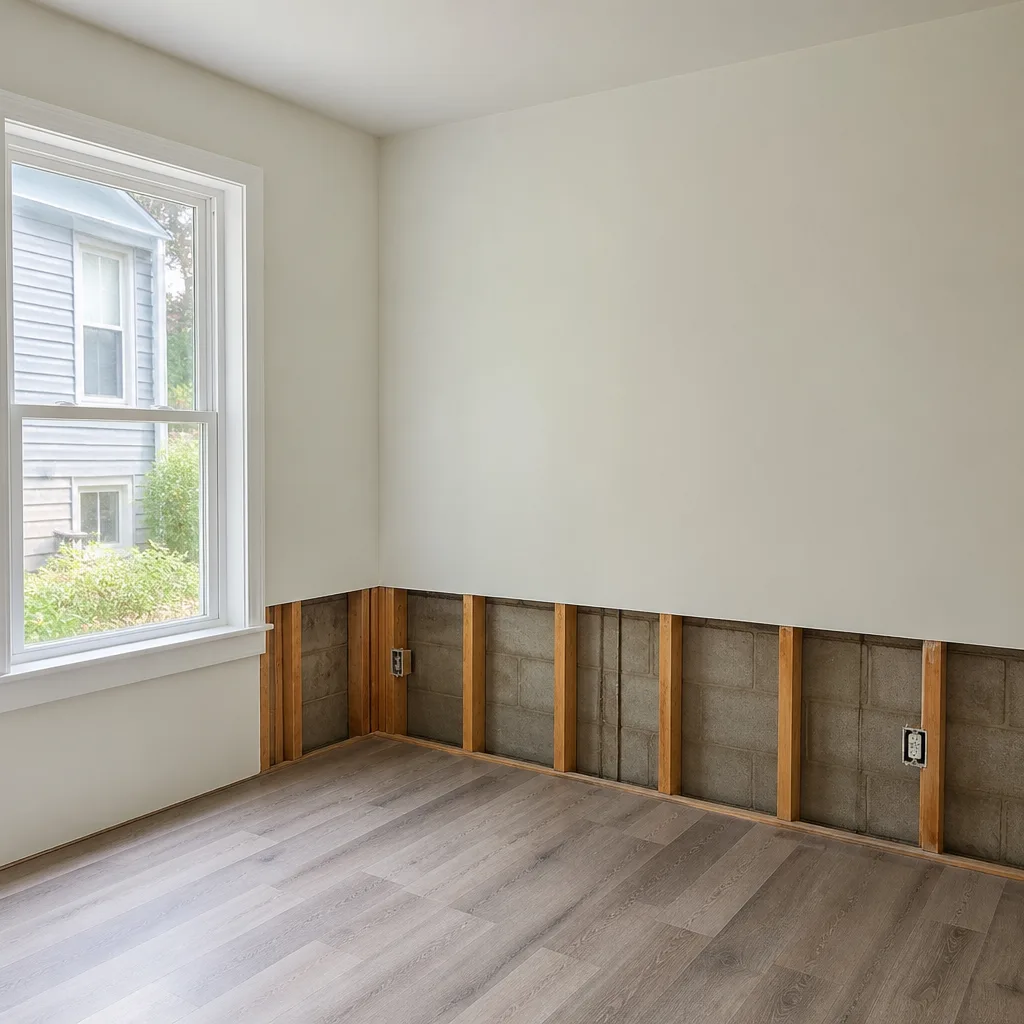

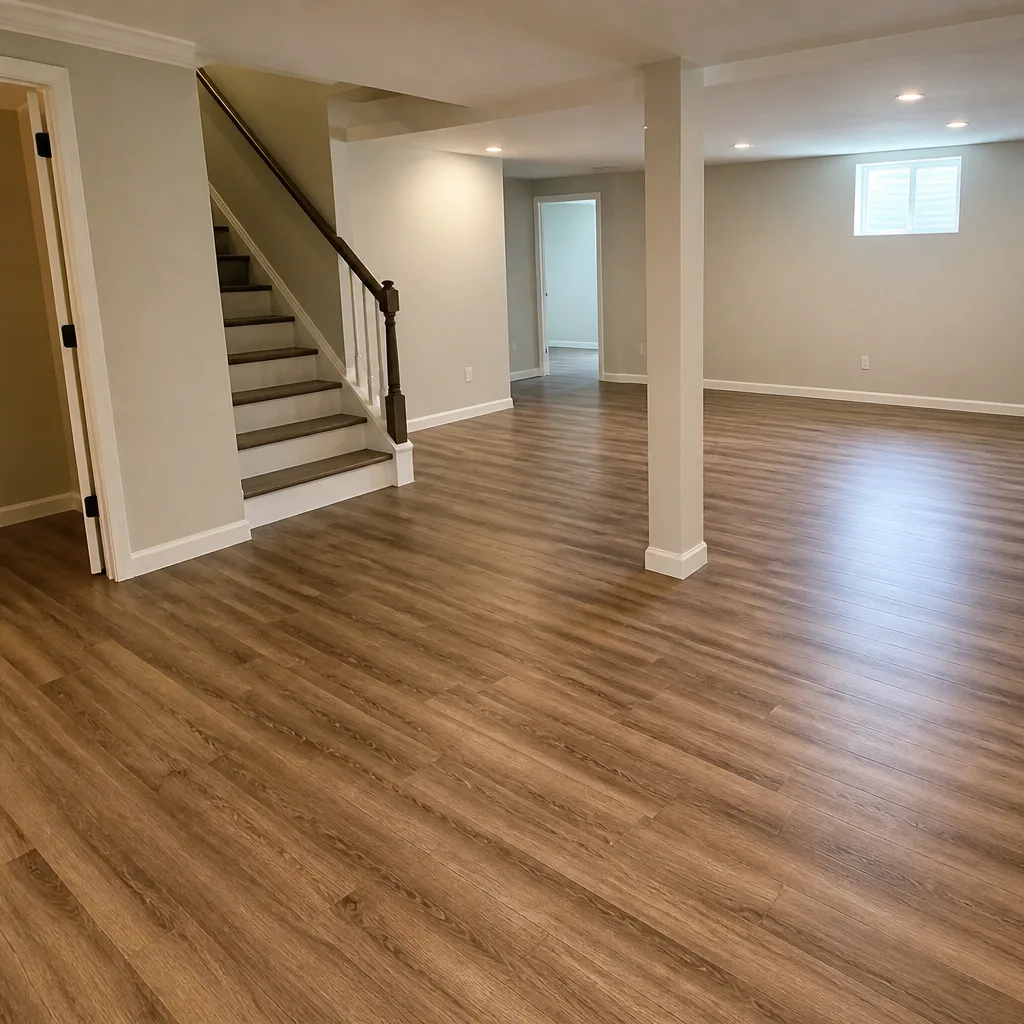
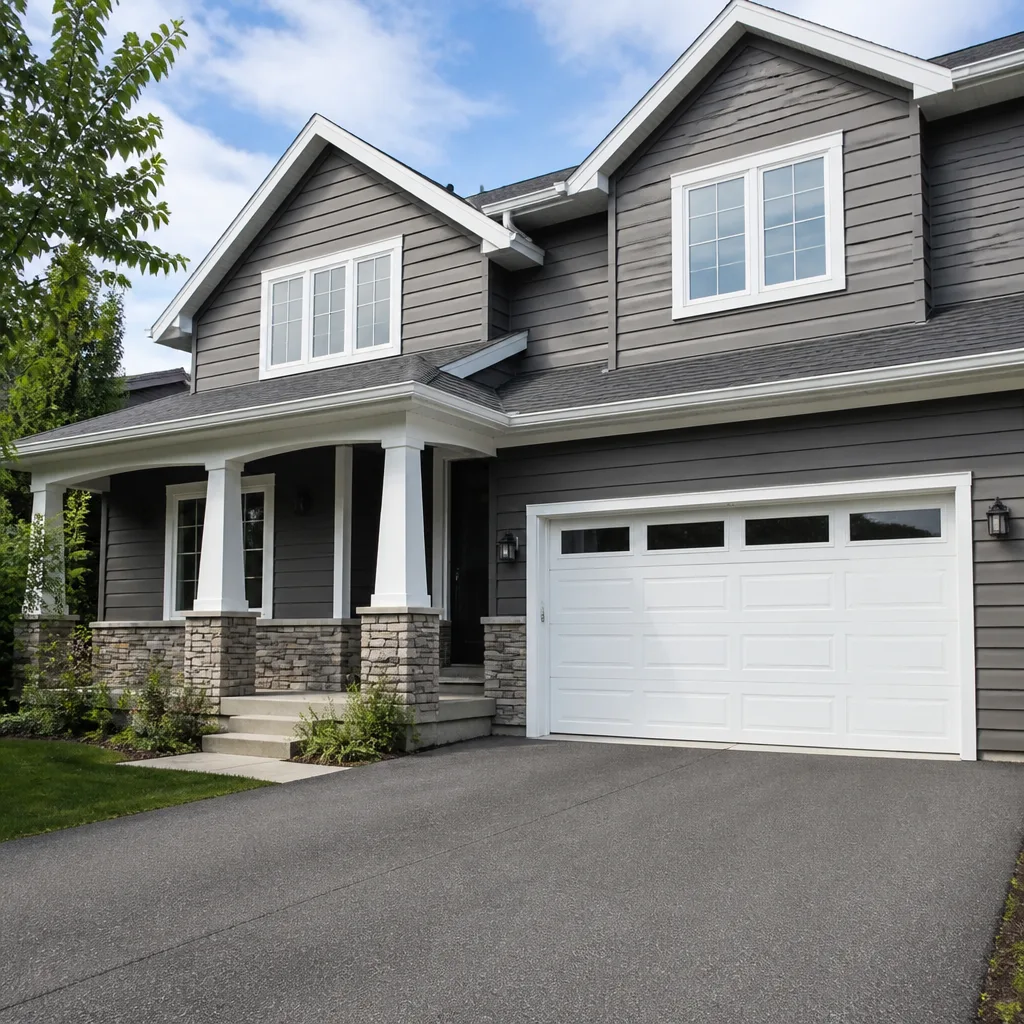
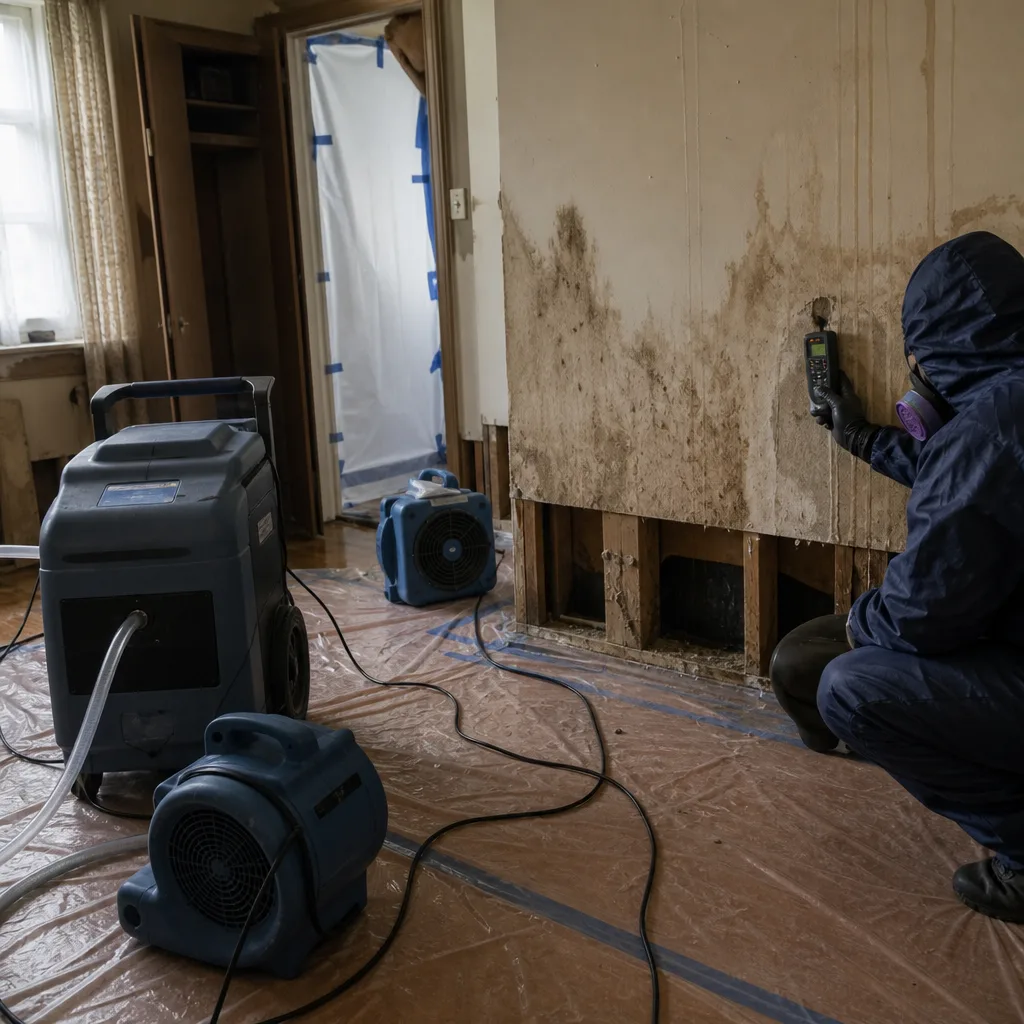 Before
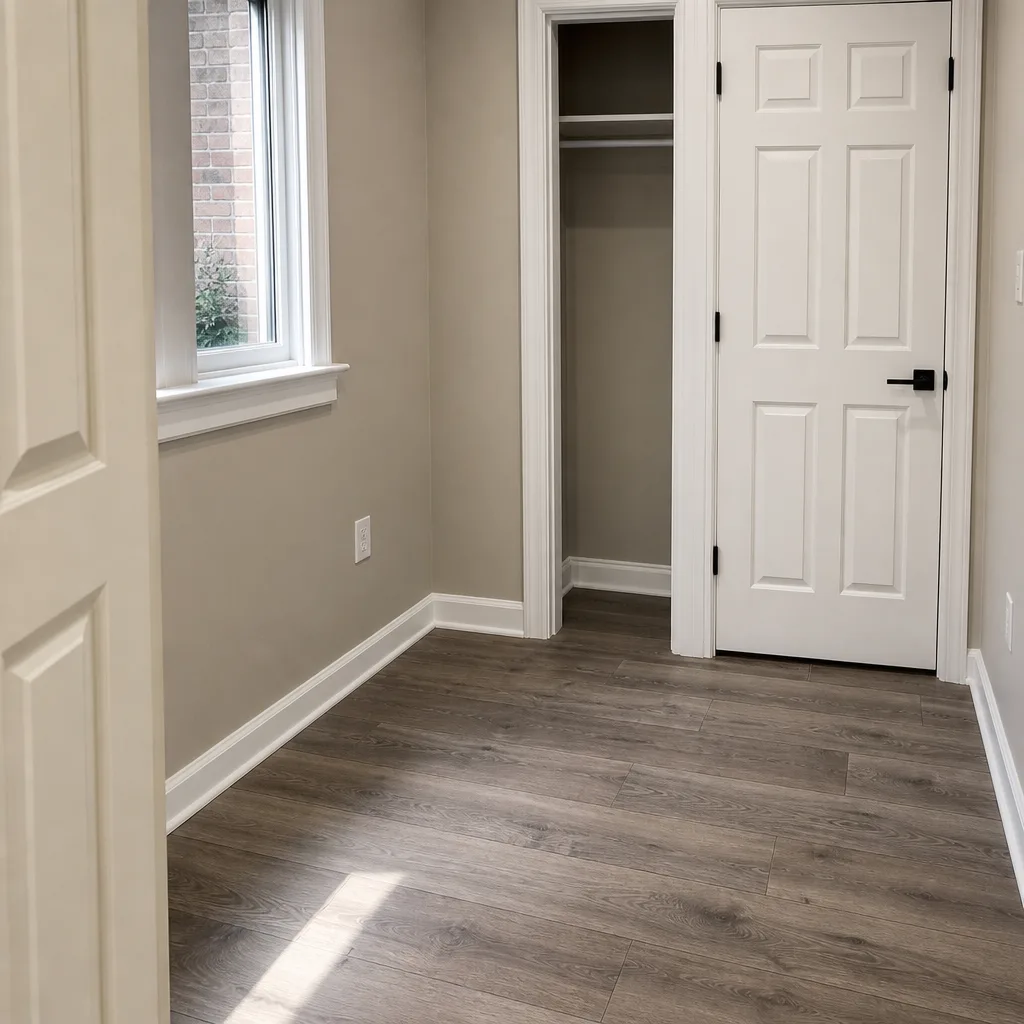 After
After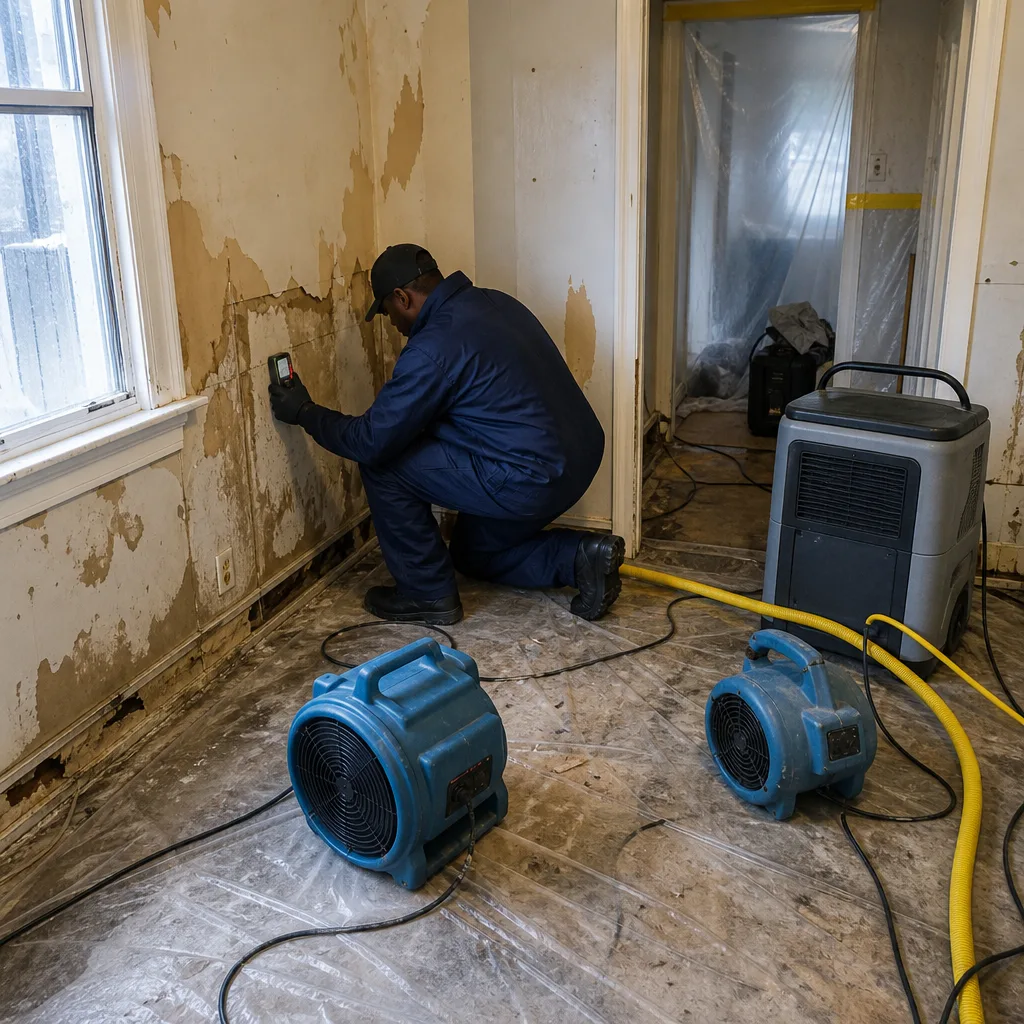 Before
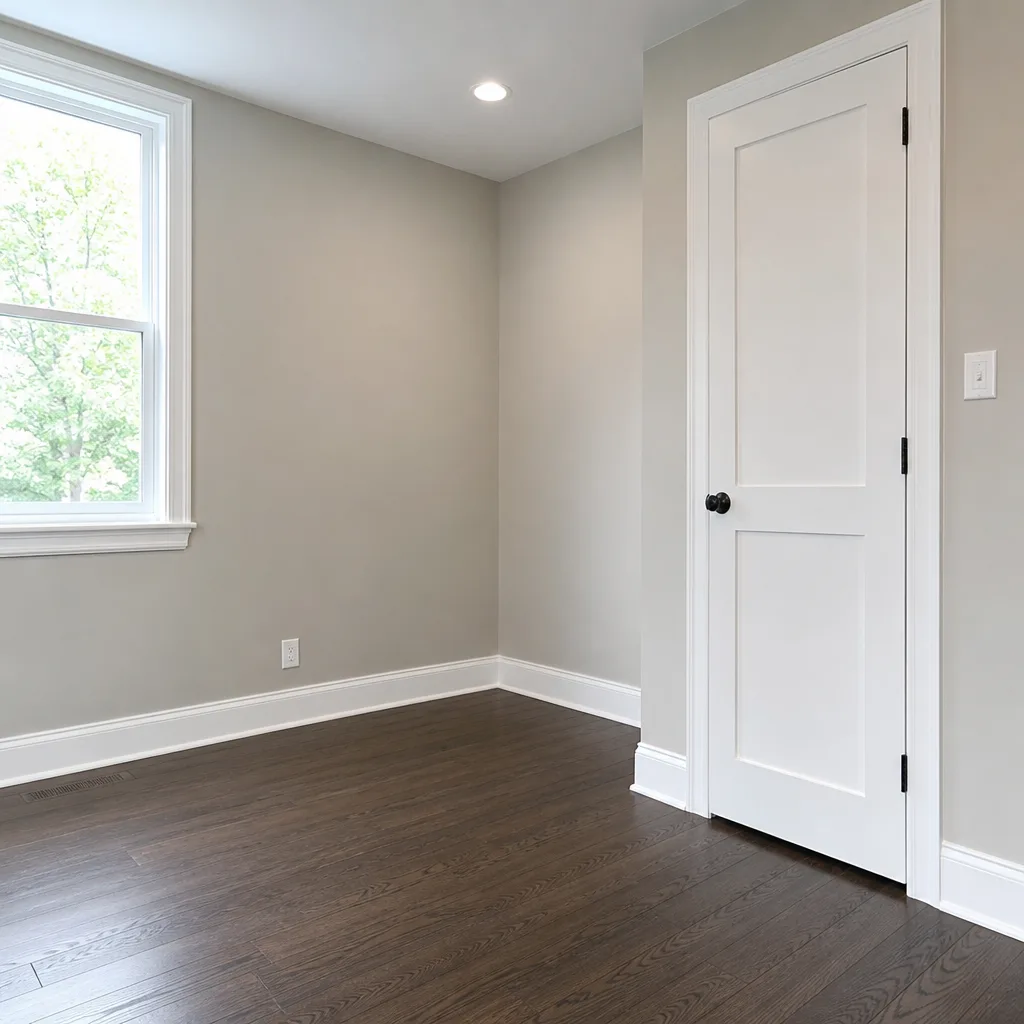 After
After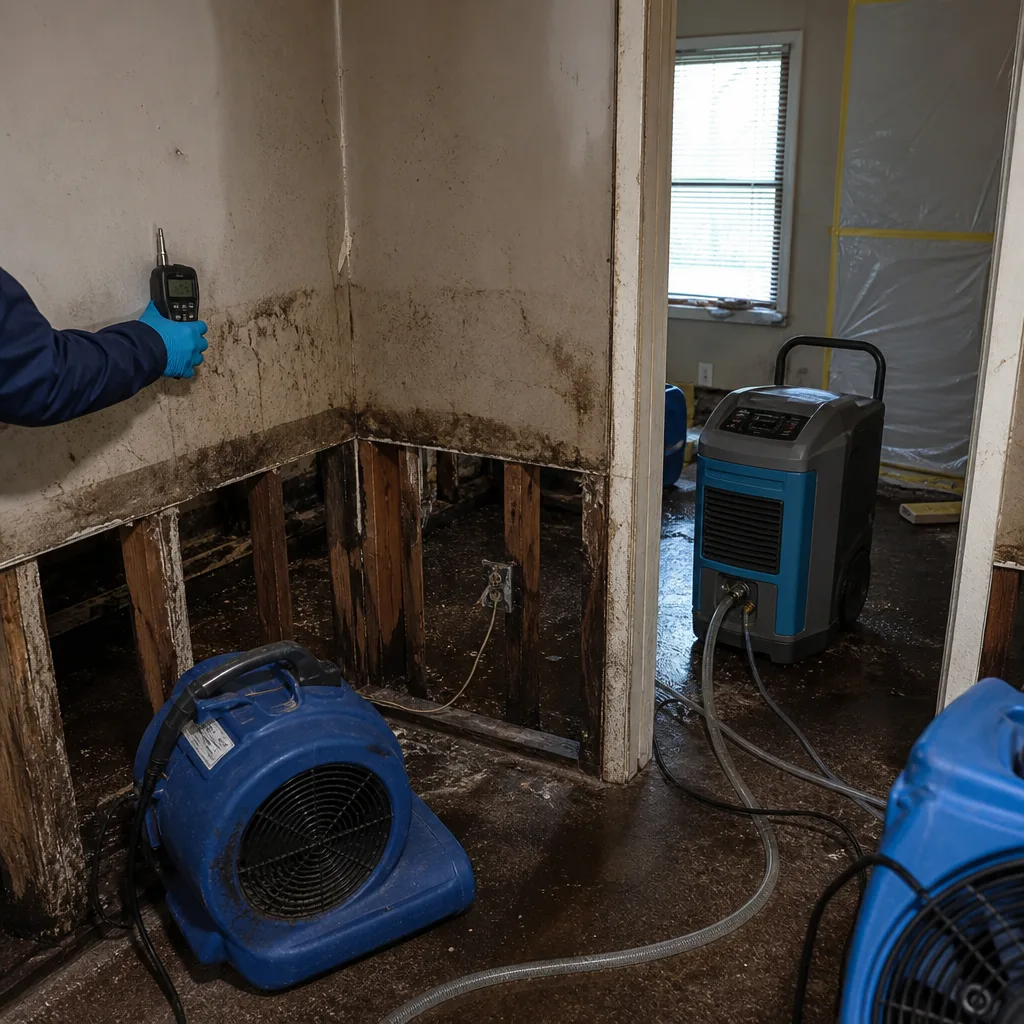 Before
 After
After24/7 Emergency Storm & Disaster Restoration in Flatbush
Storm and disaster restoration in Flatbush runs $1,850-$7,400 for a typical water or wind event, and the difference between the low and high end is usually how fast extraction starts. A nor’easter tears flashing off a Victorian roofline and within forty minutes water is behind the horsehair plaster, wicking into joists that have been drying since 1910. Floodline Restoration Co. answers the phone with a live dispatcher at 2 a.m., not a recording. We dispatch certified crews into Flatbush immediately, and our first job is always the same: stop the damage from spreading. Call (518) 750-3137 the moment you see water where it shouldn’t be, smell smoke, or hear a tree limb hit the roof. The free visual inspection tells us what we’re dealing with, and we’ll give you a straight answer before any work begins.
Understanding Storm & Disaster Restoration Severity in Flatbush Properties
Not all storm damage is equal, and Flatbush’s housing stock makes the distinctions matter more than in most neighborhoods. Water from a burst supply line is Category 1, clean at the source. Water that has sat in a flooded basement for six hours after a sewer backup is Category 2 or 3, carrying whatever was in the drain line. That matters because Category 2 and 3 water changes the entire restoration protocol: containment, antimicrobial application, and disposal of saturated porous materials. The 1895-1925 wood-frame Victorians that line streets off Flatbush Avenue hide original plaster-on-lath walls and galvanized supply lines. Plaster and lath hold water differently than drywall does, and moisture migrates through those cavities in ways a thermal camera reveals but a visual check misses. Our techs run moisture mapping on every job, not spot checks, because a cavity that reads 18% moisture today can read 30% tomorrow if the structural drying plan is wrong. Fire damage has its own severity ladder: light soot on surfaces is one thing, but protein and synthetic soot from burned plastics and wiring leave residues that require specific cleaning agents and HEPA air scrubbing before anyone should be living in the space again. Wind damage is deceptively similar: a garage door that seems fine after a nor’easter may have springs that are a week from snapping, because salt-air corrosion from Jamaica Bay eats galvanized steel faster than anyone expects.
Why Flatbush Property Owners Choose Floodline Restoration Co.
- 45-minute response commitment: When you call with standing water in a Flatbush basement, we’re dispatched immediately. A crew is on the road and headed your way, not scheduled for tomorrow.
- 24/7 live answer: A real person picks up the phone at 3 a.m. on a Sunday. No automated tree, no “leave a message and we’ll call you back.” That matters when water is rising.
- IICRC-certified crews: Our techs carry WRT and FSRT certifications and train to RIA and IFA standards. They know how plaster, lath, and 100-year-old framing respond to water, not just drywall.
- Free visual inspection: We look before we quote. The scope is in writing before work starts, so there’s no surprise bill after the fact.
- Direct insurance billing: We bill your carrier directly and coordinate with your adjuster. You don’t play messenger between us and the insurance company.
- One team from extraction to rebuild: The same Floodline crew that extracts the water also does the structural drying and the reconstruction. No mid-job handoff to a crew you’ve never met.
Our Storm & Disaster Restoration Process
Inspection & Assessment
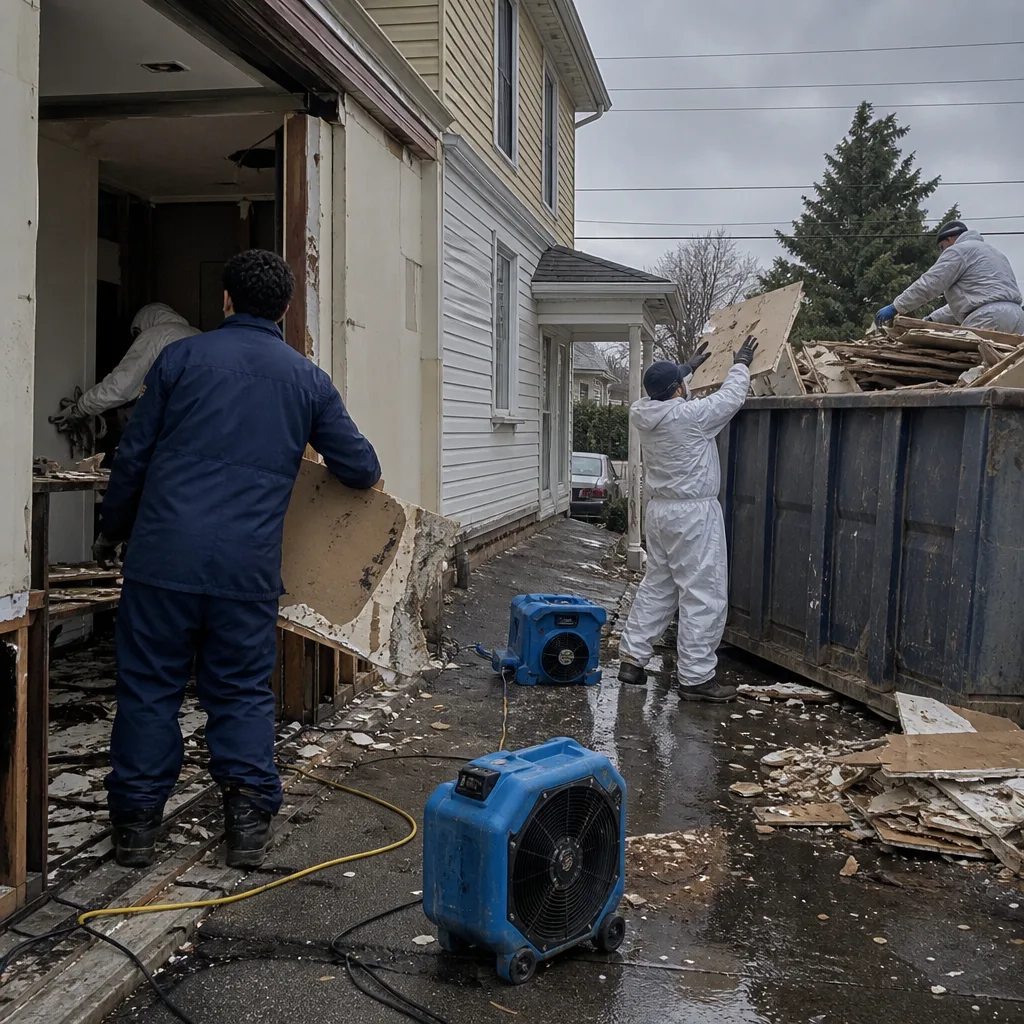
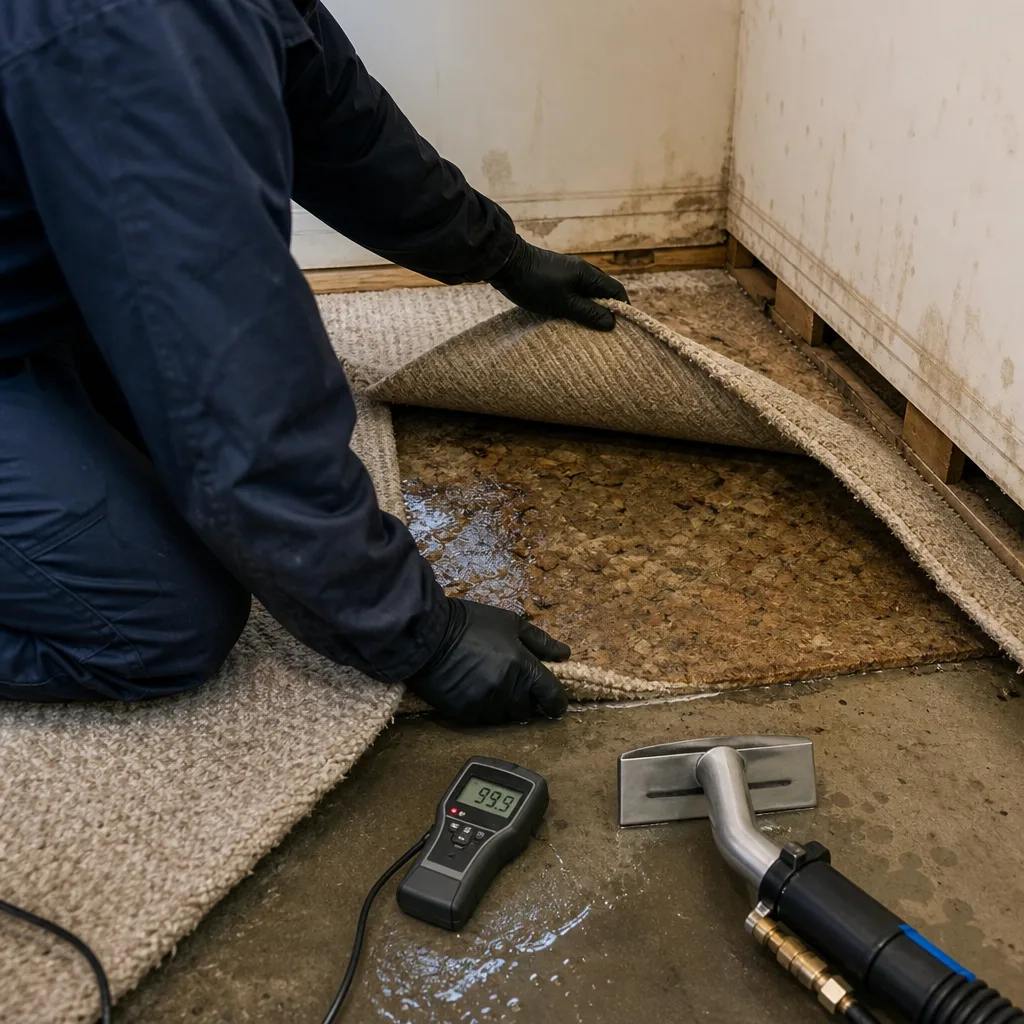
We arrive, walk the property, and map the damage. Thermal imaging and moisture meters find water that hasn’t shown itself yet. You get a written scope and a straight price.
Extraction & Stabilization
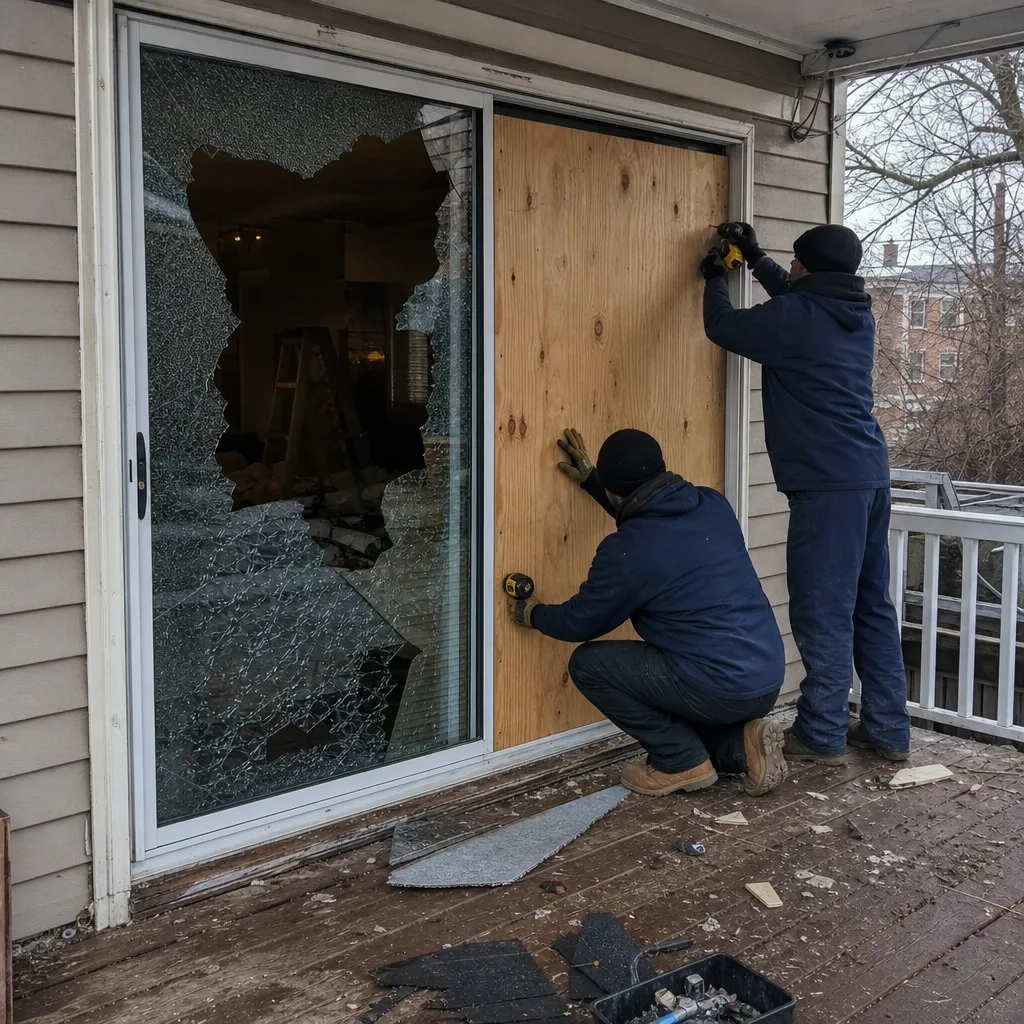
Standing water comes out first, whether it’s in a basement, behind a wall, or under a garage door. We also do emergency board-up and roof tarping on storm jobs so the property stops taking on water immediately.
Drying & Dehumidification
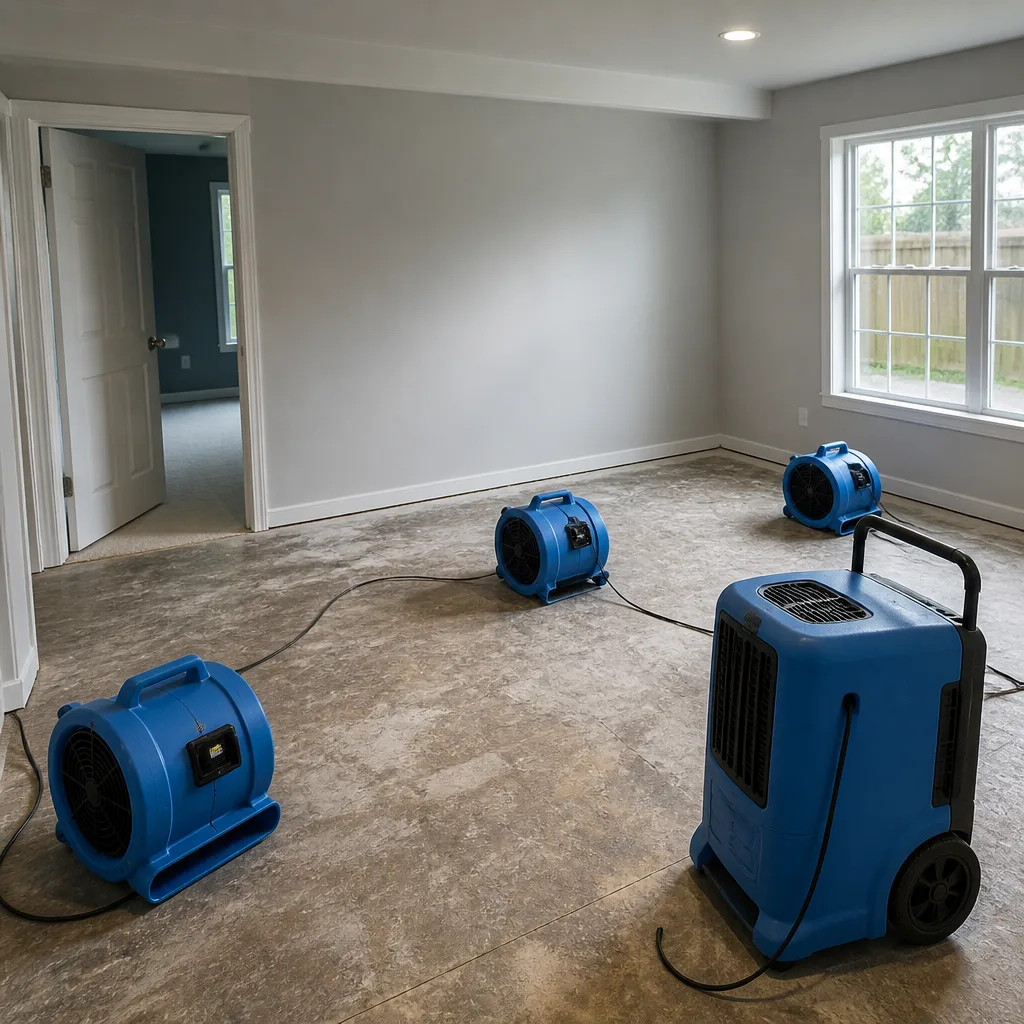
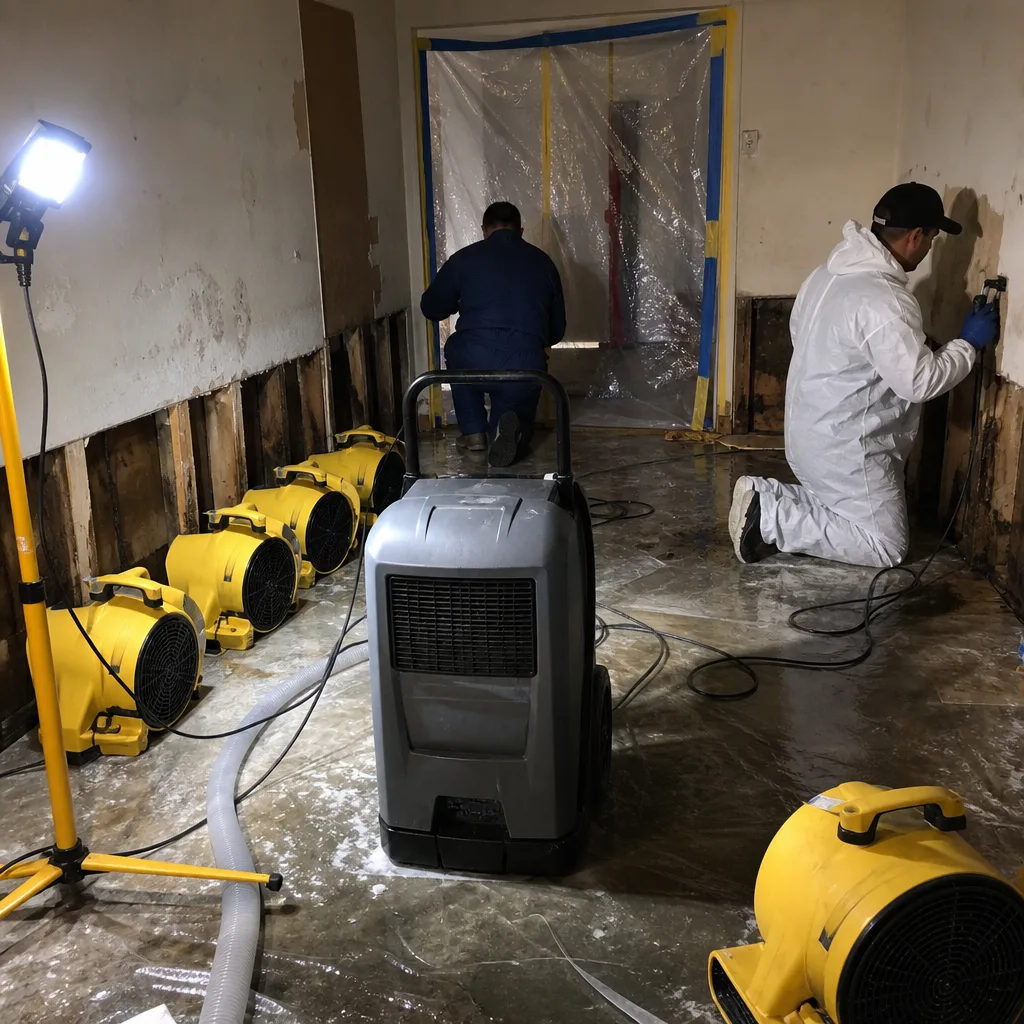
Dri-Eaz dehumidifiers and Phoenix air movers go in, placed according to a drying plan based on the moisture map. We log readings daily and hand you and your carrier the data, not a guess.
Cleaning & Sanitization
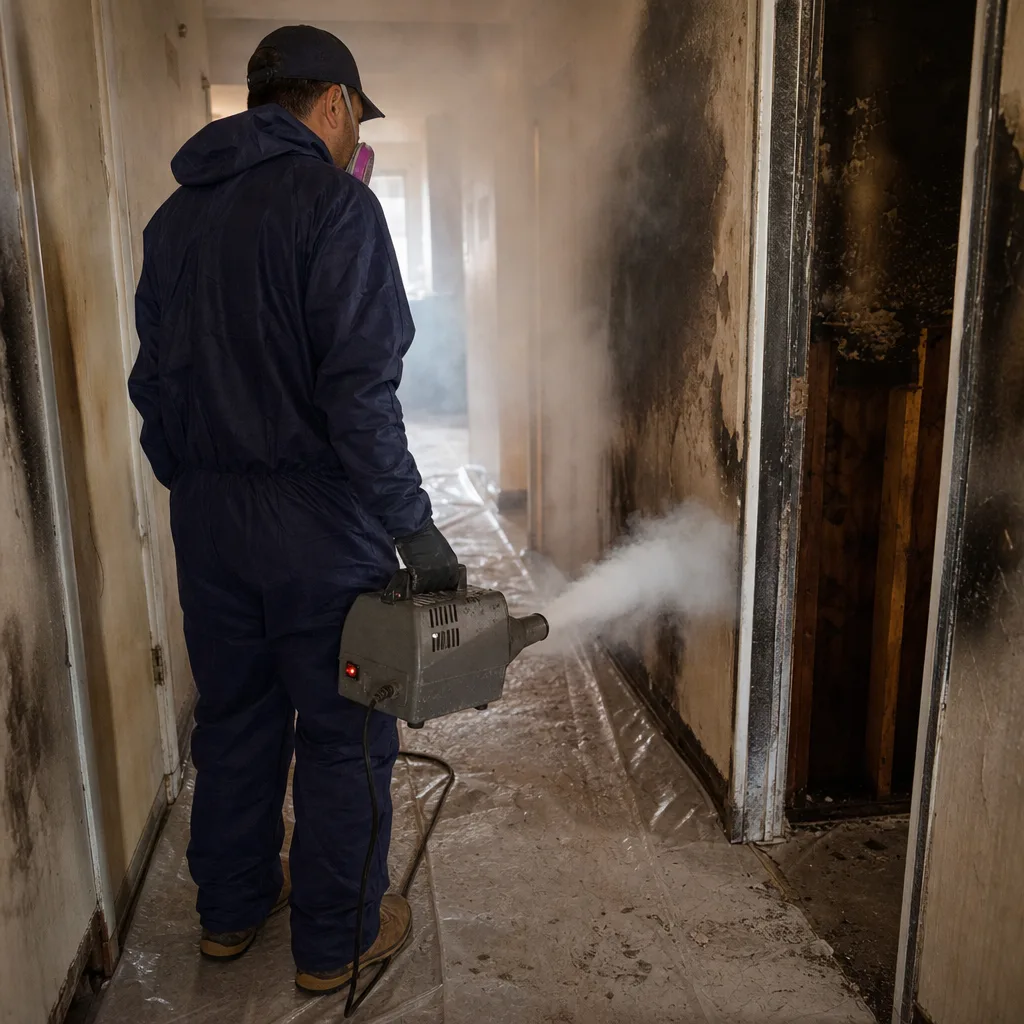
Category 2 and 3 water mean antimicrobial treatment. Soot and smoke residue get HEPA air scrubbing and surface cleaning matched to the residue type. We don’t cut corners on what you can’t see.
Corrosion & Specialty Treatment
In Flatbush, salt air and sewer-backup floodwater attack metal hardware aggressively. We treat and, where needed, replace corroded garage door components, door hardware, and fasteners with galvanized or stainless equivalents so the repair outlasts the next storm.
Repairs & Restoration
Once the property is dry and clean, we rebuild: drywall, trim, flooring, garage doors, roof patches. Same crew, same standard, backed by the 90-Day Done Right Promise in writing.
Need Emergency Storm & Disaster Restoration in Flatbush Now?
Crews minutes away, answering live 24 hours a day. The sooner we start, the less it costs.
Working With Your Insurance Company
Insurance claims for storm damage in Flatbush move faster when the documentation is built from the first hour. We photograph the loss before we touch anything, room by room. We log moisture readings daily until the dry standard is met, and that log goes to your carrier, not just into our file. Our estimates use the same line-item format adjusters expect to see, which means fewer rounds of back-and-forth. If your adjuster wants to talk through the scope, we talk to them directly. You shouldn’t have to explain the difference between a Category 1 and Category 3 loss to an insurance company that handles hundreds of these a year. That’s our job. And because we bill direct, you’re not floating thousands of dollars waiting for a reimbursement check.
What We Provide Your Insurer
- Thorough documentation of the loss
- Photos of all damage, room by room
- Moisture readings and drying logs
- A detailed, line-item scope of work
- Direct coordination with your carrier
Built for Flatbush’s Loss Calendar
Flatbush doesn’t get a quiet season for storm and disaster restoration. January brings deep freezes that burst galvanized supply lines in uninsulated Victorian basements, and the same freeze-thaw cycle works on roof flashing that’s been loose since the last nor’easter. March and April bring spring thaw, when groundwater rises against old rubble foundations and finds its way into below-grade rooms. Summer thunderstorms drop an inch of rain in forty minutes, and Flatbush’s combined sewer system backs up into basements along Flatbush Avenue and the low-lying blocks east of it. August humidity slows drying times on every job we run, because the ambient air is already carrying moisture. Then comes nor’easter season: October through March, wind-driven rain hammering the east-facing walls and rooflines of those wood-frame houses off Ocean Avenue and Bedford Avenue. The garages take the worst of it. Exterior garage door hardware on a Flatbush Victorian corrodes up to five times faster than the same hardware in inland Brooklyn, because salt-laden air from Jamaica Bay and the Atlantic sits in the neighborhood’s humid air. A spring that would last ten years in Bensonhurst fails in three in Flatbush if it isn’t galvanized or coated. We plan for that. Our Storm & Disaster Restoration team carries the right hardware on the truck, because we know what this neighborhood’s buildings do.
Storm & Disaster Restoration Across Flatbush’s Neighborhoods
Flatbush isn’t one building type, and losses don’t look the same from block to block. Over in Victorian Flatbush, east of Coney Island Avenue toward Ocean Avenue, the 1895-1925 wood-frame detached homes with their steep rooflines and original flashing are the chronic wind-damage calls. Nor’easters peel back flashing, and water follows the slope of the roof into wall cavities behind original plaster. Down around Flatbush Avenue and toward the Junction, the pre-war brick multi-families see more basement sewer backups, because the density and the age of the combined sewer lines under those blocks leave little capacity for a heavy rain. Over on the blocks south of Church Avenue, converted below-grade apartments are common, and a flooded basement below an owner’s unit means two households, two insurance situations, and a landlord who needs documentation that holds up if anyone asks questions about permits. Along Bedford Avenue and Rogers Avenue, the semi-detached Victorians share party walls, so a roof leak on one side is often a cavity-drying job on both sides. The response routes matter, too: getting a truck down narrow one-way streets off Flatbush Avenue during rush hour takes local knowledge, not just a GPS. We know which blocks to approach from the south to avoid the Junction traffic. That’s the difference between a crew that arrives in forty-five minutes and a crew that circles for twenty.
Specialized Storm & Disaster Restoration Services We Offer in Flatbush
Storm Damage Cleanup
After a nor’easter or a violent thunderstorm, Flatbush properties need more than a mop. We remove debris, extract standing water, dry the structure, and treat for contamination. For garages, that means the door is part of the damage, and we handle garage door hardware repair or replacement as part of cleanup, not a separate afterthought.
Flood Damage Restoration
Flatbush basements flood from two directions: sewer backups from the combined system and rainfall infiltration through old foundation walls. Each requires a different contamination response. Category 2 water from sewer backups means extraction, antimicrobial treatment, and disposal of saturated materials like carpet and drywall. Clean rainwater still needs structural drying in a hundred-year-old framing system that holds moisture the way new construction doesn’t.
Emergency Board-Up
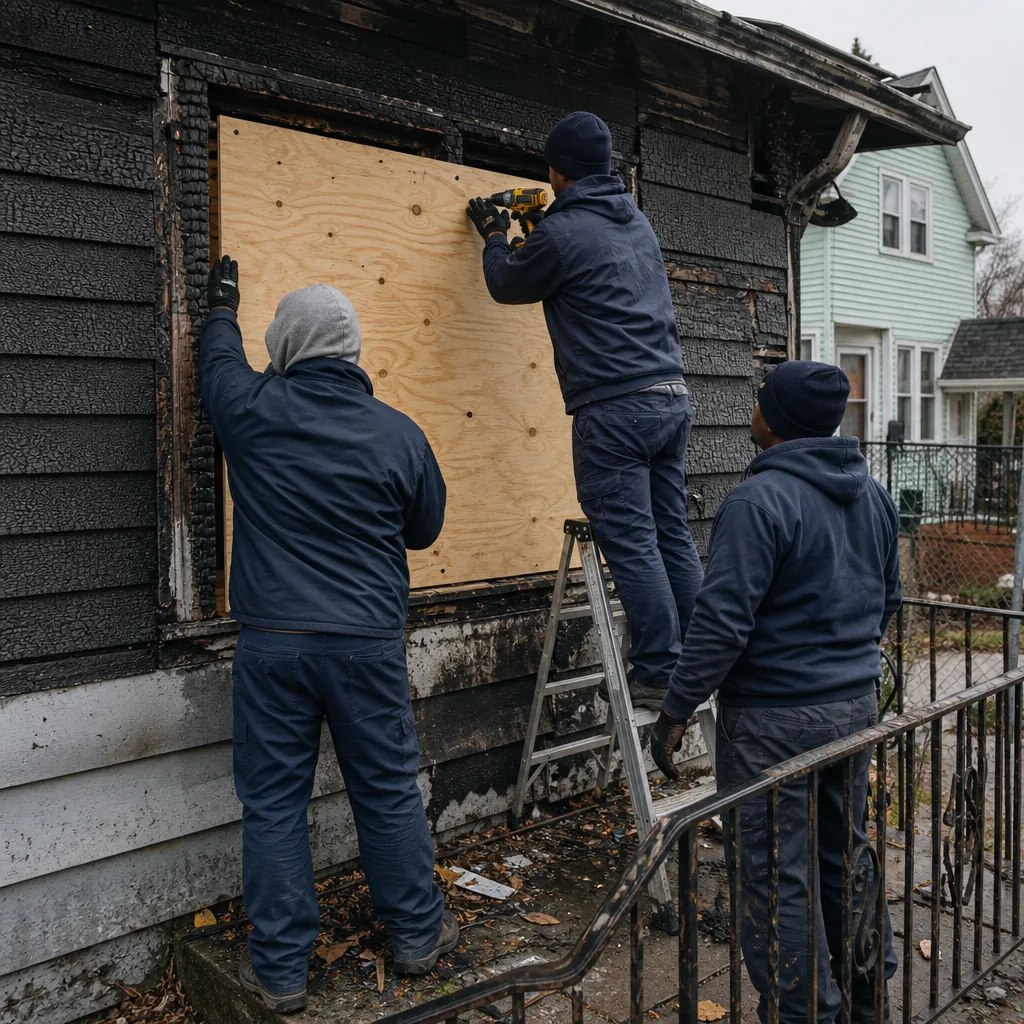
When a tree limb comes through a Flatbush garage roof or a window blows out, the property is open to weather, animals, and anyone walking by. We board up the opening immediately, using materials and fasteners that won’t do more damage to the Victorian wood frame, then come back for the proper repair once the storm passes and materials arrive.
Roof Tarping
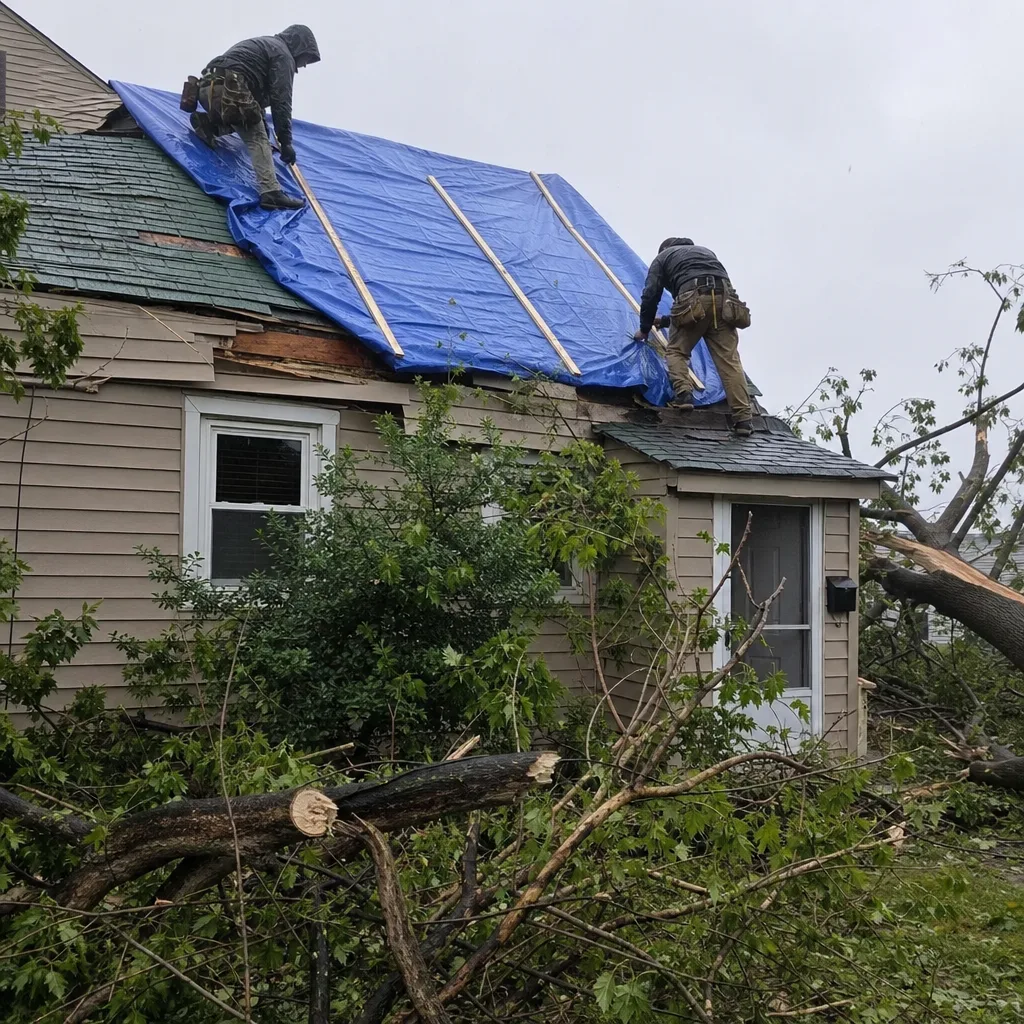
A tarp isn’t a roof, but it’s the right temporary stopgap when flashing has peeled back on an east-facing Flatbush roofline. We tarp over the damaged area, securing it so another nor’easter doesn’t turn a small tarp job into a full garage door and wall cavity water intrusion like the one we fixed on East 21st Street. Tarping buys you time to scope the permanent repair without the property taking on more water every time it rains, and it’s often the first thing an adjuster wants to see documented.
Debris Removal
Storm debris in Flatbush is tree limbs, roof shingles, and sometimes pieces of someone else’s porch. We remove it, sort for anything the insurance carrier needs to photograph first, and clear the way for the actual restoration work. We don’t leave a pile in your driveway for two weeks.
What happens when you call
- 1
A real person answersNo phone trees - you reach a local pro.
- 2
You get an upfront price rangeHonest numbers before anyone is dispatched.
- 3
A background-checked tech heads outLicensed & insured, dispatched right away.
- 4
You approve before work beginsNothing starts until you say go.
Storm & Disaster Restoration Costs in Flatbush, NY
Here’s what restoration actually costs in Flatbush. Emergency board-up or roof tarping runs $350-$850 depending on access and the extent of the opening. Water extraction and structural drying for a typical basement flood runs $2,150-$4,900 depending on the category of water and how much drywall, carpet, or plaster has to come out. Garage door hardware replacement in this neighborhood runs $275-$650 for springs and hinges, more if the opener chain has seized and the motor needs replacement. A full garage door replacement on a Victorian carriage-style opening starts around $1,850 and goes up with any custom wood matching. Storm damage cleanup that includes debris removal, drying, and restoration of a wall cavity typically lands between $3,200 and $7,400. What moves the price: the category of water, how long it sat before extraction started, whether the plaster or drywall is original, and whether below-grade spaces were finished or not. The free visual inspection is where you get a firm line-item scope in writing, not a range. We bill your carrier directly when the claim is covered, and we don’t inflate a scope to chase insurance money. That’s not how this works here.
We Also Serve Cities Near Flatbush
We run storm and disaster restoration in East Flatbush, Sunset Park, Bedford-Stuyvesant, and Bensonhurst. The building stock changes from block to block, and so does the damage pattern. If you’re in any of those neighborhoods, the same live-answer dispatch and the same 90-Day Done Right Promise apply. Call (518) 750-3137.
Serving Flatbush, NY - Our Local Coverage Area
We’re based in the Flatbush area and know this community well. Use the map below to see our service coverage - if you’re nearby, we can almost certainly help.
Flatbush Storm & Disaster Restoration Questions, Answered
How fast can you get to Flatbush for a storm emergency?
We commit to a 45-minute response to Flatbush addresses, and our crews are dispatched from our New York City office the moment you call. A live person answers 24/7, and we don’t schedule emergencies for the next day.
Will my insurance cover storm and disaster restoration in Flatbush?
Most homeowner policies cover sudden storm damage from wind, falling trees, and water that enters through a storm-created opening, but sewer backup coverage often requires a separate endorsement. We document everything from the first hour and bill your carrier directly, and we’ll tell you straight what the scope looks like before work starts.
Do I need full restoration or just a cleanup after a Flatbush basement flood?
If the water sat for more than a few hours or came up from a drain, it’s not just a cleanup. Category 2 and 3 water carries bacteria, and the drying standard we have to hit for plaster and lath behind old walls requires professional-grade equipment like Dri-Eaz dehumidifiers and Phoenix air movers. A visual inspection will tell us which path applies.
Why does it cost more to restore a Flatbush Victorian than a newer home?
Because the materials are different. Original plaster has to be dried to a specific standard, not just replaced with a drywall patch. Lead paint and asbestos abatement rules apply on many pre-war Flatbush properties, and the work has to be documented for the carrier. You’re paying for someone who knows the building, not just the damage.
How long does drying take after a storm flood in Flatbush?
Most structural drying in Flatbush takes three to five days, sometimes longer in August when the ambient humidity works against the equipment. The drying log is what tells us when it’s done, and that log goes to you and your carrier. If we pull equipment before hitting the dry standard, we failed, and that’s what the 90-Day Done Right Promise is for.
Can I stay in my Flatbush home during restoration work?
That depends on the scope and the category of damage. If there’s sewage or Category 3 water, we set up containment and recommend you stay elsewhere until the affected space is cleaned and cleared. If it’s a contained garage or a single room, you can usually stay. We’ll tell you straight at the inspection.
What certifications do your Flatbush restoration techs carry?
Our crews are certified to IICRC, RIA, and IFA standards, with WRT for water damage and FSRT for fire and smoke. They’re background-checked and uniformed, and they know Flatbush building types because they’ve worked in them for years, not because they read about them in a manual.
What should I do in the first 30 minutes after a Flatbush storm or flood?
Call (518) 750-3137 first, before moving anything or opening walls. If it’s safe to do so, shut off the water main or electricity to the affected area, but only if you can reach the panel or valve without standing in water. Keep out of standing water in a basement that may have sewer backup. Take photos for your own records, then let us do the rest.
Written by Curt Bowman, Owner at Floodline Restoration Co., serving Flatbush and the surrounding boroughs.