
Free visual inspection and a written scope of work before any mitigation begins - photos, moisture readings, and drying logs go in your claim file
The scope we write is the scope we bill. Anything new gets shown to you, in writing, before we touch it.
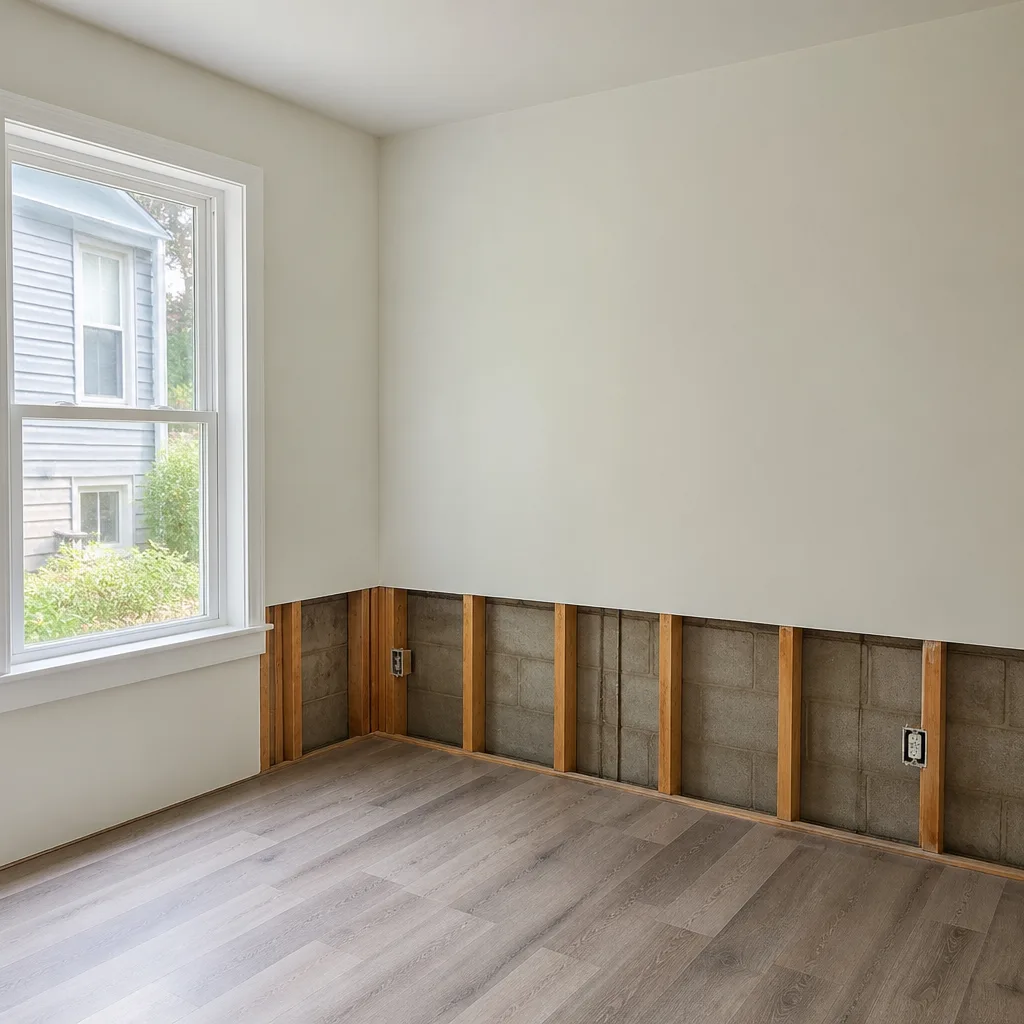
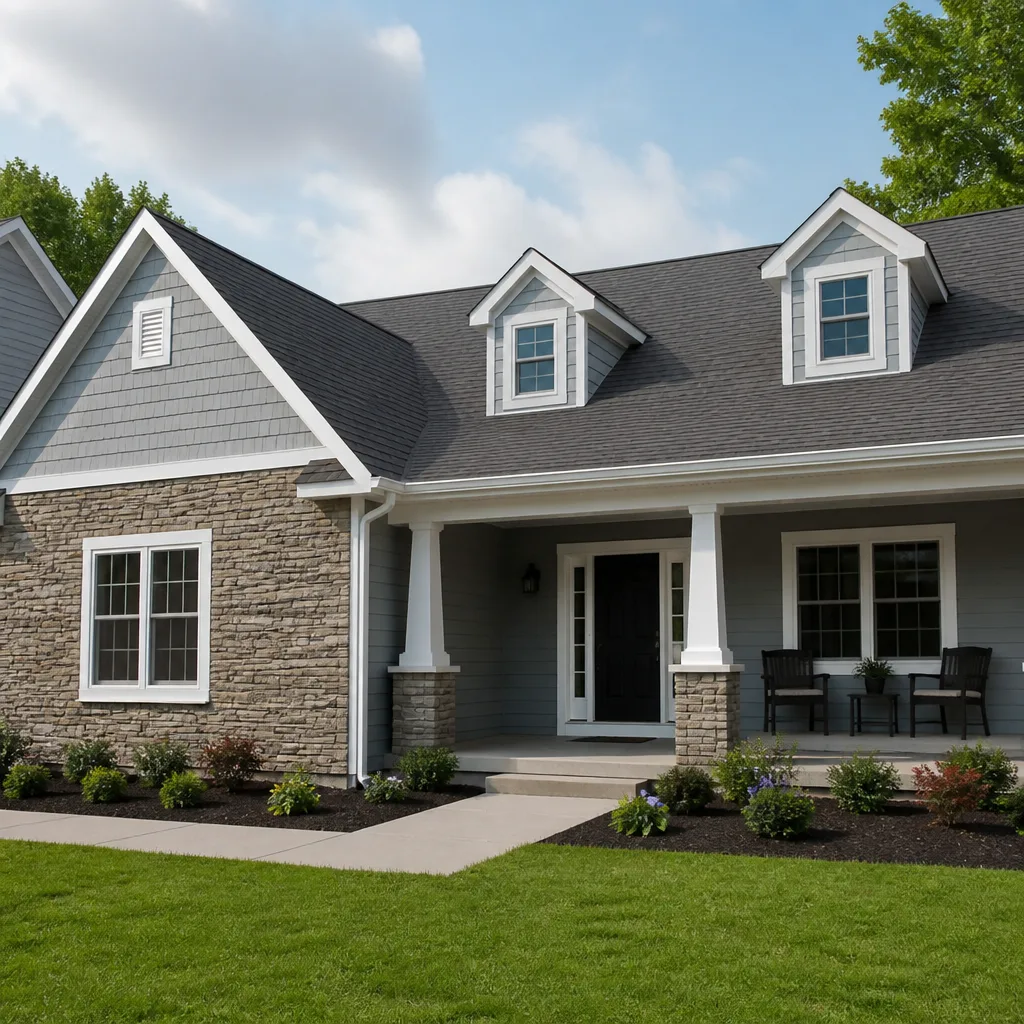
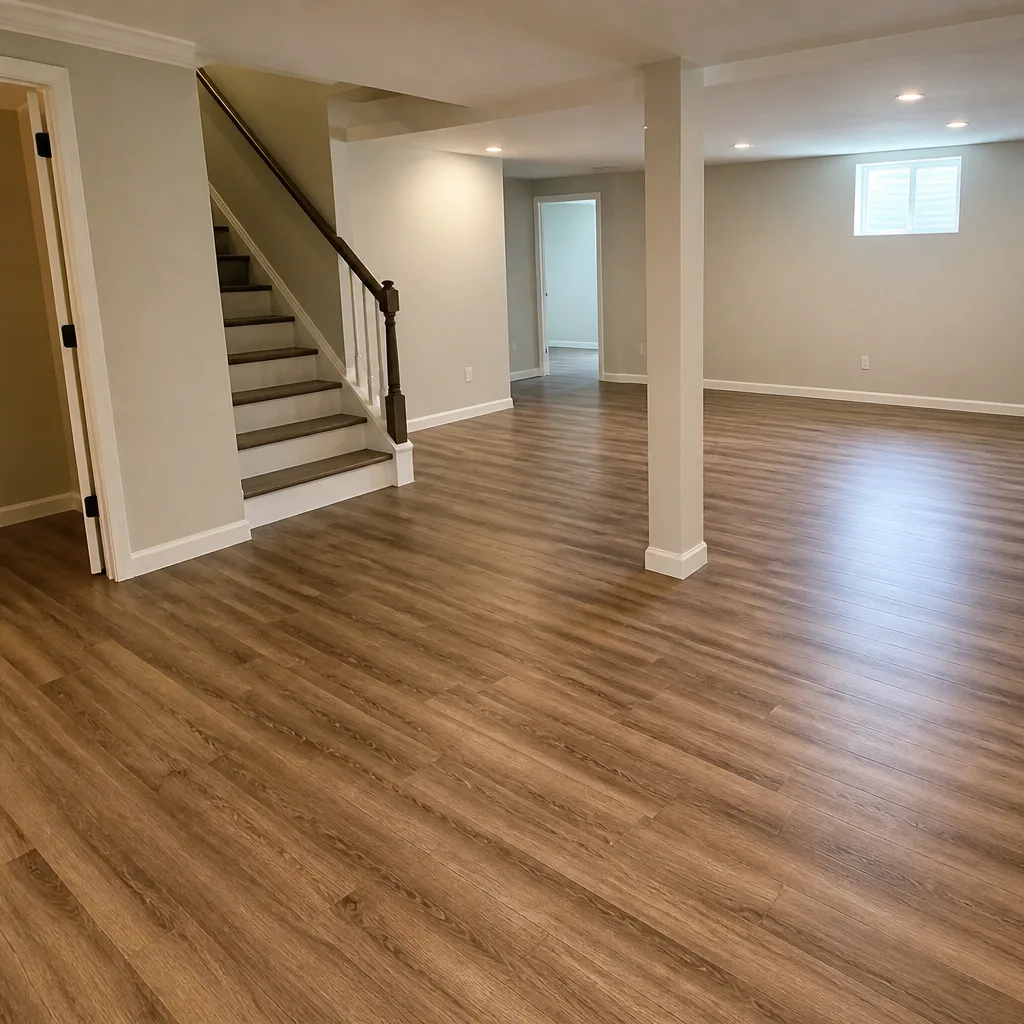
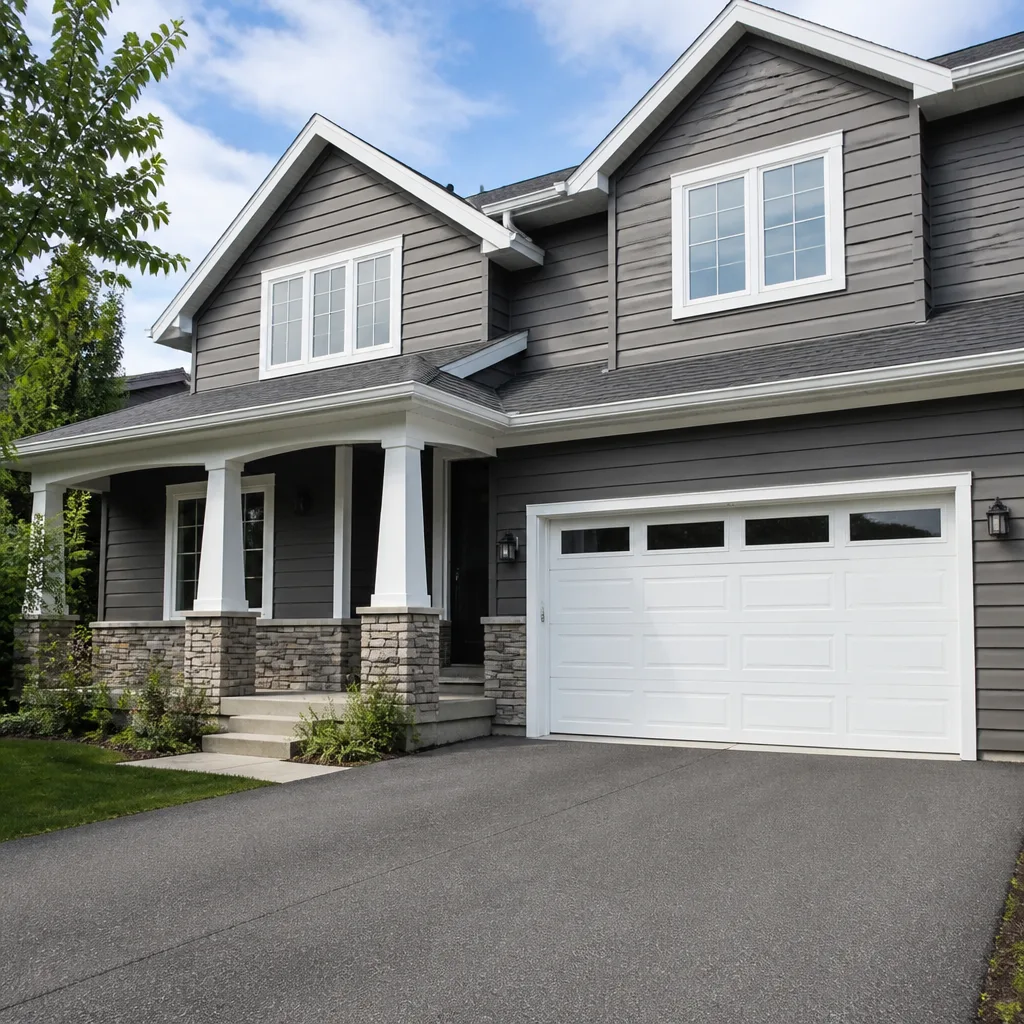
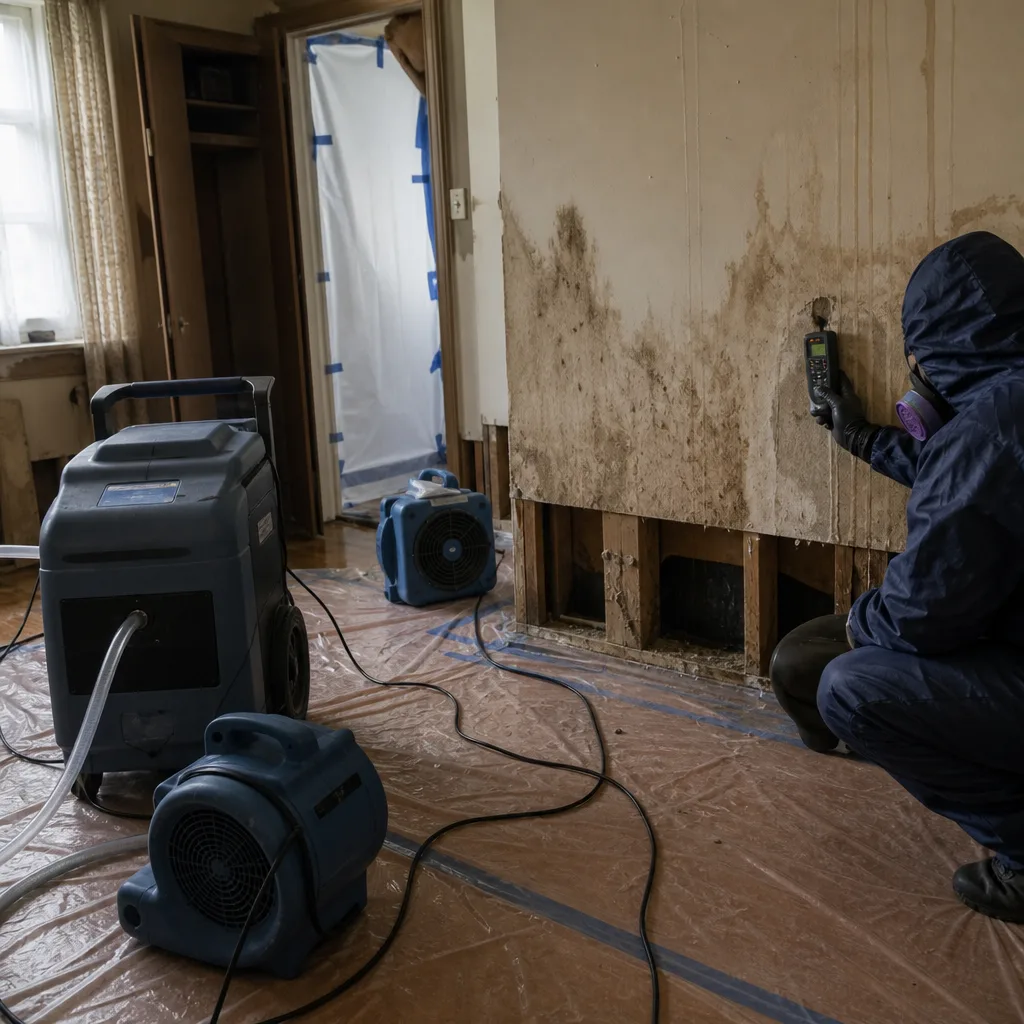 Before
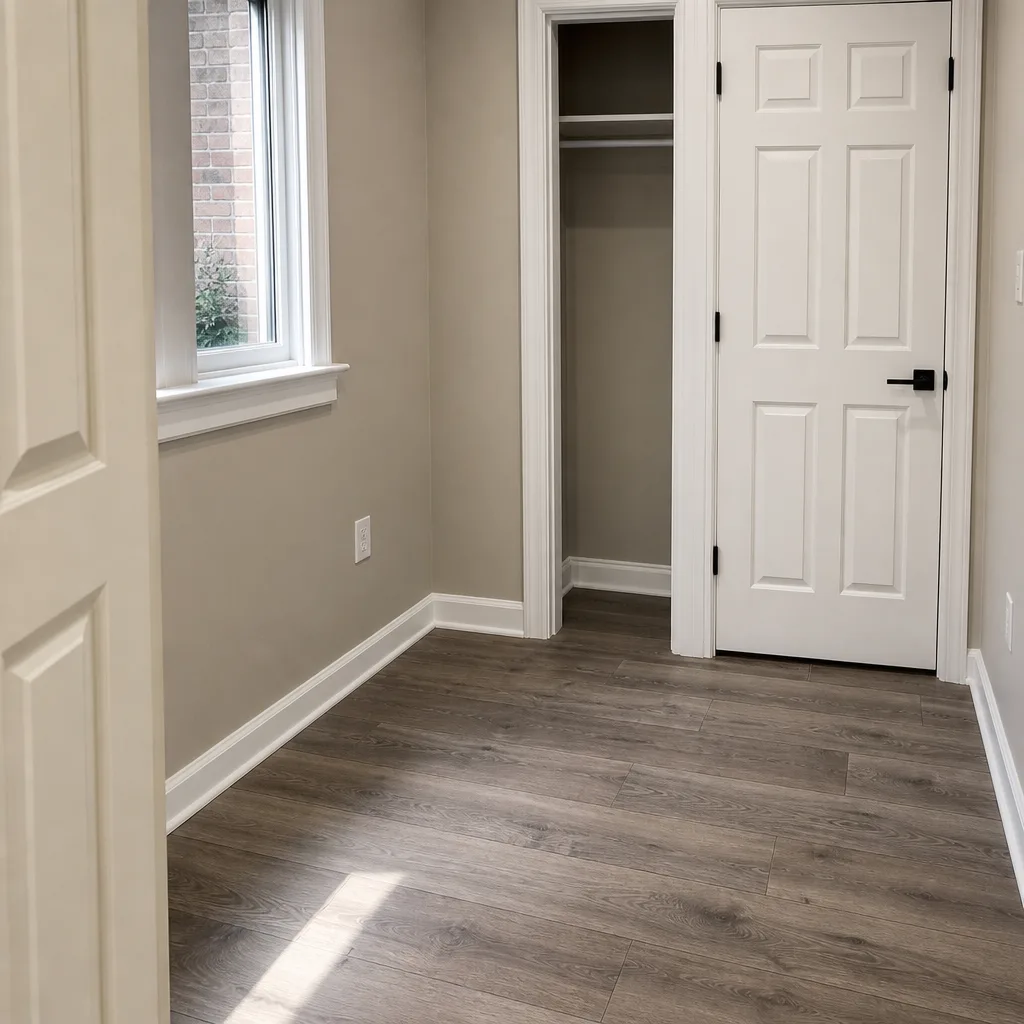 After
After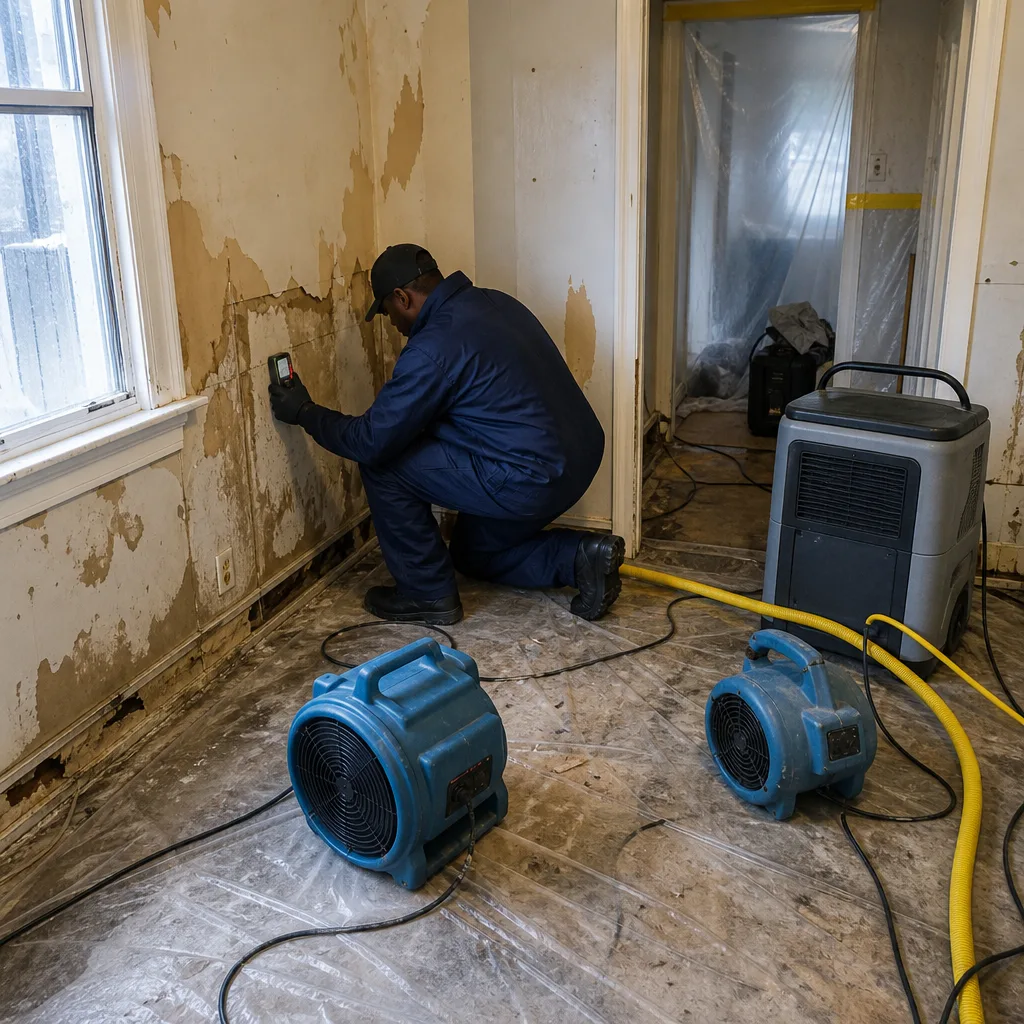 Before
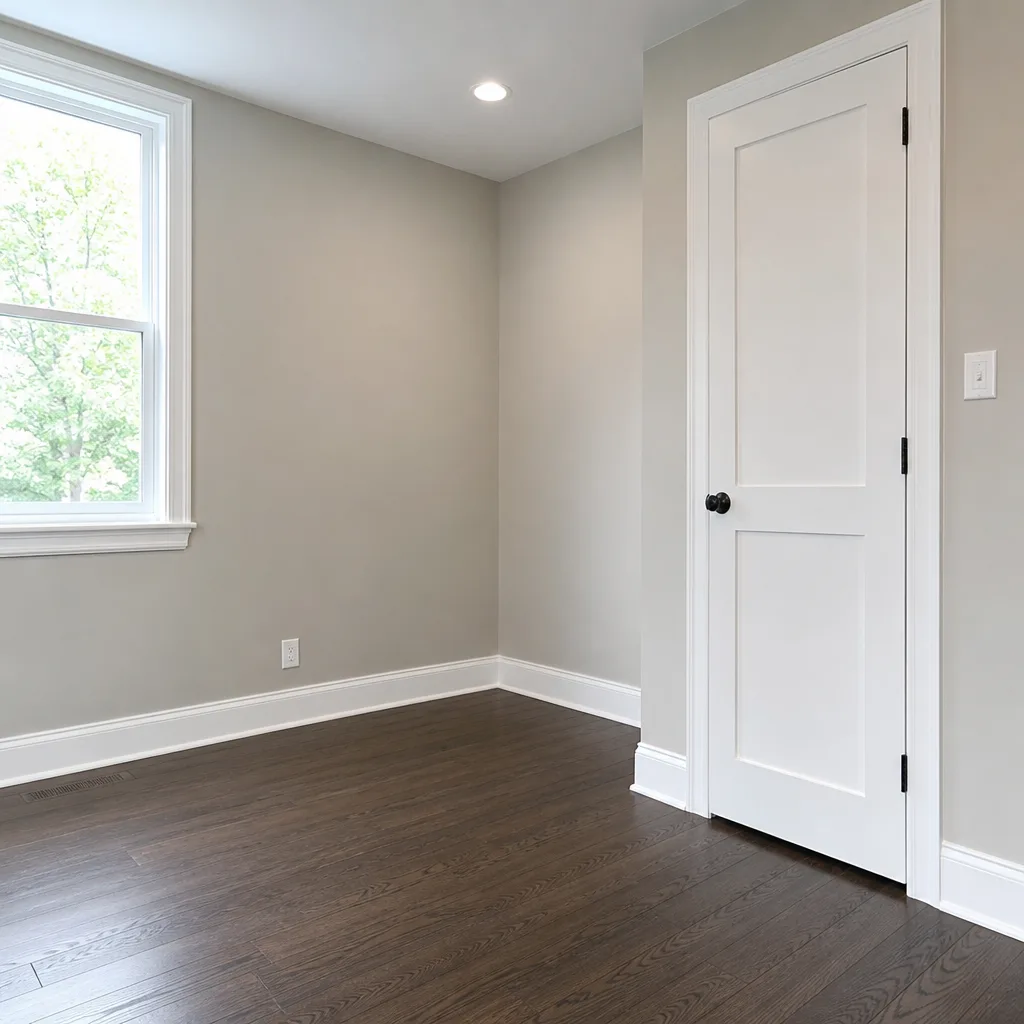 After
After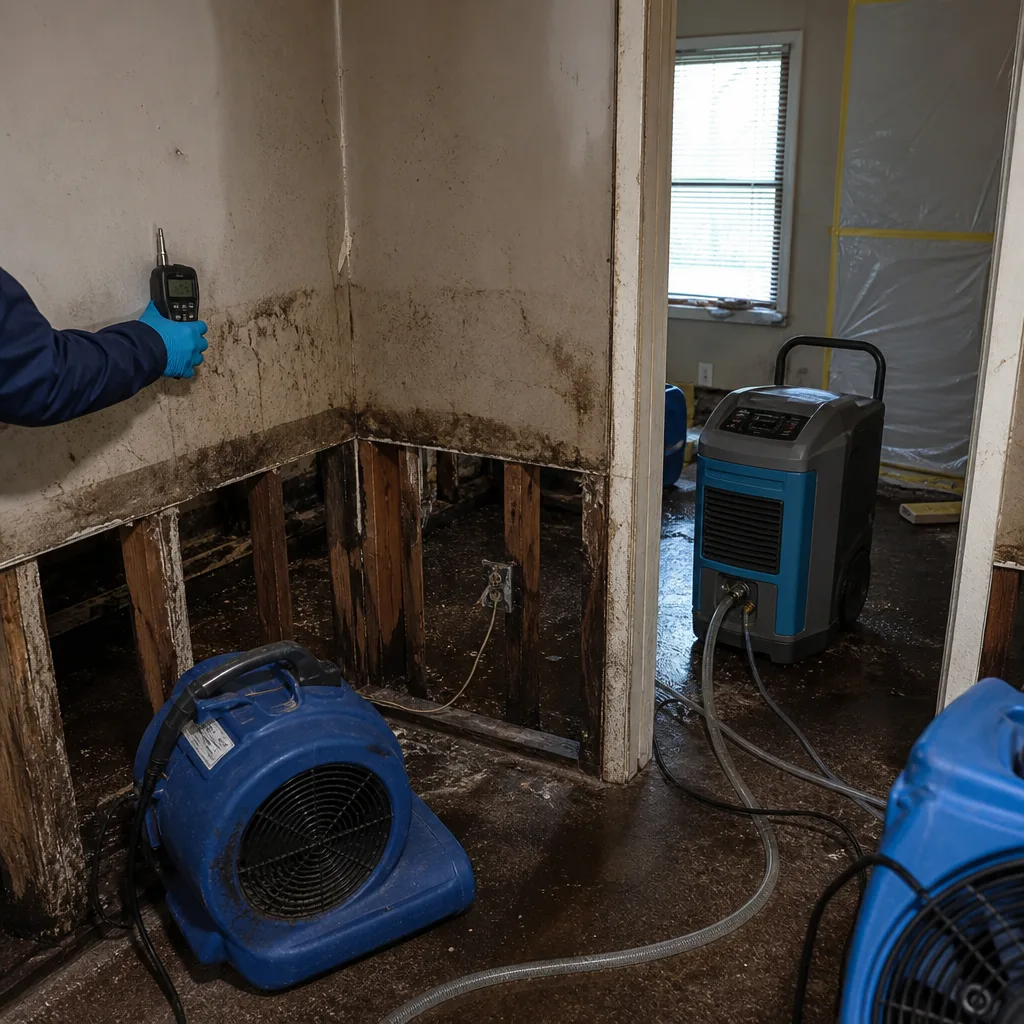 Before
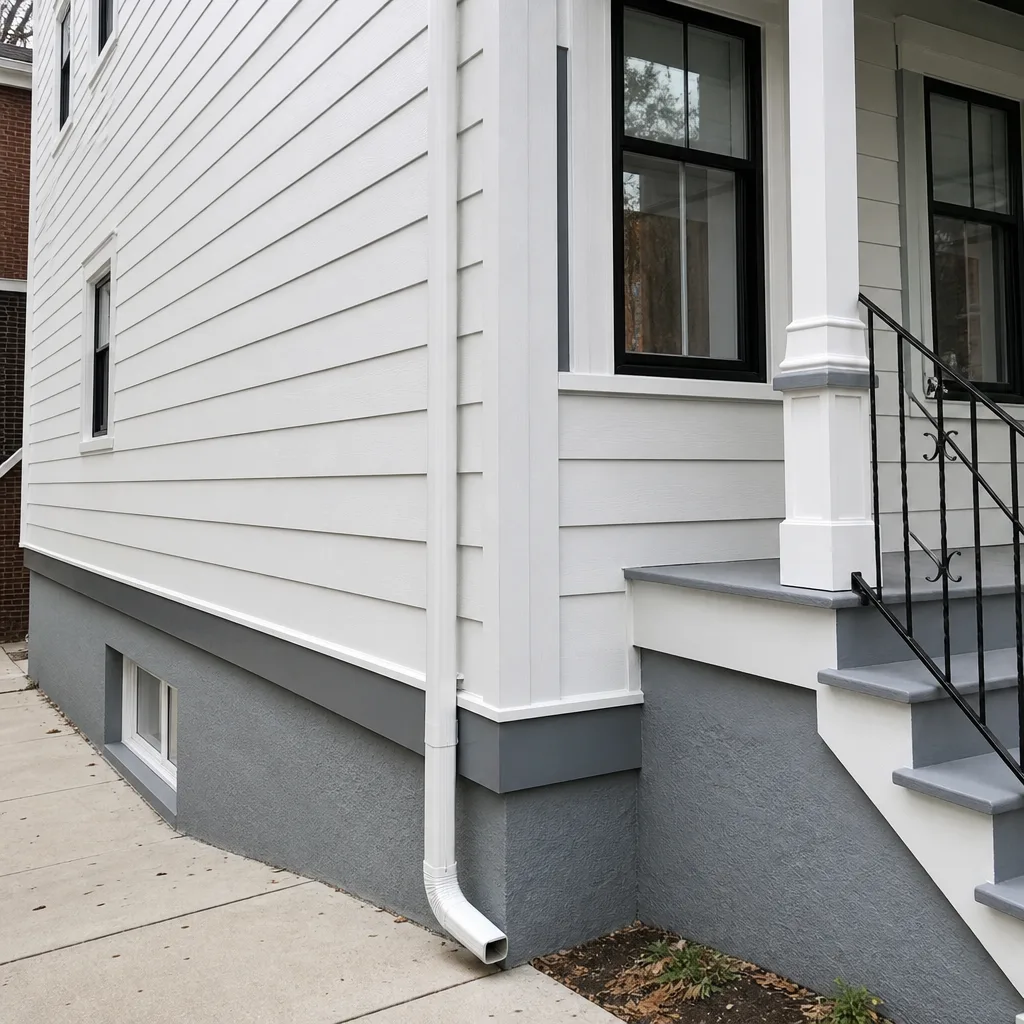 After
After24/7 Emergency Storm & Disaster Restoration in Flatlands
Storm damage in Flatlands moves fast. A flooded basement off Flatlands Avenue starts wicking moisture into drywall within the hour, and a broken window or torn roof membrane leaves your home open to the next band of rain. If you’re standing in water or staring at a tree limb through your living room ceiling right now, call (518) 750-3137. A live dispatcher answers at 2 a.m., not a recording, and our certified crew reaches Flatlands quickly to start extraction the same visit. We offer a free visual inspection, direct insurance billing, and a written scope before any work begins.
Understanding Storm & Disaster Restoration Severity in Flatlands Properties
Not every storm loss in Flatlands is the same, and the difference determines what gets torn out and what can be dried. Category 1 water comes from a clean supply line. Category 2 carries contaminants from appliances or sump overflow. Category 3 is the one Flatlands sees most after coastal storms: bay water, street runoff, and sewage mixing into basements off Ralph Avenue and Avenue N. That water is not something you dry around. In the neighborhood’s 1940s-1960s brick homes, Category 3 intrusion means cutting gypsum board, pulling fiberglass insulation, and exposing the block wall behind it. Why? Those block walls were never waterproofed. They’re porous. Moisture wicks up through them from the chronically high water table, and the cavity behind finished basement drywall becomes a mold incubator within 48 hours. Our moisture mapping tells us exactly how far the water traveled, so we cut once, not twice. Soot from a kitchen fire behaves differently than the greasy smoke residue that coats walls after an electrical burn. Flatlands’ Cape Cods and colonials have balloon framing in places, and smoke migrates through those wall chases into second-floor closets far from the fire itself. Reading the severity correctly on day one is what separates a done-right restoration from a callback two years later.
Why Flatlands Property Owners Choose Floodline Restoration Co.
- 45-minute response commitment. When you call from Flatlands, we give you a real arrival window. Our dispatch board shows exactly which crew is closest to Kings Highway or Flatbush Avenue, and they start rolling immediately.
- 24/7 live answer. A real person picks up the phone at every hour. You’ll never reach a voicemail tree at 3 a.m. during a nor’easter.
- IICRC-certified crews. Our technicians carry WRT, FSRT, and AMRT certifications. They know how to read a moisture map on a 1950s brick semi-detached, not just a new-build slab.
- Free visual inspection. Before any tear-out, we walk the loss with you. You’ll hear what’s wet, what’s salvageable, and what has to go, with no obligation.
- Direct insurance billing. We bill your carrier directly. You don’t play messenger between us and your adjuster, and you don’t front money out of pocket while waiting on a claim check.
- One team, extraction to reconstruction. The same crew that pulls water on day one is the crew that hangs drywall at the end. No mid-job handoff, no inherited subcontractors, no finger-pointing.
Our Storm & Disaster Restoration Process
Inspection & Assessment
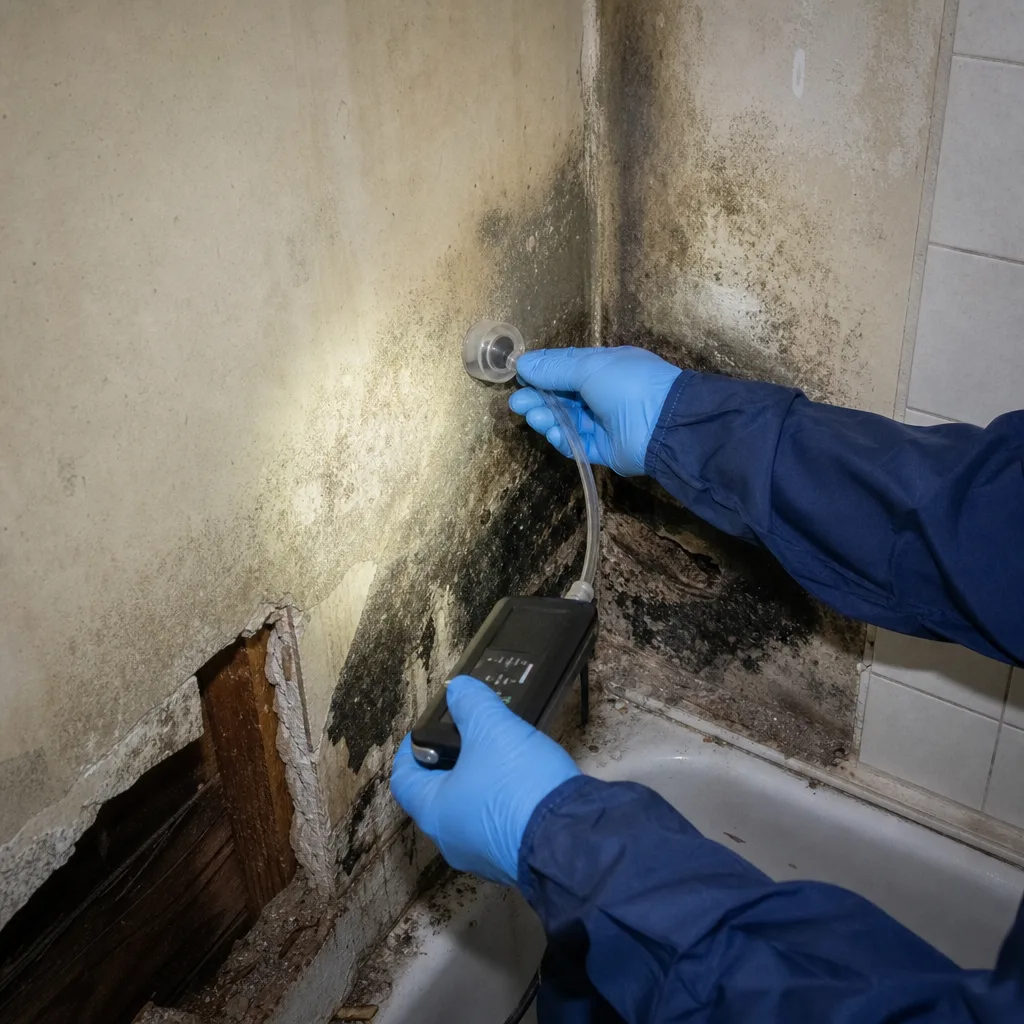
We arrive, walk the entire loss with you, and document everything. Thermal imaging shows water trapped behind walls that looks dry to the eye. We classify the water category, map the moisture, and hand you a written scope before any tool comes off the truck.
Extraction & Stabilization
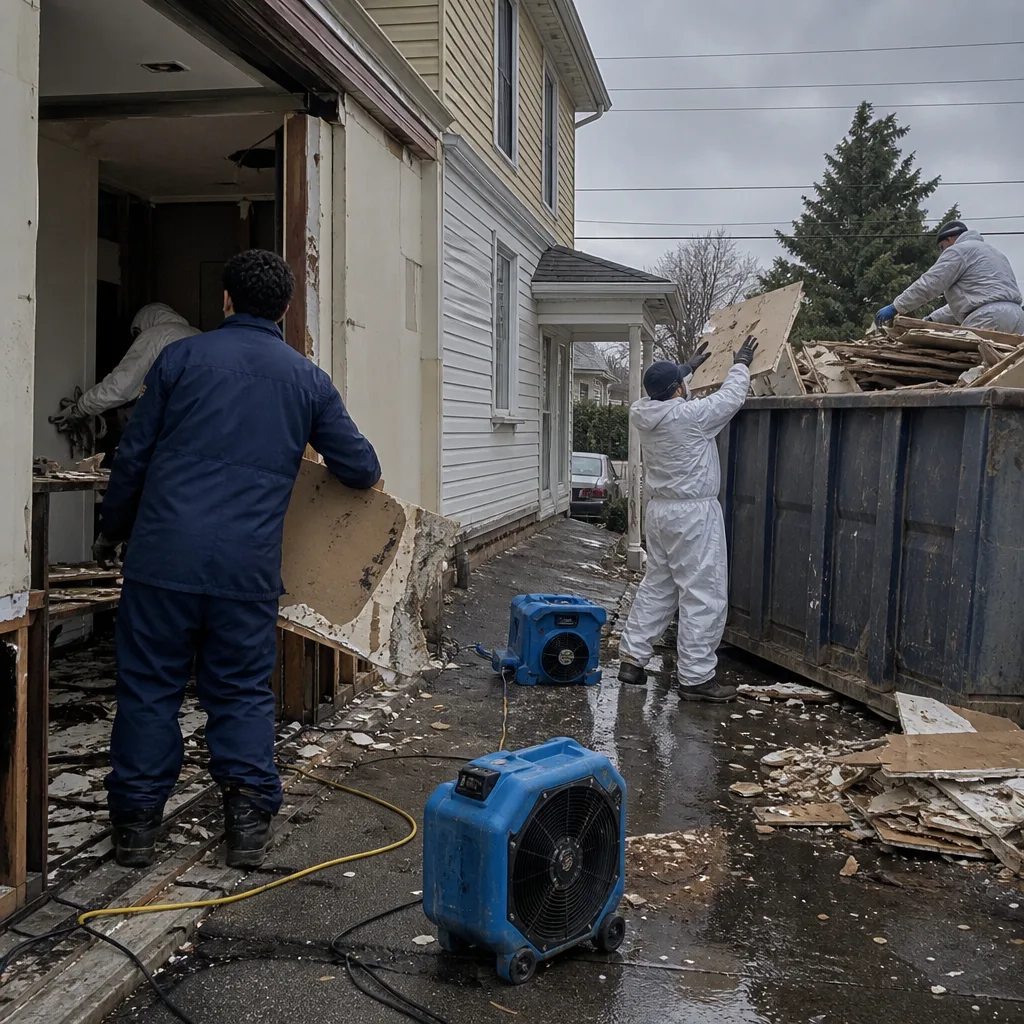
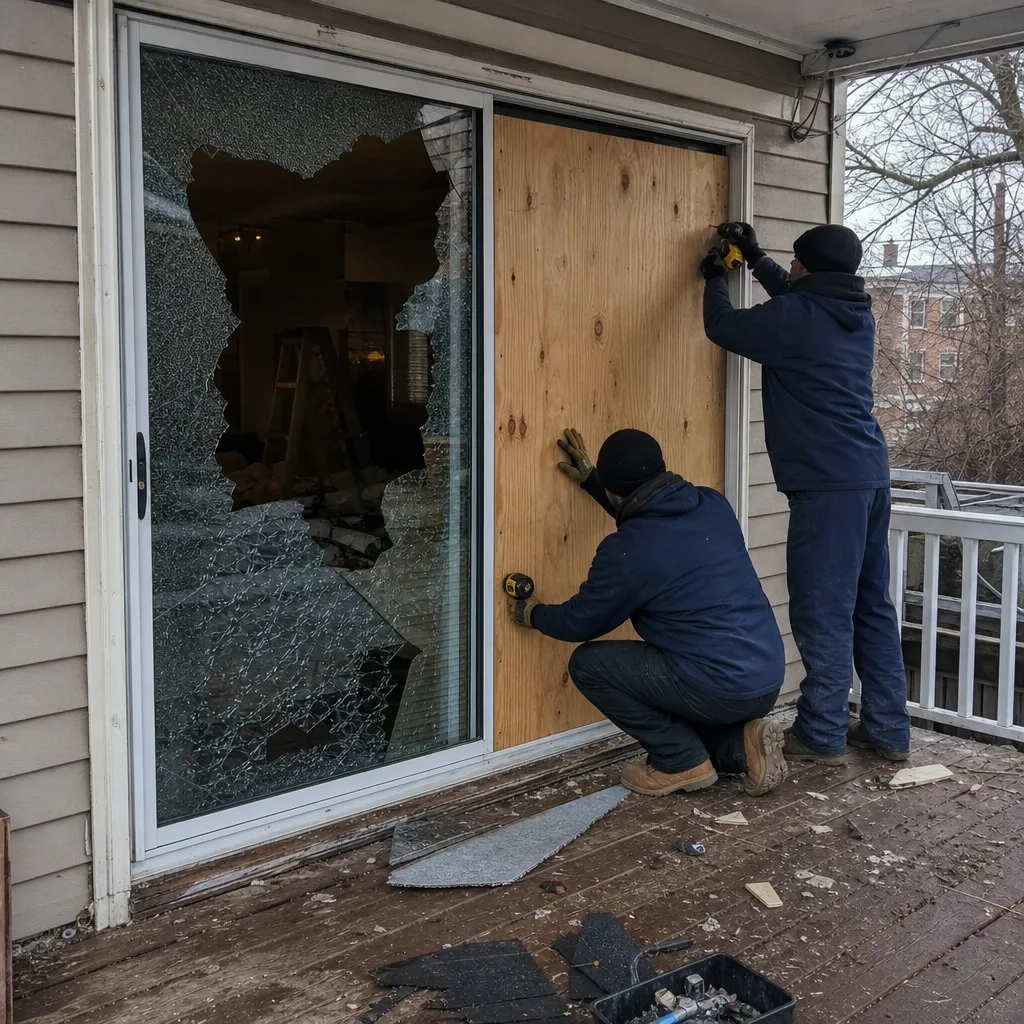
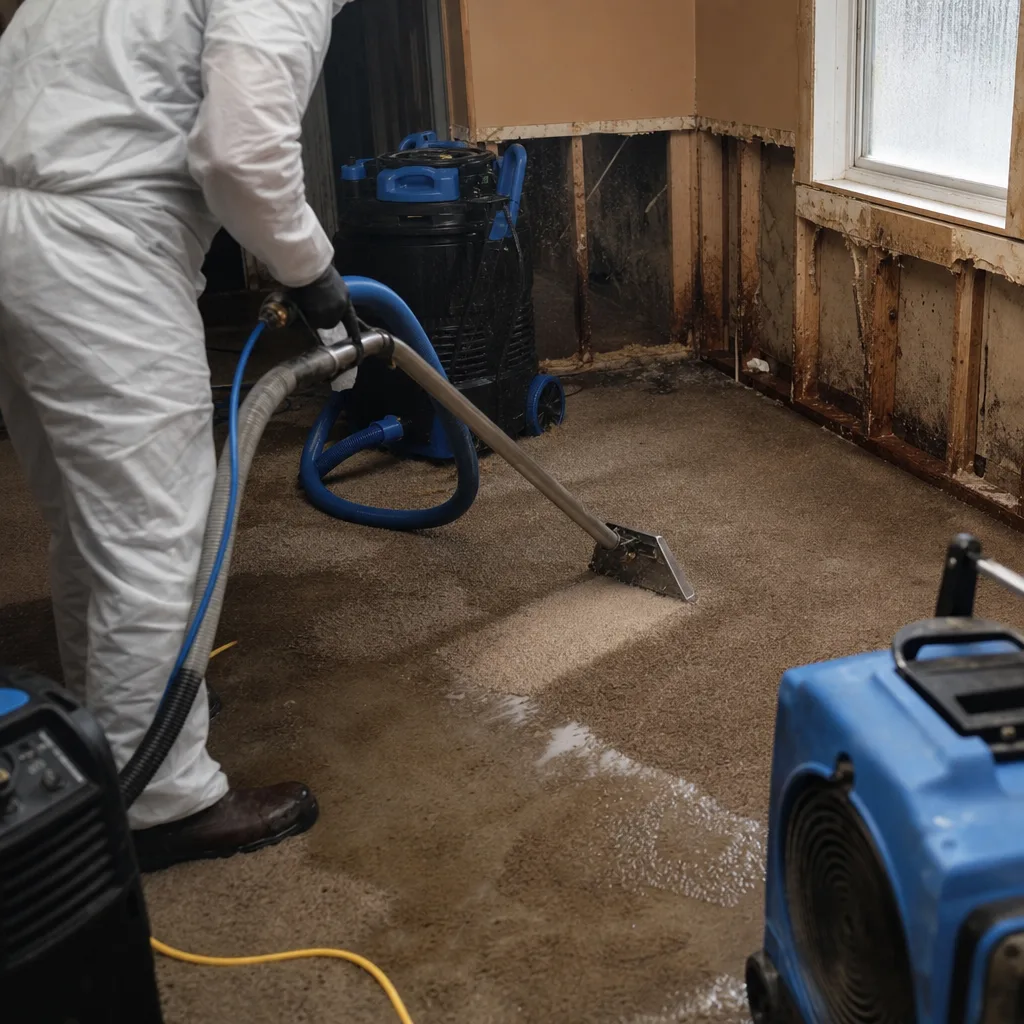
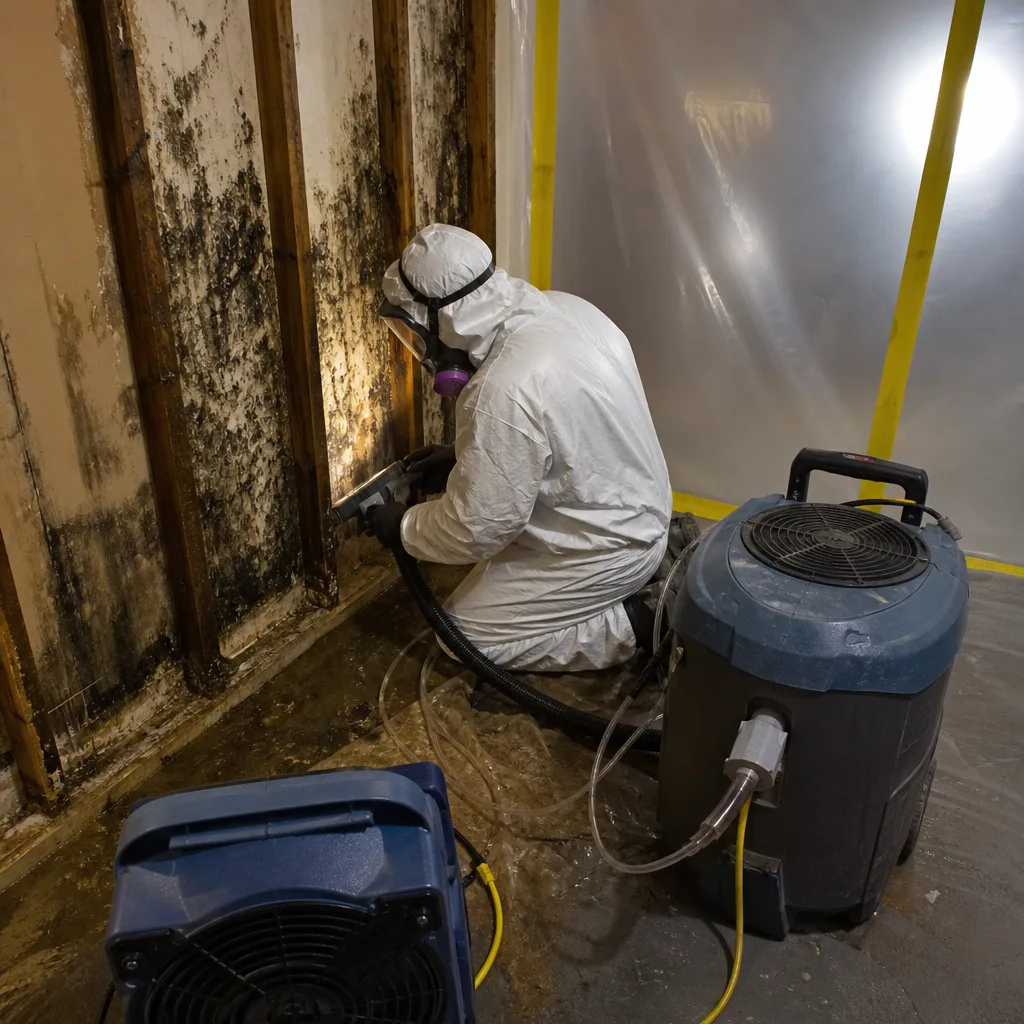
Standing water comes out first using truck-mounted and portable extraction units. Then we stabilize: board-up for broken windows, roof tarping for wind damage, and containment barriers where mold or sewage is present.
Drying & Dehumidification
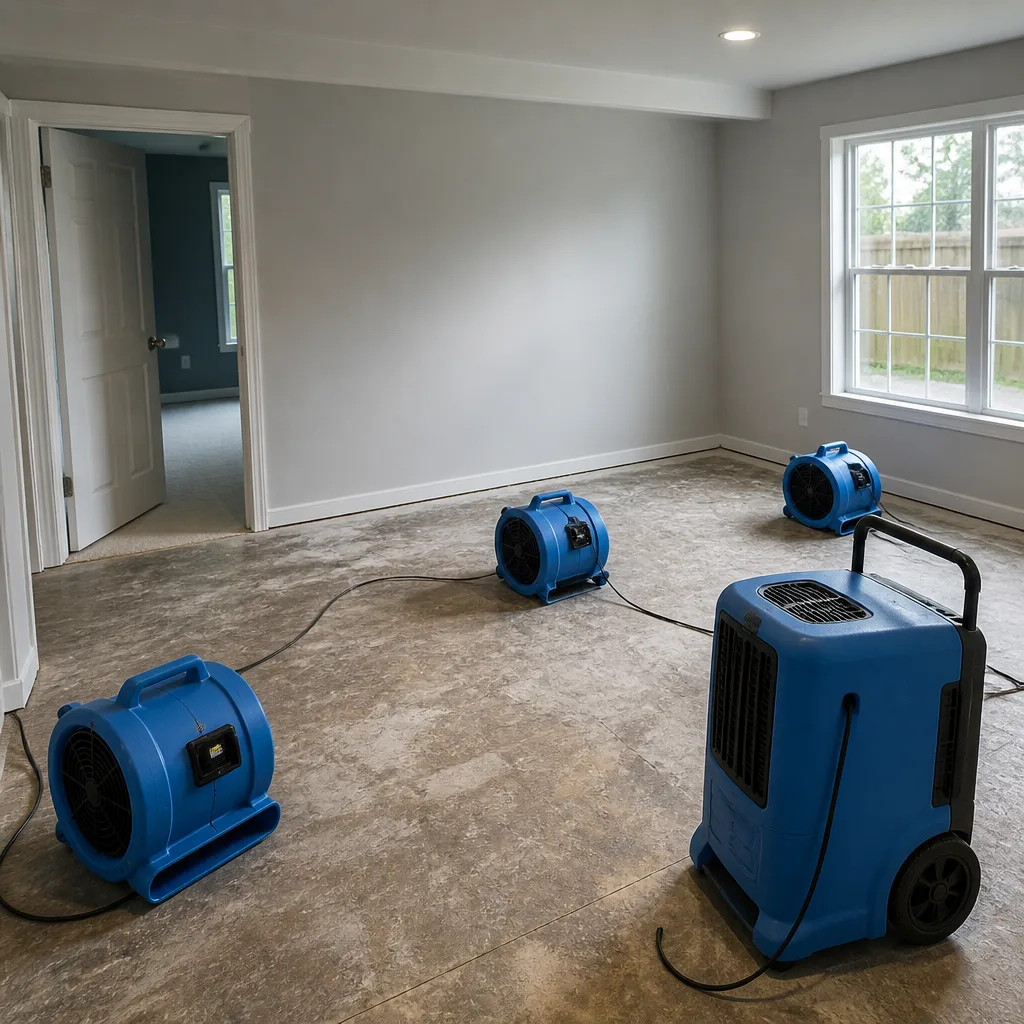
In Flatlands, this step runs longer than most contractors schedule for. High water table and mid-century block construction mean we run Dri-Eaz and Phoenix air movers with low-grain refrigerant dehumidifiers until hygrometer readings match a dry, pre-loss reference point. Daily logs go to you and your carrier.
Cleaning & Sanitization
We remove the debris, HEPA-vacuum surfaces, and apply EPA-registered antimicrobials where the flood category requires it. For sewage intrusion, this includes full surface disinfection and soft-goods removal or cleaning per IICRC S500 standards.
Mold Prevention & Specialty Treatment
Flatlands basements that flooded during Sandy and were dried inadequately carry dormant mold behind finished walls. When we find it, we treat it: containment, air scrubbing, removal of affected materials, and clearance testing so you know it’s actually gone, not just hidden again.
Repairs & Restoration
The same certified crew rebuilds what was removed. Drywall, trim, flooring, paint. If you want waterproofing upgrades before the next flood, we scope that with you honestly, so you’re not rebuilding the same vulnerable assembly twice.
Need Emergency Storm & Disaster Restoration in Flatlands Now?
Crews minutes away, answering live 24 hours a day. The sooner we start, the less it costs.
Working With Your Insurance Company
Storm claims in Flatlands have a rhythm to them. FEMA flood policies cover rising groundwater and storm surge. Homeowner’s policies cover wind-driven rain, fallen trees, and burst pipes. The difference matters, and your adjuster knows it. We document from the first hour so your claim never stalls on missing evidence. Our estimates follow industry-standard pricing, and we talk to your adjuster directly. No chasing, no he-said-she-said. When your carrier needs a scope line-item explanation, our project manager answers the call. For Flatlands homeowners who spent months fighting claims after Sandy, this is the difference between reopening in weeks and living in a construction zone for a season.
What We Provide Your Insurer
- Thorough documentation of the loss
- Photos of all damage, room by room
- Moisture readings and drying logs
- A detailed, line-item scope of work
- Direct coordination with your carrier
Built for Flatlands’s Loss Calendar
Flatlands doesn’t have a single storm season. It has a calendar. January and February bring deep freezes that burst supply lines in unheated crawl spaces and exterior-wall plumbing, a legacy layout problem in 1940s Cape Cods where bathrooms sit against uninsulated brick. March and April thaw saturated ground, and the high water table pushes groundwater through block foundations along Flatbush Avenue and Ralph Avenue before a single drop of rain falls. Summer thunderstorms overload the neighborhood’s flat, impermeable streets, and because Flatlands sits at one of Brooklyn’s lowest elevations, that water has nowhere to run except into below-grade entrances and window wells. September through November bring nor’easters that pile bay water into low-lying streets and test every finished basement that was repaired, not elevated, after Sandy. We plan our staffing around those cycles, and our crews know which streets flood first. That local knowledge means we’re already staging equipment nearby when the surge warnings go out, not reading a weather app from across the borough.
Storm & Disaster Restoration Across Flatlands’s Neighborhoods
Response routes matter when every minute of saturation counts, and Flatlands gives us distinct patterns block by block. The grid of semidetached brick homes along Flatlands Avenue and Avenue N responds to wind damage predictably: old roofing on original framing means torn shingles and water entry at the eaves, and those narrow side alleys between semis channel runoff straight down into basement stairwells. Over near Paerdegat Basin Park, the blocks sit lower and closer to the water table, so groundwater seepage comes up through the slab before storm drains even back up. The larger detached colonials around Kings Plaza and the Georgetown section hold water differently: deeper basements, longer wall runs, and finished rec rooms with drywall that hides saturation for days. When we roll into a call off Ralph Avenue, we already know the house is likely 1940s or 1950s brick, probably with a retrofitted basement, and probably within sight of a corner drain that hasn’t kept up since the Bloomberg administration. That’s not a guess. That’s the pattern of a thousand calls.
Specialized Storm & Disaster Restoration Services We Offer in Flatlands
Flood Damage Restoration
Flatlands floods differently than most of Brooklyn because the water comes up, not in. Bay surge and groundwater intrusion through unsealed block walls are the rule, not the exception. We extract, cut the wet materials, dry the structure to a verified standard, and rebuild with flood-resistant assemblies where you want them. If you’re in FEMA zone AE, we’ll walk you through what tear-out is required versus what can be saved.
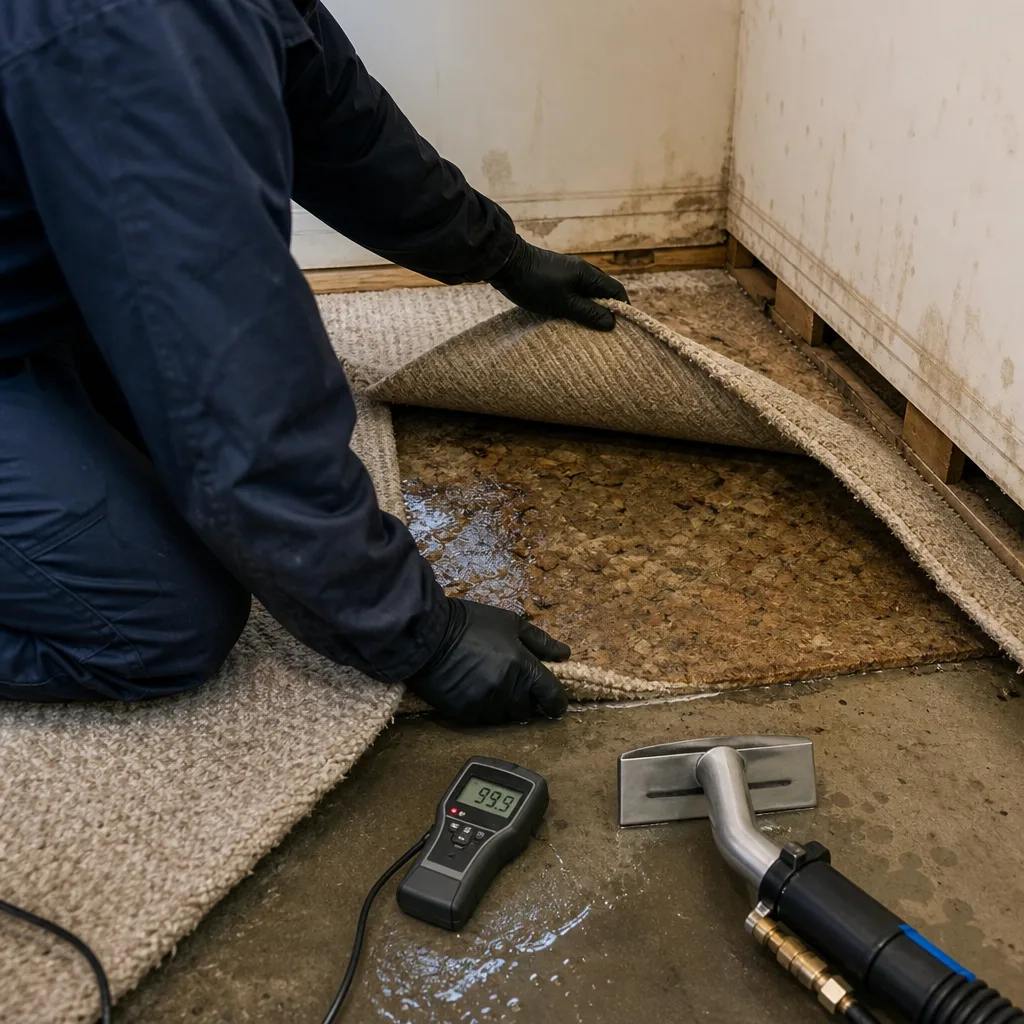
Storm Damage Cleanup
Wind-thrown branches, torn shingles, and street debris stacking against side doors are a fact of life after coastal blows. Our Storm & Disaster Restoration crew clears the immediate hazards, documents what the storm did, and starts the structural dry-out the same day. We don’t just haul debris. We look for what it was hiding: a cracked window, a lifted flashing, a loose downspout that turned a minor leak into a wall cavity full of rainwater.
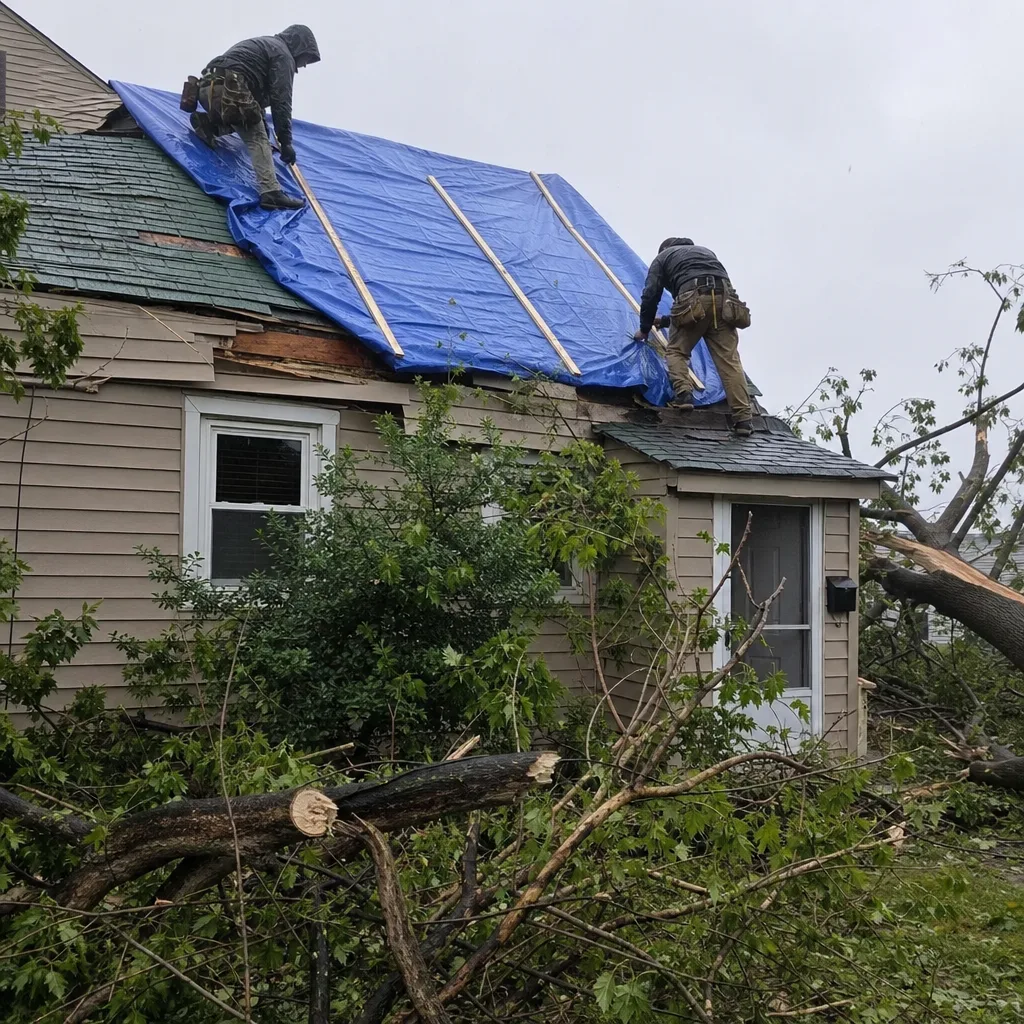
Emergency Board-Up
A blown-out first-floor window on a Flatlands semi exposes your home to weather and people. We board up with plywood cut to the opening, secured properly, and photographed for your carrier. It’s temporary protection, but it’s real protection. Not a sheet of plastic stapled into place.
Roof Tarping
Old roofs on 1950s colonials lose shingles in straight-line winds. When the decking is exposed and rain is forecast, a properly installed tarp stops the secondary damage. We anchor tarps so they survive the next gust, and we tell you honestly whether the roof needs a patch or a replacement. No overselling a tarp when a repair is the right call.
Debris Removal
After a storm, Flatlands streets fill with branches, construction debris, and sometimes worse. We haul it. More importantly, we check what the debris damaged on the way down: fences, gas meters, side doors, window wells. If a limb cracked your gas line, we want that found before you walk back inside.
What happens when you call
- 1
A real person answersNo phone trees - you reach a local pro.
- 2
You get an upfront price rangeHonest numbers before anyone is dispatched.
- 3
A background-checked tech heads outLicensed & insured, dispatched right away.
- 4
You approve before work beginsNothing starts until you say go.
Storm & Disaster Restoration Costs in Flatlands, NY
Storm cleanup in Flatlands runs from about $2,500 for a contained basement extraction with drying to $18,000 for a full Category 3 flood cut with mold remediation and rebuild in a finished basement. Flood damage restoration on a semi-detached brick home with a retrofitted finished basement usually lands between $6,000 and $15,000 depending on how much drywall, insulation, and cabinetry has to come out. Board-up runs $300 to $800 per opening. Roof tarping is typically $700 to $2,500 depending on roof pitch and accessibility. Debris removal starts around $400 for a standard storm pile. What moves the price is the water category, how far moisture wicked behind finished walls, and whether the home already has dormant Sandy-era mold that reactivated. Insurance covers most of this. Your FEMA flood policy handles rising water. Your homeowner’s policy handles wind damage. We’ll read your policy language with you and tell you straight what’s covered before you spend a dollar. Call (518) 750-3137 for a free inspection and a written estimate, not a ballpark.
We Also Serve Cities Near Flatlands
Flatlands is home base for our crews this week, but we run the same certified team and equipment into East Flatbush, Sunset Park, Bedford-Stuyvesant, and Bensonhurst. Same live dispatch, same written scope, same 90-Day Done Right Promise.
Serving Flatlands, NY - Our Local Coverage Area
We’re based in the Flatlands area and know this community well. Use the map below to see our service coverage - if you’re nearby, we can almost certainly help.
Flatlands Storm & Disaster Restoration Questions, Answered
How does living in FEMA flood zone AE in Flatlands change what must be torn out after a flood?
In zone AE, FEMA and your flood policy require removing all porous materials that contacted floodwater: drywall, insulation, carpet, and often base cabinets. You can’t dry over Category 2 or 3 water in place and stay compliant with your policy. The standard is stricter than for a clean-water pipe burst.
Why do Flatlands basements from the 1940s-1960s retain water longer than poured-concrete foundations?
These homes sit on block or rubble foundations without modern waterproofing membranes. The block is porous, the water table is high, and water wicks upward through the wall assembly. Drying takes longer because the moisture source, the ground itself, keeps feeding the wall from below.
Can old Sandy-era mold be reactivated by a new flood in a Flatlands home?
Yes, and we see it regularly. Mold that went dormant inside a wall cavity after Sandy only needs moisture to reignite. If the wall was never opened and properly remediated, a new flood gives that dormant colony exactly what it needs. We check behind finished surfaces on every flood job, not just the visible wet areas.
What is the first thing your crew does after a nor’easter floods a Flatlands semi-detached brick home?
We kill the power to affected areas if water reached outlets, then start extraction and moisture mapping. The mapping tells us how far water traveled behind walls before we cut anything. That way we remove the right amount on day one instead of discovering more damage a week later.
How does Flatlands’s extreme flatness affect drying time after a storm?
Flat, impermeable streets mean water pools and lingers. Basements stay saturated longer because surface water has nowhere to drain, and groundwater stays high. In this neighborhood, structural drying runs 4 to 7 days on a typical basement flood, sometimes longer if the home has original block walls. Anyone promising a one-day dry in Flatlands is guessing.
How fast can someone actually get here from Floodline?
We commit to a 45-minute dispatch window for Flatlands calls. A live person answers at (518) 750-3137, checks the board, and sends the closest available certified crew. They arrive with extraction equipment on the truck, so the first pass starts during the first visit.
Will insurance cover my storm damage in Flatlands?
Most storm damage is covered, but which policy pays depends on what happened. Rising groundwater and surge fall under FEMA flood insurance. Wind-driven rain, fallen trees, and burst pipes fall under homeowner’s coverage. We document everything and talk to your adjuster directly, so the claim moves correctly from day one.
Can we stay in our Flatlands home during restoration?
It depends on what flooded and what’s airborne. If the water was clean and the affected area is contained, staying is usually fine. If we’re cutting mold or sewage, you may need to relocate for a few days while containment and air scrubbing are active. We tell you straight during the inspection, not after you’ve already been living in it.
If storm water has already entered your Flatlands home, don’t wait to see if it dries on its own. It won’t. It will wick, saturate, and start growing. Call (518) 750-3137 now for a free visual inspection. A live person answers, a certified crew responds, and the 90-Day Done Right Promise backs every job we leave. Done right, and backed in writing.
Written by Curt Bowman, Owner at Floodline Restoration Co., providing Storm & Disaster Restoration in Flatlands and nearby Brooklyn neighborhoods since 2010.