
Last updated August 25, 2026
Free visual inspection and a written scope of work before any mitigation begins - photos, moisture readings, and drying logs go in your claim file
The scope we write is the scope we bill. Anything new gets shown to you, in writing, before we touch it.

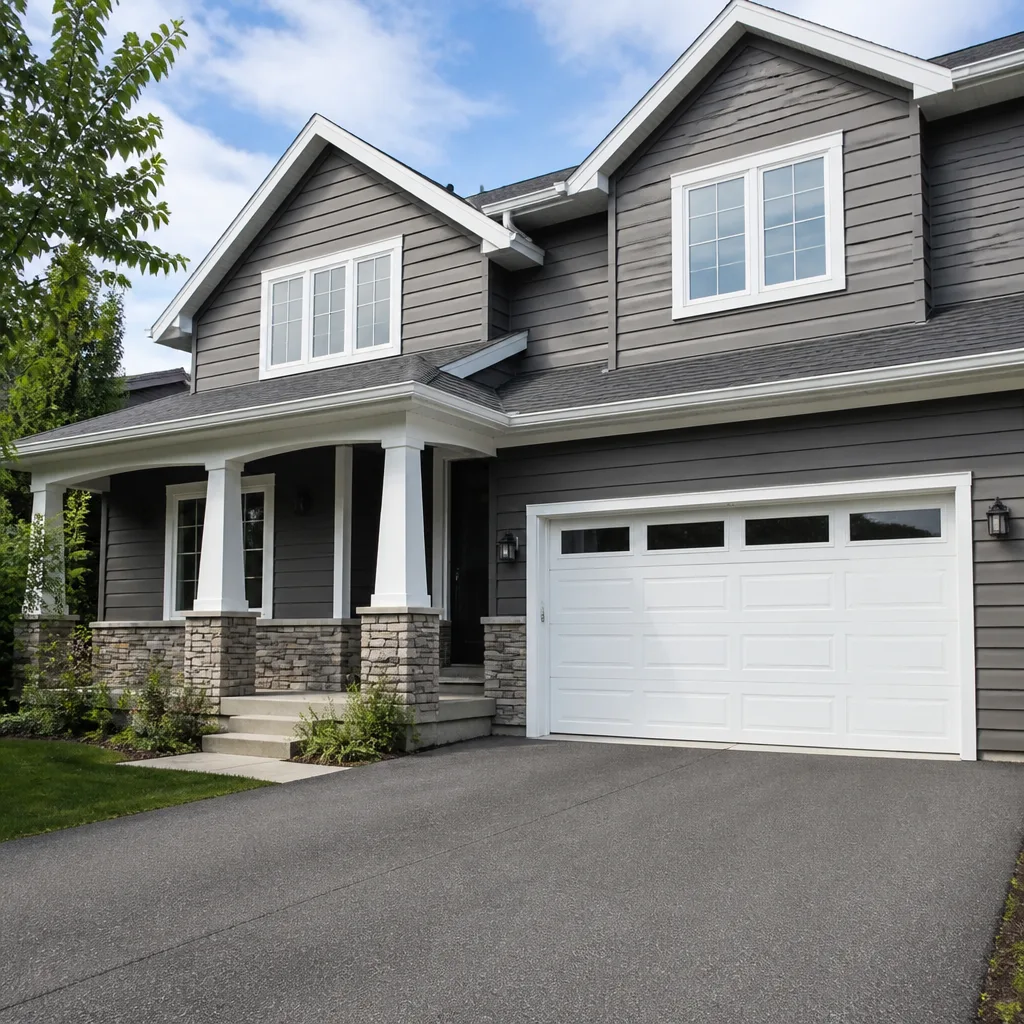
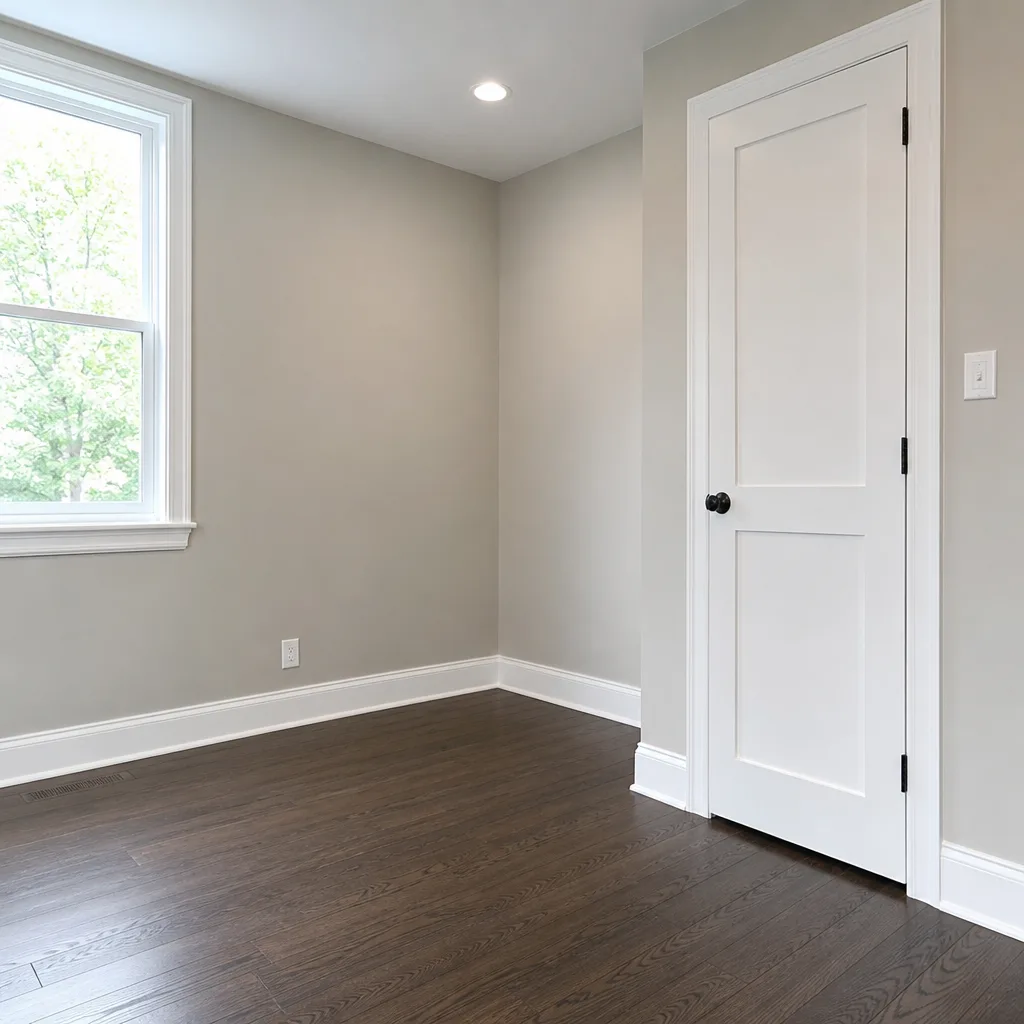
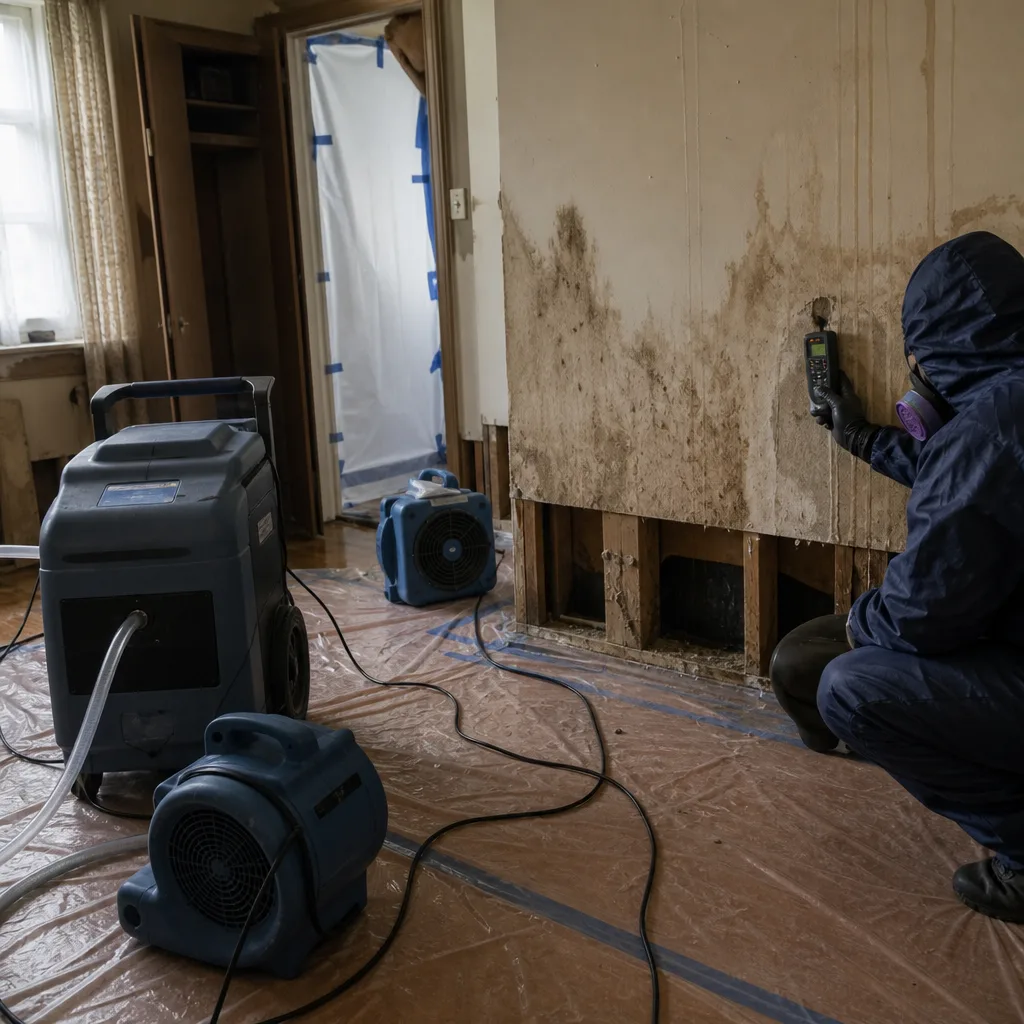 Before
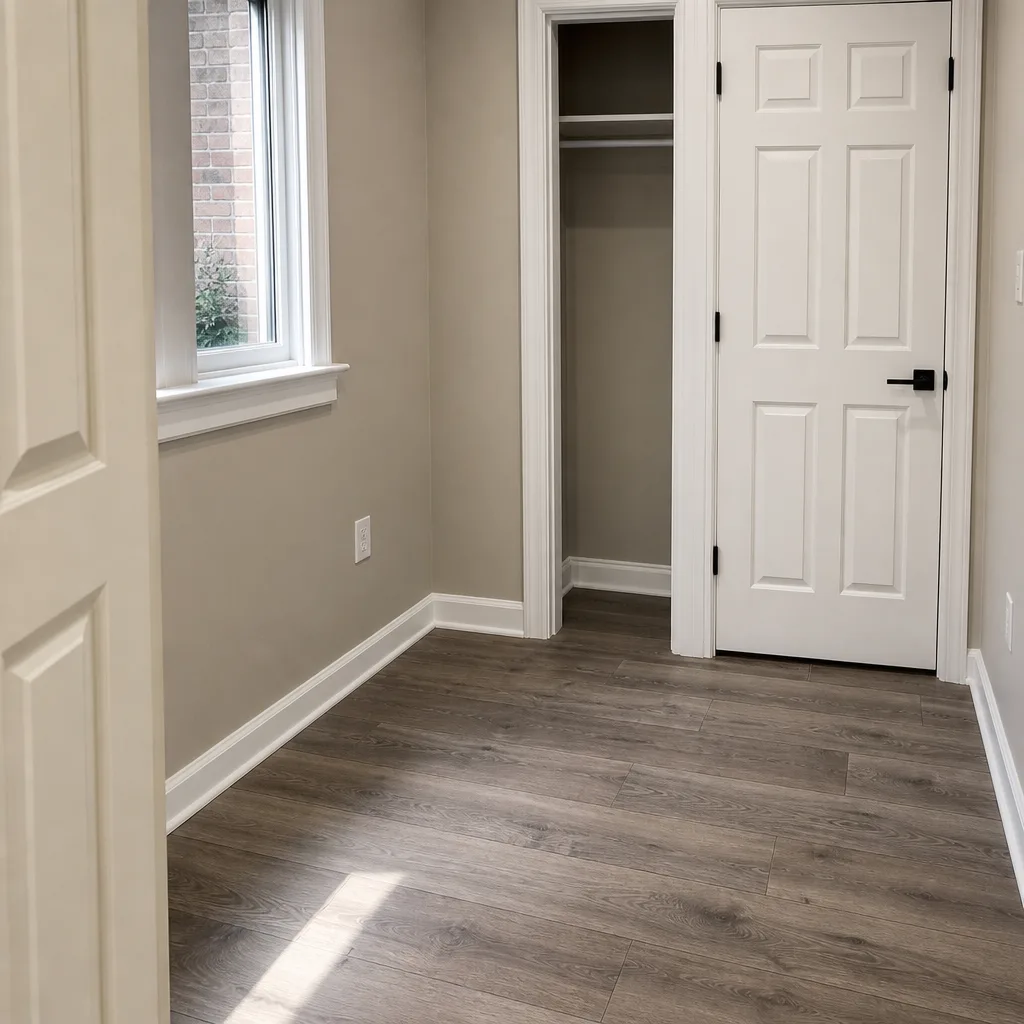 After
After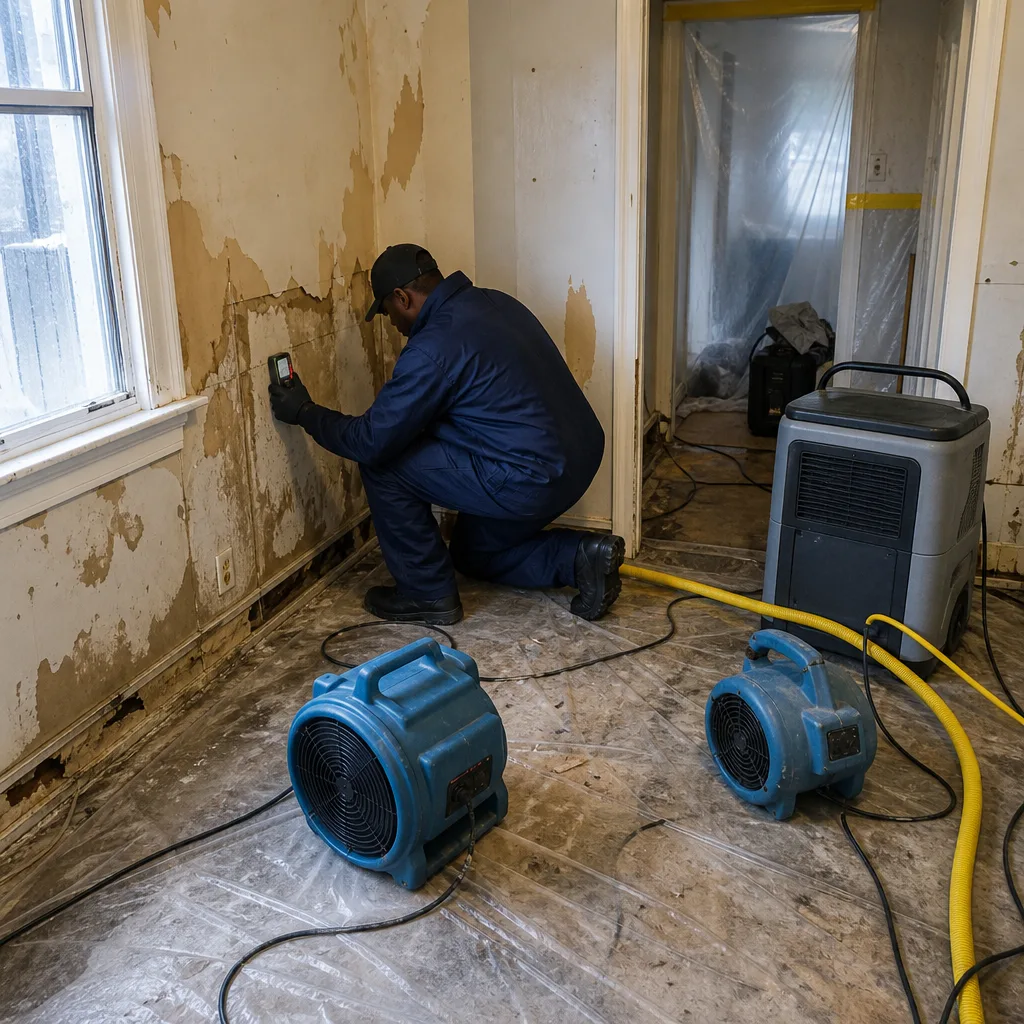 Before
 After
After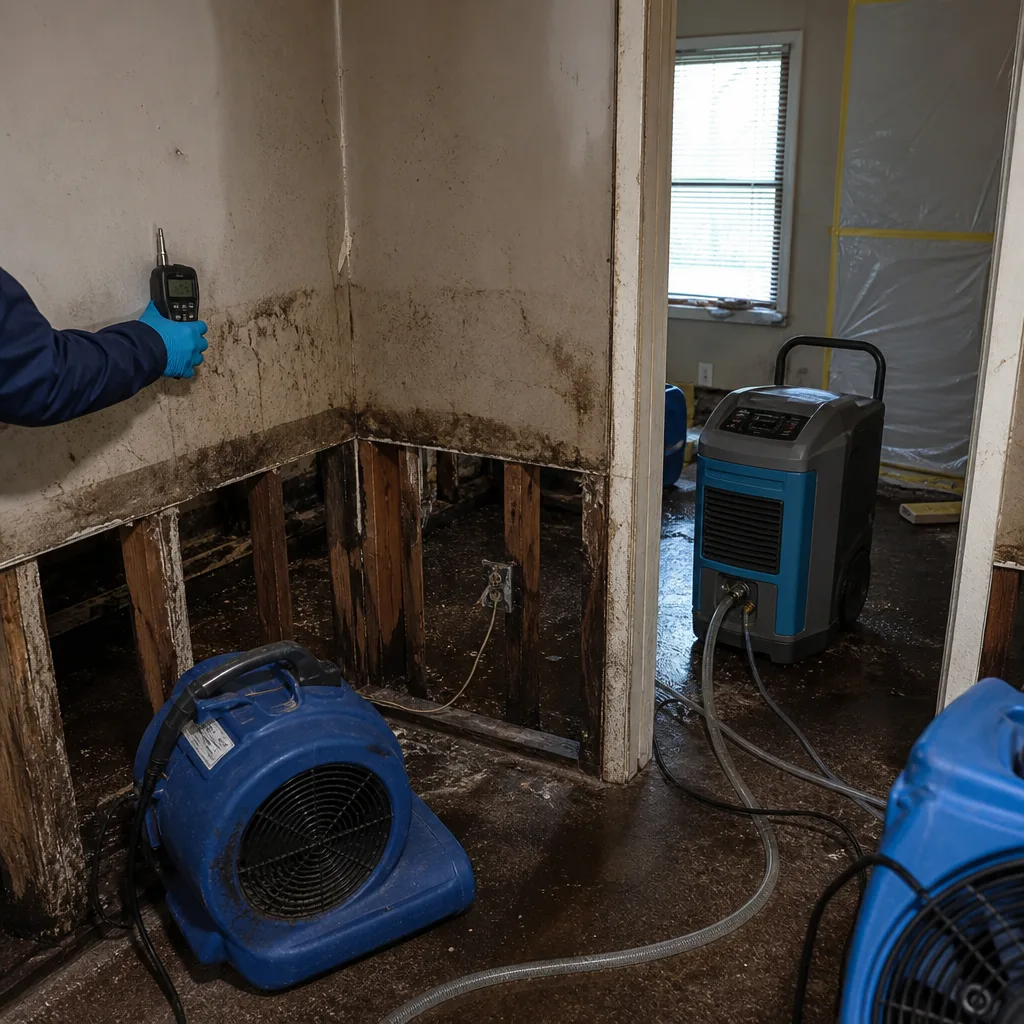 Before
 After
AfterThe Complete Guide to Damage Restoration in East Flatbush
Most homeowners in East Flatbush discover a water problem the same way: a ceiling stain the size of a dinner plate, a warped baseboard, or that faint smell of wet drywall that won’t go away no matter how many candles get lit. What they don’t realize is that by the time those signs show up, the damage has usually been spreading behind the wall for weeks. This guide walks through every phase of damage restoration, from the first emergency call to the final coat of paint, written for people who want to understand exactly what’s happening in their home before they spend a dollar on it.
Quick Answer
Damage restoration in East Flatbush means stopping the active problem first (water extraction, board-up, or odor source removal), then drying and sanitizing the affected structure, then rebuilding what was torn out. The full process typically takes 3 to 10 days for most water damage jobs, while fire restoration can run 2 to 6 weeks depending on structural involvement. Homeowners should expect written documentation at every phase, because insurance carriers require it and reputable companies insist on it.
Table of Contents
- What Is Damage Restoration, Exactly?
- Why East Flatbush Homes Face These Specific Risks
- Water Damage: The Most Common Call We Get
- Mold Remediation: What Actually Works and What Doesn’t
- Fire and Smoke Damage: A Different Kind of Restoration
- Sewage and Biohazard Cleanup: Safety Comes First
- Working With Your Insurance Company (Without Losing Your Mind)
- Common Mistakes to Avoid
- When to Call a Professional
- Frequently Asked Questions
- The Bottom Line
What Is Damage Restoration, Exactly?
Damage restoration is the process of returning a home to its pre-loss condition after water, fire, mold, or a biological event. The key word is “process,” because restoration is never a single task. It’s a sequence: assess, contain, remove, dry or clean, verify, and rebuild. Skipping a step is where homes end up with recurring problems that no amount of paint will fix.
In our experience serving East Flatbush, we’ve seen houses where a “quick dry-out” left moisture trapped in the subfloor, and six months later the floor buckled and the homeowner had to pay twice. The difference between a restoration that holds and one that doesn’t is documentation. Moisture readings logged daily. Photos taken before, during, and after. A written scope of work that both the homeowner and the carrier agree on before demolition starts. That’s the standard every legitimate restoration company should meet, and the one we hold ourselves to on every job.
Here’s the typical sequence for a mid-size water damage job:
- Assessment and documentation: The crew maps affected areas, takes moisture readings with professional meters, and photographs everything for the insurance file.
- Containment: Plastic sheeting and negative air pressure isolate the affected zone so dust and airborne mold spores don’t spread through the rest of the house.
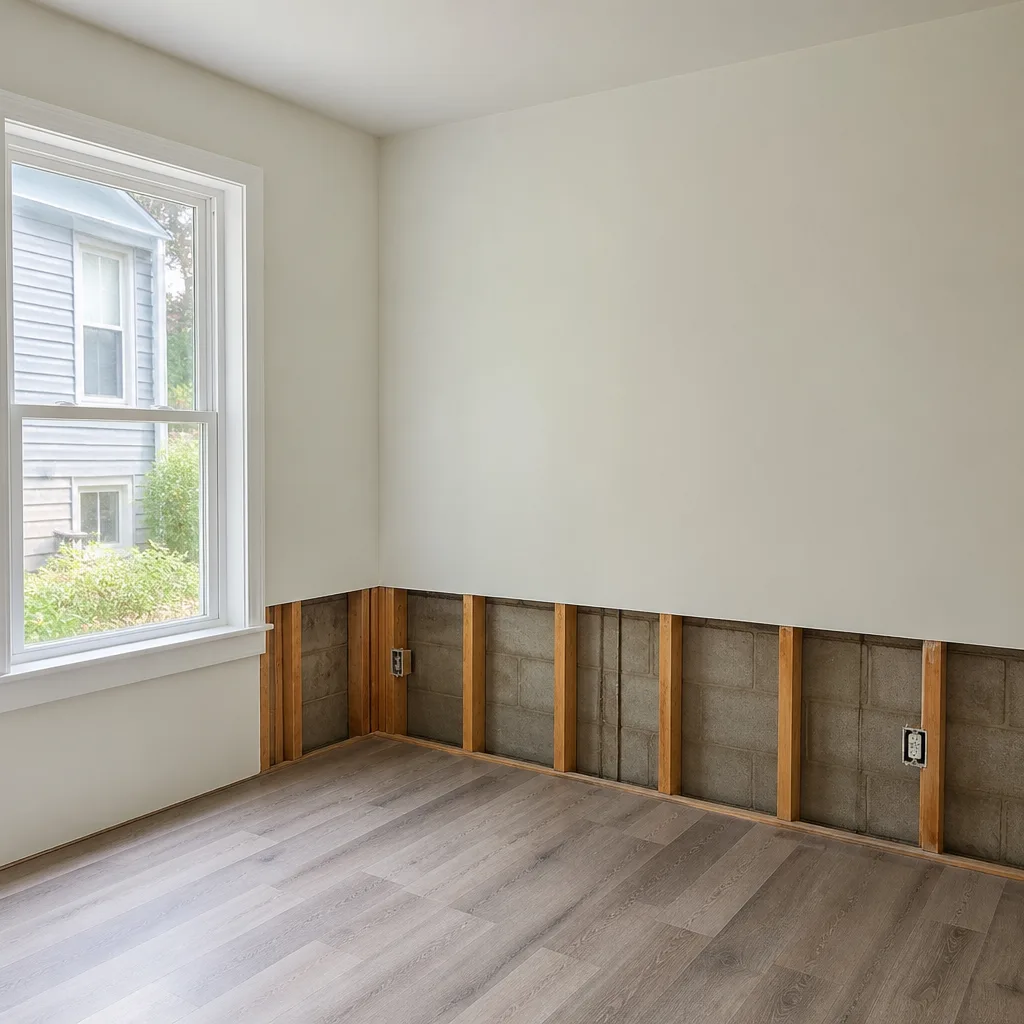
- Extraction and demolition: Standing water gets removed, then unsalvageable drywall, insulation, and carpet are cut out to expose the framing.
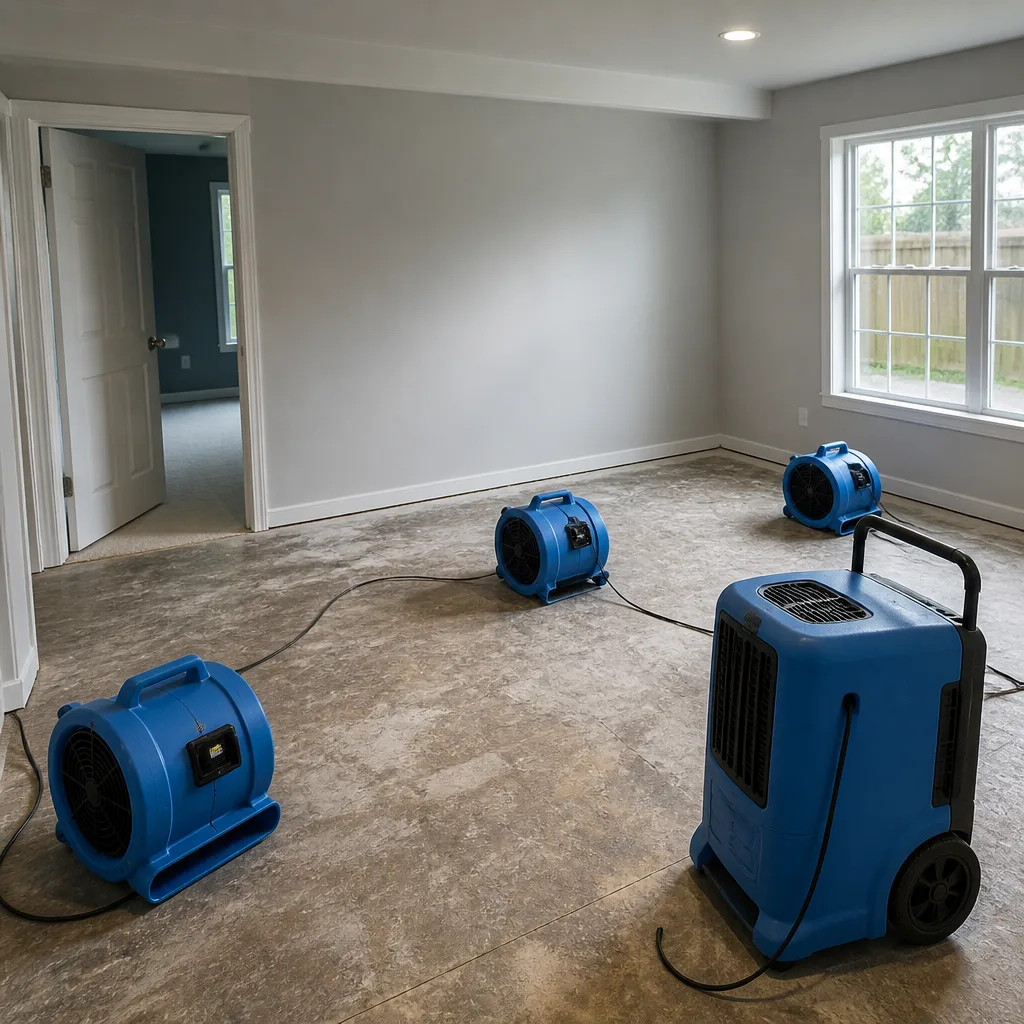
- Drying and verification: Commercial air movers and dehumidifiers run for 3 to 5 days minimum, with daily readings until the structure hits the dry standard for this climate.
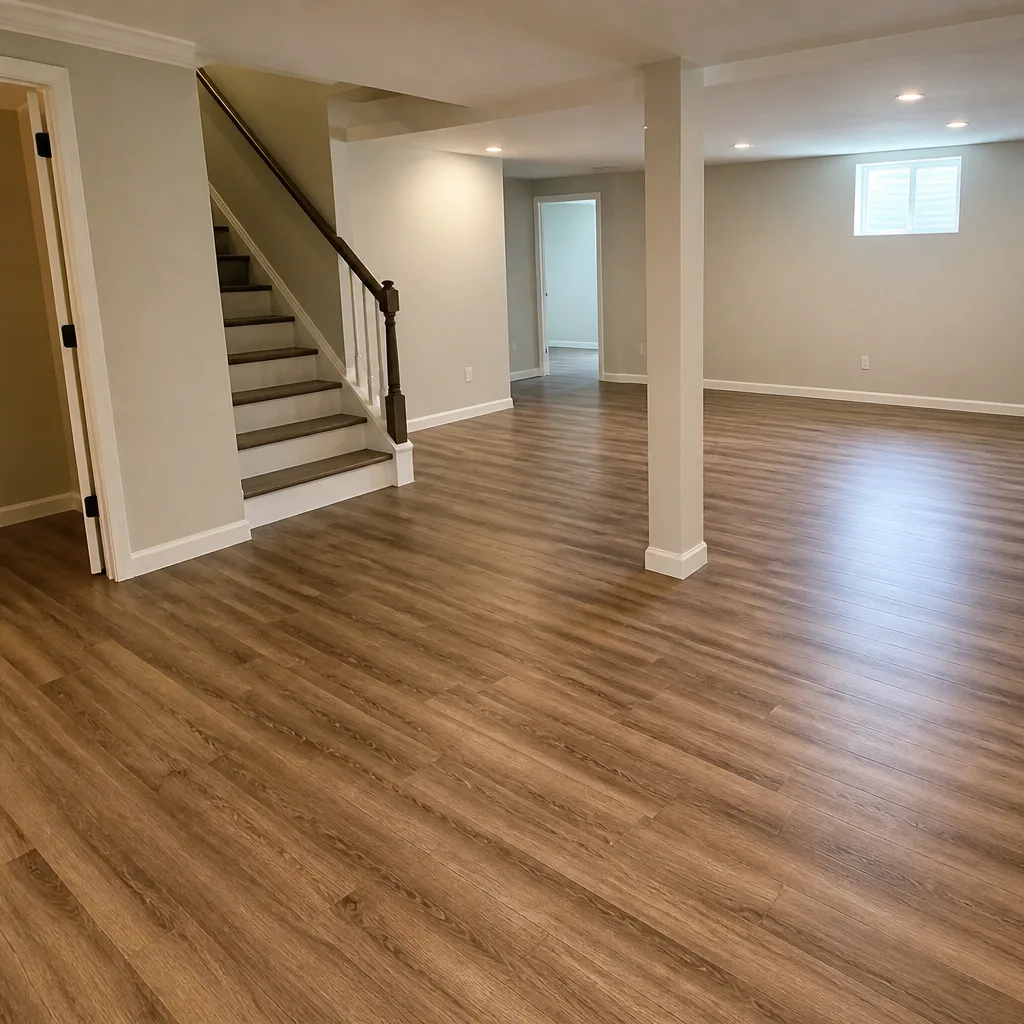
- Sanitizing and rebuild: Exposed framing gets treated, then new drywall, paint, flooring, and trim restore the space.
The same crew handles every step. That matters more than most people realize, because when a company hands off between extraction and rebuild, information gets lost and the homeowner ends up playing messenger.
Why East Flatbush Homes Face These Specific Risks
East Flatbush housing stock runs heavily to brick rowhouses, semi-detached homes, and pre-war apartment buildings, many of them 80 to 100 years old. That construction is solid in ways newer builds aren’t, but it also has vulnerabilities. Original cast-iron drain lines corrode from the inside out. Roofs on flat-roofed rowhouses collect water that finds every seam. Shared walls between attached homes mean a neighbor’s leak becomes your leak, and the reverse is true too.
The climate compounds it. East Flatbush gets an average of 46 inches of rain per year, with the heaviest months being June through September. Sudden summer downpours overwhelm corner drains and basement sumps. Winter freeze-thaw cycles work on old masonry joints, and when snow melts on a flat roof, the water sits there until it finds a path down. That’s why we see a spike in basement seepage calls every March and again in August in neighborhoods like Wingate, Remsen Village, and Rugby.
Local building codes also affect restoration scope. Any structural work on load-bearing walls requires permits through the NYC Department of Buildings, and any plumbing work beyond simple fixture replacement requires a licensed plumber. A restoration company that doesn’t know these requirements can leave a homeowner with a finished job that fails inspection or voids an insurance claim. The company should handle permit coordination as part of the scope, not as an afterthought.
For a deeper look at the water-related issues this area faces, see our guide on Floodline Restoration Co. home for our full service area and response protocols.
Water Damage: The Most Common Call We Get
Water damage in East Flatbush homes typically falls into three categories: clean water (supply line breaks, tub overflows), gray water (washing machine discharge, dishwater), and black water (sewage, exterior floodwater). Clean water jobs are straightforward if addressed within 48 hours. Gray water requires sanitizing. Black water jobs require full containment, antimicrobial treatment, and usually removal of all porous materials like drywall, carpet, and upholstery that the water touched.
The cost of water damage restoration in East Flatbush runs roughly $1,800 to $6,500 for a typical basement or single-room job, with larger multi-room jobs landing between $8,000 and $20,000. These ranges cover extraction, demolition, drying, sanitizing, and light rebuild like drywall and paint. Heavy rebuild, like custom millwork or imported tile, adds on top. Insurance typically covers water damage from sudden events like a burst pipe or a storm, but not from gradual leaks that went unaddressed for months. That gradual-versus-sudden distinction is the single biggest coverage question we hear from homeowners.
A water damage timeline for a standard basement job looks like this:
- Day 1: Emergency call, dispatch, extraction begins within hours, containment set up, initial tear-out of waterlogged materials starts.
- Days 2 to 4: Commercial drying equipment runs continuously. A technician visits daily to take moisture readings and adjust equipment placement.
- Days 5 to 7: Structure reaches dry standard. Crew removes equipment, schedules rebuild, and delivers a full moisture log to the homeowner and carrier.
- Week 2 onward: Rebuild phase: drywall, paint, floors, trim. Final walkthrough with the written scope in hand.
Acting fast on water damage saves real money. Every day moisture sits in drywall and flooring, the affected area grows and the materials that could have been dried have to be torn out instead. We’ve had East Flatbush homeowners call us the same day a supply line burst, and we’ve dried the structure without removing a single sheet of drywall. We’ve also had homeowners wait a week and end up with full basement gut jobs. The difference in cost can be four or five times.
Mold Remediation: What Actually Works and What Doesn’t
Mold remediation in East Flatbush starts with a simple truth: you cannot kill mold and call it done. Dead mold spores are still allergens and can still trigger respiratory problems. The only legitimate remediation is removal: physically taking out the mold-contaminated material, cleaning the remaining framing with antimicrobial agents, and then addressing the moisture source that caused the growth in the first place. Skip the moisture source and the mold returns within weeks, guaranteed.
We get asked all the time whether a homeowner can just bleach the black spots and paint over them. Bleach does not penetrate porous materials. The mold roots, called hyphae, remain embedded in the drywall or wood, and the mold regrows. Painting over mold just hides it until the stain bleeds through, which it will. The proper sequence is containment, removal of affected materials, HEPA vacuuming, antimicrobial treatment, drying verification, and only then rebuild.
Remediation costs in East Flatbush run $2,000 to $8,000 for typical jobs. A small isolated patch in a bathroom might run toward the lower end. A full basement with visible growth on multiple walls, or mold in the HVAC system, runs toward the higher end or beyond. A few factors push costs up: the affected square footage, whether structural wood needs sanding versus replacement, whether the mold runs inside wall cavities, and whether air quality testing is required by the carrier before and after. A legitimate company will provide a written remediation protocol before starting, run containment while working, and provide before-and-after photos plus a written completion statement after. Verbal assurances are worth nothing when a home sale or a claim is on the line.
One more thing worth knowing: some insurance policies have mold caps, often $5,000 or $10,000 total. If the mold resulted from a covered water loss, some carriers will cover more. Knowing your policy’s mold language before the adjuster arrives puts you in a stronger position, and a good restoration company will help you read it.
Fire and Smoke Damage: A Different Kind of Restoration
Fire damage restoration has nothing in common with water work except the paperwork. Smoke penetrates everything: wall cavities, ductwork, insulation, even the ash in the attic. The smell lives in soot particles, and those particles are microscopic. You don’t clean smoke damage the way you clean a dirty room. You clean it the way you clean a contamination problem, because that’s what it is.
A kitchen grease fire that gets knocked out fast might require cleaning all cabinet interiors, repainting, and replacing soft goods that absorbed the odor. A full structure fire requires boarding up the property, demolition of charred framing, treatment of smoke-affected surfaces throughout the house, ozone or hydroxyl odor treatment, and then full rebuild. That’s a process measured in weeks, not days, and it requires a company that handles both the emergency and the reconstruction under one roof.
Fire restoration in East Flatbush runs anywhere from $4,000 for a small contained kitchen fire up to $150,000 or more for a significant structural event with rebuild. The variables include whether the fire department used water (most do), whether soot is protein-based from food or synthetic from plastics and wiring, how far smoke traveled through the HVAC system, and what the structural engineer says about the framing. These jobs almost always involve an insurance claim, and they demand an adjuster who sees the full picture. That’s where direct insurance billing with photos and line-item scope documentation saves the homeowner from weeks of back-and-forth.
Sewage and Biohazard Cleanup: Safety Comes First
Sewage backups and biohazard situations are the jobs where cutting corners has real health consequences. Sewage contains bacteria, viruses, and parasites that can make people seriously ill, and the contamination spreads to every porous surface it touches. Carpet, drywall, baseboards, furniture, stored boxes: if sewage touched it, it goes. That’s not a sales pitch. That’s the standard set by the IICRC and every reputable restoration company.
Biohazard and crime scene cleanup carries its own protocols, including personal protective equipment, proper disposal of biohazardous waste under New York State regulations, and documentation that protects everyone involved. These situations are hard enough for the people living through them without worrying about whether the cleanup was done legally and safely. A company certified to handle these jobs will say so plainly and will provide a written acknowledgment of the scope and the disposal method.
We’ll also be honest about one other thing: these jobs are not the place to save a few dollars by hiring a handyman who says he can “clean it up.” If uncertified workers do the cleanup, and the contamination isn’t properly contained and disposed of, the liability can fall right back on the homeowner. Insurance almost always covers sewage backup and biohazard cleanup when it’s done by a certified company with proper documentation. The call is worth making.
Working With Your Insurance Company (Without Losing Your Mind)
Most East Flatbush homeowners we work with have never filed a major property claim before. They’ve been paying premiums for twenty or thirty years and now they’re suddenly talking to an adjuster who speaks in code. Here’s what to know before that first call.
Report immediately. Most policies require prompt notification, and waiting can complicate a claim. Take photos before any emergency work starts, if you safely can.
Document everything. The adjuster will look at photos, receipts, and the restoration company’s moisture map and daily logs. The more complete the paper trail, the smoother the claim. A restoration company that hands you a written scope with photos and readings from day one makes the adjuster’s job simple, and a simple claim is a paid claim.
Know what “direct billing” means. Direct insurance billing is when the restoration company invoices the carrier directly for covered work, instead of the homeowner paying upfront and waiting for reimbursement. That matters on a $20,000 fire job or a $6,000 sewage loss. It’s one of the reasons homeowners choose us: we handle the billing conversation with the carrier, and the homeowner signs off on the scope before the work starts.
Ask about depreciation. Policies pay actual cash value first, then release recoverable depreciation once the work is complete. A restoration company that handles this regularly will submit the completion documentation the carrier needs to release those funds. If the paperwork comes in sloppy, the homeowner waits.
The homeowner never plays messenger between the restoration company and the carrier on our jobs. The written scope goes to both parties before any rebuild starts, photos and moisture logs go to the carrier daily if they request them, and the final invoice is submitted directly. That’s how it should work.
Common Mistakes to Avoid
- Waiting to see if it dries on its own. It won’t. Moisture trapped in wall cavities and under flooring in East Flatbush’s humid summers feeds mold growth within 48 to 72 hours. What could have been a $2,000 dry-out becomes a $7,000 gut job.
- Hiring a company that only does extraction, then hands off. When the drying crew and the rebuild crew are different companies, the homeowner manages the project. Scope disputes, finger-pointing, and missed details follow. One company from first call to final walkthrough is not a convenience, it’s risk reduction.
- Letting the insurance adjuster manage the restoration. The adjuster’s job is to assess the claim. The restoration company’s job is to restore the home. When a homeowner lets the adjuster dictate the restoration scope instead of the restoration company, corners get cut, and the homeowner lives with it long after the claim closes.
- Accepting a verbal scope of work. If it’s not in writing, it doesn’t exist. Every legitimate restoration company provides a written scope with line items and pricing before work begins. If a company won’t put it in writing, walk.
- Painting over water stains or mold spots. Painting seals the problem in and makes it worse. The stain means moisture was present. Find the moisture source, fix it, dry the structure, and then paint. Anything else is borrowing trouble.
- Choosing based only on price. The lowest bid is often the company that skips permits, uses underpowered drying equipment, or doesn’t carry proper insurance. That savings evaporates the first time the claim gets denied for improper documentation or the work fails inspection.
When to Call a Professional
Call a professional the moment you see water pooling where it shouldn’t be, smell smoke from a fire that’s now out, see black or green growth on a wall or ceiling, or encounter sewage backup of any kind. Those are the obvious ones. The less obvious calls: a musty smell that persists, a wall that feels cool or damp to the touch, a floor that has started to cup or buckle, a stain that grew larger after a rain, or a utility bill that spiked for no reason. Any of these means moisture is moving through your home and doing damage right now, whether you can see it or not. Floodline Restoration Co. offers free estimates in East Flatbush, call (518) 750-3137 and a live dispatcher answers any time, day or night.
Frequently Asked Questions
Water damage restoration in East Flatbush typically runs $1,800 to $6,500 for a single room or basement, mold remediation runs $2,000 to $8,000, and fire restoration can range from $4,000 for a small kitchen fire to $150,000 or more for structural damage. Every job is different, so the only way to get a real number is an on-site inspection with a written scope. Call (518) 750-3137 for a free estimate, and you’ll have a written number before any work starts.
Insurance covers water damage that is sudden and accidental, like a burst pipe, a roof leak from a storm, or an overflowing tub. It does not cover damage from gradual leaks that went unaddressed, like a slow drip under a sink that rotted the cabinet over months. The restoration company should provide documentation the carrier needs, and direct billing can keep you from paying out of pocket and waiting for reimbursement.
Floodline Restoration Co. dispatches crews 24 hours a day, 7 days a week, and a live person answers the phone at 2 a.m., not a recording. In East Flatbush, our crews typically reach most homes within a few hours of the call, and extraction starts on the same visit when the job calls for it. The sooner extraction runs, the less demolition is required, so speed genuinely saves money on water jobs.
If visible mold covers more than about 10 square feet, if the mold is in wall cavities or HVAC ductwork, or if there’s been a sewage backup, you need full containment and remediation, not a surface cleaning. Surface cleaning without addressing the moisture source leaves the mold’s root structure intact and it returns within weeks. A legitimate company will tell you which situation you have, and will show you the readings that back it up.
On jobs handled by Floodline Restoration Co., we do. The written scope goes to the carrier for approval before rebuild work starts, photos and moisture logs go to the adjuster throughout the job, and the final invoice is submitted directly. The homeowner signs off on the scope and stays informed, but never has to relay messages between the restoration crew and the insurance company.
Most water damage jobs in East Flatbush wrap up the emergency phase, including drying, in 3 to 7 days, with rebuild following over the next 1 to 3 weeks depending on scope. A simple dry-out of a single room might be done in under a week. A full basement with rebuild often takes 3 to 4 weeks. You’ll get a written timeline as part of your scope, so there’s no guessing.
The Bottom Line
Damage restoration in East Flatbush comes down to three things: speed, documentation, and seeing the job through to the end. The faster extraction and drying start, the less gets torn out. The better the documentation, the smoother the insurance claim. And the fewer companies involved, the less the homeowner carries the burden of coordination. A written scope before work starts, a moisture log handed over at the end, and a guarantee in writing, not in a sales pitch, are the standards that separate a restoration that lasts from one that doesn’t. If you’re staring at water where it shouldn’t be, or a smell that won’t leave, call (518) 750-3137 and get a straight answer from a live person.
Written by Curt Bowman, Owner at Floodline Restoration Co., serving East Flatbush since 2010.