
Last updated August 25, 2026
Free visual inspection and a written scope of work before any mitigation begins - photos, moisture readings, and drying logs go in your claim file
The scope we write is the scope we bill. Anything new gets shown to you, in writing, before we touch it.
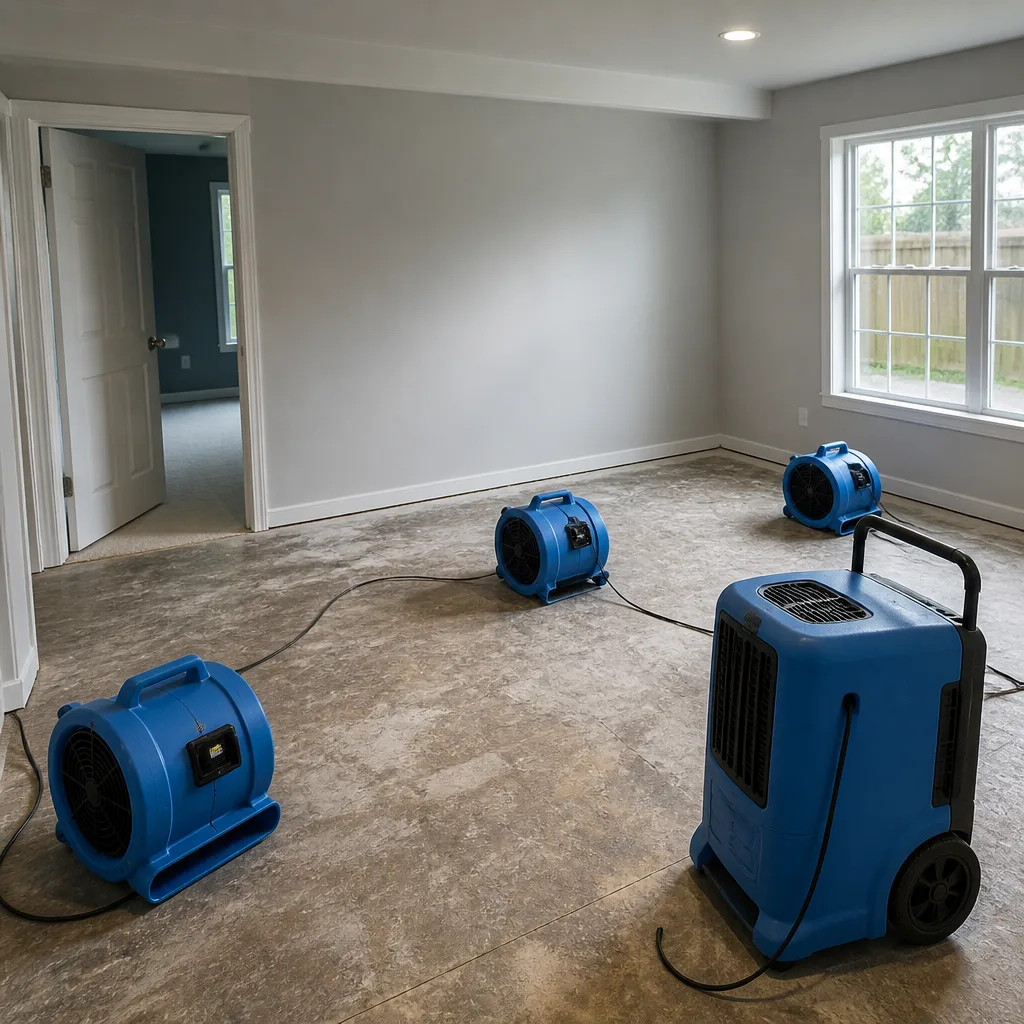
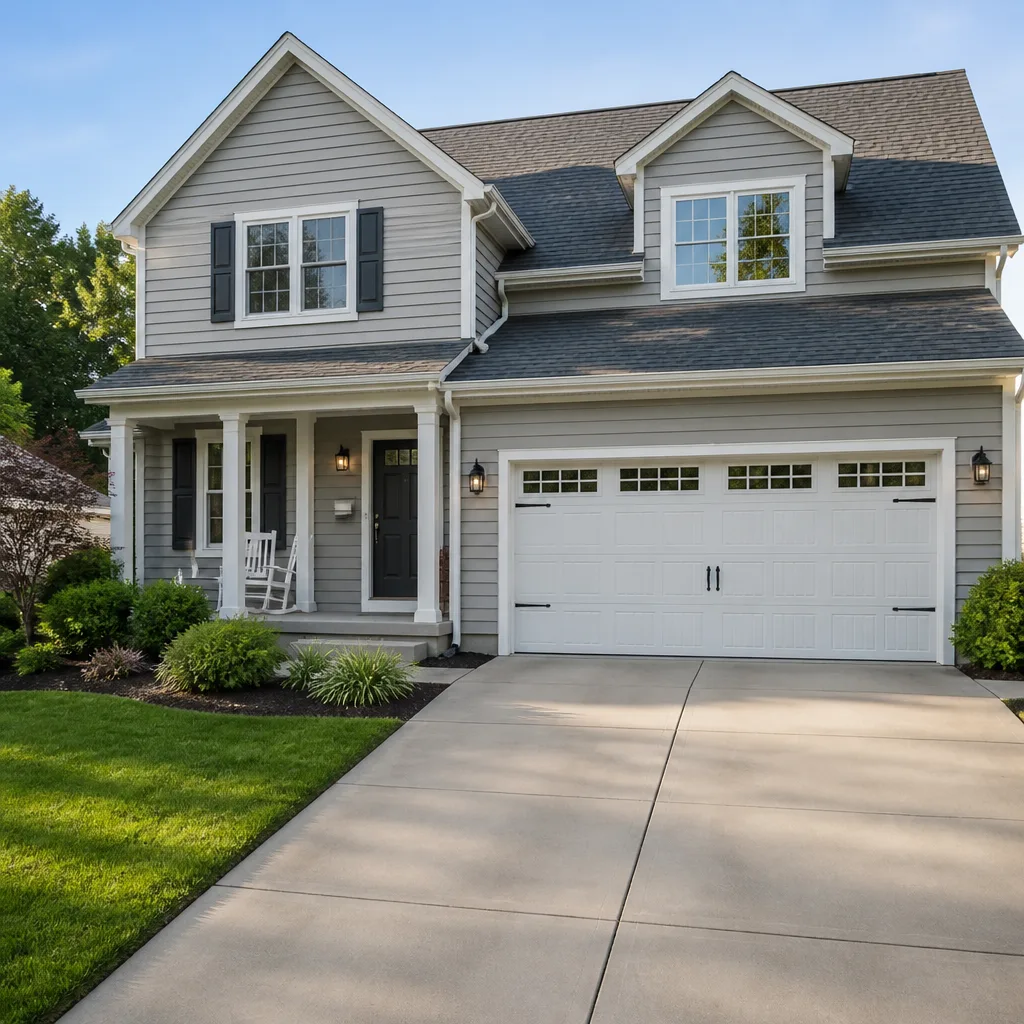
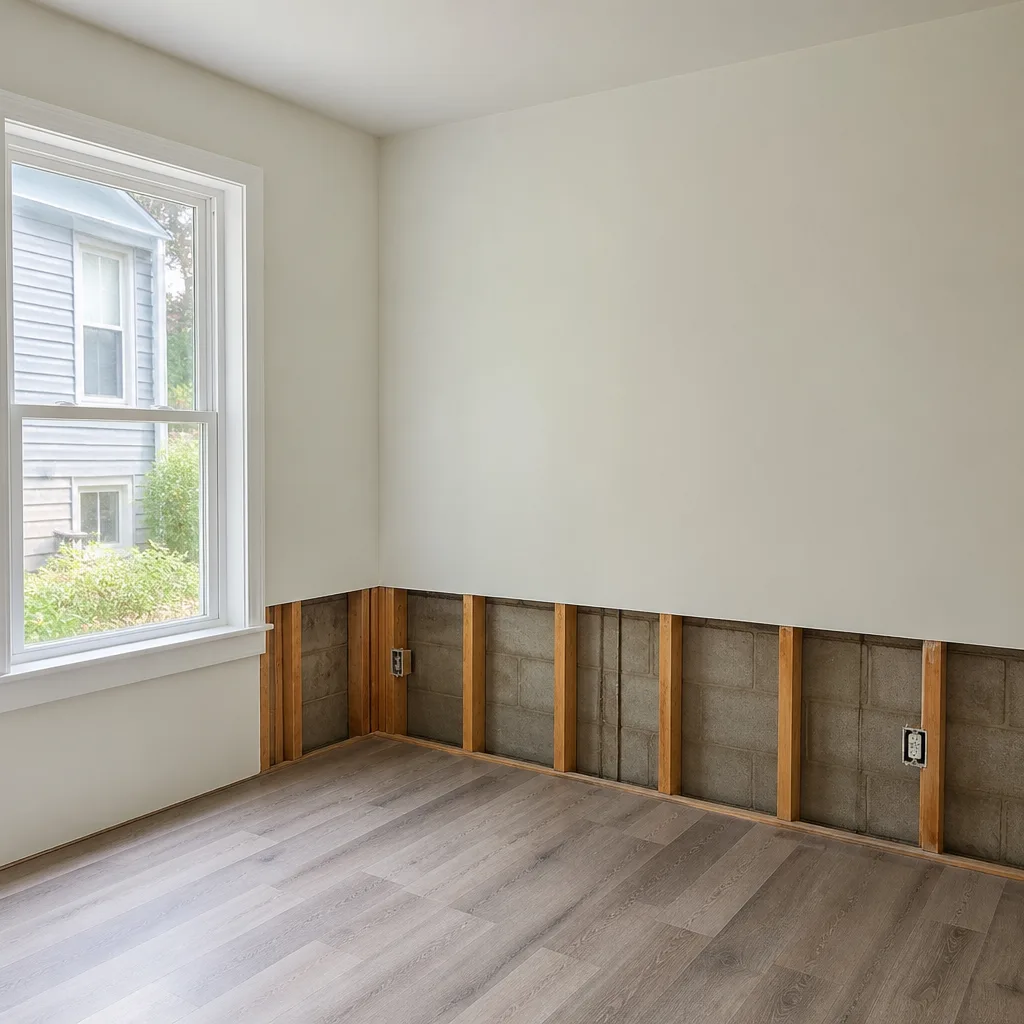

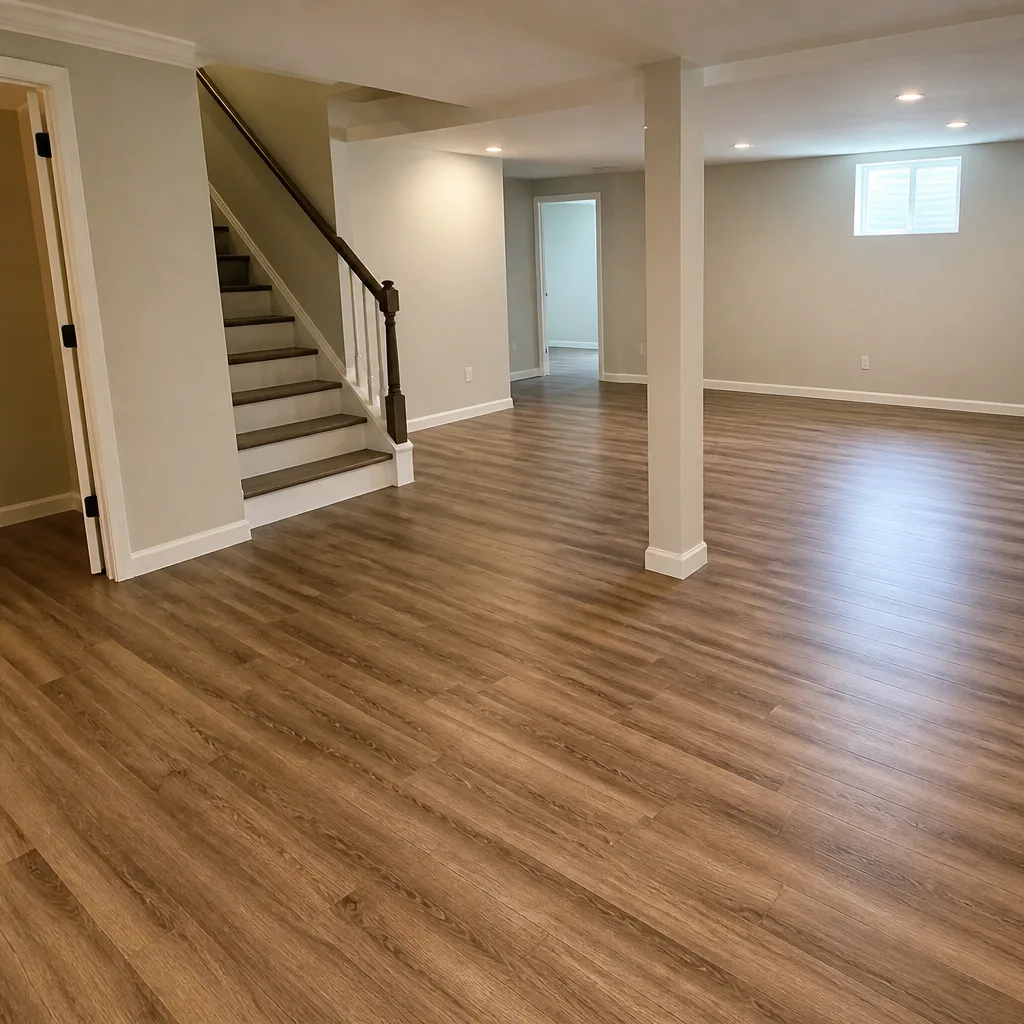
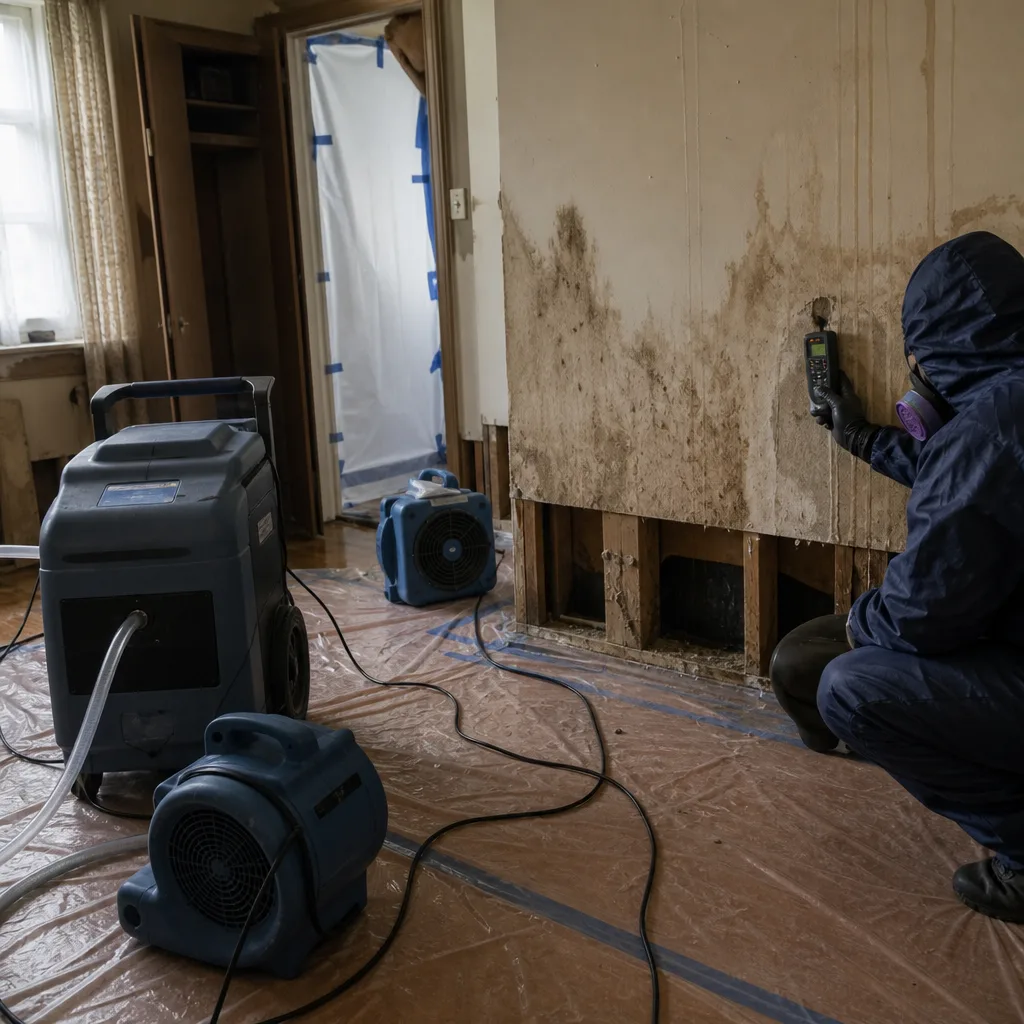 Before
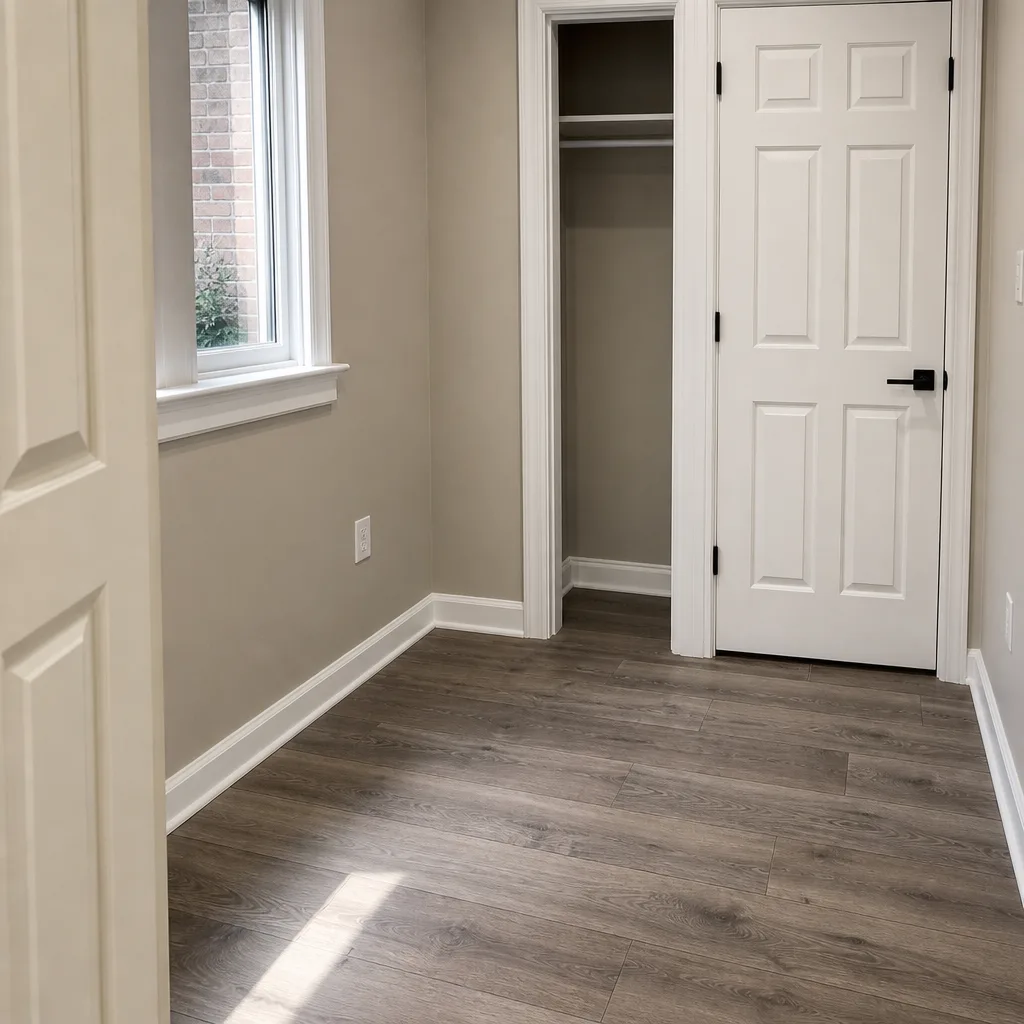 After
After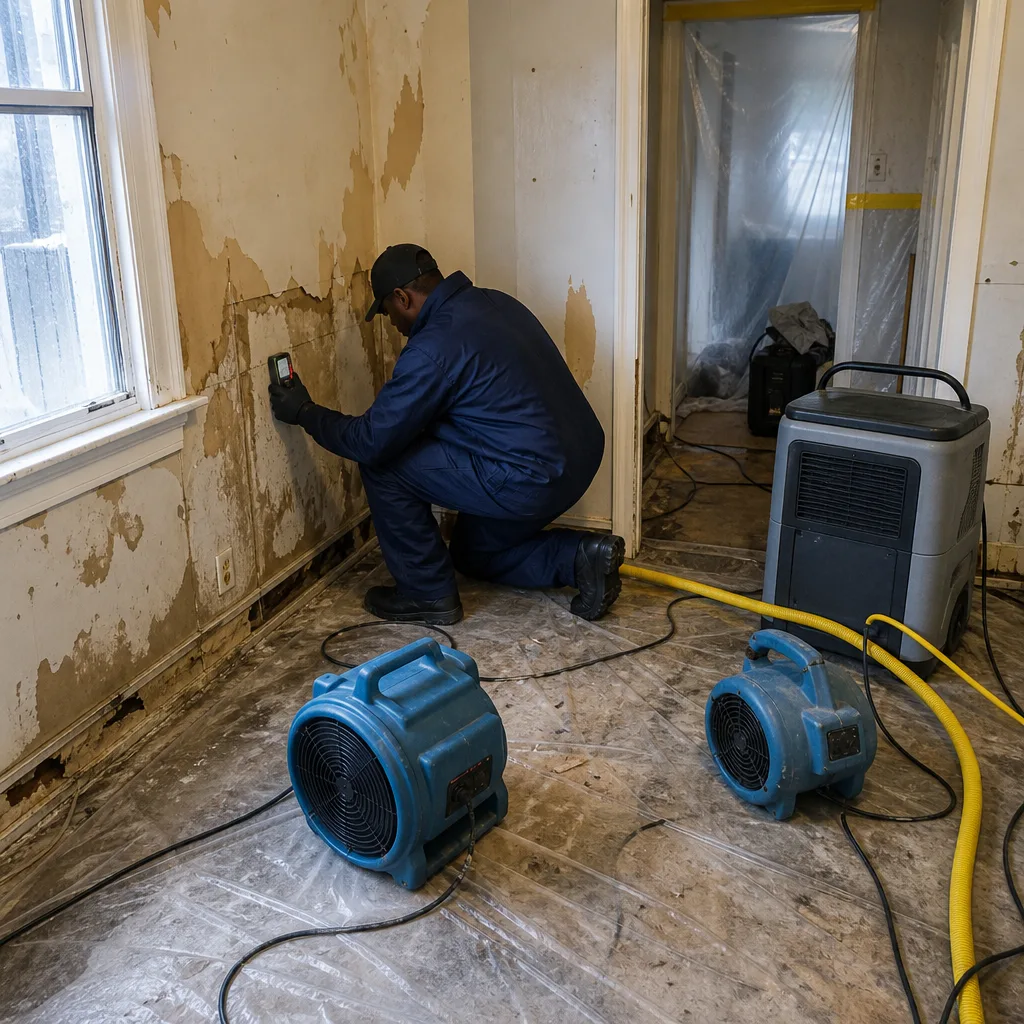 Before
 After
After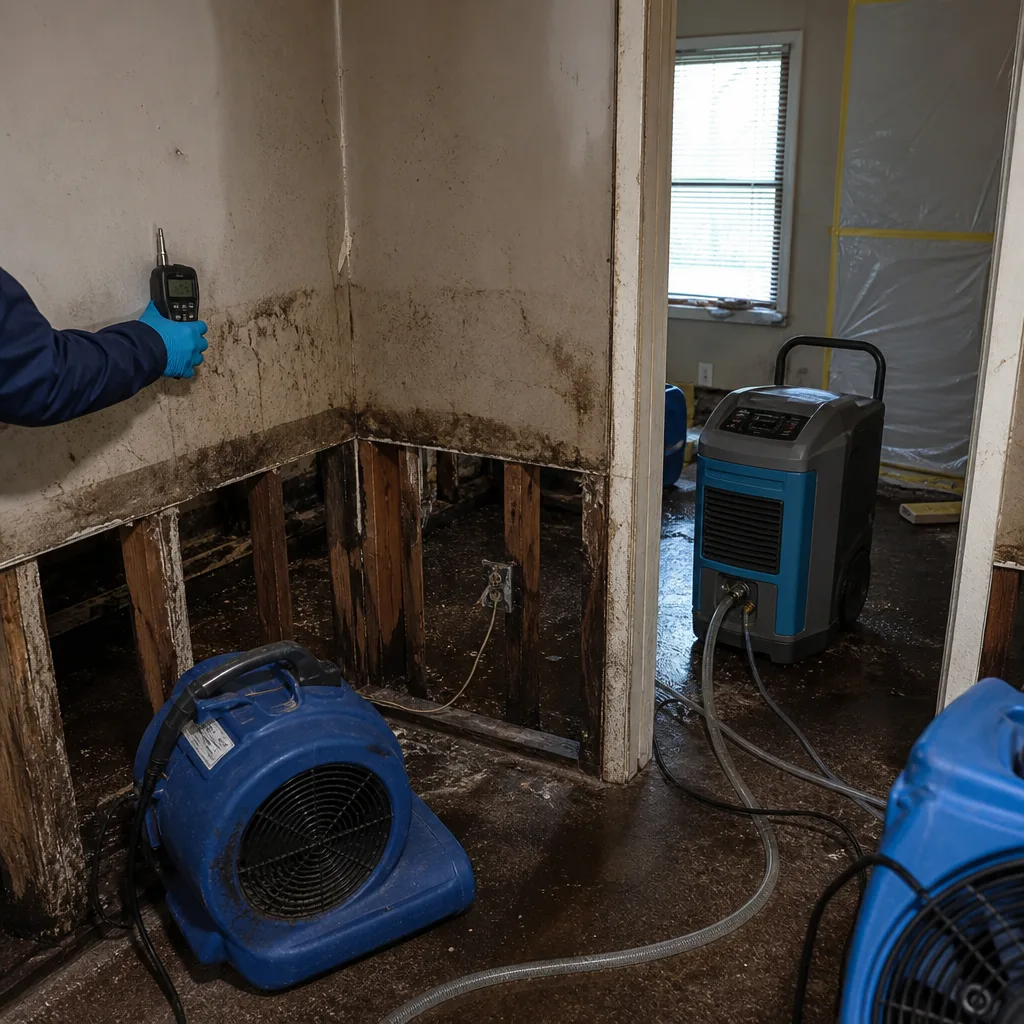 Before
 After
AfterHow to Hire a Damage Restoration Contractor in East Flatbush: A Step-by-Step Guide
Most homeowners in East Flatbush will only hire a restoration contractor once or twice in their lives, and almost always under pressure: a pipe burst at 3 a.m., a sewage backup in the finished basement, a kitchen fire that left half the house smoke-stained. That pressure is exactly what bad operators count on. The Federal Trade Commission consistently ranks home repair and restoration scams among the top consumer complaints, and New York City’s density makes it easy for an out-of-state company to rent a local phone number and vanish. This guide was written by a restoration company that has served East Flatbush for years, and it tells you what a reputable contractor should do at every step, so you can separate the square deal from the sales pitch before you’re standing in water.
Quick Answer
Hire a damage restoration contractor in East Flatbush by verifying state licensing and insurance first, getting a written scope of work before any money changes hands, and insisting the contractor handle your insurance claim directly instead of making you the messenger. A legitimate company will answer the phone with a live person, arrive with professional-grade drying equipment, and put its guarantee in writing. In East Flatbush, that means a company that knows the housing stock, the permit process, and the challenges of old Brooklyn infrastructure.
Table of Contents
- Verify Credentials and Local Standing Before Anything Else
- Get a Written Scope Before Work Begins
- Ask What Equipment They Actually Bring
- Understand Insurance Billing and Your Role
- Check the Guarantee in Writing
- Watch for East Flatbush Building Code and Permits
- Know the Timeline from Extraction to Rebuild
- Common Mistakes to Avoid
- When to Call a Professional
- Frequently Asked Questions
- The Bottom Line
Long before the water dries or the smoke clears, the decisions you make in the first hour can determine whether you have a small repair or a year-long rebuild. Here is the step-by-step process for hiring a damage restoration contractor in East Flatbush, from first phone call to final walkthrough.
Step 1: Verify Credentials and Local Standing Before Anything Else
Before you sign anything or allow a crew to pull out a single tool, verify that the company is licensed to work in New York City, carries general liability insurance, and holds current workers’ compensation coverage. In East Flatbush, you should also check whether the company has a physical presence in Brooklyn or one of the neighboring boroughs, rather than just a toll-free number that routes to a call center in another state. A contractor who has served this area for years will have a track record you can check with the Better Business Bureau, online reviews from actual East Flatbush addresses, and references from blocks you can drive past.
“We tell folks to ask three questions before they let anyone walk their house,” says Curt Bowman, founder of Floodline Restoration Co. “Are you licensed and insured? Can I see the certificates? And where is your office?” Any legitimate company answers those questions without blinking. We also recommend checking that technicians are certified to recognized industry standards. In our industry, that means IICRC for water and mold restoration, RIA for broader restoration practices, and IFA standards. In our experience, the companies that cut corners on training are the same ones that cut corners on drying time.
- Ask to see the insurance certificate. It should name the contractor and carry liability coverage that covers the type of damage in your home.
- Ask for a physical address. A restoration company should have a place where its equipment lives and where you can find them if something goes wrong.
- Ask about certifications. Trained technicians mean the difference between dry and really dry, which is the difference between a finished job and a mold problem six months later.
- Ask who is answering the phone at 2 a.m. A live dispatcher is a sign the company actually operates a restoration service, not a referral service that sells your job to the lowest bidder.
East Flatbush has a mix of housing stock: prewar row houses, post-war attached bricks, and the occasional larger freestanding home. Each handles water differently. A contractor who has worked these blocks knows that a small leak in a row house can travel through a shared wall into the neighbor’s property, which changes both the remediation scope and the insurance conversation. A company that sends a different person every day has not built that knowledge.
Step 2: Get a Written Scope Before Work Begins
The single most important document in any restoration job is the written scope of work. This is a detailed, line-by-line list of what the contractor will do, what equipment they will use, how long they expect each phase to take, and what it costs. In East Flatbush, where the borough’s Department of Buildings has its own permit requirements for structural repairs, a written scope also protects you from surprise change orders that balloon the final bill.
Floodline Restoration Co. home has built its reputation on handing homeowners a written scope before a tool is lifted. A square deal means no surprises on the bill. If a contractor refuses to put the scope in writing, or says something like “we’ll figure it out as we go,” end the conversation. The damage will not wait, but a bad contract can cost you far more than a few extra hours of water exposure.
What a solid written scope includes:
- Exact rooms and surfaces affected: Not “basement,” but “north wall of basement, 12 linear feet of drywall, flooring to studs.”
- Drying equipment list: How many air movers, how many dehumidifiers, what power draw, where they will be placed.
- Moisture mapping and daily readings: The contractor should log readings from day one until the dry standard is met, and hand you the log.
- Demolition scope: What is being removed, why, and what will replace it.
- Rebuild details: Materials, finishes, and the specific contractor doing the reconstruction. You do not want to find out mid-job that the rebuild is being subcontracted to someone you never vetted.
- Insurance billing terms: Whether the contractor bills the carrier directly, or whether you are expected to pay and seek reimbursement.
This document is your leverage. If the work goes sideways, the scope is what you show a lawyer, an adjuster, or a judge. If the contractor is any good, the scope will be detailed enough that you could hand it to another company and they could finish the job. That is the standard we hold our own crews to in East Flatbush.
Step 3: Ask What Equipment They Actually Bring
Restoration is a trade of millimeters, not just muscles. The difference between a basement that dries in three days and one that takes three weeks, or a wall that is clean and one that is quietly growing mold, often comes down to the equipment on the truck. Professional-grade drying equipment from companies like Dri-Eaz, Phoenix, and B-Air moves air and removes moisture at rates that rental fans and household dehumidifiers cannot match. A contractor who shows up with a mop and a few box fans is not a restoration company; they are a cleanup crew.
Ask the contractor, flat out, what equipment they are bringing. If they cannot name the brands and models, or respond with a vague “industrial strength” without specifics, keep looking. High-quality air movers and dehumidifiers are expensive, and a company that owns them and maintains them is a company that does this work full-time, not as a side hustle after a storm. The best equipment includes moisture meters that map the full extent of water migration, not just the visible puddle. In attached housing common to East Flatbush, water travels through walls and under floors in ways you cannot see. The moisture map tells the truth.
What the right equipment does:
- Air movers create high-velocity airflow across wet surfaces, pulling moisture out of drywall, wood, and carpet.
- Dehumidifiers pull water vapor from the air, preventing secondary damage like warped floors and mold.
- Moisture meters measure the moisture content of materials, showing whether drying is actually working.
- Injectidry systems force air into wall cavities and under floors, reaching places surface drying cannot.
- HEPA filtration captures mold spores, soot particles, and other contaminants during remediation.
At Floodline Restoration Co., every job starts with a moisture map, and we run daily readings until the structure hits dry standard. The homeowner and the carrier get the log. No guesswork, no “it feels dry to me.”
Step 4: Understand Insurance Billing and Your Role
Restoration work is almost always an insurance event, and the biggest source of homeowner frustration is being turned into a messenger between the contractor and the adjuster. You did not cause this damage, and you should not have to spend your evenings relaying paperwork. The right contractor bills your carrier directly, coordinates with the adjuster on scope and pricing, and hands you documentation that your insurer can verify independently.
Ask this question early: “Will you bill my insurance directly, or do I pay out of pocket and wait for reimbursement?” There is a right answer. Direct billing is not just convenient; it changes the contractor’s incentives. A contractor billing the carrier directly is accountable to the adjuster’s scrutiny, which means the scope has to be defensible, the prices within industry norms, and the documentation complete. A contractor who wants full payment upfront and leaves you to chase the carrier is offloading risk onto you.
East Flatbush homeowners deal with a range of carriers, from major national insurers to smaller state carriers, and every one of them wants the same thing: documentation. Photo documentation of the damage before work begins, moisture logs during drying, line-item invoices for everything. We photograph every step, from the first extraction to the final painted wall. When the adjuster questions a line item, we have the images to back it up. You never play messenger.
Step 5: Check the Guarantee in Writing
A restoration contractor’s guarantee is the honest test of their confidence in their own work. Many companies will promise quality over the phone and then quietly disappear after the final check clears. In our experience, the only guarantee that means anything is the one printed on the contract. Ask the contractor what happens if the drying fails and mold appears three months later. Ask what happens if the rebuild cracks or a seam opens. If the answer is a shrug or a sales pitch, walk away.
Floodline Restoration Co. puts our promise in writing and calls it what it is: the 90-Day Done Right Promise, the Keystone Standard. It is simple. If it is not done right, we make it right. No paperwork battles, no arguing, no “that is not covered.” That guarantee is backed by the K.E.Y.S. values code: Krafted right, Every time, Your home first, Standing behind it. We have been serving local communities for decades, and we plan to be in town in thirty years. You cannot make that promise unless you intend to keep it.
When you are talking to contractors in East Flatbush, get the guarantee on paper before the job starts. It should be specific: what it covers, for how long, and what the process is if something fails. A vague guarantee is not a guarantee; it is a slogan.
Step 6: Watch for East Flatbush Building Code and Permits
East Flatbush sits in Brooklyn, and Brooklyn has rules. The New York City Department of Buildings requires permits for any structural repair, any change to the plumbing or electrical systems, and any work that alters the footprint or load-bearing elements of a home. A restoration contractor who dismisses permits is setting you up for a stop-work order, a fine, or a problem when you sell the house. The permit record follows the property, not the contractor.
Not every restoration job needs a permit. A simple water extraction and dry-out with no demolition usually does not. But the moment a wall comes out, a subfloor comes up, or the electrical panel is touched, the permit conversation should happen. In our experience, the contractors who avoid permits are also the ones who avoid inspections, which means their work is not being checked by anyone. That is how you end up with wiring that is not to code or a beam that is undersized.
Ask the contractor: “Who pulls the permit, and is the cost included in your scope?” The contractor should pull the permit under their own license and include the cost in the written scope. If the contractor wants you to pull the permit as the homeowner, that shifts liability onto you if the work fails an inspection. In East Flatbush, legitimate restoration companies deal with the Department of Buildings all the time. The process is not a mystery to them, and they will not make it your problem.
Step 7: Know the Timeline from Extraction to Rebuild
Restoration follows a sequence, and the sequence cannot be rushed or skipped. Understanding it helps you spot a contractor who is cutting corners, or one who is inflating the timeline to pad the bill. The general progression is: emergency extraction and mitigation, drying and monitoring, demolition and sanitization, then reconstruction. Each phase has its own pace, and the right contractor will explain what is happening and why.
- Emergency response (hours 0-4): Water extraction starts, damaged contents are moved, the source of water is stopped. A certified crew should be on site the same visit. Moisture mapping begins.
- Drying and monitoring (days 1-5): Air movers and dehumidifiers run continuously. Daily moisture readings are logged. The dry standard must be met before drying equipment is removed.
- Demolition and sanitization (days 3-10): Damaged drywall, flooring, and insulation are removed. Surfaces are cleaned and treated. Anti-microbial application occurs where needed.
- Reconstruction (days 10 and beyond): Framing, drywall, paint, flooring, and fixtures are replaced. The space is returned to its pre-loss condition, or better.
The timeline in East Flatbush can stretch if your building is older or if the damage involved asbestos or lead paint, both of which require specialized handling under New York City regulations. We have worked on prewar homes in this neighborhood where the original plaster tested positive for asbestos, and the job slowed while proper abatement took place. A good contractor flags these risks early, in the written scope, so you are never surprised.
Common Mistakes to Avoid
- Hiring the first contractor you find online without checking local credentials. A fast quote from an unlicensed operator in East Flatbush can turn into a vanished contractor and an unpaid claim.
- Accepting a verbal estimate instead of a written scope. If the scope is not in writing, it does not exist. Every change after that is an argument you will lose.
- Paying the full amount upfront. Legitimate restoration companies bill in phases, tied to work completed. Full upfront payment is a red flag.
- Ignoring the drying log. If the contractor cannot show you daily moisture readings, they do not actually know whether the structure is dry. Mold is the quiet result of “it feels dry.”
- Skipping the permit. In Brooklyn, unpermitted structural work becomes your problem when you sell the house or when the Department of Buildings finds out.
- Choosing the cheapest bid rather than the square deal. The cheapest bid almost always comes from someone who is under-scoped, under-equipped, or planning to add costs later. In restoration, cheap work is expensive.
- Playing messenger between the contractor and your insurance carrier. You hired the contractor to fix the damage, not to manage your claim. Direct billing exists for a reason. Insist on it.
When to Call a Professional
Call a professional restoration contractor the moment you confirm water is actively entering your home, the moment you see mold growth larger than a small patch, or the moment your home suffers fire, smoke, sewage, or biohazard damage. Flooding from a burst pipe or a sewer backup moves fast, and every hour of standing water spreads the damage further into the structure. If you suspect electrical involvement or the water may be contaminated, do not enter the area. Shut off power if you can do so safely and call from outside.
Other clear signals: a persistent musty smell you cannot locate, walls that feel damp or soft to the touch, water stains that are growing, or any water event in a finished basement with drywall and carpet. These are not DIY situations. Floodline Restoration Co. offers free estimates in East Flatbush - call (518) 750-3137 and a live person will answer, day or night.
Frequently Asked Questions
Start by asking for local references and verifying the contractor’s New York City licensing, insurance certificates, and physical address in or near Brooklyn. A reliable contractor will provide a written scope before work begins, bill your insurance carrier directly, and answer the phone with a live person at any hour. Floodline Restoration Co. has served East Flatbush since 2010 and offers a free estimate - call (518) 750-3137.
Water damage restoration in East Flatbush typically ranges based on the scope: simple extraction and drying might start in the low thousands, while full mitigation with rebuild of a finished basement can run into the tens of thousands. The only way to get an honest number is a written scope after a moisture map is done. Floodline Restoration Co. provides no-hassle upfront pricing with direct insurance billing - estimates are free.
Most homeowners policies in New York cover sudden and accidental water damage, fire, and storm damage, but not long-term neglect or gradual leaks. A restoration contractor with direct insurance billing will document the damage thoroughly and coordinate with your adjuster so the claim is processed correctly. We photo-document every step and bill the carrier directly, so you never play messenger between us and your insurer.
A 24/7 restoration company with local crews should have certified technicians at your door within hours, not days. The faster extraction starts, the less damage spreads. Floodline Restoration Co. answers every call with a live dispatcher and gets a certified crew to East Flatbush the same visit, with extraction running that day.
If the affected area is larger than a small patch or the water came from a contaminated source like sewage, you need professional remediation. Visible water is only part of the problem; moisture trapped in wall cavities and under floors will grow mold long after the surface feels dry. The remediation decision should be based on a moisture map, not a visual inspection. We have seen too many East Flatbush basements that were “dried” with fans, only to require full tear-out six months later.
Your restoration contractor should deal with the adjuster on the technical scope, the pricing, and the documentation. When you hire a company that bills direct, the adjuster’s questions go to the contractor, not to you at your kitchen table after work. Floodline Restoration Co. handles adjuster coordination as part of the job - call (518) 750-3137 and we will walk you through the process.
The Bottom Line
Hiring a damage restoration contractor in East Flatbush comes down to a few non-negotiable checks: a real local license, a written scope, professional equipment, direct insurance billing, and a guarantee in writing. Skip any one of these and you are gambling. The right contractor walks you through the process without pressure, documents everything, and stands behind the finished job. That is a square deal, and it is what every homeowner in this neighborhood deserves. When water, fire, or mold hits, call a company that answers the phone with a live person and brings the experience of years in East Flatbush. Call (518) 750-3137 for a free estimate. Done right, and backed in writing.
Written by Curt Bowman, Owner at Floodline Restoration Co., serving East Flatbush since 2010.