
Last updated August 25, 2026
Free visual inspection and a written scope of work before any mitigation begins - photos, moisture readings, and drying logs go in your claim file
The scope we write is the scope we bill. Anything new gets shown to you, in writing, before we touch it.
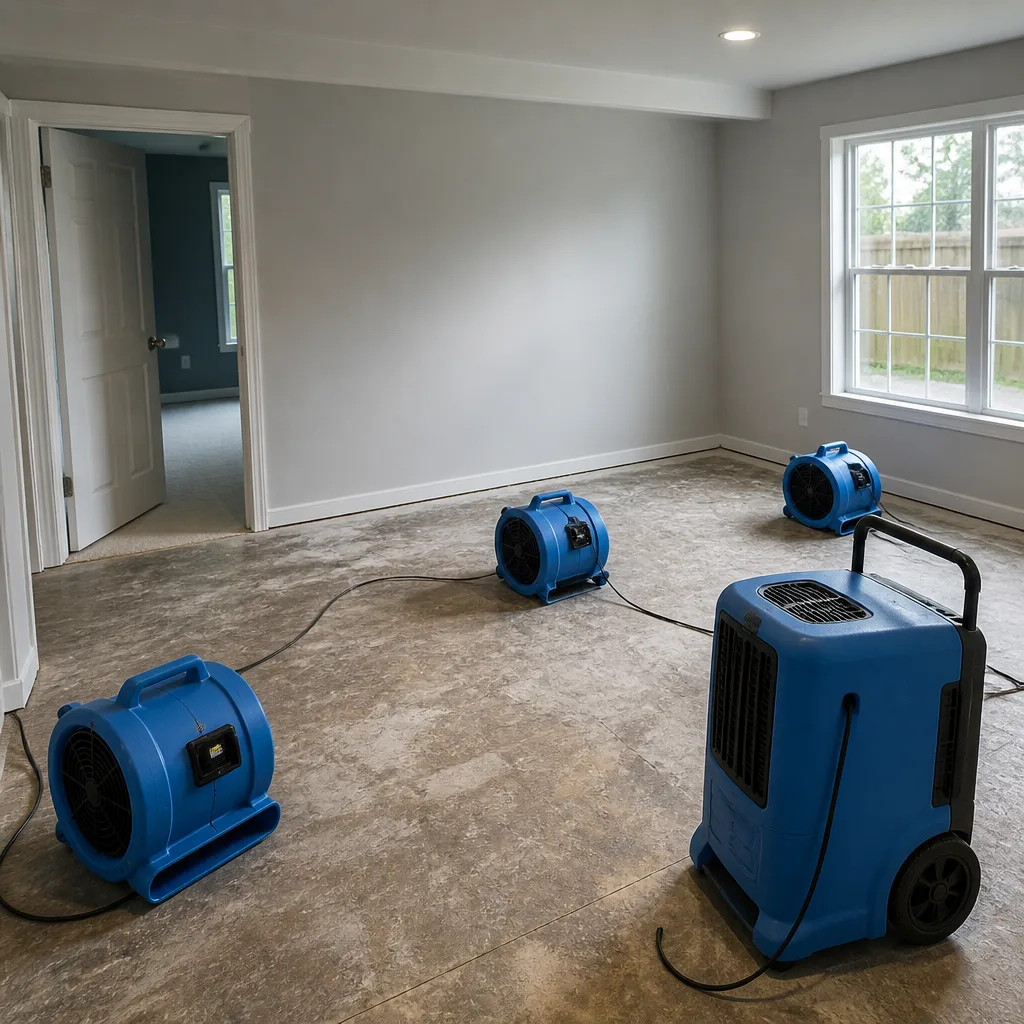

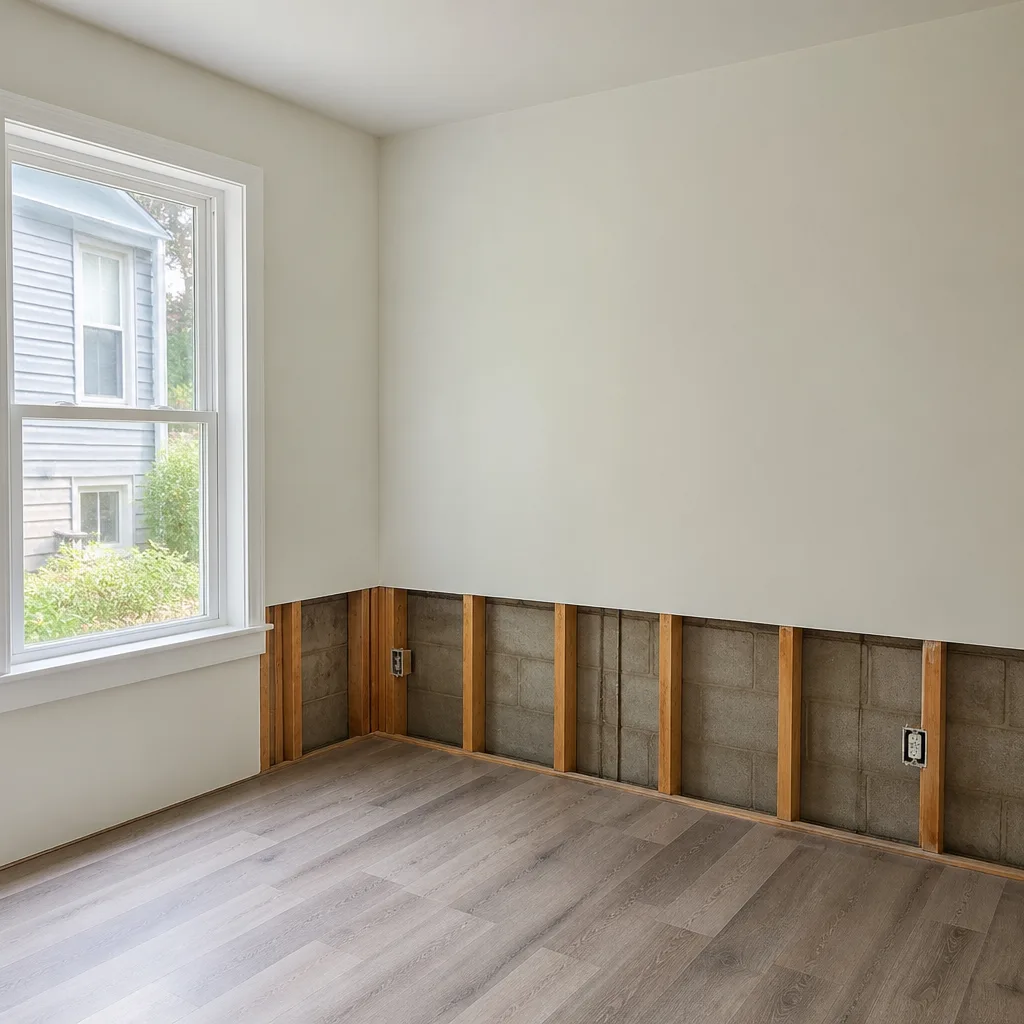

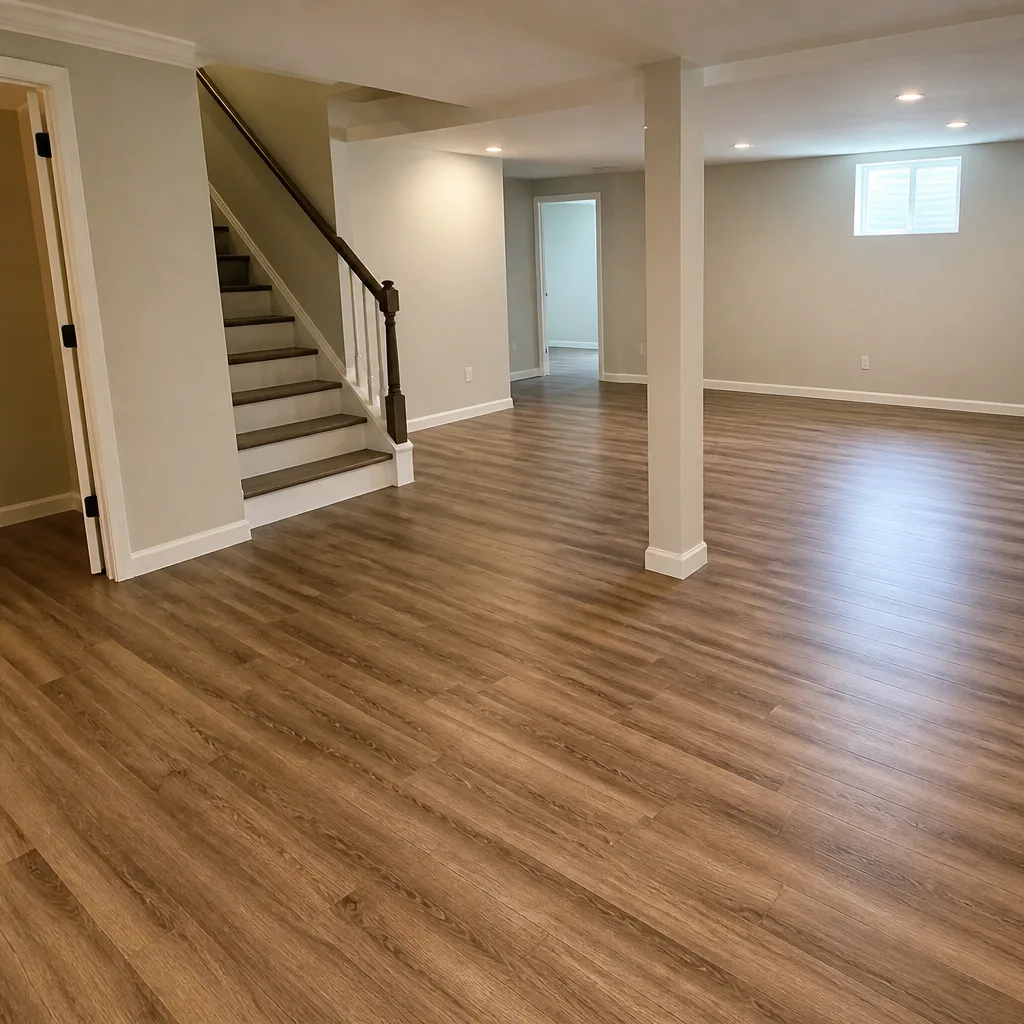

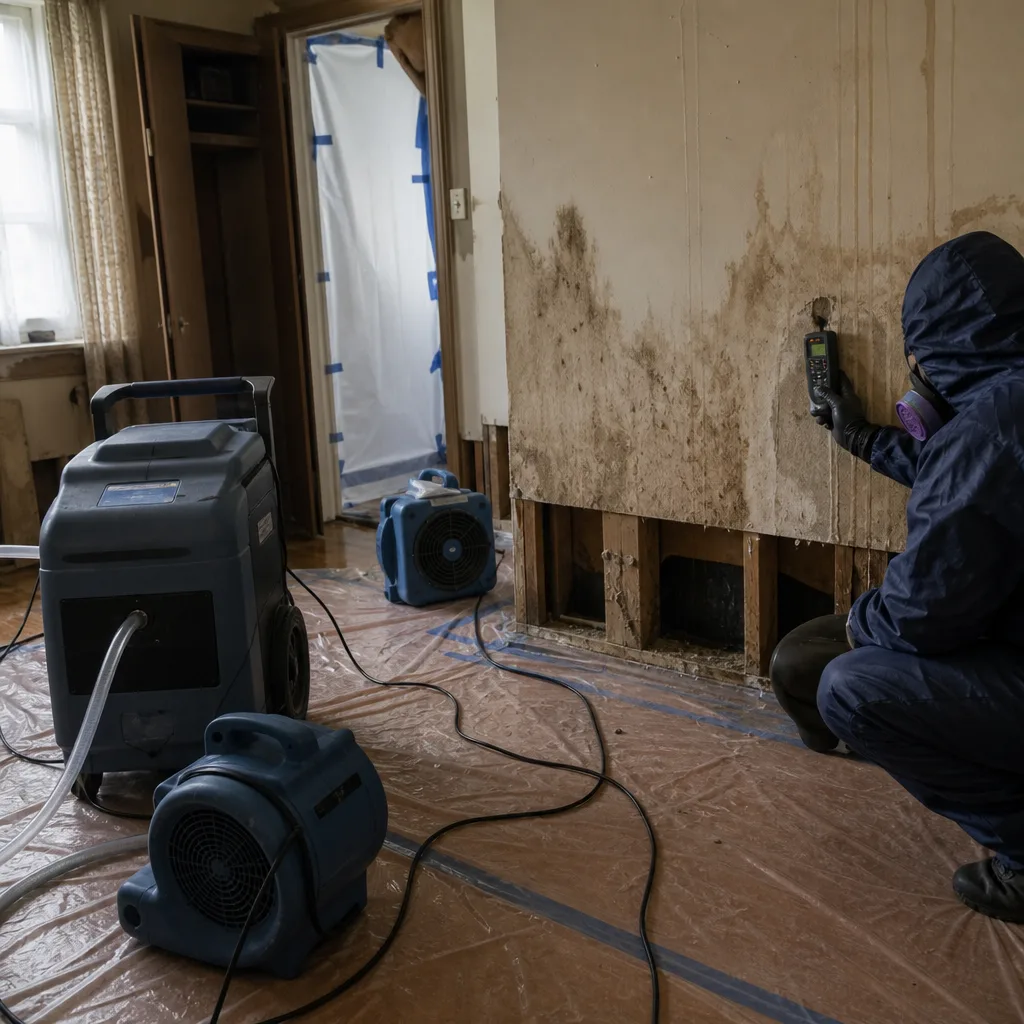 Before
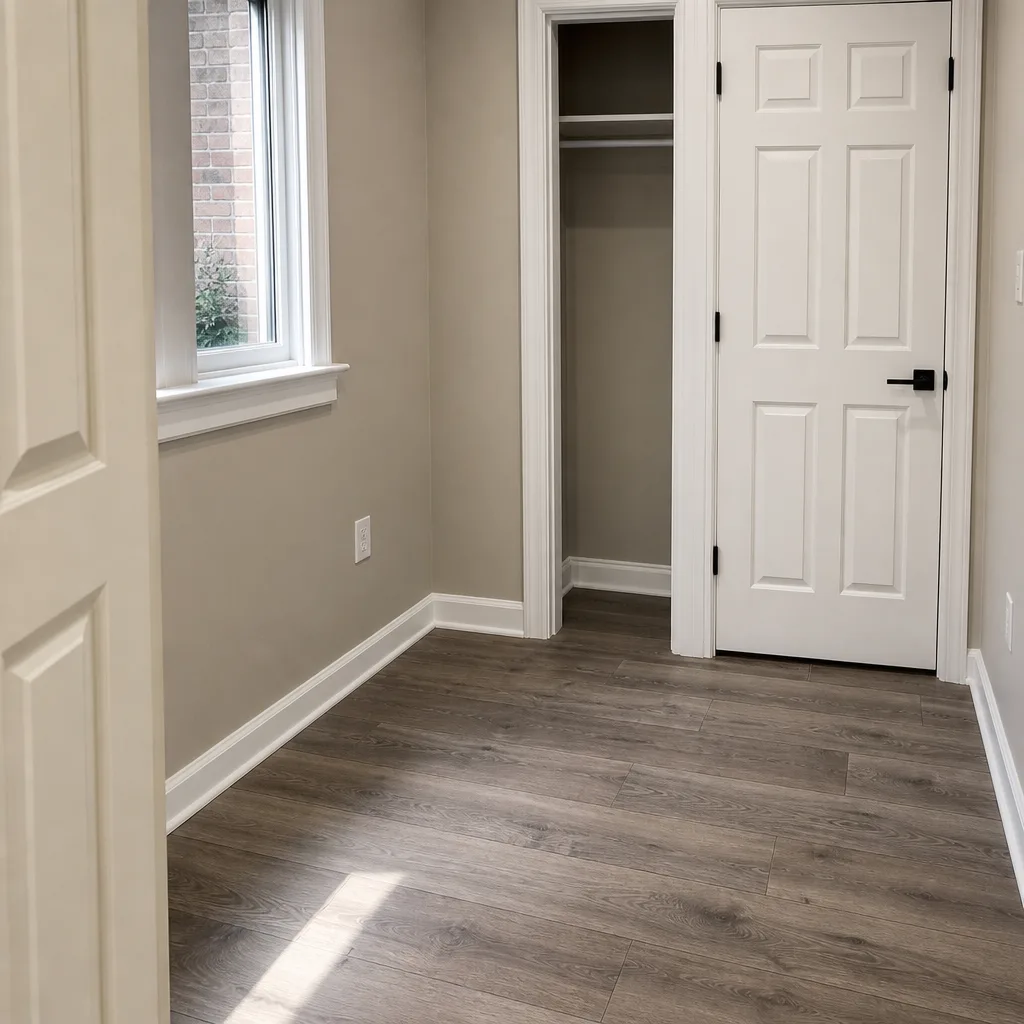 After
After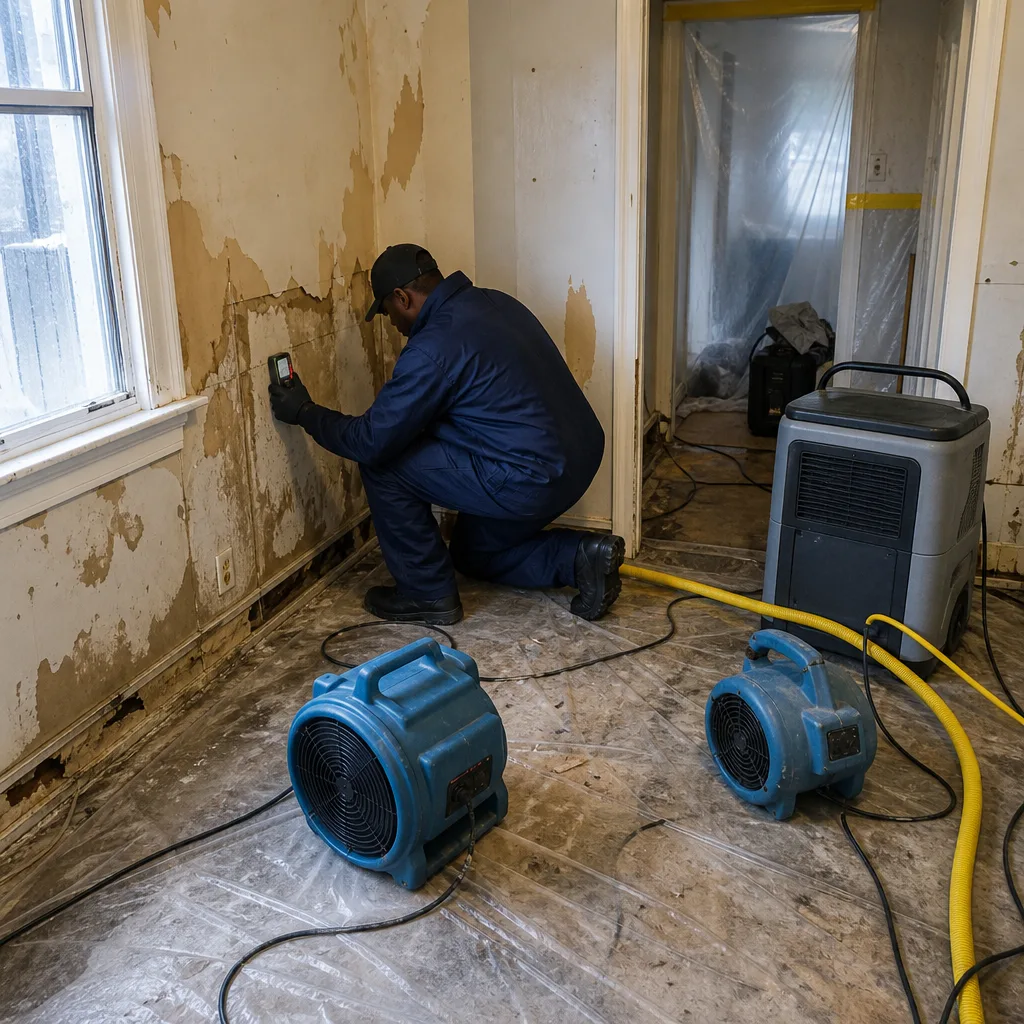 Before
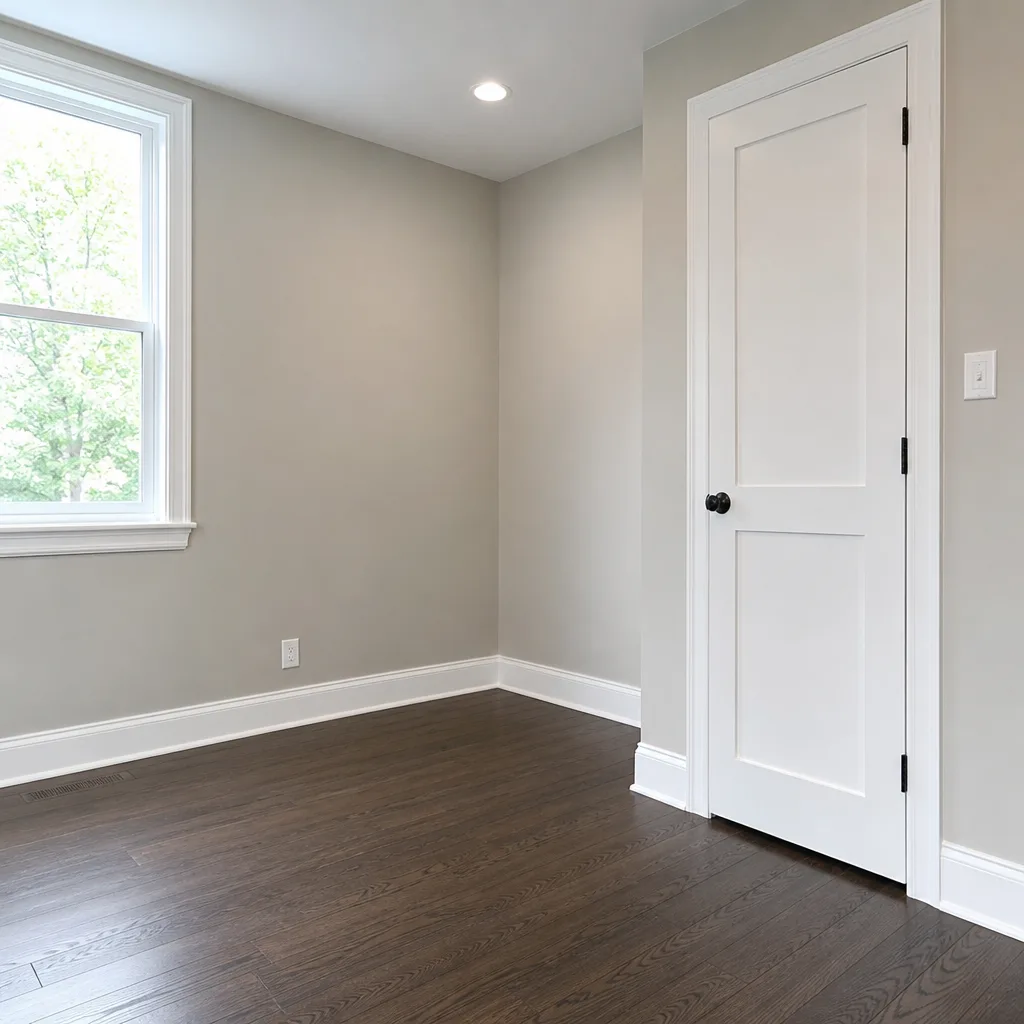 After
After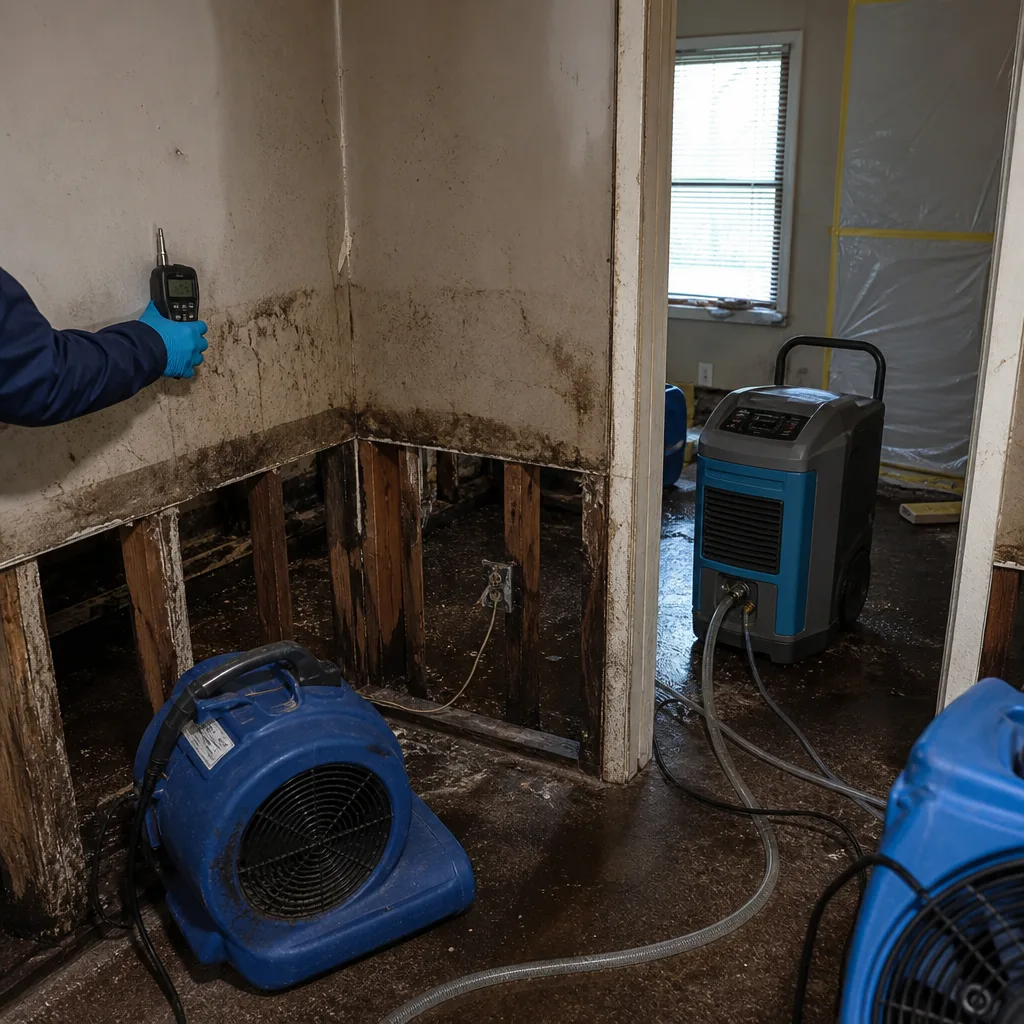 Before
 After
AfterSeasonal Damage Restoration Care for East Flatbush: Year-Round Homeowner’s Guide
Most East Flatbush homeowners don’t think about water damage until they’re standing in it. That’s not a criticism, it’s just how houses work here. Row houses on Church Avenue, the 1920s brick singles along Lenox Road, the frame houses near Rutland Road: these homes were built to handle a different weather pattern than the one we get now. Heavier downpours, faster snowmelt, older drainage lines. The result is that a house that stayed dry for forty years can flood twice in one spring. This guide walks through what East Flatbush homeowners should check each season, what’s normal aging versus an early warning, and when a problem needs a professional crew rather than a mop and a fan. You’ll learn how to catch issues before they become insurance claims, and what to do when one happens anyway.
Quick Answer
Seasonal damage restoration in East Flatbush means two things: preventing water, fire, and mold problems before each season starts, and responding correctly within the first 24 hours when one slips through. The most important seasonal jobs are gutter and downspout maintenance in fall, pipe inspection before winter freezes, sump pump testing in spring, and humidity control through summer. When damage does occur, extraction within the first 48 hours prevents most mold problems, and a written moisture log with daily readings is the standard that separates a thorough drying from a future health risk. Floodline Restoration Co. has handled seasonal damage in East Flatbush since 2010, with live dispatch around the clock at (518) 750-3137.
Table of Contents
- Understanding East Flatbush Climate Risks
- Spring: Sump Pumps, Sewer Backups, and Hidden Leaks
- Summer: Humidity, Mold, and AC Condensate Issues
- Fall: Gutters, Roof Checks, and Hurricane-Season Prep
- Winter: Frozen Pipes, Ice Dams, and Heating-System Drying
- Year-Round Maintenance: The Monthly Walk-Through
- The Insurance Angle: Documentation That Gets Claims Paid
- Common Mistakes to Avoid
- When to Call a Professional
- Frequently Asked Questions
- The Bottom Line
Understanding East Flatbush Climate Risks
East Flatbush sits on relatively flat ground compared to neighborhoods further north in Brooklyn, which means water moves slowly. When a storm drops two inches in an hour, the catch basins on Nostrand Avenue and Utica Avenue fill faster than the city’s combined sewer system can take them. That’s a recipe for street flooding that pushes up into basements through floor drains. Add those drainage realities to the age of the housing stock, and you get a specific set of risks: foundation seepage, sewer-line backups, and humidity that never quite leaves a below-grade space.
The houses here were built before modern waterproofing. Tar-based parging on foundation walls, clay tile drain lines, cast-iron waste pipes pushing ninety years old. None of those are defects. They were the standard when they went in. But they age, and East Flatbush’s freeze-thaw cycle works on masonry joints year after year. A hairline crack that opened in January soaks up April rain like a wick.
We’ve worked on homes throughout East Flatbush, from the larger detached houses near Kings Highway to the attached row houses around East New York Avenue. The patterns repeat: water wants the lowest point, and basements are the lowest point. The difference between a $3,000 repair and a $30,000 repair usually comes down to whether someone caught the warning sign in week one or week ten.
What follows is organized by season, but the underlying principle doesn’t change: inspect before the season turns, document what you find, and act on water within hours, not days. That’s the whole field of restoration in one sentence.
Spring: Sump Pumps, Sewer Backups, and Hidden Leaks
The first spring thaw is the most dangerous week of the year for East Flatbush basements. Snow that accumulated through February melts into already-saturated soil, and the water table rises within days. Any crack in a foundation wall or floor slab becomes a live inlet. The city’s sewer lines also run higher in spring, which means a blockage that was manageable in August becomes a basement backup in March.
Sump pump testing: the 15-minute check
- Lift the float switch by hand and confirm the pump turns on immediately. If it hesitates or chatters, that’s a failing switch.
- Pour two gallons of water into the pit slowly. The pump should cycle on and clear it within seconds.
- Check the discharge line outside. It should point away from the foundation, not straight down the wall.
- If the pump is more than seven years old, replace it before the rainy season, not during it.
We respond to sump-pump failures in East Flatbush every spring. The pump that failed during the storm is almost always the one that hadn’t been touched since it was installed. Pedestal pumps last longer than submersibles in our experience, but they’re louder and less powerful. If your basement floods regularly, a secondary battery-backup pump is worth the $600 to $1,200 it costs installed. That’s cheap insurance against a 3 a.m. failure during a nor’easter.
Sewer-backup warning signs specific to this neighborhood
East Flatbush has some of the oldest combined sewer infrastructure in Brooklyn. When heavy rain overwhelms the system, the pressure relief point is often the lowest drain in the neighborhood. If you hear gurgling from a floor drain when nobody’s using water upstairs, that’s the first signal. If you smell sewage in the basement after a rainstorm, don’t pour bleach down the drain. Call a plumber or a restoration company to camera the line. A sewer backup carries contaminated water, and every hour it sits, the contamination works deeper into porous surfaces. That’s a Category 3 water loss, which requires more than extraction: it requires removal of affected materials, sanitization, and drying to a documented standard. Nobody should ever DIY a sewage cleanup.
One thing we tell East Flatbush homeowners every spring: test your backwater valve. If your house has one, it’s a mechanical device with a flap that closes against reverse flow. Those flaps seize open when debris builds up on the hinge. If you don’t know whether you have one, that’s a conversation worth having with a licensed plumber before the first heavy rain.
Summer: Humidity, Mold, and AC Condensate Issues
Summer in East Flatbush is a mold incubator. The combination of 80-plus-degree heat and 70-percent-plus humidity creates ideal conditions inside any space that isn’t being actively conditioned. Basements, crawl spaces, closets against exterior walls, bathrooms without exhaust fans. Mold doesn’t need a flood. It needs moisture, an organic food source, and steady temperature. A slow plumbing leak hidden behind a kitchen cabinet meets all three conditions for months before anyone notices.
The rule we use on every job: mold needs water. Take away the water, and the mold stops. That’s why every mold remediation we perform in East Flatbush starts with a moisture investigation, not with spraying. We map moisture with professional-grade instruments from Dri-Eaz and Phoenix because the colony you can see is almost never the whole problem. The visible patch on the drywall is the tip; the reservoir feeding it is often inside a wall cavity or under a floor.
What to check every month from June through September
- Relative humidity in the basement. Anything above 60 percent warrants a dehumidifier running continuously, not on a timer.
- AC condensate lines. A clogged condensate drain drips water inside the wall or onto the floor. If you see water staining near the air handler, that line is blocked.
- Bathroom exhaust fans. Run them for 20 minutes after every shower, not just during. A fan that can’t hold a tissue against the grille is doing nothing.
- Window air conditioners. They should tilt slightly outward so condensation drains away from the frame. A unit that drips inside is rotting the sill.
Mold remediation in East Flatbush homes often involves attics in summer as well. Poor roof ventilation creates an attic that reaches 140 degrees and traps moisture from the living space below. That moisture condenses on the underside of the roof decking. Over years, it feeds attic mold that homeowners never see because nobody goes up there in July. If you open an attic hatch in summer and get hit with a wave of heat and a musty smell, call someone who knows what they’re looking at. Our Floodline Restoration Co. home page explains the full mold remediation process and what to expect.
Fall: Gutters, Roof Checks, and Hurricane-Season Prep
October is the busiest month for gutter cleaning in East Flatbush, and it should be. The plane trees that line many blocks shed heavily, and a single season of accumulated leaves can completely block a downspout. When a downspout blocks, water backs up under the shingles at the roof edge, or overflows and pours directly against the foundation. That steady soaking through November and December is the number-one cause of spring basement leaks we see in this neighborhood.
The science is straightforward: a foundation wall takes on water slowly. A single heavy storm might not penetrate, but water sitting against the wall for days at a time will. It works its way through hairline cracks, capillary action, and deteriorating mortar. By the time the wall shows efflorescence, the white mineral staining, the damage is already underway.
Fall checklist for East Flatbush homeowners
- Clean gutters and downspouts after the last major leaf drop, usually mid-November. Then check them again after any windstorm.
- Extend downspout discharge at least six feet from the foundation. Flexible extensions cost under $20.
- Inspect roof flashing around chimneys, vents, and skylights. Flashing is the first place water enters a roof.
- Clear basement window wells of leaves and debris. A clogged window well becomes a pond during fall storms.
- Test the sump pump again. Hurricane season runs through November, and a pump that worked in April may have seized by October.
Fall is also when we recommend a seasonal tune-up for any home that has had water damage before. For $89, a technician walks the property, checks the high-risk areas, and documents recommendations in writing. It’s one of the standing offers we’ve kept from the start. As Curt Bowman, who founded Floodline Restoration Co., puts it: catching a failing seal in October is a hundred times cheaper than drying a basement in January.
Winter: Frozen Pipes, Ice Dams, and Heating-System Drying
Frozen pipes are the most common winter emergency in East Flatbush, and they follow a predictable pattern. The houses most at risk are the older frame homes with uninsulated rim joists and pipes running through exterior walls. When temperature drops below 20 degrees for more than a day, pipes on the north side of the house are on the clock. A freeze that splits a copper pipe releases up to 250 gallons per hour once it thaws. That’s not an exaggeration. A supply line under full pressure will fill a bathtub in minutes.
Before the first deep freeze
- Shut off and drain outdoor hose bibs. The shutoff valve is usually inside the house, a few feet from the exterior wall.
- Open cabinet doors under kitchen and bathroom sinks on the coldest nights so warm air reaches the pipes.
- Let exterior-wall faucets drip slowly during sub-20-degree weather. Moving water resists freezing.
- Know where your main water shutoff is and make sure it turns. A frozen-pipe split that you can’t shut off becomes tens of thousands of dollars in damage while you search for a wrench.
Ice dams are less common in East Flatbush than in suburban neighborhoods with longer roof overhangs, but they happen. The combination of heat escaping from an under-insulated attic and snow on the roof creates melt that refreezes at the cold roof edge. The dam forces water back under the shingles. The fix has two parts: short-term removal and long-term air-sealing. Don’t chip ice dams with a hammer. That’s how gutters and shingles get destroyed. The safer approach is a roof melt sock filled with calcium chloride, placed across the dam vertically so it melts a channel. Or call a professional who does ice-dam work every winter. Safety first: nobody should be on a ladder with snow and ice present unless they do it for a living.
Heating-system drying matters in winter too, though it’s not something most homeowners think about. Forced-air furnaces create extremely dry indoor air, which is good for drying but bad for wood floors and trim. Houses that were built in the 1920s and 1930s, common in East Flatbush, have oak strip flooring that shrinks and cracks when indoor humidity drops below 30 percent in January. A whole-house humidifier or a couple of room units keeps the equilibrium. It’s not restoration work. It’s prevention. And prevention always costs less.
Year-Round Maintenance: The Monthly Walk-Through
The single highest-value habit an East Flatbush homeowner can develop is a monthly visual inspection of the house’s water exposure points. It takes 30 minutes. It costs nothing. In our 15 years serving this community, we’ve never met a homeowner who did this monthly and still had a catastrophic leak. Every serious water-loss we’ve responded to in East Flatbush was visible in some form days or weeks before it failed. A visible sign someone hadn’t noticed.
The monthly walk-through, in order
- Ceiling stains: any new brown or yellow circle means water is tracking along a joist. Stains don’t appear the day a leak starts. They appear after weeks of wetting. If you see one, the leak is already established.
- Baseboard gaps: when laminate or wood flooring cups and pulls away from the baseboard, moisture is cycling through the material. This is early-stage water damage.
- Musty smell: your nose is a moisture meter. A persistent musty odor in a closet or basement corner means microbial growth is already active. It won’t dry itself out.
- Foundation cracks: hairline vertical cracks are common and usually benign. Cracks wider than a credit card, or any crack that changes seasonally, needs a pro’s eyes.
- Water heater and boiler area: rust flakes on the floor under the tank, or dried mineral deposits around fittings, mean slow leaks. These run for months before the final failure.
If you find something, document it. Take photos with your phone, date them, and store them somewhere you’ll remember. If the problem grows into an insurance claim, that dated photo history tells the adjuster this wasn’t a sudden event you caused. It’s also the habit that separates the homeowners who get claims paid from the ones who fight with the carrier.
The Insurance Angle: Documentation That Gets Claims Paid
Insurance companies don’t pay claims because homeowners ask nicely. They pay claims when the documentation supports the loss and the scope of work. That’s the whole game in restoration. The best contractors in this trade, the ones adjusters actually respect, are the ones who document like they’re preparing for a lawsuit. Because sometimes they are.
When Floodline Restoration Co. arrives at a water loss in East Flatbush, the first step is establishing a baseline: moisture readings from every affected room, thermal imaging of wall cavities, and photographs of every affected surface before anything is moved. We use professional-grade instruments from Dri-Eaz, Phoenix, XPOWER, and B-Air because insurance carriers recognize those manufacturers and trust their measurements. A $40 hardware-store moisture meter that says “dry” doesn’t outweigh a professional instrument’s reading in hand during an adjuster’s review.
The daily reading log is the document that wins claims. Every day the drying equipment runs, a technician takes readings from the same mapped locations, records them, and shares them with both the homeowner and the carrier. When the dry standard is met, as defined by the IICRC guidelines, the log proves it. No arguments. No “we think it’s dry.” Just numbers.
What to do before you call your insurer
- Take photos of everything. Wide shots and close-ups. Water damage photos should show the water line, the affected materials, and any personal property damage.
- Locate your policy declarations page. Your adjuster will ask for it, and having it ready speeds everything up.
- Document what you do immediately after discovery. If you shut off the water main, write down the time. If you moved furniture, note where it was.
- Call Floodline Restoration Co. before you call the carrier. We document the loss properly from the first hour, and we bill the carrier directly. You never play messenger between our crew and your insurer.
One warning, from experience: don’t throw anything away until the adjuster has seen it. We’ve watched homeowners discard water-damaged carpeting, drywall, and personal property in the first 24 hours, thinking they were cleaning up. Then the adjuster arrived and couldn’t verify the loss. The claim gets denied or reduced because the evidence is gone. Keep everything. Pile it in the yard if you must. Just don’t dispose of it.
Common Mistakes to Avoid
- Using a household fan and dehumidifier to dry a basement flood. A consumer dehumidifier removes a few pints per day from the air. A flooded basement needs hundreds of pints removed from materials. The surface feels dry while the wall cavity stays saturated. That’s how mold gets a head start.
- Waiting to see if a musty smell goes away. It never goes away on its own. Musty means active microbial growth. Every day it’s left untreated, the colony expands and the remediation cost climbs.
- Pouring bleach on visible mold. Bleach kills surface mold but doesn’t reach the roots inside porous material, and it adds water to the area. Professional mold remediation in East Flatbush requires containment, HEPA air scrubbing, and controlled removal.
- Ignoring a slowly dripping pipe because it’s behind a wall. If you can hear it, it’s already been leaking long enough to saturate the framing. A slow leak is the most expensive kind because it runs for months.
- Hiring a restoration company based on the lowest bid. In damage restoration, the low bid usually means less drying time, less documentation, and no written guarantee. We hold to a simple standard: a square deal, a written scope before work starts, and a 90-day guarantee if it’s not done right. That’s the Keystone Standard, and we’ve never hidden from it.
- Leaving roof flashing repairs to “next spring.” Water entering at the roof line in October works on your ceilings, walls, and insulation all winter. By spring, the repair is ten times the scope it would have been in fall.
When to Call a Professional
Any of these conditions in your East Flatbush home means it’s time to call someone who does this work every day: water coming up through the basement floor or from a blocked sewer line, any sewage backup, a burst pipe that soaked walls or flooring, a leak from a water heater that saturated the surrounding area, visible mold larger than a sheet of paper, a musty smell you can’t locate, or a roof leak that shows as ceiling staining. Also call after any fire, even a small one. Smoke residue is chemically active and continues to damage surfaces, and odors get harder to remove with every day that passes.
Floodline Restoration Co. offers free estimates in East Flatbush. Call (518) 750-3137 and a live dispatcher answers, day or night. We explain the scope, document everything in writing, and handle direct insurance billing so you don’t have to. Curt Bowman built this company around one promise: the line the water left is where we start, and we don’t stop until the job is done and guaranteed.
Frequently Asked Questions
Water damage restoration in East Flatbush typically runs from $2,500 for a contained single-room leak to $25,000 or more for a sewage backup that affects finished basement space, and most homeowners can expect to pay in the $4,000 to $12,000 range after a pipe burst. The two biggest variables are the square footage affected and the time the water sat before extraction began. You need an on-site assessment for an exact number; Floodline Restoration Co. provides free estimates in East Flatbush and bills the insurance carrier directly. Call (518) 750-3137 for a walk-through.
Most homeowner policies in New York cover sudden and accidental water damage, such as a burst pipe or a washing-machine supply line failure, but they don’t cover flooding from surface water or sewer backups unless you have a specific rider. The determining factors are the cause of the water and whether the policy language identifies it as sudden, not gradual. Proper documentation from day one is the biggest factor in claim approval; we photograph everything, moisture-map every room, and share our daily drying logs directly with your adjuster.
Floodline Restoration Co. has a live dispatcher answering calls 24 hours a day, and our goal is to have extraction running the same visit in East Flatbush. We don’t route emergency calls to an answering service. The person who picks up the phone dispatches a crew, and that crew arrives with professional-grade drying equipment from Dri-Eaz, Phoenix, XPOWER, and B-Air.
If the mold covers more than about 10 square feet, if it’s in a wall cavity or in your HVAC system, or if you can smell mold but can’t see it, you need remediation, not cleaning. Surface cleaning removes visible mold but doesn’t address the moisture source feeding it, which means it comes back. Remediation finds the moisture, contains the colony, removes affected material, and dries the structure to a documented standard.
Floodline Restoration Co. handles the adjuster relationship for you. We provide photos, moisture maps, daily drying logs, and a written scope of work that the carrier can verify line by line. You stay informed, but you don’t play messenger. That’s part of the square deal: no surprises on the bill, and someone else does the paperwork.
The 90-Day Done Right Promise is our written guarantee, known internally as the Keystone Standard: if the restoration work isn’t done right, we make it right, with no paperwork battles and no arguing. We hand it to every homeowner in writing, tied to the K.E.Y.S. values code: Krafted right, Every time, Your home first, Standing behind it. It’s one reason homeowners in East Flatbush have trusted our crews since 2010.
The Bottom Line
Seasonal care is the difference between a house that needs occasional repairs and one that needs a full restoration. East Flatbush homes face specific pressures: old foundations, high spring water tables, summer humidity, heavy fall leaf debris, frozen winter pipes. Each season has its checklist, but the principle stays the same. Look at the water exposure points before the season turns. Document what you see. Act within 48 hours when water appears. And never hesitate to call a professional when the problem is beyond what a homeowner should handle. The phone number is (518) 750-3137. A live person answers. We’ll be there when we say.
Written by Curt Bowman, Owner at Floodline Restoration Co., serving East Flatbush since 2010.