
Last updated August 25, 2026
Free visual inspection and a written scope of work before any mitigation begins - photos, moisture readings, and drying logs go in your claim file
The scope we write is the scope we bill. Anything new gets shown to you, in writing, before we touch it.
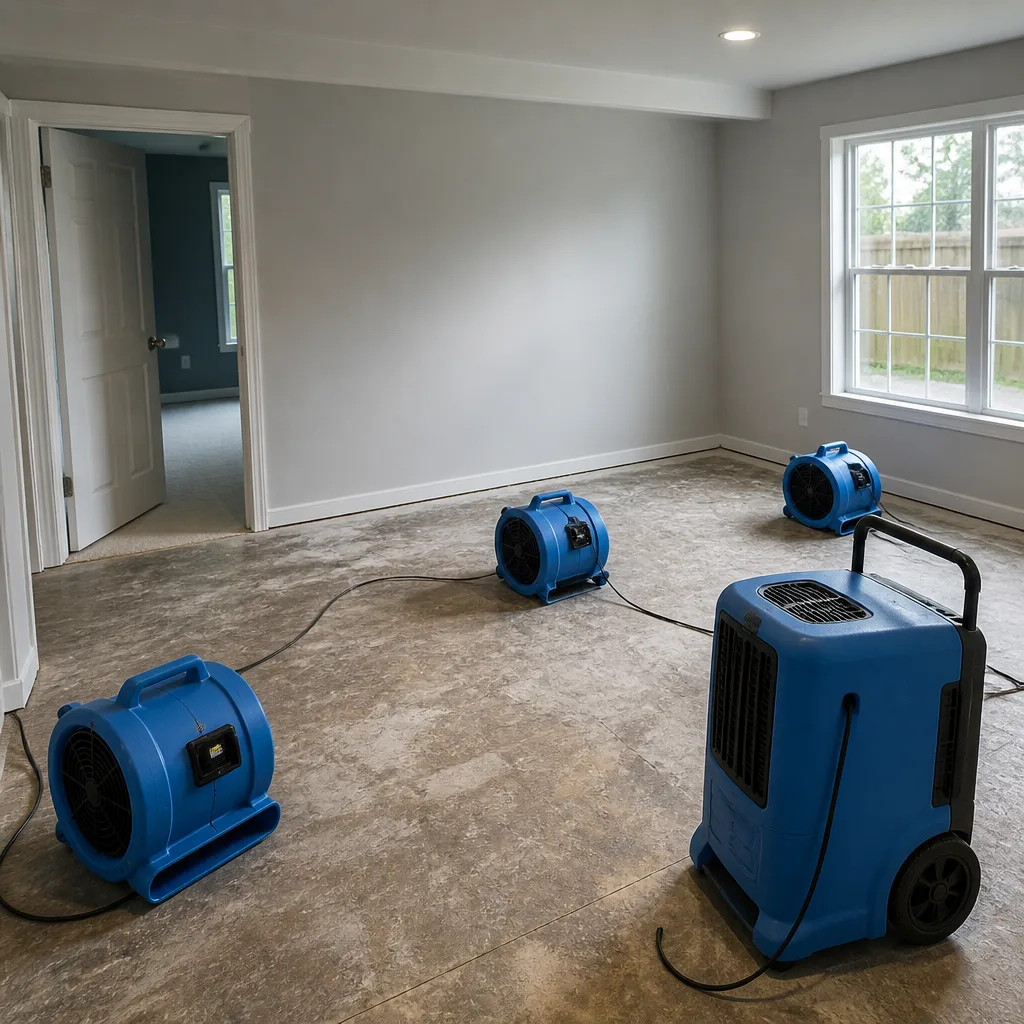
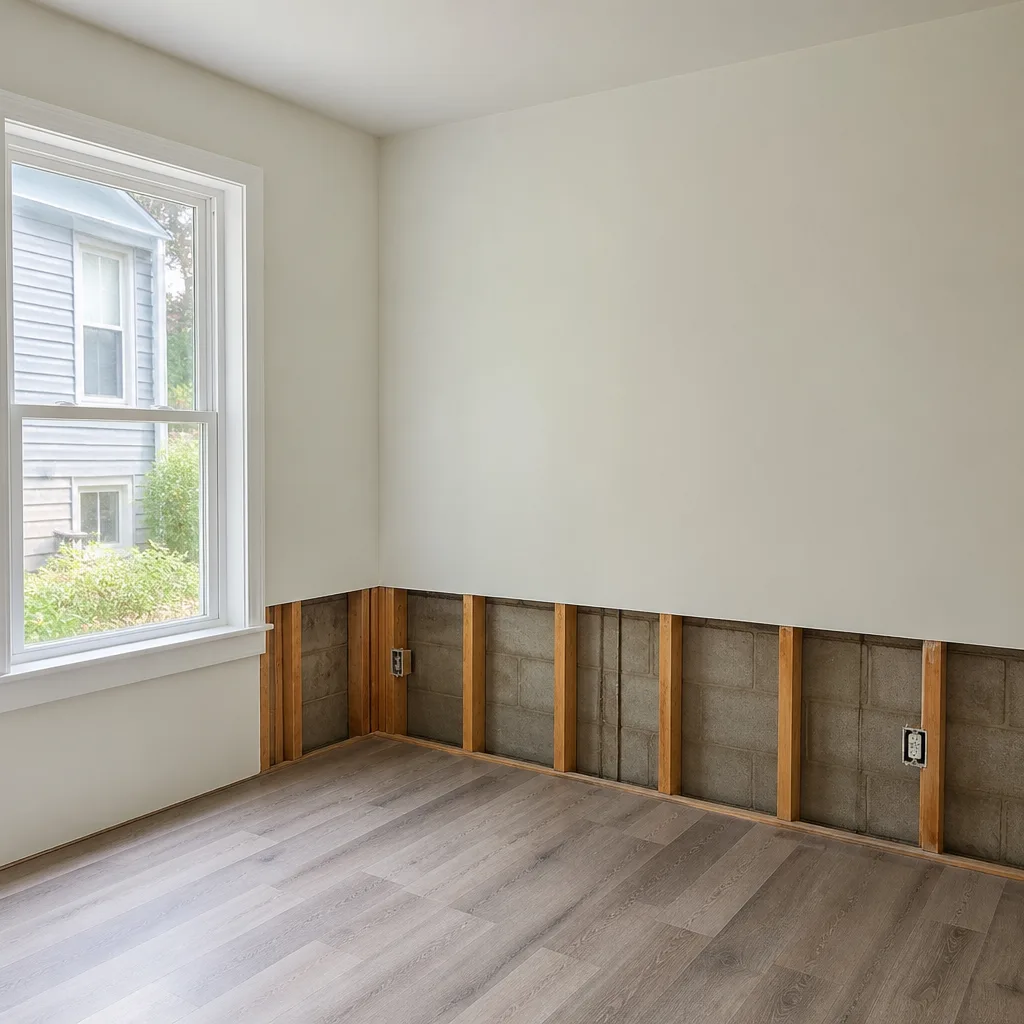

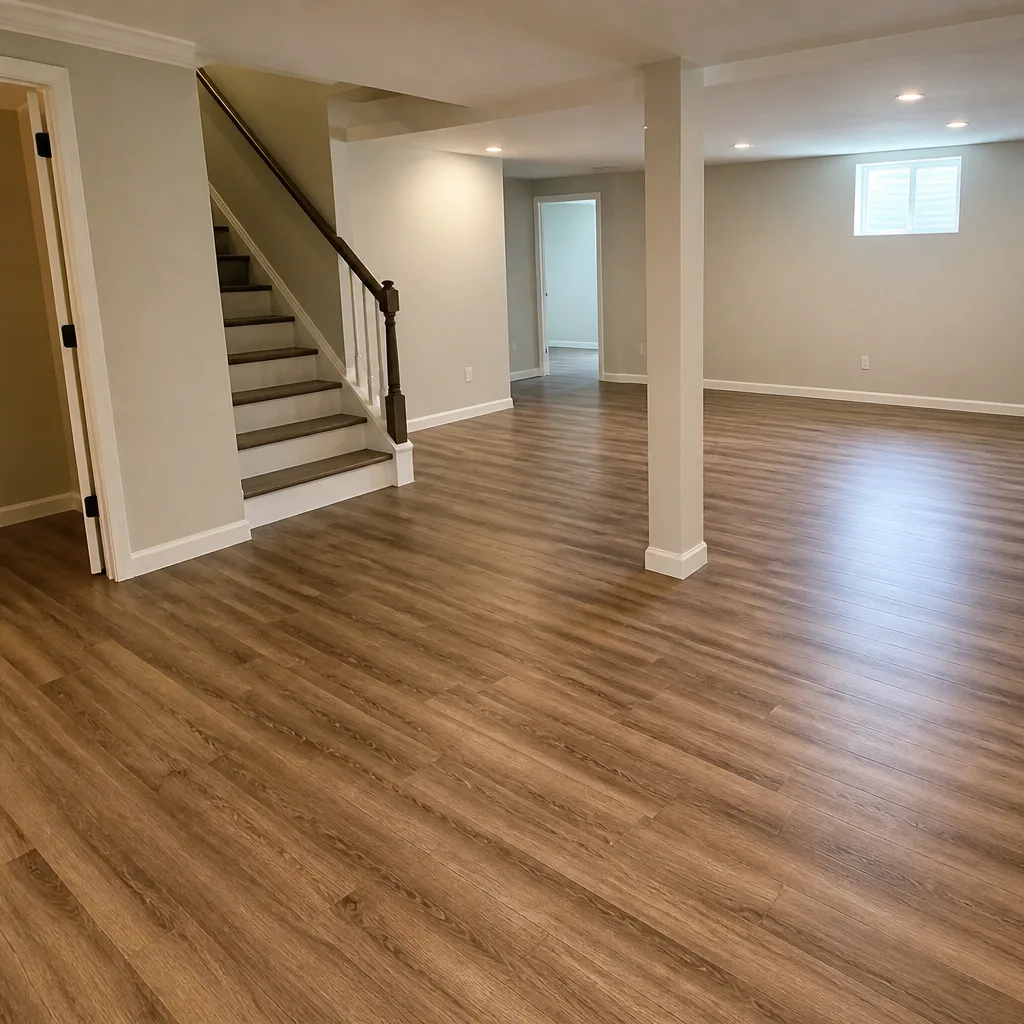
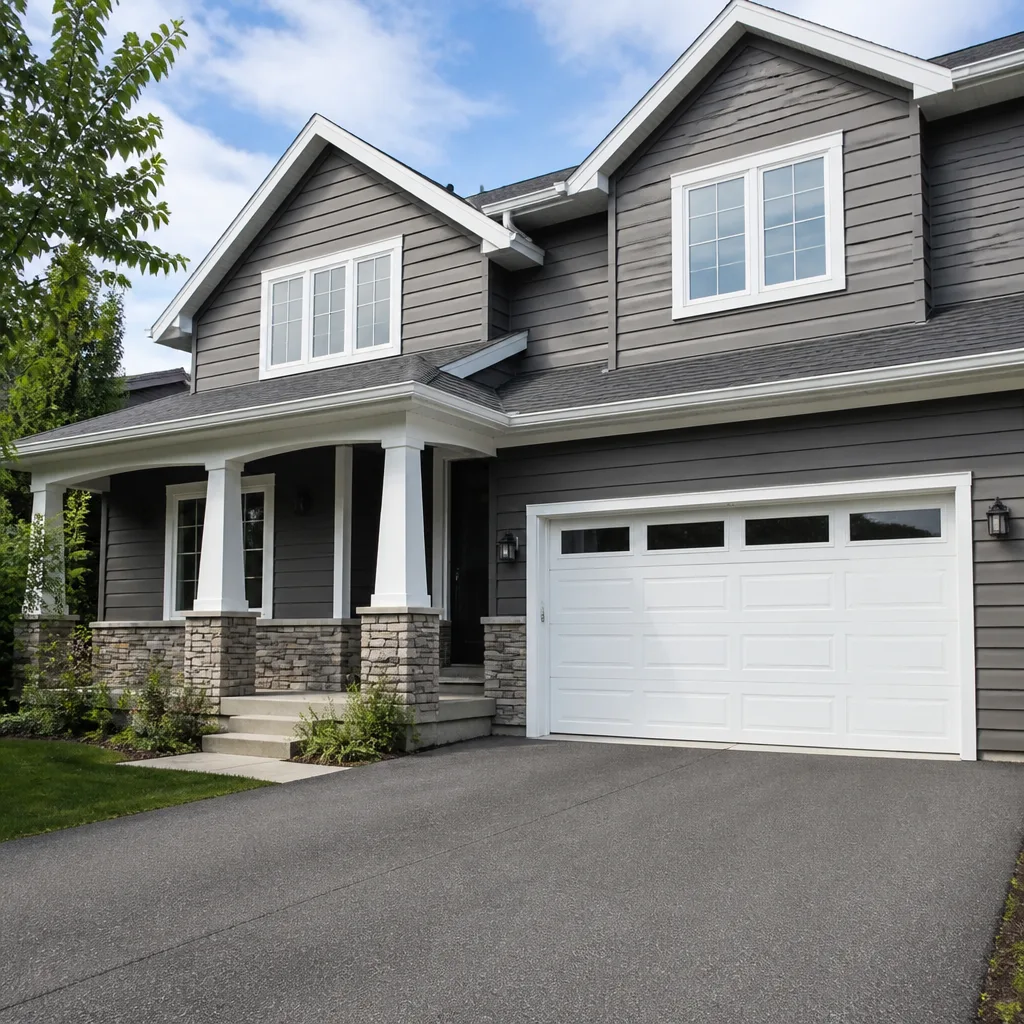
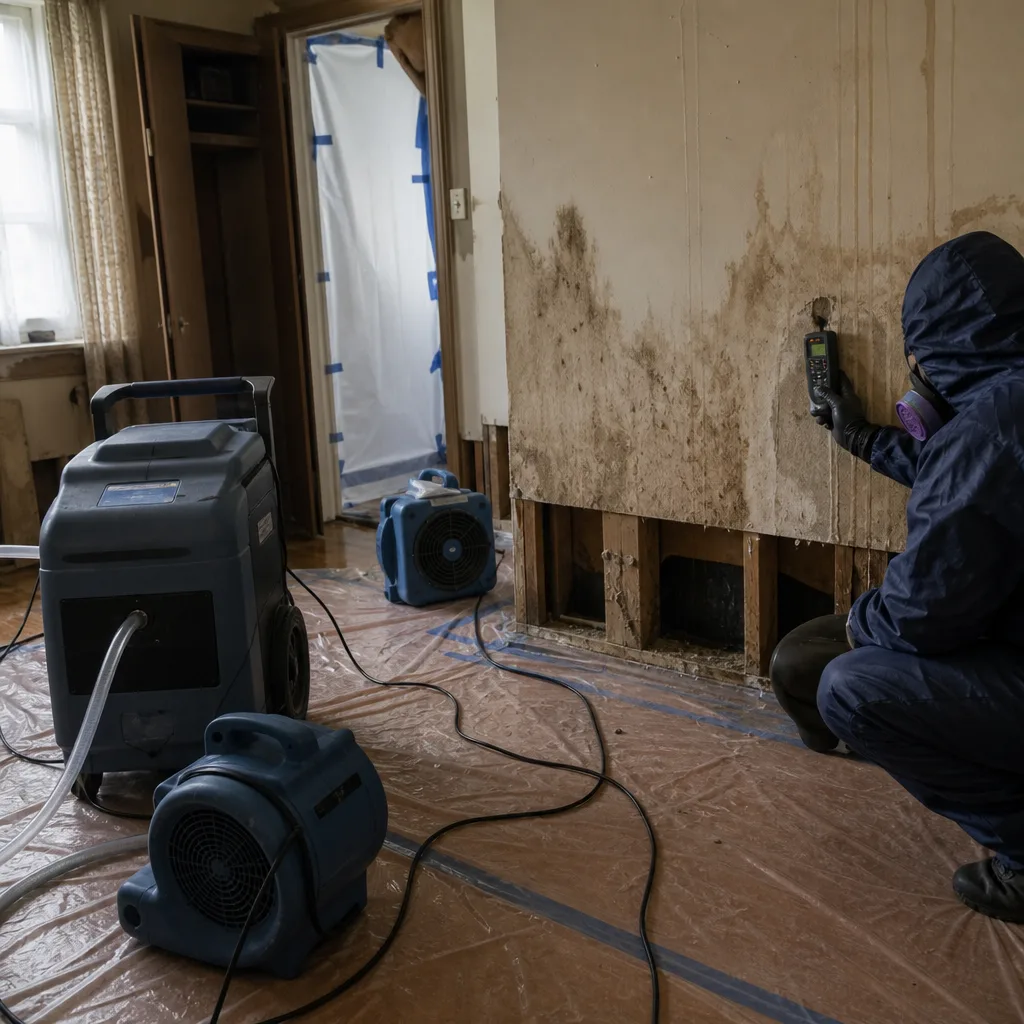 Before
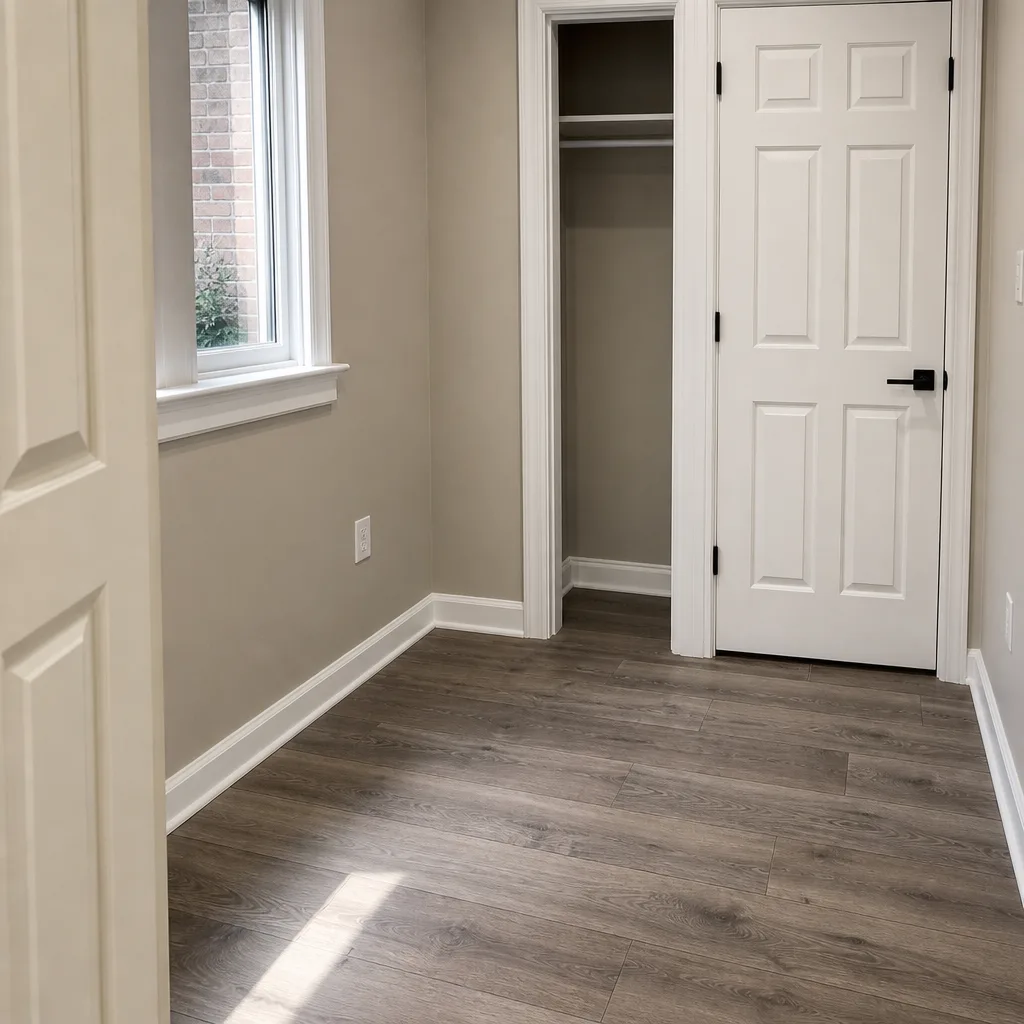 After
After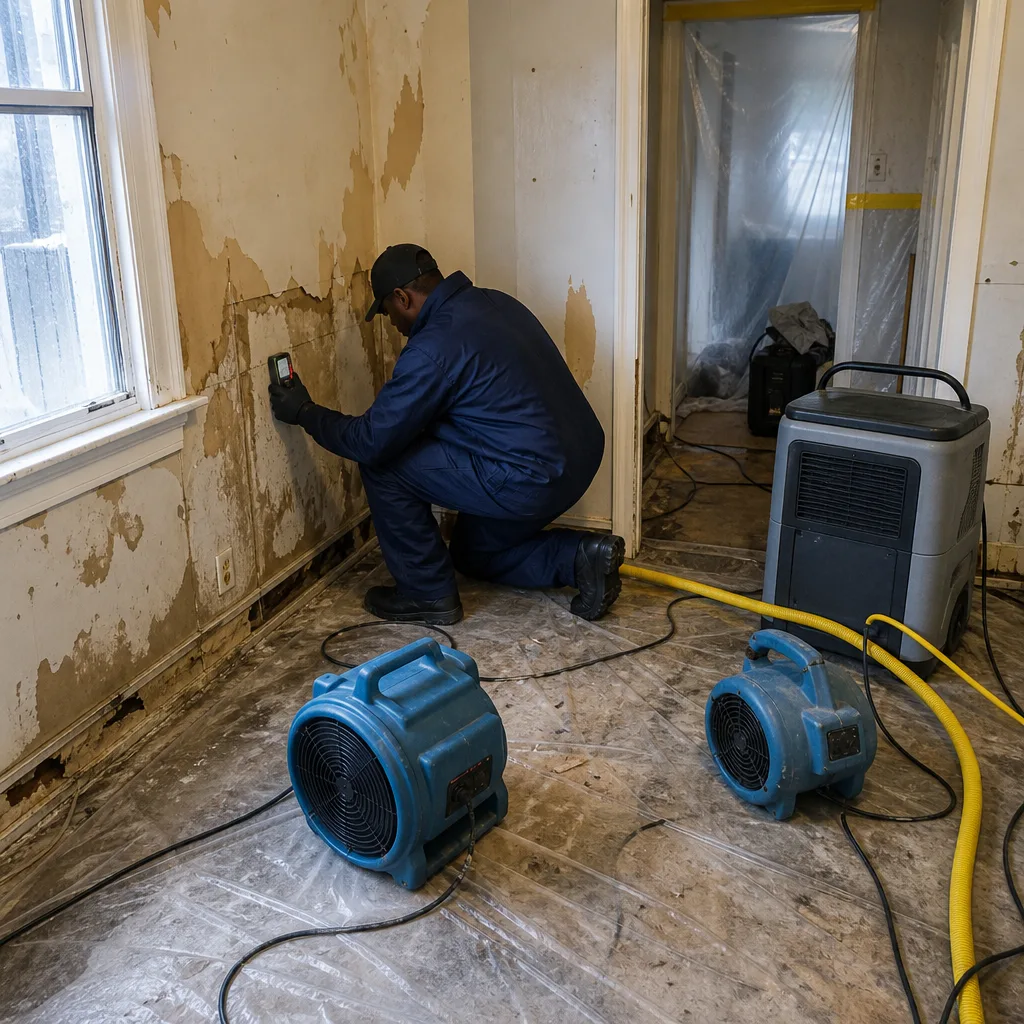 Before
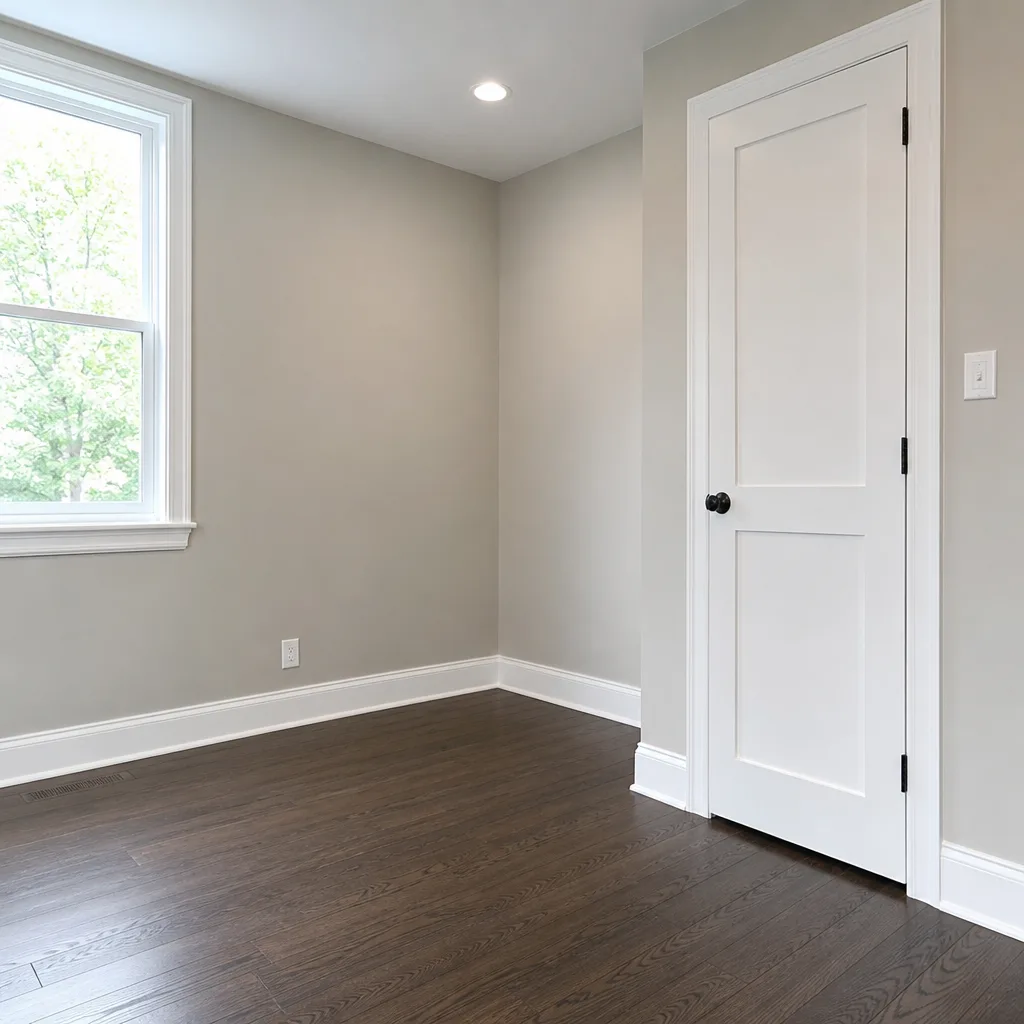 After
After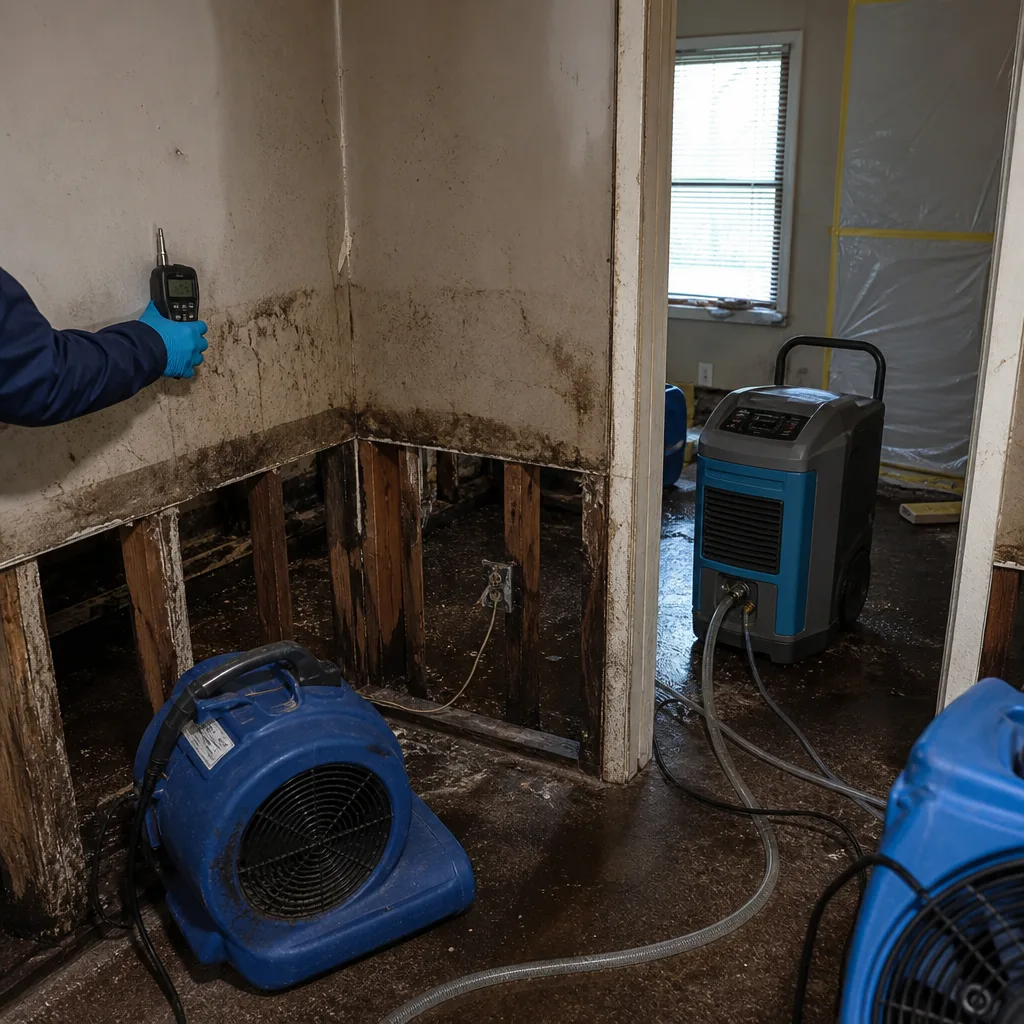 Before
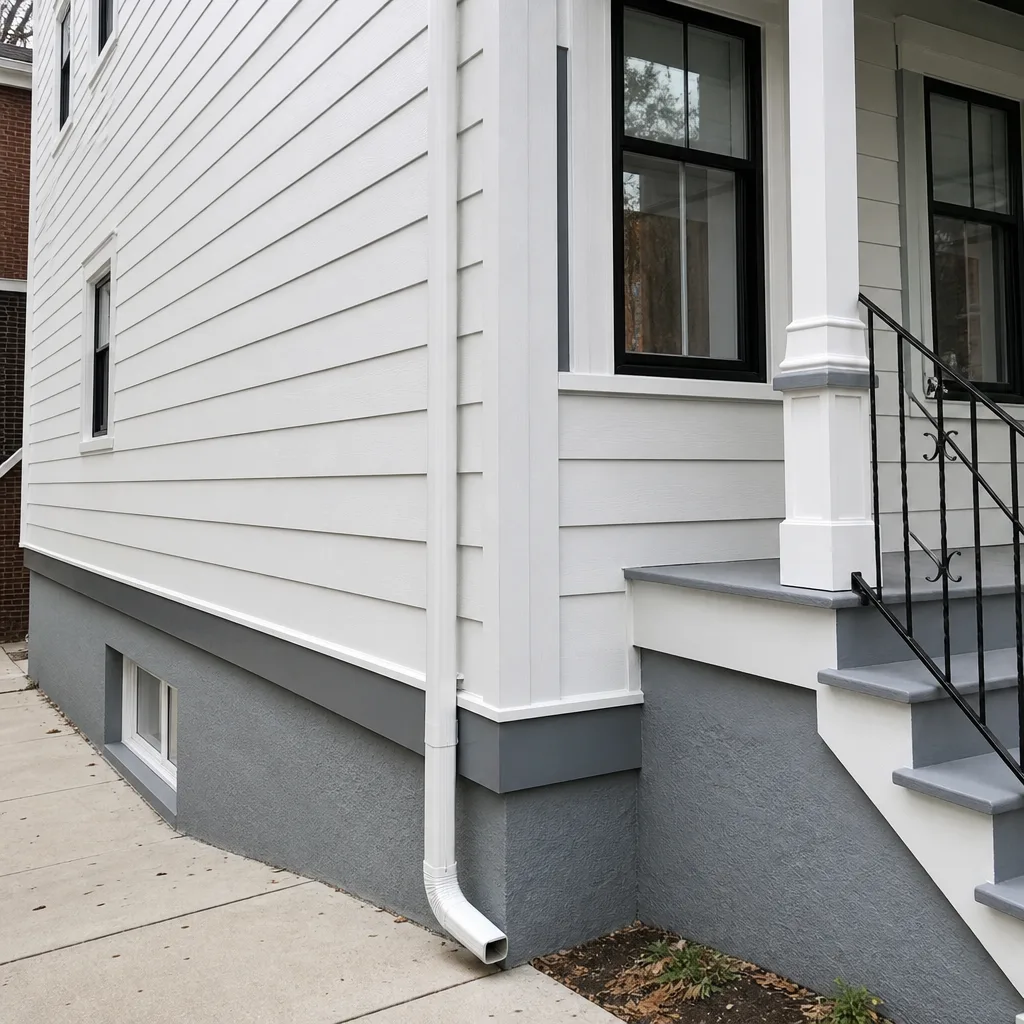 After
AfterDamage Restoration Warning Signs: A East Flatbush Homeowner’s Reference Guide
Most homeowners in East Flatbush don’t discover a water problem because they went looking for one. They discover it because they noticed something small - a smell in the basement, a patch of paint that won’t stay flat, a floorboard that suddenly feels soft underfoot - and dismissed it. Water and fire damage announce themselves in stages, and the difference between a $400 repair and a $14,000 restoration almost always comes down to how early the signs are read. This guide walks you through what those signs look like, room by room and system by system, so you know what you’re looking at before it spreads.
Quick Answer
The most common warning signs of hidden restoration issues in East Flatbush homes are recurring musty odors in basements, bubbling or peeling paint on exterior-facing walls, unexplained spikes in water bills, dark spotting on ceiling corners, and warped or cupping hardwood floors. Any one of these, especially in a home built before 1960, warrants a professional moisture assessment. Left alone, early-stage water intrusion becomes mold, then structural rot, then a fire hazard if it reaches wiring.
Table of Contents
- # Water Intrusion Signs Most People Miss
- # Mold Growth: What East Flatbush’s Humidity Does to Old Plaster Walls
- # Structural Red Flags in East Flatbush’s Housing Stock
- # Electrical and Fire Risks After Water Exposure
- # Plumbing Failure Warnings in Older East Flatbush Homes
- # Roof and Masonry Warning Signs Specific to East Flatbush Row Houses
- # Sewage and Slab Leak Indicators
- # What Repairs Actually Cost in East Flatbush Right Now
Water Intrusion Signs Most People Miss
Water intrusion rarely arrives as a visible puddle on a Tuesday afternoon. In East Flatbush, where many homes are attached row houses sharing party walls, water travels laterally before it shows up where you’d expect it. A leak in a neighbor’s parapet wall can present as a damp patch in your top-floor closet. A cracked water main under your front walkway can wick up through your foundation and show up as efflorescence - that white, chalky powder - on the inside of your basement wall.
The earliest sign is usually a shift in smell. Not a strong mold smell, but something closer to damp newspaper or a closed-up crawlspace. That smell means evaporation is happening somewhere it shouldn’t be. If you notice it after rain, the source is almost certainly exterior. If it’s constant, the source is likely plumbing or sewer.
Other commonly missed signs:
- Paint that bubbles, peels, or flakes in a line along the base of an exterior wall - not from age, but from moisture pushing through the plaster.
- Wallpaper edges lifting in an upstairs bedroom with no bathroom above it.
- Condensation forming inside double-pane windows, which indicates failed seals and moisture migrating through the frame.
- Floor tiles that feel colder than surrounding rooms, even when the heat is on.
- Baseboard nails that slowly pop out over a season - moisture causes the wood behind them to expand and contract.
None of these alone proves a leak. But two together, in an East Flatbush house built in the 1940s or 50s, are enough to schedule a moisture inspection. Professional-grade hygrometers and thermal imaging cameras - the kind we run daily with Dri-Eaz and Phoenix equipment - find what the eye can’t. And the earlier they find it, the smaller the bill.
Mold Growth: What East Flatbush’s Humidity Does to Old Plaster Walls
Mold needs three things: moisture, a food source, and darkness. East Flatbush summers provide all three in abundance. From June through early September, average relative humidity hovers between 65% and 80%, and in poorly ventilated basements and crawlspaces, that number climbs higher. Old plaster walls - which most East Flatbush homes still have - contain organic fibers that mold feeds on readily. Once a plaster wall stays damp for 48 hours, mold spores begin colonizing.
But visible mold is a late-stage signal. Here’s the progression we see in East Flatbush homes, in order of appearance:
- Musty odor indoors - especially in basements, ground-floor closets, and the underside of stairwells. This is the first indication that mold is active somewhere you can’t see.
- Discoloration on walls or ceilings - yellow-brown stains that darken over weeks. In East Flatbush, look at the corners of top-floor ceilings first; flat-roof leaks create the perfect condition for hidden mold in those spots.
- Small black or green speckling - often mistaken for dirt. If you wipe it with a damp cloth and it smears, it’s biological.
- Fuzzy patches or circular growth patterns - this is active colonization. By this stage, the source of moisture has usually been present for weeks.
- Health symptoms that improve when you leave home - persistent coughs, sinus irritation, waking with a stuffy head. People over 60 with underlying respiratory conditions are most vulnerable.
One East Flatbush-specific note: many homes on streets like Tilden Avenue and Snyder Avenue have shared basement walls. If your neighbor’s basement floods and isn’t properly dried, mold can travel through the party wall cavity and present in your home. You can’t fix that by cleaning your side. The moisture has to be traced to its source, the affected drywall or plaster removed, and the cavity dried to the IICRC dry standard before reconstruction.
Structural Red Flags in East Flatbush’s Housing Stock
East Flatbush has one of the oldest residential housing stocks in Brooklyn. Thousands of homes were built between 1890 and 1940 - wood frame over masonry foundation, with original floor joists and beam pockets that have now seen a century of seasonal expansion and contraction. That age doesn’t mean the houses are weak. It means the warning signs matter more, and they should be read differently than in a house built in 1995.
Here’s what structural water damage looks like in older East Flatbush homes:
- Joist deflection: Floors that bounce or creak in a single area, especially near exterior walls or under bathrooms. This can indicate a slow leak has saturated the joist and softened the wood fiber.
- Stair-step cracks in foundation walls: In masonry foundations, water pressure from poor drainage causes cracks that follow mortar joints in a stair pattern. Horizontal cracks are worse than vertical - they indicate active pressure.
- Doors that suddenly stick or won’t latch: Not always a structural issue, but when three or four doors in the same corner of the house fail within a year, that’s shifting caused by moisture-related movement.
- Detached baseboards or crown molding: Wood expands when wet, then contracts when it dries. Repeated cycles break the fasteners and pull trim away from the wall.
- Sagging ceiling plaster in ground-floor rooms: If a second-floor bathroom has a slow leak at the wax ring or supply line, water can pool in the joist bays and saturate the ceiling below. It sags before it falls.
In our experience - and we’ve worked on hundreds of East Flatbush homes since 2010 - structural problems are rarely as dramatic as they sound. The joist is often salvageable. The beam pocket can be reinforced. But the repair has to happen before the damage spreads past the structural member into finished surfaces, because that’s where the cost multiplies. A water-damaged ceiling joist might cost $800 to reinforce. Let it fail completely, and you’re into five figures of reconstruction.
Electrical and Fire Risks After Water Exposure
Water and electricity make an obvious pair of hazards. What’s less obvious to most homeowners is how slowly the danger develops. A one-time flood that reaches an outlet doesn’t immediately make the house dangerous. It makes the house dangerous on a timer.
When water enters electrical boxes, outlets, and wiring runs, three things happen over time:
- Corrosion begins on contact points immediately. Even after the water is gone, the thin layer of oxidation continues eating the copper and brass terminals. Connections loosen. Resistance builds.
- Loose connections generate heat. The more corroded the contact, the hotter it runs under load. That heat is contained inside a wall cavity, surrounded by old drywall and wood lath - plenty of fuel.
- Arc faults ignite. Eventually, a corroded connection arcs. In an East Flatbush row house, that fire may start inside a party wall where it can burn undetected for minutes before anyone realizes.
Warning signs that water has compromised your electrical system:
- Breakers that trip repeatedly with no obvious cause.
- Outlets that feel warm to the touch, even with nothing plugged in.
- A faint burning or fishy smell near outlets or light switches.
- Flickering lights that dim when an appliance kicks on.
- Visible corrosion or green residue on plug prongs that were inserted after a flood.
If you’ve had any water event that reached electrical boxes - even one that seemed to dry out on its own - the wiring should be inspected by a licensed electrician. This is not work you can assess yourself, and it’s not work a restoration company will blindly hand off. A proper restoration plan after water exposure includes an electrical safety evaluation before any drying equipment is plugged into those circuits. We won’t run a Phoenix or B-Air dehumidifier on a circuit we haven’t verified.
Plumbing Failure Warnings in Older East Flatbush Homes
Much of East Flatbush still has original galvanized steel supply lines and cast iron drain lines, many from the 1940s and earlier. These materials have a lifespan. Galvanized steel typically lasts 40 to 60 years before internal corrosion narrows the pipe to a fraction of its original diameter. Cast iron drains last 50 to 75 years before the bottom of the horizontal runs rust through. That means most East Flatbush plumbing is either near the end of its service life or well past it.
Here are the plumbing warning signs that precede a full failure:
- Rust-colored water with low pressure: The inside of galvanized pipes is corroding closed. Pressure drops as the opening narrows.
- Recurring clogs in the same drain line: Cast iron corrodes from the inside, creating a rough edge that catches debris. The clog is a symptom; the pipe is the problem.
- Water bills creeping up with no change in usage: A slab leak or basement floor leak is running constantly. In East Flatbush, with DEP water rates among the highest in the country, that leak is expensive even before the restoration bill arrives.
- Wet spots on basement floors or cracks in the slab: A leaking drain line under the slab saturates the soil, which expands and cracks the concrete.
- The sound of running water when everything is off: Go to the water meter. If the small dial is moving with every fixture closed, you have an active leak.
If the leak is caught early - before sheetrock, flooring, or cabinetry is saturated - the fix might be a single pipe replacement. Once it’s run for weeks, the repair becomes a full water damage restoration: extraction, drying, possibly mold remediation, and reconstruction. That’s the difference between a plumbing bill and a restoration bill. We recommend East Flatbush homeowners check their water meter once a month. It takes sixty seconds.
Roof and Masonry Warning Signs Specific to East Flatbush Row Houses
East Flatbush has thousands of attached brick and brownstone-style row houses with flat or low-slope roofs. These roofs have a lifespan of 10 to 15 years if they’re been maintained, and much less if they haven’t. The most common materials - modified bitumen, EPDM rubber, and tar-and-gravel - all fail in predictable ways: seams open, flashing lifts, ponding water accelerates deterioration.
But the roof isn’t the only vulnerability. The real issue with row houses is that the masonry shell and the roof work together, and when either fails, the water moves sideways through the structure before it shows up inside your unit.
Warning signs to watch:
- Water staining on top-floor ceilings after rain, even if the roof was “just done”: Flashing around parapets, vent pipes, and party walls is where most roof leaks begin. The membrane itself may be fine.
- Spalling bricks or efflorescence on exterior walls: Water is entering the masonry, freezing, expanding, and breaking the face off the brick. The white residue is the dissolved salts being pushed out as the wall dries.
- Cracks at lintels above windows and doors: The lintel is rusting and expanding, which cracks the surrounding masonry and lets water behind the wall.
- Mold or dampness in closets that back onto the neighbor’s wall: The water is coming through the party wall, not your roof. Your neighbor’s drainage is your problem.
- Ponding water on the roof 48 hours after rain: Flat roofs should drain within 24 to 48 hours. Water that sits longer is actively degrading the membrane.
The complication with row houses is accountability. A leak at the party wall may require coordination with the neighbor, and the insurance questions get complicated quickly. That’s exactly the situation where having a restoration company that bills the carrier directly, and documents everything with photo evidence, makes the difference. We handle the documentation on both sides of the wall, and we’ve been doing it in East Flatbush for over a decade.
Sewage and Slab Leak Indicators
Sewage backups and slab leaks are the two most expensive water events a East Flatbush homeowner can face - and the two most often ignored until they’re catastrophic. The signs are easy to dismiss because they develop slowly.
Sewage warning signs:
- Multiple drains backing up at once - if the tub gurgles when the washing machine drains, that’s the sewer line, not one drain.
- A sewage smell in the basement or near a floor drain after rain.
- Water pooling around floor drains or toilet bases with no obvious source.
- Gurgling from toilets that weren’t flushed, or water levels that rise and fall on their own.
Sewage water is a category 3 biohazard. It contains E. coli, hepatitis, salmonella, and other pathogens. Anything porous it touches - carpet, pad, drywall, upholstered furniture - must be removed and disposed of, and the affected area must be disinfected by a trained crew using proper containment and PPE. This is not a DIY situation, and it’s not a “mop it up and spray some bleach” situation. The porous materials will still harbor bacteria even after they look dry.
Slab leak indicators:
- Hot spots on the floor - the slab is warming from a leaking hot water line underneath.
- The sound of rushing water when nothing is in use, as noted above.
- Cracks appearing in the slab or tile flooring that weren’t there months ago.
- Water seeping up through cracks after extended rain, which indicates groundwater pressure, not just a leak.
Slab leaks in East Flatbush are often found by exclusion - the water bill says something’s wrong, the fixtures all check out, and thermal imaging reveals the leak under the slab. The repair may require breaking concrete, which means the restoration path goes: extraction, saw-cutting, plumbing repair, drying, and slab repair. We run that whole sequence with the same crew. No handoffs.
What Repairs Actually Cost in East Flatbush Right Now
Here’s an honest look at what restoration work costs in East Flatbush as of 2025. These numbers reflect the local market - labor rates, materials, and the peculiarities of older attached housing. They are ranges, not quotes, because every job depends on scope.
Typical East Flatbush Restoration Cost Ranges
- Small water extraction and drying (single room): $1,500-$3,200
- Basement water damage with drying 2-4 days: $4,000-$8,500
- Mold remediation - isolated (under 10 square feet): $800-$2,500
- Mold remediation - widespread (entire basement or multiple rooms): $4,000-$15,000+
- Sewage cleanup and sanitation (small contained spill): $2,500-$6,000
- Sewage backup in a finished basement: $8,000-$25,000+
- Fire and smoke restoration (kitchen fire, contained): $3,000-$12,000
- Slab leak repair with flooring removal and drying: $5,000-$12,000
- Full basement reconstruction after standing water: $15,000-$40,000+
Three things drive cost in East Flatbush specifically:
- Age of the house: Old plaster, lath, and knob-and-tube wiring remnants complicate every repair. Demolition takes longer, reconstruction requires more care, and materials must often be custom-matched.
- Access: Row houses with shared walls and no driveway mean equipment moves through the front door, up stairs, and through finished rooms. Setup takes longer than in a stand-alone house.
- Insurance involvement: If the carrier is paying, the job requires documentation at every step - moisture logs, photo evidence, itemized scopes. That documentation protects you, but it adds time to the administrative side.
Every estimate we give is free, in writing, and itemized. You get a scope before any work starts. You’ll never get a bill that surprises you. And if the work isn’t done right, the 90-Day Done Right Promise means we come back and make it right. No arguing, no paperwork battles.
Common Mistakes to Avoid
- Waiting to see if it dries on its own. It won’t. What happens instead is the water wicks up into drywall, soaks into wood framing, and finds the lowest point in your foundation. Every day of waiting adds to the bill. In East Flatbush’s summer humidity, a wet wall cavity can grow mold in 48 hours.
- Using household fans and a dehumidifier from the hardware store. Those units move air, but they don’t create the low-humidity, high-airflow environment needed to pull moisture from structural materials. Professional equipment from manufacturers like Dri-Eaz and Phoenix moves several times the air volume and extracts water from materials that look “mostly dry.”
- Treating the visible mold but not the moisture source. Killing surface mold doesn’t change what’s feeding it. The mold will return in weeks. The source has to be found, fixed, sealed, and the area returned to a dry standard.
- Assuming the neighbor’s problem isn’t your problem. In attached East Flatbush housing, water doesn’t care about the property line. A leak in their roof or a broken drain line in their basement is as much your concern as theirs.
- Filing an insurance claim without documentation. Take photos before anything is moved or cleaned. Those photos are your evidence. Without them, the carrier has no way to verify the scope, and the claim gets more complicated.
- Hiring a contractor who doesn’t do reconstruction. If the company extracts water and then hands you a list of “recommended builders,” you become the project manager between the carrier, the drying crew, and the builder. That’s where homeowners get burned. Hire one company that does both.
- Delaying the call because you’re not sure it’s serious. If you’re reading this guide with a specific room in mind, you already know something’s wrong. The estimate is free. The call costs nothing. The delay costs everything.
When to Call a Professional
Call a restoration professional the same day you notice any of the following: water that has been running for more than an hour, sewage backup of any size, ceiling staining that’s growing, mold larger than a dinner plate, any water exposure that reached electrical outlets, or a musty smell in a closed space that doesn’t clear after airing out. These are all situations where the damage compounds hourly, and the difference between acting today and acting next week is real money.
You should also call if you’ve had a prior water event that was “dried out” by a previous owner, and now you’re noticing musty odors, peeling paint, or health symptoms. That often means the original drying wasn’t done to standard, and the problem has been quietly growing inside the walls. Floodline Restoration Co. home details our full approach. Floodline Restoration Co. offers free estimates in East Flatbush - call (518) 750-3137.
Frequently Asked Questions
Hidden water damage usually shows itself through four signs: a musty smell that doesn’t go away, paint or wallpaper that’s bubbling or peeling along the base of an exterior wall, walls that feel cold or damp to the touch in a specific area, and visible staining that darkens after rain. If you have two or more of these signs, the wall should be assessed with a moisture meter - which costs nothing when done as part of a free estimate.
In East Flatbush’s summer conditions, mold can begin growing within 48 hours of water exposure, and visible colonies often appear within 7 to 10 days if the area stays damp and dark. In winter, when indoor heating dries things faster, the window is longer - but the spores are still there, waiting for moisture. The only reliable way to prevent mold after a water event is professional drying to a moisture level that meets IICRC standards, with daily readings logged until it’s confirmed.
In most cases, yes. Standard homeowner’s policies cover sudden and accidental water damage - burst pipes, appliance failures, storm damage, and sewage backups if you carry that endorsement. Gradual damage (a slow leak that’s been running for months) is often excluded, which is why early detection is so important. The complicating factor for East Flatbush row houses is shared walls: if the source is in your neighbor’s unit, both policies may become involved. We handle direct insurance billing and coordinate with adjusters on your behalf, so you never sit in the middle of a coverage dispute.
For water that has been absorbed into drywall, plaster, wood, or flooring - no, you can’t just clean it up. Surface cleaning only addresses the surface. The moisture inside the materials will continue to spread, warp, and breed mold. The only way to know the extent of the damage is a moisture assessment with professional equipment. We’ve arrived at many “small” cleanup jobs in East Flatbush where the thermal camera showed water had run six feet along the joists behind the wall. Cleaning the visible area would have fixed nothing.
Same day, in most cases. Our dispatch desk is live 24 hours a day, not a recording or an answering service, so a real person answers your call and starts the process immediately. For active water events, the goal is to have extraction equipment running the same visit. Every hour water sits in a structure, it spreads further and costs more to dry. Call (518) 750-3137 and you’ll speak to someone who can start the process now.
We serve all of East Flatbush - from Church Avenue to Kings Highway, and from Bedford Avenue east to Utica Avenue - including the blocks around Remsen Avenue, Snyder Avenue, Linden Boulevard, and everywhere in between. We’ve been working in this community since 2010, and many of our technicians live in or near the neighborhood. When you call, the person who shows up knows the houses here - the flat roofs, the party walls, the old plumbing, and the specific failure points of this housing stock.
The Bottom Line
Water and fire damage in East Flatbush homes follow the same pattern every time: small sign, slow spread, big bill. The homes here are old enough to have specific vulnerabilities - galvanized plumbing at the end of its life, flat roofs with failing flashing, shared walls that let water travel between units, and basements that hold moisture in our humid summers. But the signs are readable if you know them: a smell that lingers, a stain that grows, a water bill that climbs, a floor that sags. Read them early and the fix is manageable. Ignore them and the damage compounds. If you’ve spotted something in your home that matches what’s in this guide, call (518) 750-3137 for a free estimate. A live person will answer, and we’ll tell you honestly whether you have a problem - and exactly what it will take to fix it. Done right, and backed in writing.
Written by Curt Bowman, Owner at Floodline Restoration Co., serving East Flatbush since 2010.