
Last updated August 25, 2026
Free visual inspection and a written scope of work before any mitigation begins - photos, moisture readings, and drying logs go in your claim file
The scope we write is the scope we bill. Anything new gets shown to you, in writing, before we touch it.
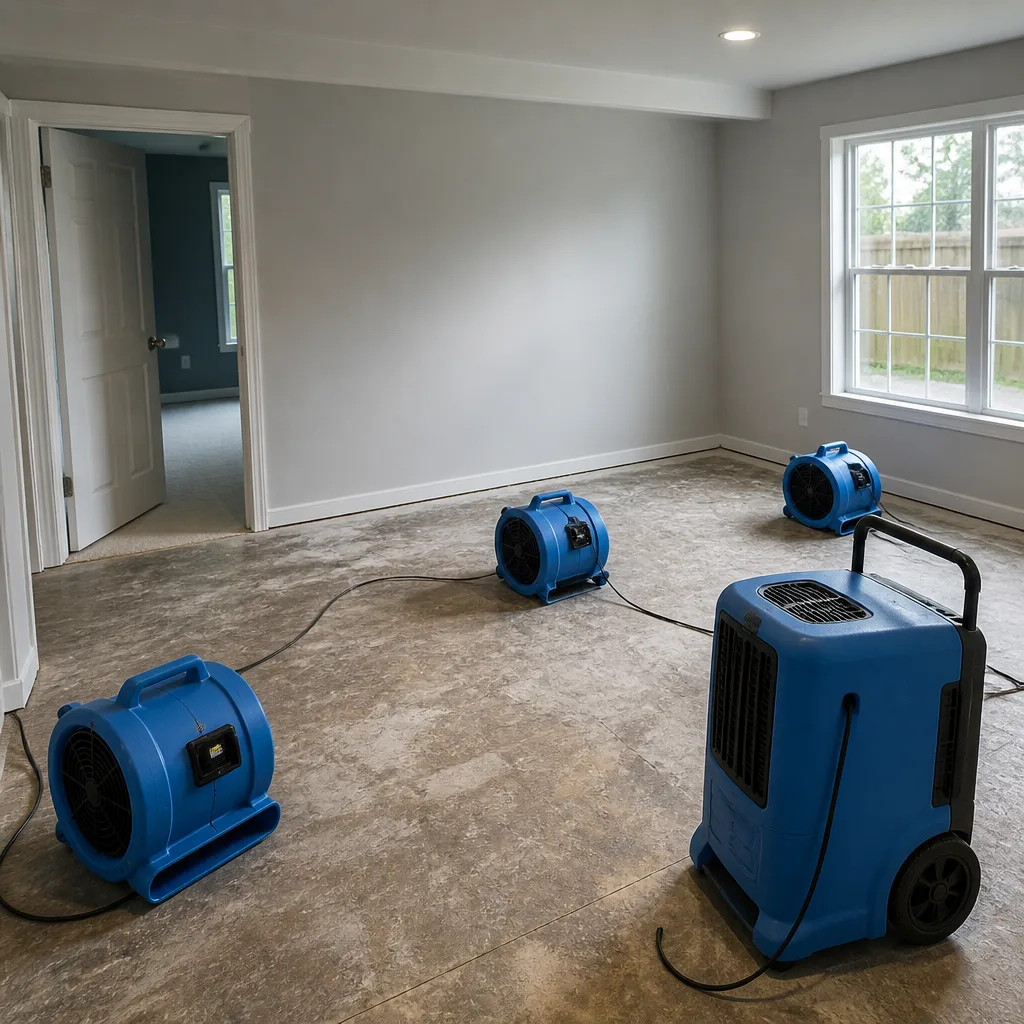
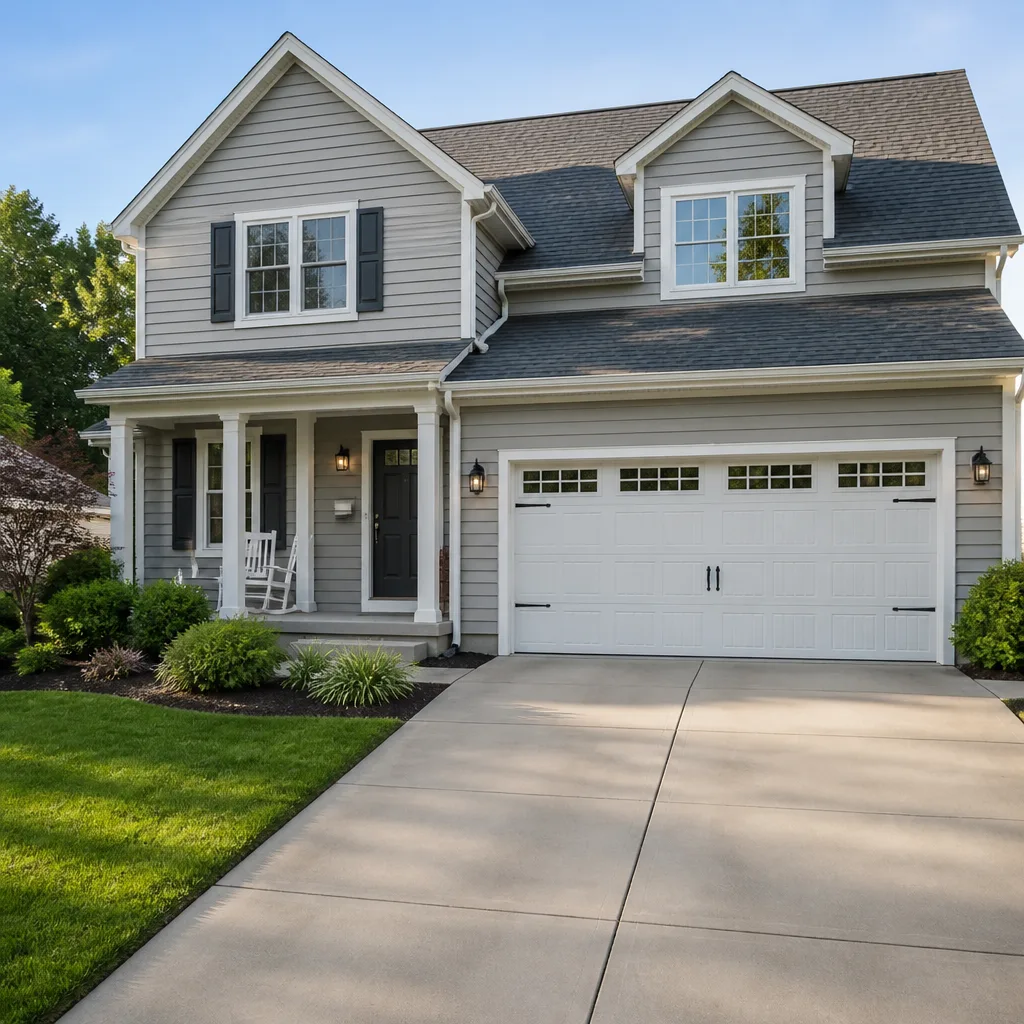
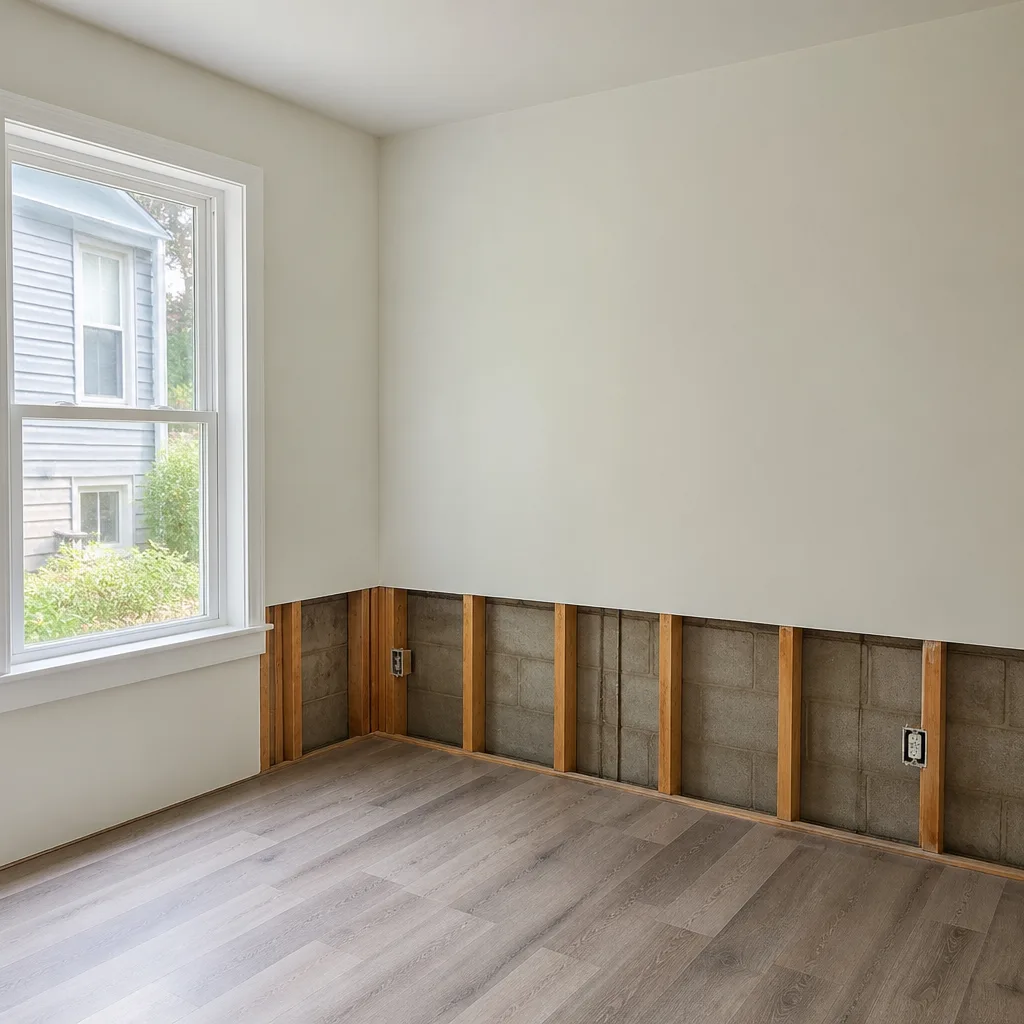

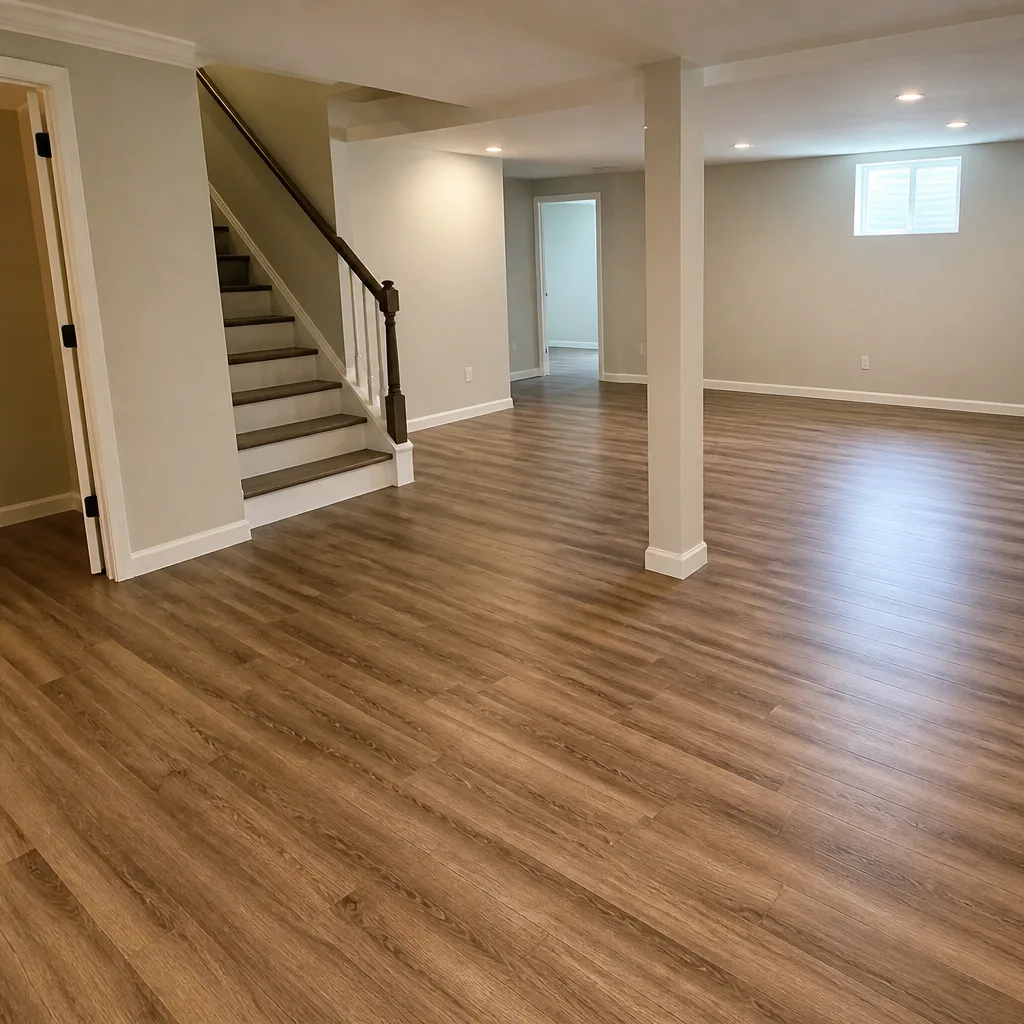
 Before
 After
After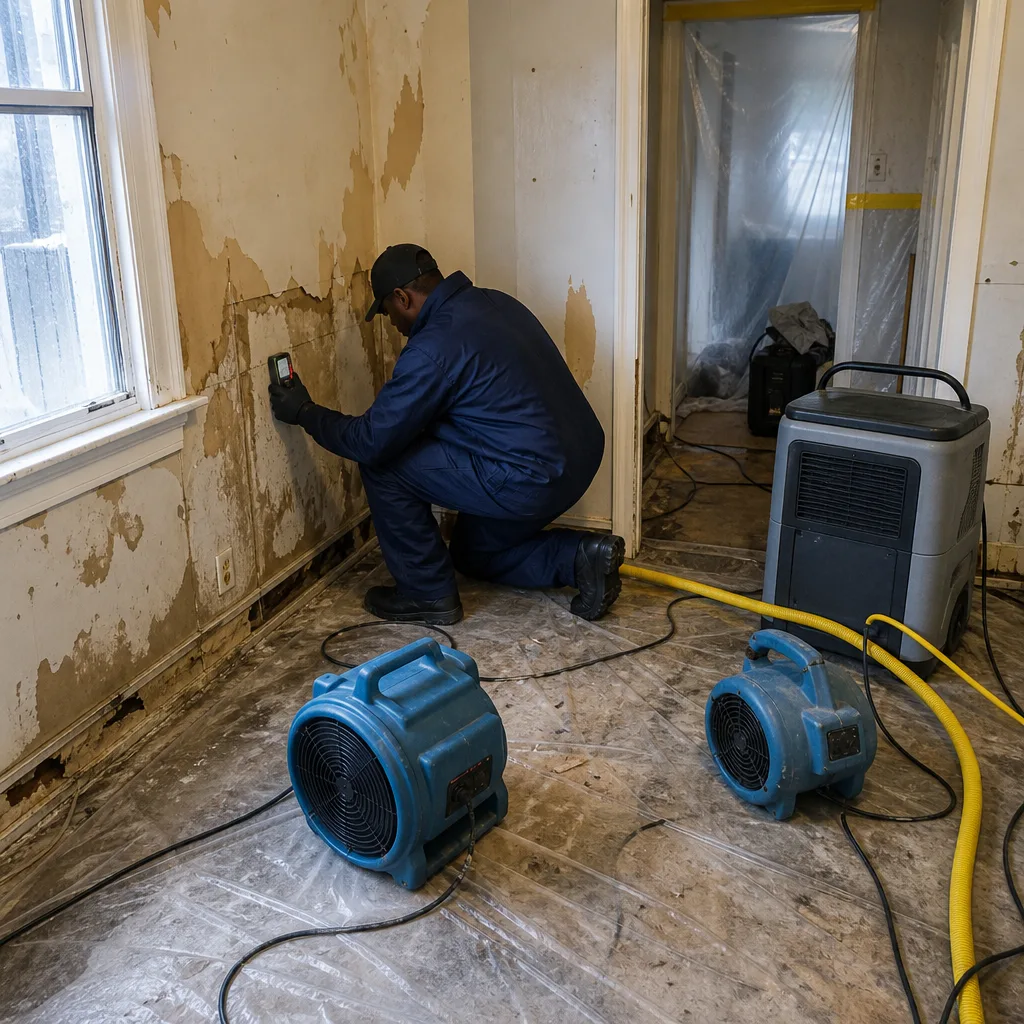 Before
 After
After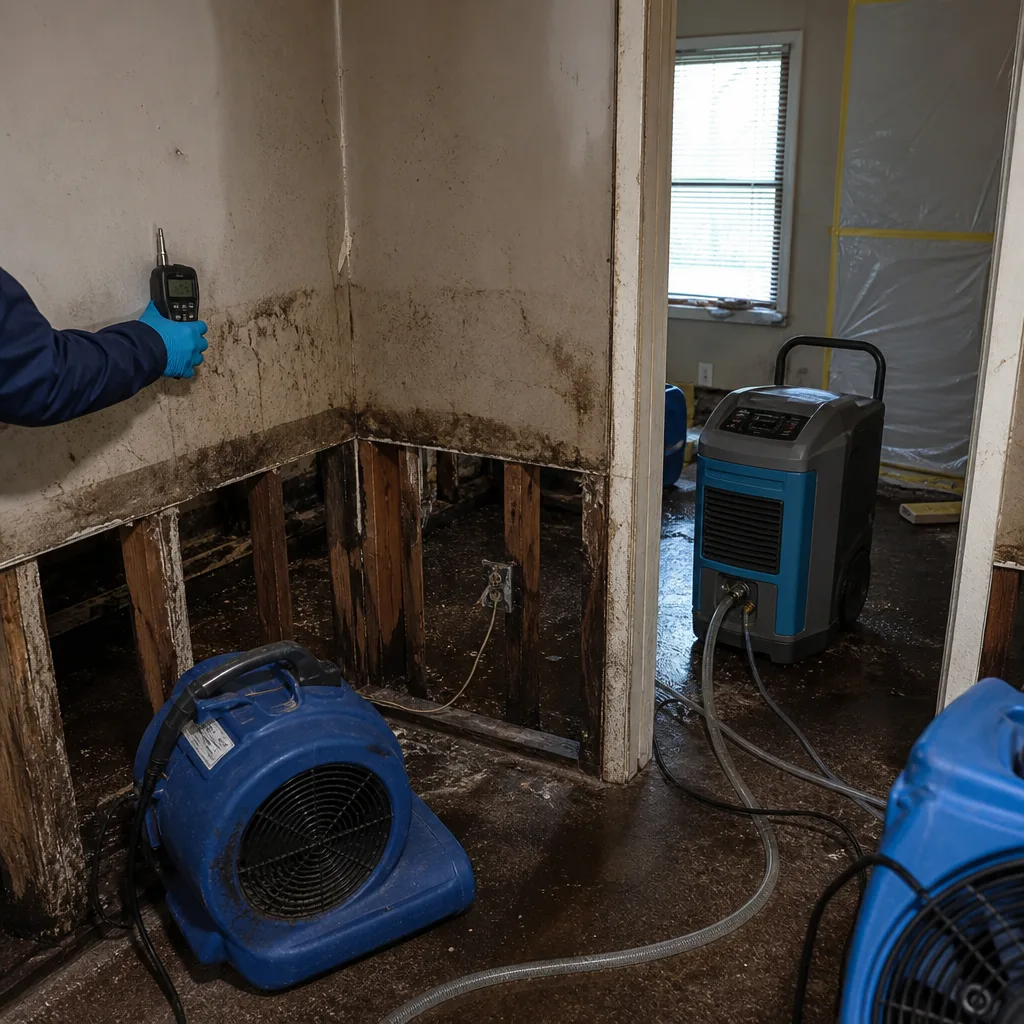 Before
 After
AfterDIY vs Professional Damage Restoration: The East Flatbush Homeowner’s Decision Guide
Every year, homeowners in East Flatbush discover that the most expensive home repair is the one they attempted twice. The first attempt costs a weekend, a rental machine, and a false sense of progress. The second attempt costs what the first one should have: a professional crew, professional-grade drying equipment, and a water damage bill that now includes the mold that grew behind the baseboards in the two weeks nobody knew it was still wet. This guide walks through the real decision points between doing it yourself and bringing in a restoration company, with the honest costs, the hidden timelines, and the specific ways East Flatbush homes respond to water, fire, and storm damage. You’ll learn what a homeowner can safely handle, what equipment actually matters, and when a phone call saves more than money.
Quick Answer
For water damage affecting more than a single room, any sewage backup, any fire or smoke damage, and any mold larger than a patch the size of a dinner plate, professional restoration is the correct call. A homeowner in East Flatbush with a wet-vac, box fans, and good intentions can often dry a small clean-water spill in a bathroom or laundry area if they start within hours. The problem is that what you cannot see behind drywall, under floorboards, and inside wall cavities is where the real damage lives, and East Flatbush’s older brick and frame construction holds moisture in places a box fan will never reach.
Table of Contents
- The Real Cost of DIY Restoration
- What Homeowners Can Safely Handle Themselves
- What Professional Equipment Actually Does
- East Flatbush Homes and Moisture: What the Climate and Construction Mean
- Fire and Smoke: Why DIY Is Not an Option
- Water Damage: A Step-by-Step Comparison
- Mold Remediation: What You Must Not Do Yourself
- Insurance, Direct Billing, and Documentation
- Common Mistakes to Avoid
- When to Call a Professional
- Frequently Asked Questions
- The Bottom Line
The Real Cost of DIY Restoration
When a homeowner in East Flatbush tells us they saved money by drying a basement themselves, we do not doubt the number they paid in rental fees. We doubt the number they will pay six months from now. DIY restoration has three costs that rarely make it into the calculator: the cost of the water you cannot see, the cost of the time you are not spending on discovery, and the cost of the insurance claim that gets harder to make the longer drying is delayed or undocumented.
A wet-vac rental from a hardware store near Utica Avenue runs about $35 to $50 a day. Box fans cost $20 to $40 each. A dehumidifier rental runs $40 to $60 a day. For a clean-water spill caught within an hour in a 10-by-10 room, that equipment can work. The moment water has been sitting for more than 24 hours, traveled into wall cavities, soaked into subfloor, or originated from anything other than a clean supply line, the math changes entirely. In East Flatbush homes with finished basements along Foster Avenue or Clarendon Road, water that reaches the cove joint where floor meets wall is now inside the wall, not on it. No box fan or residential dehumidifier draws that moisture out of a stud bay. It sits there, and within 48 to 72 hours, the mold spores that are already in every home begin to colonize the damp paper face of the drywall.
Then there is the time cost. A professional restoration team in East Flatbush arrives with moisture meters that read the actual water content of drywall, studs, and subfloor at multiple depths. That reading tells the crew where to cut, what to drill, and when drying is actually complete. A homeowner without those meters is guessing whether the wall is dry based on the surface feeling dry to the touch. Surface dry means nothing. Drywall can feel bone dry on the painted face while holding 30 percent moisture an inch deeper. That wall grows mold and you will not know it until the paint bubbles or the smell arrives.
The insurance cost is the one that hurts the most. Carriers in New York expect documentation: moisture readings, drying logs, photo evidence of each phase. We have handled claims in East Flatbush where a homeowner waited two weeks to file because they thought the fans had handled it. The adjuster asked for the initial moisture readings. There were none. The claim was reduced. Professional restoration produces a documented drying record that adjusters recognize and accept. That record is not a formality. It is the difference between a covered claim and a fight.
What Homeowners Can Safely Handle Themselves
There is a real and honest category of work a homeowner can handle. It is narrow, and it depends on three conditions: the water is clean, the affected area is small and visible, and you start within the first hour. Outside those conditions, the risk curve climbs sharply.
Here is the honest list of what a homeowner can reasonably attempt in East Flatbush:
- A supply-line leak caught immediately under a bathroom or kitchen sink, where the water stayed on tile or vinyl and never reached drywall, baseboards, or the floor below.
- An overflow from a washing machine in an unfinished basement with a concrete floor and no drywall within four feet of the standing water, provided the water is clean and the machine did not back up with sewage.
- A roof leak in an unfinished attic where the water dripped onto open joists and you can see every inch of the affected area, with a clear path for airflow.
- A small condensation puddle from an HVAC unit or water heater on a concrete slab, wiped up the same day it formed.
In each of these scenarios, the water is clean, the affected materials are either nonporous or fully visible, and the square footage is small enough that a homeowner can dry it completely with a wet-vac, box fans, and a household dehumidifier over two to three days. Even then, we recommend lifting the baseboard after drying to check the drywall behind it. That is where the hidden moisture lives in East Flatbush homes, and it costs nothing but a pry bar and an hour to look.
Anything beyond this narrow list involves water you cannot see, material you cannot reach, or water that is not clean. Gray water from a dishwasher or washing machine carries biological contaminants. Black water from sewage is a health hazard that requires full containment and professional disposal. Our crews in East Flatbush wear full PPE for sewage work for the same reason the plumber does not tell you to mop up a sewer backup yourself.
What Professional Equipment Actually Does
The core of professional water damage restoration in East Flatbush is not the labor of carrying out wet drywall, though that matters. It is the invisible work of moving air and removing moisture from places air does not naturally reach. The equipment we use changes the physics of drying, and understanding what it does helps a homeowner see why a rental fan is not the same category of tool.
Here is what professional restoration equipment actually does and why it matters:
- Low-grain refrigerant dehumidifiers from Dri-Eaz and Phoenix pull moisture from the air down to levels household units cannot reach. A big-box dehumidifier stops being effective at around 45 to 50 percent relative humidity. A low-grain refrigerant unit keeps pulling moisture down to 35 percent and below. That difference is what drives moisture out of the drywall and studs, not just off the surface.
- High-velocity air movers from XPOWER and B-Air create turbulent airflow across wet surfaces. This is not the same as pointing a box fan at a wall. Air movers create a high-speed boundary layer across the surface that continuously strips away the moisture-saturated air and replaces it with drier air. That boundary layer is what dries a wall cavity through vapor pressure, not just evaporation.
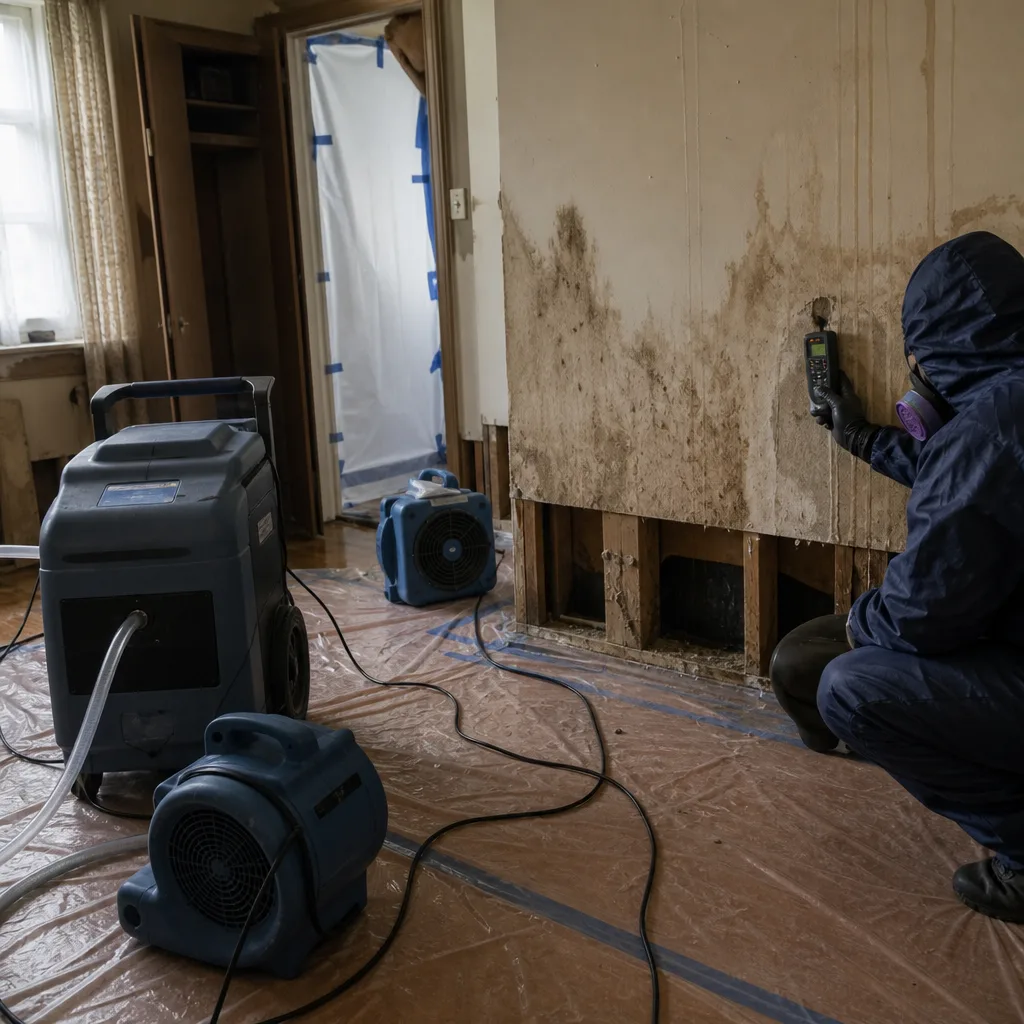
- Moisture meters and thermal imaging cameras let our technicians find water that has not yet shown itself. We map the affected area before we cut a single piece of drywall. We know where the water went by reading the moisture content of materials, not by guessing. That map becomes the drying plan, and those readings are logged every day until the dry standard is met.
- Mat systems and Injectidry equipment dry hardwood floors and wall cavities from the inside. A homeowner with a fan cannot dry a hardwood floor that has cupped and swelled. Injectidry systems push dry air through the floor assembly itself, pulling moisture up from the subfloor. This is the difference between salvaging a hardwood floor in an East Flatbush rowhouse and replacing it.
Professional-grade equipment is not a marketing phrase. It is the physical difference between moving air around a room and changing the moisture condition of an entire structure. The crew that reads the moisture map on day one uses those daily readings to know when the job is actually done. A homeowner using fans knows only when the surface feels dry.
East Flatbush Homes and Moisture: What the Climate and Construction Mean
East Flatbush is not a generic zip code, and its housing stock does not dry like a generic house. The neighborhood is dominated by brick rowhouses, semi-attached frame houses, and two-to-three-story attached homes built largely between the 1920s and 1960s. Many have fieldstone or concrete foundations, plaster walls over wood lath, and decades of renovations layered on top of the original structure. That construction has real consequences for water damage.
Brick wicks moisture. When a basement in an East Flatbush rowhouse floods, the water does not only sit on the floor. The brick foundation walls absorb it, and the wood framing that sits against those walls absorbs it from the brick. Plaster walls, unlike modern drywall, are dense and hold water longer. They do not crumble the way drywall does when wet, which means they can look intact while the wood lath behind them stays wet for weeks. That hidden moisture inside plaster-and-lath walls is a common cause of long-term musty smells in older East Flatbush homes.
The New York City climate works against fast drying too. Summers here are humid, with relative humidity routinely above 70 percent in July and August. Winters are damp and cold. The shoulder seasons bring rain. In a humid environment, evaporation slows. A wet wall in a naturally ventilated East Flatbush basement during a humid August week will not dry on its own. It needs mechanical dehumidification to overcome the ambient moisture in the air, and that is precisely what household dehumidifiers cannot do effectively below 50 percent relative humidity.
Flooding risk is added by the drainage context. Many basements in East Flatbush were built before modern perimeter drains and sump systems. Heavy rain can overwhelm the sewer system and back up through floor drains. When that happens, the water is not clean rain water. It is a mixture of storm water and sewage. That is a completely different restoration category, one no homeowner should attempt. Professional sewage cleanup requires containment, disinfection, and disposal under controlled conditions.
Understanding the specific behavior of East Flatbush homes matters because the standard internet advice assumes a house in a dry climate with modern drywall and a slab foundation. That is not the house at Foster Avenue and Nostrand. The house here needs a restoration approach that accounts for brick, plaster, humidity, and aging drainage.
Fire and Smoke: Why DIY Is Not an Option
There is no honest DIY category for fire damage. The reason is not complexity, though fire restoration is complex. The reason is chemistry. Smoke is not dirt. It is a mixture of partially combusted materials including carbon, tar, resins, and acids. What you see as a black smudge on a wall is a chemical residue that is actively corroding the surfaces beneath it and off-gassing into the air you breathe.
Here are the facts about smoke residue that end the DIY conversation:
- Smoke is acidic. Within hours, smoke residue begins etching glass, corroding metal fixtures, and discoloring finishes. The longer it sits, the deeper the damage. A homeowner scrubbing walls with household cleaner during the first week is not stopping that acid. Professional restoration includes chemical neutralization, not just cleaning.
- Smoke travels far beyond the visible damage. In a kitchen fire in a single East Flatbush rowhouse, the smoke travels through the entire structure. It enters vents, presses against ceilings, flows through wall cavities around pipes and wiring. You cannot scrub what you cannot reach. Professional smoke restoration includes thermal fogging and ozone treatment (where appropriate) to treat the structural cavities, not just the visible surfaces.
- The smell is not a surface problem. Smoke odor lives in porous materials: drywall, wood framing, insulation, furniture, clothing. Painting over it with a sealing primer traps the odor only until the seal fails. Removing the odor requires treating or removing every affected porous surface. That is a full-scale professional job, not a weekend project.
- Structural safety comes first. After a fire, the structural integrity of framing, floors, and ceilings is compromised until evaluated. A homeowner walking through a fire-damaged home without a structural assessment is risking a collapse. Before any cleaning happens, a professional team evaluates what remains sound.
We do not phrase this as a service recommendation. We phrase it as a fact: fire damage restoration requires professional chemical treatment, containment, and structural evaluation. No rental machine from a hardware store near Kings Highway changes that.
Water Damage: A Step-by-Step Comparison
To make the decision concrete, here is a comparison of the same water event handled two ways. The scenario: a supply line to a second-floor bathroom in an East Flatbush rowhouse fails while the homeowner is at work. Water runs for six hours through the bathroom floor, into the ceiling of the first floor, and down through the walls to the basement. The affected area includes the bathroom floor, the ceiling below, two walls, and the basement floor.
The DIY approach, step by step:
- Shut off the water and mop up what is visible on all three floors. Rent a wet-vac for the standing water.
- Place box fans and a rented dehumidifier in each room. Run them for four to six days.
- Check the surfaces. They feel dry to the touch. Remove the fans and dehumidifier.
- Three weeks later, notice a musty smell near the baseboard of the first-floor wall. Peel back the baseboard and find dark staining on the drywall.
- Cut out the stained drywall. Find mold on the back side and on the studs. Remove more drywall to find the full extent.
- Call a professional for mold remediation, which now includes containment, removal of fully colonized drywall, treatment of framing, and replacement of the walls. The total cost is higher than if the original water damage had been professionally dried, and the homeowner’s insurance claim has no moisture log to document the initial event.
The professional approach, step by step:
- Shut off the water. A Floodline Restoration crew arrives the same visit, with a live dispatcher coordinating the response.
- Technicians map the affected area with moisture meters and thermal imaging. They identify the full extent of the water’s path: the bathroom subfloor, the ceiling cavity, the two wall cavities, and the basement floor.
- Water extraction begins immediately with professional extraction equipment, pulling standing and bound water from carpets, pads, and subfloor.
- High-velocity XPOWER air movers and Dri-Eaz low-grain dehumidifiers are placed based on the moisture map. Drying begins the same day.
- Daily moisture readings are taken and logged. The log is shared with the homeowner and the insurance carrier. Drying continues until the dry standard is met, typically three to five days for a case like this.
- Any materials that cannot be dried, such as soaked ceiling drywall that has lost structural integrity, are removed and scheduled for reconstruction by the same crew.
- The homeowner receives a written moisture log and the 90-Day Done Right Promise. No mold grows because the moisture was removed to the dry standard before it had the chance.
The comparison is not between a homeowner who cares and a professional who does not. The homeowner in the DIY scenario cared and worked hard. The difference is information and equipment. The professional knew where the water went, measured it, and dried it to a standard. The homeowner guessed and stopped when the surface felt dry.
Mold Remediation: What You Must Not Do Yourself
Mold remediation is the one category where the DIY mistake is not just expensive but actively harmful. Here is the core fact: disturbing a mold colony releases spores into the air. Scrubbing visible mold off a wall without containment spreads millions of spores throughout the home, including into rooms that were previously unaffected. That is not a cleaning failure. That is a contamination event.
The reason professional mold remediation includes containment is not bureaucratic. It is the physical reality of how spores behave. When you scrub a moldy patch, the mechanical action of the scrubbing breaks the colony apart and propels spores into the air. In an East Flatbush home with forced-air heating, those spores enter the HVAC system and are distributed to every room. The homeowner who tried to save money by cleaning a two-foot mold patch in the basement now has mold spores in the bedrooms.
Professional mold remediation follows a controlled sequence:
- Containment: The affected area is sealed with containment barriers and negative air pressure is established. This keeps spores from moving into unaffected areas during the removal process.
- Controlled removal: Mold-colonized drywall, insulation, and other porous materials are removed under controlled conditions and bagged for disposal.
- Surface treatment: Remaining structural surfaces are treated with antimicrobial solutions designed to prevent regrowth.
- Drying and verification: The area is dried to the proper moisture level and verified with moisture meters before the containment is removed.
- Documentation: The remediation is documented for the insurance carrier, including the scope of the removal, the drying records, and the verification readings.
New York does not require a special mold remediation license, which means any contractor can claim to do mold work. The difference is the standard of practice. The IICRC S520 standard is the recognized professional reference for mold remediation, and reputable companies train their technicians to it. When you hire a company whose technicians are certified to IICRC, RIA, and IFA standards, you are hiring a documented standard of care, not a promise.
For homeowners who find mold smaller than a dinner plate on a nonporous surface such as tile or glass, the EPA guidance allows for cleaning with soap and water. For anything larger, anything on drywall, anything caused by sewage or flood water, or anything where the smell has spread beyond the visible patch, the answer is professional remediation. The line is not arbitrary. It is where the physics of spore dispersal changes the risk profile from manageable to serious.
Insurance, Direct Billing, and Documentation
Insurance is the invisible presence in almost every restoration decision a homeowner faces in East Flatbush. When a water heater fails at 3 a.m., the homeowner is not thinking about their policy. They are thinking about the water spreading across the basement floor. But the documentation of that first hour determines whether the claim is smooth or contested.
Here is what we know from handling restoration claims in East Flatbush for years:
- Carriers want documentation, not recollection. An adjuster will not take your word for how wet the wall was or how long the water sat. They want moisture readings, a drying log, and photo documentation of each phase. A professional restoration company produces that documentation as a matter of course. A homeowner with a wet-vac produces none of it.
- The narrative of the claim matters. A claim that says “water damage, homeowner attempted to dry, mold discovered two weeks later” is harder to resolve than “water damage, professional mitigation started same day, documented dry standard achieved, no mold.” The difference in the claim’s outcome often exceeds the cost of the professional service.
- Direct billing removes the homeowner from the middle. When a restoration company bills the carrier directly, the homeowner does not become the messenger between the adjuster and the contractor. We handle the documentation, the communication, and the billing. The homeowner handles their life.
One of the most damaging assumptions a homeowner can make is that their insurance will cover DIY drying. It will not, because there is nothing to document. A professional claim has receipts, readings, photos, and a clear scope of work. A DIY claim has a rental receipt and a homeowner’s description. When the carrier has to choose between a documented professional mitigation and an undocumented DIY attempt, the professional claim wins every time.
For homeowners in East Flatbush with older policies, it is worth noting that many policies have a specific duty-to-mitigate clause. That clause requires the homeowner to take reasonable steps to prevent further damage. Reasonable steps are documented steps. If a homeowner leaves water sitting and fans running without documents, and mold develops, the carrier can argue the homeowner failed to mitigate. A professional crew on day one is the strongest possible evidence of mitigation.
Common Mistakes to Avoid
- Using a residential dehumidifier for a flood. A household dehumidifier is designed for ambient humidity control, not for drying saturated building materials. It cannot pull the moisture out of drywall, studs, or subfloor the way a low-grain refrigerant dehumidifier can. In an East Flatbush basement with standing water, it simply cannot keep up.
- Stopping when the surface feels dry. Dry to the touch is not dry. Drywall can feel bone dry on the painted surface while holding enough moisture a half-inch deeper to support mold growth. Only a moisture meter tells you the truth, and only a logged reading proves it to an adjuster.
- Waiting to see if the smell goes away. A musty smell after water damage is not cosmetic. It is the first signal that mold is growing somewhere you cannot see. The longer you wait, the further the colonization spreads, and the more material must be removed. In a plaster-and-lath East Flatbush rowhouse, that smell can be coming from wall cavities three rooms away from the original water event.
- Scrubbing visible mold without containment. Scrubbing mold releases spores into the air. Without negative pressure containment, those spores spread through the house and into the HVAC system. A small visible mold problem becomes an airborne problem in every room.
- Not photographing everything before and during drying. Your phone camera is the cheapest insurance document you own. Photograph the water, the affected area, the point of failure, and every step of your drying attempt. If you eventually file a claim, those photos become the beginning of the documentation trail.
- Renting equipment without knowing the affected area’s true size. You cannot size a drying plan for what you cannot see. The water that ran under the baseboard and into the wall cavity is part of the affected area, even if the floor looks dry. A professional moisture map shows the full scope before equipment is placed.
- Treating all water as equal. Clean water from a supply line is one category. Water from a dishwasher or washing machine is another. Water from a sewer backup is another entirely. The latter two carry biological contaminants that require professional handling, disposal, and disinfection. No amount of bleach from the hardware store on Utica Avenue changes that.
When to Call a Professional
Call a professional immediately if the water has touched drywall, baseboards, hardwood, or subfloor. Call if the water is from a sewage backup, a dishwasher, a washing machine, or an outside flood. Call if the water has been sitting for more than 24 hours. Call if you smell must or see staining. Call if the damage involves a fire, smoke, or soot of any kind. Call if mold is present in a patch larger than a dinner plate, on drywall, or accompanied by a smell that has spread. Call if you have any doubt about what is behind the wall. Floodline Restoration Co. offers free estimates in East Flatbush. Call (518) 750-3137 any hour, any day, and a live dispatcher will answer.
Frequently Asked Questions
Our live dispatch answered the phone at 2 a.m. this morning in East Flatbush, and a certified crew reached the job the same visit, with extraction running on the same visit. A live dispatcher answers 24/7, every day, so a water emergency is never waiting on a voicemail. Speed matters in water damage because the clock on mold growth starts the moment the water sits.
Most New York homeowners policies cover water damage restoration when the damage is sudden and accidental, such as a burst pipe or a failed supply line. Coverage depends on the specific policy, the cause of the water, and whether the damage was properly documented and mitigated. We bill carriers directly and handle the documentation, so you are not playing messenger between the adjuster and the contractor.
Filing a claim for a small leak that you caught quickly and dried completely may not make sense, but the key word is completely. If the water only affected tile or vinyl and never reached drywall, baseboards, or subfloor, a claim may not be warranted. If the water reached any building material, the visible surface is not the full extent of the damage. A free estimate with moisture readings gives you the facts before you decide.
Painting over a water stain without addressing the moisture behind the wall is a temporary cosmetic fix at best. If the wall was properly dried and the stain is purely cosmetic, a stain-blocking primer will do the job. If the stain is from ongoing moisture, the paint will bubble and fail, and mold may be growing behind it. The moisture readings tell you which situation you have.
It means that if the work is not done right, we make it right. No paperwork battles, no arguments. It is the Keystone Standard at Floodline Restoration Co., given in writing to every homeowner from day one. We stand behind the result because we are a company that plans to be in East Flatbush in thirty years, not one trying to finish a single job and move on.
Mold removal is removing the visible mold. Mold remediation is removing the mold colony, treating the affected materials, and correcting the moisture condition that allowed the mold to grow. If you remove the visible mold without fixing the moisture, the mold returns. A proper remediation ends with documented moisture readings that prove the environment no longer supports mold growth.
The Bottom Line
The decision between DIY and professional restoration in East Flatbush is not a decision between saving money and spending it. It is a decision between guessing and knowing. A homeowner with a wet-vac and good intentions can handle a small, clean-water spill caught in the first hour. Everything beyond that involves water you cannot see, materials you cannot dry, and documentation you cannot fake. East Flatbush’s brick rowhouses, humid summers, and aging drainage systems make hidden moisture the default outcome of any water event. Professional restoration with moisture meters, professional-grade equipment, a documented drying log, and a written guarantee is not an upgrade. It is the Floodline Restoration Co. home standard for any home we would want ourselves to live in. The line the water left is where we start. Done right, and backed in writing.
Written by Curt Bowman, Owner at Floodline Restoration Co., serving East Flatbush since 2010.