
Last updated August 25, 2026
Free visual inspection and a written scope of work before any mitigation begins - photos, moisture readings, and drying logs go in your claim file
The scope we write is the scope we bill. Anything new gets shown to you, in writing, before we touch it.
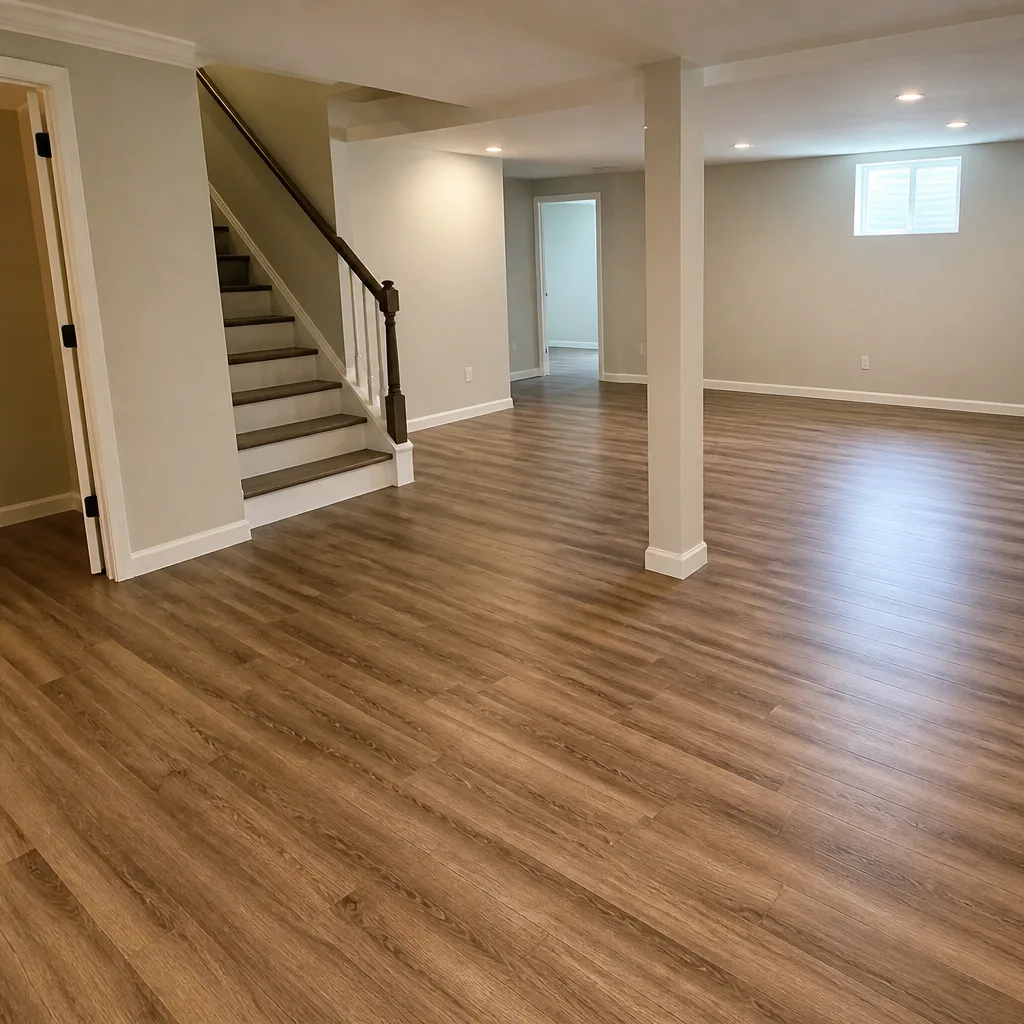
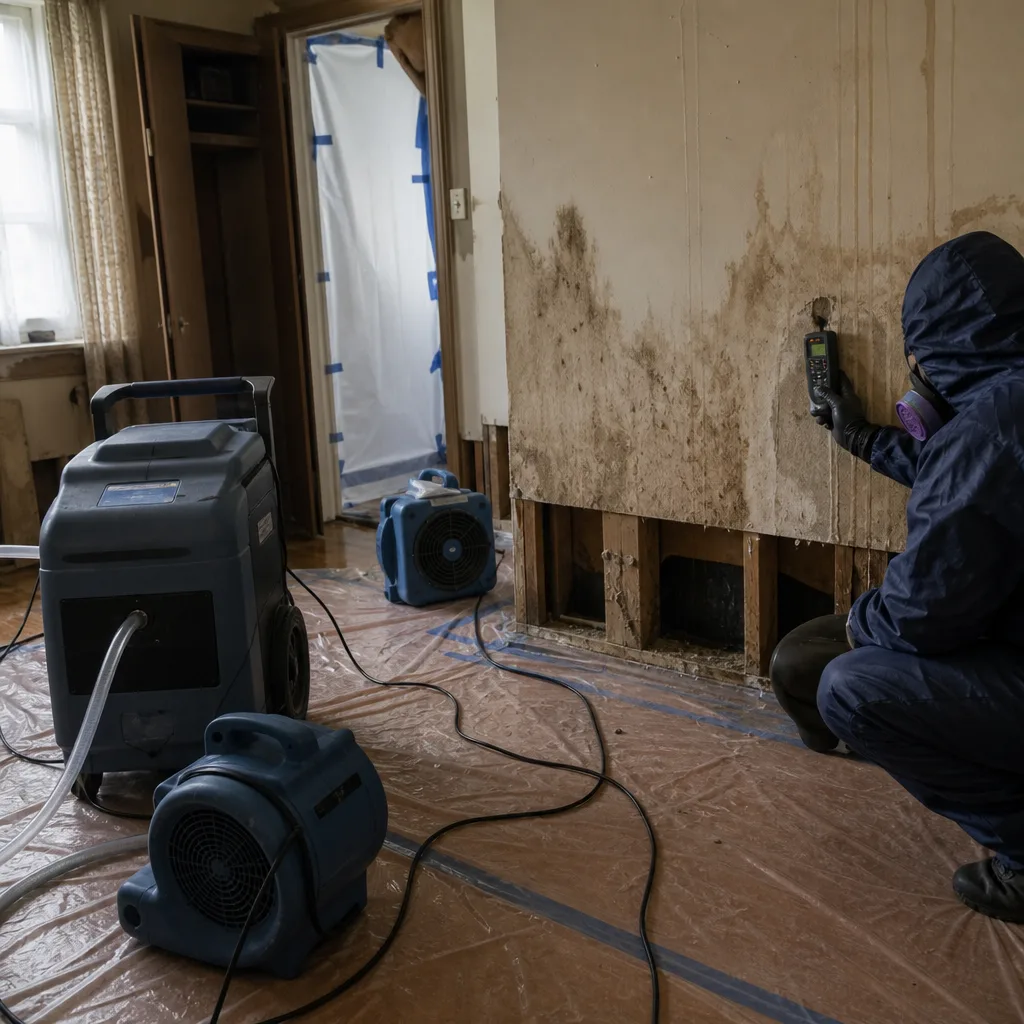 Before
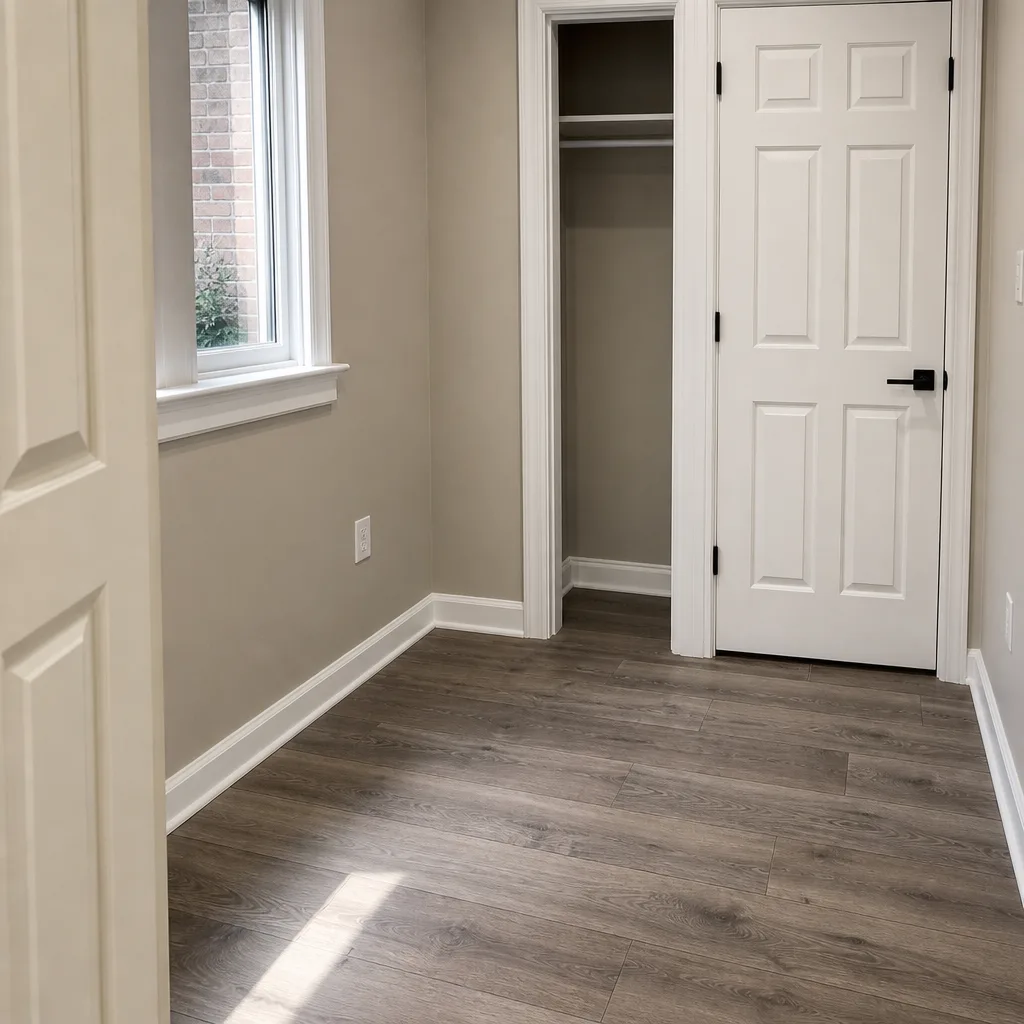 After
After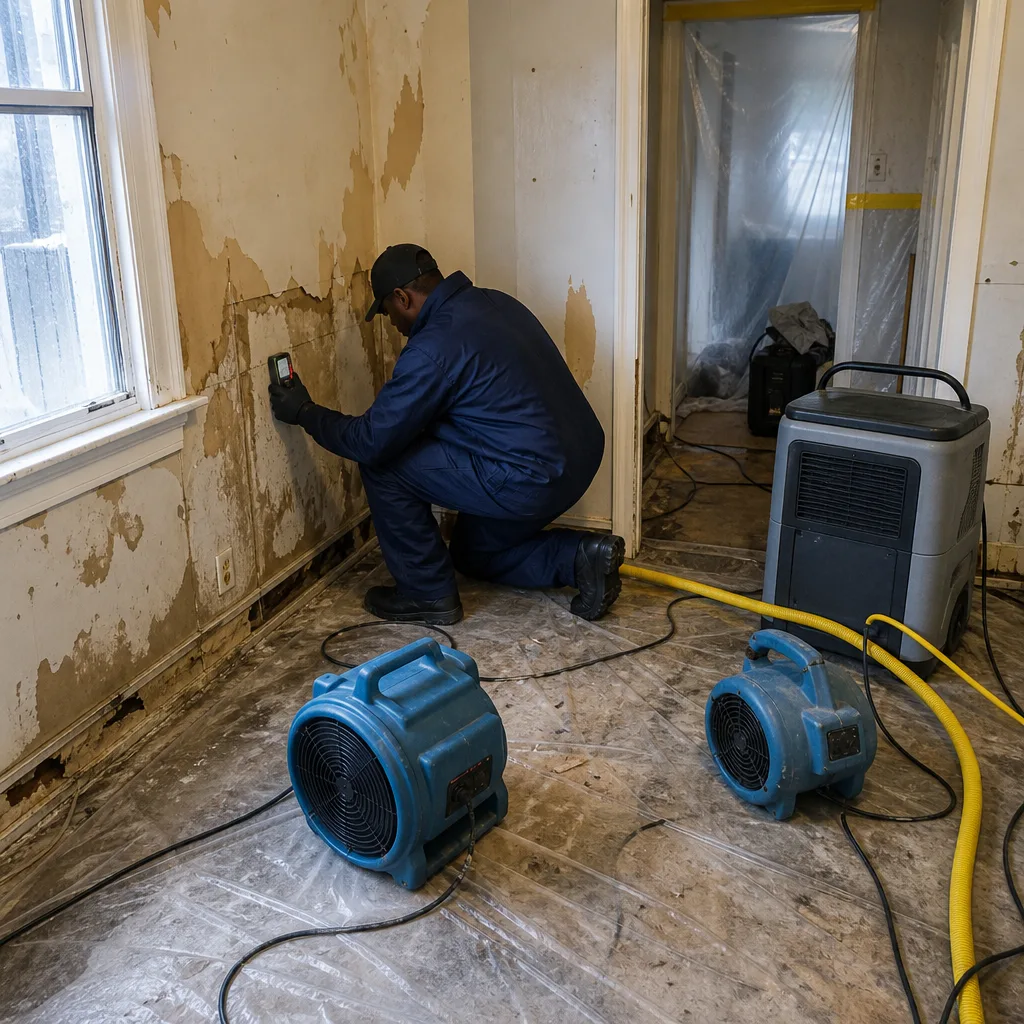 Before
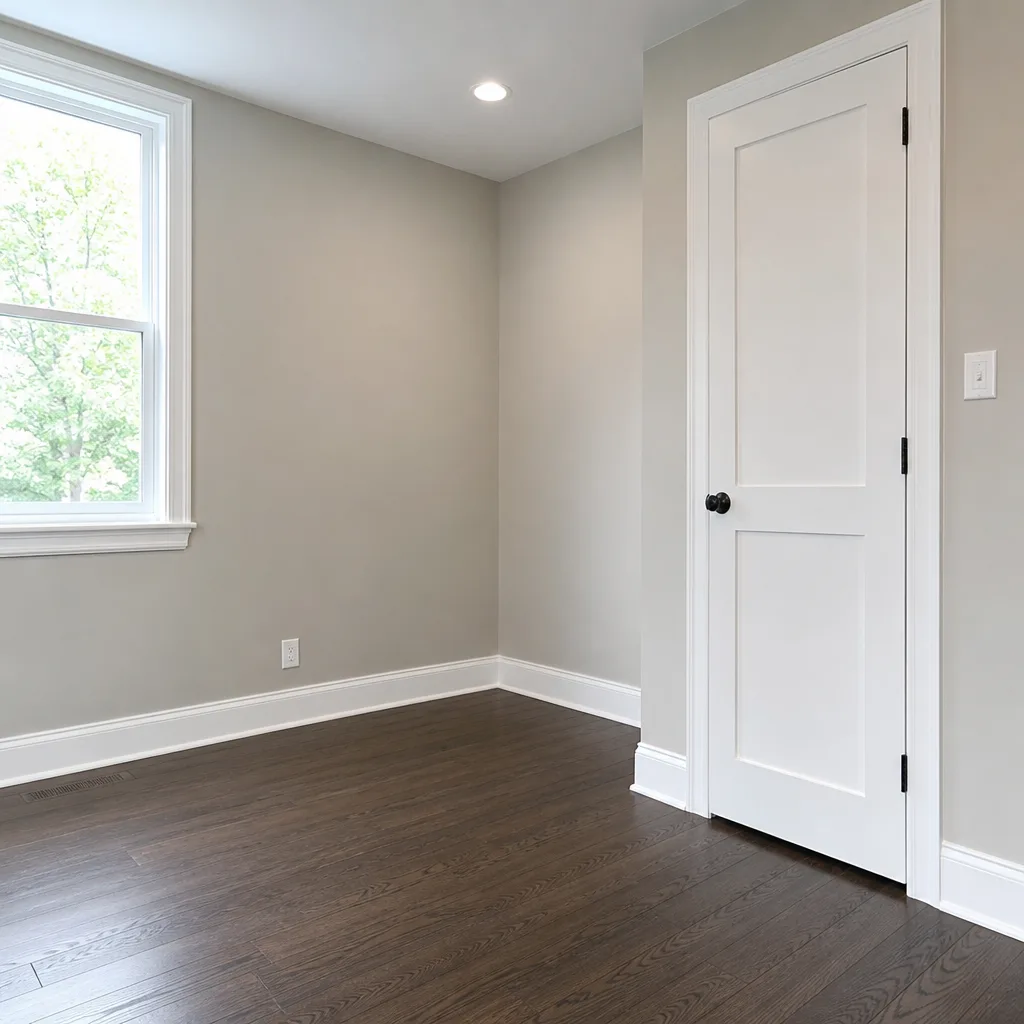 After
After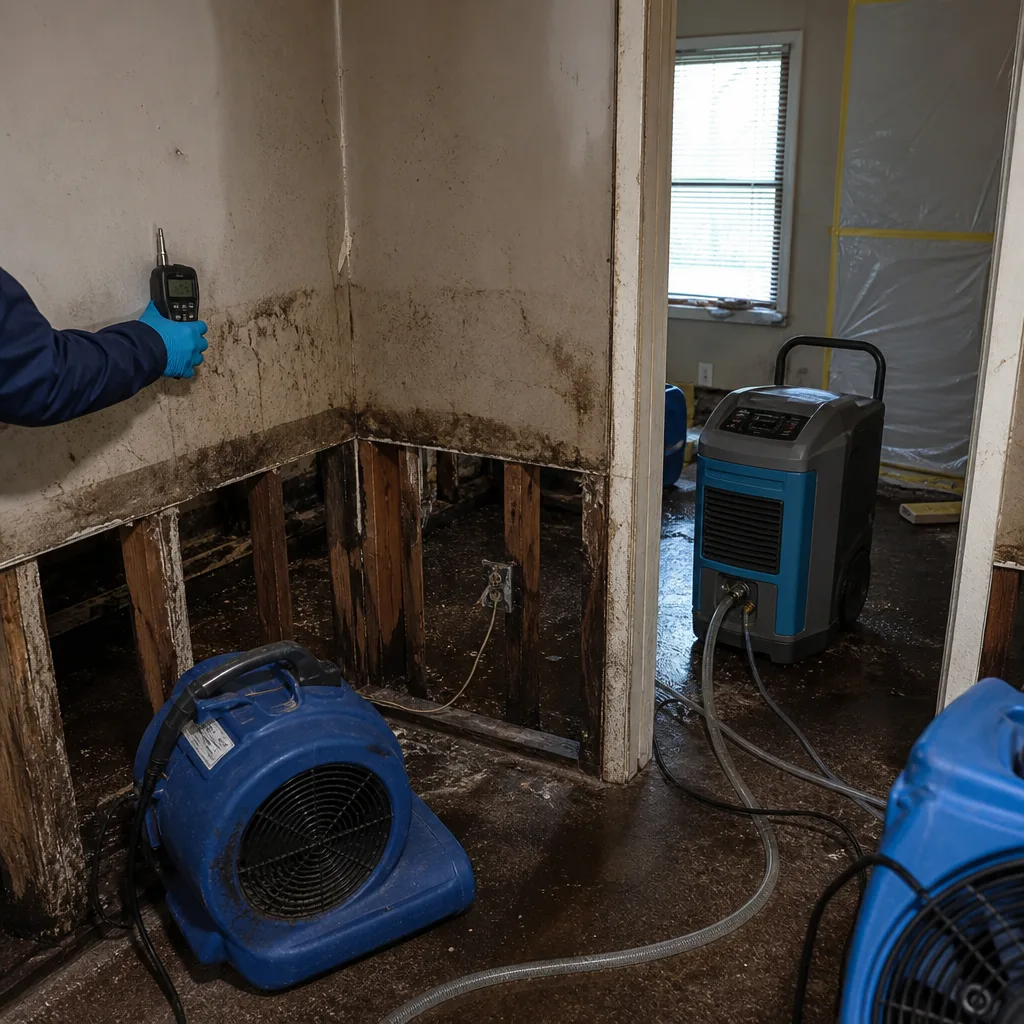 Before
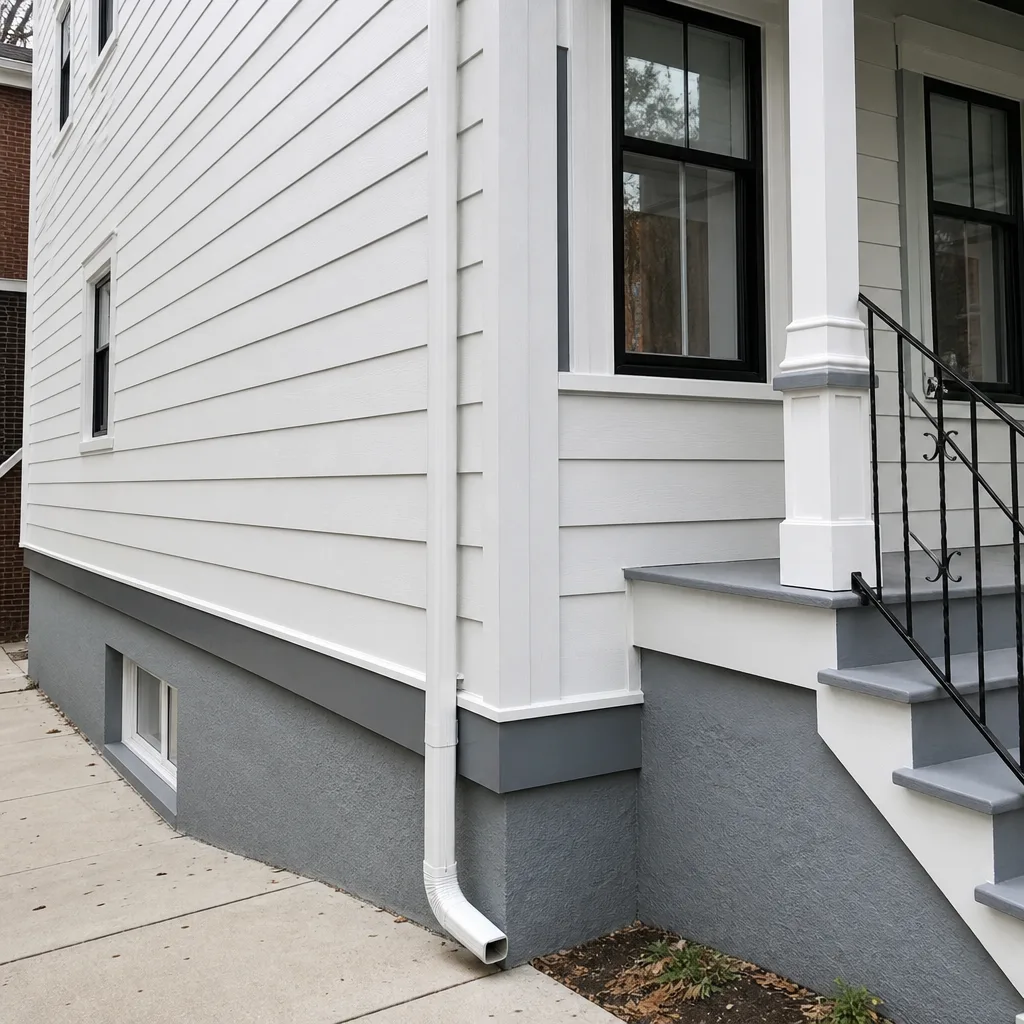 After
AfterDamage Restoration Cost Breakdown: The East Flatbush Homeowner’s Reference for 2026
Most East Flatbush homeowners discover what restoration actually costs the day a pipe lets go in the basement or a sewer line backs up into the finished rec room. By then, the meter is already running. Here’s what surprises people: the final bill is rarely driven by the water itself. It’s driven by time. Water that gets extracted in the first two hours costs a fraction of water that sits overnight, and in East Flatbush’s housing stock, built tight on 40-foot lots with shared party walls, the difference between a $1,400 dry-out and an $11,000 rebuild often comes down to whether a crew gets there the same day. This guide breaks down real 2026 cost ranges for every major type of damage restoration in East Flatbush, explains what drives those numbers, and tells you what a square deal looks like line by line.
Quick Answer
Damage restoration in East Flatbush in 2026 typically runs from $1,200 to $4,800 for water mitigation on a single room, $2,500 to $7,000 for mold remediation with source correction, and $3,200 to $12,000+ for fire or sewage jobs that include rebuild. Most homeowners can expect to spend $2,800 to $6,500 for a typical Category 2 water loss affecting two rooms, and insurance picks up the majority of that when the cause is sudden and accidental. The single biggest variable is response time: same-day extraction usually keeps a job under $5,000; a 48-hour delay can triple it.
Table of Contents
- Water Damage Restoration Costs in East Flatbush
- Mold Remediation Costs: What East Flatbush Basements Actually Cost to Treat
- Fire and Smoke Damage: Cost Ranges and What Drives Them
- Sewage Cleanup Costs: Category 3 Water and Why It Costs More
- Reconstruction and Rebuild Costs After Damage in East Flatbush
- How Insurance Actually Pays Restoration Bills
- Hidden Costs and Line Items Homeowners Miss
- Common Mistakes to Avoid
- When to Call a Professional
- Frequently Asked Questions
- The Bottom Line
Water Damage Restoration Costs in East Flatbush
Water damage restoration in East Flatbush in 2026 runs between $1,200 and $4,800 for a single affected room, with most two-room jobs landing between $2,800 and $6,500. The cost depends on three things: how long the water sat, what kind of water it is, and what got wet. A washing machine supply line that bursts while you’re home and gets shut off within minutes is a different job from a slow kitchen sink leak that has been quietly soaking the subfloor for six months.
Line-Item Breakdown for a Typical East Flatbush Water Loss
- Emergency dispatch and assessment: $0 to $250. Most restoration companies in Brooklyn assess for free. Floodline Restoration Co. never charges for the initial scope.
- Water extraction: $450 to $1,400. Professional-grade truck-mounted extractors pull 400+ gallons per hour versus a rented shop vac that manages maybe 10.
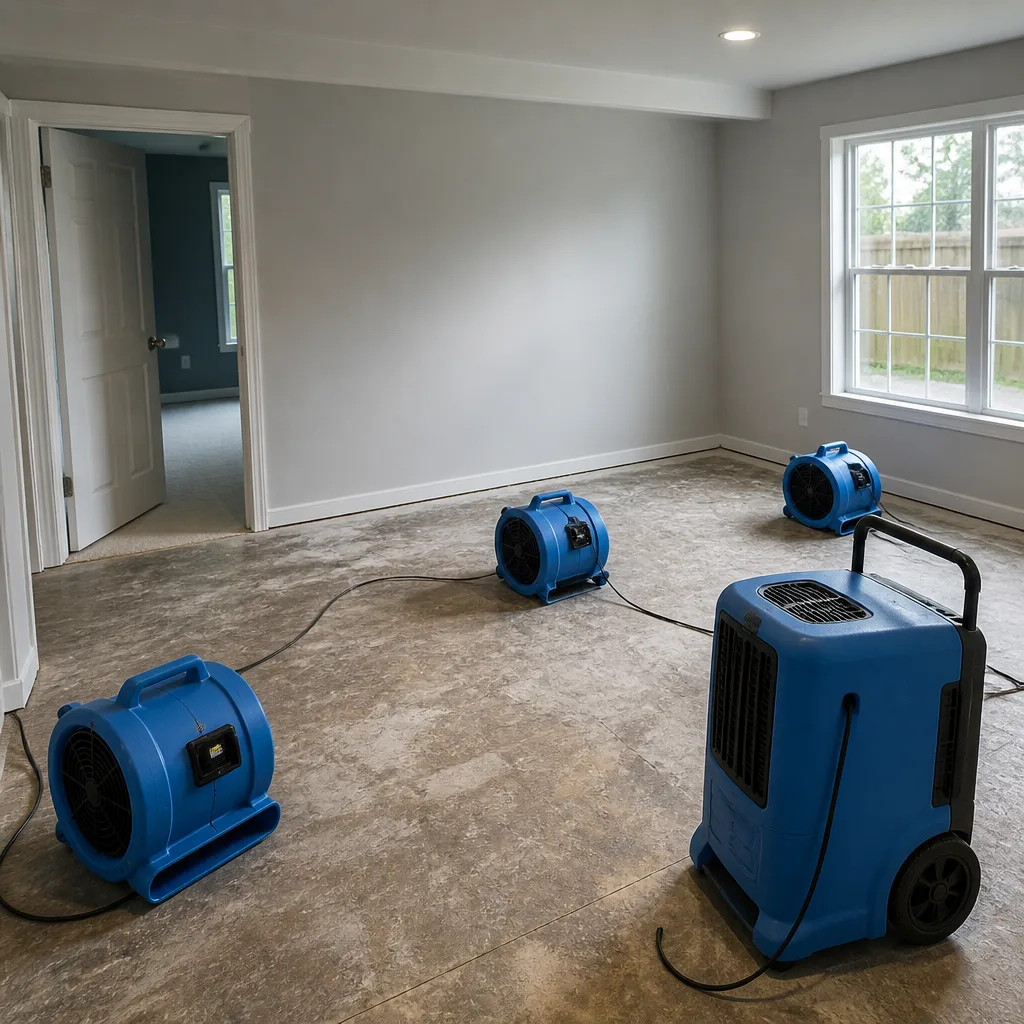
- Drying and dehumidification: $600 to $1,800. This is where Dri-Eaz and Phoenix equipment earns its keep. East Flatbush summers are humid, and our basements hold moisture against brick foundation walls that never fully dry on their own.
- Moisture mapping and monitoring: $150 to $400. Includes daily readings until the dry standard is met. You should receive a moisture log at the end.
- Antimicrobial treatment: $200 to $600. Required whenever water sat more than 24 hours or is anything beyond clean Category 1 water.
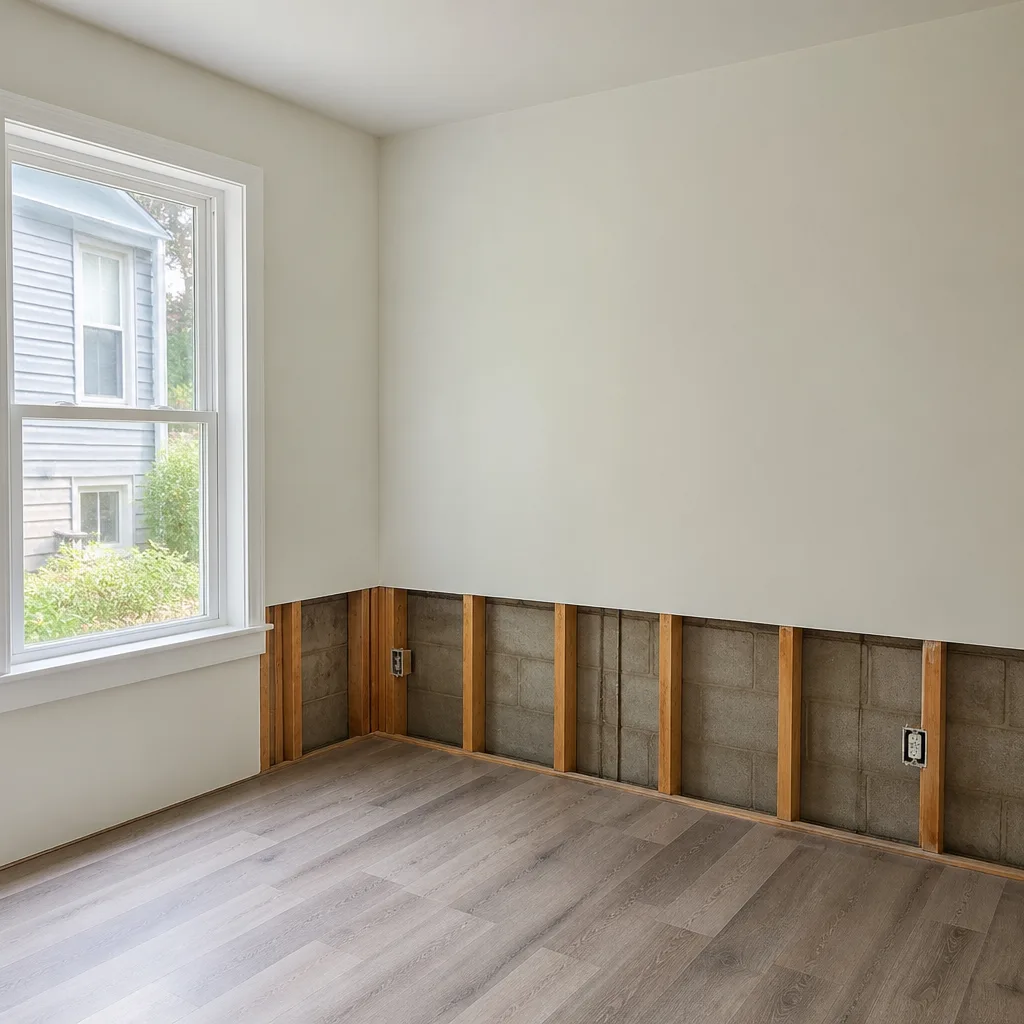
- Baseboard and drywall removal: $300 to $900. Wet drywall wicks water upward fast. If the water line is 4 inches up the wall, the drywall cut usually goes to 16 or 24 inches.
- Content moving and reset: $200 to $500. Furniture out, dry, and back.
What East Flatbush Housing Adds to the Equation
East Flatbush is largely brick rowhouses and attached single-family homes built from the 1920s through the 1960s. The party walls mean water doesn’t always stay in your house. A burst pipe in a shared wall can push water into the neighbor’s side, which means two affected properties, one insurance carrier conversation, and a restoration company that has to coordinate access. We’ve worked on Lenox Road and East 52nd Street jobs where the water traveled through the joist bays into the adjacent living room before anyone noticed it on the other side of the wall. That’s not rare here. It’s the building stock.
Plaster walls are another East Flatbush variable. Plaster holds more water than drywall and takes longer to dry, but it also resists mold better and can often be saved if the response is fast. A restoration company that defaults to gutting plaster walls costs you money you didn’t need to spend. A company that looks at the moisture map and treats the plaster with injection drying using Injectidry systems can save the original walls and thousands of dollars in rebuild.
If you’re dealing with active water right now, our crews do Floodline Restoration Co. home work on a simple principle: the line the water left is where we start. Extraction first, scope second, paperwork third.
Mold Remediation Costs: What East Flatbush Basements Actually Cost to Treat
Mold remediation in East Flatbush runs $2,500 to $7,000 for a typical basement or bathroom job, and the range narrows when you understand what’s actually being billed. Mold never appears without a moisture source, so remediation always has two parts: fixing the water problem and removing the mold. The first part is plumbing, grading, or drainage. The second is labor, containment, and air handling.
What makes East Flatbush mold work different from other Brooklyn neighborhoods is the combination of old brick foundations and high water table. Many of the homes on Remsen Avenue, Rutland Road, and the blocks off Utica Avenue sit close enough to the water table that a heavy rain season means pervasive basement dampness even without a leak. We regularly find mold behind finished basement walls where the homeowner had no idea anything was wet, because the framing was against brick that sweats from March through June.
Typical Mold Remediation Line Items
- Containment and negative air: $500 to $1,200. Poly sheeting, HEPA-filtered negative air machines, and sealing of affected chambers. This is not optional. It contains spores so the problem doesn’t travel through the house.
- HEPA vacuuming and surface treatment: $400 to $900. Dri-Eaz HEPA units paired with proper antimicrobial agents. Never dry-brush mold.
- Removal of contaminated materials: $800 to $2,500. Drywall, insulation, carpet pad, and any porous material that can’t be cleaned. Mold grows roots into porous materials. Surface treatment doesn’t reach them.
- Moisture source correction: $600 to $3,000. This varies wildly. Replacing a leaking shutoff valve is cheap. Regrading a yard or installing a sump pump in an East Flatbush basement is not.
- Clearance testing: $300 to $600. A third-party air sample confirms the remediation worked. We recommend independent testing, not the remediation company’s own clearance.
What 42 Years Has Taught Us About Mold in This Neighborhood
Since Curt Bowman founded this company in 2010, we’ve seen the full range of East Flatbush mold jobs, from a 3-square-foot patch behind a LeFrak-built bathroom to a full basement where mold had been growing behind vinyl wall covering for a decade. The jobs that cost the most are the ones where someone painted over mold or ignored the musty smell for years. Mold is a moisture problem first. If you smell it but can’t see it, the mold is likely inside a wall cavity, and that’s a job for professional moisture mapping, not a visual inspection.
Every mold job we do includes a written scope before work starts. You see the line items, the containment plan, and the dry standard before we cut anything. That’s the square deal. And because we run our own crews from extraction through rebuild, you never face a mid-job handoff where a mold company leaves and a separate contractor shows up. The same certified technicians handle it from Floodline Restoration Co. home dispatch through final clearance.
Fire and Smoke Damage: Cost Ranges and What Drives Them
Fire and smoke damage restoration in East Flatbush runs $3,200 to $12,000+ depending on the fire’s size and what burned. A kitchen grease fire contained to the stove and upper cabinets lands on the low end. A basement electrical fire that sends smoke through the whole house lands well above the middle. The cost drivers are smoke travel, water from firefighting, and structural board-up. Smoke is a gas. It goes everywhere the air goes, including inside walls, through floor joists, and into closets on the opposite side of the house.
East Flatbush’s rowhouses present a specific challenge here. Because many homes share a common wall and often a common cockloft above the top-floor ceiling, smoke from a fire in your unit can travel into the neighbor’s space through the shared attic. That means a fire job in East Flatbush sometimes involves coordinating two affected units and two insurance claims. We’ve handled fires on Snyder Avenue where the visible damage was contained to one kitchen, but smoke had permeated the common cockloft and required odor sealing across both properties.
Fire Restoration Cost Components
- Board-up and tarping: $400 to $1,500. Secures the structure immediately. Required by code in New York City when the fire department has broken windows or cut ventilation holes.
- Water extraction from firefighting: $1,000 to $3,000. Firefighting water is Category 2 at minimum and often Category 3 if it has picked up soot and burned material.
- Soot and smoke cleaning: $1,500 to $4,500. Soot is acidic and etches surfaces within days. Every surface needs cleaning, from walls to ceiling to inside cabinets.
- Odor removal: $800 to $2,500. Thermal fogging, ozone treatment, and hydroxyl generators. Smoke smell that survives initial cleaning is the most common reason homeowners are unhappy with a fire restoration job. This stage is where the skill lives.
- Contents cleaning and packout: $600 to $2,000. Clothing, furniture, and personal items cleaned at a facility with specialized equipment. In a rowhouse, there is nowhere to stage contents on-site, so packout is common here.
- Rebuild: $5,000 to $40,000+. Structural framing, electrical, drywall, paint, flooring. This is the difference between restoration and reconstruction, and it’s covered in the reconstruction section below.
One thing worth knowing: New York City code requires licensed electricians for any electrical work after a fire, and permits are pulled through the Department of Buildings for structural work. A restoration company that handles rebuild in-house, as we do at Floodline, should be able to show you the permit before work begins. If a contractor tells you permits aren’t needed for a fire rebuild in East Flatbush, find another contractor.
Sewage Cleanup Costs: Category 3 Water and Why It Costs More
Sewage cleanup in East Flatbush starts around $2,800 and frequently reaches $6,000 to $9,000 for a basement backup. That’s roughly double the cost of a clean water job of the same size. The reason is simple: Category 3 water contains bacteria, viruses, and pathogens that require full PPE, specialty disposal, and a more aggressive treatment protocol. You don’t dry out a sewer backup. You remove everything porous, sanitize what remains, and rebuild what came out.
East Flatbush has a combined sewer system in many areas, which means heavy rain can overwhelm the system and push sewage back into basement drains. This happens more often around the low-lying blocks near Kings County Hospital and the southern end of the neighborhood toward Ditmas Avenue. If your home has a basement bathroom or a floor drain below street grade, a backwater valve is the single best insurance against this. We recommend them on nearly every East Flatbush sewage job we do, and the cost to install one, typically $1,200 to $2,500 with a plumber, is far less than a second Category 3 cleanup.
What a Sewage Cleanup Scope Looks Like
- Containment and PPE: The affected area is isolated with poly sheeting. Technicians wear full Tyvek suits, gloves, and respirators. No exceptions.
- Extraction of contaminated water: Pump-out using dedicated Category 3 equipment. This water is never run through equipment that will later be used for clean water jobs without a full decontamination cycle.
- Removal of all porous materials: Carpet, pad, drywall, insulation, and any wood that has absorbed Category 3 water. In a finished East Flatbush basement, this often means cutting drywall to 24 inches above the water line and removing all flooring.
- Sanitization of remaining structure: Antimicrobial and biocide application on framing, concrete, and any hard surface that stays.
- Drying and verification: Drying to standard with moisture readings logged daily. The log goes to you and your carrier.
- Rebuild: New drywall, paint, flooring, and any finish work. This stage is scoped and scheduled separately from the mitigation.
Sewage work is not the place to cut corners. If a company shows up without Tyvek suits and respirators, or suggests they can “just dry out” carpet that has been in contact with sewage, send them away. That carpet is gone. Any restoration company in East Flatbush that tells you otherwise is not doing you a favor.
Reconstruction and Rebuild Costs After Damage in East Flatbush
Reconstruction after water, fire, or sewage damage in East Flatbush runs $5,000 to $40,000 and up, depending on what was damaged and how much of the home was affected. This is the phase where the restoration company’s scope ends and the rebuilding begins, and it’s where the full-cycle advantage matters. A company that only does mitigation will hand you a dry, gutted room and a list of contractors to call. You then manage scheduling, pricing, permits, and quality control yourself, usually while working with your insurance carrier on the same open claim.
At Floodline Restoration Co., we don’t hand off the job. The same crew that extracted the water and ran the drying equipment rebuilds what needs rebuilding. That means the person who read the moisture map on day one knows exactly where the drywall cut goes, where the framing needed cleaning versus replacement, and where the finish line is. Nothing gets lost in a handoff.
Typical Rebuild Costs for Common East Flatbush Damage Scenarios
- Basement water loss rebuild: $4,500 to $14,000. Drywall, insulation, paint, flooring, and trim for a typical 400 to 600 square foot East Flatbush finished basement.
- Kitchen fire rebuild: $12,000 to $35,000. Cabinets, countertops, electrical, drywall, paint, and flooring. Cost is driven by cabinet quality and whether the electrical needs full replacement.
- Sewage backup full basement rebuild: $8,000 to $22,000. Complete finish-out after Category 3 gut, including any plumbing corrections needed to prevent recurrence.
- Full rowhouse fire rebuild: $50,000 to $150,000+. Structural work, full systems replacement, and finish work across multiple floors. These are permitted, scoped jobs that take months, not days.
Reconstruction is scoped, scheduled, and priced in writing, exactly like a remodel. There is no same-day service here, and you should be wary of any company that promises one. A proper rebuild in an East Flatbush rowhouse requires permits, inspections, and scheduled trade work. Our standing offers apply here: $50 Off Any Repair Over $250, the $89 Seasonal Tune-Up, and the Senior & Veteran 5% Discount, Always. And every rebuild carries the 90-Day Done Right Promise in writing. If it’s not done right, we make it right. No paperwork battles.
How Insurance Actually Pays Restoration Bills
Insurance covers most sudden and accidental water, fire, and sewage damage in East Flatbush, minus your deductible. The key word is sudden. A burst pipe is covered. A slow leak that has been rotting a wall for two years is generally not. Fire is nearly always covered if it’s accidental, and sewage backup is covered under many policies if you have the added rider for sump and sewer backup coverage, which in East Flatbush is a very good rider to have. Mold is covered when it results from a covered water loss. Mold that grows because the basement has always been damp is not.
The single biggest friction point we see between East Flatbush homeowners and their carriers is documentation. Insurance adjusters want a moisture log, a line-item scope, and photo evidence of every stage. This is why we photo-document every job and hand you and your carrier the same daily readings. It’s why we bill the carrier directly instead of making you play messenger between our office and a claims department. You have enough to manage. The paperwork is our job.
What You Need to Know Before Filing
- Call the restoration company first. Get extraction running. Insurance claims take time, and water does not wait for claims adjusters.
- Document everything. Photos of the damage, photos of the water line, photos of everything that gets removed. Your restoration company should be doing this anyway.
- Get a written scope. An itemized estimate with line-item pricing is your best defense against claim shortfalls.
- Know your deductible. Common East Flatbush policies run $500 to $2,500 deductibles. If the damage is $3,000 and your deductible is $2,500, you may choose to handle it without a claim to avoid premium increases.
- Ask about direct billing. Floodline Restoration Co. bills your carrier directly. You pay the deductible and anything outside the claim scope. No surprise invoice at the end.
Hidden Costs and Line Items Homeowners Miss
Restoration estimates in East Flatbush are often compared line by line, and on paper, the cheap bid looks identical to the expensive one. It isn’t. Here are the line items that separate a real scope from a lowball that becomes an add-on later. These are the costs homeowners discover on day four, when the initial “estimate” has doubled and the company is threatening to walk unless the carrier approves a supplement.
- Moisture mapping: Some companies skip it and start yanking drywall. Without a moisture map, you don’t know where the water actually went. You’ll either over-scope and pay for unnecessary demolition or under-scope and miss hidden wet areas. A Dri-Eaz or Phoenix moisture mapping system tells the truth.
- Daily monitoring: The drying phase isn’t set-and-forget. Drying equipment needs daily readings and adjustments. If the estimate doesn’t include monitoring visits, the equipment rental becomes a much longer line item because no one is tracking progress.
- Dump fees and disposal: Demolished drywall, carpet, and contaminated material has to be hauled and disposed of legally. In East Flatbush, where parking and access on narrow streets can complicate a dumpster placement, this is a real cost. Ask who pays it.
- Permit fees: Any structural or electrical work after fire or sewage damage requires a permit through the DOB. Estimates that “forget” permits usually add them later with a markup.
- Content packout and storage: In a rowhouse, there is nowhere to put your furniture while floors dry. Packout and off-site storage is a line item that cheap estimates skip until the day the crew arrives.
- Asbestos testing: Many East Flatbush homes built before the 1980s have asbestos in flooring, insulation, or plaster. If demolition will disturb those materials, testing is required before work begins. A legitimate restoration company tests. A cheap one doesn’t, and then stops work when asbestos shows up, leaving you with an open house and a new problem.
- Decontamination of shared equipment: Equipment used on a sewage job must be decontaminated before it touches another home. This is expensive and time-consuming. If the price seems too low, ask how they handle Category 3 decontamination.
The square deal is an estimate that includes these line items from the start. You should never discover a cost after the fact. Our scopes are written, itemized, and agreed to before work begins. That’s the 90-Day Done Right Promise working before the job even starts.
Common Mistakes to Avoid
- Waiting to call because you’re worried about the bill: Water damage compounds hourly. Every hour of delay is money added to the final scope. Call first. Worry about the price after extraction is running. Most estimates are free.
- Hiring a company that only does mitigation: You’ll end up with a dry, gutted house and a list of contractors to call. That’s a second negotiation, a second crew, and usually a second markup. Hire full-cycle from the start.
- Accepting a verbal estimate: If it’s not in writing, it doesn’t exist. A written scope protects you from add-ons and gives your insurance carrier what it needs to process the claim accurately.
- Letting a restoration company bill only you instead of the carrier: Direct insurance billing is standard for legitimate restoration companies. If a company wants you to pay upfront and chase the carrier yourself, that’s a red flag.
- Painting over mold instead of fixing the moisture source: We see this constantly in East Flatbush basements. Someone paints over mold, sells the house, and the new owner discovers a wall cavity full of hidden growth two years later. Paint doesn’t kill mold. It hides it.
- Skipping the moisture log: You should receive a daily moisture reading log from day one until the dry standard is met. If your restoration company can’t show you a log, you don’t actually know if anything dried.
- Choosing the cheapest bid without asking why it’s cheap: East Flatbush is full of unlicensed operators who quote low and disappear when the job goes sideways. Ask for licensing, certifications, and references before you sign anything.
When to Call a Professional
Call a professional the moment water is where it doesn’t belong, smoke has moved through the house, or you smell sewage or mold. These are not DIY situations. Water that has been sitting longer than 24 hours is already growing microbial activity, and by 48 hours, you’re dealing with active mold growth in any porous material. Electrical systems that have been wet are dangerous. Sewage is a biohazard. Smoke odor requires professional equipment and chemistry to remove properly.
If you’re standing in a wet East Flatbush basement right now, stop reading and call. Floodline Restoration Co. offers free estimates in East Flatbush, with live dispatch answering 24 hours a day, every day. A certified crew reaches the job and starts extraction the same visit. Call (518) 750-3137. The line the water left is where we start.
Frequently Asked Questions
Water damage restoration in East Flatbush costs $1,200 to $4,800 for a single room and $2,800 to $6,500 for a typical two-room loss as of 2026. The final price depends on how long the water sat, what category the water is, and what materials absorbed it. Call (518) 750-3137 for a free, itemized estimate from a East Flatbush company that bills your carrier directly.
Insurance covers mold remediation when the mold results from a covered, sudden water loss, such as a burst pipe or a storm-related leak. It does not cover mold from chronic dampness, ground moisture, or long-term neglect. Floodline Restoration Co. documents every moisture reading and photo to give your adjuster exactly what the claim needs.
Floodline Restoration Co. answers the phone with a live dispatcher 24 hours a day, 7 days a week, and a certified crew reaches East Flatbush jobs the same visit. Extraction starts immediately. Water does not wait for business hours, and neither do we. Most jobs are completed in a single visit when the damage is caught early.
Mitigation is the emergency phase: extraction, drying, and sanitization to stop the damage from worsening. Reconstruction is the rebuild phase: drywall, flooring, paint, and structural work to return the home to its pre-loss condition. Companies that split these phases force you to hire twice and manage the handoff yourself. Floodline handles both with the same certified crew.
If your home has a basement floor drain or fixture below street grade, a backwater valve is the best protection against sewage backup during heavy rain, especially in the lower-lying parts of East Flatbush near the combined sewer lines. Installation runs $1,200 to $2,500 with a licensed plumber. That’s far less than a Category 3 cleanup, which starts around $2,800 and frequently exceeds $6,000.
Brooklyn’s rowhouse construction, narrow street access, and older building materials all add cost. Party walls let water travel between homes, plaster walls need specialized drying, and dumpster placement on narrow East Flatbush streets adds logistics costs that suburban jobs don’t have. A legitimate local estimate accounts for these variables. Ours always does, in writing, before work begins.
The Bottom Line
Damage restoration in East Flatbush costs what it costs because time, water category, and building stock drive the scope. A fast response keeps a water loss under $5,000. Delay doubles or triples it. A fire or sewage job costs $3,200 to $12,000 or more, and reconstruction adds $5,000 to $40,000 depending on what was lost. The square deal is a written scope, direct carrier billing, daily moisture logs, and a company that handles the job from extraction to rebuild without a handoff. Floodline Restoration Co. has served East Flatbush with that model since Curt Bowman founded the company in 2010, backed by the 90-Day Done Right Promise. Call (518) 750-3137 for a free estimate, whether the water is rising now or you’re planning ahead. We’ll be there when we say.
Written by Curt Bowman, Owner at Floodline Restoration Co., serving East Flatbush since 2010.