
Last updated August 25, 2026
Free visual inspection and a written scope of work before any mitigation begins - photos, moisture readings, and drying logs go in your claim file
The scope we write is the scope we bill. Anything new gets shown to you, in writing, before we touch it.
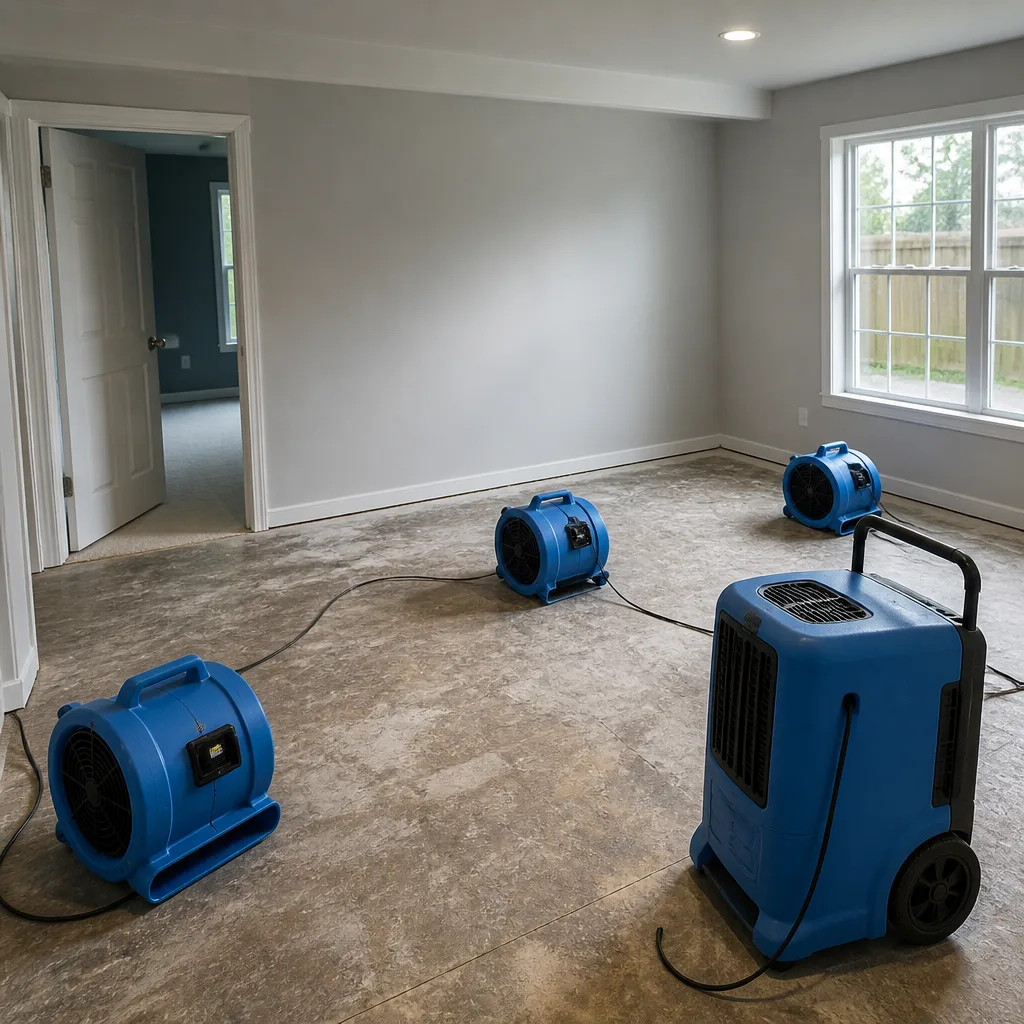
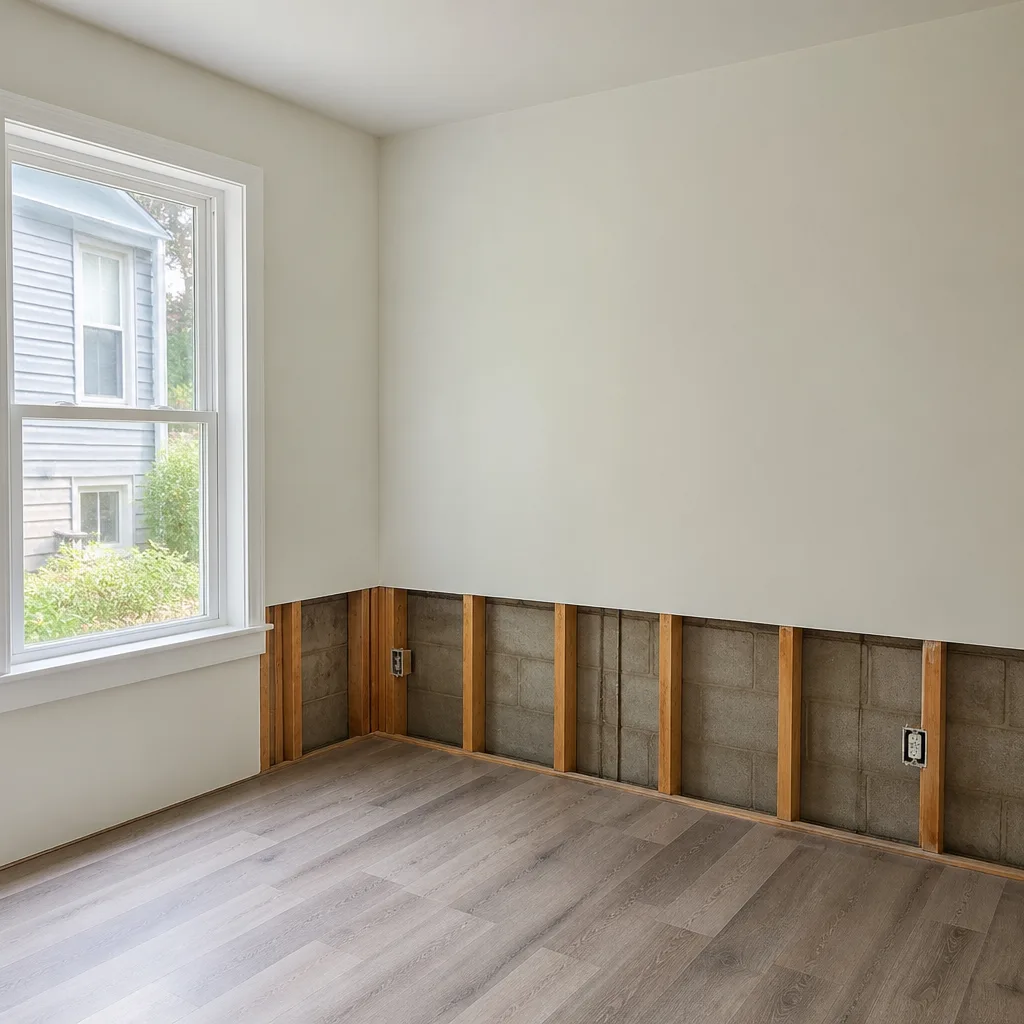
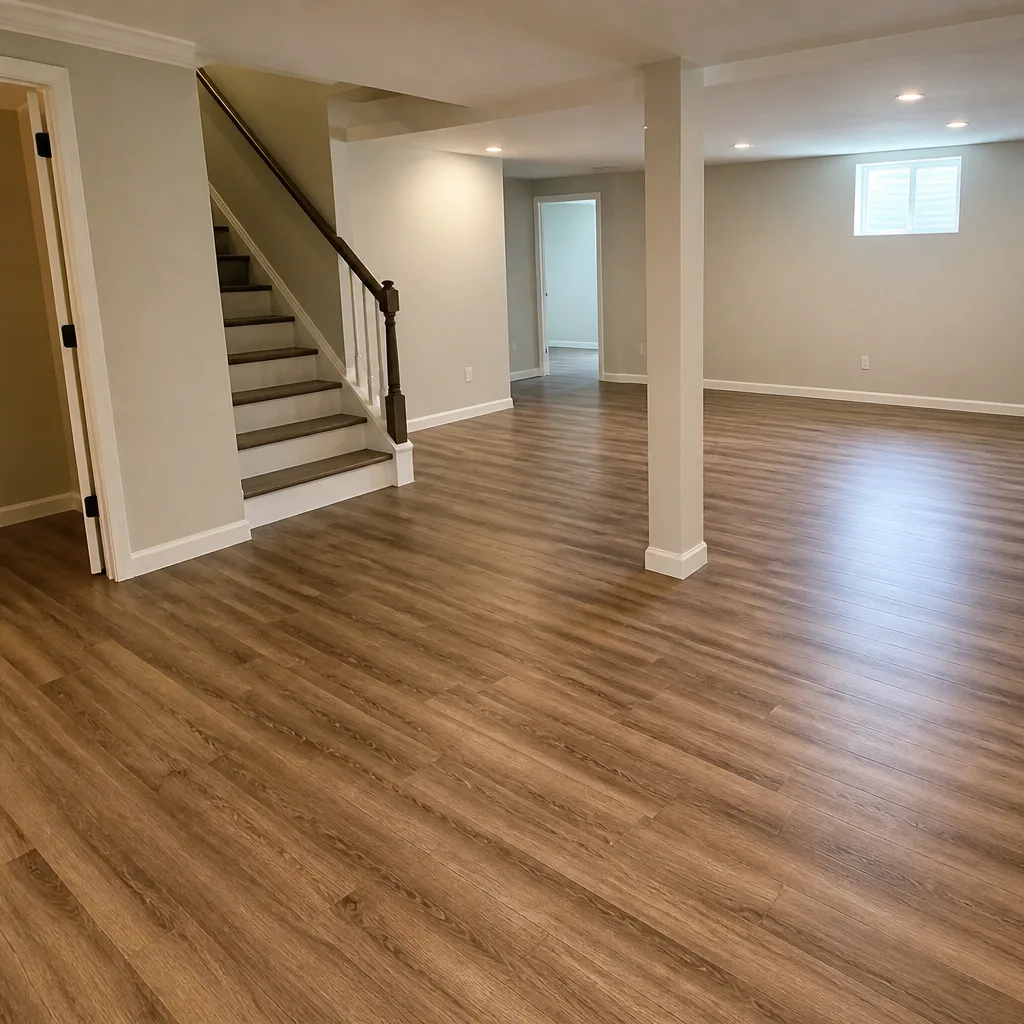
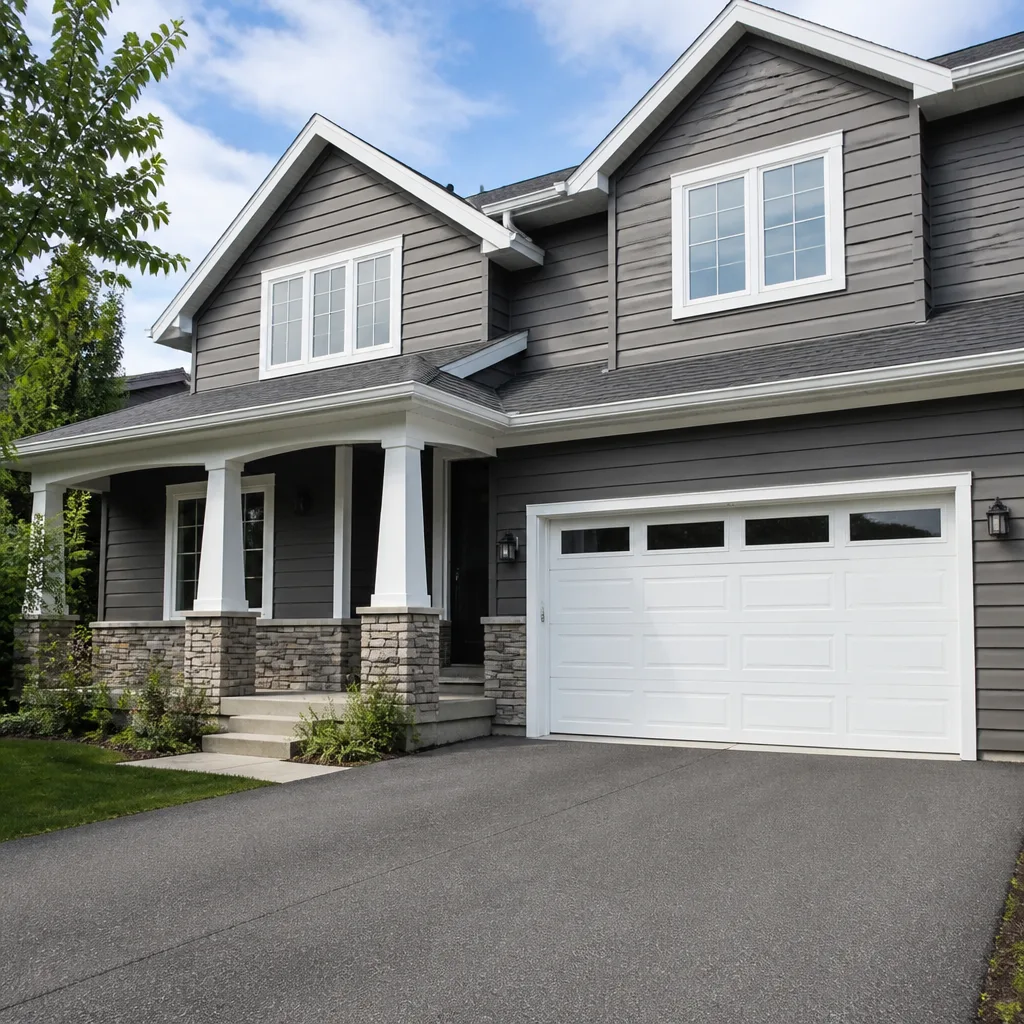
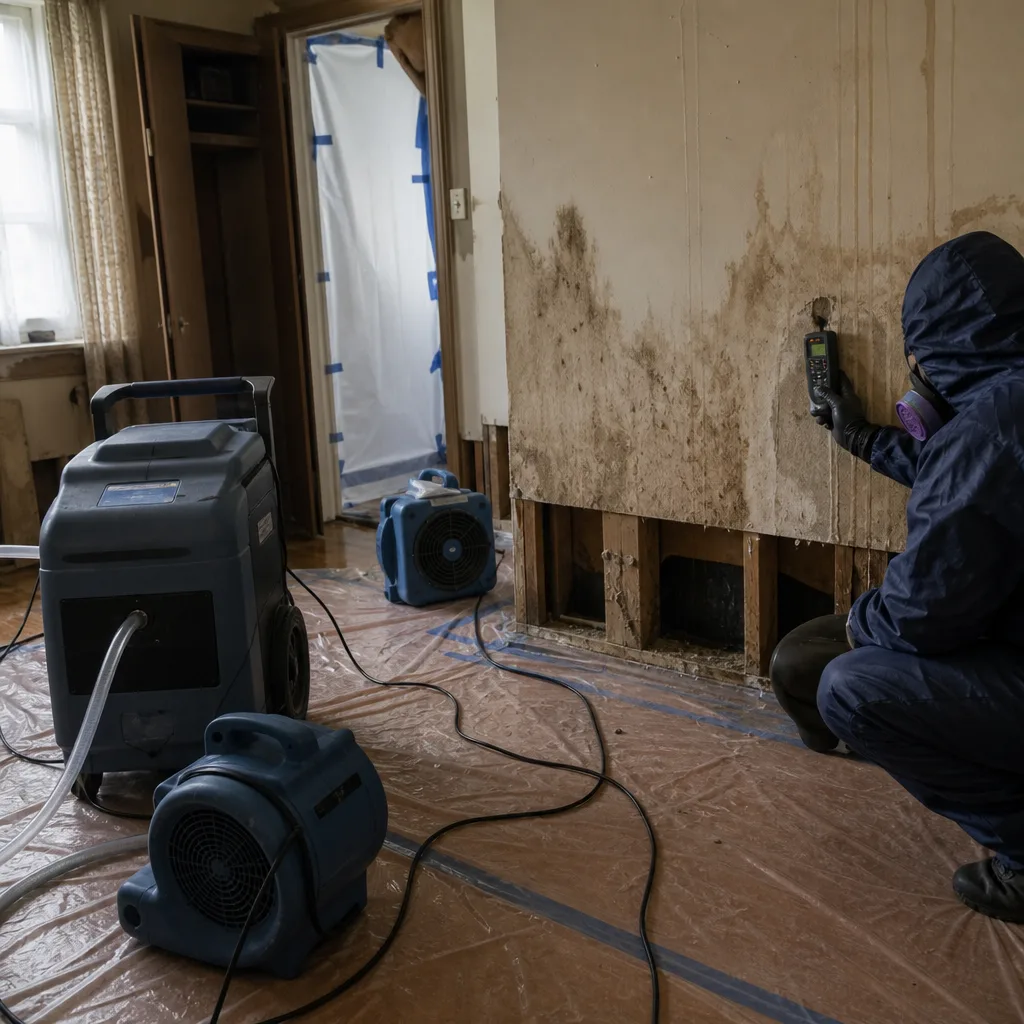 Before
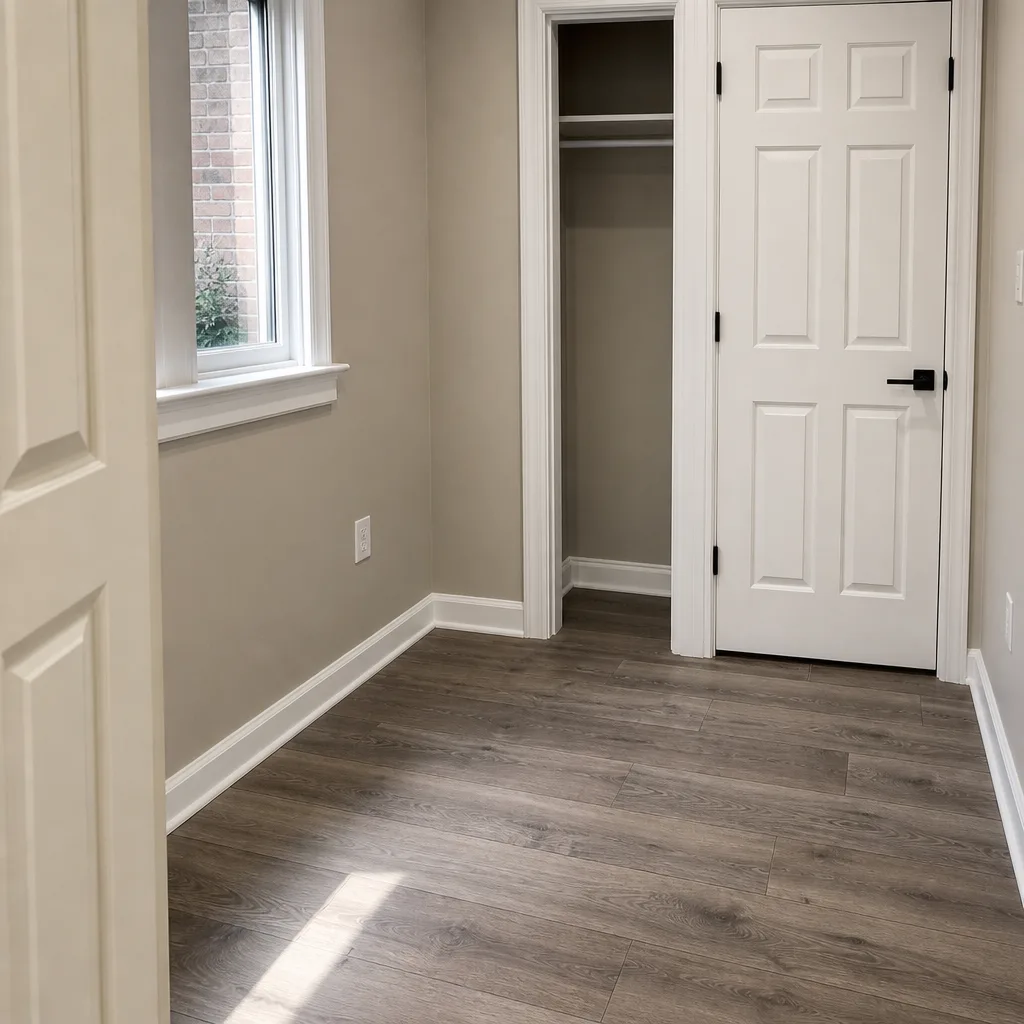 After
After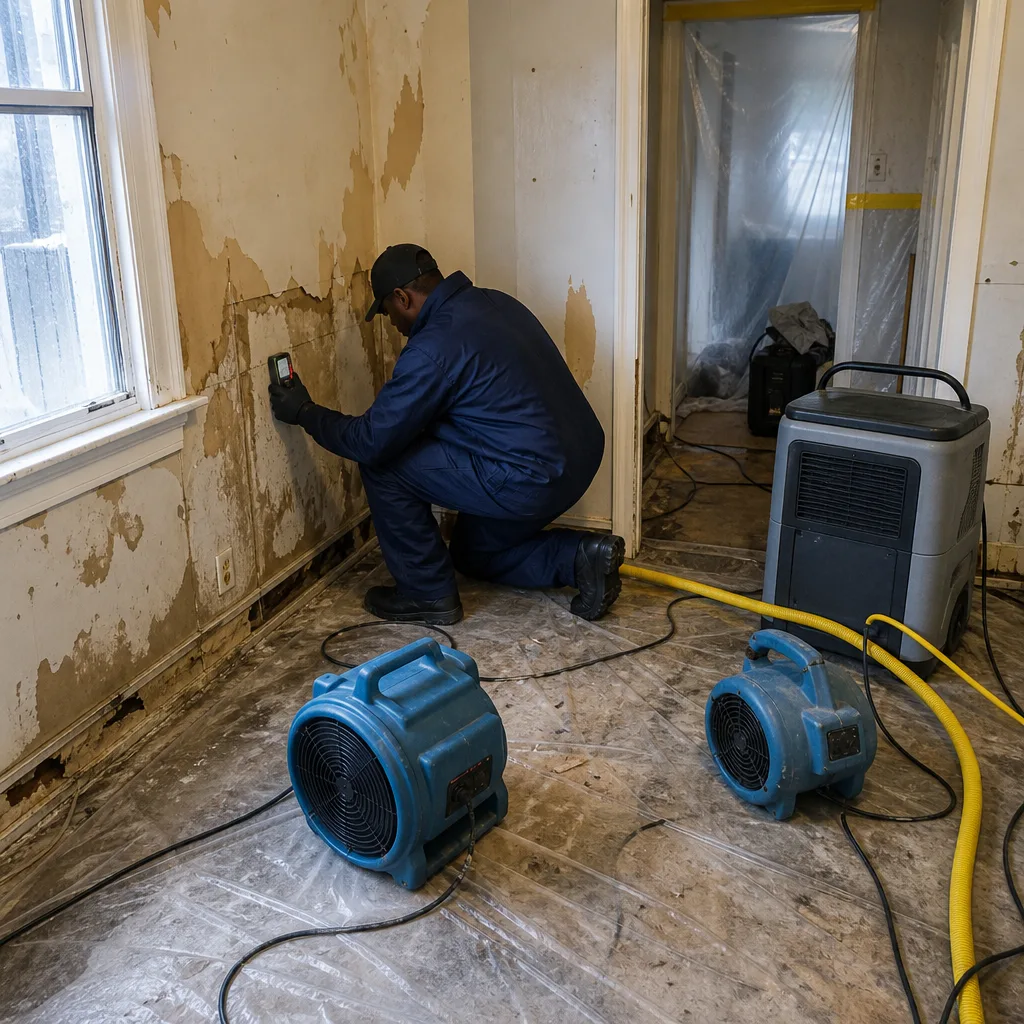 Before
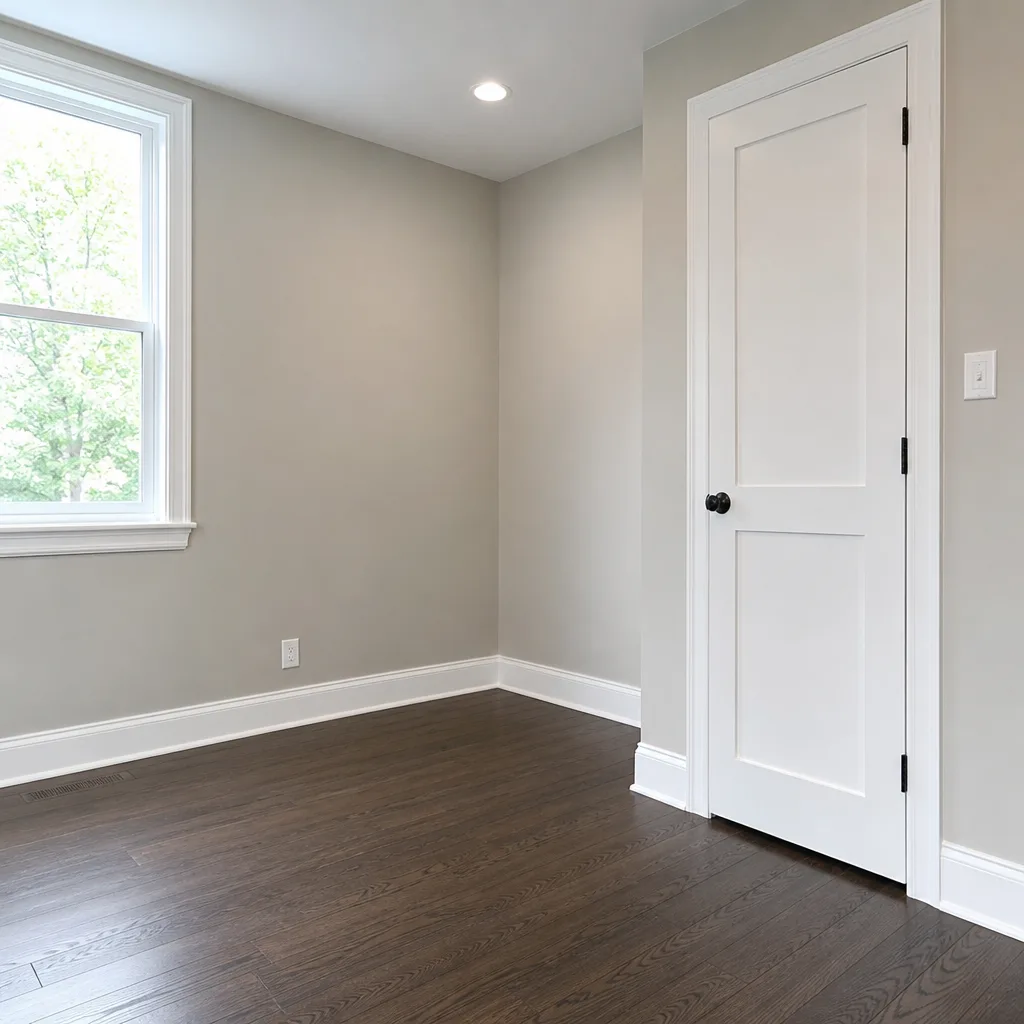 After
After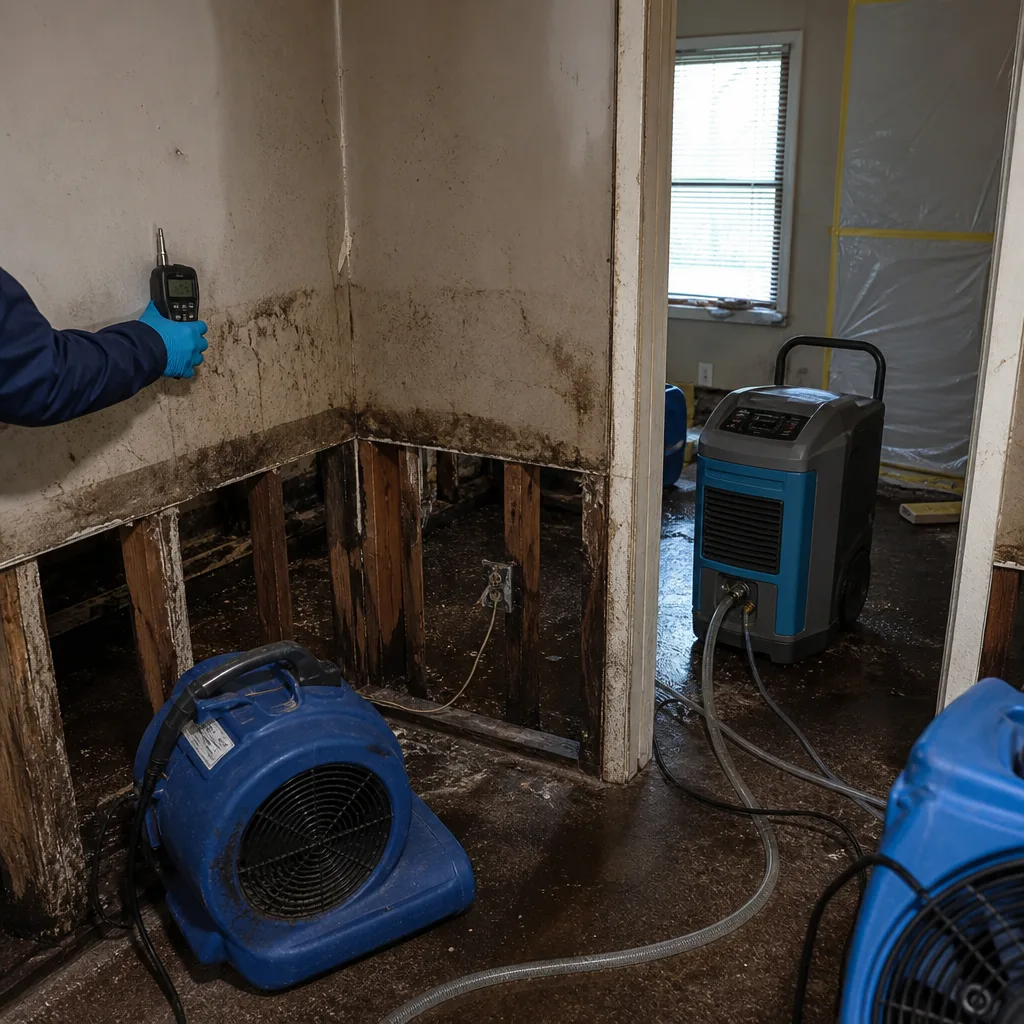 Before
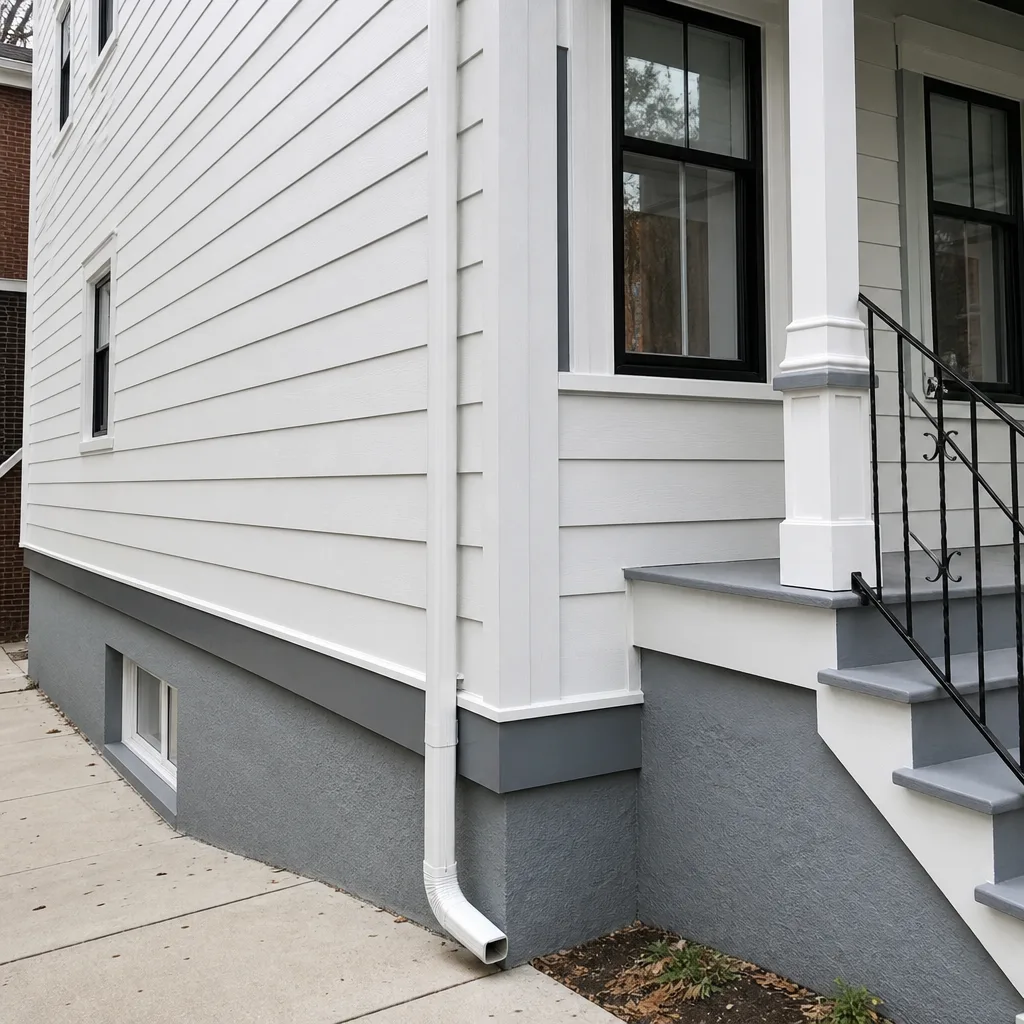 After
AfterDamage Restoration Permits, Codes & Inspections in NY: What You Need to Know
Here’s a number most homeowners in East Flatbush never expect to hear: after a serious water or fire loss, the paperwork can take longer than the demolition. A typical kitchen gut after a supply-line break involves two or three separate permit applications, at least one inspection that gets rescheduled, and a code official who wants to see receipts for every material behind the drywall. Miss one step and you can find yourself ripping out finished work six months later. This guide covers the permits, codes, and inspections that actually apply to damage restoration work in New York, with specific notes for East Flatbush and the surrounding Brooklyn market, so you can move through the process without surprises.
Quick Answer
Most structural damage restoration work in New York State requires a building permit from the local municipality or the NYC Department of Buildings, and in NYC the work is governed by the New York City Building Code, not the state residential code used upstate. Electrical, plumbing, and gas work almost always require separate permits and licensed trades. Inspections happen at defined stages: rough-in, before cover, and final. If the damage is non-structural and limited to finishes like paint, trim, or flooring replacement, you usually don’t need a permit. When in doubt, assume you do.
Table of Contents
- When a Permit Is Required After Damage
- NYC Codes vs. New York State Codes: What Governs East Flatbush
- Building Permits for Structural Repair and Rebuild
- Electrical and Plumbing Permits: The Two Most Common Holds
- Inspections After Restoration: What Gets Checked, and When
- The Permitting Process, Step by Step
- Typical Costs and Timeline in East Flatbush
- Common Mistakes to Avoid
- When to Call a Professional
- Frequently Asked Questions
- The Bottom Line
When a Permit Is Required After Damage
The single most common question we hear from homeowners in East Flatbush is whether they even need to involve the Department of Buildings. The answer is simpler than most people expect: if the repair touches the structure, the systems, or the layout, assume you need a permit. If you are only replacing finishes on top of an intact structure, you likely don’t.
Here is the working rule we use on every East Flatbush job, and it aligns with the NYC Building Code, Chapter 28:
- Structural repairs require a permit. This includes replacing studs, beams, joists, sill plates, roof rafters, or any load-bearing element damaged by water, fire, or impact. If the damage went past the drywall into the framing, expect a permit.
- Electrical work requires a permit. Replacing a water-damaged panel, rewiring a fire-damaged room, or installing new outlets all require an electrical permit and a licensed electrician. No exceptions.
- Plumbing work requires a permit. Replacing damaged supply lines, drains, or gas piping after a fire or freeze requires a plumbing permit and a licensed plumber. A homeowner cannot legally pull this permit on their own in NYC.
- Layout changes require a permit. If you are taking the opportunity to move a wall, relocate a kitchen, or change egress, that triggers plan review, not just a repair permit.
- Finish-only work generally does not require a permit. Replacing drywall, hanging new trim, painting, installing new flooring, and re-tiling over an intact subfloor are typically exempt. But the moment you touch the rough framing or the systems behind those finishes, the exemption ends.
- Roofing repairs have their own rules. Replacing less than 25 percent of the roof in a 12-month period is typically treated as a repair and may not require a permit in NYC, but full roof replacement always does.
In East Flatbush, where much of the housing stock dates from the early to mid-20th century, an additional factor comes into play: older homes often contain materials and wiring methods that current code no longer permits. When a wall is opened for repair, the inspector reviews what’s exposed. If the existing wiring is substandard, you may be required to bring just that exposed circuit up to code, not the whole house. Understanding this before demolition starts saves time and money.
NYC Codes vs. New York State Codes: What Governs East Flatbush
East Flatbush is in New York City, and New York City does not use the New York State Residential Code. The five boroughs operate under the New York City Building Code, which is based on the International Building Code but amended substantially by local law. This is a critical distinction. A contractor who does most of their work in Westchester or on Long Island may not be familiar with the specific NYC amendments, and a inspector in Brooklyn will enforce the NYC version. When you hire a restoration contractor or talk with an insurance adjuster, make sure the conversation is about the NYC code path, not the state code path.
The relevant codes include:
- NYC Building Code (BC): structural standards, fire resistance, means of egress, accessibility.
- NYC Mechanical Code: heating, ventilation, and exhaust systems.
- NYC Fuel Gas Code: gas piping and appliance installation, governed by stricter local rules than most of the country.
- NYC Plumbing Code: water, sanitary, and drainage systems.
- NYC Electrical Code: based on the NEC with local amendments, enforced by the DOB’s Electrical Inspections unit.
- NYC Energy Conservation Code: applies to any work that touches the building envelope or replaces equipment.
For a homeowner in East Flatbush, the practical impact is that restoration work is typically reviewed through one of two paths: a full permit with plan review, or the Directive 14 process for emergency work. Directive 14 is the New York City Department of Buildings provision that allows licensed contractors to perform certain emergency repairs immediately, before a permit is issued, as long as the work is limited to stabilizing the building and making it safe. This is the legal mechanism behind same-day emergency service after a fire, a building impact, or a catastrophic water event. It is not a blanket pass. The work must be emergency in nature, must be reported to the DOB, and the permanent repair still requires the full permit afterward.
In our experience serving East Flatbush and Central Brooklyn since 2010, the homeowners who get through the process fastest are the ones who understand this two-stage rhythm: emergency stabilization first, permitted repair second. Treating the emergency patch as the final repair is how people end up with open violations.
Building Permits for Structural Repair and Rebuild
A building permit in New York City is issued by the Department of Buildings after a review of the scope, the plans, and the licensed professionals involved. For restoration work, the permit is typically filed as an Alteration Type 2 (ALT2) application, which covers repairs that do not change the building’s use, egress, or occupancy. A larger rebuild that changes the layout may be an Alteration Type 1 (ALT1), which requires full plan review and can take significantly longer.
An ALT2 permit can be filed electronically through the DOB’s eFiling system. Most structural repair applications in East Flatbush fall into this path, and the review is often handled by a plan examiner rather than a full architectural board. That does not mean it is fast. Current DOB queues for ALT2 reviews typically run several weeks, and an application with incomplete documents goes back to the end of the line.
Who files the permit matters. In NYC, a building permit must be filed by a registered design professional (a licensed architect or engineer) or a licensed contractor who has taken the additional qualification to self-certify certain work. The homeowner cannot file their own building permit application for structural work. When Floodline Restoration Co. handles a rebuild in East Flatbush, the structural scope goes through a New York State-licensed professional engineer who reviews the existing framing, specifies the repair details, and signs the application. This is a standard part of the job, not an optional add-on.
What the plan examiner looks at, in order of practical importance:
- Life safety and egress. The examiner verifies that the repaired area will not reduce the number of exits, widen any travel distance beyond code, or create a dead-end corridor.
- Structural adequacy. The repair details must demonstrate that the new framing will carry the same load as the original, which for older East Flatbush row houses often means matching dimensional lumber to existing joists rather than substituting modern engineered lumber without design approval.
- Fire resistance. If the work touches a party wall, which is common in brick rowhouse construction, the fire-separation rating of that wall must be maintained. This is a specific East Flatbush concern: attached and semi-attached housing stock requires rated assemblies between units.
- Underlying violations. The DOB reviews the property’s existing record. If the building has open violations from before the loss, the new permit may be conditioned on resolving them. We have helped East Flatbush homeowners find old ECB violations tied to work done thirty years ago that suddenly blocked a water-damage rebuild.
Electrical and Plumbing Permits: The Two Most Common Holds
If there is one place where restoration timelines stall in East Flatbush, it is not the building permit. It is the electrical and plumbing sign-offs. These two trades have their own permitting tracks in New York City, and they cannot be papered over by a general contractor.
Electrical Permits
All electrical work in NYC must be performed by a licensed electrician under an electrical permit issued by the DOB’s Electrical Unit. There is no homeowner exemption for electrical work in New York City. The work is inspected by a DOB electrical inspector, not a private agency. This is different from many jurisdictions in the country where third-party inspectors handle electrical sign-offs.
After a water event, a panel that has been soaked or splashed may need replacement. After a fire, the circuit wiring in the affected rooms almost always gets replaced back to the panel. In both cases, the electrician pulls the permit, performs the work, and schedules the inspection. The inspector verifies the grounding, the panel clearances, the circuit protection, and the branch wiring in the exposed areas. In East Flatbush, where a fair number of homes still have older panels, a partial repair can trigger a requirement to replace the entire service if the existing equipment no longer meets current listing requirements. This is a code issue, not an upsell.
Plumbing Permits
Plumbing permits in NYC are issued through the DOB and the work must be performed by a licensed master plumber. The critical item that catches East Flatbush homeowners off guard is the gas piping requirement. If a fire, flood, or structural repair touches gas piping, the plumber must perform a pressure test, and the DOB inspector witnesses the test. The test result is recorded on the permit. Without a witnessed passing test, the gas service cannot be legally restored.
For water-damage work, the plumbing permit typically covers the replacement of damaged supply lines, waste lines, and any fixtures. The inspection happens after the rough-in is complete but before the walls are closed. The inspector checks the drain slopes, the trap configuration, the venting, and the materials. In an older East Flatbush house, the inspector may also flag existing lead or galvanized piping in the exposed area and require replacement of the visible run even if it was not part of the original loss.
The lesson: do not schedule drywall hanging until both the electrical and plumbing rough-in inspections have passed. Closing a wall before the inspection is the fastest way to create an expensive re-open.
Inspections After Restoration: What Gets Checked, and When
NYC restoration work typically moves through a sequence of required inspections. The order matters. Scheduling an inspection out of sequence wastes time and may require a stop-work order resolution.
Here is the sequence as it applies to a typical East Flatbush fire or water rebuild:
- Rough-in electrical. The electrician schedules this inspection before any insulation or drywall goes up. The inspector looks at wiring methods, box fill, circuit labeling, and grounding.
- Rough-in plumbing. The plumber schedules this inspection at the same general stage. The inspector looks at pipe materials, drain slopes, venting, and any exposed gas pipe that will be covered.
- Framing and fire-blocking inspection. This is performed under the building permit. The inspector confirms that the replacement framing matches the approved plans and that fire-blocking is installed at all required locations, especially at the floor and ceiling lines of a party wall.
- Insulation and energy inspection. If the work touches the building envelope, the inspector verifies that the insulation matches the R-values shown on the permitted plans and that air-sealing details are in place.
- Final electrical. After all devices are installed and the panel is finished, the electrical inspector returns to sign off the permit.
- Final plumbing. After fixtures are set and the systems are tested, the plumbing inspector signs the permit.
- Final building inspection. The building inspector reviews the finished work for life safety, egress, smoke and CO detector placement, and general code compliance. This is the final step before the permit is closed.
Each inspection is scheduled online by the licensed contractor and the results are posted publicly in the DOB’s Building Information System. Homeowners in East Flatbush can look up their own address in the BIS or DOB NOW system to see the status of every inspection and permit. We encourage homeowners to do this. Transparency from the city is free, and it keeps the contractor honest.
One detail that matters for restoration specifically: the DOB inspection schedule does not include emergency stabilization work performed under Directive 14. That emergency notification is a separate filing. If the contractor told you they “handled the paperwork” for the emergency work, ask to see the filed Directive 14 notification. If it does not exist, there is no paper trail for work that was already covered by drywall.
The Permitting Process, Step by Step
Here is the process as we walk East Flatbush homeowners through it, from water line break to final sign-off.
- Document the scope. Before any work starts, a detailed scope is written. Photos, measurements, and a room-by-room list of what is damaged and what will be repaired. This same document serves the adjuster and the plan examiner.
- Determine the emergency path. If the building is unsafe or actively deteriorating (a standing water hazard, an unstable ceiling, a live electrical hazard), the licensed contractor performs the emergency stabilization under Directive 14 and files the notice with the DOB.
- File the permits. The building permit (ALT2 or ALT1) is filed by the registered design professional or licensed contractor. The electrical and plumbing permits are filed by their respective licensed trades. All three applications should reference the same scope.
- Plan review. The DOB reviews the applications. For an ALT2 repair permit, this is typically a plan-exam process without a formal board hearing. Modifications requested by the examiner are answered with revised drawings.
- Permit issuance. Once all three permits are issued, work commences on the permitted scope. The permit card is posted at the front of the property.
- Rough-in work and inspections. Framing, wiring, and piping go in. The rough-in inspections are scheduled before anything is covered.
- Insulation and drywall. After the rough-in sign-offs, insulation goes in, and the energy inspection is completed. Then drywall hangs, tape and finish proceed.
- Finishes and trim-out. Devices, fixtures, flooring, paint, and millwork go in.
- Final inspections. The electrical, plumbing, and building finals are scheduled and passed. The permits are closed in the DOB system.
In a typical East Flatbush kitchen or full-basement restoration, this process runs six to ten weeks from first filing to final sign-off, assuming no violations, no plan-examiner objections, and no rescheduled inspections. Larger rebuilds that change layout can run three to four months. That timeline is the same regardless of contractor, because the bottleneck is the DOB queue, not the crew. Any contractor promising a full permitted rebuild in two weeks is telling you they intend to skip the paperwork.
Typical Costs and Timeline in East Flatbush
Permit and inspection costs in New York City are structured, not arbitrary, but the line items add up. Here is what an East Flatbush homeowner can expect to pay for the paperwork side of a restoration, based on the work we see most frequently:
- DOB building permit filing fee: based on the estimated cost of work. For a typical $40,000 to $70,000 water or fire rebuild, the permit fee runs roughly $800 to $1,400. There is no flat fee, and the DOB’s cost calculator is public.
- Electrical permit and inspection: typically $500 to $900 including the permit fee and the DOB electrical inspection, depending on the scope. Paid by the electrician and billed to the job.
- Plumbing permit and inspection: similar range, $500 to $1,000 depending on the number of fixtures and gas test requirements.
- Professional engineer or architect fees: for a repair-level ALT2 with drawings, typically $1,500 to $3,500. If the loss requires an ALT1, plan costs rise accordingly.
- Asbestos survey: required before any demolition in NYC buildings regardless of age. A standard residential survey in East Flatbush runs $400 to $800, and the report is submitted with the permit application.
- Insurance adjuster coordination: the permit and inspection fees are covered by most homeowners policies as part of the loss, but only if they are documented in the claim. We submit these as direct line items to the carrier.
Timeline-wise, count on three to six weeks for the initial permit issuance on a straightforward repair, because the DOB plan-exam queue is what it is. The rough-in inspections are typically scheduled within a week of request. The final inspections often take another week to schedule. The city does not expedite restoration permits for homeowners. Emergency work under Directive 14 bypasses the queue for stabilization only, not for the permanent repair.
For an East Flatbush homeowner these numbers are not hidden costs. They are part of the job from day one. When the contractor’s written scope includes the permit and inspection budget, there are no surprises on the back end.
Common Mistakes to Avoid
- Closing walls before the rough-in inspection. The most expensive mistake in the business. A wall closed before the electrical or plumbing inspector signs off gets reopened at your expense. In East Flatbush, where inspectors may be scheduled a week out, the temptation to “just hang the board” is real. Don’t.
- Treating the emergency patch as the final repair. Directive 14 work is stabilization. The permit for the permanent repair is a separate filing. We have seen homeowners move back into a finished space and discover the DOB has no record of the permanent work.
- Hiring an unlicensed contractor who says “the building department doesn’t need to know.” In NYC, unlicensed contracting on a permitted job is a misdemeanor, and the work may be subject to a stop-work order when the DOB discovers it. More importantly, the homeowner carries the liability for unpermitted work indefinitely.
- Skipping the asbestos survey. NYC requires it for all demolition, even in newer buildings. Filing without it delays the permit. And note: a 2010 build in East Flatbush still falls under the rule. There is no age exemption in the city.
- Not checking the property’s violation history before filing. An old open violation will hold up a new permit. Look up the address in the DOB’s Building Information System before you file. It’s free, and it can add weeks to the timeline if there is a hidden issue.
- Assuming the insurance carrier handles the permits. The carrier pays for the permits as part of the claim, but the contractor files them. No permit is ever filed by an insurance company. If no permit application is in the DOB system for your address, nobody has filed one.
- Using an out-of-area contractor who does not know the NYC amendments. The NYC code differs from the state code. A Long Island general contractor may do excellent work and still produce drawings that get bounced by a DOB plan examiner because the NYC-specific details are missing. This adds weeks to review.
When to Call a Professional
There are situations where a homeowner should not attempt to manage the restoration permitting alone. If the loss touched the building’s structure, the electrical system, or the plumbing and gas systems, the work requires licensed professionals and permitted applications, and no amount of weekend study changes that. If the DOB has posted a violation or stop-work order, resolve it before doing anything else. If the insurance carrier’s adjuster is asking for documentation you do not have, bring in a restoration contractor who files permits as a routine part of the scope, not as an afterthought.
Floodline Restoration Co. offers free estimates in East Flatbush. We handle the full cycle: emergency stabilization, permit applications, licensed trade coordination, inspections, and the finished rebuild. Call (518) 750-3137 to have someone look at your job.
Frequently Asked Questions
If the repair is limited to replacing drywall, flooring, and paint, no permit is needed. If the damage touches framing, electrical, plumbing, or gas systems, a permit is required. In East Flatbush, older homes with plaster walls and original wiring often need a permit because the water exposure reaches the structure behind the finishes.
A straightforward ALT2 repair permit takes three to six weeks from filing to issuance in the current DOB queue. Electrical and plumbing permits are typically issued faster, often within one to two weeks, but the building permit controls the timeline. Larger ALT1 rebuilds can take two to three months in plan review.
No. Your insurance carrier covers the cost of permits and inspections as part of the claim, but the licensed contractor files the applications and manages the inspections. The permit is issued to the licensed professional who signs the application. The carrier never appears on the permit paperwork. If you need help coordinating with your adjuster, Floodline Restoration Co. bills the carrier directly and documents every permit fee as a line item in the claim.
Directive 14 is the DOB provision that allows a licensed contractor to perform emergency stabilization work before a permit is issued, as long as the work is limited to making the building safe and the contractor files a notice with the DOB. It covers emergency shoring, temporary board-ups, and immediate hazard removal. The permanent repair still requires a full permit afterward. In East Flatbush, this is the legal path for same-day or next-day emergency response after a fire or structural water event.
Yes. New York City requires an asbestos survey before any demolition work, regardless of the building’s age or the size of the repair. A typical residential survey costs $400 to $800 and the report must be submitted with the permit application. This applies to a two-foot drywall cut the same way it applies to a full gut.
The inspector will require you to reopen the covered work at your own expense. There is no informal pass. In an East Flatbush home, this often means removing fresh drywall and insulation to expose rough wiring and piping that was already signed off by the contractor but never viewed by the DOB inspector. The re-inspection still happens, and the reopening costs come out of the homeowner’s pocket.
Yes. On every structural restoration job in East Flatbush, we file the building permit through a New York State-licensed professional engineer, coordinate the electrical and plumbing permits with their respective licensed trades, schedule all inspections, and keep the paper trail in order through the final sign-off. The permit fees are documented and billed to the carrier as part of the claim. Call (518) 750-3137 to confirm what your project will need.
The Bottom Line
The permit path in New York City is strict, and East Flatbush sits squarely inside that system: NYC Building Code, DOB inspections, licensed trades, asbestos surveys, and Directive 14 for emergencies. The homeowners who come through a restoration without losing time or money are the ones who treat the paperwork as part of the job from the first day, not as a surprise at the end. The permit fees are claimable. The inspections are free. The only thing that costs real money is skipping them. Done right, and backed in writing: that’s the standard we hold to on every East Flatbush job, from the first moisture reading to the final sign-off.
Written by Curt Bowman, Owner at Floodline Restoration Co., serving East Flatbush since 2010.