
Injectidry Water Damage Restoration in East Flatbush: A Homeowner’s Guide
Injectidry systems dry the inside of a wall cavity without tearing the wall open. In East Flatbush, where attached rowhouses and pre-war co-ops make structural changes complicated and expensive, this can save homeowners $3,000 to $8,000 in demolition and drywall work. But the system only works when it’s used on the right kind of water damage, and knowing the difference is what protects you from paying for a shortcut that doesn’t hold up.
What Injectidry Actually Does
Most people assume a wet wall has to come down. That’s not always true. Injectidry is a drying system that forces dry, filtered air into wall cavities through small holes drilled into the drywall. The air moves through the space between the studs, picks up moisture, and exits through exhaust holes. The wall stays in place. The framing dries from the inside.
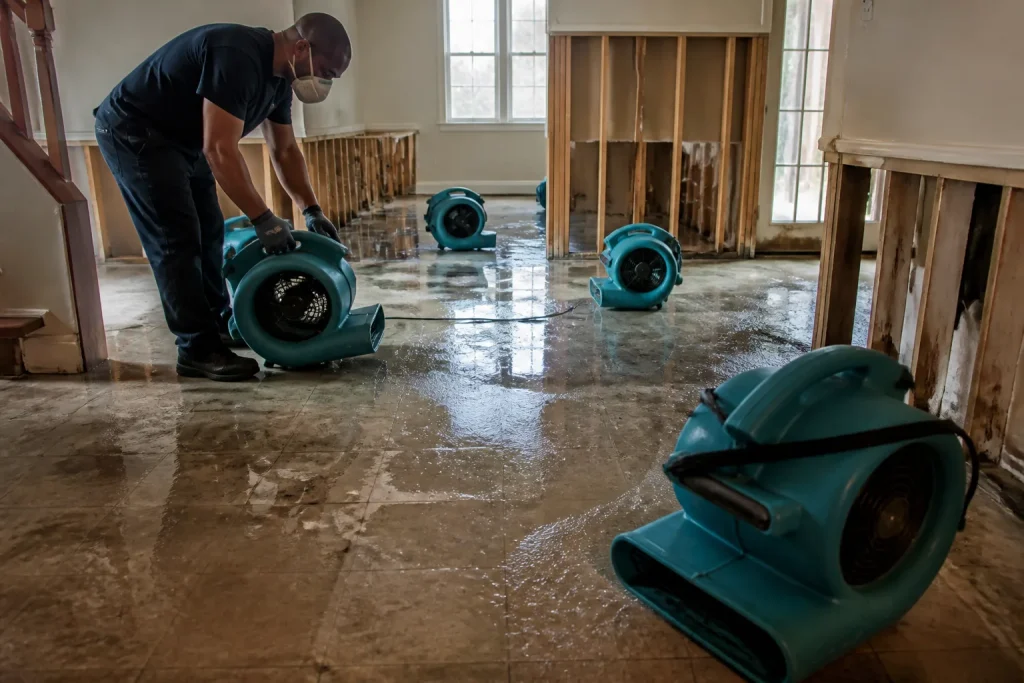
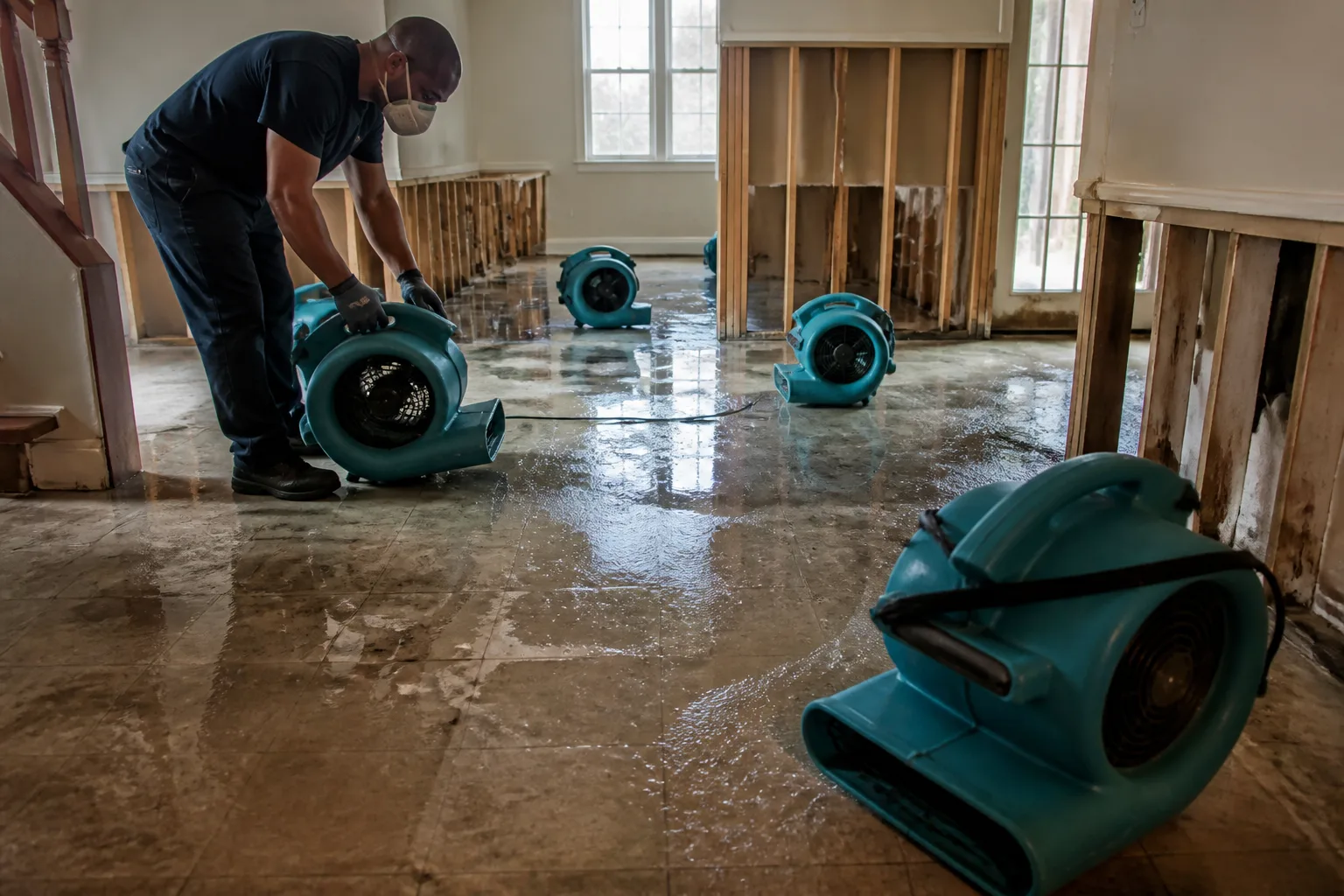
We use Injectidry alongside our other drying equipment – Dri-Eaz and Phoenix air movers and dehumidifiers handle the room, while the Injectidry panel targets the cavity. The panel is a manifold that distributes air to multiple injection points at once, so an entire wall section dries evenly rather than in one spot.
For an East Flatbush rowhouse, this matters more than in a detached suburban home. Your wall often isn’t just your wall. It’s the neighbor’s wall too. Opening it means patching, repainting, and sometimes explaining the work to a co-op board or an adjacent owner. Drying in place avoids that entirely when conditions allow.
If you’re dealing with water damage right now and want to know whether this approach fits your situation, call (518) 750-3137. A live person answers, day or night, and we’ll walk you through what we’d check first.
Why East Flatbush Housing Makes Injectidry Especially Useful
East Flatbush is dense. Much of the housing stock is attached brick rowhouses built before 1940, plus a significant number of co-op buildings where unit walls are shared. That changes the calculation when water gets behind a wall.
In a freestanding house, opening a wall is mostly a matter of cost and mess. In a rowhouse, it can involve your neighbor’s drywall, your neighbor’s paint, and your neighbor’s patience. In a co-op, it can mean board approval before structural work starts, and board approval takes time you don’t have when moisture is sitting in a cavity feeding mold growth.
We see this regularly in East Flatbush. A supply line leaks behind a kitchen wall on the second floor of a co-op on Snyder Avenue. The tenant below reports a water stain on their ceiling. The natural instinct is to open everything up. But if the wall cavity is drywall over wood studs with fiberglass insulation that hasn’t been soaked through, Injectidry can dry both sides of the shared wall without anyone touching the neighbor’s unit.
That’s not a sales pitch. It’s a structural fact about how attached housing works. The fewer surfaces you open, the fewer approvals you need, and the faster the job finishes.
When Drying in Place Beats Demolition
- Clean water sources only: Supply line leaks, radiator overflows, rainwater intrusion through a window. Category 1 water, in industry terms.
- Drywall is wet but not crumbling: Moisture readings above normal but the board is still structurally sound.
- Framing is wet but not rotted: Studs and plates that show elevated moisture but no decay or warping.
- Insulation is either absent or only lightly damp: Blown-in cellulose or fiberglass that hasn’t been submerged.
- The cavity is accessible for drilling: No tile, stone, or other hard finishes blocking the injection points.
How the Process Works, Step by Step
You don’t need to run the equipment. But knowing the sequence helps you ask the right questions and spot a contractor who’s cutting corners.
- 1
Moisture mapping: A technician uses a moisture meter to establish baseline readings across the affected wall, marking wet zones with tape or a diagram. This map tells us where to place injection and exhaust holes. In an East Flatbush rowhouse, we also check the adjacent wall to see if moisture has migrated through the party wall.
- 2
Drilling small access points: Holes are typically a half-inch or smaller, drilled between stud bays. These holes are later patched and painted. No wall section is removed.
- 3
Installing injection points: The Injectidry hoses connect to the panel, which forces filtered air into each cavity. Exhaust holes allow moist air to escape. The system runs continuously until daily readings show the dry standard has been met.
- 4
Daily monitoring: Technicians return each day to log moisture readings from each cavity. You should see the numbers trending down. If they plateau, something is wrong – a missed cavity, a hidden leak, or a material that can’t dry in place.
- 5
Final clearance: When all cavities reach the dry standard – typically matching the equilibrium moisture content of unaffected building materials in the same unit – equipment is removed, holes are patched, and you receive the moisture log.
The moisture log is the part homeowners undervalue. It’s a dated record of every reading from day one to final clearance. That document proves the wall was dried to an objective standard. It’s what you show an insurance adjuster if there’s a dispute, and it’s what you keep for resale documentation if a buyer asks about past water damage.
We pulled an Injectidry system out of a garage apartment on Clarendon Road last month where a water heater had leaked behind a finished wall. The homeowner expected demolition, but the leak was caught within 24 hours, the water was clean, and the cavity dried in four days. Total cost was a fraction of a gut-and-rebuild. That’s the scenario where this system makes the most sense.
For more on the full range of water-related problems we handle, see our Water Damage Restoration in East Flatbush page.
When Injectidry Is the Wrong Call
We want to be direct about this because a contractor who sells drying in place for every job is doing you a disservice. Injectidry is not appropriate for every wet wall, and pushing it where it doesn’t belong leaves you with hidden moisture, hidden mold, and a bill that didn’t solve anything.
Here’s when you should expect wall opening instead:
- Sewage or contaminated water: Category 3 water – sewage backups, toilet overflows with waste, floodwater from outside. The drywall and insulation are contaminated. Drying doesn’t remove pathogens. The materials come out. No exception.
- Insulation that’s saturated: Wet fiberglass batts or soaked cellulose lose their R-value and hold moisture against framing. You can’t dry through a soaked blanket of insulation effectively. It gets removed and replaced.
- Structural framing damage: If studs, plates, or subflooring are rotted, warped, or softened, drying can’t restore their load-bearing capacity. That framing gets sistered or replaced.
- Visible mold growth inside the cavity: If mold is already established on the back of drywall or on framing, drying stops moisture but doesn’t remove the contamination. That requires Mold Remediation in East Flatbush protocols.
- Hard finishes block access: Tile over cement board, stone veneer, or plaster over lath in pre-war East Flatbush buildings. If you can’t drill clean injection points, you can’t dry the cavity in place.
When any of these conditions are present, the honest recommendation is demolition. It costs more upfront, but it’s the right fix. We’ve walked away from jobs where a homeowner wanted drying in place on sewage-impacted drywall, because no amount of equipment makes that wall safe to keep.
What Your Technician Should Show You
This is where homeowners in East Flatbush get taken advantage of or simply never informed. A proper Injectidry job involves documentation and transparency from day one. If these things aren’t happening, ask why.
- The moisture map on day one: You should see a diagram or marked wall showing where the wet zones are and where injection points will be placed. If the tech wings it without a meter, that’s a red flag.
- Daily readings, in writing: Each visit should record moisture content for each cavity. We mark ours on a log sheet that stays with the job file. You’re entitled to see it.
- The equipment placement plan: How many injection points, where exhaust holes go, what the panel setup looks like, how long the system runs each day.
- The dry standard target: The technician should tell you what number they’re aiming for and why. Usually it’s matching the moisture content of a comparable dry area of your home.
- Final clearance numbers: When the system comes out, you should receive confirmation that every cavity reached the target. Not “looks dry.” An actual number on a meter.
- Patch and paint expectations: The small drill holes need patching and paint matching. Ask who does that and whether it’s included in the quote. It should be.
If a contractor can’t or won’t provide this documentation, you have no way to verify the job worked until you see problems later – and by then the equipment is long gone and the mold is established. Our technicians are trained to IICRC and RIA standards, and the moisture log is a requirement on every job, not a courtesy.
Insurance, Co-op Boards, and Documentation
Injectidry work in East Flatbush often involves more than just the homeowner. The insurance carrier wants proof the drying was done correctly. The co-op board wants to know the work won’t compromise the building envelope. Your neighbor wants to know their wall isn’t being affected.
The moisture log answers all three. It’s the written evidence that supports your insurance claim, demonstrates to a board that work was completed to professional standards, and confirms to an adjacent owner that the shared wall was dried without intrusive demolition.
We bill insurance carriers directly on covered claims, and we document everything – photos, meter readings, equipment logs – because adjusters respond to records, not reassurances. If your carrier disputes a claim, the log is the difference between a quick resolution and a months-long fight.
For East Flatbush co-op owners, ask your board early whether they have any requirements for drying equipment in attached walls. Some boards want written confirmation that no structural changes occurred. We can provide that documentation in the form of the final moisture report showing cavities were dried in place with no wall opening.
The Bottom Line
Injectidry is not a magic fix for every wet wall, but it’s the right tool for a specific problem: clean water inside a wall cavity that can be dried without demolition. In East Flatbush, that specificity translates into real money saved on drywall work and real time saved navigating board approvals and neighbor concerns.
What you should remember: drying in place works for clean water on drywall-over-stud construction where insulation isn’t saturated and framing isn’t damaged. It doesn’t work for sewage, mold, or structural failure. And the proof of a successful job is the moisture log, not a technician’s word.
If you’re in East Flatbush and dealing with water behind a wall, call us. We’ll assess whether Injectidry fits your situation, give you a written scope before any work starts, and stand behind the result with our 90-Day Done Right Promise. Call (518) 750-3137 for a free estimate. A live person answers – always.
Frequently Asked Questions
Most cavity drying jobs in East Flatbush take three to seven days, depending on the amount of water, the wall construction, and how quickly the leak was stopped. Daily moisture readings determine when the system comes out, not a fixed schedule. Rushing the process means leaving moisture behind, which defeats the purpose.
Insurance carriers generally cover Injectidry drying when it’s the appropriate method for the type of water damage, because it’s typically less expensive than demolition and reconstruction. The key is documentation – daily moisture readings, a clear dry standard, and a final report. If your carrier questions the approach, that paperwork answers their questions. Call (518) 750-3137 and we’ll help you understand what your policy covers.
No. Injectidry removes moisture, not contamination. If mold is already established inside the cavity, the affected materials need to be removed and the area treated following mold remediation protocols. Drying in place on a mold-contaminated cavity just dries the mold, which doesn’t make it safe.
Injectidry work typically doesn’t require board approval because it doesn’t involve structural alterations – no wall removal, no changes to the building envelope. However, some East Flatbush co-op boards want written confirmation of exactly what work occurred. The final moisture report provides that documentation. Check your building’s house rules to be sure.
Written by Curt Bowman, Owner at Floodline Restoration Co., serving East Flatbush since 2010.
Related services in East Flatbush: Floodline Restoration Co. home | Fire & Smoke Damage Restoration in East Flatbush
Need Damage Restoration Help?
Call Floodline Restoration Co. - licensed & insured, here with fast after-hours help in East Flatbush.
(518) 750-3137