
Last updated August 25, 2026
Free visual inspection and a written scope of work before any mitigation begins - photos, moisture readings, and drying logs go in your claim file
The scope we write is the scope we bill. Anything new gets shown to you, in writing, before we touch it.
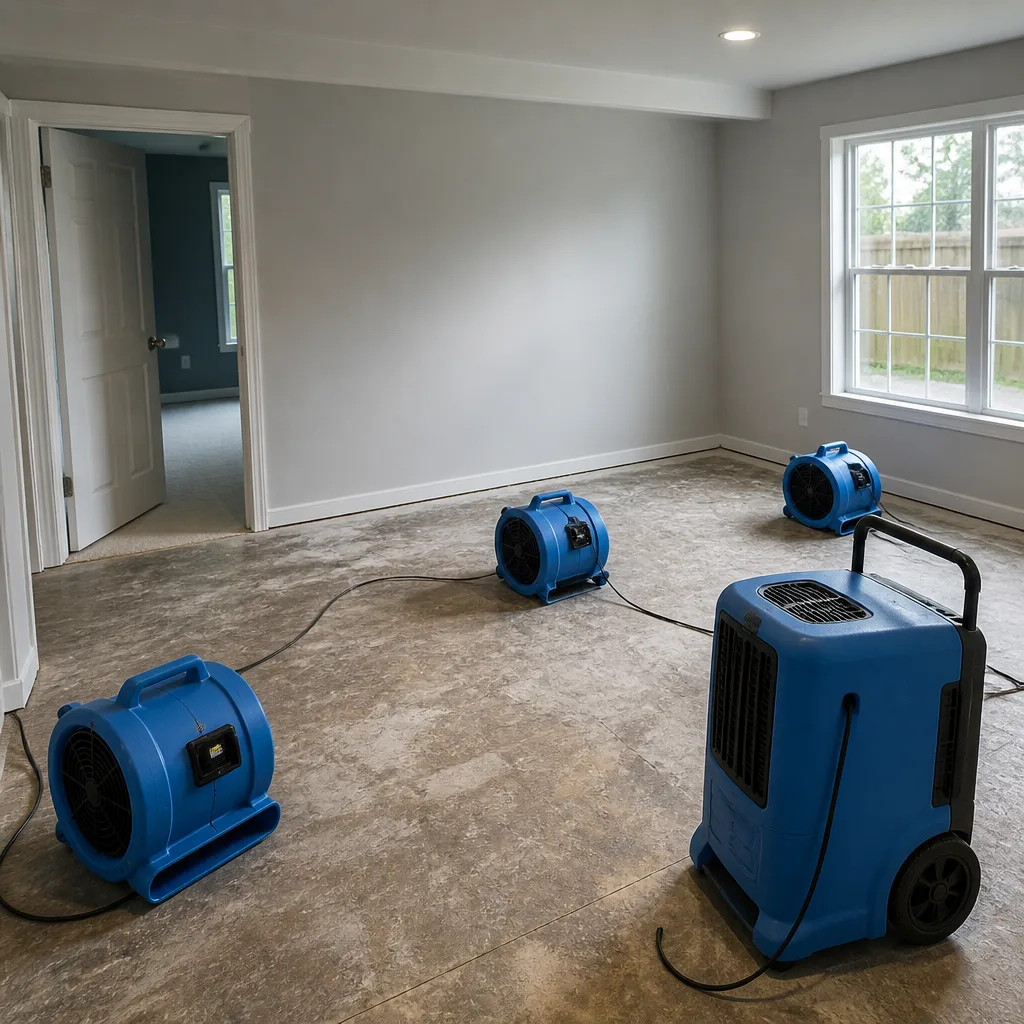

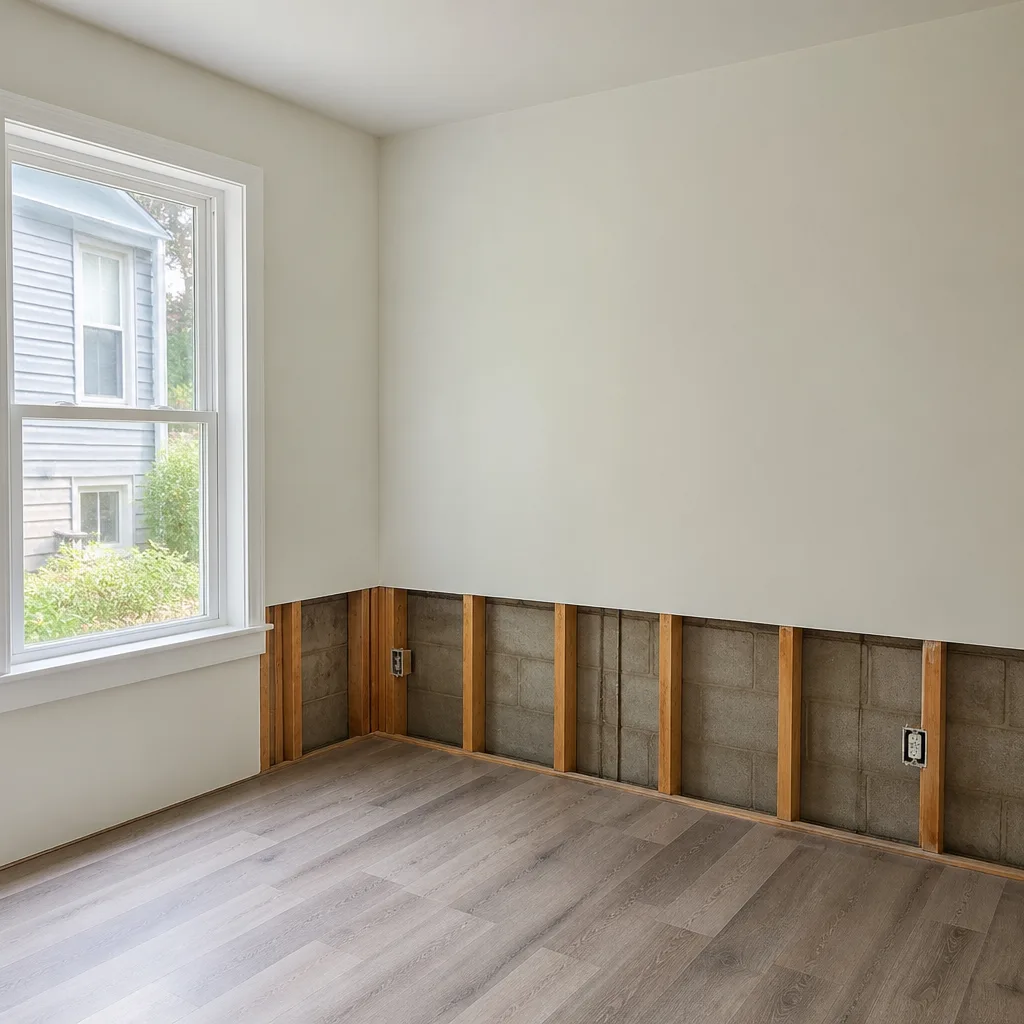

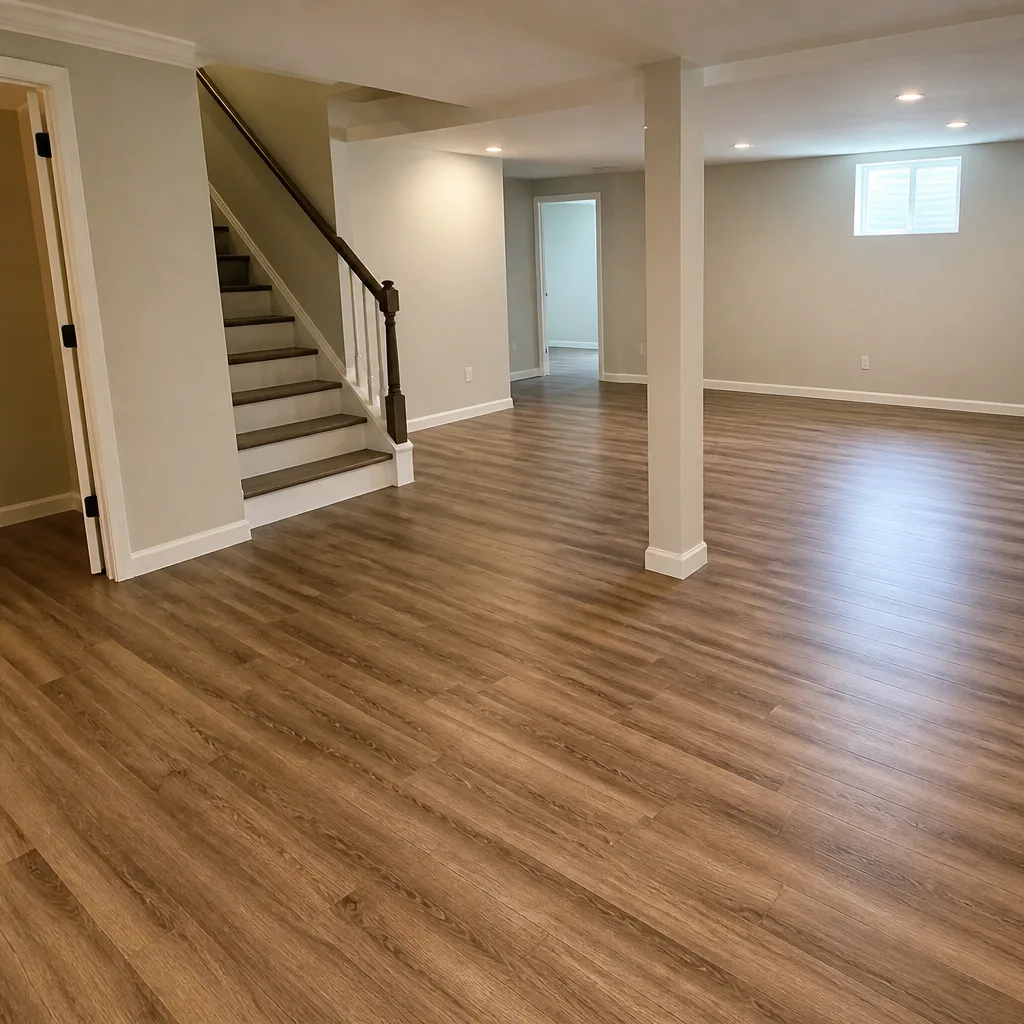

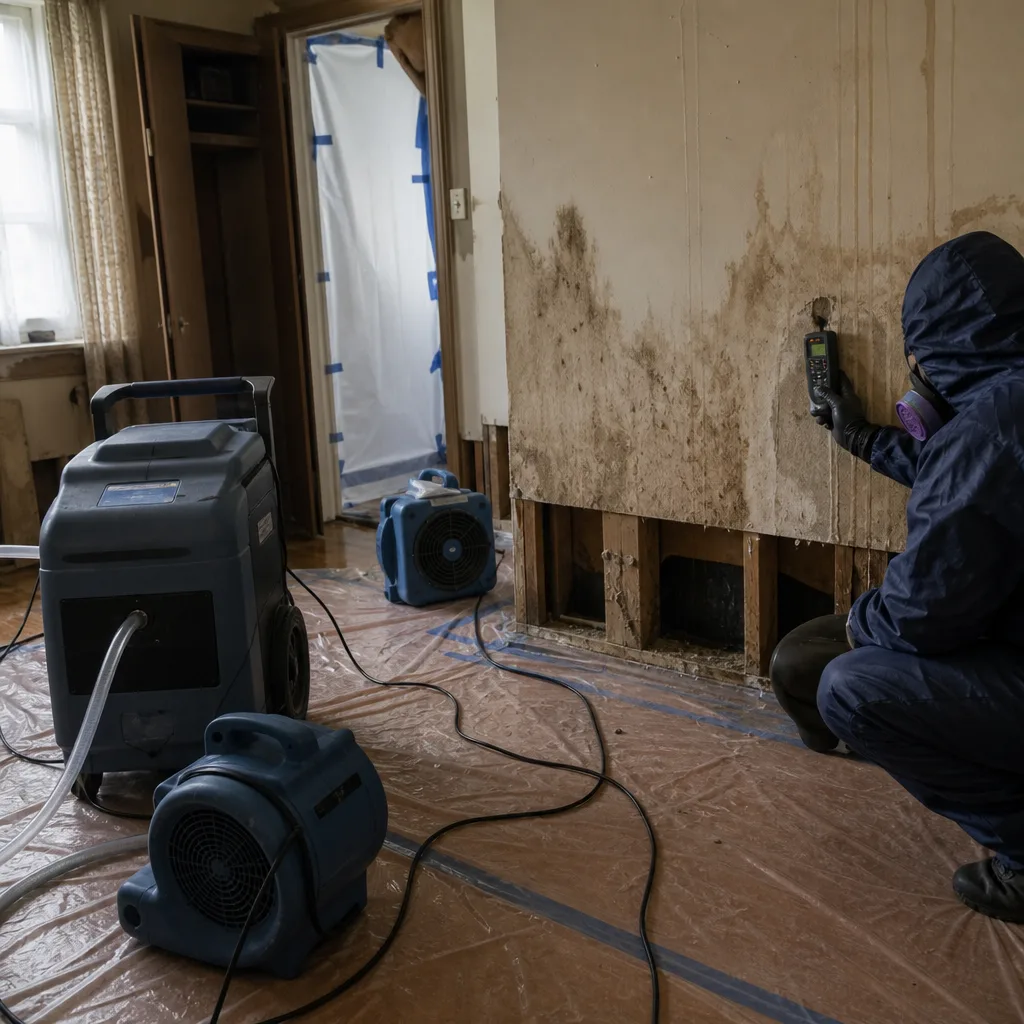 Before
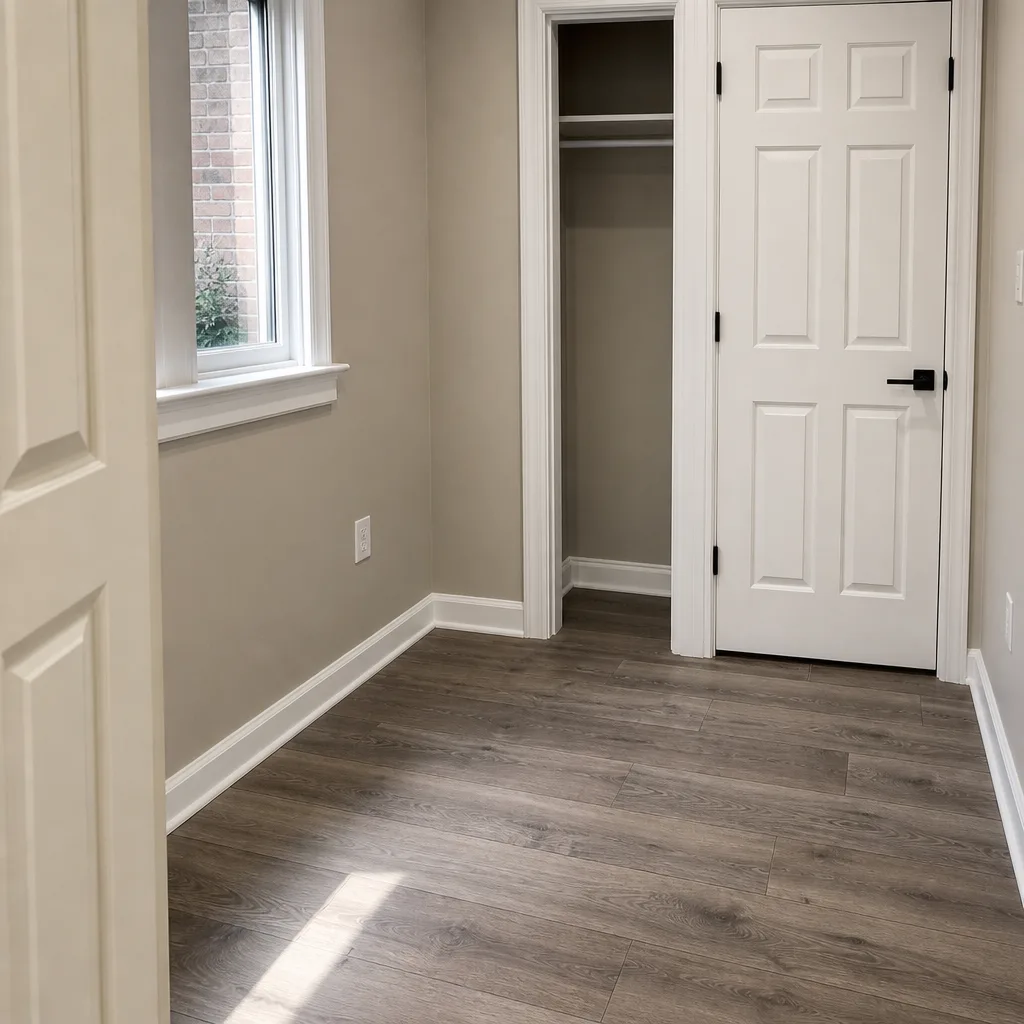 After
After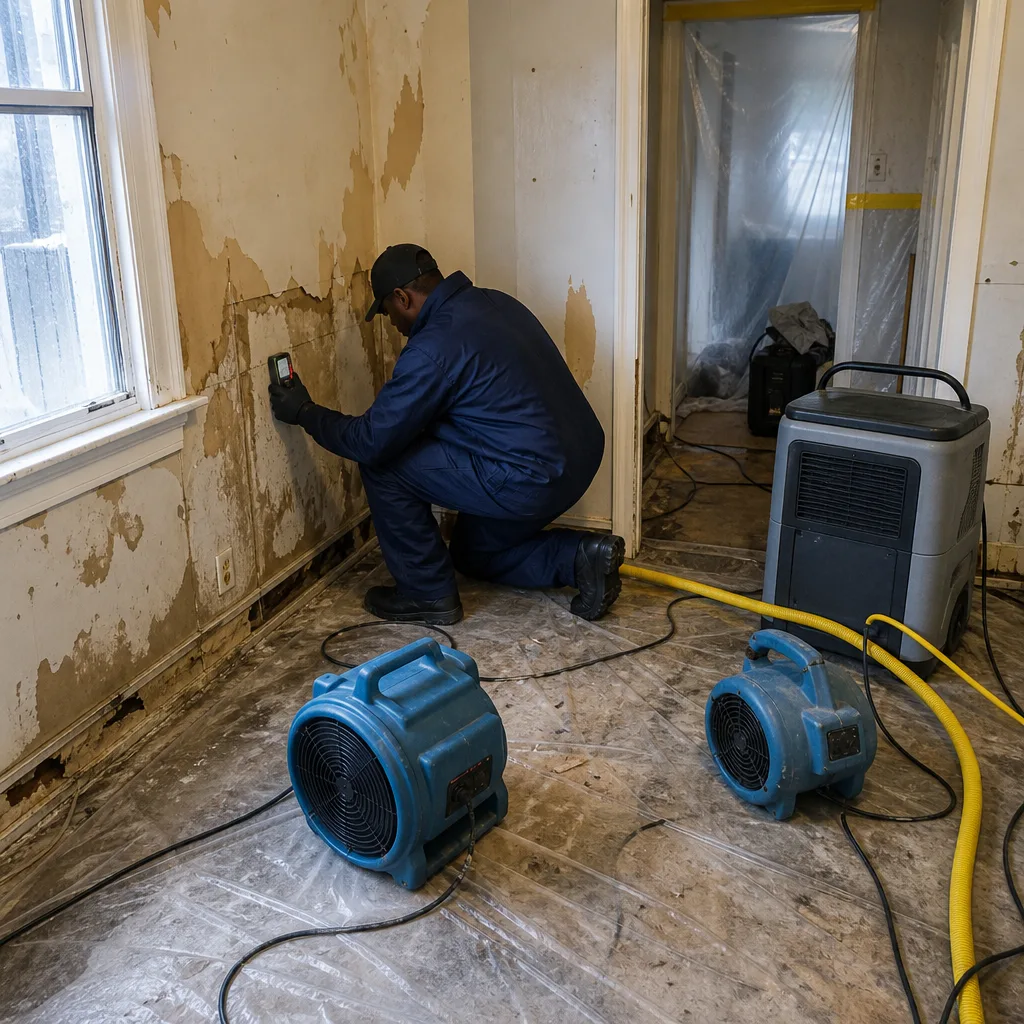 Before
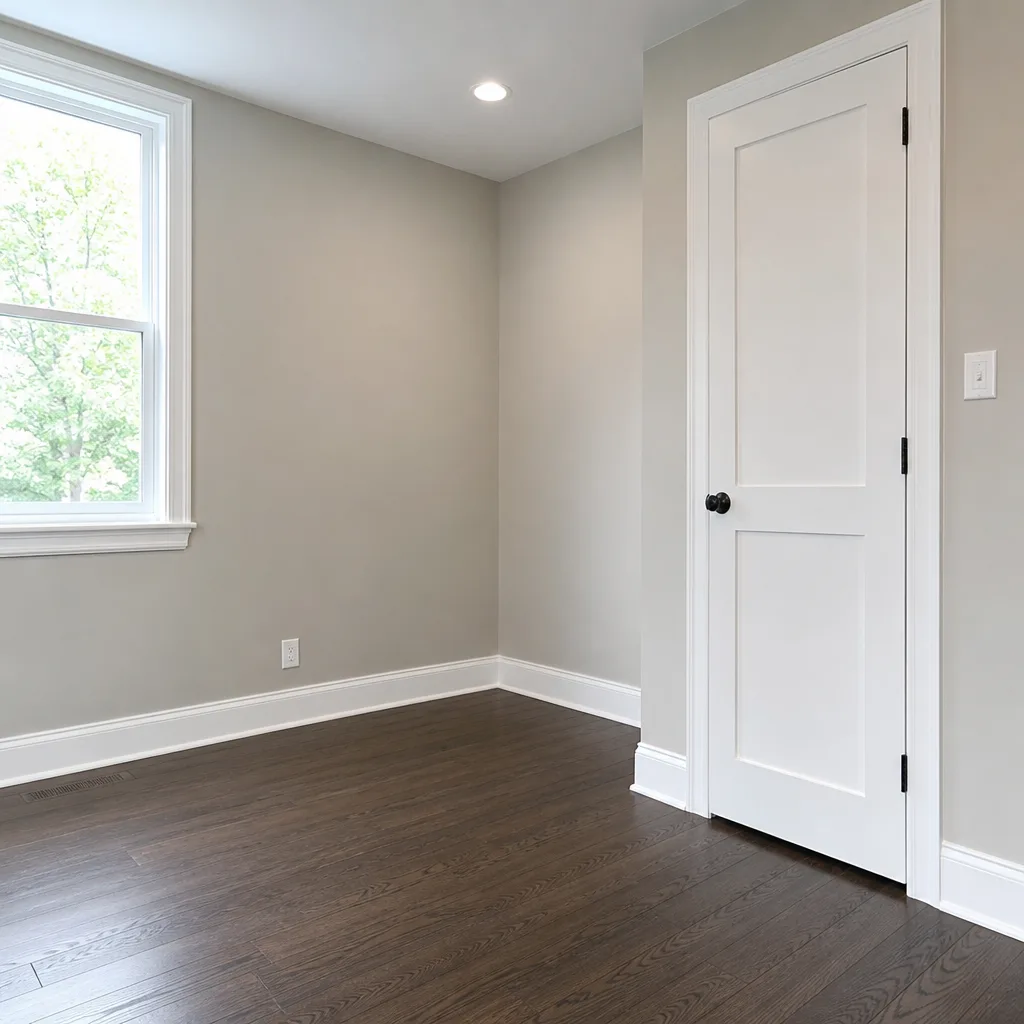 After
After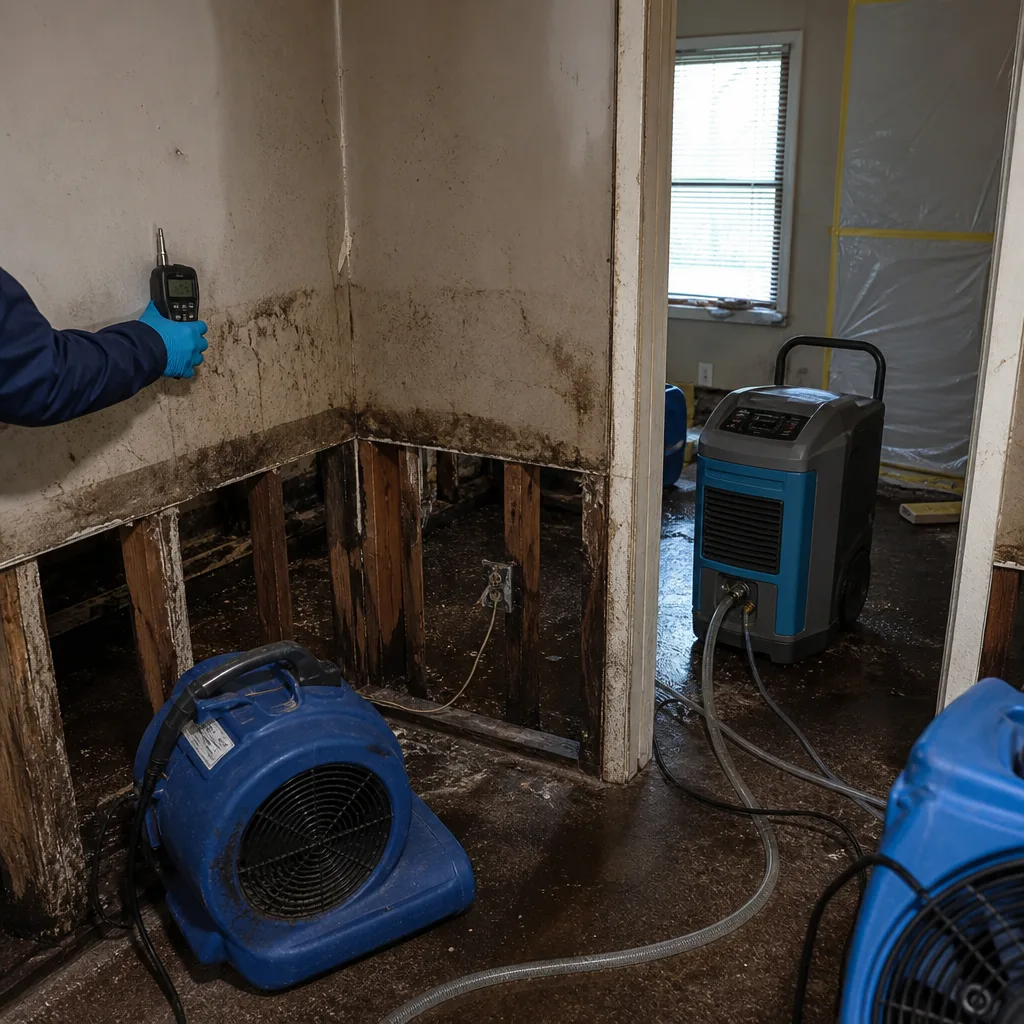 Before
 After
AfterWater Damage Restoration Maintenance Checklist for East Flatbush Homeowners
Most homeowners in East Flatbush don’t think about water damage until they’re standing in it. But here’s the thing: the majority of serious restoration jobs we see start as small, ignored problems that sat for months. A loose pipe fitting under a bathroom sink. A gutter spilling against the foundation on a heavy rain day. In a neighborhood where housing stock dates back to the 1920s and 1930s, the plumbing and drainage systems are simply older. This guide gives you a month-by-month and season-by-season maintenance checklist built for East Flatbush specifically, along with what to do if water shows up anyway.
Quick Answer
The core maintenance checklist for East Flatbush homeowners is: inspect supply lines and shutoff valves twice a year, clean gutters and check downspout extensions every spring and fall, test your sump pump before heavy rain season, know where your main water shutoff is, and check for slow leaks under sinks and around water heaters monthly. Most water damage is preventable with about four hours of attention per year.
Table of Contents
- Why East Flatbush Homes Are Prone to Water Damage
- The Monthly Ten-Minute Walkthrough
- Spring Maintenance Checklist
- Summer Maintenance Checklist
- Fall Maintenance Checklist
- Winter Maintenance Checklist
- Know Your Water Shutoff System
- Common Mistakes to Avoid
- When to Call a Professional
- Frequently Asked Questions
- The Bottom Line
Why East Flatbush Homes Are Prone to Water Damage
East Flatbush has a specific set of conditions that make water damage more likely than in many nearby Brooklyn neighborhoods. Most of the housing stock was built between 1900 and 1940, which means original cast-iron waste pipes are now 80 to 120 years old. Cast iron corrodes from the inside out, and when it fails, it fails slowly: a small leak that soaks a ceiling below or dampens a basement wall. By the time you see the stain, the pipe has been leaking for weeks.
The neighborhood’s flat topography doesn’t help. East Flatbush sits on relatively flat ground with clay-heavy soil in many blocks. Water doesn’t drain away quickly. After a heavy rain, hydrostatic pressure builds against foundation walls and pushes moisture through even hairline cracks. Homes near Church Avenue and south toward Flatbush Avenue often deal with basement seepage after storms, especially where original French drains have filled with sediment over decades.
Add to this the age of the supply plumbing. Many homes still have sections of galvanized steel supply lines, which corrode internally and can burst under pressure changes. A water main break on a hot summer day when the city flushes hydrants can spike pressure enough to rupture a weakened fitting. We’ve seen it happen more times than we can count in the blocks around Kings County Hospital and down toward Brooklyn College.
The good news: most of this is predictable, and predictability means preventability. Regular attention to the systems below will catch most problems while they’re still cheap to fix. We’ve been doing restoration work in this neighborhood since 2010, and the homes that avoid major damage are the ones where somebody checks the basement once a month and the gutters twice a year. That’s the whole secret.
The Monthly Ten-Minute Walkthrough
This is the single highest-value habit in this entire guide. Ten minutes, once a month, in the same order every time. In our experience handling water damage restoration across East Flatbush, the homeowners who do this catch 80% of problems before they become emergencies.
- Check under every sink. Open the cabinet, look at the shutoff valves and supply lines with a flashlight. You’re looking for corrosion on the valve bodies, green or white crust around fittings, or any dampness on the cabinet floor. Run a dry paper towel along the supply line where it connects to the valve. If it comes away damp, you have a slow leak.
- Inspect the water heater. Look at the floor around the base. Any rust-colored water, any buckling in the surrounding flooring, or any visible moisture means the tank is leaking. Also check the pressure relief valve pipe for drips. A water heater that’s ten years old or older should be watched monthly.
- Check ceilings below bathrooms. Look for any new discoloration, bubbling paint, or sagging in the ceilings directly under bathrooms and the kitchen. In East Flatbush’s attached rowhouses and semidetached homes, a leak three rooms away can travel along joists and show up nowhere near the source.
- Test the sump pump. If you have one, pour a bucket of water into the pit and confirm the pump kicks on and moves water out. Do this every month regardless of season. A dead sump pump discovered during a storm is a basement full of water waiting to happen.
- Check the basement or crawl space. Walk the perimeter with a flashlight. Look for new water lines on the walls, damp spots on the floor, or any mildew smell that wasn’t there last month. In a crawl space, check the vapor barrier for pooled water.
- Look at the main water shutoff valve. Just confirm it’s not corroded, it turns, and nothing is dripping from it. You want to know now, not during an emergency, whether it works.
Ten minutes. The whole thing. Write down anything that looks different and decide whether it needs a closer look by a plumber or a restoration crew.
Spring Maintenance Checklist
Spring in East Flatbush means the first sustained heavy rains after winter freeze-thaw cycles. The ground is saturated, and any weakness in your home’s water defenses shows up in April and May. This is the most important seasonal checklist in the guide.
Do these five things every spring:
- Clean the gutters and downspouts. After the last leaves have fallen, gutters clog and water spills over the edge instead of running through the downspout. In East Flatbush, where many homes are attached or semi-attached, an overflowing gutter on one house can damage the shared wall of the neighbor’s house too. Make sure water exits the downspout at least six feet from the foundation. If your downspout dumps right at the base of the house, add an extension. This single change prevents more basement water in this neighborhood than any other fix.
- Check window wells and basement stairwells. If you have below-grade windows, make sure the wells aren’t filled with leaves and debris. A window well full of leaves holds water against the window frame. The caulking on older window frames in East Flatbush’s prewar homes fails gradually, and a full window well is how that failure becomes indoor water.
- Inspect the roof. You don’t need to climb up. From the ground or an upper window, look for missing shingles, cracked flashing around vents and chimneys, and any spots where the roof looks uneven. Flat roofs, common on the older brick rowhouses in the area, should be checked for pooling water and cracks in the membrane. A flat roof that holds water after a rain is on borrowed time.
- Check hose bibs and irrigation valves. The first time you turn on an outdoor spigot each spring, watch the pipe inside the house while the water runs. A frozen pipe that burst over winter may not show itself until you pressurize it again. If you hear water spraying inside a wall, shut the bib off and call a plumber.
- Test your sump pump twice. Run it once in dry weather to confirm it works, then watch it during the first heavy rain of the season. In East Flatbush, where many basements sit below the water table in wet months, a working sump pump is the difference between a dry basement and a restoration project.
Summer Maintenance Checklist
Summer brings two East Flatbush-specific water risks: condensation and air conditioner drainage. The humidity in July and August is relentless, and your house works harder to manage moisture than it does all year.
Your summer checklist:
- Check the AC condensate line. Central air and high-velocity systems produce gallons of condensation water every day in a Brooklyn summer. The drain line runs from the air handler to a floor drain or outside spigot. If it clogs, the pan overflows, and water soaks whatever is below the unit. In many East Flatbush homes the air handler sits in a closet on an upper floor, which means an overflowing pan damages ceilings and walls below. Pour a cup of white vinegar down the condensate line once a month in summer, or have it professionally flushed.
- Look for condensation on cold water pipes. Uninsulated copper pipes in basements sweat in humid weather. In the old basements around Nostrand and Utica Avenues, sweating pipes can drip onto stored belongings, wooden beams, or electrical boxes. Wrap exposed cold water pipes with foam insulation. The cost is trivial, and it eliminates a slow water source that runs for months without anyone noticing.
- Watch the water bill. A sudden unexplained spike in your DEP water bill is one of the most reliable indicators of a hidden leak. In East Flatbush, where many homes still have the original water meter placement and old supply lines, a running toilet or a pinhole leak in a galvanized pipe can waste hundreds of gallons before you see any visual sign. If your bill jumps 20% or more with no change in usage, start looking.
- Check the washing machine hoses. The rubber supply lines behind washers are one of the most common causes of sudden water damage in any Brooklyn home. If they’re more than five years old, replace them with braided stainless steel lines. They cost less than thirty dollars. The damage from a burst washing machine hose regularly runs into five figures after flooring, drywall, and cabinet work.
Fall Maintenance Checklist
Fall is preparation season. In East Flatbush, October and November are when you button everything up for the freeze-thaw cycles that begin in December. This checklist prevents both winter leaks and spring flooding.
Do these things before Thanksgiving:
- Clean gutters again. The deciduous trees in East Flatbush and nearby Prospect Park drop a lot of leaves. Gutters that were clean in June are full by October. Clogged gutters in winter create ice dams, which force water under shingles and into the house. In attached rowhouses, an ice dam on one homeowner’s roof can leak into the shared party wall and show up as water damage in the neighbor’s house.
- Shut off and drain exterior hose bibs. Disconnect all hoses. Shut off the interior valve that feeds each exterior spigot, then open the spigot to drain whatever water remains in the pipe. A hose bib with a hose still attached will trap water, and trapped water that freezes will burst the pipe inside the wall. This is the single most common winter burst we see in East Flatbush homes.
- Check the foundation for cracks. Walk around the outside of the house with a flashlight. Look at the mortar joints, the parging, and the area where the wall meets the ground. Any crack wider than a nickel, any missing caulking around vents or pipes, or any spot where water can pool against the foundation wall should be addressed. In East Flatbush’s clay soil, water that pools against a foundation wall freezes and expands, widening cracks and creating new ones.
- Test your sump pump one more time. Make sure the discharge pipe is clear and the outside end isn’t blocked with debris. If the discharge pipe runs underground, confirm water is actually exiting it during a test cycle. A discharge line that’s collapsed underground will back up into the pump and burn it out.
Winter Maintenance Checklist
Winter in East Flatbush is when small problems become urgent. Cold snaps burst pipes, and a burst pipe at 3 a.m. in January is a different animal than a slow leak in June. The water is freezing cold, the heat is running, and the clock is ticking before mold can set in. Preparation is the whole game.
Your winter checklist:
- Keep the heat on in unoccupied rooms. In East Flatbush’s older homes, many people shut radiators or vents in rooms they don’t use. Don’t. The rooms at the corners of the house, the ones with multiple exterior walls, need heat to keep the pipes in the walls above freezing. A room that dips below 40 degrees is a pipe burst waiting to happen. Set unused rooms to at least 55 degrees.
- Open cabinet doors under sinks during cold snaps. On nights when the temperature drops into the teens, leave the cabinet doors under kitchen and bathroom sinks open. This lets warm room air circulate around the pipes. In a rowhouse where the kitchen sink sits against an exterior wall, this is one of the cheapest and most effective things you can do.
- Know how to shut off the water fast. If a pipe bursts, the difference between a mop-up job and a full restoration project is how fast the water stops flowing. Know where your main shutoff is, and make sure it actually turns. In many East Flatbush homes, the main valve is in the basement near the front wall. If it’s old and corroded, have it replaced now, in summer. A homeowner who can’t turn off the water during a burst is a homeowner watching the damage compound every minute.
- Check for drafts that could freeze pipes. Walk the basement and feel for cold air coming in around the service entrance, the meter, and any wall penetrations. Where a pipe runs near a drafty opening, the moving cold air can freeze a section even if the room overall stays above freezing. Seal the drafts with spray foam or caulk.
Know Your Water Shutoff System
The most underrated piece of water damage prevention in any East Flatbush home is the ability to stop water flow instantly. When a supply line bursts, a cracked fitting gives way, or a water heater lets go, every minute of flow puts more water into the building. A five-minute delay can turn a cleanup project into a restoration project.
There are typically three levels of shutoff in a home. The first is the fixture-level shutoff: the small valves under sinks, behind toilets, and at the water heater and washing machine. These stop water to one fixture. The second is the branch shutoff, which may control a bathroom group or a section of the house. The third is the main shutoff, which stops everything. In many older East Flatbush homes, the fixture-level valves are original or decades old, and they may not fully close. This is important to know before you depend on one.
Here’s what you should do this month:
- Locate the main shutoff. It’s usually in the basement on the street-facing wall, or in a utility closet near the water meter. In some attached rowhouses it’s behind an access panel or under a basement stair. Find it now.
- Test it. Turn it clockwise until it stops. You don’t need to turn it all the way off, just confirm it moves freely. If it’s frozen in place, have a plumber replace it. A main shutoff that won’t turn is not a shutoff.
- Check fixture valves. Under each sink, turn the shutoff valves a quarter turn in each direction. If they’re crusty, leaking, or won’t turn, plan to have them replaced. These valves are what let you isolate a problem without shutting down the whole house.
- Label everything. Put a tag on the main shutoff. Put tags on the branch valves if you can identify them. In an emergency, you won’t have time to trace pipes.
When we’re doing a water damage restoration at a home in East Flatbush, one of the first things we look for is whether the homeowner was able to stop the water quickly. The homes where water ran for an hour before the city came to shut the curb stop are the homes where the restoration takes weeks instead of days. Knowing your shutoff system is free insurance.
Common Mistakes to Avoid
- Ignoring a small ceiling stain. A small yellow or brown stain on a ceiling means water has already saturated the drywall above. It will not dry out on its own. In East Flatbush’s older homes, where ceilings are often plaster over lath, water sits in the plaster and progressively weakens it. What starts as a stain becomes a collapse.
- Using a homeowner-grade shop vac for standing water. A consumer shop vac holds five to ten gallons and takes dozens of trips to empty. The water keeps spreading while you work. Professional extraction equipment, like the truck-mounted units and portable extraction tools we run, moves hundreds of gallons in the time a shop vac moves ten.
- Thinking a fan will dry out a wall cavity. Surface drying is not structural drying. Water trapped inside a wall cavity or under flooring will support mold growth even if the surface feels dry to the touch. Proper drying requires moisture mapping, targeted air movement from professional-grade equipment like Dri-Eaz and Phoenix units, and daily moisture readings to confirm the material is actually dry at depth.
- Putting off a small laundry room leak because it’s “just a drip.” A drip that runs 24 hours a day releases gallons per day. In a basement with a floor drain, that drip can run for weeks without visible pooling. By the time you notice, the wall behind the machine is saturated and the framing is wet. Check washing machine hoses monthly.
- Running a dehumidifier without sealing the room. A dehumidifier in a wide-open basement is pulling moisture from the whole house and the outside air. Seal off the affected room or area, run the unit at the correct setting, and empty the collection bucket. Dehumidification works when it’s directed at a contained space, not when it’s fighting the Brooklyn humidity in an open basement.
- Assuming insurance doesn’t cover slow leaks. Many East Flatbush homeowners we talk to assume their policy only covers sudden bursts. In many cases, a slow leak that causes damage is still covered, minus the cost of the failed component. The only way to know is to file the claim and let the adjuster evaluate. Direct insurance billing exists because we handle this every week, and the homeowner never has to act as the messenger between us and the carrier.
When to Call a Professional
Some jobs are maintenance. Some jobs are restoration. The line is water touching building materials. If standing water has been in contact with drywall, baseboards, engineered flooring, or framing for more than 24 hours, the material needs professional drying or removal. If water came from a sewage line, toilet, or dishwasher, it’s contaminated and needs professional extraction and sanitizing regardless of how long it sat. If a pipe burst inside a wall or ceiling, that cavity needs to be opened, dried, and checked for mold. If you smell mildew or see discoloration that’s been there more than a few days, that’s a sign of active microbial growth. None of these are DIY situations. Floodline Restoration Co. offers free estimates in East Flatbush - call (518) 750-3137 and a live person will answer, any hour of any day.
Frequently Asked Questions
Do a ten-minute walkthrough once a month covering under-sink areas, the water heater, ceilings below bathrooms, the sump pump, and the basement perimeter. Do a longer seasonal check four times a year using the checklists above. This rhythm catches most problems while they’re still inexpensive to fix.
Restoration costs in this area typically range from $1,800 to $4,500 for a contained Category 1 (clean water) incident like a supply line leak caught within a day, up to $12,000 to $35,000 or more for a Category 3 (sewage) event or a long-running hidden leak that requires drywall replacement, flooring removal, and rebuild work. Every job is different, which is why we give upfront pricing in writing before work begins. Call (518) 750-3137 for a free estimate.
Most homeowners policies cover sudden and accidental water damage, including burst pipes and water heater failures. Slow leaks that went unreported for months may be denied or partially covered depending on the policy and the adjuster’s findings. We bill the carrier directly and photo-document everything so the homeowner doesn’t have to negotiate alone.
We answer the phone with a live dispatcher, 24 hours a day, 7 days a week. Most jobs in East Flatbush and surrounding Brooklyn neighborhoods get a certified crew on site the same visit, with extraction running before the crew leaves. The faster water stops moving and drying begins, the less gets torn out.
Cleaning up water removes what’s visible. Drying a house properly involves mapping moisture across every affected surface, placing professional-grade equipment like Dri-Eaz and Phoenix air movers and dehumidifiers in the right positions, and taking daily moisture readings until the building materials reach the dry standard. A floor that feels dry can still be wet at the subfloor level. We hand the homeowner and the insurance carrier a written moisture log covering every day of the job.
Yes. Attached and semidetached homes share wall assemblies with neighboring houses, which means moisture can travel laterally through party walls. Drying an attached home in East Flatbush often requires longer drying times and more careful monitoring of the shared walls, because you can’t always access both sides. Neighboring homes built before 1940 also have plaster walls, which hold moisture differently than modern drywall. This is East Flatbush-specific and it matters when setting drying expectations.
The Bottom Line
Water damage prevention in East Flatbush comes down to four things: knowing your shutoff system, checking the vulnerable spots monthly, doing the seasonal maintenance, and calling a professional the moment water touches building materials. The homes that avoid major restoration are not the ones with the newest plumbing. They’re the ones where somebody pays attention for ten minutes a month. If water shows up anyway, you want a crew that handles extraction, drying, and rebuild without handing the job off, with a moisture log and a written guarantee. That’s how we’ve worked since 2010.
Written by Curt Bowman, Owner at Floodline Restoration Co., serving East Flatbush since 2010.