
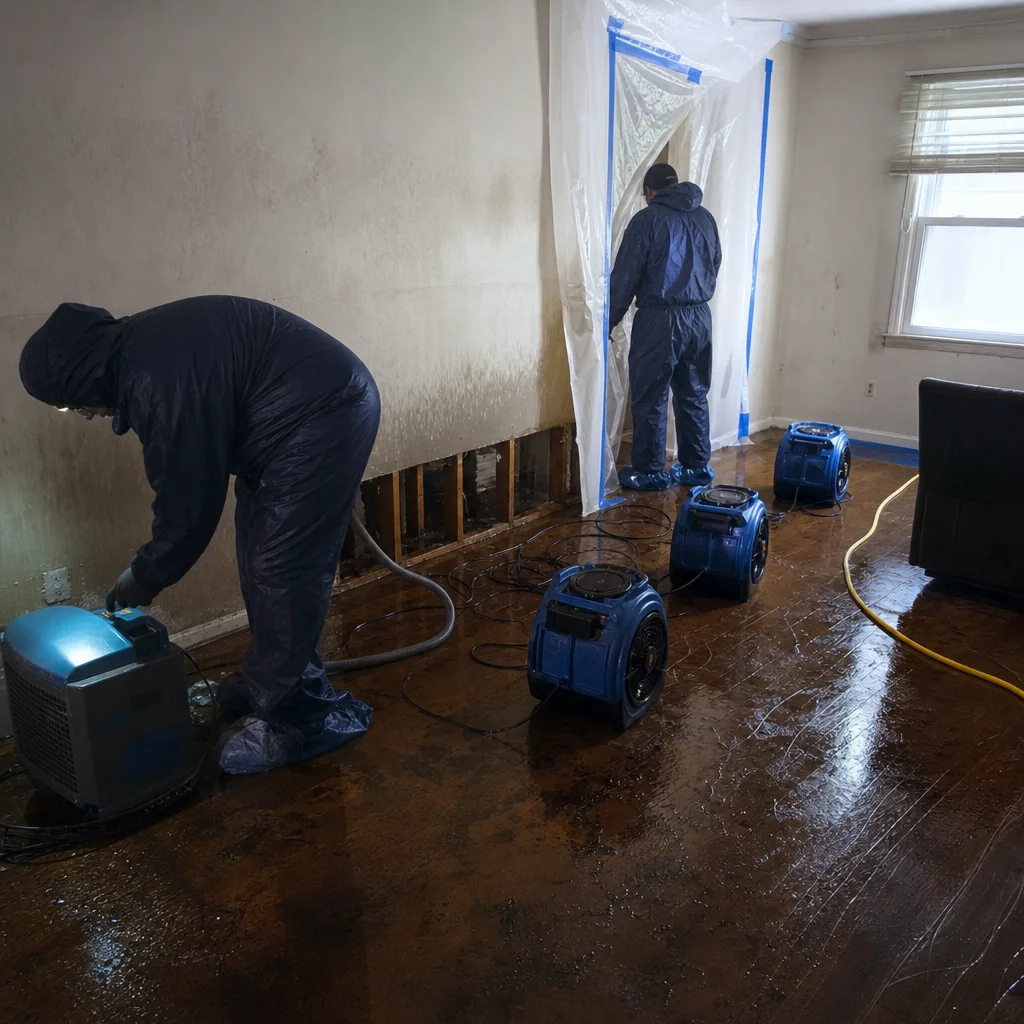
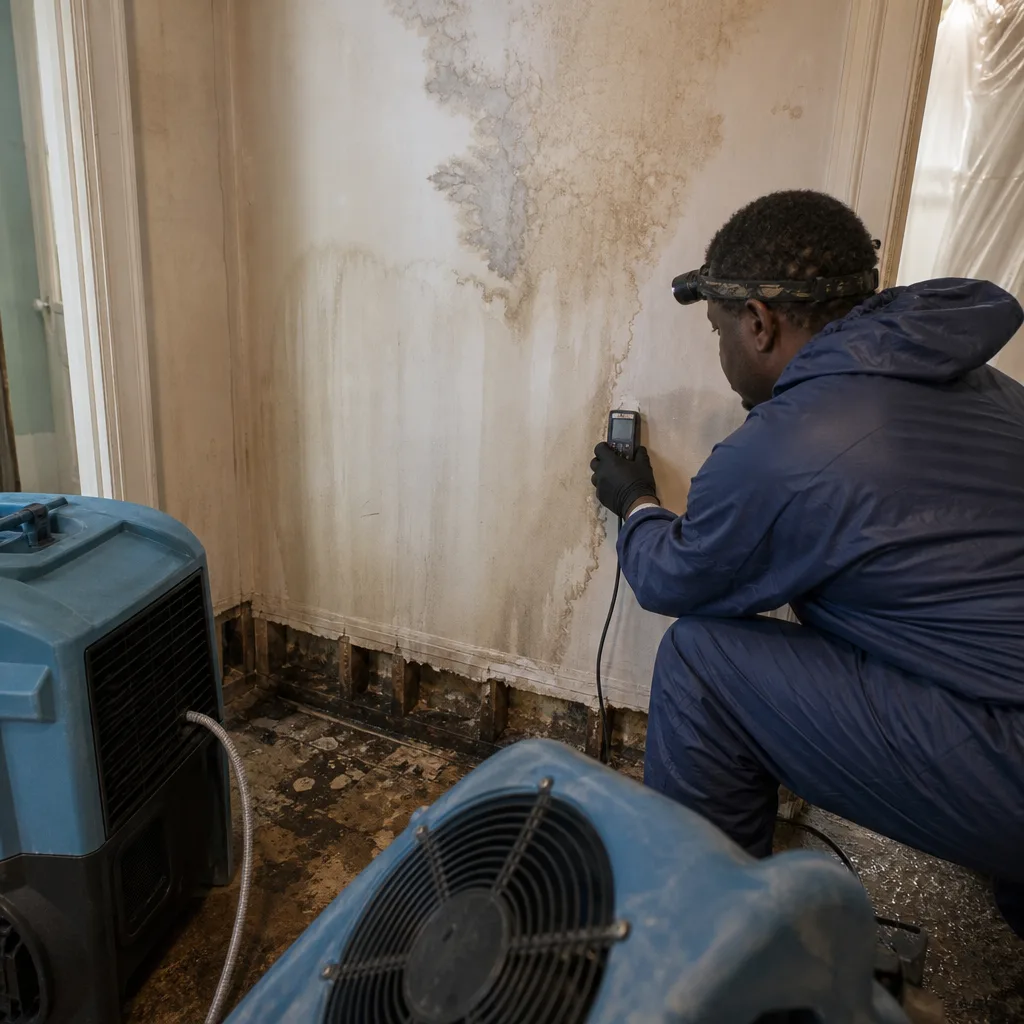
Free visual inspection and a written scope of work before any mitigation begins - photos, moisture readings, and drying logs go in your claim file
The scope we write is the scope we bill. Anything new gets shown to you, in writing, before we touch it.
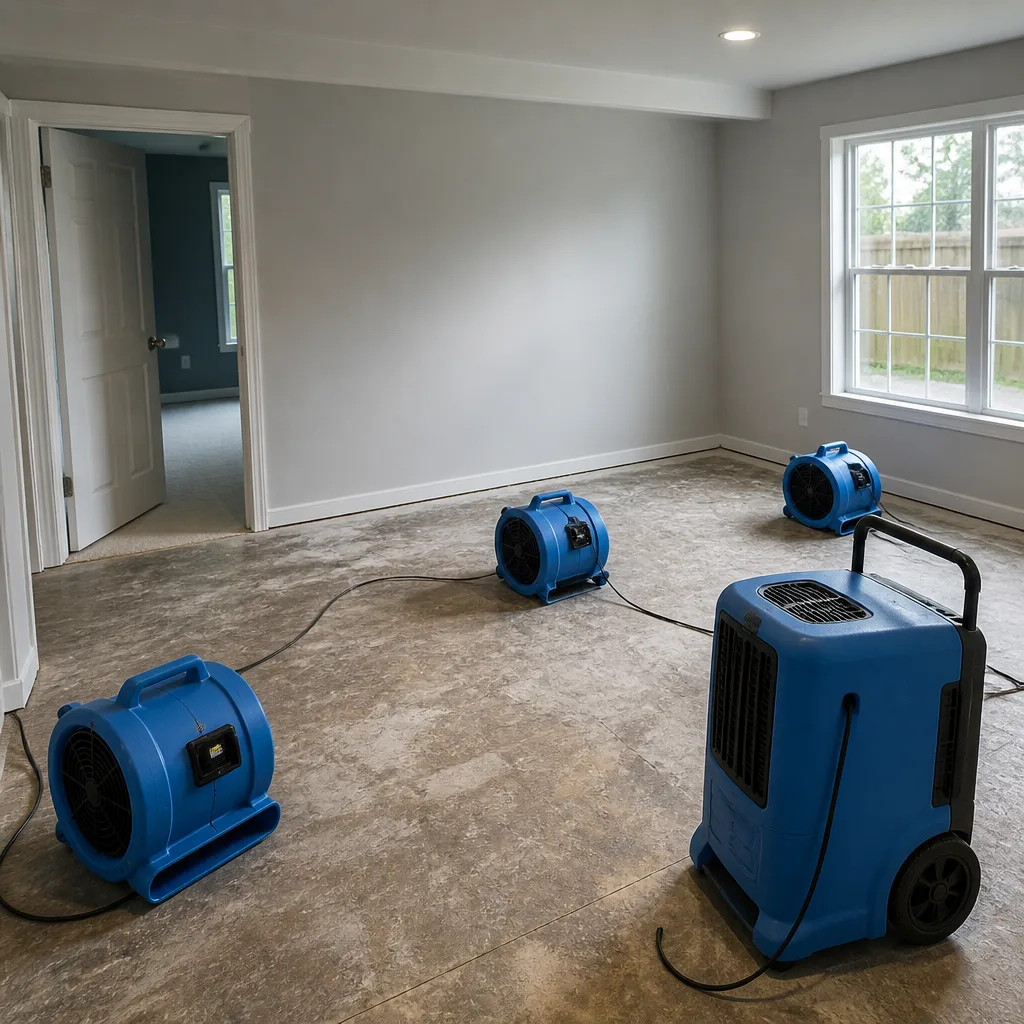
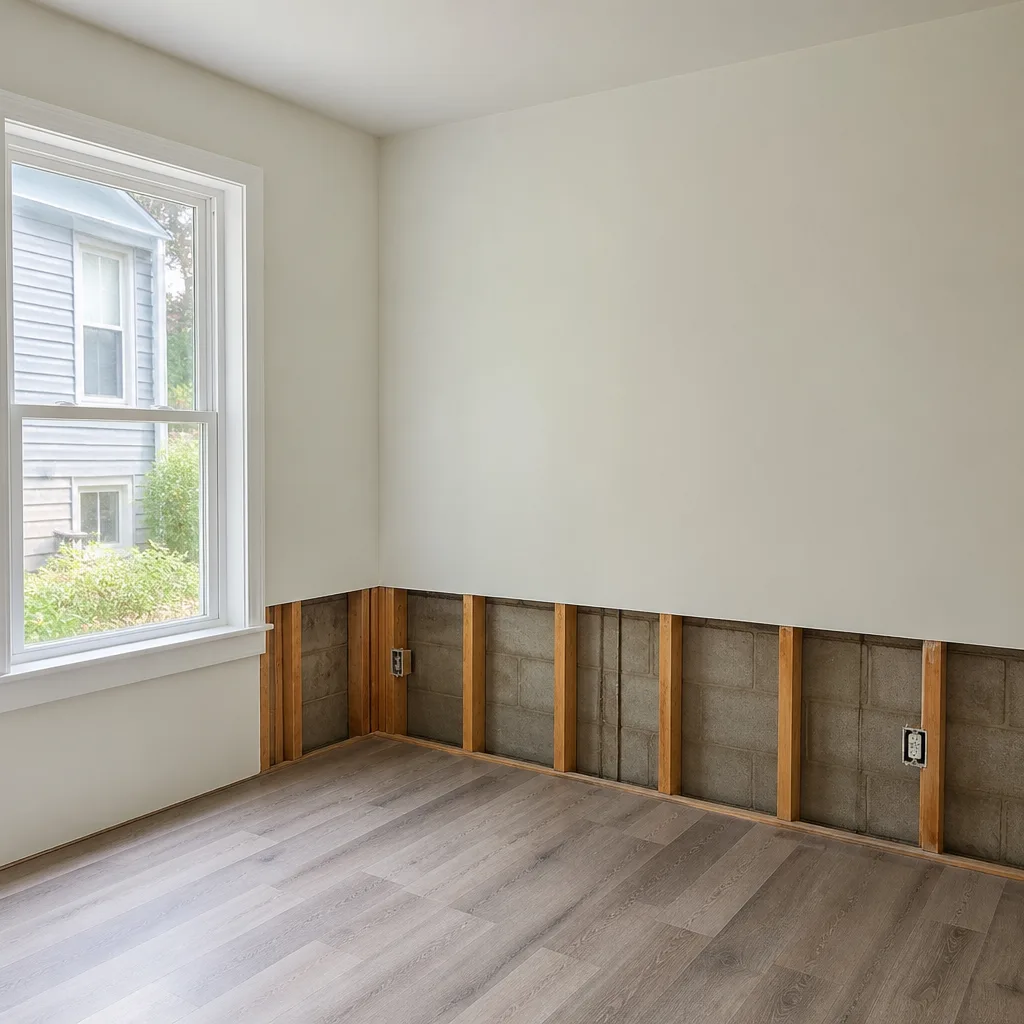
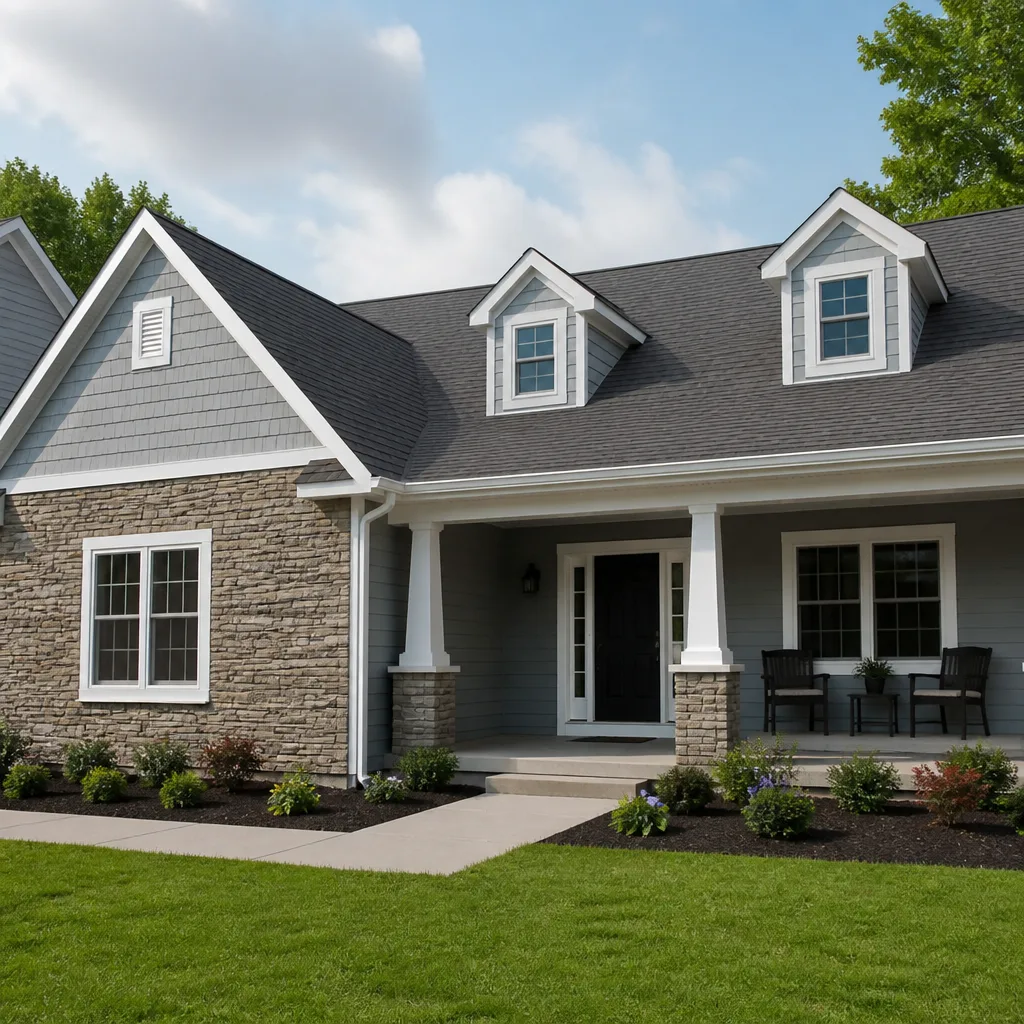
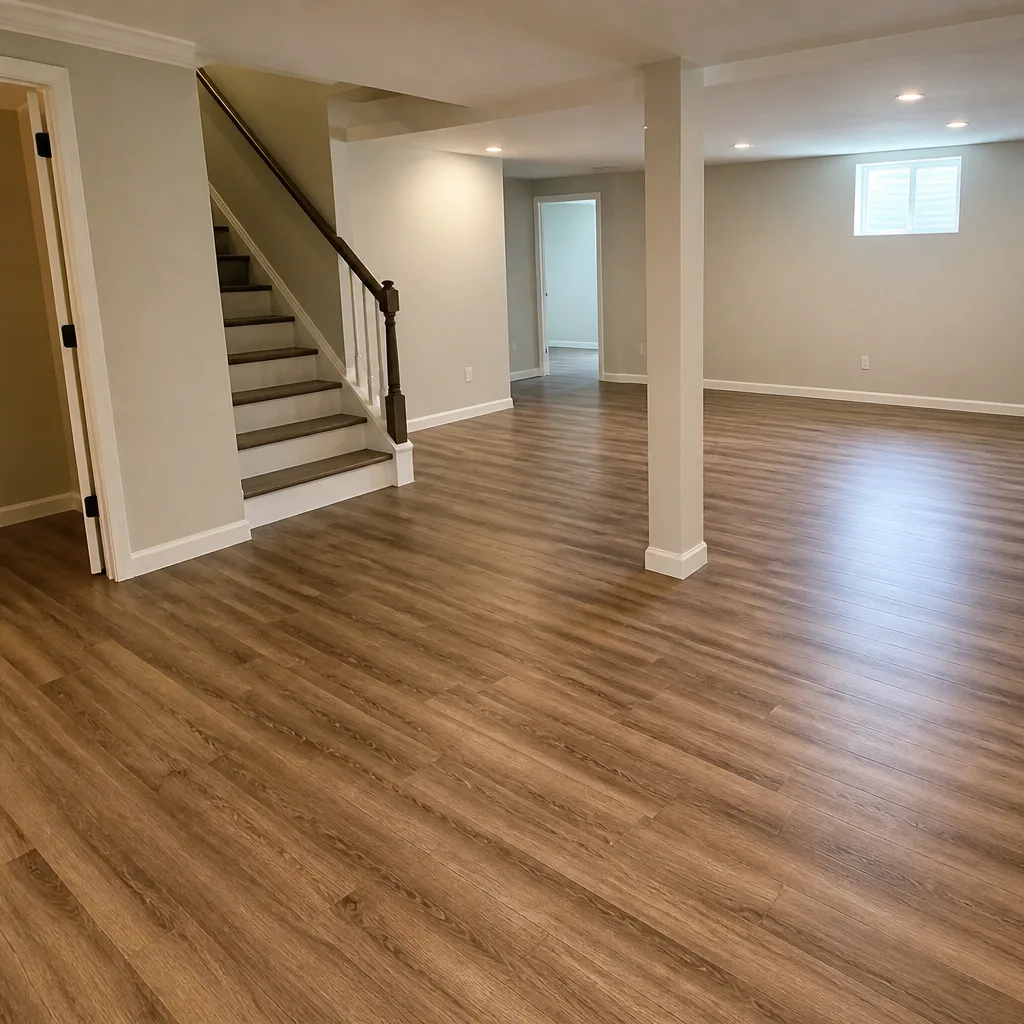
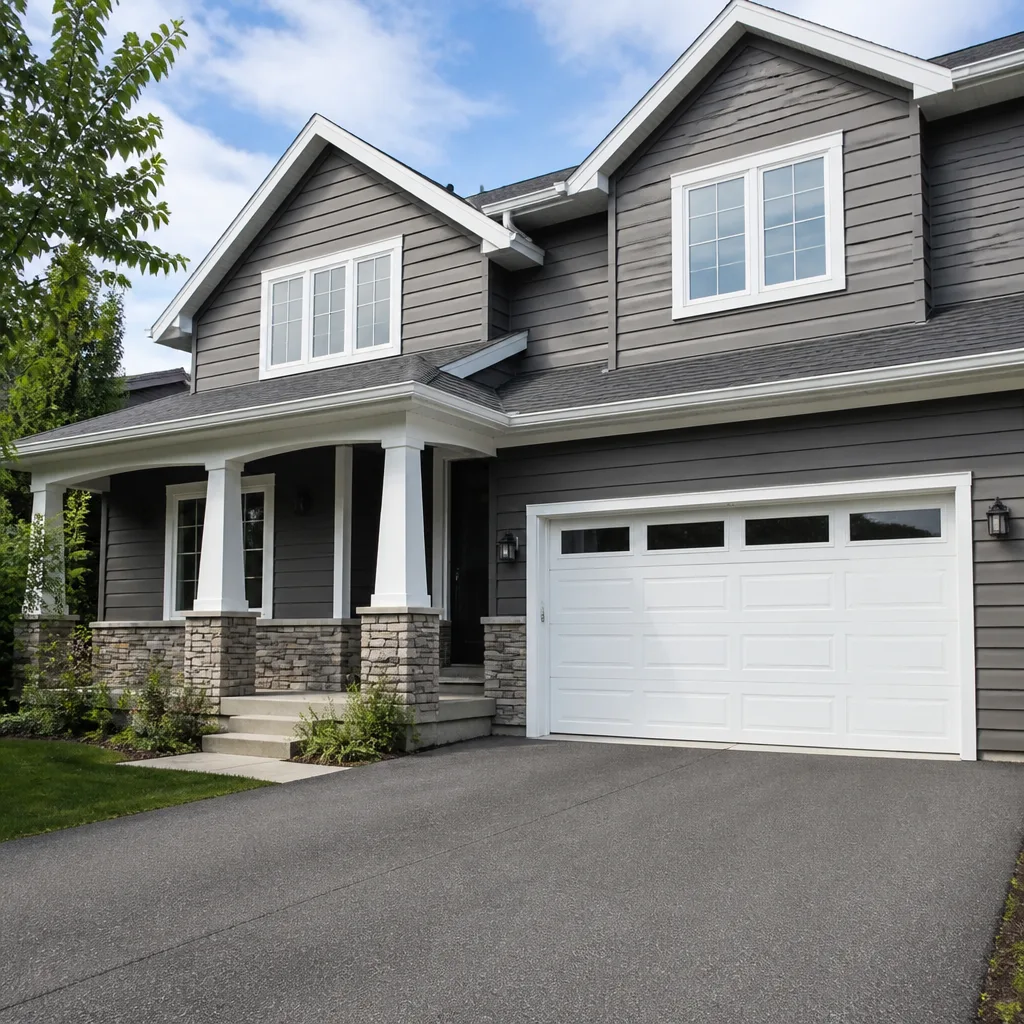
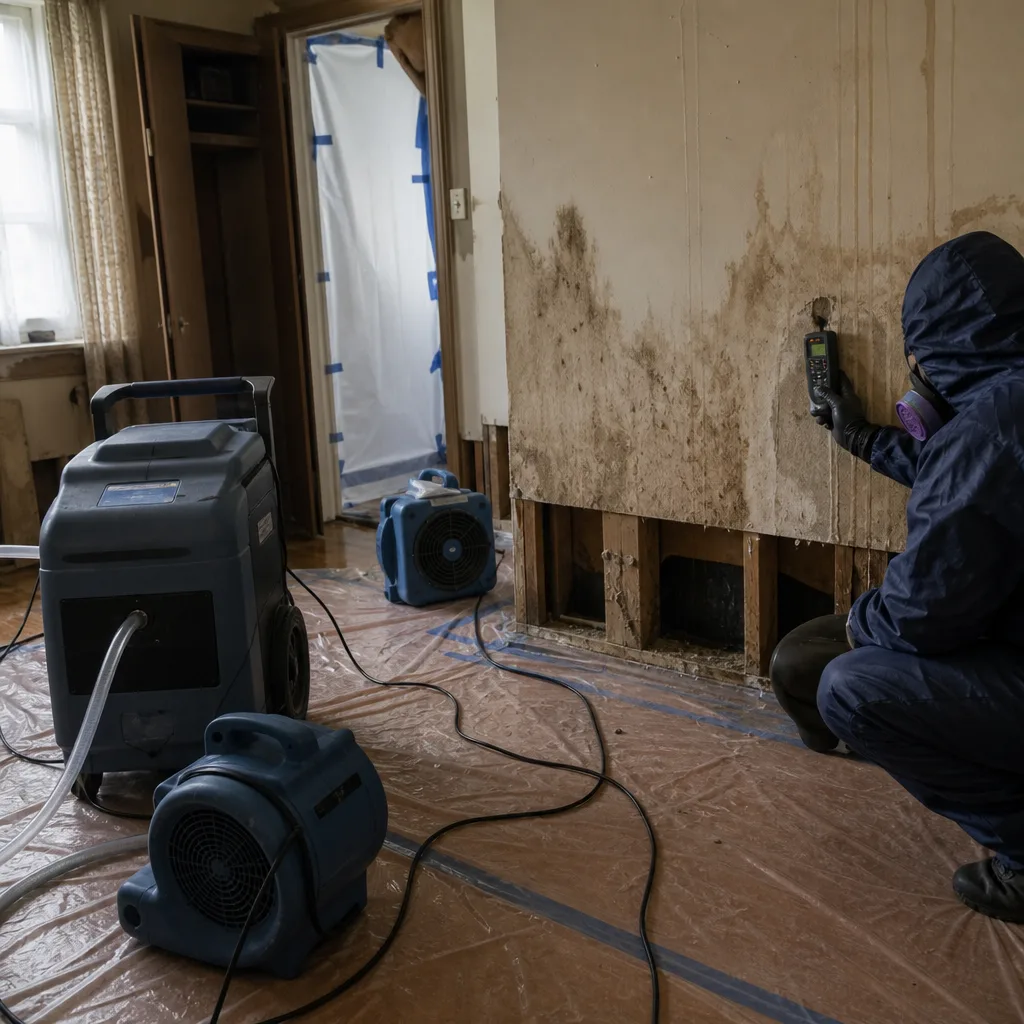 Before
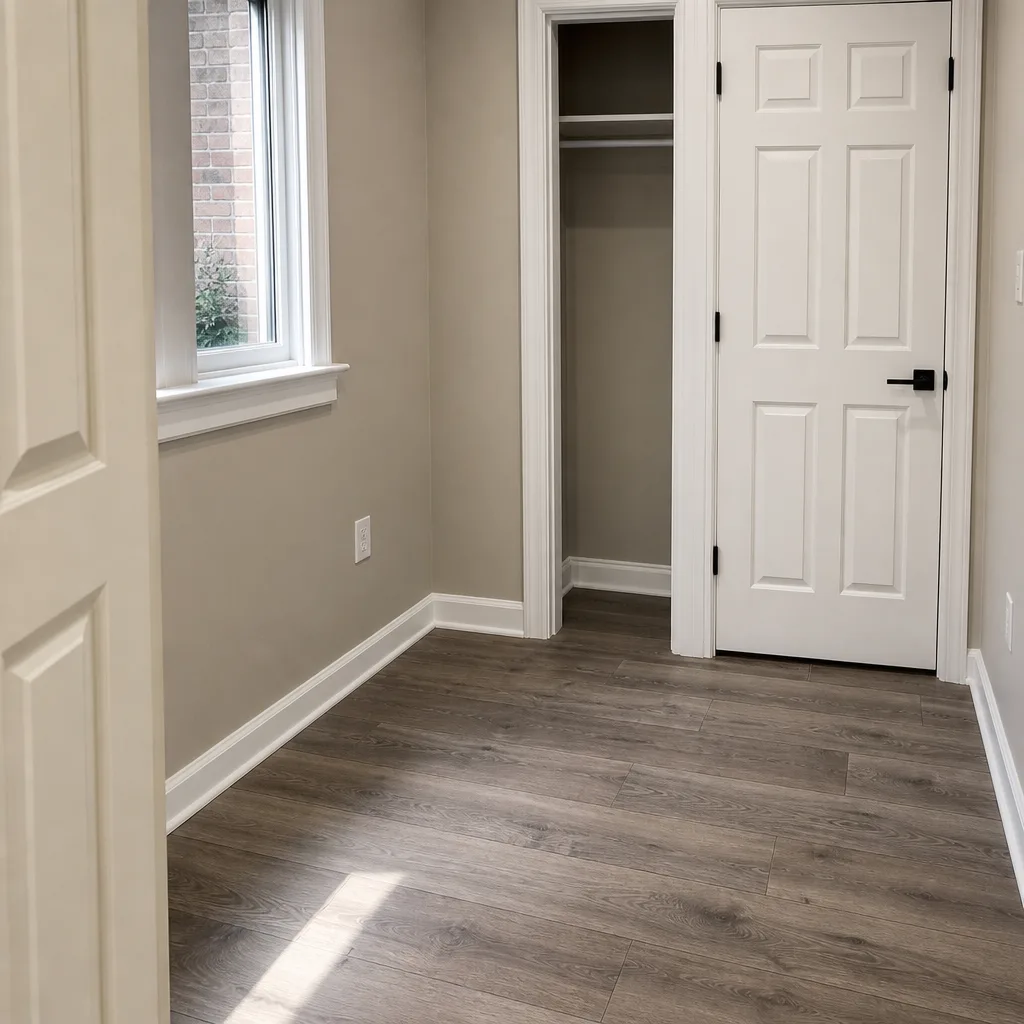 After
After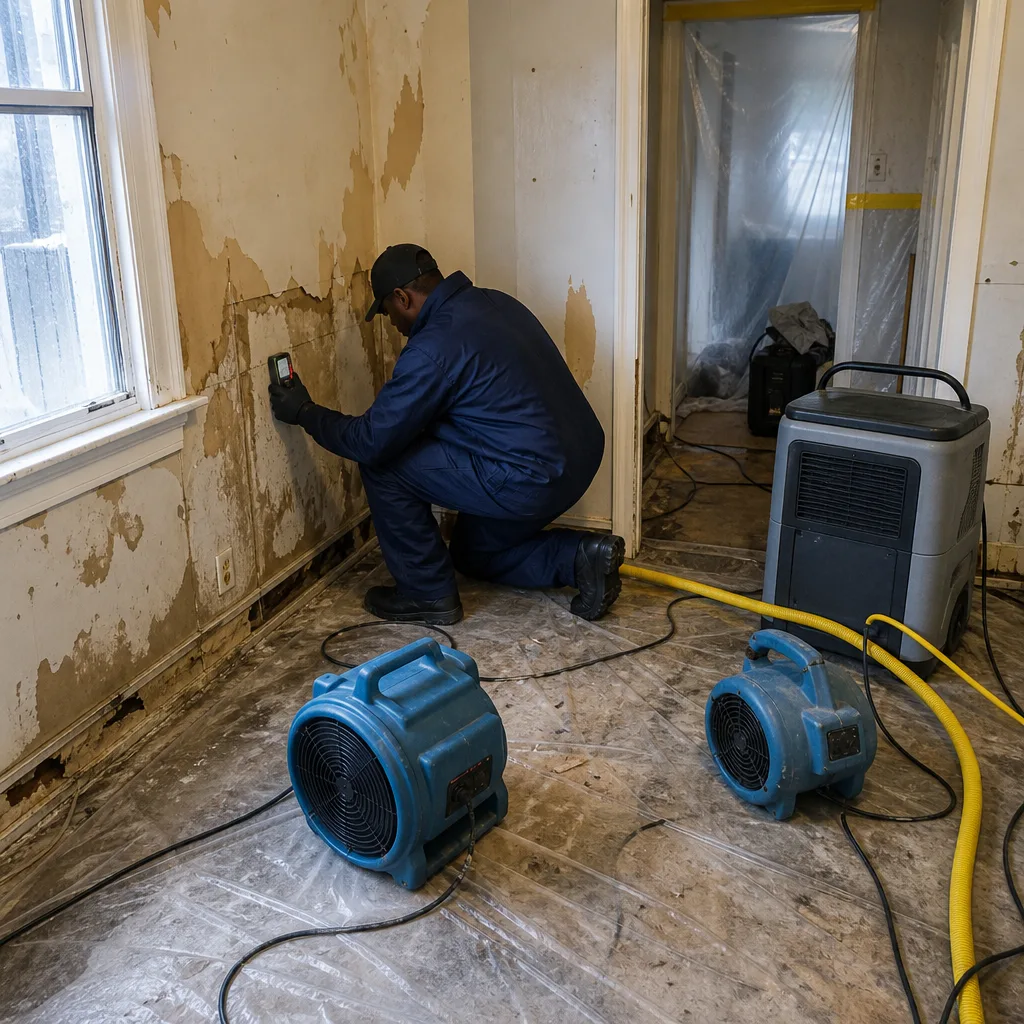 Before
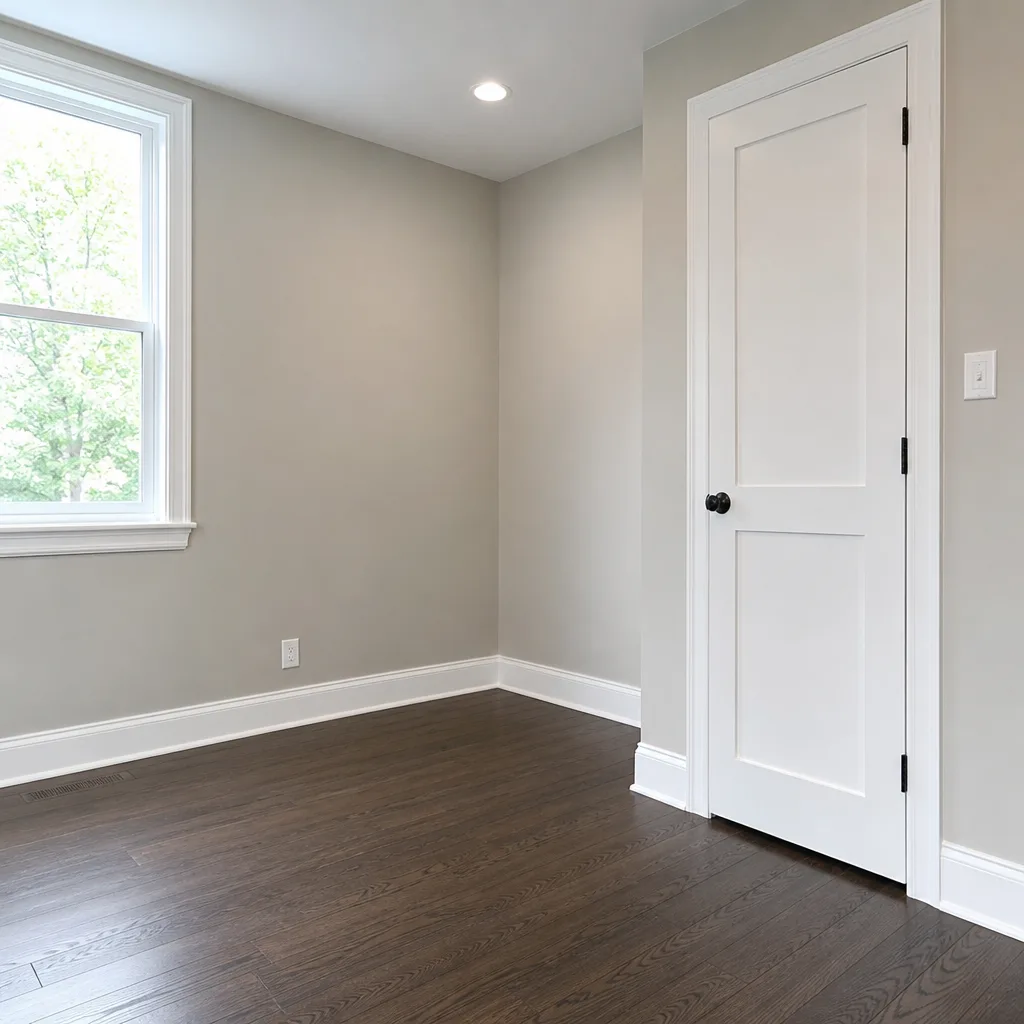 After
After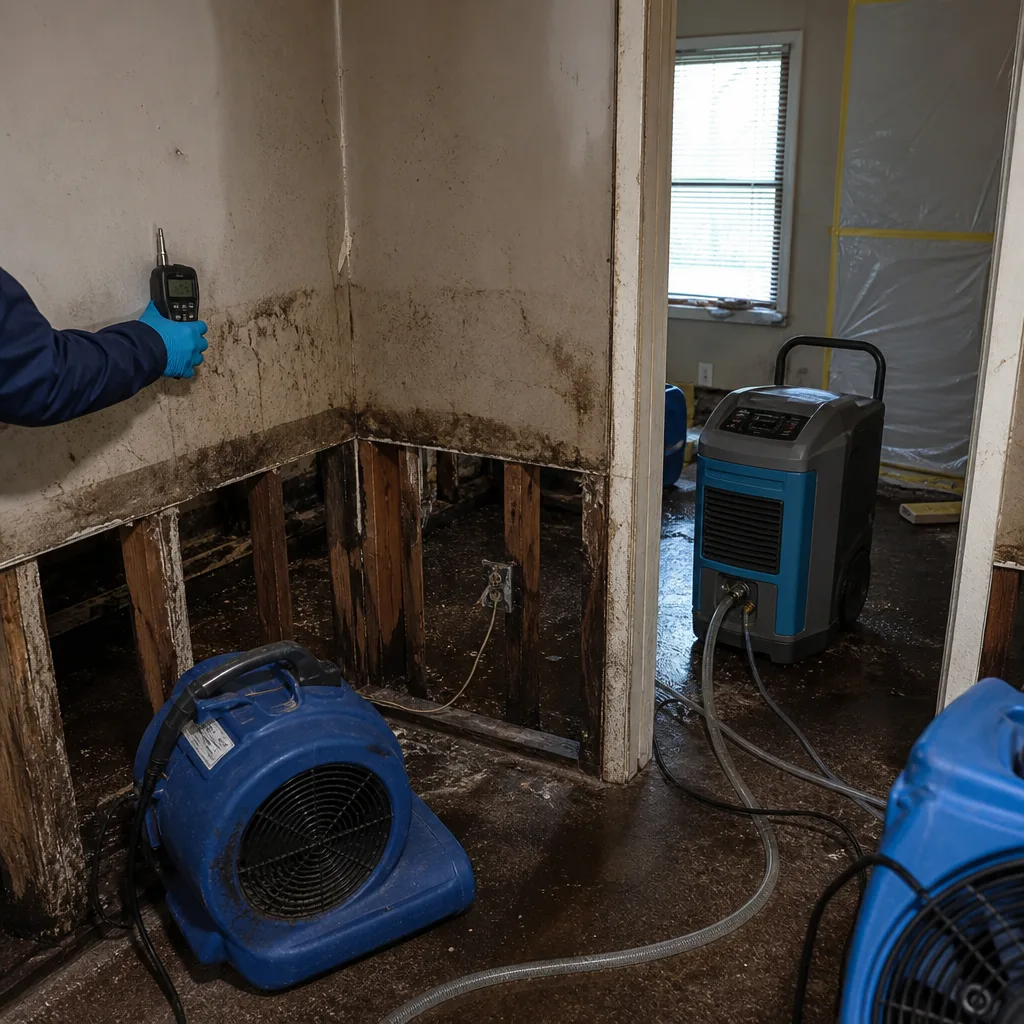 Before
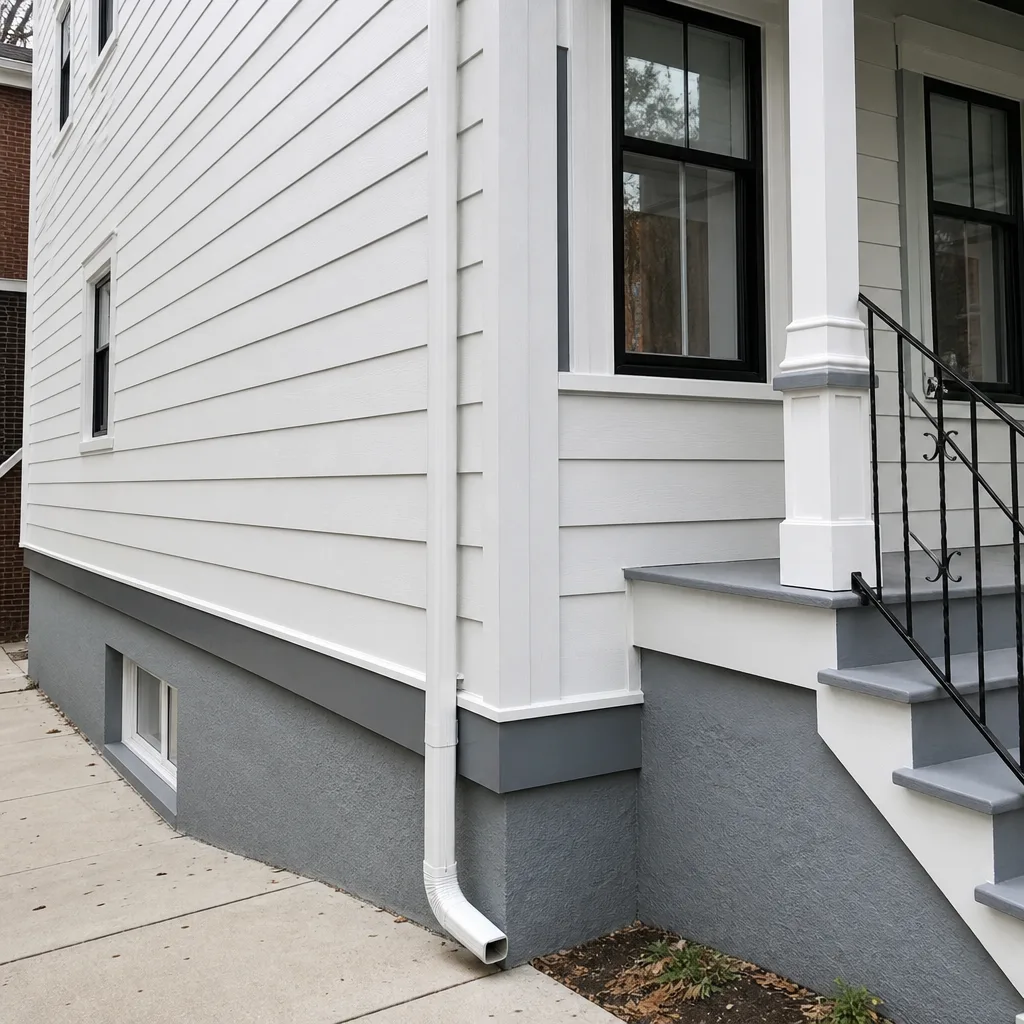 After
After24/7 Emergency Commercial Restoration in Sunset Park
Commercial restoration in Sunset Park typically runs $3,200-$11,500 depending on whether you’re dealing with a Category 2 hillside intrusion or a Category 3 harbor surge, and most storefront and basement-level losses we handle start with a same-visit extraction. When water is moving through a century-old brick foundation into your retail space or office, every hour adds cost and complicates drying. Call (518) 750-3137 and a live dispatcher answers, not a recording. We stage crews near the waterfront and the hillside corridors so a certified technician reaches your door fast, runs a free visual inspection, and starts mitigation the same visit.
Understanding Commercial Restoration Severity in Sunset Park Properties
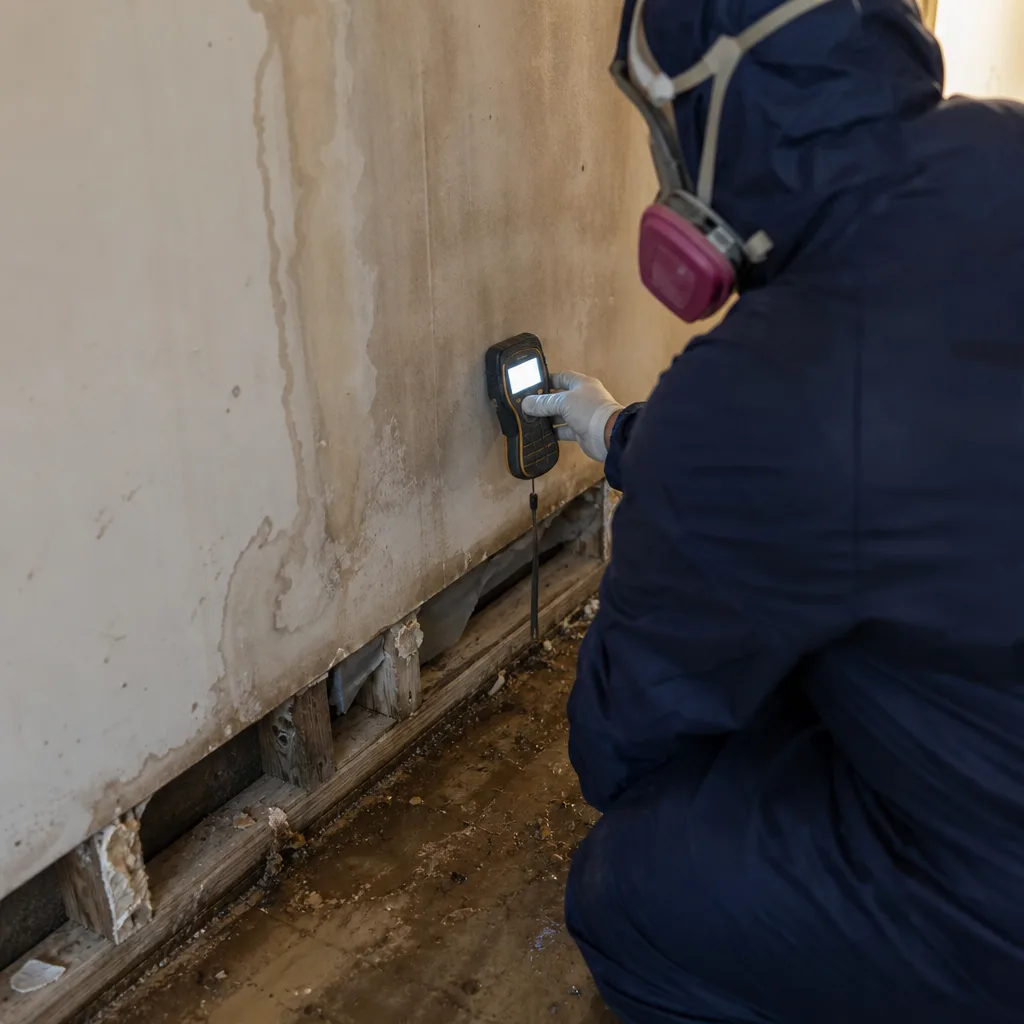
Commercial losses in Sunset Park split into two distinct categories, and the building stock here makes both worse than a contractor from outside the neighborhood expects. Category 2 water, the gray water from clogged areaway drains and failed supply lines in the pre-war rowhouses between 4th and 7th Avenues, carries contaminants but can often be dried in place when we catch it early. Category 3 water, the black water that comes with harbor surge or sewage backflow near the Industry City and Bush Terminal piers, requires full pack-out, demolition of saturated materials, and IICRC S500-compliant sanitization. The unlined brick foundations common in buildings raised between 1890 and 1925 wick moisture upward and hide it behind plaster walls, so a commercial unit that looks dry on the surface can hold 20-30% moisture content inside the wall cavity. We use thermal imaging and penetrating moisture meters to map what’s actually wet before we set a drying plan.
Why Sunset Park Property Owners Choose Floodline Restoration Co.
- 45-minute response commitment. When stormwater is sheeting through an areaway into a basement-level dental office or a 5th Avenue storefront, we dispatch from within the Sunset Park service corridor and commit to a 45-minute arrival window.
- A live person answers, 24/7. At 2 a.m. during a nor’easter, you get Curt’s dispatch board, not a voicemail tree. A human answers, asks the right questions, and sends a crew.
- IICRC-certified crews on every job. Our technicians hold IICRC certifications including WRT (Water Damage Restoration Technician), FSRT (Fire & Smoke Restoration Technician), and AMRT (Applied Microbial Remediation Technician), and they’re background-checked and uniformed.
- Free visual inspection, no obligation. We walk the space, identify what category of water you’re dealing with, and give you a straight answer about scope before any equipment comes off the truck.
- Direct insurance billing. We document from the first hour, bill your carrier directly, and talk to your adjuster so you don’t play messenger.
- One team from first extraction to final rebuild. The same crew that pumps out the water handles dry down, antimicrobial treatment, and reconstruction. No mid-job handoff to a different company.
Our Commercial Restoration Process
Inspection & Assessment
We arrive, map the affected area with thermal imaging and penetrating meters, and classify the water category. You get a written scope before any work begins.
Extraction & Stabilization
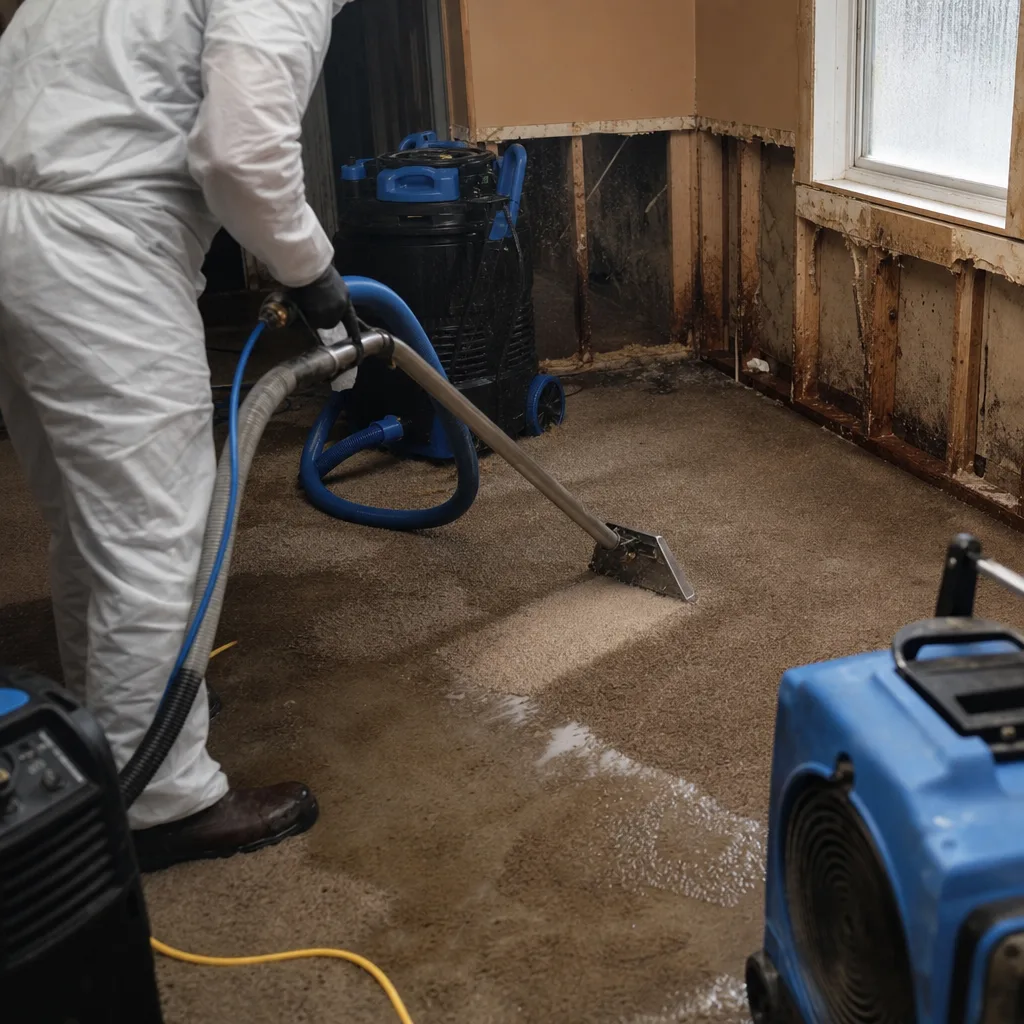
Truck-mounted extraction units pull standing water from floors, areaways, and wall cavities. We remove saturated materials that can’t be saved and set containment if needed.
Drying & Dehumidification
Dri-Eaz LGR dehumidifiers, Phoenix air movers, and Injectidry panel drying systems run on a moisture map. Daily readings are logged until we hit the dry standard.
Cleaning & Sanitization
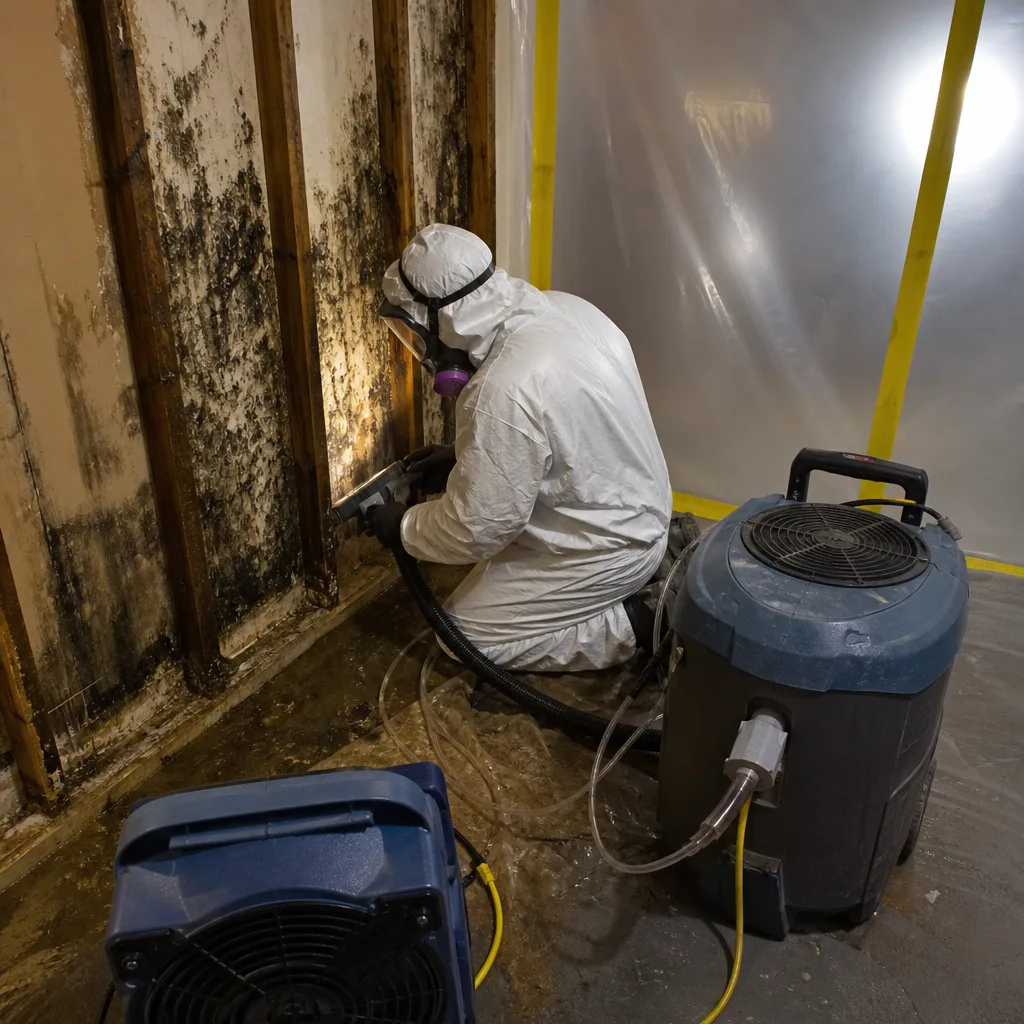
Category 2 and 3 losses get antimicrobial treatment on every affected surface. HEPA air scrubbers run throughout to capture spores and particulates.
Document & Inventory Recovery
For offices and retail with water-damaged files, ledgers, or inventory, we assess salvageability, pack out recoverable items, and coordinate freeze-drying or cleaning.
Repairs & Restoration
We rebuild what was removed: drywall, flooring, trim, electrical. The job isn’t done until the space looks like the water never came, backed by the 90-Day Done Right Promise.
Need Emergency Commercial Restoration in Sunset Park Now?
Crews minutes away, answering live 24 hours a day. The sooner we start, the less it costs.
Working With Your Insurance Company
Commercial property claims move faster when the adjuster gets a clean, documented file from the first day. We know what commercial carriers in the Brooklyn market ask for, and we build that file as we work. Photos of every affected room, moisture readings from each day of drying, a line-item scope with current Sunset Park pricing, and direct adjuster communication are standard on every job. You don’t chase paperwork. You don’t translate between your insurer and your restoration crew. We handle the claim documentation, bill the carrier directly, and keep you informed without making you the middleman.
What We Provide Your Insurer
- Thorough documentation of the loss
- Photos of all damage, room by room
- Moisture readings and drying logs
- A detailed, line-item scope of work
- Direct coordination with your carrier
Built for Sunset Park’s Loss Calendar
Sunset Park’s position on Upper New York Bay means commercial properties here face a loss calendar that inland Brooklyn neighborhoods don’t. January and February deep freezes burst aging galvanized supply lines inside uninsulated exterior walls, flooding ground-floor retail and basement offices before anyone notices. March and April thaws saturate the hillside and push groundwater through unlined brick foundations into below-grade commercial units. Summer thunderstorms overwhelm the areaway drains and exterior stairwells on the pre-war rowhouses, sending sheets of Category 2 water into basement spaces. And from September through November, nor’easters funnel storm surge toward the FEMA Zone AE waterfront blocks by Industry City, where Category 3 harbor water requires full demolition and pack-out rather than dry-in-place. Floodline keeps desiccant dehumidifiers staged seasonally because this pattern is that predictable.
Commercial Restoration Across Sunset Park’s Neighborhoods
We run different routes for different parts of Sunset Park because the losses change block by block. Along 5th Avenue between 36th and 44th Streets, the commercial corridor sits on the downhill side of the slope, and we respond regularly to storefronts and offices where areaway drains clog during heavy rain and push Category 2 water through century-old foundations. Up near 7th and 8th Avenues, the multi-unit buildings and mixed-use rowhouses tend to show supply-line failures and fixture overflows that migrate into first-floor commercial tenants. Down by the Industry City and Bush Terminal waterfront, the risk shifts to Category 3 surge water, and restoration scopes there lean heavily on pack-out, demolition, and full sanitization. Around Sunset Park itself, the green space that gives the neighborhood its name, the perimeter blocks drain poorly during sustained storms, and the garden-level spaces at the base of the hill get standing water that wicks upward through unlined brick. Each zone has its own failure mode, and our crews know them.
Specialized Commercial Restoration Services We Offer in Sunset Park
Office & Retail Restoration
A small office on 5th Avenue with a burst supply line needs a different response than a harbor-surge loss near the piers. We scope the damage for what can be dried in place versus what must be removed, because overzealous demolition costs real money in materials and downtime. For retail spaces with inventory, we assess salvageability item by item before anything gets thrown out.
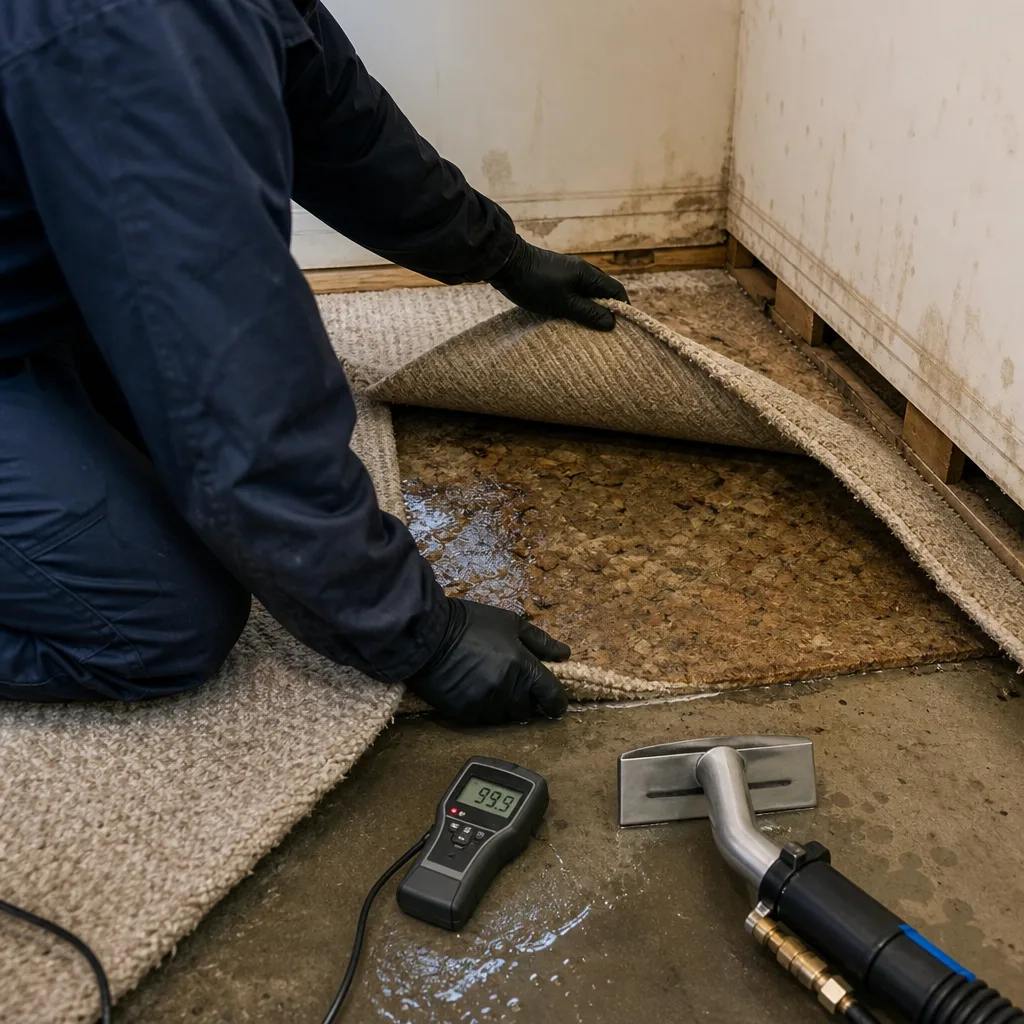
Multi-Unit & HOA Restoration
Sunset Park’s pre-war rowhouses and mixed-use buildings share walls, floors, and drainage systems, which means water doesn’t stay in one unit. A garden-level commercial space that floods often sends moisture through the floor assembly into the unit above, or through a party wall into the neighbor’s space. We scope the whole affected assembly, not just the unit that called us, and we coordinate with HOA boards and property managers so the remediation plan covers every tenant’s exposure.
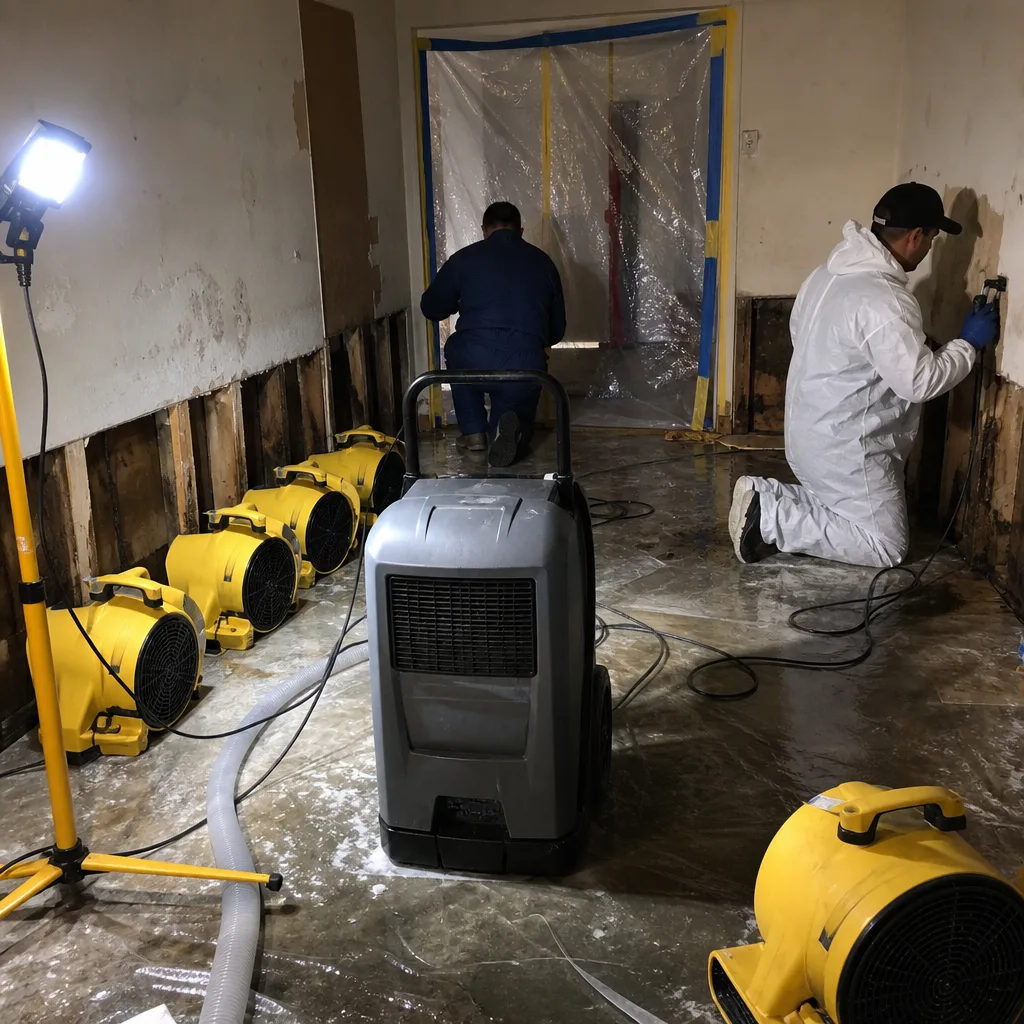
Industrial Facility Cleanup
Near Bush Terminal and the industrial blocks west of 3rd Avenue, facilities deal with a different set of risks: roof drainage failures during nor’easters, loading-dock flooding, and sewage backflows from aging combined sewer lines. We handle large-scale extraction, containment, and drying for industrial spaces, including high-bay areas and mezzanines that standard residential equipment can’t reach.
Large-Loss Response
When a entire commercial floor or a multi-tenant building takes water, the job outgrows a single crew. Floodline runs a large-loss response with multiple technicians, commercial desiccant setups, and dedicated project management so the schedule doesn’t stall. For Sunset Park property owners, that means a single point of contact and one written scope covering the whole building.
Business Interruption Minimization
Every day a storefront on 5th Avenue stays closed is lost revenue. We prioritize the spaces that can be dried in place and reopened quickly, separating them from areas that need full reconstruction. Our single-visit extraction and daily moisture logging keep drying timelines tight, and we’ll tell you honestly at the first inspection whether you’re looking at days or weeks of downtime.
What happens when you call
- 1
A real person answersNo phone trees - you reach a local pro.
- 2
You get an upfront price rangeHonest numbers before anyone is dispatched.
- 3
A background-checked tech heads outLicensed & insured, dispatched right away.
- 4
You approve before work beginsNothing starts until you say go.
Commercial Restoration Costs in Sunset Park, NY
Commercial restoration pricing in Sunset Park starts around $3,200 for a small Category 2 intrusion in a basement office and runs upward from there. A typical 5th Avenue storefront with clogged-areaway flooding and 2-3 affected rooms usually lands between $5,500 and $9,800. Category 3 harbor surge losses near Industry City are a different animal entirely: full pack-out, demolition of saturated drywall and flooring, antimicrobial treatment, and rebuild commonly run $12,000-$35,000 for a ground-floor commercial unit. What moves the price is the water category, how long it sat before we arrived, whether the plaster walls can be dried in place or need to be removed, and how much inventory or equipment must be handled. Insurance covers most covered perils; you cover your deductible. We’ll give you a firm, line-item scope after the free visual inspection, before any chargeable work starts.
We Also Serve Cities Near Sunset Park
Floodline Restoration Co. runs crews across the surrounding neighborhoods of Brooklyn: Sunset Park is home base for this corridor, and we regularly respond in East Flatbush, Bedford-Stuyvesant, Bensonhurst, and Borough Park. If your commercial property sits on the edge of Sunset Park, call and we’ll tell you which crew is closest.
Sunset Park Commercial Restoration Questions, Answered
How does Sunset Park’s dual flood exposure change the restoration scope for a commercial space?
Dual exposure means we classify the water before we touch anything. A hillside Category 2 intrusion from a clogged areaway can often be dried in place with desiccant dehumidifiers and panel drying. A Category 3 surge from the FEMA Zone AE waterfront requires full pack-out, demolition, and S500 sanitization. The scope difference is thousands of dollars, so the first question is always: where did the water come from and what category is it.
What are the biggest challenges drying out a basement-level commercial unit in a 1900s rowhouse?
The unlined brick foundation. Moisture wicks upward through the brick and hides behind plaster walls, so the surface can feel dry while the wall cavity holds 25% moisture. We use penetrating meters and thermal imaging to find what’s actually wet, then run Dri-Eaz LGR dehumidifiers and Injectidry systems with daily readings until we hit dry standard. Skipping that step is how mold shows up 48 hours later.
How do you handle business interruption for a storefront on 5th Avenue that takes on stormwater?
We separate the space into what can be dried in place and what needs demolition. If your front retail area is dry and only the back storage took water, we contain and dry the affected zone while you stay open, then rebuild at night or in phases. Our goal is the shortest defensible drying timeline, and we’ll tell you at the first inspection what that timeline realistically is.
Why do you stage desiccant dehumidifiers seasonally for the Sunset Park corridor?
Because the areaway drains and century-old brick foundations make every heavy rain a predictable basement flooding event. When the storm hits, the equipment is already in the neighborhood, not coming from across the city. That’s the difference between extraction starting in 45 minutes versus four hours.
Does coastal flooding near Industry City require different protocols than hillside stormwater?
Yes. Coastal flooding means harbor water, and harbor water is Category 3: sewage, fuel, salt, and debris. Everything that water touches gets packed out or cut out, then the space is sanitized before any drying begins. A hillside Category 2 intrusion can often be saved in place. The protocol difference is written into IICRC S500, and any competent crew will tell you the same.
How fast can your crew actually get to a commercial property in Sunset Park?
We commit to 45 minutes for emergency response within the Sunset Park corridor, and we stage crews near both the hillside and the waterfront so dispatch is short. The phone is answered live, 24 hours a day, by a real person who can send a truck immediately.
Will my commercial insurance cover this restoration work?
Most commercial property policies cover sudden and accidental water damage from burst pipes, stormwater intrusion, and wind-driven rain. Sewer backup and flood surge often require specific endorsements. We’ll document everything from the first hour, work directly with your adjuster, and bill the carrier directly so the claim gets handled cleanly.
What should I do in the first 30 minutes after water enters my commercial space?
Kill power to the affected area if it’s safe to do so. Move inventory, files, and equipment off the floor. Call (518) 750-3137. Don’t run fans or attempt to dry it yourself; Category 2 water needs professional treatment, and Category 3 water is a health hazard. The first 30 minutes are about stopping further loss and getting a certified crew en route.
Serving Sunset Park, NY - Our Local Coverage Area
We’re based in the Sunset Park area and know this community well. Use the map below to see our service coverage - if you’re nearby, we can almost certainly help.
Why the Terrain Matters in Sunset Park
Sunset Park drains downhill. The residential hillside above 4th Avenue sheds stormwater directly toward the FEMA-designated AE flood zone along the waterfront, the same stretch that took storm surge during Hurricane Sandy. What that means for a commercial property owner is this: the same building can face one kind of damage from a summer thunderstorm and an entirely different kind from a nor’easter. Basement-level offices and garden-level storefronts on the hillside deal with chronic stormwater intrusion through areaway drains and unlined brick foundations, the Category 2 problem. Ground-floor retail and industrial space near Industry City and Bush Terminal deals with recurring coastal flood damage, the Category 3 problem. Floodline Restoration Co. runs both response profiles, and the crew that shows up knows which one they’re dealing with before they open the door. That terrain-specific knowledge is why we stage equipment differently for Sunset Park than we would for a flat inland neighborhood.
Our crew responded to a garden-level office on 5th Avenue near the 36th Street station where a clogged areaway drain had sent Category 2 water sheeting through an unlined brick foundation into the commercial space. We set containment, pumped out the water with our truck-mounted extraction unit, and used Dri-Eaz LGR dehumidifiers with Injectidry panel drying to pull moisture from the century-old plaster walls. After moisture mapping confirmed dry standard, we applied antimicrobial treatment and logged the structural drying down to pre-loss condition. That’s the job, start to finish, done by the same crew.
Sunset Park’s below-grade commercial units predate modern foundation dampproofing, and the areaway window wells and exterior basement stairwells clog with debris during any heavy rain. Water sheets through the brick and into the space, and because it wicks upward into plaster walls, detection often comes late, after mold has had 24 to 48 hours to start. Coastal storms make it worse: surge from a nor’easter or a Sandy-repeat sends Category 3 black water into ground-floor retail near the piers, and that’s a full pack-out and demolition job, not a dry-in-place job. For businesses near the waterfront, we recommend a pre-loss walkthrough so you know exactly what your building faces before the next storm.
Commercial Restoration in Sunset Park doesn’t have to mean guessing which contractor will answer the phone at 2 a.m. or whether the crew that dries the space is the same one that rebuilds it. Floodline Restoration Co. keeps it whole: one team, one written scope, direct insurance billing, and the 90-Day Done Right Promise in your hands when the job is finished. Call (518) 750-3137 for a free visual inspection and a firm answer on what your commercial space needs. We’ll be there when we say. Done right, and backed in writing.
Written by Curt Bowman, Owner at Floodline Restoration Co., serving Sunset Park since 2010.