
Free visual inspection and a written scope of work before any mitigation begins - photos, moisture readings, and drying logs go in your claim file
The scope we write is the scope we bill. Anything new gets shown to you, in writing, before we touch it.
 Before
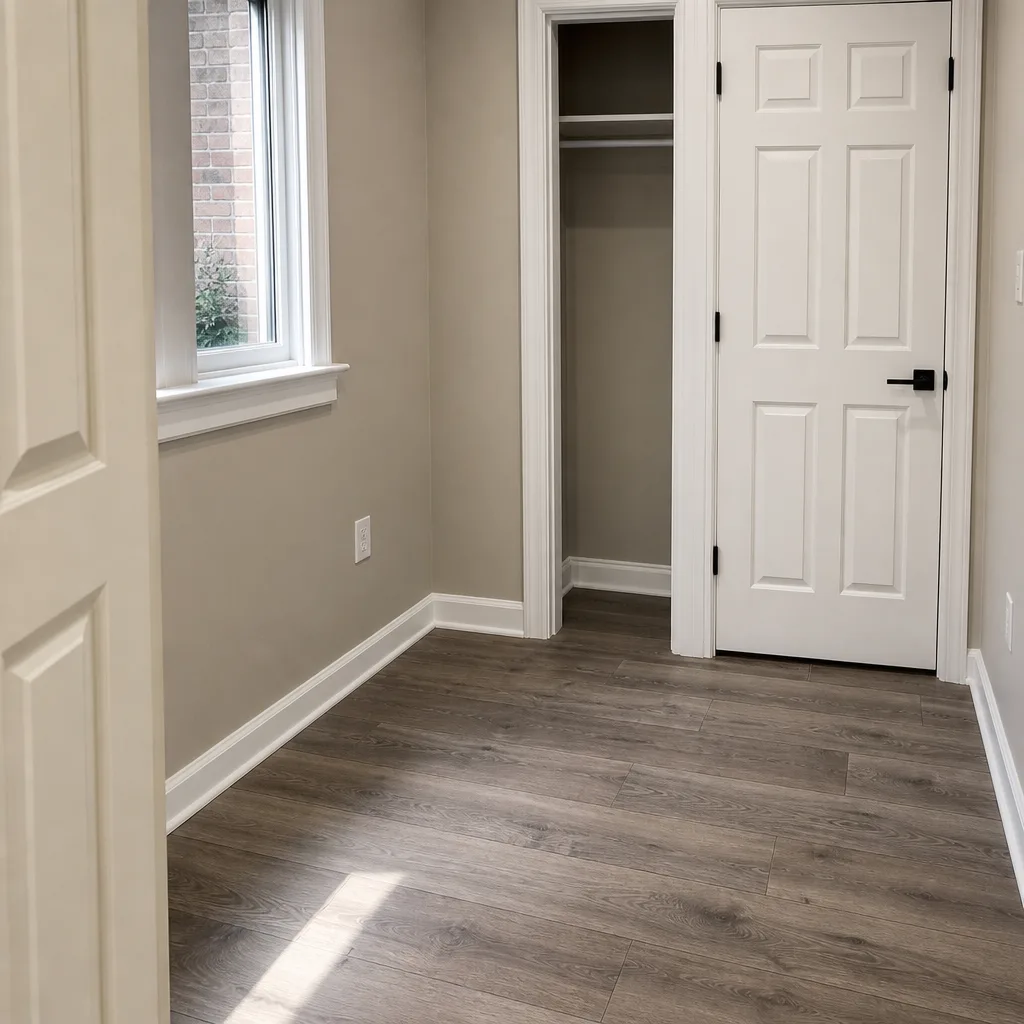 After
After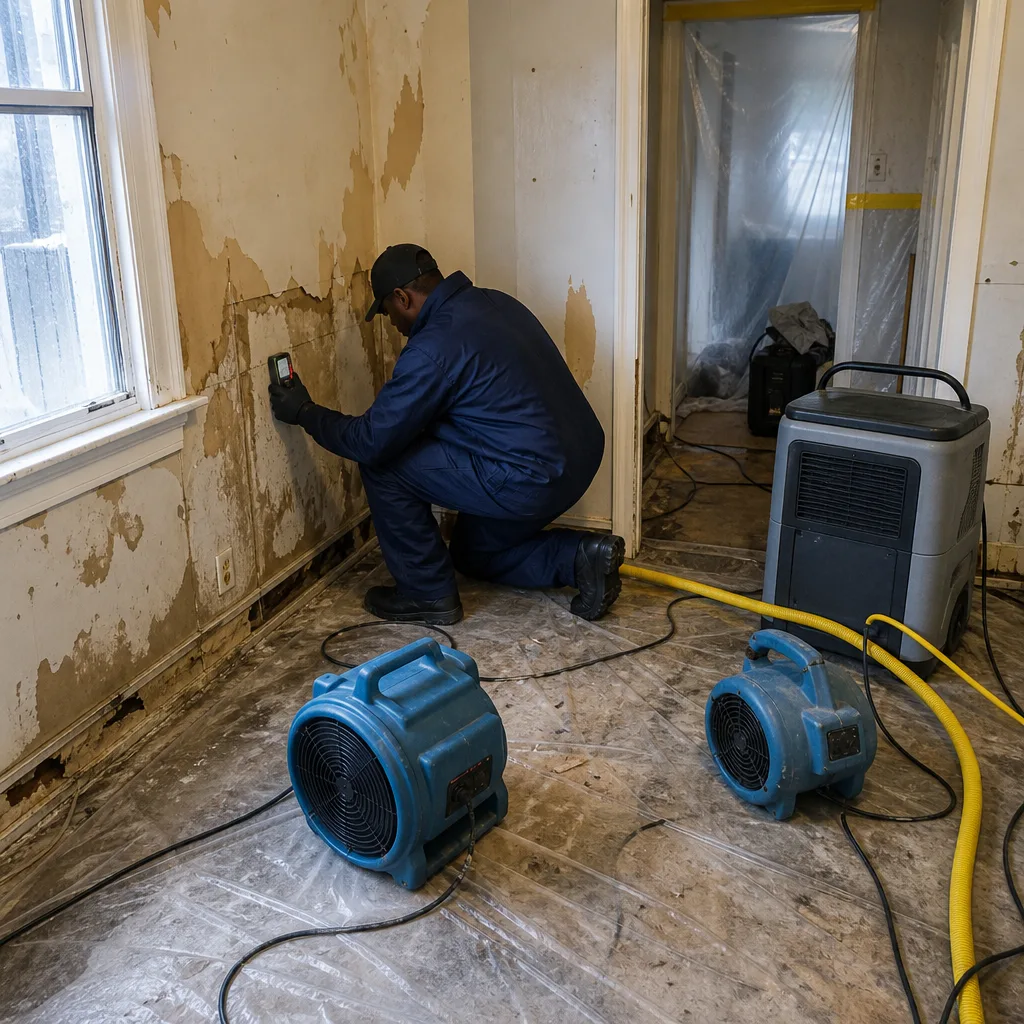 Before
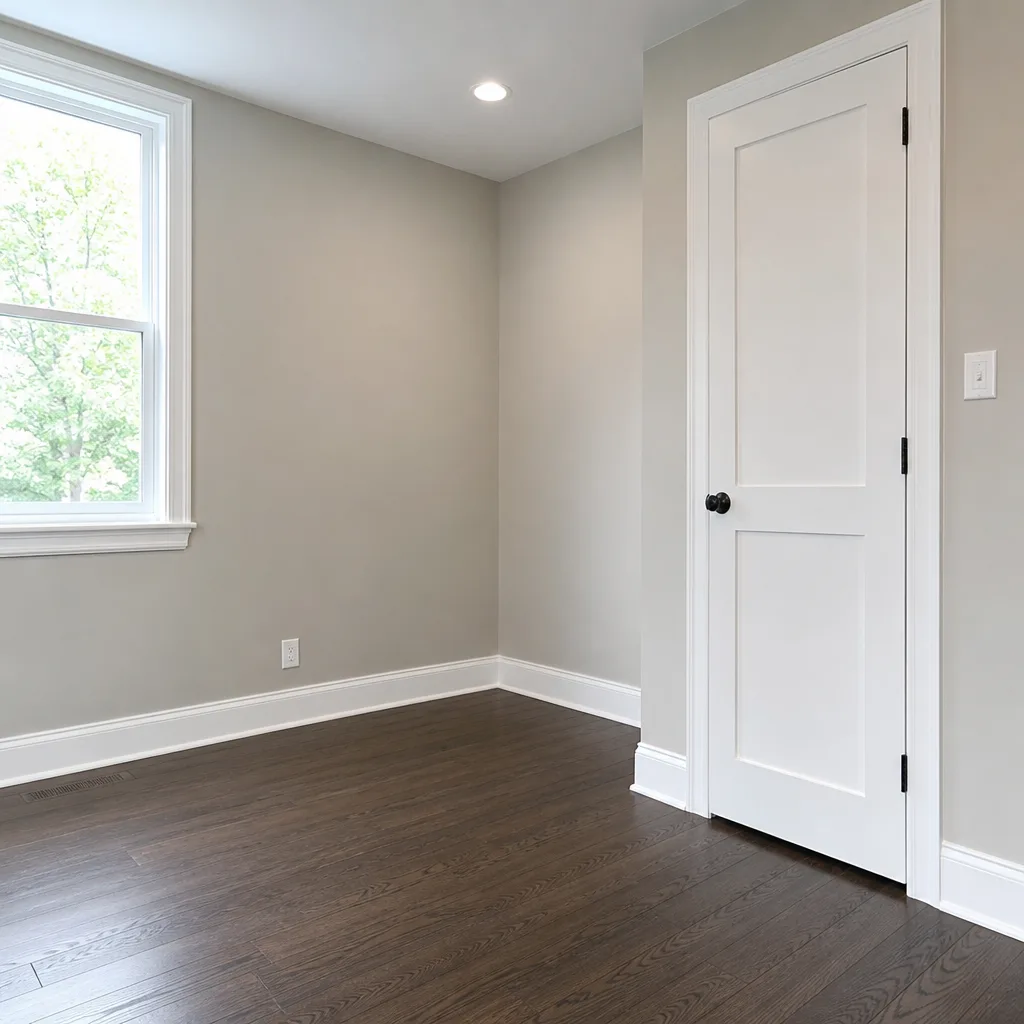 After
After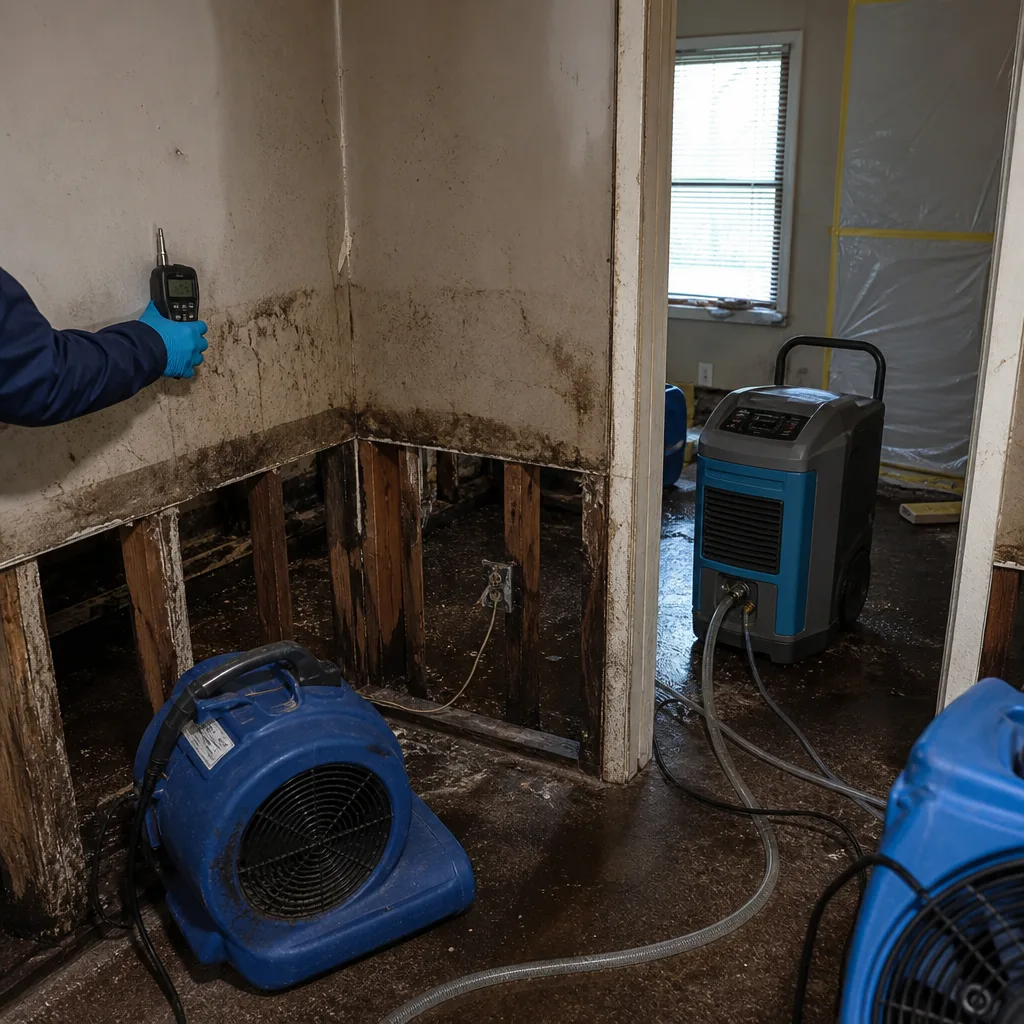 Before
 After
After24/7 Emergency Fire & Smoke Damage Restoration in Glendale
Fire and smoke damage in Glendale rowhouses moves fast, and the first hour determines how much of your home we can save. Our crews reach Glendale homes within 45 minutes of your call, any hour, any day. A live dispatcher answers at (518) 750-3137 and starts a crew toward your block immediately. We board up broken windows, tarp breached roofs, and begin smoke and soot containment the same visit. Waiting doesn’t just deepen the odor. In attached brick homes, smoke and heat migrate through shared attics and party walls into the neighboring unit within hours.
Understanding Fire & Smoke Damage Restoration Severity in Glendale Properties
Not all fire damage is the same. Light kitchen fires leave protein soot, a fine, greasy residue that bonds to painted surfaces and requires alkaline-based cleaning agents. Electrical fires in the older wiring common to Glendale’s pre-war homes produce a mix of chlorides and sulfides that etch chrome fixtures and corrode copper within 48 hours. Structural fires leave heavy char, smoke-webbed soot, and often water damage from suppression efforts. That water is rarely Category 1, especially in finished basements on the neighborhood’s combined sewer laterals. When a fire hose floods a basement connected to a backing-up sewer main, that water is Category 3 and must be handled as contaminated. Our Fire & Smoke Damage Restoration protocol treats these as distinct problems demanding different chemistry, different equipment, and different clearance standards. In Glendale’s 1920s-1940s brick rowhouses, we also inspect for heat transfer through mortar joints and shared structural members before any wall is closed.
Why Glendale Property Owners Choose Floodline Restoration Co.
- 45-minute response commitment: We dispatch from our New York City operations desk directly into Glendale, and a crew is usually on-site within three-quarters of an hour.
- 24/7 live answer: A real person picks up at (518) 750-3137 at 2 a.m. No automated menu, no answering service hand-off.
- IICRC-certified crews: Our technicians carry WRT, FSRT, and AMRT certifications, so fire, water, and mold contamination are handled under the same trained eye.
- Free visual inspection: We walk the damage with you, explain what we see, and give you a written scope before any work begins.
- Direct insurance billing: We bill your carrier directly and document everything from the first hour, so you’re never the messenger.
- One team from extraction to reconstruction: The crew that runs the first HEPA scrubber is the crew that hangs the final drywall. No mid-job handoffs.
Our Fire & Smoke Damage Restoration Process
Inspection & Assessment
We map soot deposition, measure moisture in walls and framing with thermal imaging, and check both sides of party walls in attached homes. In Glendale, that always includes a look at the adjacent unit when the structure is semi-detached or in a row.
Board-Up & Stabilization
We secure openings with plywood and tarps, cut off damaged utilities, and set containment barriers. For rowhouses, we run containment at the property line to keep cross-contamination out of the neighboring home.
Water Extraction & Structural Drying
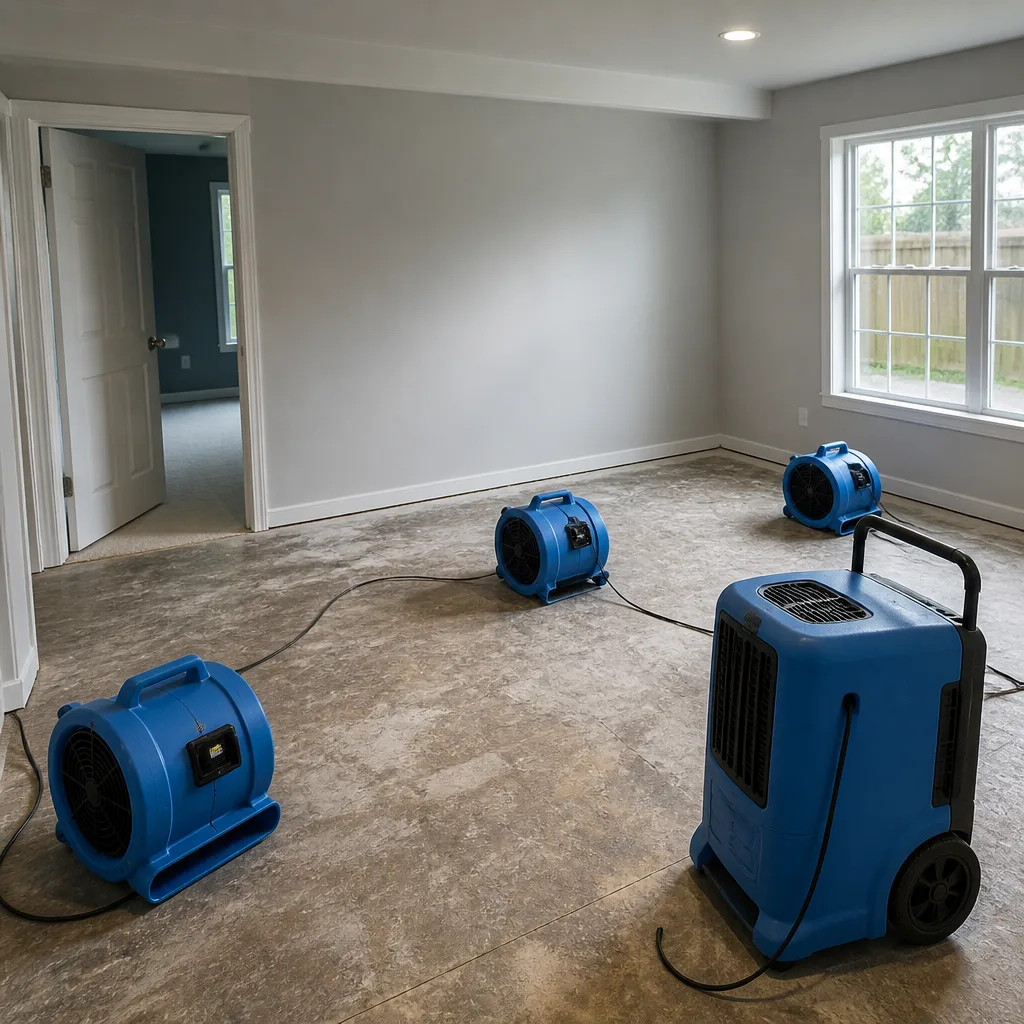
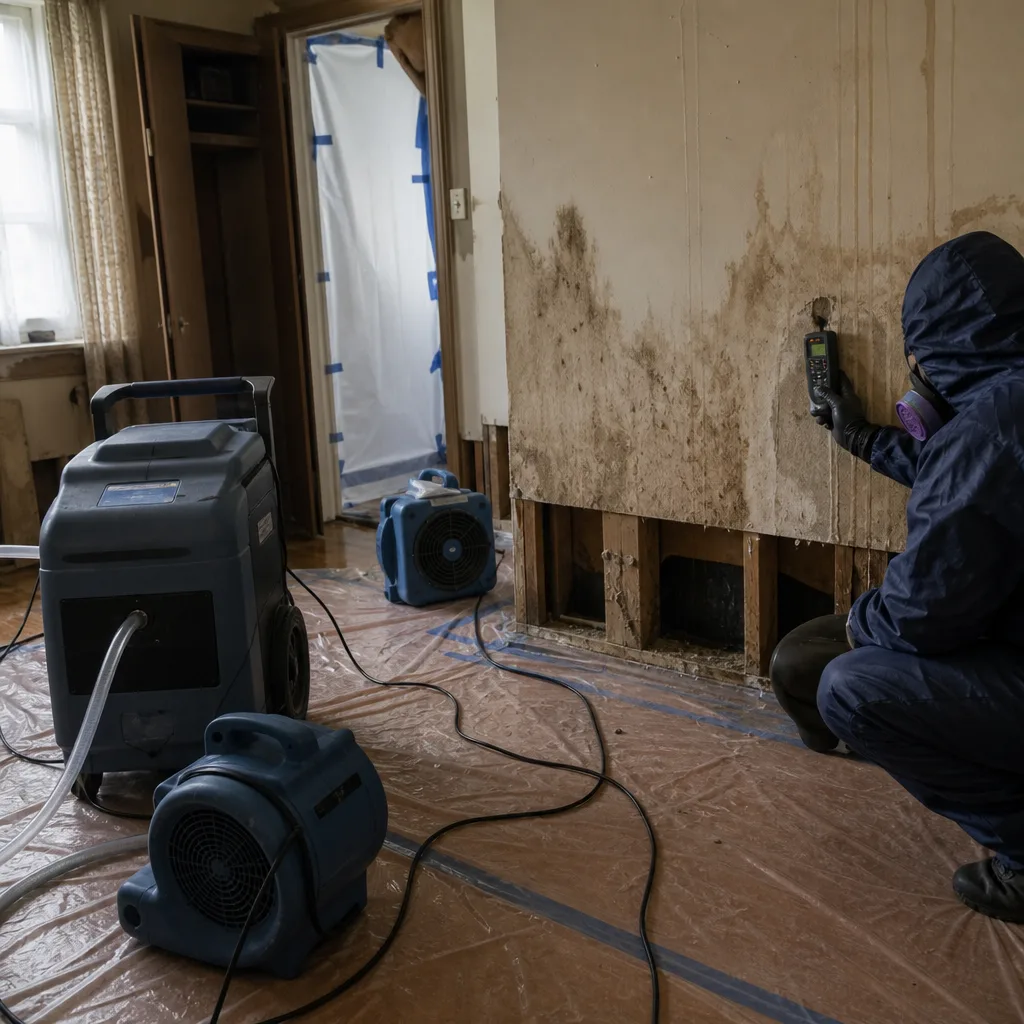
Fire suppression water is extracted with truck-mounted and portable units, then dried with Dri-Eaz dehumidifiers and monitored with hygrometers daily. Brick rowhouses hold moisture in masonry, so we leave drying chambers in place until readings prove the wall assembly is dry, not just the surface.
Soot & Smoke Cleaning
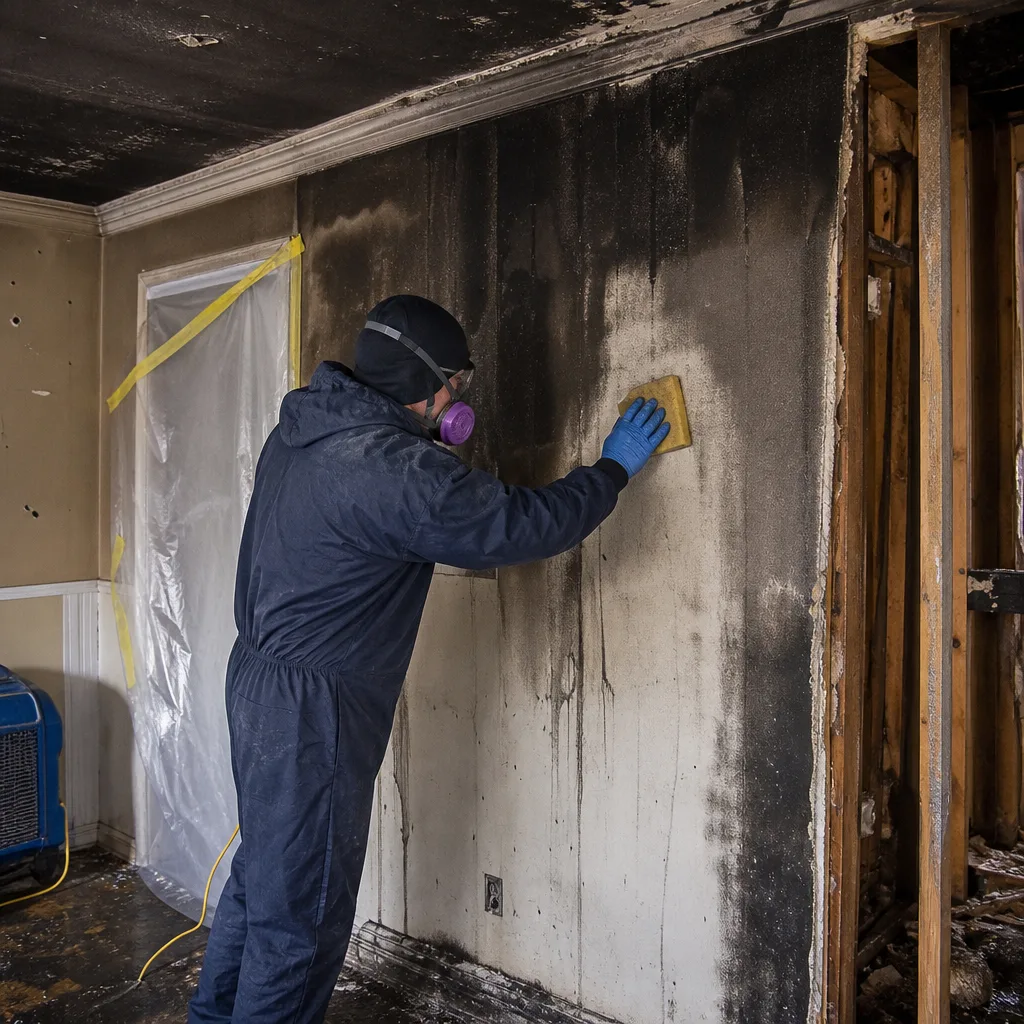
HEPA scrubbers filter the air while we remove soot from every surface. Different soot types need different chemistry. We clean, don’t just paint over, char and film.
Odor Removal & Deodorization
Thermal fogging, hydroxyl generators, and direct injector treatments through Phoenix and Injectidry units reach smoke odor trapped in wall cavities, under floors, and inside shared attics. This is where most restoration jobs in Glendale fail if they skip the cavity work.
Repairs & Restoration
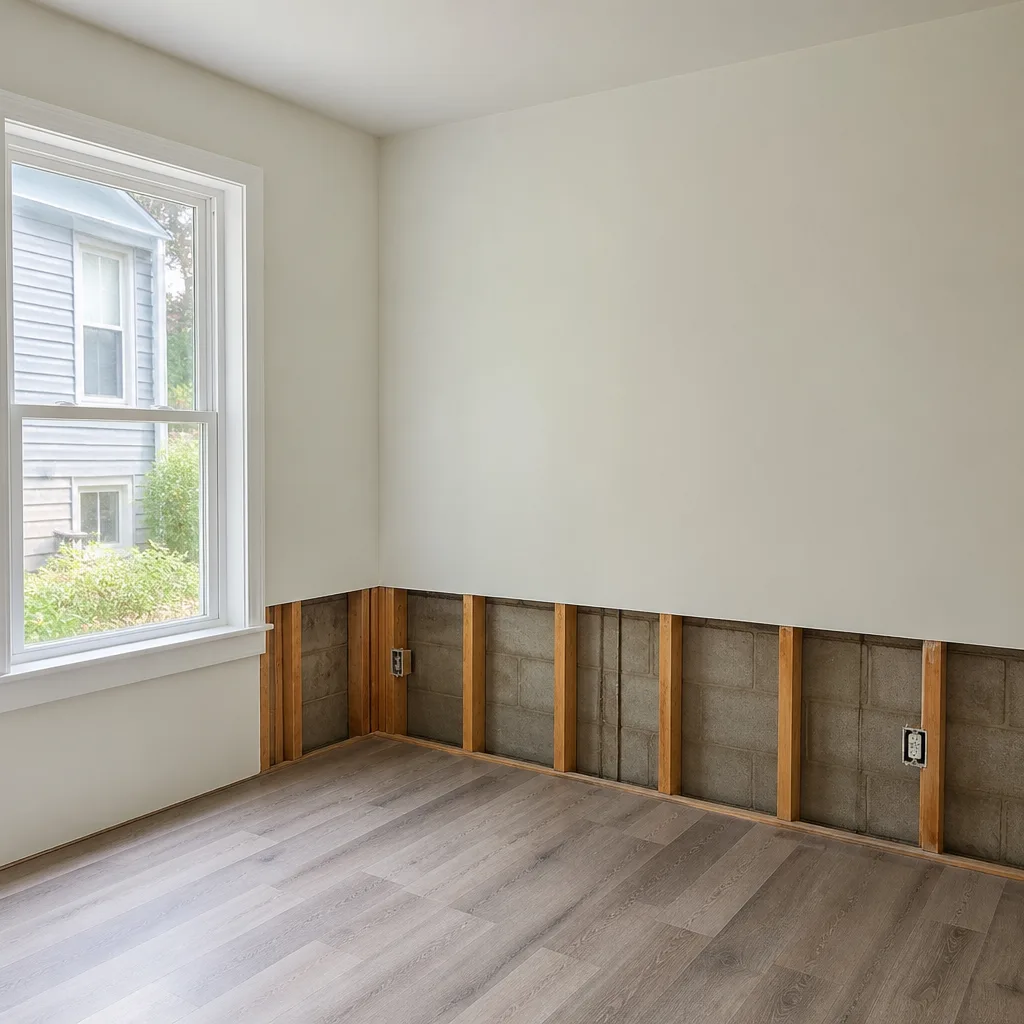
We rebuild what the fire took. Structural framing, drywall, trim, painting, and flooring. Before any wall is closed, we verify asbestos testing is complete, DOB paperwork is filed, and the drying log meets the dry standard.
Need Emergency Fire & Smoke Damage Restoration in Glendale Now?
Crews minutes away, answering live 24 hours a day. The sooner we start, the less it costs.
Working With Your Insurance Company
Fire claims in Glendale get complicated fast when a rowhouse is involved. Your carrier needs to know exactly what happened in your unit, what migrated into the adjacent unit, and what the asbestos-era materials add to the scope. We document from the first hour. Photos of every room before and during mitigation, moisture readings logged daily, a line-item scope our estimators build in the same format adjusters use. Curt Bowman has spent the years since 2010 building a company that talks to carriers the way adjusters expect: specific, documented, and without drama. If your neighbor’s insurer gets involved, we coordinate that file too.
What We Provide Your Insurer
- Thorough documentation of the loss
- Photos of all damage, room by room
- Moisture readings and drying logs
- A detailed, line-item scope of work
- Direct coordination with your carrier
Built for Glendale’s Loss Calendar
Glendale’s fire and smoke losses follow the calendar. January and February bring space heaters running on overloaded circuits in homes wired for 1930s amperage. Knob-and-tube and early armored cable don’t take kindly to modern draw. Spring brings basement fires from clothes dryers venting into finished spaces that have accumulated lint for a decade. Summer means window AC units straining old service panels and storm-soaked electrical boxes arcing. Fall and winter return with cooking fires during holiday gatherings in narrow galley kitchens built before open floor plans existed. Every one of these leaves smoke in places homeowners don’t see, inside wall cavities, behind plaster, in the shared spaces between rowhouse shells. The pattern we know from Glendale specifically: a small fire in one unit becomes a two-unit smoke claim because the shared attic carried the odor before anyone opened a window.
Fire & Smoke Damage Restoration Across Glendale’s Neighborhoods
Around the Glendale Shopping Center on Myrtle Avenue, we see a lot of commercial-residential mixed losses: an apartment above a storefront takes smoke from a shop fire below, and the restoration has to work around active retail hours. Over by Forest Park, the frame houses mixed in among the brick rowhouses respond differently to heat and need more aggressive structural drying because wood framing wicks smoke deeper. The blocks south of Cooper Avenue near the old Atlas Park site have the densest collections of semi-detached two-families, where every fire is a two-house fire by the time we arrive. Along 68th Road and 71st Street, the semi-detached homes with full basements and finished rec rooms mean fire suppression water accumulates where drywall and carpet already sat on original concrete, and that water brings sewage from the aging lateral before we even start extraction. Each pocket of Glendale needs the same first response, but the scope behind the walls changes block to block.
Specialized Fire & Smoke Damage Restoration Services We Offer in Glendale
Fire Damage Cleanup
We remove charred debris, damaged contents, and unsalvageable materials from your home after the fire. In Glendale rowhouses, cleanup includes clearing the shared spaces, attics, stairwells, and light wells where smoke and soot settle even when flames never touched them.
Smoke & Soot Removal
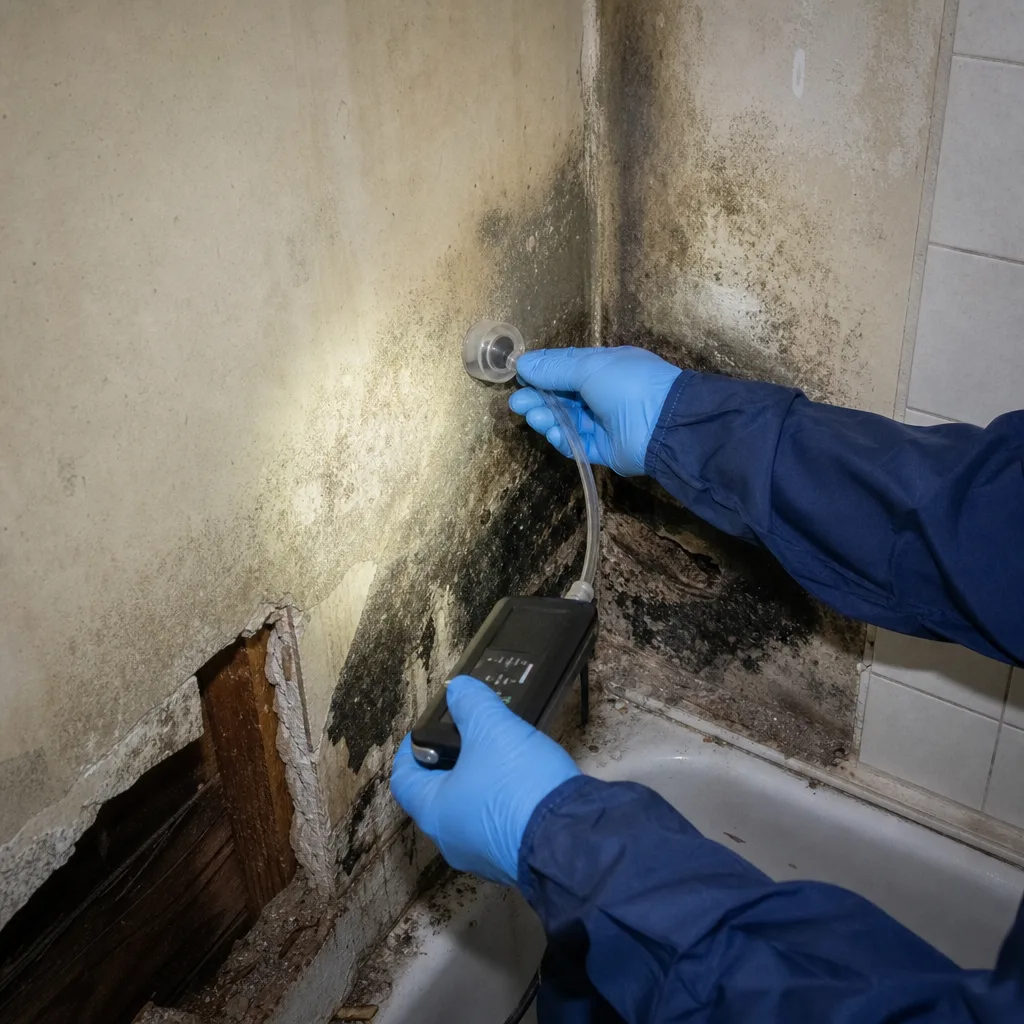
Soot etches into painted plaster and bonds to brick the longer it sits. Our crews use dry-ice blasting and chemical sponges to lift soot from original brick work and plaster that can’t simply be replaced. We treat every surface in the room, not just the burned one.
Odor Removal & Deodorization
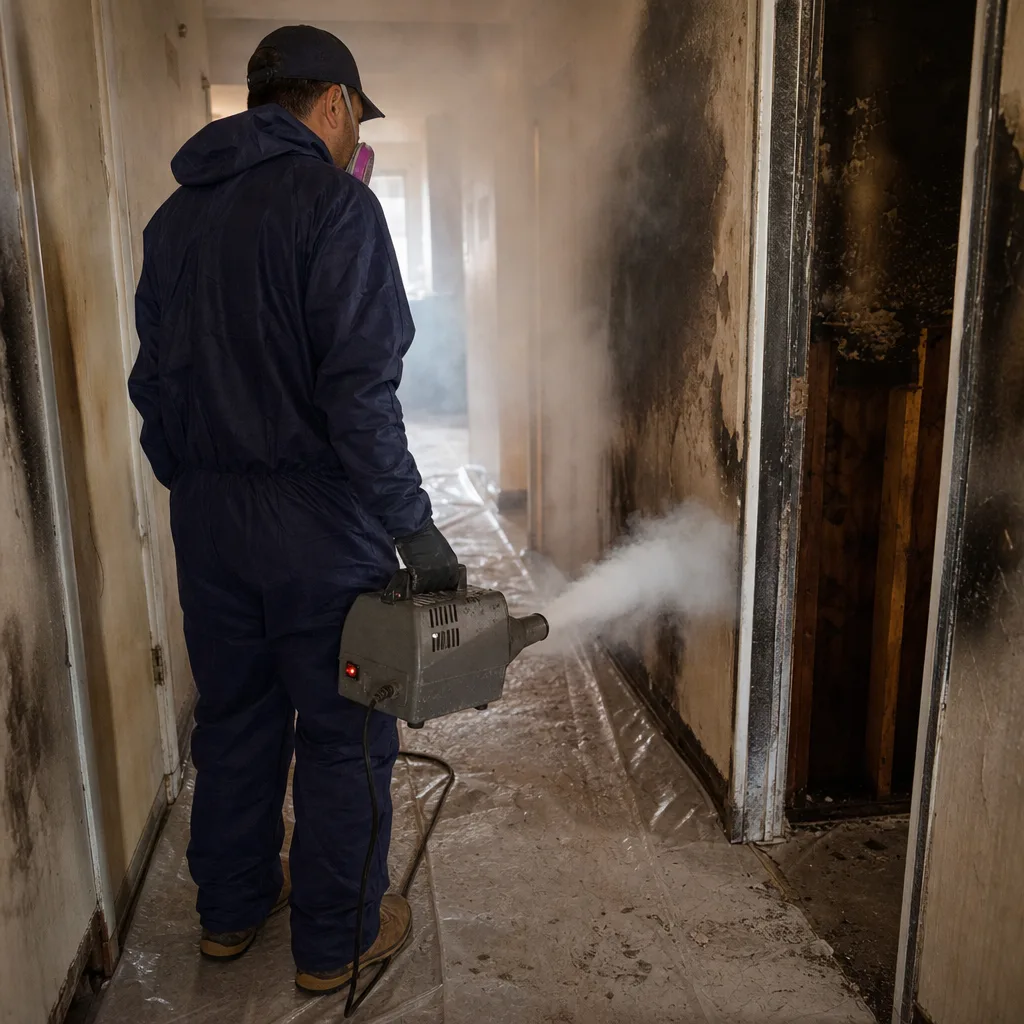
Smoke odor in Glendale’s attached homes goes through wall cavities and into the neighbor’s living space. Thermal fogging reaches where scrubbing can’t. Hydroxyl generators neutralize remaining compounds. If the odor source is inside a party wall, we open it, treat it, and rebuild it, with permits if required.
Contents Cleaning & Pack-Out
We inventory, pack, and transport your salvageable belongings to our facility for cleaning, deodorizing, and storage until your home is ready. Every item is logged and photographed. We’ve handled full-house pack-outs after fires on 68th Road where smoke had reached every drawer in both units.
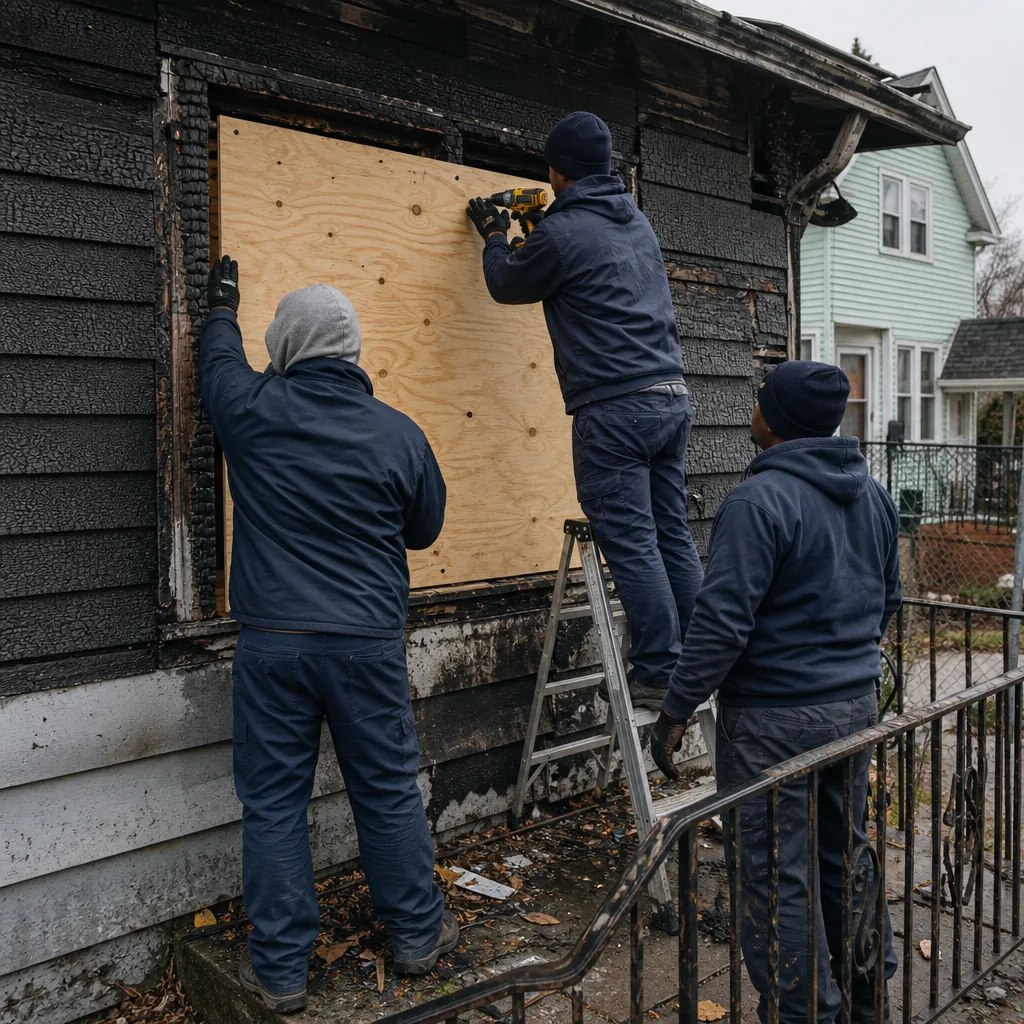
Emergency Board-Up & Tarping
Before cleaning starts, the building has to be locked down. We board up windows and doors, tarp roof openings, and stabilize structural hazards the same visit. In Glendale, that also means securing shared entryways and checking that the adjoining unit is safe to occupy.
Structural Fire Repair
When fire has consumed joists, studs, or roof framing, we rebuild to code. Deep burns in the original lumber common to 1920s construction often mean sistering new framing alongside the old rather than replacing entire assemblies. We file with NYC DOB when the scope touches party walls or structural members.
What happens when you call
- 1
A real person answersNo phone trees - you reach a local pro.
- 2
You get an upfront price rangeHonest numbers before anyone is dispatched.
- 3
A background-checked tech heads outLicensed & insured, dispatched right away.
- 4
You approve before work beginsNothing starts until you say go.
Fire & Smoke Damage Restoration Costs in Glendale, NY
What you’ll pay depends on what burned and how far the smoke traveled. A small kitchen fire with light soot across one floor in a Glendale rowhouse typically runs $3,500 to $9,000 for cleanup, odor treatment, and repainting. A basement fire with water extraction and Category 3 contamination handling lands between $12,000 and $35,000 because of the sewage component and the masonry drying time. A full structural fire in a semi-detached home where the party wall and shared attic are involved starts around $40,000 and climbs based on how many rooms need rebuilding, plus asbestos abatement if original materials tested positive. Most Glendale homeowners pay a deductible, not the full scope, because we bill the carrier directly and document to their standard. Call for a free visual inspection and we’ll give you a written scope with line-item pricing before any work begins. The 90-Day Done Right Promise backs the work: if it’s not done right, we make it right, in writing.
We Also Serve Cities Near Glendale
When fire damage spreads beyond a single block, we respond across the surrounding area. We serve homeowners in East Flatbush, Sunset Park, Bedford-Stuyvesant, and Bensonhurst with the same live dispatch and certified crews that answer in Glendale.
Serving Glendale, NY - Our Local Coverage Area
We’re based in the Glendale area and know this community well. Use the map below to see our service coverage - if you’re nearby, we can almost certainly help.
Glendale Fire & Smoke Damage Restoration Questions, Answered
Do I need a permit to rebuild a shared party wall after a fire in my Glendale rowhouse?
Yes. Any structural work on a shared wall between attached homes in NYC requires a Department of Buildings permit, and the adjacent owner must be notified. Our team handles the filing and coordinates with both property owners before work begins.
My two-family home on 68th Road had a small kitchen fire-do I have to test for asbestos before you start structural drying?
Yes. If the home was built before 1980, NYC Local Law requires asbestos testing of materials that will be disturbed. Original plaster, pipe insulation, and floor tiles in 68th Road homes commonly contain asbestos. We test before cutting into any wall.
Why does smoke odor linger in my neighbor’s half of the attached house even though the fire was only on my side?
Smoke travels through shared attic spaces, wall cavities, and gaps in the party wall. Your neighbor’s unit needs odor treatment in those cavities. We run containment at the property line and treat both sides when necessary.
After a fire in my finished basement on Myrtle Avenue, the water used to put it out backed up from the sewer-what does that change?
That water is Category 3, meaning sewage contamination. It changes the drying protocol, requires antimicrobial treatment, and may mean removing and replacing any porous material it touched. Call (518) 750-3137 and our crew will classify the water correctly from the start.
How does Glendale’s brick construction affect drying time and the equipment you need after a smoky fire?
Brick absorbs water from fire suppression and holds it deep in the masonry. Drying a brick rowhouse takes longer than drying a wood-frame house. We use Dri-Eaz dehumidifiers, B-Air air movers, and moisture-mapped daily readings until the masonry reaches the dry standard, not just the surface.
How fast can someone actually get to my home in Glendale?
We commit to 45 minutes. A live dispatcher answers 24/7 at (518) 750-3137, and crews staging from our New York City operations desk reach most Glendale blocks within that window.
Will my insurance cover fire and smoke restoration in a rowhouse?
Most homeowner policies cover fire, smoke, and the water used to extinguish it, including when the damage extends into an attached neighbor’s unit. We document everything your adjuster needs and bill the carrier directly.
Do I really need full odor removal, or can I just repaint?
Repainting without treating the odor source means the smell comes back through the paint within weeks. Odor compounds live in wall cavities, insulation, and masonry. Full deodorization is the only fix that lasts, and it costs less than repainting twice.
Written by Curt Bowman, Owner at Floodline Restoration Co., serving Glendale with fire and smoke restoration since 2010.