
Free visual inspection and a written scope of work before any mitigation begins - photos, moisture readings, and drying logs go in your claim file
The scope we write is the scope we bill. Anything new gets shown to you, in writing, before we touch it.
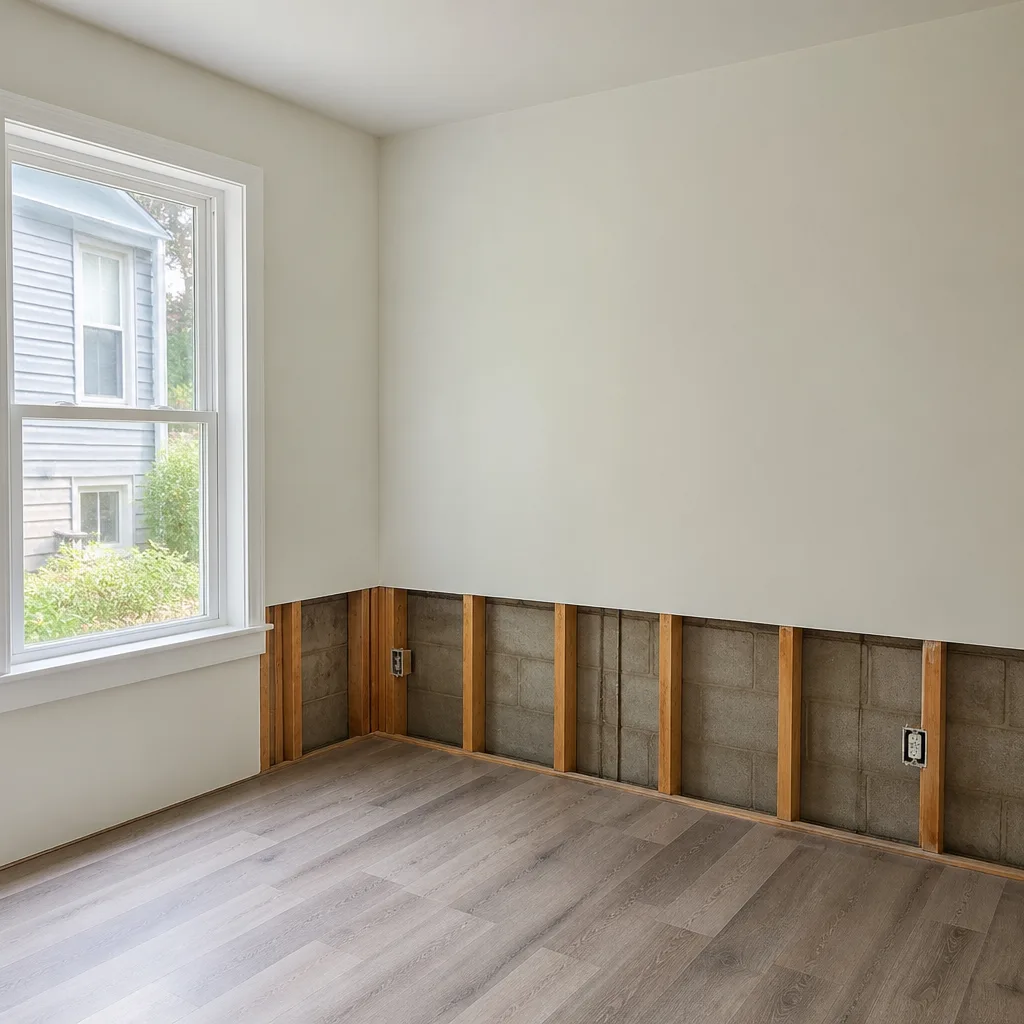

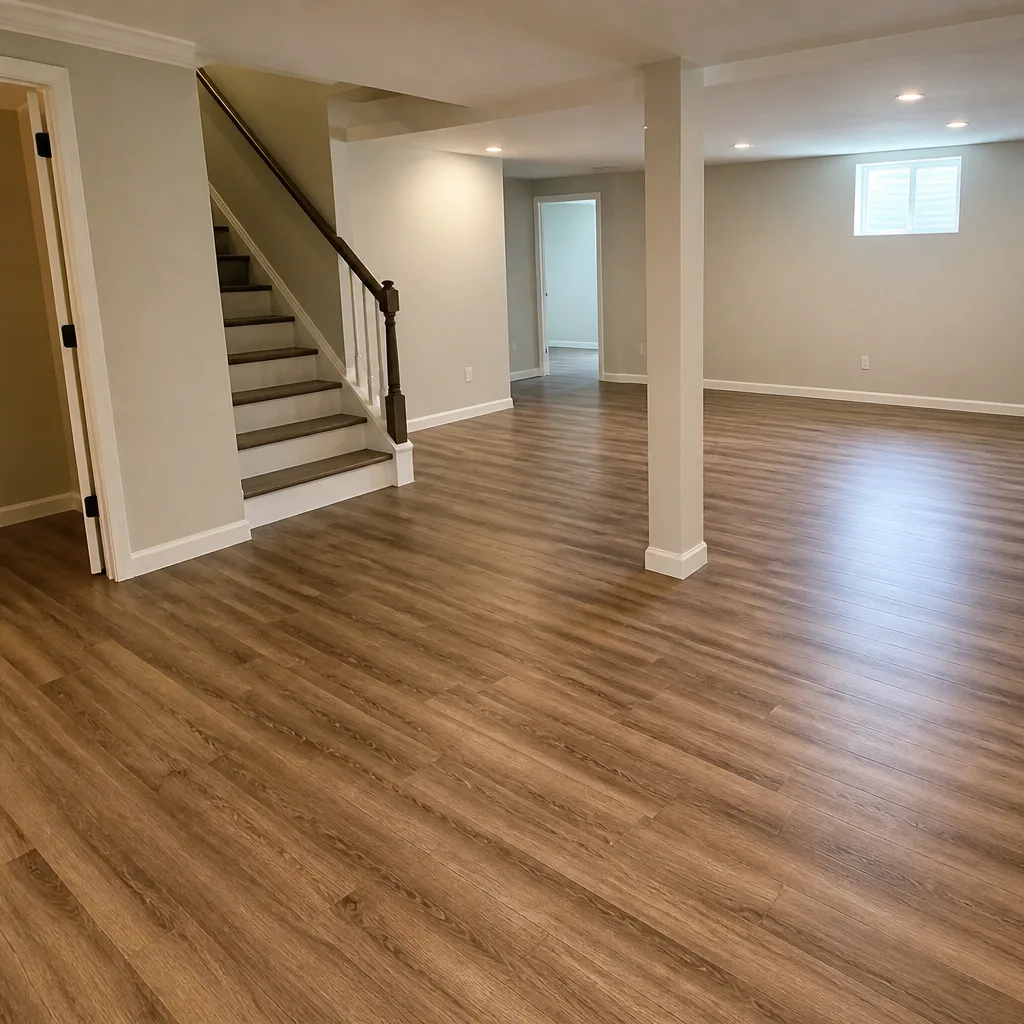
 Before
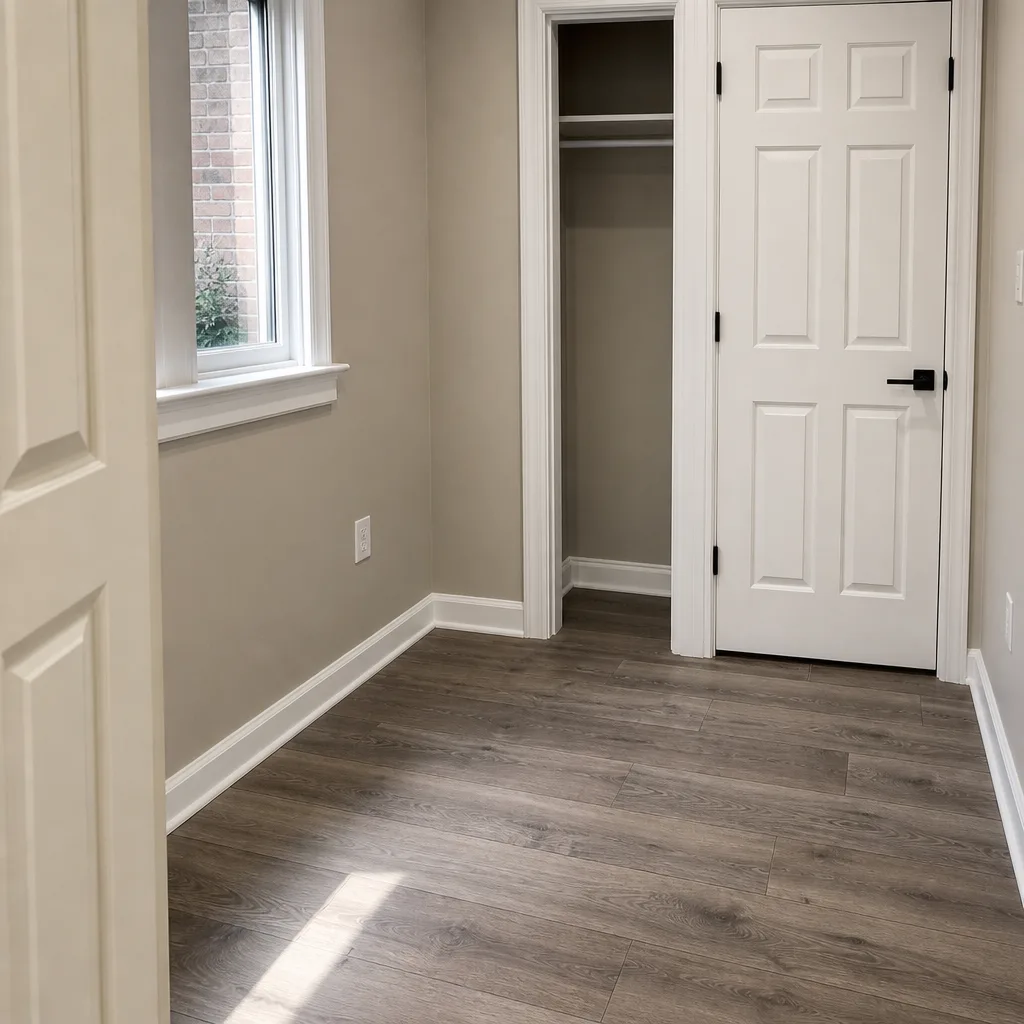 After
After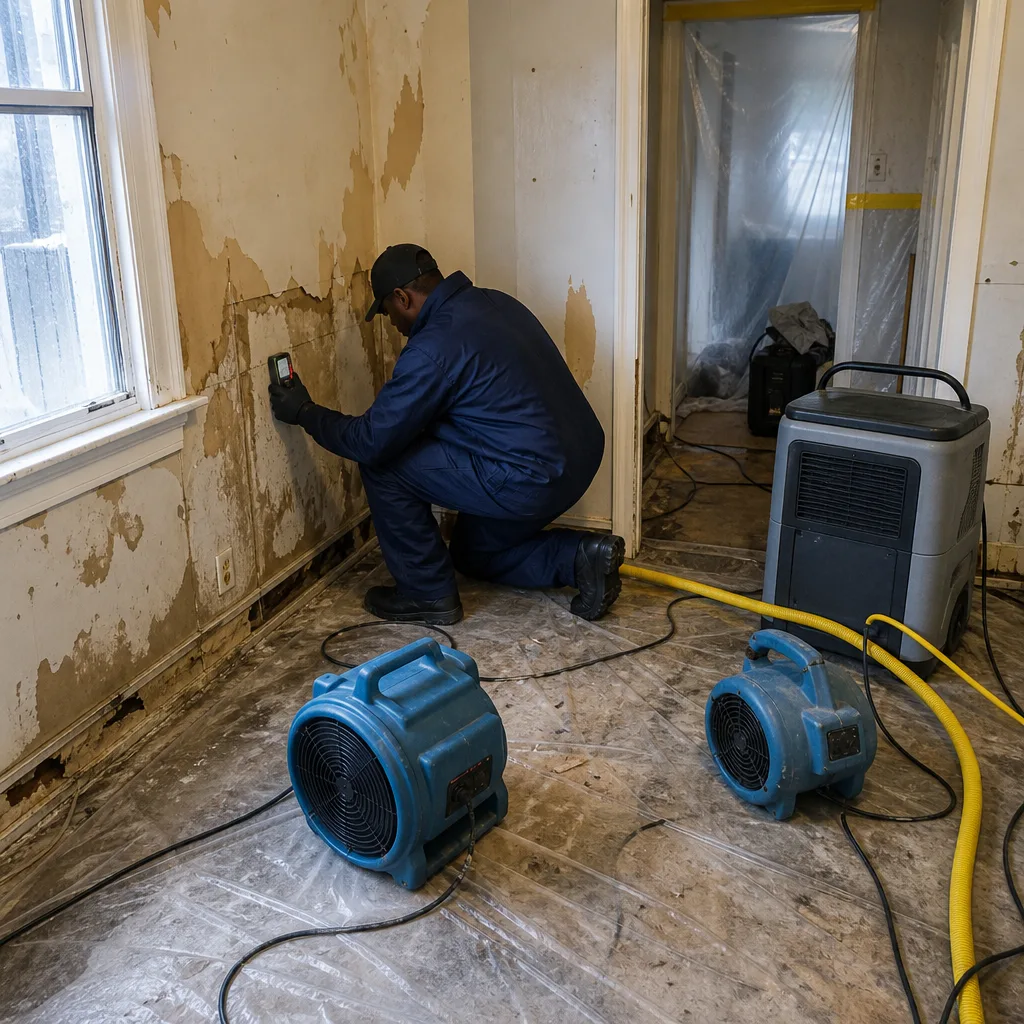 Before
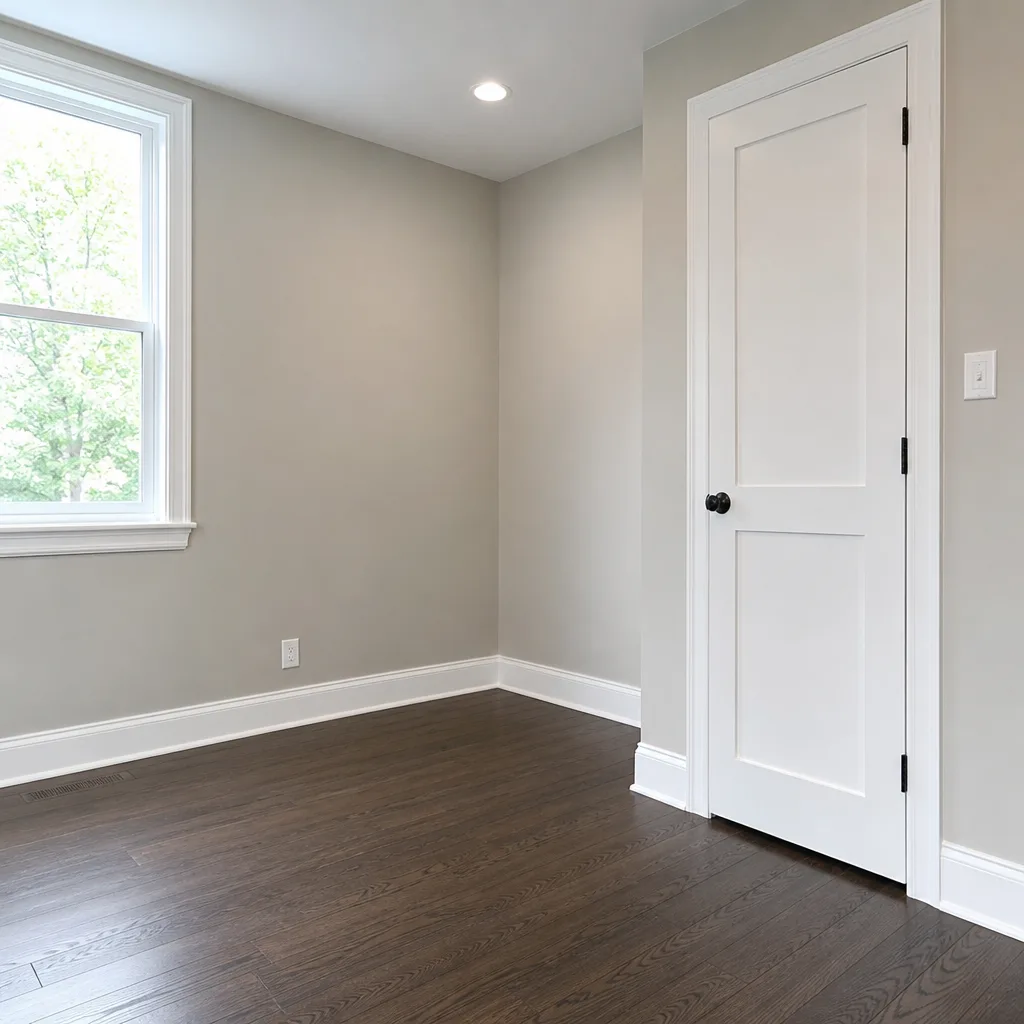 After
After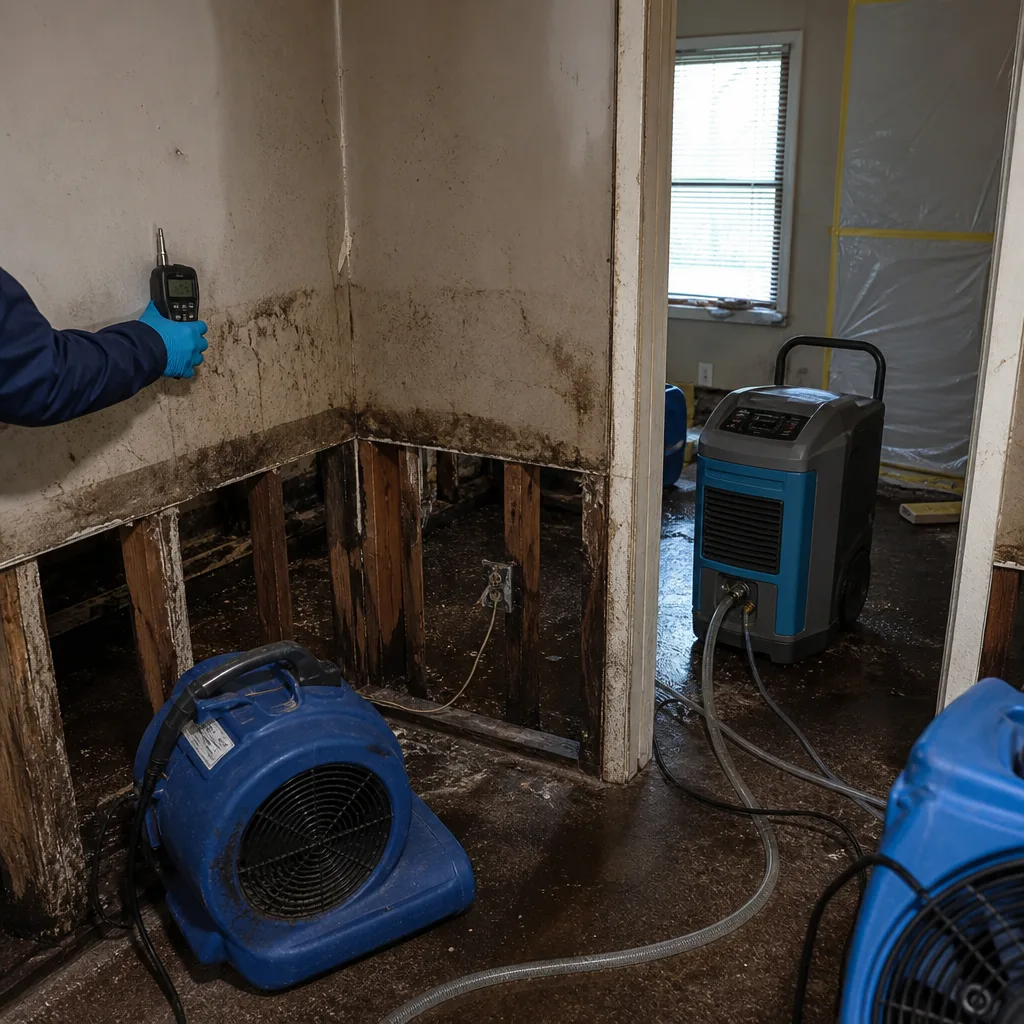 Before
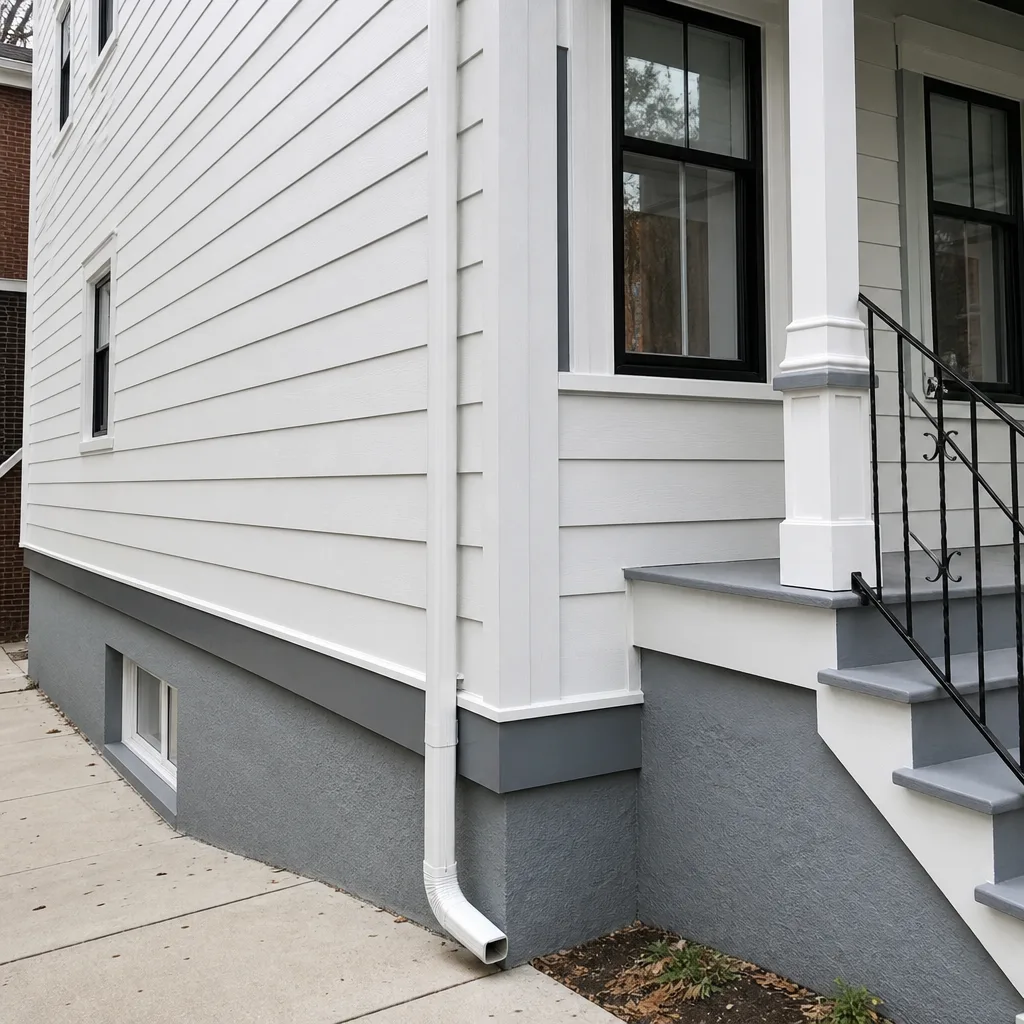 After
After24/7 Emergency Storm & Disaster Restoration in East New York
Storm damage in East New York needs a response now, not a callback in the morning. Water moves through a rowhouse faster than most people expect: a failed parapet cap soaks the top floor, the shared firewall pulls that moisture sideways, and by day three you’re fighting mold inside wall cavities. Our crews answer live at (518) 750-3137 around the clock and dispatch directly into East New York, including the blocks off Linden Boulevard, Pitkin Avenue, and the Spring Creek corridor. The first hour matters because that’s when structural drying can still save the subfloor. We arrive with industrial air movers and dehumidifiers, thermal imaging to find water you can’t see, and a written scope of work before anything gets torn out. Nobody wants a second surprise hiding behind the first one.
If you’re anywhere in East New York and a tree limb just came through the roof or a nor’easter pushed floodwater into the basement, call now. A live dispatcher picks up. A certified crew heads your way. Extraction starts the same visit.
Understanding Storm & Disaster Restoration Severity in East New York Properties
Storm restoration in East New York rarely starts as a clean, single-source loss. Most homes on these blocks are attached brick rowhouses built between 1910 and 1940, with flat or low-slope roofs and shared firewalls at the party line. That means water often enters one unit and migrates into two. We classify the water as Category 1 (clean supply leak), Category 2 (gray water from a sump or washing machine), or Category 3 (black water from street flooding, sewage, or a burst house trap). Any Category 3 loss requires containment and sanitization before drying can even start, because the contamination is woven into baseboards, drywall, and the top layer of concrete.
In the NYCHA superblocks like the Pink Houses and Linden Houses, a single failed window seal or roof drain can feed moisture through shared vertical chases and show up three floors down. Moisture mapping with penetrating meters and infrared cameras tells us where the water actually is, not just where it stained the ceiling. The goal is a dry standard measured in grains per pound, logged daily, and handed to you and your carrier in writing. No guessing, no “it feels dry.”
Why East New York Property Owners Choose Floodline Restoration Co.
- 45-minute response commitment. When you call (518) 750-3137, a live dispatcher confirms a crew and starts them rolling. We don’t put you in a queue behind a call center script.
- 24/7 live answer, every time. You’ll never hear a recording tell you to call back during business hours. A real person picks up at 2 a.m. and knows what to do with the call.
- IICRC-certified crews. Our technicians hold WRT (Water Restoration Technician) and ASD (Applied Structural Drying) credentials, so the drying plan is built from the science of psychrometry, not a guess.
- Free visual inspection. We look first, explain what we found, and hand you a written scope before any work begins. You approve the plan, not a blank check.
- Direct insurance billing. We document the loss, send the adjuster our readings and photos, and bill the carrier directly. You never play messenger between us and your insurer.
- One team from the first cut to the final coat. The same Floodline crew that extracts and dries is the crew that rebuilds. No handoff to a stranger, no re-explaining your house to a new project manager.
Our Storm & Disaster Restoration Process
Inspection & Assessment
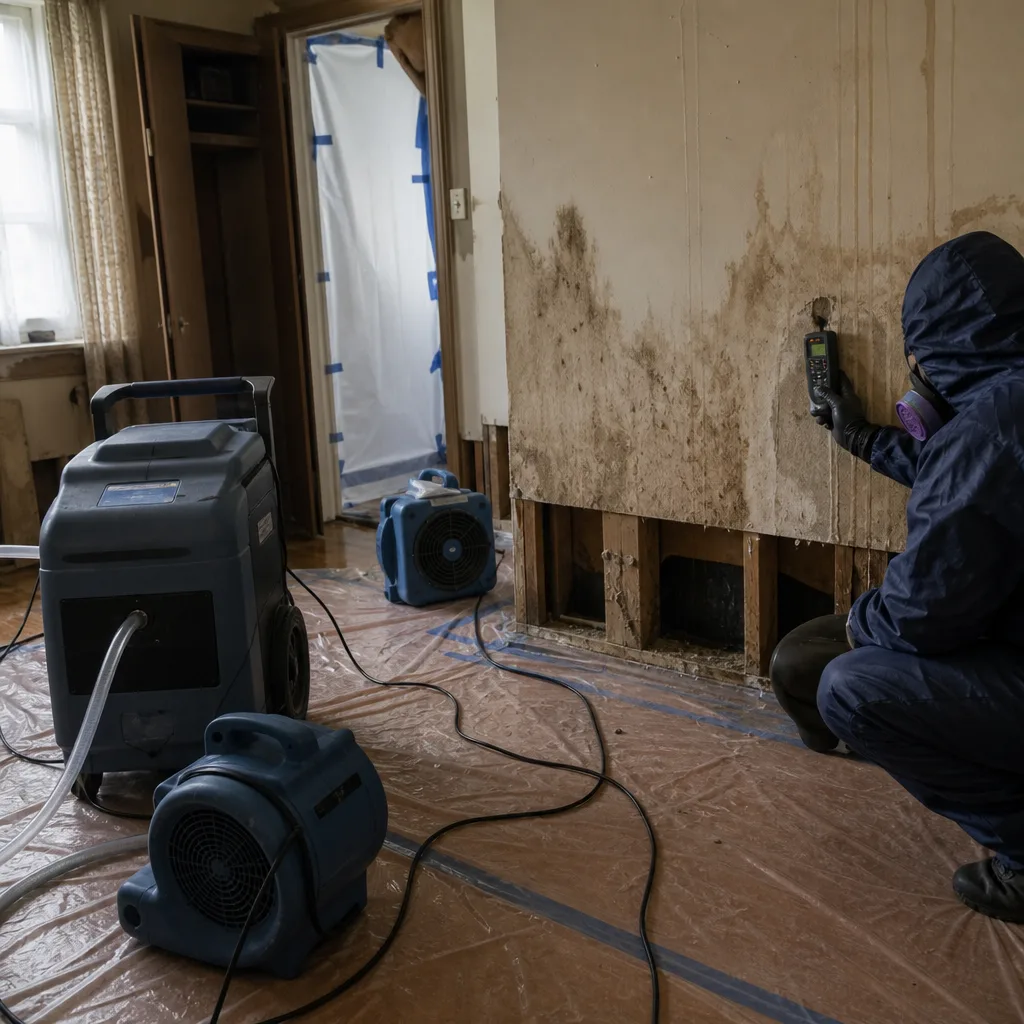
We start with thermal imaging and moisture meters to map every wet surface, including the wall cavities and subfloor you can’t see. In East New York, that means opening things far enough to check for post-Sandy encapsulated mold before we write the scope.
Extraction & Stabilization
Standing water goes out first. Then we stabilize the structure: temporary roof tarping where needed, emergency board-up on broken windows, and shoring anything sagging. The goal is stop the bleeding before it spreads.
Drying & Dehumidification
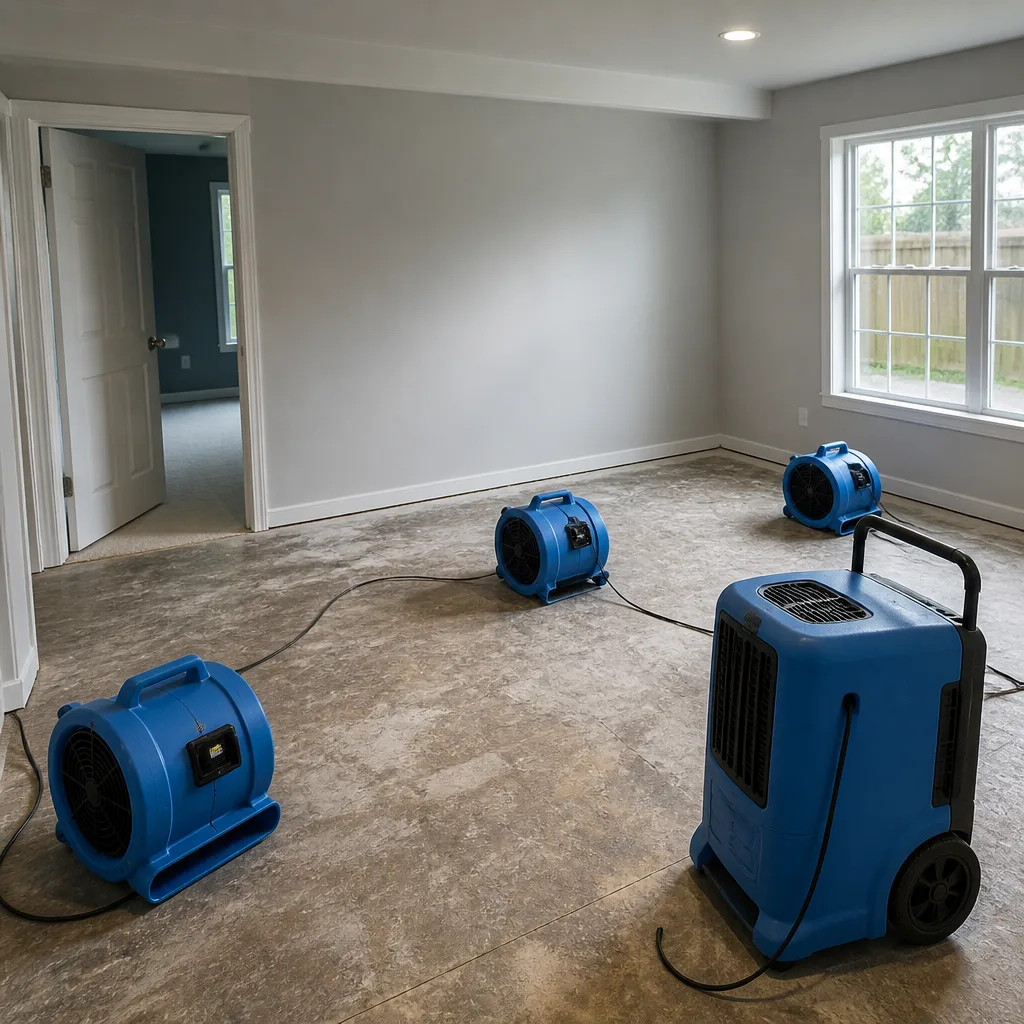
We run professional-grade XPOWER air movers and B-Air dehumidifiers until the moisture meters read dry standard, not “looks dry.” Daily readings get logged. You get a copy. Your insurer gets a copy.
Cleaning & Sanitization
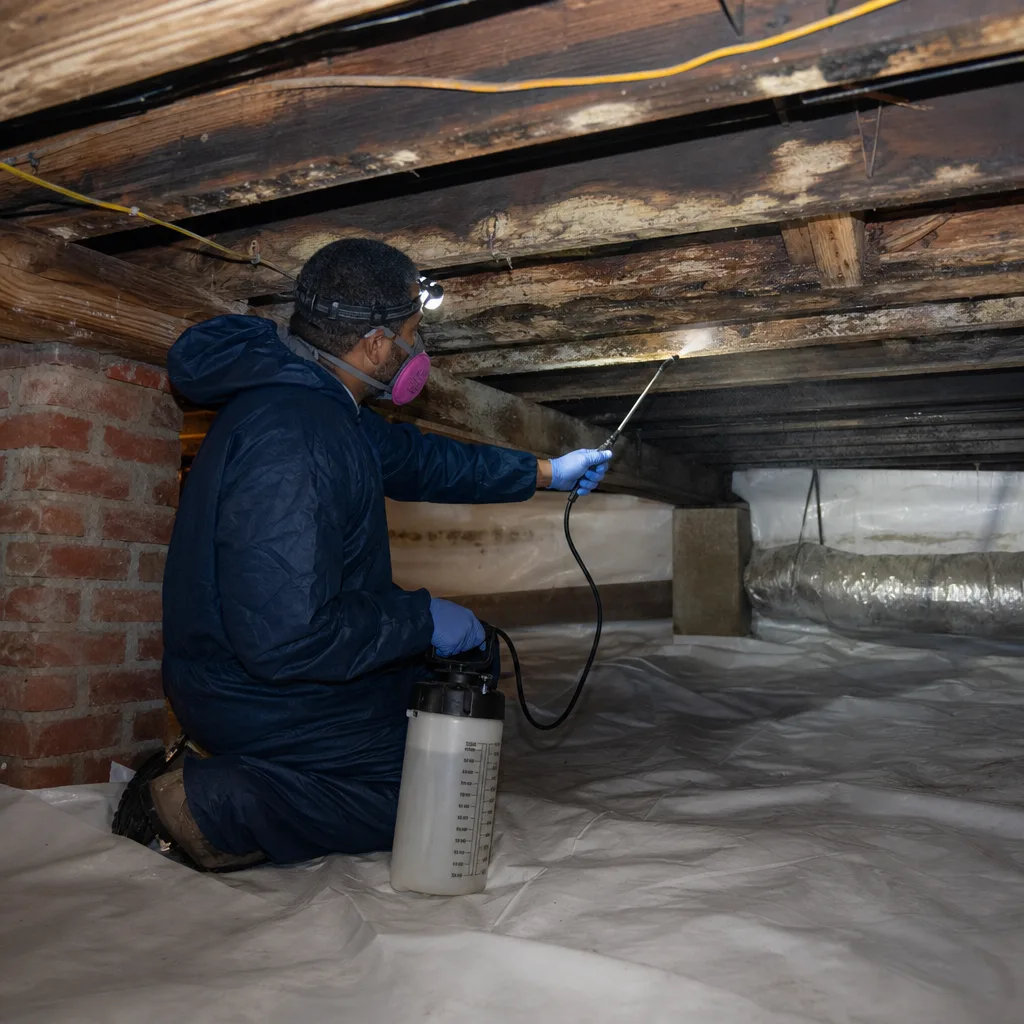
Floodwater that backed up from the street or the sewer means Category 3 contamination. We contain the work area, sanitize surfaces with EPA-registered antimicrobials, and HEPA-vacuum every exposed surface before any rebuild.
Storm-Specific Treatment
Roof damage from the freeze-thaw cycle gets parapet repairs and re-flashing. Wind-driven rain on the Belt Parkway side needs window seal replacement. If hidden Sandy-era mold appears, we contain and remediate before reconstruction covers it up for another decade.
Repairs & Restoration
New drywall, new flooring, fresh trim, modern flashing on the parapet. We rebuild to pre-loss condition and stand behind it with the 90-Day Done Right Promise, in writing. If it’s not done right, we make it right. No arguing.
Need Emergency Storm & Disaster Restoration in East New York Now?
Crews minutes away, answering live 24 hours a day. The sooner we start, the less it costs.
Working With Your Insurance Company
Most East New York storm losses are covered claims, and the difference between a smooth settlement and a weeks-long fight is documentation from hour one. We photograph every room before we move a single piece of debris. We log moisture readings daily and hand the full drying log to your adjuster. Our scope of work is line-itemed the way carriers expect: not “remove and replace kitchen” but “remove 38 square feet of wet drywall, treat exposed framing with antimicrobial, install 5/8-inch Type X drywall, tape, prime, paint.” That’s a square deal for you and clear math for the insurer. Since we bill the carrier directly, you never front money and chase reimbursement.
What We Provide Your Insurer
- Thorough documentation of the loss
- Photos of all damage, room by room
- Moisture readings and drying logs
- A detailed, line-item scope of work
- Direct coordination with your carrier
Built for East New York’s Loss Calendar
January and February in East New York bring the freeze-thaw cycles that crack flat roof membranes and feed ice into parapet walls. When the thaw comes, the top floor of every attached rowhouse pays for it. By March, basement seepage shows up as the frost line retreats and groundwater pushes through old brick foundations. Summer in the blocks off Flatlands Avenue means thunderstorm microbursts that dump an inch of rain in twenty minutes, overwhelming old roof drains and sending water through shared firewalls into the neighbor’s dining room ceiling. Then come the nor’easters in the fall, driving wind-blown rain against east-facing brick. Every season has a signature loss pattern here, and our crews know them all. When a January pipe freeze bursts in an uninsulated kitchen bump-out, we know the wall cavity will already be cold and brittle, which changes how we cut and where we dry first.
Storm & Disaster Restoration Across East New York’s Neighborhoods
East New York covers a lot of ground, and the buildings change character block by block. In City Line, off Liberty Avenue, the attached brick rowhouses sit tight against one another, and parapet failures load moisture into three or four units from one failed seam. Over in New Lots near Linden Boulevard, two-family homes on deep lots run old supply lines through unheated exterior walls, which is where every January pipe burst starts. Gateway Center and the low-lying blocks near the Belt Parkway are the flood zone: when heavy rain backs up the old combined sewer, ground-floor units take Category 3 water through floor drains and basement stairwells. Spring Creek is the post-Sandy belt, where old surge damage hides under vinyl plank flooring and behind repainted drywall. And the NYCHA campuses, including the Pink Houses and Linden Houses, operate on work-order timelines that can leave a plumbing chase leak active for weeks before anyone opens the wall. That’s when a Category 1 loss on day one is a Category 3 mold problem by the time we arrive.
Specialized Storm & Disaster Restoration Services We Offer in East New York
Storm Damage Cleanup
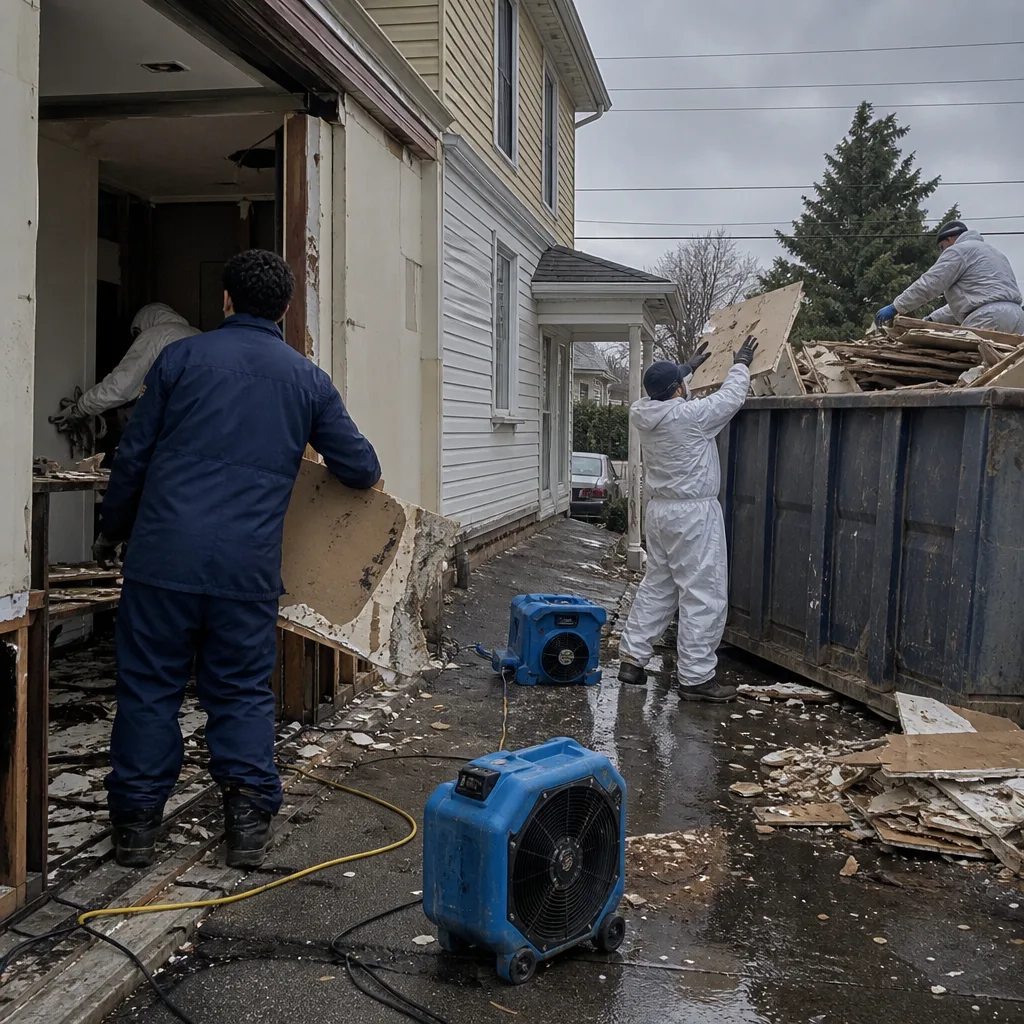
After a nor’easter or a spring microburst, the damage is rarely just water. Downed limbs through windows, shingles in the yard, soaked insulation in the attic. We remove the debris, contain the mess, and begin structural drying the same visit. In East New York, that often means working around 80-year-old lath-and-plaster that can’t just be cut and tossed without checking for asbestos in the texture coat first.
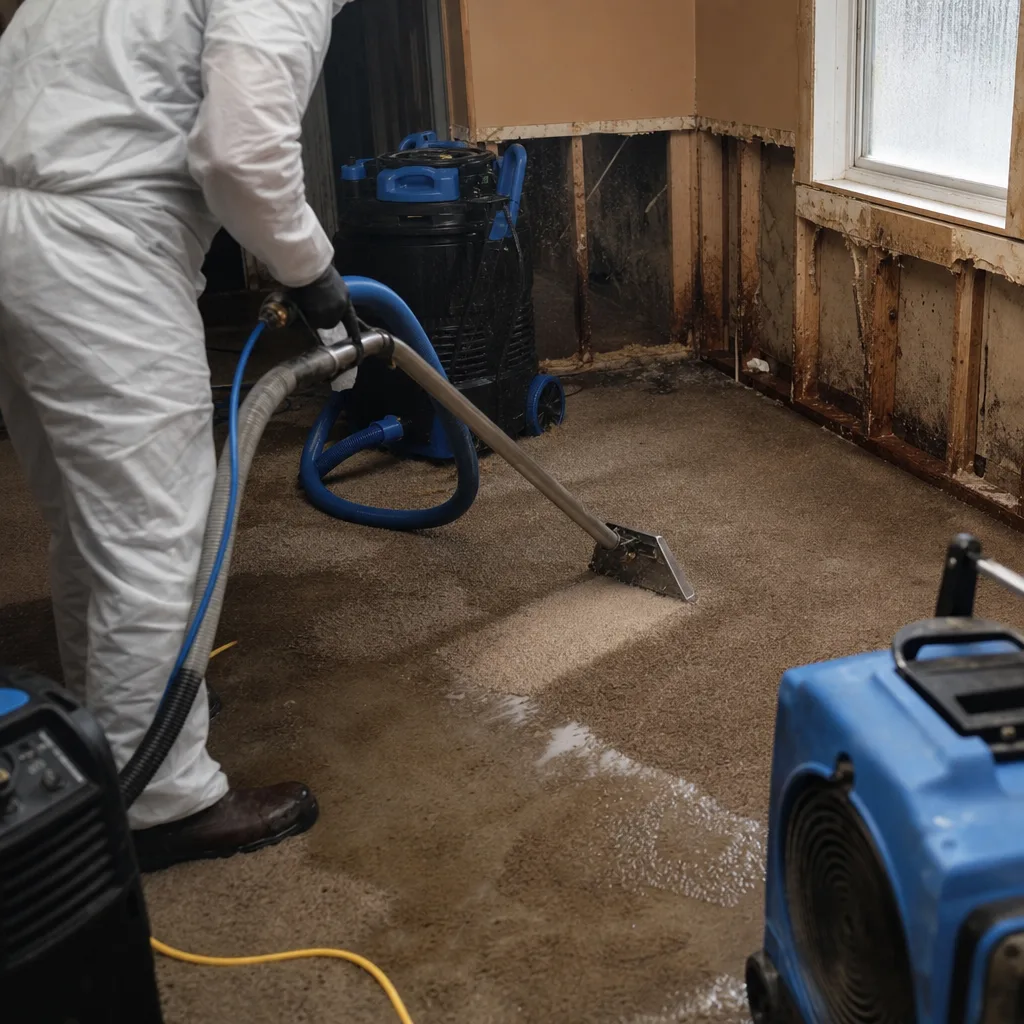
Flood Damage Restoration
Street flooding from the combined sewer system near the Belt Parkway and Gateway Center pushes black water into basements and ground floors. We contain the space, pump it out, sanitize everything the water touched, and run drying logs until the subfloor reads dry. If hidden post-Sandy encapsulation appears beneath the new flooring, we stop, document it, and bring the carrier into the conversation before proceeding.
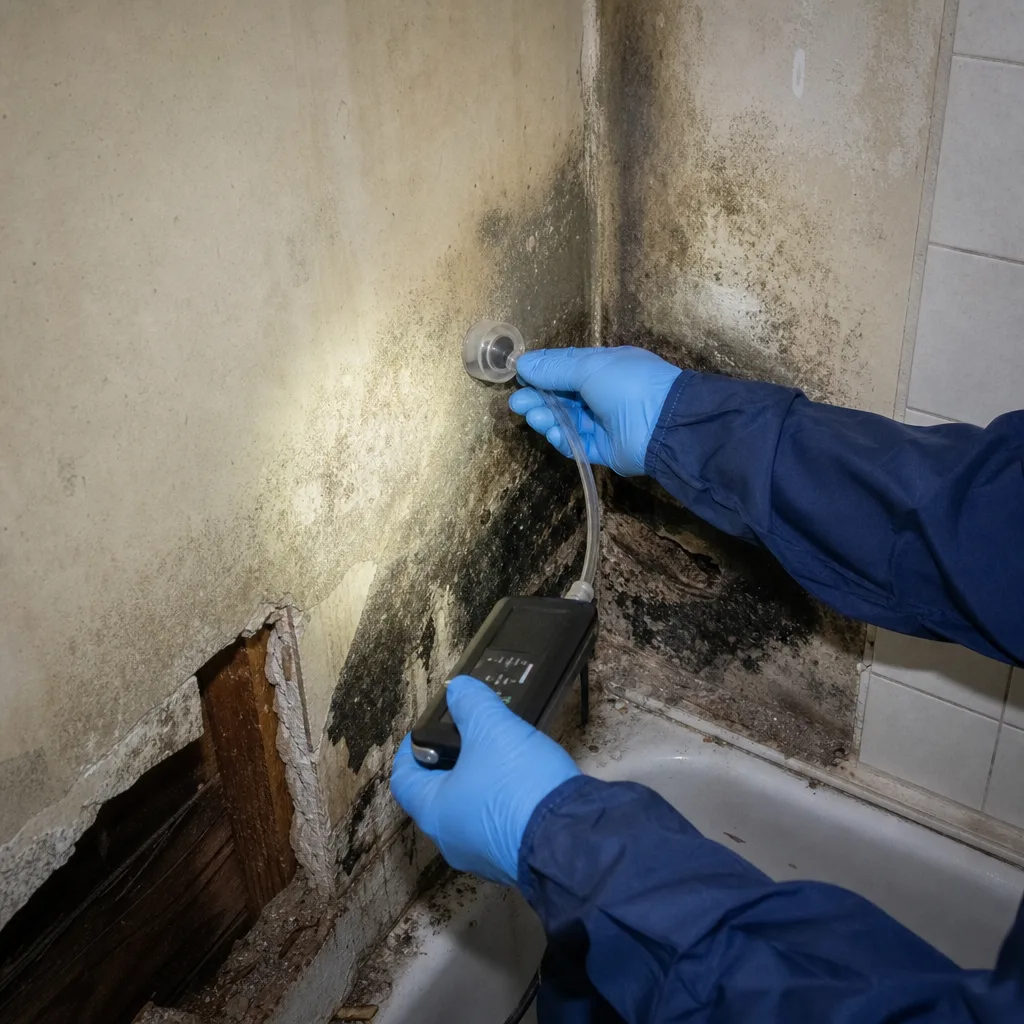
Emergency Board-Up
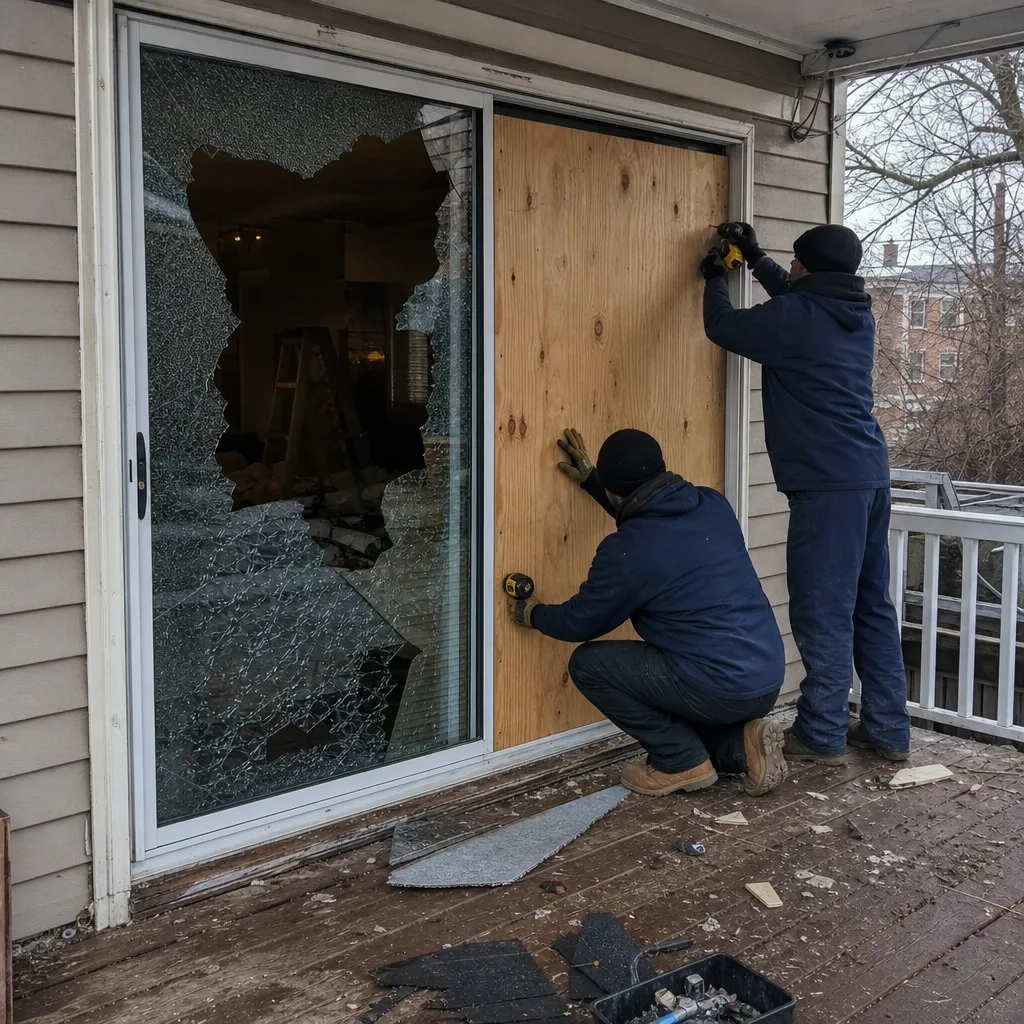
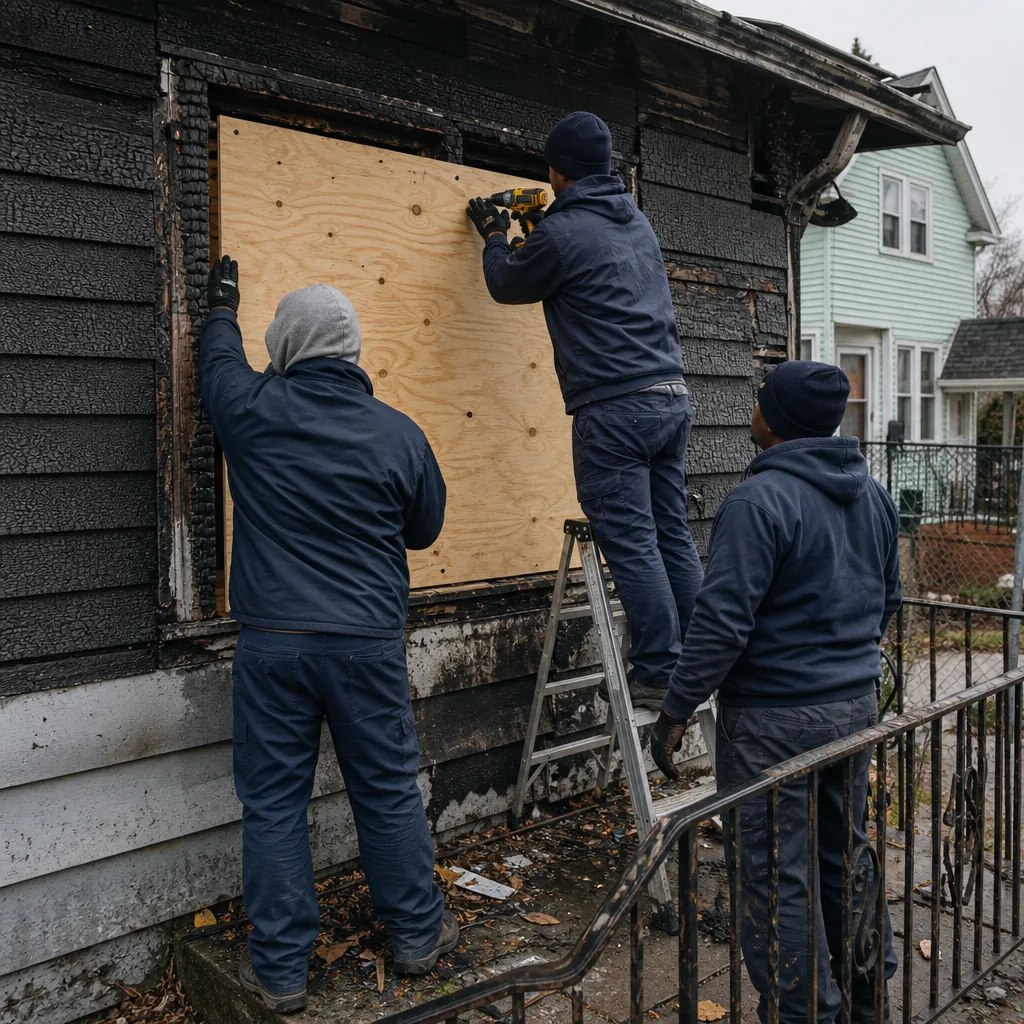
When a window blows out or a door frame is bashed in by storm debris, the house is open to weather, wildlife, and worse. We board up with plywood and framing hardware, not a nail gun and a prayer. It’s temporary, but it’s solid, and photographed for the claim.
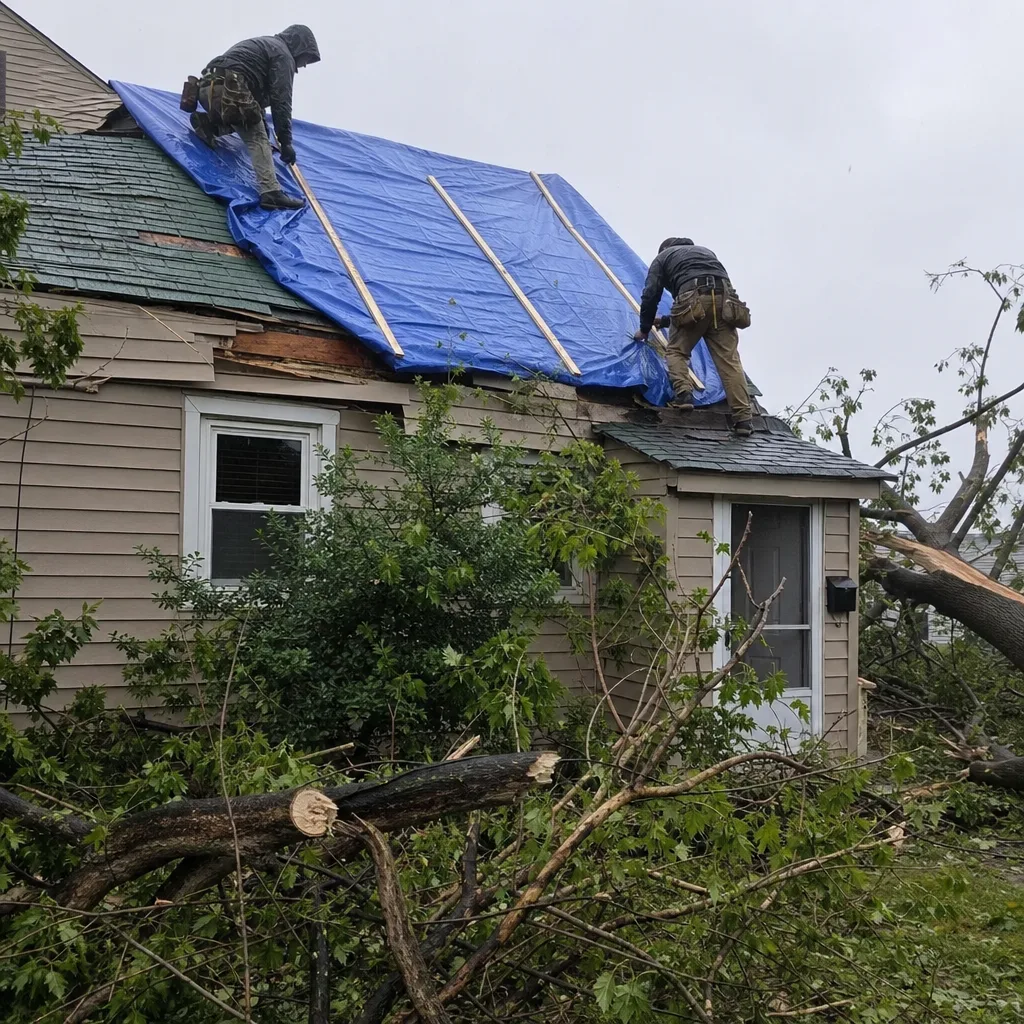
Roof Tarping
Flat-roofed rowhouses in East New York pond water by design. When the membrane fails at a parapet wall or around a roof drain, we tarp the affected area with heavy-duty poly and secure it against wind lift. It buys time for a proper repair bid, not a bucket on the third-floor landing.
Debris Removal
Storm debris in East New York can be more than tree limbs. Collapsed chimney brick from a 1930s rowhouse, soaked carpet from a flooded basement, sections of lath-and-plaster ceiling that came down over the kitchen table. We haul it all, sort it for disposal compliance, and document the debris volume for the adjuster.
What happens when you call
- 1
A real person answersNo phone trees - you reach a local pro.
- 2
You get an upfront price rangeHonest numbers before anyone is dispatched.
- 3
A background-checked tech heads outLicensed & insured, dispatched right away.
- 4
You approve before work beginsNothing starts until you say go.
Storm & Disaster Restoration Costs in East New York, NY
Flood damage restoration on a single-family rowhouse in East New York typically runs $3,200 to $11,000, depending on how far the water traveled and what it soaked. A Category 3 basement flood with sewage backup is on the higher end, because containment and sanitization add labor and disposal costs. Roof tarping on a flat-roofed rowhouse runs $650 to $1,800 as a temporary stopgap; a full parapet rebuild with re-flashing starts around $8,000 and climbs with the length of the shared firewall. Emergency board-up is $400 to $900 per opening. Storm damage cleanup that includes debris removal and attic insulation replacement lands between $2,500 and $6,500 in this market. Every scope starts with a free visual inspection, and we hand you line-item numbers before any work starts. If insurance is involved, we bill the carrier directly.
Call (518) 750-3137 and we’ll come look, explain what we found, and put the number in writing. No pressure, no oversell.
We Also Serve Cities Near East New York
Our crews cover East New York and the surrounding Brooklyn neighborhoods: East Flatbush, Sunset Park, Bedford-Stuyvesant, and Bensonhurst. If your block sits on the boundary, call and we’ll tell you which dispatcher can reach you fastest. Same crew, same standards, same 90-Day Done Right Promise.
East New York Storm & Disaster Restoration Questions, Answered
Why do East New York row houses keep getting ceiling leaks in winter even after roof repairs?
Because the freeze-thaw cycle attacks the parapet wall, not just the flat roof membrane. East New York sees 20 to 30 freeze-thaw events every winter, and water expands in the cap joints, cracks the mortar, and migrates sideways through the shared firewall. A contractor who only patches the membrane hasn’t fixed the entry point. We scope the parapet, the flashing, and the membrane as one system. Call (518) 750-3137 for an inspection that looks at the whole assembly, not just the wet spot.
How do you handle removal of demolition debris from a post-Sandy house that also contains hidden mold?
We treat every post-Sandy teardown in the Spring Creek corridor as a potential mold job until proven otherwise. That means containment barriers go up before demolition starts, HEPA scrubbers run during the work, and all debris is bagged and sealed before it leaves your home. If we open a wall and find blackened substructure from 2012, we stop, document it for the insurer, and add remediation to the scope. You don’t pay to have old damage hauled as if it were fresh.
Can you restore a room in a Pink Houses or Linden Houses apartment while NYCHA does its own repairs?
Yes. We’ve worked inside NYCHA units while maintenance handles the building-side work. The challenge is timing: NYCHA work orders can leave a leak open for weeks, and by the time we’re called, the loss has escalated. We coordinate with the property manager, document what’s building-wide versus unit-level, and dry the unit to standard even if the building envelope repair is pending. Call (518) 750-3137 and we’ll walk you through what’s yours to fix and what belongs to the housing authority.
After a flood near the Belt Parkway, how quickly should we start the drying process to avoid a Category 3 contamination?
Within 24 hours is the general rule, but for floodwater in the low-lying blocks near the Belt Parkway, the water is often already Category 3 the moment it enters. That’s street water, groundwater, and combined sewer overflow. It’s not the clock that matters as much as the containment. Don’t run household fans and spread contaminated air. Call (518) 750-3137, and we’ll set up containment, pump, sanitize, and start true structural drying the same day.
Is it worth repairing an old flat roof on an East New York row house, or should we replace it after storm damage?
It depends on the age of the membrane and the condition of the parapet. On a 1940s rowhouse with the original membrane, patching is a short-term bandage. The freeze-thaw cycle will find the patch by spring. A full membrane replacement with new flashing and rebuilt parapet caps runs $8,000 to $18,000 depending on the roof footprint, but it ends the annual ceiling leak cycle. We’ll tell you straight: patch now and plan the replacement, or replace now and stop paying for patching. Free inspection either way.
What should we do in the first 30 minutes after a tree limb punches through the roof?
Get everyone out of the affected room. Kill power to that floor if water is running through light fixtures. Don’t try to tarp the roof yourself from a ladder in wind. Call (518) 750-3137 and describe what came down. We’ll dispatch a crew to evaluate structural safety, cover the opening, and start water extraction. The first 30 minutes are about preventing a secondary collapse or electrical injury, not DIY heroics.
Are your technicians certified for storm damage restoration, or is this just general handyman work?
Our crews are trained to IICRC standards, including WRT and ASD certifications for water damage and structural drying. We also carry RIA and IFA trained technicians. That means the drying plan is written from moisture science, not habit. Curt Bowman built this company on doing it right and standing behind it. When a certification matters to your claim, it matters to us.
How does storm restoration cost in East New York compare to nearby Brooklyn neighborhoods?
East New York runs slightly lower than neighboring Brownstone Brooklyn on labor, but the housing stock drives the real difference. Flat-roofed brick rowhouses with shared firewalls and old lath-and-plaster cost more to restore than vinyl-sided detached homes in outer Queens, because the scope often includes parapet work, asbestos testing on old texture, and drying the neighbor’s wall. Call (518) 750-3137 for a number specific to your house, not a ZIP code average.
Serving East New York, NY - Our Local Coverage Area
We’re based in the East New York area and know this community well. Use the map below to see our service coverage - if you’re nearby, we can almost certainly help.
The East New York Layer Most Storm Pages Miss
Here’s the thing nobody tells you when you buy a rowhouse near Spring Creek or off Flatlands Avenue: your “new” water damage might be sitting on top of a closed, undocumented Sandy claim. From 2012 through about 2016, a lot of post-Sandy remediation in East New York was done fast and cheap. Contractors encapsulated mold behind sealant rather than removing it, buried wet studs behind new drywall, and laid new flooring over subfloors that were never dried to standard. The work looked done. It wasn’t.
Now every new pipe break or roof leak in these blocks can reactivate a dormant mold colony that’s been sitting in a wall cavity for over a decade. We’ve opened a ceiling in a two-family rowhouse near Linden Boulevard after a January freeze-thaw cycle, and moisture mapping showed water had wicked from a failed parapet cap into the top-floor unit. The original 1940s roof membrane was cracked beyond patch, so we installed a temporary roof tarp while our techs ran structural drying with 16 air movers and three dehumidifiers, then scoped a full parapet rebuild with modern flashing to match pre-loss condition. But the real surprise was beneath the flooring: blackened subfloor and active mold from 2012 that had been encapsulated and covered over. That’s an old claim, lurking under a new one.
This is why Storm & Disaster Restoration in this neighborhood requires more than a mop and a dehumidifier. It requires knowing what East New York’s buildings have already survived, and what got buried instead of fixed. Our team has pulled enough of these apart to know where to look. If you’re in East New York and a new leak just opened up an old wound, call (518) 750-3137. We’ll document both layers, bring your carrier into the conversation, and make sure you don’t inherit someone else’s shortcut.
Written by Curt Bowman, Owner at Floodline Restoration Co., providing storm and disaster restoration to East New York for homeowners who want it done once and done right.