
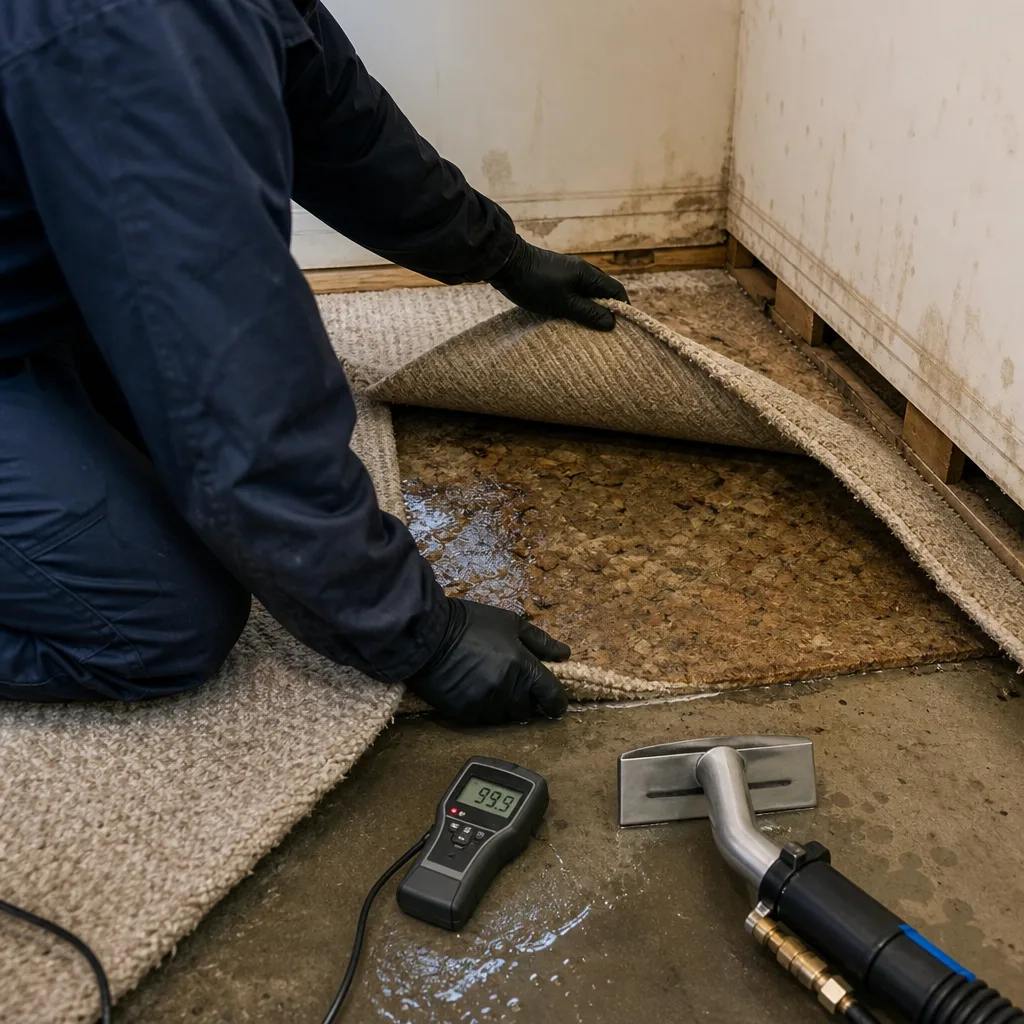
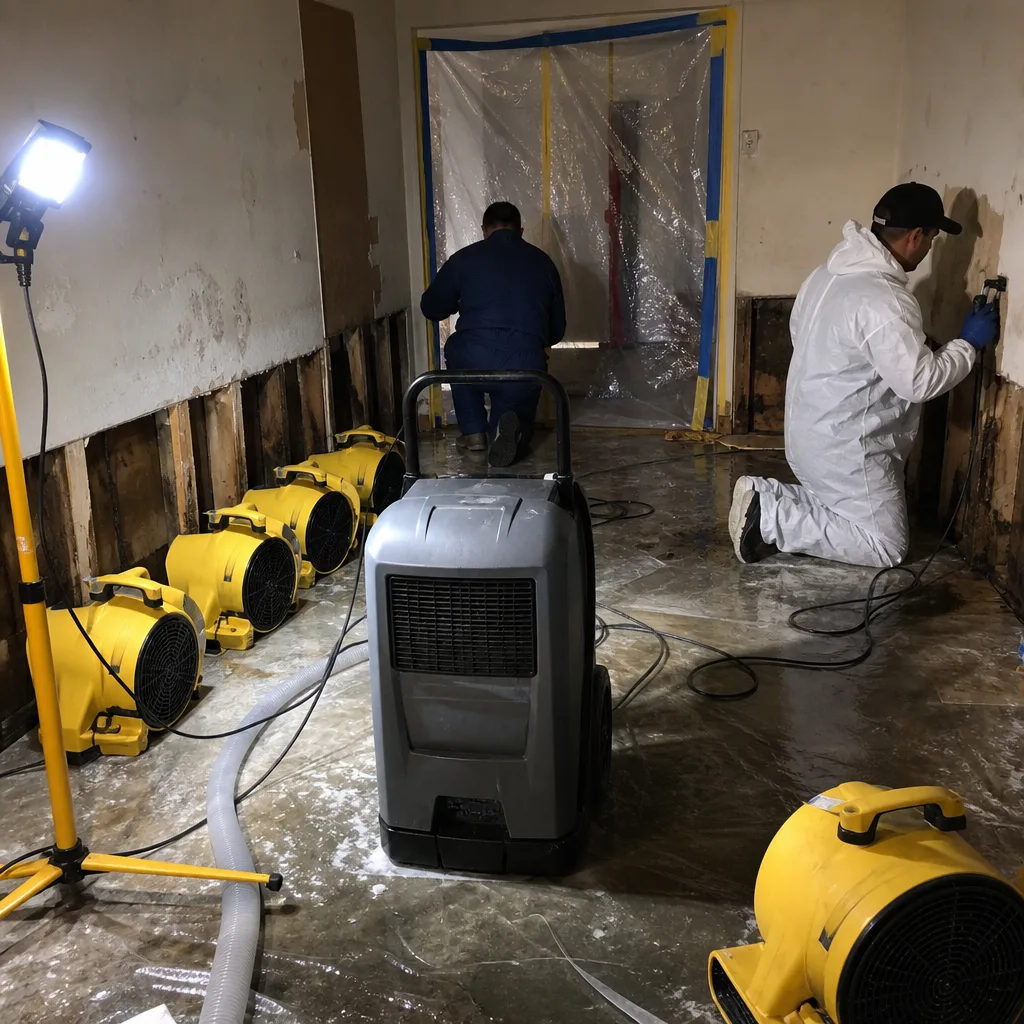
Free visual inspection and a written scope of work before any mitigation begins - photos, moisture readings, and drying logs go in your claim file
The scope we write is the scope we bill. Anything new gets shown to you, in writing, before we touch it.
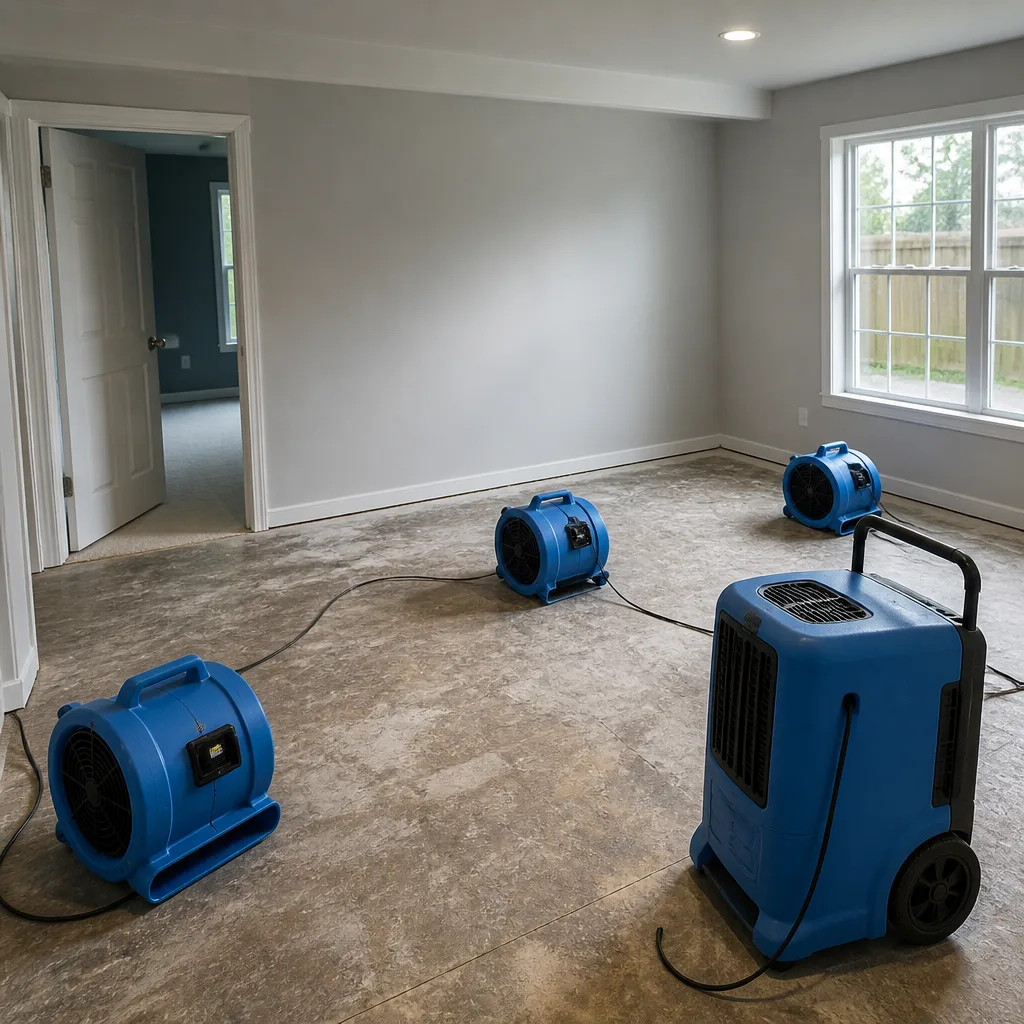
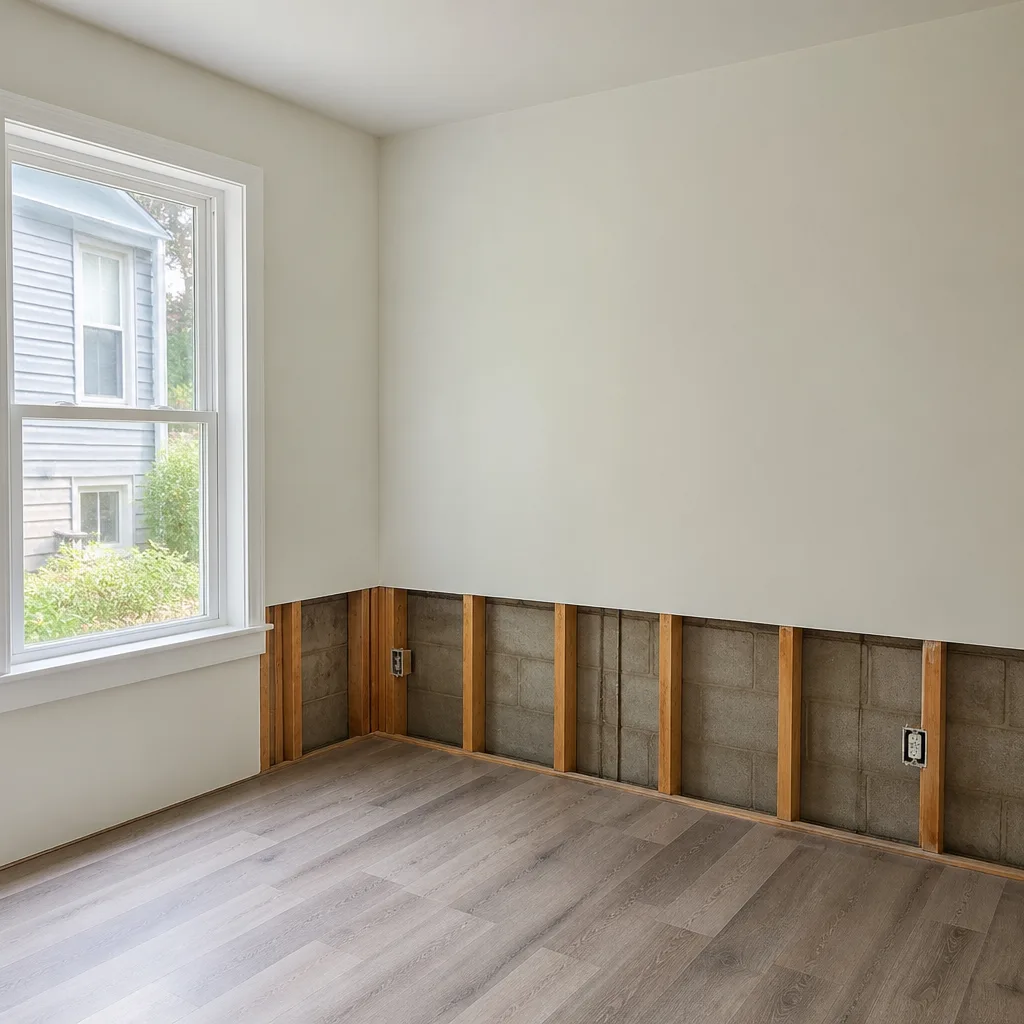
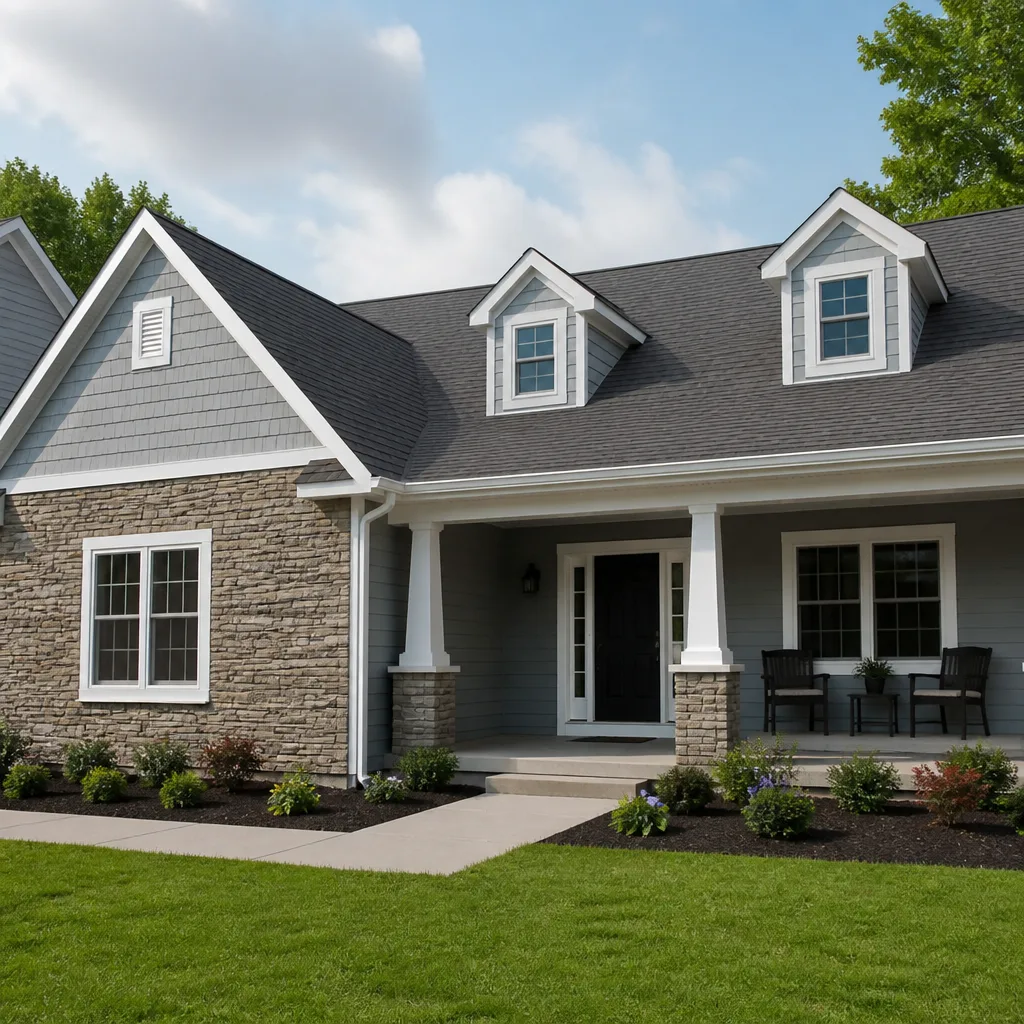
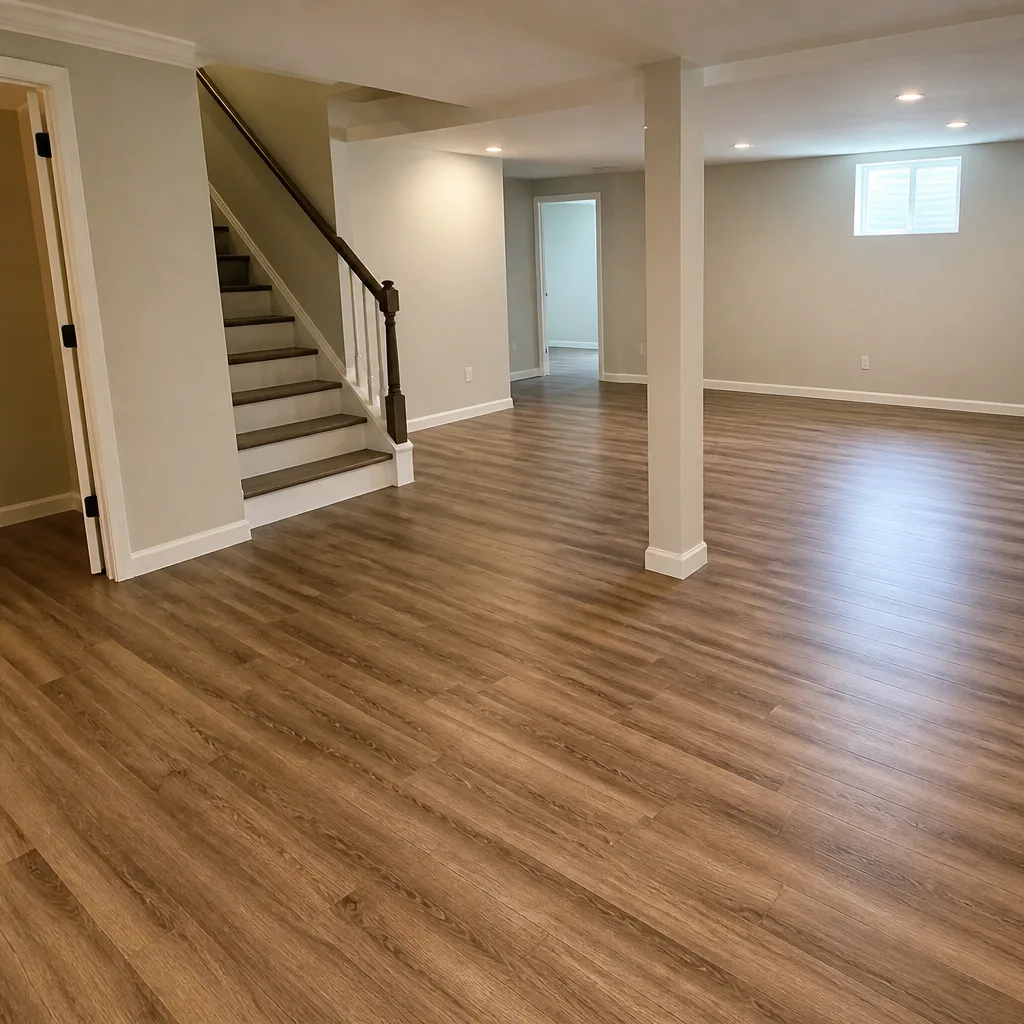
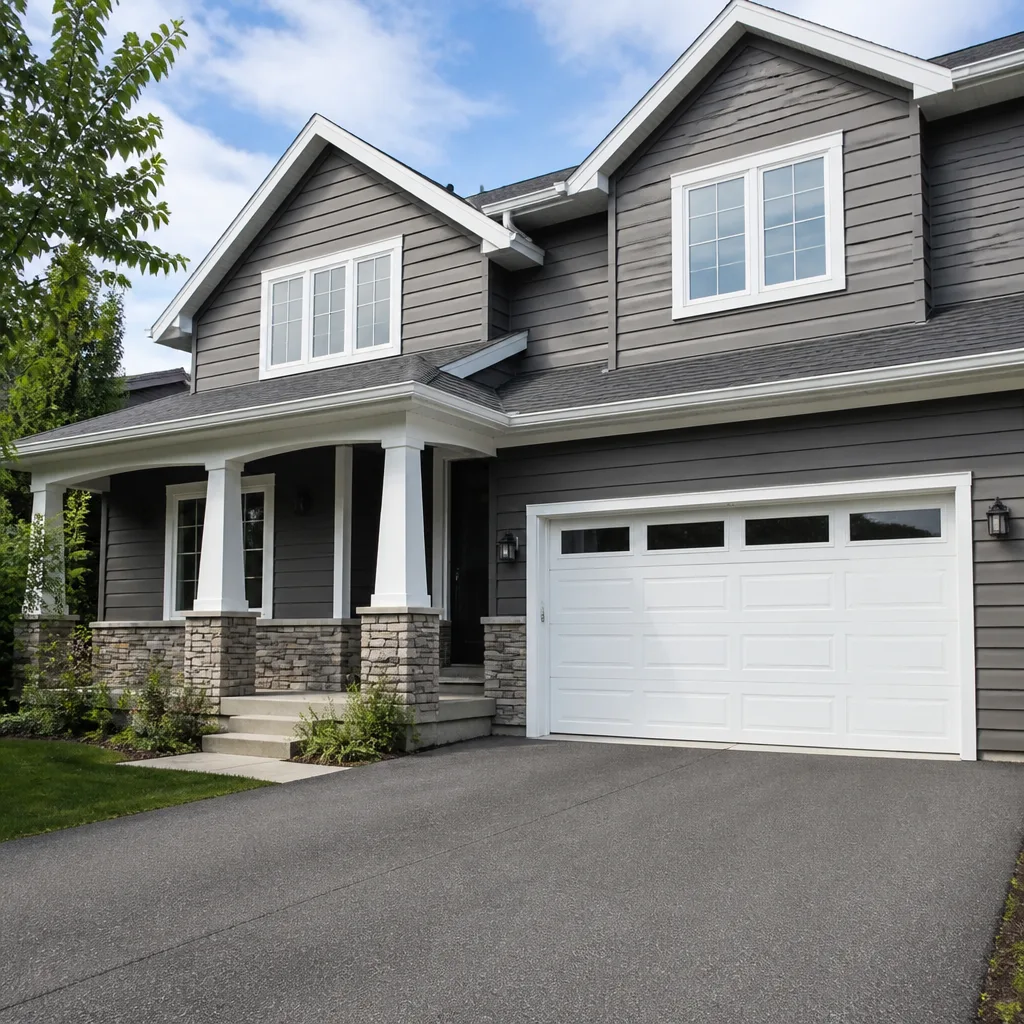
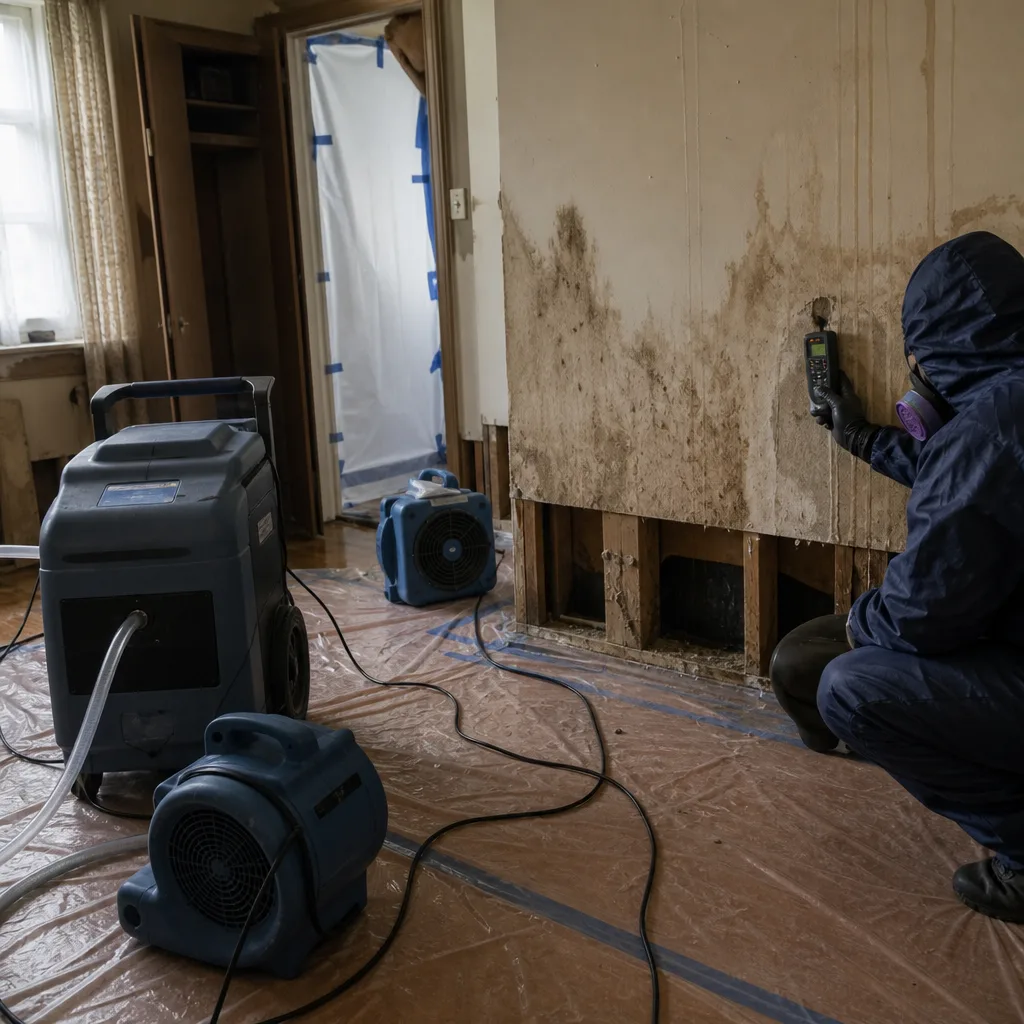 Before
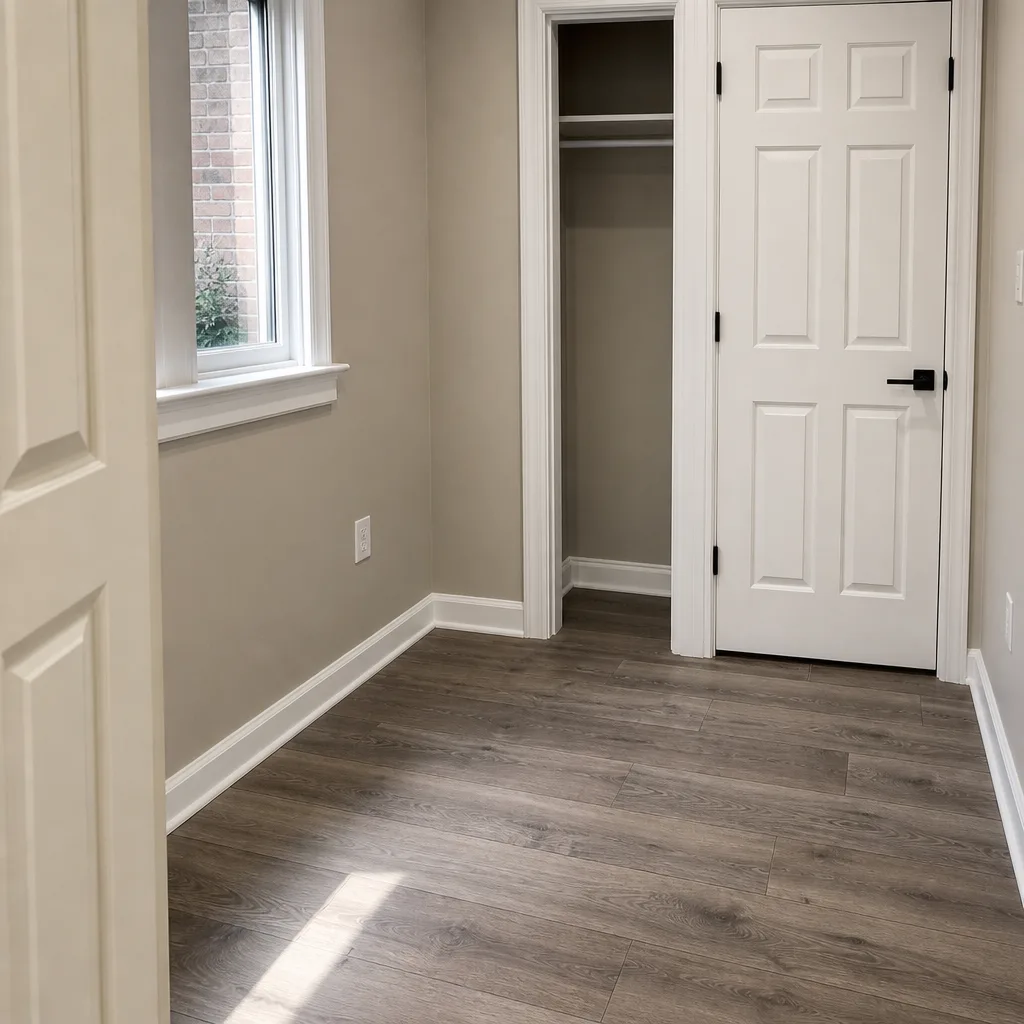 After
After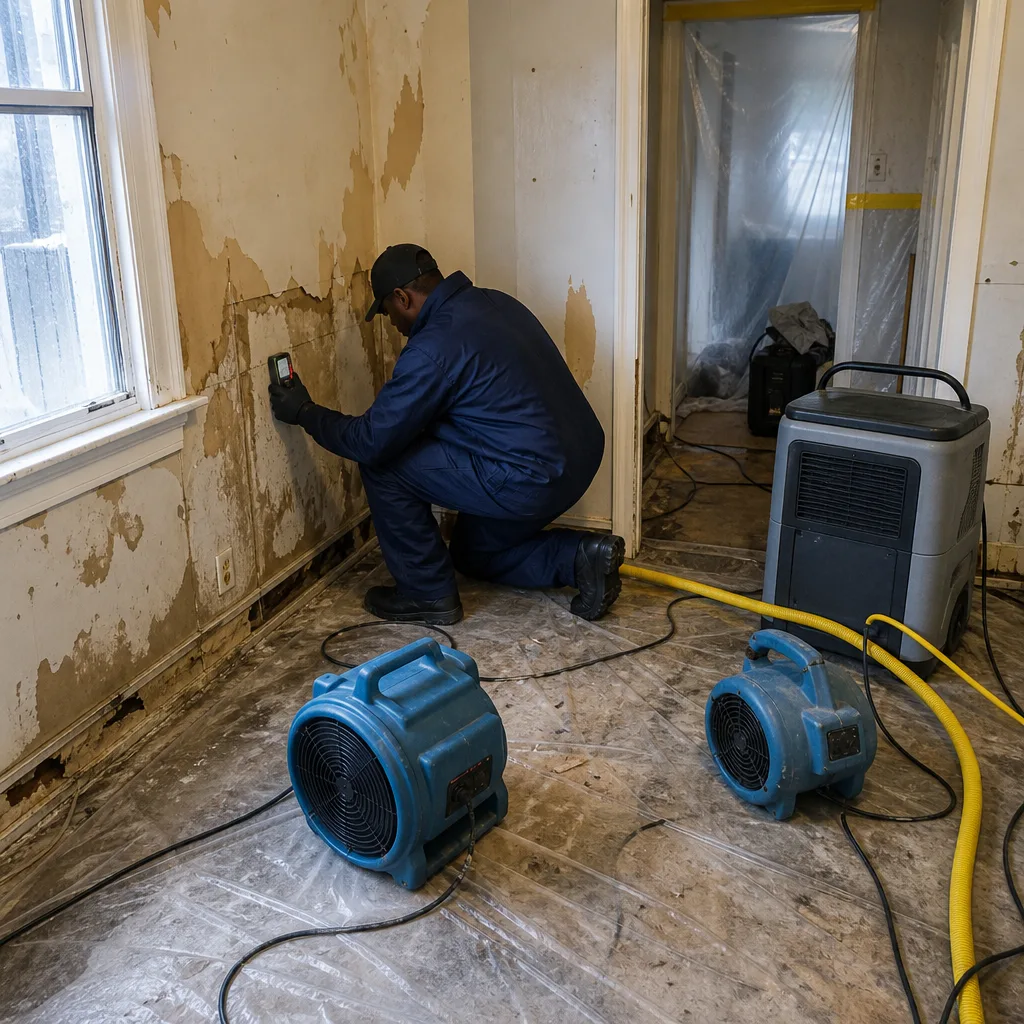 Before
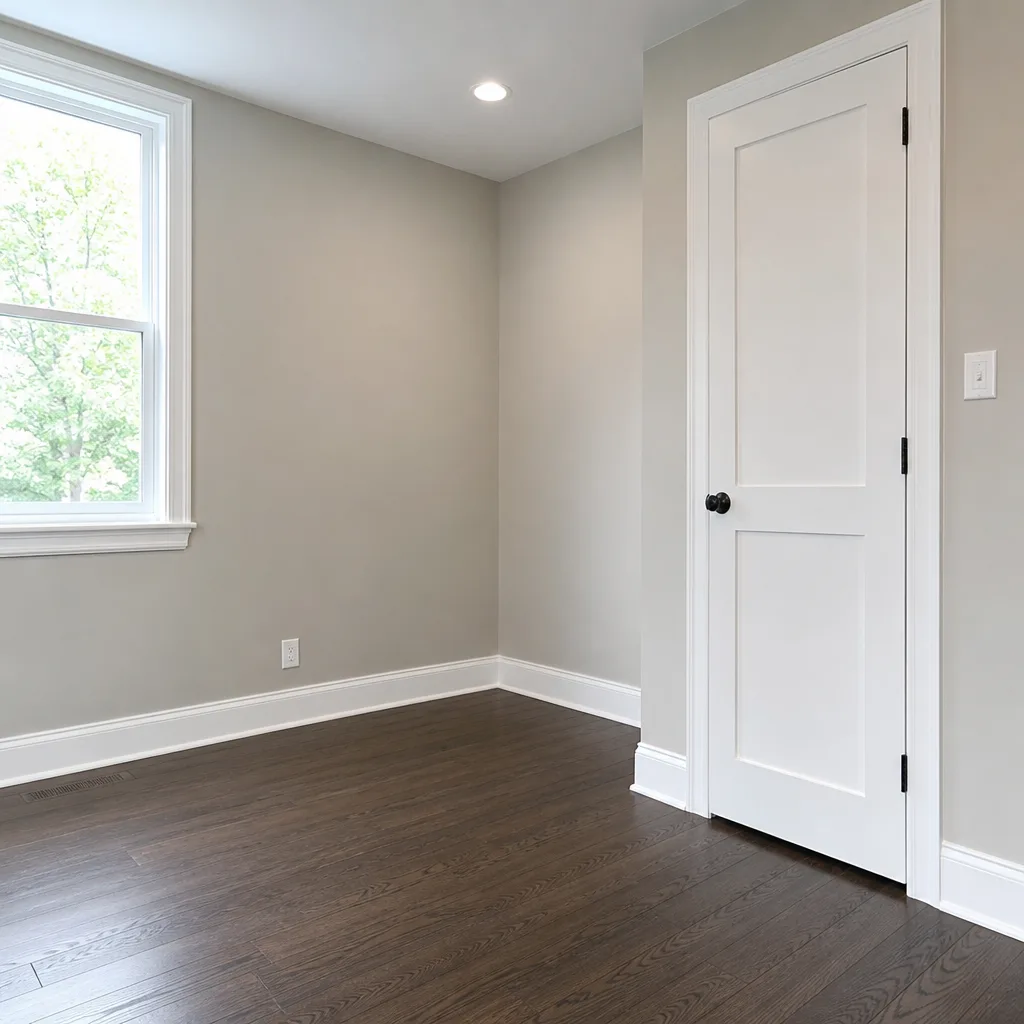 After
After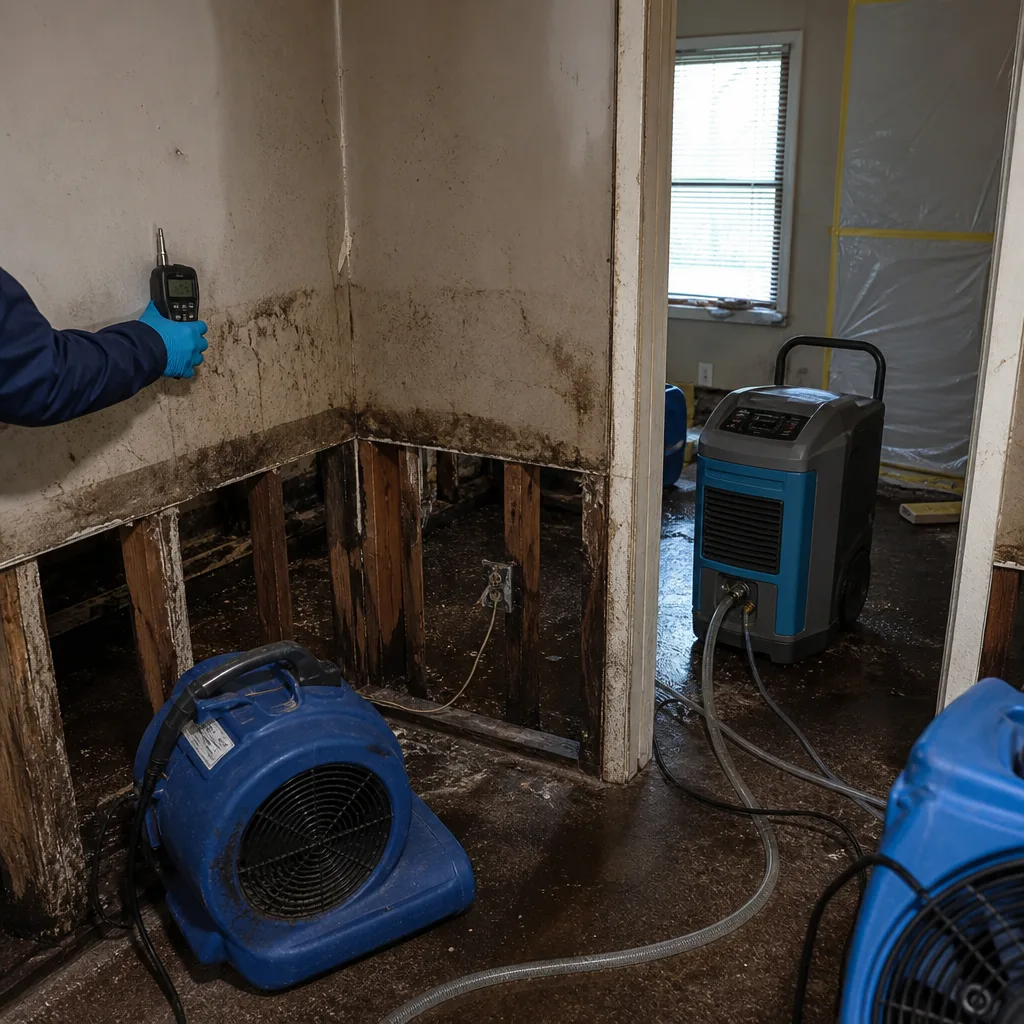 Before
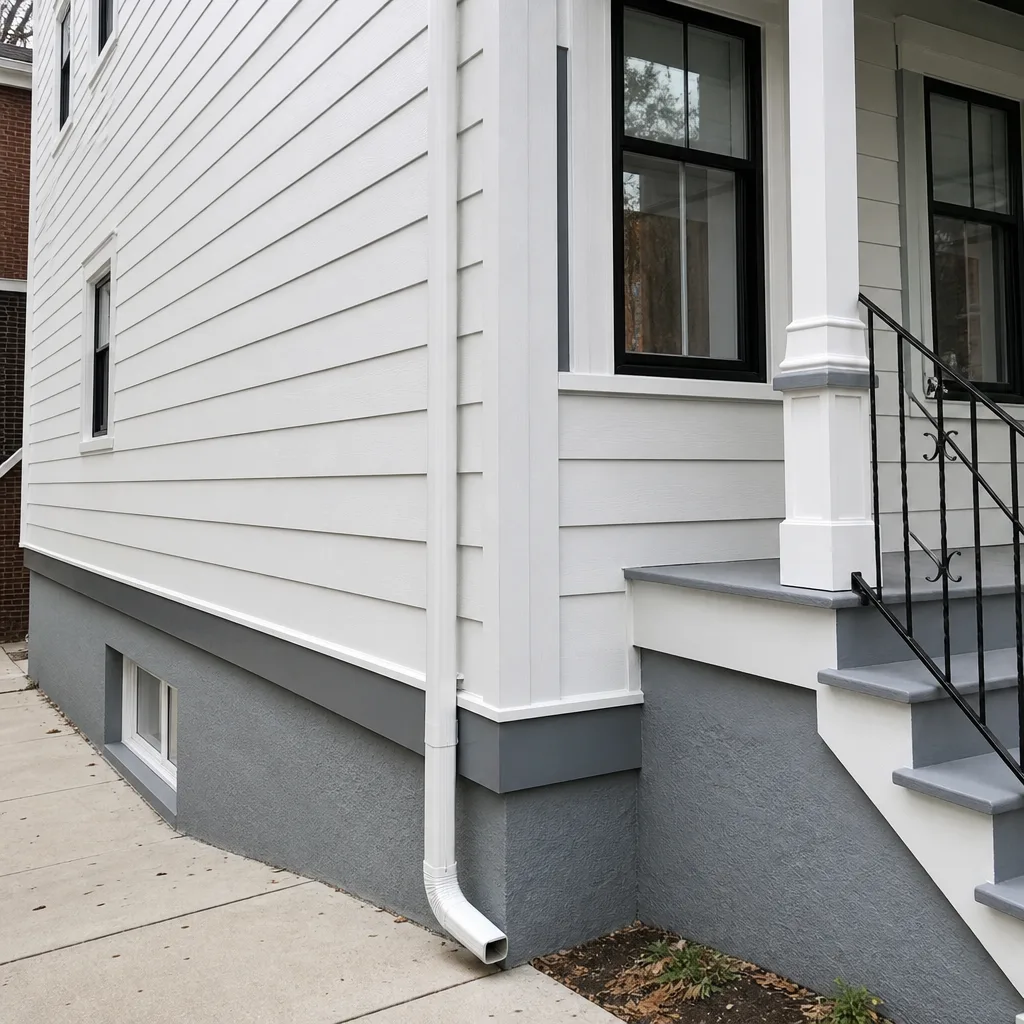 After
After24/7 Emergency Water Damage Restoration in Sunset Park
Water damage restoration in Sunset Park typically costs $1,200 to $6,800 depending on the water category, square footage affected, and whether structural drying or full rebuild is required. Most Category 1 and 2 jobs are underway the same day you call. If you’re standing in water right now, call (518) 750-3137 and a live dispatcher will get a crew moving toward your block immediately. The first hour matters more than most homeowners realize: water wicks into plaster, baseboards, and subfloor fast, and in Sunset Park’s 1890-1925 rowhouses, that water travels behind unlined brick foundations where you can’t see it until the damage is already set. We answer the phone at two in the morning with a real person, not a recording. Extraction starts the same visit.
Understanding Water Damage Restoration Severity in Sunset Park Properties
Water damage in Sunset Park rarely behaves the way a national template assumes. The neighborhood’s pre-war brick rowhouses sit on unlined rubble or brick foundations without modern dampproofing, which means water doesn’t just pool on the floor. It wicks through century-old mortar joints, travels up plaster walls, and hides in cavities behind lath. We classify every job by IICRC standards: Category 1 is clean water from a supply line or failed appliance; Category 2 is gray water with some contamination from a washing machine or sump failure; Category 3 is grossly contaminated water, including anything that enters from Upper New York Bay, the Gowanus Canal outflow area, or a sewage backup. In Sunset Park’s FEMA AE flood zone along the waterfront, any harbor water intrusion is automatically Category 3. Moisture mapping with thermal imaging and penetrating meters tells us where water actually went, not just where it’s visible. Structural drying follows a dry standard pulled from the Water Damage Restoration protocol, with daily readings logged until every affected material hits target.
Why Sunset Park Property Owners Choose Floodline Restoration Co.
- 45-minute response commitment. We commit to a 45-minute dispatch window for emergency calls anywhere in Sunset Park. Live dispatch means a crew is actually rolling, not a voicemail waiting for morning.
- 24/7 live answer, every single call. A dispatcher answers at 2 a.m. Not an answering service, not a call center reading a script. A person who can send a certified crew.
- IICRC-certified crews on every job. Our technicians hold WRT and ASD certifications and follow IICRC S500 and S520 standards for water and mold work. Uniformed, background-checked, and accountable by name.
- Free visual inspection before any work begins. We walk the damage with you, explain what we see, and put a written scope in your hands. You approve it before equipment gets unloaded.
- Direct insurance billing. We bill your carrier directly and coordinate with your adjuster from the first call. You’re not the messenger between us and the insurance company.
- One team from extraction to rebuild. The same crew that reads the moisture map on day one handles daily readings, hands the log to you and your carrier, and rebuilds what needs rebuilding. No mid-job handoff to a sub you’ve never met.
Our Water Damage Restoration Process
Inspection & Assessment
We arrive fast, then slow down enough to do this right. Thermal imaging and penetrating moisture meters map where water traveled through your floors, walls, and foundation. You get a clear picture and a written scope before anyone moves furniture.
Extraction & Stabilization
Standing water comes out first with truck-mounted or portable extraction units depending on access. In garden-level and basement units, we check the areaway drains and exterior stairwells immediately, because that’s often where the water is still coming in.
Drying & Dehumidification
Commercial Dri-Eaz LGR dehumidifiers and Phoenix or XPOWER air movers are placed based on the moisture map, not scattered at random. Daily readings get logged. We hit the dry standard before we ever talk rebuild.
Cleaning & Sanitization
Category 2 and 3 jobs get antimicrobial treatment and containment before anyone disturbs contaminated material. HEPA air scrubbers run where needed, and we follow IICRC protocols for every water category.
Specialty Treatment for Sunset Park Conditions
Salt-air corrosion and FEMA AE flood zone protocols aren’t afterthoughts here. If your areaway drains clogged, we clear and test them. If harbor water came in, we address Category 3 contamination before drying begins.
Repairs & Restoration
One team handles the rebuild. Drywall, insulation, flooring, trim, and any garage-door hardware that failed get restored or replaced. The 90-Day Done Right Promise covers the full job in writing.
Need Emergency Water Damage Restoration in Sunset Park Now?
Crews minutes away, answering live 24 hours a day. The sooner we start, the less it costs.
Working With Your Insurance Company
Floodline Restoration Co. was built around a dispatch board, not a sales desk, and that shows in how we handle claims. From the first hour on site, we document everything your adjuster will need: photos of the loss room by room, moisture readings with dates and times, a line-item scope of work, and daily drying logs. We talk to your carrier directly. You don’t chase paperwork, and you don’t translate what we said to what the adjuster heard. If your Sunset Park basement or garden-level unit sits in FEMA Zone AE, we flag that from the start so flood versus plumbing classifications are handled correctly. Direct insurance billing means we submit, we explain, and we stand behind the work. If it’s not done right, we make it right within 90 days and put that in writing.
What We Provide Your Insurer
- Thorough documentation of the loss
- Photos of all damage, room by room
- Moisture readings and drying logs
- A detailed, line-item scope of work
- Direct coordination with your carrier
Built for Sunset Park’s Loss Calendar
Sunset Park’s damage season doesn’t look like the rest of New York. January deep freezes burst supply lines in unheated basement utility rooms all across the residential hillside, and when those galvanized or early-copper pipes go, they pour water into garden-level apartments before anyone notices. Spring snowmelt and heavy rain fill the areaway stairwell drains on pre-war rowhouse blocks from 5th Avenue down to the Gowanus side, and once those drains clog with salt-laden debris, runoff sheets straight through unlined brick foundations into basement units. Summer thunderstorms hit hard and fast, overwhelming the neighborhood’s combined storm system and sending water back up through floor drains in low-lying blocks near the piers. Nor’easters matter most along the waterfront corridor from the Bush Terminal area up to 40th Street: storm surge driven into Upper New York Bay gets classified immediately as Category 3, which changes the entire job scope. The neighborhoods near Sunset Park itself, between 4th and 7th Avenues, see more plumbing and roof-drain losses than tidal. We stage equipment accordingly, all year.
Water Damage Restoration Across Sunset Park’s Neighborhoods
Sunset Park stretches from Upper New York Bay up a steep residential hillside, and the damage patterns change block by block. Down near Industry City and the Bush Terminal waterfront, where FEMA maps the AE flood zone along 1st and 2nd Avenues, we respond to storm surge and tidal flooding that demands Category 3 protocols and full removal of saturated porous materials. The 40s and low 50s streets running down toward the water carry the heaviest areaway drainage failures after nor’easters. Up the slope along 5th and 6th Avenues, where the rowhouses climb between 39th and 60th Streets, we more often see burst supply pipes, failed water heaters, and roof-drain backups that spill into top-floor apartments. Around 8th Avenue in the commercial corridor, mixed-use buildings bring their own pattern: a restaurant leak on the ground floor migrating down into a basement storage room. The blocks surrounding Sunset Park proper, especially west of the park toward 4th Avenue, see chronic basement seepage when the ground saturates. Crews here learn the streets, not just the ZIP code, and that local knowledge means we’re staged closer and see more of what’s happening before a homeowner even calls.
Specialized Water Damage Restoration Services We Offer in Sunset Park
Flood Cleanup
Harbor water in Sunset Park carries salt, sewage, and harbor sediment, so flood cleanup here is never a mop-and-fan job. We remove contaminated porous material under containment, treat what remains, and document everything for your carrier. Living within the AE flood zone means any tidal intrusion gets full Category 3 handling from the first hour.
Basement Water Removal
Sunset Park basements and garden-level apartments sit in buildings that predate modern dampproofing by about a century. Areaway stairwell drains clog with salt-laden debris after every heavy storm, and water channels through unlined brick foundations behind the plaster where you can’t see it. We extract what’s visible, then find what isn’t with moisture mapping before we ever set up drying equipment.
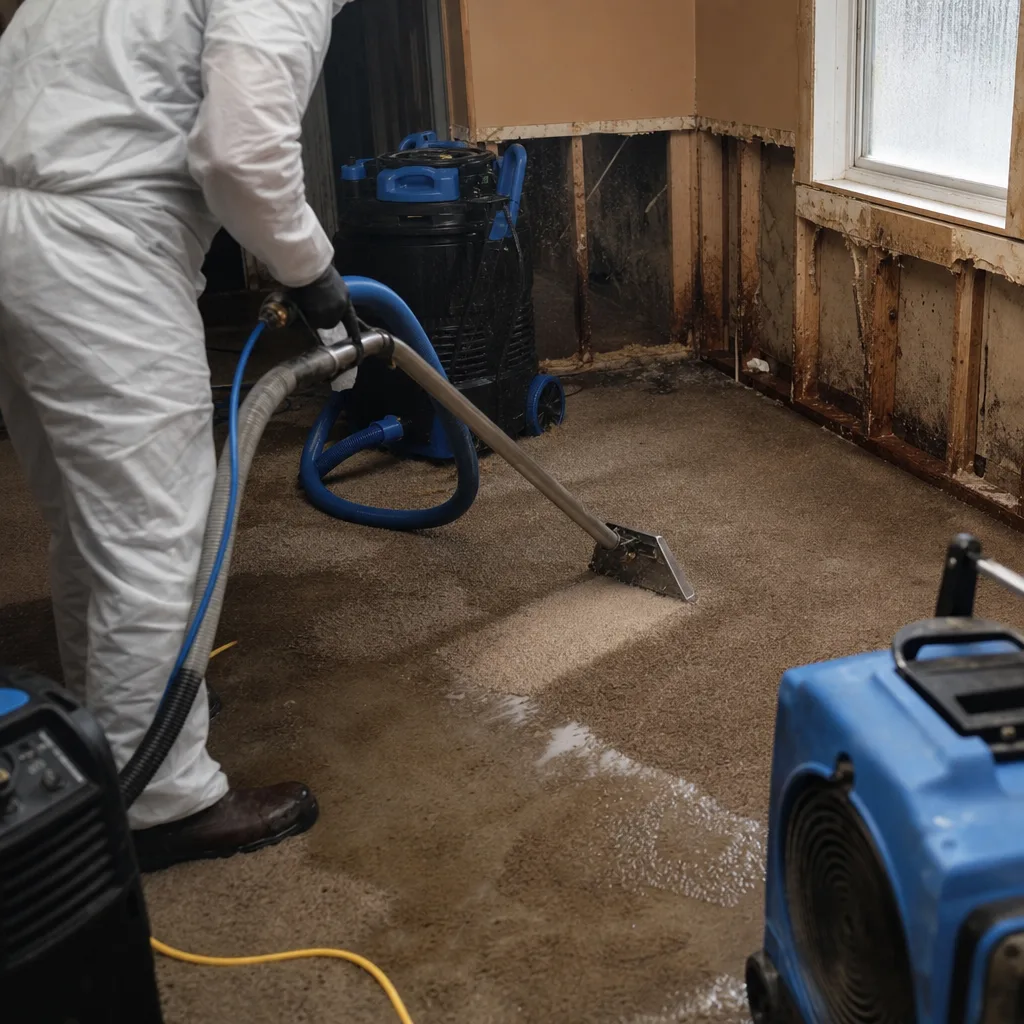
Structural Drying & Dehumidification
Plaster walls and old-growth framing hold water stubbornly. We run Dri-Eaz LGR dehumidifiers and XPOWER air movers sized to the cubic footage of your actual space, not a one-size-fits-all setup. Daily readings get logged until every material hits the IICRC dry standard, and you get that log in writing for your records and your adjuster.
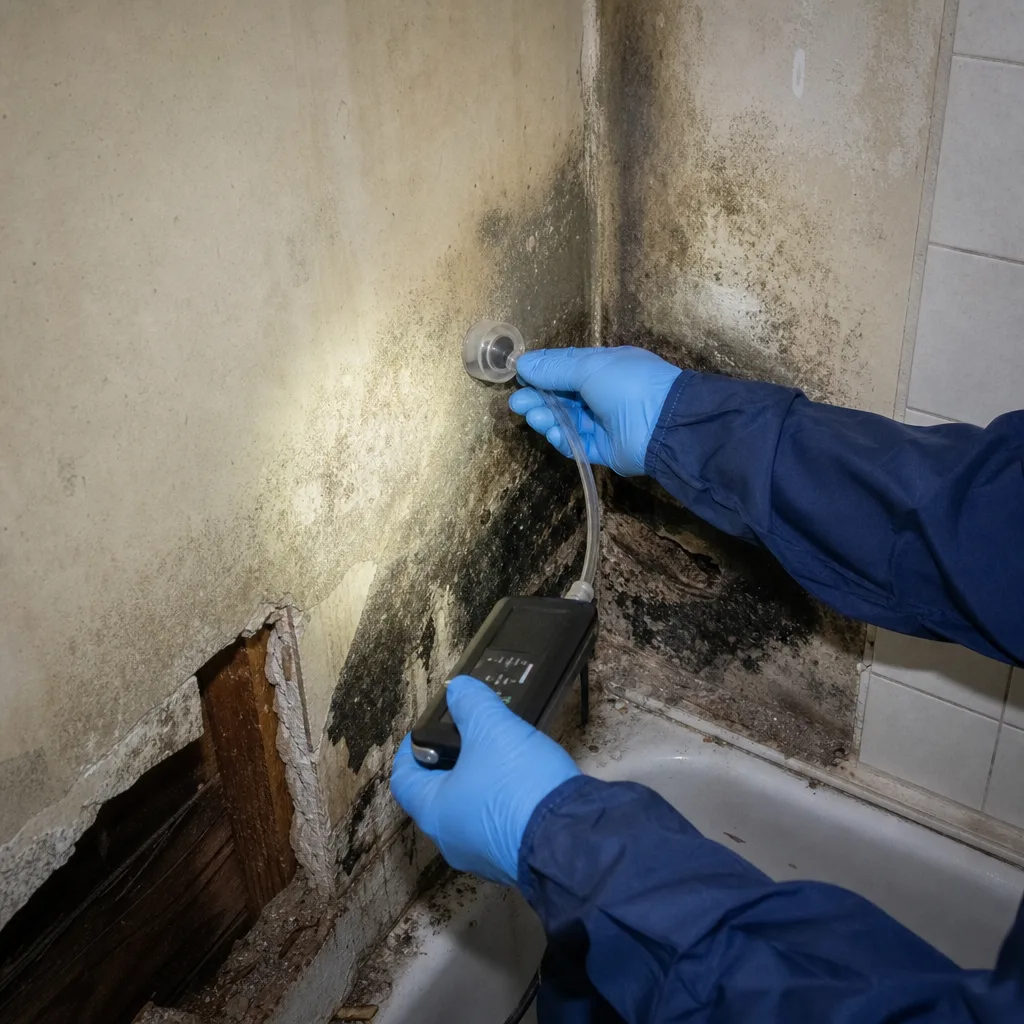
Burst Pipe Restoration
January in Sunset Park is hard on the neighborhood’s aging galvanized and early-copper supply lines, and a burst pipe in an unheated basement utility room is a loss we see every winter. We shut it down, extract, dry, and rebuild the affected area, all with one crew. We also flag what failed so you can decide whether proactive replacement saves you a second loss next winter.
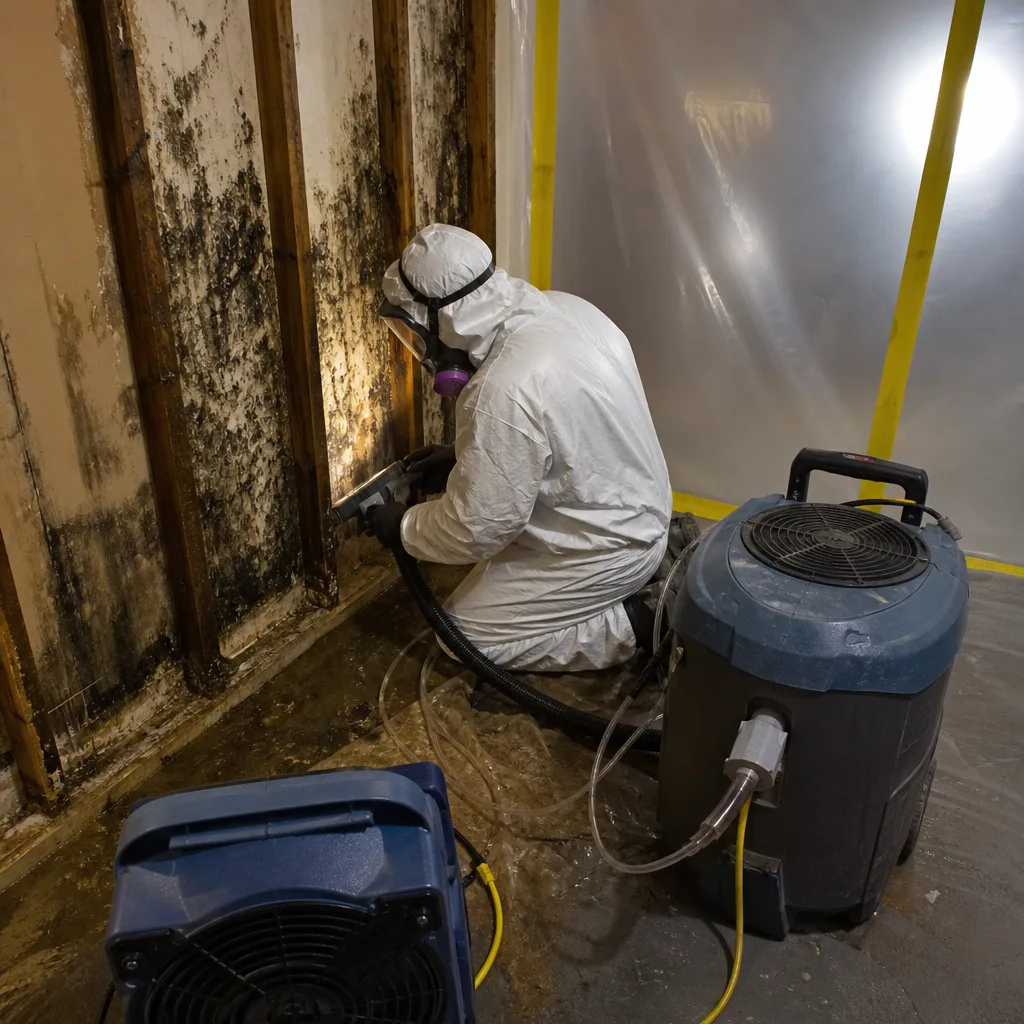
Emergency Water Extraction
Standing water is doing damage whether you’re watching it or not. Truck-mounted extraction gets the bulk out fast, then we attack what soaked into the subfloor and wall cavities. Every hour of delay in a Sunset Park basement adds wicking up plaster and into framing members, so extraction is the first thing we do on arrival, every single time.
What happens when you call
- 1
A real person answersNo phone trees - you reach a local pro.
- 2
You get an upfront price rangeHonest numbers before anyone is dispatched.
- 3
A background-checked tech heads outLicensed & insured, dispatched right away.
- 4
You approve before work beginsNothing starts until you say go.
Water Damage Restoration Costs in Sunset Park, NY
Here’s what Sunset Park homeowners actually pay. Emergency water extraction alone runs $500 to $1,800 depending on square footage and access. Structural drying for a typical basement or garden-level apartment runs $2,500 to $5,500 including equipment and monitoring. Full flood cleanup following a Category 3 nor’easter intrusion runs $4,000 to $8,000 or more when contaminated drywall, insulation, and flooring have to go under containment. A burst pipe restoration job usually lands between $1,800 and $4,200. What moves the price is mostly water category, how far water migrated, and whether your pre-war foundation needs special drying treatment. Some jobs fall under insurance; some are out of pocket. The only way to get a real number is a free visual inspection. We document what we find, give you a written scope before anything starts, and bill your carrier directly when coverage applies. Call (518) 750-3137 and we’ll look at it with you.
We Also Serve Cities Near Sunset Park
Floodline Restoration Co. runs crews to East Flatbush, Bedford-Stuyvesant, Bensonhurst, and Borough Park. If you’re in a neighboring Brooklyn neighborhood and have water where it shouldn’t be, call the same number. We’ll get someone moving.
Serving Sunset Park, NY - Our Local Coverage Area
We’re based in the Sunset Park area and know this community well. Use the map below to see our service coverage - if you’re nearby, we can almost certainly help.
Sunset Park Water Damage Restoration Questions, Answered
How does the salt air near the Sunset Park waterfront affect how quickly garage-door hardware fails before a flood even happens?
Salt air off Upper New York Bay corrodes garage-door springs, rollers, and tracks years faster than inland neighborhoods see. On waterfront blocks from Bush Terminal up to 40th Street, we regularly replace snapped springs and seized rollers within three to five years of installation. A corroded spring lets the door drop, and a rusted track lets it bind halfway open. Either way, the garage and the basement stairwell behind it become an inlet for the next nor’easter. Coated springs, stainless fasteners, and nylon rollers slow the failure cycle.
If storm surge floods my Sunset Park basement with harbor water, can I just dry out the drywall and keep it?
No. Harbor water is Category 3 by IICRC definition, and any porous material it touches, drywall, insulation, carpet, pad, must be removed and disposed of before drying can begin. In Sunset Park’s FEMA AE flood zone, that classification applies to any tidal or storm surge intrusion. Keeping saturated gypsum in place invites mold inside the wall cavity and voids your insurance claim documentation. We handle removal under containment, then dry what remains.
Why do the basement apartments in Sunset Park rowhouses take so long to dry after a wet areaway backs up?
Sunset Park’s rowhouses were built between roughly 1890 and 1925 with unlined brick or rubble foundations and no modern dampproofing. When an areaway drain clogs and water sheets against the foundation, moisture penetrates through the masonry itself and wicks into plaster walls and old-growth framing from the back side. Surface drying won’t touch it. You need penetrating moisture meters to find the migration, then desiccant or LGR dehumidification, plus air movement, run longer than a modern drywall-on-stud build would require.
Does living in Sunset Park’s FEMA AE flood zone change how a burst pipe restoration is handled compared to a non-flood-zone home?
The Category 1 water from a burst pipe gets handled the same whether you’re in an AE zone or not. What changes is urgency and consequence: ground-floor and basement units in the AE zone sit closer to the water table, so a plumbing leak tends to wick faster and further. We also document the zone classification during the inspection so your carrier has full context. A pipe failure in a flood-zone rowhouse is far simpler than a storm surge event, but it still demands proper drying, not shortcuts.
How often should I have my garage-door hardware corrosion-checked if I live within a few blocks of the Sunset Park piers?
Annually, and twice a year is not unreasonable if your garage faces the water directly. The salt air near Industry City and the Bush Terminal waterfront eats galvanized coatings in three to five years. A visual check catches rusted tracks and weathered springs before they fail mid-storm, and we’ll flag any areaway drain issues during the same visit. The cost of inspection is nothing next to what a dropped door and a flooded basement does to a 1910 rowhouse.
How fast can someone actually get to my Sunset Park address?
We commit to a 45-minute dispatch window for emergencies anywhere in Sunset Park. A live dispatcher confirms a crew and gives you a real expectation on arrival, not an automated estimate. In practical terms, if you call (518) 750-3137 with water actively running or rising, someone is moving toward you before the call ends.
Do I really need full remediation or just a cleaning after water sits for a few days?
If water sat for more than 48 to 72 hours, you’re past cleaning territory and into remediation territory. Plaster walls and wood framing in Sunset Park’s pre-war houses trap moisture deep enough that surface treatment won’t prevent mold. IICRC standards dictate containment and removal when structural materials stay wet that long. We’ll tell you honestly which side your job falls on during the free inspection, and the written scope will say exactly what we recommend and why.
Who deals with my insurance adjuster?
We do. Floodline Restoration Co. bills your carrier directly and coordinates with your adjuster from the first call. You get a full documentation package, photos, moisture logs, and a line-item scope, and we talk to the carrier about it ourselves. You’re not the messenger. If a question comes up mid-claim, we’re the ones on the phone, not you.
If water is where it shouldn’t be in Sunset Park, call (518) 750-3137 now. A live person answers, a crew moves, and the work is backed by the 90-Day Done Right Promise in writing. Estimates are free.
Written by Curt Bowman, Owner at Floodline Restoration Co., serving Sunset Park and surrounding Brooklyn neighborhoods.