
Free visual inspection and a written scope of work before any mitigation begins - photos, moisture readings, and drying logs go in your claim file
The scope we write is the scope we bill. Anything new gets shown to you, in writing, before we touch it.
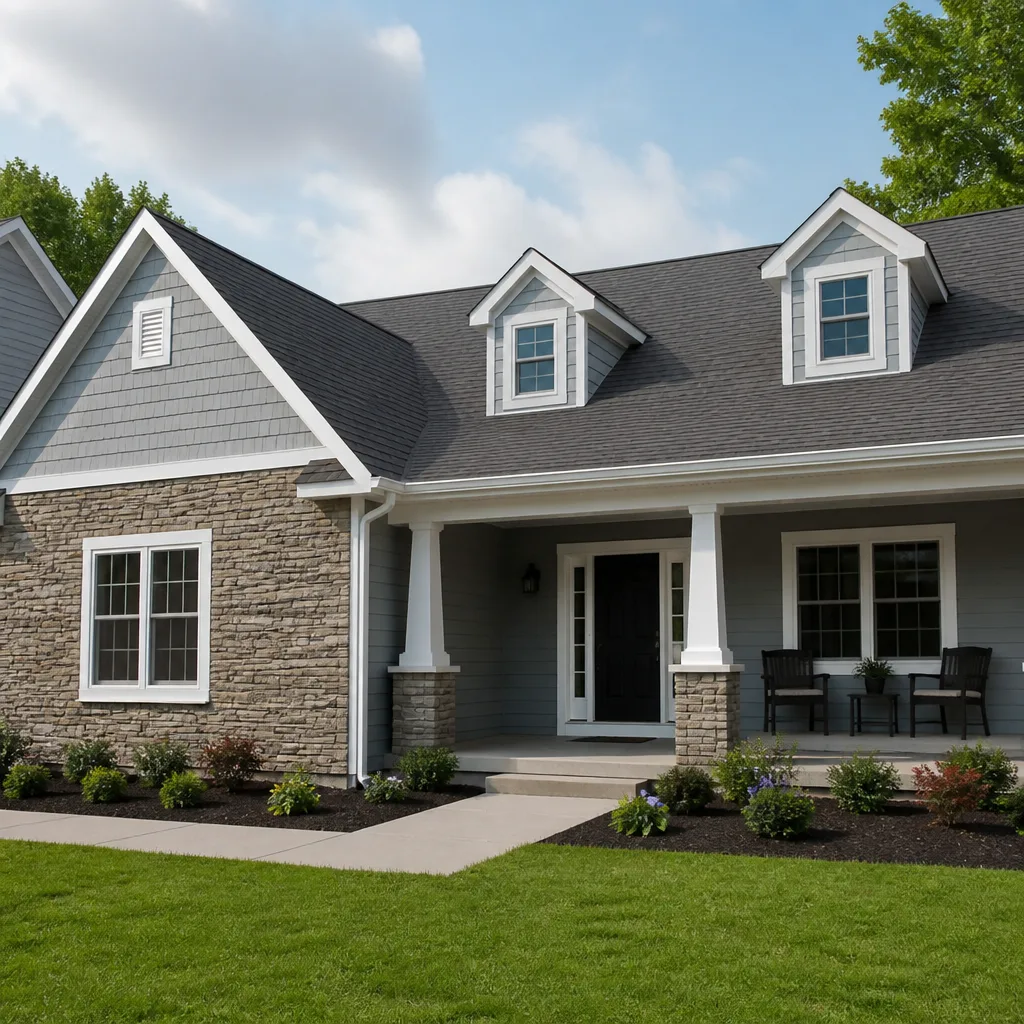
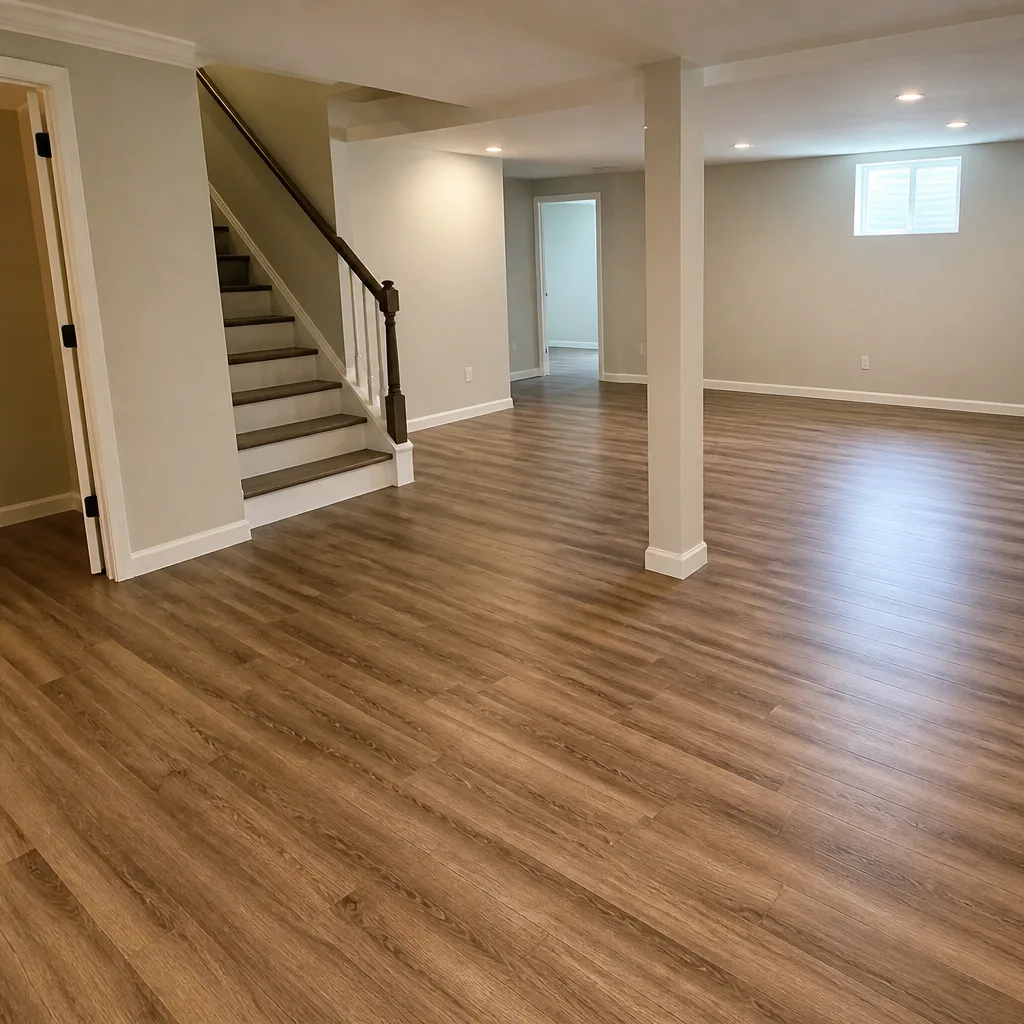
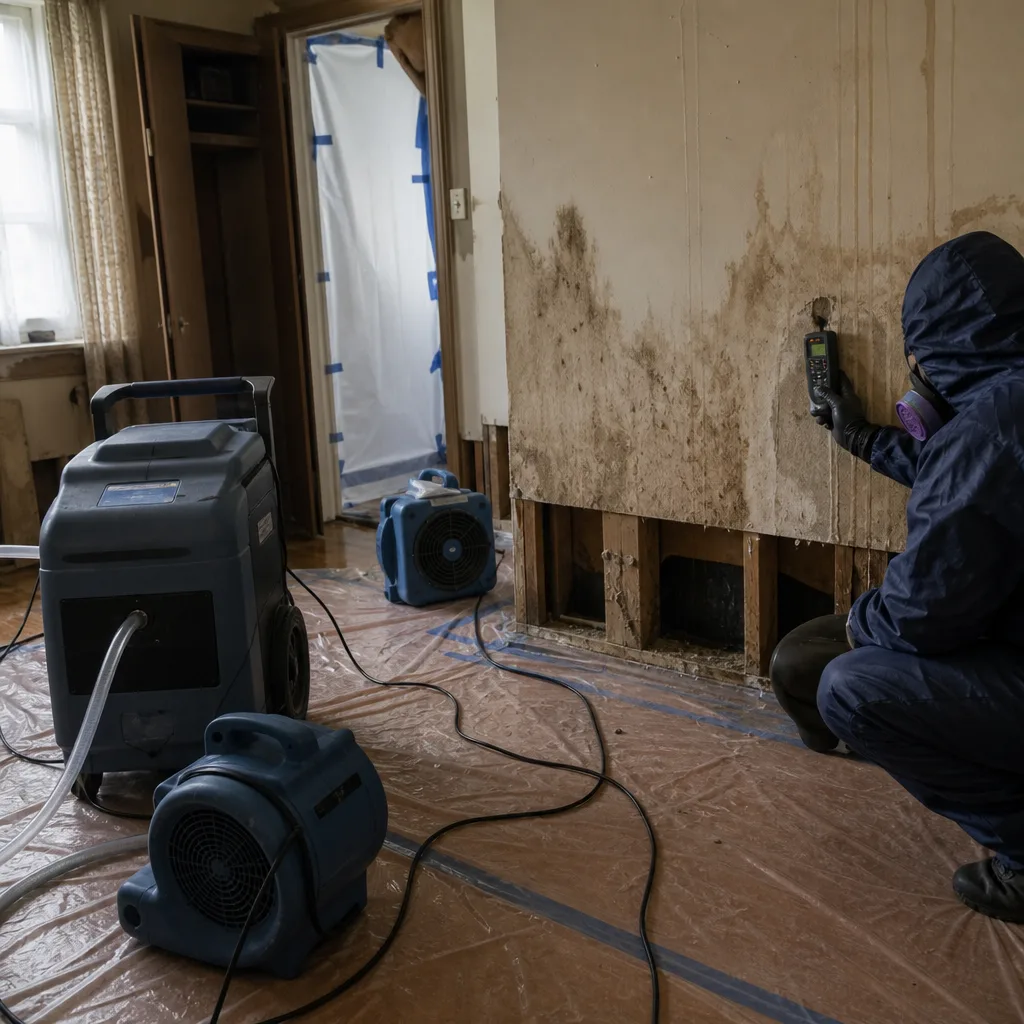 Before
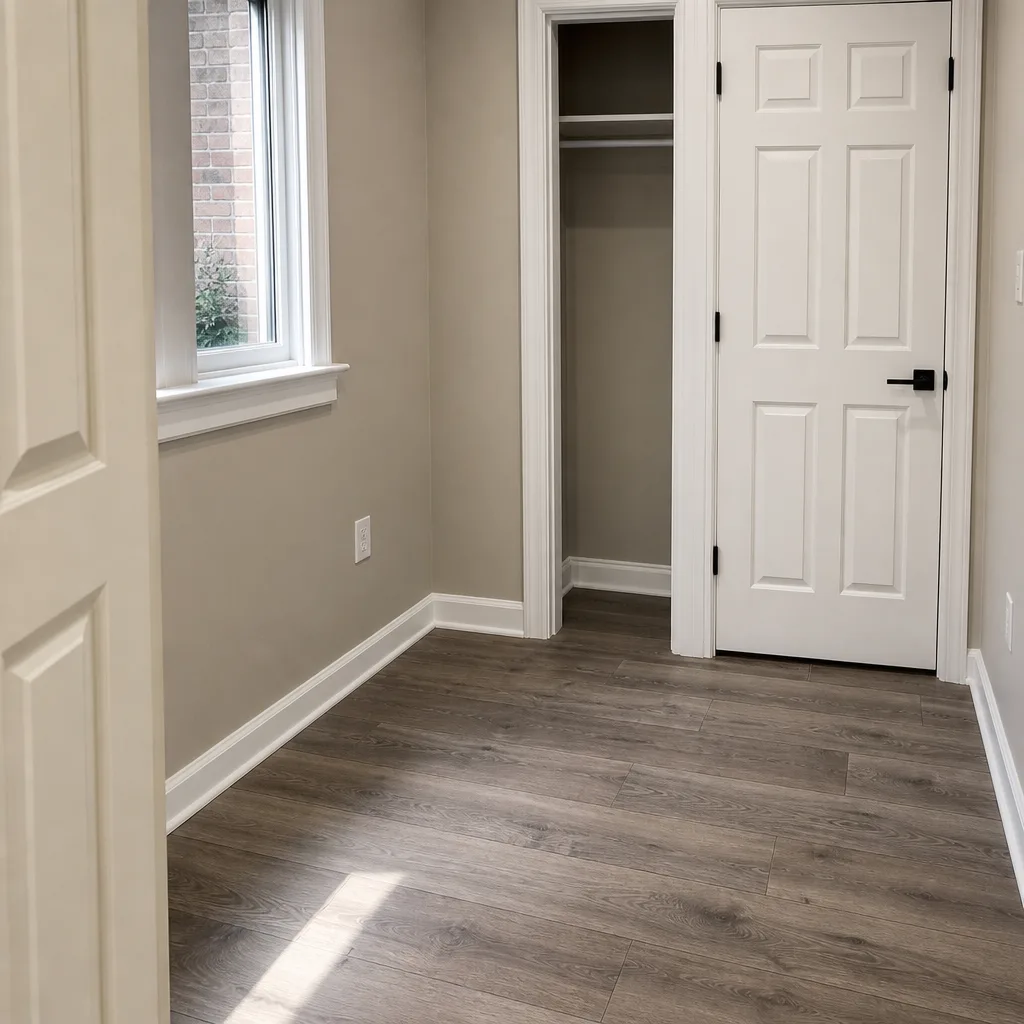 After
After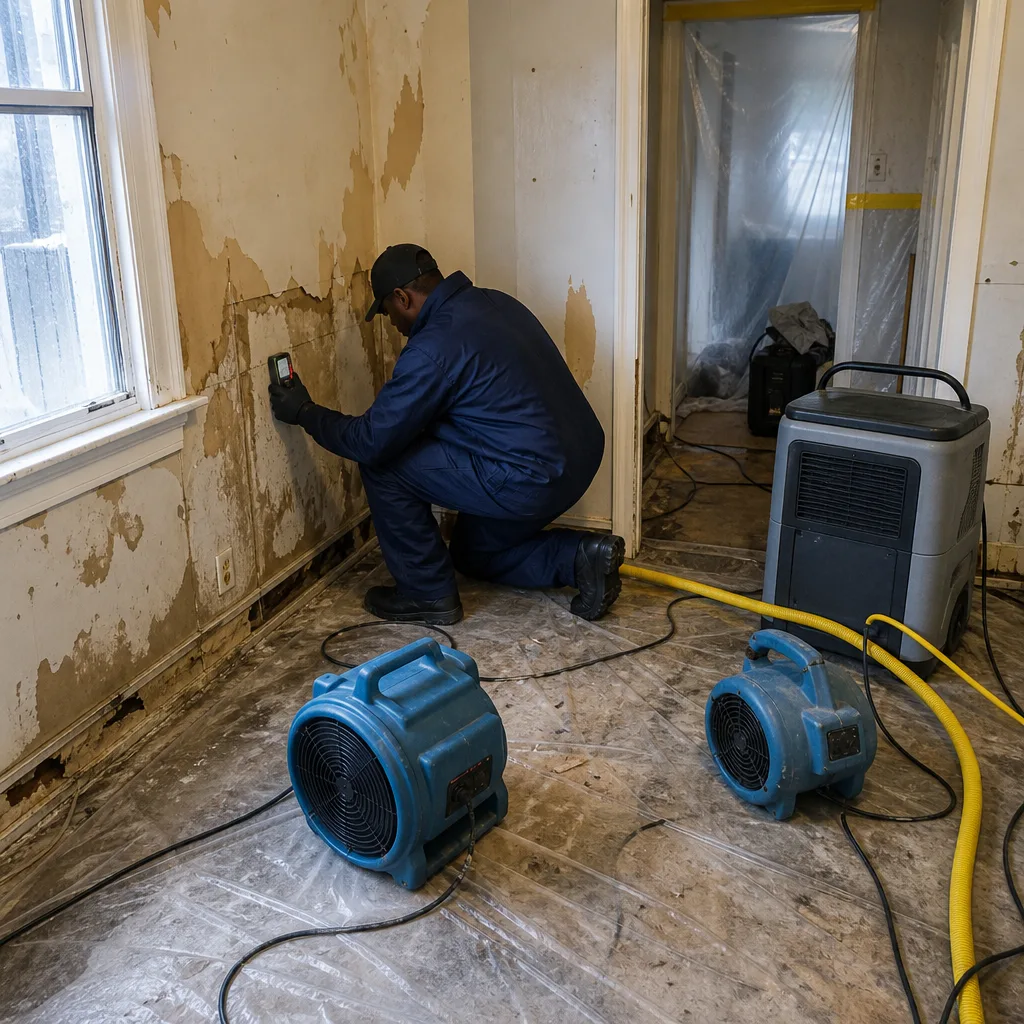 Before
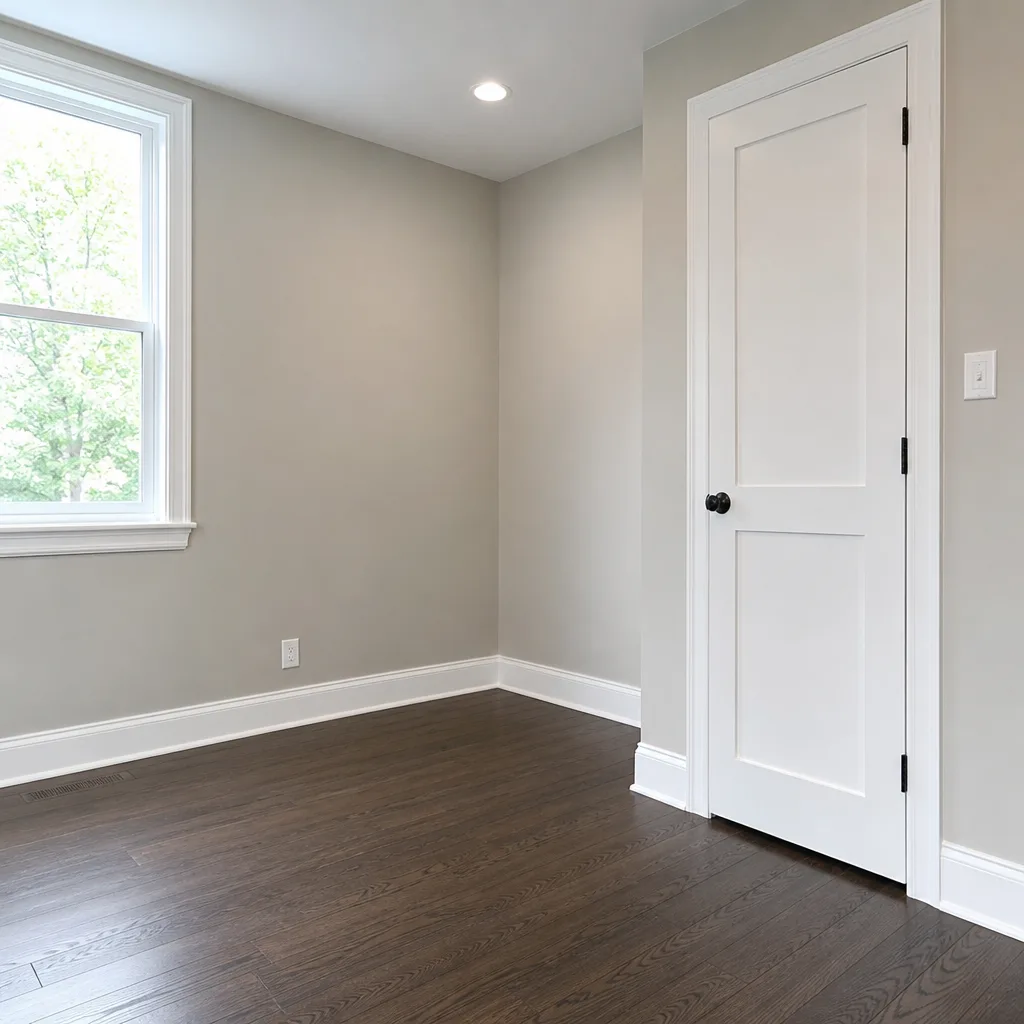 After
After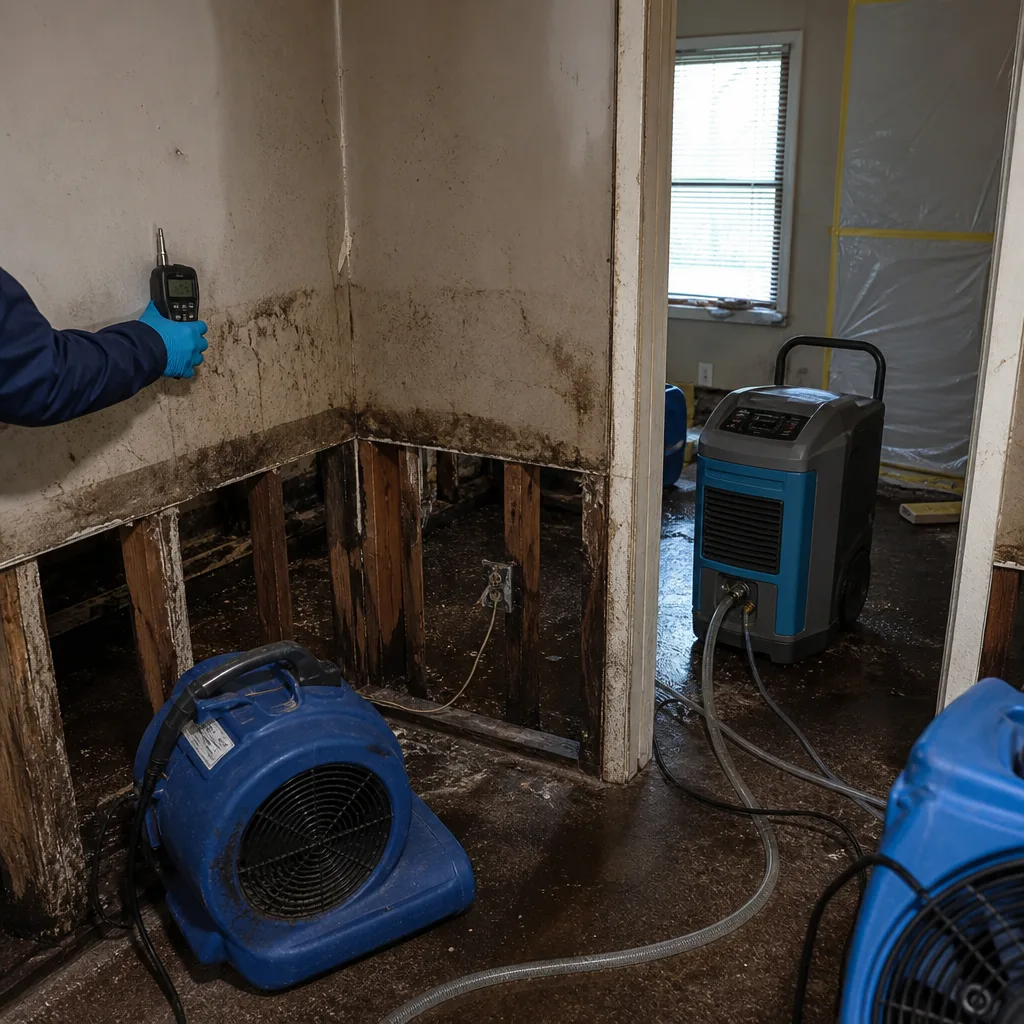 Before
 After
After24/7 Emergency Mold Remediation in Flatlands
Mold remediation in Flatlands, NY typically costs $1,800-$6,500 depending on how far the colony has spread and whether containment is required. We answer the phone live at (518) 750-3137 at any hour, and our crews reach Flatlands homes within 45 minutes for emergency response. When a nor’easter pushes water into a finished basement on Avenue M or Ralph Avenue, Flatlands Storm & Disaster Restoration crews know that mold colonization begins within 24 to 48 hours inside those retrofitted wall cavities. The first hour matters because the materials in mid-century Flatlands basements absorb water fast and dry slow. If you call immediately, we can often contain the problem before spores move through forced-air ductwork into the living floors above.
Understanding Mold Remediation Severity in Flatlands Properties
Flatlands sits at one of Brooklyn’s lowest elevations, directly abutting Jamaica Bay’s flood plain. Large portions of the neighborhood fall inside FEMA flood zone AE. That fact shapes every mold job we run here. The housing stock is overwhelmingly detached and semi-detached brick homes from the 1940s-1960s, Cape Cods and colonials, most with finished basements retrofitted after original construction. Those retrofits rarely included modern waterproofing membranes, so the cavities behind paneling and sheetrock absorb and hold floodwater in ways an unfinished poured-concrete basement would not.
We classify mold work by the extent of visible growth and the moisture source driving it. A surface bloom on block wall from chronic humidity is different from a hidden colony behind gypsum board fed by category 2 or 3 water. Flatlands basements with post-Sandy FEMA repairs often hide the worst problems: moisture-wicking materials left in place after prior remediation, already pre-conditioned for rapid regrowth. We use thermal imaging and moisture meters to find what surface inspection misses. The water table here is chronically high, so below-grade materials often sit above 20% moisture content even when no flood has occurred recently. That is the condition that keeps mold returning.
Why Flatlands Property Owners Choose Floodline Restoration Co.
- 45-minute response commitment. Our Flatlands crews are dispatched from the metro New York City office and reach most area homes within 45 minutes of your call, day or night.
- Live answer, 24/7. A real person picks up at 2 a.m. Not a recording. Not a callback service. You speak to a dispatcher who can send a certified crew immediately.
- IICRC-certified technicians. Our crews carry WRT and AMRT certifications and follow IICRC S520 standards for mold remediation, with containment protocols appropriate for small Flatlands basements.
- Free visual inspection. We assess the scope before any work begins, in writing, so you know exactly what you’re approving.
- Direct insurance billing. We document from the first hour and communicate with your adjuster so you never play messenger between us and the carrier.
- One team, start to finish. The same Floodline crew that reads the moisture map on day one handles daily readings, logs the dry standard, and rebuilds what needs rebuilding.
Our Mold Remediation Process
Inspection & Assessment
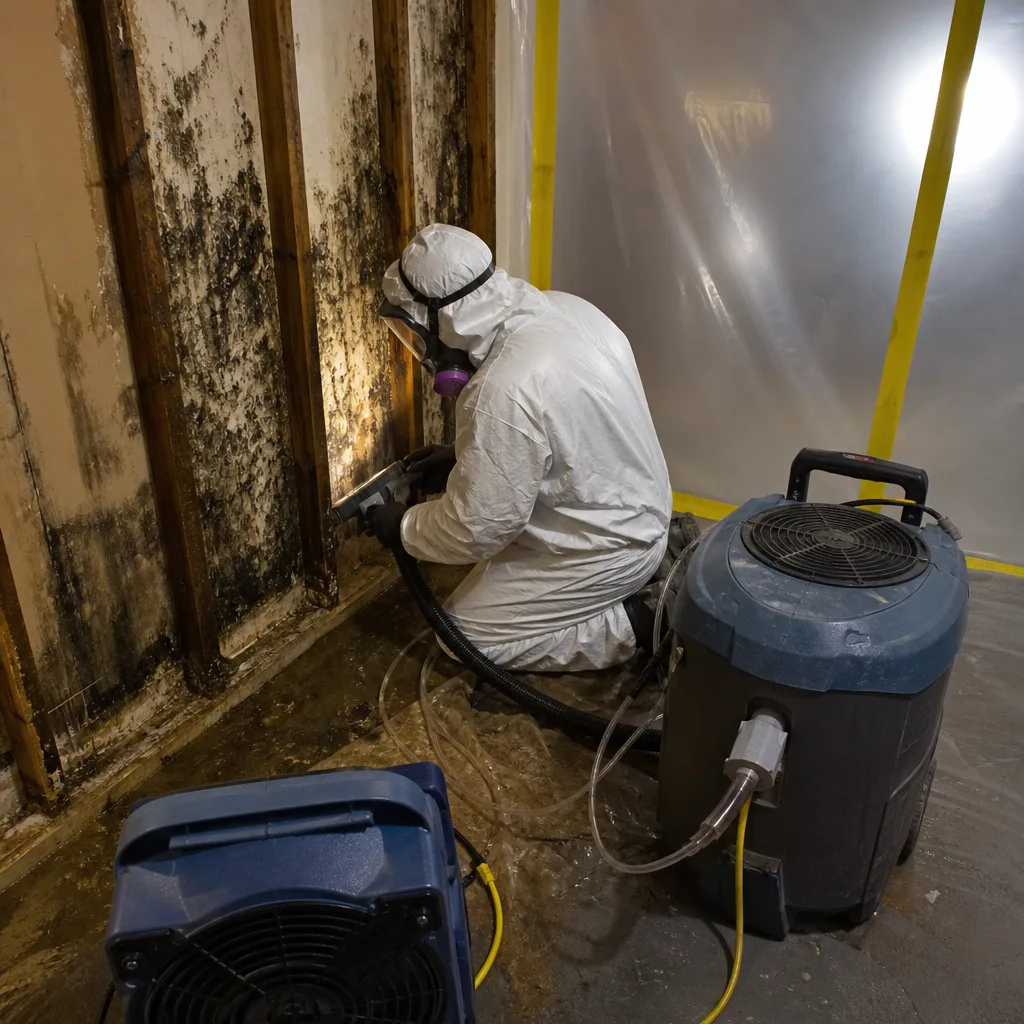
We start with a visual inspection plus thermal imaging and moisture meters to map the full extent of the problem, including the cavities behind retrofitted paneling that hide the worst growth.
Containment & Air Scrubbing
We set up containment barriers before disturbing any moldy material, and run HEPA air scrubbers to capture spores so they don’t spread through forced-air systems into the living floors.
Drying & Dehumidification
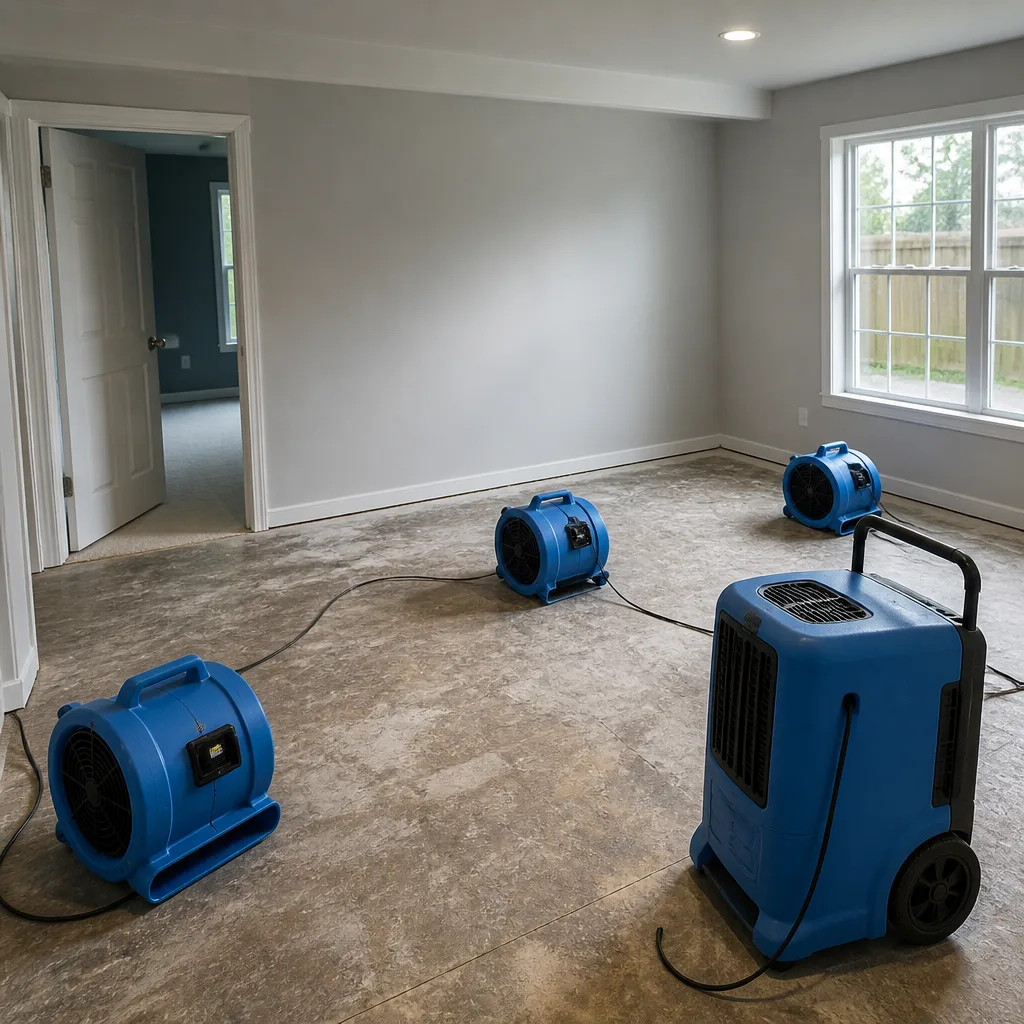
Dri-Eaz air movers and Phoenix dehumidifiers bring the structure back to the dry standard, with daily moisture readings logged until we hit pre-loss condition, not just surface-dry.
Cleaning & Sanitization
HPAI vacuuming followed by antimicrobial treatment of all affected surfaces, including the furring strips and framing behind removed finishes.
Source Correction
We address what fed the mold in the first place: broken waterproofing, high water table intrusion, or a failed sump. Remediation without source correction is just scheduling the next call.
Repairs & Restoration
Our team rebuilds the affected areas to finished condition. One crew from first extraction to final coat of paint, so no mid-job handoff to a crew you’ve never met.
Need Emergency Mold Remediation in Flatlands Now?
Crews minutes away, answering live 24 hours a day. The sooner we start, the less it costs.
Working With Your Insurance Company
Mold claims aren’t always straightforward. Homeowners policies typically cover mold remediation when it stems from a covered water event, like a burst pipe or storm flooding. The insurer wants proof that the water damage was sudden and accidental, and that you acted promptly. That’s where our documentation matters. We photograph everything before any material is removed, we log moisture readings daily, and we provide your adjuster with a line-item scope of work in the format carriers expect. Curt Bowman’s team has been doing this for the property owners of Flatlands long enough to know that paperwork discipline can make the difference between a covered claim and a denied one. We talk to your adjuster directly so you don’t have to translate restoration terminology into insurance language.
What We Provide Your Insurer
- Thorough documentation of the loss
- Photos of all damage, room by room
- Moisture readings and drying logs
- A detailed, line-item scope of work
- Direct coordination with your carrier
Mold Remediation Across Flatlands’s Neighborhoods
Flatlands is not uniform, and neither are the mold problems we see. Along Avenue M and Avenue N, the blocks of 1950s brick Capes and colonials have finished basements with paneling and sheetrock that hide water until the musty smell becomes impossible to ignore. Near Flatbush Avenue and Kings Highway, we see more semi-detached homes with shared party walls, where water in the neighbor’s basement migrates through the foundation line and mold crosses property boundaries. The blocks around Marine Park and Flatlands Avenue sit even closer to the Jamaica Bay flood plain, where tidal surge pushes category 2 water through basement windows and doorways, saturating everything below grade and sometimes requiring Biohazard & Crime Scene Cleanup - Flatlands expertise for the most severe contamination cases. Up toward Paerdegat Basin, the homes on deeper lots have crawl spaces that stay damp year-round from the high water table, breeding mold on joists and subflooring that homeowners never see until a floor feels soft underfoot.
Knowing these patterns means we arrive with the right equipment and the right expectations. A crawl space treatment near Paerdegat Basin calls for Injectidry systems and vapor barrier work. A finished basement on Avenue M after a nor’easter is a full containment job with HEPA scrubbing. A semi-detached home near Flatbush Avenue may need us to coordinate with the adjoining homeowner before we can fully break the mold cycle. This is the local knowledge that a national franchise dispatch center simply does not have.
Specialized Mold Remediation Services We Offer in Flatlands
Mold Inspection & Testing
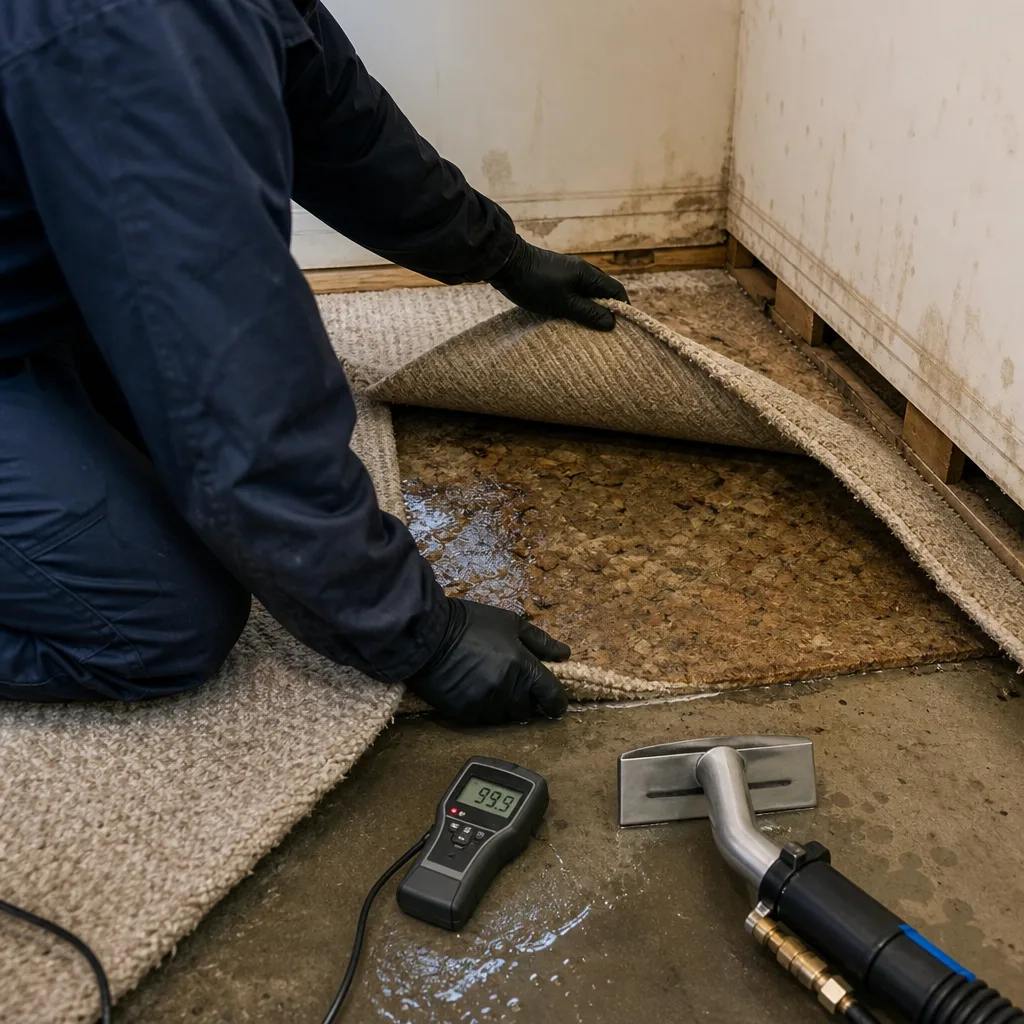
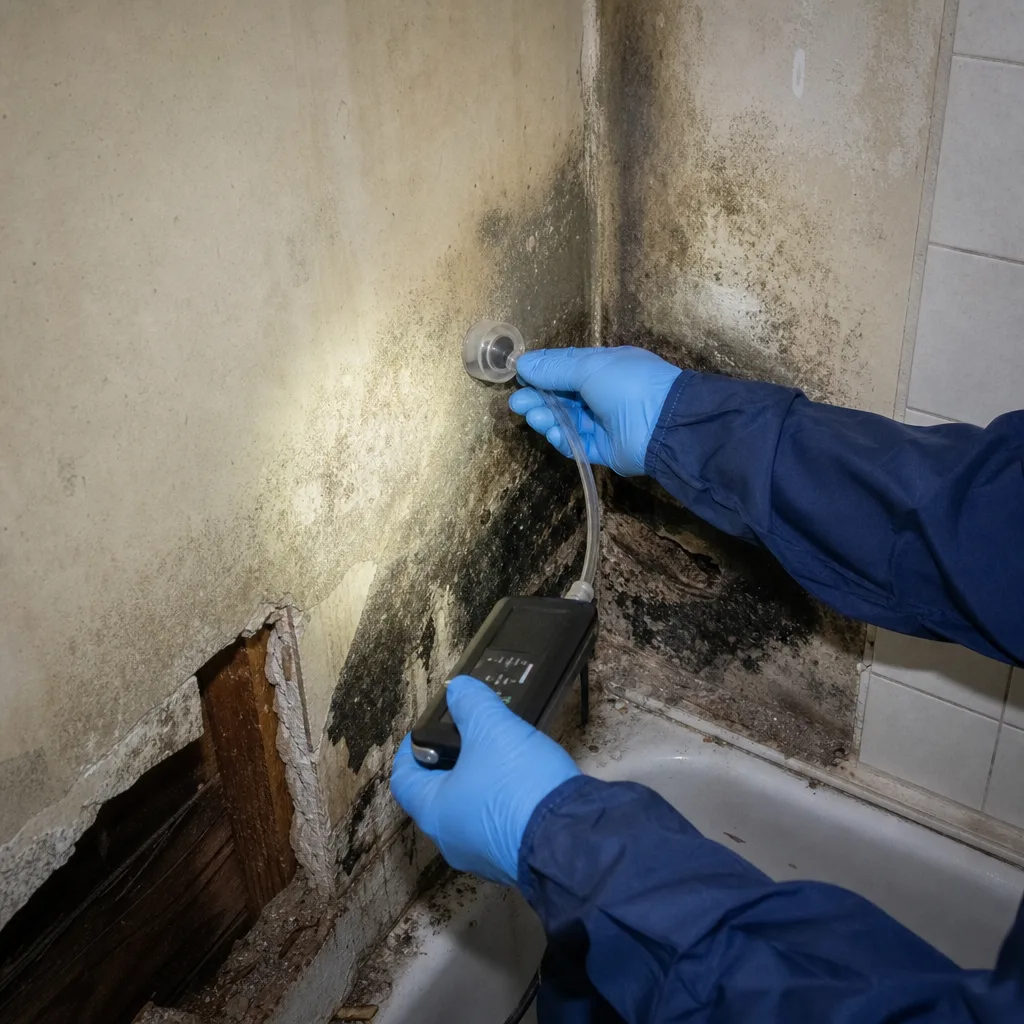
Before any remediation starts, we need to know what we’re dealing with. Our inspectors use moisture meters and thermal imaging to locate hidden growth in Flatlands basements, then collect air and surface samples where testing is warranted. You’ll know if you’re dealing with common mold on a damp wall or a toxic strain requiring full containment.
Mold Removal
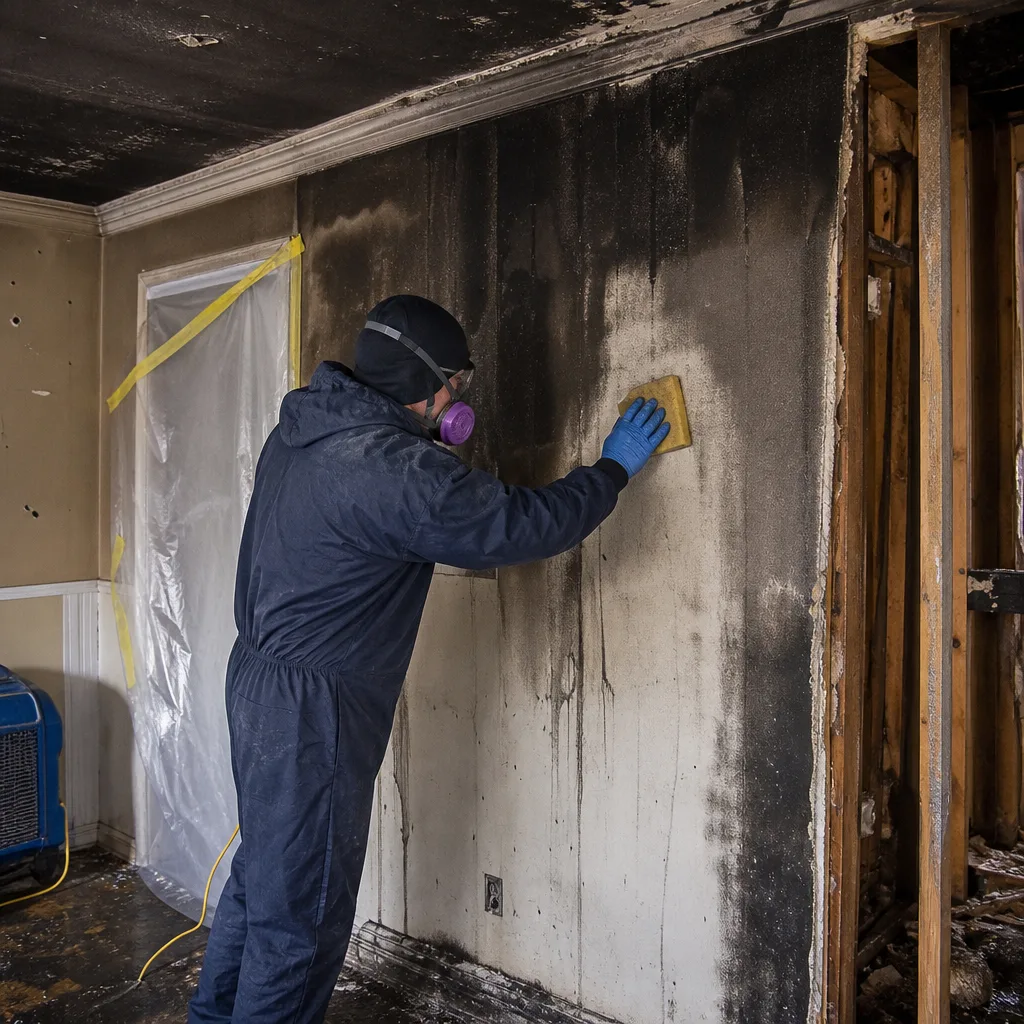
Our Mold Remediation team physically removes contaminated materials rather than just killing surface mold. Dead mold is still an allergen. In Flatlands homes with post-Sandy retrofits, that means cutting out affected gypsum board and paneling, not painting over it.
Black Mold Remediation
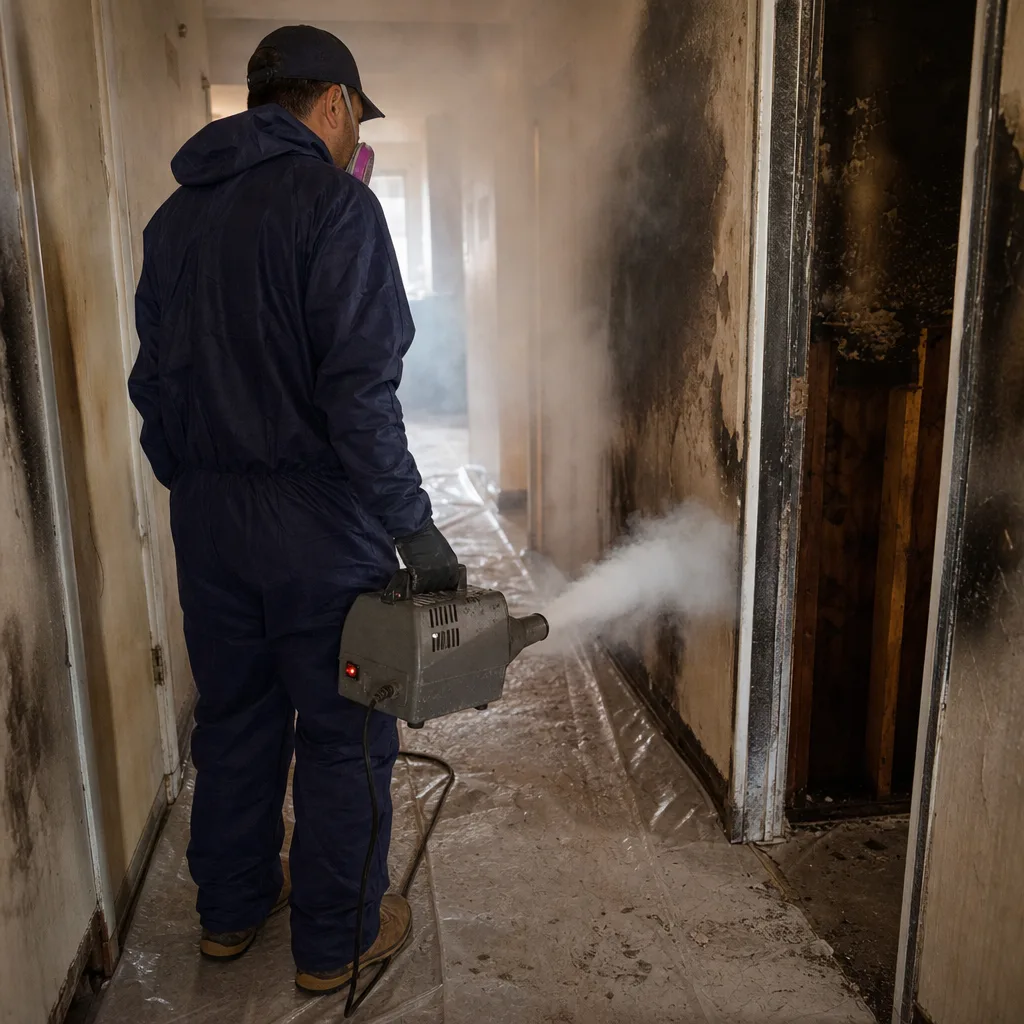
Black mold, or Stachybotrys, thrives in the chronically damp conditions common in Flatlands basements. It feeds on cellulose-rich materials like drywall paper and wood furring strips. Our containment-first approach prevents spores from spreading through the home during removal, and we treat the underlying moisture source so the black mold doesn’t simply return next season.
Air Quality Restoration
After remediation, we run HEPA air scrubbers to clear airborne spores, then verify results with post-remediation air testing. This step matters most in Flatlands because forced-air heating systems common in 1940s and 1950s brick homes can circulate mold spores throughout the living quarters if the air isn’t cleaned before the furnace kicks on.
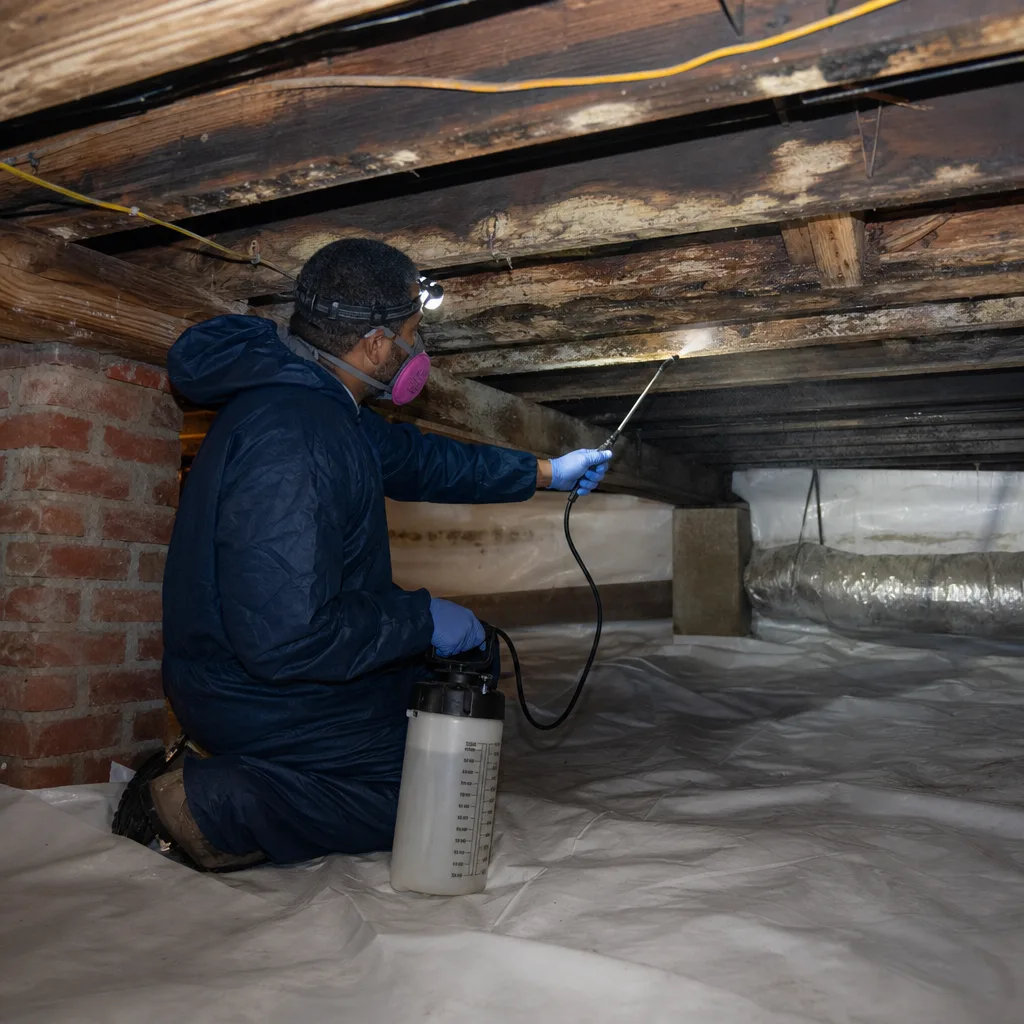
Crawl Space Treatment
Homes near Paerdegat Basin and along the flood-zone edges of Flatlands often have crawl spaces that stay damp from the chronically high water table. We install vapor barriers, run XPOWER and B-Air equipment to dry the space, and apply antimicrobial treatment to joists and subflooring. A dry crawl space protects the hardwood floors above it.
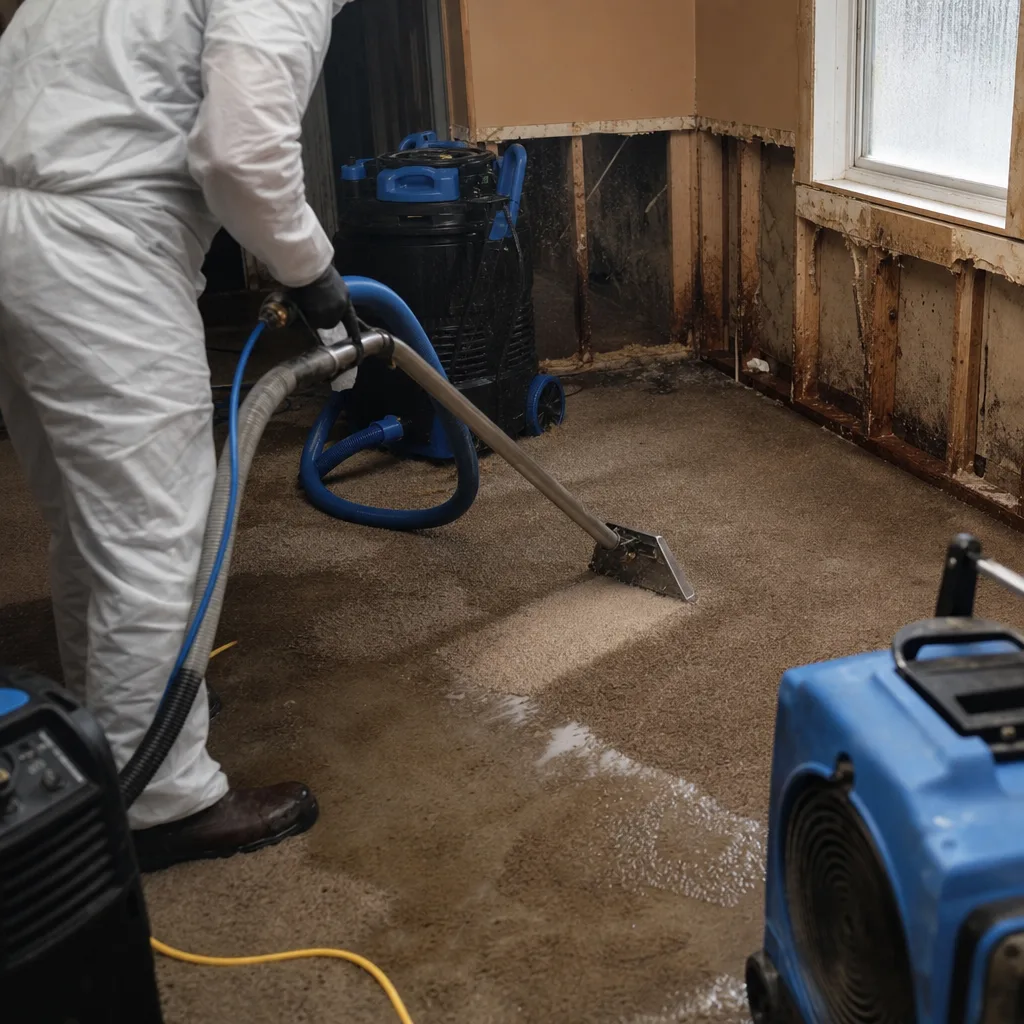
Moisture & Humidity Control
This is the long-term fix. In Flatlands, mold is usually a symptom of a moisture problem: a sump pump that can’t keep up, a foundation crack letting groundwater in, or a basement that never drops below 60% relative humidity. We identify the source and install drainage, waterproofing, or dehumidification so the mold doesn’t have a place to grow.
What happens when you call
- 1
A real person answersNo phone trees - you reach a local pro.
- 2
You get an upfront price rangeHonest numbers before anyone is dispatched.
- 3
A background-checked tech heads outLicensed & insured, dispatched right away.
- 4
You approve before work beginsNothing starts until you say go.
Local Failure Modes: What We Find in Flatlands That Others Miss
In Flatlands, mold remediation is storm-cycle work. FEMA-repaired-in-place homes from Sandy have already flooded two or three times, leaving moisture-wicking materials pre-conditioned for rapid regrowth within 24 to 48 hours of the next nor’easter. We see three recurring failures in homes remediated by other companies. First, remediators miss the moisture trapped in post-Sandy retrofitted basement cavities that never fully dried, so mold returns at the next tidal flood. Second, technicians treat surface mold on block walls but fail to address the chronically high water table that keeps below-grade materials above 20% moisture content, the threshold where mold thrives. Third, crews skip true containment in small Flatlands basements, allowing spores to spread through forced-air systems into the living floors above. Breaking the cycle means treating the whole system, not just the visible stain.
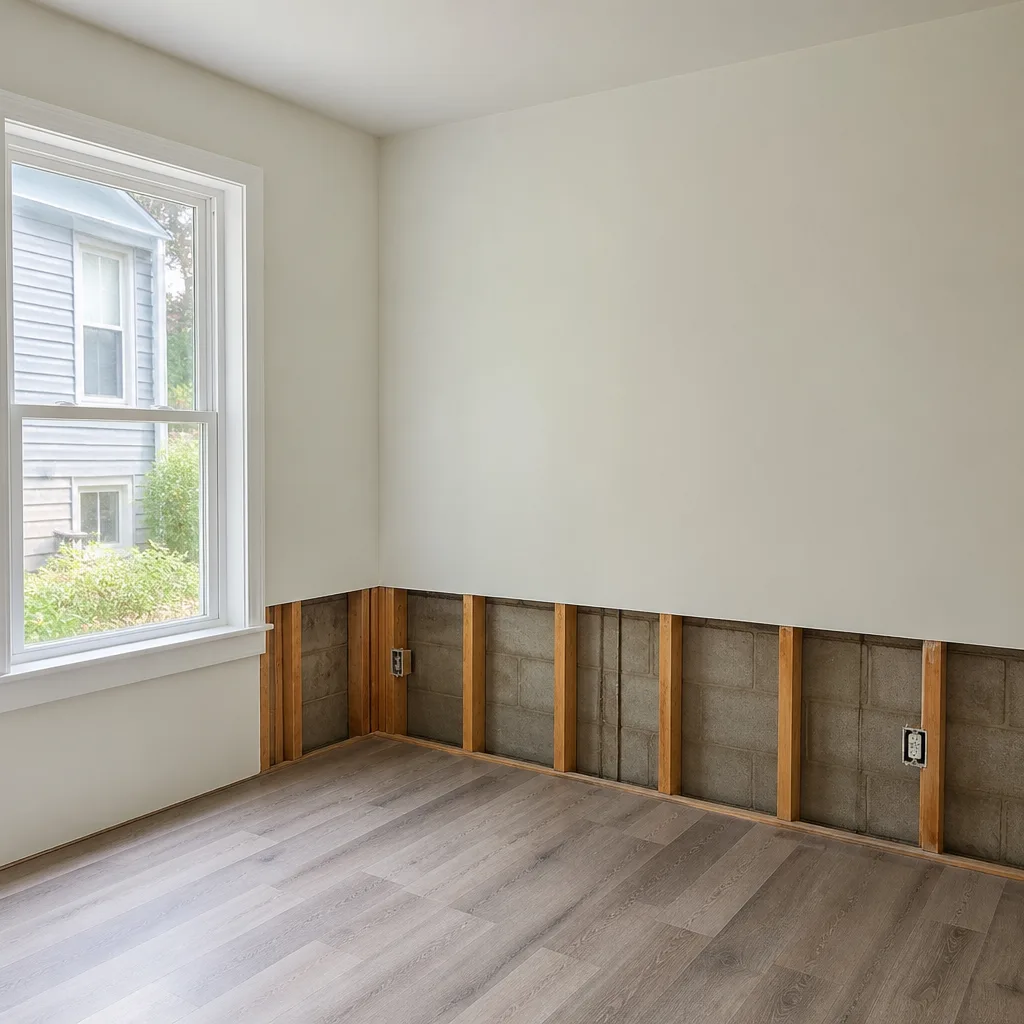
We ran a mold remediation on a 1950s brick Cape Cod on Avenue M near Flatbush Avenue after a nor’easter pushed category 2 water through the finished basement’s retrofitted paneling. Our techs set containment, pulled the paneling to find black mold already blooming on the furring strips, and used moisture mapping to trace wicking up three feet into the gypsum board. We cut out the affected material, applied antimicrobial treatment, and ran Dri-Eaz air movers with a Phoenix dehumidifier for five days. The drying logs confirmed the structure reached pre-loss condition before we rebuilt. That’s the difference between a job that holds up and one that’s growing new mold before the paint dries.
Mold Remediation Costs in Flatlands, NY
Flatlands pricing runs a range. A simple surface mold issue in a dry basement might run $1,800-$2,500. A contained remediation in a finished basement, where paneling and gypsum board need to be cut out and rebuilt, typically lands between $3,500 and $6,500. Crawl space treatment near the flood zone generally runs $2,000-$4,000 depending on square footage and vapor barrier requirements. Black mold remediation with full containment and HEPA air scrubbing starts around $4,000 in Flatlands because of the containment materials, clearance testing, and the labor involved in working in a sealed environment. What moves the price? The size of the affected area, whether forced-air ductwork needs cleaning, and whether the underlying water problem requires structural repair. Insurance covers much of this when the mold stems from a covered water event. We provide a free visual inspection in Flatlands, and the written scope we give you before work starts locks in the number. The 90-Day Done Right Promise stands behind every job we run in Flatlands: if it’s not done right, we make it right, in writing, no arguing.
Built for Flatlands’s Loss Calendar
Flatlands mold seasons follow the water. January and February bring deep freezes that burst supply lines in uninsulated exterior walls, and that water finds its way into basement cavities before anyone notices. Spring thaw lifts the groundwater table, pushing seepage through foundation cracks in homes near Paerdegat Basin and along the Jamaica Bay margin. Summer thunderstorms drop inches of water in an hour, overwhelming the storm drains on flat, impermeable streets, so basement flooding happens on blocks nowhere near the bay. Then comes nor’easter season, from September through November, when tidal surge combining with heavy rain floods the low-lying zones of Flatlands for days at a time. Every one of these events carries the same risk: water in a finished basement that never gets fully dried, and mold that takes hold inside the walls. The extreme flatness of Flatlands means that even moderate storms saturate the ground around foundations, and the water has nowhere to go. That’s why a yearly moisture inspection is the cheapest mold insurance a Flatlands homeowner can buy. Our $89 seasonal tune-up checks the sump, the foundation, and the relative humidity in the basement, and catches small problems before they become a mold claim.
Serving Flatlands, NY - Our Local Coverage Area
We’re based in the Flatlands area and know this community well. Use the map below to see our service coverage - if you’re nearby, we can almost certainly help.
FAQs: Flatlands Mold Remediation Questions, Answered
Why does mold return in Flatlands basements even after a professional remediation?
Mold returns in Flatlands basements because the moisture source was never fully corrected. Post-Sandy retrofitted basement cavities trap water behind paneling and sheetrock, and the chronically high water table keeps below-grade materials above 20% moisture content. If a prior remediation treated surface mold but left the water source, the mold will regrow within 24 to 48 hours after the next flooding event. Breaking the cycle requires source correction: waterproofing, drainage improvements, or dehumidification installed alongside the mold removal.
How soon after a nor’easter floods a Flatlands basement should I schedule mold remediation?
Immediately. Mold colonization begins within 24 to 48 hours of water saturation, and Flatlands’s high humidity accelerates that timeline. The sooner we extract the water and begin drying with professional equipment, the less material we’ll need to remove and the lower your final cost. Call (518) 750-3137 as soon as the water is in your basement, and a crew can be on site within 45 minutes to begin extraction before mold has a chance to establish.
Can you remediate mold in a finished basement that flooded two or three times since Sandy?
Yes, and this is the exact scenario we see most often in Flatlands. The FEMA repair programs after Sandy left moisture-wicking materials in place, and each subsequent flood re-saturated them. Our approach includes removing those compromised materials entirely rather than treating them, then correcting the moisture pathway so the next flood doesn’t wipe out the new work. We also document the full flood history for your adjuster, because repeated flooding can affect how a claim is handled.
Do I need to move out of my Flatlands home during mold remediation?
It depends on the extent of the contamination. For a small, contained area, you can usually stay in the home while we work, because containment barriers prevent spores from reaching the living quarters. For larger remediations, particularly black mold that has spread into forced-air ductwork, we recommend temporary relocation until the clearance testing passes. We’ll give you an honest answer on day one, not a blanket policy.
What categories of water require different mold remediation approaches in Flatlands?
Category 1 is clean water from a supply line or faucet. Category 2, often called gray water, contains contaminants and includes sump pump failures and washing machine overflows. Category 3 is black water, which comes from Sewage Cleanup in Flatlands situations and floodwater from Jamaica Bay or street flooding. Black water carries the most immediate health risk and requires full containment, antimicrobial treatment of all affected materials, and more aggressive removal. Flatlands sees a lot of category 2 from nor’easter flooding and a lot of category 3 when the sewers back up from heavy storms. Each category changes our containment protocol and the amount of material we remove.
How much does mold remediation cost in Flatlands compared to other Brooklyn neighborhoods?
Flatlands pricing is generally in line with other south Brooklyn neighborhoods, typically $1,800-$6,500 depending on scope. The difference here is that Flatlands jobs more often require addressing the underlying flood cycle, so the source correction portion of the work is a larger share of the total. Homes in flood zone AE near Jamaica Bay often need drainage or waterproofing work that drier neighborhoods don’t. We give you a written scope before any work begins, so the number you approve is the number you pay, not an estimate that grows.
What should I do in the first 30 minutes after finding mold in my Flatlands home?
Don’t disturb it. Don’t wipe it, don’t scrape it, don’t run a fan on it. Disturbing the colony releases spores into the air, and in a home with forced-air heat, that spreads the problem through the entire house. If the area is wet, shut off power to that part of the home if you can do so safely. Call us at (518) 750-3137. We’ll walk you through immediate containment steps over the phone and have a crew on the way within 45 minutes.
Are your technicians certified for mold remediation work in Flatlands?
Yes. Our technicians carry IICRC certifications, including AMRT for applied microbial remediation and WRT for water damage restoration. They follow the IICRC S520 standard for professional mold remediation. Every technician on your job is background-checked and uniformed, and Curt Bowman’s team has run the full mold remediation cycle in Flatlands homes from first extraction to finished rebuild, so the person reading your moisture map on day one is the same person completing your rebuild.
We Also Serve Cities Near Flatlands
Floodline Restoration Co. crews serve homeowners across south and central Brooklyn. We run regular routes through East Flatbush, Sunset Park, Bedford-Stuyvesant, and Bensonhurst. The same live dispatch, the same 90-Day Done Right Promise, and the same commitment to a square deal follow us wherever we go. If you’re in a neighboring neighborhood and need mold remediation, call (518) 750-3137 and ask for the crew that covers Flatlands.
Get a Written, No-Pressure Mold Remediation Plan for Your Flatlands Home
We know what a mold problem in a Flatlands basement looks like, and we know what it takes to fix it so it stays fixed. Call (518) 750-3137 for a free visual inspection. We’ll give you a written scope, a firm price, and a plan that accounts for the elevation, the water table, and the flood history of your property. The 90-Day Done Right Promise, in writing, on every job. Done right, and backed in writing.
Written by Curt Bowman, Owner at Floodline Restoration Co., serving New York City since 2010.