
Free visual inspection and a written scope of work before any mitigation begins - photos, moisture readings, and drying logs go in your claim file
The scope we write is the scope we bill. Anything new gets shown to you, in writing, before we touch it.
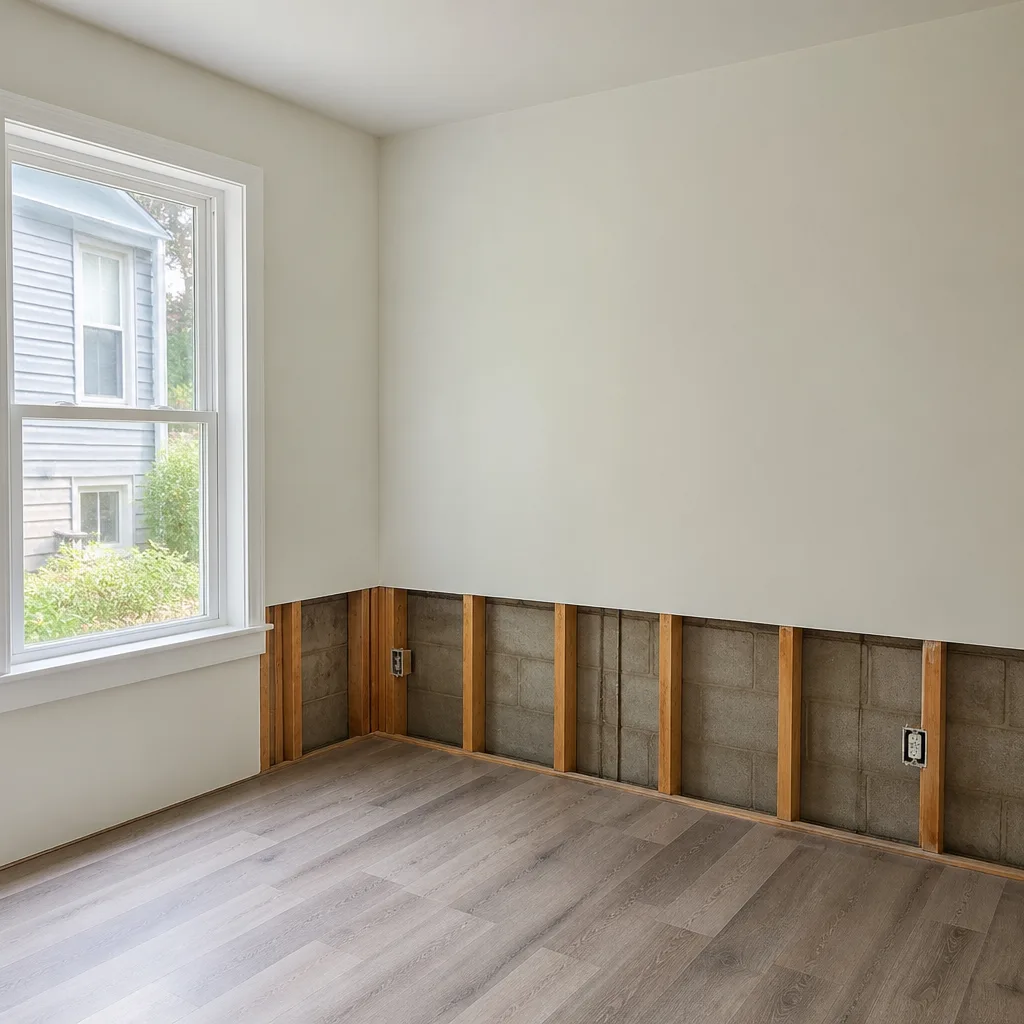

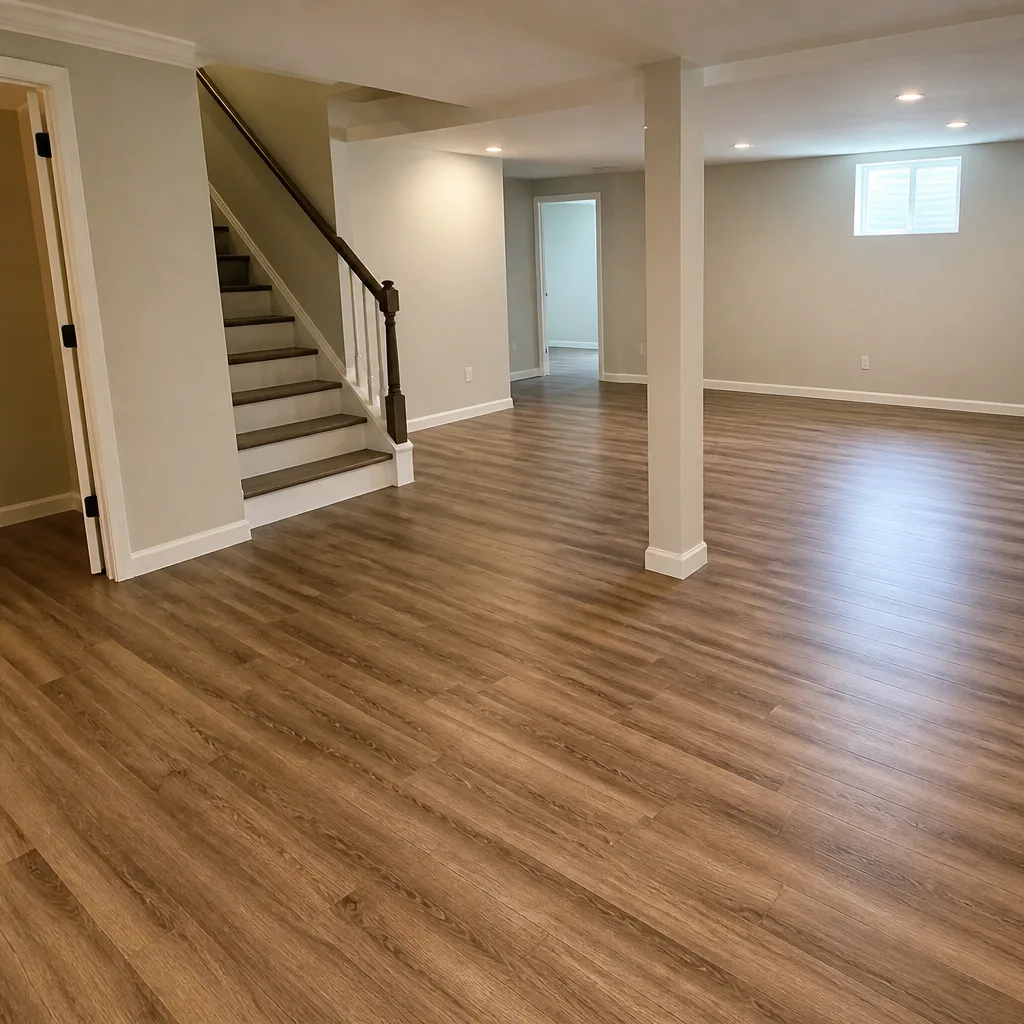
 Before
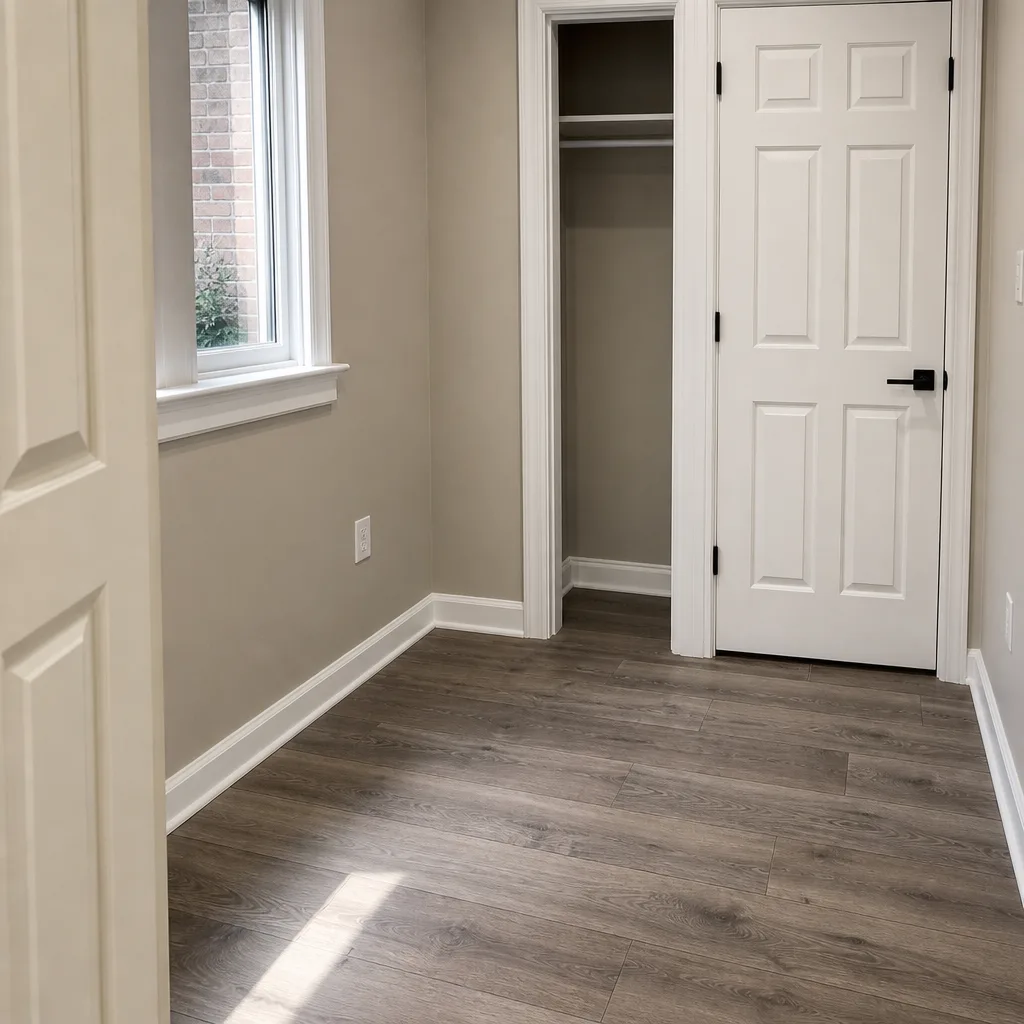 After
After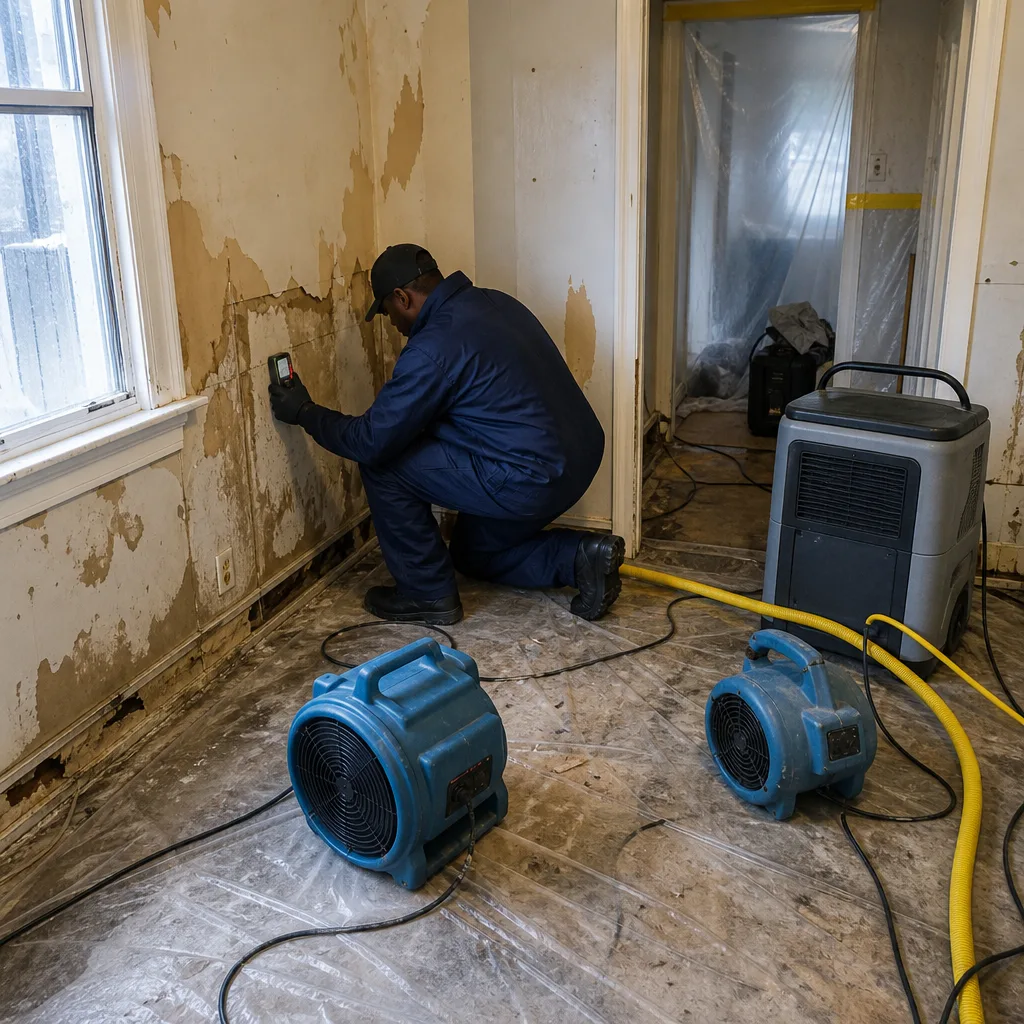 Before
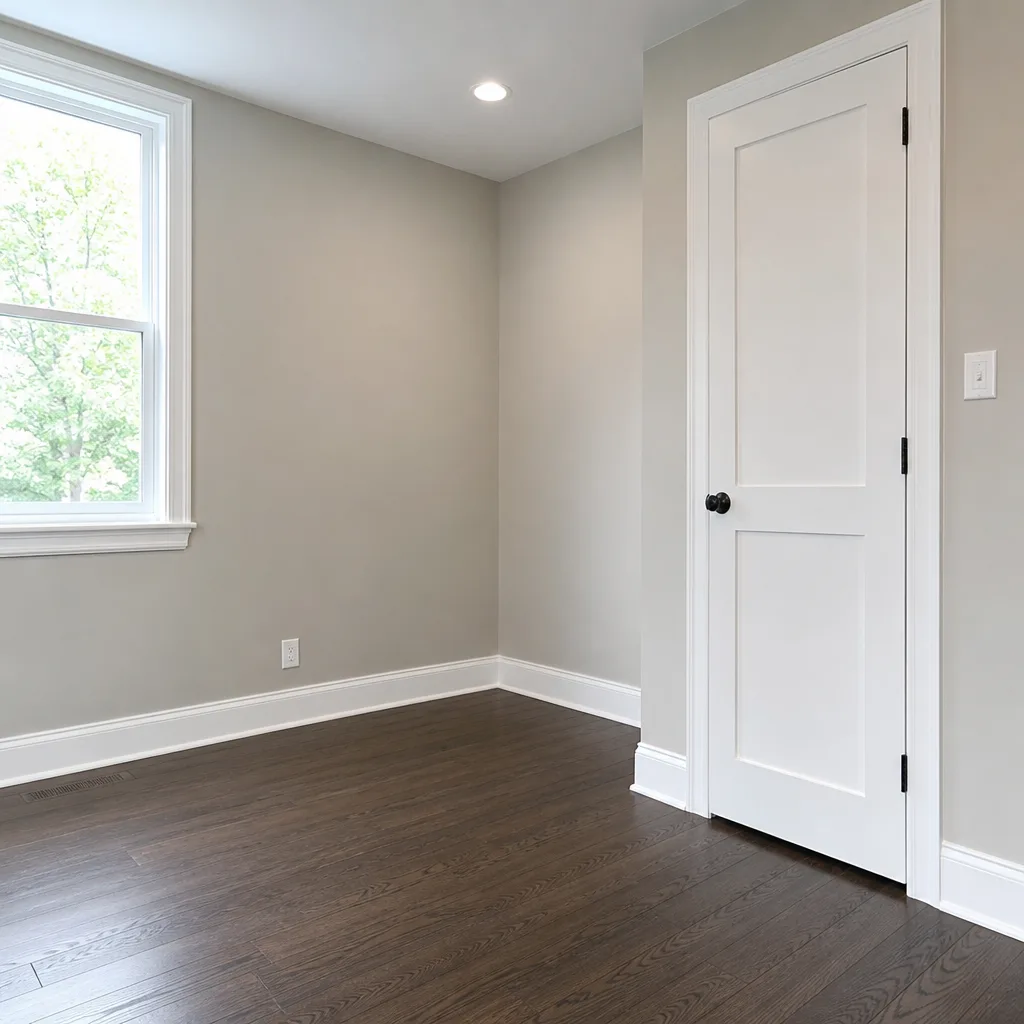 After
After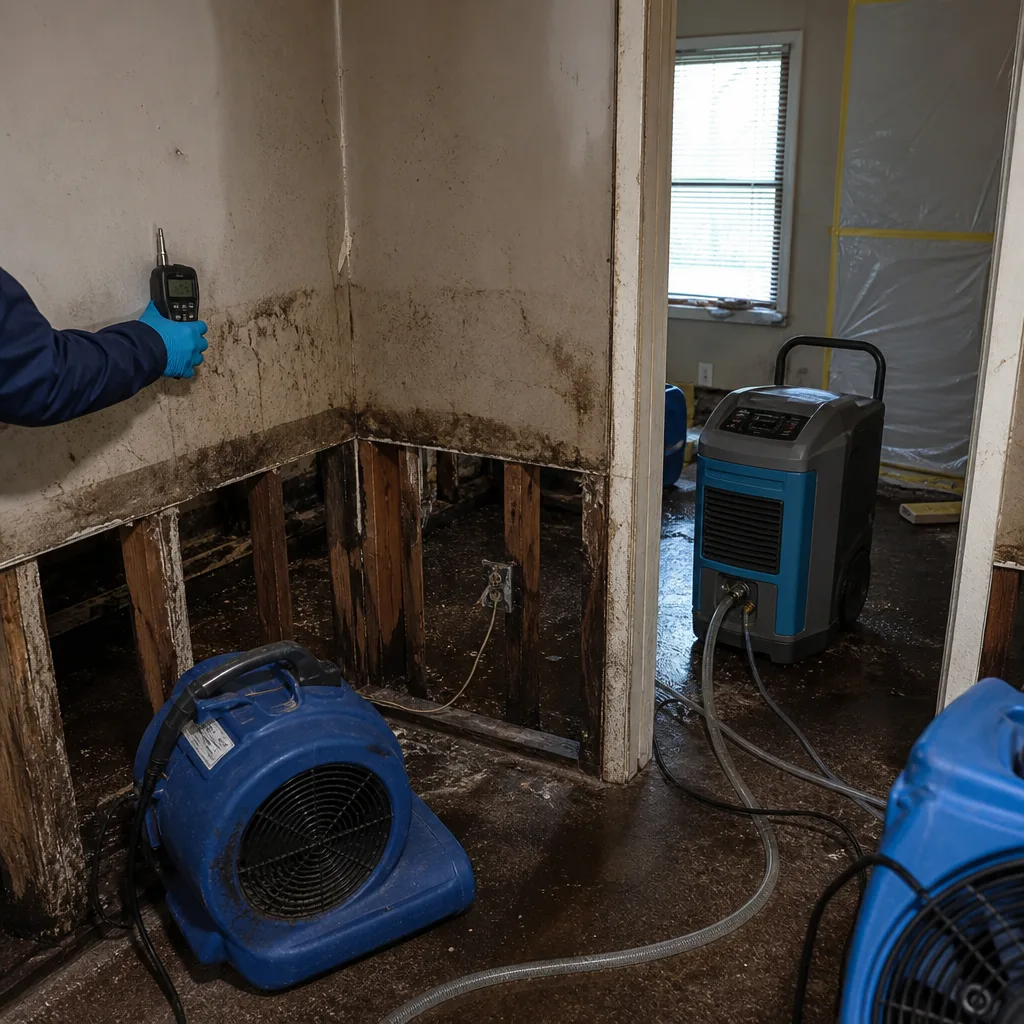 Before
 After
After24/7 Emergency Reconstruction & Cleanup in Flatbush
When a sewer backup floods a Flatbush basement or a nor’easter tears through a Victorian roofline, the first call should get a live voice. You’ll reach one at (518) 750-3137, any hour, any day. Our crews dispatch directly into Flatbush from the New York City office, usually within 45 minutes, and start with a free visual inspection. The first hour matters because water moves fast through old wood framing, and soot from a kitchen fire sets into horsehair plaster within a day. A fast start keeps damage from spreading into original subfloors, lath walls, and the apartment below.
We’re Floodline Restoration Co., founded in 2010 by Curt Bowman. Our Reconstruction & Cleanup team handles everything from first extraction to finished rebuild, so you never get handed off to a stranger mid-job. In Flatbush, that means we understand what we’re walking into before we arrive: wood-frame Victorians, pre-war brick walk-ups, alley-load entries, and basements that often hold more than storage.
Understanding Reconstruction & Cleanup Severity in Flatbush Properties
Not all water damage is the same, and Flatbush’s building stock makes the distinctions matter more. Category 1 water is clean, from a supply line or radiator. Category 2 carries contaminants, like washing machine overflow. Category 3 is grossly contaminated: sewer backups, storm surge, or street flooding. In Flatbush, combined sewer backups during heavy rain are a chronic Category 3 problem, and that water carries pathogens that require full sanitization, not just drying.
Smoke damage has its own severity scale. Wet smoke from a smoldering fire leaves a thick, sticky residue that bonds to plaster. Dry smoke from fast-burning fires produces fine soot that migrates into wall cavities and behind trim. Both require different cleaning chemistry. Flatbush’s original plaster-on-lath walls complicate every category: lime plaster holds moisture for weeks unless drying is managed with moisture mapping and daily readings. Drywall-style timelines don’t work here, and forcing them leaves hidden mold behind original walls.
Why Flatbush Property Owners Choose Floodline Restoration Co.
- 45-minute response commitment: A live dispatcher confirms the crew’s ETA before you hang up, and we arrive inside the Flatbush area ready to start extraction.
- 24/7 live answer, never an automated system: At 2 a.m. on a Sunday, a person picks up. That’s been true since 2010 and hasn’t changed.
- IICRC-certified crews: Our technicians hold WRT, FSRT, and AMRT certifications and work to IICRC, RIA, and IFA standards. Background-checked and uniformed on every job.
- Free visual inspection: We assess the damage, explain what we see, and give you a written scope before any work starts. No pressure, no surprises.
- Direct insurance billing: We bill your carrier directly and document everything from the first hour, so you’re never playing messenger with an adjuster.
- One team from extraction to reconstruction: The same certified crew that pulls the water also hangs the new drywall and matches the original trim. No mid-job handoff.
Our Reconstruction & Cleanup Process
Inspection & Assessment
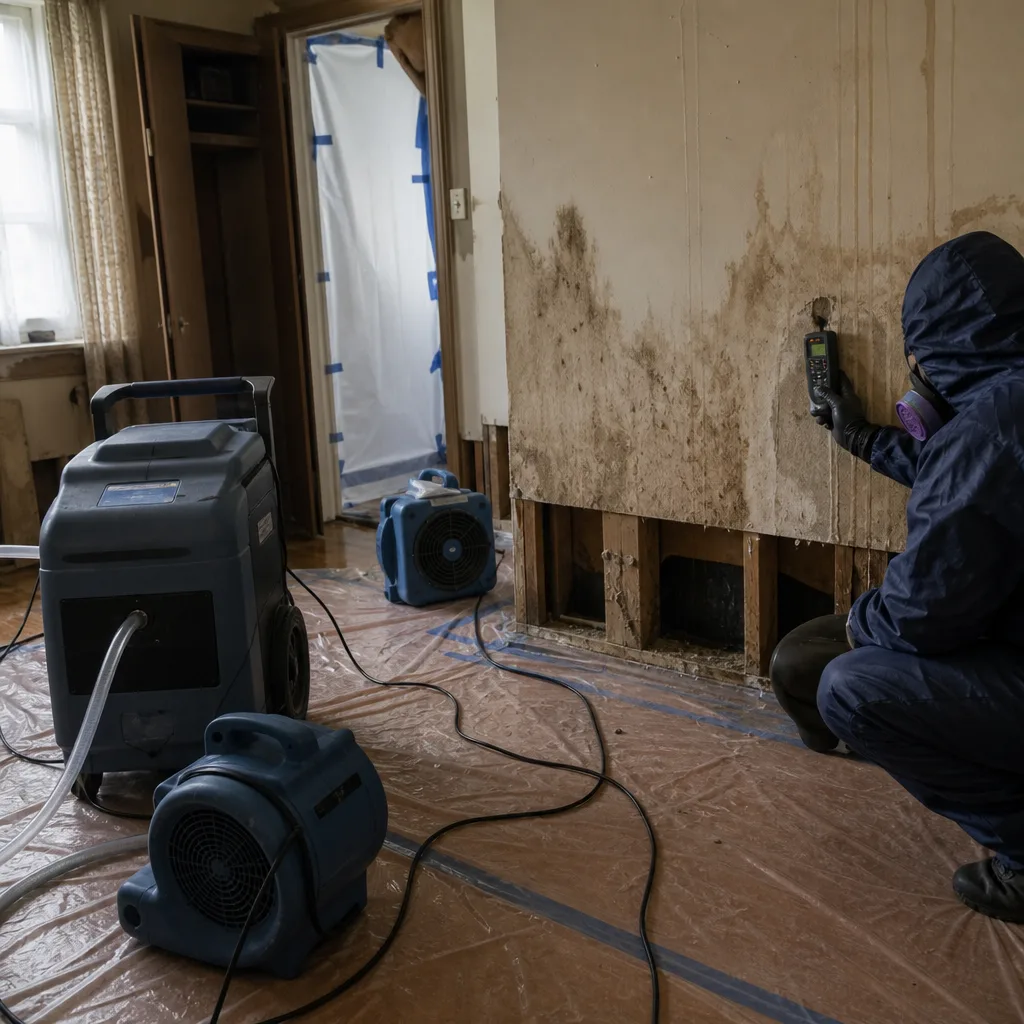
We map the full extent of the damage with thermal imaging and moisture meters, tracing water migration through walls, floors, and ceiling cavities. If a basement apartment is involved, we document it as a separate scope from the start.
Extraction & Stabilization
Standing water comes out with truck-mounted and portable extraction units. We stabilize unsound materials, tarp compromised rooflines, and secure the property against further entry or collapse.
Drying & Dehumidification
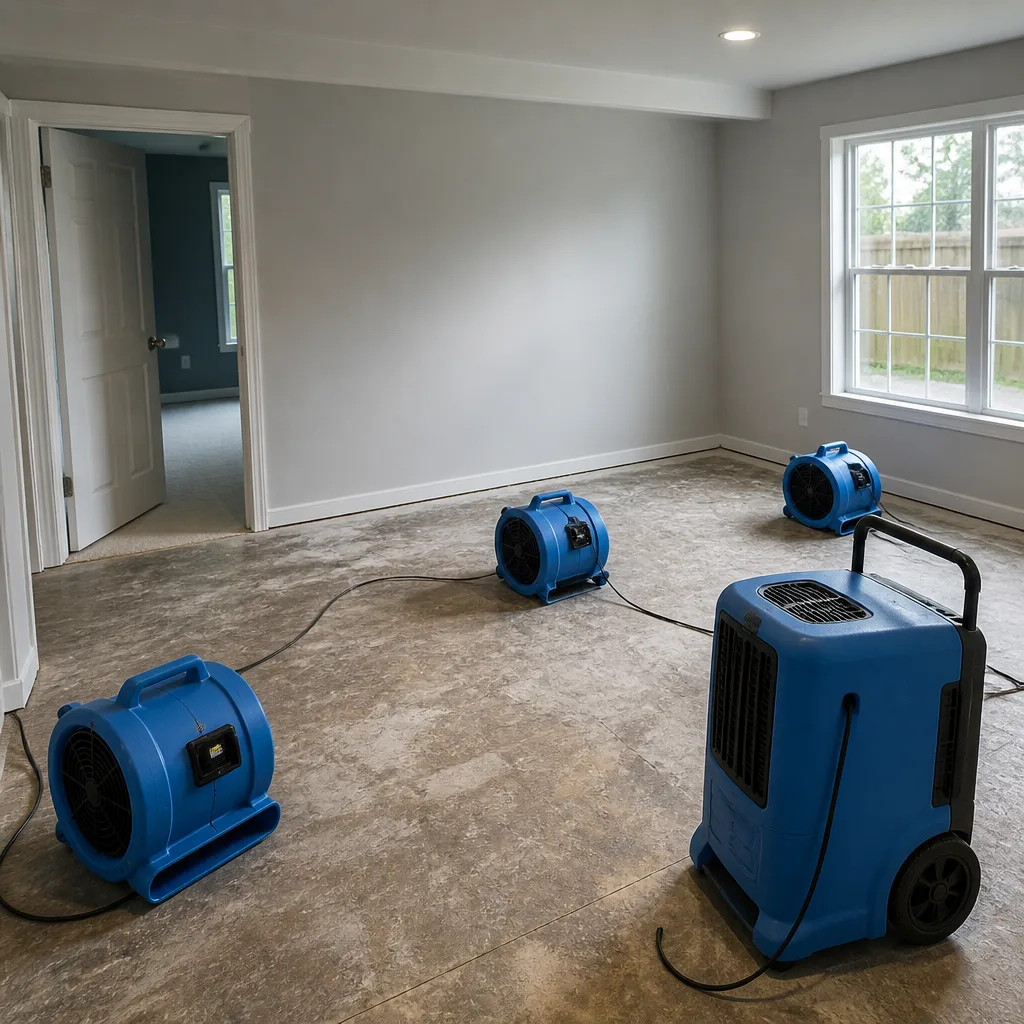
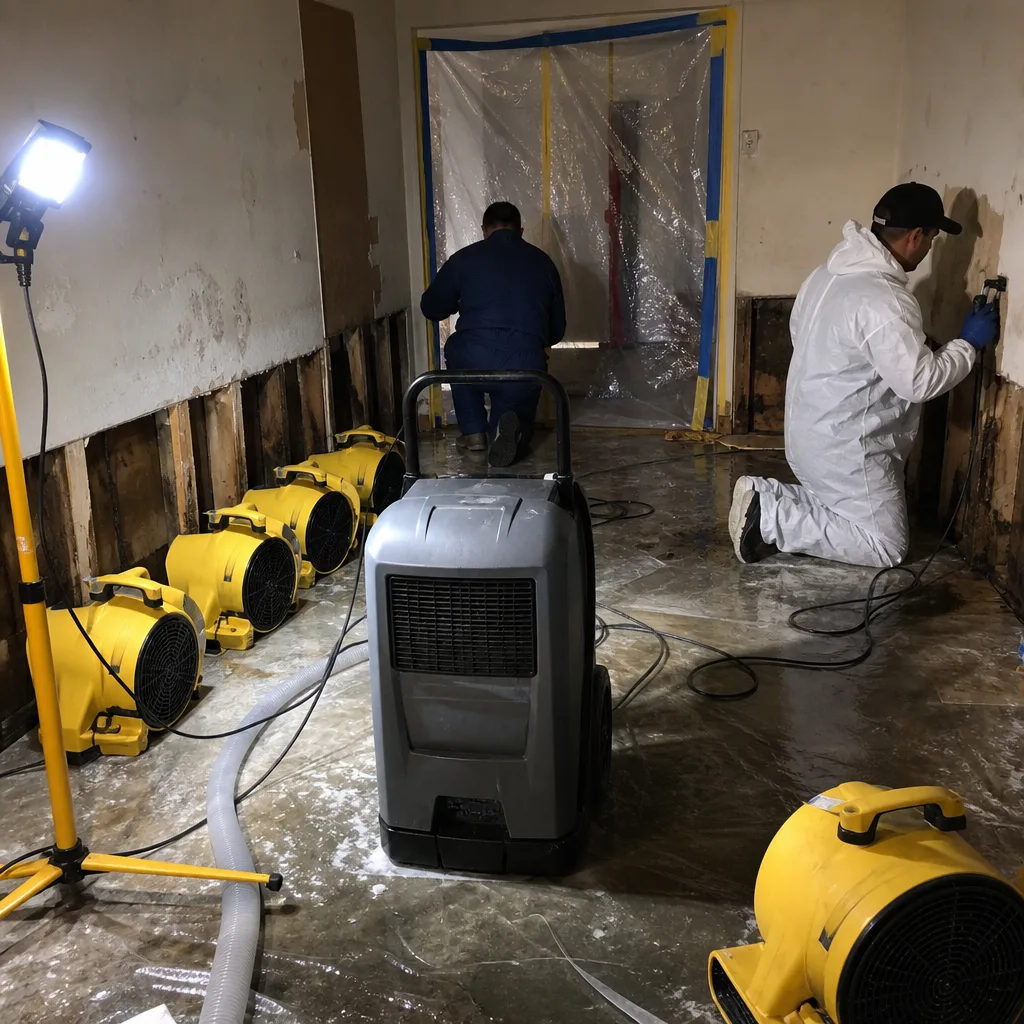
Professional-grade Dri-Eaz dehumidifiers and XPOWER air movers are placed based on the moisture map, not guesswork. In Flatbush’s tight alley-load basements, we use compact units that actually fit through the hatch.
Cleaning & Sanitization
Category 3 water and smoke residue require antimicrobial treatment and HEPA air scrubbing. We clean, disinfect, and deodorize every affected surface, including the framing behind removed plaster.
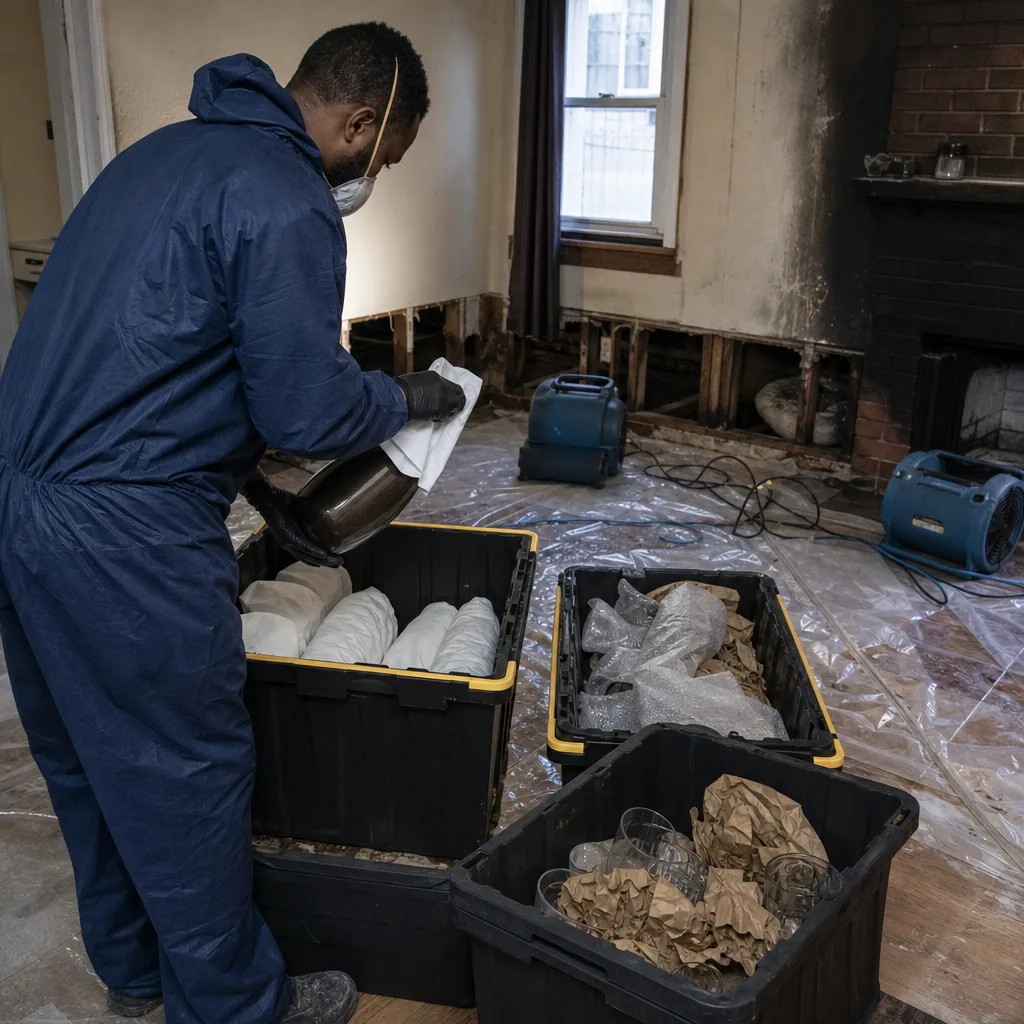
Contents Restoration & Pack-Out
Furniture, clothing, documents, and heirlooms get packed out, inventoried, cleaned, and stored until the rebuild is done. For Flatbush homeowners with generations of belongings, this is where the real care shows.
Repairs & Restoration
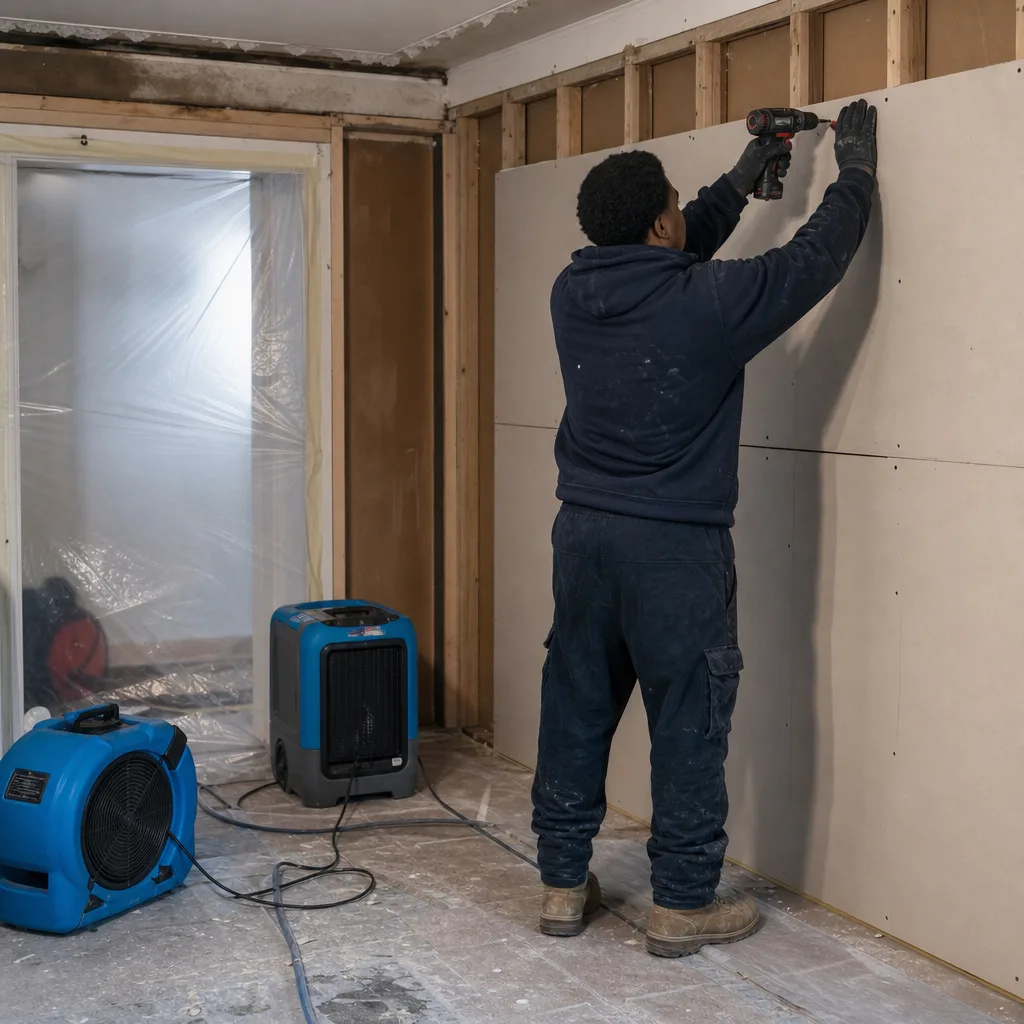
The same crew rebuilds: new drywall or matched plaster, flooring, trim, paint, and fixtures. We leave the home ready to live in, with a moisture log and the 90-Day Done Right Promise in your hands.
Need Emergency Reconstruction & Cleanup in Flatbush Now?
Crews minutes away, answering live 24 hours a day. The sooner we start, the less it costs.
Working With Your Insurance Company
Insurance claims in Flatbush get complicated fast, especially when a single damage event touches two households in one building. We document from the first hour: photos of every affected room, moisture readings with timestamps, daily drying logs, and a line-item scope of work that matches what your carrier’s adjuster expects to see. We speak directly to the adjuster, answer questions about category classification and drying standards, and push for the full scope, not the minimum. You get a written record of everything, and we bill the carrier directly. The 90-Day Done Right Promise stays in writing, regardless of what the insurance company approves.
What We Provide Your Insurer
- Thorough documentation of the loss
- Photos of all damage, room by room
- Moisture readings and drying logs
- A detailed, line-item scope of work
- Direct coordination with your carrier
Built for Flatbush’s Loss Calendar
Flatbush takes its water from the sky and its sewage from the street, and the calendar tells you when to worry. January and February bring deep freezes that split galvanized supply lines in unheated Victorian basements, flooding finished rooms before anyone notices. March and April thaw turns frozen ground into saturated soil, and basement seepage through old fieldstone foundations becomes a weekly call. Summer thunderstorms dump inches of rain in an hour, overwhelming the combined sewer system and pushing Category 3 water up through Flatbush floor drains. October and November nor’easters drive wind-blown rain against aging roof flashing and wood trim on turn-of-the-century rooflines, sending slow leaks into wall cavities that go undetected for weeks.
Flatbush’s flat topography means water doesn’t run off. It pools, seeps, and finds the path of least resistance: the gap between a 1910 parquet floor and the subfloor beneath, the crack in a pre-war foundation, the unsealed joint where a kitchen addition meets the original frame. Knowing the seasonal patterns doesn’t stop the damage, but it does mean we arrive with the right equipment and the right expectation. A January freeze is a clean-water extraction. A July thunderstorm is a Category 3 biohazard cleanup. We treat them differently from the first minute.
Reconstruction & Cleanup Across Flatbush’s Neighborhoods
Flatbush isn’t one neighborhood. It’s a collection of distinct blocks, each with its own building type and its own way of failing. Around Ditmas Park, the grand Victorians on streets like Rugby Road and Argyle Road have deep setbacks and wrap-around porches that make roof leaks hard to spot from the ground. Over by Prospect Park South, the semi-detached homes share party walls, so a fire in one unit smokes out the neighbor through original balloon framing. Down along Flatbush Avenue, the pre-war brick walk-ups have basement boiler rooms and narrow interior stairs that challenge even compact equipment. And in the blocks around Church Avenue and Cortelyou Road, converted multi-families mean a single pipe burst can involve three different leaseholds, each with its own claim, its own tenant, and its own set of keys.
Our crews know the response routes: Ocean Avenue for quick north-south access, Beverley Road for cutting east-west through the district, and the alleys behind Newkirk Avenue where a truck has to back in blind. We know which blocks have alley-load garages and which have front door-only access. We know where parking enforcement is tightest and where a work van can sit for the day. That’s not trivia. That’s the difference between extraction starting at 9:15 and extraction starting at 10:45 while water keeps moving through a 1910 subfloor.
Specialized Reconstruction & Cleanup Services We Offer in Flatbush
Full-Service Reconstruction
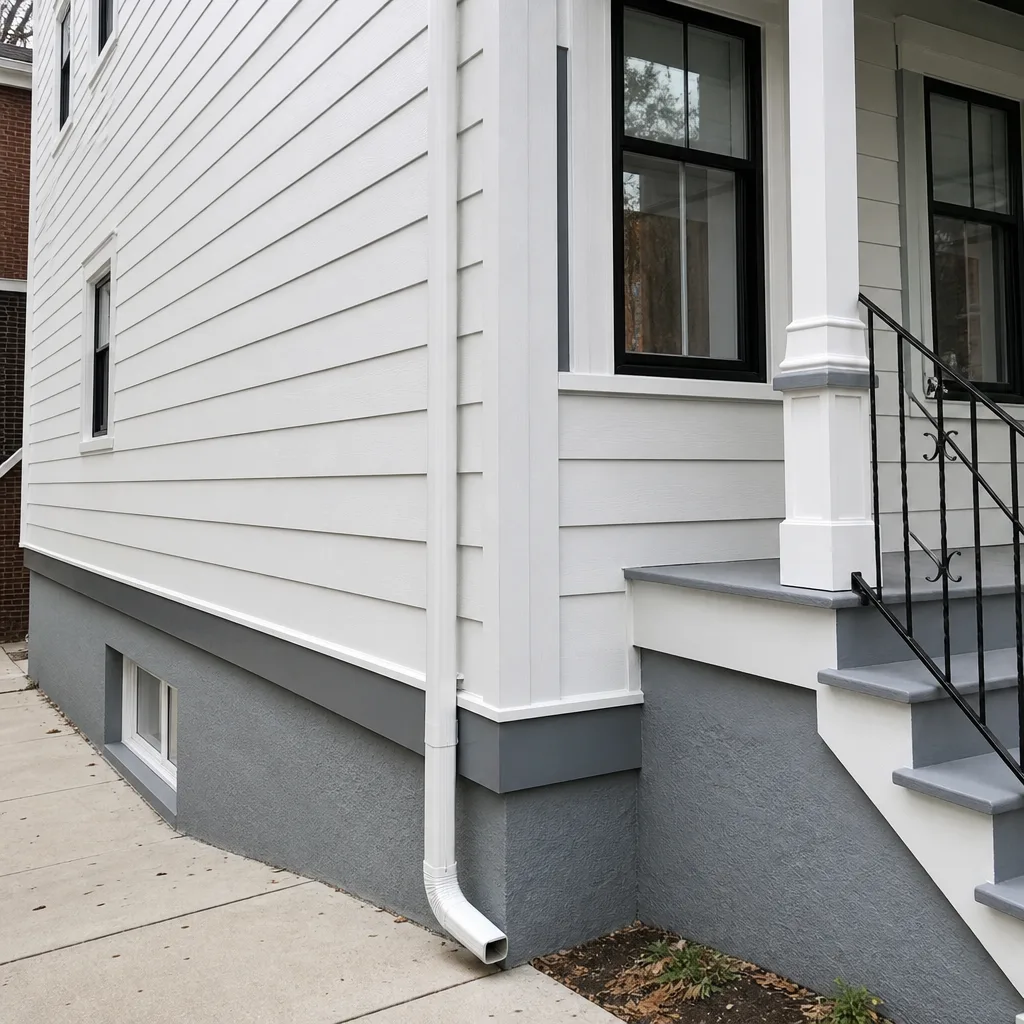
We rebuild what the water, fire, or sewage took apart. That means matched plaster work on original walls, new hardwood flooring laid to match the existing grade, trim carpentry that matches the profile of 1920s molding, and painting that doesn’t look like a patch. In Flatbush’s older homes, reconstruction often means preserving what’s sound and replacing only what’s lost. We’re careful with the original materials because they’re usually better than anything you can buy today.
Drywall & Flooring Repair
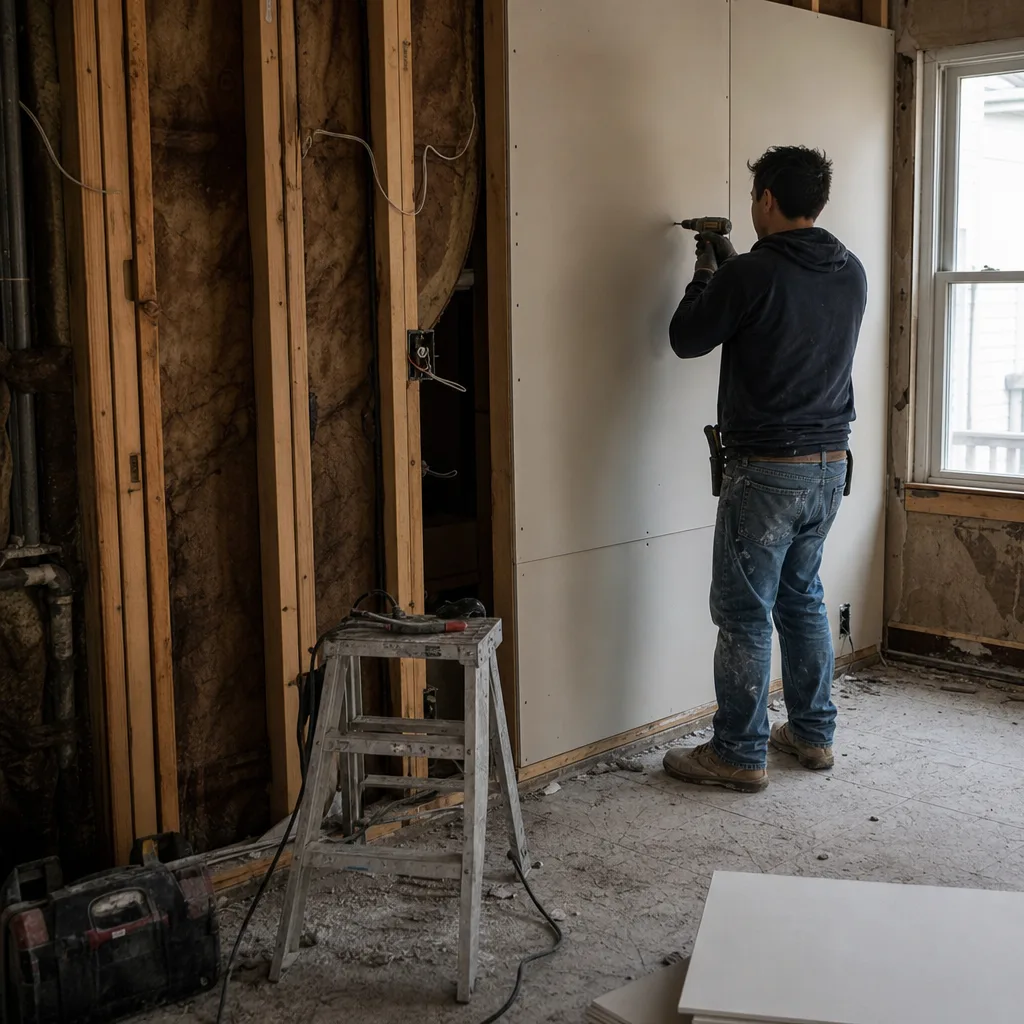
When damage is localized to one room or one wall, we cut out the wet drywall or damaged flooring and replace it without turning a small job into a full gut. The trick in Flatbush is matching: a 1925 Craftsman might have oak strip flooring with a darker stain that takes a practiced eye to replicate. We don’t rush that. We’d rather take the extra day and get it right.
Contents Restoration & Pack-Out
When a Victorian’s parlor floods, the furniture has to move before the floor comes up. We pack out, inventory, clean, and store contents in our facility, then return everything when the rebuild is done. For homeowners who’ve lived in the same Flatbush house for forty years, we know the difference between a chair worth saving and a chair that’s actually priceless. We treat both the same way: carefully, with photo documentation and a written inventory.
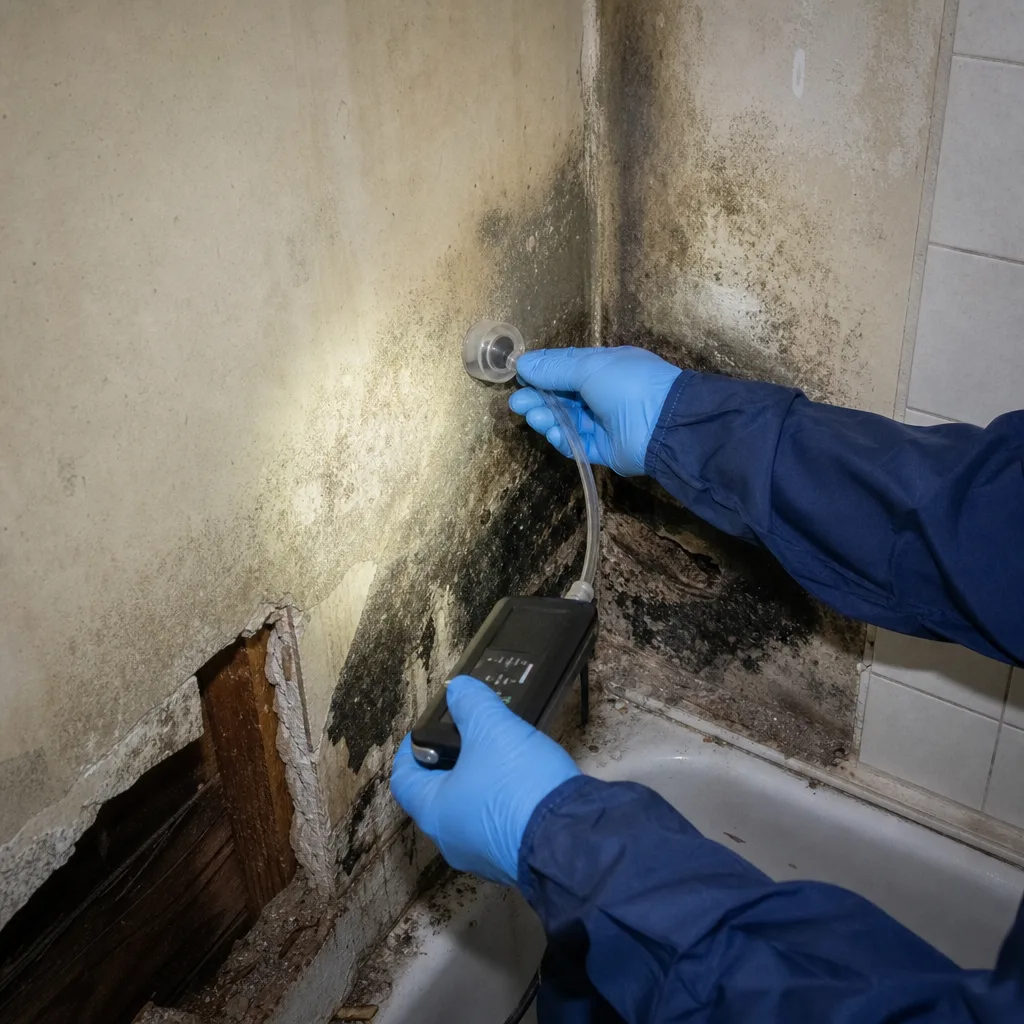
Carpet & Upholstery Cleaning
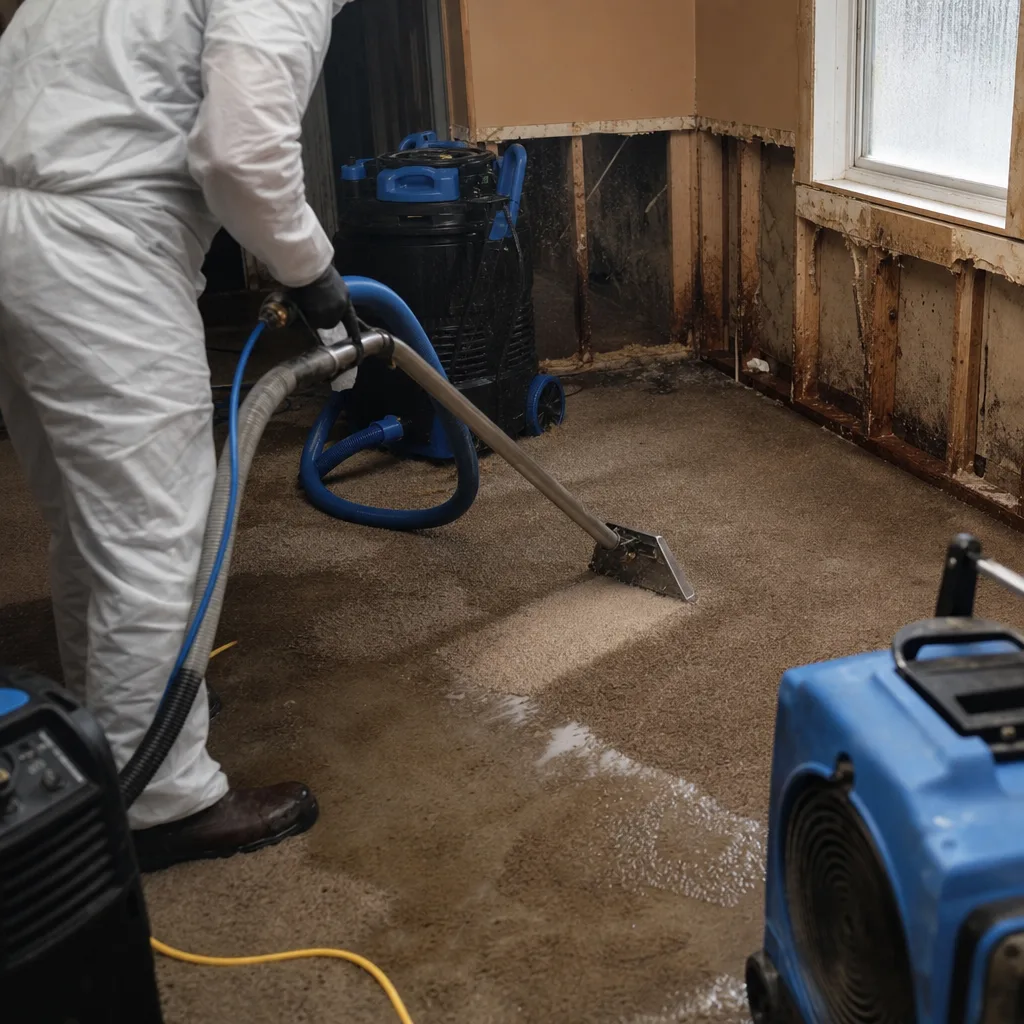
Not every job requires demolition. Sometimes a flooded basement rug or a smoke-affected sofa can be professionally cleaned and restored. We use hot-water extraction and appropriate cleaning chemistry to bring textiles back without shredding the fibers. If it can’t be salvaged, we’ll tell you plainly and put it in writing for your insurer.
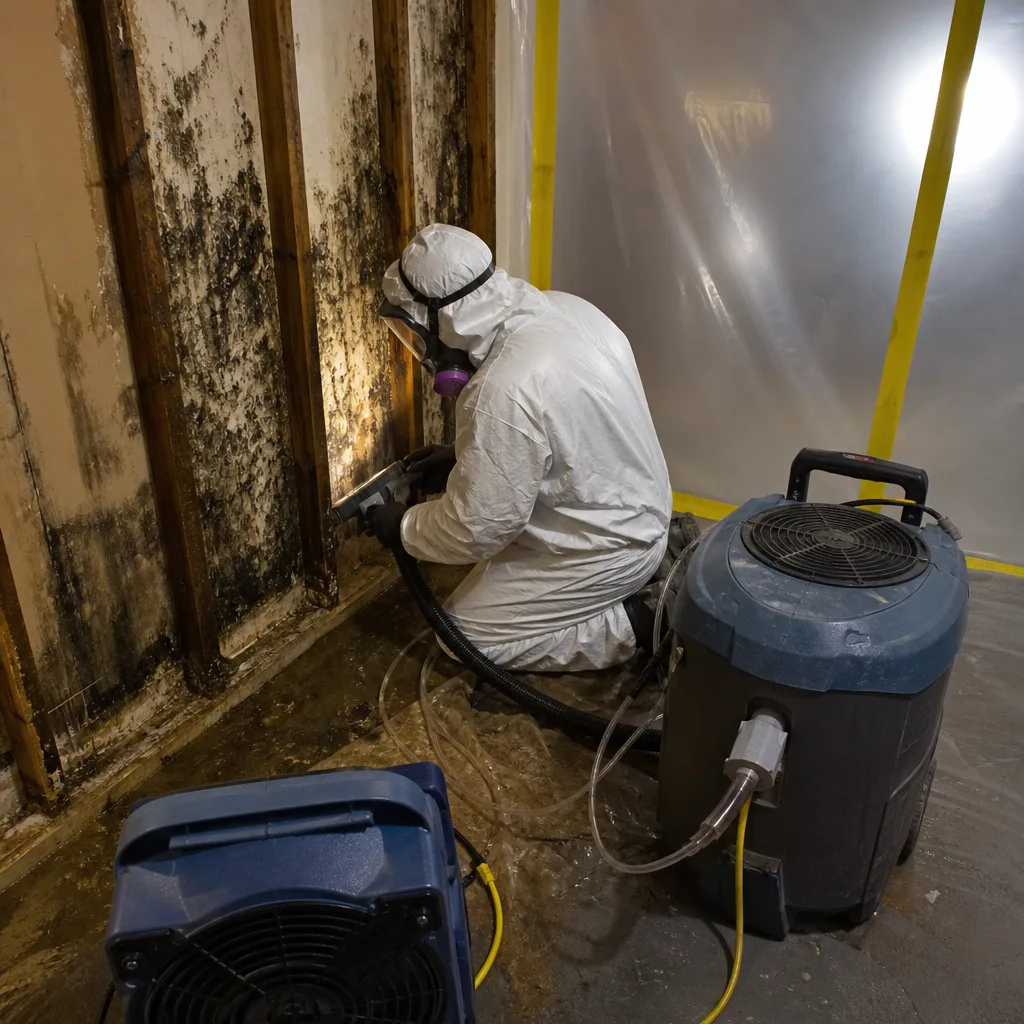
Post-Construction Cleanup
After a renovation or a rebuild, the dust settles everywhere: on every windowsill, inside every cabinet, in the air ducts. We do a full HEPA-filtered cleanup that leaves the house livable without a film of drywall dust on every surface. For Flatbush homeowners who’ve just lived through a restoration, this is the last step that makes it feel like home again.
What happens when you call
- 1
A real person answersNo phone trees - you reach a local pro.
- 2
You get an upfront price rangeHonest numbers before anyone is dispatched.
- 3
A background-checked tech heads outLicensed & insured, dispatched right away.
- 4
You approve before work beginsNothing starts until you say go.
Reconstruction & Cleanup Costs in Flatbush, NY
Reconstruction and cleanup costs in Flatbush depend on what failed and how far it spread. A single-room water extraction with drying and minor drywall repair typically runs $2,800 to $6,500. A full basement sewer backup cleanup with Category 3 sanitization, contents handling, and rebuild of damaged finishes runs $12,000 to $35,000 depending on square footage and how much original material has to be removed. Fire damage reconstruction in a Flatbush Victorian ranges from $15,000 for a kitchen fire with smoke cleanup to $80,000 or more when structural framing and original plaster are compromised.
What moves the price: whether the water is Category 1 or Category 3, how many rooms are affected, whether original plaster can be dried or must be removed, and whether a basement apartment creates a second scope of work. Insurance typically covers the bulk of covered losses, less your deductible. The fastest way to a firm number is a free visual inspection. We assess, we write the scope, we agree on the number before any work begins. No surprises on the bill, ever.
We Also Serve Cities Near Flatbush
Our crews regularly work in Flatbush and the surrounding Brooklyn neighborhoods. We serve East Flatbush, Sunset Park, Bedford-Stuyvesant, and Bensonhurst with the same 45-minute response commitment and the same written 90-Day Done Right Promise. If you’re nearby and not sure whether you’re in our service area, call and ask. A live person will answer.
Serving Flatbush, NY - Our Local Coverage Area
We’re based in the Flatbush area and know this community well. Use the map below to see our service coverage - if you’re nearby, we can almost certainly help.
Flatbush Reconstruction & Cleanup Questions, Answered
How do you handle reconstruction when a burst pipe in a Flatbush Victorian affects both the owner’s unit and an unpermitted basement apartment?
We document two separate scopes of work from the first hour, with separate moisture maps, separate photos, and separate line items that each insurer can review independently. The unpermitted status of the basement unit doesn’t change the physical work, but it does change the documentation: we’re careful to note what we observed, what we touched, and what the occupancy situation was, without making judgments that could put the owner in a worse position with the DOB. Call (518) 750-3137 and we’ll talk it through.
What drying approach works for original plaster-on-lath walls after a sewer backup in Flatbush?
Plaster-on-lath requires slower, longer drying with continuous moisture monitoring. We use low-grain dehumidifiers and air movers positioned to create cross-ventilation inside wall cavities, and we drill small access points behind baseboards rather than cutting out whole walls. Daily readings tell us when the plaster has reached dry standard. Forcing faster drying cracks the plaster and traps moisture, which is how hidden mold starts. We set the timeline based on the material, not a calendar.
Can you get restoration equipment through a Flatbush alley-load door and down narrow basement stairs?
Yes. We use compact Dri-Eaz dehumidifiers and XPOWER air movers that fit through standard alley-load doorways and down tight pre-war basement stairs. Our crews know which units will make the turn and which won’t, and we plan equipment staging before we arrive. If the only access is a basement hatch, we’ve done that too, including running ducting through the hatch opening while the unit stays outside.
How quickly can you start drying after a nor’easter roof leak in Flatbush?
Usually within 45 minutes of your call. A live dispatcher confirms the crew’s ETA while you’re still on the phone, and extraction equipment goes in as soon as we arrive. For roof leak damage that’s been running inside walls for days, we start thermal imaging immediately to trace the moisture path, then set drying equipment the same visit.
Will you document my Flatbush claim differently if the water is Category 3 from a combined sewer backup versus a clean pipe burst?
Yes, and that documentation matters for coverage. Category 3 water requires antimicrobial treatment, disposal of porous materials that absorbed the water, and specific drying protocols, all of which go into the scope of work we send your insurer. A Category 1 pipe burst gets a different line-item treatment. We classify correctly from the start because the claim outcome depends on it.
How long does full reconstruction take after a sewer backup in Flatbush?
Most single-room sewer backup reconstructions in Flatbush take 2 to 4 weeks from extraction to final coat of paint. Full basement rebuilds with multiple rooms run 4 to 8 weeks. The drying phase alone is 3 to 7 days, and we don’t cut it short. On a flat topography with old wood framing, patience in drying is what prevents the second claim six months later.
Can we stay in our Flatbush home during restoration work?
For single-room jobs, usually yes. We seal the work area with containment barriers and run HEPA air scrubbers, so the rest of the house stays livable. For whole-floor floods or fire reconstruction, you may need to relocate temporarily, especially if the work involves removing original plaster or treating Category 3 contamination. We’ll give you a straight answer during the free inspection.
What should we do in the first 30 minutes after a water loss in Flatbush?
Call (518) 750-3137. Then, if it’s safe, shut off the water at the main valve, turn off electricity to the affected area at the breaker, and move small valuables to a dry room. Don’t try to extract standing water yourself if it’s from a sewer backup, that’s Category 3 water. And don’t wait. In a 1910 house, water moves down through original subflooring faster than you’d believe.
Written by Curt Bowman, Owner at Floodline Restoration Co., serving Flatbush and surrounding Brooklyn neighborhoods since 2010.