
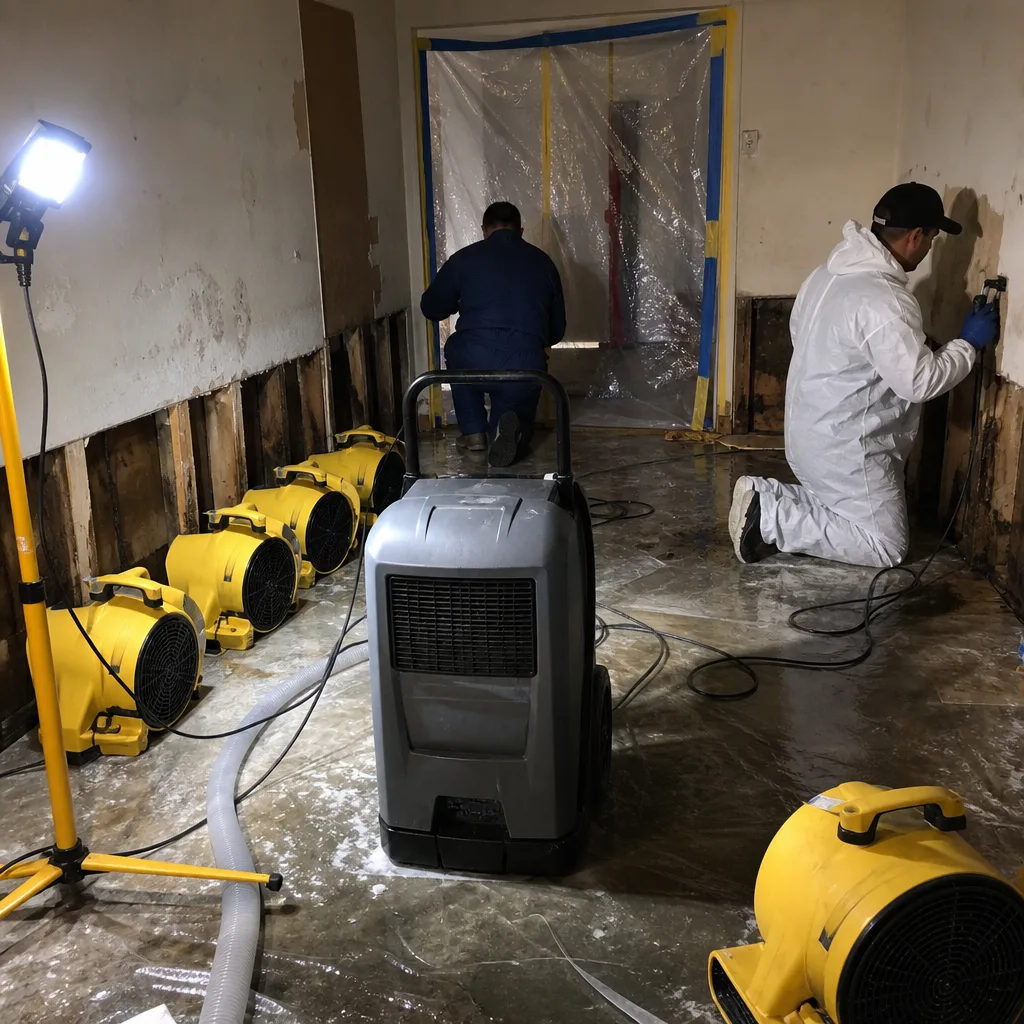
Free visual inspection and a written scope of work before any mitigation begins - photos, moisture readings, and drying logs go in your claim file
The scope we write is the scope we bill. Anything new gets shown to you, in writing, before we touch it.
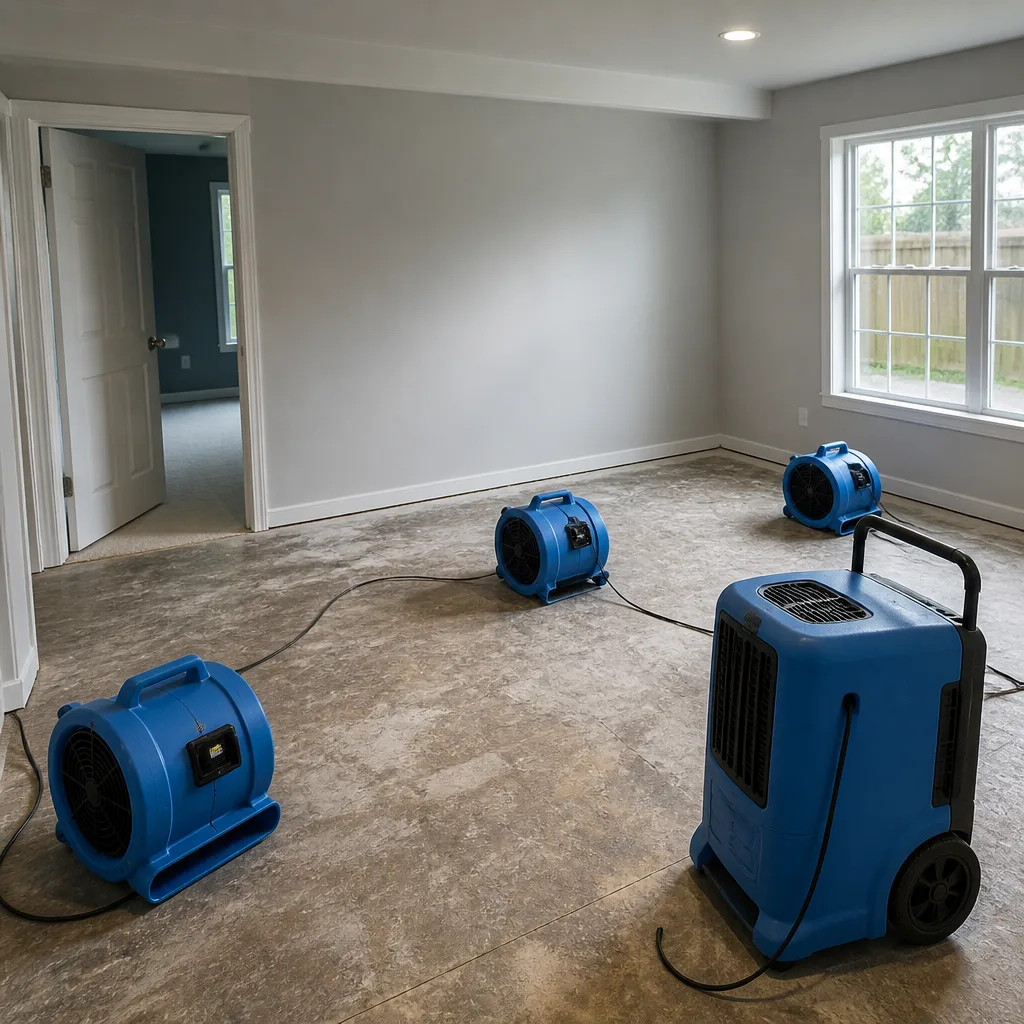
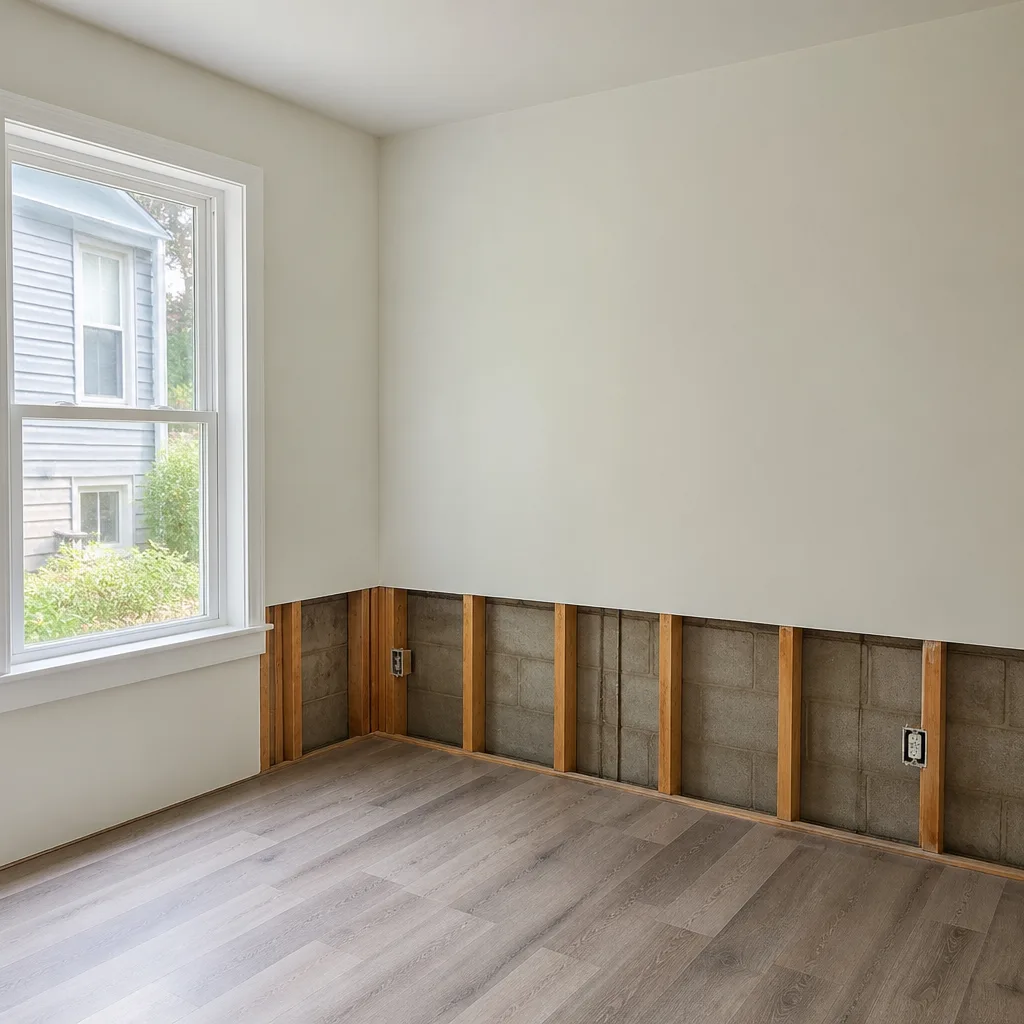

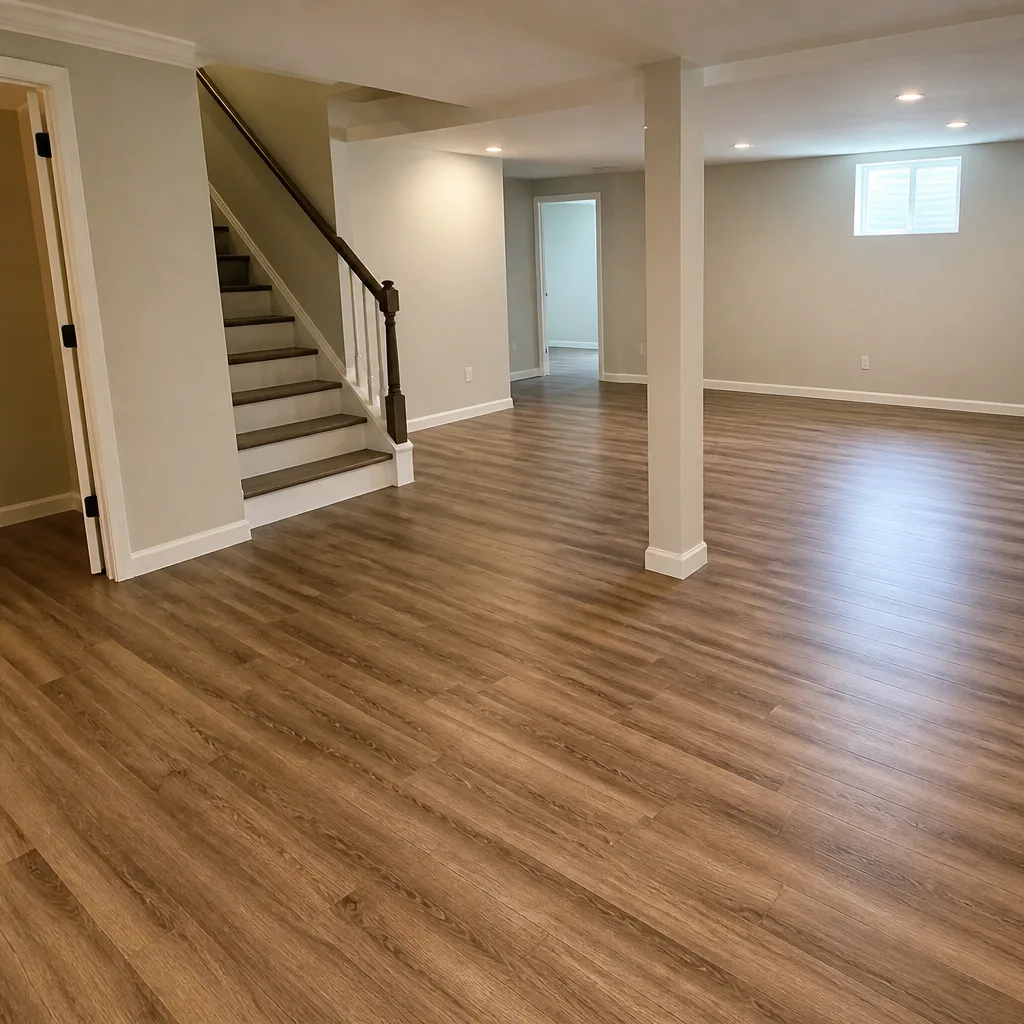
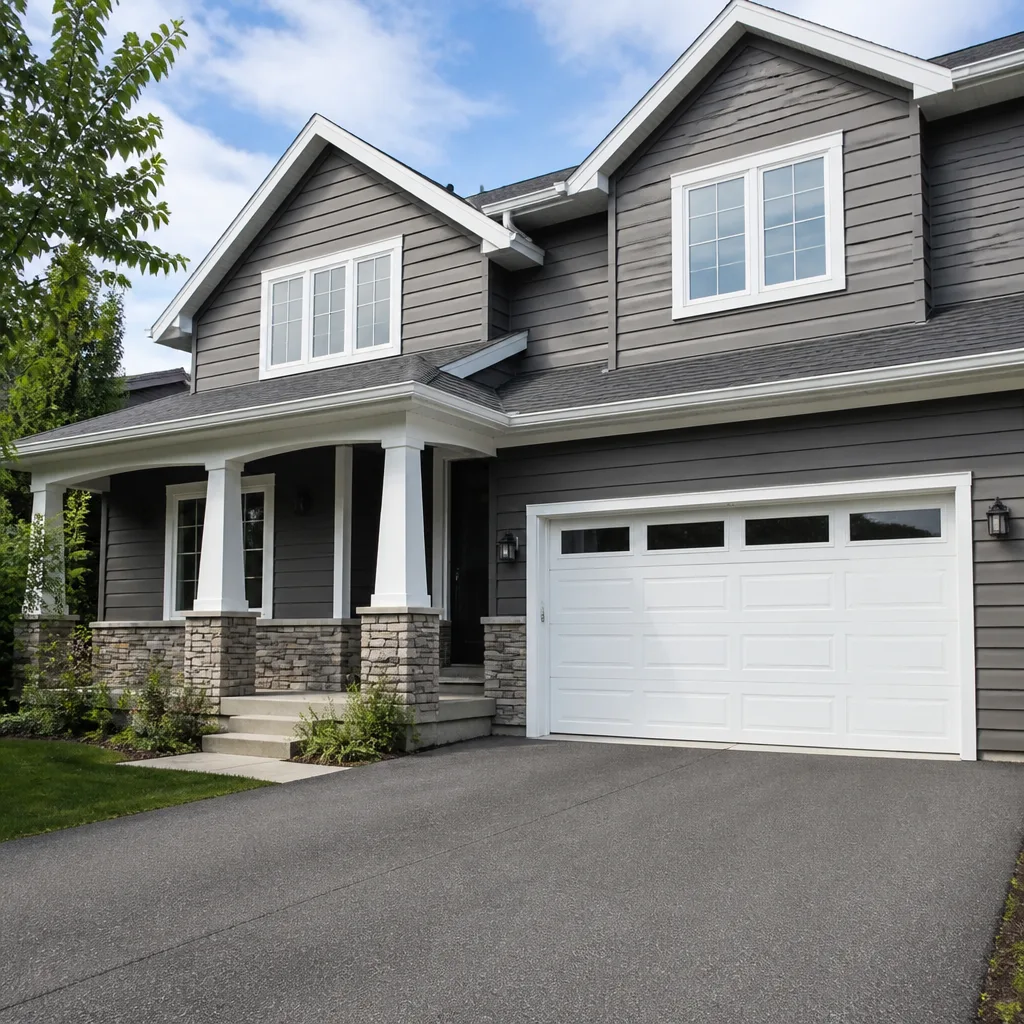
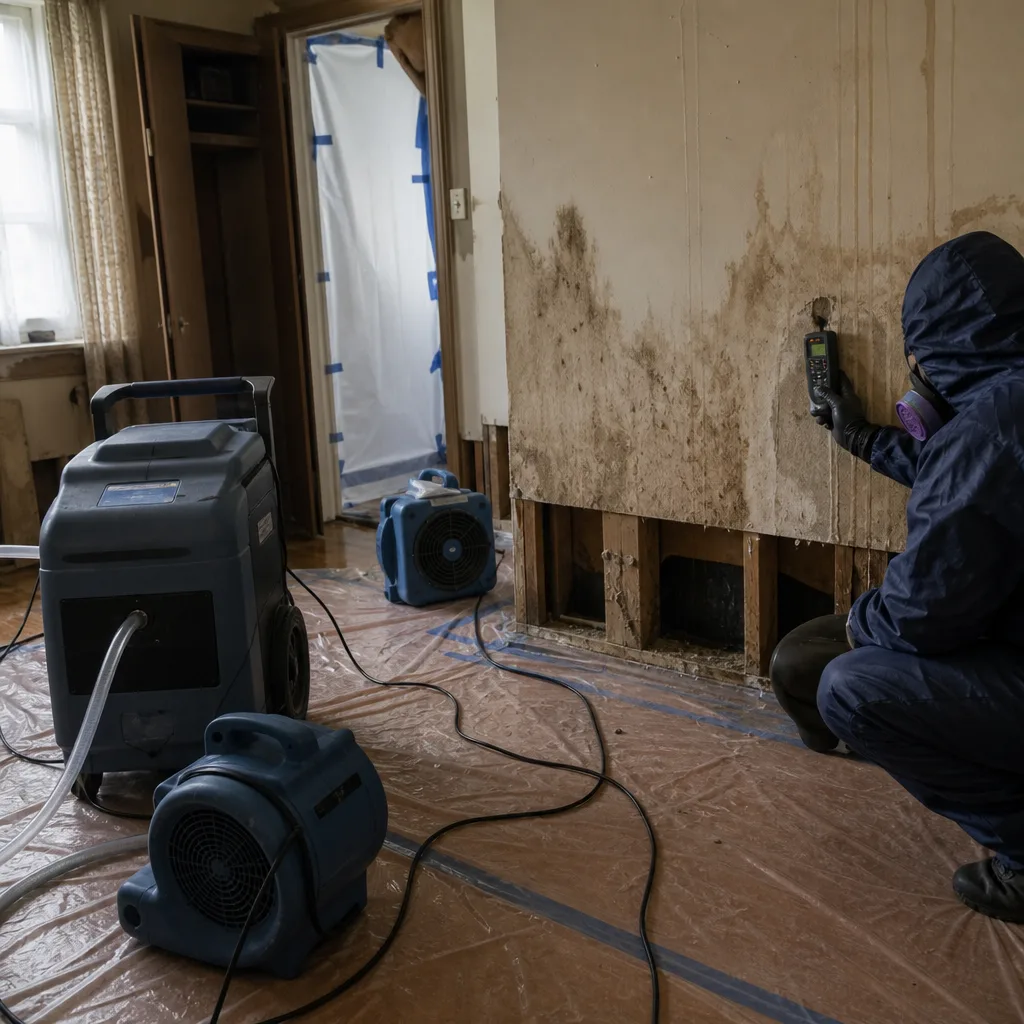 Before
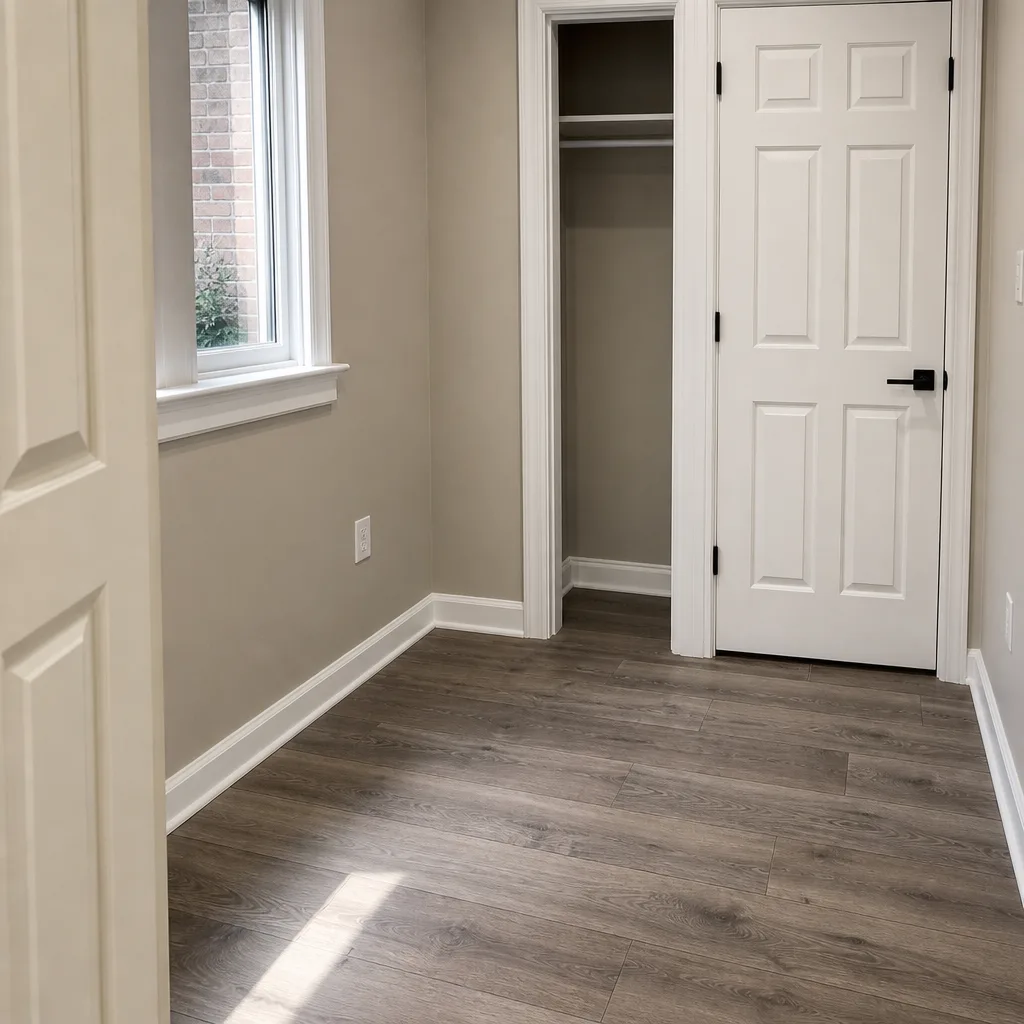 After
After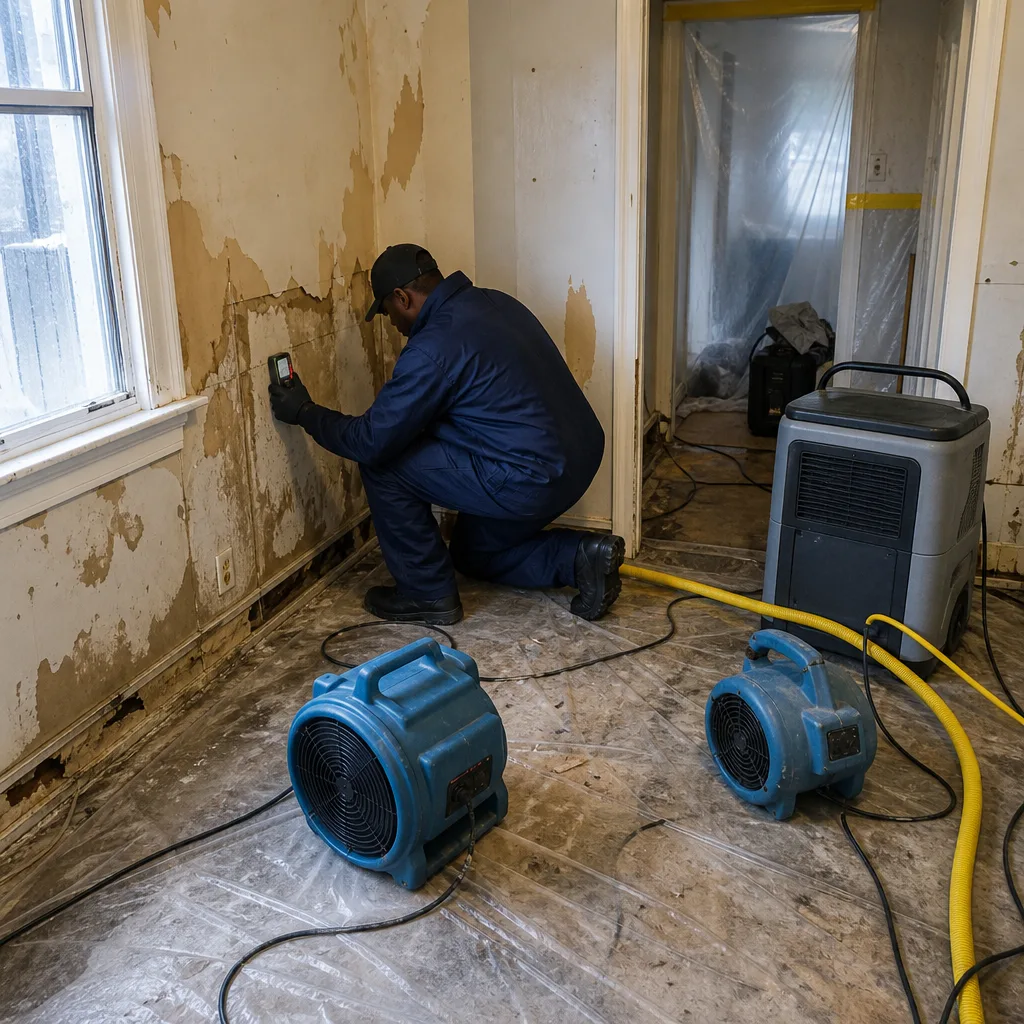 Before
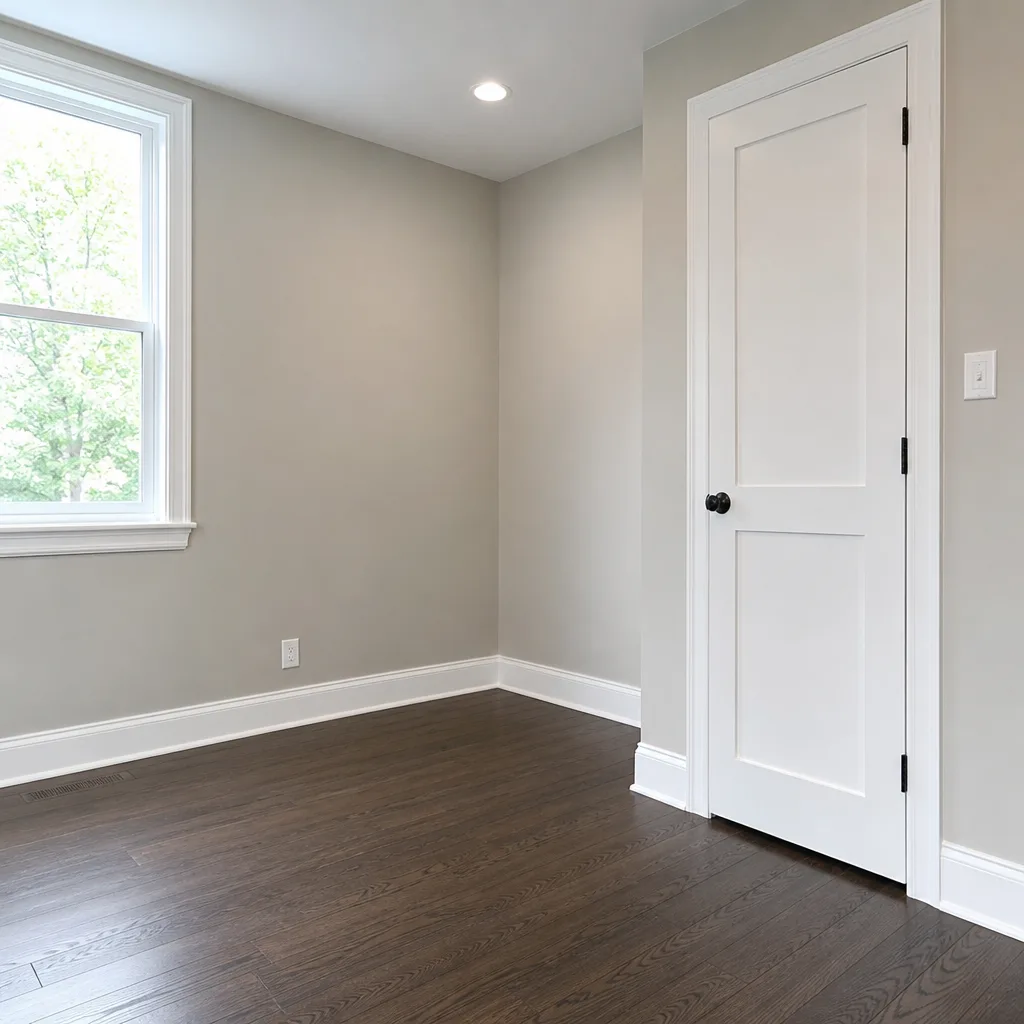 After
After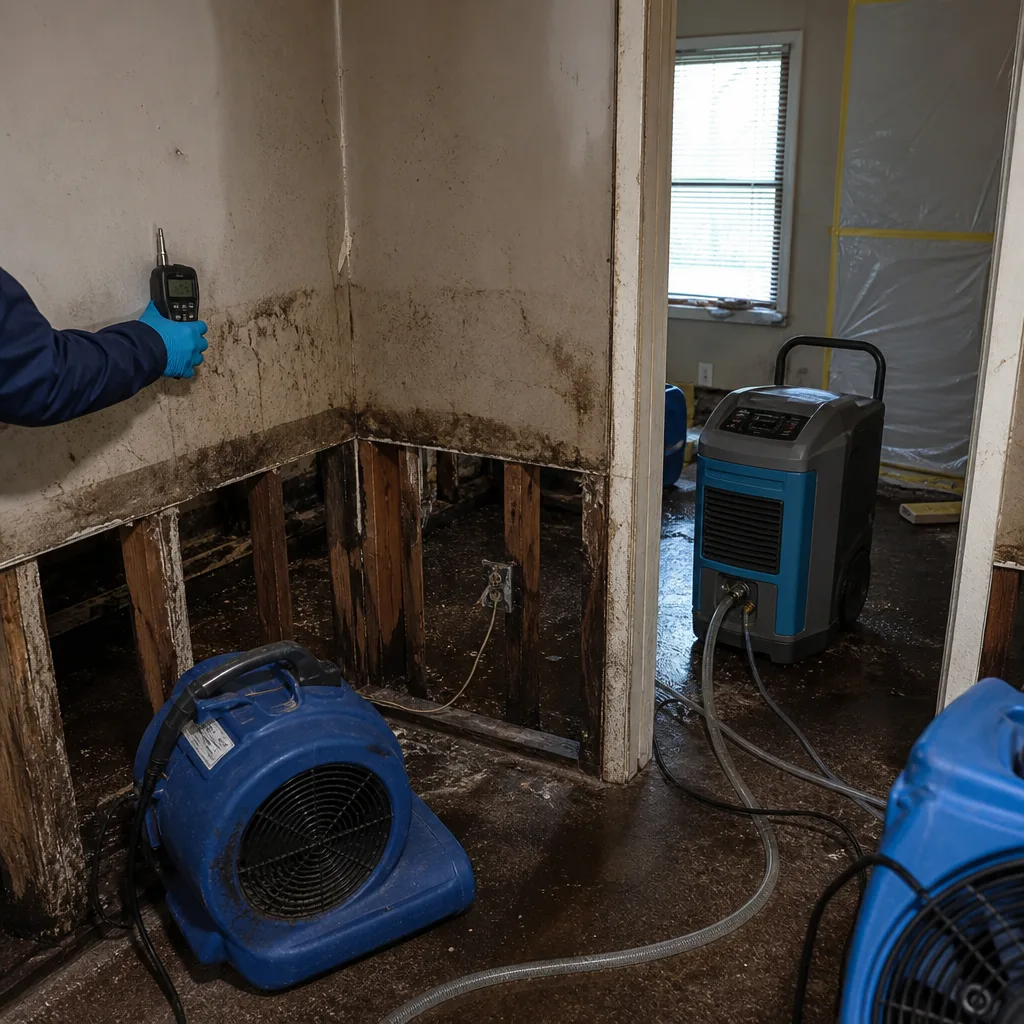 Before
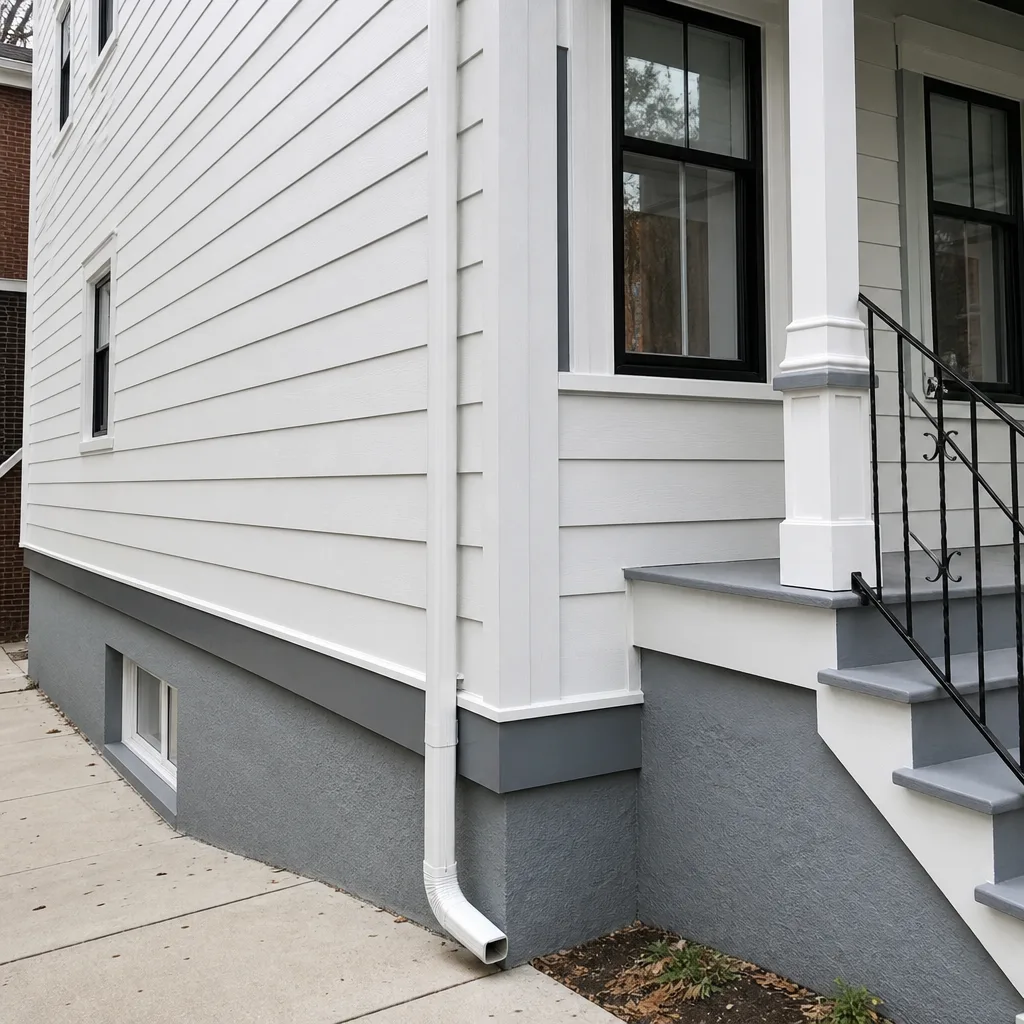 After
After24/7 Emergency Water Damage Restoration in Flatbush
Water damage restoration in Flatbush typically costs $380 to $4,200 depending on the category of water, the square footage affected, and whether asbestos or lead-paint containment is required in older homes. Most emergency extraction jobs in the neighborhood can be started the same day, often within 45 minutes of your call. We answer the phone live at (518) 750-3137, around the clock, every day of the year. When a supply line lets go in a Flatbush Victorian at 2 a.m., the difference between a $900 drying job and a $19,000 rebuild is measured in hours, not days. Water moves through horsehair plaster and original subfloor framing fast, and it keeps moving long after the visible puddle is gone.
Understanding Water Damage Restoration Severity in Flatbush Properties
We classify water by source and contamination level before we touch a single wall. Category 1 water comes from a broken supply line or an overflowing tub: clean at the source, but it degrades quickly inside a building envelope. Category 2, called gray water, carries detergents, soil, or condensation from appliances like a failed dishwasher or washing machine drain line. Category 3, black water, is what Flatbush sees after a combined sewer backup: water that carries sewage, bacteria, and whatever else the street drains pushed back into your basement. In our Water Damage Restoration work across Flatbush, we also map where the water traveled, not just where it pooled. Original plaster-on-lath walls in pre-war and Victorian homes act like a sponge, pulling moisture upward into wall cavities and across shared framing members. Steam-heat systems, still present in many Flatbush buildings, create warm, slow-moving air that keeps moisture suspended longer. This is why a small roof leak on a Ditmas Park Victorian can show no visible stain for two weeks, then bloom into a full wall-cavity mold problem.
Why Flatbush Property Owners Choose Floodline Restoration Co.
- 45-minute response commitment: We dispatch local crews to Flatbush immediately, and we’ll be there when we say. A live person confirms the address and gives you a real ETA, not an automated message.
- 24/7 live answer: Call (518) 750-3137 at any hour. Curt Bowman built this company around a dispatch board in 2010, and that board is still answered by a person, not a recording.
- IICRC-certified crews: Our technicians carry WRT, ASD, and AMRT certifications, and they’re trained to IICRC, RIA, and IFA standards. Background-checked and uniformed, on every job.
- Free visual inspection: We document what we find before we recommend a single dollar of work. You get a written scope agreed before anything happens, so no surprise line items later.
- Direct insurance billing: We deal with your adjuster, send photos, moisture readings, and line-item estimates directly to the carrier, and you don’t play messenger.
- One team from extraction to reconstruction: The crew that pulls wet drywall from your Flatbush basement is the same crew that dries, treats, and rebuilds it. No mid-job handoff, no inherited subcontractor.
Our Water Damage Restoration Process
Inspection & Assessment
We start with thermal imaging and moisture meters to map the full spread of water through your Flatbush property. We identify the water category, check for lead paint or asbestos in older homes, and build a drying plan specific to your building’s construction.
Extraction / Stabilization
Using professional truck-mounted and portable extraction units, we remove standing water immediately. We also shut off the source, whether that means capping a supply line or staging a temporary patch on a roof leak.
Drying & Dehumidification
We place Dri-Eaz and Phoenix air movers with low-grain refrigerant dehumidifiers to pull moisture from materials. Daily hygrometer readings are logged until we hit the dry standard, and you get that log.
Cleaning & Sanitization
For category 2 and 3 water, we apply EPA-registered antimicrobial treatments to prevent mold and odor. HEPA air scrubbers run during any containment work to protect the rest of the home.
Containment & Abatement
In Flatbush’s older homes, we set up negative air pressure and proper containment barriers before disturbing any surface that may contain lead paint or asbestos, protecting your family from airborne particles.
Repairs & Reconstruction
We rebuild what we removed: drywall, trim, flooring, and whatever else the water damaged. The same crew handles it from first extraction to final coat, and you get the 90-Day Done Right Promise in writing.
Need Emergency Water Damage Restoration in Flatbush Now?
Crews minutes away, answering live 24 hours a day. The sooner we start, the less it costs.
Working With Your Insurance Company
Most Flatbush homeowners carry coverage for sudden and accidental water damage, but the claim process gets complicated fast in older homes. If a burst pipe in your owner-unit floods an unpermitted basement apartment below, you’re suddenly dealing with two households, two policies, and potentially a Department of Buildings question. We document everything from the first hour: the exact point of failure, the category of water, the pre-existing condition of the surrounding materials. Our team in Flatbush knows what adjusters need to approve a full drying scope on a 1910 wood-frame building. We send photos, moisture logs, and line-item estimates directly to your carrier, and we speak to your adjuster ourselves so you don’t have to translate trade language into claim language.
What We Provide Your Insurer
- Thorough documentation of the loss
- Photos of all damage, room by room
- Moisture readings and drying logs
- A detailed, line-item scope of work
- Direct coordination with your carrier
Built for Flatbush’s Loss Calendar
Flatbush has its own seasonal rhythm for water damage, and it’s not the same as a coastal town’s storm calendar. January and February bring deep freezes that burst uninsulated galvanized supply lines in unheated Victorian basements and crawlspaces. March and April bring thaw cycles and spring rain: water percolates through century-old foundations and finds the path of least resistance into below-grade units. July and August thunderstorms overwhelm the city’s aging combined sewer system, sending category 3 water up through floor drains and toilets across Flatbush. October and November nor’easters drive wind-blown rain against aged flashing and original wood trim on Victorian rooflines, creating slow leaks that travel through wall cavities for weeks before anyone sees a stain. Each season demands a different response, and our crews adjust drying strategies accordingly.
Water Damage Restoration Across Flatbush’s Neighborhoods
Flatbush isn’t one building type. It’s a patchwork, and the right restoration approach changes block by block. Around Ditmas Park and Beverley Square West, we work on large detached Victorians with finished basements that often house unusual framing details: hipped roofs, bay window overhangs, and original porch roofs that funnel water into wall assemblies when flashing fails. In the apartment-heavy stretch along Flatbush Avenue and near Church Avenue, we see pre-war brick walk-ups where a sixth-floor pipe break cascades down through kitchens and bathrooms into multiple units before anyone can shut the riser. The blocks around Prospect Park South have some of the largest wood-frame homes in the neighborhood, and those homes have larger roof planes: more surface area for wind-driven rain to exploit, more original gutters to clog, more interior volume to dry. Over near Brooklyn College and along Nostrand Avenue, converted below-grade apartments are extremely common, especially in Flatbush’s Caribbean-American homeowner community. A single burst pipe there can mean two households in one building with two different insurance carriers and two different definitions of “livable.” Our crews know how to sequence extraction and drying in these stacked scenarios so the upstairs owner and the basement tenant both get a clear answer about what happens next.
Specialized Water Damage Restoration Services We Offer in Flatbush
Emergency Water Extraction
When water is standing in a Flatbush basement, every minute it sits means more wicking into plaster, framing, and flooring. We show up with truck-mounted extraction rigs and pull the water out fast, then map where it traveled. Most extraction jobs in Flatbush are started the same visit.
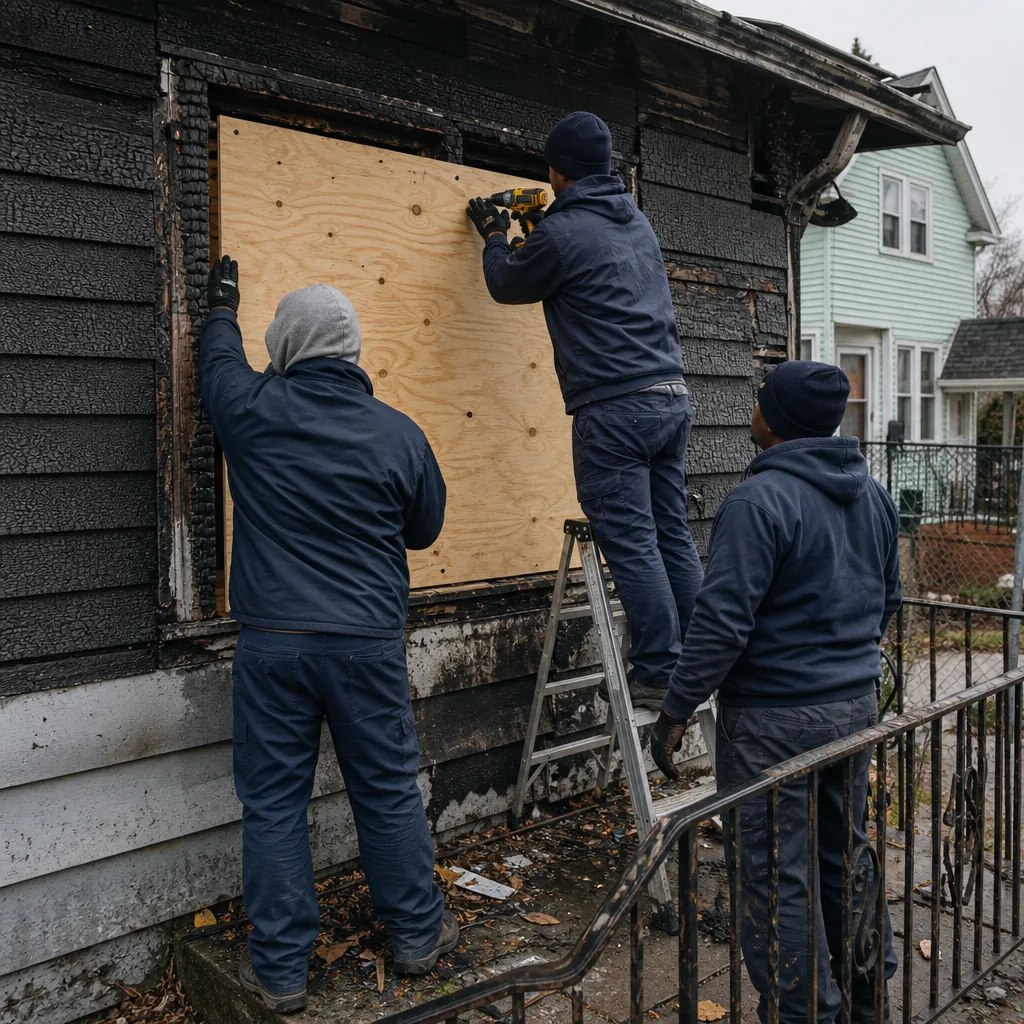
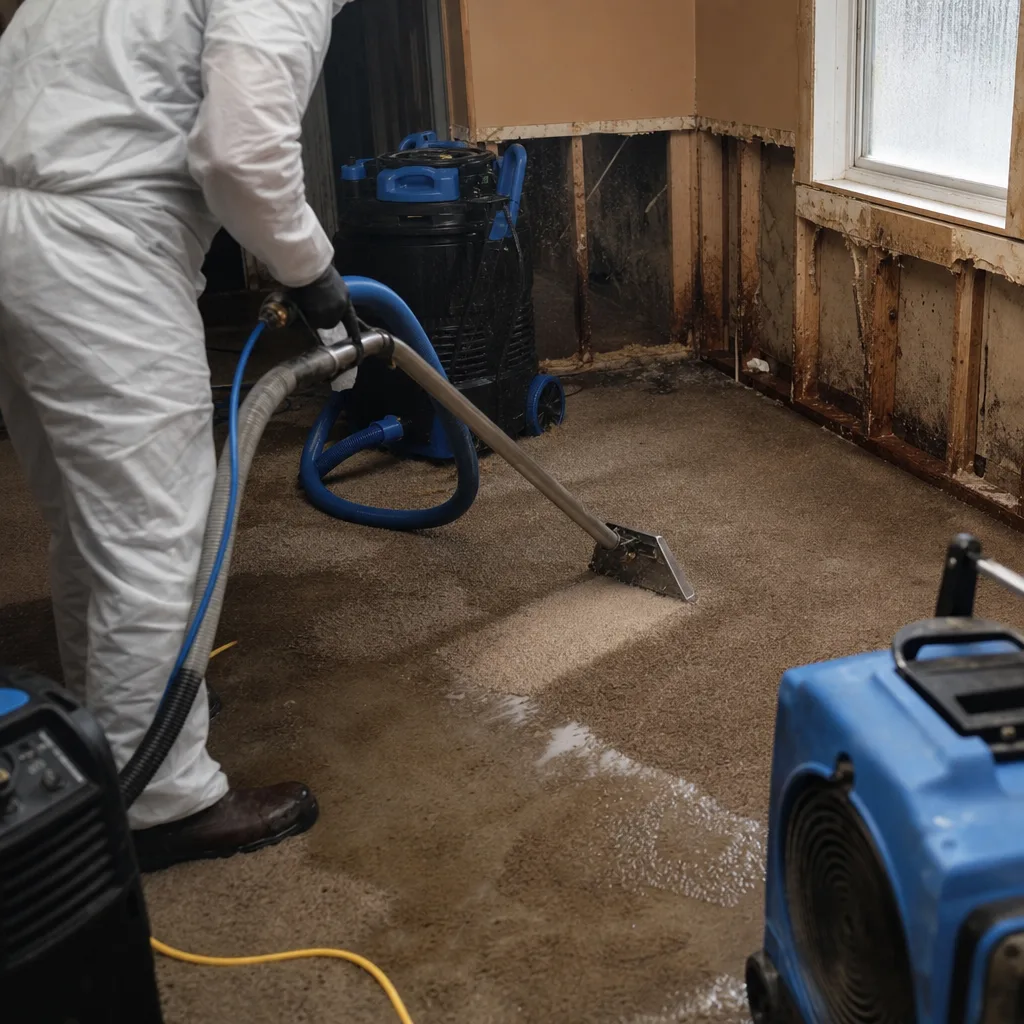
Structural Drying & Dehumidification
Drying a 1910 Flatbush Victorian is different from drying a 2005 frame house. Original lumber is denser, plaster holds more water than drywall, and steam heat can slow evaporation. We run Dri-Eaz and Phoenix dehumidifiers with air movers sized to the cubic footage, and we log daily readings until the dry standard is met, not until the surface feels dry.
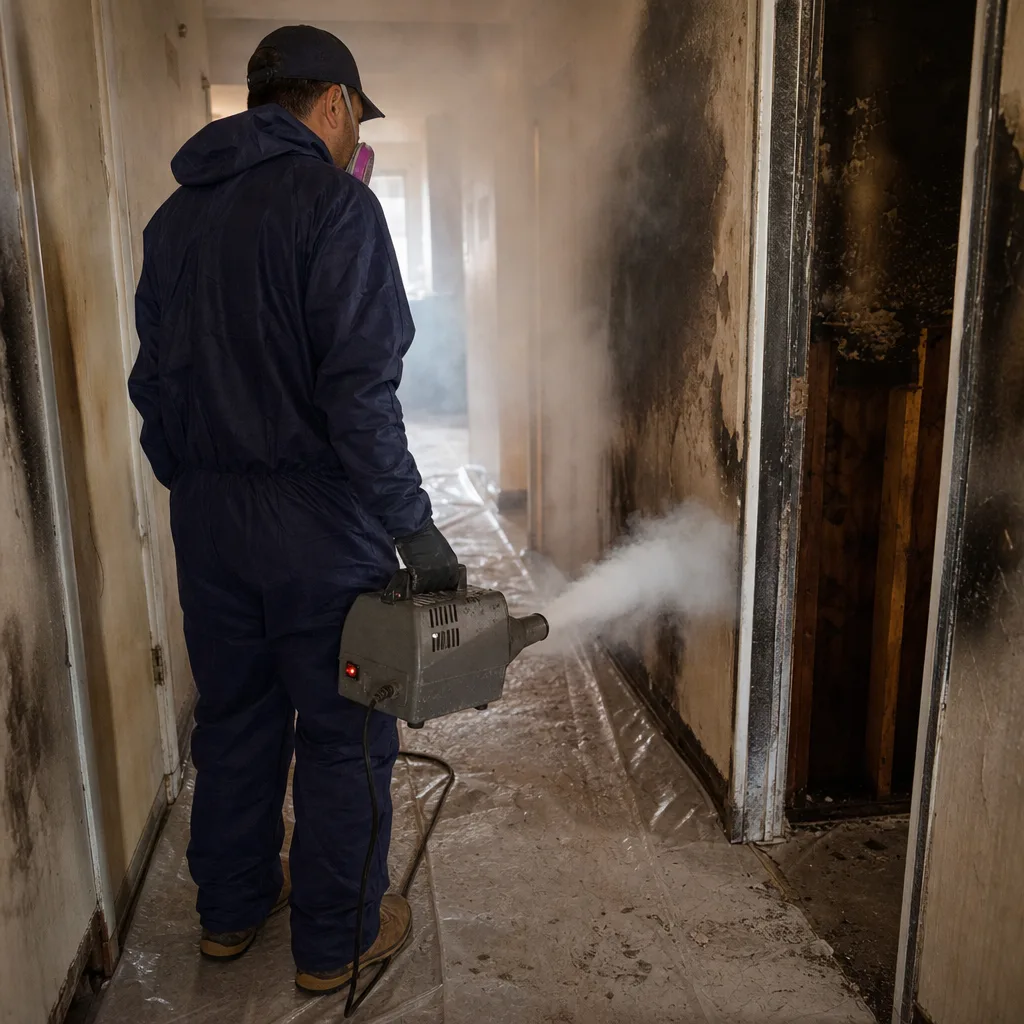
Flood Cleanup
Heavy rainfall that overwhelms the combined sewer system sends category 3 water into Flatbush basements with no warning. We handle the full cleanup: extraction, antimicrobial treatment, contaminated material removal, and drying. You should not attempt DIY extraction on sewage water; the health risk from aerosolized contaminants is real.
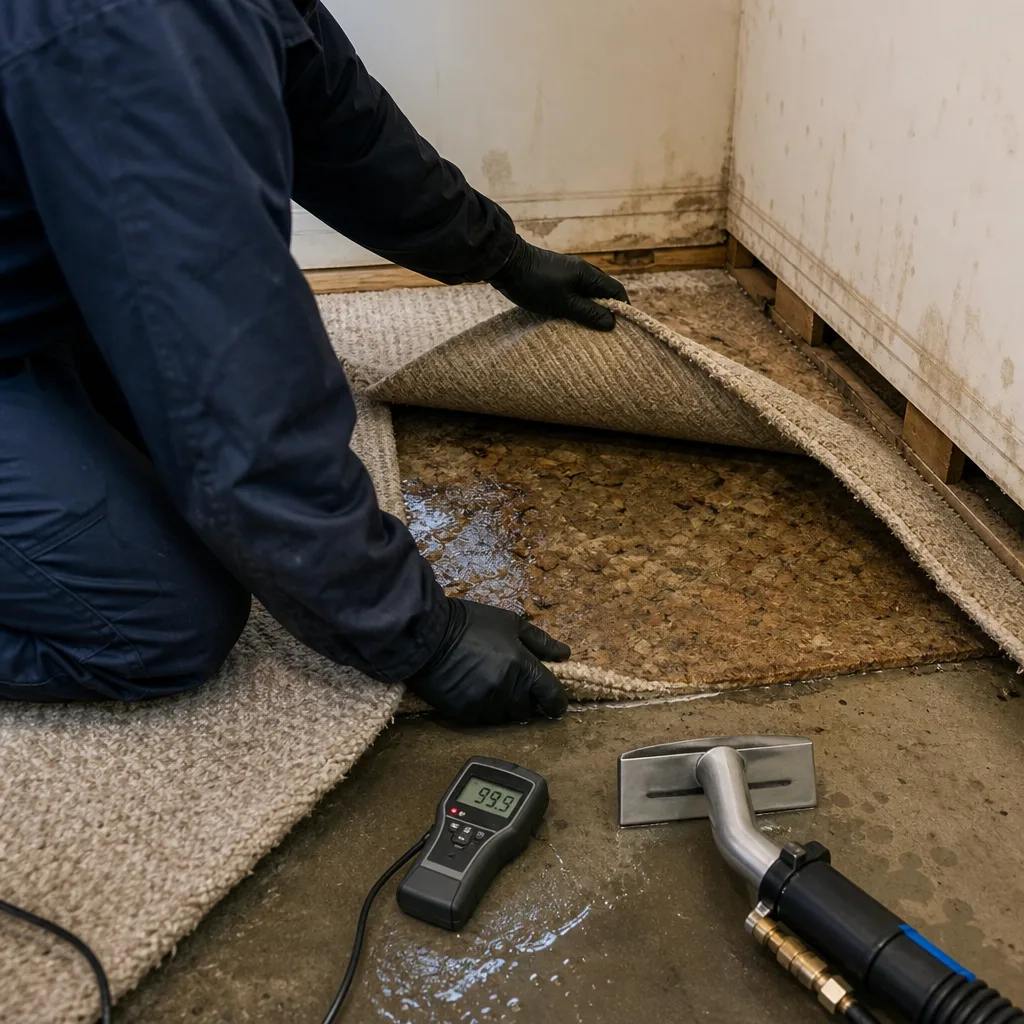
Burst Pipe Restoration
Burst pipes in unheated spaces are a Flatbush winter staple. We locate the failure, stop the water, and then we assess what got wet. In older homes, a burst pipe on a second floor can drip through original subflooring into the unit below for hours before anyone notices the bulge in the ceiling.
Basement Water Removal
Flatbush has one of the highest concentrations of finished and semi-finished basements in central Brooklyn, many of them recently renovated below-grade units. When they flood, the drying job has to account for shared framing, shared utilities, and the fact that a tenant may be living there. We coordinate two-household drying plans on these jobs, with documentation that protects the landlord.
What happens when you call
- 1
A real person answersNo phone trees - you reach a local pro.
- 2
You get an upfront price rangeHonest numbers before anyone is dispatched.
- 3
A background-checked tech heads outLicensed & insured, dispatched right away.
- 4
You approve before work beginsNothing starts until you say go.
Water Damage Restoration Costs in Flatbush, NY
No surprise billing. Here’s what you’re actually looking at in Flatbush, based on what we see weekly. A simple isolated supply-line break with quick extraction and 3 to 4 days of drying on a small finished basement typically runs $1,200 to $2,800. A category 3 sewer backup requiring full containment, antimicrobial treatment, removal of drywall and flooring, and structural drying of framing runs $3,500 to $8,500 depending on square footage and how much material has to come out. Roof-leak water damage that has migrated through wall cavities in a Victorian, requiring opening plaster, drying, and repair, often falls between $2,400 and $6,000. Lead-paint or asbestos abatement adds $800 to $3,000 depending on scope and testing requirements. The free visual inspection is how you get a firm number: we document everything, write a line-item scope, and walk you through it before any work is approved.
We Also Serve Cities Near Flatbush
Our crews work throughout central and southern Brooklyn. In addition to Flatbush, we handle water damage restoration in East Flatbush, Sunset Park, Bedford-Stuyvesant, and Bensonhurst. Same live dispatch, same 45-minute response commitment, same written guarantee.
Serving Flatbush, NY - Our Local Coverage Area
We’re based in the Flatbush area and know this community well. Use the map below to see our service coverage - if you’re nearby, we can almost certainly help.
Flatbush Water Damage Restoration Questions, Answered
How does category 3 water from a Flatbush sewer backup affect what can be dried versus what must be removed in my Victorian basement?
Category 3 water carries sewage and bacteria, so porous materials that absorbed it, like drywall, carpet pad, and upholstered items, must be removed and discarded. Hard non-porous surfaces like tile, sealed concrete, and finished wood framing can often be cleaned, treated with antimicrobials, and dried. In a Flatbush Victorian, the complication is that original subfloors and plaster walls are porous in ways modern materials aren’t, so the removal boundary usually extends further than you’d expect. Call (518) 750-3137 for an honest assessment of your specific basement.
Why is moisture mapping different in Flatbush’s old wood-frame houses compared to newer construction?
Old-growth framing lumber is denser and holds moisture differently than modern kiln-dried lumber. Horsehair plaster has a much higher moisture-retention capacity than drywall. In a Flatbush Victorian, water from a second-floor leak can travel downward inside the plaster, across the lath, and along the face of original studs without ever showing a visible stain on the ceiling below. Our moisture mapping and thermal imaging accounts for that migration path.
What happens if a burst pipe in my Flatbush owner-unit floods an unpermitted basement apartment below?
This is a common scenario in Flatbush, and it creates a single damage event with two insurance claims and potential Department of Buildings exposure for the landlord. We document the pre-loss condition of both units, take photos before any work begins, and dry both spaces as one interconnected structural job. Our documentation approach protects you from inflated tenant claims and from uninformed reporting about the unit’s legal status. Call (518) 750-3137 and we’ll walk you through exactly how to handle it.
How do you handle lead paint and asbestos in a 1910 Flatbush house during water damage restoration?
Before we disturb any surface that may contain lead paint or asbestos, we run proper testing and set up containment with negative air pressure. Removing water-damaged plaster from a 1910 Flatbush house without containment risks releasing lead dust and asbestos fibers into the rest of your home. Our crews are trained to IICRC standards and we handle abatement as part of the restoration scope, not as a separate surprise line item later.
Can steam-heat systems slow down drying time in Flatbush pre-war apartments?
Yes. Steam heat keeps interior air warm and humid in a way that slows evaporation. It also moves moisture from a wet wall cavity into the rest of the apartment through convection. We account for this in our drying plans by running dehumidifiers longer, using air movers to break up boundary layers near walls, and monitoring hygrometer readings daily until the dry standard is actually met, not just until the surface feels dry.
How fast can you actually get to a Flatbush address for emergency water damage?
Our commitment is 45 minutes from your call to a dispatched crew heading your way. A live person answers (518) 750-3137 24/7, confirms your address, and gives you a real ETA. We don’t use answering services or automated dispatch. Most evening and overnight calls in Flatbush see a crew on site within that 45-minute window.
Will my insurance cover water damage restoration in Flatbush?
Sudden and accidental water damage, like a burst pipe or a roof leak from a storm, is typically covered by a standard homeowners policy. Gradual damage that has been leaking for weeks, or flood damage from exterior water rising, is usually not. We bill your carrier directly, provide them with photos and drying logs, and we’ll tell you honestly what to expect from your policy before any work is approved.
What should I do in the first 30 minutes after discovering water damage in my Flatbush home?
First, shut off the water at the main valve if the source is a pipe. Don’t run electrical appliances in the wet area. Don’t attempt to extract category 3 water yourself; sewage water carries contaminants you don’t want airborne in your home. Then call (518) 750-3137. We’ll talk you through the next steps on the phone while a crew is dispatched. The sooner extraction starts, the less material has to be removed later.
Written by Curt Bowman, Owner at Floodline Restoration Co., serving Flatbush and the surrounding Brooklyn communities since 2010.