
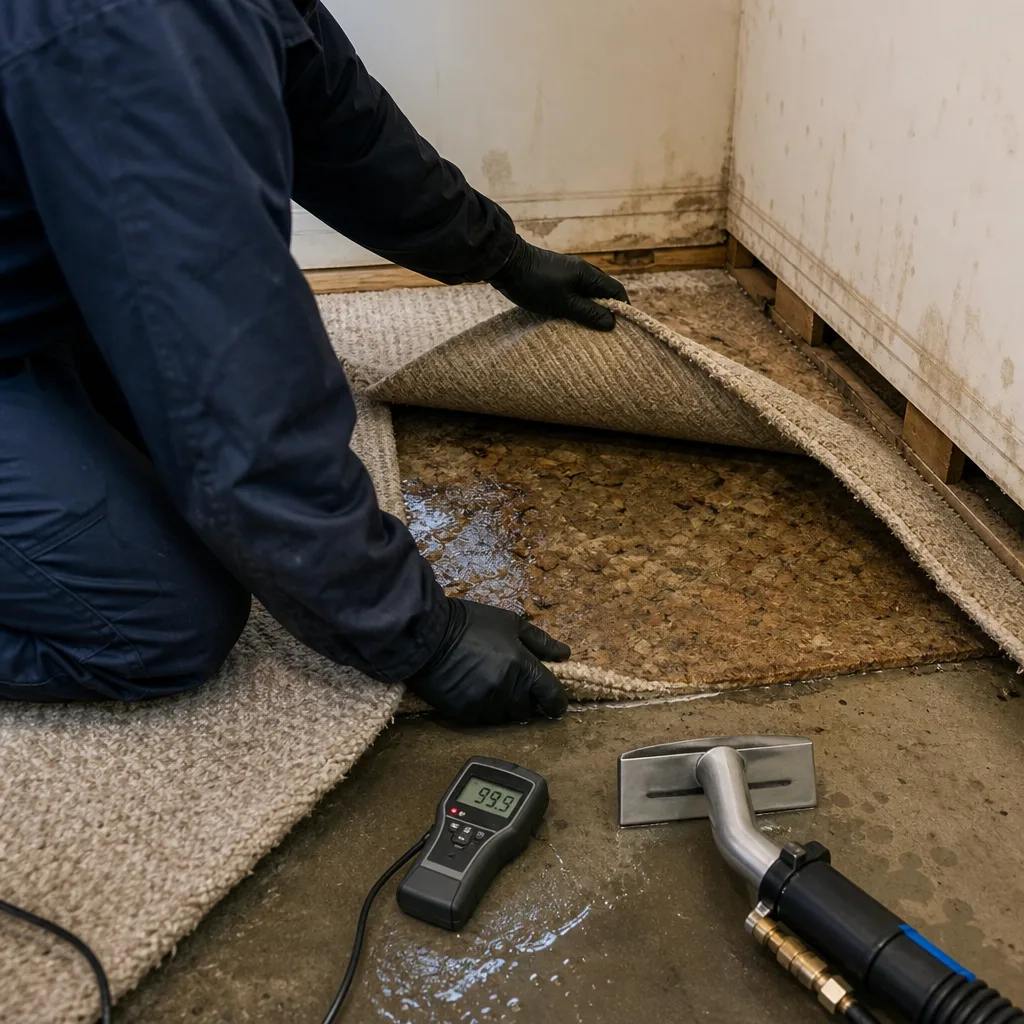
Free visual inspection and a written scope of work before any mitigation begins - photos, moisture readings, and drying logs go in your claim file
The scope we write is the scope we bill. Anything new gets shown to you, in writing, before we touch it.
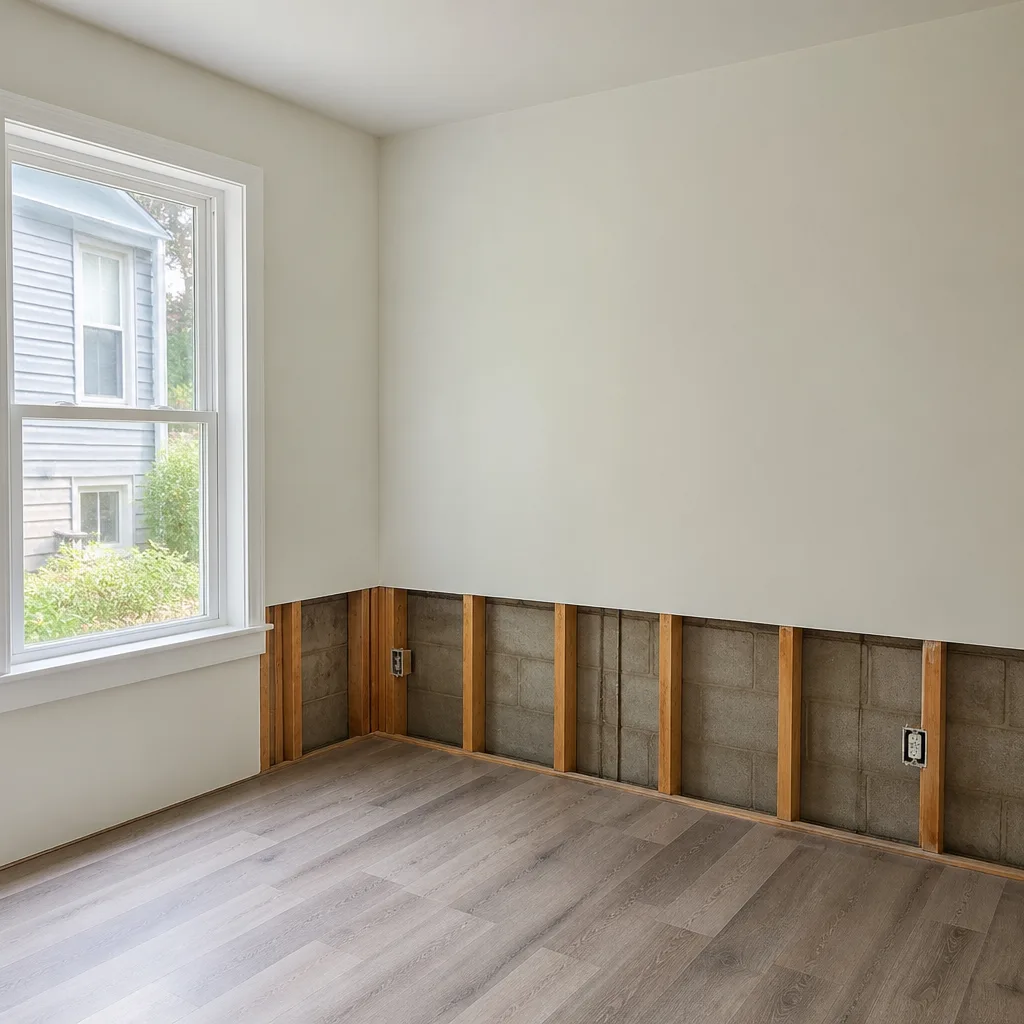
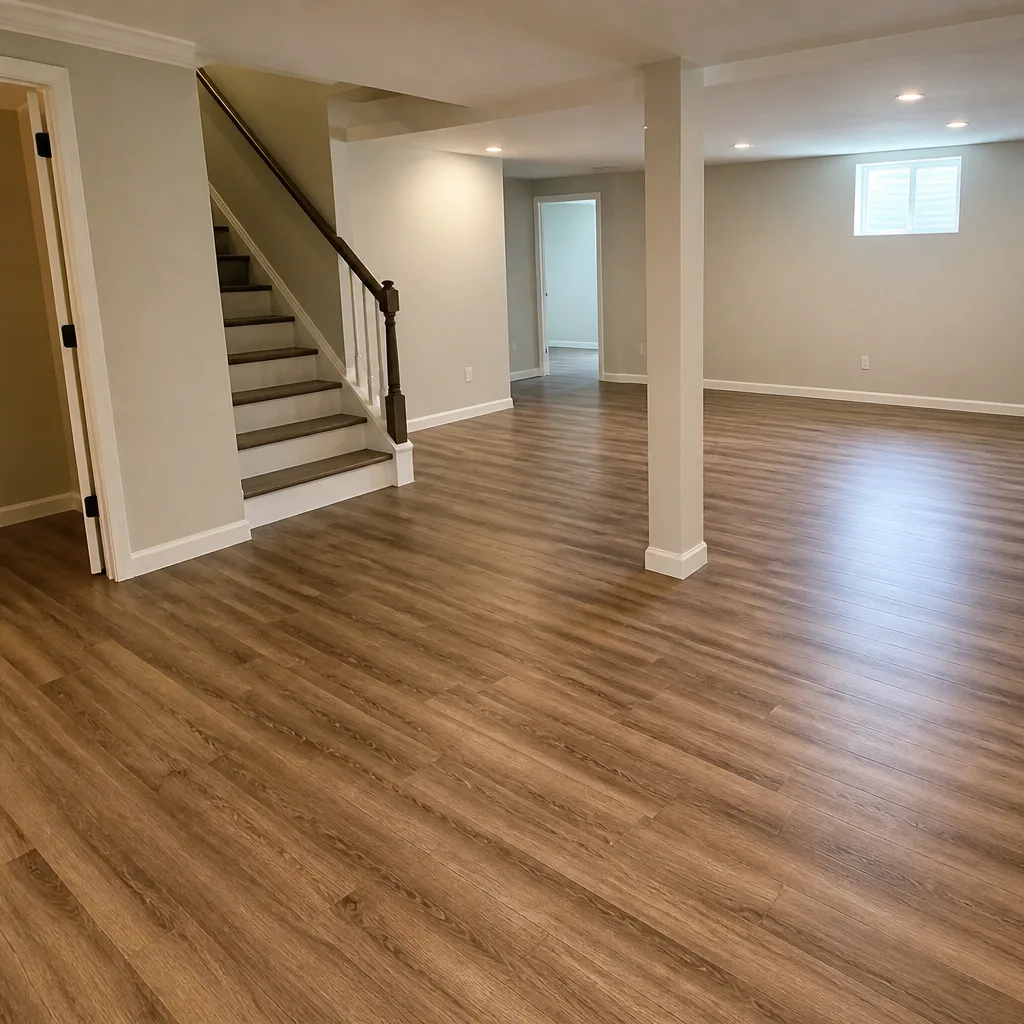
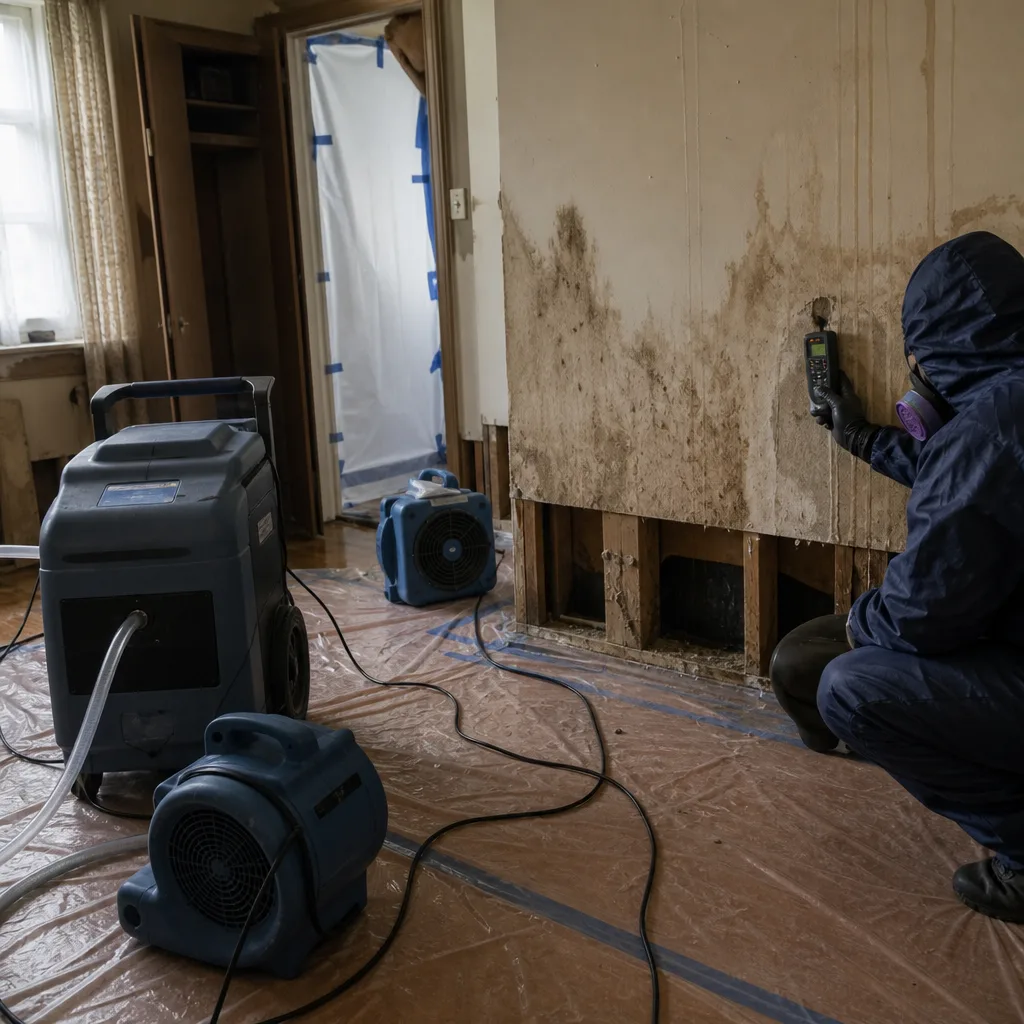 Before
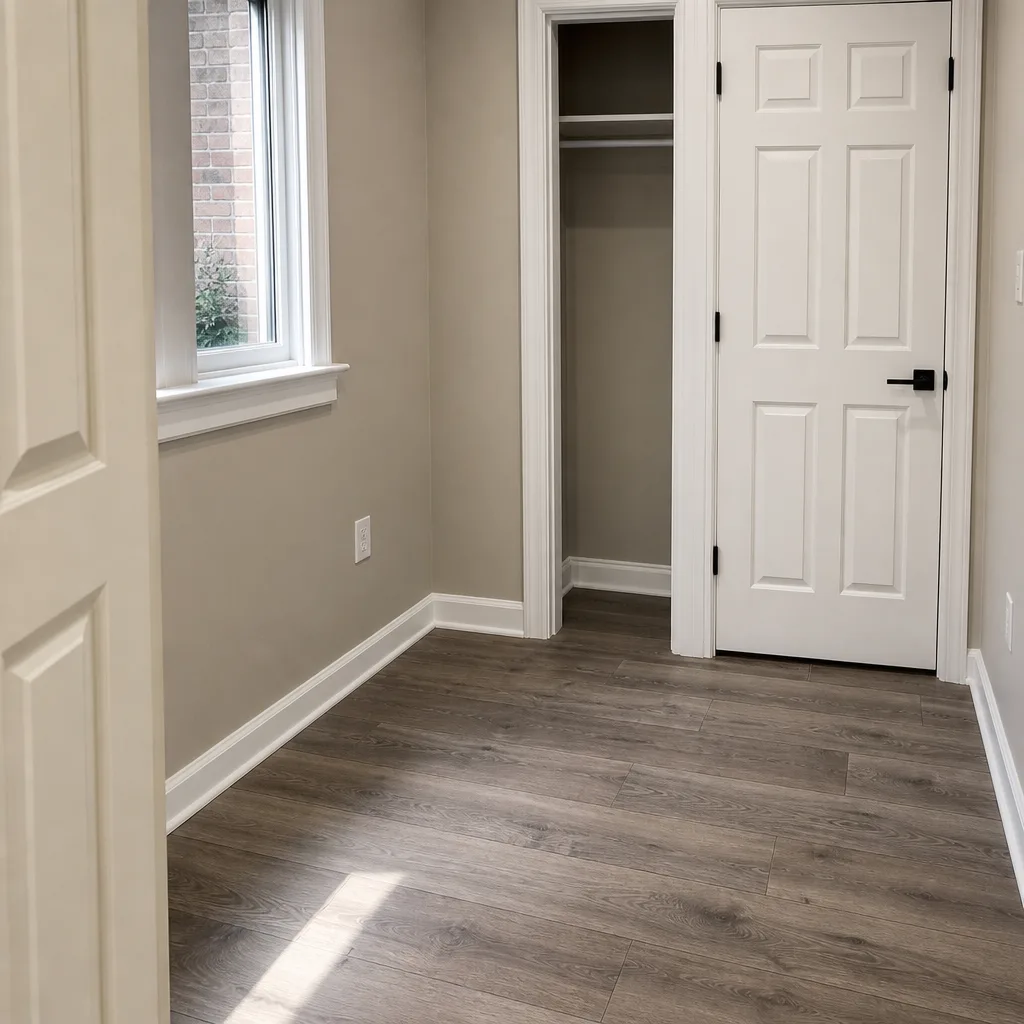 After
After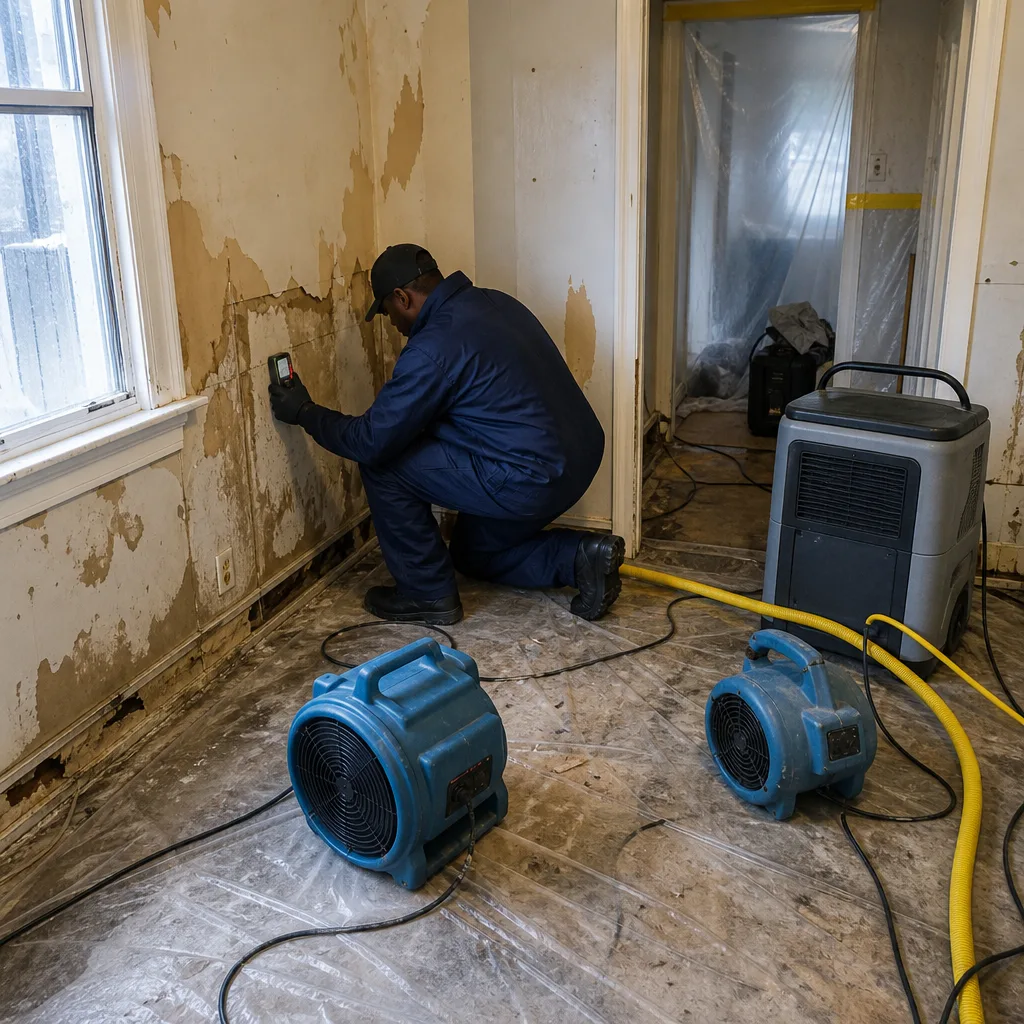 Before
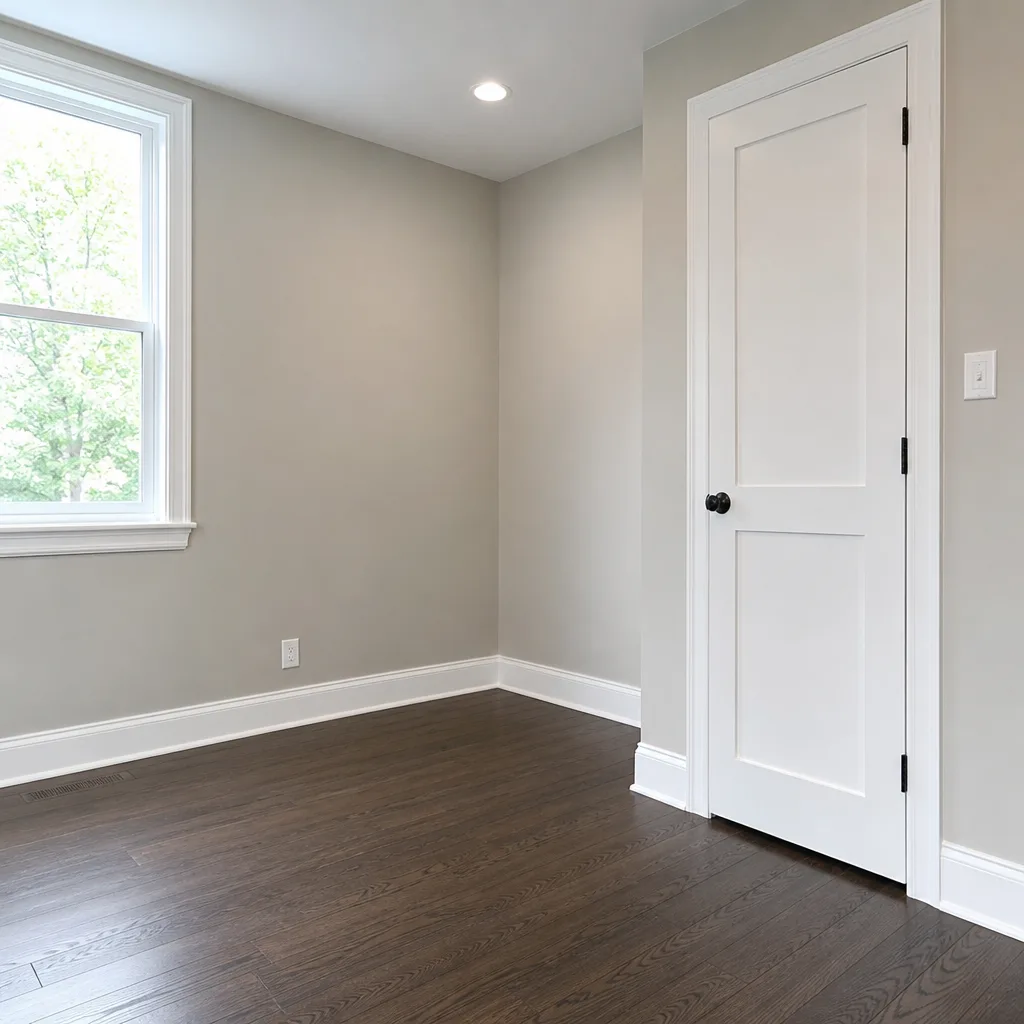 After
After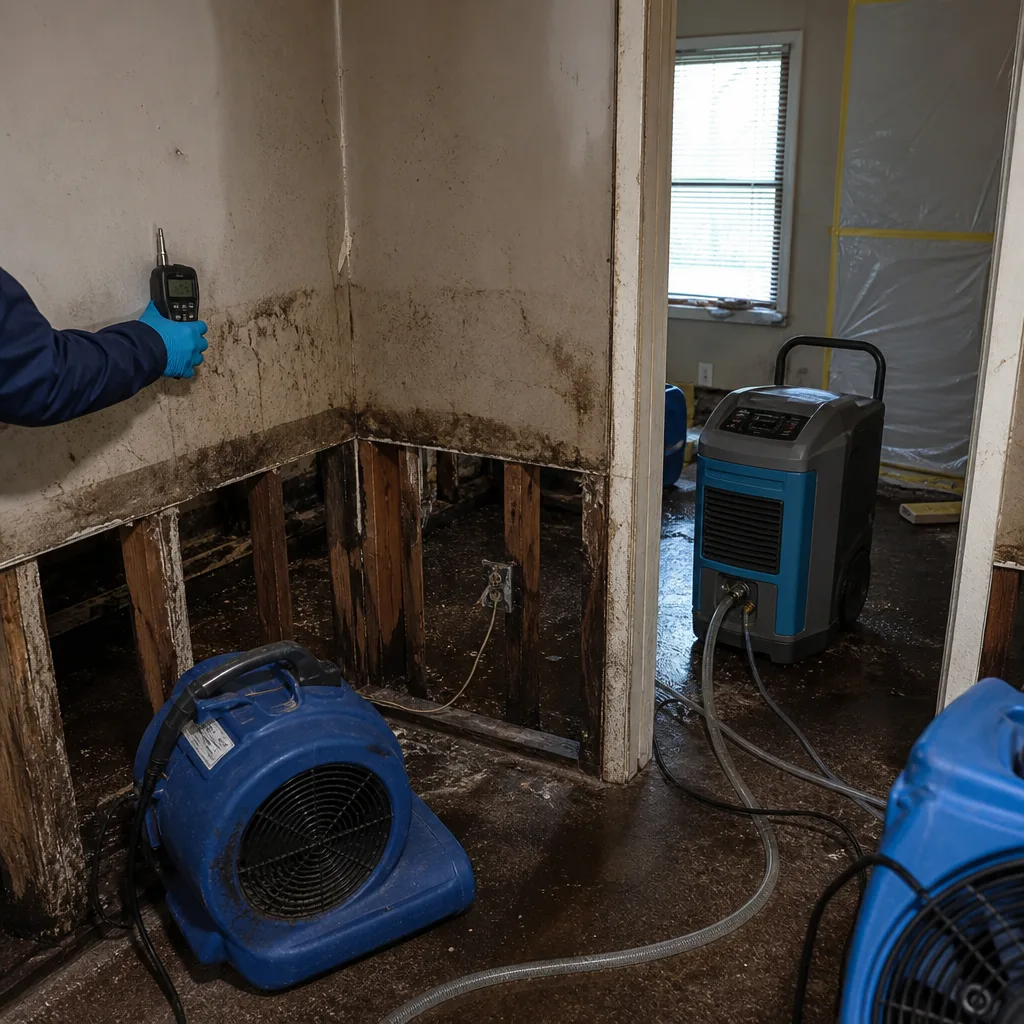 Before
 After
After24/7 Emergency Water Damage Restoration in Williamsburg
Water damage restoration in Williamsburg typically runs $1,800-$6,500 for a standard single-unit loss, with emergency extraction starting around $400-$900. Most jobs we handle start the same day the call comes in, and the sooner extraction begins, the less the final bill climbs. Call (518) 750-3137 right now and a live dispatcher answers, day or night. We’ll get a certified crew to your Williamsburg building and start pulling water before it seeps deeper into plaster, concrete, or the unit below yours. In a pre-war tenement with a burst supply line, the first hour determines whether you’re drying one room or gutting three.
Understanding Water Damage Restoration Severity in Williamsburg Properties
Every water loss falls into one of three categories, and Williamsburg’s housing stock makes the distinction matter more than it does in the suburbs. Category 1 is clean water, a supply line or radiator. Category 2 is gray water, what you get from a dishwasher overflow or a washing machine drain backup. Category 3 is black water: East River storm surge, Newtown Creek flooding, or sewage. Each requires different handling, different antimicrobial treatment, and different disposal. Moisture mapping tells us where the water actually went, not just where it pooled. Structural drying means we pull water from the wall cavities and subfloor, not just the visible surface. In Williamsburg’s pre-war buildings, a supply line burst on the fourth floor can travel through a party wall before it ever shows up as a stain in the third-floor unit. We dry to a documented standard, not a guess.
Why Williamsburg Property Owners Choose Floodline Restoration Co.
Floodline Restoration Co. is a full-cycle Water Damage Restoration company led by Curt Bowman, founded in 2010 and built around a dispatch board, not a sales desk. We serve Williamsburg with the same crew from first extraction to finished rebuild, so you never inherit a stranger halfway through the job.
- 45-minute response commitment. When you call with standing water, we commit to having a crew rolling toward your Williamsburg address within 45 minutes of dispatch confirmation.
- 24/7 live answer, never an automated system. A real person picks up at 2 a.m. You tell them what’s happening, and they start the dispatch.
- IICRC-certified crews trained to WRT and ASD standards. Water damage, applied structural drying, and moisture documentation are done by techs who carry the credentials to back the work.
- Free visual inspection with a written scope. Before any work begins, you get a line-item scope in writing. No surprises on the bill because there’s no open-ended authorization.
- Direct insurance billing. We bill your carrier directly and handle adjuster communication. You’re not the messenger.
- One team from extraction to reconstruction. The same certified crew that reads the moisture map on day one handles daily readings, rebuilds what needs rebuilding, and hands you the log.
Our Water Damage Restoration Process
Inspection & Assessment
We locate every wet surface with thermal imaging and penetrating moisture meters. In Williamsburg loft buildings, we trace open freight elevator shafts and vertical chases before any drying plan is set. You get the findings in writing before equipment ever rolls in.
Extraction / Stabilization
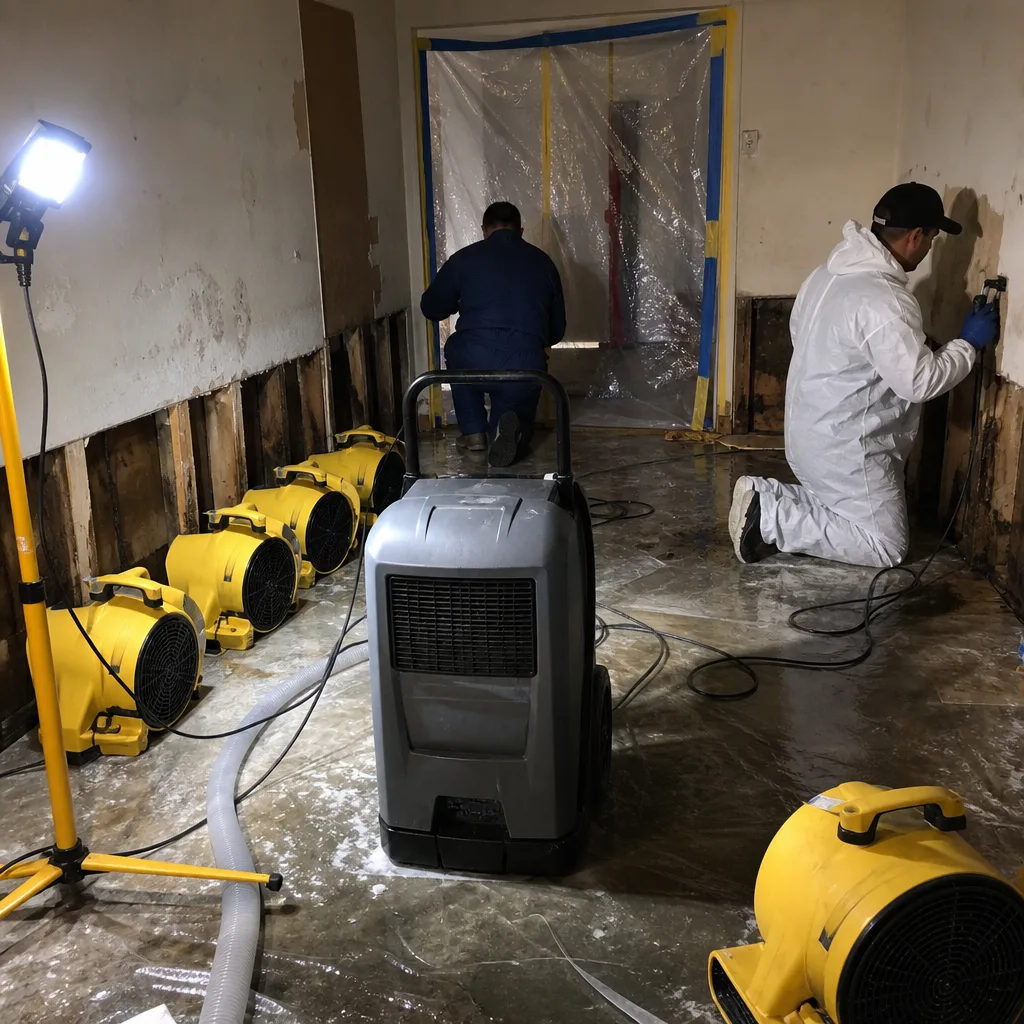
We pull standing water with truck-mounted and portable extraction units, then stabilize the space. Baseboards and saturated trim come out where they’re trapping water. The goal is to stop the loss from spreading, whether it started in a basement off Berry Street or a top-floor loft along Kent Avenue.
Drying & Dehumidification
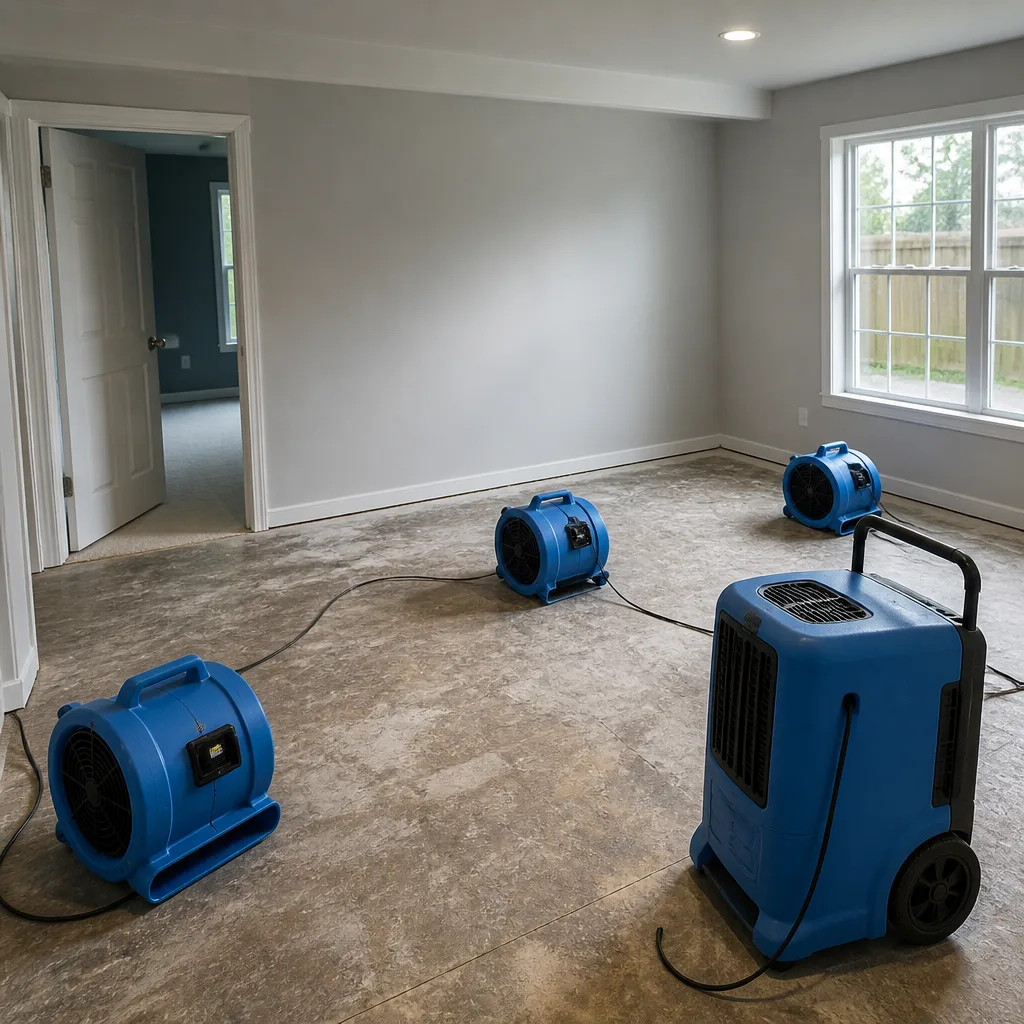
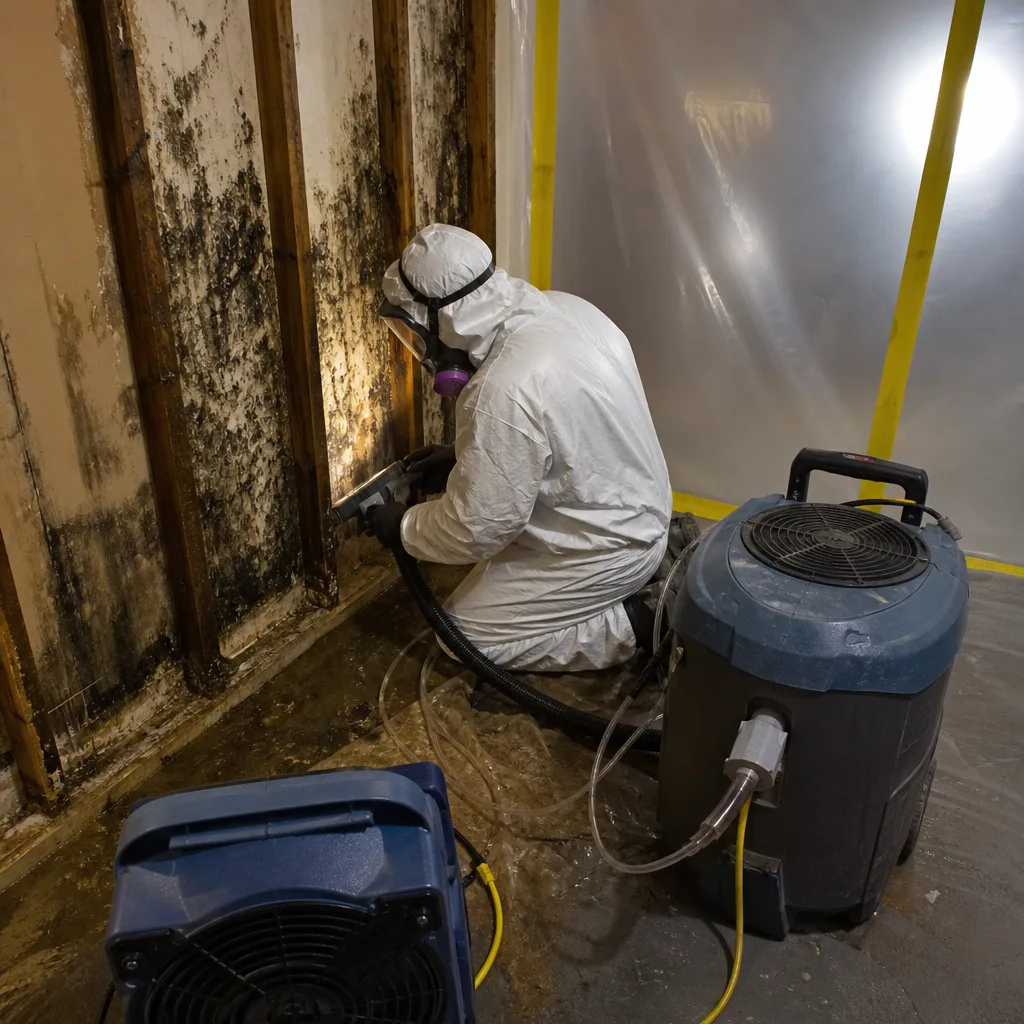
Air movers, low-grain refrigerant dehumidifiers, and Injectidry panels go in where the moisture map says they’ll do the most work. Daily readings are logged until every zone reaches dry standard. In plaster-on-lath walls, we moderate the drying curve so the plaster doesn’t crack.
Cleaning & Sanitization
Category 2 and Category 3 water require antimicrobial treatment and cleaning of affected surfaces. We follow IICRC protocols for the category present. Nothing gets encapsulated without clearance documentation.
Specialty Drying for Williamsburg Construction
Plaster walls, party walls, concrete loft slabs, and open shaft conduits each get a targeted approach. Injectidry panels pull trapped moisture from behind plaster. Containment around shaft openings stops vertical vapor migration. This is not standard drywall-over-stud drying.
Repairs & Restoration
The same crew that dried the space rebuilds it. Plaster patch, paint, trim, flooring, whatever the scope requires. We don’t hand the job to a sub. The 90-Day Done Right Promise applies to the finished result, in writing.
Need Emergency Water Damage Restoration in Williamsburg Now?
Crews minutes away, answering live 24 hours a day. The sooner we start, the less it costs.
Working With Your Insurance Company
We document the loss from the first hour. Room-by-room photos, moisture readings, drying logs, and a line-item scope of work get sent to your carrier in the format adjusters actually use. We coordinate with your adjuster directly, so you’re not stuck on hold trying to explain what a class of water loss means. Our team has handled hundreds of Williamsburg claims, from burst riser pipes in tenements to full floor losses in converted lofts. The paperwork trail is what gets a claim paid, and we build it while we work, not after.
What We Provide Your Insurer
- Thorough documentation of the loss
- Photos of all damage, room by room
- Moisture readings and drying logs
- A detailed, line-item scope of work
- Direct coordination with your carrier
Built for Williamsburg’s Loss Calendar
Williamsburg’s water damage season never really ends, but the causes shift. January deep freezes burst supply lines in uninsulated riser chases and along exterior brick walls. February and March bring thaw cycles that overwork sump pumps in basement units near the East River. Summer thunderstorms dump rain on flat roofs that have been patched too many times already, and water finds its way through deferred mortar joints. Nor’easters in late fall and early winter push storm surge up into the streets near the waterfront and back up the storm drains. Then the radiator heating season starts, and old valves fail. The common thread across all of it is this: Williamsburg’s buildings are dense, old, and connected. A loss in one unit rarely stays in one unit. Party walls and shared plumbing risers mean water damage is a building problem wearing a single-unit disguise.
Water Damage Restoration Across Williamsburg’s Neighborhoods
The Northside loft corridor, from North 1st through North 7th Streets, is the heart of converted warehouse stock. Here we deal with concrete slabs, open industrial ductwork, and freight elevator shafts that channel water vertically in ways suburban drying charts don’t anticipate. South Williamsburg’s tenement blocks, particularly around Broadway and the Marcy Avenue corridor, are brick row buildings with shared party walls and plaster-on-lath interiors. A burst pipe on the top floor of one building can soak units three addresses over. Along the East River waterfront, from Grand Ferry Park up toward Bushwick Inlet, we see storm surge and roof-driven losses where wind pushes rain horizontally into brick facades. The Graham Avenue corridor mixes old tenements with newer infill construction, which means drying protocols have to switch strategy mid-building. And the blocks around McCarren Park carry a lot of minimally-pitched rowhouse roofs that pool water after every heavy rain. Each area has its own failure pattern, and we read the building before we place a single air mover.
Specialized Water Damage Restoration Services We Offer in Williamsburg
Emergency Water Extraction
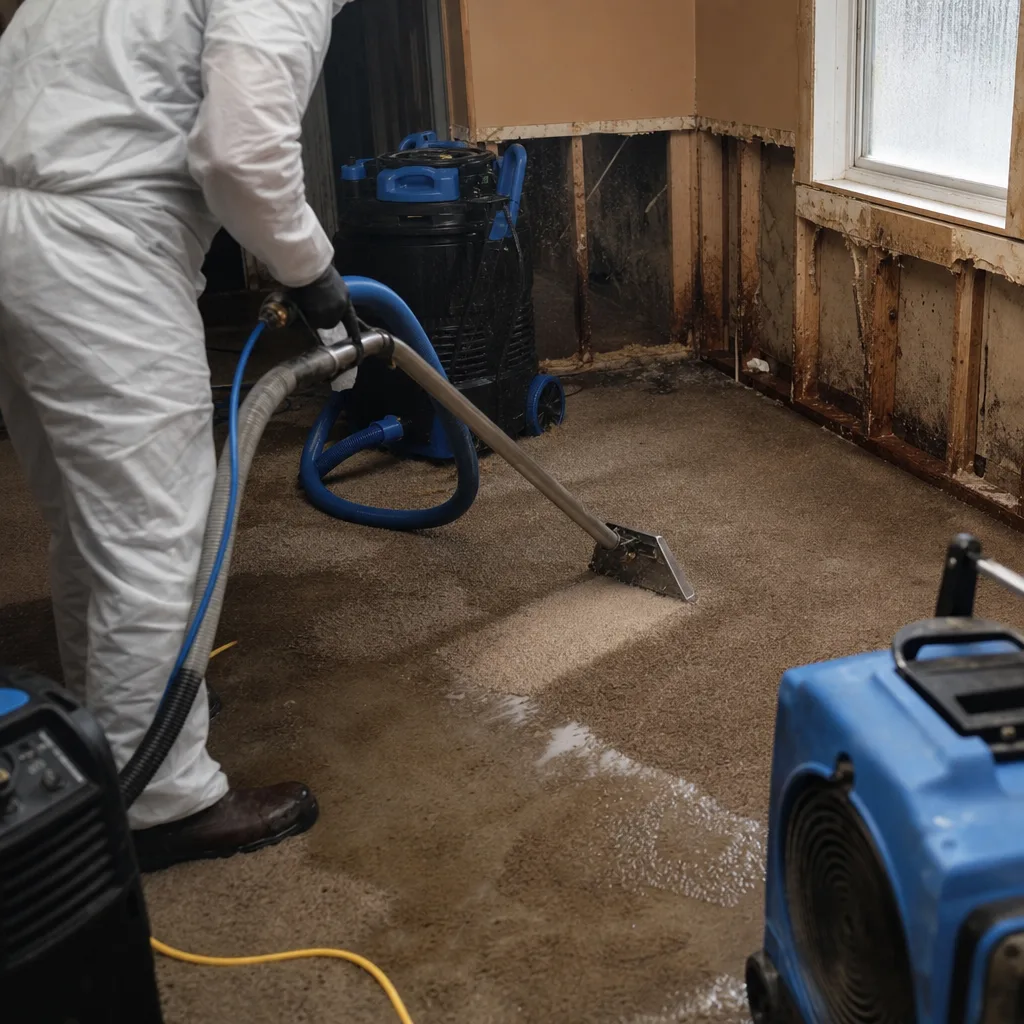
Standing water in a Williamsburg loft or tenement unit is an active spreader. We respond with truck-mounted extraction units where access allows, portable units where it doesn’t, and start pulling water within the first hour of arrival. On upper floors, we check floor assemblies and the unit below before we call the standing water handled. Call (518) 750-3137 and a live dispatcher starts the clock.
Structural Drying & Dehumidification
Structural drying in Williamsburg means knowing what you’re drying. Plaster-on-lath over brick holds water longer than drywall and releases it differently. Concrete loft slabs need low-grain dehumidification and open-duct airflow, not just a few fans pointed at the floor. We run XPOWER air movers and B-Air dehumidifiers on a documented moisture map, with daily readings until every zone hits dry standard. Party walls get monitoring on both sides, because what’s dry on your side may still be wet on your neighbor’s.
Flood Cleanup
East River and Newtown Creek floodwater is Category 3. It carries sewage, petroleum residue, and industrial contaminants. We treat it accordingly: full extraction, removal of saturated porous materials, antimicrobial treatment, and drying with containment where needed. A mop and a dehumidifier are not a flood response. We document everything for your carrier and give you a written scope before work starts.
Burst Pipe Restoration
A burst supply line in a Williamsburg tenement can run down a riser chase, through a party wall, and into the unit below before anyone notices water. We trace the full path with moisture meters and thermal imaging, then dry every affected zone, not just the visible stain. Plaster walls get Injectidry panel treatment when water is trapped behind the lath. The fix is targeted, documented, and covered by the same written guarantee as every other job we do.
Basement Water Removal
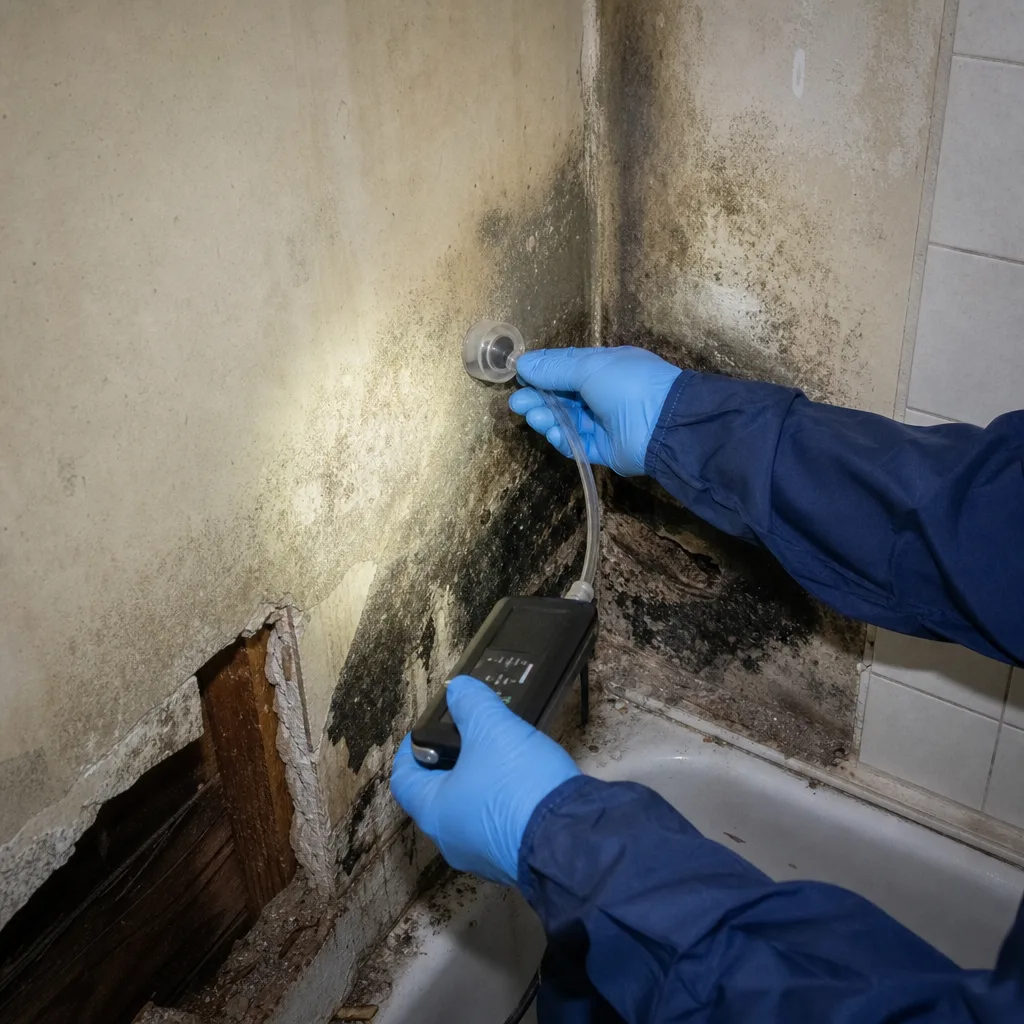
Basement units in Williamsburg sit close to the water table and close to the floodplain. Sump failures, sewer backups, and storm surge all show up here. We extract, dry, and sanitize basement spaces with the understanding that concrete and brick don’t dry like wood framing. Moisture readings tell us when the slab is actually dry, not when it looks dry.
What happens when you call
- 1
A real person answersNo phone trees - you reach a local pro.
- 2
You get an upfront price rangeHonest numbers before anyone is dispatched.
- 3
A background-checked tech heads outLicensed & insured, dispatched right away.
- 4
You approve before work beginsNothing starts until you say go.
Water Damage Restoration Costs in Williamsburg, NY
What you’ll pay depends on how fast you call, the category of water, and how far it traveled. A single-room supply line burst in a Williamsburg tenement unit with extraction and drying typically runs $1,800-$3,200. A Category 3 flood cleanup in a basement near the East River runs $3,500-$8,000 depending on the square footage and how much porous material has to go. Structural drying in a converted loft with shaft-driven water migration can run $5,000-$12,000 or more when multiple floors are involved. The number that moves the bill most is time. A loss that sits overnight becomes a bigger loss. Our free visual inspection produces a written scope with line-item pricing before any work starts, and insurance-covered claims are billed directly to your carrier. Call (518) 750-3137 and we’ll tell you what you’re looking at on the phone.
We Also Serve Cities Near Williamsburg
Water doesn’t care about neighborhood boundaries, and neither do we. Our crews respond to losses in East Flatbush, Sunset Park, Bedford-Stuyvesant, and Bensonhurst with the same 45-minute dispatch commitment and the same written guarantee. If your building is in one of those neighborhoods and water is spreading, call the same number: (518) 750-3137.
Serving Williamsburg, NY - Our Local Coverage Area
We’re based in the Williamsburg area and know this community well. Use the map below to see our service coverage - if you’re nearby, we can almost certainly help.
Williamsburg Water Damage Restoration Questions, Answered
How do open freight elevator shafts in Williamsburg loft buildings affect water damage restoration?
Open freight elevator shafts act as vertical chimneys for water, carrying a roof or upper-floor loss straight down to basement level while bypassing the floors in between. Any drying plan in a converted Williamsburg loft must include containment around the shaft opening and moisture readings at every landing. We treat the shaft as a separate drying zone, not just a hole in the floor.
Why does plaster-on-lath wall construction in Williamsburg tenements require a different drying approach than drywall?
Plaster-on-lath holds moisture longer than drywall, releases it more slowly, and can crack or delaminate if dried too aggressively. We use moderate drying curves and Injectidry panel systems that pull moisture from behind the plaster without forcing it. Dry standard is reached by measurement, not by a calendar.
How do party walls between Williamsburg tenement units affect water damage restoration of a burst pipe?
Party walls are shared structures. Water from a burst pipe in one unit can travel through the wall cavity and damage the unit next door, even if that unit never saw a drop of visible water. We monitor both sides of party walls, coordinate containment, and document moisture readings for both addresses. The claim may span two units, but the drying plan treats them as one connected system.
What is the proper way to handle floodwater from the East River or Newtown Creek entering a Williamsburg basement?
Floodwater from the East River or Newtown Creek is Category 3 water, meaning it contains sewage and contaminants. Proper handling is full extraction, removal of saturated porous materials, antimicrobial treatment, and documented drying to standard. Bucket-and-mop cleanup is not adequate, and it can leave contamination behind walls and under slabs. Call (518) 750-3137 immediately if this happens.
Why do converted warehouse lofts in Williamsburg often show water damage in basement-level units when the leak appears on an upper floor?
Open freight elevator shafts are the usual answer. During warehouse-to-residential conversions, many shafts were left open rather than properly sealed. They become vertical conduits, so a roof leak near the top of the shaft shows up as basement water two floors below. Moisture mapping has to account for this bypass, or you’ll dry the wrong areas and wonder why the basement stays wet.
How fast can a crew actually get to my Williamsburg building?
We commit to a 45-minute response from dispatch confirmation. Our dispatchers are live people, 24/7, and they start routing a crew the moment you call (518) 750-3137. In practice, most Williamsburg calls see a crew on site within that window.
Will my insurance cover water damage restoration in Williamsburg?
Most homeowner and building policies cover sudden and accidental water damage, like a burst pipe or a storm-driven roof leak. Flood surge from the East River or Newtown Creek typically requires separate flood insurance. We bill your carrier directly, document the loss from the first hour, and coordinate with your adjuster. The written scope we provide goes to the carrier as part of the claim package.
What should I do in the first 30 minutes after I notice water damage?
Call (518) 750-3137 first. Then, if it’s safe, shut off the water at the source or at the main. Move small items out of standing water, but don’t enter flooded areas if electrical outlets or appliances are submerged. Take photos from a safe distance. Don’t start pulling up carpet or opening walls. The first 30 minutes set the whole trajectory of the claim.
Written by Curt Bowman, Founder and Owner at Floodline Restoration Co., leading water damage restoration crews across Williamsburg, NY.