
Free visual inspection and a written scope of work before any mitigation begins - photos, moisture readings, and drying logs go in your claim file
The scope we write is the scope we bill. Anything new gets shown to you, in writing, before we touch it.
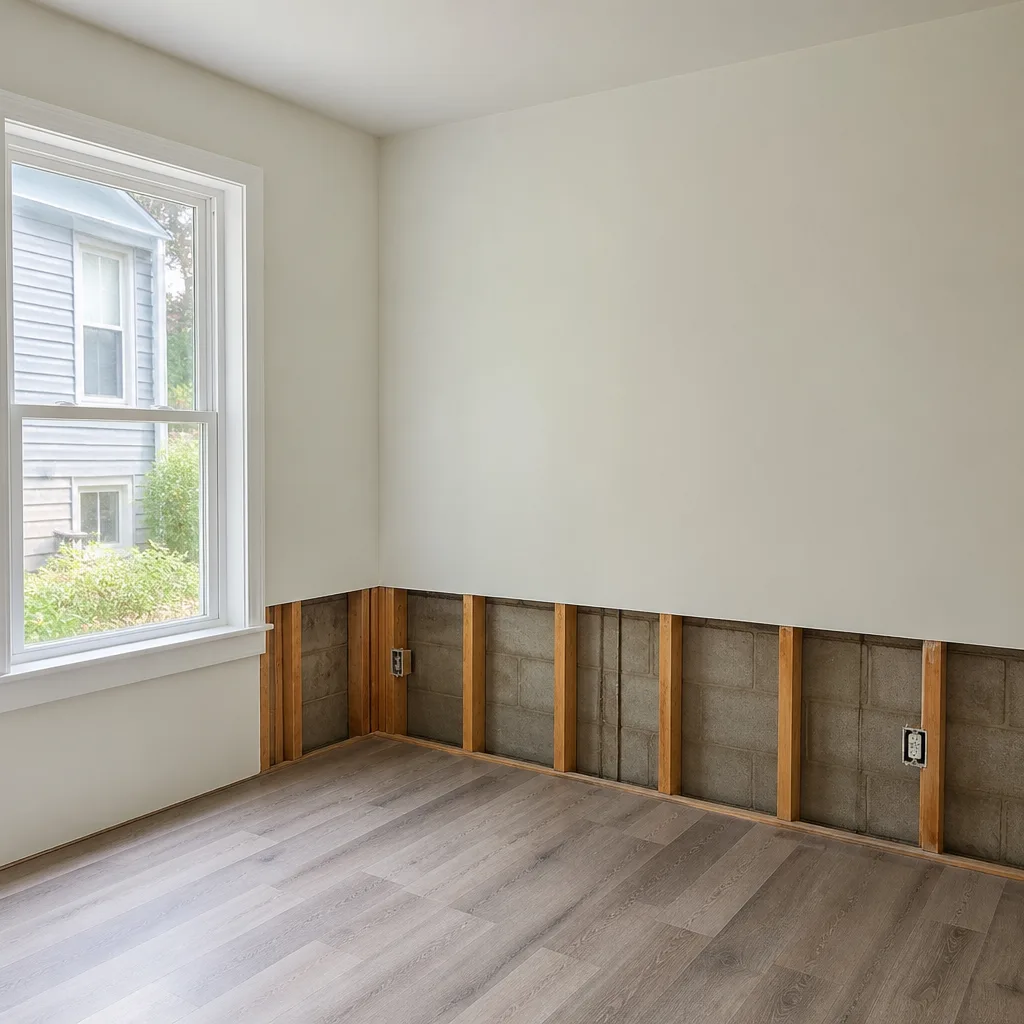
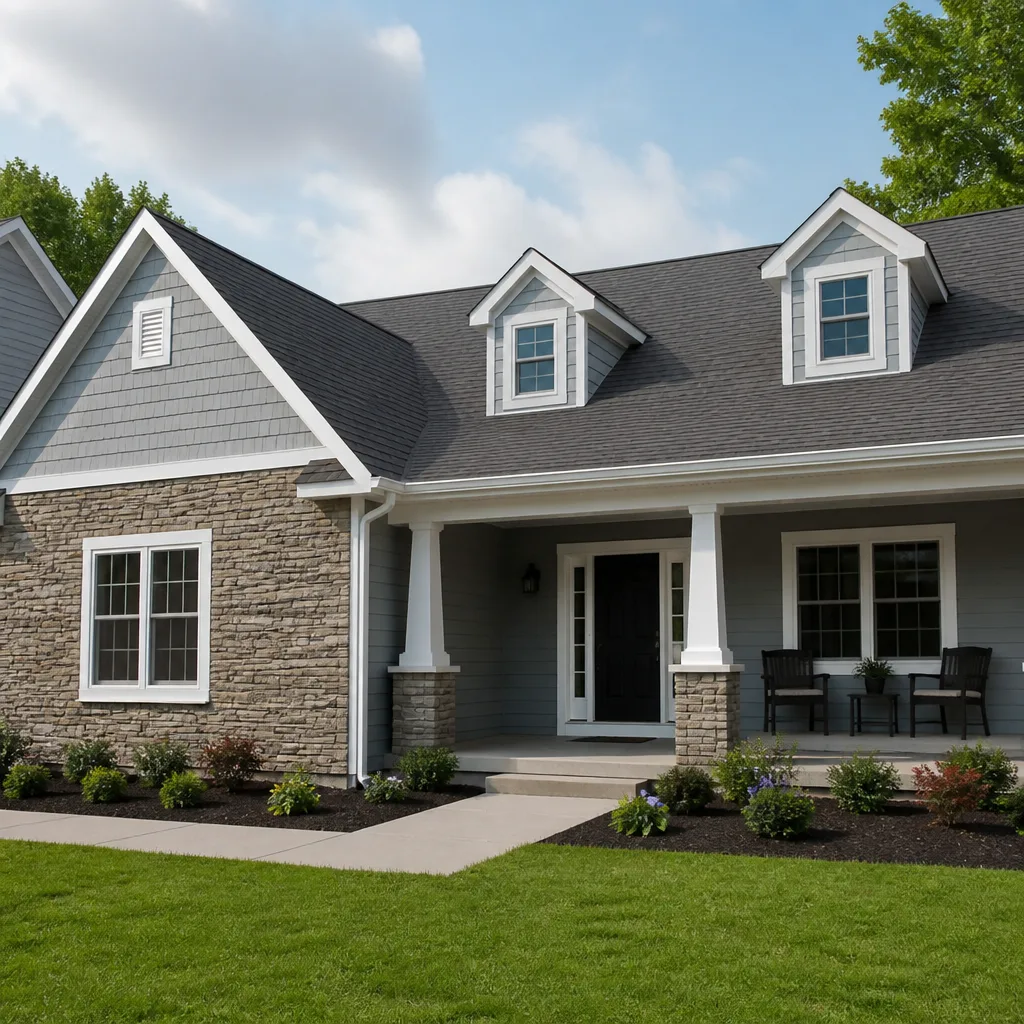
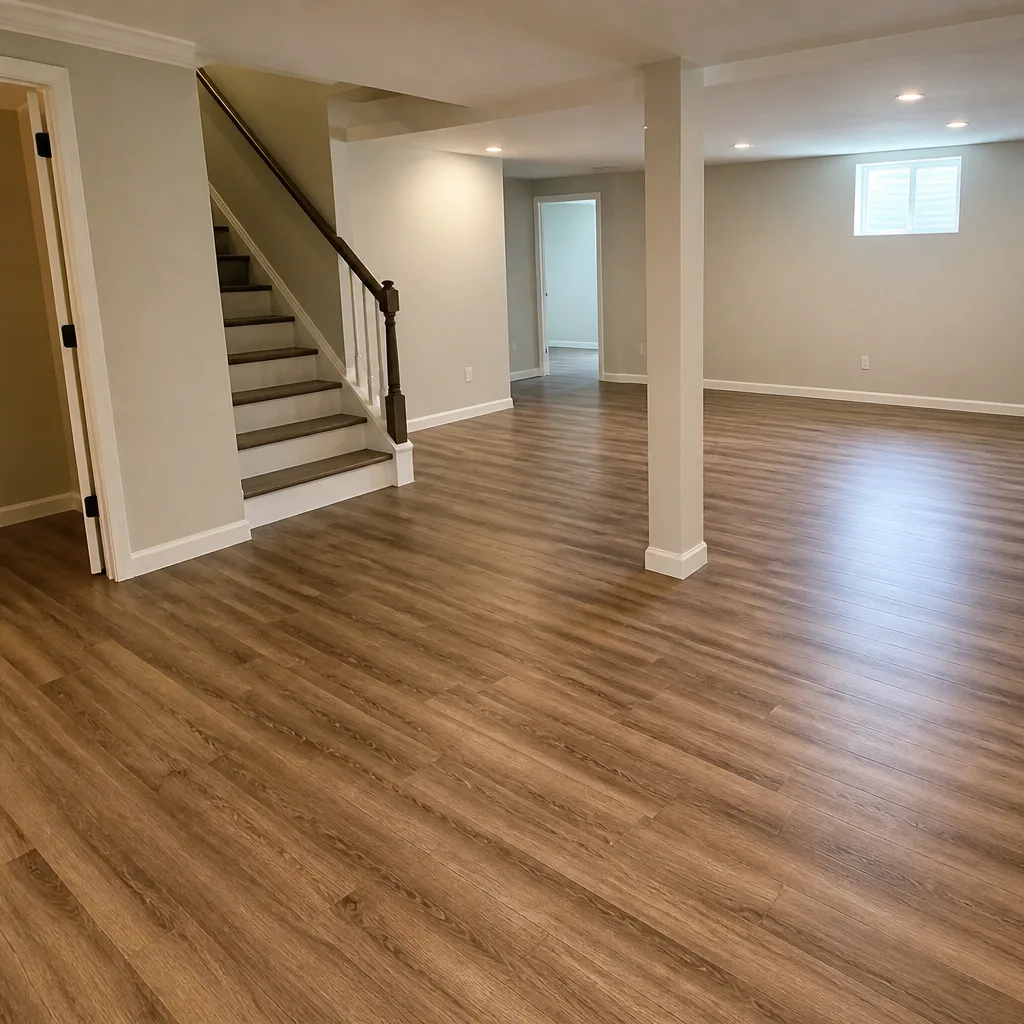
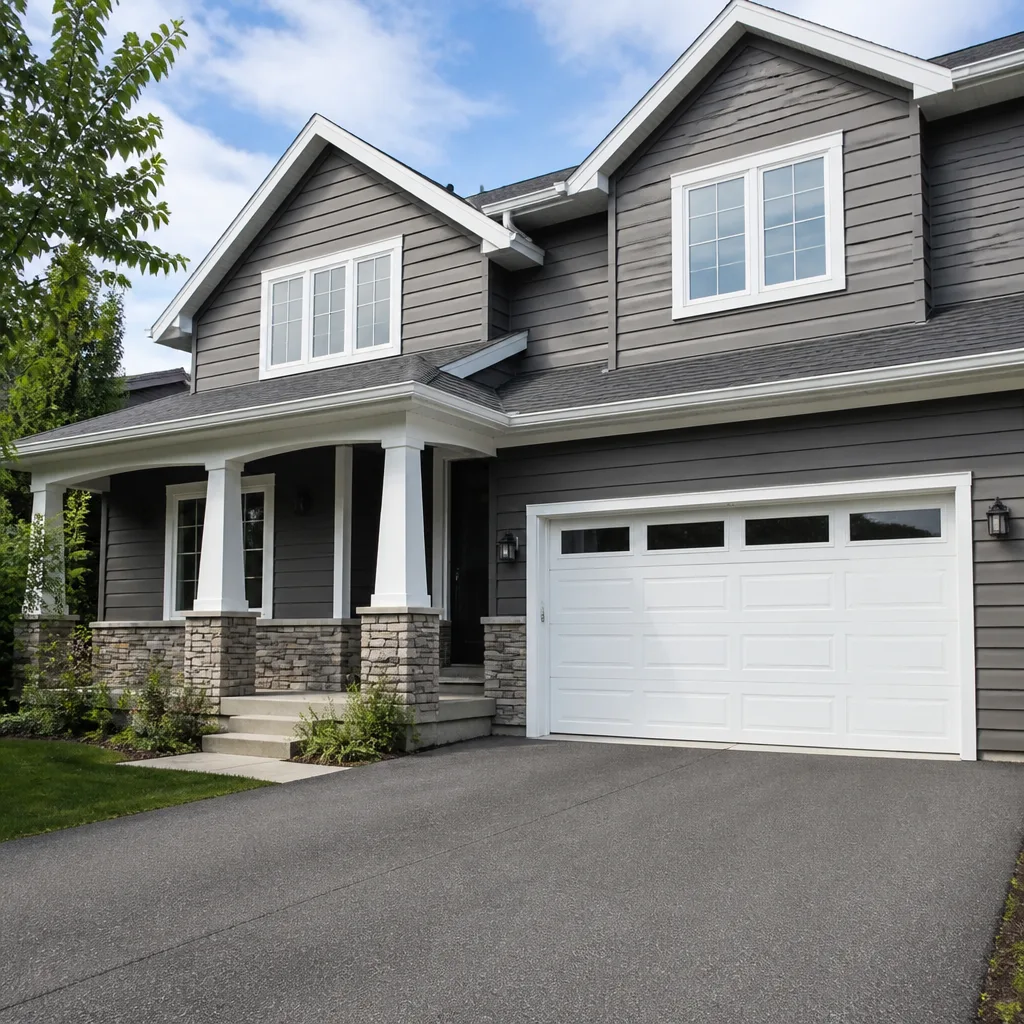
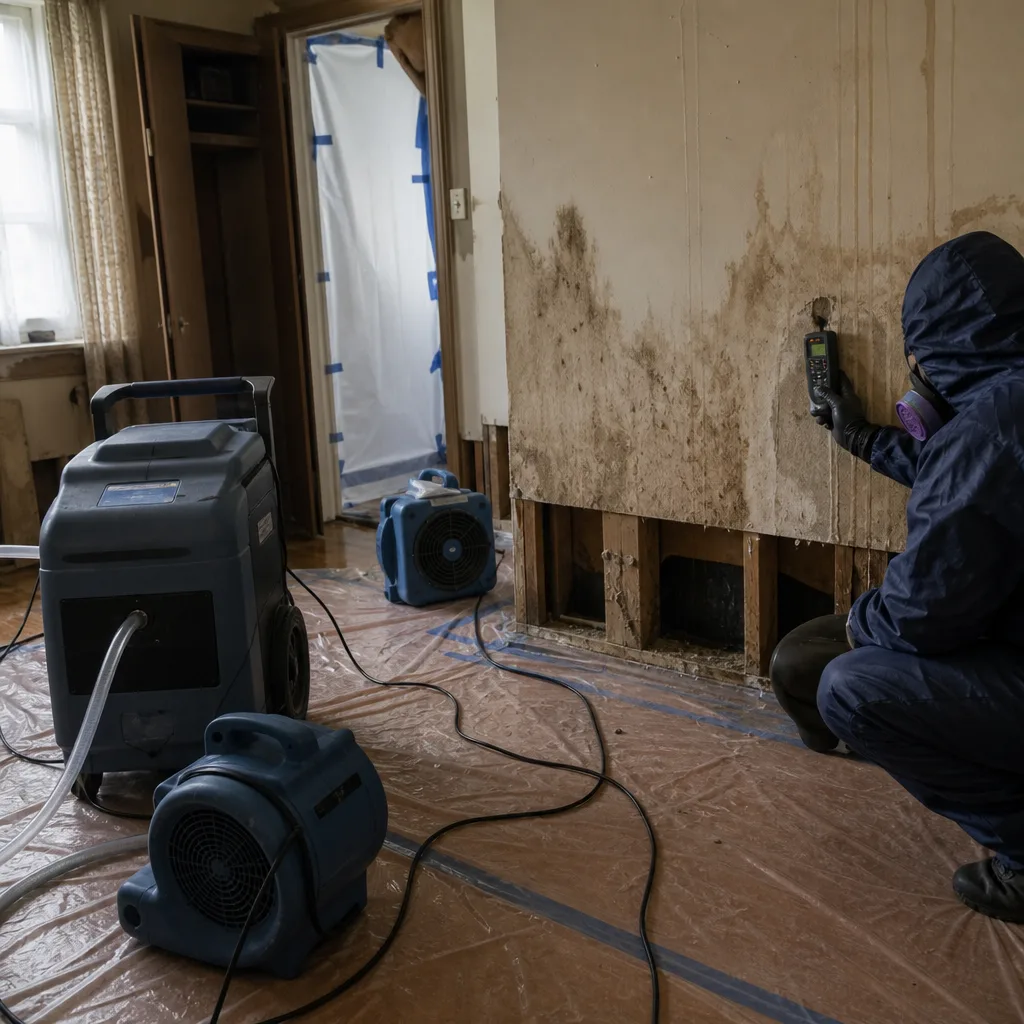 Before
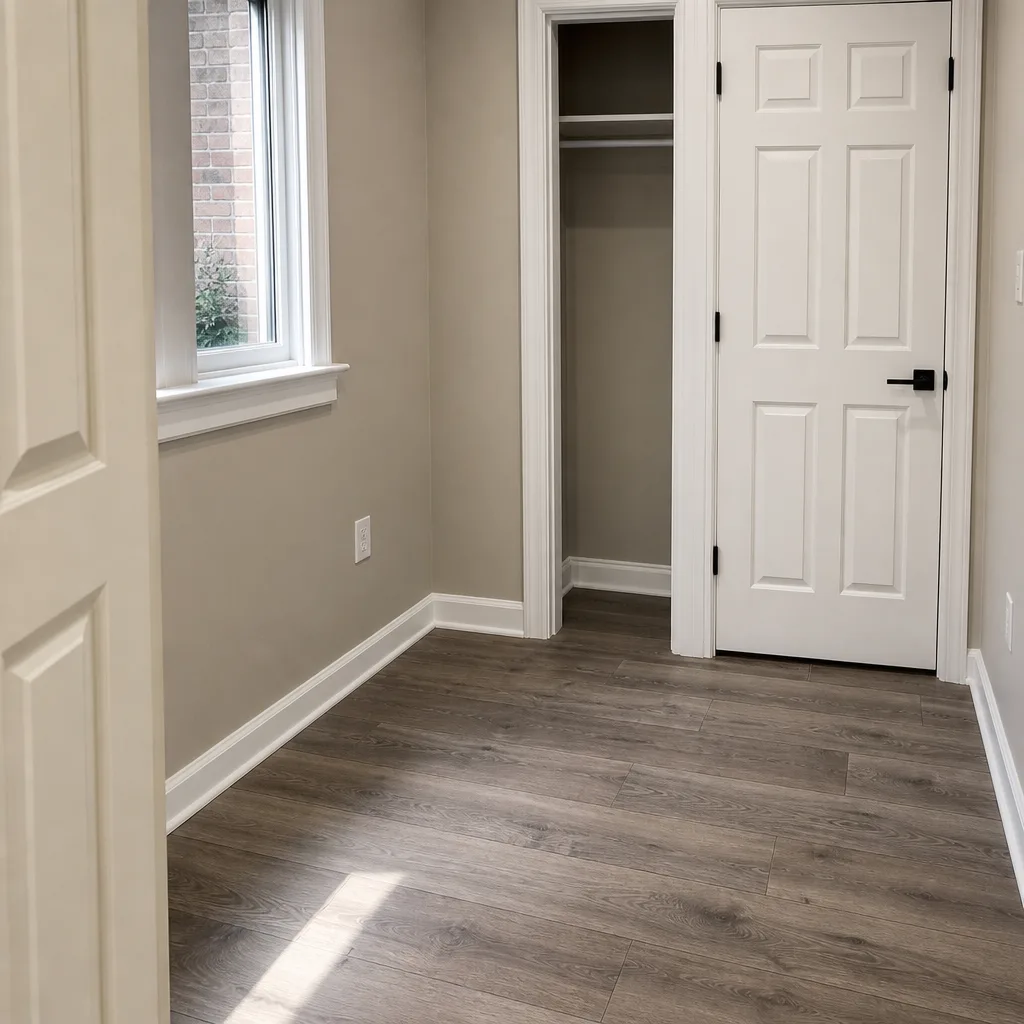 After
After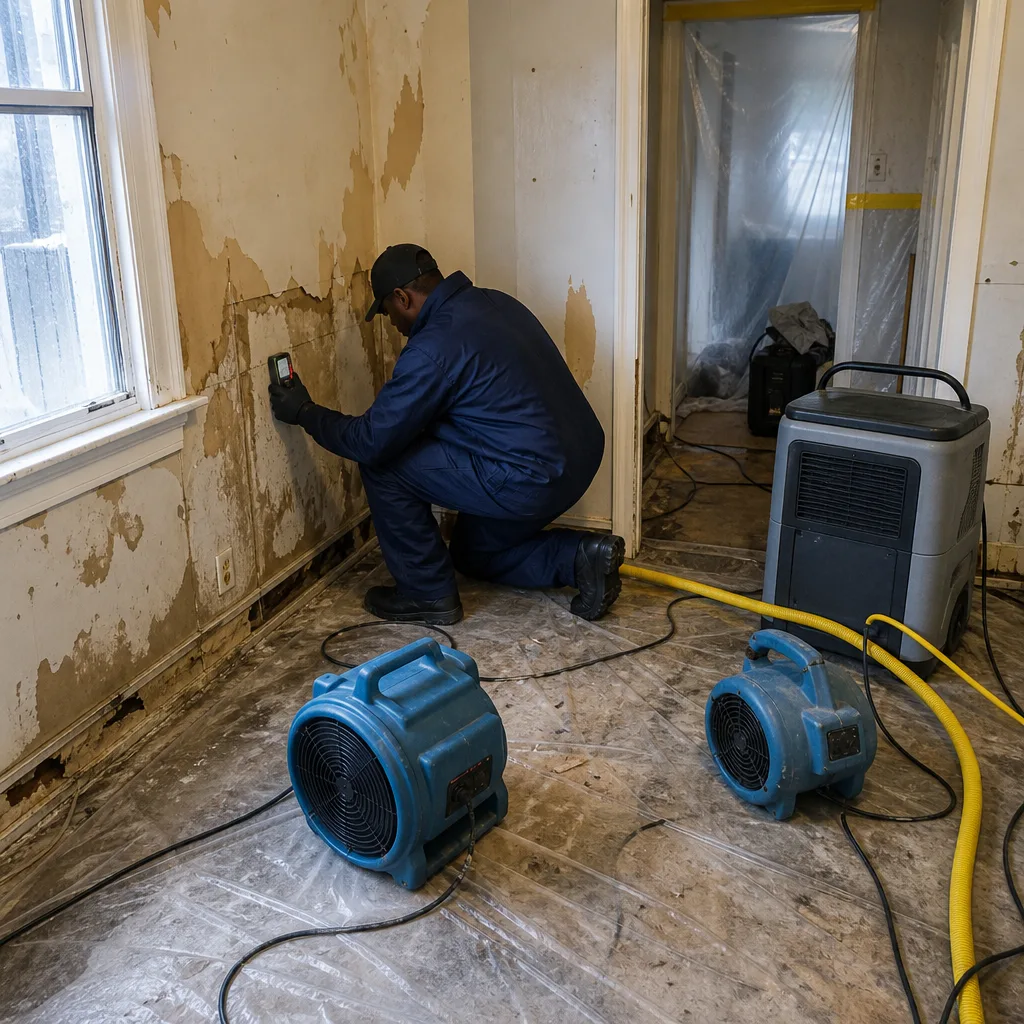 Before
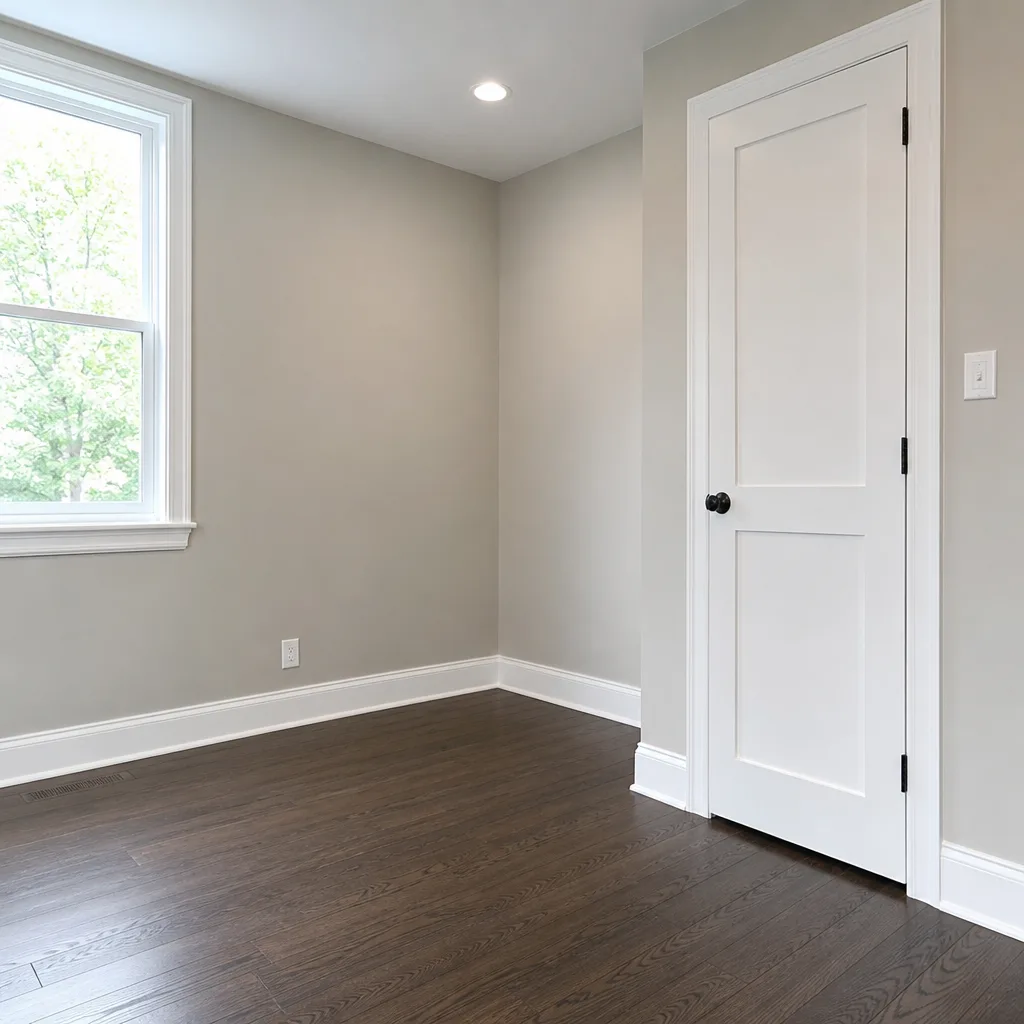 After
After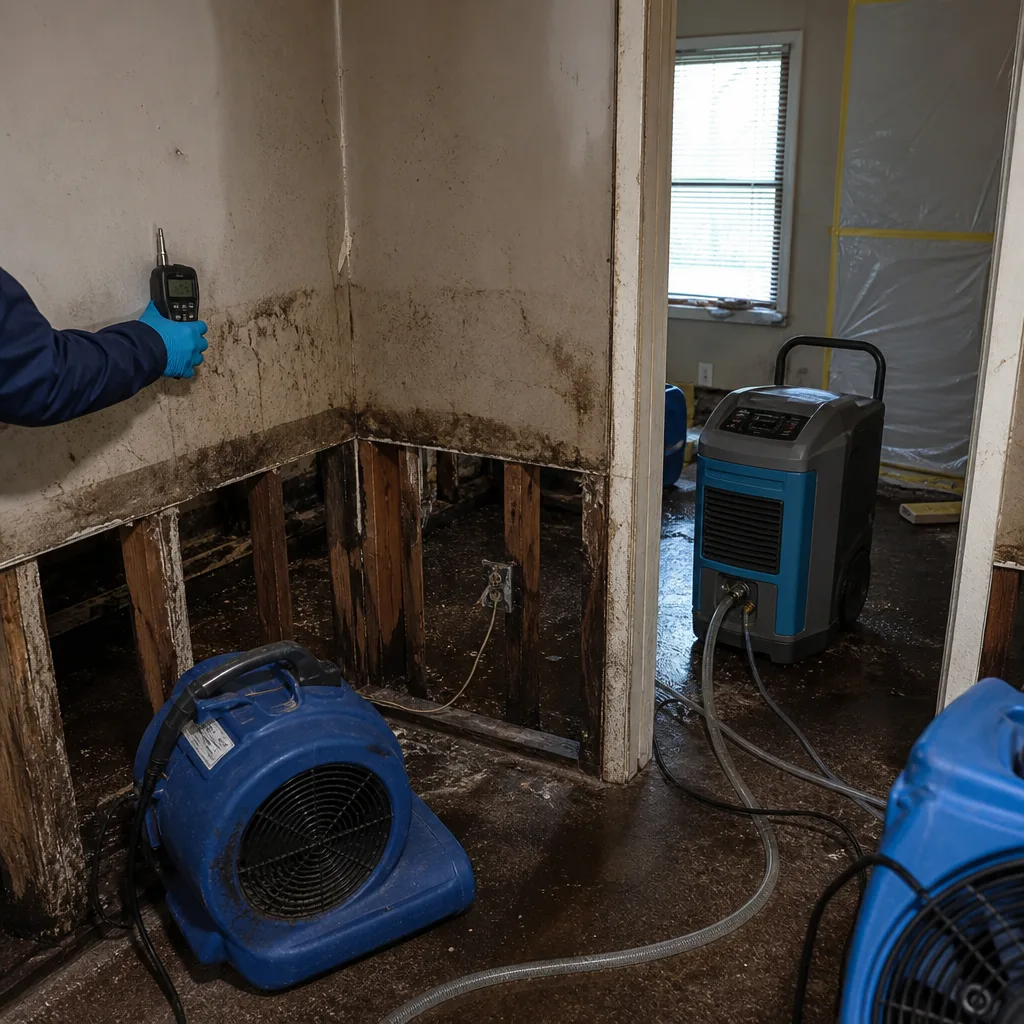 Before
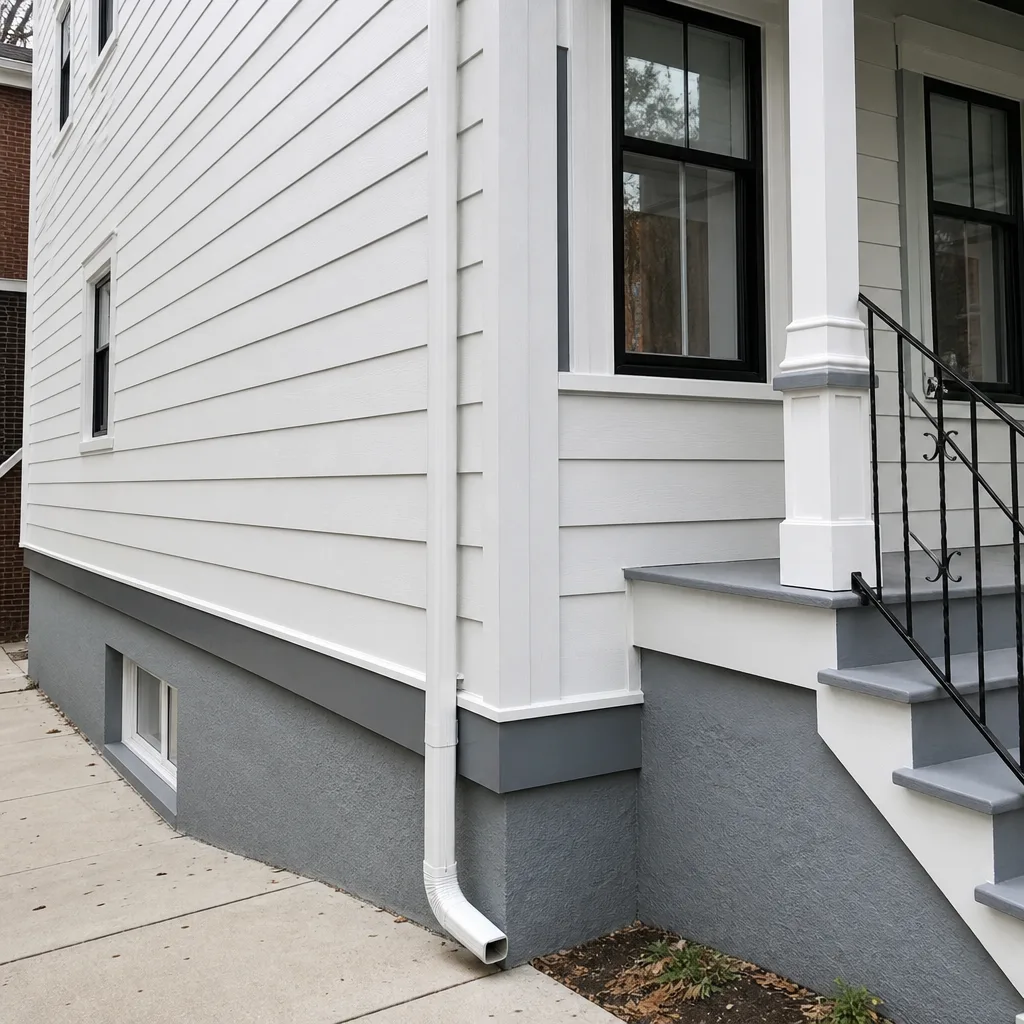 After
After24/7 Emergency Biohazard & Crime Scene Cleanup in East New York
Biohazard and crime scene cleanup in East New York requires fast containment, certified protocols, and crews who understand this neighborhood’s specific buildings. Most jobs run between $1,200 and $4,500 depending on the scope, and we typically have a crew on site within 45 minutes of your call. You can reach a live dispatcher at (518) 750-3137 any hour, any day. We don’t use answering services, and we don’t make you leave a voicemail at 2 a.m.
When blood, bodily fluids, or sewage enter a home, the first hour determines how far contamination spreads. Porous materials like drywall, carpet pad, and wood flooring absorb biohazardous material fast. In East New York’s attached brick row houses, the wall cavity between two homes becomes a pathway, not a barrier. That’s why our Biohazard & Crime Scene Cleanup teams treat any call as time-sensitive, even when the scene looks contained.
Understanding Biohazard & Crime Scene Cleanup Severity in East New York Properties
Not every cleanup is the same severity. We classify every job using the same framework: the source material, the surfaces affected, and the potential for cross-contamination. Blood and bodily fluids require bloodborne pathogen protocols under OSHA 29 CFR 1910.1030. Category 3 water, also called black water, contains raw sewage or other hazardous biological matter and demands full containment and antimicrobial treatment before any drying begins. Infectious disease disinfection follows a separate standard, using EPA-registered hospital-grade disinfectants with proper dwell times and contact-surface logging.
East New York’s housing stock makes severity harder to read from the surface. A two-family brick row house on Jerome Street or Hegeman Avenue shares stud bays and floor joists with the attached neighbor. What looks like a small blood cleanup in a top-floor bedroom can have migrated into the shared wall chase or the floor assembly below. The NYCHA towers and slab buildings from the 1950s and 60s add a different variable: vertical plumbing chases that run through multiple units. A sewage backup in a Pink Houses kitchen on one floor can saturate drywall in the apartment above and below. We moisture-map before we pull anything, because in these buildings, the visible damage is rarely the full damage.
Why East New York Property Owners Choose Floodline Restoration Co.
- 45-minute dispatch commitment. When you call about a biohazard scene, a certified crew is rolling toward East New York within 45 minutes, not “sometime tomorrow.”
- A live person answers, every time. Curt Bowman built Floodline Restoration Co. around a dispatch board, not a sales desk. Call at 2 a.m. and a real person picks up.
- IICRC-certified technicians. Our crews hold IICRC certifications including WRT and AMRT credentials, and they’re background-checked and uniformed on every job.
- Free visual inspection. Before we recommend anything, we walk the scene with you and show you exactly what we see. No scare tactics, no invented problems.
- Direct insurance billing. We send the estimate, photos, and scope directly to your adjuster. You never play messenger between Floodline and the carrier.
- One team from start to finish. The same crew that sets containment handles antimicrobial treatment, drying, and rebuild. No mid-job handoff to strangers.
Our Biohazard & Crime Scene Cleanup Process
Inspection & Assessment
We start with a free visual inspection, photo documentation, and moisture mapping where water is involved. In East New York’s attached housing, we check adjacent wall cavities and floor assemblies, not just the visible room.
Containment & Stabilization
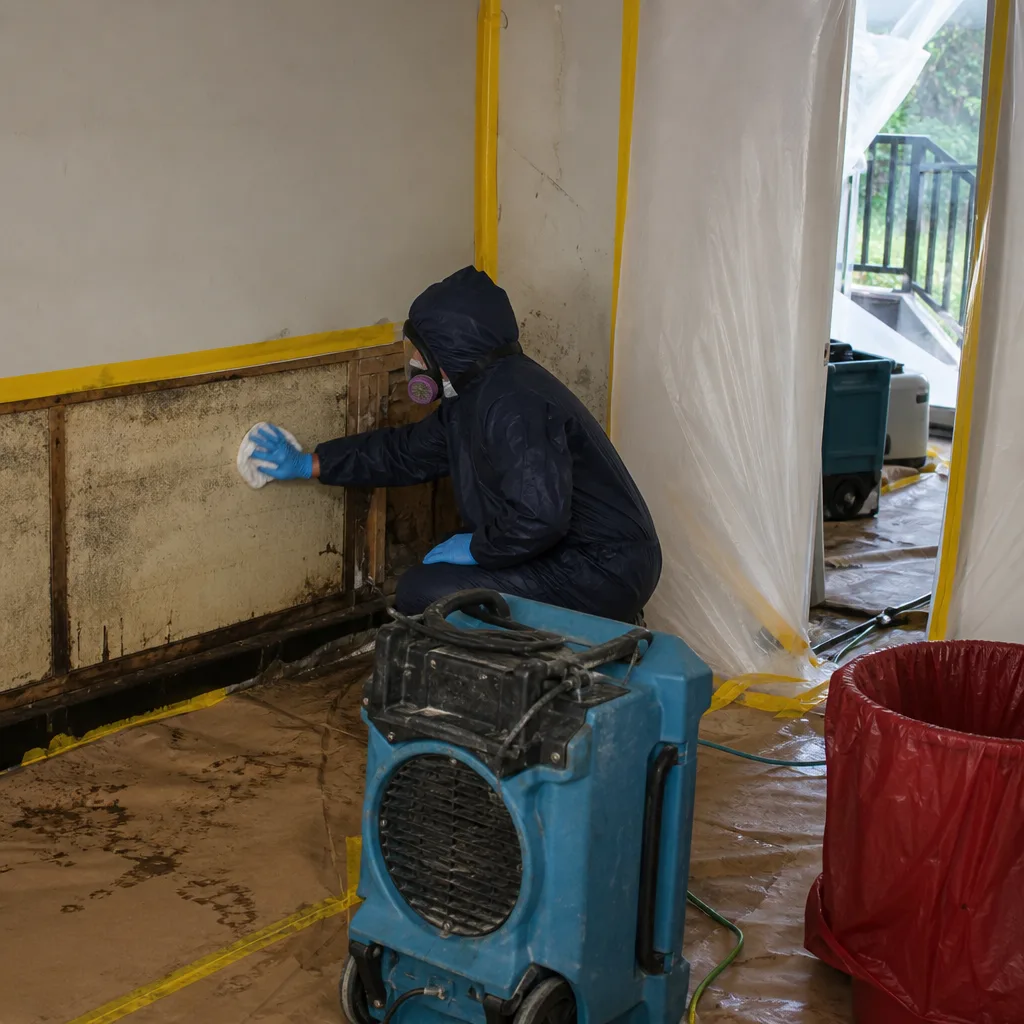
We set up negative air pressure containment with HEPA scrubbers to stop airborne contaminants from spreading into other rooms or adjacent units. Stabilizing the scene means stopping the contamination at its source.
Removal of Affected Materials
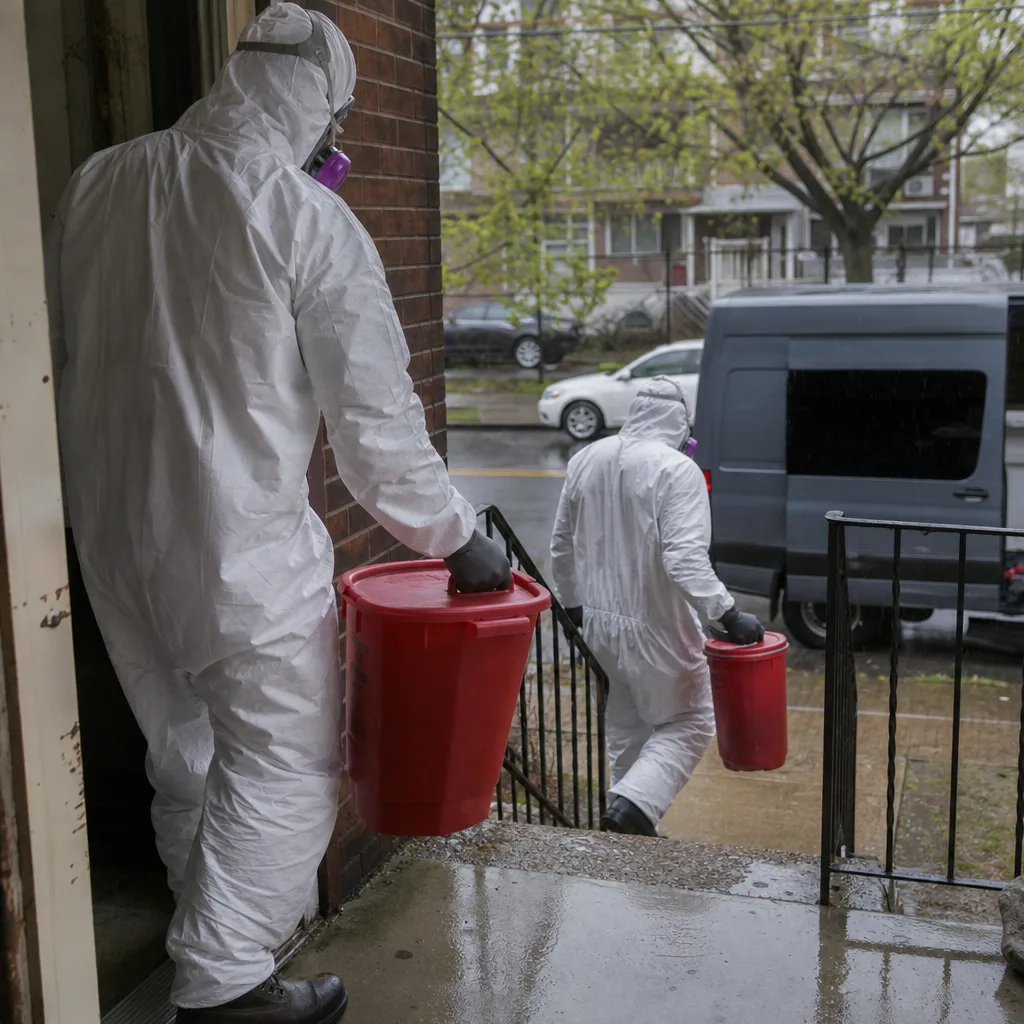
Porous materials that absorbed biohazardous matter, including drywall, carpet pad, insulation, and damaged flooring, are removed under containment and bagged for regulated disposal.
Cleaning & Antimicrobial Treatment
Remaining structural surfaces get scrubbed with EPA-registered disinfectants. We apply antimicrobial and odor-treatment agents with proper dwell times, then verify with clearance readings.
Drying & Dehumidification
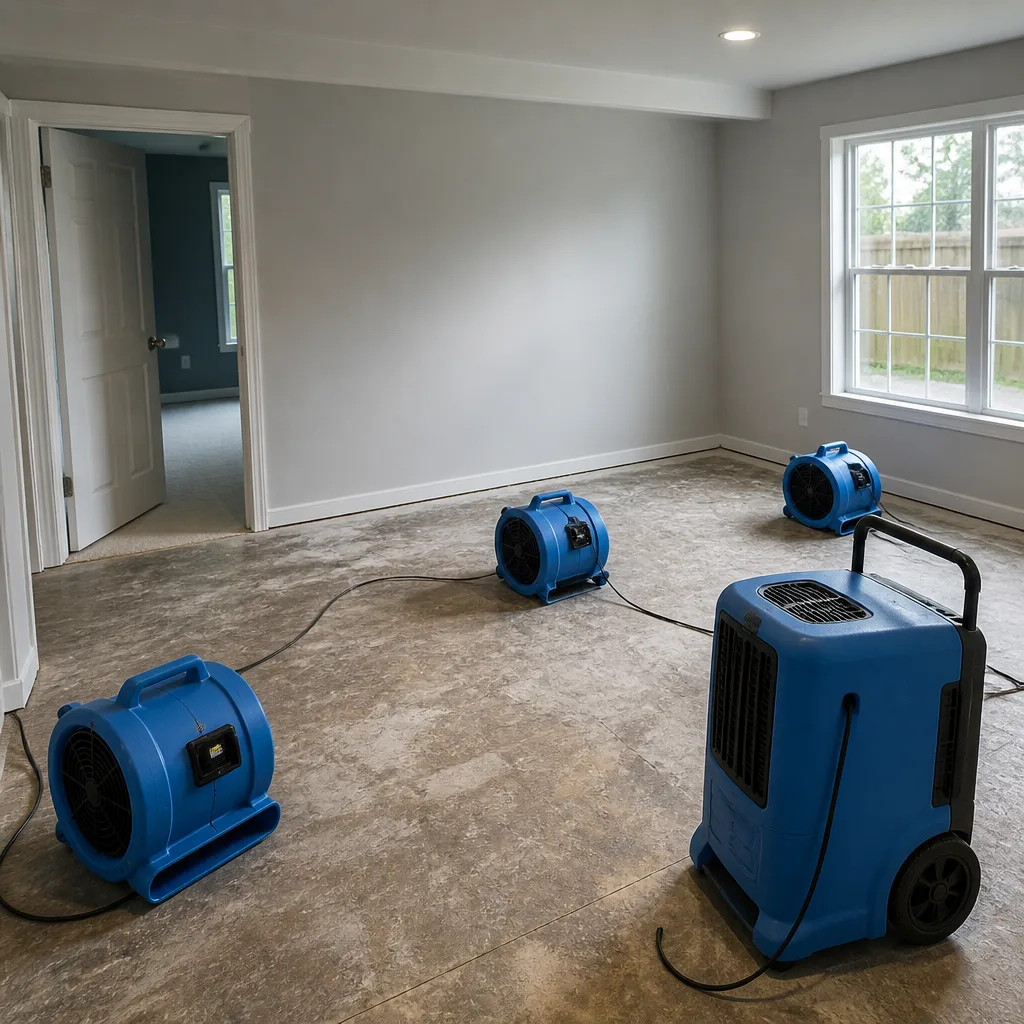
Where water or sewage was present, we run professional-grade Phoenix air movers and dehumidifiers. In East New York’s brick row houses, drying must reach wall cavities behind lathe and plaster, not just open room air.
Repairs & Restoration
The same crew rebuilds what was removed. We handle new drywall, paint, flooring, trim, and any structural work needed to return the home to pre-loss condition. The 90-Day Done Right Promise covers the full job in writing.
Need Emergency Biohazard & Crime Scene Cleanup in East New York Now?
Crews minutes away, answering live 24 hours a day. The sooner we start, the less it costs.
Working With Your Insurance Company
Most biohazard and crime scene cleanups in East New York involve an insurance claim. We handle that paperwork directly so you don’t have to. From the first hour on site, our techs photograph every room, every surface, every item removed. We document moisture readings, containment setup, and the condition of materials before any work begins. That documentation goes to your adjuster in a format they recognize, with line-item scopes and industry-standard pricing based on the same software carriers use.
If you’re dealing with a NYCHA property or a unit where an HPD violation has already been issued, the paperwork matters even more. We coordinate directly with property management and adjusters, and we know what HPD inspectors look for when they re-inspect cleared units. Let us handle the file.
What We Provide Your Insurer
- Thorough documentation of the loss
- Photos of all damage, room by room
- Moisture readings and drying logs
- A detailed, line-item scope of work
- Direct coordination with your carrier
Built for East New York’s Loss Calendar
East New York’s biohazard calls follow a pattern, and it lines up with the neighborhood’s building stock and geography. Deep winter freezes push water into shared walls through cracked parapet flashings on flat-roofed row houses, and when that water carries sewage from failed waste lines, the result is a category 3 event, not a simple leak. Spring thaw brings basement seepage into the low-lying blocks near Spring Creek, where the water table sits high and old floor drains back up into finished cellars.
Summer thunderstorms overwhelm the combined sewer system in older sections of the neighborhood. When the sewers back up into basement apartments and ground-floor units, we see black water pushed into spaces that were previously dried and cleaned. The freeze-thaw cycle, roughly 20 to 30 cycles per Brooklyn winter, opens hairline cracks in brick facades and roof membranes, giving contaminated water new entry points every year. Our crews know which blocks flood first and which building types hold water longest. That local pattern recognition means we can often stop a biohazard issue before it becomes a full-gut remediation.
Biohazard & Crime Scene Cleanup Across East New York’s Neighborhoods
Response routes matter. From Flatlands Avenue, our crews can reach the Spring Creek and Gateway sections in minutes, where low elevation and old post-Sandy repair work hide active mold colonies under subfloors. When a trauma or sewage cleanup in those homes disturbs old flooring, we’re often uncovering 2012 damage that was encapsulated rather than removed. We document it, bring the adjuster into the loop, and remediate the full condition.
Around Broadway Junction, the mix of older attached housing and busy transit access means apartments turn over fast. Landlords call us for unattended death cleanups and hoarding conditions where years of accumulated material have absorbed into floors and walls. Along Pitkin Avenue and Sutter Avenue, brick row houses with shared chimneys and party walls create cross-contamination risk during blood cleanup. A containment protocol that works in a detached suburban house isn’t enough here. We set negative air and wall-cavity checks by default on attached homes. In the Pink Houses and Linden Houses, every biohazard call includes a check of the vertical plumbing chase and an HPD compliance review, because those buildings demand it.
Specialized Biohazard & Crime Scene Cleanup Services We Offer in East New York
Crime Scene Cleanup
Crime scenes require strict bloodborne pathogen protocols, proper disposal of contaminated materials, and discretion. We work with the property owner, law enforcement when needed, and your insurer. Our crews arrive in unmarked vehicles and work quietly, because in East New York, privacy matters.
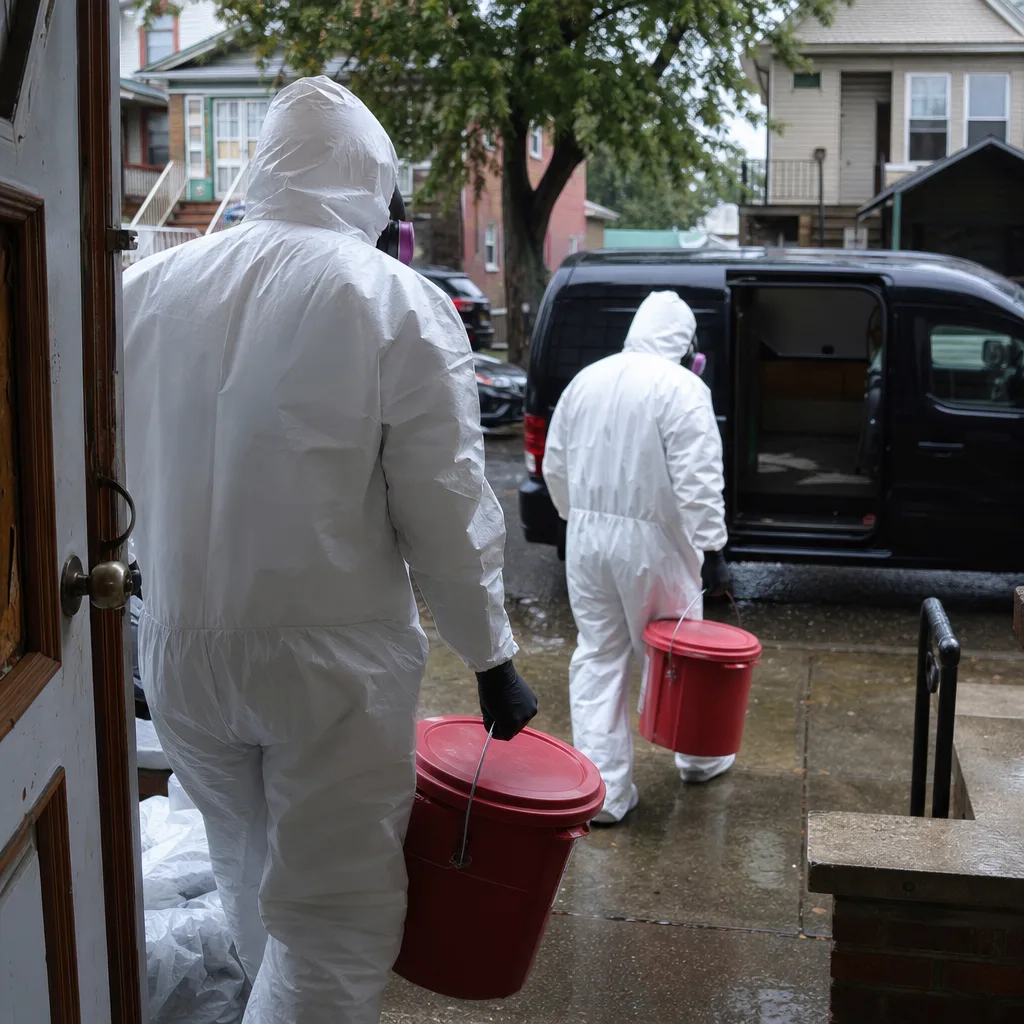
Trauma & Unattended Death Cleanup
Unattended deaths present decomposition fluids that penetrate flooring, baseboards, and subflooring. In East New York’s older homes, that often means removing finished flooring and the top layer of subfloor to fully eliminate odor and biological contamination. We never paint over or mask odor. We remove and treat.
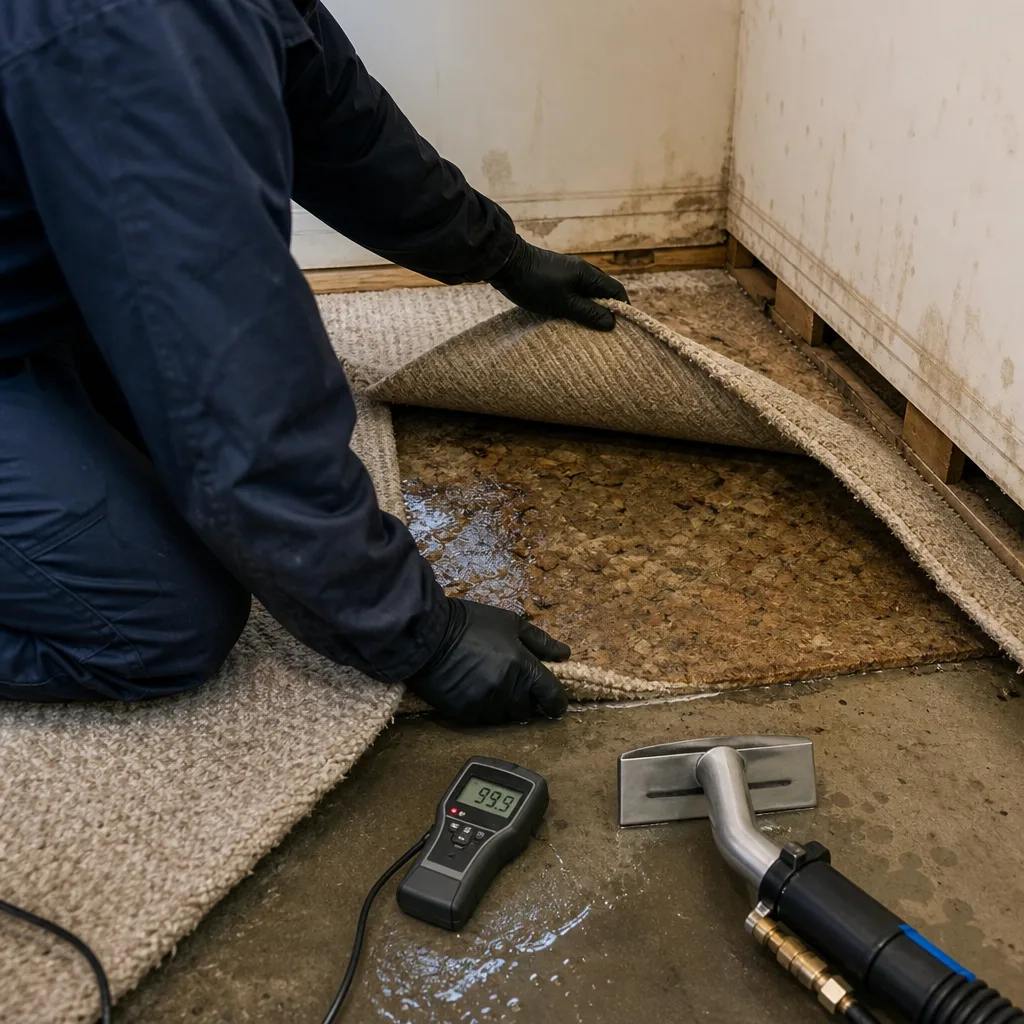
Hoarding Cleanup
Hoarding conditions in East New York’s attached homes pose both fire spread risk and biological contamination from pests, spoiled food, and accumulated waste. We work with residents and families at a pace that respects what they’re going through, while meeting HPD standards for clearance. Curt Bowman’s crews are trained to handle high-volume material removal without judging the person whose home it is.
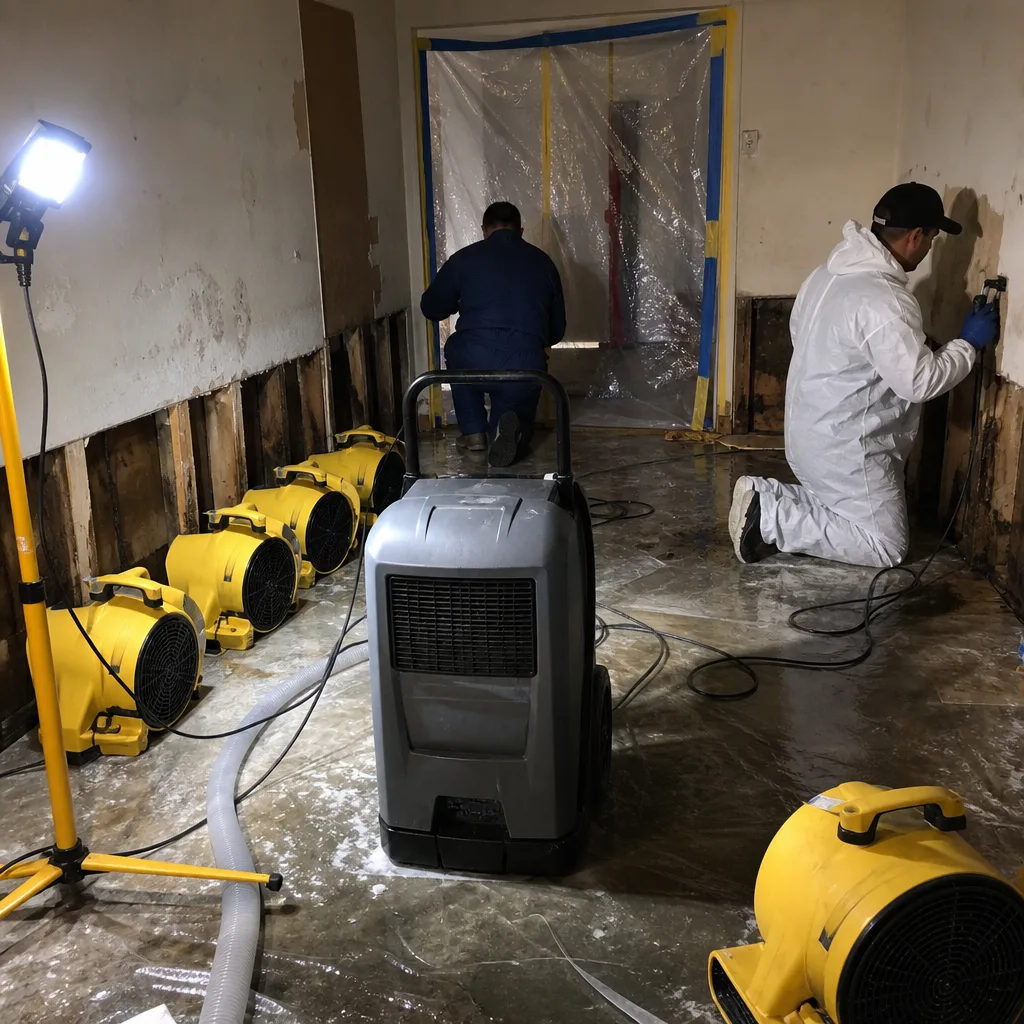
Blood & Bodily Fluid Cleanup
Blood cleanup in East New York’s attached brick row houses carries cross-contamination risk through shared wall cavities. We set containment before opening any wall, and we check the neighboring unit’s side of the wall cavity when access allows. Blood that sat for more than a few hours has already started binding to porous materials. The sooner we get there, the less has to be removed.
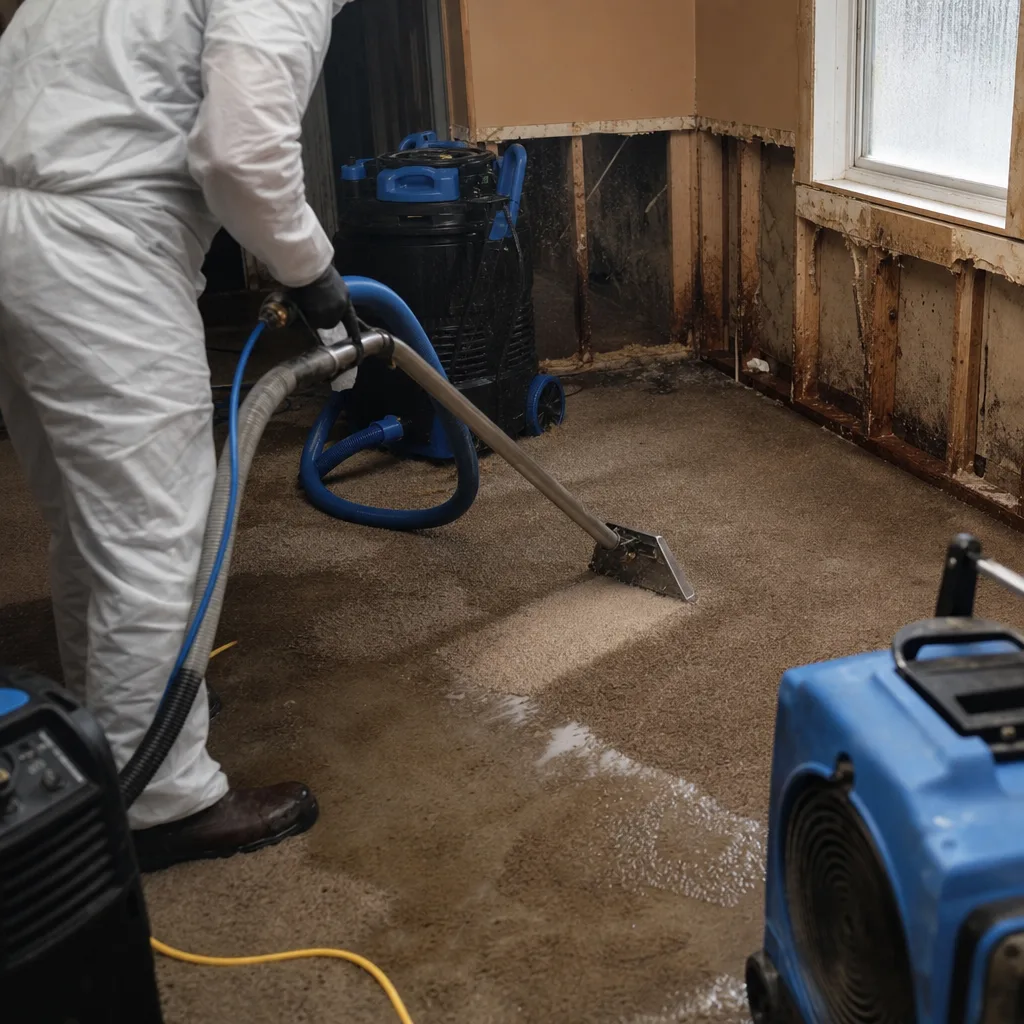
Infectious Disease Disinfection
When someone in the household has been treated for a serious infectious disease, or when a death involved a communicable illness, we perform full-surface disinfection with EPA-registered hospital-grade agents. Dwell times are logged, surfaces are swab-tested, and the home gets a clearance report. In NYCHA units, we coordinate with property management so the disinfection satisfies management requirements on the first pass.
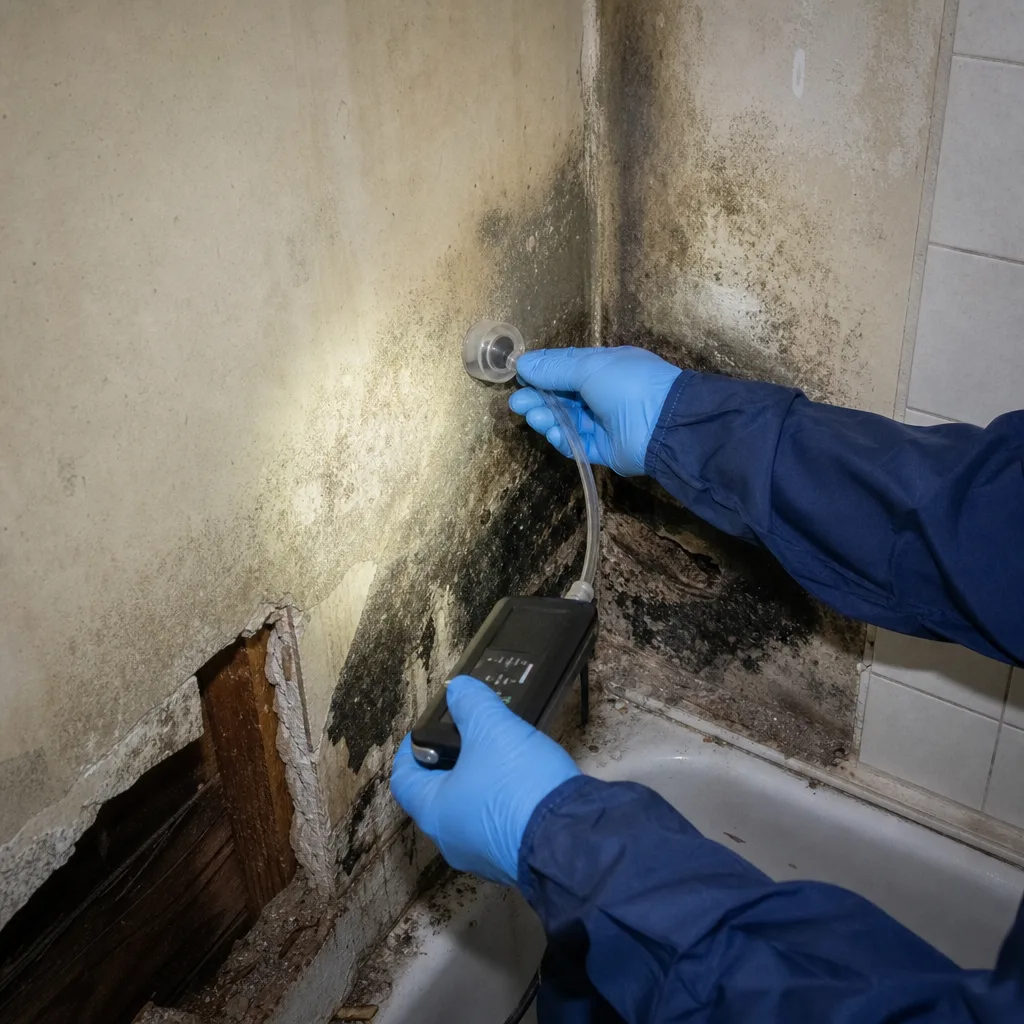
What happens when you call
- 1
A real person answersNo phone trees - you reach a local pro.
- 2
You get an upfront price rangeHonest numbers before anyone is dispatched.
- 3
A background-checked tech heads outLicensed & insured, dispatched right away.
- 4
You approve before work beginsNothing starts until you say go.
Biohazard & Crime Scene Cleanup Costs in East New York, NY
A straightforward blood cleanup in one room of an East New York home typically runs $1,200 to $2,800. Hoarding cleanups start around $2,000 and can reach $10,000 or more depending on volume and structural damage. Unattended death cleanups average $2,500 to $5,000, with upper ranges when decomposition fluids reached subflooring or wall cavities. Infectious disease disinfection for a standard apartment runs $800 to $2,000. Sewage backup cleanup in an attached row house or NYCHA unit usually lands between $1,500 and $4,500, because shared wall cavities and plumbing chases often mean opening and treating more than one room.
What moves the price: how far contamination spread, whether containment is required, how much porous material must be removed, and whether HPD or NYCHA compliance paperwork is involved. Insurance covers most biohazard cleanups when the cause is a covered peril like sewage backup or crime scene. The free inspection gives you a firm, written scope before any work starts. No surprises on the bill, and no high-pressure upsell. Call (518) 750-3137 to schedule an assessment.
We Also Serve Cities Near East New York
East New York sits at the center of our Brooklyn response area. We also serve East Flatbush, Sunset Park, Bedford-Stuyvesant, and Bensonhurst, with the same 45-minute dispatch commitment and live 24/7 phone answer. East New York remains our priority corridor, but your neighbors in nearby Brooklyn communities get the same crews and the same written guarantee.
East New York Biohazard & Crime Scene Cleanup Questions, Answered
How does your East New York team handle a sewage backup in a NYCHA Pink Houses apartment when the source is a shared vertical chase?
We treat every shared-chase sewage backup in the Pink Houses as a multi-unit contamination event, not a single apartment job. The vertical plumbing chase connects floors, so category 3 water from one unit can saturate drywall, insulation, and framing in the units above and below. We set containment in the affected unit, moisture-map the chase wall, and coordinate with NYCHA management before opening any wall. The goal is one remediation that clears the entire chase, not a patch that leaves black water trapped between floors. Call (518) 750-3137 and we’ll walk the scene with you.
What should I do if a crime scene cleanup in a Spring Creek home reveals old mold from Hurricane Sandy behind the drywall?
Stop work immediately, document what’s visible, and bring your adjuster in before disturbing the area further. Encapsulated Sandy-era mold is often dormant until new moisture from blood or sewage cleanup reactivates it. In Spring Creek and the low-lying Belt Parkway blocks, we regularly find blackened subflooring and active mold colonies behind walls that were “remediated” in 2012 with a paint-over job. We photograph everything, run moisture readings, and include the old mold in the current claim scope. You should not pay out of pocket for someone else’s incomplete 2012 work.
Can you clear an HPD violation for an unattended death cleanup in an East New York row house with a flat roof?
Yes. We’ve cleared HPD violations in East New York row houses, and we know what inspectors look for on the re-inspection. The cleanup and odor treatment must address wall cavities and flooring, not just visible surfaces, because HPD inspectors check for lingering odor and visible staining. In flat-roofed attached homes, the roof condition matters too if water intrusion contributed to the condition. We provide the documentation HPD needs, and our work is done to pass on the first re-inspection.
Do you need a NYCHA work order to perform infectious disease disinfection in Linden Houses?
In practice, yes. NYCHA requires a work order for any third-party contractor entering a unit in the Linden Houses, and that work order must specify the scope before we can perform disinfection. We coordinate with the property management office and your housing representative to get the work order issued, then we perform the disinfection to EPA standards with logged dwell times and clearance documentation. If you’re a resident, call us first and we’ll help you navigate the work order process so the job doesn’t stall.
How do you prevent cross-contamination in an East New York attached brick row house when blood cleanup is in one unit and the neighbor’s side has children?
We treat the shared wall as part of the containment zone. That means negative air pressure in the affected unit, HEPA scrubbers running before any wall is opened, and a check of the shared wall cavity from both sides when possible. In East New York’s attached brick row houses, the stud bays between units are often connected, not solid. Blood that soaks into the shared wall cavity can off-gas or carry airborne pathogens into the neighbor’s side. We set containment first and verify the cavity is clean before we close it back up.
How quickly can you actually get to an East New York address?
We commit to 45 minutes from your call for emergency biohazard work in East New York. Our dispatch is local, and our crews know the routes: Atlantic Avenue to Logan Street, Linden Boulevard to Pennsylvania Avenue, Flatlands Avenue through the Starrett City blocks. A live person takes your call 24/7, and the crew arrives with containment equipment, PPE, and the right tools on the truck. You’re not waiting for a second trip because someone forgot a HEPA scrubber.
Will insurance cover biohazard cleanup in East New York?
In most cases it does, when the source is a covered peril like sewage backup, a covered crime, or water damage that created the contamination. The exceptions are usually pre-existing conditions, deferred maintenance, or hoarding situations where the policy excludes neglect. We work directly with your adjuster from day one, and our line-item scopes use the same estimating software most carriers recognize. If a claim gets questioned, we advocate for you and document everything so the adjuster has what they need.
What should I do in the first 30 minutes after discovering a biohazard situation in my East New York home?
Keep people and pets out of the affected area, close the door if you can, and don’t touch or move anything with bare hands. Don’t turn on fans or the HVAC system, because that spreads airborne contaminants into other rooms. Don’t use household cleaners or bleach on blood or bodily fluids; those create a larger contamination zone and complicate proper remediation. Call us at (518) 750-3137 right away. We’ll tell you what to do on the phone while the crew is in transit.
Serving East New York, NY - Our Local Coverage Area
We’re based in the East New York area and know this community well. Use the map below to see our service coverage - if you’re nearby, we can almost certainly help.
One More Thing About East New York
In East New York, the NYCHA Pink Houses and Linden Houses have chronic water-intrusion problems, so biohazard cleanup often begins with category 3 water from sewage backups that have migrated through shared vertical plumbing chases, not an isolated unit leak. What a homeowner or property manager initially calls a “simple backup” is frequently black water that has already traveled through the chase and saturated drywall, insulation, and framing in adjacent units. That changes the entire scope: containment becomes non-negotiable, the remediation area expands beyond the first apartment, and HPD or NYCHA compliance enters the picture immediately.
At a Linden Houses unit off Stanley Avenue, our techs arrived for what was called a simple sewage backup, but moisture mapping through the shared plumbing chase revealed category 3 water had saturated the drywall between two apartments. We set containment, pulled the affected sheetrock, and found fibers degraded by years of deferred maintenance. After antimicrobial treatment and structural drying with Phoenix air movers, we restored the pre-loss condition and cleared the HPD violation. That’s the difference between a crew that reads the visible surface and one that reads the building. Floodline Restoration Co. reads the building.
Written by Curt Bowman, Owner at Floodline Restoration Co., serving East New York with 24/7 biohazard and crime scene cleanup.