
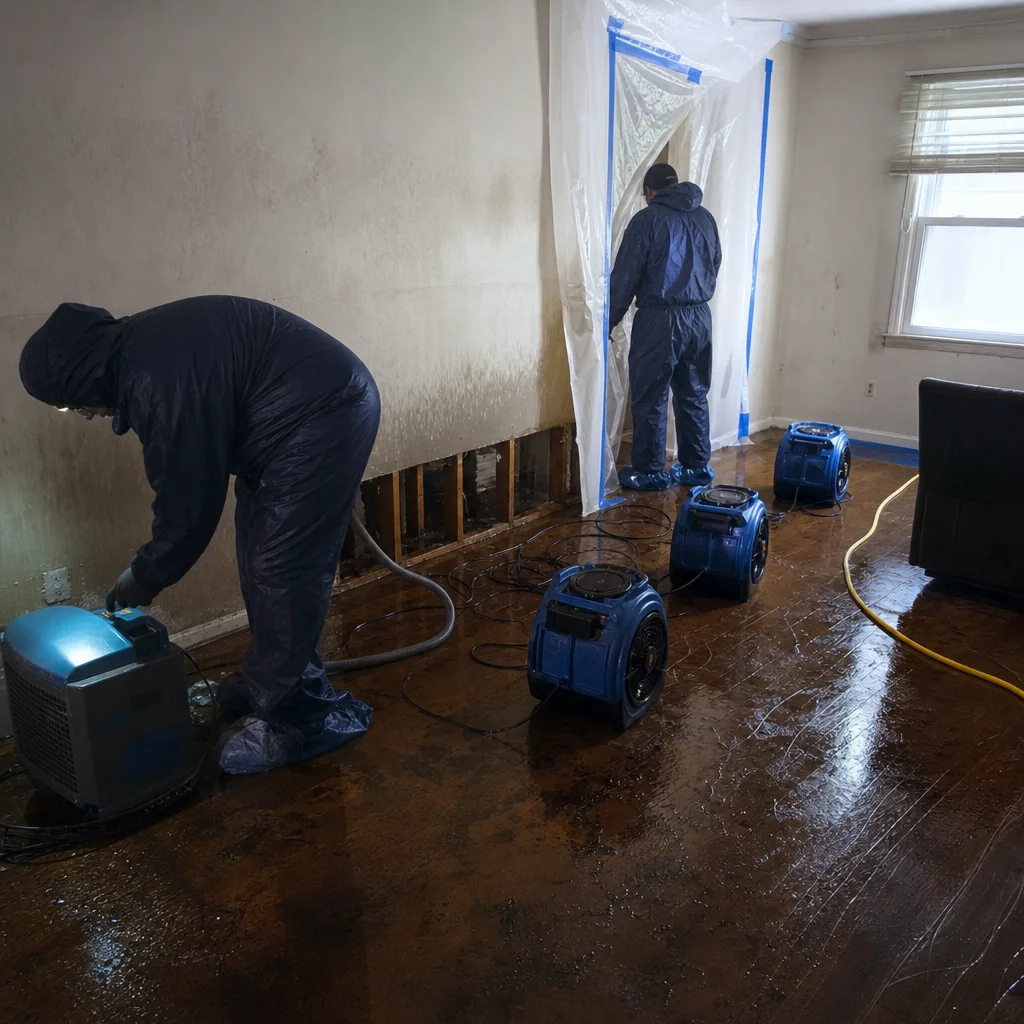
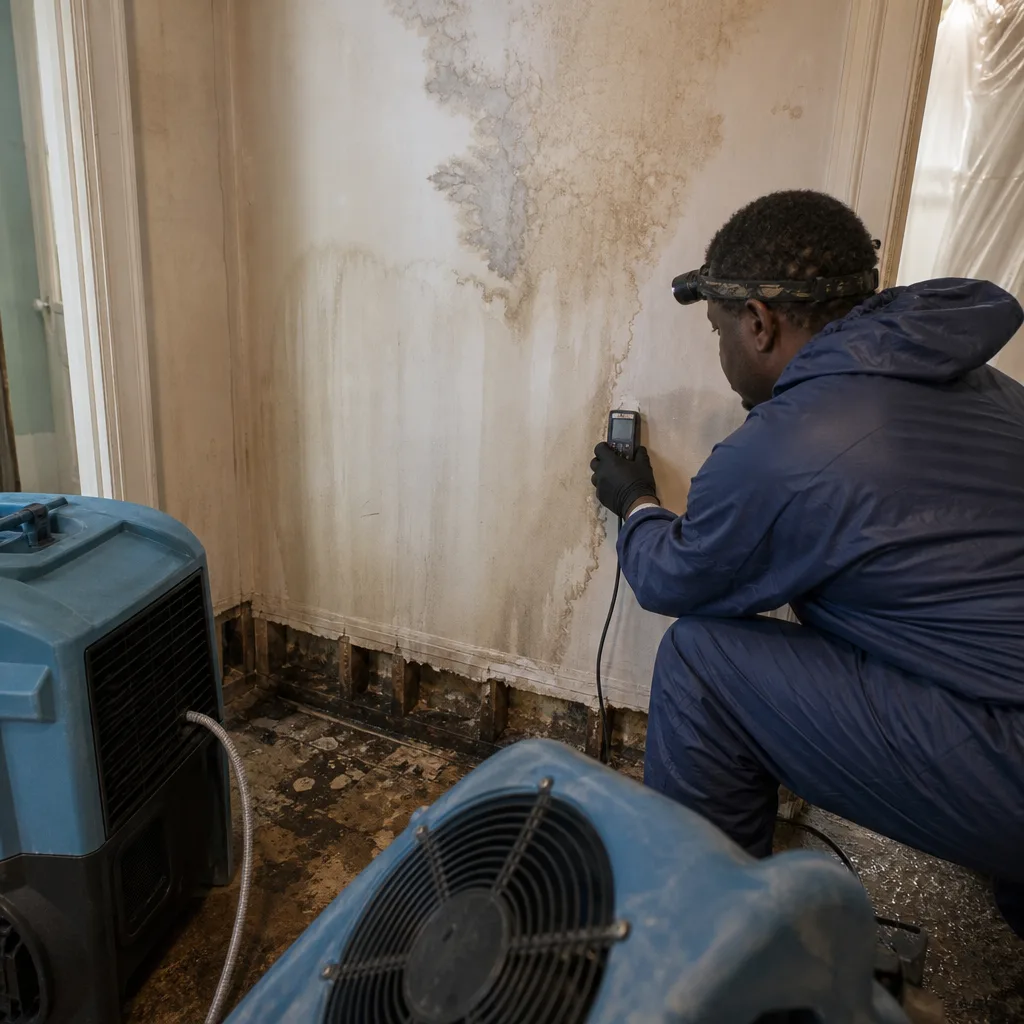
Free visual inspection and a written scope of work before any mitigation begins - photos, moisture readings, and drying logs go in your claim file
The scope we write is the scope we bill. Anything new gets shown to you, in writing, before we touch it.
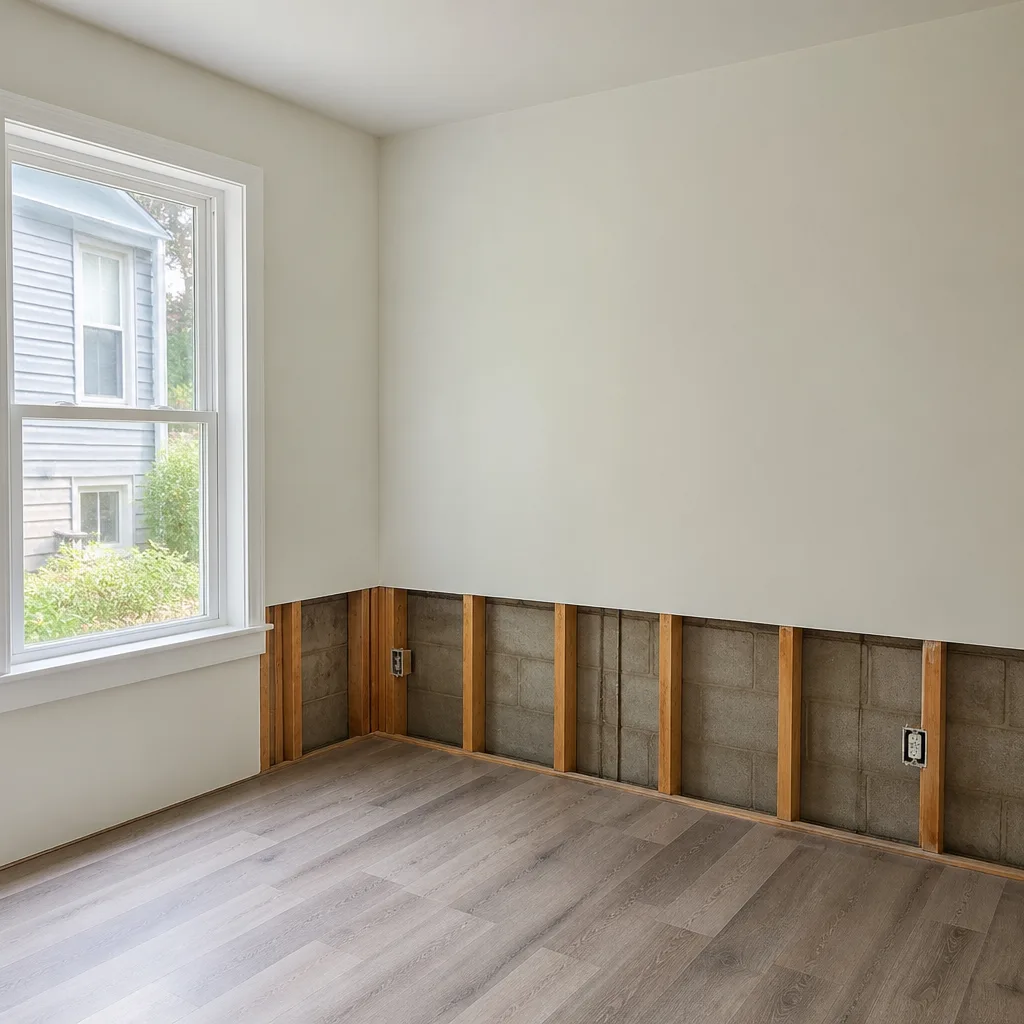
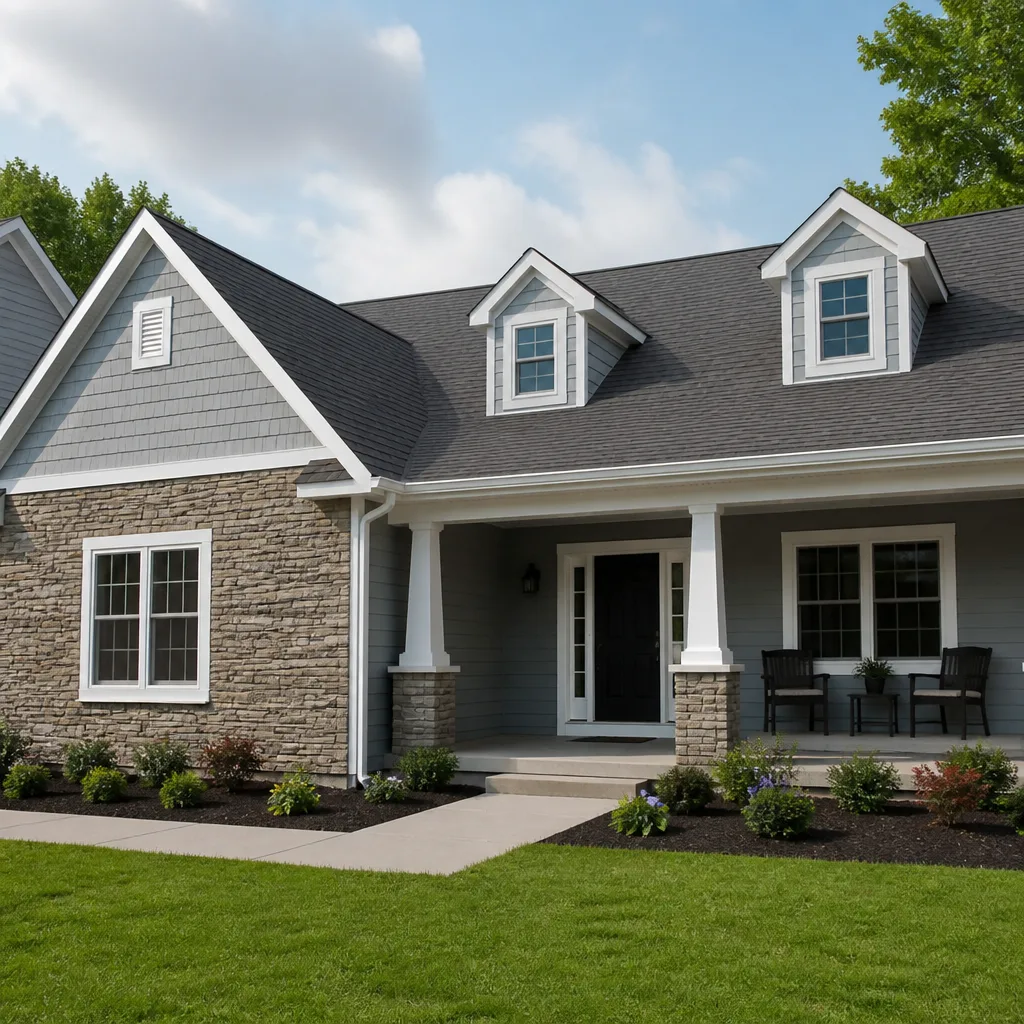
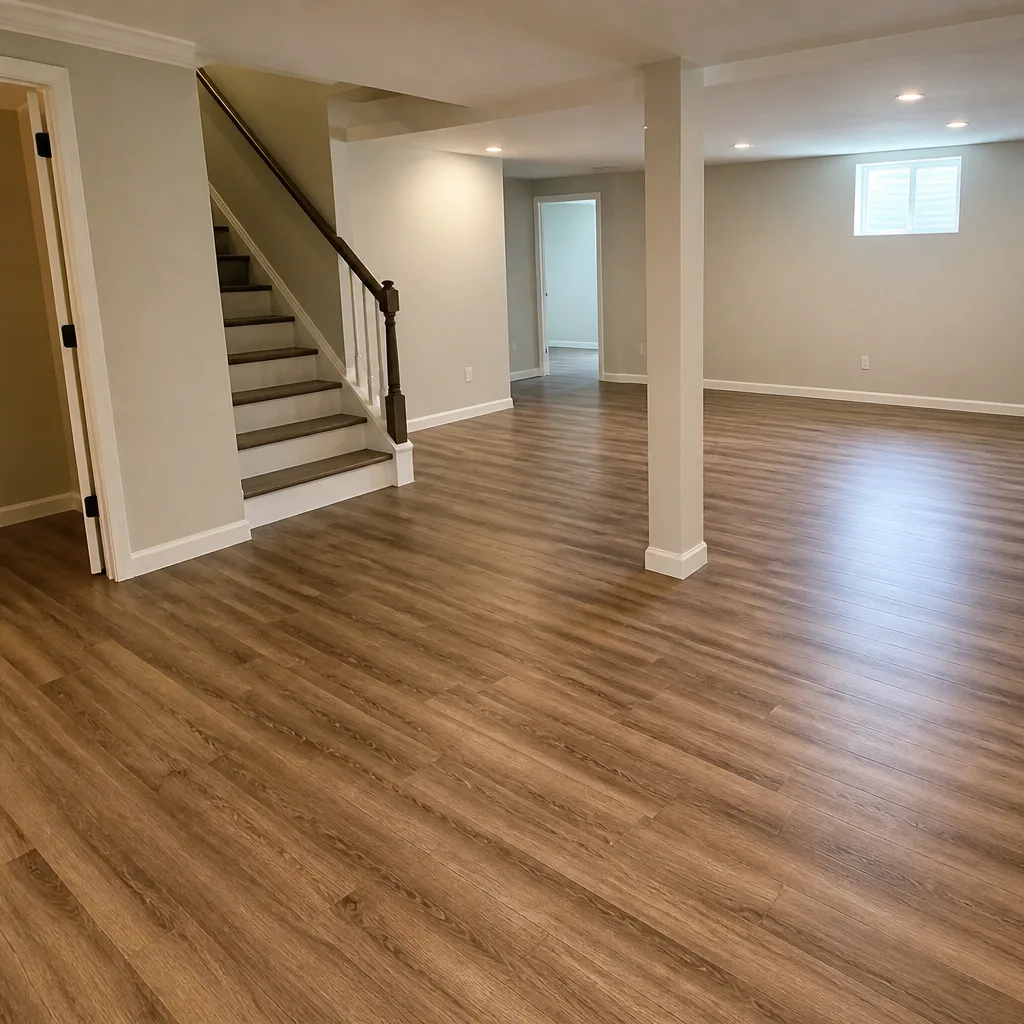
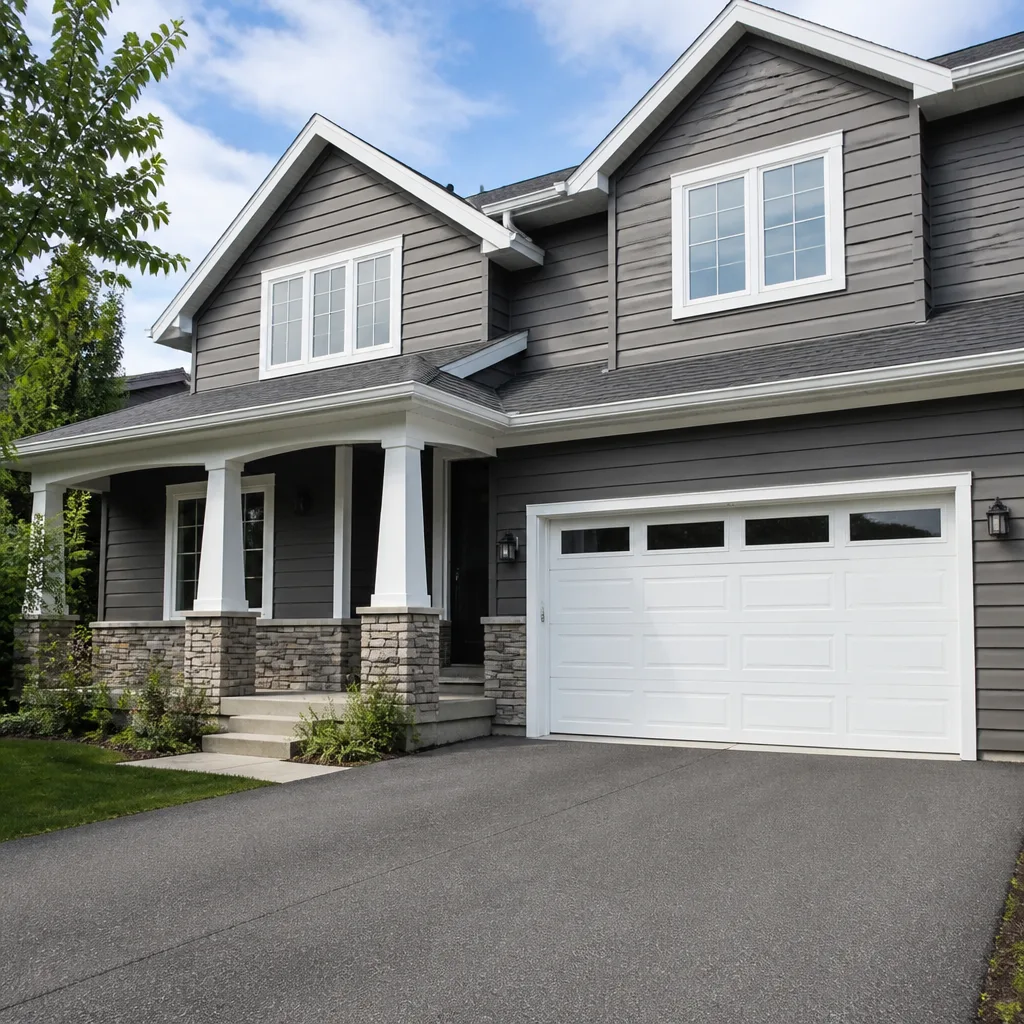
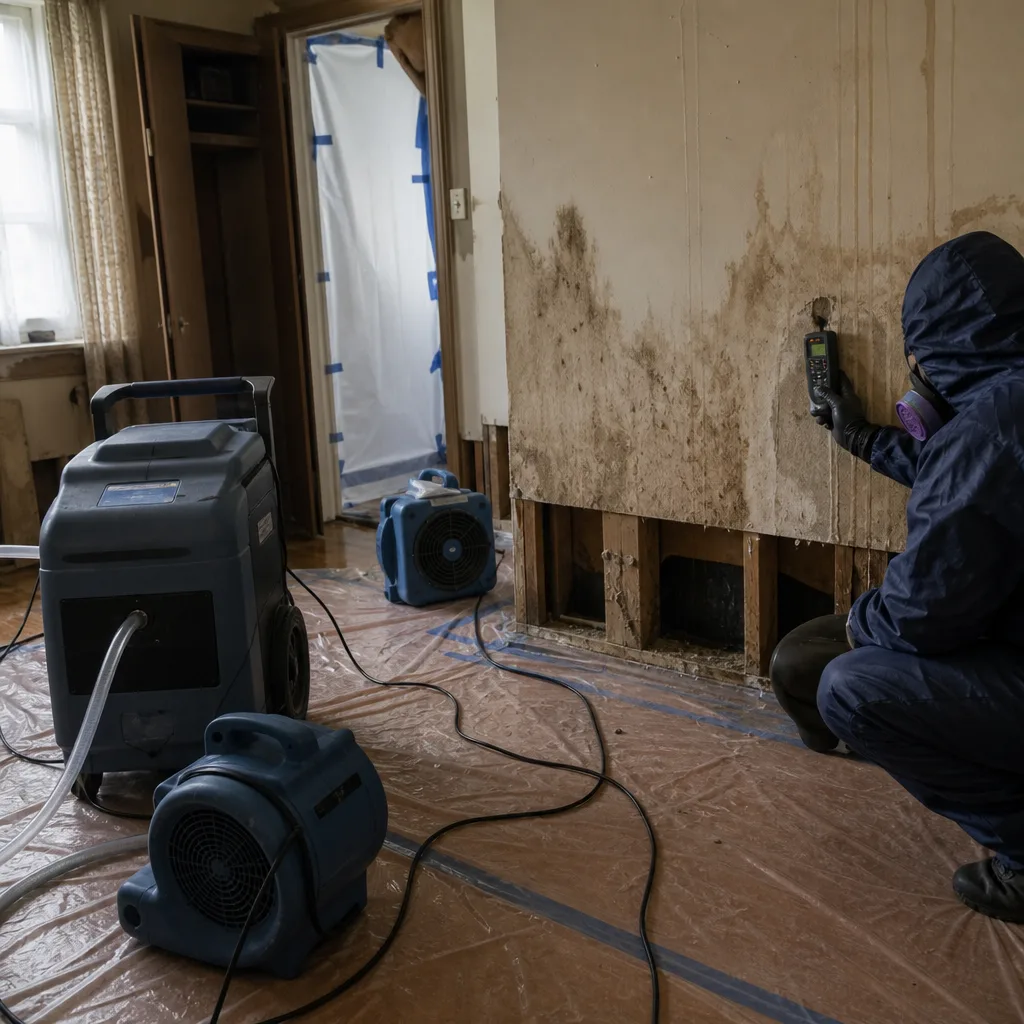 Before
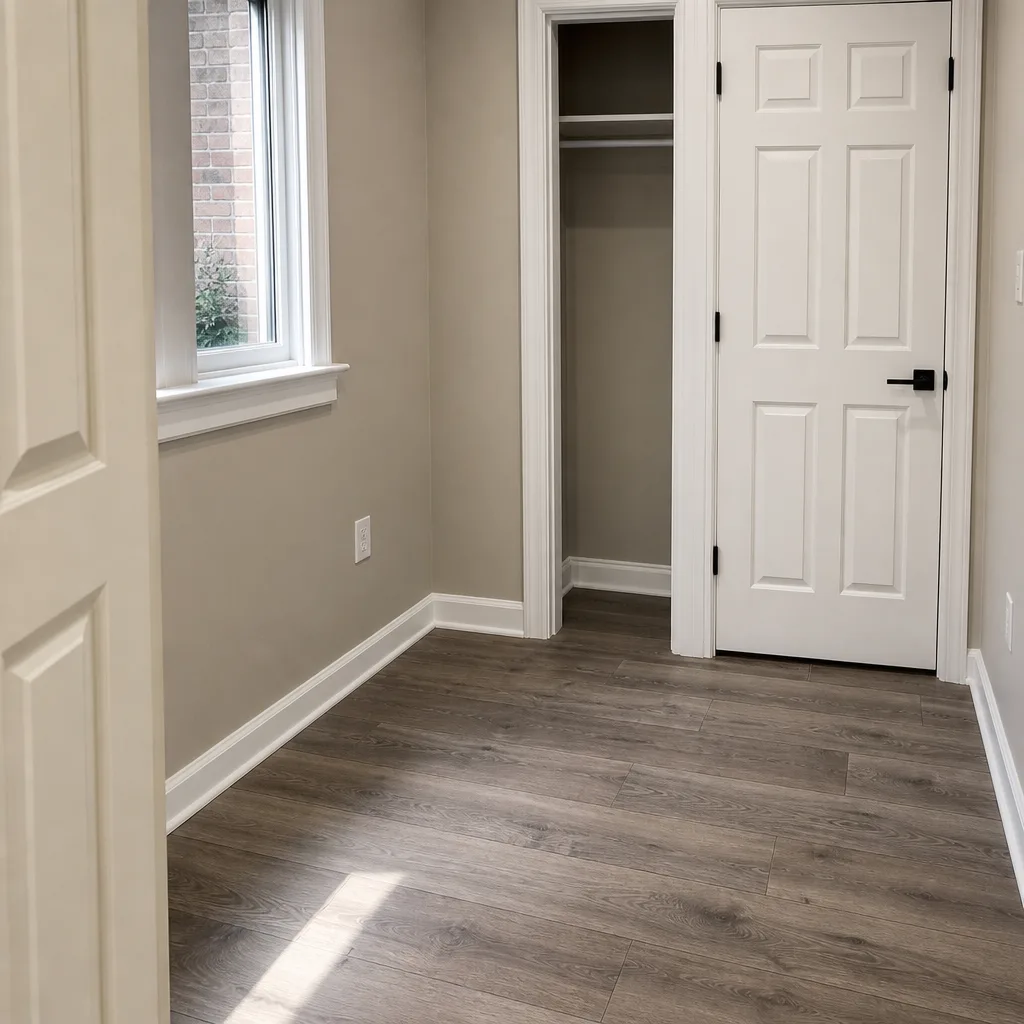 After
After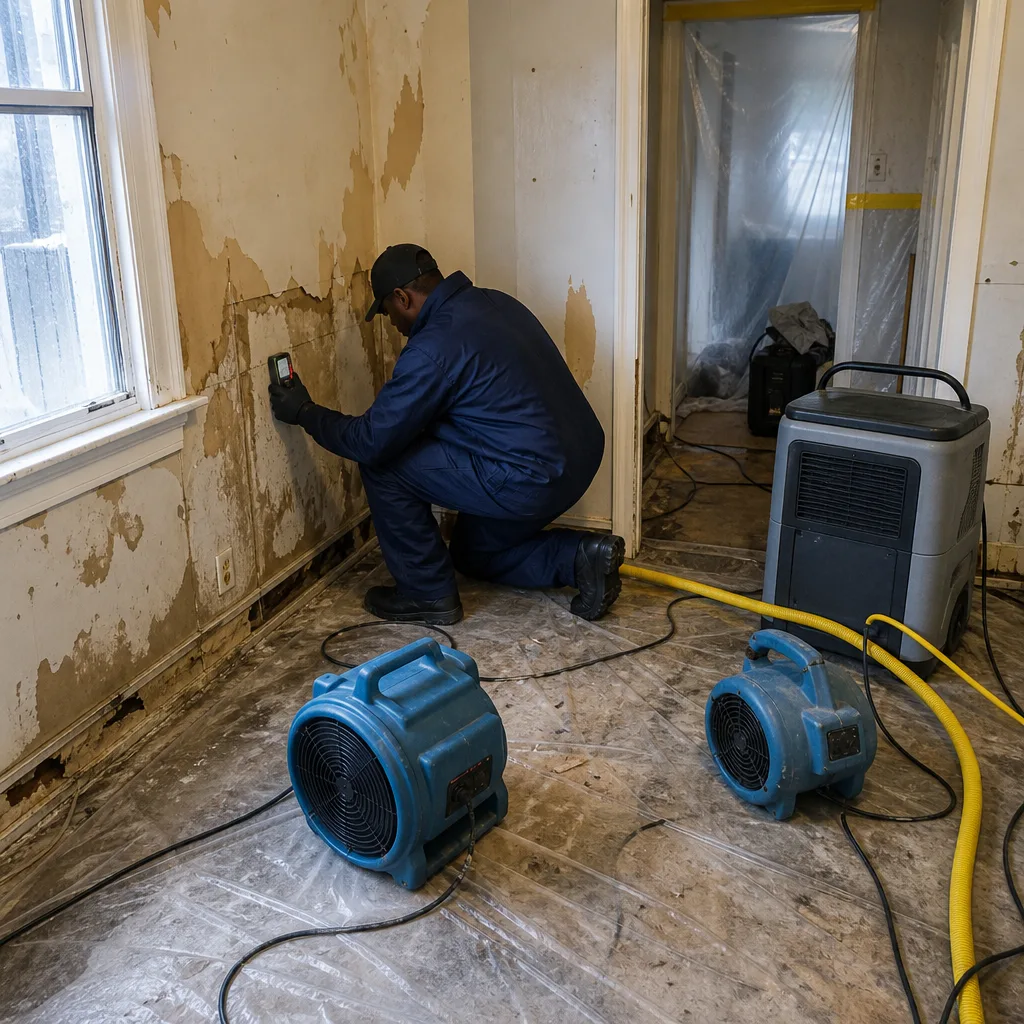 Before
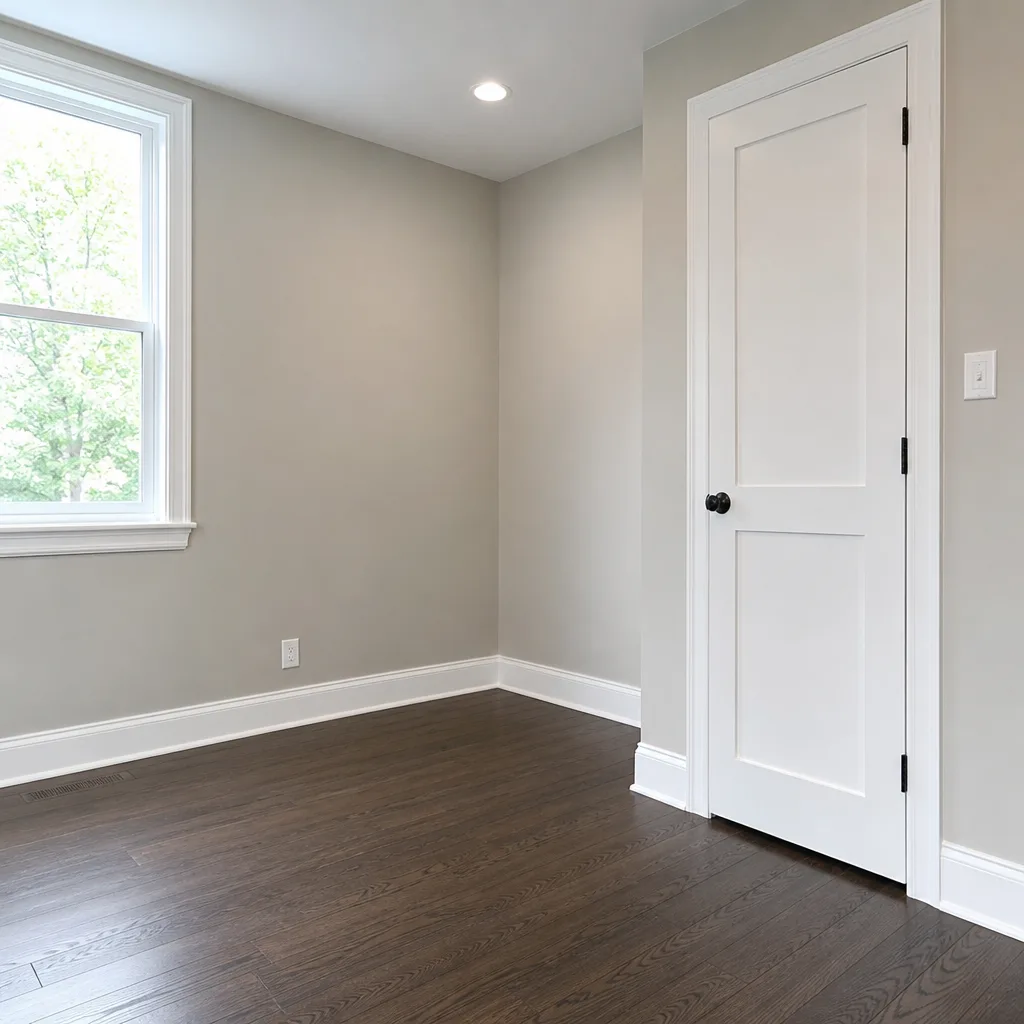 After
After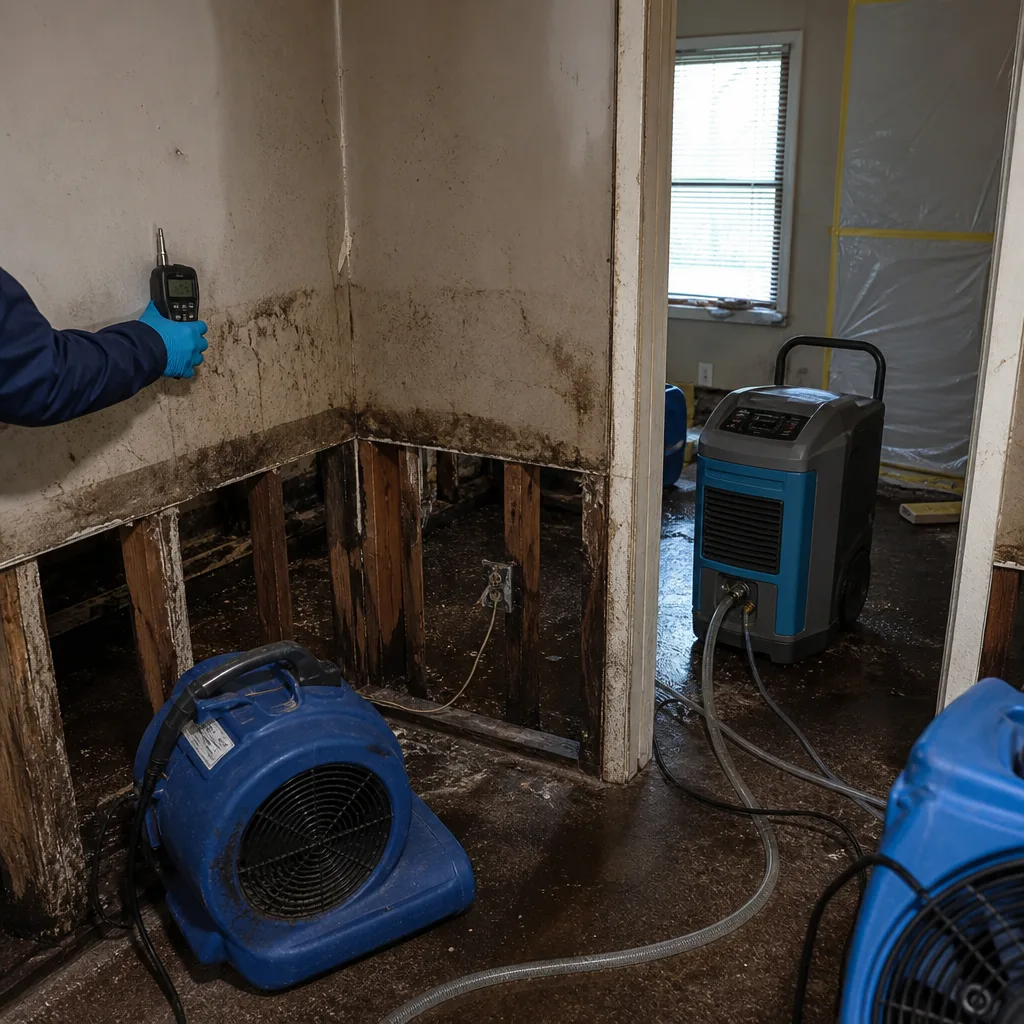 Before
 After
After24/7 Emergency Commercial Restoration in Williamsburg
Commercial restoration in Williamsburg rarely happens during business hours. A pipe lets go at 3 a.m. inside a converted loft on Berry Street, or a nor’easter pushes the East River over its bulkheads and into a ground-floor retail space before the morning shift arrives. When that happens, you need a live person on the phone, not a recording. Floodline Restoration Co. answers every call around the clock with a real dispatcher who can have a crew rolling toward your Williamsburg address within 45 minutes. Call (518) 750-3137 the moment you see water, smoke, or mold. The first hour sets the trajectory. Category 2 water becomes Category 3 in under 48 hours. Soot etches into plaster and brick if it sits. Mold colonies establish inside 24 to 48 hours on wet drywall, wood, and the plaster-on-lath walls that define Williamsburg’s pre-war buildings. Acting fast is the difference between a cleanup and a rebuild. Our Commercial Restoration team starts with a free visual inspection, a moisture map, and a written scope so you know exactly what you’re facing before any work begins.
Understanding Commercial Restoration Severity in Williamsburg Properties
Williamsburg’s building stock runs older, denser, and more unconventional than most of New York. The converted industrial lofts along the waterfront corridor, the brick tenements on the side streets off Bedford Avenue, and the mixed-use storefronts under residential units all behave differently when water, fire, or mold moves through them. Commercial restoration here demands more than a standard drywall-and-carpet playbook.
Water damage gets classified by contamination level. Category 1 is clean water from a supply line. Category 2 carries significant contamination, the kind you see when a dishwasher drain backs up or a cast-iron waste pipe cracks inside a party wall. Category 3 is grossly contaminated, typically from sewer backups or East River storm surge pushing into a basement. A Category 1 loss in a modern office can often be dried in place. The same volume of water in a 1910 tenement with plaster-on-lath walls and open cavities between joists becomes a much harder problem because moisture travels laterally through shared wall assemblies. Fire damage in Williamsburg’s older buildings presents its own complexity: protein soot from a kitchen fire in a ground-floor restaurant behaves differently than synthetic soot from burned inventory in a retail space. Each residue type requires specific cleaning chemistry and technique. Mold in these buildings often hides behind decades-old plaster, in brick mortar joints, or inside the open freight shafts that many loft conversions never fully sealed. Moisture mapping with thermal imaging and hygrometers is not optional here. It’s how we find what the eye misses.
Why Williamsburg Property Owners Choose Floodline Restoration Co.
- 45-minute response commitment: Our crews are minutes from Williamsburg’s commercial corridors, not dispatched from across the river. When you call at 2 a.m., a real person answers and a real crew moves.
- 24/7 live answer, always: No automated phone trees, no “press 1 for emergencies,” no callback queue. A live dispatcher picks up every call, every hour, every day.
- IICRC-certified crews: Our technicians carry WRT (Water Restoration Technician), FSRT (Fire & Smoke Restoration Technician), and AMRT (Applied Microbial Remediation Technician) certifications, plus RIA and IFA training. They know how brick, plaster, and exposed concrete behave under moisture load.
- Free visual inspection: We walk the loss with you, explain what we’re seeing in plain English, and provide a written scope before any equipment gets unloaded.
- Direct insurance billing: We bill your carrier directly, with line-item estimates, moisture logs, and photo documentation from the first hour. You never play messenger between us and your adjuster.
- One team from extraction to reconstruction: The same Floodline Restoration Co. crew that sets the drying plan handles daily readings, coordinates the rebuild, and hands you the moisture log. No mid-job handoff.
Our Commercial Restoration Process
Inspection & Assessment
We arrive, walk the entire loss, and set up containment. Thermal imaging and penetrating moisture meters map where water or soot has actually traveled, including the vertical runs inside Williamsburg’s open freight shafts and party wall cavities.
Extraction / Stabilization
Standing water comes out first with truck-mounted extraction units. For fire losses, this is where we stabilize air quality with HEPA air scrubbers and board up or tarp openings. The goal is stopping the damage where it is.
Drying & Dehumidification
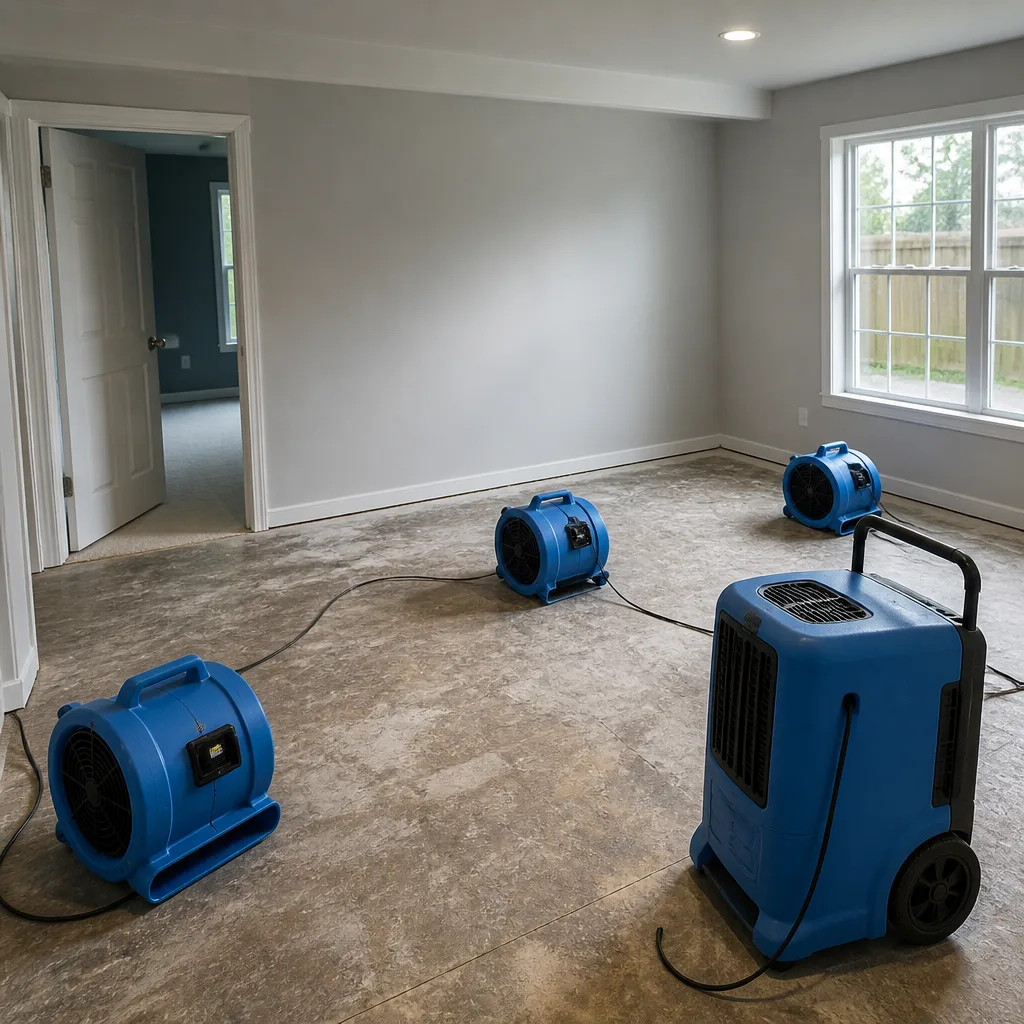
Professional-grade Dri-Eaz and Phoenix LGR dehumidifiers plus high-velocity air movers work to pull moisture from plaster, brick, and concrete. On exposed concrete slabs in industrial conversions, we take readings every four hours because that material releases water slowly.
Cleaning & Sanitization
Depending on the loss, this means antimicrobial application, HEPA vacuuming, soda blasting or chemical sponge cleaning of soot-laden brick, and odor neutralization. We clean what can be saved and document what cannot.
Specialty Treatment for Commercial Spaces
Office equipment, retail inventory, and business documents require specialized handling. We coordinate document freeze-drying, electronics assessment, and inventory packing with contents restoration protocols specific to commercial losses.
Repairs & Restoration
The same crew that dried the building handles the rebuild: plaster repair, brick repointing where water compromised mortar, flooring, millwork, and paint. The job ends with a moisture log in your hands and the 90-Day Done Right Promise in writing.
Need Emergency Commercial Restoration in Williamsburg Now?
Crews minutes away, answering live 24 hours a day. The sooner we start, the less it costs.
Working With Your Insurance Company
Commercial restoration in Williamsburg often involves claims that stretch across multiple units, storefronts, and policy types, which makes the claims process more complicated than a single-family residential loss. We handle it the same way we handle every Floodline job: documentation from the first hour, industry-standard estimates built on line-item scopes, and direct adjuster communication. We photograph every inch of the loss room by room before demolition begins. We log moisture readings on a schedule your carrier can audit. We provide a scope of work that holds up to scrutiny because it’s based on what we found, not what we hope to bill. And when your adjuster calls, our project manager talks to them directly. You keep running your business. We keep the claim moving.
What We Provide Your Insurer
- Thorough documentation of the loss
- Photos of all damage, room by room
- Moisture readings and drying logs
- A detailed, line-item scope of work
- Direct coordination with your carrier
Built for Williamsburg’s Loss Calendar
Williamsburg’s commercial restoration needs follow a predictable rhythm tied to the waterfront and the weather. January deep freezes are the season for frozen supply lines in unheated basement retail spaces and burst cast-iron pipes inside exterior walls of pre-war tenements. A cold snap that dips below 15 degrees with wind off the East River reliably produces a wave of calls from the blocks around McCarren Park and the side streets off Grand Street. Spring brings snowmelt and the season’s first heavy rains, which find their way through the flat roofs and aging flashing on the former warehouse buildings north of the BQE, and through foundation cracks into basement-level restaurants and bars. Summer thunderstorms dump water faster than the combined sewer system can channel it away, sending category 2 and sometimes category 3 water into below-grade commercial spaces along Kent Avenue and the Newtown Creek corridor. Fall nor’easters push the East River against the shoreline, testing every bulkhead, drain, and waterproofing system on the waterfront side of the neighborhood. We plan our equipment staging and crew schedules around these patterns. Not because we can predict every loss, but because 42 years in this region teaches you what the calendar brings.
Commercial Restoration Across Williamsburg’s Neighborhoods
The North 1st to North 7th Street corridor through Williamsburg holds the highest concentration of converted industrial lofts, the brick and timber warehouses that became residential and commercial spaces over the last three decades. Restoration work there means working inside open floor plates with exposed concrete, steel columns, and those open freight elevator shafts that create vertical water pathways a standard moisture map would miss. We treat every loss in that corridor as a potential multi-level event until proven otherwise.
The blocks around Bedford Avenue and Driggs Avenue are dominated by pre-war brick tenements with ground-floor retail and residential above. When a pipe bursts in a fourth-floor walk-up, the water travels down through shared party walls and into the shops and offices below. That means containment and drying plans have to account for laterally adjacent tenants, not just the unit where the loss started. The waterfront blocks east of Kent Avenue and along the Newtown Creek side contend with storm surge and drainage backups. The commercial spaces in converted factories bordering McCarren Park and running up toward Greenpoint often sit on flat roofs with decades of deferred maintenance, making them vulnerable to interior leaks after any significant storm. And the mixed-use corridors along Graham Avenue and Metropolitan Avenue carry the daily wear of high foot traffic, delivery logistics, and building systems that have been patched and re-patched for a century. We know what to expect on each block because we have worked them all.
Specialized Commercial Restoration Services We Offer in Williamsburg
Large-Loss Response
When a fire touches multiple units in a Williamsburg tenement or a roof failure floods an entire loft floor, the logistics change entirely. We stage equipment, coordinate with building management and the fire marshal, and sequence the work so occupied tenants can stay in place wherever possible while containment protects the rest of the building. Our crews have handled commercial losses that span thousands of square feet across the North Brooklyn waterfront, and we bring the same planning discipline to every large-loss event.
Multi-Unit & HOA Restoration
Restoring a multi-unit building in Williamsburg means understanding party walls, shared utilities, and the legal and practical lines between what belongs to the building, what belongs to a unit owner, and what the HOA’s policy actually covers. We map the loss against those boundaries from the first inspection, document each affected space separately, and coordinate directly with property managers and board members so they don’t have to translate between contractors and carriers. This is where our direct insurance billing approach does the heaviest lifting.
Industrial Facility Cleanup
Williamsburg still holds active manufacturing, warehousing, and light industrial operations in the older buildings near the East River and along the Newtown Creek edge. Industrial cleanup means working around production schedules, understanding the chemical and particulate loading unique to each facility, and managing safety and air quality standards that exceed what a residential loss requires. We run HEPA air scrubbers, set negative pressure containment, and clean at a standard that lets your operation get back to work without a lingering odor or a safety citation.
What happens when you call
- 1
A real person answersNo phone trees - you reach a local pro.
- 2
You get an upfront price rangeHonest numbers before anyone is dispatched.
- 3
A background-checked tech heads outLicensed & insured, dispatched right away.
- 4
You approve before work beginsNothing starts until you say go.
Commercial Restoration Costs in Williamsburg, NY
Commercial restoration in Williamsburg tends to run higher than the metro average because the building stock demands more labor-intensive work. A small water damage event in a ground-floor retail space, a broken supply line caught within an hour with no structural saturation, typically runs $1,800 to $4,000 for extraction, drying, and basic repair. A mid-size loss involving multiple units in a tenement, or significant water in a converted loft with plaster walls and exposed timber joists, commonly falls between $8,000 and $25,000 depending on the square footage and the materials involved. Large-loss fire or flood events that require full demolition, structural drying, and rebuild across a commercial floor plate can range from $40,000 up into six figures. For mold remediation in Williamsburg’s older buildings, where containment and air scrubbing are mandatory and hidden colonies often require invasive inspection, plan on $3,500 to $12,000 for a typical retail or office space. The free visual inspection is how you get a firm number. We document the loss, build a line-item scope in writing, and let your carrier see exactly what we’re proposing before you approve anything.
We Also Serve Cities Near Williamsburg
Our crews run daily throughout North Brooklyn and beyond. If your commercial property sits just outside Williamsburg proper, we cover Commercial Restoration in Williamsburg and the surrounding neighborhoods. We regularly work in East Flatbush, Sunset Park, Bedford-Stuyvesant, and Bensonhurst, bringing the same 45-minute response commitment and written-scope discipline to every job.
Serving Williamsburg, NY - Our Local Coverage Area
We’re based in the Williamsburg area and know this community well. Use the map below to see our service coverage - if you’re nearby, we can almost certainly help.
Williamsburg Commercial Restoration Questions, Answered
How do you handle water damage in a Williamsburg converted loft where an open freight elevator shaft spans multiple floors?
We treat the freight shaft as a vertical water pathway and moisture-map every floor before setting our drying plan. The shaft means water from a roof leak or upper-floor loss can travel straight to basement level and saturate commercial units on every floor in between, so we inspect each level’s ceiling, wall cavities adjacent to the shaft, and slab moisture readings before calculating drying equipment placement. In these buildings we also run extra air movement and dehumidifier capacity on lower floors because that’s where water pools after traveling down the shaft.
What makes commercial restoration different in Williamsburg’s pre-war brick tenements compared to modern buildings?
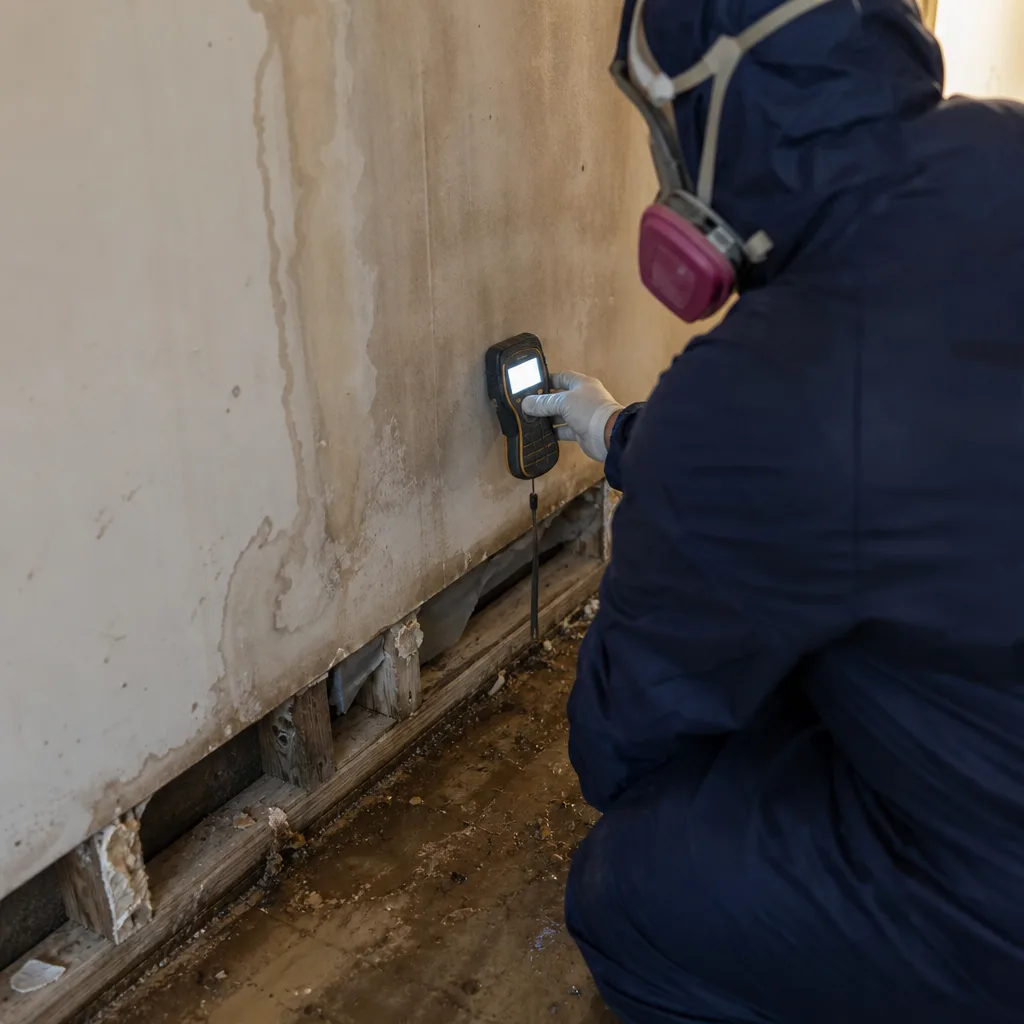
Plaster-on-lath walls, shared party walls, and open joist cavities mean moisture moves laterally into adjacent units and downward through masonry in ways that modern drywall construction does not. A pipe burst in one storefront can saturate the plaster in the shop next door within hours. Restoration in these buildings requires containment across adjacent spaces, moisture meters read on plaster and masonry (not just drywall settings), and drying plans that account for slow-release materials like brick and lath that hold water far longer than gypsum board.
After a nor’easter, my Williamsburg storefront has standing water on the flat roof and interior leaks. How quickly should I act before mold starts?
Call us the same day. Mold can establish within 24 to 48 hours on wet drywall, plaster, and organic debris. Flat roofs on Williamsburg’s older commercial buildings pool water after nor’easters, and that water finds its way through compromised flashing and into wall cavities where you can’t see it. We start with a same-day inspection, find the intrusion points, and begin drying the interior of the building while the roof leak is addressed. The longer water sits inside a plaster wall cavity, the more likely you’re looking at full remediation instead of drying.
Can you restore office equipment and paper files after a flood in a Williamsburg basement retail space?
Yes, we can coordinate contents restoration for electronics, office equipment, and paper documents through established recovery protocols. For paper files, the critical step is not letting them dry naturally in a warped, stuck-together state; we coordinate freeze-drying through our contents partners. Electronics get assessed for corrosion potential and handled by technicians who know when a device can be saved versus when data recovery is the only path. We inventory and document everything for your insurance claim.
What should I expect when your crew starts structural drying on exposed concrete slabs in a Williamsburg industrial loft?
Concrete releases moisture slowly. The slab will be visibly damp for days even while the dehumidifiers run, and the drying process typically takes 3 to 7 days depending on slab thickness and the amount of water absorbed. We take moisture readings every four hours on concrete floors and log them for you and your carrier. Expect LGR dehumidifiers and air movers running around the clock, and plan for the drying chamber to stay enclosed so the equipment works efficiently. We don’t sign off until the slab meets the dry standard, not when it looks dry.
How fast can you actually get to a commercial loss in Williamsburg?
Our 45-minute response commitment applies throughout Williamsburg, day or night. A live dispatcher answers your call at (518) 750-3137, and a certified crew from our New York City office rolls toward your address immediately. No callbacks, no scheduling window, no wait for a regional manager to approve the dispatch.
Will my business interruption coverage handle the lost revenue while my Williamsburg storefront is being restored?
Business interruption coverage is typically part of a commercial property policy and kicks in after a covered loss forces you to close or operate at reduced capacity. What most owners don’t realize is that the claim is only as strong as the documentation. We provide the dated loss assessment, the daily drying logs, and the scope that your adjuster needs to calculate the interruption period accurately. We also work fast to minimize that period, because every day closed is revenue you don’t recover.
What should a Williamsburg business owner do in the first 30 minutes after discovering water damage?
Call (518) 750-3137 first. Then, if you can do so safely, shut off the water source and cut power to the affected area, but do not enter standing water in a basement, especially anywhere near Williamsburg’s waterfront zones where the water may be category 3 contamination from storm surge or sewer backup. Do not open walls or pull up flooring yourself; you’ll complicate both the restoration and the claim. We’ll walk you through immediate steps on the phone while the crew is en route.
Floodline Restoration Co. handles commercial restoration in Williamsburg from first response to finished rebuild, with a live person on the phone at any hour, a written scope before work starts, and the 90-Day Done Right Promise behind every job. Call (518) 750-3137 for a free inspection and a square deal.
Written by Curt Bowman, Owner at Floodline Restoration Co., serving Williamsburg and the surrounding North Brooklyn communities since 2010.