
Free visual inspection and a written scope of work before any mitigation begins - photos, moisture readings, and drying logs go in your claim file
The scope we write is the scope we bill. Anything new gets shown to you, in writing, before we touch it.
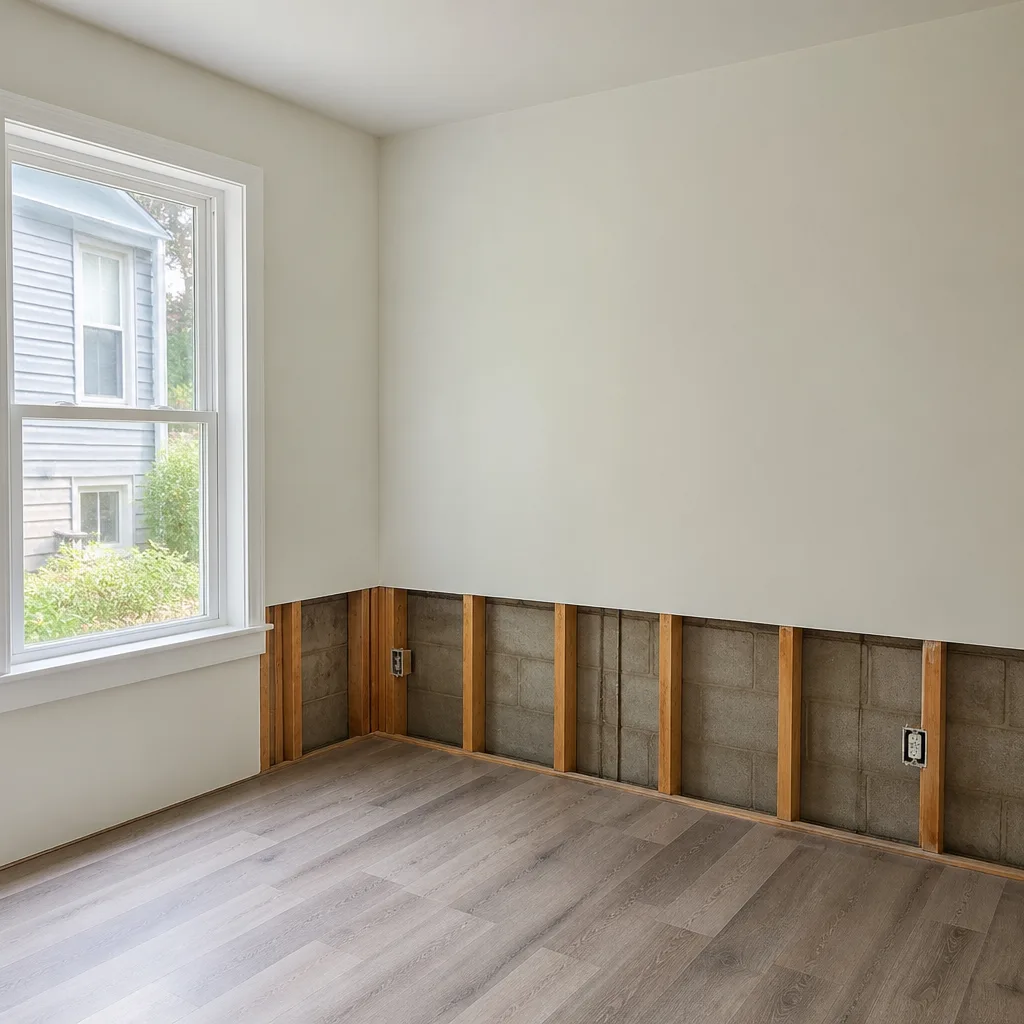
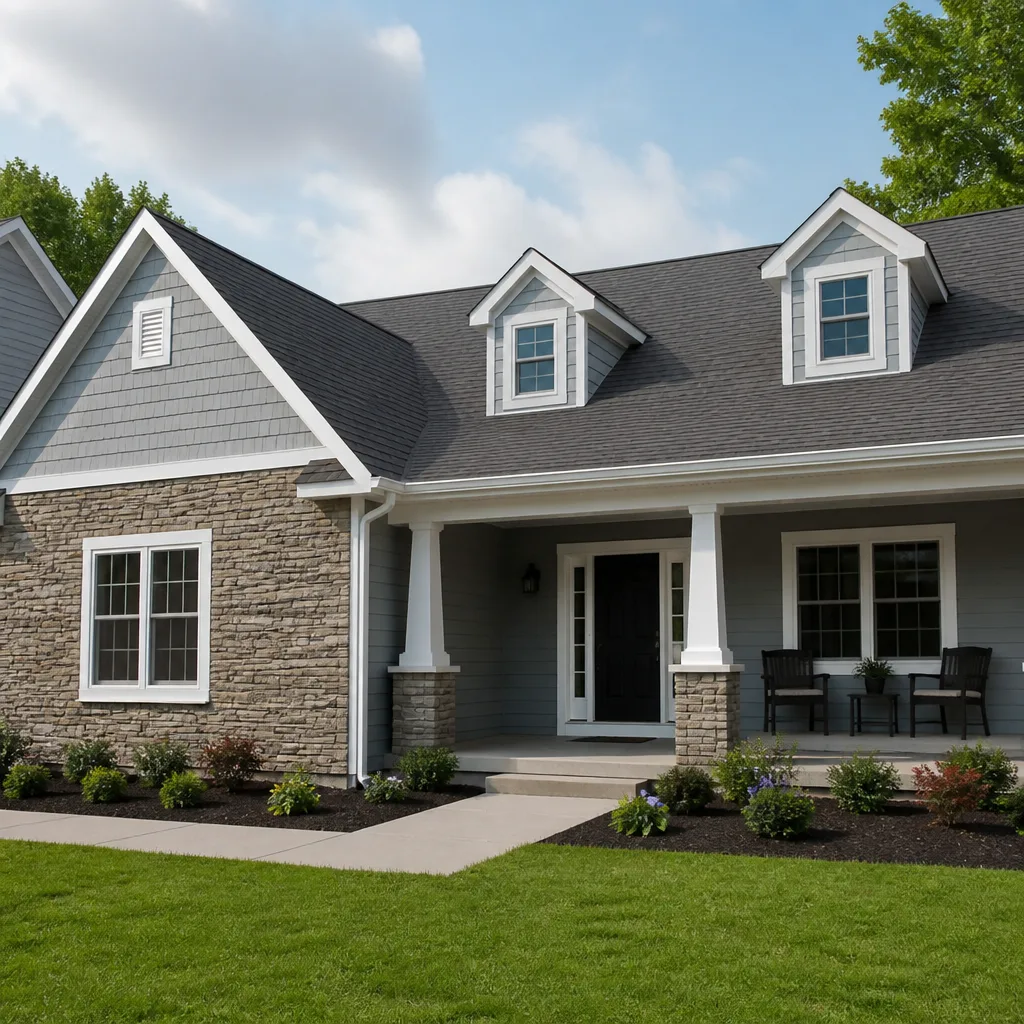
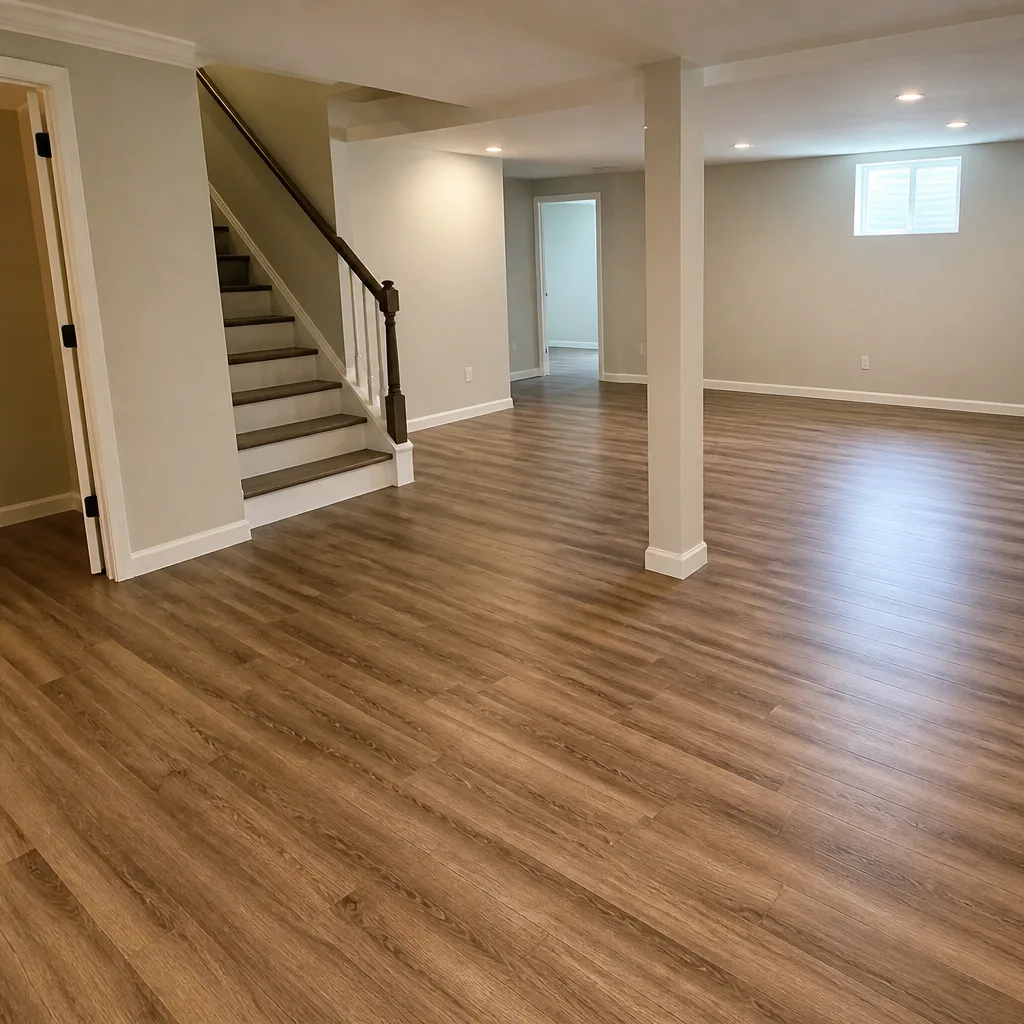
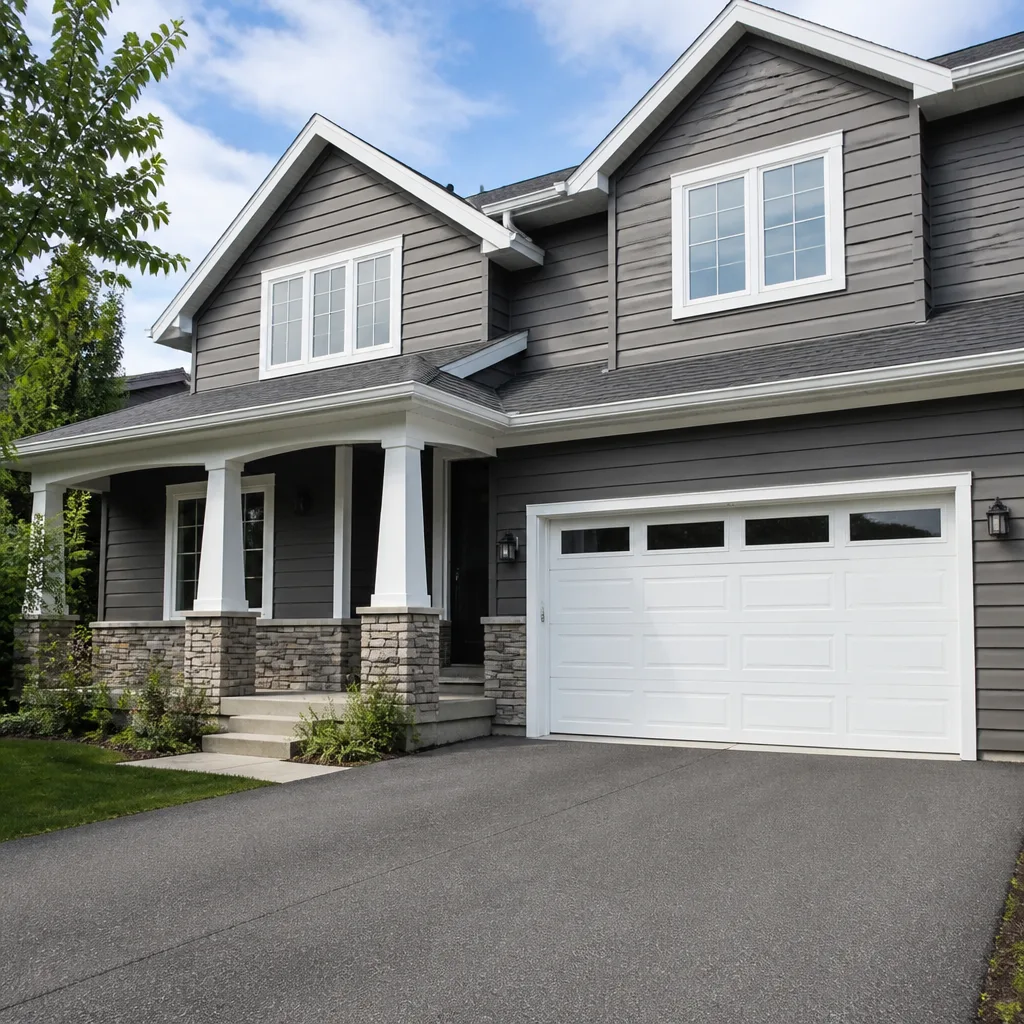
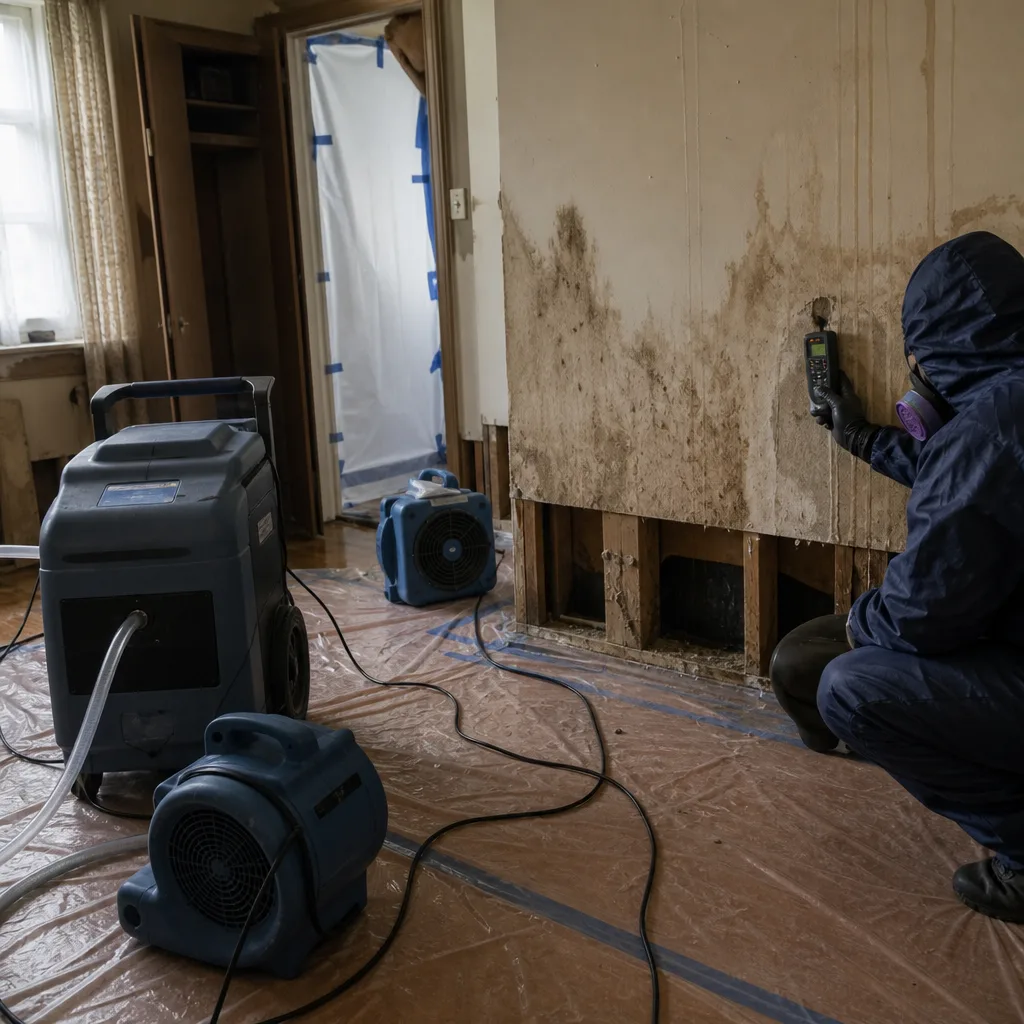 Before
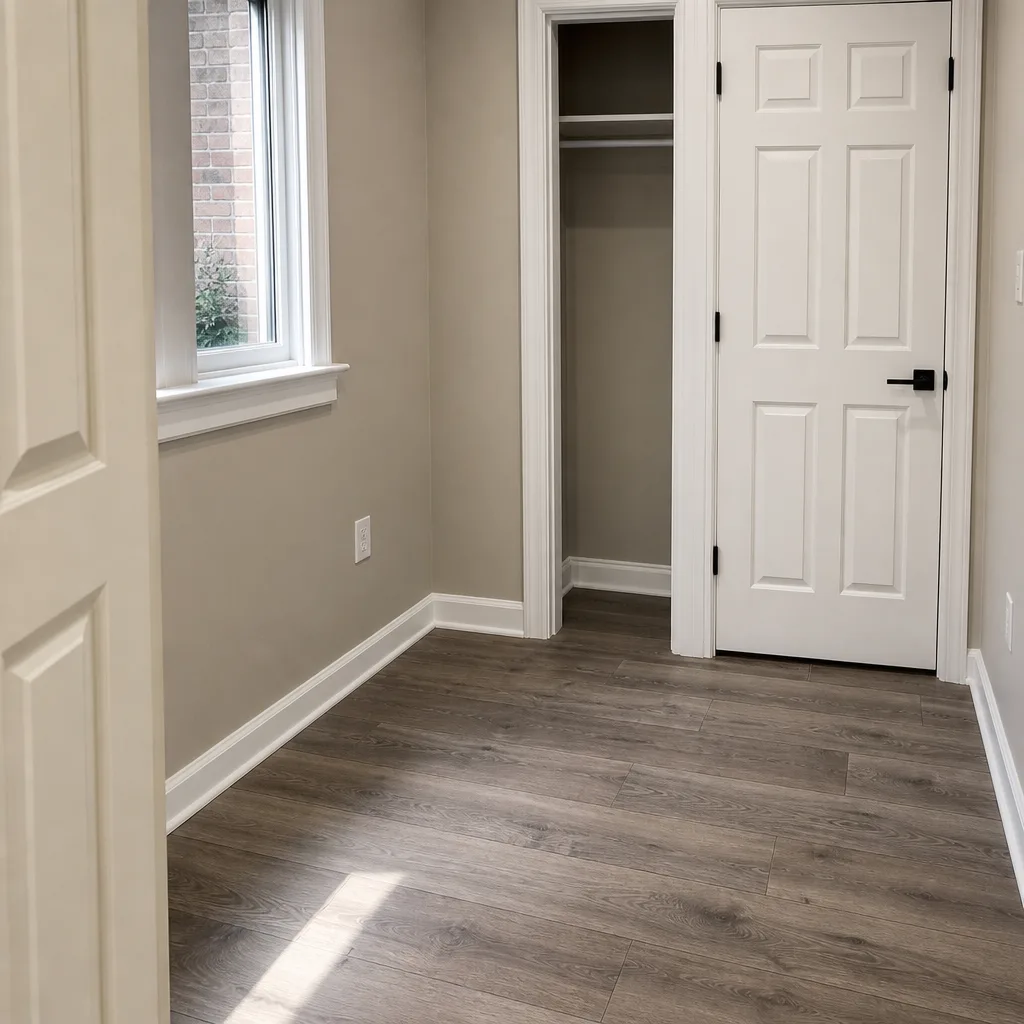 After
After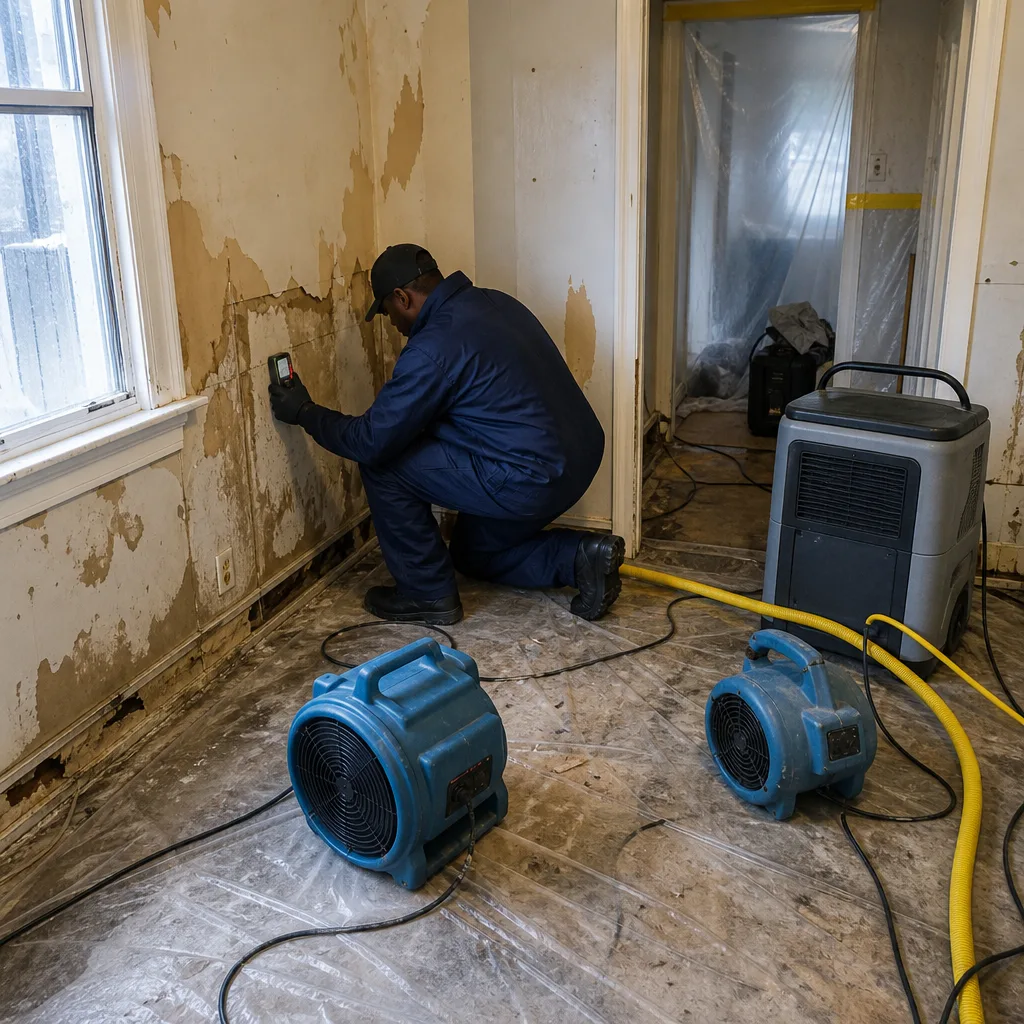 Before
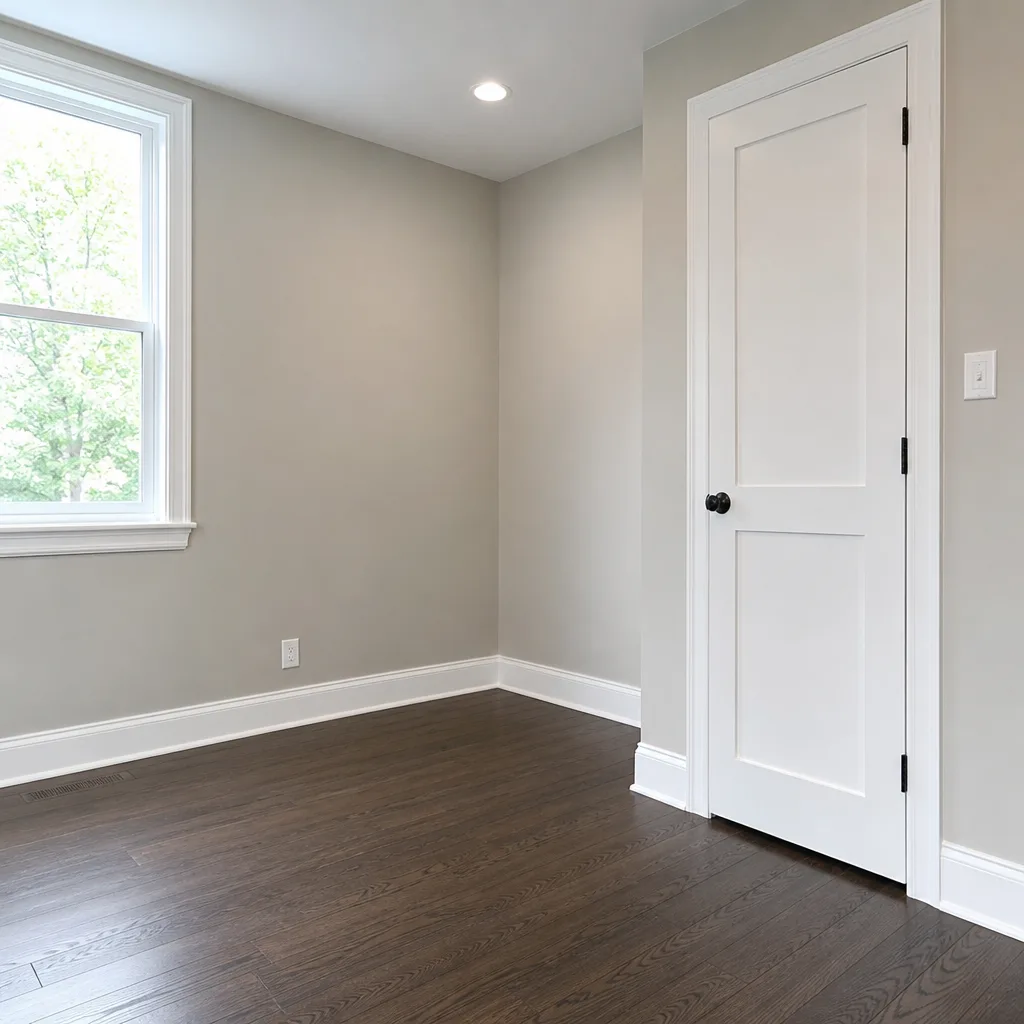 After
After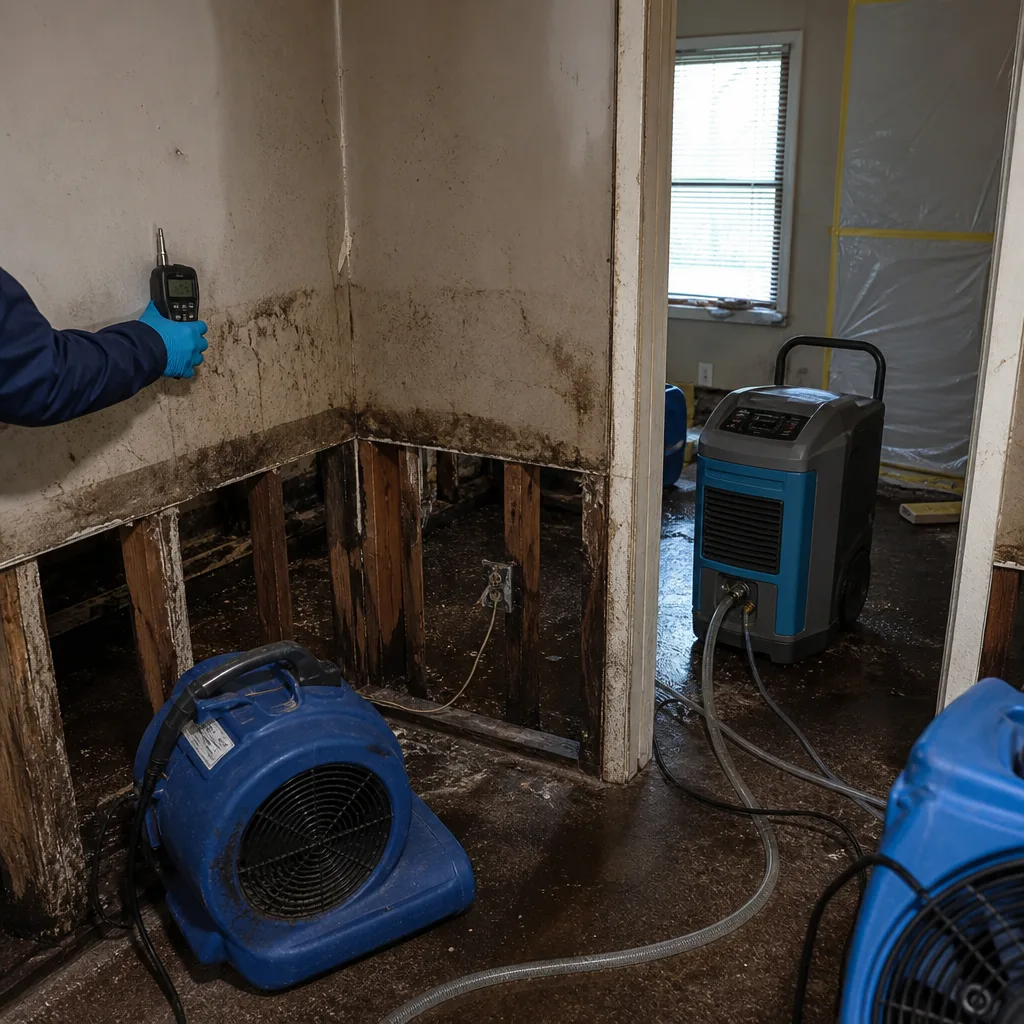 Before
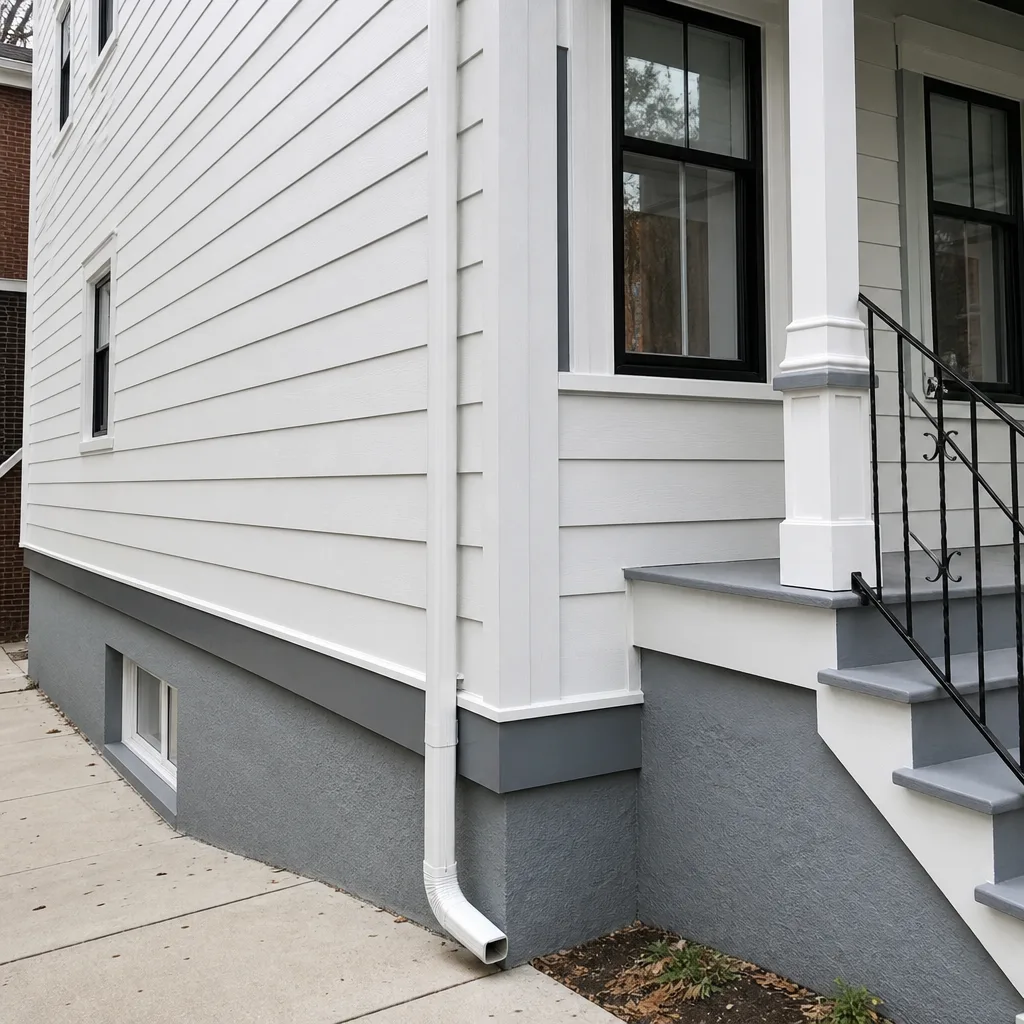 After
After24/7 Emergency Reconstruction & Cleanup in Sunset Park
Reconstruction and cleanup in Sunset Park after a flood, fire, or storm means working fast on buildings that don’t forgive delay. Pre-war brick rowhouses with unlined foundations hold moisture long after the surface looks dry, and salt air from Upper New York Bay eats at hardware and framing alike. Our crews are on call around the clock, and a live dispatcher answers at 2 a.m., not a machine. If water is still moving through a basement apartment on 44th Street or a garage door has dropped on Third Avenue, call (518) 750-3137 now. We get a certified crew into Sunset Park the same visit, and the first visual inspection is free.
Understanding Reconstruction & Cleanup Severity in Sunset Park Properties
Reconstruction scope in Sunset Park breaks into three levels, and the building vintage decides which one you’re in. Category 1 water, a supply-line break from aging galvanized pipe, usually means targeted drywall cuts, drying, and refinishing. Category 2, which we see when an areaway window well clogs and sends stormwater through a century-old brick foundation into a basement apartment, carries contaminants that mean removal of saturated plaster, lath, and flooring before drying can start. Category 3 is harbor water, the salt-laden surge that enters waterfront units near Bush Terminal during nor’easters and tropical systems. Category 3 requires full containment, antimicrobial treatment, and often structural drying that takes twice as long because unlined brick wicks moisture back into new framing. We map moisture with thermal imaging and log daily readings until the dry standard is met, because in these rowhouses, “looks dry” and “is dry” are two different things.
Why Sunset Park Property Owners Choose Floodline Restoration Co.
- 45-minute response commitment: A live dispatcher takes your call, and a crew is rolling toward Sunset Park within the hour, day or night.
- A real person, 24/7: You never reach a recording or a call center. The phone rings, and a person who knows this neighborhood answers.
- IICRC-certified crews: Our technicians hold WRT, FSRT, and AMRT certifications, and they apply them daily on pre-war rowhouse framing and finishes.
- Free visual inspection: We walk the damage with you, explain what you’re looking at, and hand you a written scope before any work starts.
- Direct insurance billing: We deal with your carrier, not you. Photo documentation and line-item estimates are part of the file from hour one.
- One team, start to finish: The same certified crew that extracts and dries stays through drywall, flooring, and trim. No mid-job handoff to strangers.
Our Reconstruction & Cleanup Process
Inspection & Assessment
We map every affected surface with thermal imaging and moisture meters, then classify the water category. In Sunset Park’s pre-war rowhouses, this includes checking for hidden salt residue in framing and wicking in unlined brick foundations.
Extraction / Stabilization
Standing water comes out immediately with truck-mounted extraction, and we board up, tarp, or brace anything that’s unsafe. If a garage door has dropped from a snapped salt-corroded spring, we stabilize the opening before interior work begins.
Drying & Dehumidification
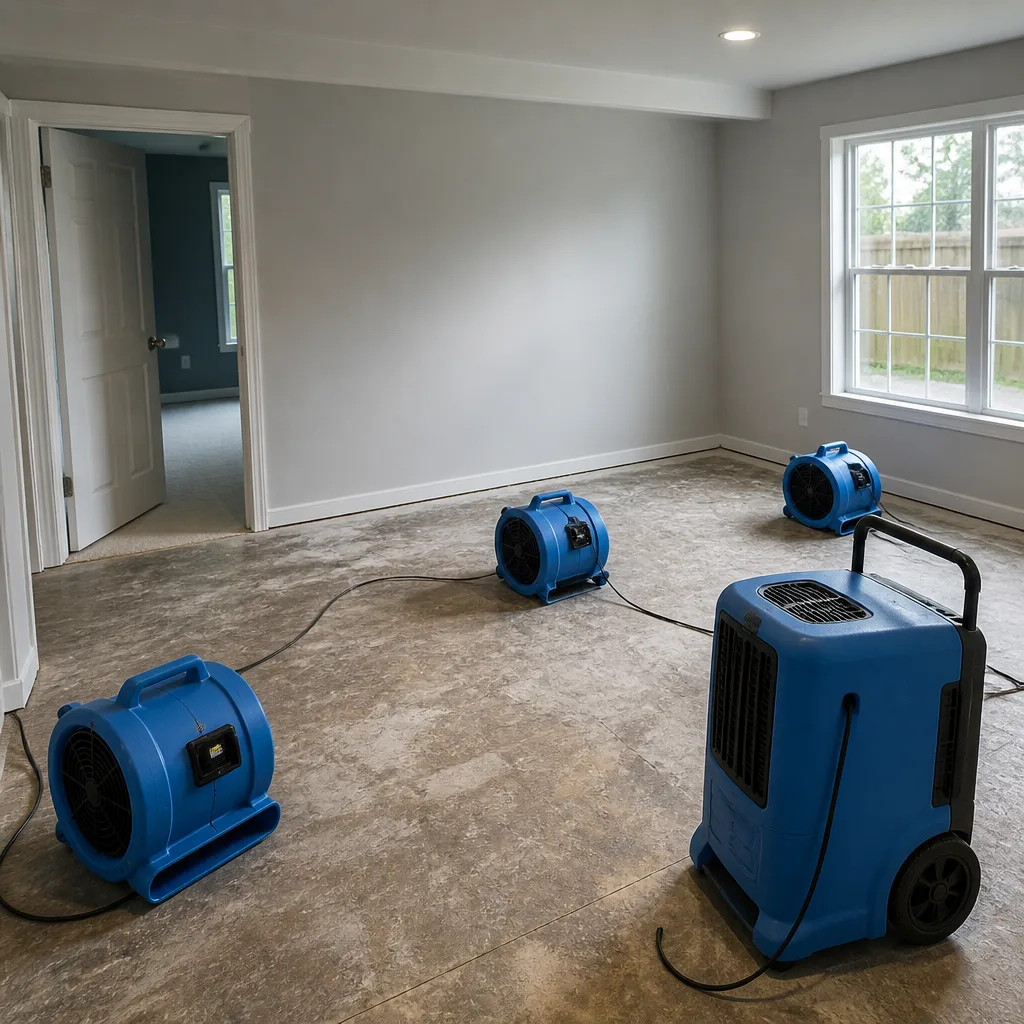
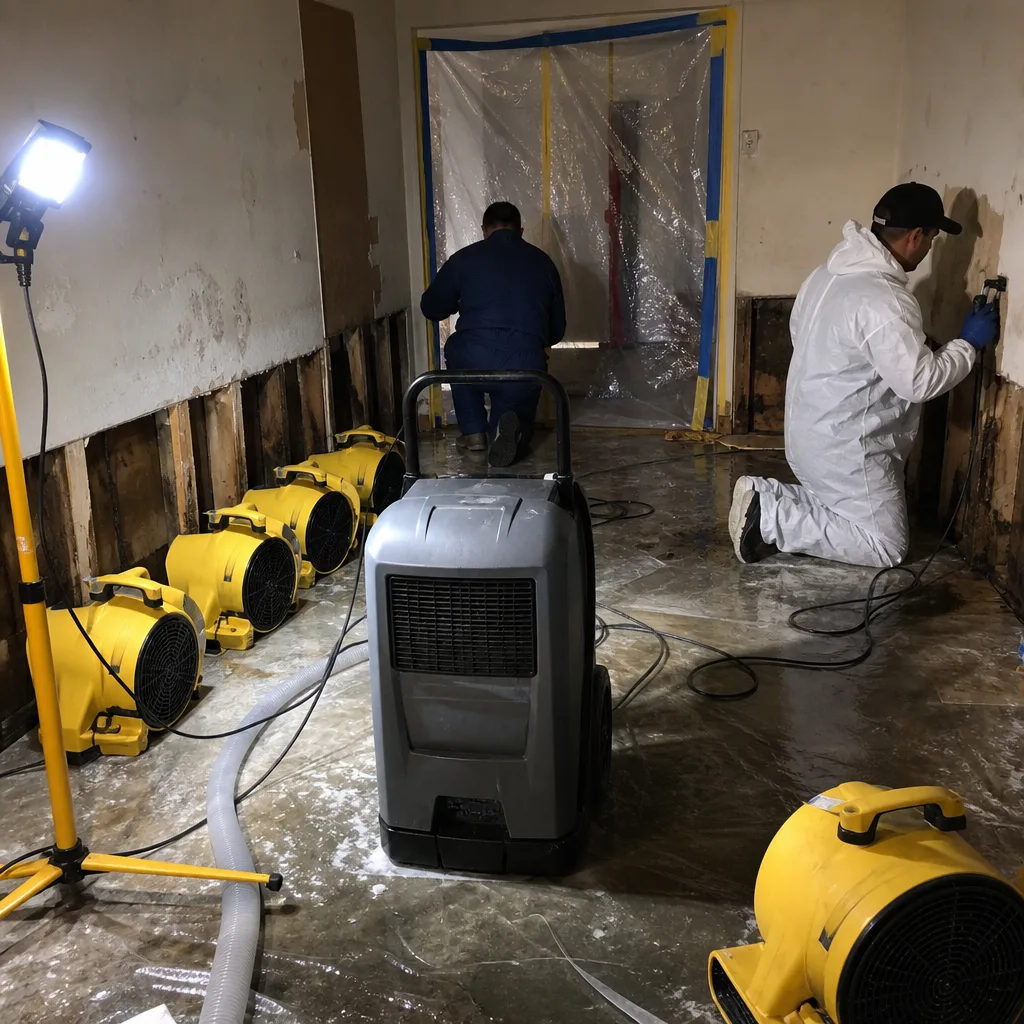
Dri-Eaz and Phoenix air movers and desiccant dehumidifiers run around the clock. Daily moisture readings are logged and shared with you and your adjuster until the structure hits dry standard, which takes longer here because brick foundations breathe moisture back into new materials.
Cleaning & Sanitization
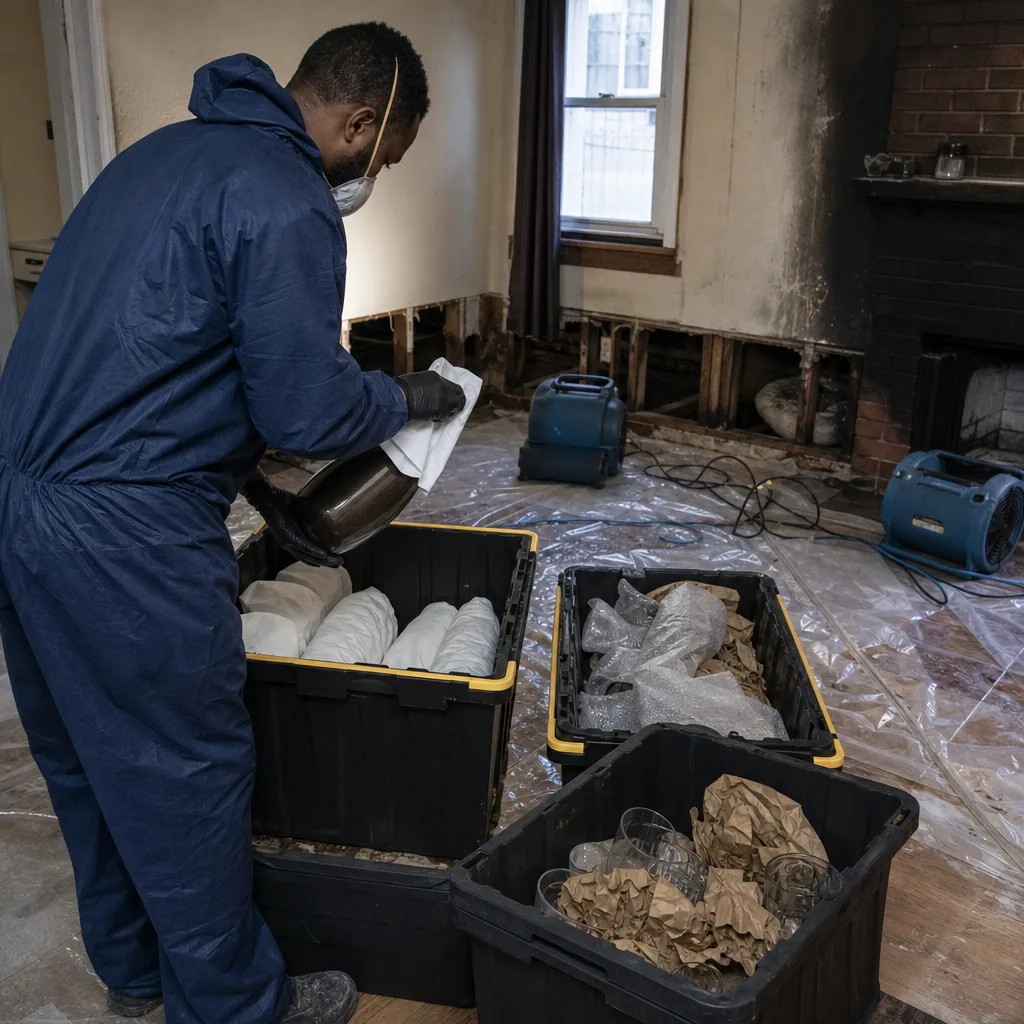
HEPA air scrubbers run during every removal, and we apply antimicrobial treatment to surfaces that took Category 2 or Category 3 water. Contents are packed out, cleaned, and stored, or cleaned in place depending on the item.
Specialty Treatment for Reconstruction & Cleanup
Salt-air corrosion gets a specific response here. Rusted fasteners are replaced with coated or stainless hardware. Garage door springs are swapped for galvanized or coated sets. Framing that took harbor water is treated before it’s closed up.
Repairs & Restoration
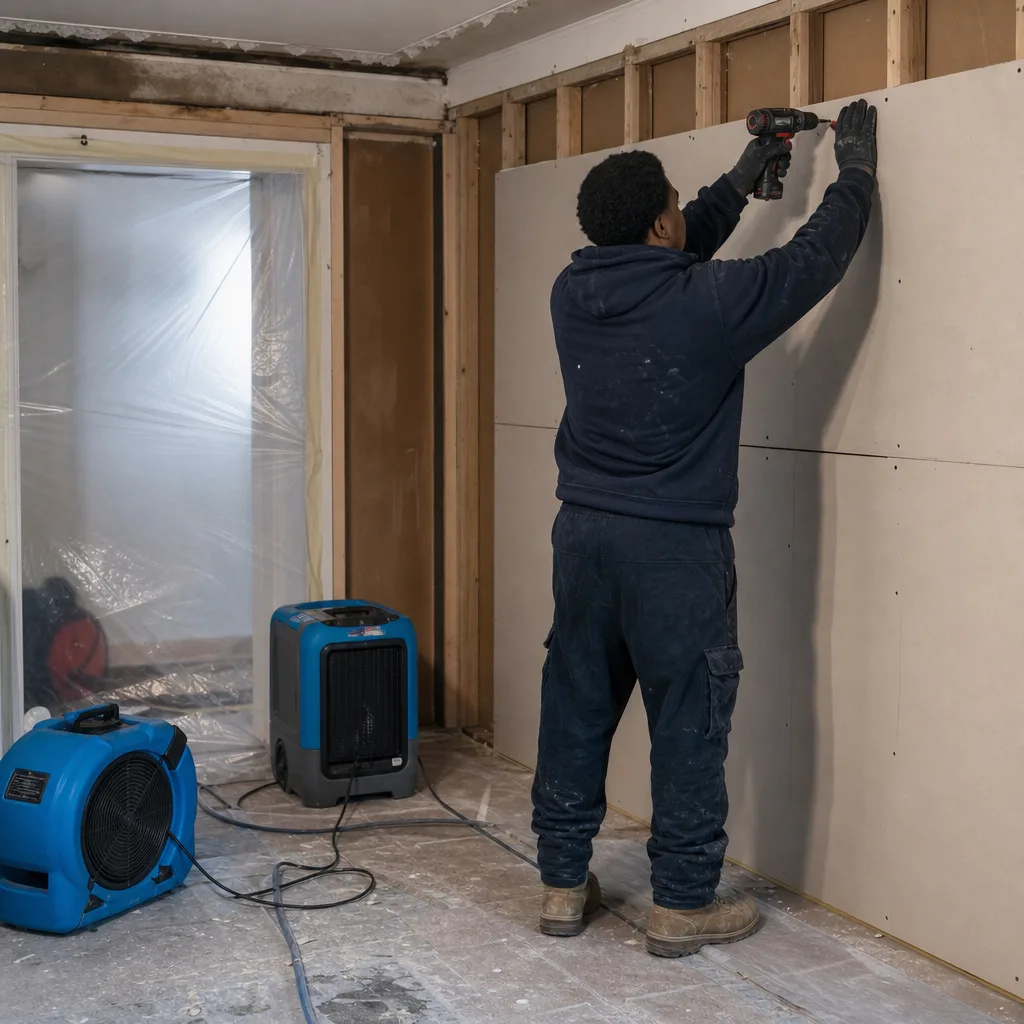
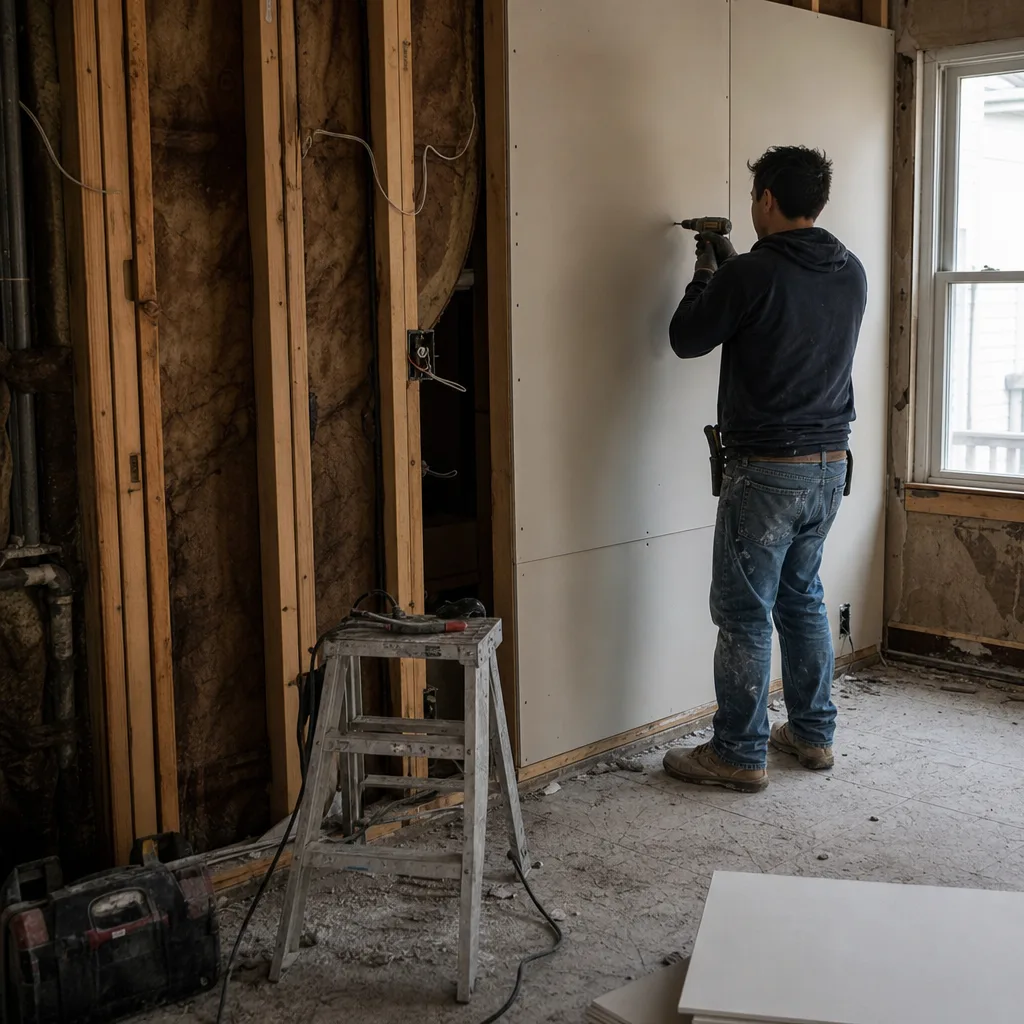
We reframe with pressure-treated lumber where moisture exposure dictates, hang mold-resistant drywall, match plaster profiles on pre-war walls, and refinish floors. The goal is a pre-loss condition you can hold in your hands, documented in writing.
Need Emergency Reconstruction & Cleanup in Sunset Park Now?
Crews minutes away, answering live 24 hours a day. The sooner we start, the less it costs.
Working With Your Insurance Company
In Sunset Park, insurance claims after water and storm damage are rarely straightforward. Adjusters don’t always understand what a 1910 rowhouse foundation does when it stays wet for a week, or why salt residue from Sandy-era flooding shows up years later as recurring corrosion. We do, and we document it in the adjuster’s language. From the first hour, we photograph every surface, log every moisture reading, and write scopes that itemize what must be removed and why. Curt Bowman, who founded Floodline Restoration Co. in 2010, built the company around the idea that a homeowner should never have to argue a line item with a carrier. You won’t. We bill your insurer directly.
What We Provide Your Insurer
- Thorough documentation of the loss
- Photos of all damage, room by room
- Moisture readings and drying logs
- A detailed, line-item scope of work
- Direct coordination with your carrier
Built for Sunset Park’s Loss Calendar
Sunset Park’s damage season runs all year, but it changes shape. January and February freeze the aging galvanized supply lines in pre-war rowhouses, and a burst pipe in an unheated basement wall is a Category 2 event by the time anyone notices. March and April bring thaw and spring rain, which means areaway window wells clog with winter debris and sheet water through century-old brick into basement apartments. Summer thunderstorms overwhelm the hillside’s drainage, sending runoff down the slope toward the waterfront and into garden-level units. Fall is nor’easter season, and the blocks near the piers sit in FEMA Zone AE, which means Category 3 harbor water is a real possibility every time a storm stacks up against Upper New York Bay. We stage desiccant dehumidifiers seasonally for this corridor because we know what’s coming.
Reconstruction & Cleanup Across Sunset Park’s Neighborhoods
The residential hillside above Fourth Avenue is dense with 3- and 4-story brick rowhouses built between 1890 and 1925. Most have basement or garden-level apartments with areaway window wells that clog during any sustained rain, sending water through unlined foundations into finished living space. South of 39th Street, toward the waterfront and Bush Terminal, the elevation drops and FEMA Zone AE begins, so storm surge and tidal flooding replace hillside runoff as the primary threat. Between Fifth and Eighth Avenues, the commercial corridors run through the same pre-war brick stock, and a burst supply line in a ground-floor storefront can quickly become a drywall-and-flooring reconstruction job. On 44th Street above Third Avenue, we know the rowhouses block by block, and we know which ones have already had basement walls rebuilt after past storms. The zip code 11232 runs through the heart of it, from the piers up to the elevated Gowanus. When you call, a dispatcher routes you to a crew that already knows these blocks.
Specialized Reconstruction & Cleanup Services We Offer in Sunset Park
Full-Service Reconstruction
We rebuild from the studs out when the scope demands it. In Sunset Park, that often means reframing basement walls with pressure-treated lumber after Category 3 water exposure, hanging mold-resistant drywall, and matching plaster profiles on walls that have stood since the Taft administration. The same crew that did the extraction does the trim work at the end.
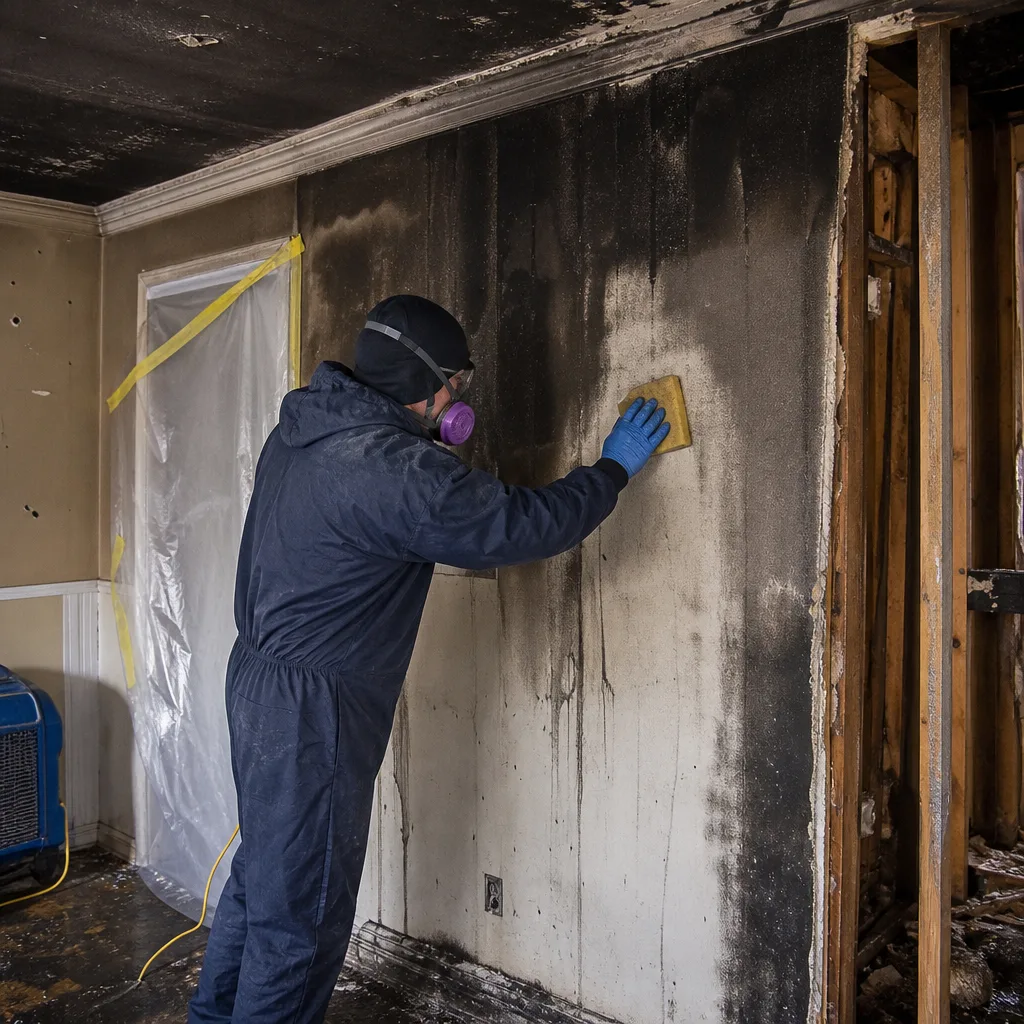
Drywall & Flooring Repair
Water-damaged drywall wicks moisture upward from unlined brick foundations, and in pre-war rowhouses, the damage often extends higher than the visible water line. We cut to clean material, treat the framing, and re-rock with mold-resistant board. For flooring, we dry what can be saved with Injectidry systems and replace what can’t with materials matched to the building’s vintage.
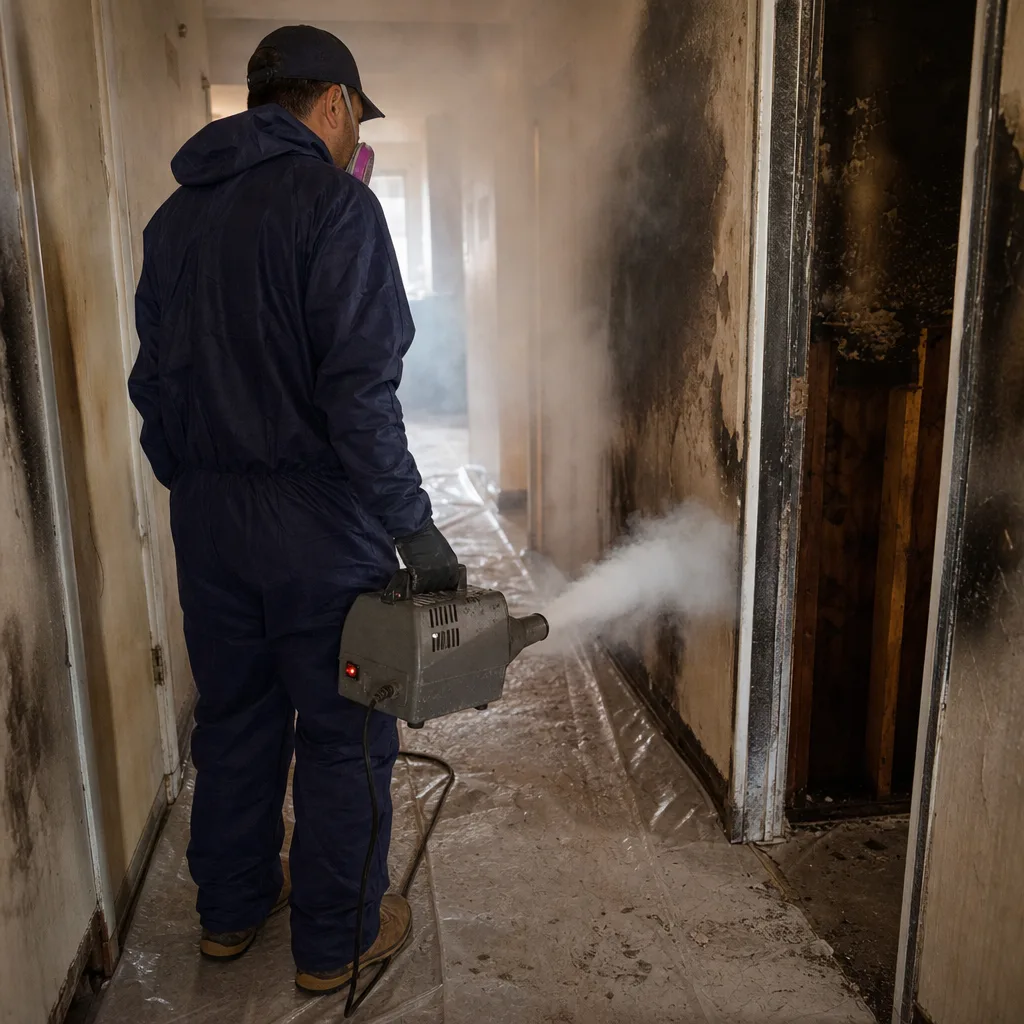
Contents Restoration & Pack-Out
Furniture, rugs, clothes, and papers from a flooded basement apartment need more than a fan. We pack out salvageable contents, clean and deodorize them in a controlled environment, and store them until your space is reconstructed. Photo documentation of every item supports the insurance claim.
Carpet & Upholstery Cleaning
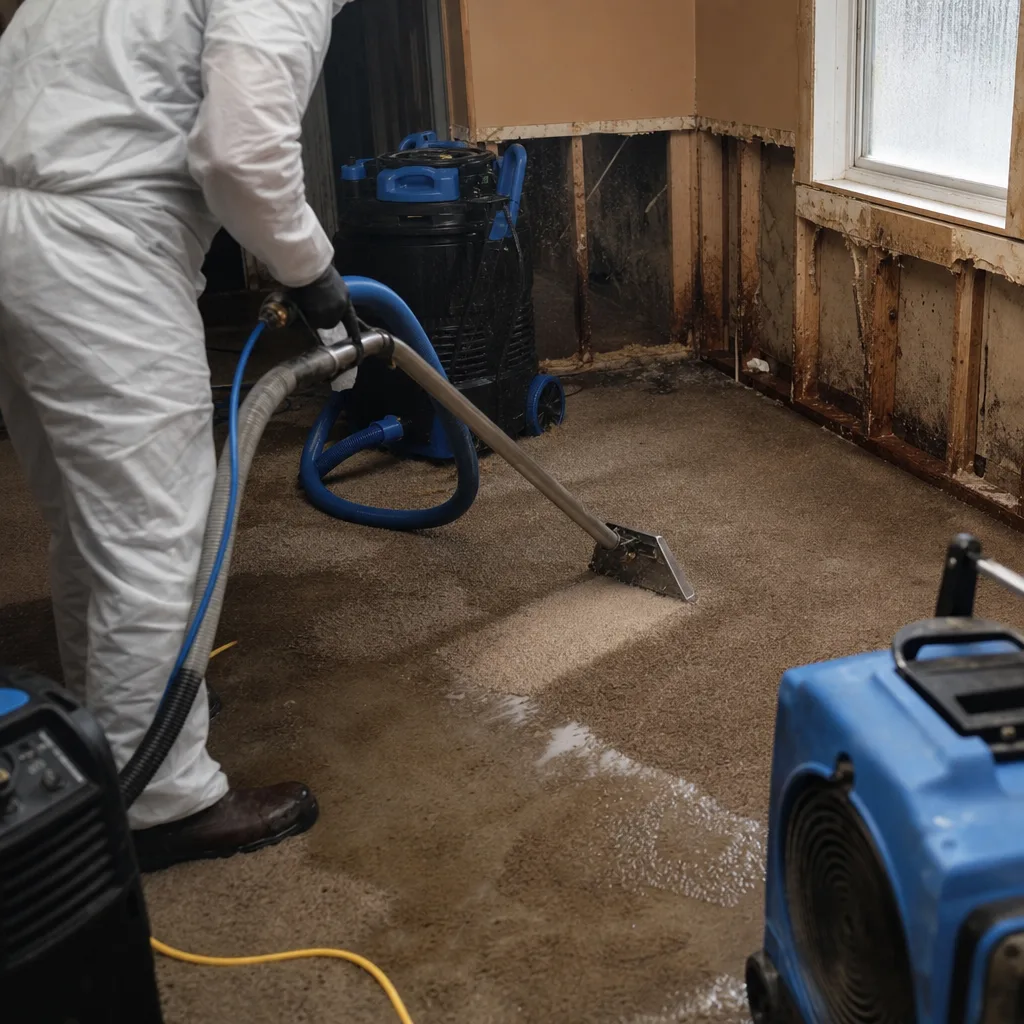
After a water loss, carpet and upholstery can hold Category 2 or 3 contaminants even when the surface looks fine. We clean, sanitize, and dry textiles to IICRC standards, or we document why replacement is the safer call. The answer is always based on moisture readings and contaminant class, not a sales pitch.
Post-Construction Cleanup
Reconstruction leaves dust, debris, and fine particulate throughout the home. We finish every job with HEPA-filtered cleanup, air scrubbing, and a final walkthrough with the homeowner. You move back into a house that’s clean, documented, and done.
Insurance Claim Documentation
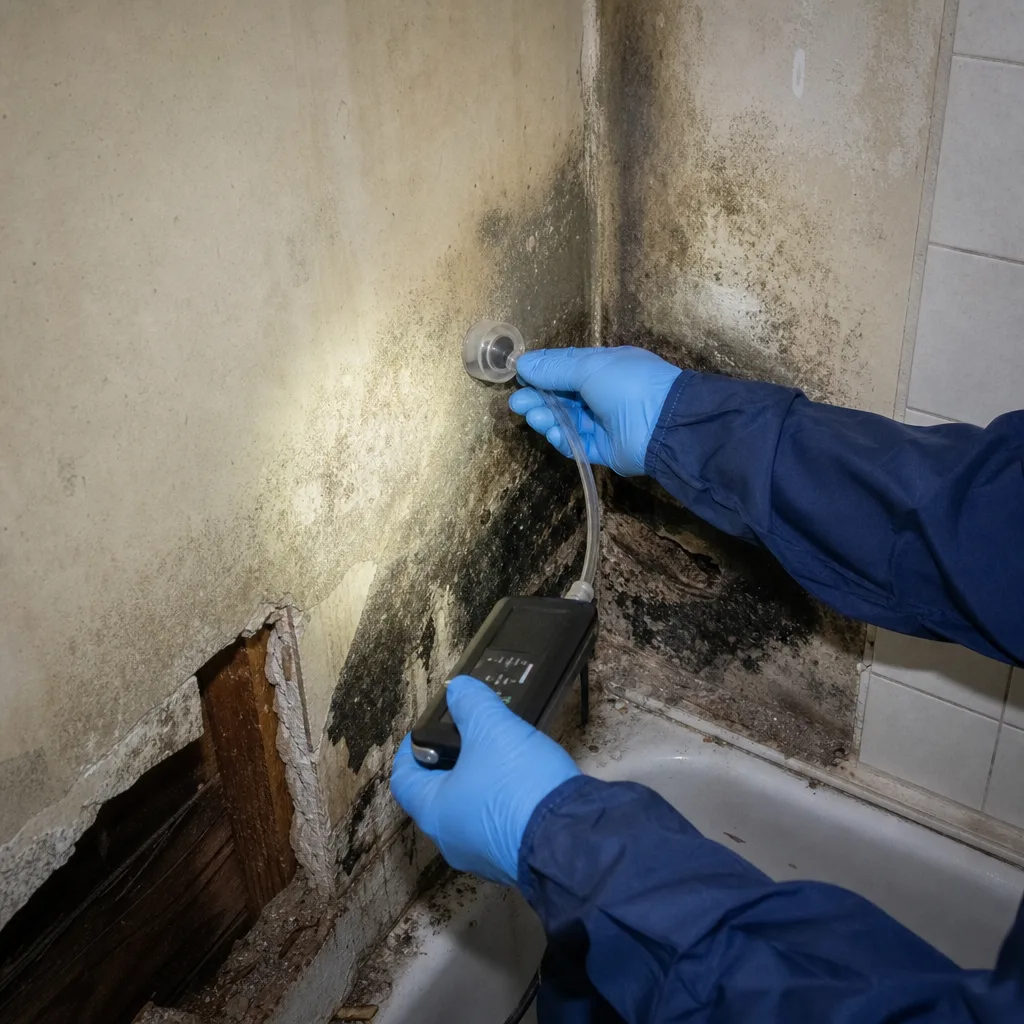
This is the service our Sunset Park homeowners value most after a large loss. From the first inspection, we build a claim file with photos, moisture logs, and scopes of work that speak directly to what adjusters need. For buildings that took Sandy-era harbor water, we document hidden salt residue and recurring corrosion so the claim reflects what’s actually behind the walls, not just what’s visible.
What happens when you call
- 1
A real person answersNo phone trees - you reach a local pro.
- 2
You get an upfront price rangeHonest numbers before anyone is dispatched.
- 3
A background-checked tech heads outLicensed & insured, dispatched right away.
- 4
You approve before work beginsNothing starts until you say go.
Reconstruction & Cleanup Costs in Sunset Park, NY
Reconstruction and cleanup pricing in Sunset Park runs higher than in inland Brooklyn, and the building stock is the reason. A straightforward drywall and flooring repair after a supply-line break in a rowhouse apartment typically runs $2,800 to $6,500. A full basement-apartment reconstruction after an areaway window well failure, with framing, drywall, flooring, and antimicrobial treatment, usually lands between $9,000 and $22,000 depending on square footage and finish level. Category 3 harbor water events near the waterfront can push reconstruction past $30,000 when structural framing, contents, and salt-corrosion remediation are all in scope. Every job starts with a free visual inspection and a written line-item scope, so you know the number before any work begins. Insurance covers most of these costs when the loss is sudden and documented correctly, and we handle that documentation from the first hour.
We Also Serve Cities Near Sunset Park
Our crews cover the surrounding Brooklyn neighborhoods daily: East Flatbush, Bedford-Stuyvesant, Bensonhurst, and Borough Park. If you’re just outside Sunset Park and facing water, fire, or storm damage, the same team and the same around-the-clock dispatch serve your block too.
Sunset Park Reconstruction & Cleanup Questions, Answered
How does Floodline Restoration handle Category 3 harbor water in Sunset Park basement units during reconstruction?
Category 3 harbor water means full containment, removal of all saturated porous materials, and antimicrobial treatment before any rebuilding starts. In Sunset Park, we also test framing for salt residue because salt left behind in wood keeps corroding and wicking moisture for years after the visible water is gone.
Why do areaway window wells on Sunset Park rowhouses fail so often, and what does Floodline do about it?
Areaway wells on pre-war rowhouses are shallow, drain through aging pipes, and fill with leaves, debris, and street runoff within minutes of heavy rain. We clear the wells, repair or replace the drain lines, and rebuild the interior wall with pressure-treated lumber and mold-resistant drywall so the next clog doesn’t mean another full reconstruction.
Can Floodline dry plaster walls in a 1920s Sunset Park rowhouse, or do they always need replacement?
Plaster walls can often be saved if the water was Category 1 and we get air movement and desiccant dehumidification running within hours. But when water came through an unlined brick foundation, the plaster and lath behind the wall are usually saturated with Category 2 water and must be removed to dry the structure properly.
What makes reconstruction in Sunset Park’s basement apartments different from other Brooklyn neighborhoods?
Sunset Park’s sloped terrain and pre-war brick rowhouses mean basement apartments take stormwater from two directions: runoff from the hillside above and wicking through unlined foundations below. Drying takes longer, scopes are larger, and the work has to account for a structure that was never dampproofed when it was built around 1910.
After Hurricane Sandy, many Sunset Park buildings had hidden salt damage. How do you document that for insurance during reconstruction?
We photograph exposed framing before it’s closed up, note corrosion patterns and moisture readings in the log, and describe the salt-residue condition in line items the adjuster can verify. If the carrier sends an engineer or adjuster to the site, Curt Bowman walks them through what we found and why it’s in scope.
How fast can you get to Sunset Park after a call?
We commit to a 45-minute response, and in Sunset Park our crews are usually inside that window because we stage equipment for this corridor. A live dispatcher answers the phone at any hour, and the crew that arrives does the extraction, the drying, and the rebuild.
Will my insurance cover reconstruction and cleanup?
Most sudden water, fire, and storm losses are covered when the scope is documented correctly and the work is done to IICRC standards. We bill your carrier directly and provide photo documentation, moisture logs, and line-item scopes from the first hour, which is what adjusters need to approve the full scope.
What should I do in the first 30 minutes after water enters my Sunset Park home?
Call us at (518) 750-3137. Then shut off power to the affected area if you can do so safely, and move small valuables out of standing water. Don’t enter standing water in a basement where electrical outlets or appliances are submerged. We’ll talk you through the first steps on the phone while the crew is en route.
Serving Sunset Park, NY - Our Local Coverage Area
We’re based in the Sunset Park area and know this community well. Use the map below to see our service coverage - if you’re nearby, we can almost certainly help.
Reconstruction You Can Count On in Sunset Park
On 44th Street above Third Avenue, our crew rebuilt a basement-apartment wall in a 1910 rowhouse after an areaway window well clogged during a nor’easter and saturated the plaster and lath. We contained the area, mapped moisture across the brick foundation with a Dri-Eaz infrared camera, and removed Category 2 water-damaged drywall before mold could take hold. We reframed with pressure-treated lumber, installed mold-resistant drywall, and delivered a pre-loss condition scope of work with photo documentation for the insurance adjuster. That’s the job: done right, documented, and backed by the 90-Day Done Right Promise in writing. When you need Reconstruction & Cleanup in Sunset Park, call (518) 750-3137 for a free estimate. A live person answers, day or night.
Written by Curt Bowman, Owner at Floodline Restoration Co., serving Sunset Park and surrounding Brooklyn neighborhoods.