
Free visual inspection and a written scope of work before any mitigation begins - photos, moisture readings, and drying logs go in your claim file
The scope we write is the scope we bill. Anything new gets shown to you, in writing, before we touch it.
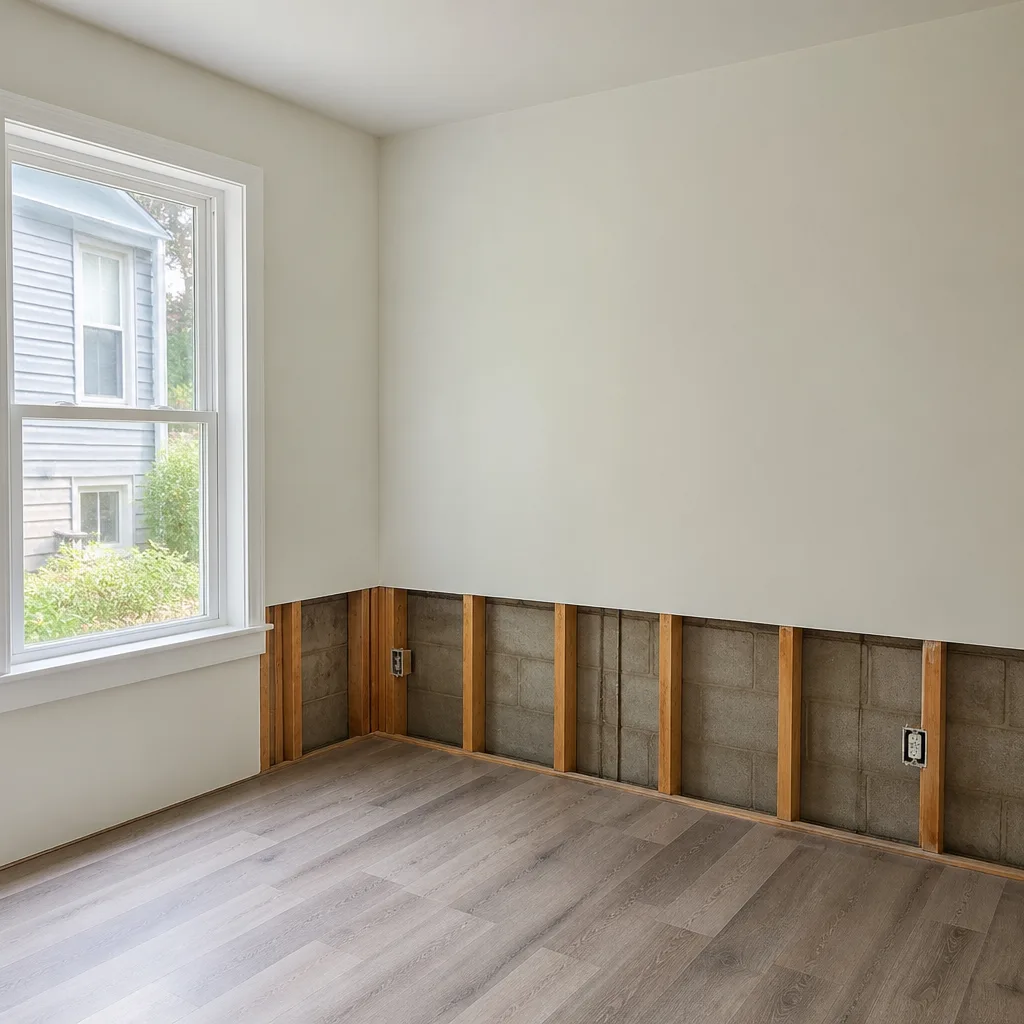

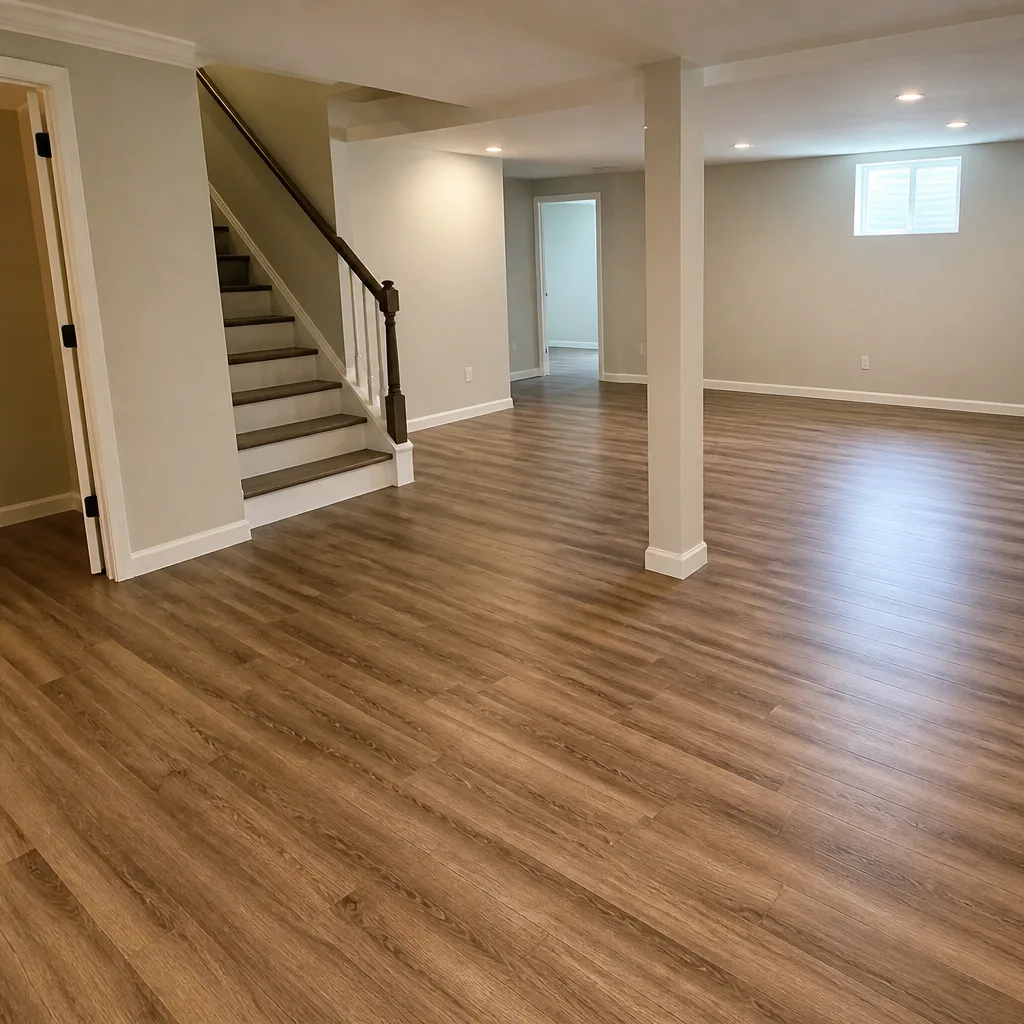
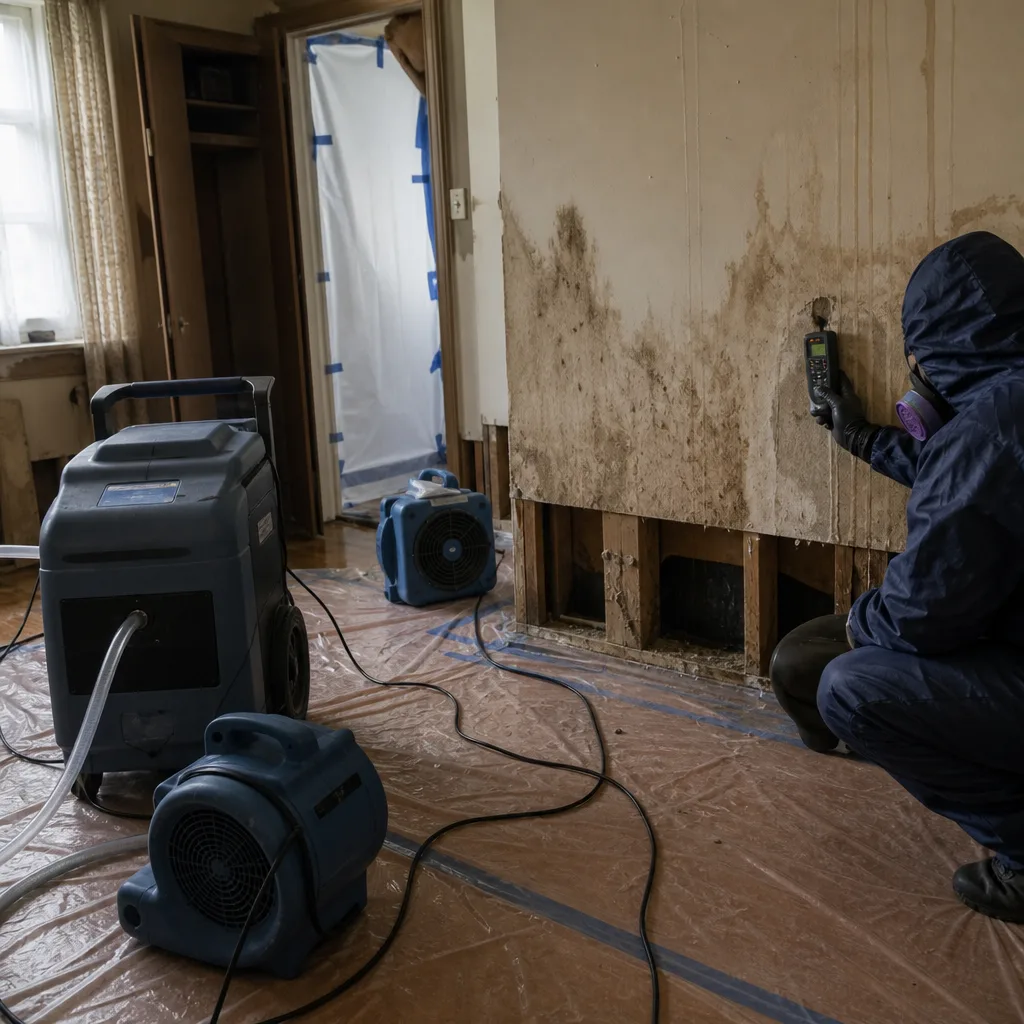 Before
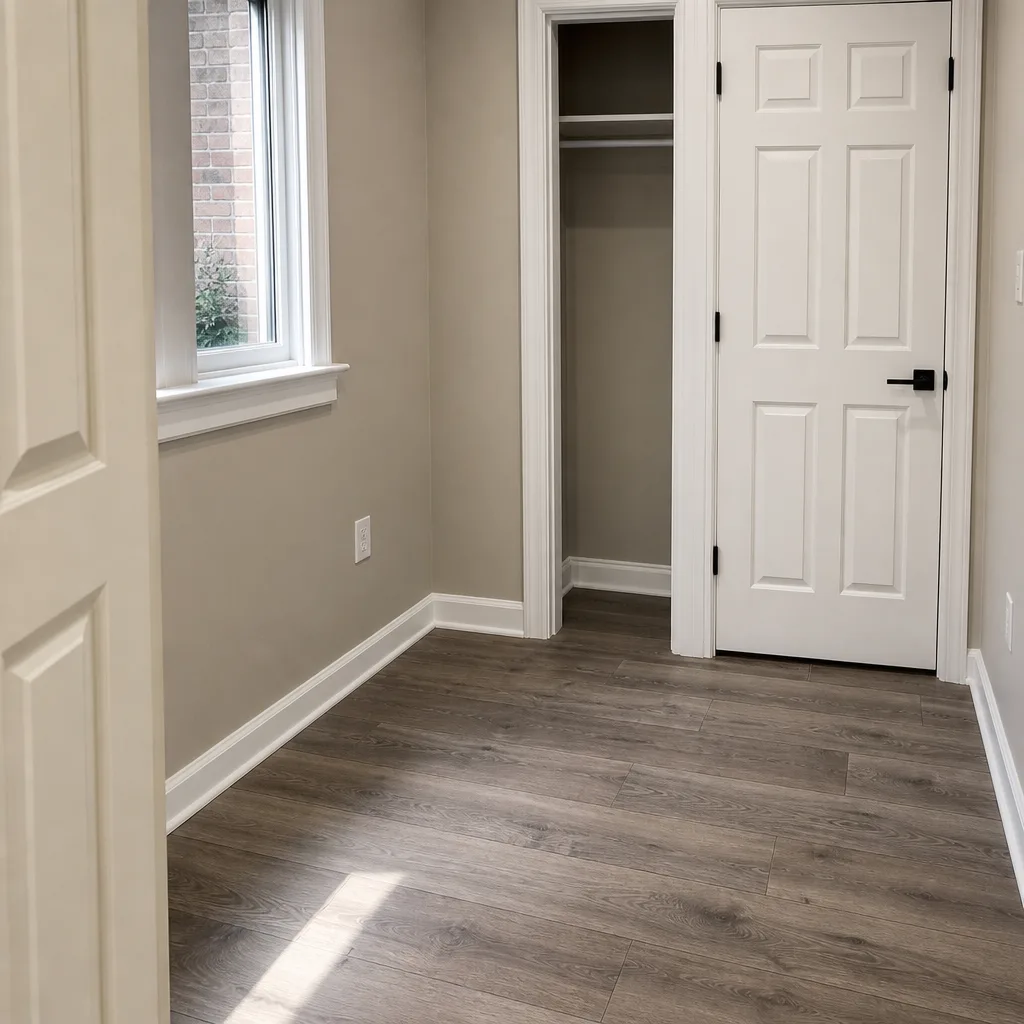 After
After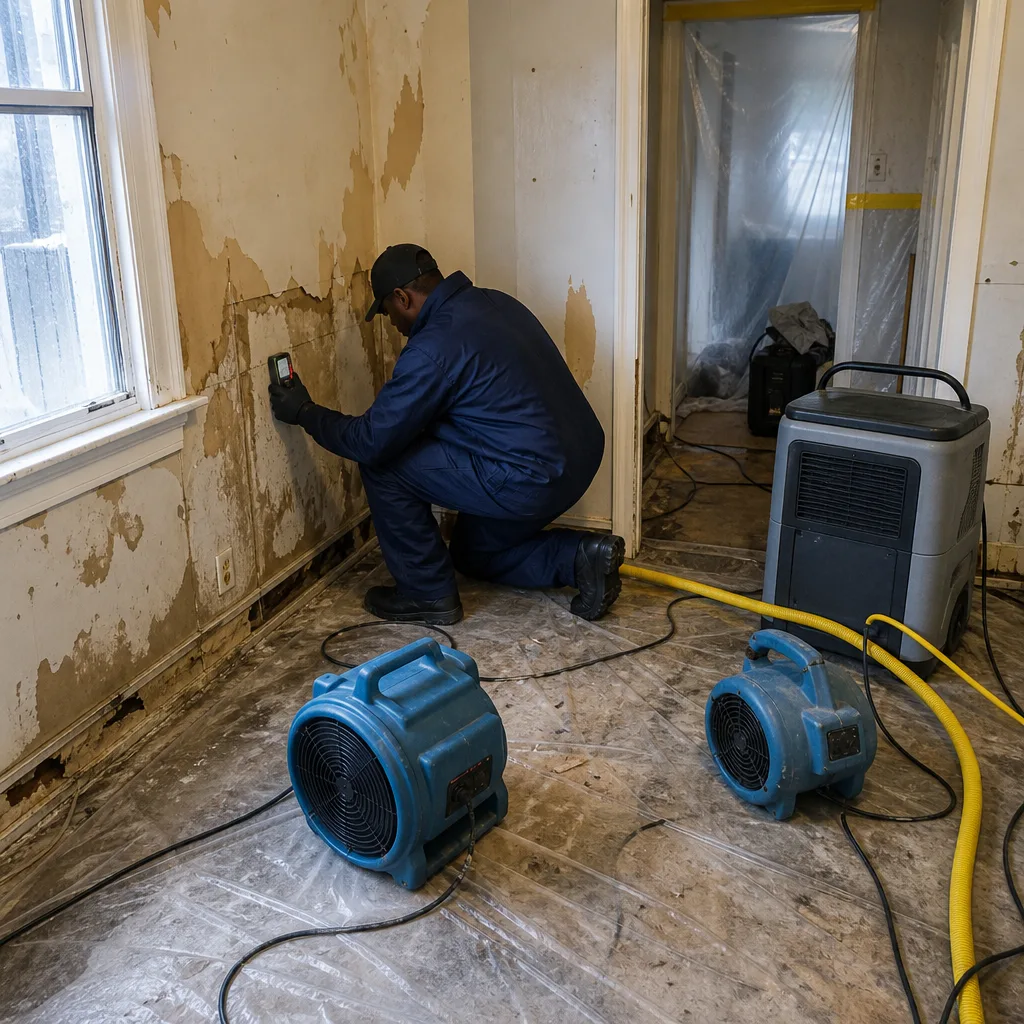 Before
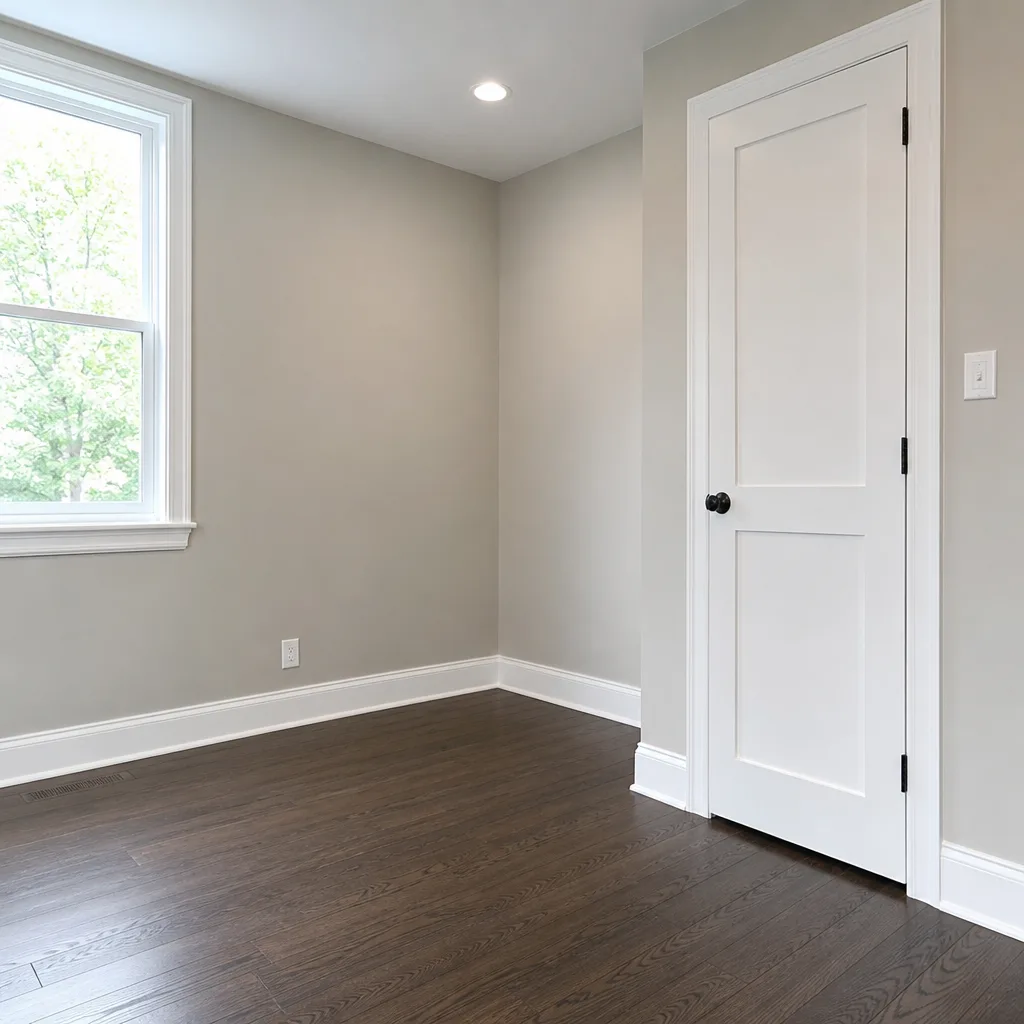 After
After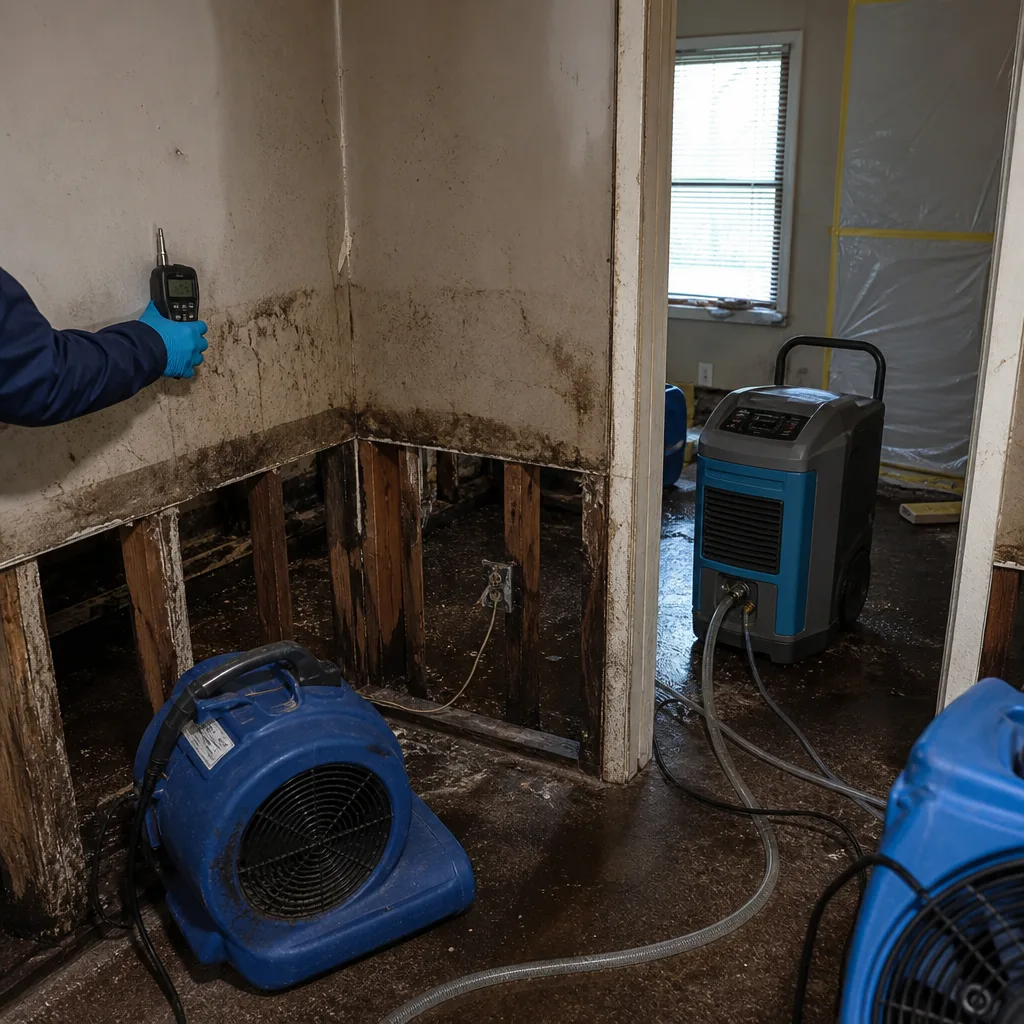 Before
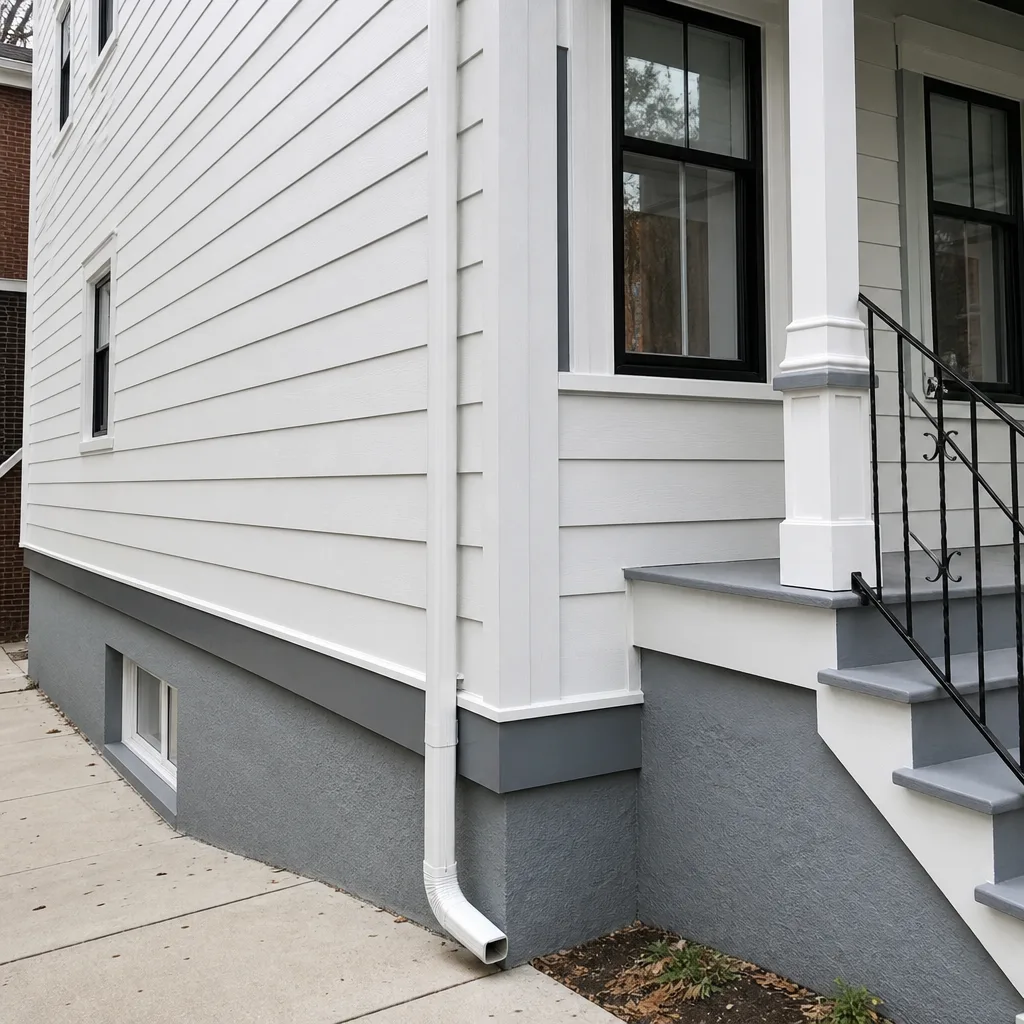 After
After24/7 Emergency Mold Remediation in Bedford-Stuyvesant
Mold moves fast in a Bed-Stuy rowhouse, especially when water has been sitting behind horsehair plaster or inside a shared party wall. Call (518) 750-3137 and a live dispatcher answers, any hour, any day. That call triggers a certified crew dispatched to your block in Bedford-Stuyvesant, not a callback queue. The first hour matters because mold colonization can begin in 24 to 48 hours after a water event, and in the attached brownstones that define this neighborhood, that clock is already running against the neighbor’s wall too. We arrive, contain the affected area, map the moisture, and start the work. Free visual inspection, no obligation, and you’ll know what you’re looking at before anything is sold.
Understanding Mold Remediation Severity in Bedford-Stuyvesant Properties
Mold remediation in Bedford-Stuyvesant is rarely a one-room problem. The dominant housing stock – three-to-five-story attached brick rowhouses built between roughly 1870 and 1910 – has a specific failure pattern. Porous brownstone facades, horsehair-plaster-on-lath interior walls, original cast-iron or early copper plumbing, and flat roofs that pond water combine to create recurring moisture pathways. A garden-level or basement apartment sits at or near grade, which means sewer surcharges and groundwater seepage hit those units first. We classify water losses as Category 1 (clean water from a supply line), Category 2 (gray water with some contamination), or Category 3 (sewage or floodwater carrying pathogens). Category 3 water in a Bed-Stuy basement is a serious mold driver, because the organic material in raw sewage feeds microbial growth much faster than clean water. Containment, HEPA air scrubbing, and clearance testing are standard on these jobs, not upsells. The shared party walls in attached brownstones mean moisture from one building routinely migrates laterally into the adjoining structure, so our scope of work often includes both addresses from day one.
Why Bedford-Stuyvesant Property Owners Choose Floodline Restoration Co.
- 45-minute response commitment. When you call about mold in Bedford-Stuyvesant, a uniformed, background-checked technician is dispatched immediately. The clock starts when the dispatcher hangs up.
- 24/7 live answer, always a person. No phone tree. No “leave a message.” At 2 a.m. on a Sunday, a live dispatcher picks up. That’s the way Floodline Restoration Co. has run since Curt Bowman founded it in 2010.
- IICRC-certified crews. Our technicians train to IICRC, RIA, and IFA standards. For mold work, that means proper containment, negative air pressure, HEPA filtration, and clearance testing protocols. The letters matter when it’s your walls.
- Free visual inspection. We’ll look at the mold, the moisture source, and the adjacent spaces before you commit to anything. No charge for the visit.
- Direct insurance billing. We coordinate with your carrier, provide the documentation they need, and bill them directly. You’re not playing messenger between Floodline and the adjuster.
- One team from first extraction to finished rebuild. The same crew that sets containment and reads the moisture map stays with the job through drying, treatment, and reconstruction. No handoff to a subcontractor who’s never seen the property.
Our Mold Remediation Process
Inspection & Assessment
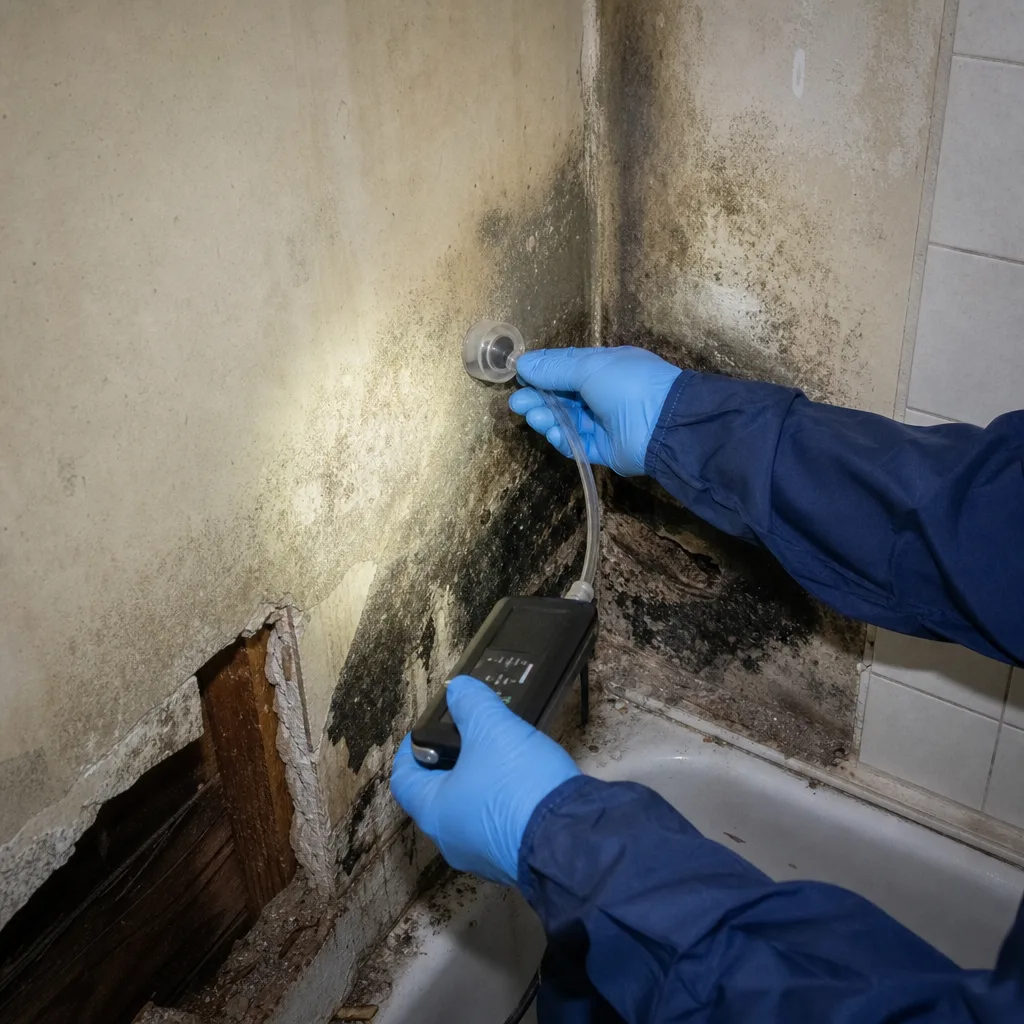
We start with a full visual inspection and moisture mapping using thermal imaging and hygrometers. In a Bed-Stuy rowhouse, we always check the party walls and the adjacent unit’s basement. If mold is suspected but not visible, we recommend air sampling or surface testing to confirm the species and scope.
Containment & Source Control
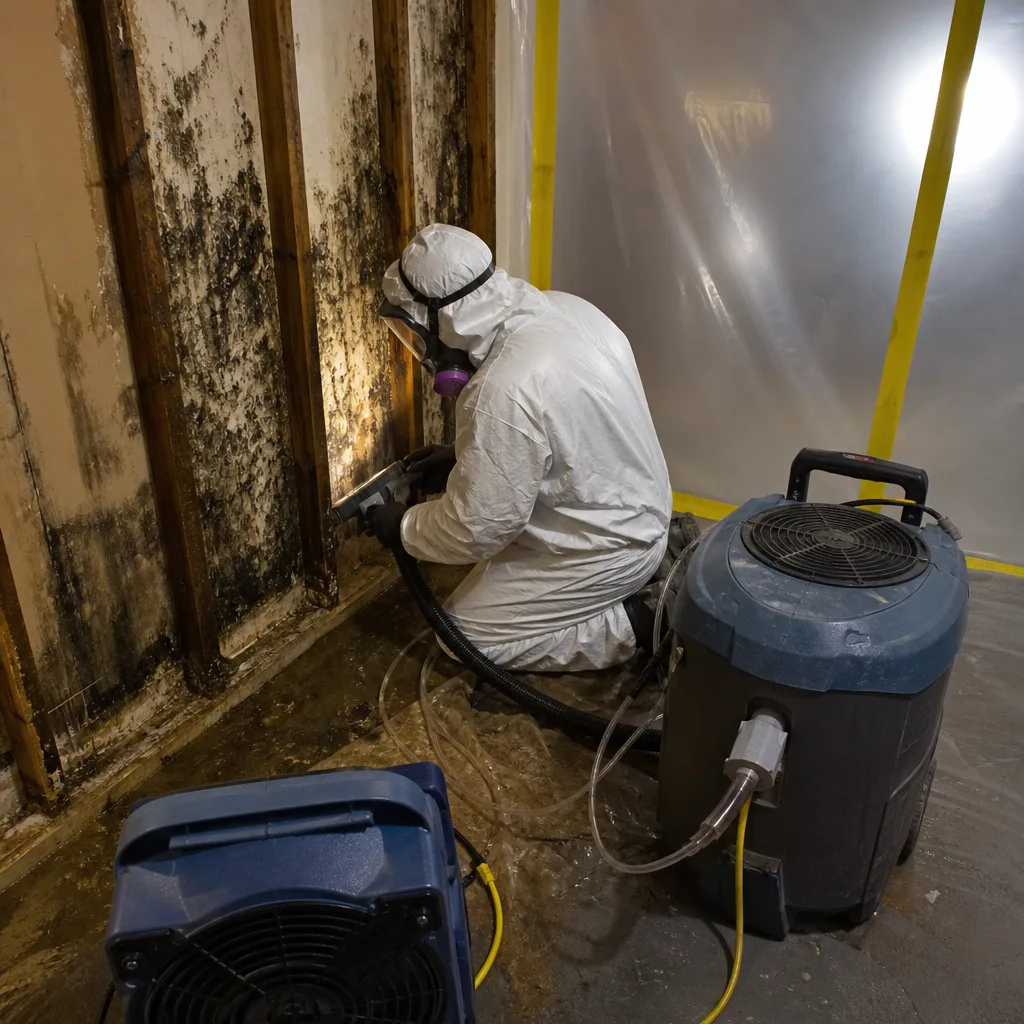
We isolate the affected area with 6-mil polyethylene sheeting and establish negative air pressure. This prevents mold spores from traveling through the building during removal. The water source – a leaking pipe, a failed roof, a sewer backflow – gets stopped before remediation proceeds.
Drying & Dehumidification
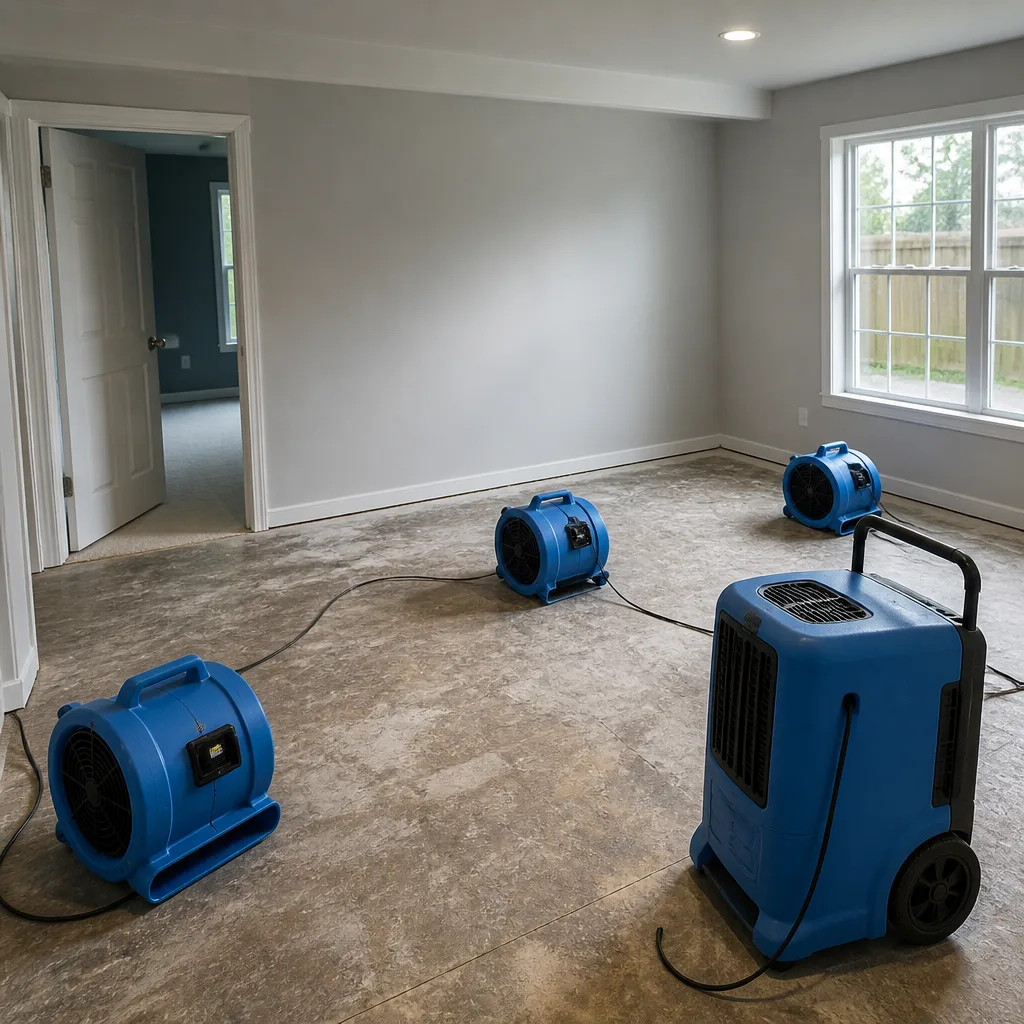
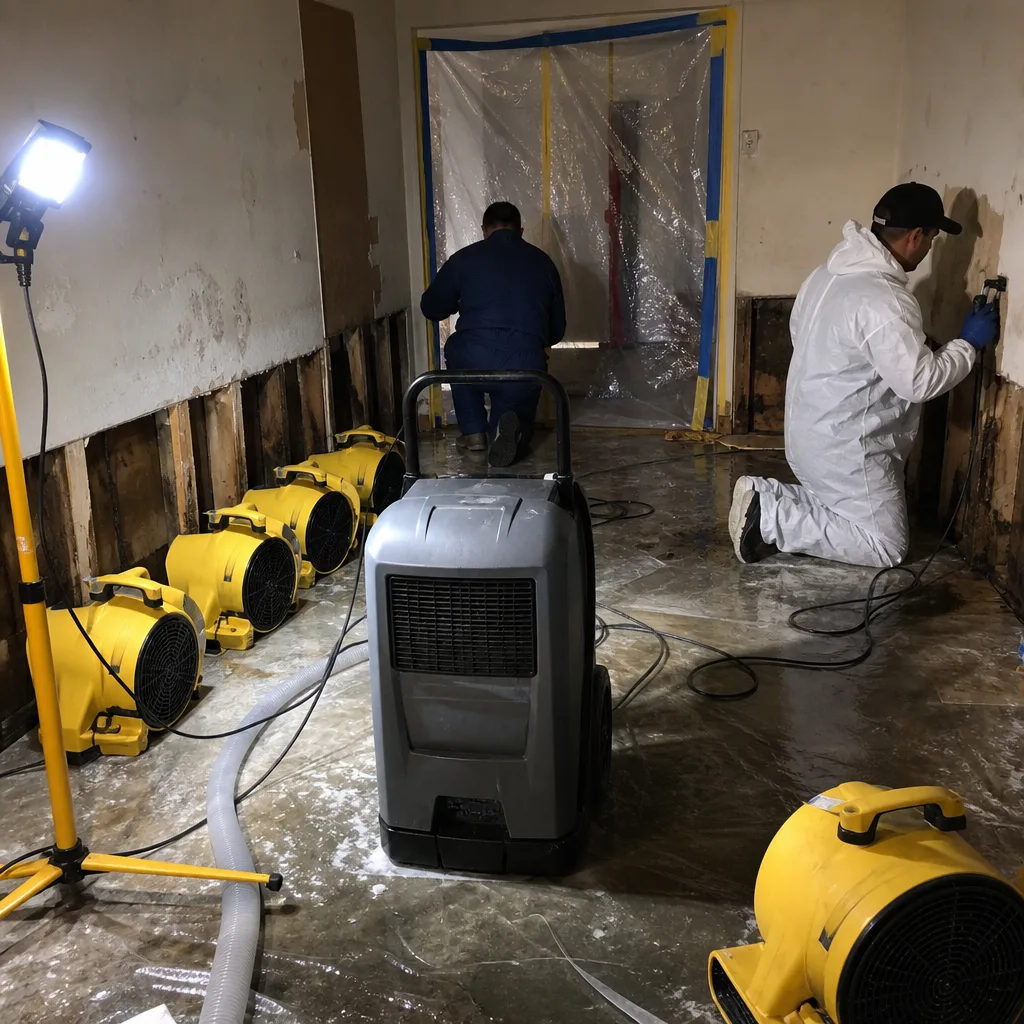
Dri-Eaz dehumidifiers, XPOWER air movers, and B-Air equipment come in next. In a below-grade Bed-Stuy basement, air movers alone will not work; the masonry re-condenses moisture without aggressive dehumidification. We run daily moisture readings and log them until the dry standard is met.
Mold Removal & Material Disposal
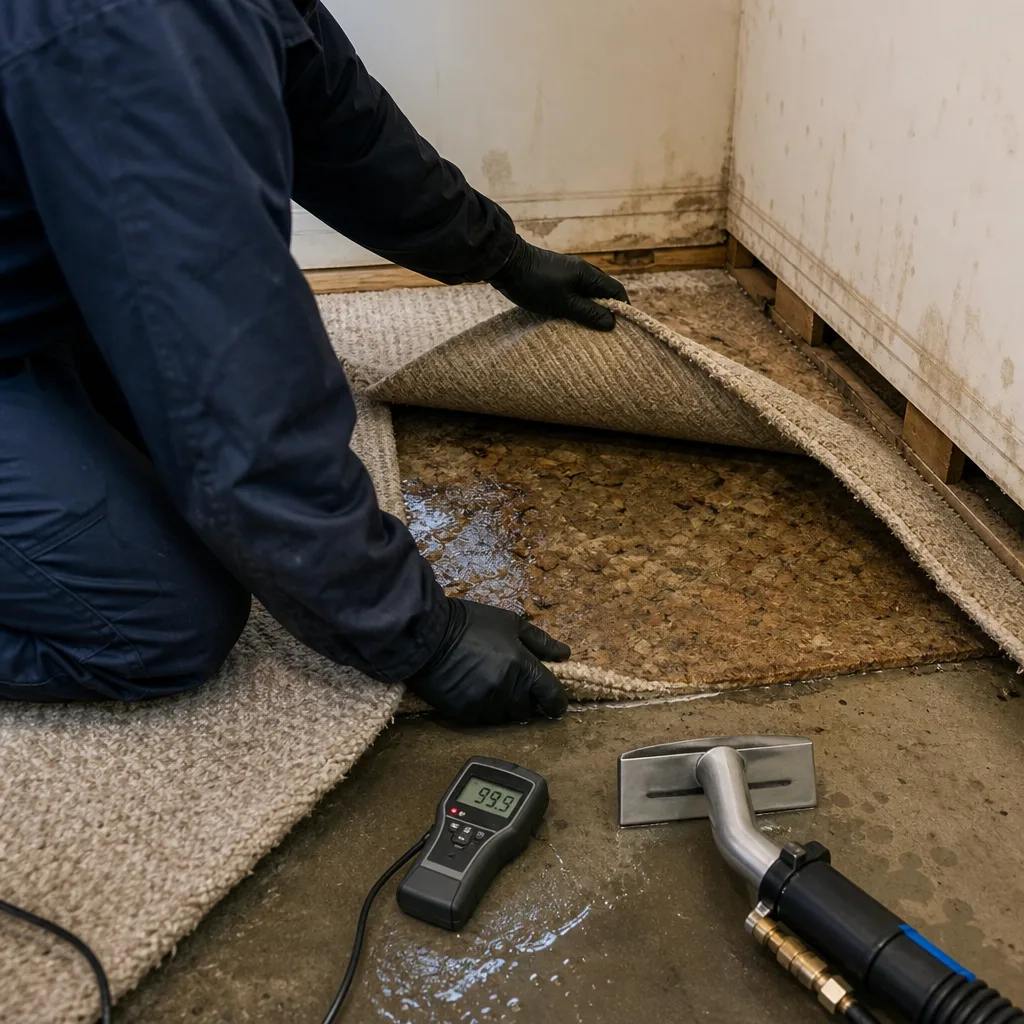
Porous materials that cannot be fully cleaned – wet horsehair plaster, saturated drywall, carpet padding – are removed and bagged. Non-porous surfaces are HEPA-vacuumed and scrubbed with antimicrobial treatments appropriate to the material.
Air Scrubbing & Sanitization
HEPA air scrubbers run throughout the remediation to capture airborne spores. We clean all exposed surfaces and treat wall cavities. Clearance testing – either air sampling or surface sampling – confirms the spore counts have returned to normal background levels for Bedford-Stuyvesant’s outdoor air.
Repairs & Restoration
After clearance, we rebuild what was removed. New drywall, plaster repair, trim, flooring, paint. The same crew handles it. If the mold damage extended to a party wall, we coordinate restoration on both sides so nobody gets left with an open cavity.
Need Emergency Mold Remediation in Bedford-Stuyvesant Now?
Crews minutes away, answering live 24 hours a day. The sooner we start, the less it costs.
Working With Your Insurance Company
Mold claims are some of the most scrutinized in the industry, and insurance carriers look for any gap in documentation. We start from hour one. Our technicians photograph every affected area, room by room, before any material moves. We take moisture readings and log them daily through the entire drying process. The line-item scope of work we provide is detailed enough for an adjuster to verify against the photos. And we talk to your carrier directly – Floodline Restoration Co. handles the adjuster communication, the documentation package, and the billing. You should not have to translate remediation jargon for an insurance company. If the claim covers the work, we bill the carrier directly and you pay only the deductible. Curt Bowman built Floodline around that principle: the homeowner never plays messenger between the restoration crew and the insurance desk.
What We Provide Your Insurer
- Thorough documentation of the loss
- Photos of all damage, room by room
- Moisture readings and drying logs
- A detailed, line-item scope of work
- Direct coordination with your carrier
Built for Bedford-Stuyvesant’s Loss Calendar
Bed-Stuy’s mold seasons follow a pattern. January and February bring deep freezes that burst supply lines in unheated basement crawl spaces and behind poorly insulated walls of pre-war rowhouses. The freeze-thaw cycle works on the porous brownstone facade all winter, and by March, water that seeped behind the cladding in November starts showing up as musty smells and mold blooms on interior plaster. April brings spring thaw and groundwater seepage into garden-level units, especially on blocks closer to the old stream beds. Summer thunderstorms overwhelm NYC’s combined sewer system, and nor’easters do the same in autumn – both push raw sewage backflow into basement apartments across the neighborhood. That’s Category 3 water, the kind that drives the most aggressive mold growth. A Bed-Stuy property that has had one mold event is likely to have another until the underlying moisture pathway is addressed, which is why our scope always includes the source, not just the visible mold.
Mold Remediation Across Bedford-Stuyvesant’s Neighborhoods
Response routes through Bedford-Stuyvesant follow the neighborhood’s blocks. Around Stuyvesant Heights, the rush is heavier on the Landmarks-protected brownstones, where interior remediation work can usually proceed without LPC review but facade and cornice work cannot. Along the Nostrand Avenue corridor, we see mixed three-story walk-ups with basement apartments that flood on a predictable cycle whenever the combined sewer lines surcharge. Gates Avenue and the blocks around Herbert Von King Park deal with older rowhouses where the original cast-iron plumbing is at the end of its service life; pin-hole leaks in those supply lines drip inside wall cavities for weeks before anyone smells mold. MacDonough Street, Halsey Street, and the garden-level units throughout western Bed-Stuy near the border with Clinton Hill flood from sewer surcharge during heavy rain. The blocks around the Marcy Houses and the newer infill construction along Fulton Street have different failure modes: HVAC condensation lines and roof drainage problems in buildings that share walls with older masonry neighbors. One pattern holds across all of it: the wall you share with the adjacent building is never just your wall. If moisture is in it, the mold is not respecting the property line.
Specialized Mold Remediation Services We Offer in Bedford-Stuyvesant
Mold Inspection & Testing
We start with a visual inspection and moisture assessment. In a Bed-Stuy brownstone, that means checking the party wall cavities, the garden-level floor joists, and the top-floor ceiling for roof leaks. We can take air samples, surface samples, or both, and we send them to a third-party lab for identification. Knowing whether you’re dealing with Cladosporium or Stachybotrys changes the remediation protocol, and you deserve to know before anyone opens a wall.
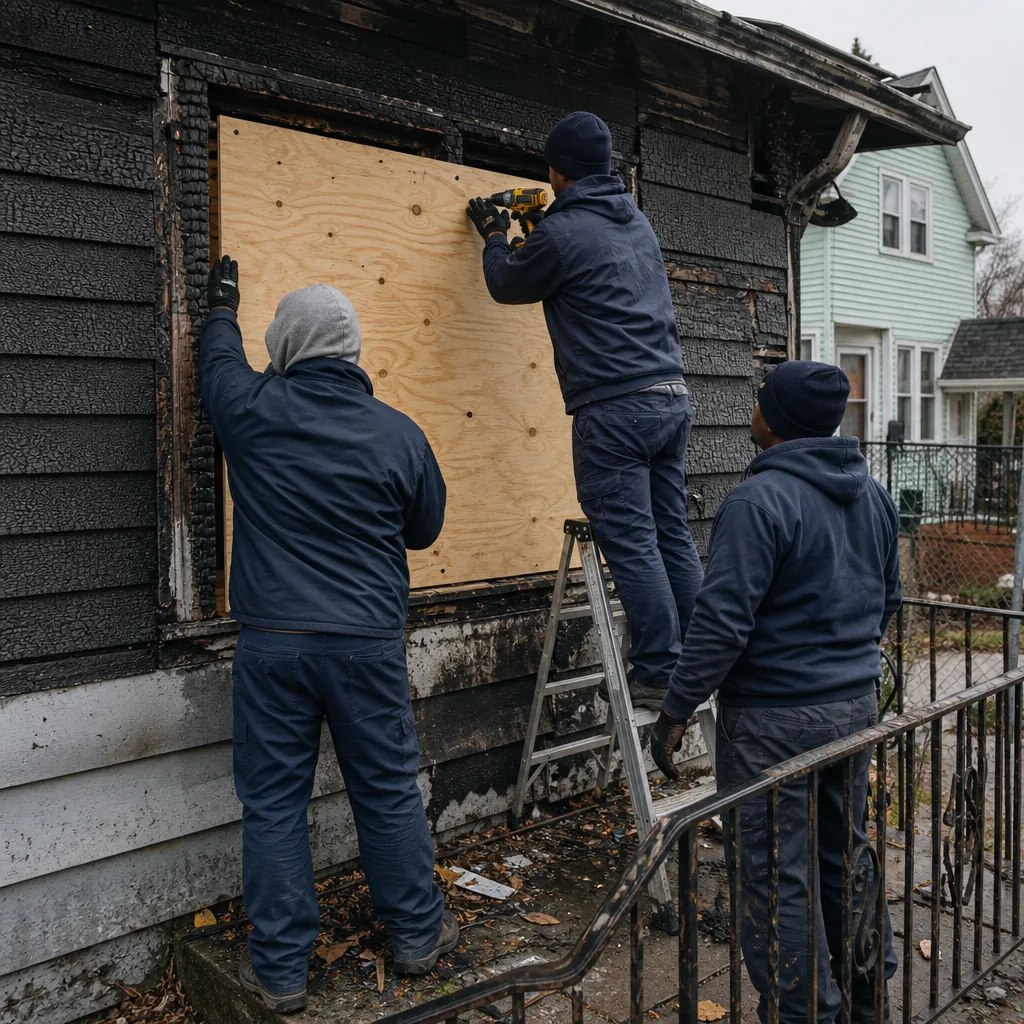
Moisture & Humidity Control
Below-grade spaces in Bed-Stuy stay damp because the masonry acts like a wick. We install dehumidifiers sized for the square footage, seal rim joists, and correct drainage issues at the foundation line where possible. In a garden-level apartment, this is the difference between a basement that smells musty every winter and one that stays dry. Our Injectidry systems can dry wall cavities without removing all the plaster, which matters in a house where the original lathwork is worth preserving.
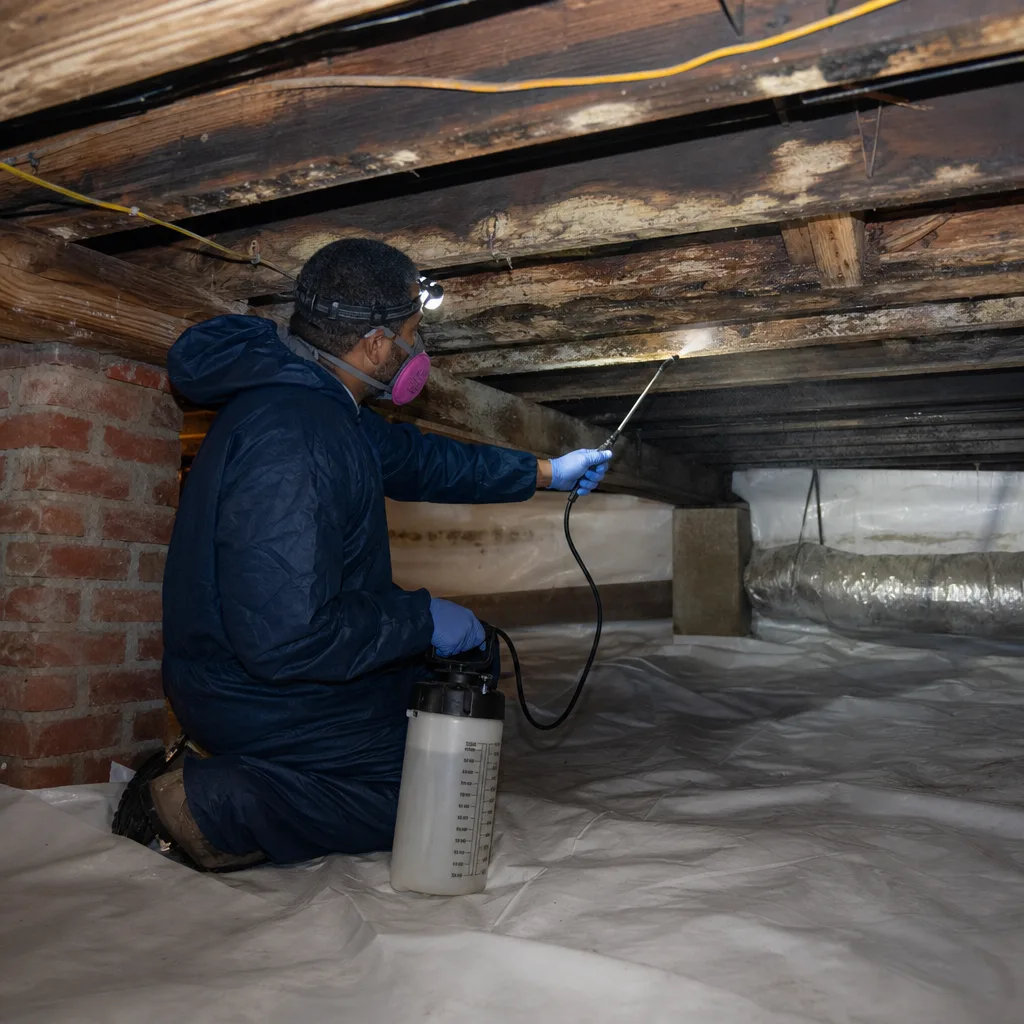
Crawl Space Treatment
Crawl spaces under Bed-Stuy rowhouses are some of the worst we see: shallow, dirt-floored, poorly ventilated, and sitting on soil that carries moisture up through the structure. We install vapor barriers, add insulation where appropriate, and set up dehumidification that runs automatically. A properly treated crawl space stops the stack effect that pulls damp air up through the rest of the house, which is why this job prevents mold in the living spaces above.
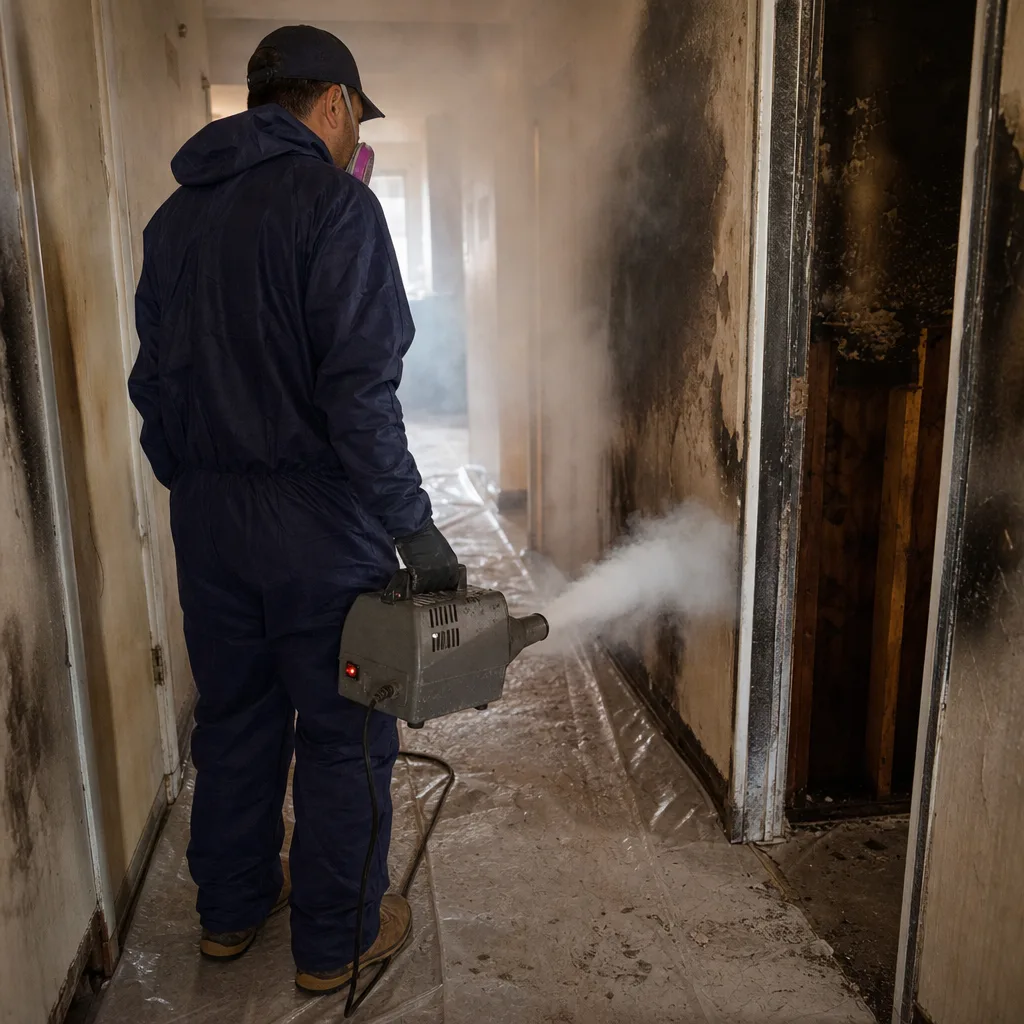
Black Mold Remediation
Stachybotrys chartarum, commonly called black mold, requires full containment, HEPA air scrubbing, and careful material removal. It is not a surface-cleanup job. Our crews wear full PPE, seal the workspace, and run negative air pressure throughout the removal. Clearance testing confirms the work is done before we lift containment. If black mold is in a shared party wall, we coordinate with the neighboring property owner, because a partial removal just means re-contamination from the other side.
Air Quality Restoration
After the mold is gone, the air needs to be clean. We run HEPA air scrubbers during remediation and can leave units in place afterward if the spore load remains elevated. Post-remediation air samples give you a number, not an opinion. That’s the standard we hold in Bedford-Stuyvesant, where the outdoor air already carries Brooklyn’s normal urban pollen and particulate load, so baseline testing before remediation is part of the job.
What happens when you call
- 1
A real person answersNo phone trees - you reach a local pro.
- 2
You get an upfront price rangeHonest numbers before anyone is dispatched.
- 3
A background-checked tech heads outLicensed & insured, dispatched right away.
- 4
You approve before work beginsNothing starts until you say go.
Mold Remediation Costs in Bedford-Stuyvesant, NY
A mold remediation job in Bedford-Stuyvesant runs on a wide spread because the housing stock varies so much. Here is what we see on actual jobs around the neighborhood.
- Mold inspection with air sampling: $350-$650. The lab fees are included at that range.
- Small contained remediation (one bathroom wall or a closet): $900-$2,200.
- Garden-level basement mold after sewer surcharge (Category 3): $3,500-$8,500, plus the cost of removing and replacing saturated flooring and drywall if insurance does not cover it.
- Party wall remediation on both sides of an attached brownstone: $6,000-$15,000. The cost doubles not because the mold doubles, but because containment, access, and clearance testing have to happen in two units.
- Crawl space moisture control and vapor barrier installation: $2,800-$7,000 depending on square footage and access.
Insurance coverage for mold varies by policy and by cause. If the mold resulted from a covered water loss – a burst pipe or a backed-up sewer – the remediation is often covered subject to your policy’s mold limit. If the mold accumulated over years of humidity, that is usually a maintenance issue and not covered. The free visual inspection gives you a firm scope and a number before you decide. Call (518) 750-3137 and we’ll walk you through it.
We Also Serve Cities Near Bedford-Stuyvesant
Our crews work across the borough. We provide Mold Remediation in East Flatbush, Sunset Park, Bensonhurst, and Borough Park, with the same 24/7 live dispatch, IICRC-certified technicians, and direct insurance billing. If you own a rowhouse in any of these neighborhoods, the process is the same: call, we assess, we scope, we remediate, and we stand behind it in writing.
Serving Bedford-Stuyvesant, NY - Our Local Coverage Area
We’re based in the Bedford-Stuyvesant area and know this community well. Use the map below to see our service coverage - if you’re nearby, we can almost certainly help.
Bedford-Stuyvesant Mold Remediation Questions, Answered
Does mold remediation in a Bed-Stuy brownstone require Landmarks Preservation Commission approval if we only work indoors?
No, interior mold remediation in a brownstone within the Stuyvesant Heights Historic District does not require LPC review, because the Landmarks Preservation Commission’s jurisdiction covers exterior work – facades, cornices, stoops, windows – not interior wall cavities or basement floors. If the mold job leads to exterior restoration, such as replacing a cornice or re-pointing a brownstone facade that has been letting water in for a decade, that portion of the work does require LPC approval. We handle the interior remediation immediately and coordinate with LPC on any exterior scope.
How do you prevent mold from spreading to the attached neighbor during remediation of a party wall?
We set containment on both sides of the party wall before demolition begins, which means we access the neighboring property with their permission and seal it with polyethylene sheeting and negative air pressure. The affected cavity is treated under containment, and air samples are taken on both sides before containment is lifted. In Bed-Stuy, most attached neighbors cooperate quickly once they understand that the mold on their side of the wall is coming from the same water event, not from their own pipe.
What’s the difference between Category 2 and Category 3 water when it comes to mold in a Bed-Stuy garden-level apartment?
Category 2 water carries significant contamination – think washing machine overflow or sump pump failure with dirty water. Category 3 water is sewage, floodwater from outside, or any water that has been sitting long enough to support bacterial growth. For a garden-level Bed-Stuy apartment that backs up from the combined sewer, that is Category 3. The difference matters because Category 3 water leaves organic residue in porous materials, which feeds mold growth much more aggressively than Category 1 or 2. We remove saturated porous materials after a Category 3 event; simple drying is not enough.
Why does my Bed-Stuy basement smell musty every winter even though there’s no standing water?
The below-grade masonry walls of a Brooklyn rowhouse are naturally damp, and winter’s lower outdoor temperatures drive moisture out of the air and into the coolest surfaces, which in a basement are the concrete floor and stone foundation walls. That moisture feeds mold in the dust and organic debris that accumulates in any basement. The fix usually combines dehumidification, sealing of the rim joist, and sometimes vapor barrier installation on the floor. It is not a smell; it is a moisture problem, and moisture problems are solvable.
How quickly can mold start growing after a plumbing leak in a brownstone with horsehair plaster walls?
Mold colonization can begin within 24 to 48 hours of a water event, and horsehair plaster is uniquely friendly to mold because the hair and organic binders in the plaster are food. The wall cavity itself – the dead air space between the plaster and the brick – stays dark and humid, which is exactly what mold needs. In a Bed-Stuy rowhouse, we often find that what looks like a small stain on one room’s plaster is actually a bloom that started in the cavity three days earlier. That’s why the first 24 hours matter so much.
How fast can a Floodline crew actually get to a Bedford-Stuyvesant address?
Our commitment is 45 minutes from the time you hang up with dispatch to a crew on your block. That’s realistic for most of Bedford-Stuyvesant. Our technicians are stationed around the borough and know the routes through Bed-Stuy’s blocks. A live person answers the phone at any hour, and the truck rolls as soon as the call ends. Call (518) 750-3137 and time us.
Will my insurance cover mold remediation in Bedford-Stuyvesant?
It depends on the cause. If the mold resulted from a sudden and accidental water event – a burst pipe, a sewage backflow, a roof leak from a storm – your policy likely covers remediation up to the mold coverage limit, which is often lower than your general damage limit. If the mold accumulated over years because of chronic humidity or deferred maintenance, most carriers deny the claim. We document everything, work with your adjuster directly, and bill the carrier for covered work. You’ll know where you stand before remediation starts.
Do I need to leave my brownstone while mold remediation is happening?
For a small contained job, usually not. For a large remediation – multiple rooms, a Category 3 basement, or black mold in a party wall – we recommend being out of the affected areas while the work is underway, and sometimes out of the unit entirely if the air handling system ties into the contained space. Each job is different. We’ll tell you straight what the exposure risk looks like and what the containment plan involves before we start moving anything.
Written by Curt Bowman, owner of Floodline Restoration Co. Serving Bedford-Stuyvesant property owners with mold remediation, moisture control, and full reconstruction from the first extraction to the last coat of paint.