
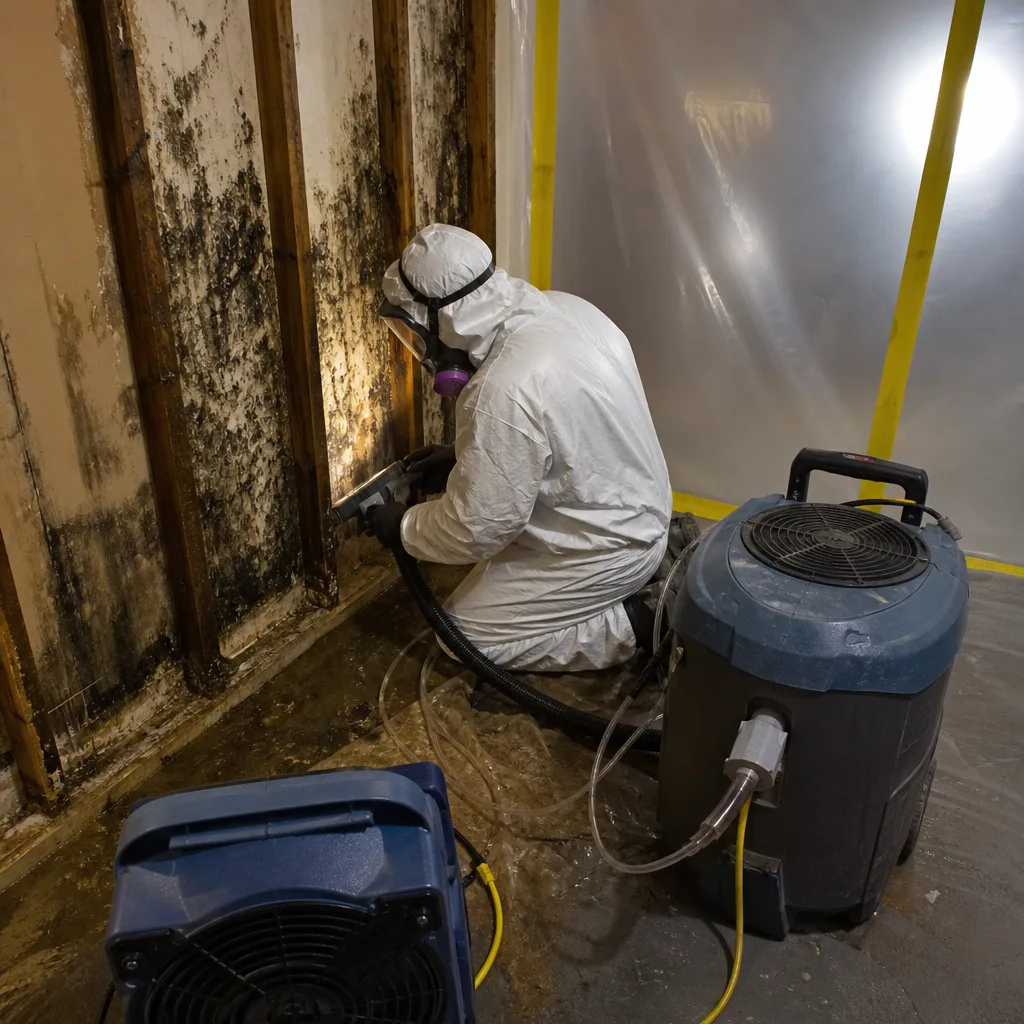
Free visual inspection and a written scope of work before any mitigation begins - photos, moisture readings, and drying logs go in your claim file
The scope we write is the scope we bill. Anything new gets shown to you, in writing, before we touch it.
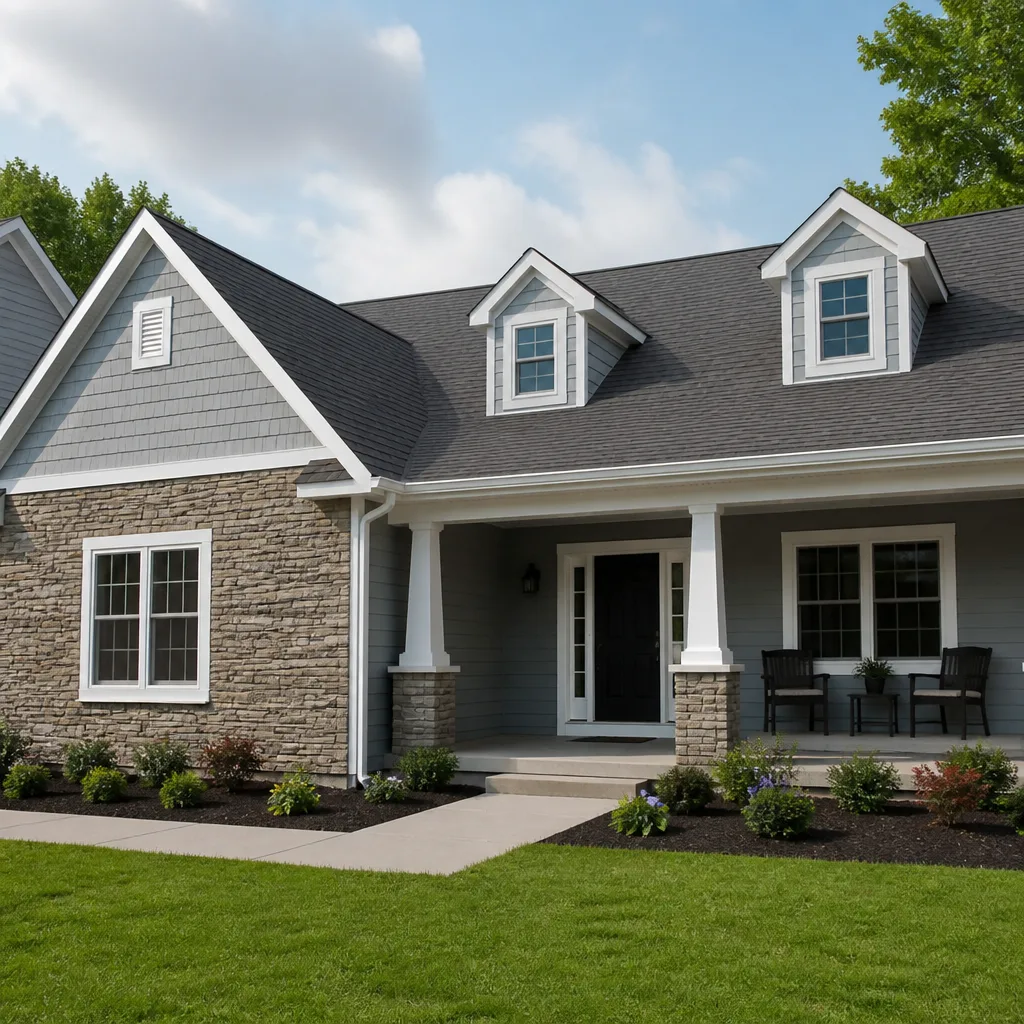
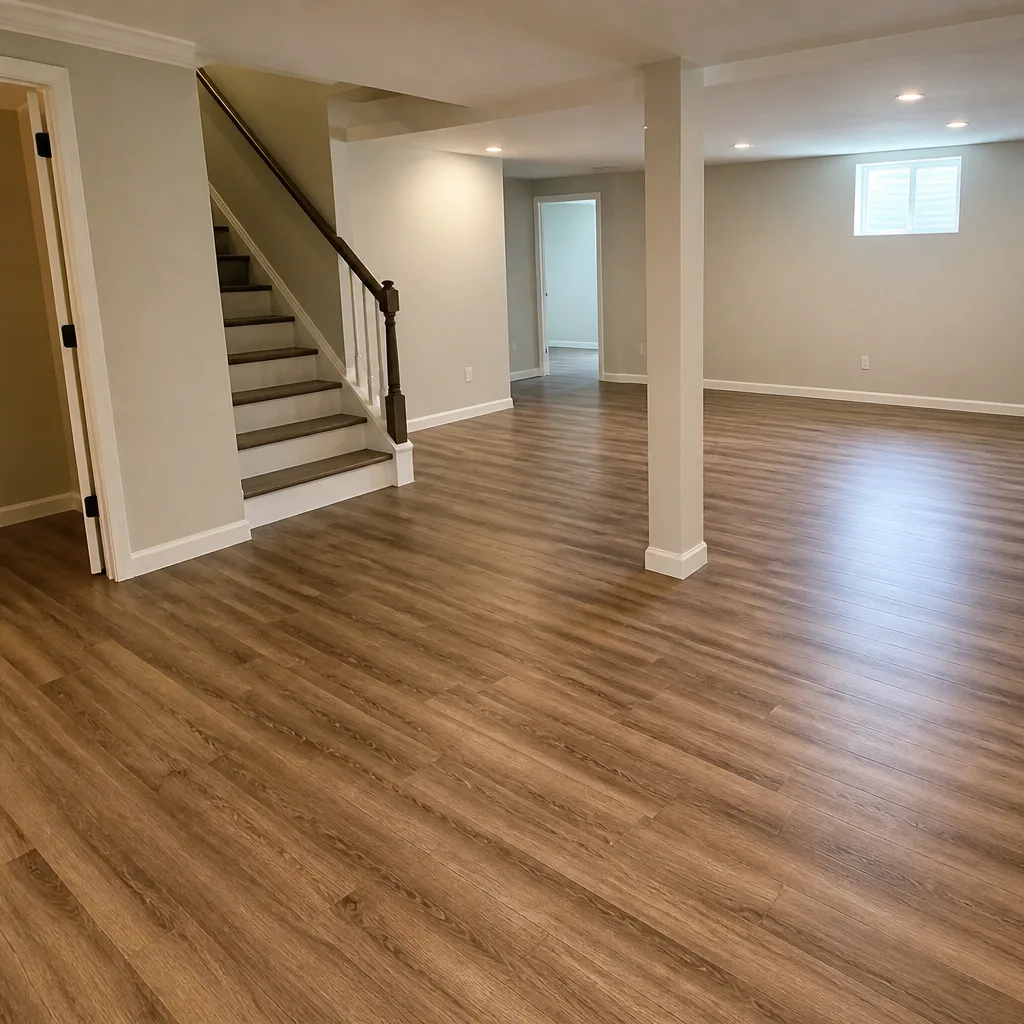
 Before
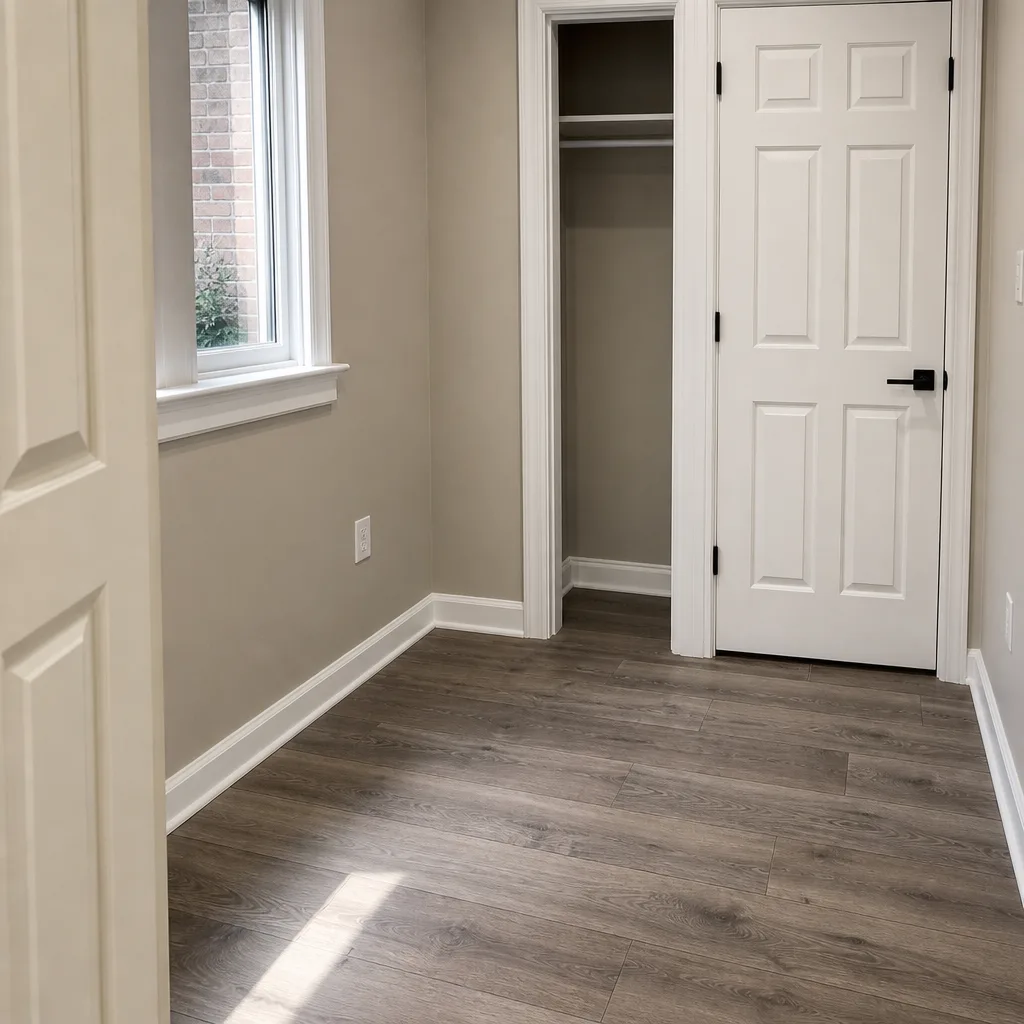 After
After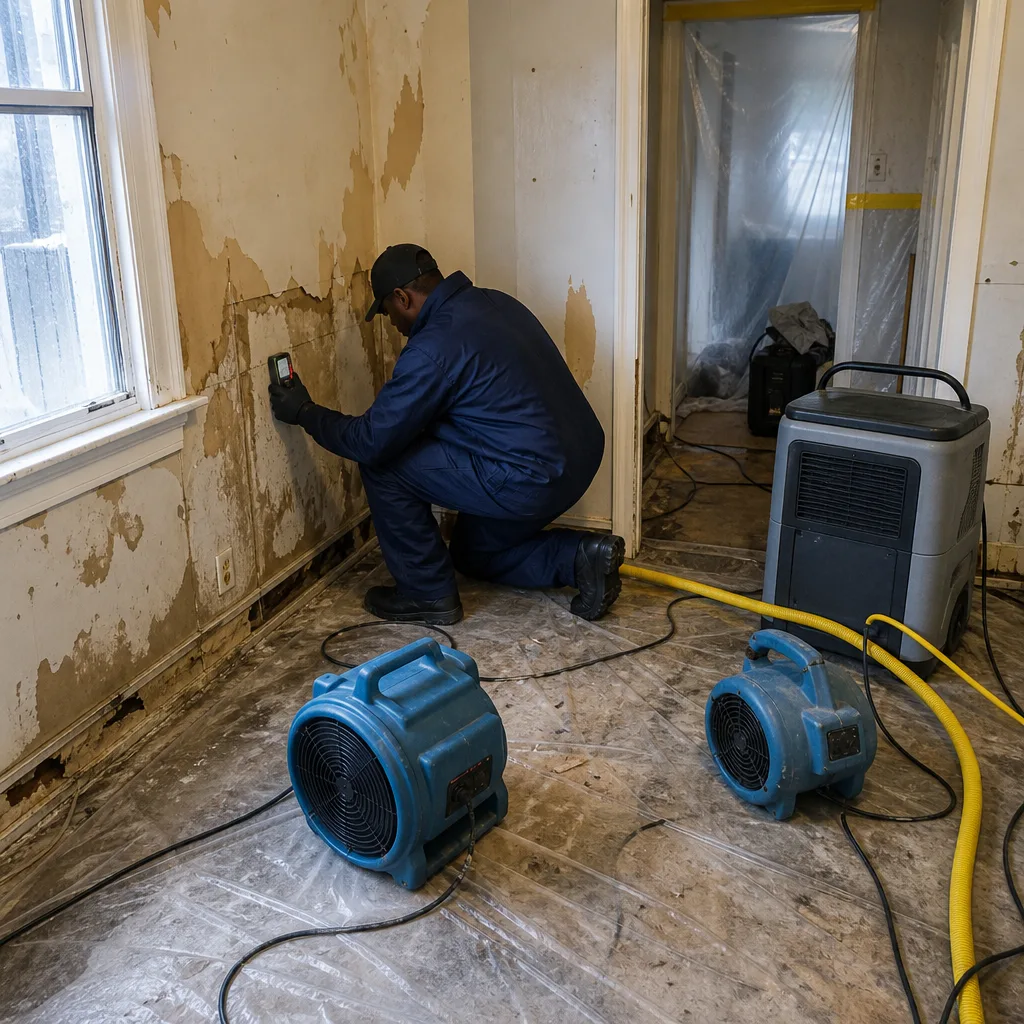 Before
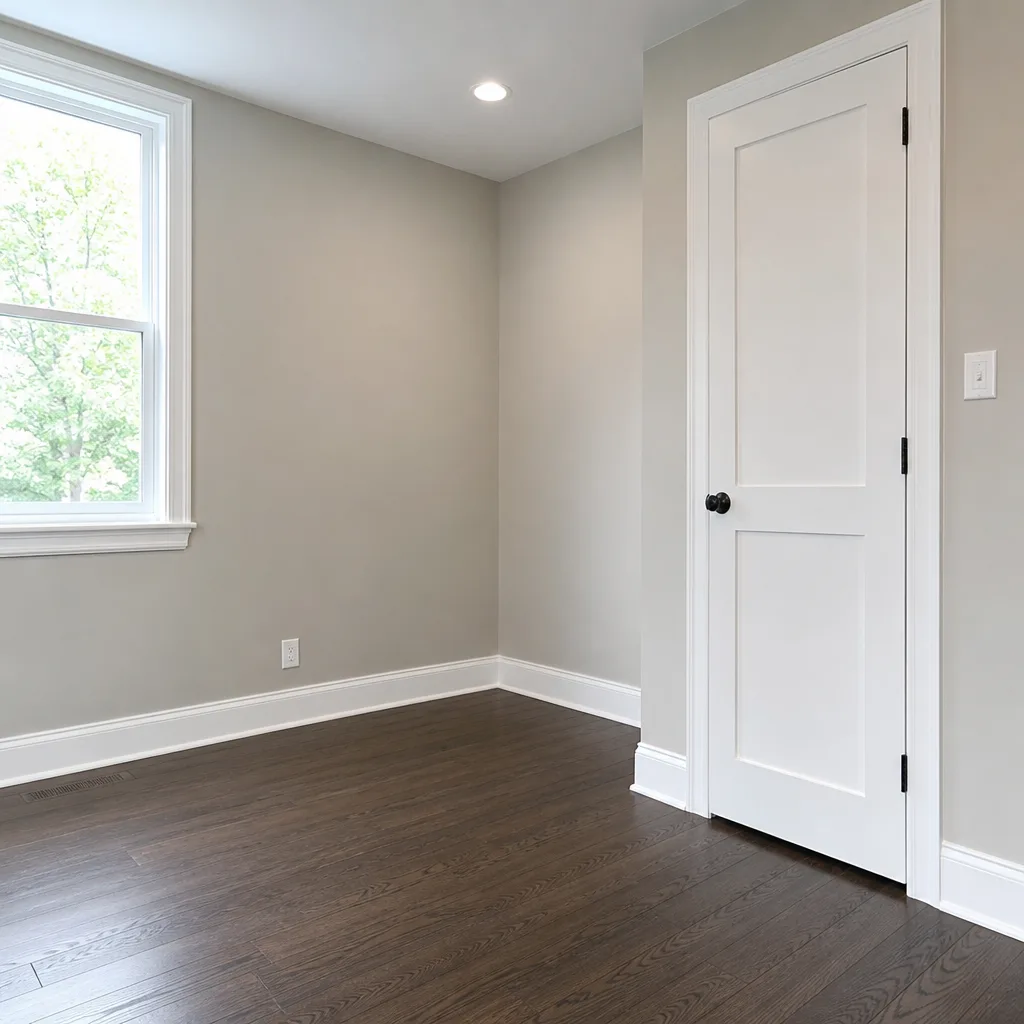 After
After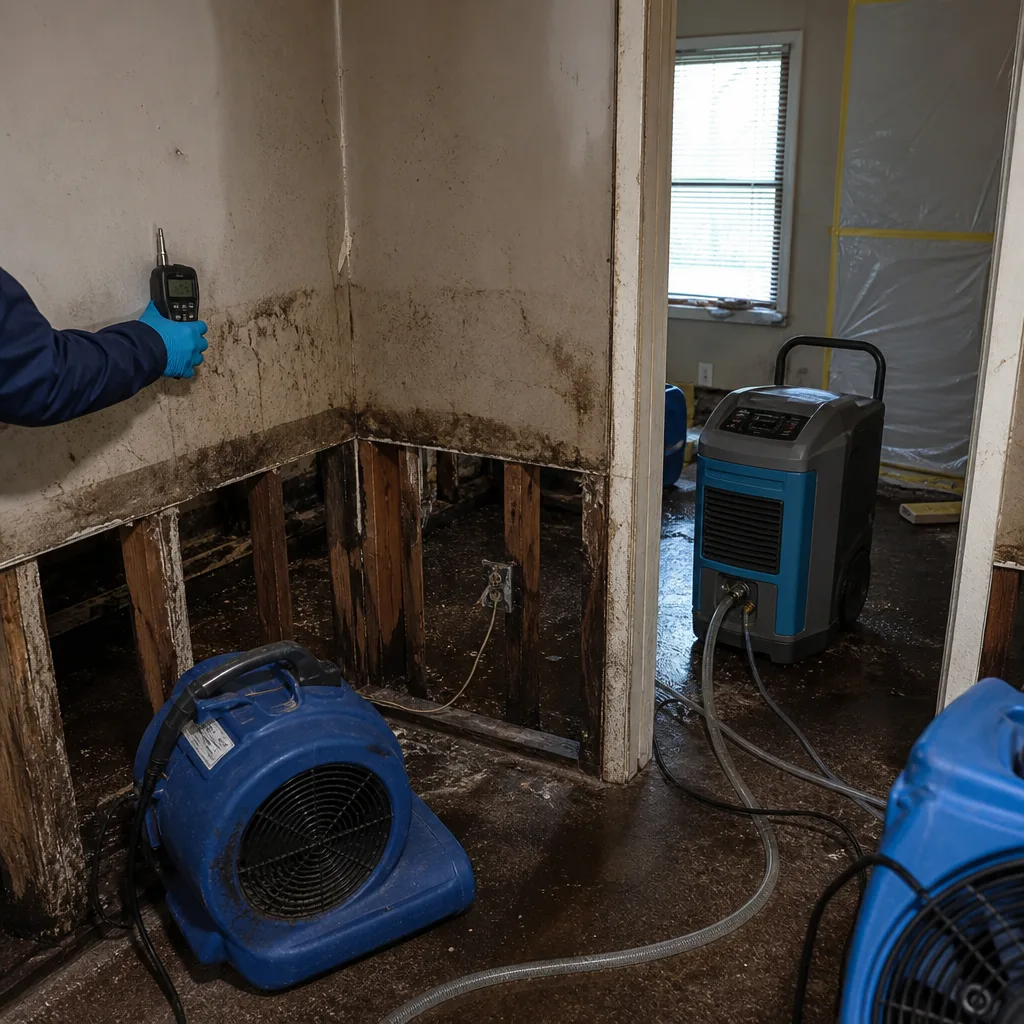 Before
 After
After24/7 Emergency Mold Remediation in Borough Park
Mold remediation in Borough Park typically costs $1,800-$4,200 for a contained basement or crawl space job, and a certified crew can usually be on-site within 45 minutes of your call to (518) 750-3137. We answer live around the clock, because mold doesn’t wait for Monday morning and neither do the occupied basements in this neighborhood’s brick row houses. The first hour matters most: the sooner we can stop the moisture source and map the spread, the less demolition and rebuild work you’ll face.
Our Mold Remediation team has spent years working in Borough Park’s 1910s-1940s row houses, where finished basements and converted crawl spaces give mold exactly what it needs: darkness, trapped humidity, and drywall to feed on. If you’ve spotted dark staining along baseboards, smelled that musty odor that won’t air out, or noticed paint bubbling on a basement wall, call us. We’ll send a uniformed, background-checked technician for a free visual inspection, no pressure, no obligation.
Understanding Mold Remediation Severity in Borough Park Properties
Not every mold problem is the same. In Borough Park, severity breaks down along three lines: how much water caused it, how long it’s been sitting, and what got wet behind the walls. A slow leak from a supply line dripping for weeks produces surface mold on drywall and trim, contained with HEPA air scrubbers and localized removal. A sewage backup from Brooklyn’s combined sewer system, by contrast, introduces Category 3 water: saturated organic material, bacteria, and mold growth that requires full containment, disposal of porous materials, and clearance testing before anyone reoccupies the space.
Building age compounds this. Many Borough Park homes were built before modern vapor barriers existed. Their brick party walls breathe differently than newer construction, and decades of unpermitted basement conversions mean the wall cavities you see on a floor plan are not always the ones behind your drywall. That’s why we run moisture mapping with thermal imaging and hygrometers before touching a single stud. The goal is to find the wet framing you can’t see, because that’s where the next mold bloom starts if you only treat the visible surface. This is not the neighborhood for a quick bleach-and-paint job. It’s the neighborhood for Borough Park remediation done right the first time.
Why Borough Park Property Owners Choose Floodline Restoration Co.
- 45-minute response commitment: Our Borough Park dispatch radius means a live person answers, confirms your address near 13th Avenue or 16th Avenue, and gets a crew rolling immediately. No phone trees, no “we’ll call you back.”
- 24/7 live answer, every day including Shabbat: Our dispatchers answer the phone at 2 a.m. They also answer at 6 p.m. on a Friday. We know the calendar in this neighborhood and we plan around it.
- IICRC-certified crews: Our techs hold IICRC certifications including AMRT (Applied Microbial Remediation Technician) and WRT (Water Restoration Technician), trained to RIA and IFA standards.
- Free visual inspection with a written scope: Before any work starts, you get a line-item scope in writing. No work until you approve it. No surprise charges halfway through.
- Direct insurance billing: We document from the first hour, bill your carrier directly, and talk to the adjuster so you don’t have to.
- One team, start to finish: The same certified crew that builds containment and runs HEPA scrubbers also handles the rebuild. You never get handed off to a subcontractor mid-job.
Our Mold Remediation Process
Inspection & Assessment
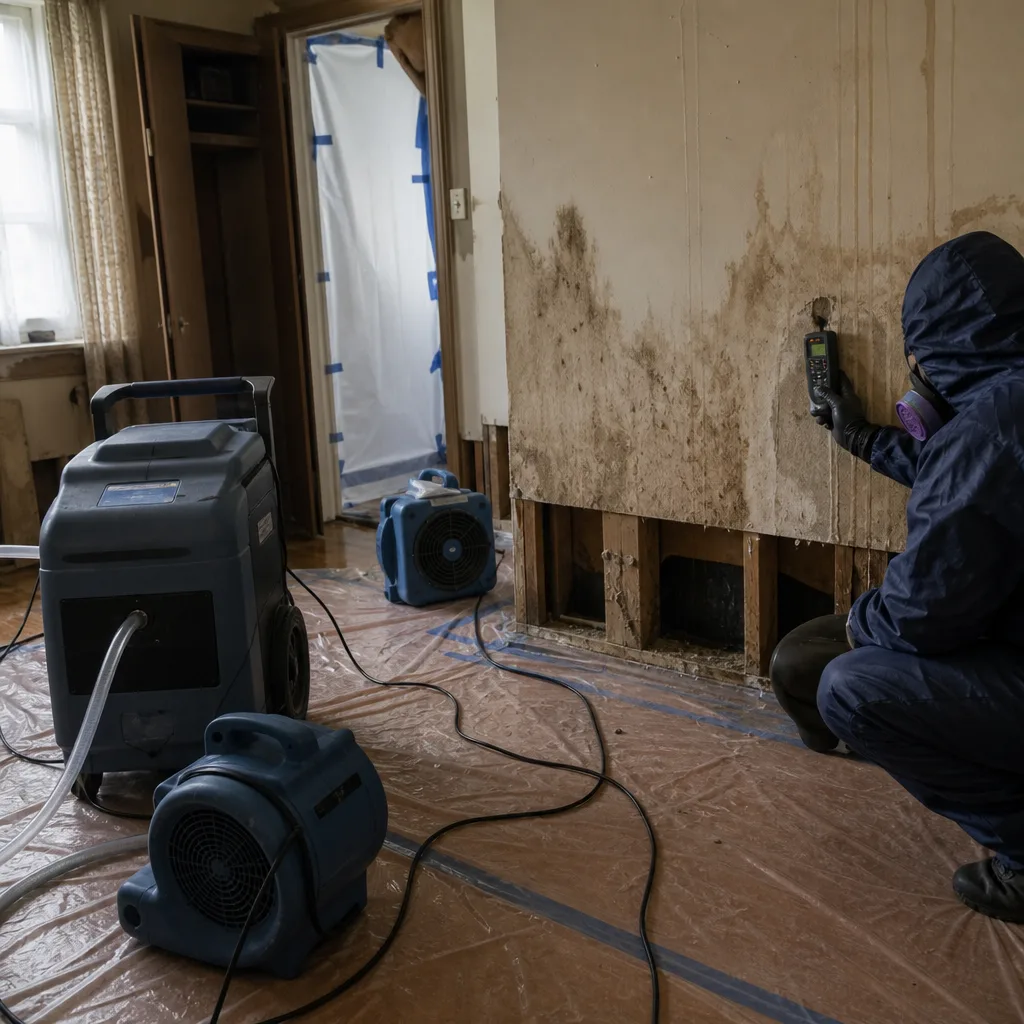
We start with a free visual inspection, then use thermal imaging and moisture meters to locate every wet or humid cavity. In Borough Park’s brick row houses, that often means checking party walls, converted basement framing, and any crawl space access points.
Containment & Source Control
Before any demolition, we seal the affected area with negative air pressure and 6-mil polyethylene barriers. The moisture source gets stopped: a leaking supply line, a failed mikveh overflow, a weeping party wall. No point removing mold while water keeps feeding it.
Drying & Dehumidification
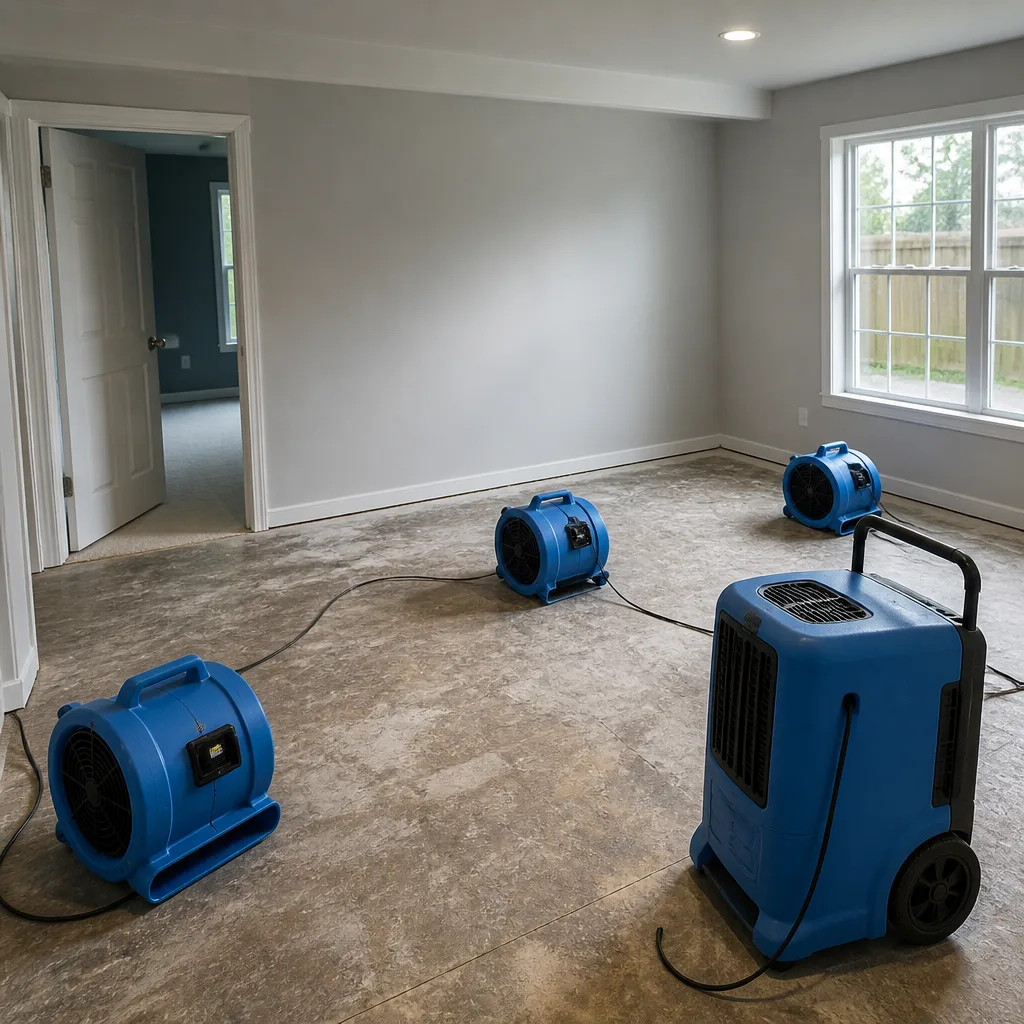
We run Dri-Eaz and Phoenix dehumidifiers alongside XPOWER air movers until moisture readings hit the dry standard. Daily readings are logged and shared with you and your carrier. In Borough Park’s converted basements, this step often takes 3-5 days given the density of finished materials.
Cleaning & Sanitization
HEPA vacuuming removes settled spores from every surface in the containment zone. We wipe hard surfaces with antimicrobial treatments appropriate for occupied homes, and bag all contaminated porous material for proper disposal per NYC regulations.
Mold-Specific Treatment & Clearance
After the contaminated material is removed and the structure is dry, we apply registered antimicrobial coatings to remaining framing and run post-remediation air sampling. Clearance testing confirms spore counts are back to normal background levels for Brooklyn’s air.
Repairs & Restoration
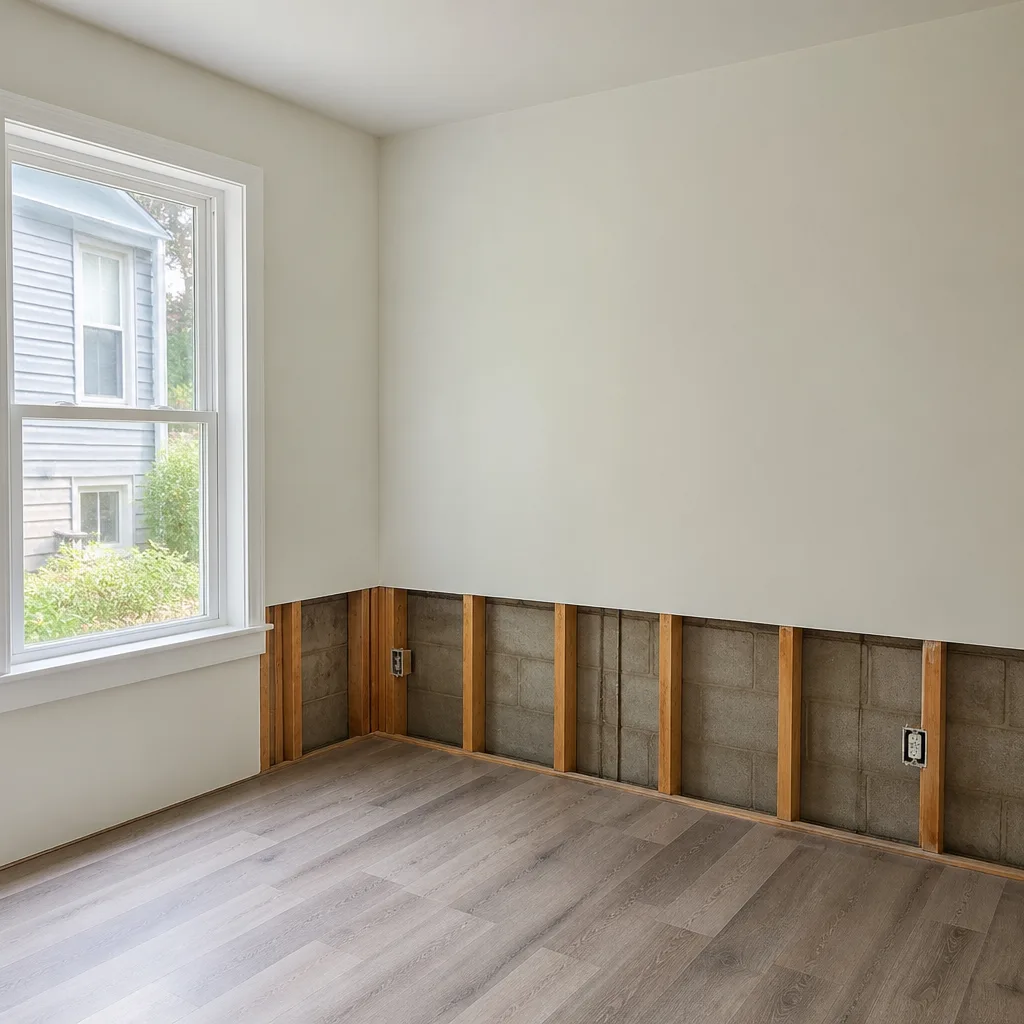
We rebuild what we removed: drywall, insulation, trim, flooring, paint. The same crew that opened the wall closes it. Done to the same standard we’d want in our own homes, and backed by the 90-Day Done Right Promise in writing.
Need Emergency Mold Remediation in Borough Park Now?
Crews minutes away, answering live 24 hours a day. The sooner we start, the less it costs.
Working With Your Insurance Company
Mold claims in Borough Park are rarely straightforward. Carriers want proof of a sudden, covered water event, not a slow leak that went unnoticed for months. That’s where documentation matters. From the first hour, we photograph every affected surface, log moisture readings, and write a scope that separates covered water damage from pre-existing conditions. Our project managers speak directly with your adjuster, provide them the drying logs and clearance testing they require, and push for the maximum coverage your policy allows. You hired us to fix the problem, not to become a paperwork courier. We handle the carrier. If your claim is partially denied, we’ll walk you through what’s covered, what isn’t, and what your options are.
What We Provide Your Insurer
- Thorough documentation of the loss
- Photos of all damage, room by room
- Moisture readings and drying logs
- A detailed, line-item scope of work
- Direct coordination with your carrier
Built for Borough Park’s Loss Calendar
Mold in Borough Park doesn’t follow a single season. It follows the building stock. Summer thunderstorms overwhelm Brooklyn’s combined sewer system, and when the street mains back up, Category 3 water pushes into the finished basements along 14th Avenue, 15th Avenue, and 16th Avenue. That’s sewage water sitting behind drywall before homeowners even notice the floor drain bubbling. Winter brings a different set of problems: freeze-thaw cycles stress the unreinforced brick parapets and mortar joints on these 1910s-1940s row houses, and the slow lateral seepage that results often goes undetected for months, growing mold inside wall cavities long before a stain appears on the interior surface.
Then there’s the calendar that no other Brooklyn neighborhood shares. From Friday sundown to Saturday nightfall, Borough Park largely stops. A pipe that bursts at 3 p.m. on a Friday cannot have remediation begin for 25+ hours. Families observe Shabbat, which means no work crews, no demolition, no running air movers. A contractor who doesn’t know this walks into a wall. We plan for it. Our dispatchers know the calendar cold. We schedule work around it, we pre-position equipment before sundown on Fridays when flooding is forecast, and we teach families simple Shabbat-compliant steps to slow the spread: shut the water main, place plastic sheeting, isolate the area. That’s not a sales pitch. It’s the difference between a contained job and a full basement gut in this neighborhood.
Mold Remediation Across Borough Park’s Neighborhoods
Borough Park stretches from roughly 8th Avenue east to McDonald Avenue, between about 40th and 63rd Streets. The buildings change block by block, and so do the mold patterns. Along 13th Avenue and 16th Avenue, the commercial corridors, you’ll find mixed-use buildings where a leaking bathroom above a storefront saturates the ceiling assembly and spreads mold through shared joist bays. Around 18th Avenue and 50th Street, the dense two- and three-family attached brick homes share party walls, which means your neighbor’s slow plumbing leak can be growing mold on your side of the wall without either of you knowing. Near 60th Street and New Utrecht Avenue, the semi-detached homes with converted basement apartments are particularly prone to drainage issues: too much finished flooring, not enough airflow, and downspouts that dump water straight onto foundation walls.
The section near Maimonides Medical Center on 10th Avenue sees a lot of older residential buildings with original cast-iron drain lines that have rusted through after a century. Those hidden pipe failures inside wall cavities create chronic moisture that mold loves. And everywhere in Borough Park, parking is tight and alleys are narrow. Our crews drive trucks sized for Brooklyn streets, and we coordinate access so your remediation doesn’t start with a parking ticket and an hour circling the block.
Specialized Mold Remediation Services We Offer in Borough Park
Mold Inspection & Testing
Before we remove anything, we need to know what we’re dealing with. Mold Inspection & Testing in Borough Park starts with a visual assessment, followed by air and surface sampling where appropriate. We use lab analysis to identify spore types and concentrations, then compare your indoor results to an outdoor control sample taken the same day. In a neighborhood with this much pre-war housing, testing matters: not every dark stain is mold, and not every mold requires the same remediation protocol.
Mold Removal
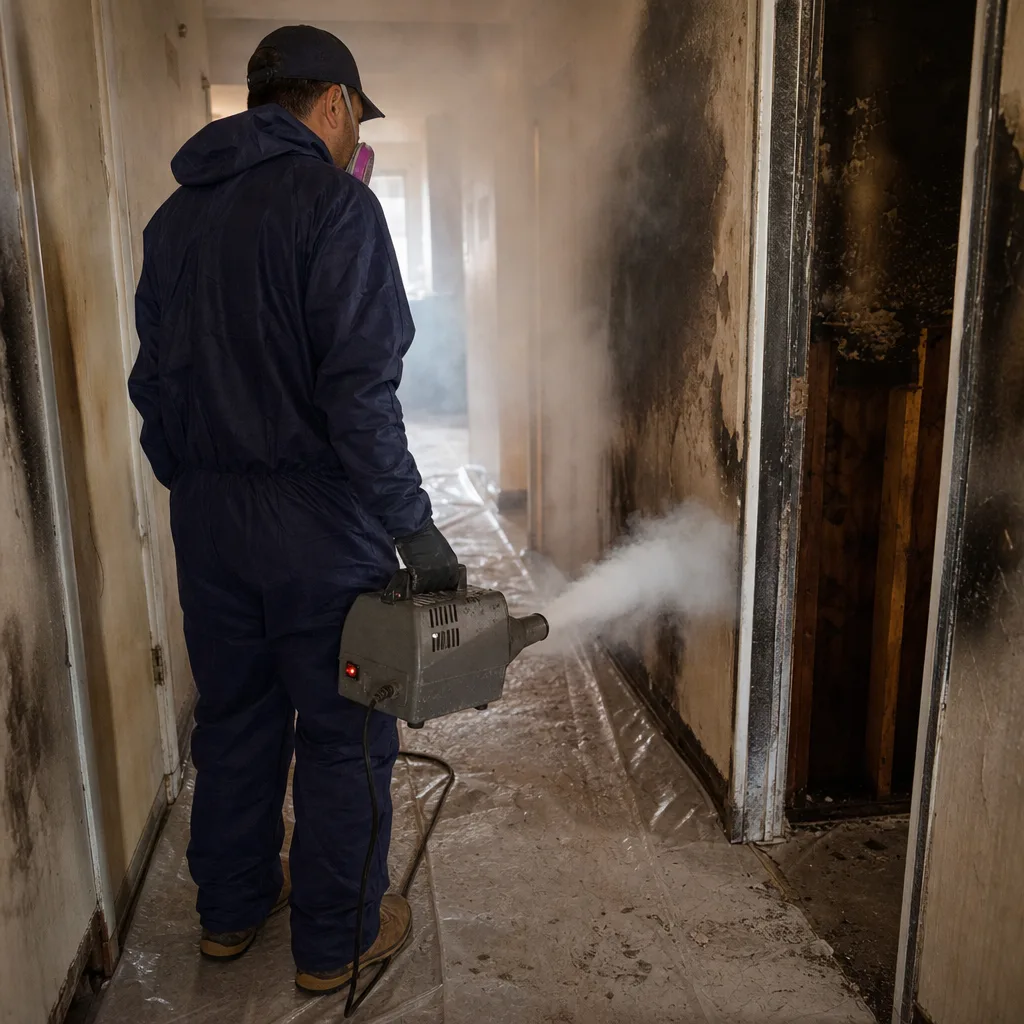
Mold Removal in Borough Park’s occupied basements and converted crawl spaces requires care around tight clearances and finished surfaces our teams encounter in these century-old homes. We remove contaminated drywall, insulation, and carpeting under full containment, bag the debris, and dispose of it per NYC hazardous material regulations. The removal is only part of the job: without addressing why the moisture got there, the mold returns.
Black Mold Remediation
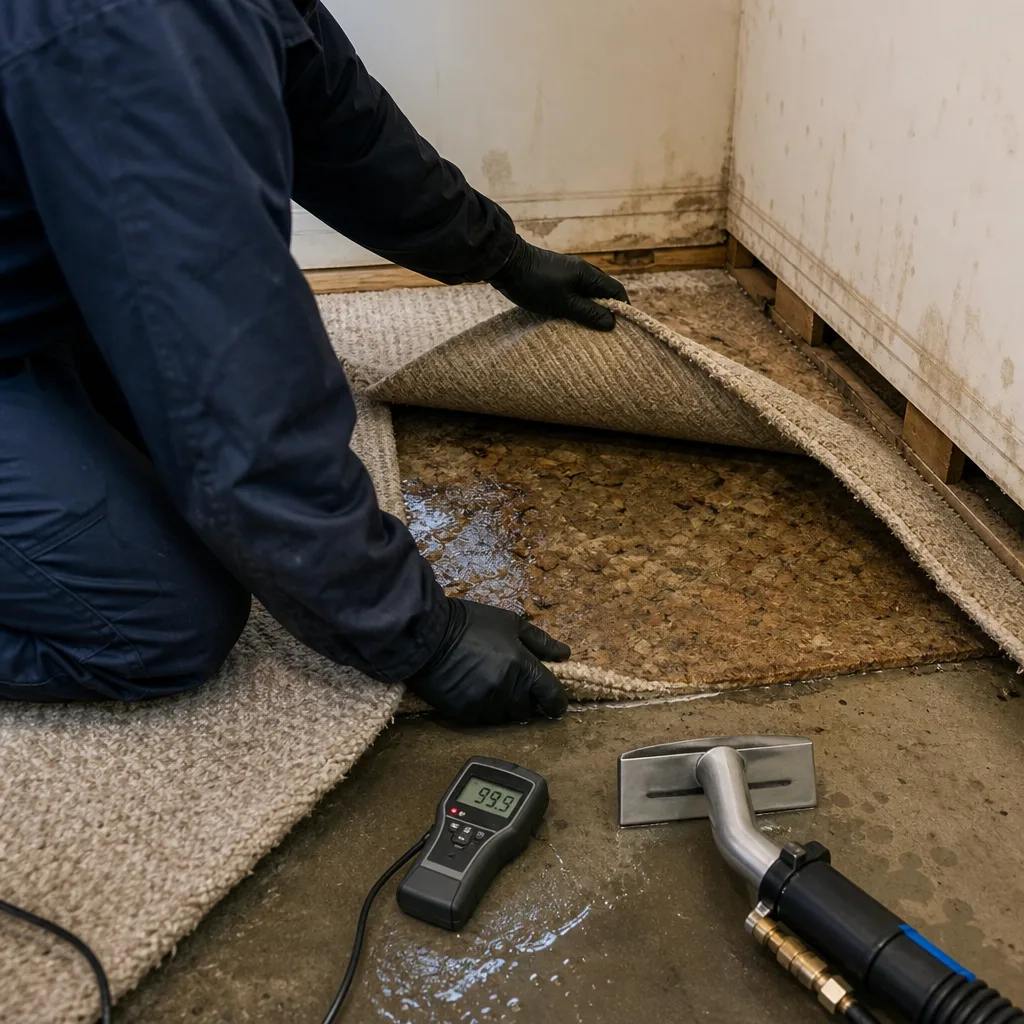
Stachybotrys, what most people call black mold, grows on material that’s been wet for days or weeks: saturated drywall, water-soaked wood, damp ceiling tiles. In Borough Park’s finished basements, it’s most often found after a sewage backup or a slow leak that no one noticed because the area was behind storage. We treat black mold with full containment, HEPA air scrubbing, and complete removal of contaminated porous material. We do not “spray and paint over.” That just feeds the next bloom.
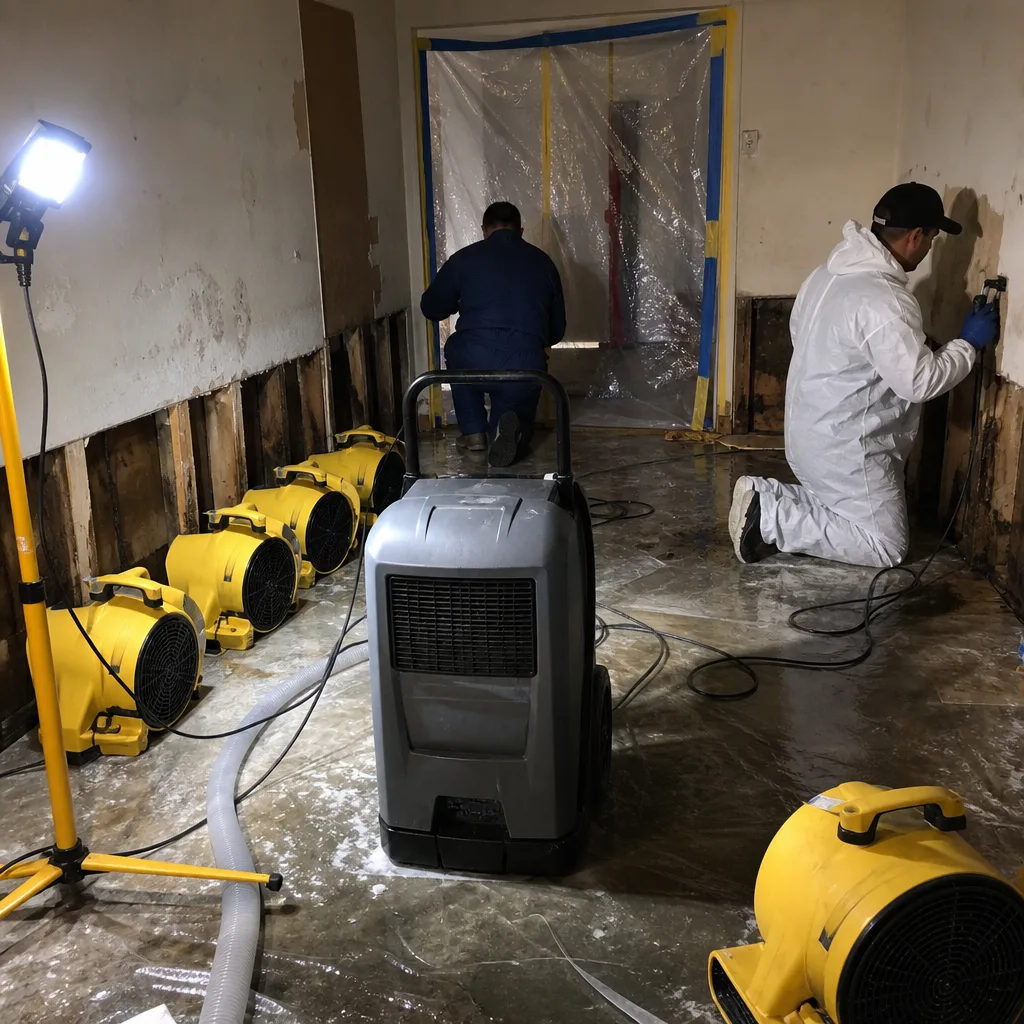
Air Quality Restoration
Even after visible mold is removed, spores remain airborne. Air Quality Restoration in Borough Park means running HEPA air scrubbers during the job and after, then conducting post-remediation verification to confirm the air you’re breathing matches outdoor baseline levels. This step matters most in homes with young children, elderly residents, or anyone with respiratory conditions: Borough Park has a lot of multigenerational households, and we take that seriously.
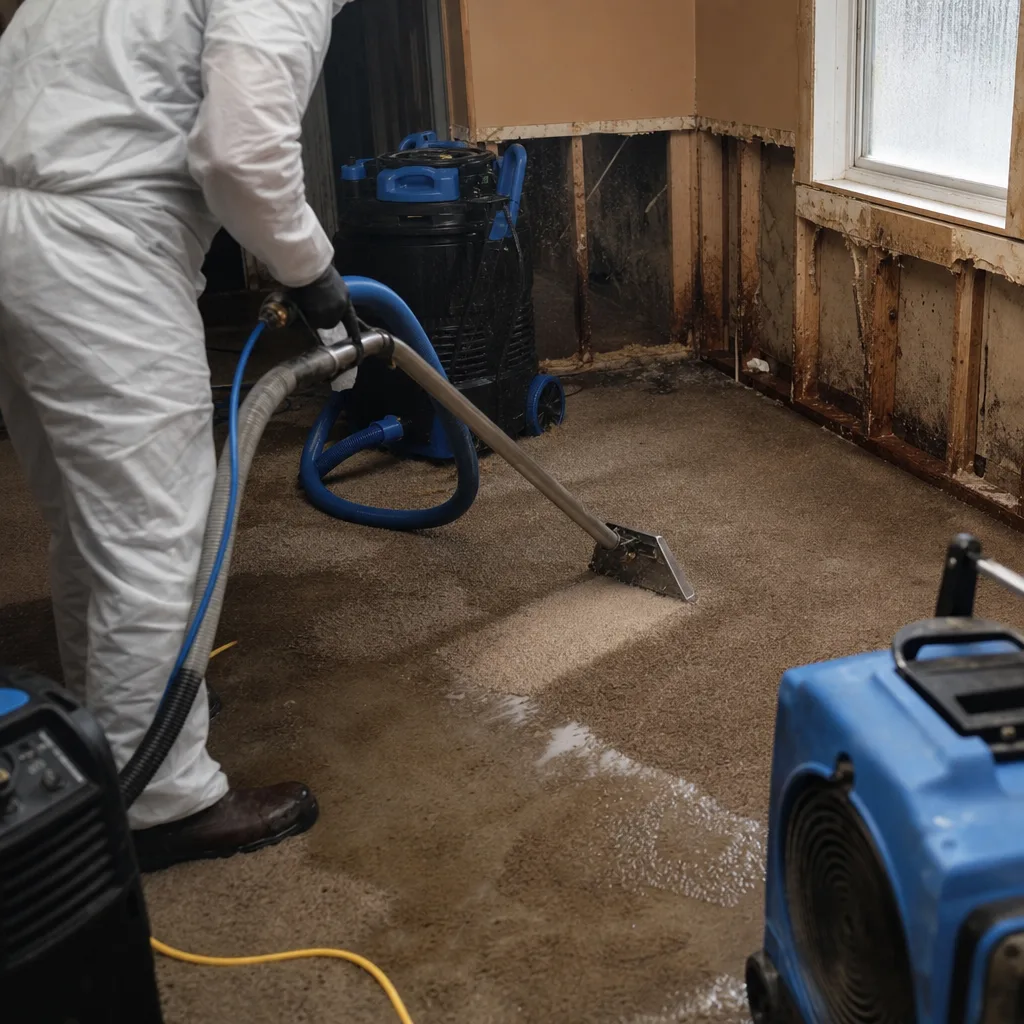
Crawl Space Treatment
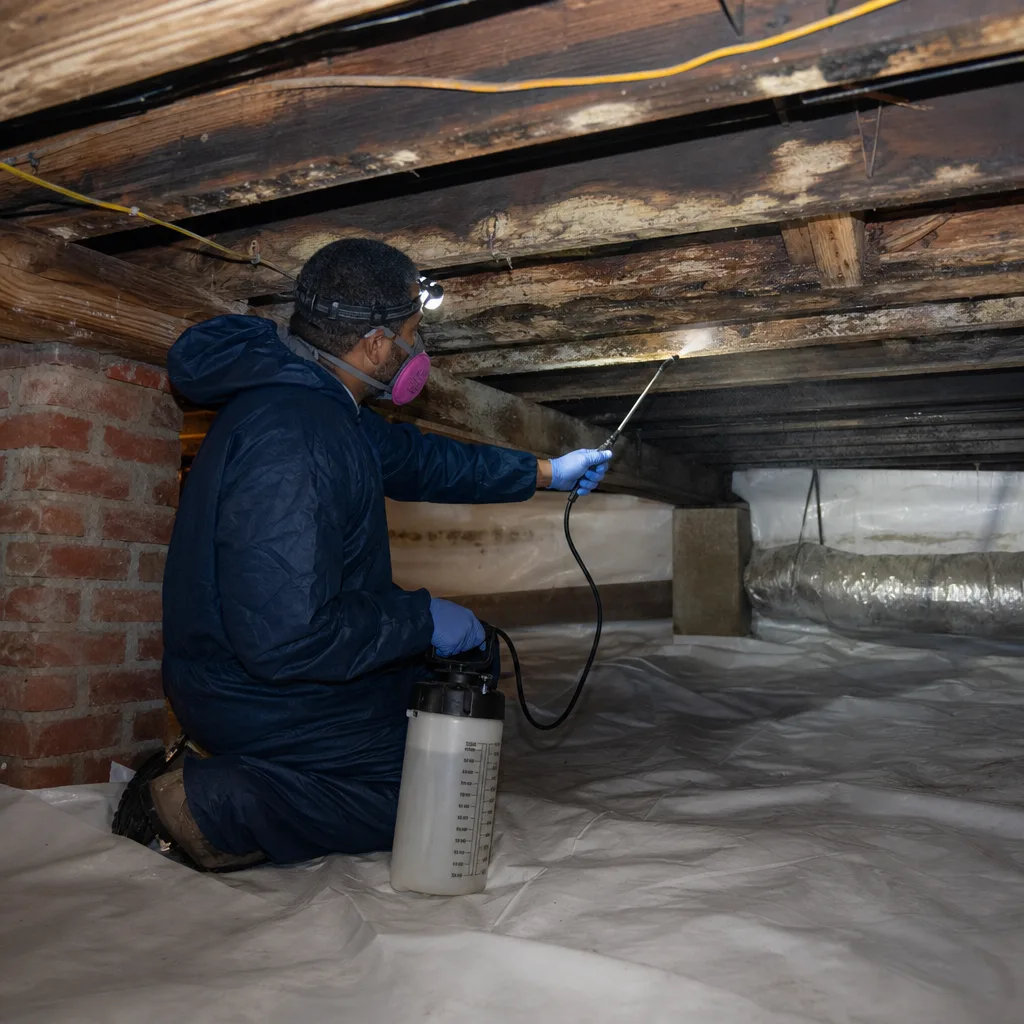
Borough Park’s row houses often have small, awkward crawl spaces that were never designed for access or ventilation. Mold thrives there: damp earth, trapped moisture, no airflow. We treat crawl spaces with moisture and humidity control measures to stop the conditions that let mold grow in the first place, installing vapor barriers where needed and ensuring drainage keeps water away from the foundation.
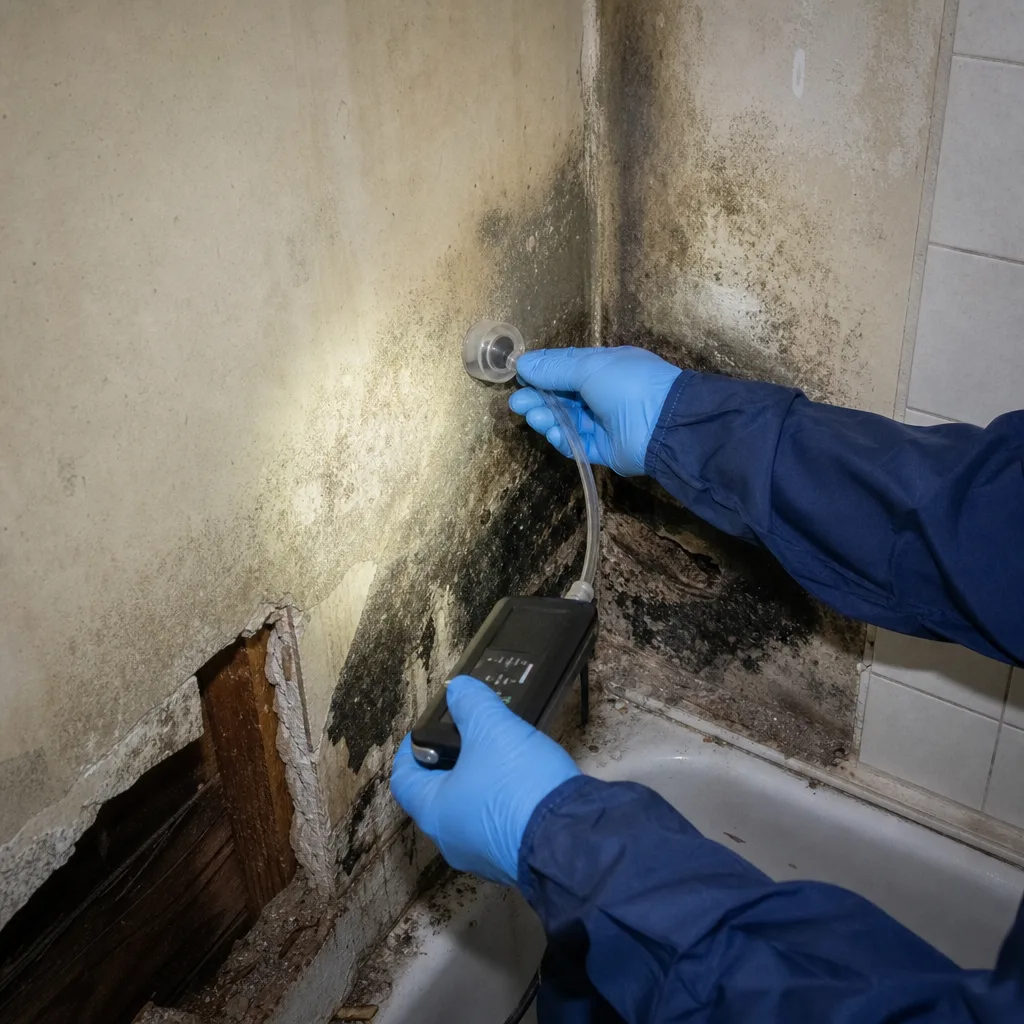
What happens when you call
- 1
A real person answersNo phone trees - you reach a local pro.
- 2
You get an upfront price rangeHonest numbers before anyone is dispatched.
- 3
A background-checked tech heads outLicensed & insured, dispatched right away.
- 4
You approve before work beginsNothing starts until you say go.
Mold Remediation Costs in Borough Park, NY
Mold remediation in Borough Park runs wide because the building stock runs wide. A small, contained closet job with surface mold on drywall typically costs $1,200-$2,500. A full finished basement with Category 3 water damage and mold behind multiple walls runs $3,500-$8,000 or more, depending on the square footage of contaminated material and the scope of rebuild needed. Air sampling and lab fees typically add $300-$600 per job. Moisture mapping and post-remediation clearance testing add another $200-$400. This is not the neighborhood for a “$99 mold special” you see on late-night ads. Those jobs don’t include containment, don’t include clearance testing, and don’t address the moisture source. The free inspection is where you get a real number: we’ll assess the damage, write a line-item scope, and give you a firm price before any work starts. Call (518) 750-3137 to schedule it.
We Also Serve Cities Near Borough Park
Our crews regularly work in East Flatbush, Sunset Park, Bedford-Stuyvesant, and Bensonhurst, bringing the same 45-minute response and written-scope guarantee to Brooklyn homes facing mold, water, and fire damage. Same live dispatchers, same certified techs, same 90-Day Done Right Promise.
Serving Borough Park, NY - Our Local Coverage Area
We’re based in the Borough Park area and know this community well. Use the map below to see our service coverage - if you’re nearby, we can almost certainly help.
Borough Park Mold Remediation Questions, Answered
Can mold remediation be paused for Shabbat without causing bigger problems?
Yes, with proper planning. The key is triage before sundown: shut the water main if the source is plumbing, contain the visible moisture with plastic sheeting, and remove saturated items you can safely move. A 25-hour pause will not meaningfully worsen a properly contained situation. The danger is when demolition starts Friday afternoon and is left exposed and open all Shabbat, allowing spores to spread through the home. We schedule around Shabbat. We don’t start a job we can’t leave safely sealed.
How do you handle mold in a Borough Park basement that was converted without permits?
Very carefully. Unpermitted conversions are common across Borough Park’s 1910s-1940s row houses, and the wall cavities and drain paths rarely match the original plans. We rely on thermal imaging and moisture mapping more than any blueprint. We also note any nonconforming work for you, since it can affect your insurance claim. Our scope stays focused on the mold and the moisture source; we’re not here to report anyone to DOB.
What is the protocol if a mikveh leak has caused hidden mold behind multiple walls?
First, we locate and stop the source, which usually means tracing supply or overflow lines from the mikveh reservoir. Then we run full moisture mapping across all adjacent wall and floor cavities, because mikveh leaks saturate laterally. Containment covers every affected room, not just where the stain shows. Removal, drying, and clearance testing follow. Most outside crews have never seen a mikveh; our techs have.
Do you need to test for mold before and after remediation in Borough Park homes?
In pre-war homes with a history of multiple renovations, pre-testing tells us what species we’re dealing with and whether the spore counts are elevated throughout the home or just near the visible damage. Post-remediation clearance testing verifies the air is back to normal background levels. We recommend both for any Borough Park job involving Category 2 or 3 water, hidden mold, or occupants with health concerns. It’s a few hundred dollars well spent.
Can you work around Borough Park’s parking restrictions and narrow alleys for mold jobs?
Yes. We run box trucks and vans sized for Brooklyn streets, coordinate with you on the best access point, and manage ASP restrictions while our crews work. We’ve done jobs where every piece of equipment had to go through a 24-inch cellar door and up a narrow side alley. It slows things down maybe half an hour. It does not stop the job.
How quickly can you actually get to a Borough Park basement?
Within 45 minutes of your call in most cases, and usually faster for water-related mold emergencies. Our dispatch board routes the nearest certified crew to your address near 13th Avenue, 16th Avenue, New Utrecht Avenue, or wherever you are in the neighborhood. A live person answers the phone 24/7, including Friday afternoons and Saturday nights.
Will my homeowner’s insurance cover mold remediation in Borough Park?
It depends on the cause. A sudden, covered water event like a burst pipe or sewage backup that leads to mold is often covered under the water damage portion of your policy. Mold that grows from a slow leak over months is typically excluded. Our documentation and adjuster communication are designed to help you get every dollar you’re entitled to. We bill your carrier directly for covered work.
What should I do in the first 30 minutes if I find mold or a leak in my Borough Park home?
Shut off water to the affected area if you can identify the source. Move furniture and belongings away from the wet area. Do not run fans, which can spread spores. Do not disturb the mold by wiping or scrubbing. If it’s after sundown on a Friday in Borough Park, place plastic sheeting under and around the area, set out buckets, and call (518) 750-3137. We’ll walk you through triage and schedule a visit for Saturday night after Shabbat ends.
Written by Curt Bowman, Owner at Floodline Restoration Co., providing mold remediation and full-cycle restoration services across Borough Park since 2010.