
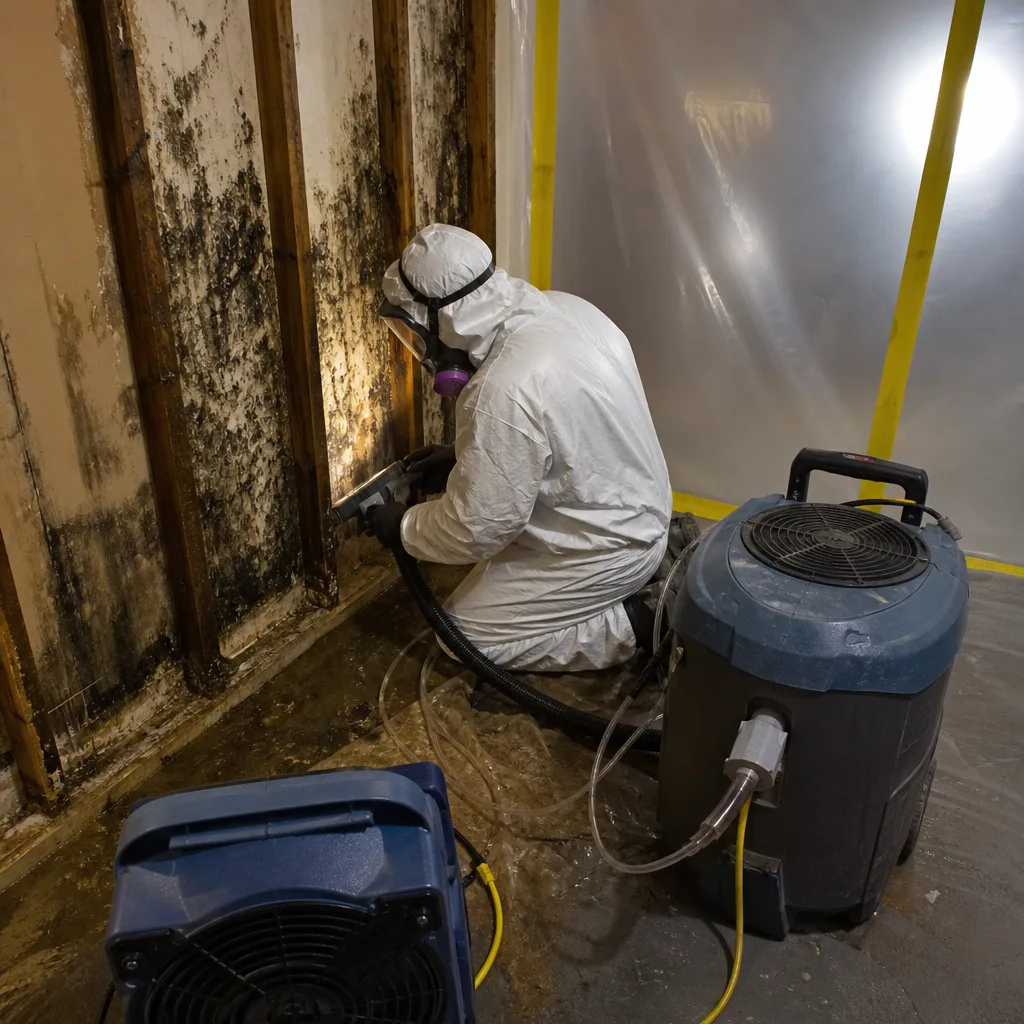
Free visual inspection and a written scope of work before any mitigation begins - photos, moisture readings, and drying logs go in your claim file
The scope we write is the scope we bill. Anything new gets shown to you, in writing, before we touch it.
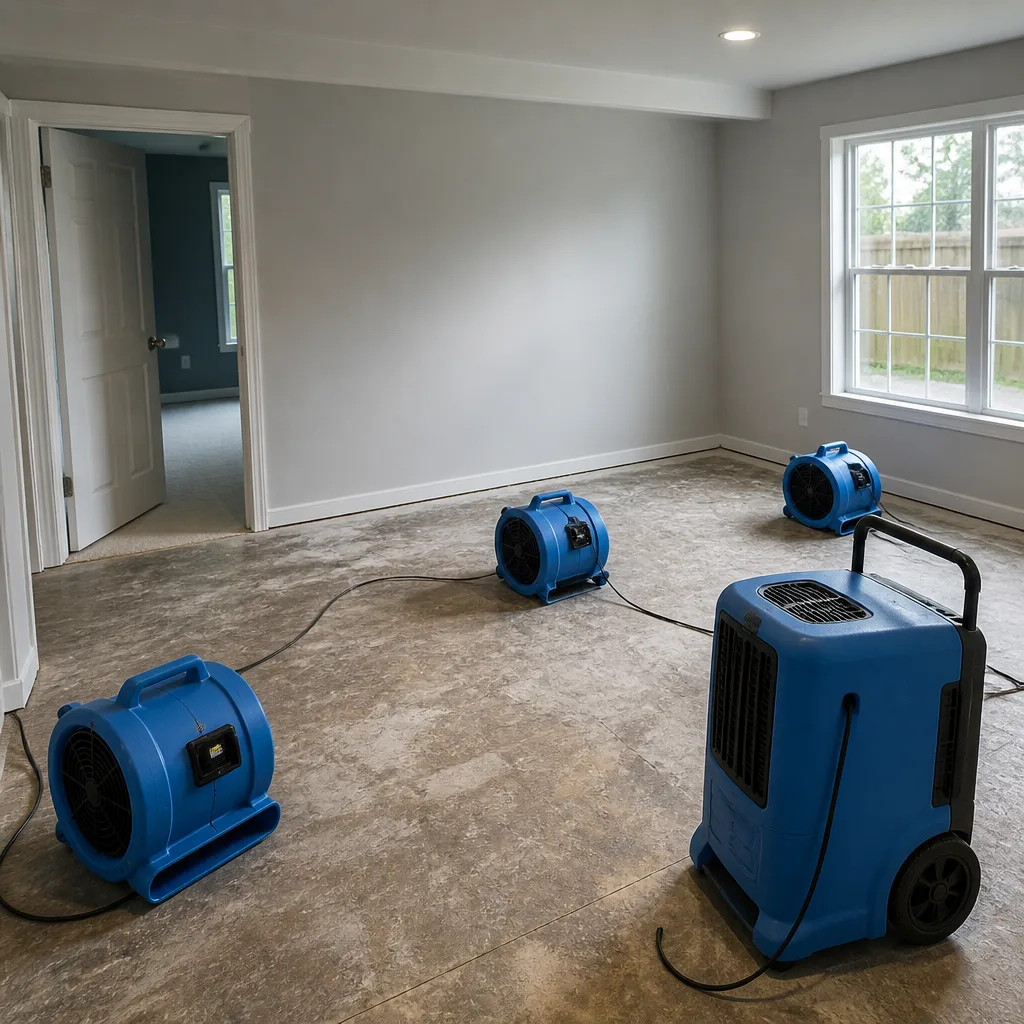
 Before
 After
After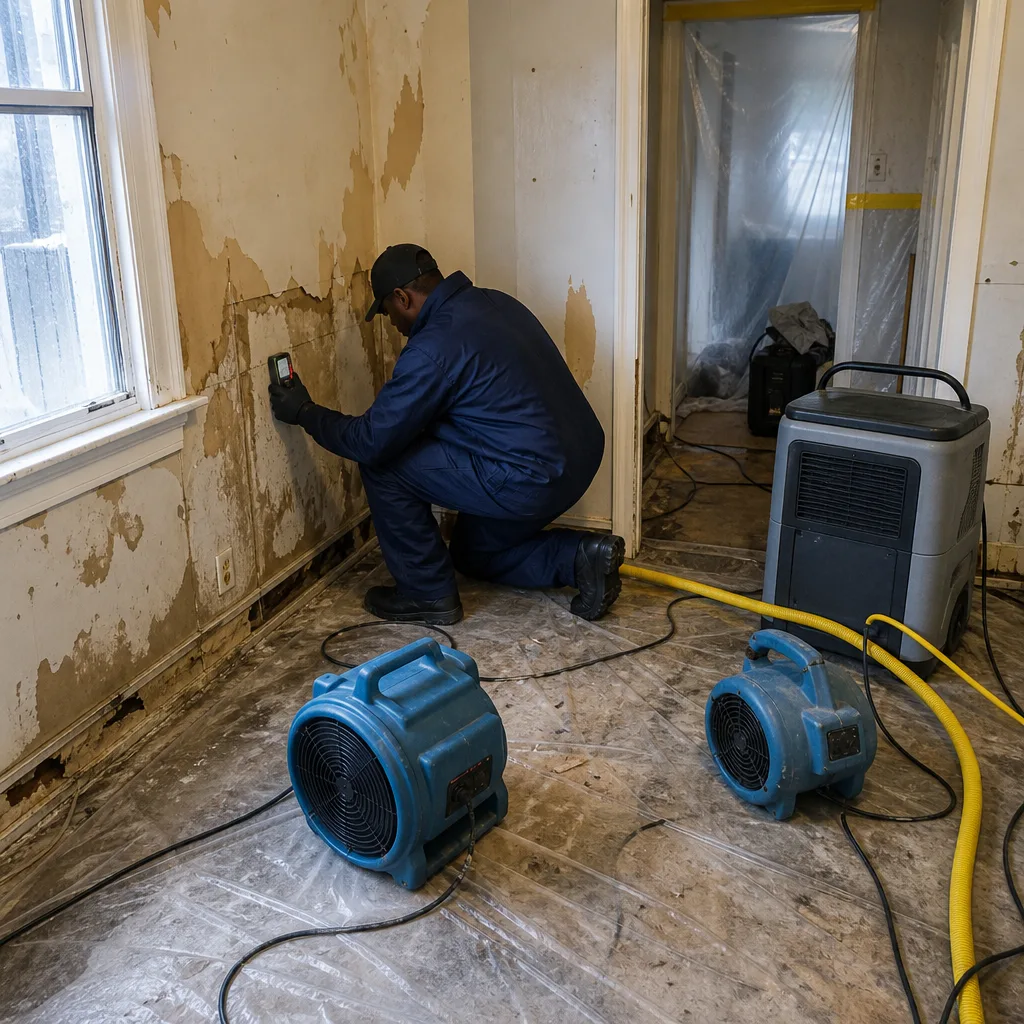 Before
 After
After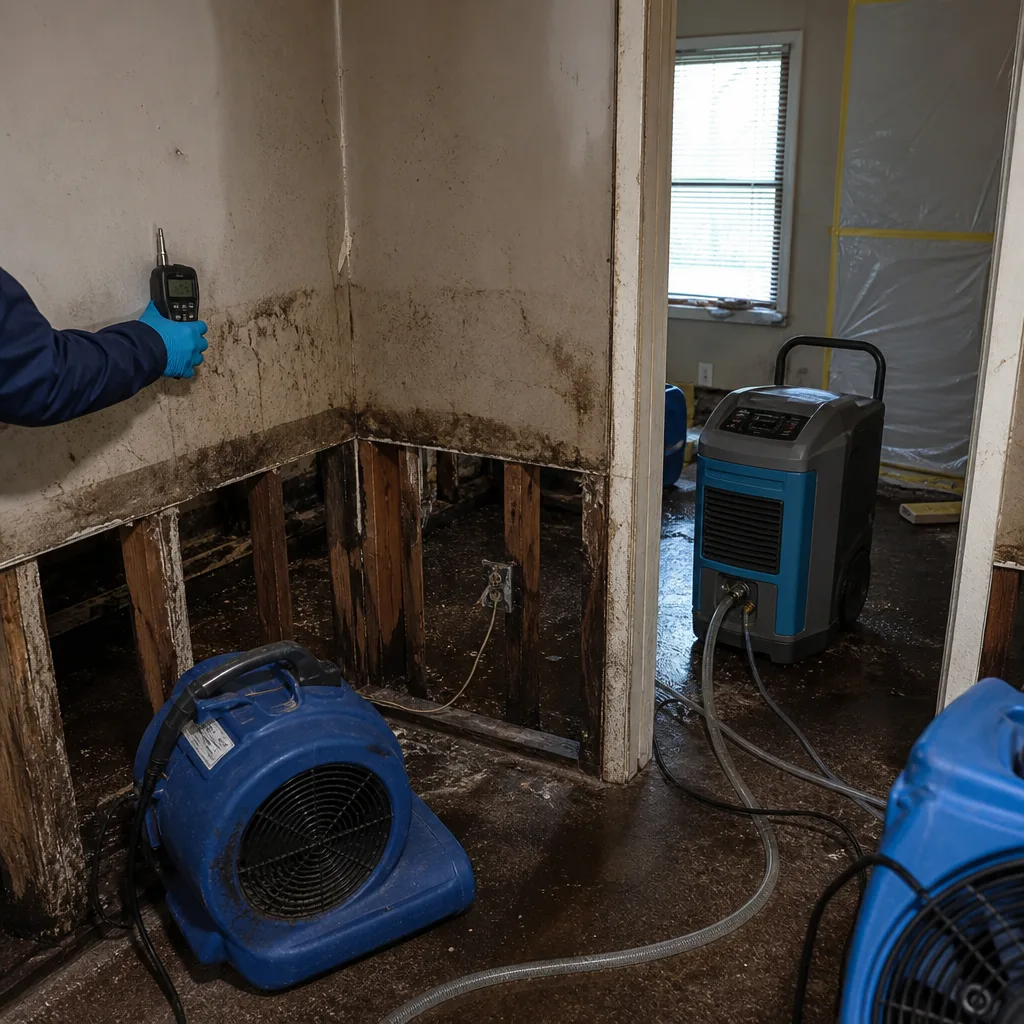 Before
 After
After24/7 Emergency Mold Remediation in East Flatbush
Mold remediation in East Flatbush typically costs $1,800 to $6,500 depending on the square footage, whether asbestos or lead abatement is required, and how long moisture has been trapped behind walls. Most jobs in this neighborhood take 3 to 7 days from containment to clearance testing. If you’ve got visible mold, a musty smell that won’t leave, or a basement that flooded and never fully dried, call (518) 750-3137 right now. A live dispatcher answers at 2 a.m. and a certified crew can reach most East Flatbush blocks within 45 minutes.
The first hour matters more in East Flatbush than almost anywhere else in Brooklyn. These attached brick row houses share party walls, and mold doesn’t respect property lines. A colony established in one basement moves through wall cavities into the neighbor’s unit before anyone sees it. We start with a free visual inspection, map the moisture, and tell you straight what needs to happen. Written scope before any work begins. No surprises.
Understanding Mold Remediation Severity in East Flatbush Properties
Mold remediation isn’t one service. The severity depends on three things: the water source that fed the mold, the extent of visible growth, and whether the affected materials are porous enough to require removal or cleanable enough for treatment. In East Flatbush’s 1920s to 1940s brick row houses, the water source is almost never a clean pipe burst. It’s a combined sewer backup through the basement floor drain during heavy rainfall, which means Category 3 water. That’s sewage. Every square inch of drywall it touched becomes a biohazard, not a damp spot.
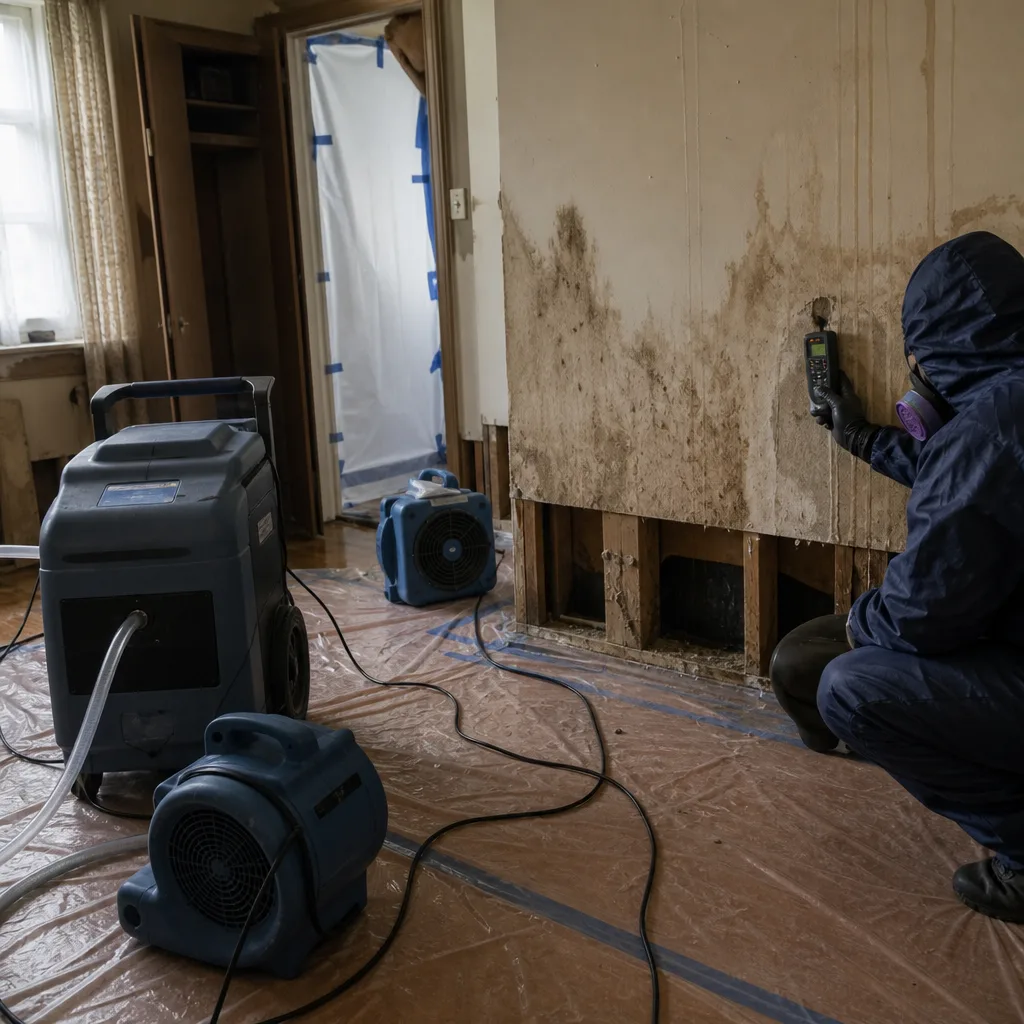
Severity levels break down this way. Level 1 is surface mold on non-porous materials like concrete foundation walls or tile, often from condensation on humid summer days. Level 2 is mold penetrating porous materials: drywall, carpet pad, insulation, wood framing. Level 3 is hidden mold inside wall cavities or HVAC ducts, usually discovered only after air quality testing shows elevated spore counts. We use thermal imaging to find moisture behind surfaces no one can see, and we set full containment with HEPA air scrubbers before disturbing any contaminated material. In East Flatbush, Level 3 is more common than homeowners expect because basement tenants often delay reporting water damage until drywall is soft to the touch.
Why East Flatbush Property Owners Choose Floodline Restoration Co.
- 45-minute response commitment. We dispatch crews from the moment you call, and most East Flatbush properties are reached within 45 minutes. Not tomorrow. Not after a callback.
- 24/7 live answer. A real person picks up the phone every hour of every day. No automated menu, no voicemail at midnight. You get a dispatcher who knows the neighborhood.
- IICRC-certified crews. Our technicians hold IICRC certifications including WRT (Water Damage Restoration) and AMRT (Applied Microbial Remediation). Background-checked and uniformed on every job.
- Free visual inspection. We walk the affected area, check moisture levels, and give you an honest assessment before any contract is signed. If you don’t need remediation, we’ll tell you that.
- Direct insurance billing. We bill your carrier directly and handle adjuster communication. You never play messenger between us and your insurance company.
- One team from start to finish. The same crew that sets containment handles the drying, the abatement work, and the rebuild. No handoffs to strangers mid-job.
Our Mold Remediation Process
Inspection & Assessment
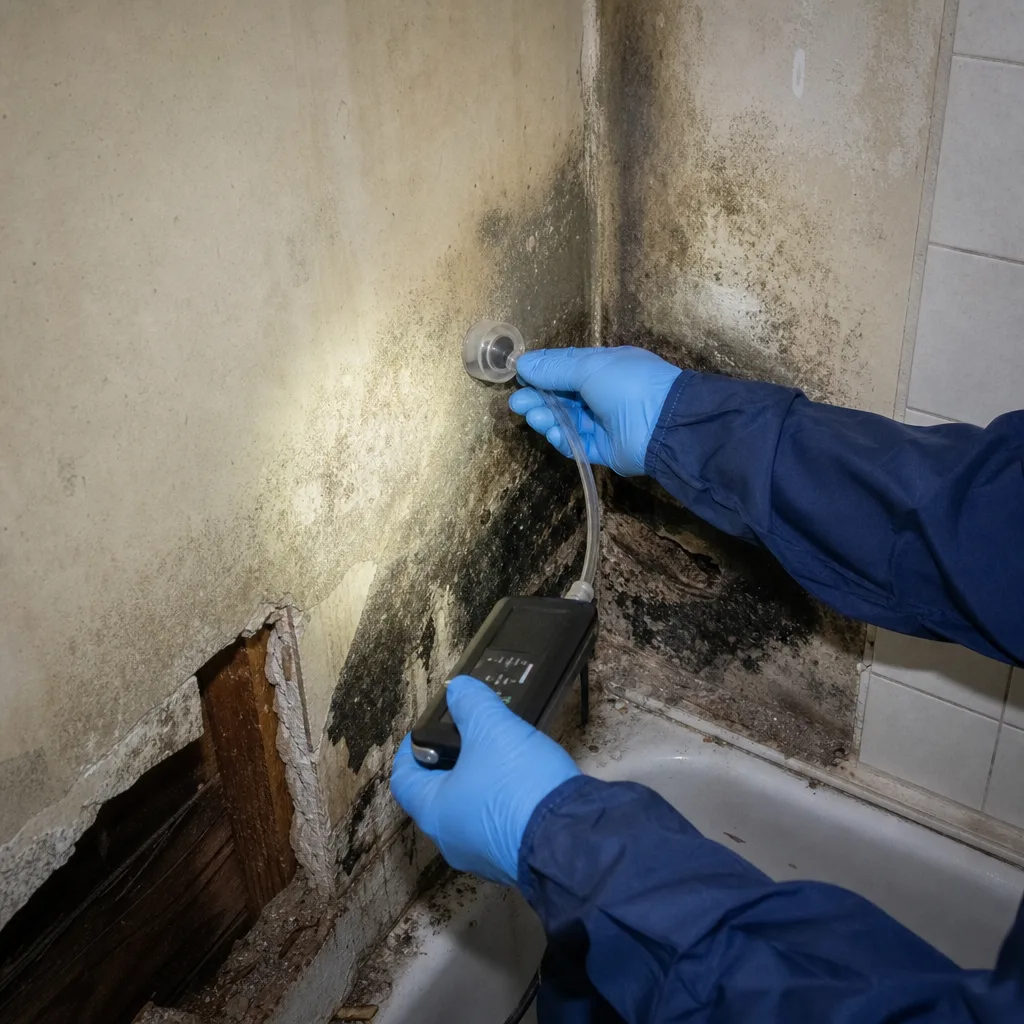
We map moisture with thermal imaging and hygrometers, take air samples when needed, and identify the water source. In East Flatbush, that often means checking whether the basement floor drain connects to the combined sewer line.
Containment & Stabilization
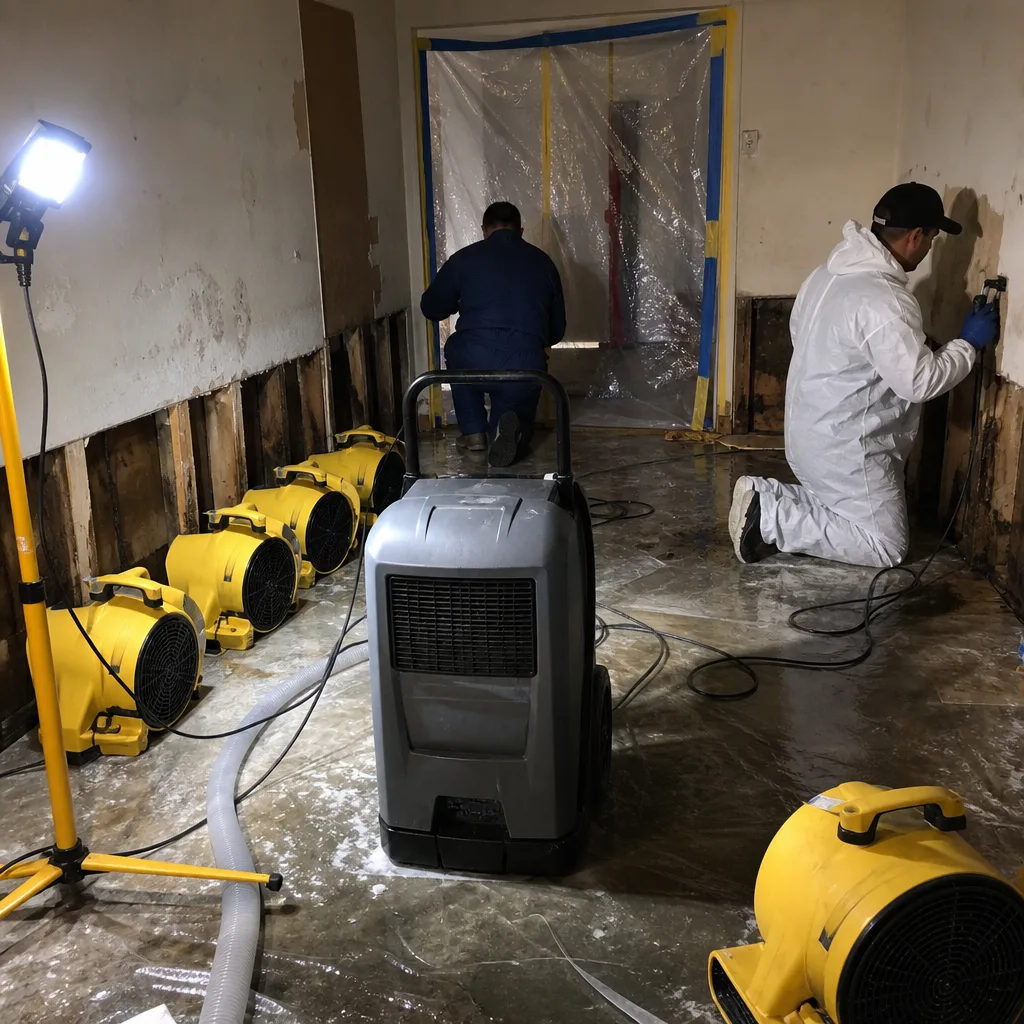
Full containment with 6-mil poly sheeting, negative air pressure, and HEPA air scrubbers running before we touch contaminated material. This keeps spores from moving through the house.
Drying & Dehumidification
Dri-Eaz and Phoenix dehumidifiers, XPOWER air movers, and Injectidry systems for wall cavities that need targeted drying. We log daily moisture readings until materials meet the dry standard.
Cleaning & Sanitization
Antimicrobial treatment on all affected surfaces, HEPA vacuuming, and wire brushing on wood framing where needed. We don’t just kill surface mold; we address what fed it.
Abatement & Removal
In East Flatbush’s older row houses, this step often means removing lead-painted drywall and asbestos-containing floor tile under NYC DOB-compliant procedures before reconstruction can begin.
Repairs & Restoration
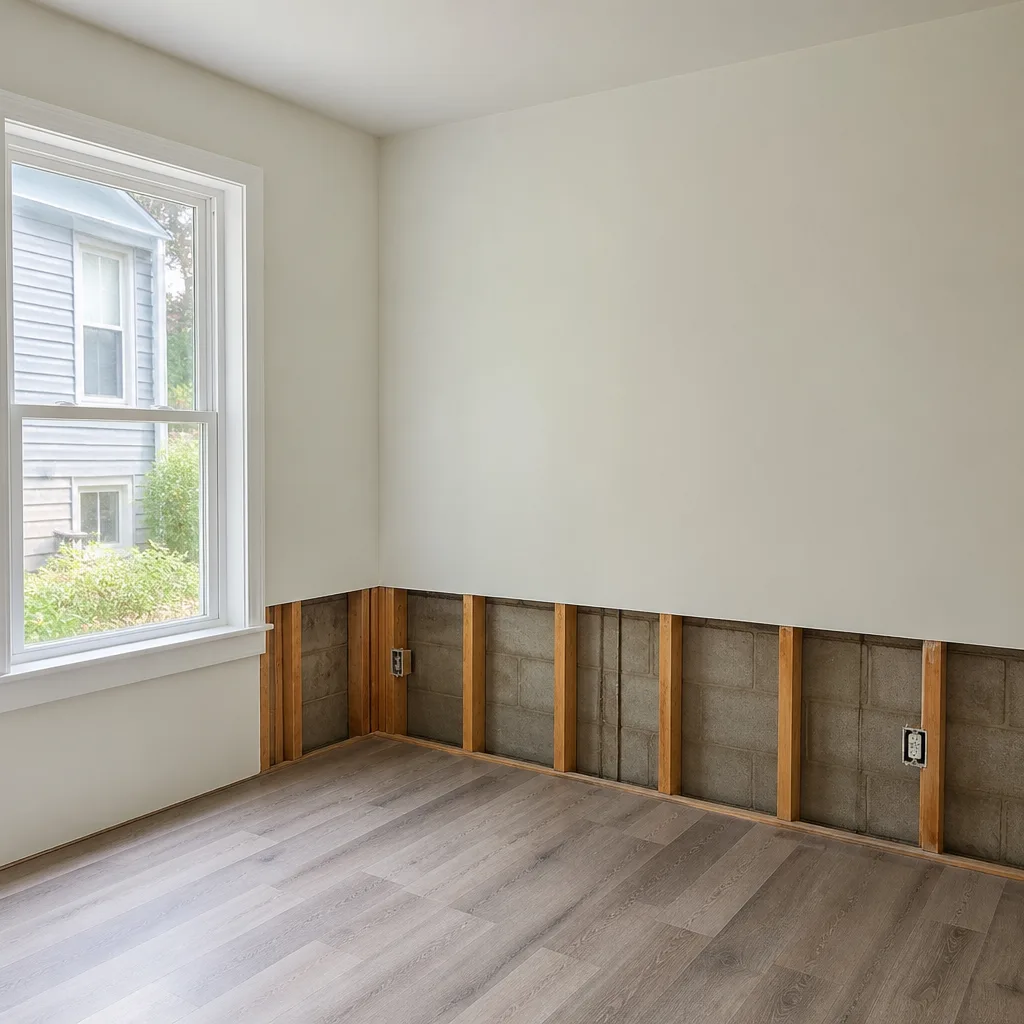
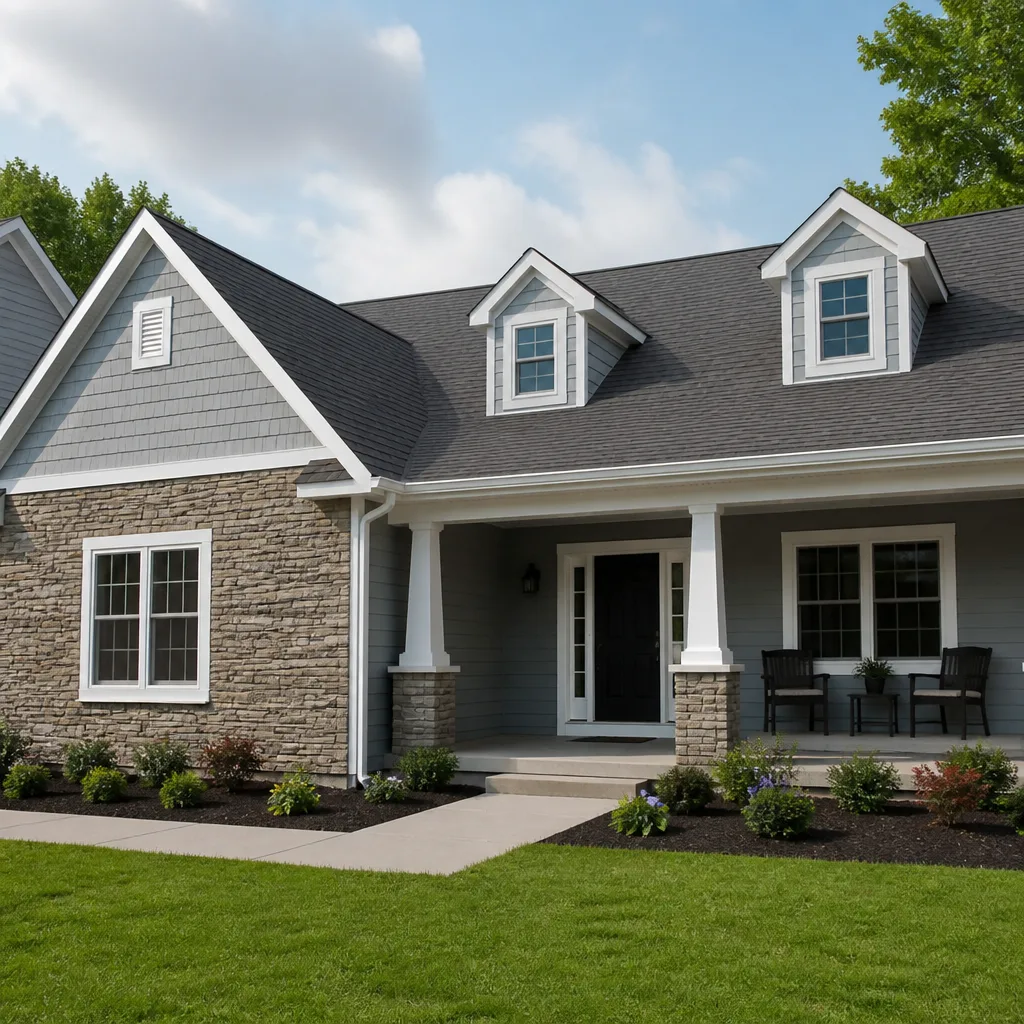
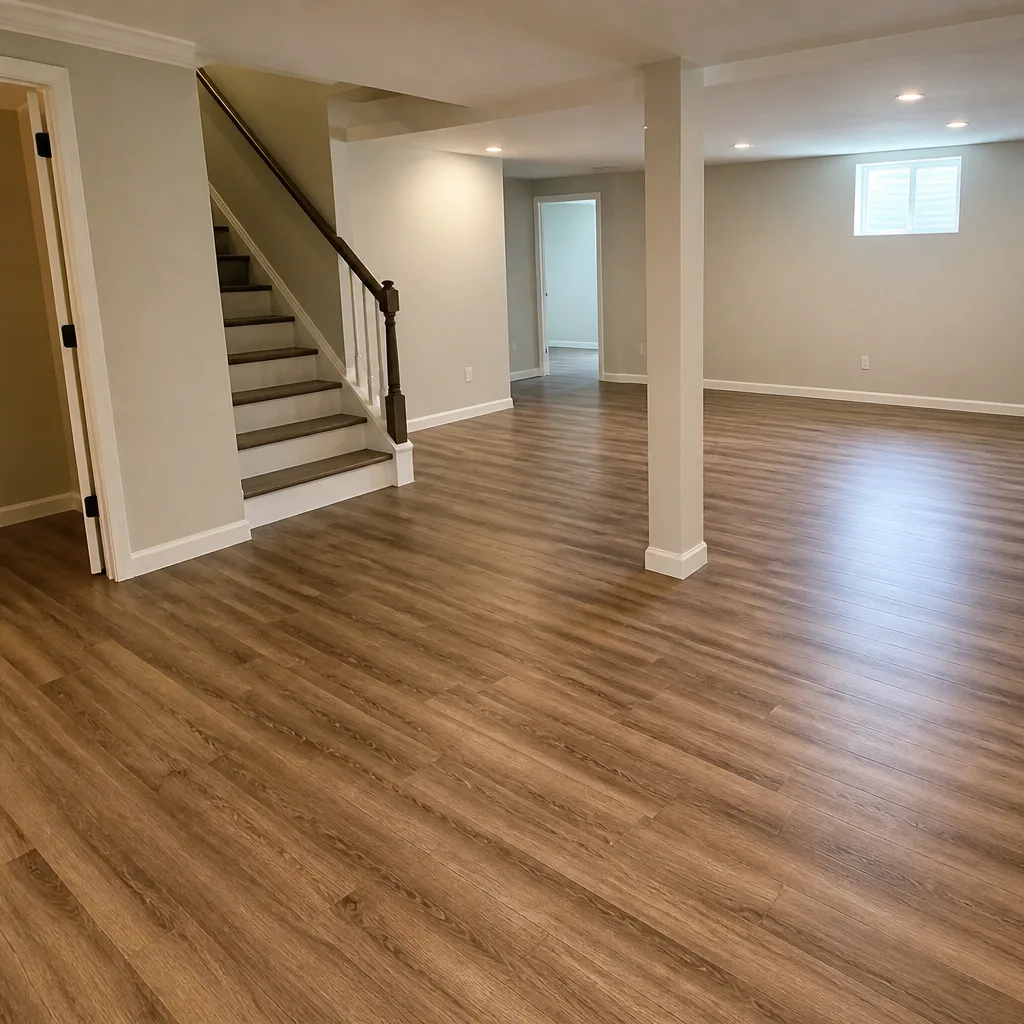
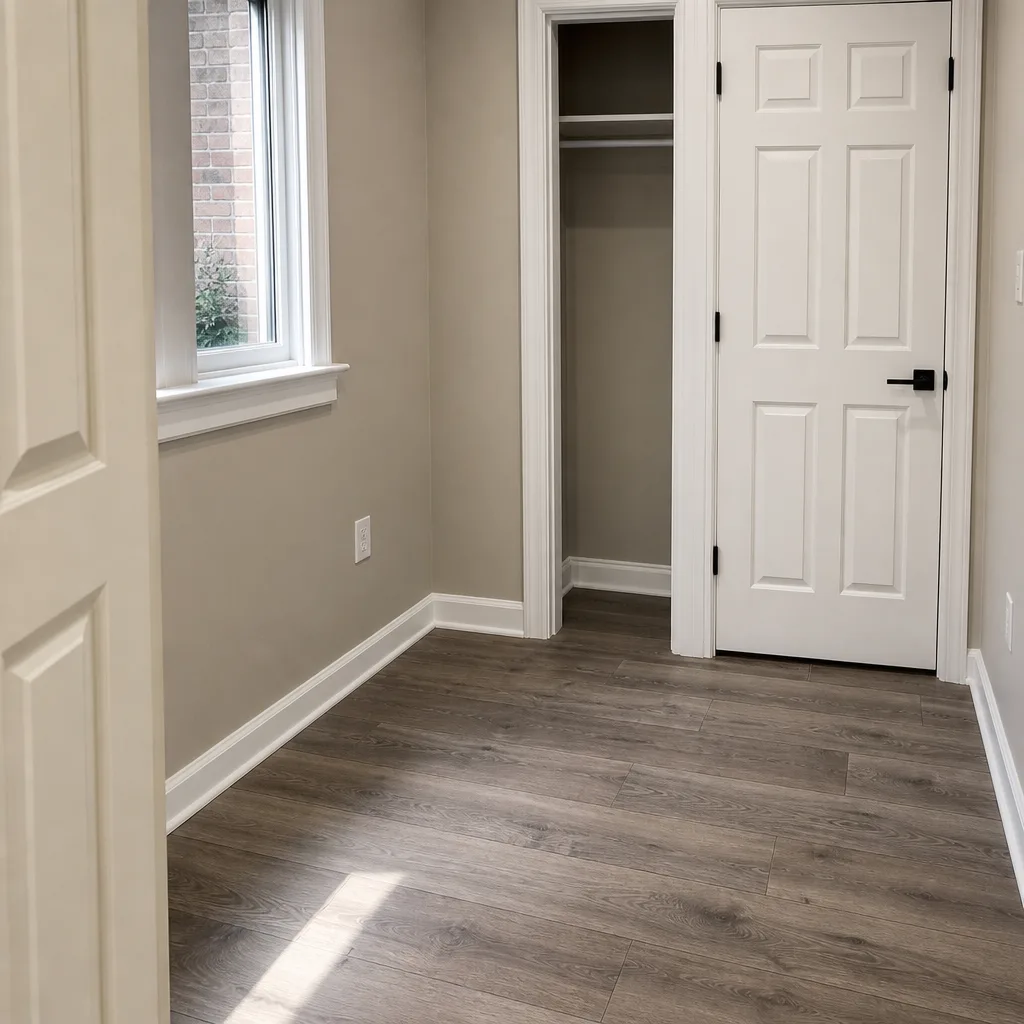
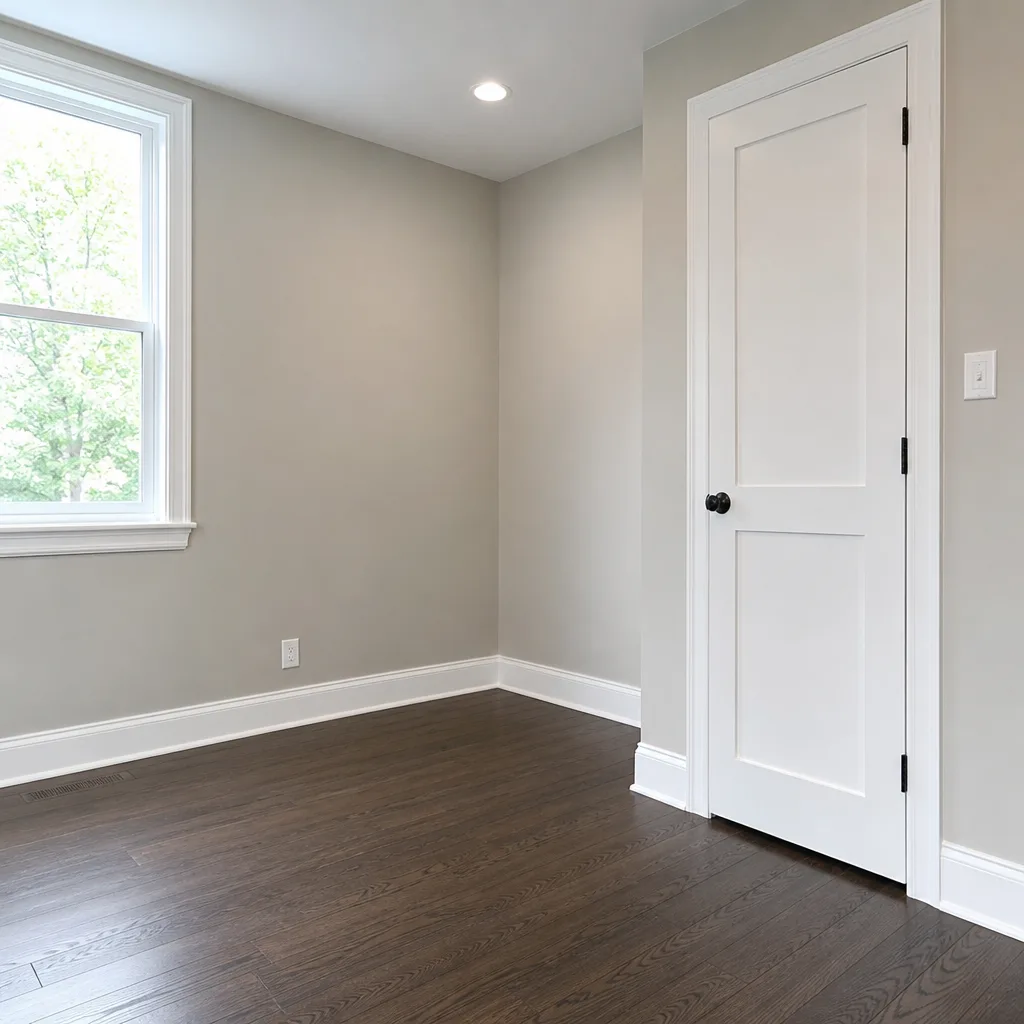
We rebuild what was removed: drywall, flooring, baseboards, insulation. The job isn’t done until the space looks like the water never came and moisture readings are back to pre-loss levels.
Need Emergency Mold Remediation in East Flatbush Now?
Crews minutes away, answering live 24 hours a day. The sooner we start, the less it costs.
Working With Your Insurance Company
Mold claims in East Flatbush hinge on documentation. Most carriers cover mold remediation when it stems from a covered water event, like a sewer backup or sudden pipe failure. They push back when mold looks like deferred maintenance. That’s why we document from the first hour: photos of the water line on every wall, moisture readings before and during drying, and a line-item scope of work that separates water damage restoration from mold remediation. We talk directly to your adjuster, send the paperwork, and bill your carrier. You stay out of the middle.
What We Provide Your Insurer
- Thorough documentation of the loss
- Photos of all damage, room by room
- Moisture readings and drying logs
- A detailed, line-item scope of work
- Direct coordination with your carrier
Built for East Flatbush’s Loss Calendar
East Flatbush gets hit in predictable waves. Summer thunderstorms are the big one. The neighborhood sits on nearly flat glacial outwash with minimal natural grade, so even a moderate downpour overwhelms the shared combined sewer system. Water doesn’t run away from these basements; it backs up into them. July and August storms push sewage through floor drains, and the hot, humid air that follows drives mold colonization fast. Days, not weeks. We see the worst calls in August, after the third or fourth heavy rain, when drywall has been wet so long that mold is already fruiting behind baseboards.
January and February bring frozen supply lines in unheated basement entries and crawl spaces. The cast-iron and galvanized pipes in these pre-war houses are brittle after 80 or 90 years. A split line behind a finished basement wall can run for days before anyone notices, feeding mold into wall cavities while the house looks dry. Fall nor’easters bring wind-driven rain through aged brick mortar, soaking plaster and lathe. Every season has a signature, and our crews know which one they’re looking at when they walk through the door.
Mold Remediation Across East Flatbush’s Neighborhoods
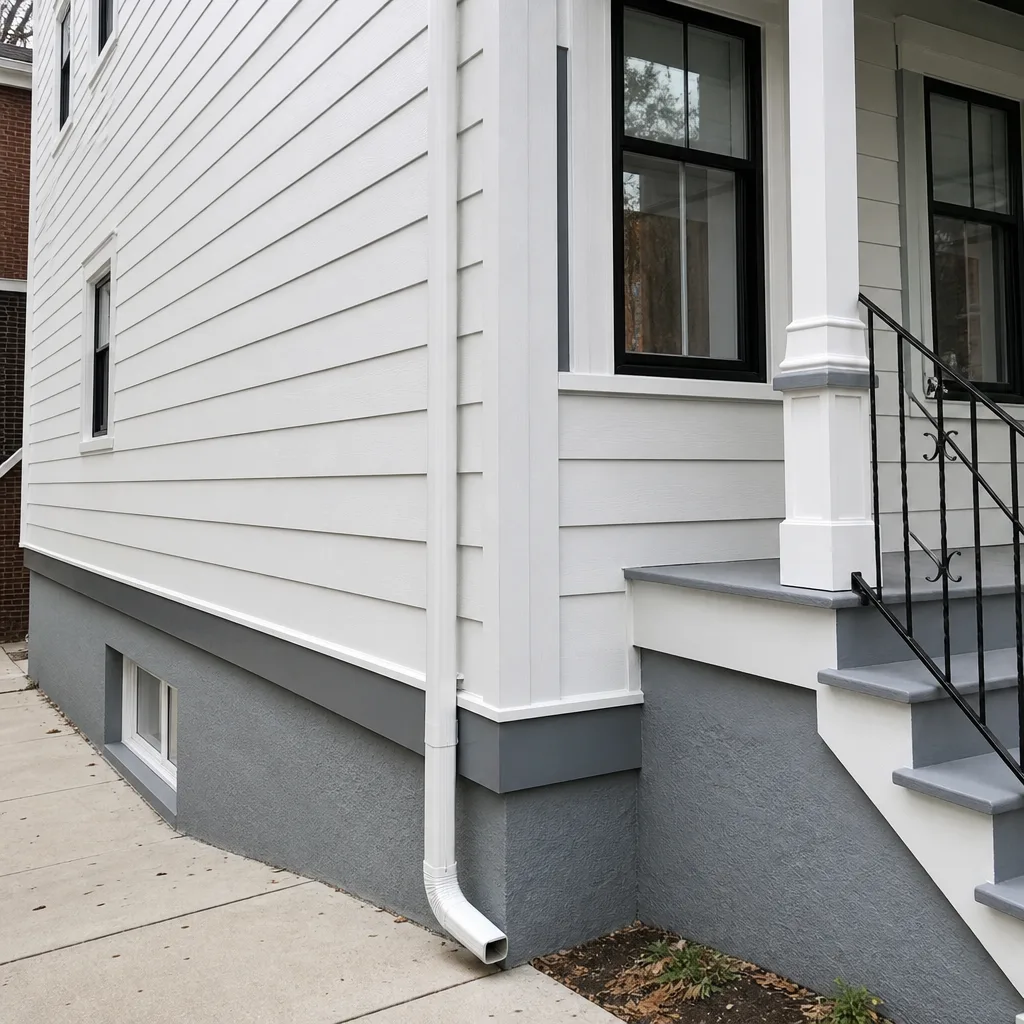
The housing stock changes block by block, and so does the work. Around Church Avenue, three-family brick row houses with finished basement units dominate. These jobs usually involve Category 3 water, asbestos tile, and lead-painted drywall all in the same room. Near Utica Avenue, the housing is similar but the basements tend to be shallower and more tightly finished, which means tighter containment and more careful drying to avoid damaging the finished space above. Over near Kings Highway and the border with Midwood, we see more semi-detached homes with separate side entries and crawl spaces rather than full basements. Those crawl spaces run hot and humid in summer, and mold grows on the floor joists from condensation alone, no flood required.
Along the Flatbush border near Nostrand Avenue, the problem is often shared party walls. When one basement floods and the neighbor’s doesn’t, moisture still migrates through the common brick wall. We’ve set containment in one unit and found mold on both sides of the wall days later. East Flatbush’s density means every remediation is partly a neighbor problem. That’s why we test, contain, and dry aggressively from the start.
Specialized Mold Remediation Services We Offer in East Flatbush
Mold Inspection & Testing
Not every musty smell is a mold problem that needs full remediation. We start with a visual inspection, moisture readings, and air sampling when indicated. In East Flatbush row houses, we check the usual culprits first: behind basement drywall, under kitchen sinks on exterior walls, around cast-iron drain stacks that have been sweating for decades. You get a written report with specific findings, not a scare tactic.
Mold Removal
Removal means physically taking out contaminated porous materials: drywall, carpet, insulation, ceiling tiles. We don’t spray bleach on drywall and call it done. In attached row houses, removal has to be done under containment or the spores move through the party wall into the neighbor’s side.
Black Mold Remediation
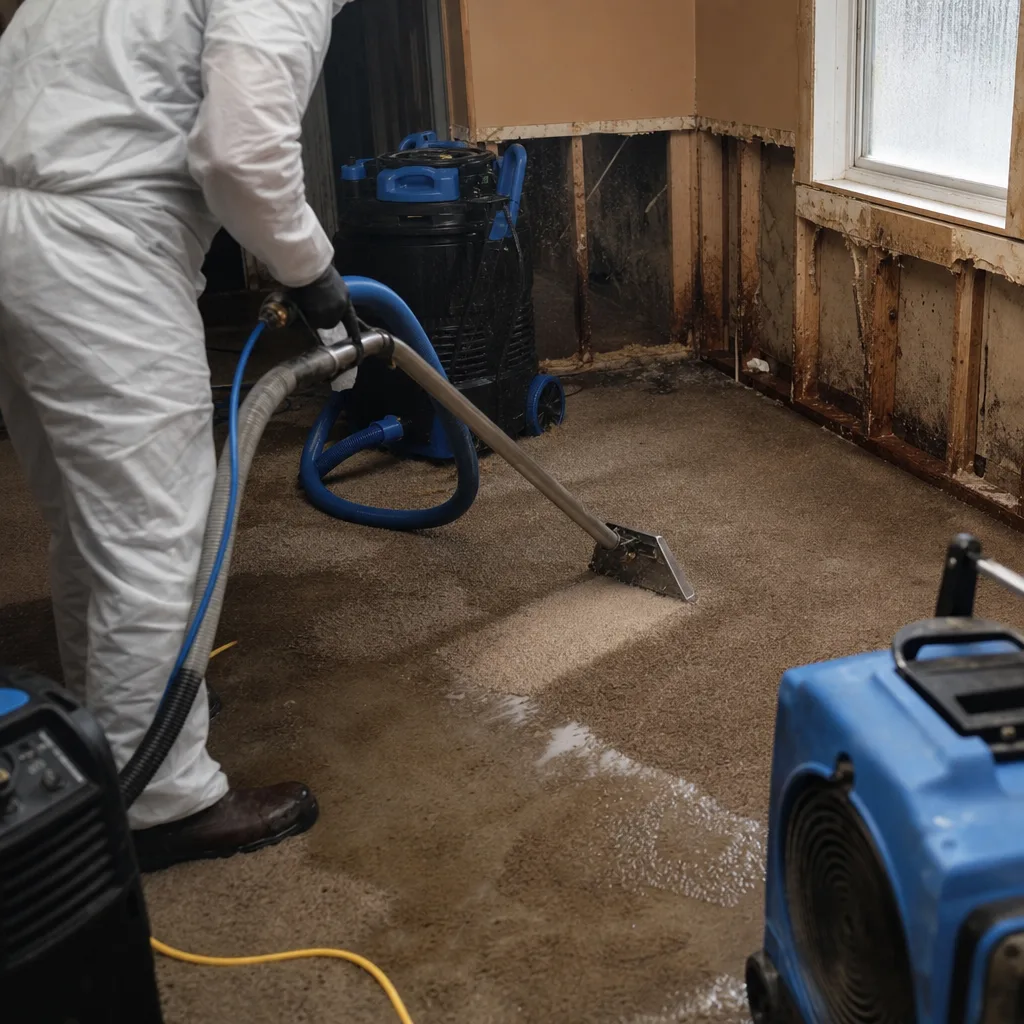
Stachybotrys chartarum, what people call black mold, grows on materials that have been wet for long periods with consistent moisture. It’s common in East Flatbush basement units where sewage backup soaked drywall for weeks before reporting. Full containment, HEPA air scrubbing, and removal of all affected materials is the only approach we’ll sign off on. Clearance testing after the job confirms spore counts are back to normal.
Air Quality Restoration
After mold removal, the air itself needs treatment. We run HEPA air scrubbers throughout remediation, then do post-remediation air sampling to verify the spore load is within normal ranges. In a three-family house, that means testing the basement unit, the hallways, and the floors above. Air moves through these old buildings in ways floor plans don’t show.
Crawl Space Treatment
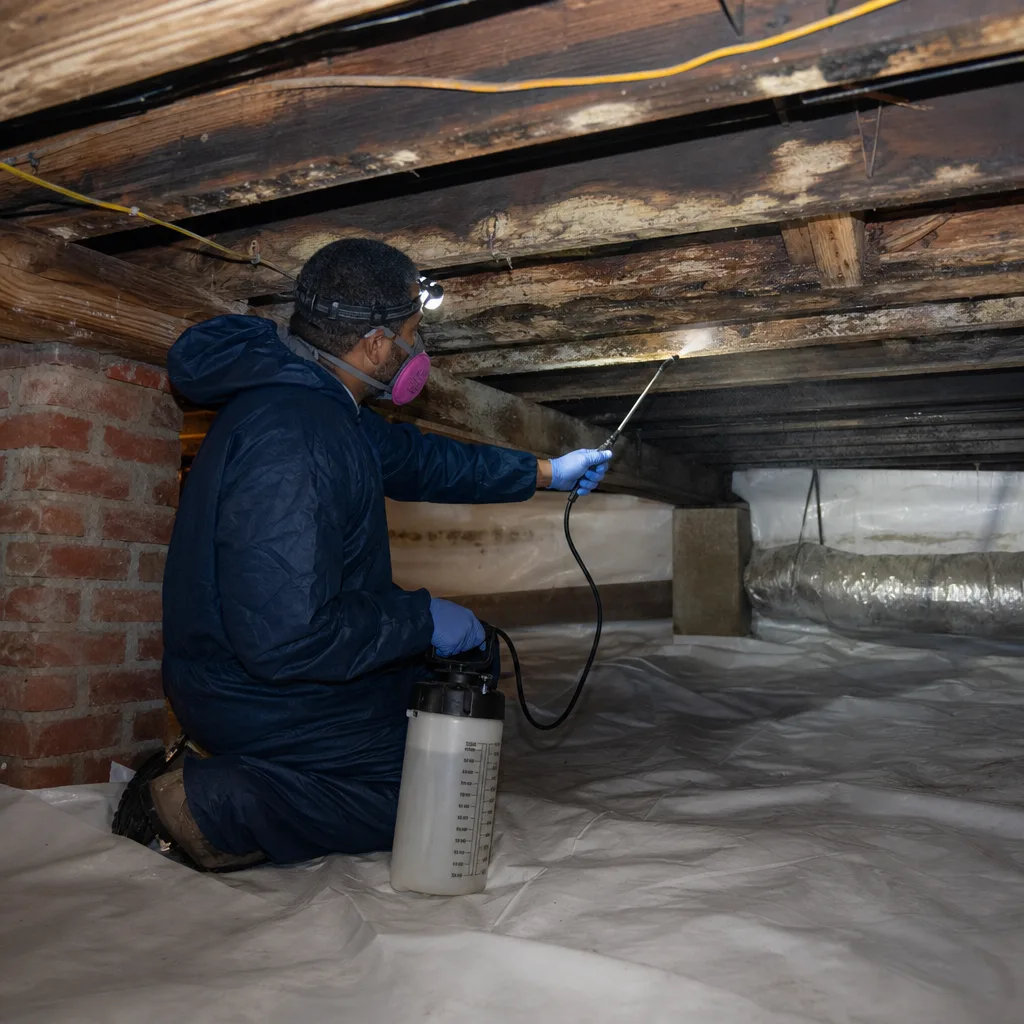
Crawl spaces under East Flatbush’s semi-detached homes trap humidity all summer. We treat the joists and subfloor with antimicrobial products, address the moisture source, and where needed, install vapor barriers to keep ground moisture from recurring. The goal is dry wood, not repeated treatments.
What happens when you call
- 1
A real person answersNo phone trees - you reach a local pro.
- 2
You get an upfront price rangeHonest numbers before anyone is dispatched.
- 3
A background-checked tech heads outLicensed & insured, dispatched right away.
- 4
You approve before work beginsNothing starts until you say go.
Mold Remediation Costs in East Flatbush, NY
A typical mold remediation in East Flatbush runs $1,800 to $6,500. Small contained jobs, like mold behind a single bathroom wall from a slow leak, start around $1,500 to $2,500. A full basement unit with sewage-related mold, asbestos tile removal, lead-paint abatement, and reconstruction runs $8,000 to $15,000 or more. What moves the price: square footage of affected material, whether hazardous material abatement is required, accessibility for drying equipment, and whether we’re rebuilding finishes or leaving the space to the studs. Insurance covers most mold work when it stems from a covered event like a sewer backup. The free visual inspection gives you a firm number before you commit to anything.
We Also Serve Cities Near East Flatbush
Our crews work throughout central Brooklyn. If you’re in Sunset Park, Bedford-Stuyvesant, Bensonhurst, or Borough Park, the same certified team handles Mold Remediation with the same 45-minute response commitment and the same written guarantee. One call covers the whole borough.
Serving East Flatbush, NY - Our Local Coverage Area
We’re based in the East Flatbush area and know this community well. Use the map below to see our service coverage - if you’re nearby, we can almost certainly help.
East Flatbush Mold Remediation Questions, Answered
What makes mold remediation different in East Flatbush’s old brick row houses compared to newer Brooklyn buildings?
East Flatbush’s 1920s to 1940s brick row houses almost universally contain asbestos 9×9 floor tiles and lead paint alongside the mold. That means remediation here routinely requires NYC DOB-compliant abatement of those hazardous materials before structural drying or rebuild can proceed. Newer buildings don’t carry that scope. We handle the abatement, the mold removal, and the reconstruction as one continuous job, not three separate vendors.
If my basement flooded with sewage during a summer storm, do I need mold remediation even if I dried it quickly?
Yes, in almost every case. Category 3 sewage water soaks into drywall, carpet pad, and wood framing within hours. Even if the surface feels dry, the materials behind it hold enough moisture for mold to colonize. In East Flatbush’s humid summers, colonies establish within 48 to 72 hours. Drying quickly matters, but the materials that absorbed sewage water still need removal and antimicrobial treatment. Call (518) 750-3137 for a free inspection before assuming you’re in the clear.
How do I know if mold is already behind the walls of my East Flatbush basement unit?
Look for these signs: a persistent musty or earthy smell, staining or discoloration on drywall, peeling paint or bubbling wallpaper, and visible mold around baseboards or floor drains. If you had any water event, even minor, and the smell returned after cleaning, mold is likely in the wall cavity. We use thermal imaging and moisture meters to confirm without opening walls blindly. Free visual inspection, no obligation.
Can mold remediation be done in an occupied basement apartment in East Flatbush?
It depends on the extent. Small, contained remediation jobs can often proceed with the tenant in place if containment is properly sealed and negative air pressure is maintained. Large jobs involving sewage-related mold, asbestos abatement, or extensive drywall removal usually require temporary relocation. We give you a clear answer during the inspection, not after work starts.
What happens if my East Flatbush basement has asbestos floor tile and mold together?
Both get handled. Asbestos abatement requires NYC DOB protocols: sealed containment, licensed removal, proper disposal. The mold remediation runs concurrently under the same containment. This is routine for our crews in East Flatbush. We don’t skip the asbestos to cut cost, and we don’t treat the mold without addressing the asbestos. Both get done right, documented, and cleared before rebuild.
How fast can you actually get to my East Flatbush block?
Most East Flatbush addresses are reached within 45 minutes of your call. We dispatch from the New York City office and crews are stationed throughout central Brooklyn. Call (518) 750-3137 any hour. A person answers.
How long does mold remediation take in a typical East Flatbush rowhouse?
Most jobs run 3 to 7 days from containment to clearance testing. A single-wall remediation might finish in 2 to 3 days. A full basement unit with asbestos abatement and reconstruction runs 2 to 3 weeks. Daily moisture readings guide the drying timeline. We don’t rush the dry standard to close out a job.
What should I do in the first 30 minutes after discovering mold or a water problem?
Call (518) 750-3137. Then turn off any source of water if you can do so safely. Don’t disturb the mold, don’t run fans, and don’t try to clean it yourself. Disturbing mold releases spores into the air and into other rooms. Shut the door to the affected area if possible and wait for us. We’ll tell you what’s next.
Written by Curt Bowman, Owner at Floodline Restoration Co. Our crews have handled Mold Remediation in East Flatbush row houses from Church Avenue to Kings Highway, and we answer the phone at (518) 750-3137 every time it rings. The line the water left is where we start.