
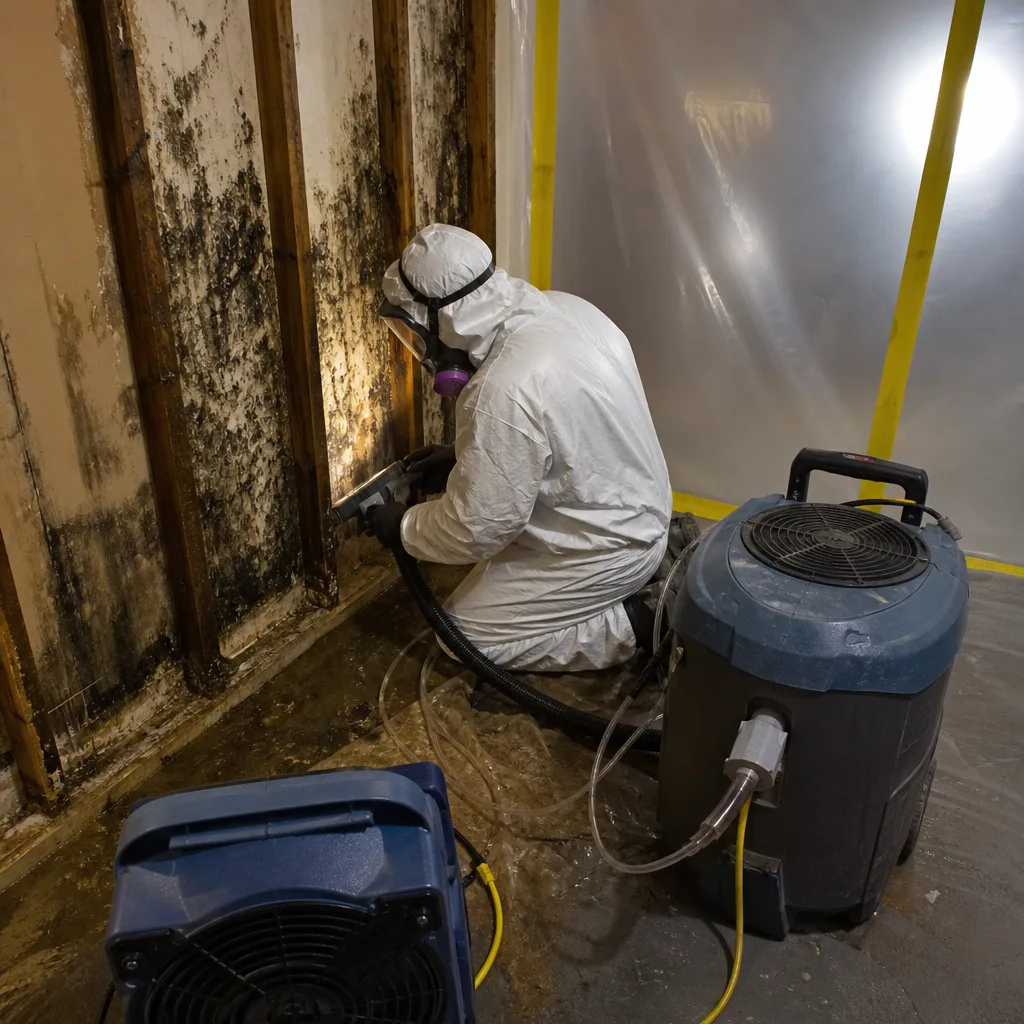
Free visual inspection and a written scope of work before any mitigation begins - photos, moisture readings, and drying logs go in your claim file
The scope we write is the scope we bill. Anything new gets shown to you, in writing, before we touch it.
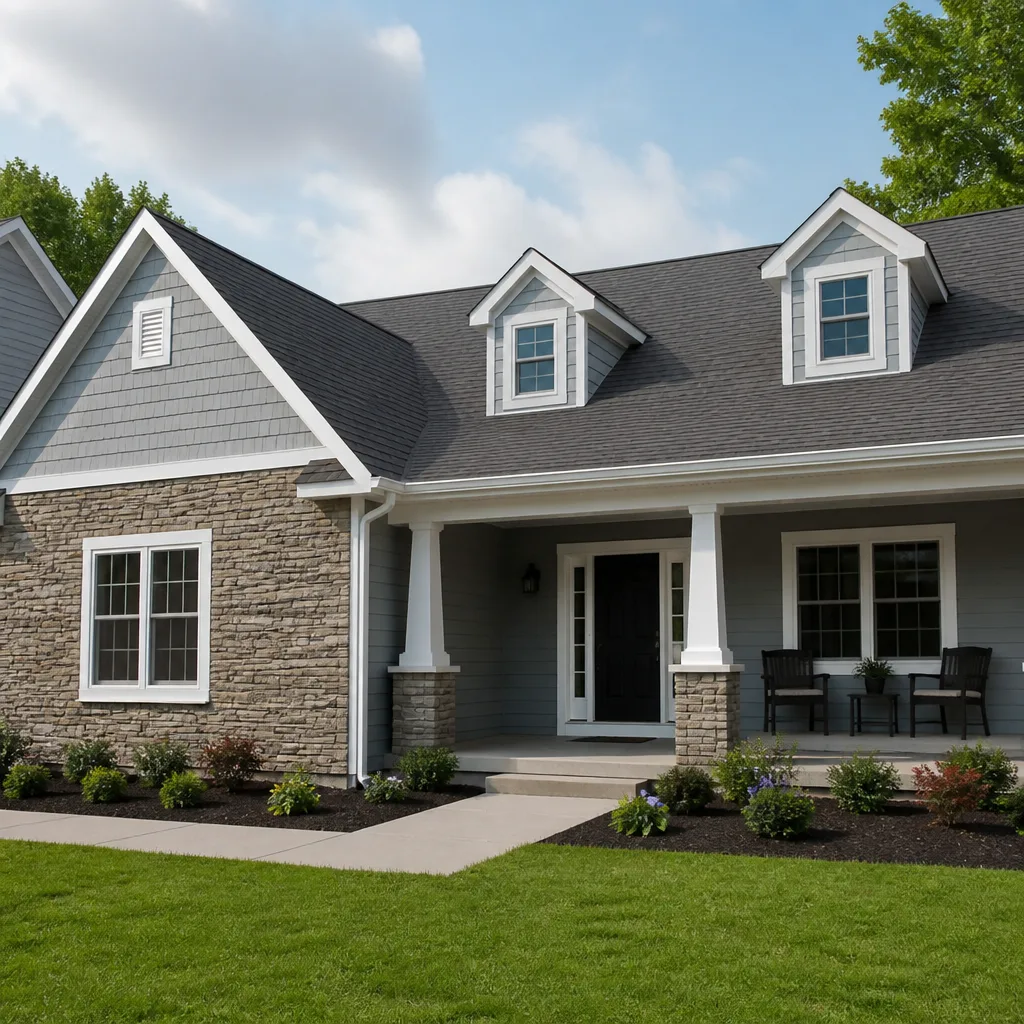
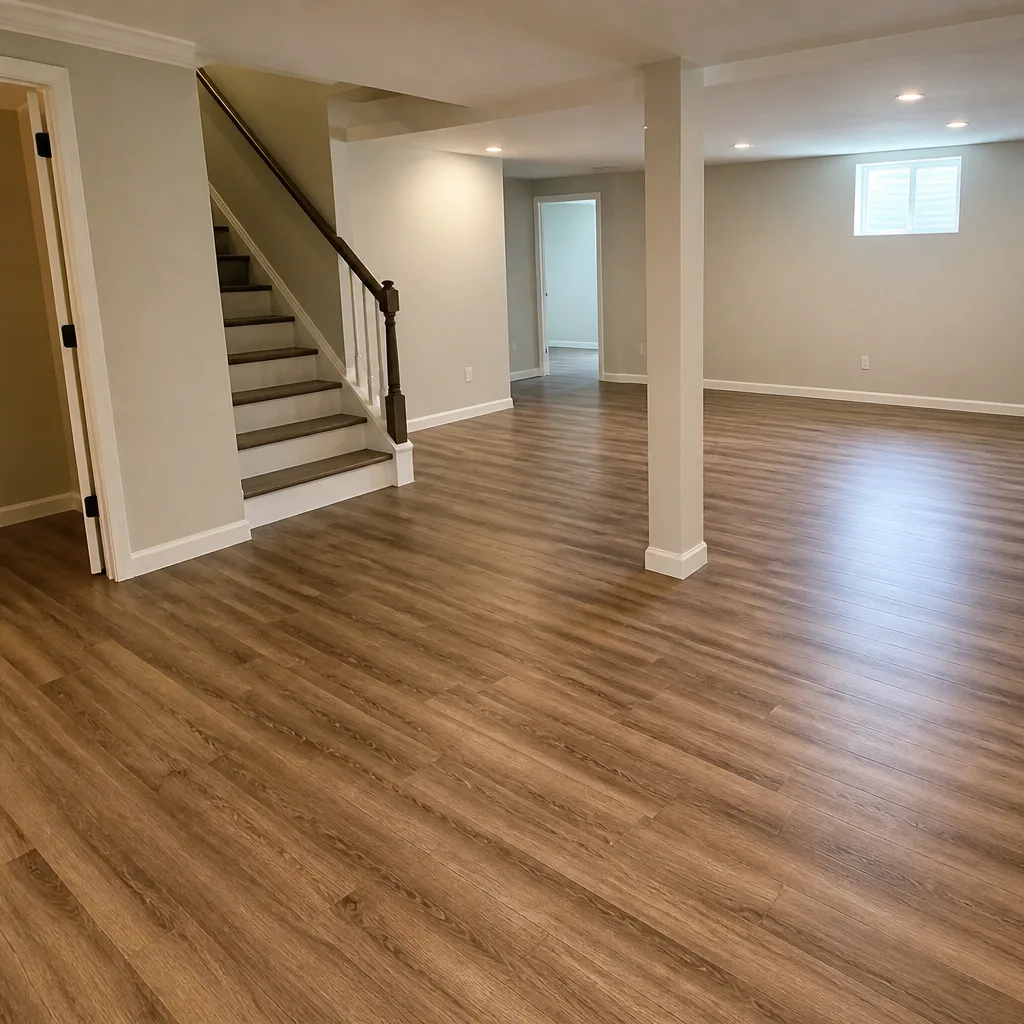
 Before
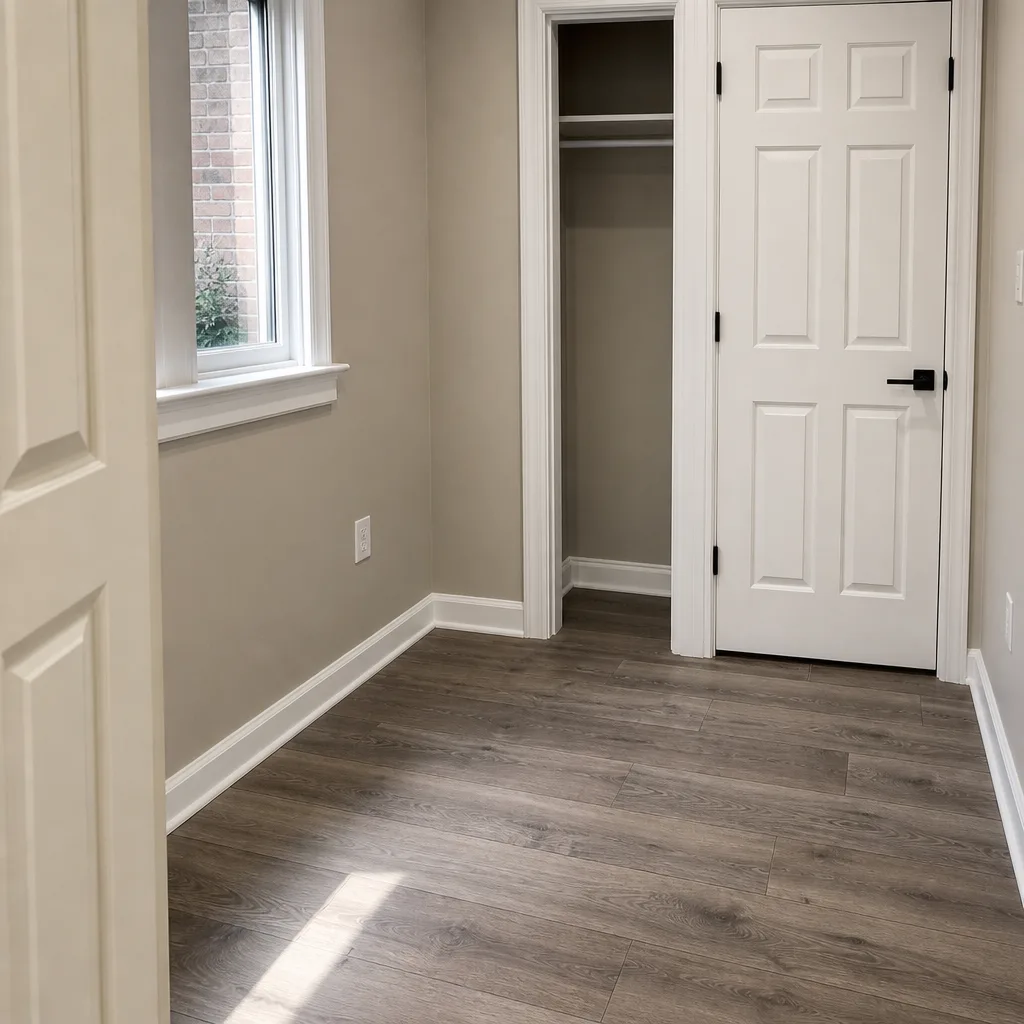 After
After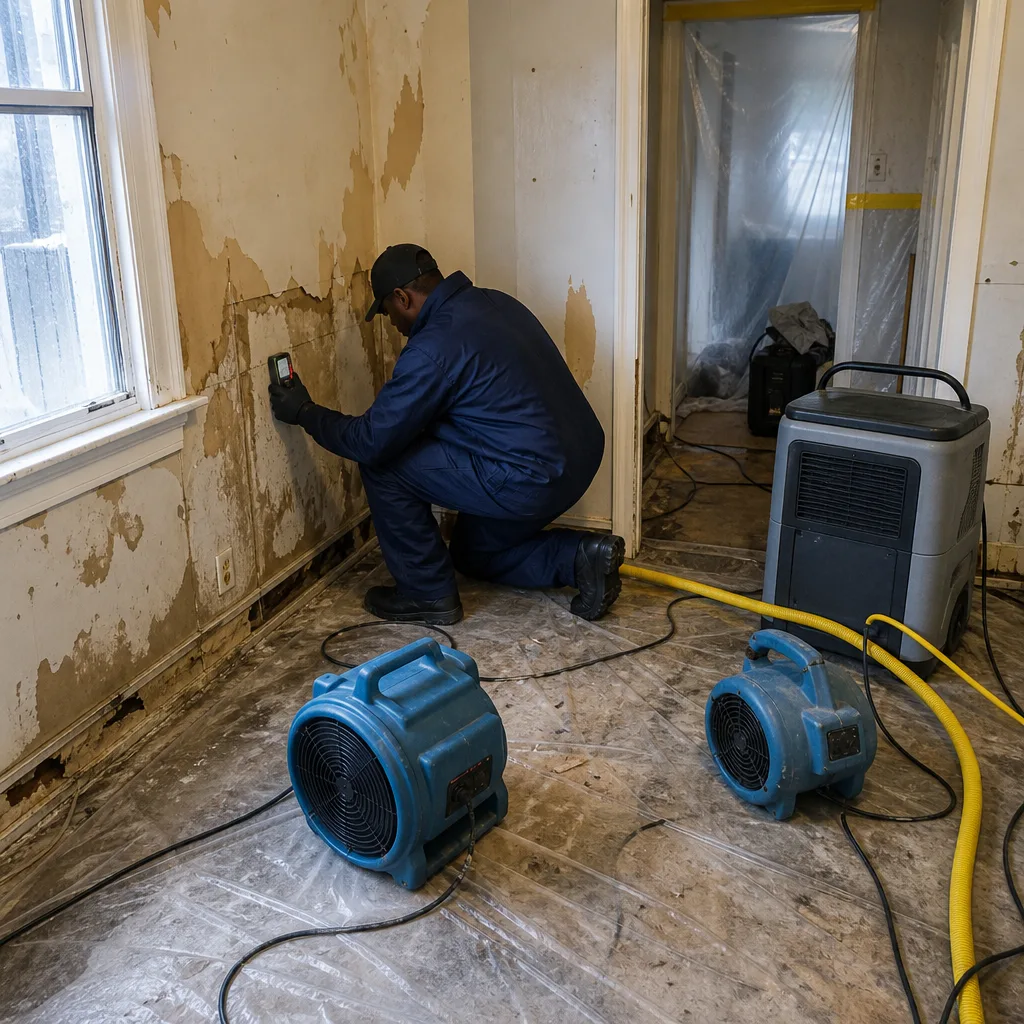 Before
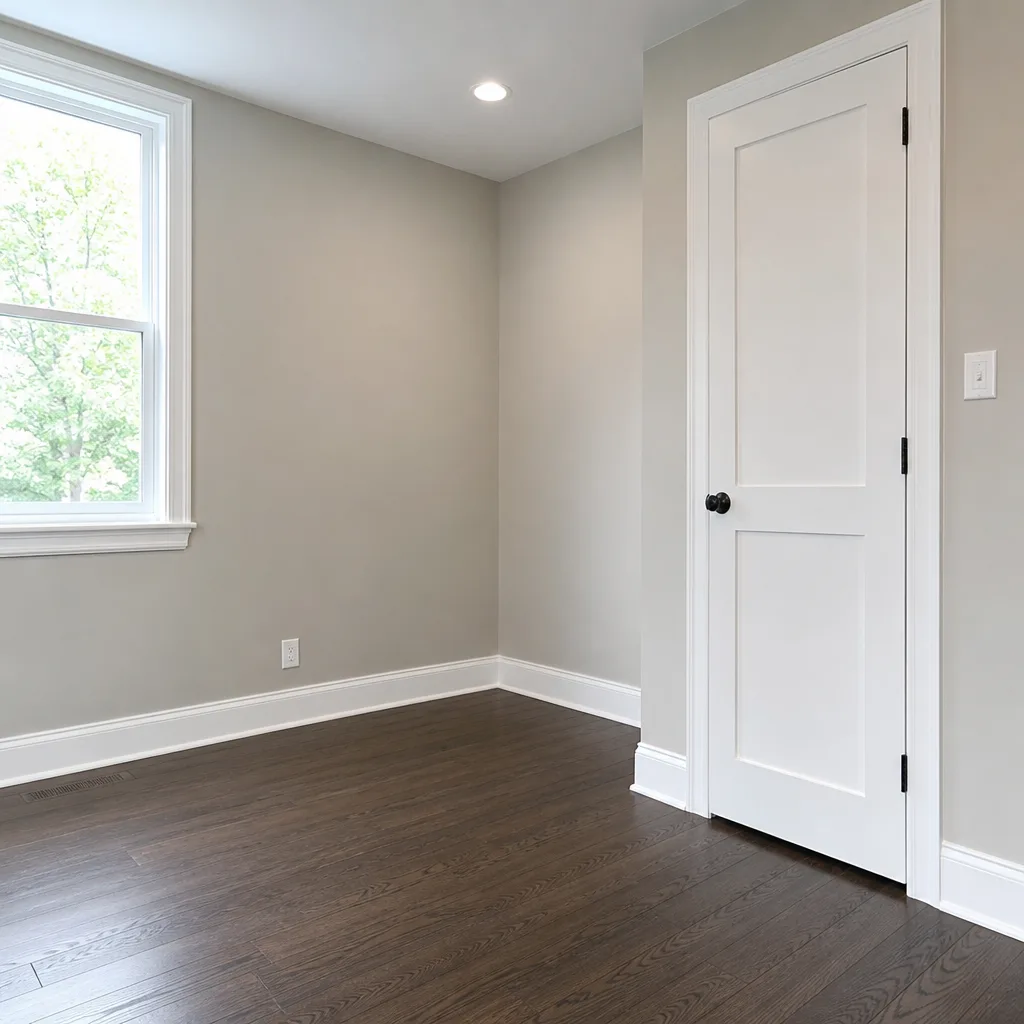 After
After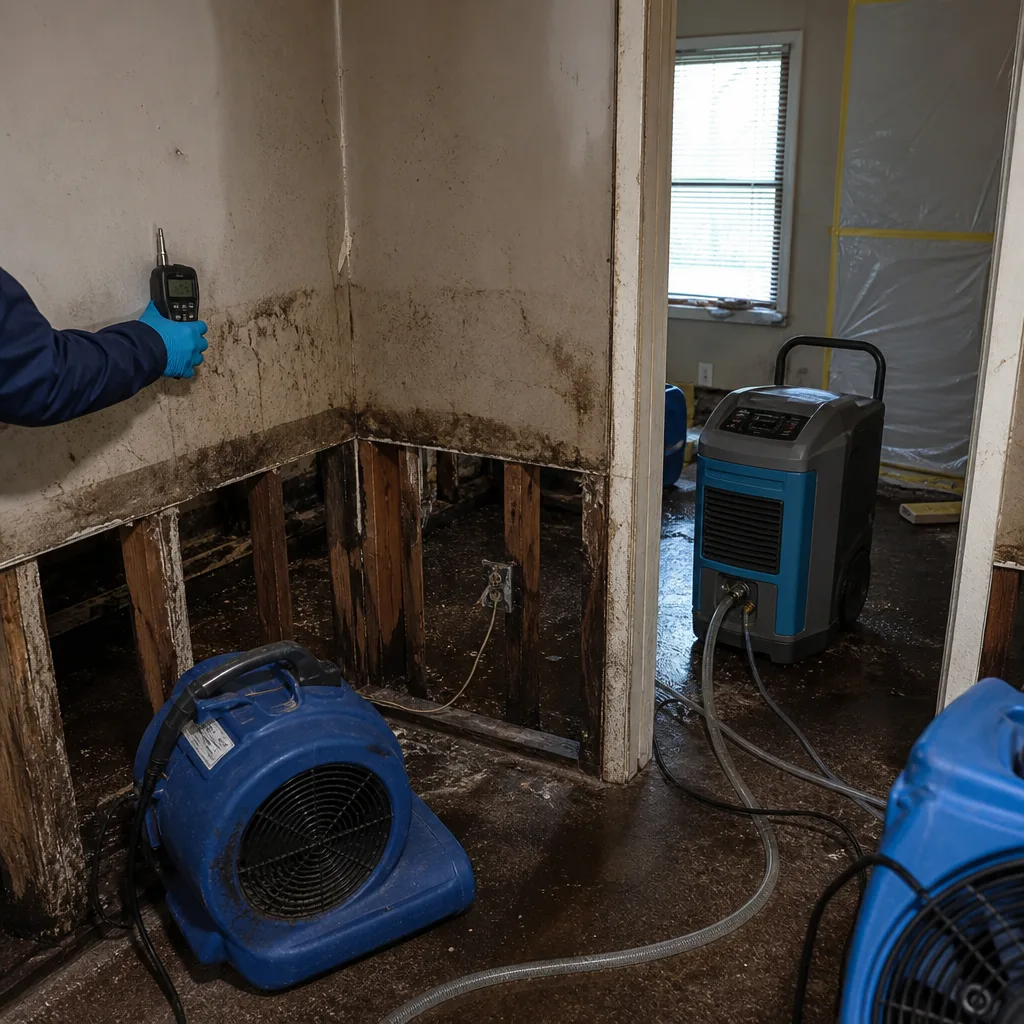 Before
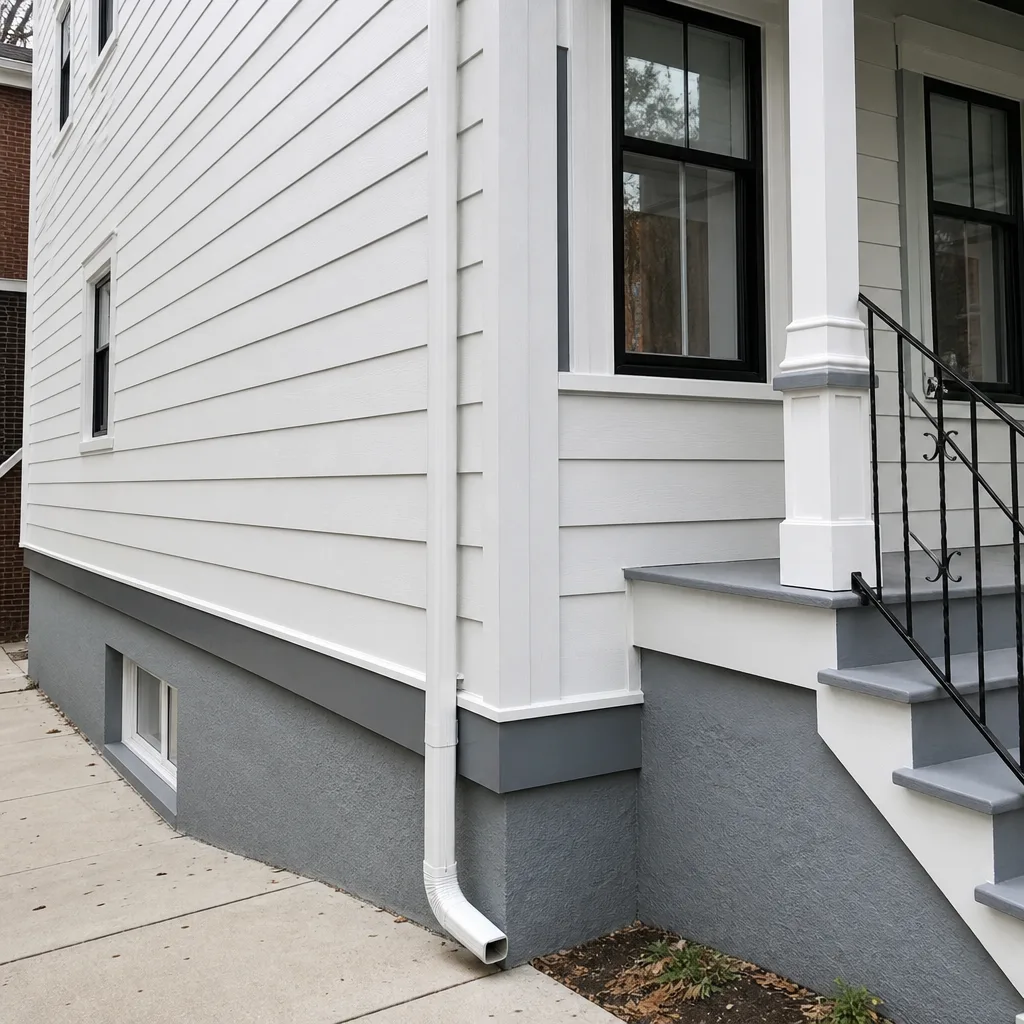 After
After24/7 Emergency Mold Remediation in Little Caribbean
Mold remediation in Little Caribbean typically runs $2,400-$6,800 for a contained basement or garden-level unit, and the crew that answers the phone is the same one that shows up at your door. Call (518) 750-3137 any hour, any day. A live dispatcher picks up. Not a recording, not a call center. The first visual inspection is free, and containment can start the same visit. Every hour mold sits in an occupied rowhouse, spores move through shared floor joists into the units above. That’s not an exaggeration. We’ve pulled back baseboards off Flatbush Avenue and found mold running three feet up the party wall while the kitchen above it still smelled fine. The sooner we map the moisture, the smaller the scope. The smaller the scope, the less it costs you. And here’s the part that matters in this neighborhood more than anywhere else in Brooklyn: if that basement unit was converted without permits, the way you handle the remediation determines whether you end up with a Department of Buildings violation on top of a mold problem. We know how to sequence this. Call now, and we’ll walk the property with you before you spend a dollar.
Understanding Mold Remediation Severity in Little Caribbean Properties
Mold remediation severity is driven by three things: the water source, how long it’s been wet, and what the mold is growing on. In Little Caribbean, we deal with a very specific set of conditions. The housing stock is overwhelmingly late-1890s to 1930s brick rowhouses and wood-frame two- and three-family homes. The basements were dug before vapor barriers existed. Many were converted into garden-level rentals decades ago, often without permits, often with the original cast-iron drain stack still carrying waste from every floor above. So the moisture source in these buildings is rarely a simple pipe leak. It’s a cracked 100-year-old sewer line. It’s stormwater backflow from the combined sewer during an intense rain, which one September night in 2021 showed us can be catastrophic. It’s a freeze-thaw cycle pushing water through a parapet wall that hasn’t been repointed since the Coolidge administration. When we assess severity, we classify the water source first. Category 1 is clean, Category 2 is contaminated, and Category 3, which we see constantly in flooded basement apartments off Rogers and Nostrand, is sewage and stormwater. Category 3 means the space needs full containment, air scrubbing with HEPA filtration, removal of porous materials, and clearance testing before anyone sleeps there again. Moisture mapping finds water you can’t see: wicked up through plaster-on-lath, trapped in the joist pockets, condensed behind the vinyl flooring someone put over a damp slab. That’s the difference between a cleaning and a remediation. In these old buildings, it’s almost never just a cleaning.
Why Little Caribbean Property Owners Choose Floodline Restoration Co.
- 45-minute response commitment. When you call, we give you a window. A crew is dispatched to your address in Little Caribbean, and we’ll be there when we say. That’s a promise, not a wish.
- A live person answers, 24 hours a day. Two in the morning on a Sunday, a dispatcher picks up. Not voicemail. You’ll describe what you’re seeing, and a certified tech will call you back within minutes if needed.
- IICRC-certified crews, trained to the codes that apply here. Our teams hold IICRC certifications including WRT and AMRT. They’re background-checked and uniformed. They know the difference between drying a building and decontaminating one.
- Free visual inspection, always. We come out, walk the space, find the moisture source, and tell you what you’re actually facing. No charge. No pressure. A square deal.
- Direct insurance billing. We bill your carrier directly. You don’t play messenger between us and an adjuster. We document everything from the first hour and hand the file over.
- One team from first cut to final coat of paint. Extraction, drying, mold removal, rebuild: the same crew reads the moisture map on day one and hands you the keys at the end. No mid-job handoff to a sub you’ve never met. The 90-Day Done Right Promise, in writing, backs every square foot of it.
Our Mold Remediation Process
Inspection & Assessment
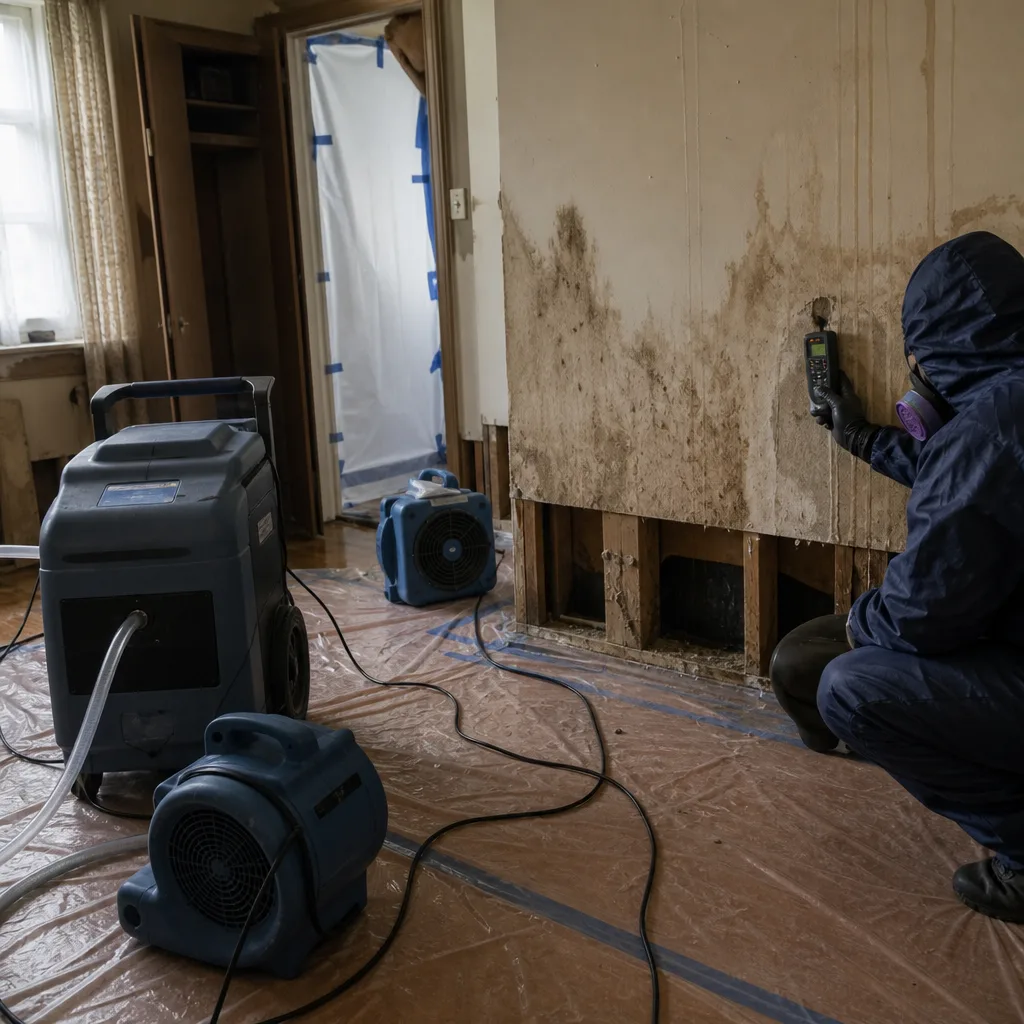
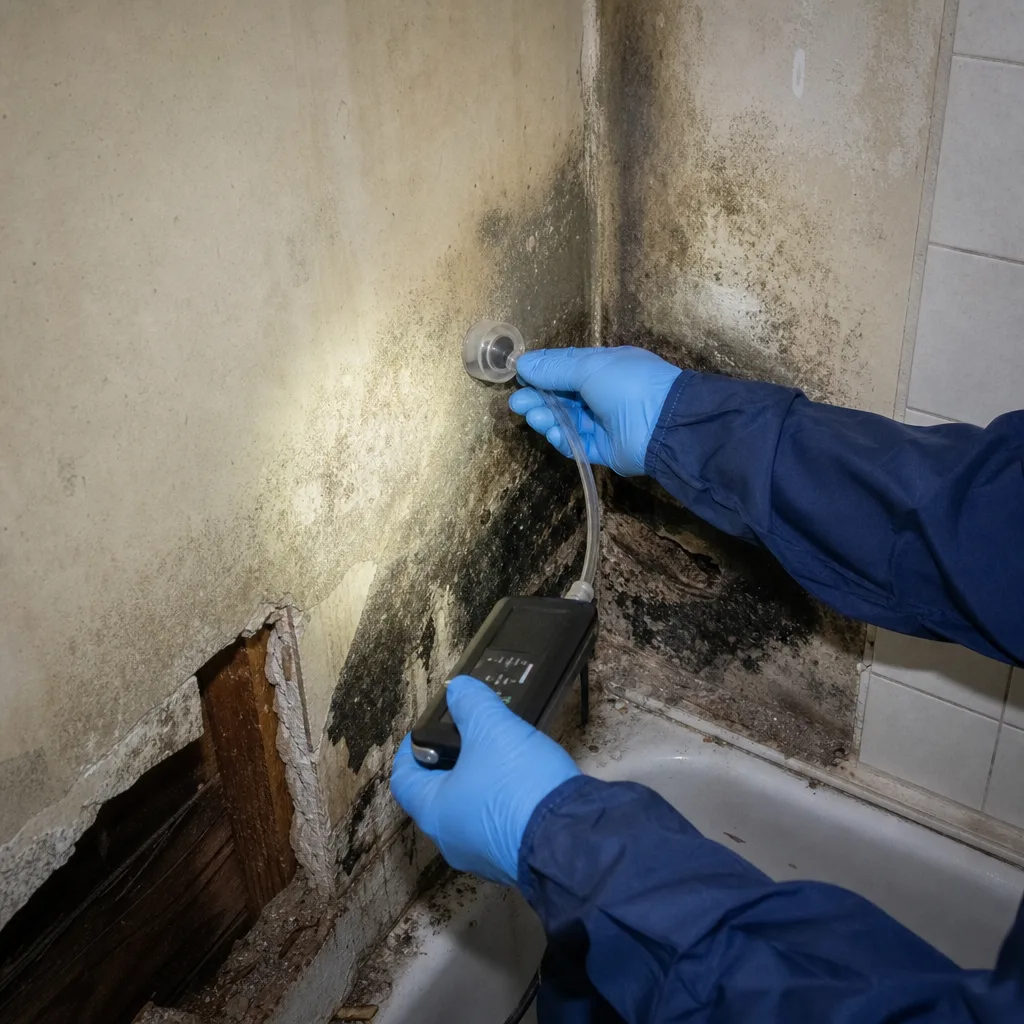
We start with a visual walkthrough, then run thermal imaging and hygrometers to map moisture behind walls, under floors, and in joist cavities. In Little Caribbean rowhouses, that means checking the party walls, the garden-level slab, and the original drain stack. We identify the water source before we touch anything.
Containment & Source Control
Full containment under negative air pressure, sealing off the affected area so spores don’t travel upstairs through shared joists or the stairwell. Then we stop the water: repair the cracked cast-iron line, seal the foundation seep, route the downspout, whatever the building needs.
Drying & Dehumidification
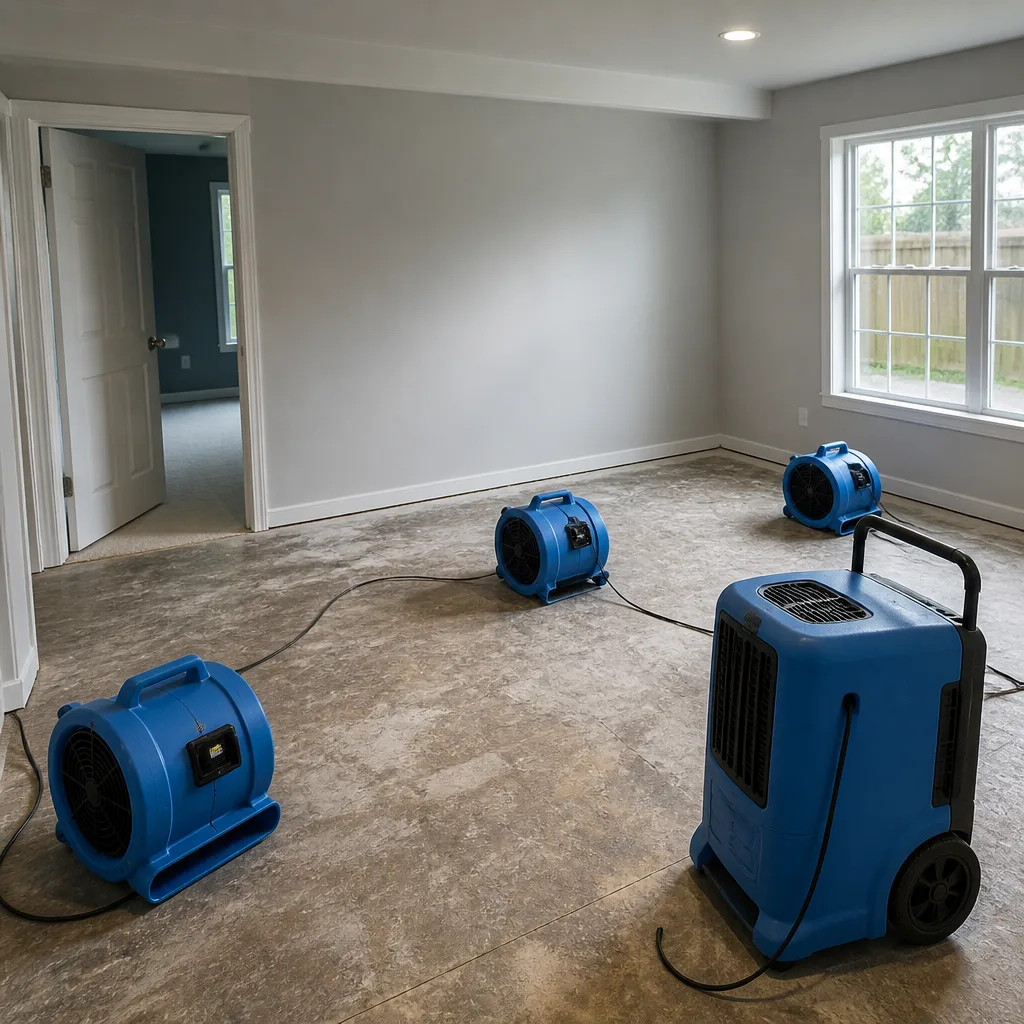
Professional-grade Dri-Eaz and Phoenix air movers, XPOWER and B-Air dehumidifiers. We take daily moisture readings on plaster-on-lath, brick walls, and wood framing until everything hits the dry standard. You get the drying log, and so does your insurer.
Removal & Cleaning
We cut out contaminated plaster, baseboard, drywall, and any porous material that can’t be salvaged. HEPA air scrubbers run throughout. Non-porous surfaces are cleaned and sanitized. We don’t paint over mold. That’s not remediation; that’s a bookmark.
Crawl Space & Humidity Control
Little Caribbean basements and crawl spaces fight humidity all year. We treat the source: crawl space encapsulation where appropriate, dehumidifier installation, drainage corrections. Mold will return if the humidity stays above 60 percent. We fix that.
Repairs & Restoration
When clearance testing confirms the space is clean, we rebuild: new drywall, flooring, trim, paint, whatever was removed. The same crew. The same standards. Backed by the 90-Day Done Right Promise, in writing.
Need Emergency Mold Remediation in Little Caribbean Now?
Crews minutes away, answering live 24 hours a day. The sooner we start, the less it costs.
Working With Your Insurance Company
Mold claims are not simple. Carriers want proof of the loss, proof of the water source, and proof that the remediation was done to a standard they can accept. We give them all three. From the first hour, we photograph every room, take moisture readings, and document what we find. When the adjuster arrives, they’re reviewing a file that’s already built. We write a detailed, line-item scope of work using the same estimating language the carrier uses. And we talk to your adjuster directly, so you’re not translating between us and them. In Little Caribbean, where the water source is often a legacy drain stack or a stormwater backflow through a combined sewer, the claim’s success often hangs on accurately identifying that source the first time. We do the legwork. You sign the authorization, and we handle the rest. The homeowner never pays an adjuster to inspect, and our estimates are free.
What We Provide Your Insurer
- Thorough documentation of the loss
- Photos of all damage, room by room
- Moisture readings and drying logs
- A detailed, line-item scope of work
- Direct coordination with your carrier
Built for Little Caribbean’s Loss Calendar
Little Caribbean runs on a wet season. Late summer and early fall, the real risk is intense rainfall overwhelming the combined sewer. That’s when basements off Flatbush and Church Avenues take on stormwater and raw sewage. Ida in September 2021 was the extreme, but every heavy thunderstorm tests the same old infrastructure. Winter brings a different set of problems. Nor’easters drive rain into aging parapet walls and low-slope roofs, and the freeze-thaw cycle widens every crack. When the snow melts and temperatures rise, water finds its way into plaster walls and down to the garden level. Spring thaw saturates the soil around foundations, and basements that stayed dry all winter suddenly weep at the base of the foundation wall. In these pre-war buildings, the mold season follows the water season. The job is always the same, though: find the source, stop it, dry the structure, and remove the mold. The sooner you call after you notice a musty smell or a stain, the less wall we have to open. Call (518) 750-3137 the day you see or smell it.
Mold Remediation Across Little Caribbean’s Neighborhoods
Little Caribbean runs along the Flatbush Avenue corridor through Crown Heights, Prospect-Lefferts Gardens, and Flatbush. Each stretch has its own building pattern and its own mold profile. Along the blocks off Nostrand Avenue, we see mostly 1890s to 1910s brick rowhouses with shallow cellars and original cast-iron drain lines. The mold there usually starts at the base of the foundation wall, fed by a broken sewer line or weeping brick. Near Prospect-Lefferts Gardens, closer to the park, the buildings are a little younger on the side streets, more frame construction, more garden-level units with wood-framed floors sitting directly on damp earth. Crawl space moisture and humidity-driven mold are the norm. The Flatbush side of the corridor has more Victorian two-families with converted attics and basement rentals. We run containment under stoops off Clarendon and Beekman roads constantly, because the garden units share air with the parlor floor above through the joist bays. When the mold is in the basement, the question is never whether the spores have reached upstairs. It’s how far. We map the moisture and answer that question with a meter, not a guess. Little Caribbean’s geography also matters: the land here is nearly flat, the combined sewers are old, and the stormwater has nowhere to go in a downpour. That’s the Ida story, and it’s the story that plays out on a smaller scale every wet season. Local crews who know which blocks back up first, which basements take on groundwater before the rain even starts, and which buildings have the old drain stacks that crack at the first freeze: that local knowledge changes the remediation plan. We bring it on every job.
Specialized Mold Remediation Services We Offer in Little Caribbean
Mold Inspection & Testing
If you smell mold but can’t find it, we find it. Thermal imaging and moisture meters trace the water path, and we can pull air or surface samples for lab analysis when the situation requires it. In a Little Caribbean rowhouse, the hidden mold is usually in the joist pockets between the basement ceiling and the parlor floor, or behind the plaster on a party wall. We look where the water tells us to look.
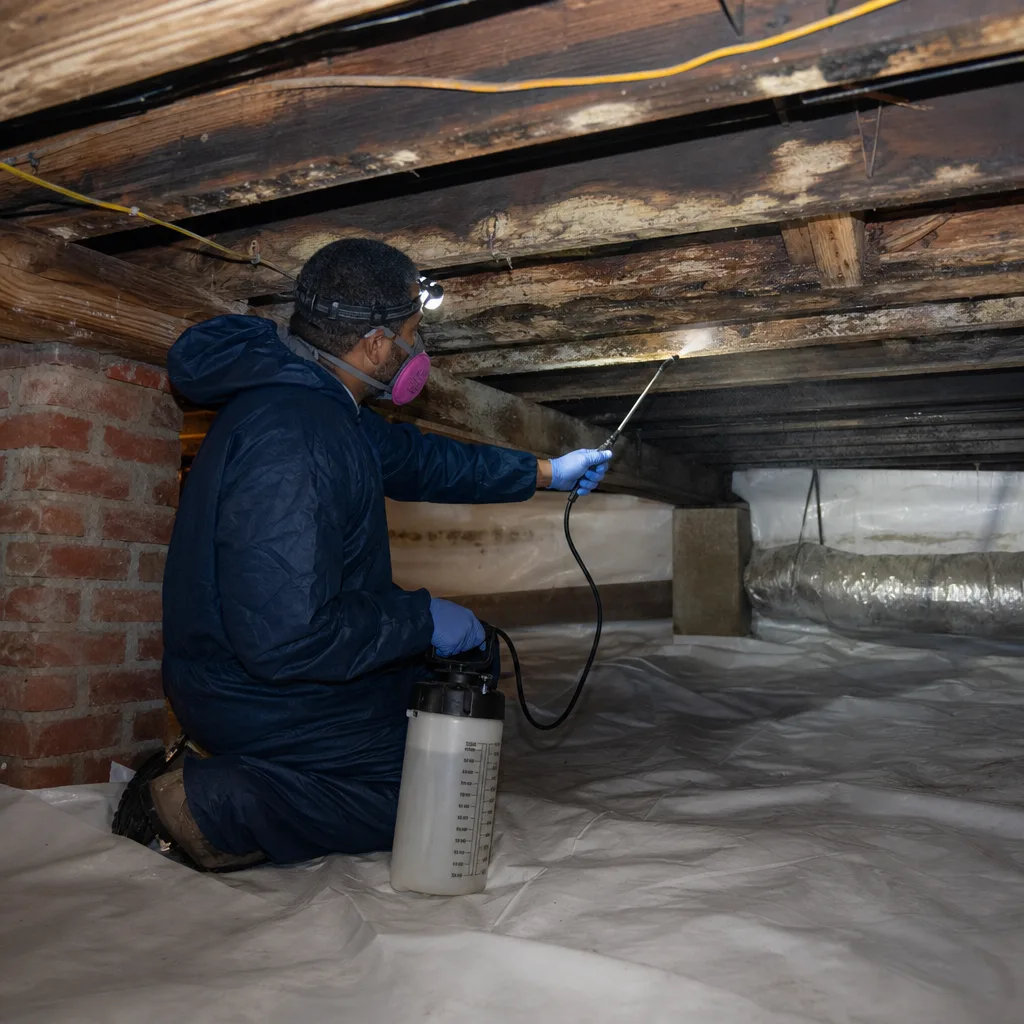
Mold Removal
Containment first, removal second. We cut out contaminated drywall, plaster, lath, baseboard, and flooring that can’t be saved. HEPA air scrubbers run from the first cut to the final clearance. We work room by room so you’re not living in plastic for weeks.
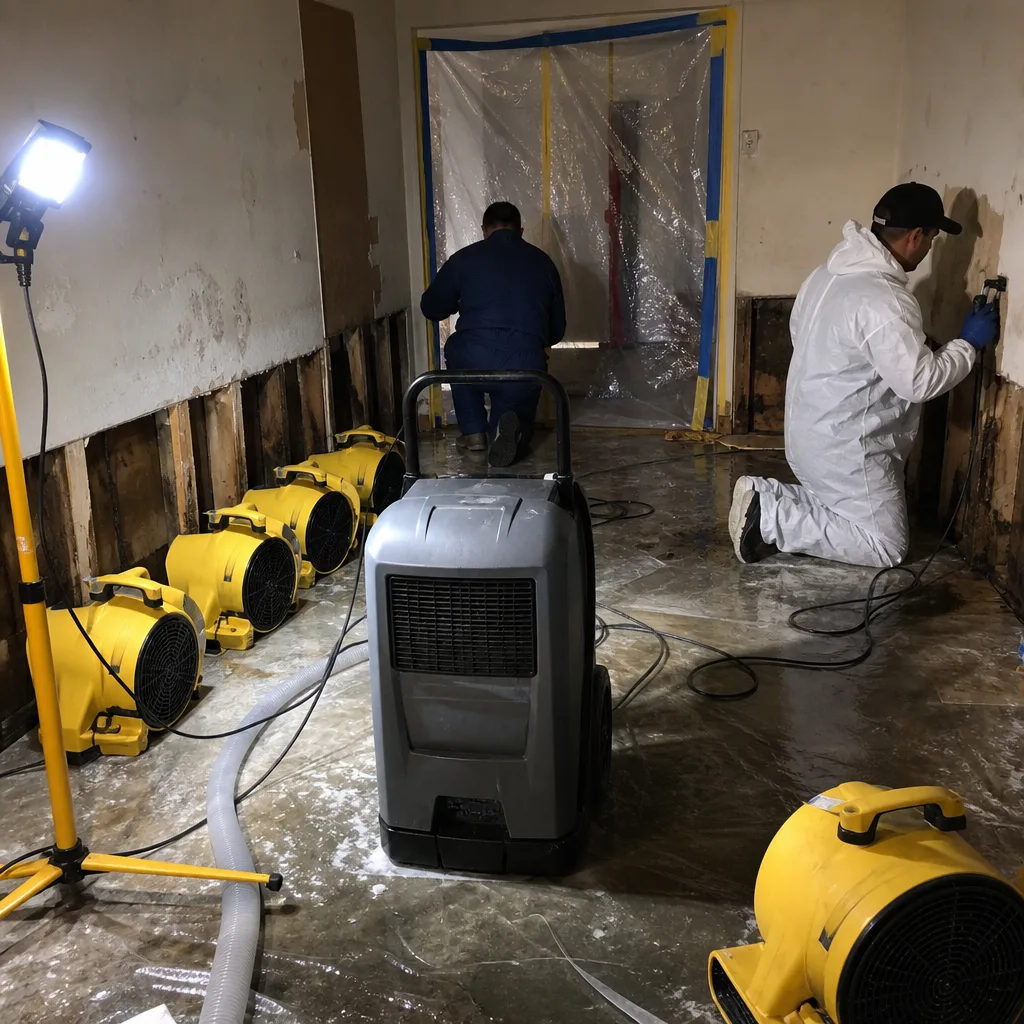
Black Mold Remediation
Black mold, especially Stachybotrys, is common after Category 3 water events like sewage backflows and Ida-style stormwater flooding. This is not DIY territory. The spores are a respiratory hazard, and the affected area must be fully contained, HEPA-filtered, and clearance tested. Our crews are AMRT-certified and do this work daily in basement units across the corridor.
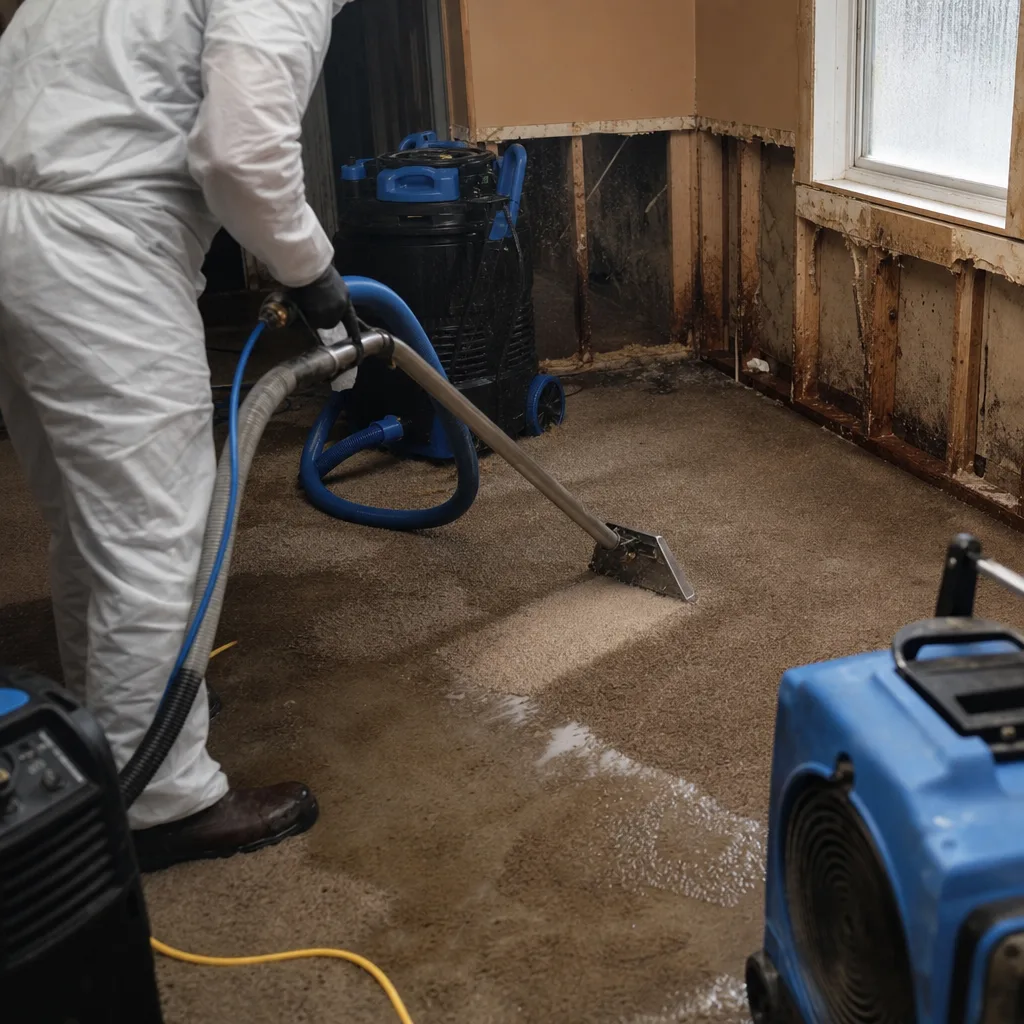
Air Quality Restoration
After the mold is removed, the air is the last thing to fix. HEPA scrubbing during the job, then post-remediation air sampling to prove the spore count is back to normal outdoor levels. If you’ve been living with a musty smell in a Flatbush two-family, this is the difference between “the smell is gone” and “the test confirms it’s gone.”
Crawl Space Treatment
Crawl spaces in these old frame buildings hold moisture like a sponge. We do encapsulation, drainage corrections, dehumidifier installation, and mold removal. The crawl space is the respiratory system of the house. When it’s wet, everything above it is wet. When it’s dry and sealed, the whole building changes.
Moisture & Humidity Control
Mold needs moisture. So controlling moisture is the long-term answer. We install dehumidifiers, repair drainage, correct downspout discharge, and seal foundation cracks. After any Mold Remediation job, we give you a clear plan to keep the building dry. Because we stand behind our work for 90 days, in writing, and we don’t want to come back for the same mold.
What happens when you call
- 1
A real person answersNo phone trees - you reach a local pro.
- 2
You get an upfront price rangeHonest numbers before anyone is dispatched.
- 3
A background-checked tech heads outLicensed & insured, dispatched right away.
- 4
You approve before work beginsNothing starts until you say go.
Mold Remediation Costs in Little Caribbean, NY
No honest contractor gives a firm price over the phone. Here’s what to expect in Little Caribbean. A contained mold removal in a single basement room runs $2,400-$5,500. A full garden-level unit with sewage contamination, meaning Category 3 water, typically runs $4,800-$9,200 depending on how much plaster and framing comes out. Mold inspection with moisture mapping and air sampling is $350-$750. Crawl space treatment, including encapsulation and dehumidifier, lands between $3,000-$7,500 for the typical 800-square-foot Little Caribbean cellar. What moves the price: the water source, the square footage of contaminated material, whether you have plaster-on-lath or drywall (plaster removal costs more and takes more containment), and whether the unit’s legal status is clear enough for rebuild to proceed. The free visual inspection gives you a firm number in writing before we start. And our insurance billing means the carrier often covers most of it, depending on your policy. We offer a 5% Senior & Veteran discount on every job, always, plus $50 off any repair over $250. Call (518) 750-3137 and we’ll schedule the walkthrough.
We Also Serve Cities Near Little Caribbean
Our crews serve the whole corridor and the neighboring communities: East Flatbush, where we handle rowhouse basements off Utica and Church; Sunset Park, with its frame two-families and damp cellars; Bedford-Stuyvesant, the brownstone belt where original plaster and old drain lines meet; and Bensonhurst, with its attached brick and stucco homes fighting rising groundwater. If your building is within reasonable reach of Little Caribbean, we’ll be there.
Serving Little Caribbean, NY - Our Local Coverage Area
We’re based in the Little Caribbean area and know this community well. Use the map below to see our service coverage - if you’re nearby, we can almost certainly help.
Little Caribbean Mold Remediation Questions, Answered
The basement of my Little Caribbean rowhouse flooded during Ida and now has mold - but it’s an informal rental unit. Can you still remediate without getting me a DOB violation?
Yes. We do this weekly in this corridor. The key is sequence: we remediate the mold and stop the water source first, but we hold off on full rebuild until your expediter or attorney confirms the unit’s legal occupancy status. That way you don’t trigger a DOB violation by rebuilding an unpermitted space. We’ll work directly with your expediter. Call us at (518) 750-3137 and we’ll walk the property and explain exactly how to keep the remediation and the legal process moving in the right order.
How do you dry plaster-on-lath walls in these 1920s rowhouses without destroying the original material?
The first answer is: we save what’s salvageable. Plaster-on-lath can often be dried in place using low-grain refrigerant dehumidifiers and careful air movement directed at the wall surface, not the cavity. We take daily moisture readings and make the keep-versus-cut call based on the meter, not a habit. When the plaster is saturated with sewage water, though, it comes out. Category 3 water and lime plaster don’t mix. That’s a cut-and-replace situation. Long-term, drying old plaster slowly with daily monitoring preserves more original material than any rush job. We’ve done it on every block between Flatbush and Rogers.
I smell mold after every freeze-thaw cycle - is my roof leaking or is it the garden-level unit below?
Could be either, and we check both. In these pre-war buildings, the freeze-thaw cycle opens the parapet walls and low-slope roofs first. But if you’re on the parlor floor and the smell rises every time the heat kicks on, the mold is often in the joist bays between your floor and the garden unit’s ceiling. Rising heat pulls spores up through the floor. Our moisture mapping answers this in one visit. We find the water source, not just the smell. The free inspection includes this.
Can I save my tenant’s furniture and personal items during mold containment in a two-family Flatbush rowhouse?
Often, yes. Porous items like upholstered furniture and mattresses that took mold growth need to be evaluated item by item. Hard-surface items can usually be cleaned and decontaminated. The best move is to remove what’s movable before we set containment, when it’s safe to do so. Our crew will tell you what can be salvaged and what should be documented for the insurance claim. The tenant’s situation matters too. This is a garden-level unit where a family lives, not a storage room. We handle it that way.
Do I need to do a full gut after a sewage backup in my garden-level basement, or can you just kill the mold?
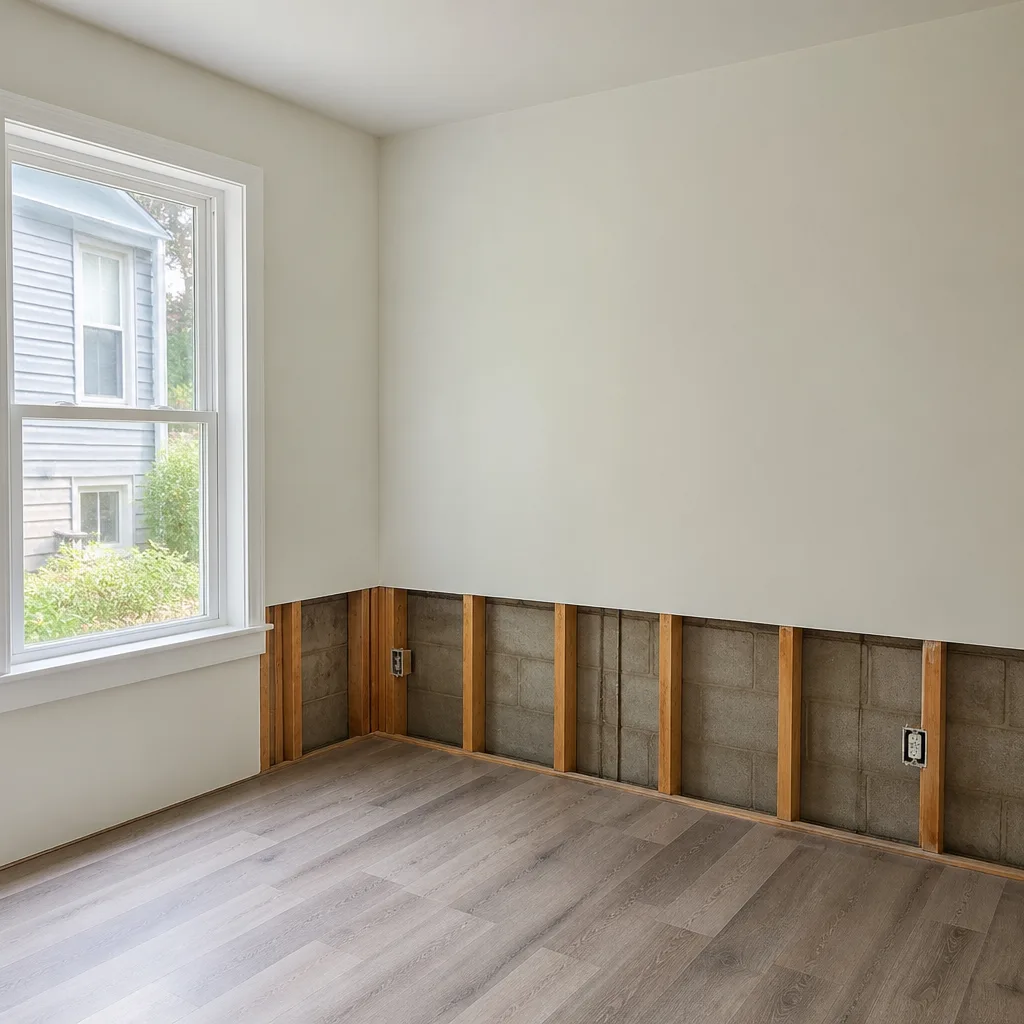
Category 3 sewage water means porous materials that absorbed it must come out: drywall, baseboard, insulation, carpet, and often the bottom section of plaster walls. You don’t necessarily need a full gut. We remove to the line where contamination stops, verify with moisture readings, and keep everything above that line. In some cases we can clean and seal solid framing. In older buildings where the original lath absorbed sewage, a floor-to-ceiling gut is sometimes the only honest option. The free inspection gives you a definitive answer in writing, with a line-item scope so you know exactly what’s coming out and what’s staying.
When you’re ready to talk, call (518) 750-3137. A live person answers, day or night. We’ll schedule a free visual inspection, walk the property with you, and tell you exactly what you’re looking at. No pressure, no upselling, no surprises on the bill. Just a square deal and the work done right, backed in writing by the 90-Day Done Right Promise. Floodline Restoration Co. serves the entire Little Caribbean corridor and surrounding Brooklyn neighborhoods. We’ll be there when we say.
Written by Curt Bowman, Owner at Floodline Restoration Co., serving Brooklyn and the Greater New York City area since 2010.