
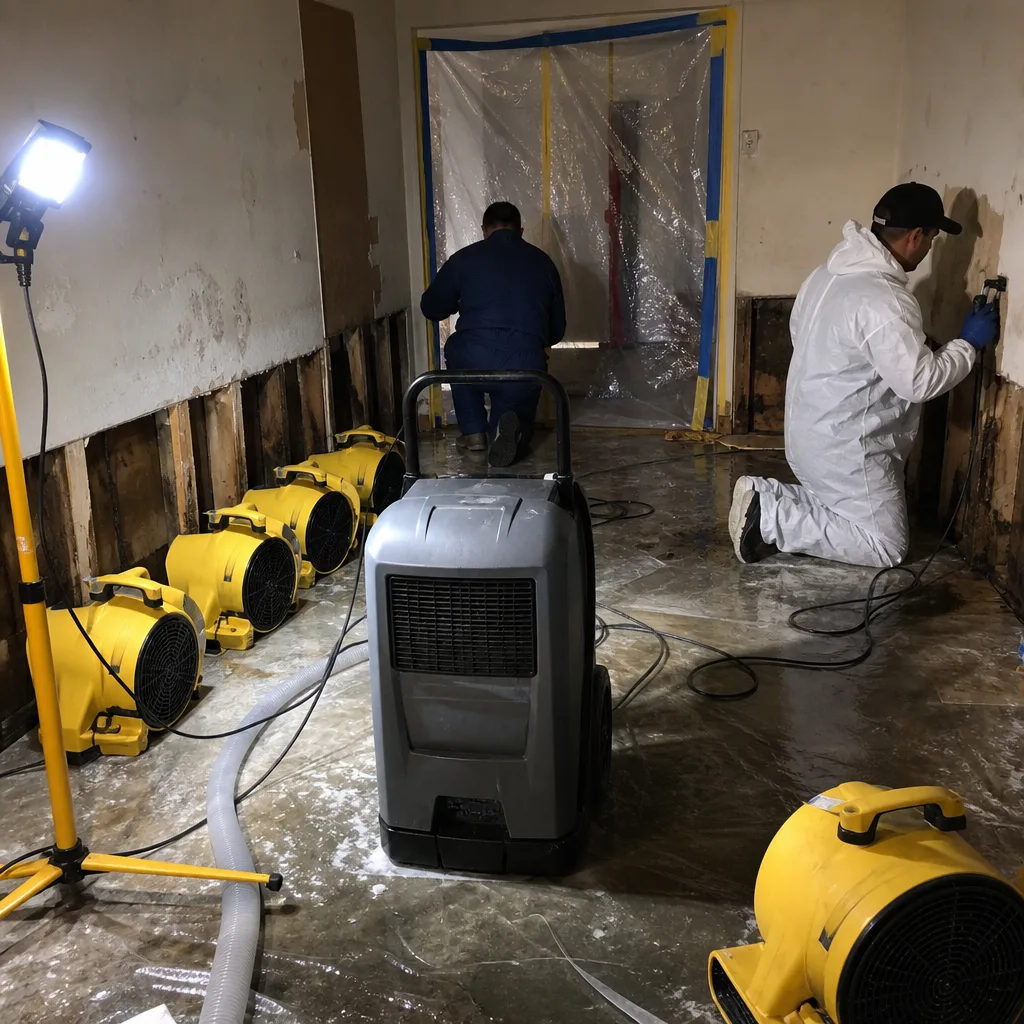
Free visual inspection and a written scope of work before any mitigation begins - photos, moisture readings, and drying logs go in your claim file
The scope we write is the scope we bill. Anything new gets shown to you, in writing, before we touch it.
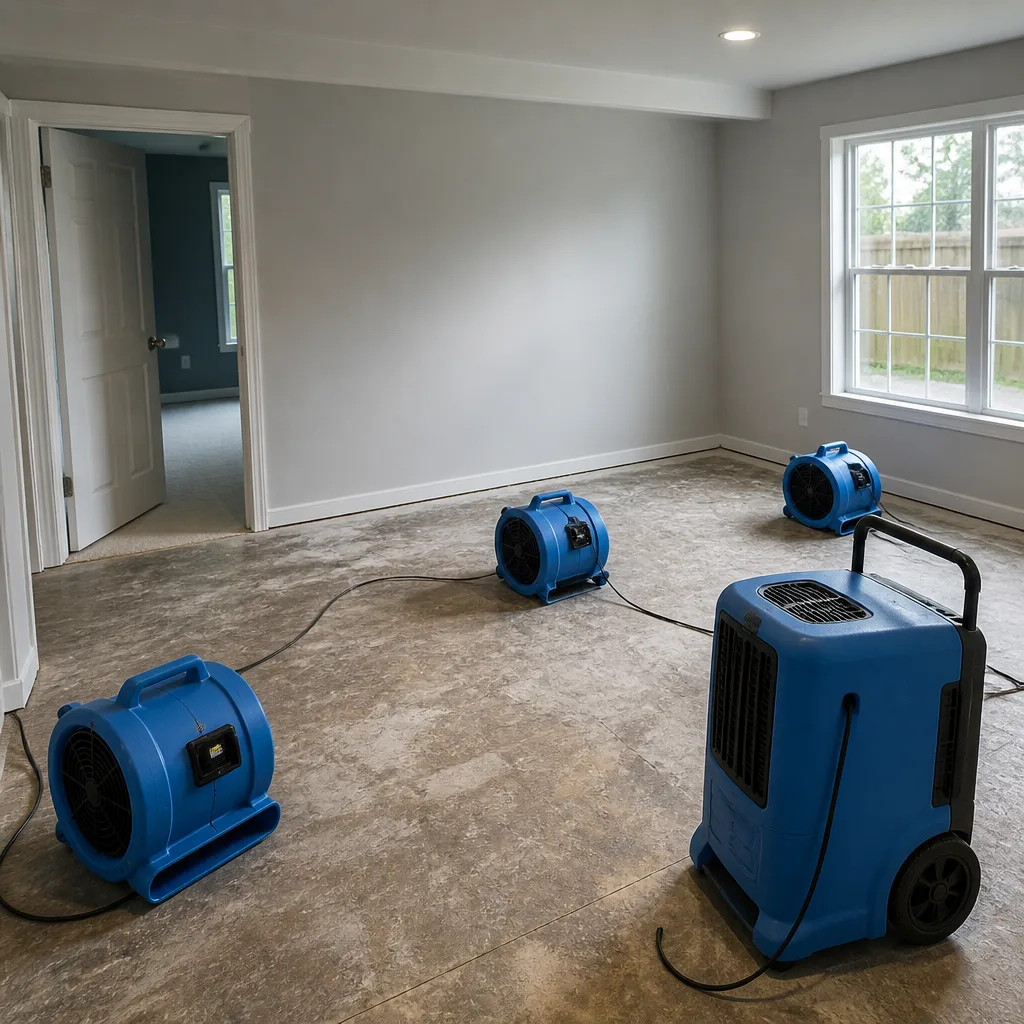
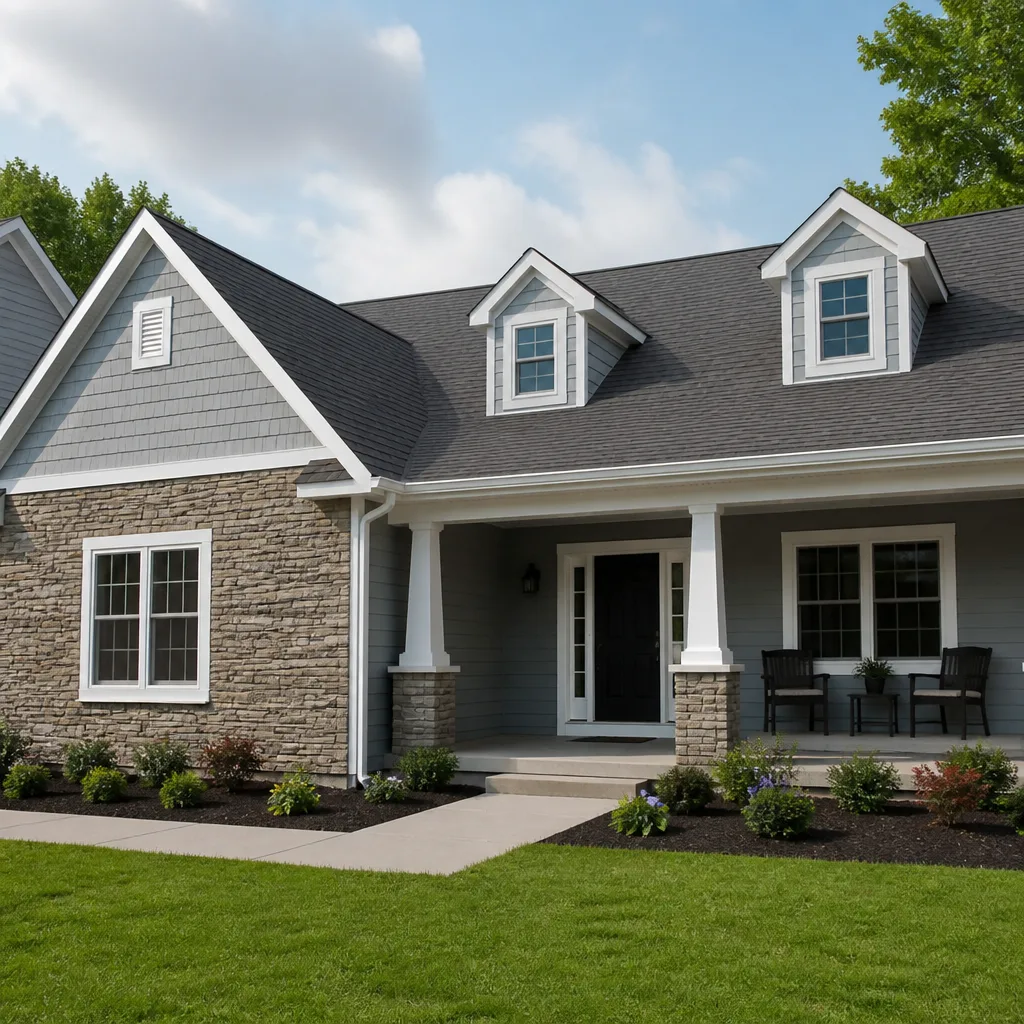
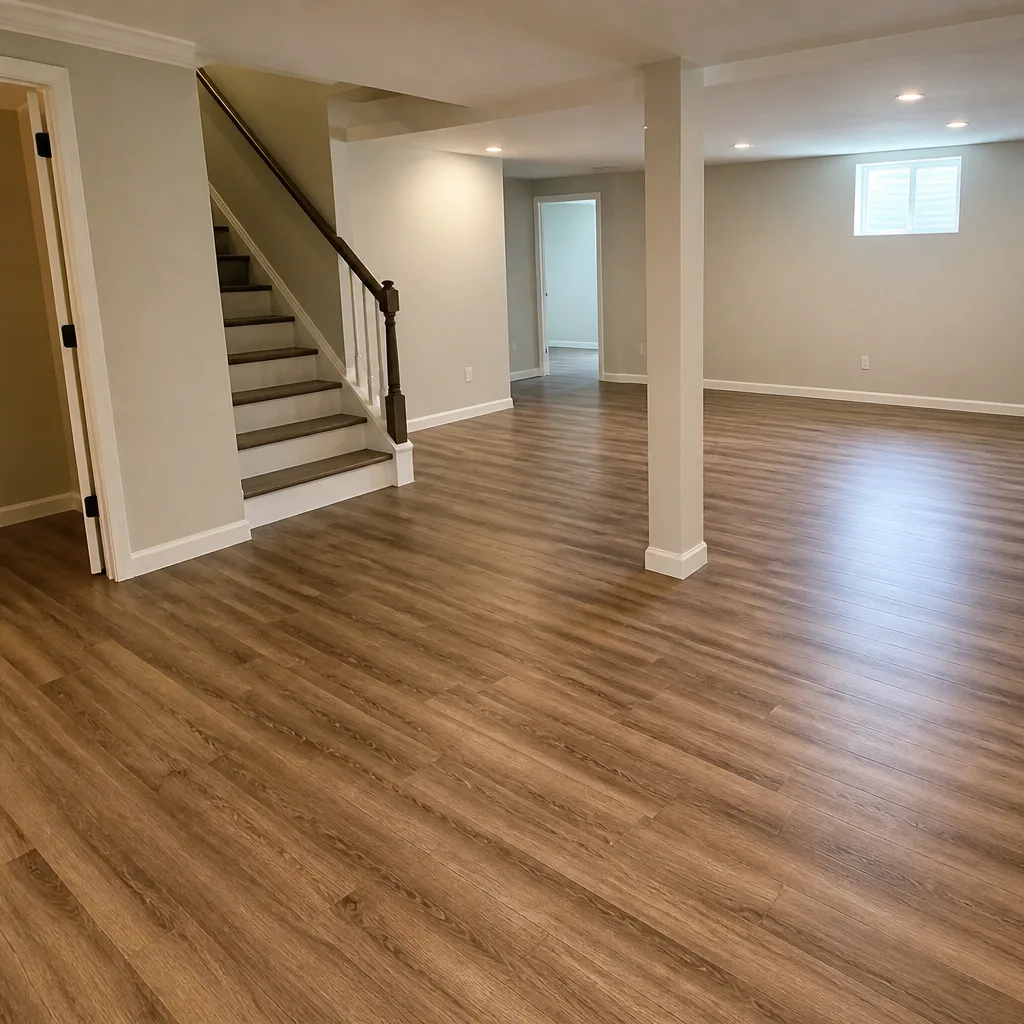
 Before
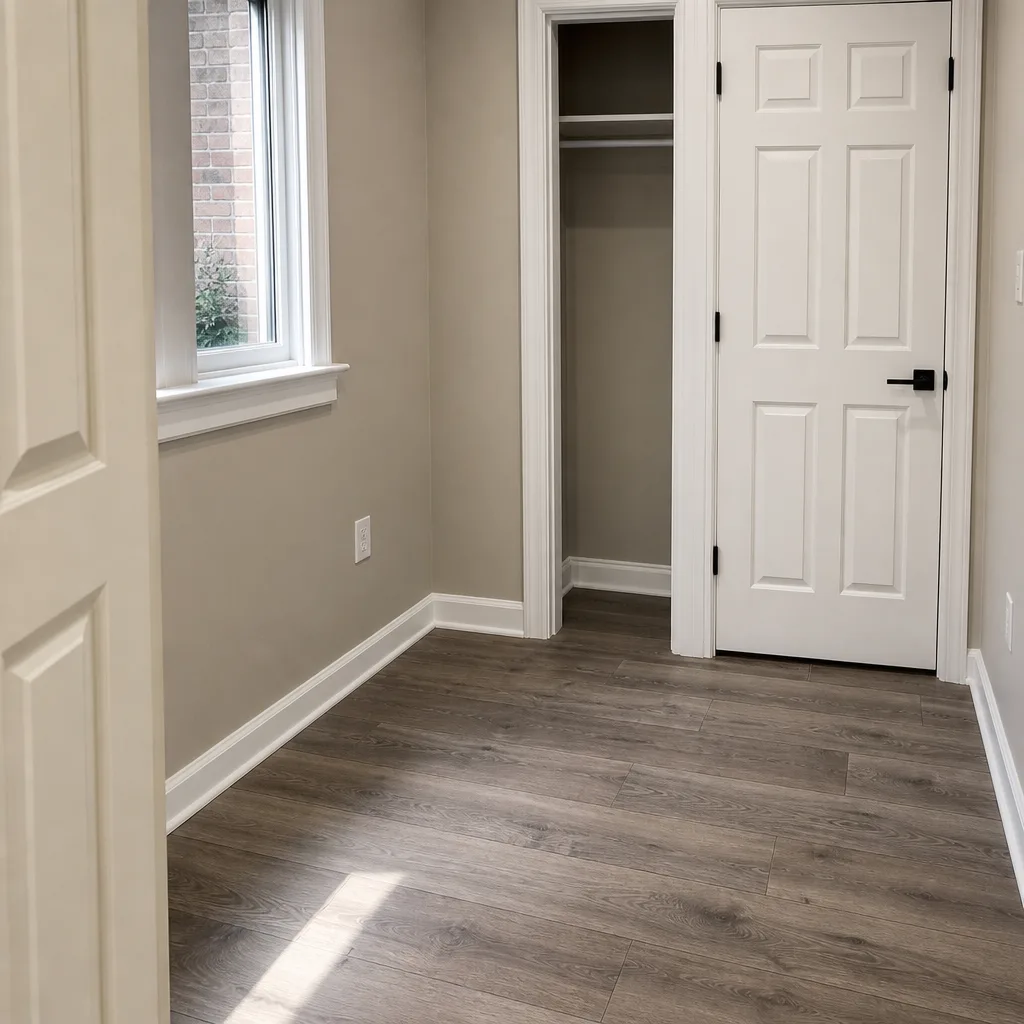 After
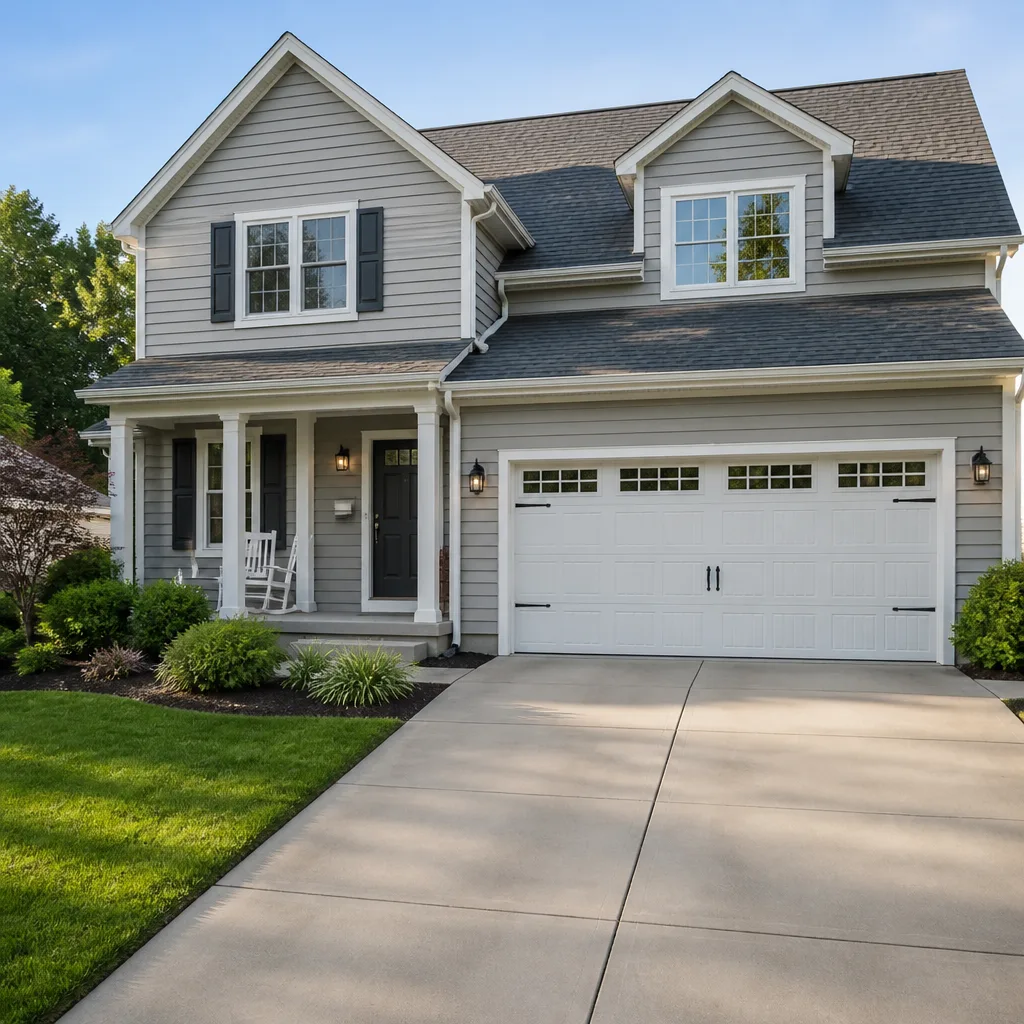
After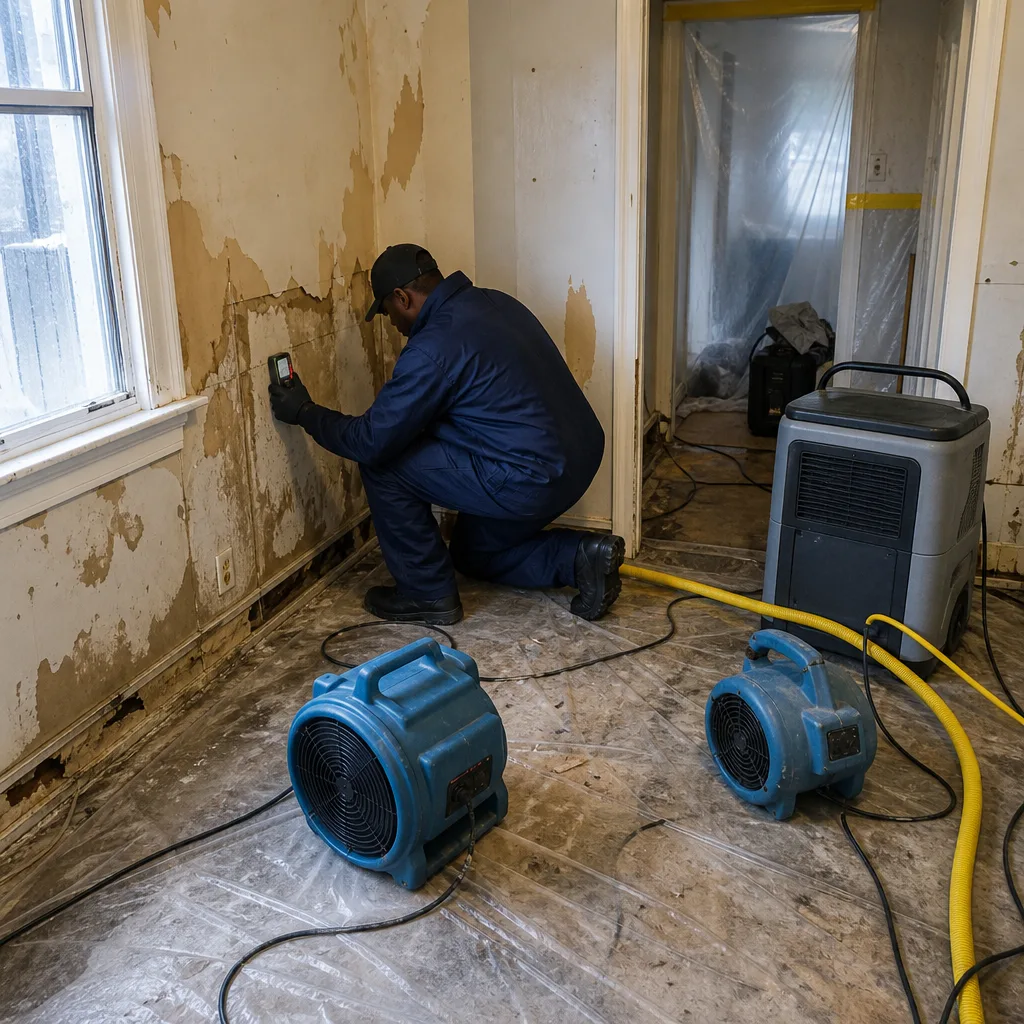 Before
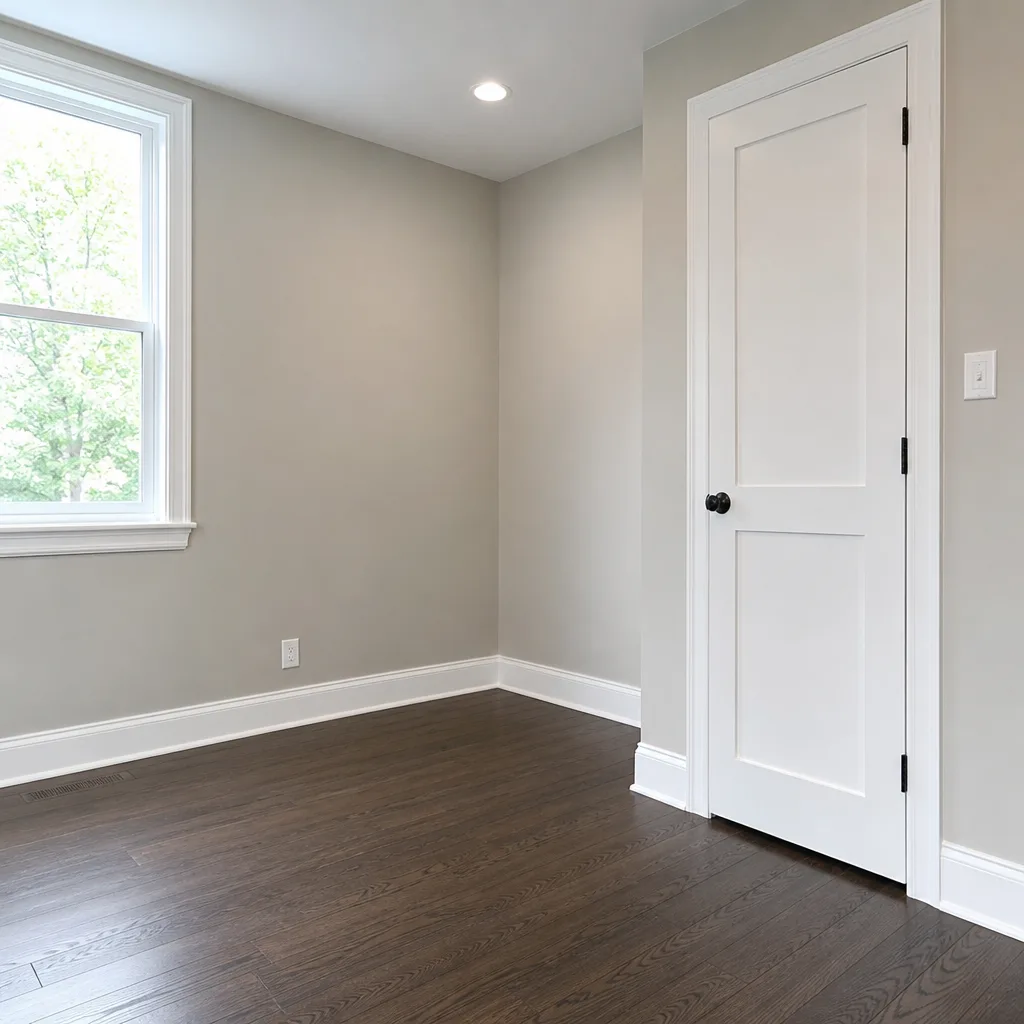 After
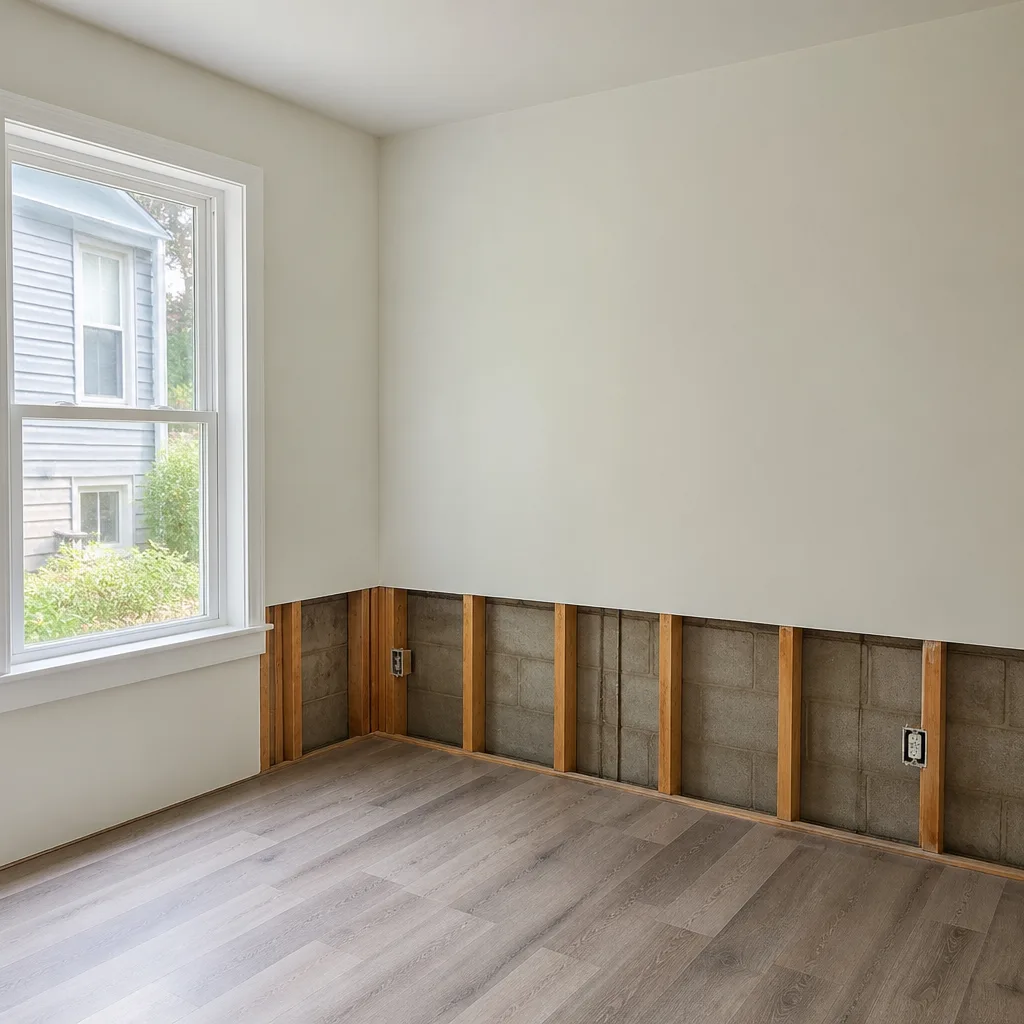
After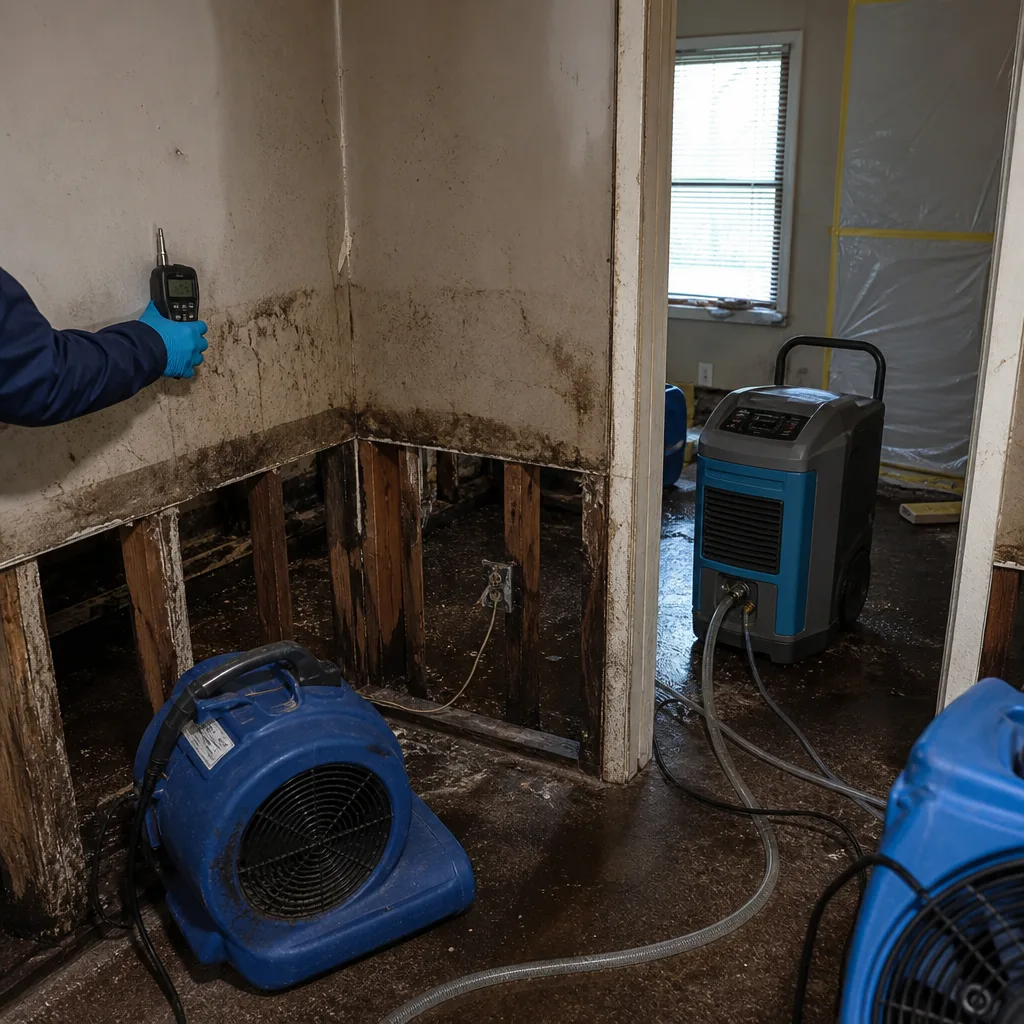 Before
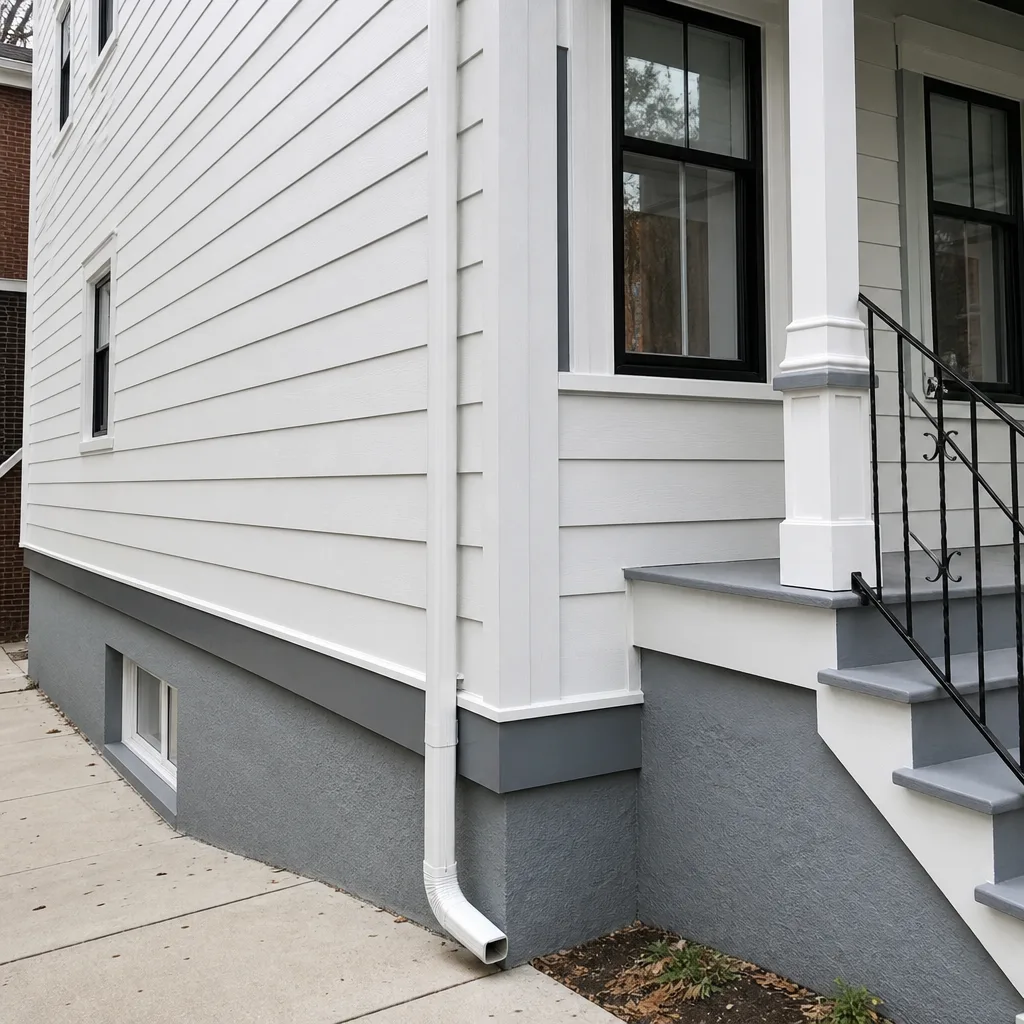 After
After24/7 Emergency Water Damage Restoration in Glendale
When water is spreading through a Glendale rowhouse, the first hour decides how much of the home can be saved. A burst supply line in a 1930s semi-detached home will soak through original oak flooring, wick into plaster walls, and find its way into the shared party wall before most homeowners finish mopping the visible puddle. That’s why Floodline Restoration Co. keeps crews on call around the clock, answering live at (518) 750-3137 with a real dispatcher, not a recording. We send certified technicians from our New York City dispatch office into Glendale immediately, and extraction equipment is running the same visit. The visual inspection is free, the scope is written before any work begins, and the first hour of response is usually the difference between drying a room and rebuilding it.
Understanding Water Damage Restoration Severity in Glendale Properties
Not all water is the same, and in Glendale’s housing stock, the difference matters more than in most of New York City. Category 1 water from a burst supply line is clean, and the right response is extraction, structural drying, and daily moisture logging until the dry standard is met. Category 2 water, which includes washing machine overflows and sump pump failures, carries contaminants and requires antimicrobial treatment before you can safely close walls. Category 3 water, the classification for sewer backups, demands full containment, removal of porous materials, and aggressive sanitization. Glendale’s 1920s through 1940s brick rowhouses complicate every category. Moisture mapping across original plaster and lath isn’t just slower; it’s also more essential, since water travels along old wood framing and settles into party walls where you can’t see it. A technician who only checks the wet drywall is going to miss the rot happening two inches behind the surface, and that’s the kind of miss that turns a cleanup into a reconstruction.
Why Glendale Property Owners Choose Floodline Restoration Co.
- 45-minute response commitment. From the moment you call (518) 750-3137, a crew is dispatched toward your Glendale address. We don’t book you into a window that spans an afternoon.
- 24/7 live answer, every time. Two in the morning, Christmas Day, the middle of a nor’easter. A person picks up. A person who can dispatch crews, not a phone tree.
- IICRC-certified crews. Our technicians hold WRT and FSRT certifications and are trained to IICRC, RIA, and IFA standards. They arrive background-checked and in uniform, carrying Dri-Eaz and Phoenix equipment.
- Free visual inspection. We assess the extent before any work is authorized. You’ll know what we found, what it costs, and what the dry timeline looks like.
- Direct insurance billing. We document everything from hour one, produce industry-standard estimates, and work directly with your adjuster. You don’t play messenger.
- One team from extraction to reconstruction. The same Floodline Restoration Co. crew that sets up fans also hangs the drywall. No mid-job handoff to a different company.
Our Water Damage Restoration Process
Inspection & Assessment
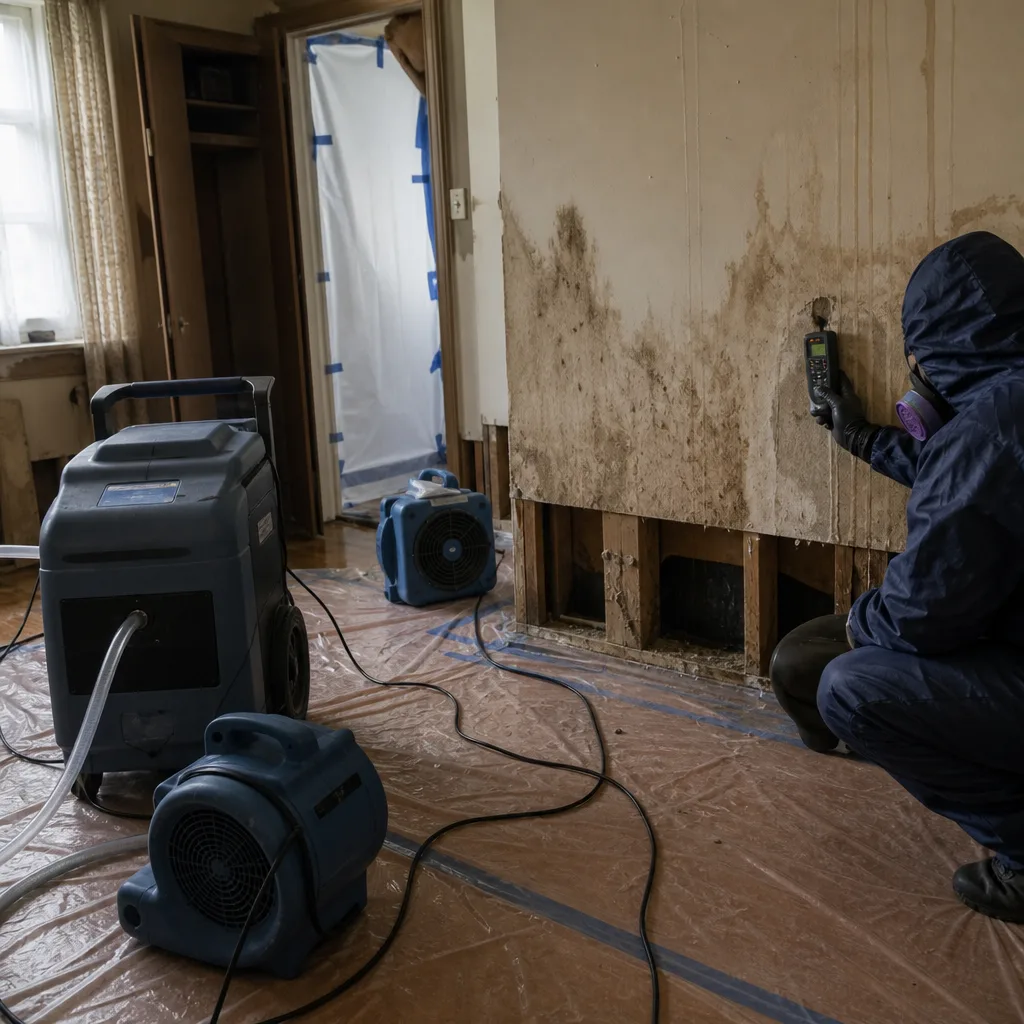
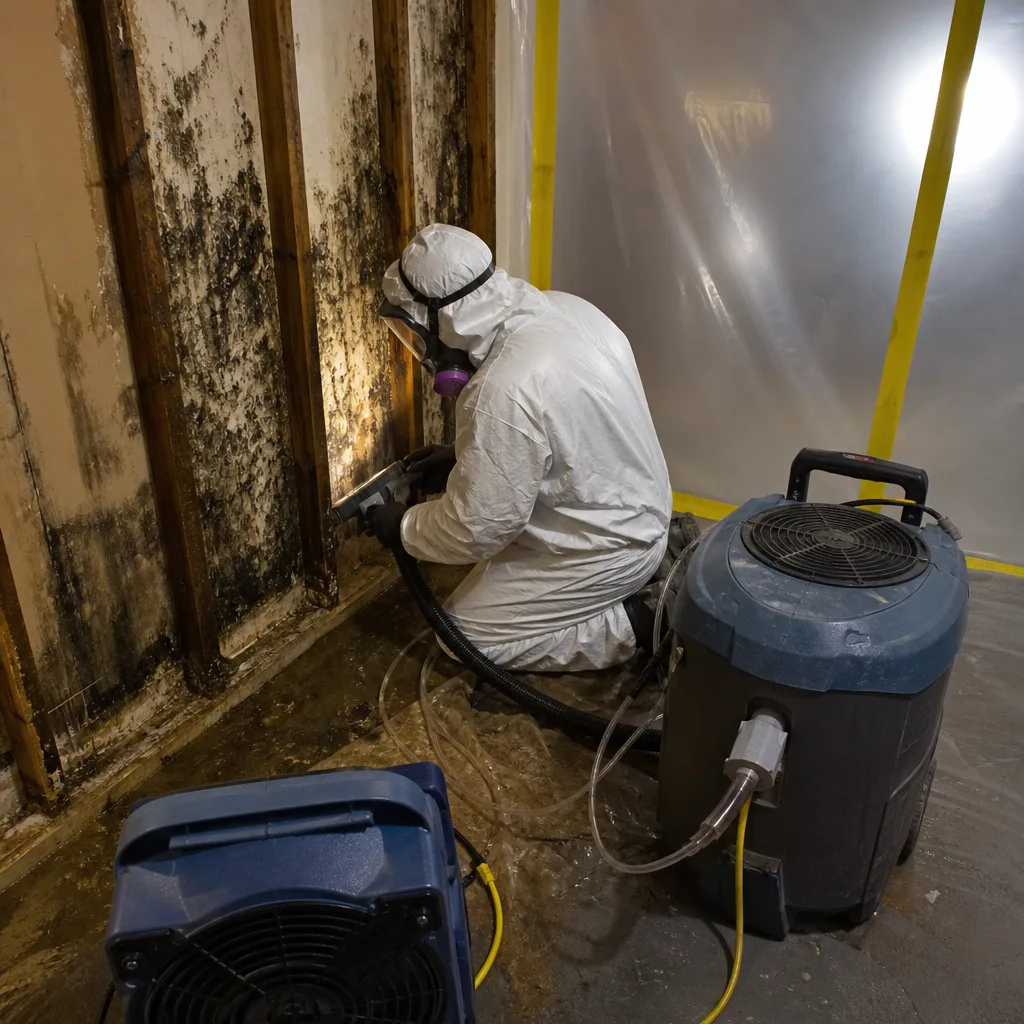
We start with thermal imaging and moisture meters to trace where water actually traveled, not just where it pooled. In Glendale, this means checking the shared party wall, the floor joists above the basement, and the area behind baseboards where water lingers invisibly.
Extraction & Stabilization
Truck-mounted extraction removes standing water fast, including from finished basements with carpet, pad, and original hardwood on top. We stabilize the structure, shut off the water source, and begin moving air within the first visit.
Drying & Dehumidification
We set Dri-Eaz and B-Air dehumidifiers with XPOWER air movers in a calculated layout based on the moisture map, not a guess. Daily hygrometer readings are logged until the dry standard is met, and you get a copy of that log. Your insurer gets one too.
Cleaning & Sanitization
For Category 2 and 3 water, cleaning is not cosmetic. We apply antimicrobial treatments, dispose of saturated porous materials, and run HEPA air scrubbers during the work. In pre-1980 homes, we test for asbestos before disturbing materials that might contain it.
Party Wall & Structural Drying
No other part of Glendale restoration matters more than this step. Water inside a shared brick party wall doesn’t dry on its own. We coordinate with the adjoining property owner, use Injectidry drying mats where needed, and hold walls open until readings confirm they’re dry.
Repairs & Restoration
Once the dry standard is met, we handle repair and rebuild: drywall, flooring, paint, trim. Before closing walls in Glendale, we coordinate any required NYC Department of Buildings permit and inspection so the job is done right and done legal.
Need Emergency Water Damage Restoration in Glendale Now?
Crews minutes away, answering live 24 hours a day. The sooner we start, the less it costs.
Working With Your Insurance Company
Most Glendale homeowners with a water damage claim have never filed one before in their lives. The adjuster will ask for documentation, and the quality of that documentation determines what gets approved. We build the file from the first hour: photos of standing water, room-by-room damage shots, moisture readings from the day we arrive through the day the dry standard is met, and a line-item scope that matches industry-standard estimating software. We send it directly to your carrier and handle the adjuster’s questions so you don’t have to translate restoration terminology on the phone. When the carrier pushes back, we already have the evidence. That’s the whole game, and we’ve been playing it for over 42 years.
What We Provide Your Insurer
- Thorough documentation of the loss
- Photos of all damage, room by room
- Moisture readings and drying logs
- A detailed, line-item scope of work
- Direct coordination with your carrier
Built for Glendale’s Loss Calendar
Glendale’s water damage season doesn’t follow a neat calendar. January and February bring deep freezes that burst supply lines in unheated rear extensions and in homes where the original piping runs through exterior brick pockets. When a line lets go at three in the morning, we get the call within the hour, and the water has already run through two floors. March and April thaw the ground and raise the water table, and homes backing up to the Highland Park drainage slope start seeing groundwater pressure against rear foundation walls. The water appears in finished basements days after the rain stops, which confuses homeowners into thinking it’s a plumbing leak. Summer brings the heavy convective storms that overwhelm the combined sewer laterals serving this part of Queens, and sewer backups become the most frequent call type on our board. Fall nor’easters do the same, often on a bigger scale. This is a neighborhood where the loss calendar is written by an aging infrastructure and a specific geography, and we’ve learned to read both.
Water Damage Restoration Across Glendale’s Neighborhoods
Glendale is not one uniform block, and neither are the water losses we see. The blocks running east of Myrtle Avenue toward Forest Park are dense with brick rowhouses from the 1920s, many with finished basements under original floor systems. A supply line failure on those blocks sends water down the stairwell before it ever reaches a floor drain, and the basement becomes a swimming pool. North of Cooper Avenue, we see more two-family semi-detached homes where a second-floor overflow migrates through the ceiling and into the first-floor kitchen, then into the basement. The homes backing up to the Highland Park drainage slope share a hydrostatic groundwater pattern that we’ve learned to identify by reading the moisture map. And along the Woodhaven border, older homes with original cast-iron drain stacks are prone to waste line failures under slab floors, which present as sewer odor and slow drains before they become standing water. Each zone has a signature, and that signature tells us where to look when the obvious source isn’t enough to explain the damage.
Specialized Water Damage Restoration Services We Offer in Glendale
Emergency Water Extraction
Standing water in a Glendale rowhouse basement has already begun migrating upward through drywall and into the floor joists by the time you place the call. We arrive with truck-mounted extraction and portable units sized to the job, and we don’t stop at the surface. The goal is to pull water from carpet, pad, hardwood, and the spaces underneath before the building materials become irrecoverable.
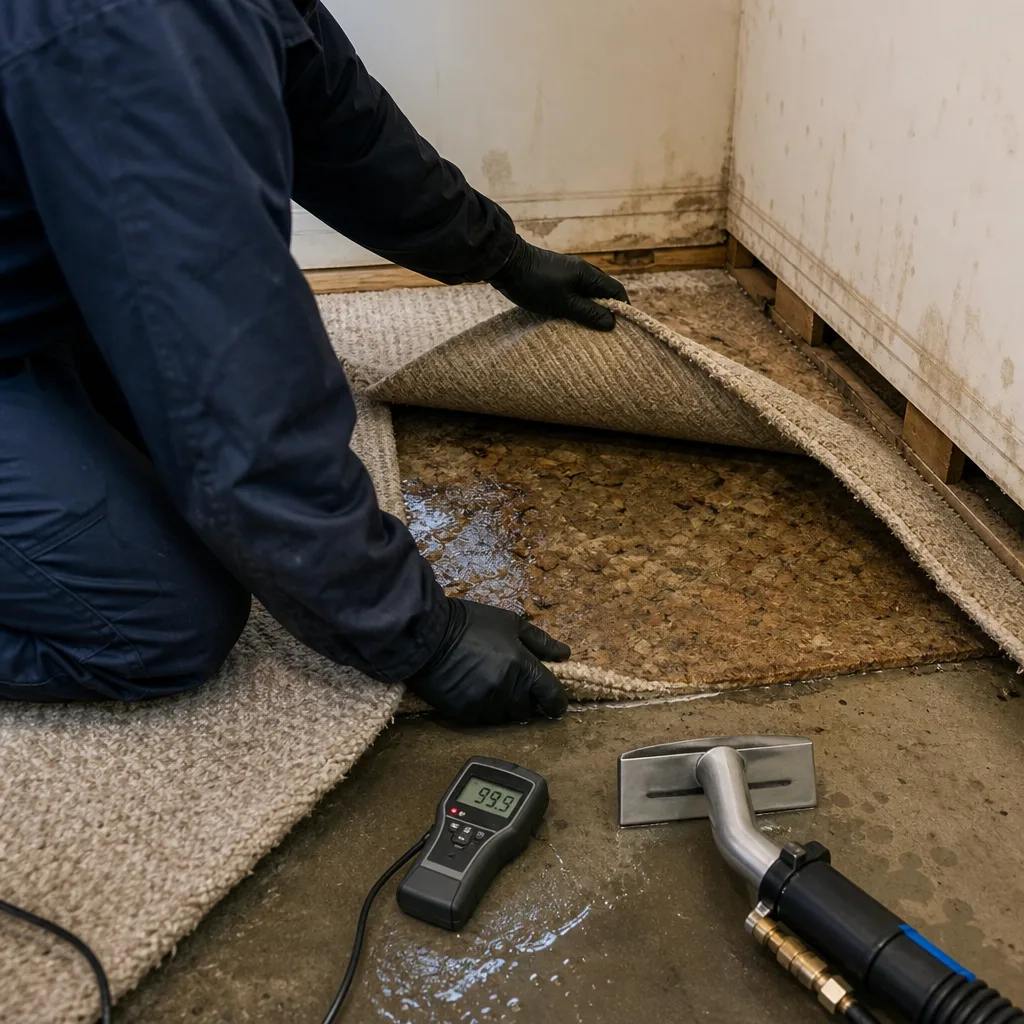
Basement Water Removal
Basements in Glendale are finished, semi-finished, or storage spaces with original stone or concrete foundations. Each type drains differently, and each responds differently to sustained moisture. We remove the water, check the foundation walls for hydrostatic pressure patterns near Highland Park’s slope, and set drying equipment based on what the moisture meters actually tell us about wall and slab conditions.
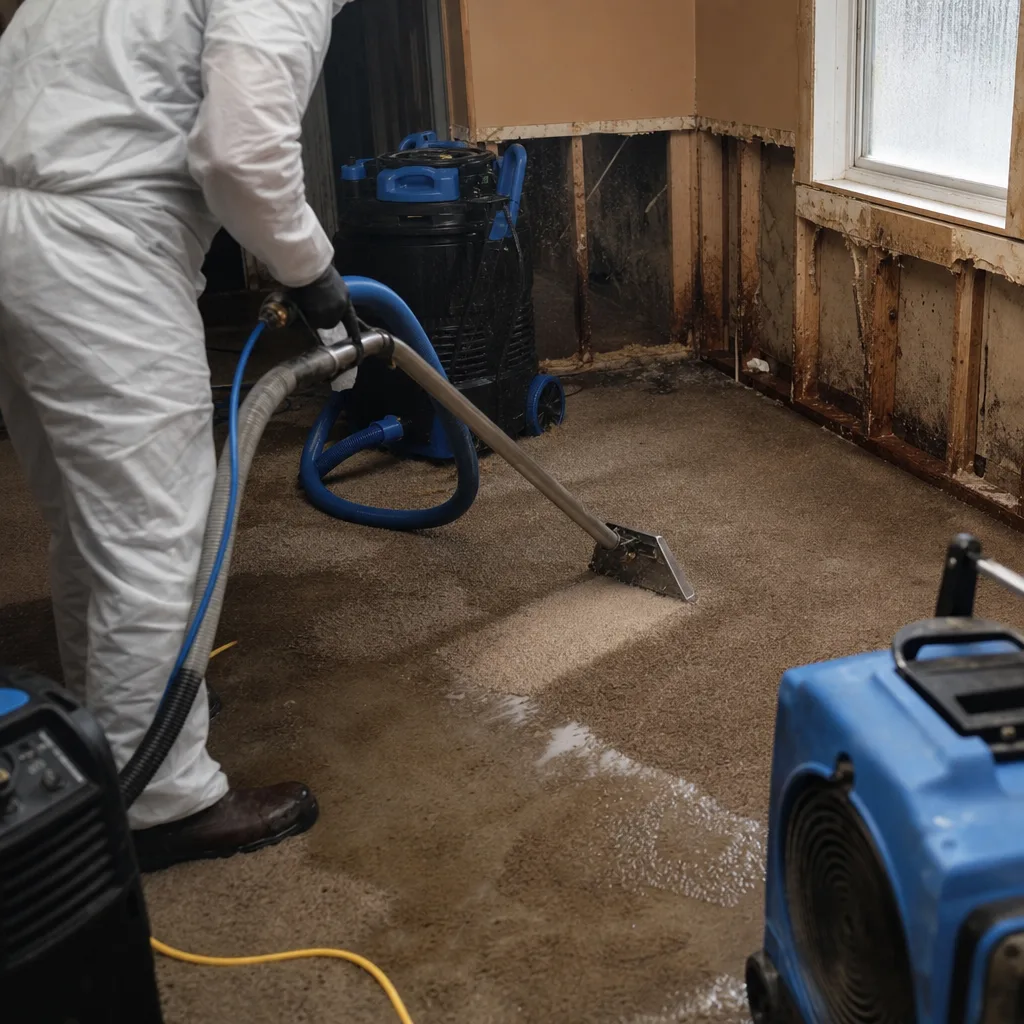
Structural Drying & Dehumidification
The dangerous water in a Glendale rowhouse is the water you can’t see: inside party walls, under baseboards, between ceiling joists. Our structural drying protocol is built around moisture mapping with thermal imaging, daily hygrometer readings, and calibrated Dri-Eaz dehumidifiers sized to the cubic footage of the affected area. We don’t pull equipment until the numbers say the structure is dry, and we give you those numbers in writing.
Flood Cleanup
When the combined sewers back up during a heavy summer storm or a nor’easter, Glendale basements flood with water that carries sewage and everything that comes with it. This is Category 3 water, and cleanup means containment, disposal of contaminated materials, and sanitization. We treat it as the health hazard it is, not a mopping job with fans.
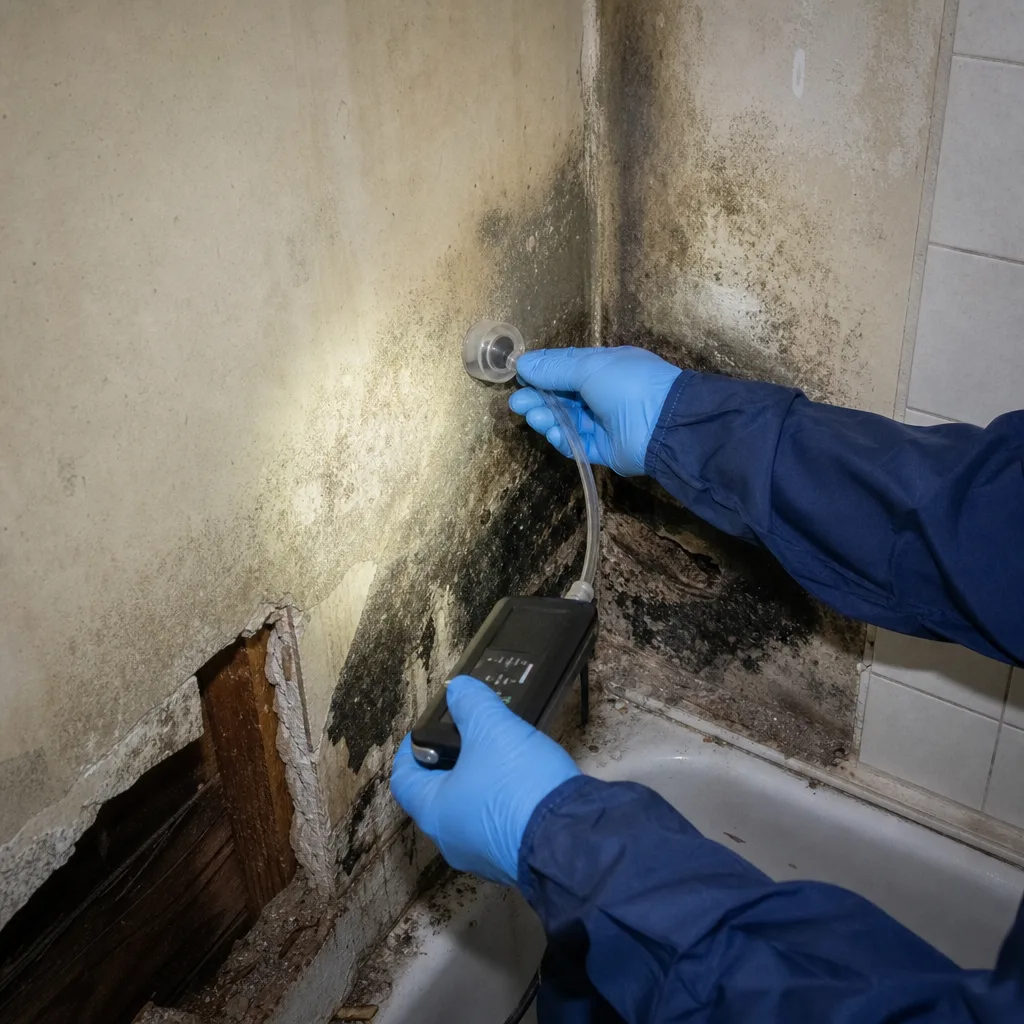
Burst Pipe Restoration
December through March, Glendale’s supply lines fail in predictable places: exterior wall cavities, unheated rear additions, and old galvanized sections that were never upgraded. The water damage from a burst pipe is often clean water, which means more of the building material can be saved if we get there quickly. We get there quickly.
What happens when you call
- 1
A real person answersNo phone trees - you reach a local pro.
- 2
You get an upfront price rangeHonest numbers before anyone is dispatched.
- 3
A background-checked tech heads outLicensed & insured, dispatched right away.
- 4
You approve before work beginsNothing starts until you say go.
Water Damage Restoration Costs in Glendale, NY
What Glendale homeowners actually pay depends on the water category, the spread, and the age of the home. A small Category 1 kitchen supply line leak that’s caught within an hour typically runs $1,200 to $2,800, including extraction, drying, and minor drywall repair. A finished basement flood from a sewer backup, with Category 3 contamination, containment, disposal, and rebuild, lands between $6,000 and $14,000 on homes in this area. Whole-home water losses from a second-floor burst pipe that ran while the family was at work can exceed $20,000, especially in a 1920s rowhouse where plaster, original hardwood, and the party wall all require restoration. Insurance typically covers sudden and accidental water damage, including burst pipes and sewer backups if the policy carries the endorsement. The fastest way to a firm number in writing is the free visual inspection. Call (518) 750-3137 and we’ll come assess before you authorize a dollar of work.
We Also Serve Cities Near Glendale
Floodline Restoration Co. provides Water Damage Restoration throughout the surrounding area. Our Glendale crews regularly respond to losses in East Flatbush, Sunset Park, Bedford-Stuyvesant, and Bensonhurst. If you’re near Glendale and you’ve got water where it doesn’t belong, call (518) 750-3137 and we’ll have a crew moving toward you.
Serving Glendale, NY - Our Local Coverage Area
We’re based in the Glendale area and know this community well. Use the map below to see our service coverage - if you’re nearby, we can almost certainly help.
Glendale Water Damage Restoration Questions, Answered
Why does my Glendale rowhouse basement flood even when it hasn’t rained in days?
That delayed flooding is usually hydrostatic pressure, not a plumbing leak. Homes backing up to the Highland Park drainage slope sit on the ridge where groundwater collects against rear foundation walls after sustained rain. The water table rises, pressure builds against the masonry, and water seeps through floor cracks and wall joints days after the storm passed. We identify this pattern with moisture mapping and address it as a drainage and drying problem, not a pipe repair. Call (518) 750-3137 for an exact assessment, free.
Do I need to notify my attached neighbor if water damage in my Glendale home might have reached the shared party wall?
Yes, and it matters for both the restoration and the legal side. Water that migrates into a shared party wall belongs to both properties. We coordinate with the adjoining owner before opening or closing any shared framing, and we hold walls open until both sides are dry and verified. Closing a wet party wall behind new drywall is exactly how rot and mold get sealed into a rowhouse. Call (518) 750-3137 and we’ll handle the coordination.
How does asbestos testing work before drying out my 1930s Glendale basement?
In pre-1980 construction, materials like floor tiles, pipe insulation, and plaster additives may contain asbestos, and NYC Local Law requires testing before disturbance. A licensed inspector samples suspect materials, and if asbestos is present, abatement must be completed by a licensed firm before structural drying or rebuild begins. We coordinate that testing as part of the scope so the job doesn’t get restarted halfway through. It’s a slower path, but it’s the legal one.
Is sewer backup water in Glendale considered Category 3 and what has to be removed?
Yes. Sewer backup is Category 3 water, which means it carries bacteria, viruses, and sewage solids. Porous materials like carpet, pad, drywall, and upholstered furniture must be removed and disposed of properly. Non-porous surfaces are cleaned and sanitized with antimicrobial agents. We set containment to keep contaminated air from spreading through your home, and HEPA air scrubbers run during the work. This is not a job that can be cleaned with mops and fans. Call (518) 750-3137 for a proper assessment.
Why does restoration on my Glendale block take longer than a single-family home job in neighboring Nassau County?
Your block is mostly attached brick rowhouses with shared party walls. In a detached home, drying is contained to one structure. In Glendale, water often crosses into the adjoining unit, which means we’re scoping two properties, coordinating with the adjacent owner, and often waiting on NYC Department of Buildings permit and inspection requirements before closing walls. That’s slower, but it’s the only way to finish without leaving rot inside a shared wall. We’d rather take the extra days than hand you a hidden problem.
How fast can you actually get to my Glendale home?
We commit to a 45-minute response from the time you call (518) 750-3137. Our dispatch is live 24 hours a day, and our crews are stationed to serve Glendale and the surrounding area. In most cases, extraction equipment is running on the same visit. Water damage compounds by the hour, so the speed is not a convenience; it’s the difference between drying floor joists and replacing them.
What should I do in the first 30 minutes after I find water in my Glendale home?
Shut off the water source if you can do so safely. Move small valuables and electronics out of the water. If the water is from a sewer backup, stay out of it and close off the area. Then call (518) 750-3137. Don’t use a household vacuum to remove water, don’t run HVAC if it’s near the water, and don’t start pulling up carpet yourself. The first 30 minutes are about stopping the source and getting a crew dispatched.
Are your technicians certified for water damage restoration in New York City?
Yes. Our technicians hold IICRC WRT and FSRT certifications and are trained to IICRC, RIA, and IFA standards. They’re background-checked, uniformed, and experienced with pre-war NYC construction. The certification means they know how building materials actually dry, not just how to run fans. You’ll see the difference in the moisture log and in the final result.
Written by Curt Bowman, Owner at Floodline Restoration Co., serving Glendale and the surrounding NYC area.