
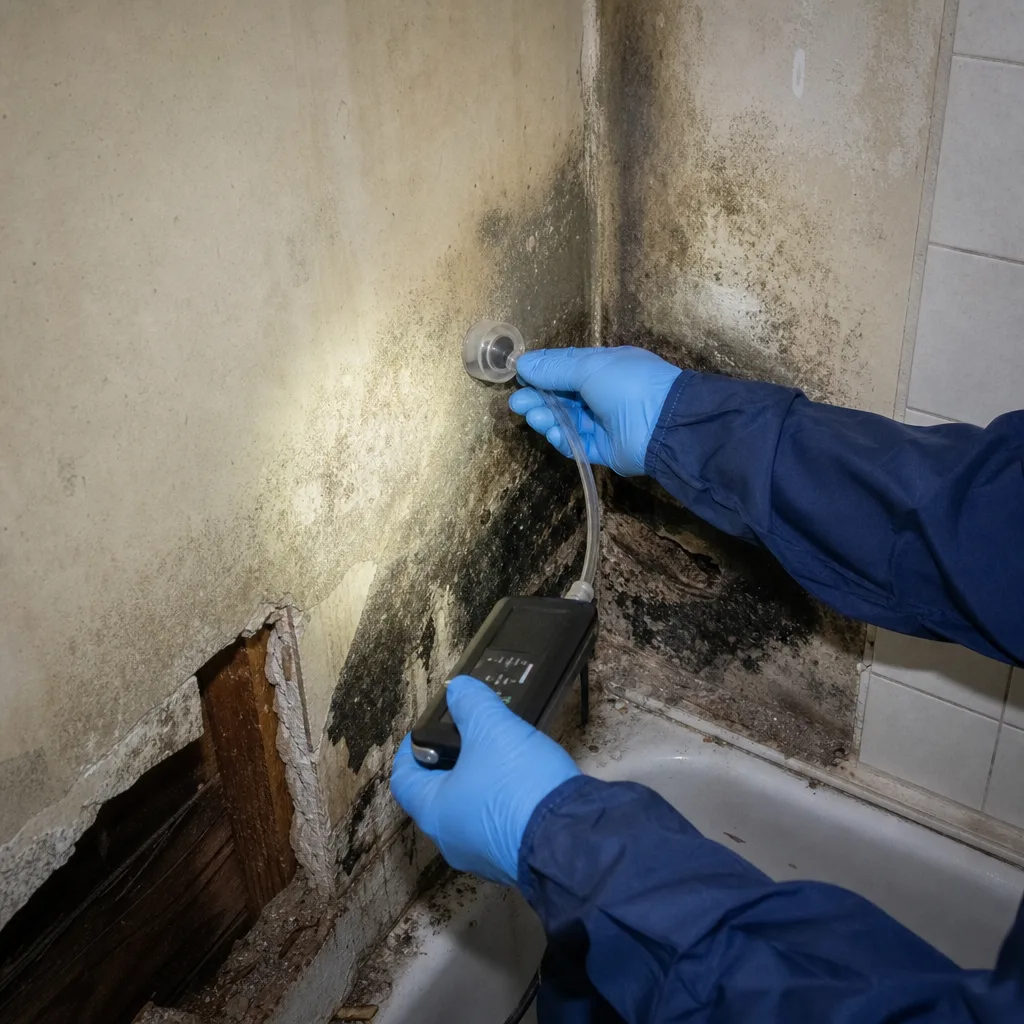
Free visual inspection and a written scope of work before any mitigation begins - photos, moisture readings, and drying logs go in your claim file
The scope we write is the scope we bill. Anything new gets shown to you, in writing, before we touch it.
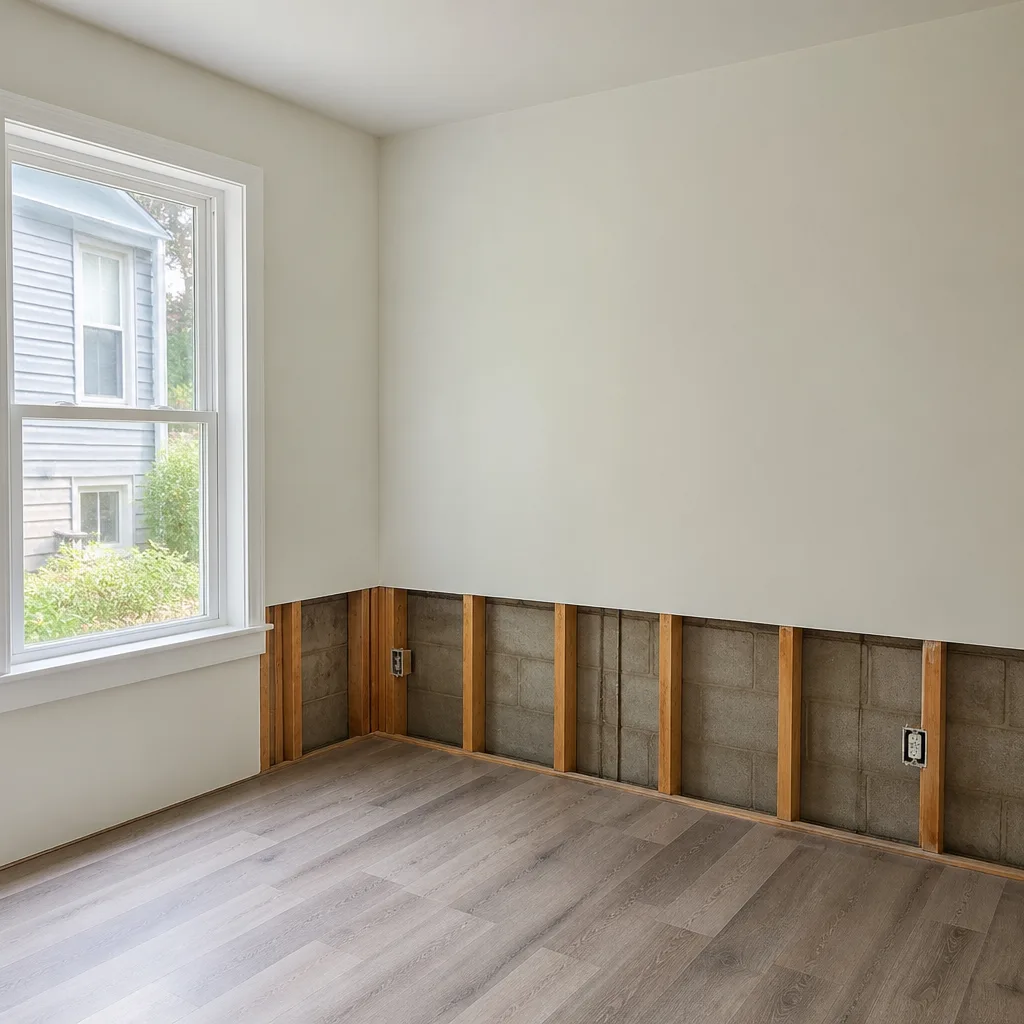
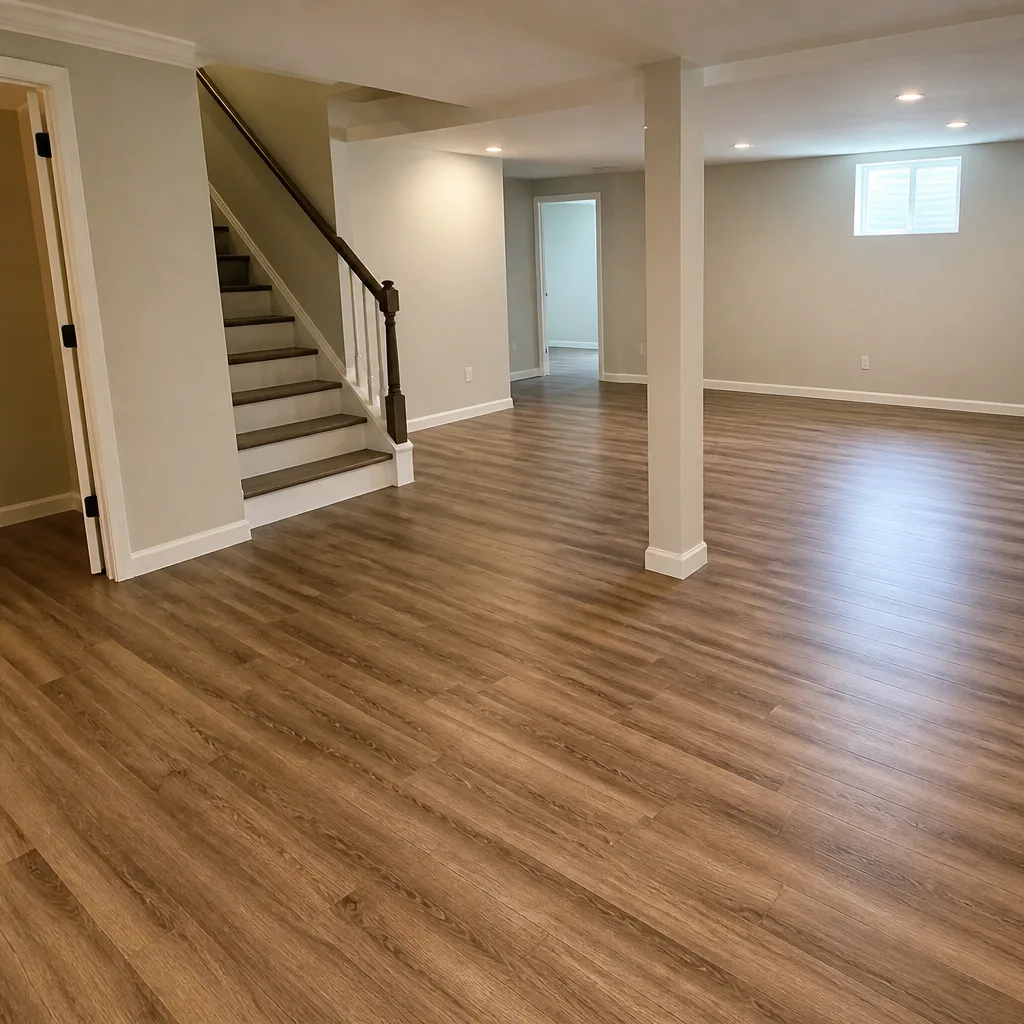
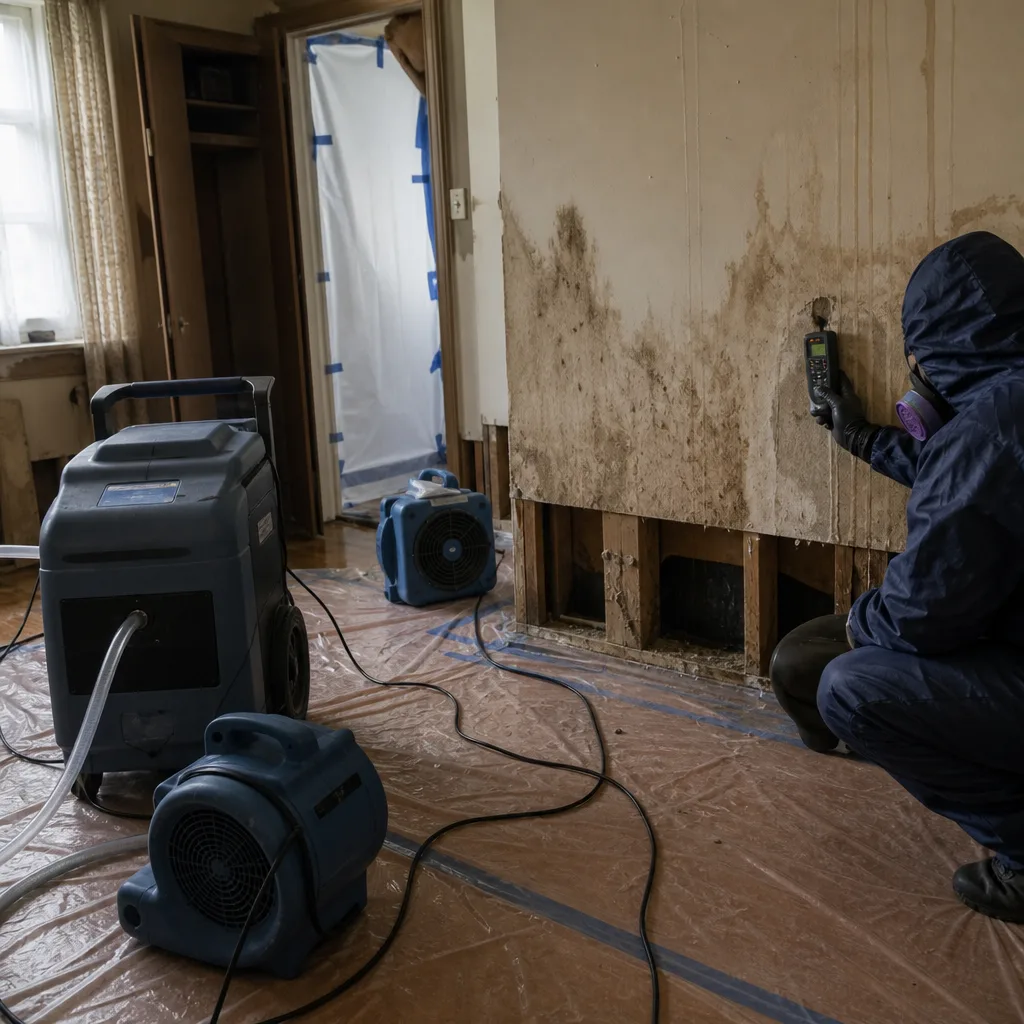 Before
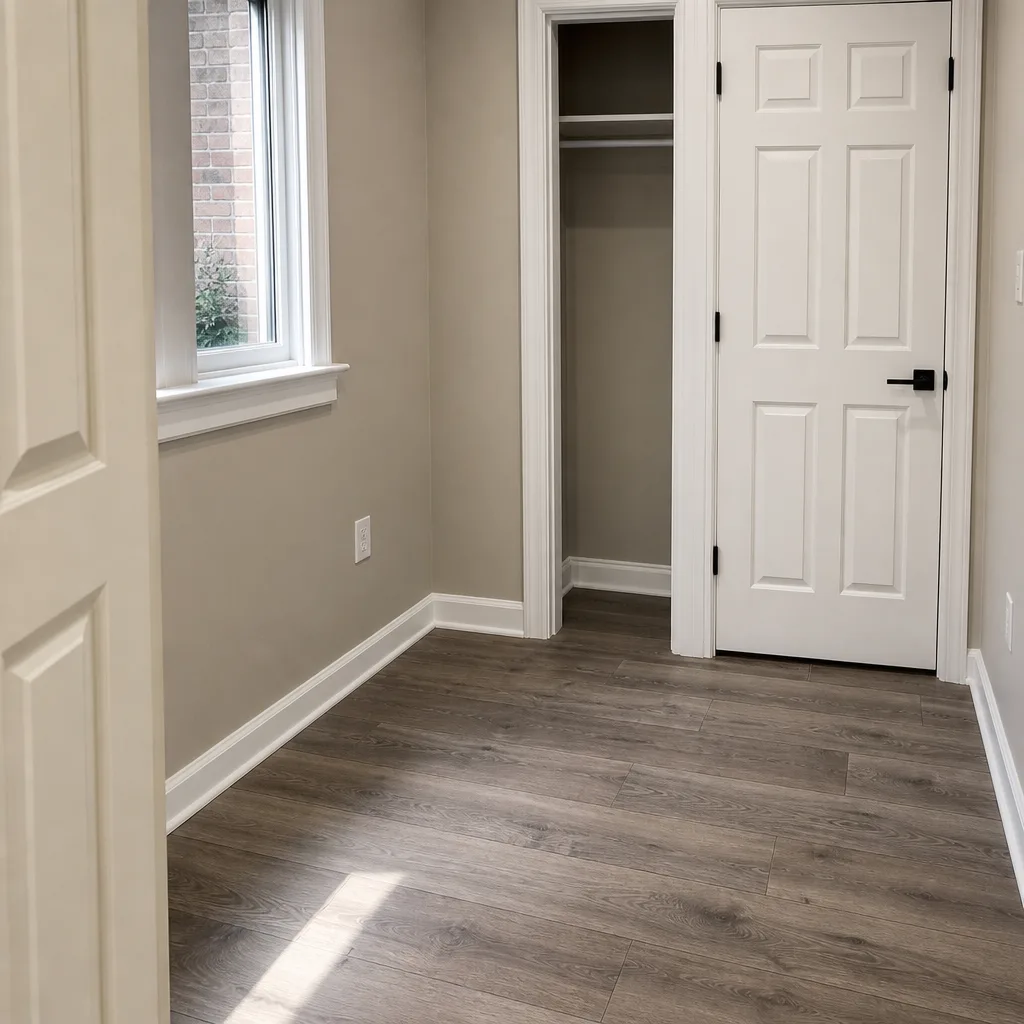 After
After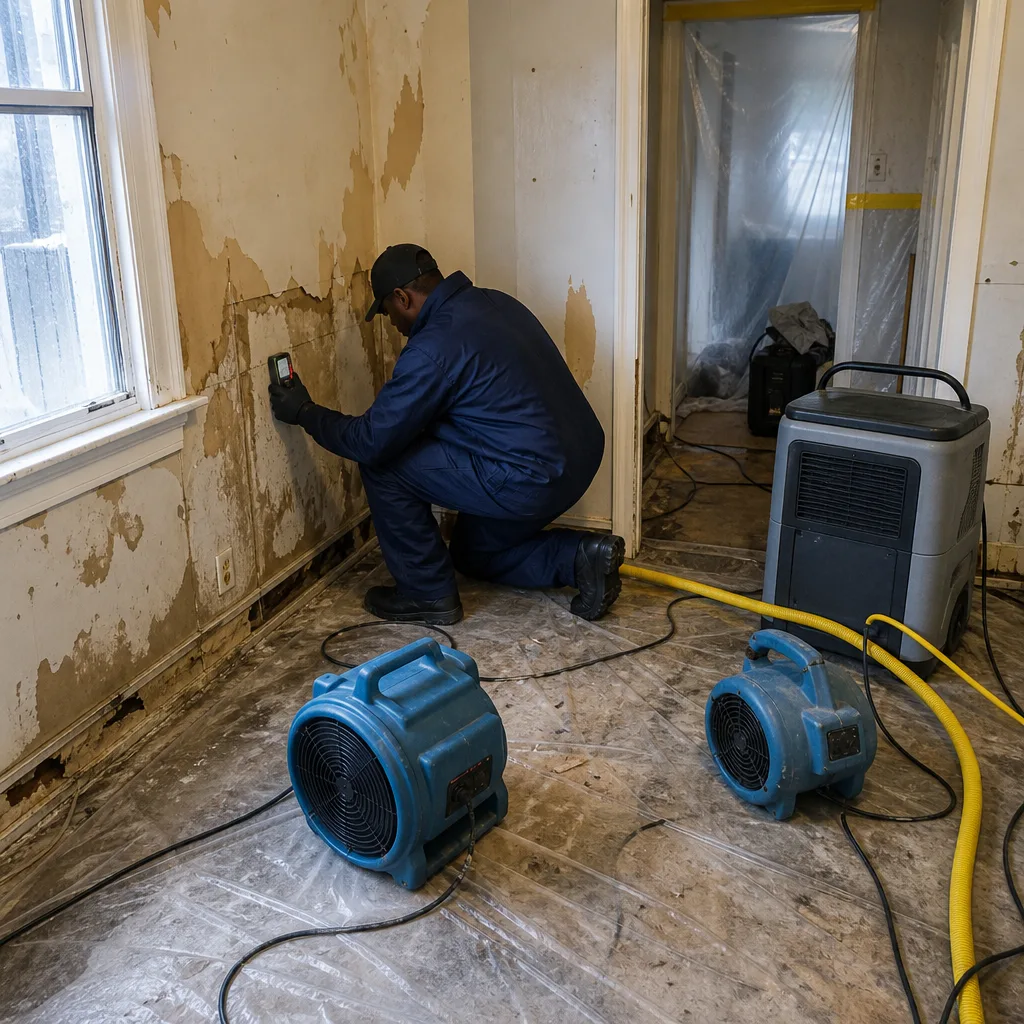 Before
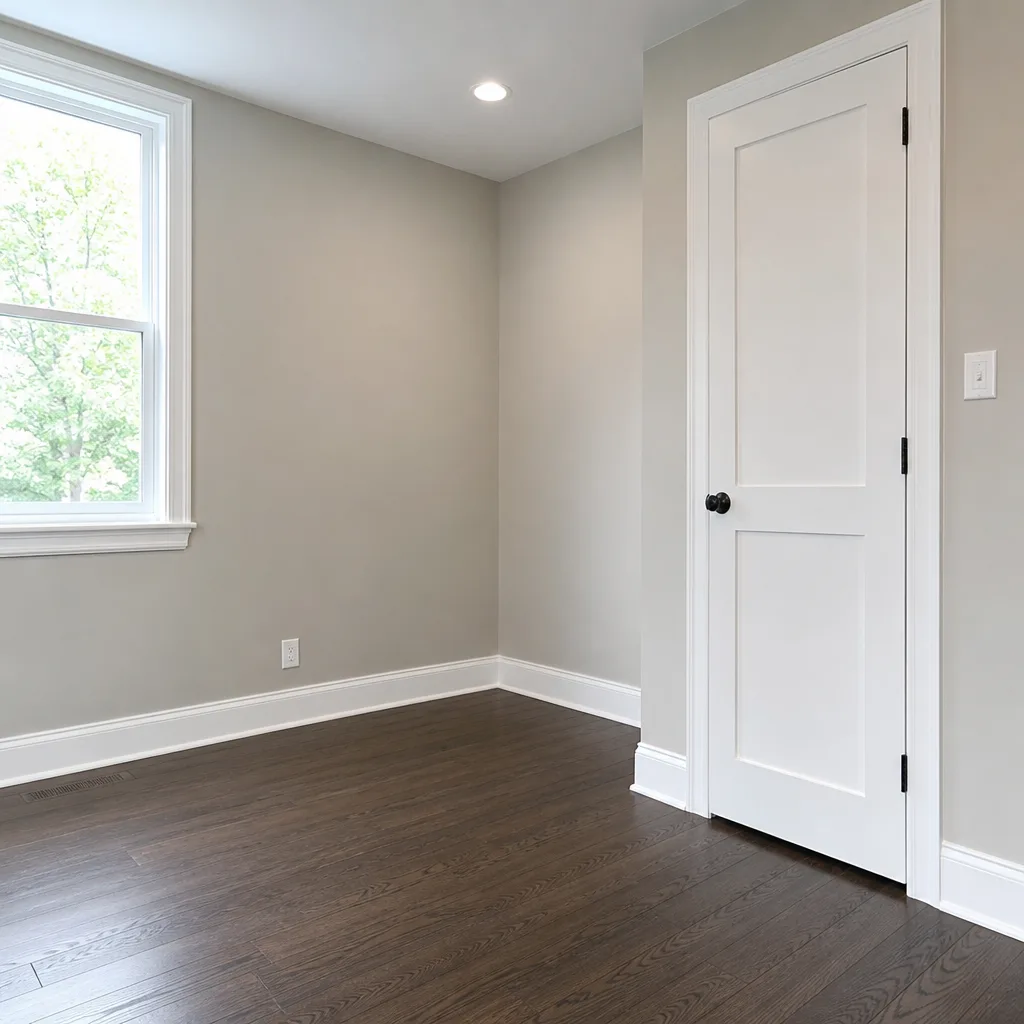 After
After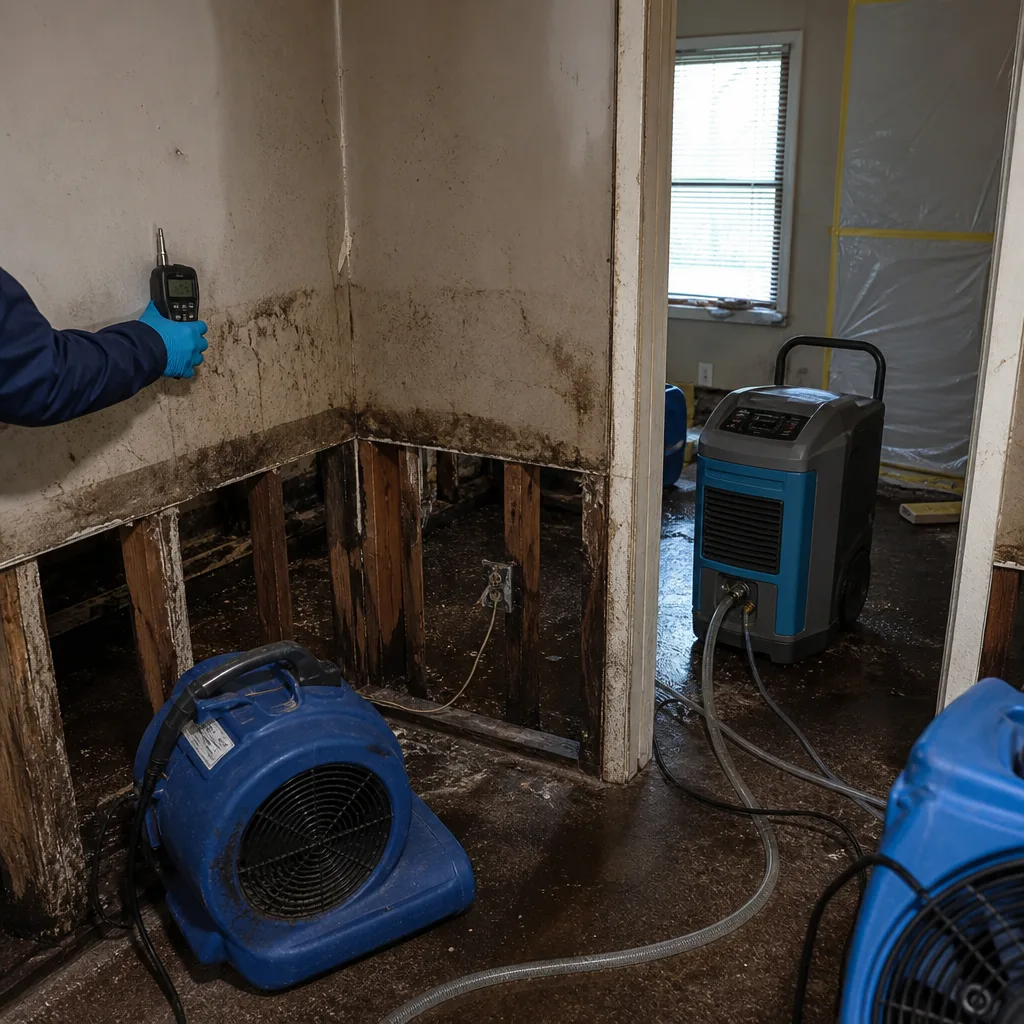 Before
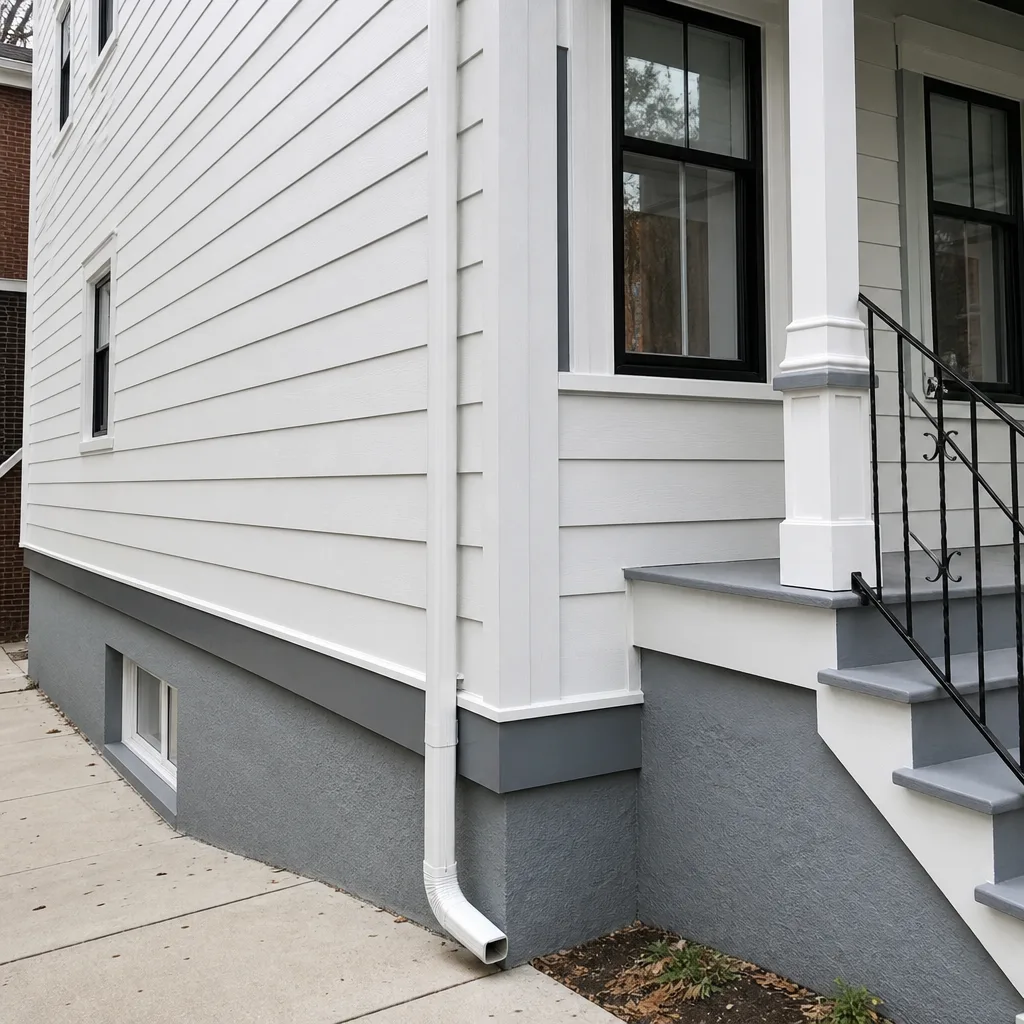 After
After24/7 Emergency Mold Remediation in Bensonhurst
Mold remediation in Bensonhurst typically costs $900-$4,800 depending on how far the colony has spread and whether it’s behind finished walls. Most jobs we handle in this neighborhood start with a call to (518) 750-3137, and a crew reaches most Bensonhurst blocks within 45 minutes of dispatch. A live person answers at 2 a.m., not a recording. When you’re standing in a damp basement on 86th Street or Cropsey Avenue and you can smell that musty, earthy odor coming through the floorboards, every hour matters. Mold doesn’t wait for business hours, and neither do we. The first step is a free visual inspection, and once we find the source, the scope goes in writing before we touch a single wall.
Understanding Mold Remediation Severity in Bensonhurst Properties
Mold growth falls into roughly three tiers in Bensonhurst’s housing stock, and the building age usually tells us which one we’re dealing with before we even open the door. Tier one is surface colonization: visible mold on drywall, baseboards, or ceiling tiles, usually from a slow leak or condensation problem. This is the most straightforward to remediate. Tier two is cavity colonization: mold that’s made its way inside wall and ceiling cavities, fed by humidity trapped in unventilated spaces. We find this constantly behind wood paneling in finished basements. Tier three is structural contamination: mold penetrating into original brick, mortar joints, and framing, typically after a Category 3 water event where sewage-contaminated floodwater sat in the building for more than 48 hours. In Bensonhurst’s 1920s-1950s rowhouses, tier three is more common than people want to believe, because the brick wicks moisture upward long after the visible water is gone. We use moisture mapping and thermal imaging to find what’s still wet inside the walls, then set up containment with HEPA air scrubbers before any demolition starts. Clearance testing at the end confirms the spore count returned to normal outdoor levels.
Why Bensonhurst Property Owners Choose Floodline Restoration Co.
- 45-minute response commitment: Our dispatch board shows every available crew in real time, so when you call from 20th Avenue or Bay Parkway, we tell you honestly who’s closest and when they’ll arrive. No “sometime this afternoon.” A specific window, and we hold it.
- 24/7 live answer, every time: No answering service, no automated tree, no call-back request. A human being picks up the phone at 3 a.m. and starts triaging your situation immediately.
- IICRC-certified crews: Our technicians hold WRT and AMRT certifications and train to IICRC, RIA, and IFA standards. They’re background-checked, uniformed, and they’ll introduce themselves by name before entering your home.
- Free visual inspection: We come out, we look, we tell you what we found and what it costs to fix. If you don’t need remediation and just need a dehumidifier running, we’ll tell you that too.
- Direct insurance billing: We bill your carrier directly, with photo documentation and line-item scopes they recognize. You never play messenger between us and your adjuster.
- One team from extraction to reconstruction: The same crew that sets containment does the drying, the antimicrobial treatment, and the rebuild. No handoffs, no new faces halfway through, no one blaming a subcontractor.
Our Mold Remediation Process
Inspection & Assessment
We start by finding the water source, then map the moisture in walls, floors, and cavities. Thermal imaging and hygrometer readings tell us what’s wet, where the mold is, and whether it crossed into neighboring rooms or through a party wall. You get a written scope with photographs before any work begins.
Containment & Stabilization
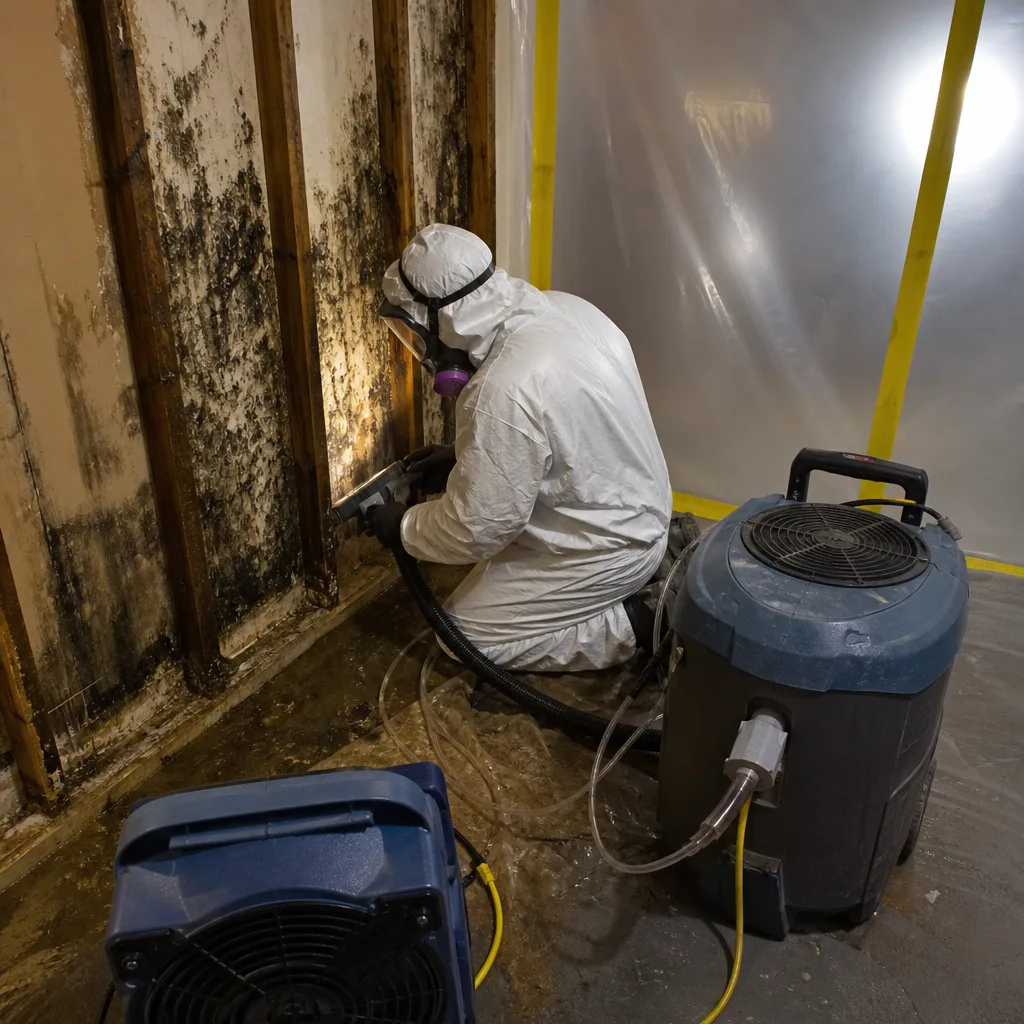
We seal the affected area with 6-mil polyethylene sheeting and establish negative air pressure using HEPA-filtered air scrubbers. This prevents mold spores from spreading to unaffected parts of your home while we work. For shared party wall situations common in Bensonhurst, we coordinate access with neighbors and may set containment on both sides.
Drying & Dehumidification
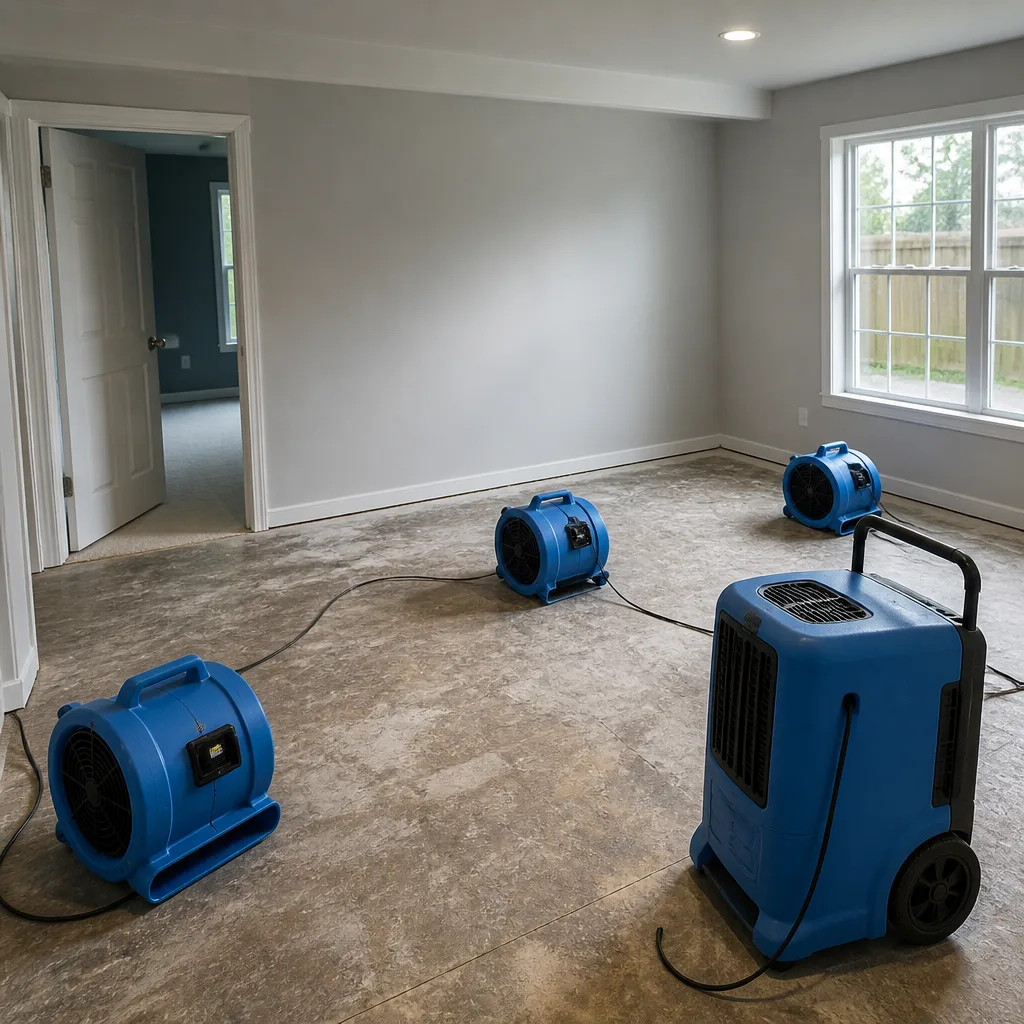
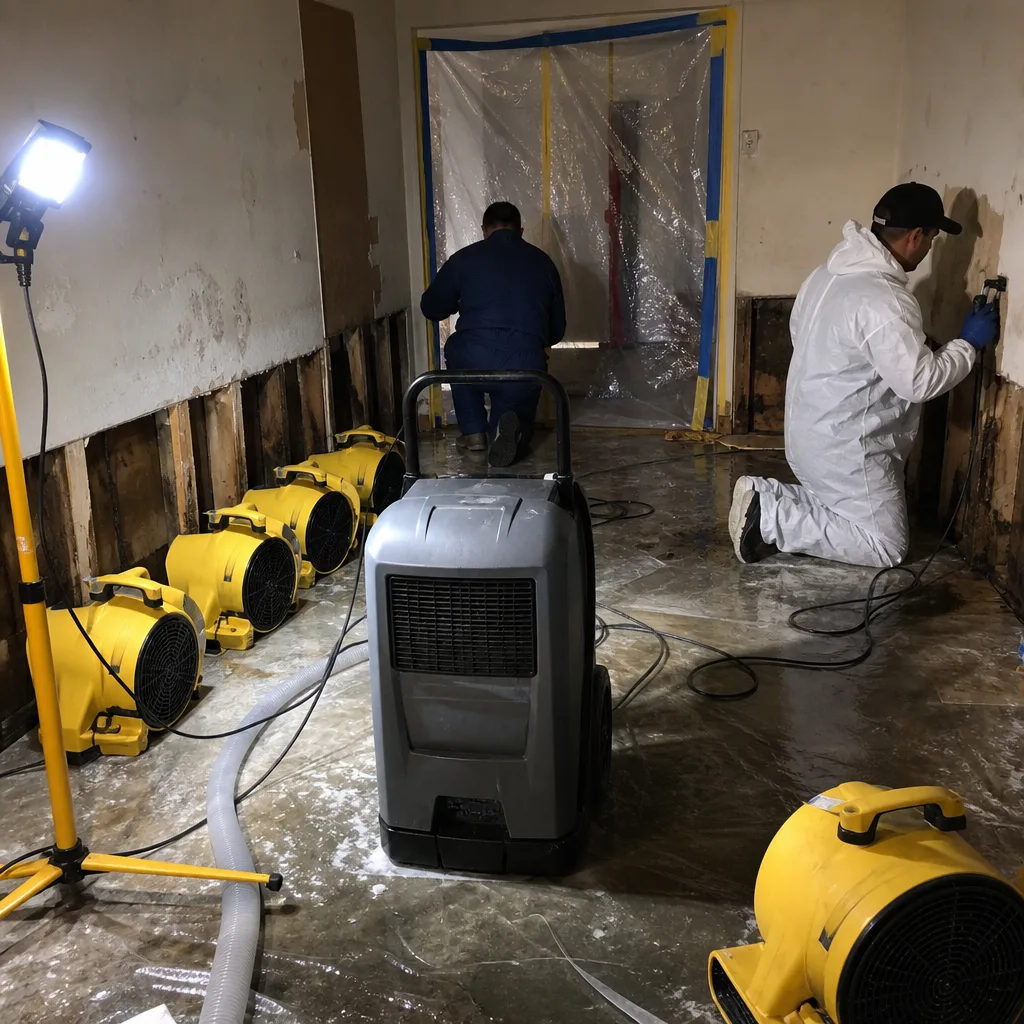
Professional-grade Dri-Eaz and Phoenix dehumidifiers pull moisture from the air and structural materials. We run air movers continuously and take daily moisture readings until every surface reaches its dry standard. This step is critical: if the framing isn’t truly dry, the mold comes back.
Cleaning & Sanitization
We remove mold-damaged materials that can’t be salvaged, HEPA-vacuum all remaining surfaces, and apply EPA-registered antimicrobial treatments. Porous materials with deep colonization (drywall, insulation, carpet pad) get cut out and bagged for disposal, not just wiped down.
Air Quality Restoration
After remediation, we run additional air scrubbing and, where needed, fogging to bring indoor spore counts back to normal outdoor baseline levels. We’ll recommend a third-party clearance test if your situation warrants it, especially in homes with children, elderly residents, or anyone with respiratory conditions.
Repairs & Restoration
Once the space is clean and dry, we rebuild what we removed: new drywall, insulation, flooring, trim. Because we’re a full-cycle restoration company, we don’t hand you off to another contractor. The same crew finishes what it started, and you get the 90-Day Done Right Promise in writing.
Need Emergency Mold Remediation in Bensonhurst Now?
Crews minutes away, answering live 24 hours a day. The sooner we start, the less it costs.
Working With Your Insurance Company
Most Bensonhurst mold remediation jobs involve insurance at some level, and we’ve spent 15 years learning exactly what carriers want to see when they open a claim file. The documentation has to be thorough, chronological, and photographic. We start documenting from the first hour: initial conditions, moisture readings, the source of the water, the extent of the colonization. Every room gets photographed before and after. Every drying log entry is time-stamped. When your adjuster calls us, we speak their language, which means fewer back-and-forth rounds and faster approval. If the carrier disputes something, we provide the evidence to support the claim. You get a line-item scope in writing before work begins, and we bill your carrier directly so you’re not floating thousands of dollars while the claim processes.
What We Provide Your Insurer
- Thorough documentation of the loss
- Photos of all damage, room by room
- Moisture readings and drying logs
- A detailed, line-item scope of work
- Direct coordination with your carrier
Built for Bensonhurst’s Loss Calendar
Bensonhurst’s mold season doesn’t follow a neat calendar, but certain patterns hold. January deep freezes burst supply lines in unheated basement utility rooms, and the water sits behind finished walls until someone notices the damp. Spring thaw and heavy March rains saturate the soil around Gravesend Bay, pushing groundwater into foundation cracks and slab joints. Summer thunderstorms overwhelm the combined sewer system, sending sewage-contaminated water into basement drain lines and sending black mold into overdrive in the warm, humid weeks that follow. Nor’easters in autumn raise the water table and bring the same storm surge risk that Hurricane Sandy made permanently relevant. Every season has a failure mode, and most of them deposit water in the same place: the finished basements of Bensonhurst’s attached brick rowhouses. Understanding the local loss calendar is why our crews pre-position equipment before major storms and why we check on moisture readings weeks after the flood, because mold blooms late in this neighborhood. The houses are old, the basements are finished, and the water always finds a way in.
Mold Remediation Across Bensonhurst’s Neighborhoods
Bensonhurst spans a wide stretch of southwestern Brooklyn, and the housing stock shifts subtly from block to block. Over by 18th Avenue and 86th Street, you’ve got the dense commercial corridors with rowhouses above storefronts, where a basement flood in the shop below can push mold spores up through the floor cavities of two or three apartments above. Down toward Cropsey Avenue and Bath Beach, the homes sit lower and the storm surge risk from Gravesend Bay is real; we’ve pulled saturated fiberglass insulation out of basements there more times than we can count. Around New Utrecht Avenue, the older attached brick houses have shallow crawl spaces that rarely see daylight, and those are prime spots for hidden mold colonies behind the foundation wall. In the residential blocks north of 65th Street toward Borough Park, many homes have been in the same family for two generations, with finished basements that were never permitted or inspected. Each corridor has its own response pattern, its own building quirks, and its own insurance history, and our crews know the difference because they work here every week.
Specialized Mold Remediation Services We Offer in Bensonhurst
Mold Inspection & Testing
Before we recommend any remediation, we need to know what we’re dealing with. Our inspection covers visible surfaces and hidden cavities, using moisture meters and thermal imaging to find water you can’t see. In Bensonhurst’s attached rowhouses, we pay special attention to party walls and shared floor joists, because mold doesn’t respect property lines. We’ll give you an honest assessment: if the issue is minor surface growth, we’ll say so, and if it’s a deeper cavity problem, you’ll see the evidence in the readings.
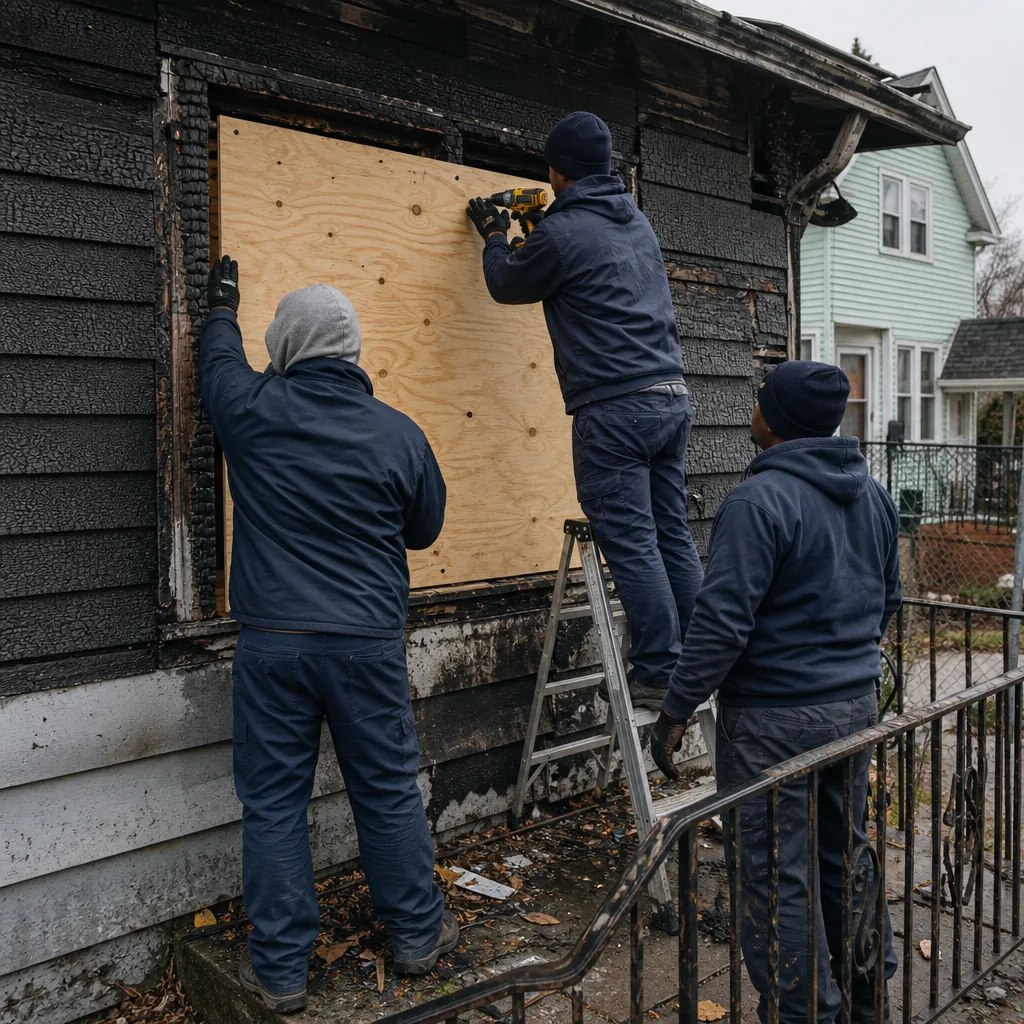
Mold Removal
Mold removal means physically eliminating the colony and the materials it’s consumed, not just spraying bleach on the surface. In finished Bensonhurst basements, that usually means cutting out drywall, pulling insulation, and treating the original brick and mortar beneath. We bag contaminated materials on site and haul them out through the back where possible, keeping your living spaces clean. Scrub the surface without fixing the moisture source, and the mold will be back before the next big rain.
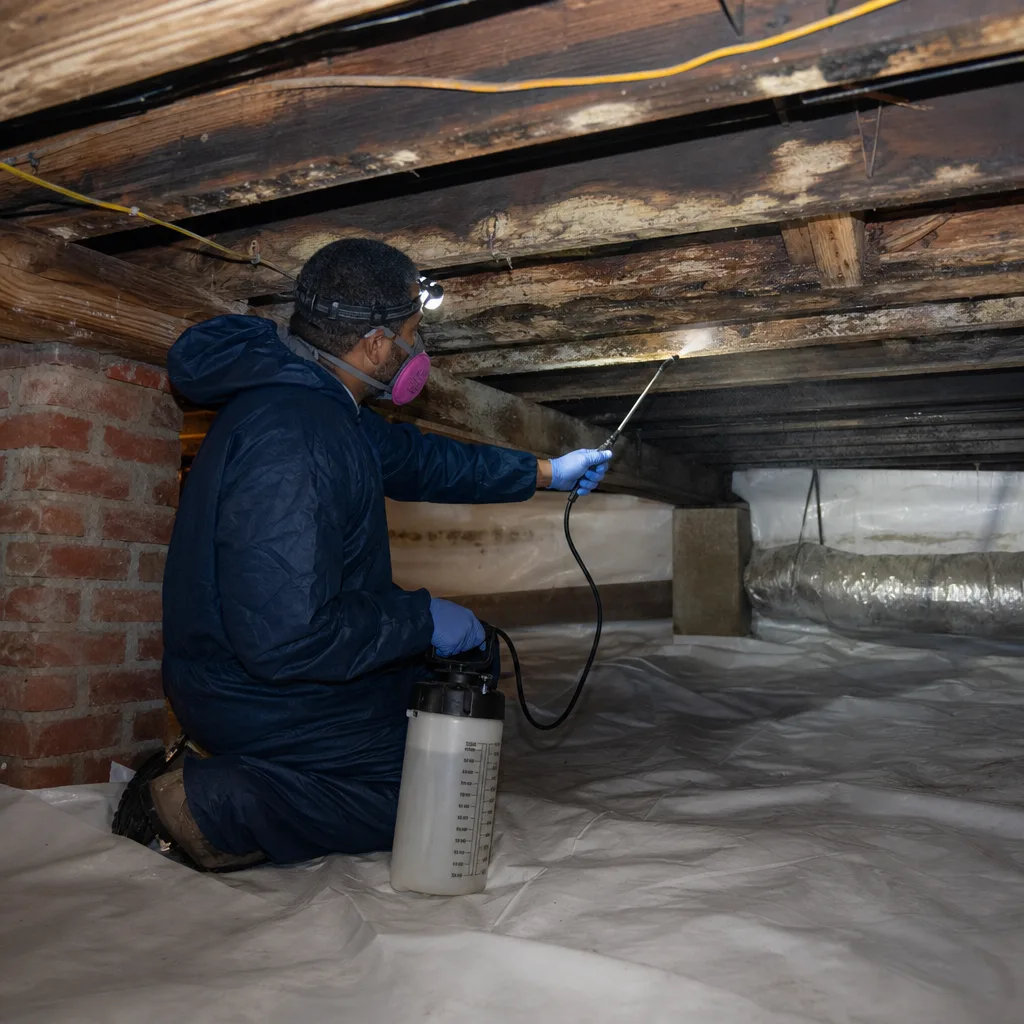
Black Mold Remediation
Stachybotrys chartarum, the black mold that makes headlines, grows where water has been sitting for days in cellulose-rich materials like drywall and wood framing. Bensonhurst’s century-old brick basements provide exactly the right conditions after a sewage backup or slow leak. Black mold remediation requires full containment, HEPA air scrubbing, and careful removal protocols, because disturbing the colony releases spores throughout the building. We treat every black mold job as a containment job, no exceptions, and we verify results with post-remediation air testing.
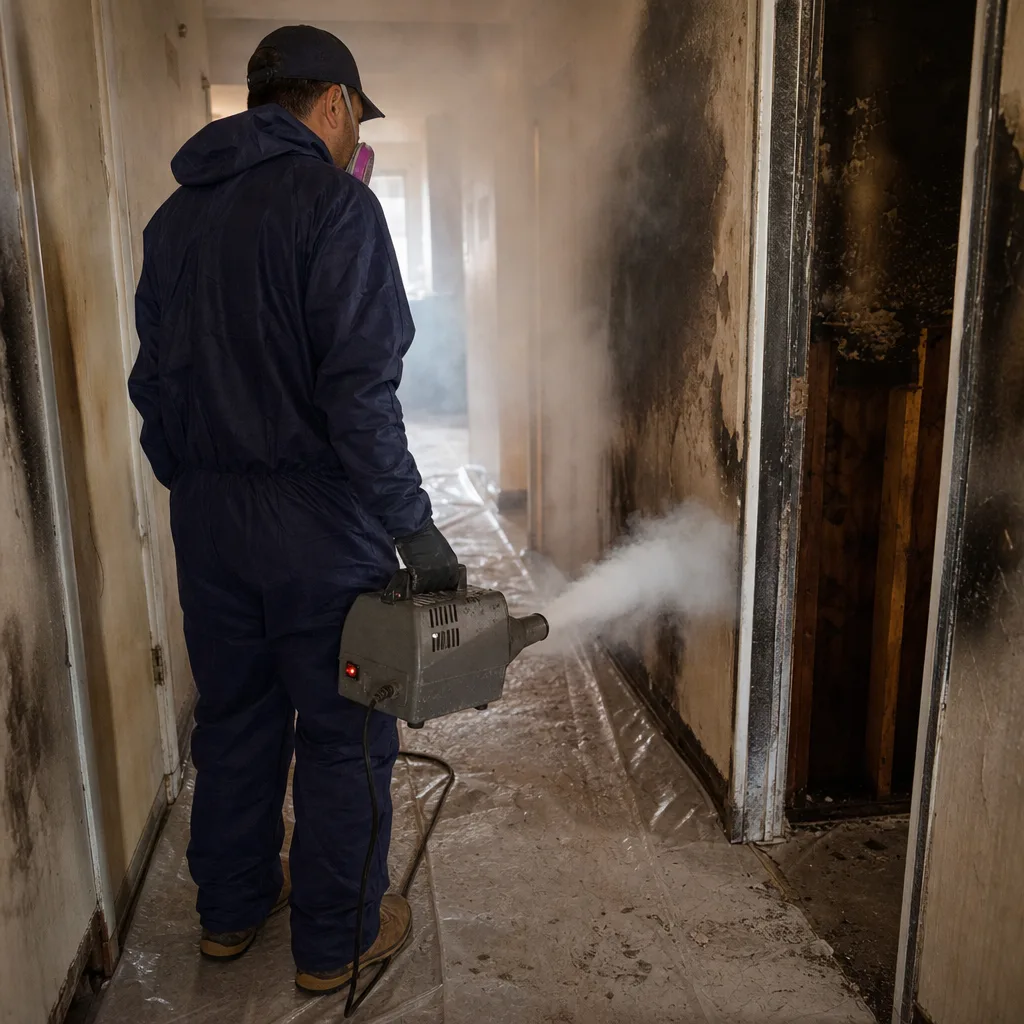
Air Quality Restoration
Even after the visible mold is gone, airborne spores can linger in ductwork, wall cavities, and carpet. We run HEPA air scrubbers throughout the remediation and leave them running until air samples show spore counts within normal outdoor ranges. For homes with forced-air heat and central air, we inspect and clean the ducts where mold has spread into the system. Breathing clean air shouldn’t be a luxury, and in an older Bensonhurst home with original ductwork, it’s worth checking.
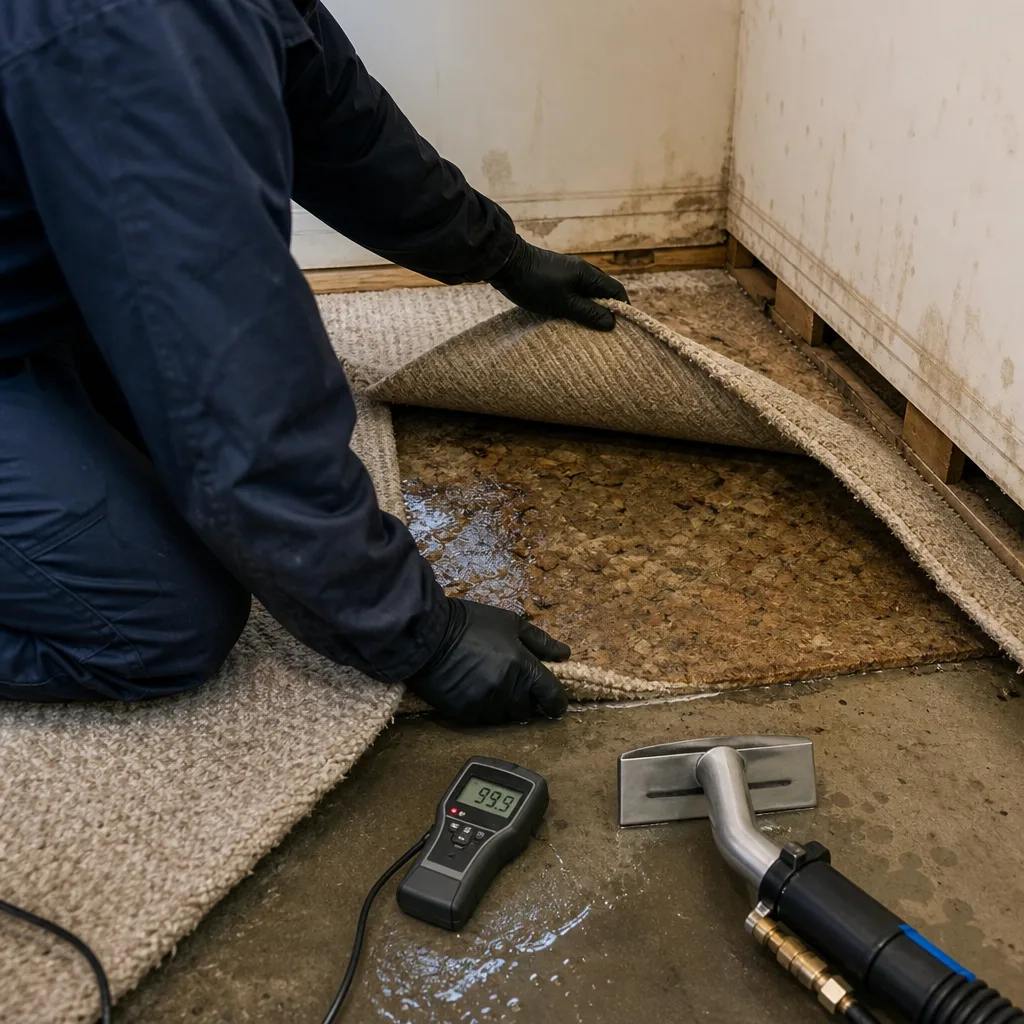
Crawl Space Treatment
Many Bensonhurst rowhouses have crawl spaces under the front or rear extension, and those spaces are almost always damp, dark, and unventilated. We treat the framing with antimicrobial products, install vapor barriers where appropriate, and recommend dehumidification if the space stays wet. A damp crawl space doesn’t just grow mold; it sends humid air up into the house every day, feeding hidden colonies in the floor system above.
What happens when you call
- 1
A real person answersNo phone trees - you reach a local pro.
- 2
You get an upfront price rangeHonest numbers before anyone is dispatched.
- 3
A background-checked tech heads outLicensed & insured, dispatched right away.
- 4
You approve before work beginsNothing starts until you say go.
Mold Remediation Costs in Bensonhurst, NY
Here’s what you can expect to pay in Bensonhurst’s market as of 2026. A basic surface mold treatment on a single bathroom wall runs $900-$1,500. A standard basement remediation with containment, removal of affected drywall and insulation, and antimicrobial treatment on a 300-500 square foot finished space falls in the $2,400-$4,800 range. Crawl space treatment typically runs $1,800-$3,500 depending on size and access. Full black mold remediation with party-wall containment, structural drying, and reconstruction can push past $8,000, especially if the mold crossed into a neighbor’s property. What moves the price: how much drywall and insulation has to come out, whether the mold is behind finished surfaces or in open cavities, and whether the source is still active. Insurance often covers mold remediation when it follows a covered water loss, but policies vary on excluded causes like ongoing seepage or long-term neglect. The free visual inspection is how we figure out what you’re actually facing, and the written scope means the price doesn’t move midway through the job. Call (518) 750-3137 for a straight answer, not a sales pitch.
We Also Serve Cities Near Bensonhurst
Our crews work throughout southwestern Brooklyn and beyond. If you’re in East Flatbush, Sunset Park, Bedford-Stuyvesant, or Borough Park, the same certified technicians, the same 45-minute response commitment, and the same 90-Day Done Right Promise apply. We’re already in the neighborhood, and we know these streets.
Serving Bensonhurst, NY - Our Local Coverage Area
We’re based in the Bensonhurst area and know this community well. Use the map below to see our service coverage - if you’re nearby, we can almost certainly help.
Bensonhurst Mold Remediation Questions, Answered
How does the salt air and coastal moisture near Gravesend Bay affect mold growth in Bensonhurst basements?
The salt air itself doesn’t grow mold, but the coastal humidity it carries does. Bensonhurst sits at low elevation near Gravesend Bay, and the ambient humidity in basement spaces runs higher than inland Brooklyn for much of the year. Combined with the dense brick construction of 1920s-1940s rowhouses, which wicks moisture upward from the soil, this creates persistent dampness in foundation walls and finished basement cavities even when there’s no visible leak. Mold needs three things: moisture, organic material, and time. Bensonhurst provides all three in abundance, which is why we recommend a dehumidifier in any finished basement below grade and an annual inspection of foundation walls after heavy rain seasons.
What should I do if my Bensonhurst rowhouse basement floods with sewage-contaminated water?
Call us at (518) 750-3137 immediately, and don’t go down there. Sewage backup is Category 3 water, meaning it contains pathogens and bacteria that require professional handling. Turn off the power to the basement if you can do so without entering the water. Don’t run a fan, don’t try to shop-vac it, and don’t open walls to “let it dry.” The water needs to be extracted with professional equipment, the affected materials removed under containment, and the space sanitized before anyone occupies it again. The sooner we start, the less the mold and bacterial contamination spread through the wall cavities.
My basement was finished years ago by the previous owner, and I’m not sure it was permitted. Can mold remediation still be done?
Yes, and this situation is extremely common in Bensonhurst. Many basements were finished across the decades without permits, often behind wood paneling and drop ceilings that hide the original brick. The challenge isn’t the remediation itself; it’s that opening those walls during remediation can expose unpermitted work to a wider audience, including your insurance adjuster and potentially NYC DOB. We handle this discreetly and practically. We remediate the mold, recommend an expeditor if you want to legalize the space, and we don’t report your basement’s history to anyone. What we’ve seen repeatedly: behind that unpermitted paneling, there’s often a mold colony that’s been growing for years on the original brick. Removing it is the right call regardless of permitting history.
How quickly can mold start growing after a water leak in a Bensonhurst home?
Mold spores are already present in every home, including yours. They only need water and food. After a leak or flood, mold colonization typically begins within 24 to 48 hours on wet drywall, carpet, or wood. In Bensonhurst’s humid basement environments, especially during summer months, that timeline can be even shorter. Within five to seven days, visible colonies often appear. This is why we emphasize response speed: the difference between a $1,500 cleanup and a $5,000 remediation is often measured in hours, not days. Call us the same day you notice water, and you’ll likely avoid the expensive phase entirely.
Can mold spread to my neighbor’s house through the shared brick wall?
Yes, and this is one of the defining challenges of mold remediation in Bensonhurst. The neighborhood’s attached rowhouses share party walls with no air gap, often just a double wythe of brick with plaster directly applied. Moisture moves through those walls freely, especially in older buildings where the mortar has deteriorated. We’ve documented cases where a Category 3 water event on one side of a party wall produced visible mold on the other side within two weeks. When mold or moisture has crossed the property line, containment and drying have to be coordinated across both dwellings. We’ll work with your neighbor directly, explain what we found, and set up the scope so both properties get treated properly. Your insurance typically covers your side; the neighbor’s carrier covers theirs; we handle the coordination so neither of you has to.
How quickly can you actually get to my house in Bensonhurst?
Most Bensonhurst addresses get a crew within 45 minutes of your call. We dispatch from our New York City office and we have teams working in Brooklyn throughout the day and overnight. When you call (518) 750-3137, a live dispatcher checks the board and tells you exactly who’s coming and when. For active water events, speed matters because every hour of saturation means more material removal and higher cost. For established mold, the same-day visit gives us time to set containment and start the drying plan before the end of the day.
Will my insurance cover mold remediation in Bensonhurst?
In most cases, mold remediation is covered if it follows a sudden, accidental water loss, like a burst pipe, a sewage backup from a storm, or a roof leak from wind damage. The key phrase is “sudden and accidental.” Long-term seepage, ongoing humidity problems, or mold that developed over years without a specific covered event are typically excluded. Many Bensonhurst homeowners have policies with specific mold coverage limits, often $5,000 to $10,000. We’ll review your policy with you, document everything from the first visit, and bill your carrier directly. If the claim gets complicated, we speak the adjuster’s language and provide the evidence they need. Call us before you assume it’s not covered; the answer is often better than people expect.
What should I do in the first 30 minutes after discovering mold in my Bensonhurst home?
First, don’t disturb it. Scrubbing or wiping visible mold sends spores airborne, spreading the contamination to clean rooms. Second, shut the door to that room or area, and if your HVAC system serves that space, turn it off and close the vents. Third, look for the water source: a leaking pipe, a foundation crack, a bathroom above, a roof penetration. If you find an active water source, shut off the water line if you can. Fourth, call us at (518) 750-3137. We’ll talk you through what you’re seeing and get a crew dispatched. The mold didn’t start growing today, but how you respond today determines how big the problem becomes.
Last spring we were called to a two-family brick rowhouse on 15th Avenue after a sewage backup from the combined sewer overwhelmed the basement drain line. The Category 3 water wicked through the shared party wall into the neighbor’s finished basement, where we found years-old mold on the original brick behind unpermitted wood paneling. Our crew set containment on both sides of the wall, pulled the paneling and drop ceiling, and ran structural drying with Dri-Eaz dehumidifiers and air movers until moisture readings matched pre-loss condition, then applied antimicrobial treatment and documented the whole pack-out for the insurance adjusters. That’s what a real Bensonhurst mold job looks like: multiple owners, old construction, hidden spaces, and a thorough cleanup that holds up to scrutiny. If you’re seeing the signs in your home, don’t wait. Call (518) 750-3137 for a free visual inspection and a straight answer. The line the water left is where we start.
Written by Curt Bowman, Owner at Floodline Restoration Co., serving Bensonhurst with certified mold remediation and full-cycle restoration.