
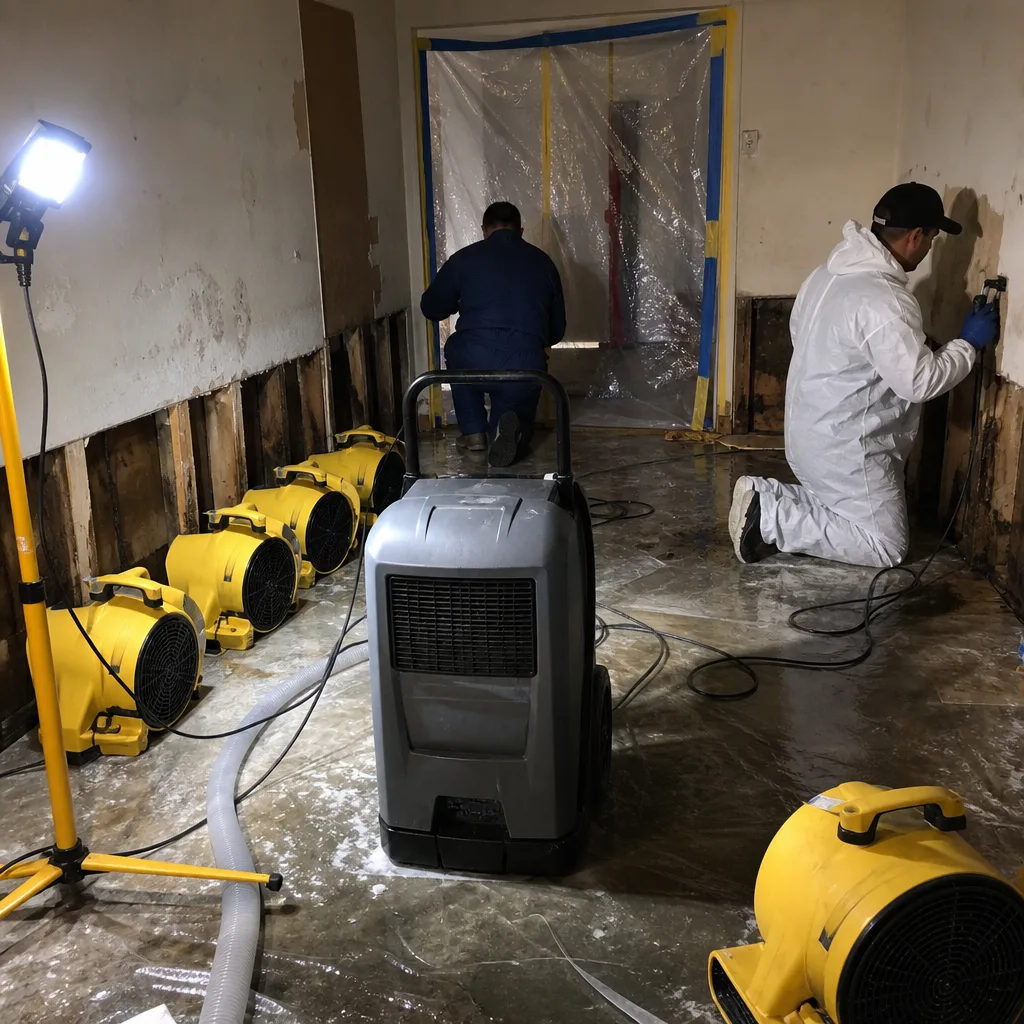
Free visual inspection and a written scope of work before any mitigation begins - photos, moisture readings, and drying logs go in your claim file
The scope we write is the scope we bill. Anything new gets shown to you, in writing, before we touch it.
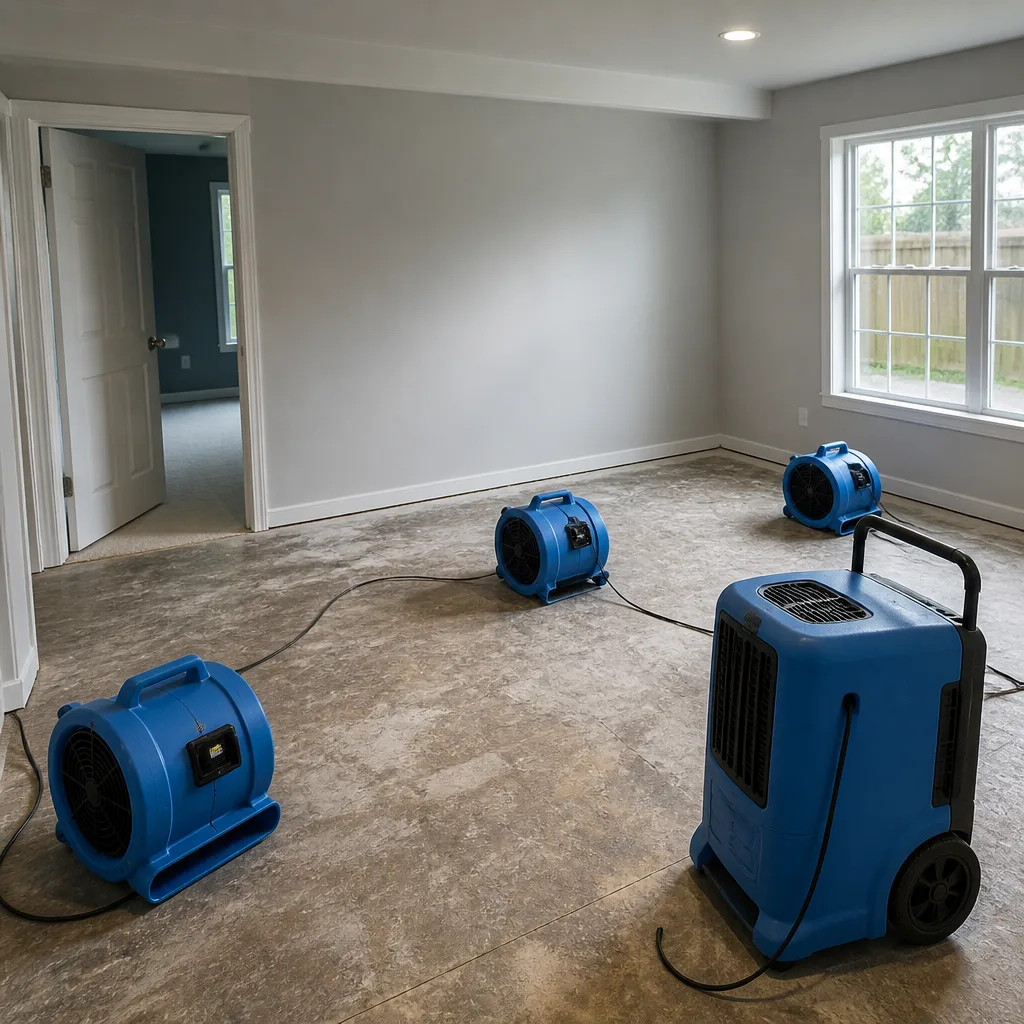
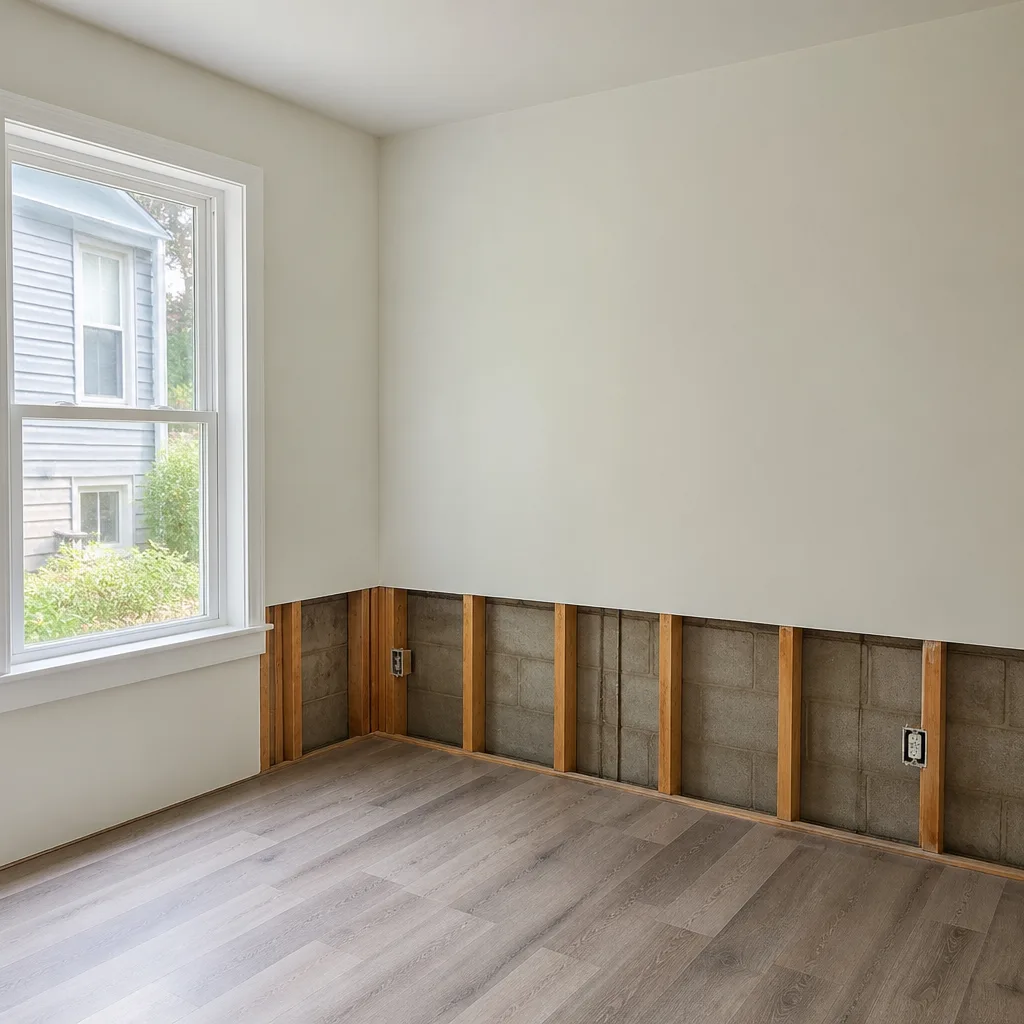
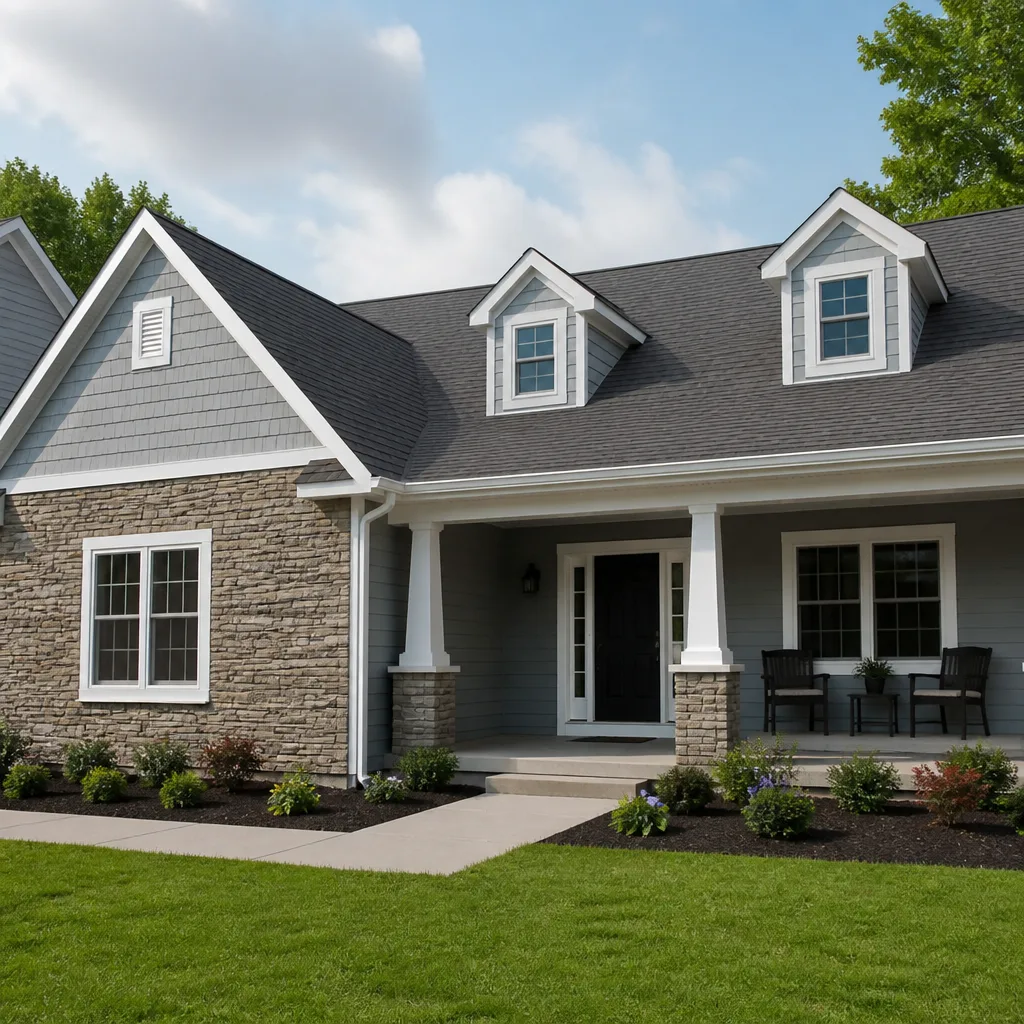
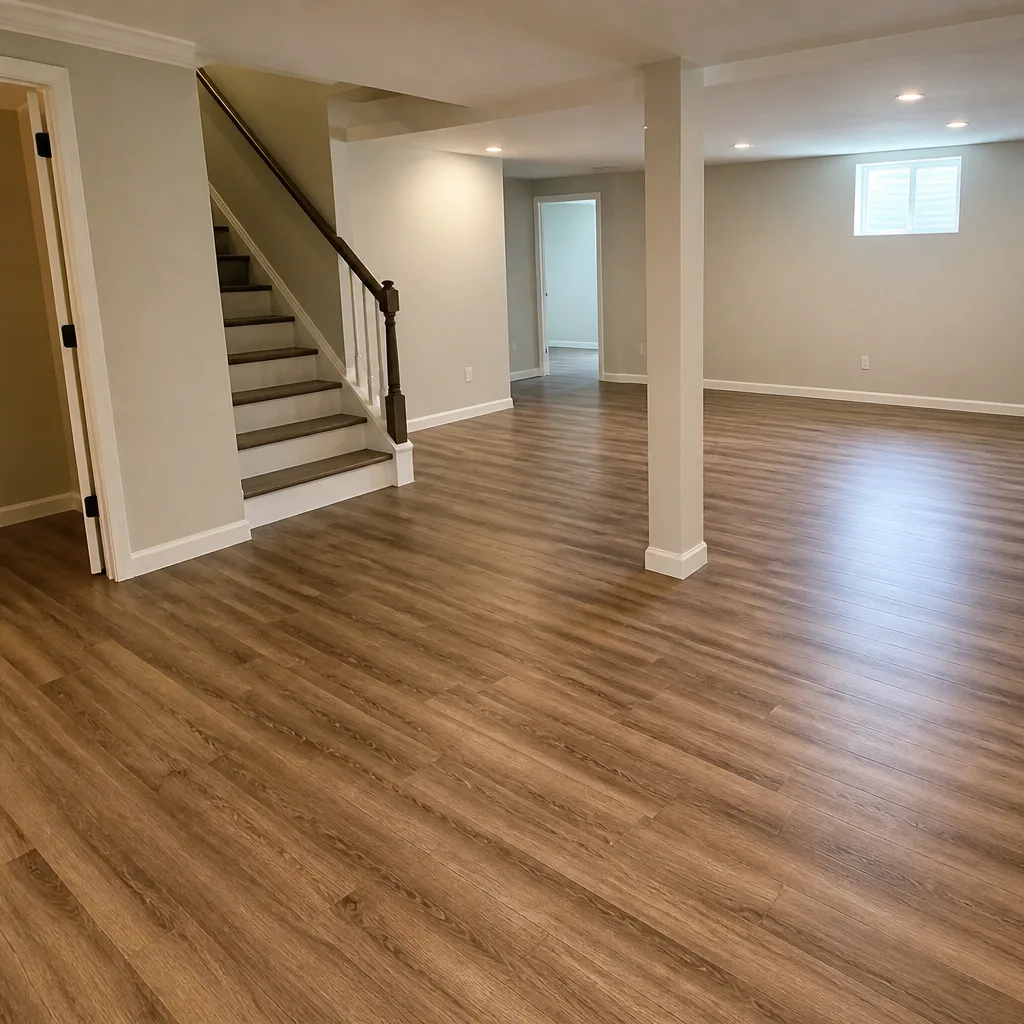
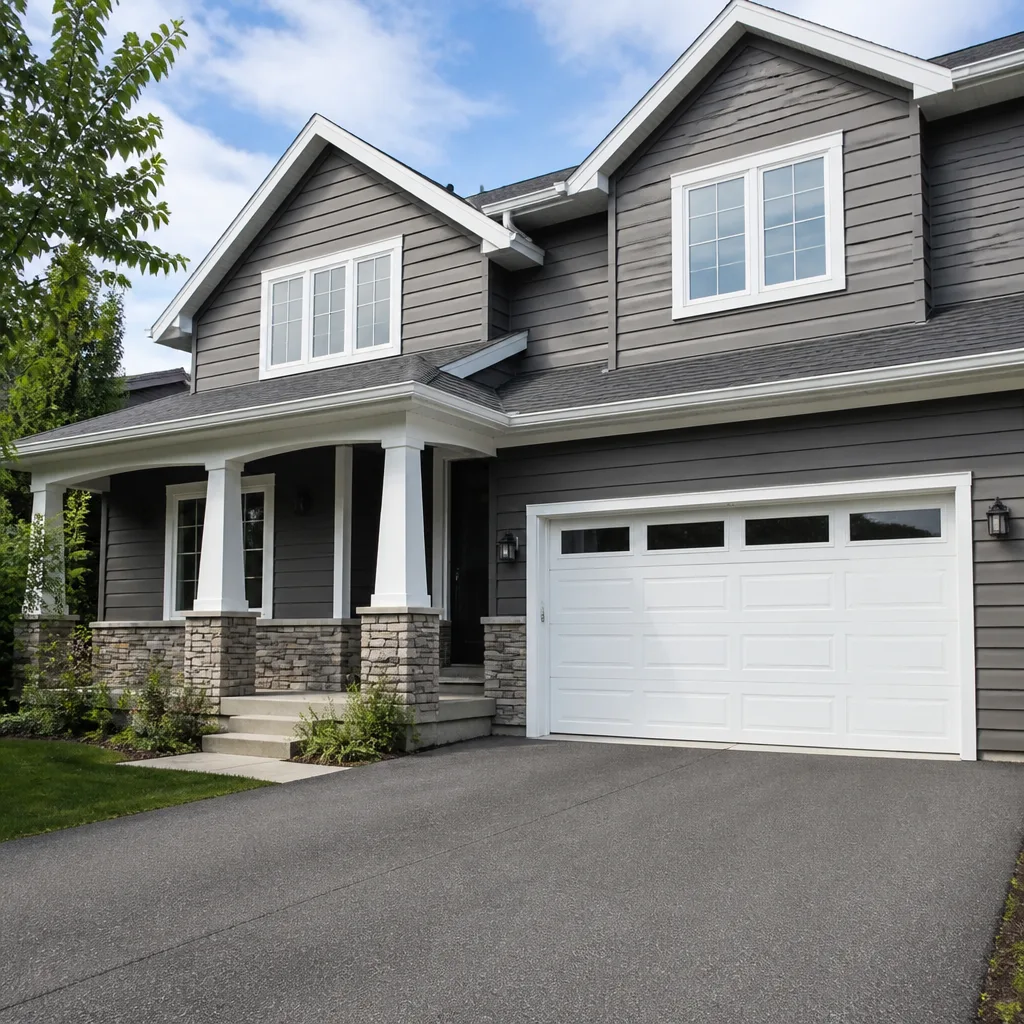
 Before
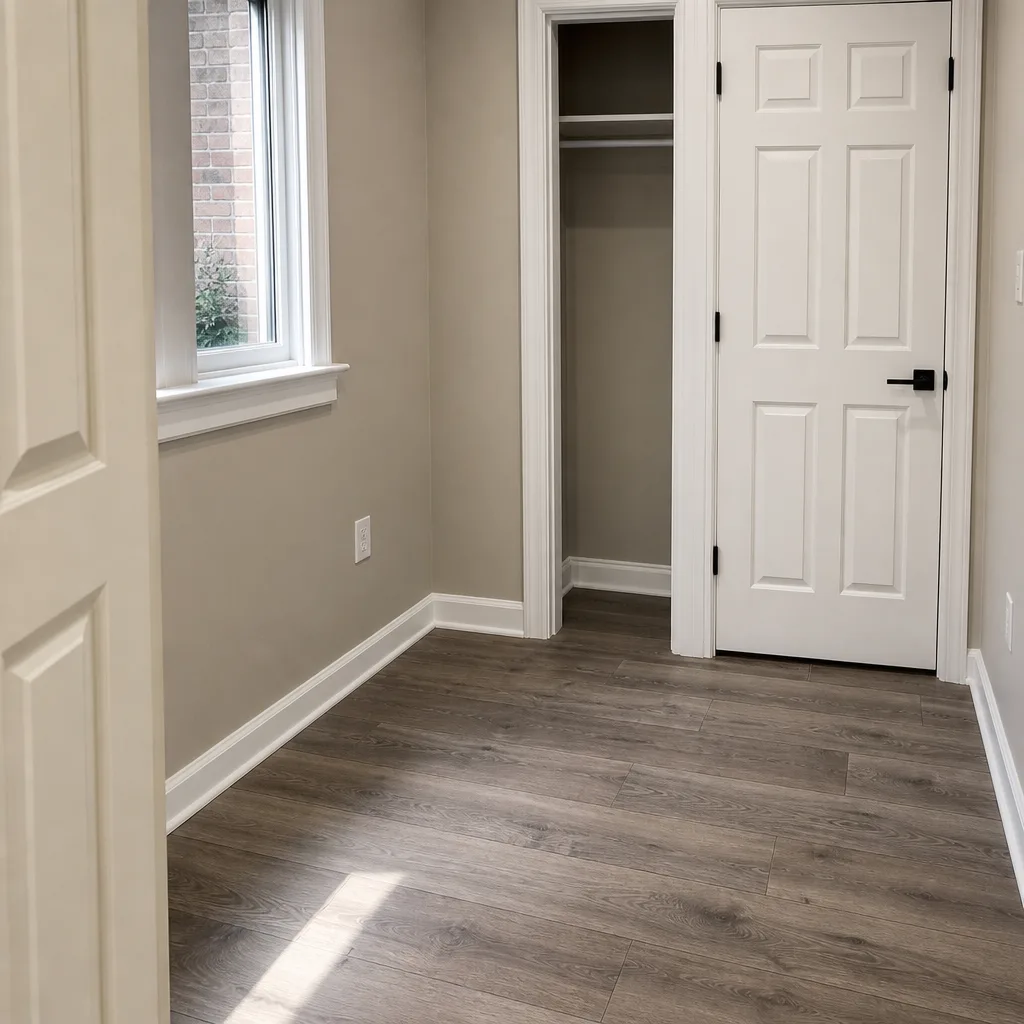 After
After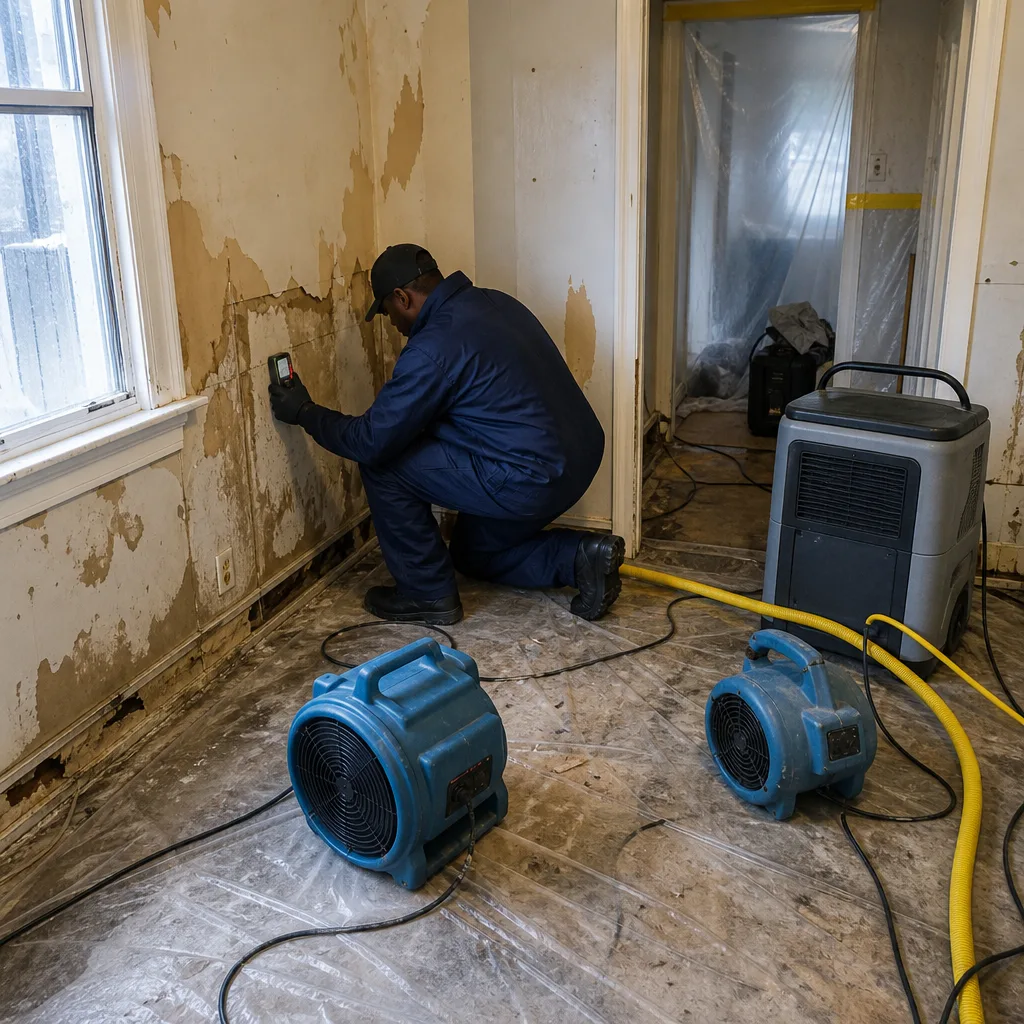 Before
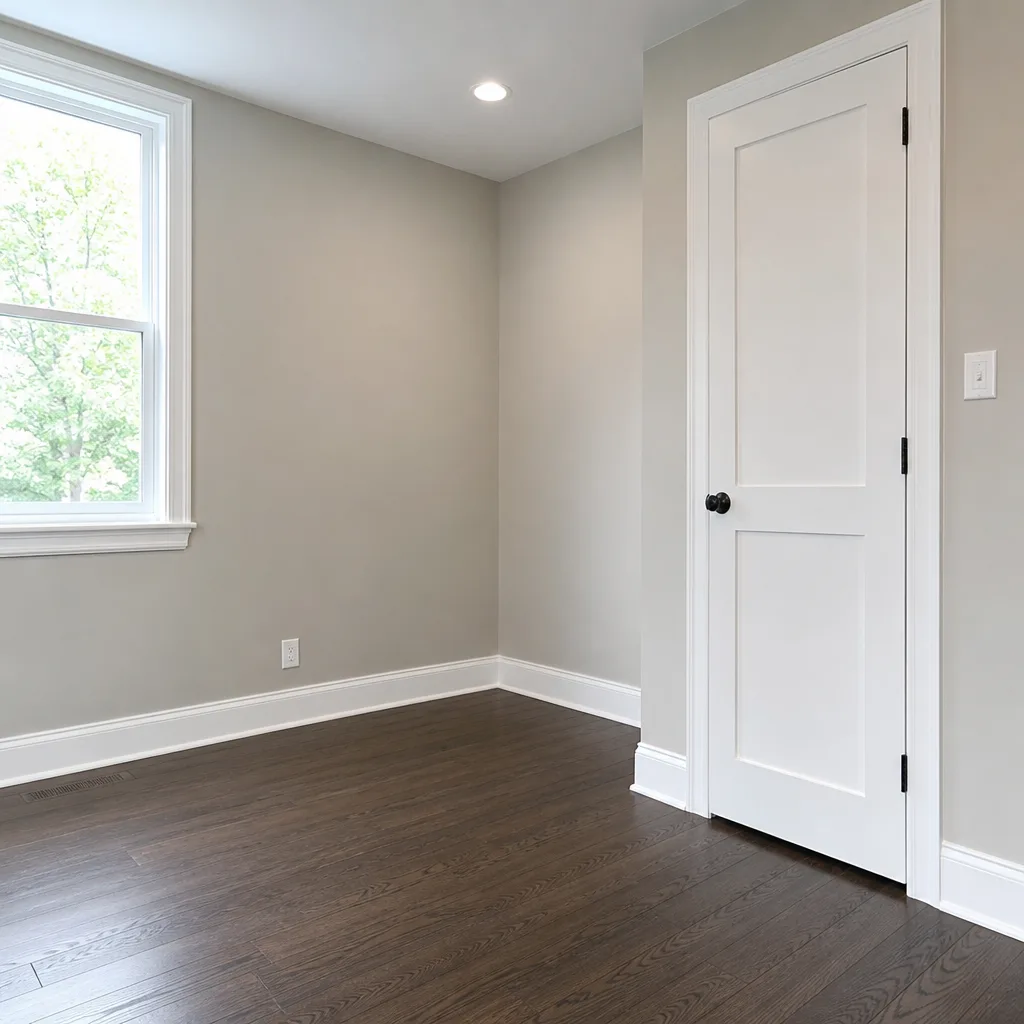 After
After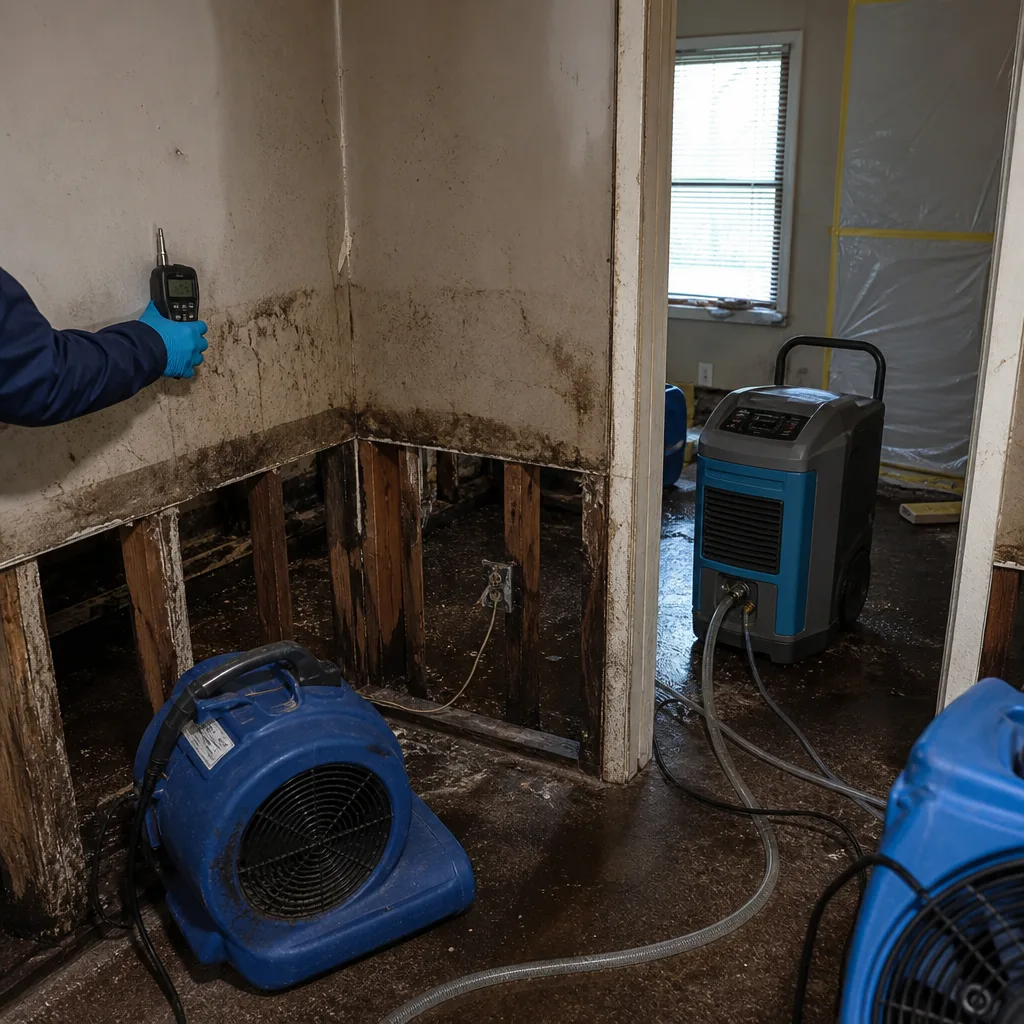 Before
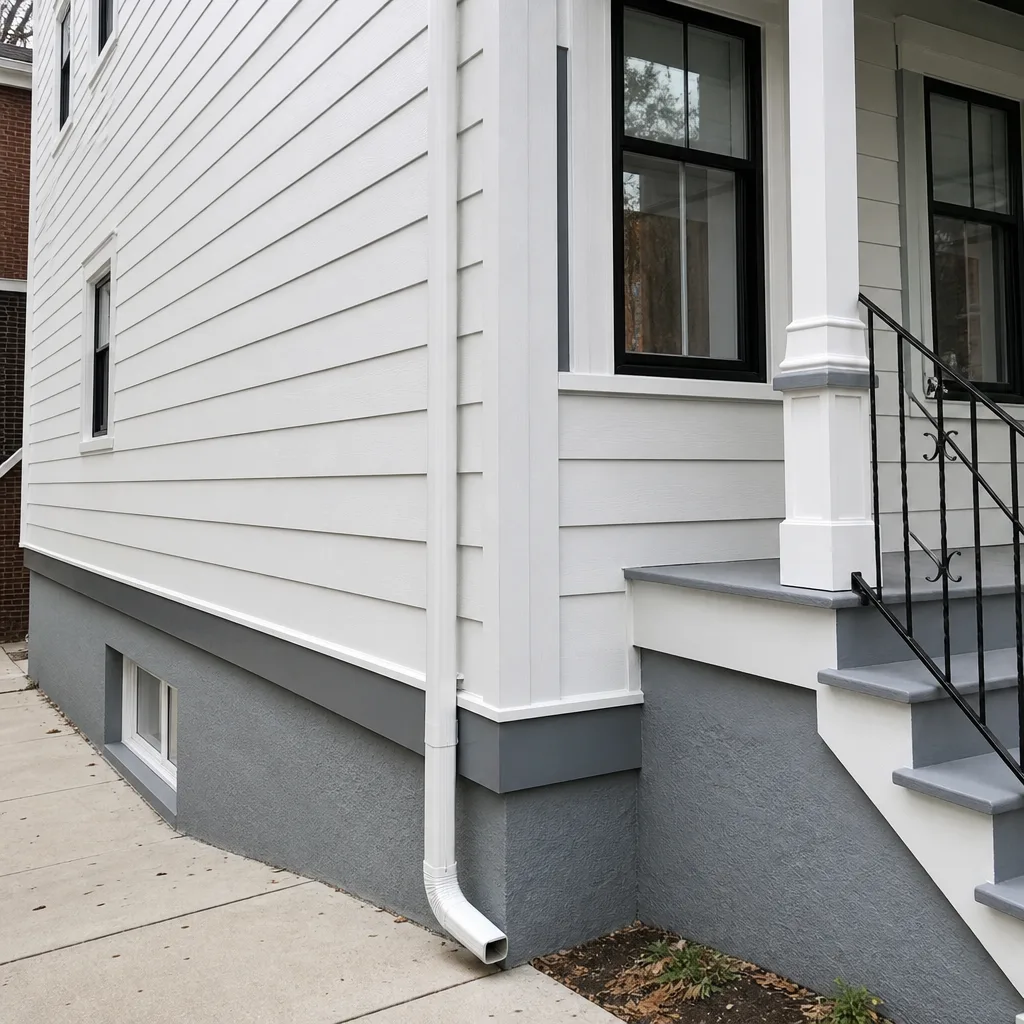 After
After24/7 Emergency Water Damage Restoration in Flatlands
Water damage restoration in Flatlands typically runs $2,800-$6,400 for a finished basement flood, and the first hour after water enters determines whether that number climbs higher. The neighborhood’s position at one of Brooklyn’s lowest elevations, directly against Jamaica Bay’s flood plain, means groundwater and storm surge arrive faster here than almost anywhere else in the borough. When water is rising in a Flatlands basement at 2 a.m., a live person answers at (518) 750-3137 and a crew is dispatched immediately. We do not use answering services. Extraction starts the same visit.
Understanding Water Damage Restoration Severity in Flatlands Properties
Flatlands presents a specific severity profile that changes how we approach every job. The neighborhood’s mid-century brick one- and two-family homes, most built from the 1940s through the 1960s, were constructed before modern waterproofing membranes existed. Finished basements were retrofitted after original construction, leaving unsealed block walls and cavities that absorb and hold Category 3 water for weeks. Category 3 water, the classification for floodwater carrying sewage, pathogens, and ground contaminants, is the dominant water type we encounter in Flatlands. It is not clean pipe water. Moisture mapping in these retrofitted basements routinely reveals saturation that extended two feet above the visible water line, wicked upward through porous block and into fiberglass insulation. Structural drying in Flatlands requires reading wall cavities with thermal imaging, not just the surface. Without cavity-level drying, mold colonization begins within 48 to 72 hours inside walls that never see daylight. This is the single most common failure we find after prior remediation attempts in the neighborhood.
Why Flatlands Property Owners Choose Floodline Restoration Co.
- 45-minute response commitment from our New York City dispatch to Flatlands addresses, with crews staged across southern Brooklyn during storm events.
- 24/7 live answer – a real dispatcher picks up at any hour. Never a recording, never an automated system, never a call-back queue.
- IICRC-certified crews holding WRT (Water Restoration Technician) and ASD (Applied Structural Drying) certifications, trained to RIA and IFA standards.
- Free visual inspection with a written scope before any work begins. You know the price before we touch the walls.
- Direct insurance billing – we coordinate with your carrier, provide photo documentation, and bill them directly so you are not playing messenger.
- One team from extraction to reconstruction. The same certified crew that reads the moisture map on day one dries the structure, logs readings, and rebuilds what needs rebuilding.
Our Water Damage Restoration Process
Inspection & Assessment
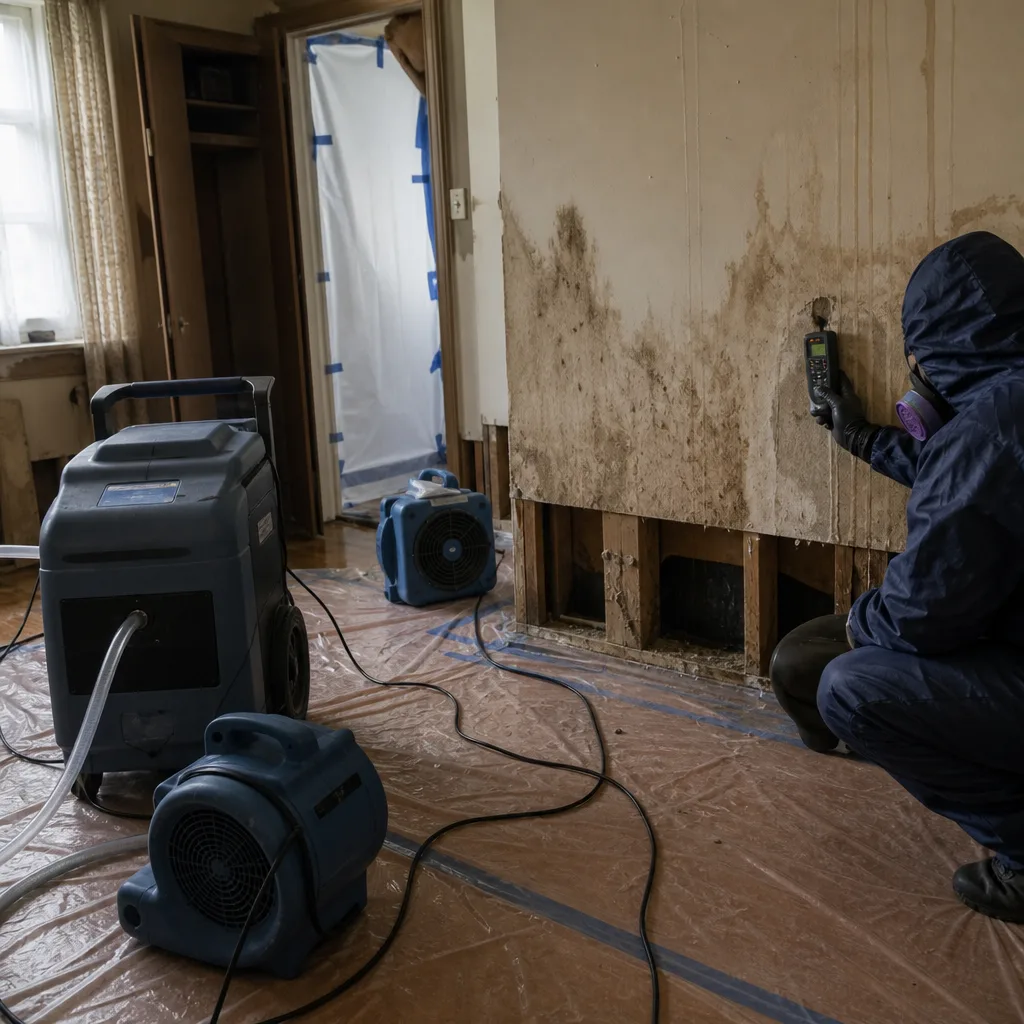
We start with moisture mapping using thermal imaging and penetrating meters to find hidden saturation behind drywall, under subfloor, and inside wall cavities. In Flatlands’s retrofitted basements, water travels through unsealed block far beyond the visible water line. We document everything for your insurer from the first hour.
Extraction & Stabilization
Standing water is removed using truck-mounted extraction and submersible pumps. We cut out saturated materials that cannot be dried, including pre-conditioned insulation from repeated flood events. The line the water left is where we start.
Drying & Dehumidification
Professional-grade Dri-Eaz LGR dehumidifiers and XPOWER air movers are positioned based on the moisture map, not guesswork. Daily readings are logged until the dry standard is met, and the log goes to you and your carrier. Cavity drying matters in Flatlands because the water table is chronically high.
Cleaning & Sanitization
Category 3 floodwater carries contaminants. We apply antimicrobial treatment to exposed framing and block, sanitize affected surfaces, and HEPA-vacuum all cavities before reconstruction begins. This step is not optional after groundwater flooding.
Corrosion & Material Assessment
For Flatlands specifically, we inspect subfloor assemblies, sill plates, and any metal fasteners exposed to salt-laden floodwater from Jamaica Bay. Storm surge carries chlorides that accelerate rot and corrosion in the neighborhood’s mid-century framing well after the water is gone.
Repairs & Restoration
Rebuild happens with the same crew. Drywall, insulation, flooring, and trim are replaced to pre-loss condition. Our 90-Day Done Right Promise – the Keystone Standard – is in writing before we hand you the keys back.
Need Emergency Water Damage Restoration in Flatlands Now?
Crews minutes away, answering live 24 hours a day. The sooner we start, the less it costs.
Working With Your Insurance Company
Floodline Restoration Co. has handled insurance claims in Flatlands since Sandy reshaped how carriers approach this neighborhood. We photograph everything, in every room, before and after extraction. We take moisture readings on day one and log them daily until the structure hits dry standard. We write a line-item scope in the format carriers expect, with the documentation that keeps a claim moving. Most importantly, we talk to your adjuster directly. You hired us to fix the house, not to manage a claim file. FEMA-assisted repairs after Sandy left many Flatlands homes with incomplete drying, and carriers now scrutinize water damage claims here closely. Our documentation answers their questions before they ask them.
What We Provide Your Insurer
- Thorough documentation of the loss
- Photos of all damage, room by room
- Moisture readings and drying logs
- A detailed, line-item scope of work
- Direct coordination with your carrier
Built for Flatlands’s Loss Calendar
Flatlands has a flood calendar, and it repeats every year. Late summer hurricane season and autumn nor’easters bring storm surge up through Jamaica Bay and the Paerdegat Basin, overwhelming street drains on impermeable surfaces and pushing Category 3 water into basements. Winter deep freezes burst supply lines in uninsulated crawlspaces, sending clean Category 1 water through ceilings and finished floors. Spring thaw raises the water table against foundations that were never waterproofed, producing slow seepage that homeowners do not notice until musty odors arrive. Summer thunderstorms drop inches of rain in an hour, and the neighborhood’s extreme flatness means that water has nowhere to go. Each season has a signature damage pattern. Our crews in Flatlands see the full cycle every year, and our moisture mapping approach is built for each one. The recurring theme is this: in Flatlands, extraction is never enough. The drying is the job.
Water Damage Restoration Across Flatlands’s Neighborhoods
Response routes in Flatlands follow the neighborhood’s street grid and the building stock that defines each section. The blocks around Flatbush Avenue and Avenue N are dense with 1940s brick colonials with finished basements that flood from street water before the rain has even stopped. Over toward Ralph Avenue and the Paerdegat Basin, homes sit close enough to the water that storm surge arrives with the tide, not the rain, and Category 3 water moves through the block fast. The section near Kings Plaza and the Belt Parkway deals with drainage overwhelmed by commercial runoff. Over by Marine Park and the southern edge of Flatlands, groundwater sits high year-round, so seepage is chronic and basements stay humid even in dry weeks. Each section has a different water source, but the same problem: mid-century construction with no waterproofing membrane, holding water in cavities that were never built to dry.
Specialized Water Damage Restoration Services We Offer in Flatlands
Emergency Water Extraction
Standing water in a Flatlands basement is a structural threat and a biological one. Category 3 water from street flooding or storm surge carries sewage and ground contaminants. We extract with truck-mounted equipment, not portable shop vacs. The water is out the same visit.
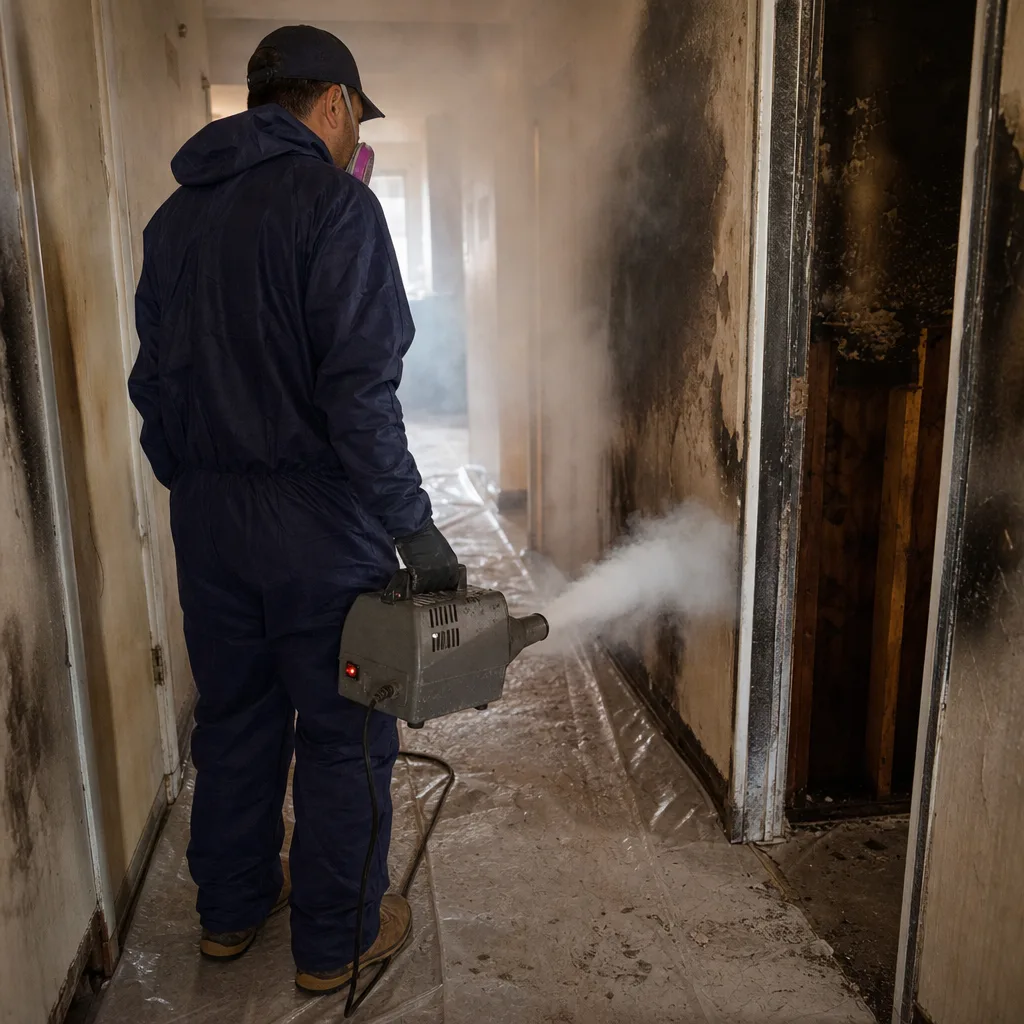
Structural Drying & Dehumidification
This is the step most often skipped in Flatlands after a flood. Dri-Eaz LGR dehumidifiers and XPOWER air movers are positioned according to a moisture map, with daily readings until the dry standard is met. Cavity drying is mandatory here, because the water table keeps pushing moisture back toward anything that is still wet.
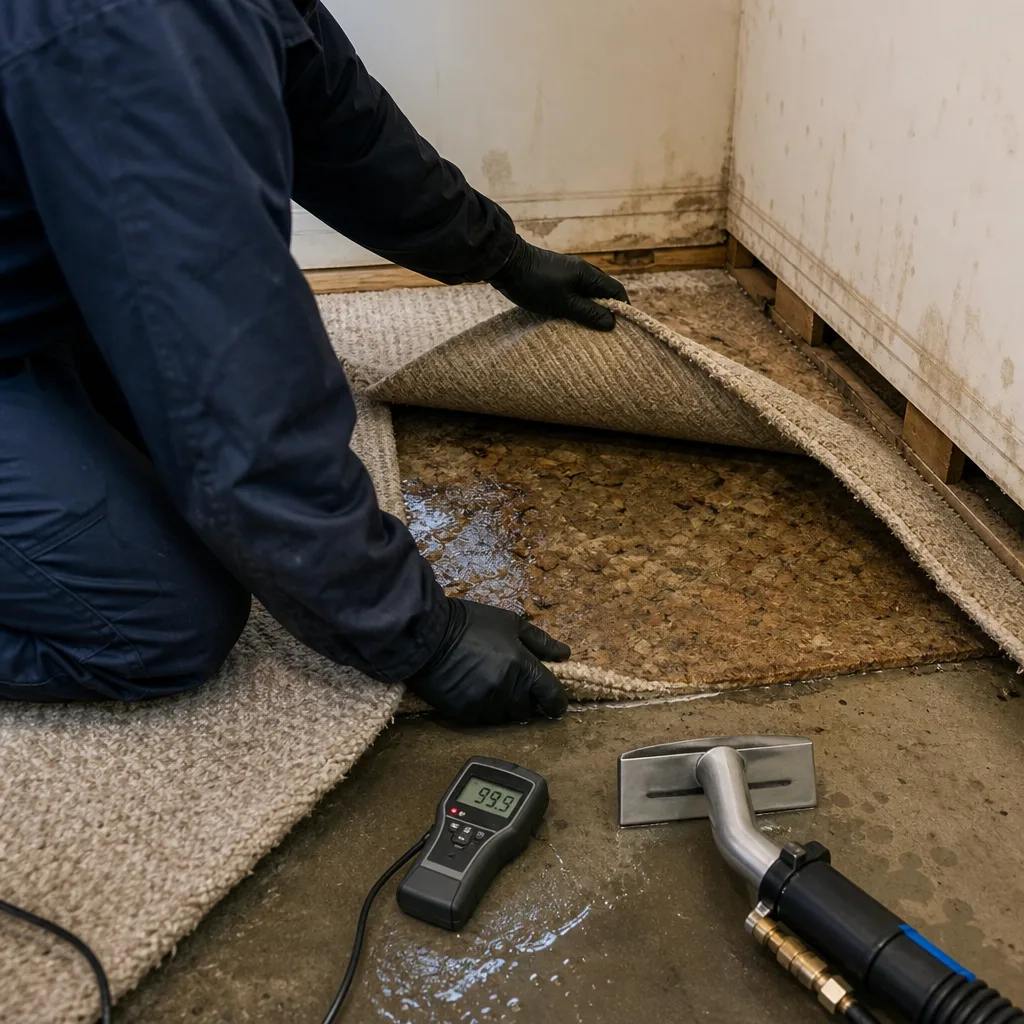
Flood Cleanup
Nor’easter and storm surge cleanup in Flatlands means removing contaminated water, cutting saturated drywall and insulation, treating framing with antimicrobials, and drying the structure correctly. Prior remediation that skipped any one of these steps is why Sandy-era mold still surfaces in this neighborhood.
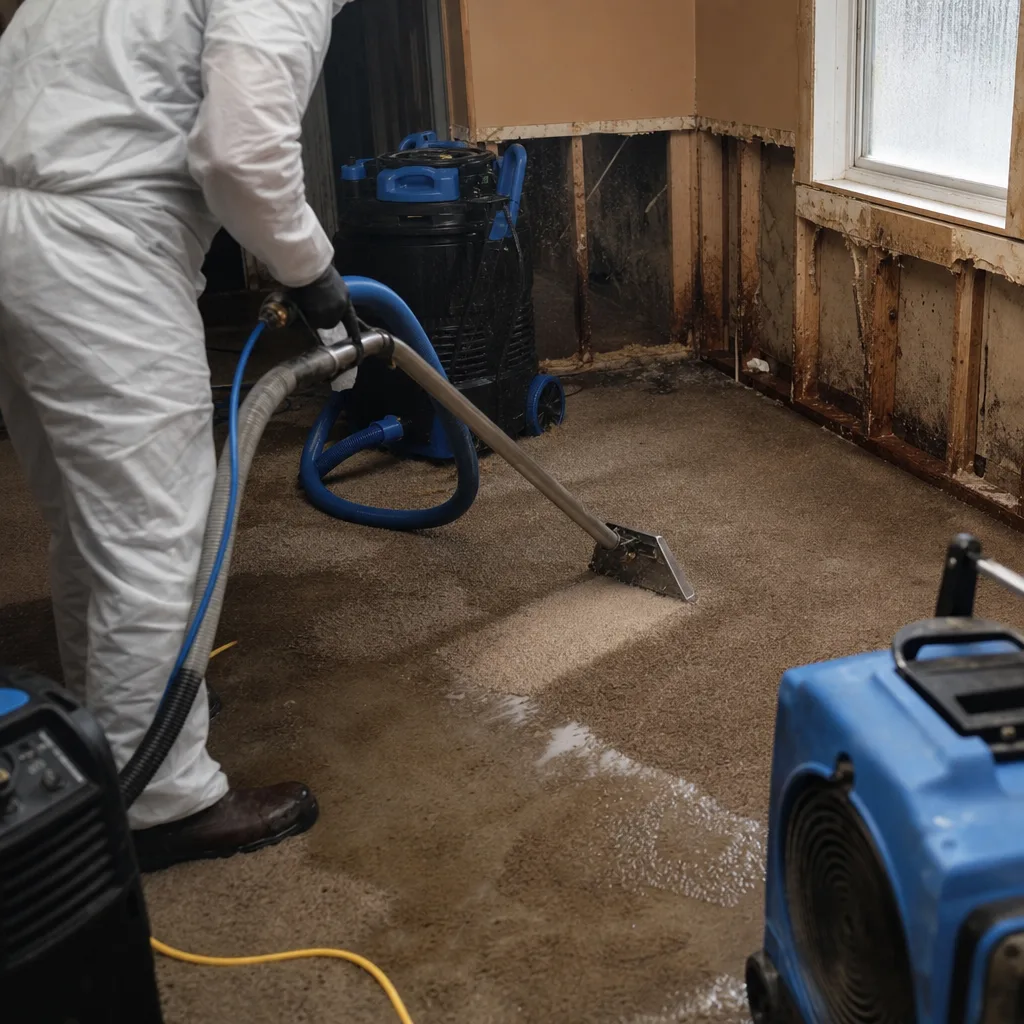
Burst Pipe Restoration
Winter freezes in Flatlands split supply lines in uninsulated crawlspaces and exterior walls. The water is Category 1, clean, but the damage is often worse than a flood because it sat unnoticed while homeowners were asleep or away. We handle extraction, drying, and full restoration of ceilings, walls, and floors.
Basement Water Removal
Flatlands basements flood from below as often as from above. High water table, unsealed block, and overworked street drains all push water through foundation walls. We remove it, map the moisture, and dry the structure so the water does not simply re-enter through the same path it came in.
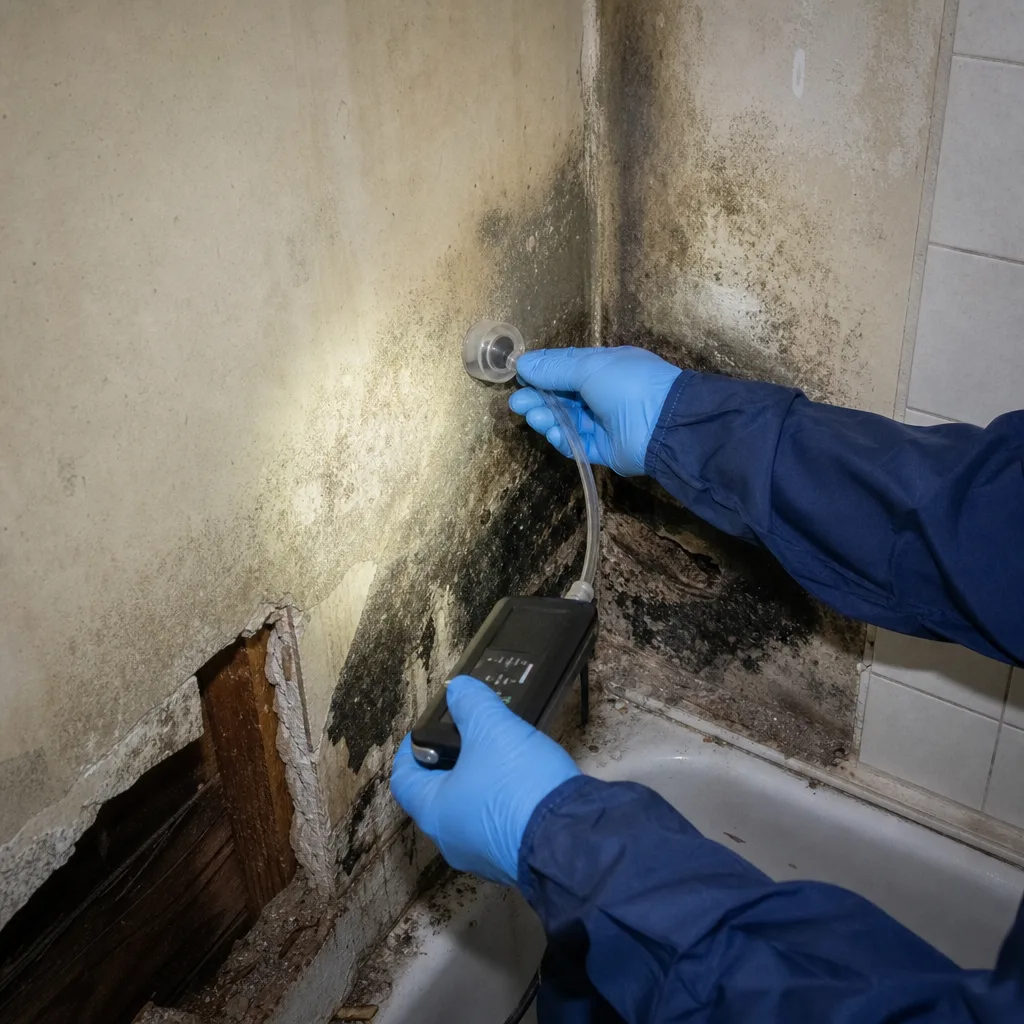
Ceiling & Roof Leak Water Damage
Storm damage to aging Flatlands roofs lets water into wall cavities and ceiling assemblies where it stays hidden until staining or odor appears. We trace the migration path with thermal imaging, not just the visible stain, and dry the full cavity before repair work begins.
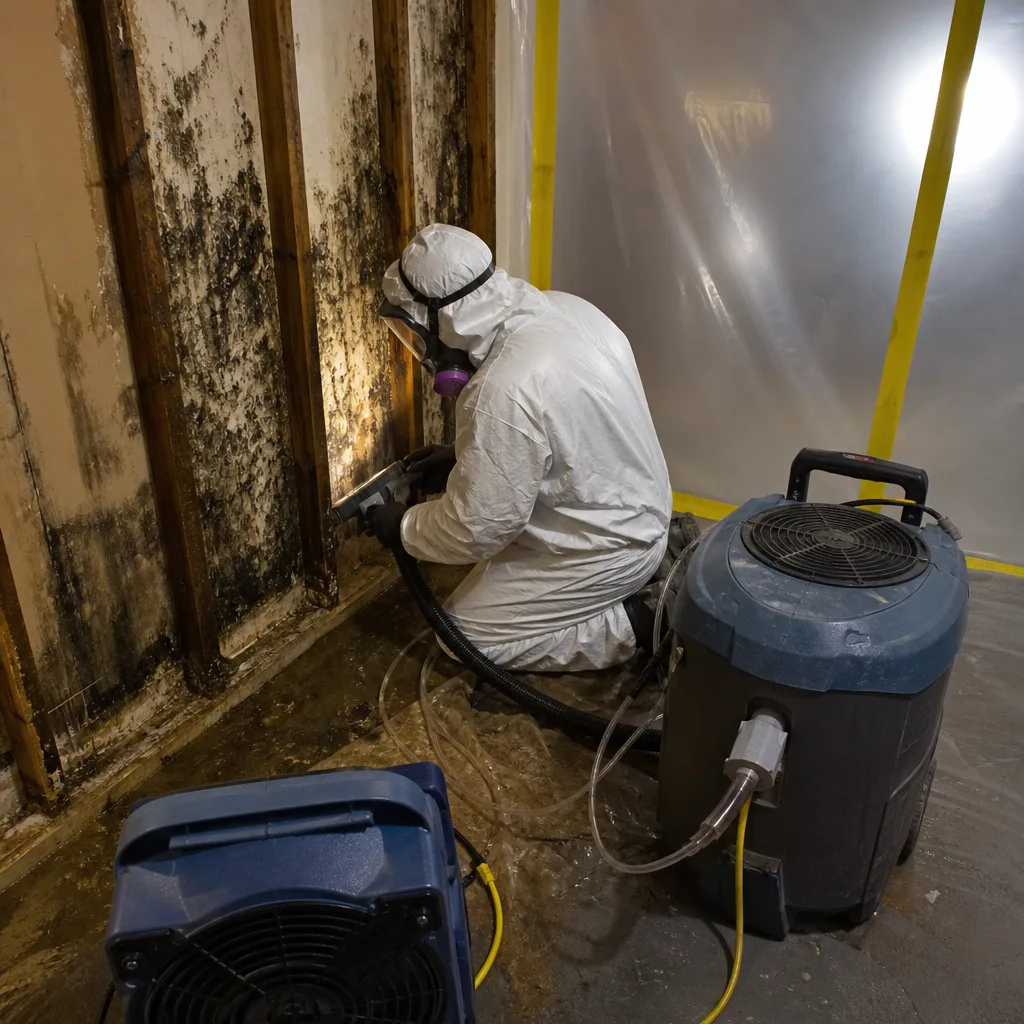
What happens when you call
- 1
A real person answersNo phone trees - you reach a local pro.
- 2
You get an upfront price rangeHonest numbers before anyone is dispatched.
- 3
A background-checked tech heads outLicensed & insured, dispatched right away.
- 4
You approve before work beginsNothing starts until you say go.
Water Damage Restoration Costs in Flatlands, NY
Emergency water extraction in Flatlands runs $1,200-$2,800 for a typical finished basement with standing water. Structural drying and dehumidification adds $2,000-$4,500 depending on square footage and how far water traveled through the walls. Flood cleanup for Category 3 water, including antimicrobial treatment and material removal, ranges $3,500-$7,500. Burst pipe restoration falls in the $2,500-$6,000 range. These are honest numbers for this neighborhood, where the housing stock’s age and the water table both push costs higher than inland Brooklyn. Insurance covers most sudden and accidental events, including storm surge and pipe bursts, and the free visual inspection gives you a firm scope before any money leaves your pocket. Call (518) 750-3137 for an exact quote – estimates are free.
Key Takeaways
- Flatlands is in FEMA flood zone AE at one of Brooklyn’s lowest elevations, so Category 3 groundwater flooding is the dominant damage type.
- Retrofitted basements in 1940s-1960s brick homes were built without waterproofing membranes and hold water in wall cavities.
- Extraction alone is never enough here. Structural drying with daily moisture logs is the difference between a dry basement and a mold claim next year.
- The 90-Day Done Right Promise covers every job in writing, no arguing, no paperwork battles.
- We bill your insurance carrier directly and talk to your adjuster so you do not have to.
We Also Serve Cities Near Flatlands
Our crews respond to water damage emergencies beyond Flatlands, including East Flatbush, Sunset Park, Bedford-Stuyvesant, and Bensonhurst. The same 45-minute response, the same live 24/7 dispatch, and the same written guarantee apply throughout southern Brooklyn.
Flatlands Water Damage Restoration Questions, Answered
How fast can mold start in a Flatlands basement after a nor’easter flood?
Mold colonization begins within 48 to 72 hours in the warm, humid cavities of a Flatlands basement after Category 3 water enters. Call (518) 750-3137 immediately after the water recedes, and we will have extraction and drying equipment running before that window closes.
Why does my Flatlands home flood from the street even when it’s not raining hard?
Flatlands sits at one of Brooklyn’s lowest elevations, directly abutting Jamaica Bay’s flood plain, with large portions of the neighborhood in FEMA flood zone AE. When the tide is high, street drains cannot discharge, and water backs up into basements through foundation walls and floor drains.
Can you dry my basement without removing the finished drywall if the water was clean?
If the water was Category 1 from a burst pipe and the drywall was wet for less than 24 hours, we can often dry it in place using cavity drying equipment and HEPA air scrubbers. If it was Category 3 floodwater, the drywall must be cut out. Floodwater carries contaminants that drying cannot remove. Call (518) 750-3137 and we will tell you which one you have.
My house got FEMA help after Sandy but flooded again - is this a recurring problem here?
Yes. Many Flatlands homes were repaired in place after Sandy rather than elevated, and our crews routinely work in structures that have flooded two or three times since 2012. Prior remediation often missed hidden saturated cavities in retrofitted basements without waterproofing membranes. We address those cavities specifically.
Do I need a separate mold inspection after water damage in Flatlands, or does your restoration include it?
Our restoration includes mold assessment and antimicrobial treatment as part of the drying process. If mold is already established, our team holds AMRT certification and handles remediation directly. You do not need to hire a separate company. Call (518) 750-3137 for a free visual inspection.
How fast can you actually get to a Flatlands address?
Our commitment is 45 minutes, and our dispatchers are staged across southern Brooklyn during storm events. During a nor’easter, we position crews near the Paerdegat Basin and Flatbush Avenue corridors before the water peaks. A live person answers the phone at every hour.